



Smart speakers have quietly revolutionized how we interact with our homes, but choosing the right one can feel overwhelming. Two compact options dominate different ends of the market: Google's budget-friendly Nest Mini 2nd Gen and Amazon's premium Echo Dot Max. While both fit on your nightstand, they represent fundamentally different approaches to what a small smart speaker should be.
Before diving into specifics, it's worth understanding what makes a smart speaker genuinely useful versus just another gadget. The best smart speakers excel in four key areas: they respond accurately to your voice from across the room, they sound good enough that you actually want to listen to music on them, they control your smart home devices reliably, and they integrate smoothly with the services you already use.
Audio quality often gets overlooked when shopping for smart speakers, but it shouldn't. Even if you're not an audiophile, the difference between a speaker that makes your favorite songs sound muffled versus one that brings out details you've never noticed is significant. Similarly, voice recognition isn't just about whether the speaker hears you - it's about whether it understands what you mean and responds quickly enough to feel natural.
Smart home integration has become increasingly important as more people add connected lights, locks, and sensors to their homes. A speaker with built-in hub functionality (essentially a central controller that communicates directly with smart devices) can simplify your setup considerably compared to one that requires separate hubs for different device types.
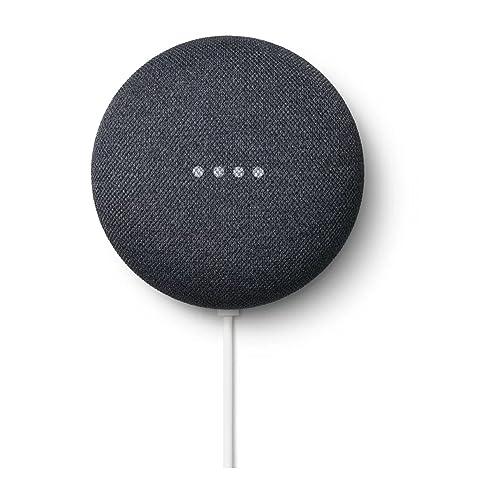
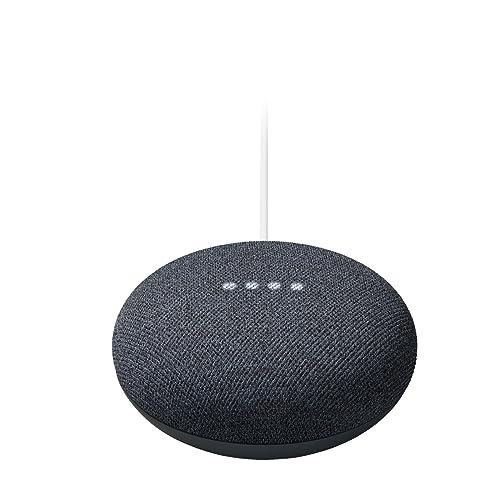
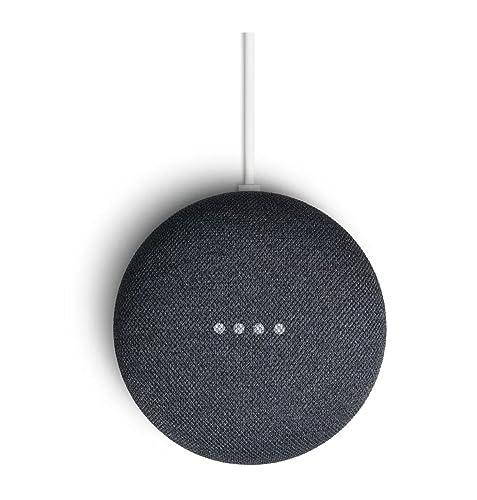
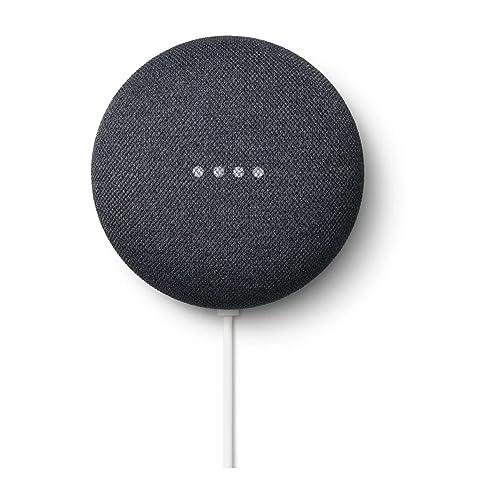
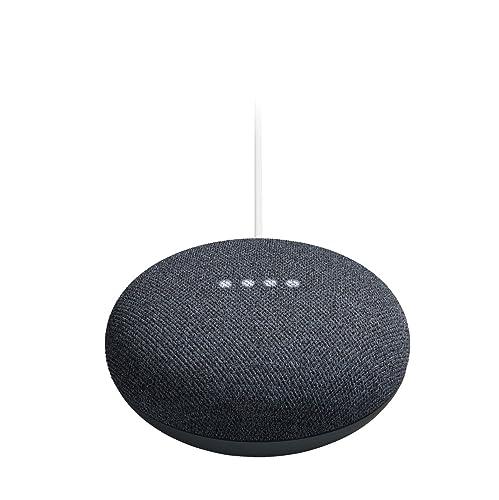
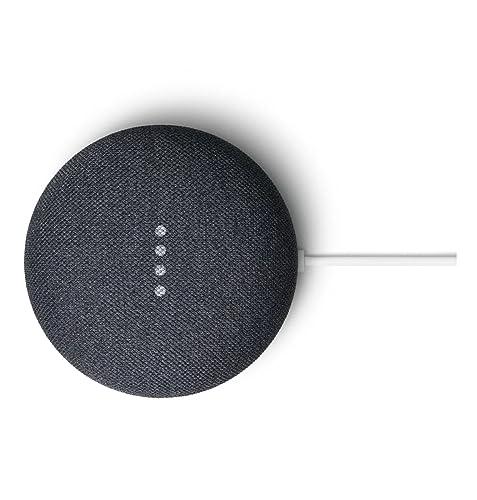
The Google Nest Mini 2nd Gen, released in 2019, represents Google's philosophy of making smart speakers accessible to everyone. At roughly the size of a hockey puck, it prioritizes affordability and seamless integration with Google's ecosystem of services. Google improved the audio over the original Mini by adding a larger 40mm driver and doubling the bass response, but kept the price low and the design minimal.
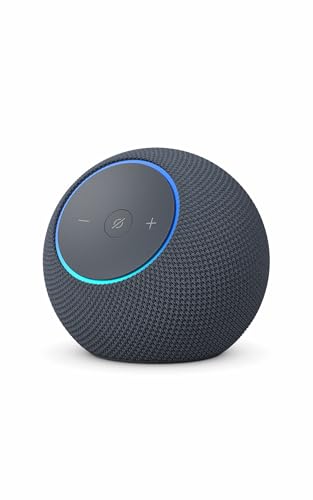
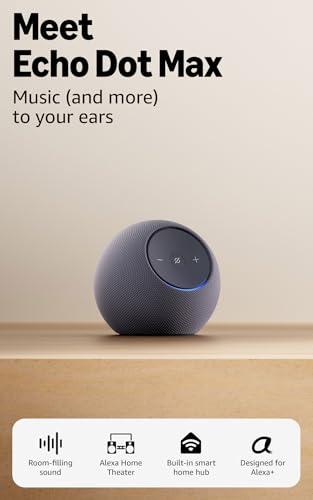
Amazon's Echo Dot Max, launched in 2024, takes a different approach entirely. Rather than competing primarily on price, Amazon designed it as a premium compact speaker that happens to be smart. The spherical design houses a two-way speaker system - meaning separate drivers for high and low frequencies - along with advanced processing hardware that enables features like spatial audio (sound that seems to come from all around you rather than a single point).
The audio quality gap between these speakers is substantial, and it's worth understanding why. The Nest Mini 2nd Gen uses a single 40mm driver to handle all frequencies from deep bass to high treble. This approach keeps costs down but creates inherent limitations. When a single driver tries to reproduce both the deep thump of a bass drum and the crisp clarity of a violin, compromises are inevitable.
Our research into professional reviews and user feedback consistently shows that while the Nest Mini sounds surprisingly good for its size and price point, it lacks the low-end punch that makes music feel engaging. The sound is balanced and clear in the midrange frequencies where voices live, making it perfectly adequate for podcasts, audiobooks, and background music. However, genres that rely on bass presence - hip-hop, electronic music, rock - lose much of their impact.
The Echo Dot Max addresses these limitations with its two-way speaker design. The dedicated woofer handles bass frequencies while a custom tweeter focuses on highs, allowing each driver to specialize in what it does best. According to Amazon's specifications and corroborating reviews, this results in nearly three times the bass output of a standard Echo Dot. More importantly, the separation between frequency ranges creates a more open, spacious sound that doesn't feel cramped or compressed.
The spatial audio support in the Echo Dot Max represents a genuine technological advancement for compact speakers. This technology processes stereo recordings to create the illusion that sound is coming from multiple directions, similar to how movie theaters create surround sound effects. While it can't match dedicated surround systems, the effect is noticeable and adds immersion to music and audio content.
For perspective on what this means practically: if you primarily use your smart speaker for setting timers, checking weather, and controlling smart lights, the audio differences matter less. But if you regularly stream music, listen to podcasts while cooking, or want your speaker to provide ambient sound throughout the day, the Echo Dot Max's superior audio becomes a daily quality-of-life improvement.
Both speakers excel at hearing and understanding voice commands, but they achieve this through different approaches. The Nest Mini 2nd Gen uses three far-field microphones arranged to capture sound from all directions. Google's voice processing, refined over years of development, excels at understanding natural language and context. If you ask "What's the weather like tomorrow?" followed by "How about Saturday?", Google Assistant understands that you're still asking about weather without needing to repeat the full question.
The Echo Dot Max enhances the traditional approach with its AZ3 processor and AI Accelerator chip. These components enable real-time processing of voice commands and background noise filtering. The enhanced microphone array reportedly performs better in noisy environments - useful when you're trying to control music while cooking or need to set a timer during a dinner party.
Google Assistant and Alexa each have distinct personalities and strengths. Google Assistant leverages Google's search expertise to answer complex questions and integrates naturally with Google services like Calendar, Gmail, and Maps. Alexa focuses more on smart home control and has a broader ecosystem of third-party skills (essentially apps for voice assistants), though the quality of these skills varies widely.
One practical consideration: if you use an Android phone and Google services extensively, the Nest Mini's integration feels more seamless. It can access your personal information with appropriate permissions, read your calendar, and coordinate with other Google devices. Conversely, if you're already invested in Amazon's ecosystem or use Alexa skills regularly, the Echo Dot Max builds on that familiarity.
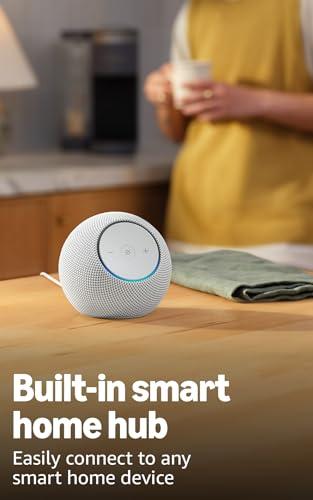
This area showcases one of the Echo Dot Max's most significant advantages. The built-in Zigbee hub functionality means it can directly control compatible smart home devices without requiring additional hardware. Zigbee is a wireless communication protocol used by many smart lights, sensors, and switches. Without a built-in hub, you typically need to buy separate bridge devices for different brands - a Philips Hue bridge for Hue lights, a SmartThings hub for Samsung devices, and so on.
The Nest Mini 2nd Gen supports Matter, a newer standard designed to make smart home devices work together regardless of brand. While Matter represents the future of smart home compatibility, it's still rolling out across devices. In the meantime, the Nest Mini relies on cloud connections and brand-specific integrations, which can be less reliable and slower than direct hub communication.
For someone just starting with smart home devices, the Echo Dot Max's built-in hub capabilities significantly simplify setup and ongoing management. You can often connect new devices directly without additional apps or bridges. For existing smart home users, the value depends on what devices you already own and how they're currently connected.
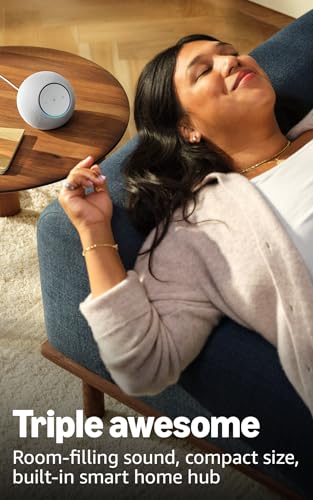
The Echo Dot Max shines in multi-speaker setups thanks to its spatial audio processing and Dolby Atmos support. When paired with additional Echo speakers or used with Fire TV devices, it can create genuine surround sound experiences. The room-filling audio technology automatically adjusts sound based on your space's acoustics, optimizing performance whether the speaker is on a shelf, desk, or mounted on a wall.
While the Nest Mini 2nd Gen supports multi-room audio grouping with other Google speakers, it lacks the acoustic sophistication for home theater applications. The limited bass response and single-driver design mean it functions more as a satellite speaker in larger systems rather than a primary audio source.
For home theater enthusiasts, this difference is significant. A pair of Echo Dot Max speakers can provide meaningful surround sound enhancement for TV watching, while multiple Nest Mini units serve better as whole-home audio distribution rather than focused entertainment systems.
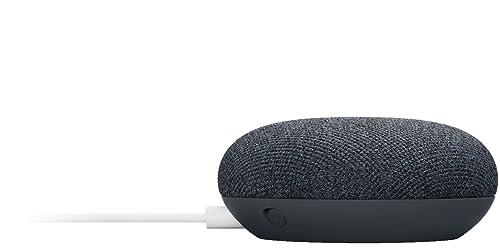
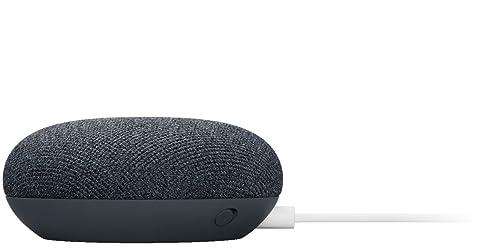
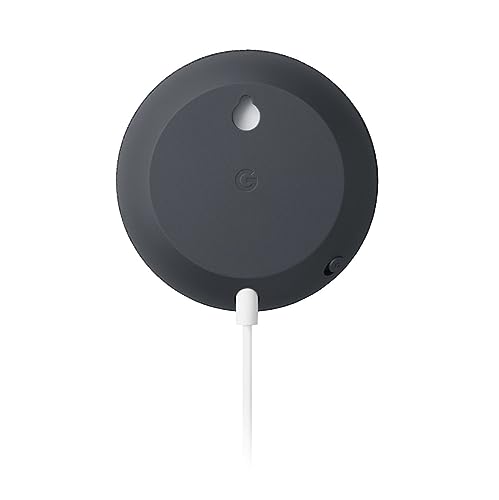
The design differences reflect each product's intended use. The Nest Mini 2nd Gen's low profile and wall-mounting capability prioritize discretion. Its fabric top, made from 100% recycled plastic bottles, gives it a homey rather than technological appearance. At just 98mm in diameter and 42mm tall, it disappears into most room setups.
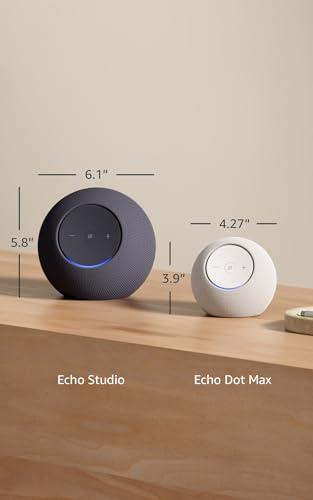
The Echo Dot Max's spherical design serves acoustic purposes as much as aesthetic ones. The larger internal volume accommodates the two-way speaker system, while the spherical shape helps disperse sound evenly. The 3D knit fabric exterior provides acoustic transparency - meaning it doesn't interfere with sound waves - while maintaining visual appeal.
Neither design is inherently better, but they suit different preferences and spaces. The Nest Mini works better in bedrooms, kitchens, or anywhere you want smart speaker functionality without visual distraction. The Echo Dot Max makes more sense in living rooms, offices, or spaces where it serves as both functional device and conversation piece.
At the time of writing, the price gap between these speakers reflects their different market positions. The Nest Mini 2nd Gen typically costs significantly less than the Echo Dot Max, making it one of the most affordable entry points into smart speakers. For basic voice assistant tasks, smart home control, and casual listening, it delivers solid functionality at a budget-friendly price.
The Echo Dot Max commands a premium that's justified if you value audio quality, advanced features, and built-in smart home hub functionality. The question becomes whether those improvements are worth the additional cost for your specific use case.
Consider the total cost of ownership: if you need a separate smart home hub anyway, the Echo Dot Max's built-in functionality offsets some price difference. If you plan to add more speakers later for multi-room audio, the Echo Dot Max's superior sound quality becomes more valuable over time.
Choose the Google Nest Mini 2nd Gen if you're budget-conscious, deeply integrated with Google services, or need a discrete speaker for basic smart home control and voice assistance. It excels in bedrooms, kitchens, and secondary locations where you want voice control without prioritizing audio quality. The environmental sustainability of its recycled materials appeals to eco-conscious buyers, and its compact size works well in smaller spaces.
The Amazon Echo Dot Max makes sense for users who prioritize audio quality, want advanced smart home integration, or plan to use multiple speakers for home entertainment. Its spatial audio capabilities and robust bass response make it suitable as a primary speaker for smaller rooms, while the built-in hub functionality simplifies smart home setup and management.
For home theater applications, the Echo Dot Max is clearly superior thanks to its Dolby Atmos support and multi-speaker coordination. If you envision building a wireless surround sound system or want a speaker that can handle both background music and focused listening, the premium features justify the higher cost.
The deciding factor often comes down to how you'll primarily use the speaker. For voice commands, basic smart home control, and background audio, the Nest Mini provides excellent value. For music listening, home theater enhancement, and advanced smart home integration, the Echo Dot Max delivers features that budget speakers simply cannot match.
Both represent smart engineering choices within their respective price points. Your decision should align with your priorities: maximum value and Google ecosystem integration, or premium features and superior audio performance. Either choice will serve you well, but understanding these fundamental differences ensures you select the speaker that best fits your specific needs and expectations.
| Google Nest Mini 2nd Gen | Amazon Echo Dot Max |
|---|---|
| Audio Quality - The most noticeable daily difference between these speakers | |
| Single 40mm driver with 360-degree sound, twice the bass of original Mini but limited low-end response | Two-way speaker system with dedicated woofer and tweeter, nearly 3x the bass of standard Echo Dot, spatial audio and Dolby Atmos support |
| Voice Recognition - How well it hears and understands you from across the room | |
| 3 far-field microphones with Voice Match technology, excellent natural language processing through Google Assistant | Enhanced microphone array with AZ3 chip and AI Accelerator, improved background noise filtering, Alexa+ with faster response times |
| Smart Home Integration - Determines how easily you can control connected devices | |
| Google Home hub with Matter support, requires separate hubs for most smart home protocols | Built-in Zigbee smart home hub allows direct control of compatible devices without additional hardware |
| Design and Size - Important for placement flexibility and room aesthetics | |
| Compact hockey puck shape (98mm diameter, 42mm height), wall-mountable, fabric top from 100% recycled materials | Larger spherical design with 3D knit fabric, front-facing controls with LED ring, optimized internal volume for better acoustics |
| Multi-Room Audio - Capability to work with other speakers for whole-home sound | |
| Groups with other Google speakers for basic multi-room audio, limited home theater functionality | Pairs with other Echo speakers for surround sound with Fire TV, room-filling sound that adapts to your space |
| Voice Assistant Ecosystem - Which services and devices work best with each | |
| Google Assistant excels with Google services (Calendar, Maps, Search), Android phone integration, natural conversation flow | Alexa+ with extensive third-party skills ecosystem, strong Amazon services integration, advanced AI conversation detection |
| Value Proposition - What you get for your money at typical retail pricing | |
| Budget-friendly entry point with solid basic functionality, 5 years of security updates, sustainable materials | Premium features justify higher cost: superior audio, built-in hub, spatial audio, future-proof technology |
| Best Use Cases - Who should choose each speaker | |
| Budget-conscious buyers, Google ecosystem users, discrete placement needs, basic smart home control | Audio quality prioritizers, home theater builders, advanced smart home users, premium feature seekers |
The Amazon Echo Dot Max delivers significantly better audio quality with its two-way speaker system featuring a dedicated woofer and tweeter. It produces nearly three times the bass of a standard Echo Dot and supports spatial audio with Dolby Atmos. The Google Nest Mini 2nd Gen offers decent sound for its price point but has limited bass response and uses a single driver design that can't match the audio performance of the Echo Dot Max.
Google Assistant on the Nest Mini 2nd Gen excels at answering questions, integrating with Google services like Calendar and Maps, and understanding natural language. Alexa on the Echo Dot Max has a broader ecosystem of third-party skills and stronger smart home control capabilities. The Echo Dot Max also features the newer Alexa+ with improved AI and faster response times.
The Amazon Echo Dot Max has a significant advantage with its built-in Zigbee smart home hub, allowing direct control of compatible devices without additional hardware. The Google Nest Mini 2nd Gen supports Matter compatibility and works as a Google Home hub, but typically requires separate bridge devices for most smart home protocols.
The Echo Dot Max is much better suited for home theater use, supporting Dolby Atmos surround sound when paired with other Echo speakers or Fire TV devices. It can create genuine wireless surround sound experiences. The Nest Mini 2nd Gen lacks the audio quality and home theater optimization needed for entertainment setups.
The Google Nest Mini 2nd Gen is positioned as a budget-friendly option and typically costs significantly less than the premium Amazon Echo Dot Max. The price difference reflects the substantial gaps in audio quality, features, and smart home capabilities between these two speakers.
The Amazon Echo Dot Max includes a built-in smart home hub, reducing the need for additional hardware when connecting compatible devices. The Google Nest Mini 2nd Gen may require separate hubs or bridges for many smart home devices, though it works seamlessly with Google's ecosystem and Chromecast-enabled devices.
Both speakers offer excellent voice recognition, but they use different approaches. The Nest Mini 2nd Gen features three far-field microphones with Voice Match technology, while the Echo Dot Max has an enhanced microphone array with improved background noise filtering powered by the AZ3 processor.
Yes, both speakers support major streaming services. The Google Nest Mini works seamlessly with YouTube Music, Spotify, and other services through voice commands or casting from your phone. The Amazon Echo Dot Max supports Amazon Music, Spotify, Apple Music, and other services, with superior audio quality for music listening.
The Amazon Echo Dot Max is better suited for larger spaces due to its room-filling sound technology that adapts to your room's acoustics and significantly more powerful audio output. The Google Nest Mini 2nd Gen works best in smaller rooms or as a secondary speaker due to its limited volume and bass response.
Both speakers support multi-room audio, but with different capabilities. The Nest Mini 2nd Gen can group with other Google speakers for synchronized playback throughout your home. The Echo Dot Max not only supports multi-room audio but can create more sophisticated setups including surround sound configurations for home entertainment.
The Google Nest Mini 2nd Gen features a compact, wall-mountable design with a fabric top made from 100% recycled plastic bottles, prioritizing sustainability and discrete placement. The Amazon Echo Dot Max has a larger spherical design with 3D knit fabric that's optimized for acoustic performance rather than minimal footprint.
Your phone's ecosystem can influence your choice. The Google Nest Mini 2nd Gen integrates more seamlessly with Android phones and Google services, while the Amazon Echo Dot Max works well across platforms but may offer additional features if you use Amazon services regularly. However, both speakers function well regardless of whether you use Android or iPhone.
We've done our best to create useful and informative comparisons to help you decide what product to buy. Our research uses advanced automated methods to create this comparison and perfection is not possible - please contact us for corrections or questions. These are the sites we've researched in the creation of this article: bestbuy.com - pocket-lint.com - goodhousekeeping.com - rtings.com - rtings.com - versus.com - tomsguide.com - versus.com - youtube.com - youtube.com - techradar.com - homedepot.com - support.google.com - gadgetconnect.co.ke - store.google.com - multitronic.fi - bestbuy.com - store.google.com - neweggbusiness.com - store.google.com - support.google.com - versus.com - youtube.com - adiglobaldistribution.us - aboonehomes.com - techradar.com - engadget.com - engadget.com - t3.com - telegraph.co.uk - gadgetmatch.com - youtube.com - youtube.com - youtube.com - youtube.com - homecrux.com - aboutamazon.com - phonearena.com - tomsguide.com - matteralpha.com - techbuzz.ai - techradar.com - pocket-lint.com - bestbuy.com

Privacy Policy
Terms and Conditions - Affiliate Policy
Home Security
© Copyright 2008-2026.
11816 Inwood Rd #1211, Dallas, TX 75244