


The smart home market has evolved dramatically since Amazon's first Echo launched nearly a decade ago. Today, we face an interesting crossroads: do you want a visual command center that can display information and media, or do you prefer a more discrete, voice-focused approach that prioritizes audio quality and privacy? This fundamental choice defines the difference between Amazon's Echo Show 11 Smart Display and Google's Nest Mini 2nd Gen Smart Speaker.
These products represent two completely different philosophies in smart home design. The Echo Show 11, released in 2024, embodies Amazon's vision of the smart display as a family command center – think of it as a tablet that happens to have exceptional speakers and smart home capabilities. Meanwhile, Google's Nest Mini 2nd Gen, which has been refined over several generations since 2019, takes the opposite approach: it's designed to disappear into your home while providing reliable voice assistance and surprisingly good audio for its size.
Understanding which approach suits your lifestyle requires diving deep into what these devices actually do, how they perform, and where they excel or fall short.
Smart home voice assistants have become the central nervous system for modern connected homes. They control everything from lights and thermostats to security systems and entertainment devices. However, the way you interact with this technology fundamentally shapes your daily experience.
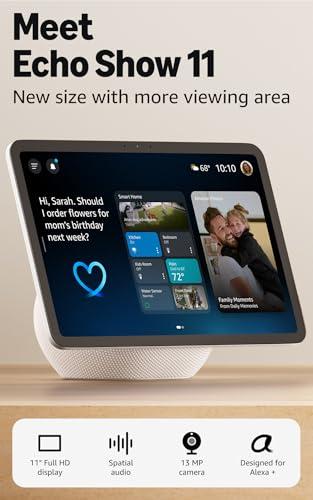
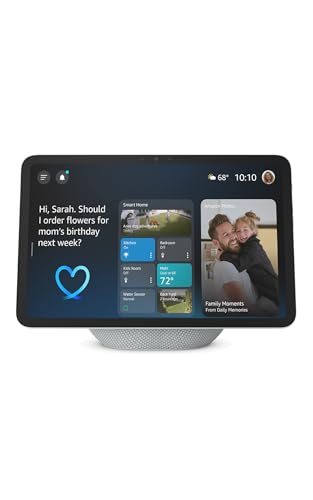
Visual interfaces like the Echo Show 11 offer immediate feedback – you can see your calendar, weather, security cameras, and smart home device status at a glance. This visual element becomes particularly valuable in spaces like kitchens, where you might be cooking with messy hands but still want to see recipe steps, timer countdowns, or incoming video calls.
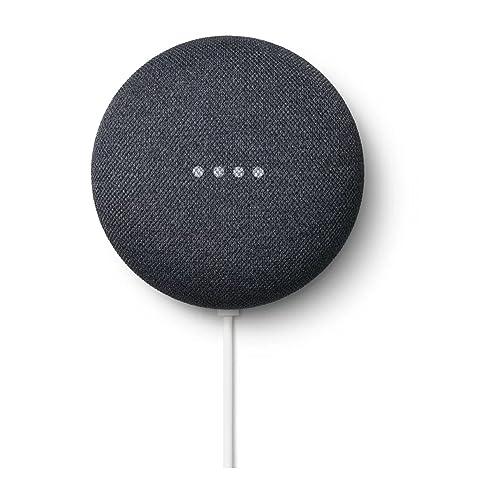
Audio-first devices like the Nest Mini 2nd Gen take a minimalist approach. They respond when called upon but otherwise blend into the background. This design philosophy appeals to users who prefer their technology to be heard but not seen, and those who have privacy concerns about always-on cameras in their living spaces.
The key considerations when choosing between these approaches include your comfort with visible technology, privacy preferences, available space, and how you plan to use the device day-to-day.
Audio quality forms the backbone of any voice assistant, whether it's responding to commands or playing your morning podcast. Here's where the engineering differences between these devices become most apparent.
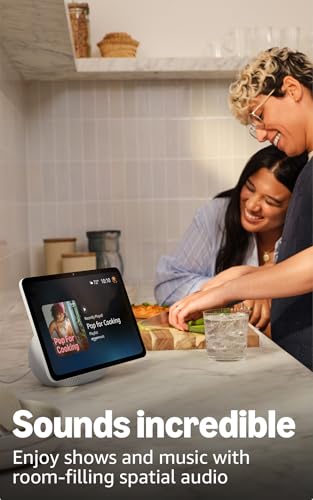
The Echo Show 11 features what Amazon calls "enhanced stereo audio" with front-facing drivers and a custom woofer. This isn't marketing fluff – the larger form factor allows for genuine stereo separation and a dedicated bass driver that smaller speakers simply cannot accommodate. The AZ3 Pro chip (Amazon's custom silicon) handles advanced audio processing, including spatial audio enhancement that makes music and video content more immersive.
During our research into user experiences, the consensus is clear: the Echo Show 11 delivers room-filling sound that rivals dedicated Bluetooth speakers in the $100-150 range. The bass response is particularly notable – it can actually produce low-frequency sounds that you feel as much as hear, something that's impossible with smaller drivers.
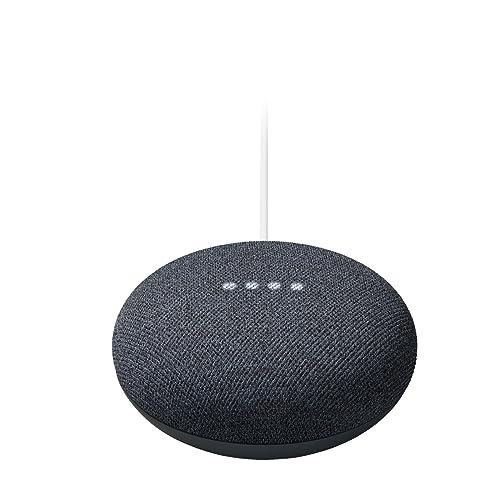
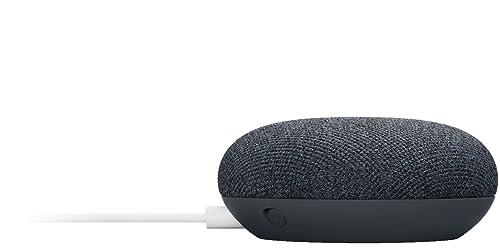
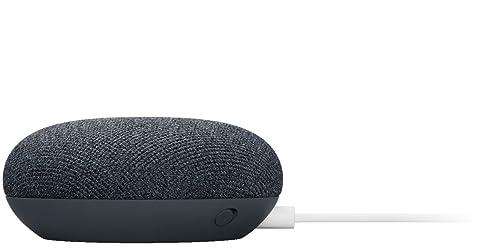
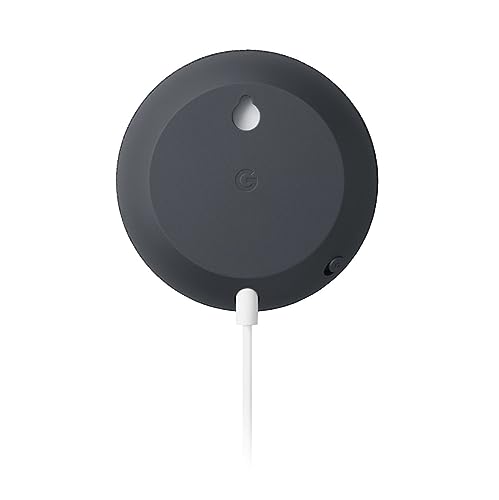
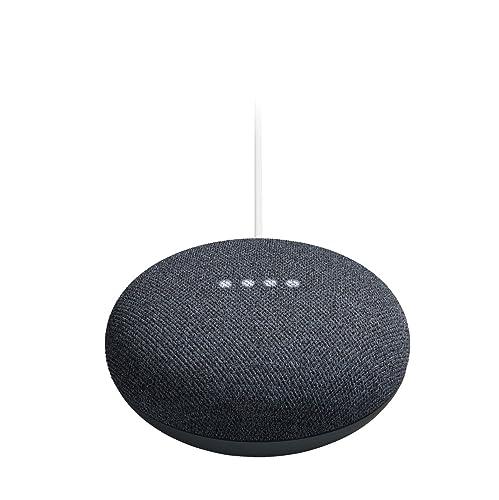
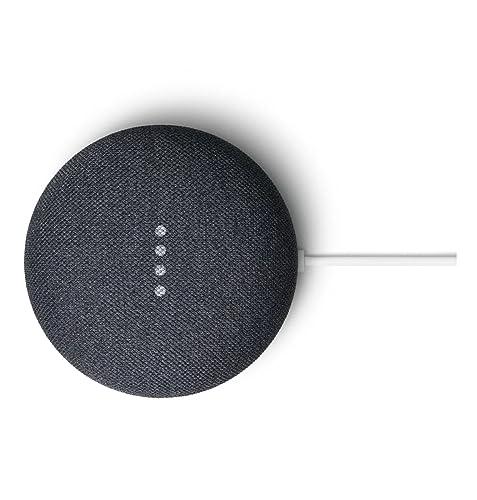
The Nest Mini 2nd Gen takes a completely different approach with its 360-degree sound design. The single 40mm driver fires in all directions, creating consistent audio no matter where you're positioned relative to the device. Google's Smart Sound technology automatically adjusts the audio profile based on what you're listening to – podcasts get enhanced voice clarity, while music receives more balanced frequency response.
What's impressive about the Nest Mini 2nd Gen is how much sound Google extracts from such a small package. User reviews consistently mention that it produces twice the bass of the original Mini, though it's important to set expectations appropriately. This is background music and voice response territory – it won't replace a dedicated speaker system for serious music listening.
For home theater integration, the Echo Show 11 offers distinct advantages. Its larger drivers and stereo separation make it suitable as a secondary audio source for casual video viewing, though you'll still want a dedicated sound system for movie nights. The Nest Mini 2nd Gen isn't really positioned for home theater use, though its Chromecast integration means it can control your existing setup effectively.
Both devices excel at voice recognition, but they use different technical approaches that affect real-world performance. The Echo Show 11 employs what Amazon calls "Omnisense sensor fusion" – it combines data from multiple microphones, a 13-megapixel camera, ultrasound sensors, Wi-Fi radar, and even an accelerometer to understand not just what you're saying, but the context around it.
This sensor fusion enables some genuinely impressive capabilities. The device can detect when you're approaching and automatically display relevant information, or recognize different family members and adjust responses accordingly. The technical term for this is "ambient computing" – technology that responds to your presence and context without explicit commands.
The Nest Mini 2nd Gen uses a more traditional but highly refined approach with three far-field microphones and Voice Match technology. These microphones use beamforming (focusing on sound from specific directions while filtering out background noise) to isolate your voice even in noisy environments. Google's voice processing algorithms, refined over years of development, consistently rank among the most accurate for understanding natural speech patterns.
In practical terms, both devices respond reliably to voice commands from across typical rooms. The Echo Show 11 might have a slight edge in very noisy environments due to its additional sensors, while the Nest Mini 2nd Gen tends to be faster at processing and responding to straightforward commands.
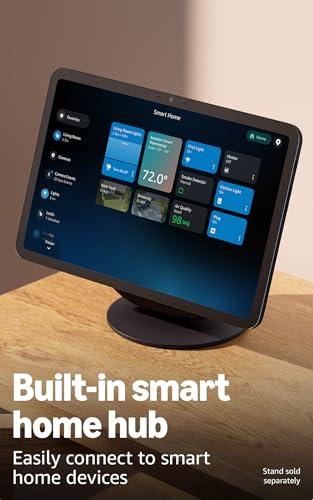
The Echo Show 11 functions as a comprehensive smart home hub, supporting Zigbee, Matter, and Thread protocols. If those terms sound like alphabet soup, here's what they mean: these are different "languages" that smart home devices use to communicate. Having all three means the Echo Show 11 can talk to virtually any smart home device currently available, from basic smart plugs to sophisticated security systems.
The Thread Border Router functionality is particularly significant. Thread is a newer networking protocol designed for smart homes that's more reliable and energy-efficient than older standards like Zigbee. Having a Thread Border Router means the Echo Show 11 can serve as a central hub for Thread devices, reducing the need for multiple bridges and hubs cluttering your network setup.
The visual interface makes smart home control more intuitive. Instead of remembering specific voice commands for every device, you can see status displays, tap controls, and manage multiple devices simultaneously through the touchscreen.
The Nest Mini 2nd Gen takes a more streamlined approach. It supports Matter (the new universal smart home standard) and works seamlessly with Google's ecosystem, but it doesn't function as a comprehensive hub in the same way. Instead, it relies on cloud-based processing and your existing network infrastructure to control smart devices.
This approach has advantages: it's simpler to set up, requires less technical knowledge, and integrates beautifully with Google services like Gmail calendar integration, Google Photos displays, and YouTube Music. If you're already invested in Google's ecosystem, the Nest Mini 2nd Gen feels like a natural extension of services you already use.
At the time of writing, the Echo Show 11 commands a premium price that positions it in the upper tier of smart home devices, while the Nest Mini 2nd Gen remains one of the most affordable entry points into smart home technology. This price difference – roughly 4-5x – reflects fundamental differences in what you're buying.
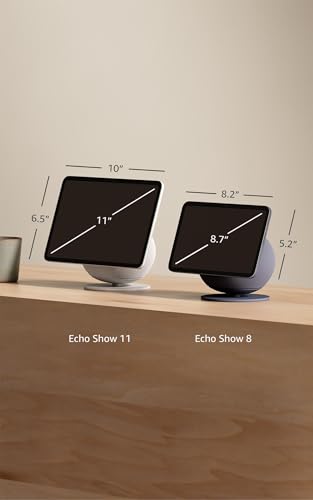
The Echo Show 11 is essentially multiple devices in one package: a smart display, quality speaker system, video calling device, smart home hub, and AI assistant. When you consider the cost of buying separate devices for each function, the premium pricing becomes more reasonable. The 11-inch Full HD display alone would cost a significant amount as a standalone tablet, and the audio system rivals speakers that sell for $100-150 independently.
The Nest Mini 2nd Gen represents exceptional value for what it delivers. At its price point, you're getting reliable voice assistance, respectable audio quality, and full integration with Google's services. It's designed to be affordable enough that you can place multiple units throughout your home, creating a whole-house voice control system for less than the cost of a single premium smart display.
The value equation also depends on your existing technology ecosystem. If you're heavily invested in Amazon Prime Video, Audible, and other Amazon services, the Echo Show 11's integration with these services adds significant value. Similarly, if you rely on Google Photos, YouTube Music, and Gmail, the Nest Mini 2nd Gen becomes much more valuable through seamless integration.
The Echo Show 11 excels as a kitchen command center, where its large display can show recipes, timers, and calendar information while you cook. The video calling capabilities make it excellent for staying connected with family, and the smart home controls are intuitive when you can see and tap what you want to control.
For families, the visual calendar integration and shopping list management features are genuinely useful. Different family members can add items to shared lists, view upcoming appointments, and even leave visual messages for each other. The device becomes a central communication hub that everyone can use naturally.
The Nest Mini 2nd Gen shines in scenarios where you want voice control without visual distraction. It's perfect for bedrooms, where you want to control lights, set alarms, or ask quick questions without bright displays disrupting sleep. In bathrooms, it can provide weather updates and news briefings while you get ready for work.
For privacy-conscious users, the Nest Mini 2nd Gen offers peace of mind with no camera. Some people simply aren't comfortable with always-on cameras in their living spaces, regardless of privacy settings and controls.
The modular approach of the Nest Mini 2nd Gen allows you to build smart home coverage gradually. Start with one in the main living area, then add others to bedrooms, bathrooms, or home offices as needed. Each unit is affordable enough that whole-house coverage remains reasonable.
Both devices represent current generations of mature product lines, but they've evolved differently. The Echo Show 11 incorporates Amazon's latest AZ3 Pro chip and Alexa+ AI, representing a significant leap forward in local processing power and AI capabilities. This custom silicon handles complex AI tasks on-device rather than sending everything to the cloud, improving both speed and privacy.
The Thread Border Router functionality positions the Echo Show 11 well for the next generation of smart home devices. As more manufacturers adopt Thread, having native support becomes increasingly valuable.
The Nest Mini 2nd Gen benefits from Google's continuous improvements to the Google Assistant and regular software updates. While the hardware has remained relatively stable, the AI capabilities have improved significantly through cloud-based updates.
Google's focus on sustainable materials – the fabric top is made from 100% recycled plastic bottles – reflects growing environmental consciousness in consumer electronics. This attention to sustainability may become more important to buyers over time.
Choose the Echo Show 11 if you want a comprehensive smart home command center that can serve multiple functions. It's ideal for users who appreciate visual interfaces, frequently make video calls, and want premium audio quality for music and media consumption. The higher price point is justified if you'll actually use the display, video calling, and hub capabilities regularly.
The Echo Show 11 makes particular sense for tech-forward families who want to centralize smart home control and communication. If you're planning to build out an extensive smart home system, the comprehensive protocol support and hub functionality provide genuine long-term value.
Choose the Nest Mini 2nd Gen if you prefer minimal, voice-first interaction and want to keep smart home technology discrete. It's perfect for users who want reliable voice assistance without visual distraction, those concerned about privacy, and anyone looking to add voice control throughout their home affordably.
The Nest Mini 2nd Gen particularly appeals to Google ecosystem users who want seamless integration with existing services. If you already use Google Photos, YouTube Music, and Gmail extensively, this device feels like a natural extension of those services.
Consider your long-term plans as well. If you're just starting with smart home technology, the Nest Mini 2nd Gen offers a low-risk entry point. You can always add a smart display later if you discover you want visual features. Conversely, if you know you want comprehensive smart home capabilities and don't mind the prominent placement, the Echo Show 11 provides everything you need in one device.
Both devices represent mature, well-executed approaches to smart home technology. The choice ultimately comes down to whether you want visual richness and comprehensive functionality, or discrete reliability and exceptional value. Either way, you're getting proven technology that will serve you well for years to come.
| Amazon Echo Show 11 Smart Display | Google Nest Mini 2nd Gen Smart Speaker |
|---|---|
| Display Size - Determines visual functionality and placement options | |
| 11-inch Full HD touchscreen (1920×1200) for media, video calls, and smart home control | No display - audio-only interaction with voice responses |
| Audio Performance - Critical for music quality and room-filling sound | |
| Enhanced stereo with front-facing drivers, custom woofer, and spatial audio processing | 360-degree sound with 40mm driver, twice the bass of original Mini |
| Smart Home Hub Capabilities - Affects device compatibility and setup complexity | |
| Built-in hub with Zigbee, Matter, Thread, and Thread Border Router support | Matter support with Google Home integration, requires separate hubs for some devices |
| Camera and Video Features - Important for privacy concerns and video calling | |
| 13MP camera with auto-framing, video calls, and presence detection | No camera - privacy-focused design with voice-only interaction |
| Voice Assistant Technology - Determines AI capabilities and response quality | |
| Alexa+ with advanced conversational AI and Omnisense sensor fusion | Google Assistant with Voice Match and three far-field microphones |
| Processor and Local Processing - Affects response speed and privacy | |
| AZ3 Pro custom chip with AI accelerator for on-device processing | Quad-core ARM CPU with cloud-based processing for complex tasks |
| Physical Design and Placement - Impacts where you can use the device | |
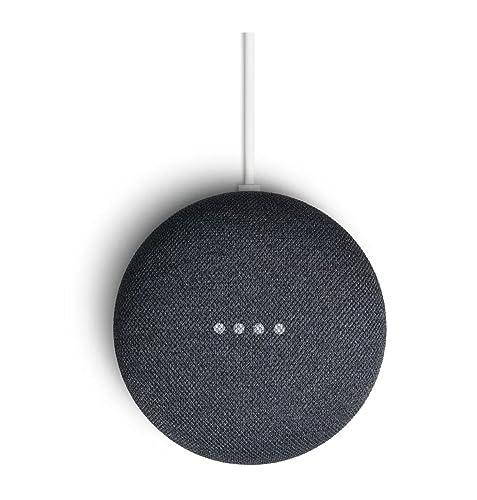
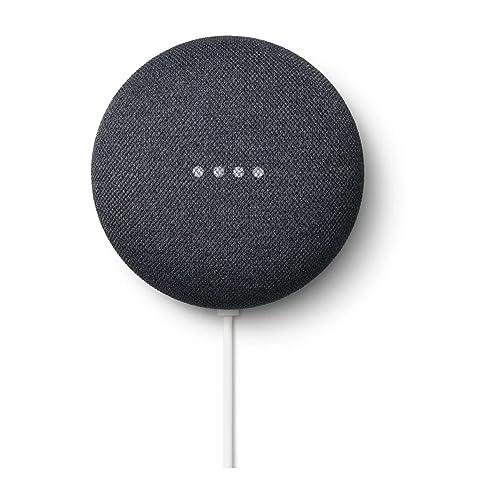
| Large countertop presence (11-inch screen requires dedicated space) | Compact and discrete (98mm diameter), wall-mountable, fits anywhere |
| Connectivity Options - Determines streaming and device pairing capabilities | |
| Wi-Fi, Bluetooth, built-in Chromecast functionality | Wi-Fi, Bluetooth 5.0, Chromecast built-in for TV casting |
| Ecosystem Integration - Affects compatibility with your existing services | |
| Amazon ecosystem (Prime Video, Audible, Amazon Music, shopping) | Google ecosystem (YouTube, Gmail, Google Photos, Google services) |
| Multi-Room Audio - Important for whole-house music systems | |
| Works with other Echo devices for synchronized audio throughout home | Seamless integration with other Google speakers and displays |
| Privacy Controls - Critical for users concerned about data collection | |
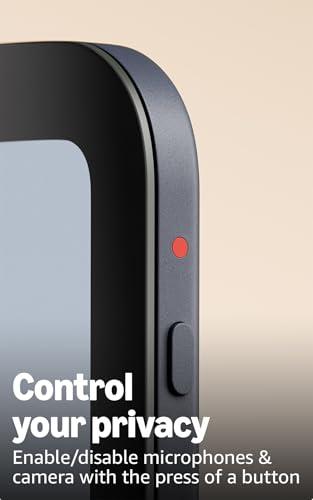
| Physical camera/microphone switches, visual privacy indicators | Physical microphone mute switch, no camera for enhanced privacy |
| Price Positioning - Determines value proposition and target market | |
| Premium pricing reflecting multiple device functions in one unit | Entry-level pricing makes it accessible for multi-room deployment |
The Amazon Echo Show 11 Smart Display is a visual smart home command center with an 11-inch touchscreen, while the Google Nest Mini 2nd Gen Smart Speaker is a compact, audio-only voice assistant. The Echo Show 11 offers video calling, media streaming, and visual smart home controls, whereas the Nest Mini focuses on voice commands and background music in a discrete form factor.
The Amazon Echo Show 11 delivers significantly better audio quality with its enhanced stereo system, front-facing drivers, and custom woofer that produces room-filling sound. The Google Nest Mini 2nd Gen offers respectable audio for its size with 360-degree sound, but it's designed more for voice responses and casual listening rather than serious music playback.
Only the Amazon Echo Show 11 Smart Display supports video calling with its 13-megapixel camera and large display. The Google Nest Mini 2nd Gen Smart Speaker has no camera or screen, so it cannot make video calls, though it can handle voice calls through your connected phone.
The Amazon Echo Show 11 excels as a smart home hub with built-in support for Zigbee, Matter, and Thread protocols, plus visual controls on its touchscreen. The Google Nest Mini 2nd Gen offers voice-based smart home control with Matter support but requires separate hubs for some devices and relies entirely on voice commands.
Yes, the Google Nest Mini 2nd Gen is more privacy-focused since it has no camera, only microphones with a physical mute switch. The Amazon Echo Show 11 includes both camera and microphones with privacy controls, but some users prefer the camera-free design of the Nest Mini for bedrooms and private spaces.
The Amazon Echo Show 11 Smart Display is ideal for kitchen use, offering recipe displays, cooking timers, video calls while cooking, and calendar viewing. The Google Nest Mini 2nd Gen Smart Speaker can handle basic kitchen tasks like timers and unit conversions but lacks the visual features that make cooking assistance more practical.
The Amazon Echo Show 11 works best with Amazon's ecosystem including Prime Video, but also supports Netflix and other services. The Google Nest Mini 2nd Gen integrates seamlessly with YouTube, YouTube Music, and Google services, plus can cast content to TVs via Chromecast built-in functionality.
The Google Nest Mini 2nd Gen Smart Speaker is significantly more affordable and offers excellent value as an entry-level smart speaker. The Amazon Echo Show 11 costs considerably more but functions as multiple devices in one - smart display, speaker, video calling device, and smart home hub.
The Amazon Echo Show 11 can serve as a secondary audio source for casual video viewing with its stereo speakers, though it won't replace a dedicated sound system. The Google Nest Mini 2nd Gen isn't designed for home theater use but can control your existing TV and sound system through voice commands and Chromecast integration.
Both the Amazon Echo Show 11 with Alexa+ and the Google Nest Mini 2nd Gen with Google Assistant offer excellent voice recognition. The Echo Show 11 uses advanced sensor fusion for context awareness, while the Nest Mini relies on refined voice processing algorithms. Both respond reliably to voice commands in typical home environments.
Yes, both devices support multi-room audio systems. The Amazon Echo Show 11 works with other Echo devices for synchronized music throughout your home. The Google Nest Mini 2nd Gen integrates with other Google speakers and displays, and its affordable price makes it practical to place multiple units in different rooms.
The Amazon Echo Show 11 Smart Display offers better family features with visual calendars, shared shopping lists, video calling with grandparents, and educational content on the screen. The Google Nest Mini 2nd Gen Smart Speaker provides basic family features like timers and homework help but lacks the visual interaction that children often prefer for entertainment and learning.
We've done our best to create useful and informative comparisons to help you decide what product to buy. Our research uses advanced automated methods to create this comparison and perfection is not possible - please contact us for corrections or questions. These are the sites we've researched in the creation of this article: notebookcheck.net - techradar.com - matteralpha.com - bestbuy.com - aboutamazon.com - cordcuttersnews.com - bestbuy.com - pocket-lint.com - goodhousekeeping.com - rtings.com - rtings.com - versus.com - tomsguide.com - versus.com - youtube.com - youtube.com - techradar.com - homedepot.com - support.google.com - gadgetconnect.co.ke - store.google.com - multitronic.fi - bestbuy.com - store.google.com - neweggbusiness.com - store.google.com - support.google.com - versus.com - youtube.com - adiglobaldistribution.us - aboonehomes.com

Privacy Policy
Terms and Conditions - Affiliate Policy
Home Security
© Copyright 2008-2026.
11816 Inwood Rd #1211, Dallas, TX 75244