



Smart speakers have transformed how we interact with our homes, music, and daily routines. What started as a novel way to ask about the weather has evolved into sophisticated devices that can control entire smart homes, deliver high-quality audio, and serve as the central hub for modern connected living. But with options ranging from budget-friendly assistants to premium audio powerhouses, choosing the right smart speaker requires understanding what you actually need versus what sounds impressive in marketing materials.
Today we're comparing two devices that represent completely different philosophies in smart speaker design: the Amazon Echo Studio and the Google Nest Mini 2nd Gen. Released in 2019 and updated in 2025, the Echo Studio positions itself as Amazon's flagship audio device, while the Nest Mini, also launched in 2019, focuses on bringing Google's voice assistant to every room affordably.
Understanding these differences matters because spending significantly more doesn't always mean getting more value—it depends entirely on how you plan to use these devices in your daily life.
The smart speaker category splits into several distinct tiers, each serving different needs and budgets. At the entry level, devices like the Nest Mini prioritize voice assistant functionality and basic connectivity at accessible price points. Mid-range options balance audio quality with smart features, while premium devices like the Echo Studio aim to replace traditional stereo systems entirely.
The key considerations when choosing any smart speaker include audio performance (frequency response, maximum volume, and clarity), voice recognition accuracy in real-world conditions, smart home compatibility across different device brands, and the overall ecosystem you're buying into. These factors interact in complex ways—excellent audio means little if the voice assistant can't understand you, and broad smart home support doesn't matter if the sound quality ruins your music experience.
Most importantly, smart speakers represent long-term commitments to particular ecosystems. Your choice between Alexa and Google Assistant affects which devices work seamlessly together, how your smart home routines function, and even which streaming services integrate most naturally. This ecosystem lock-in makes the initial decision more consequential than simply comparing features on paper.
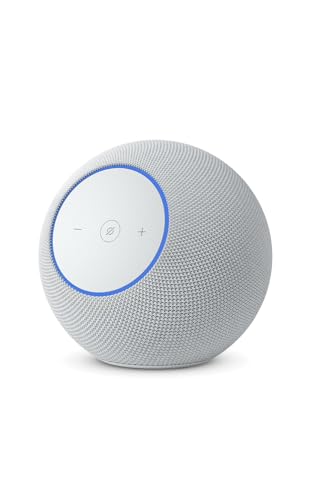
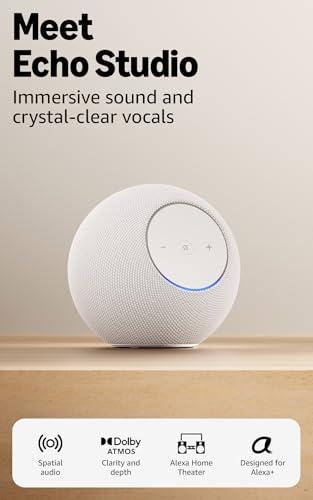
The Amazon Echo Studio launched in 2019 as Amazon's answer to premium smart speakers, targeting users who refused to compromise between smart features and audio quality. Amazon updated the design in 2025, making it 40% smaller while maintaining the same acoustic performance through advanced engineering. At its core, the Echo Studio aims to be your primary music system that happens to have excellent smart features, rather than a smart device that can play music adequately.
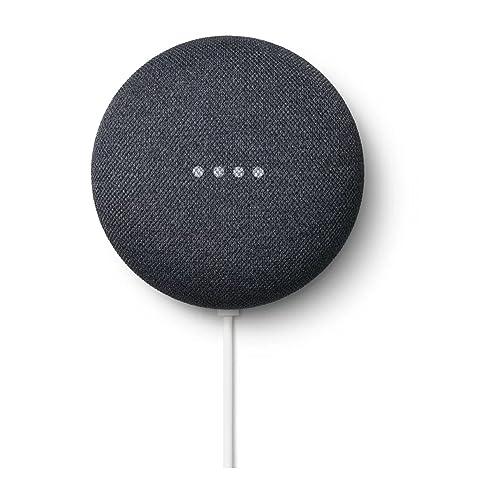
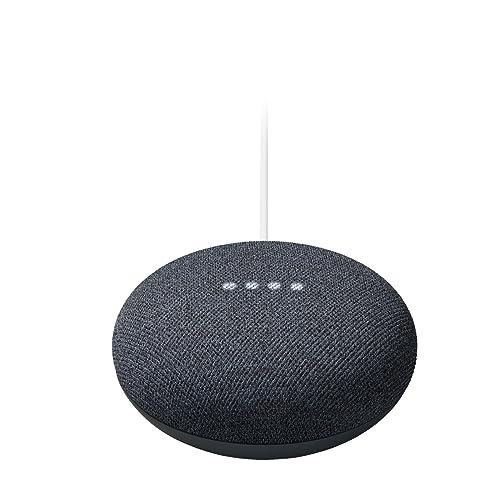
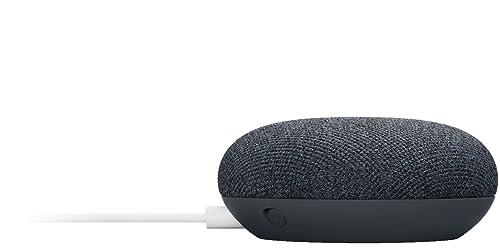
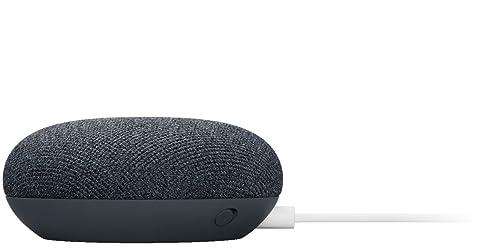
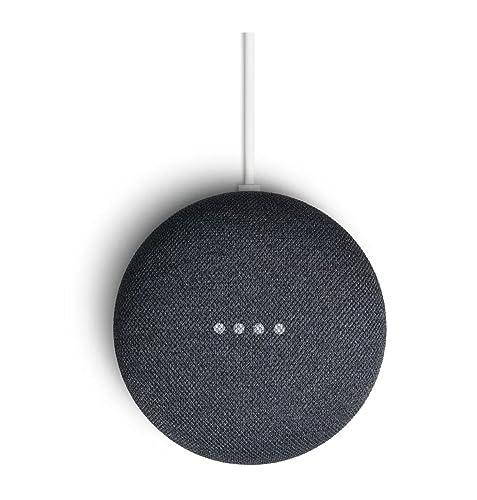
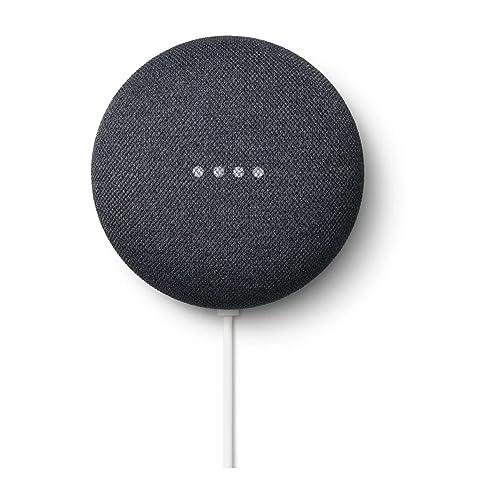
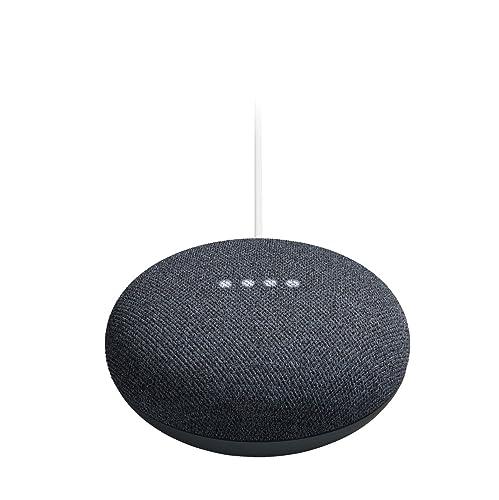
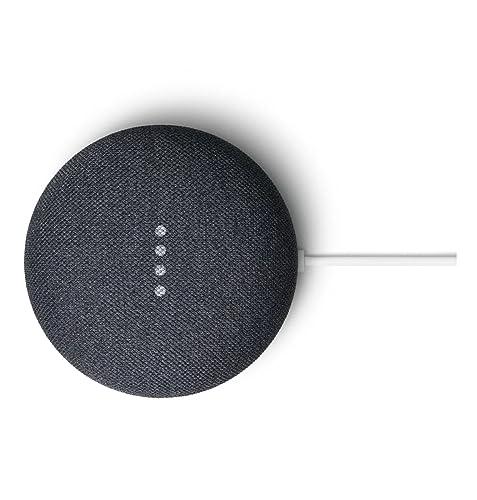
The Google Nest Mini 2nd Gen represents the opposite philosophy. Released the same year, it focuses on making Google Assistant accessible in every room without breaking the bank. Google improved the audio from the original Mini by doubling the bass output, but the fundamental design remains centered on voice interactions rather than music playback. The device uses recycled materials extensively, with the fabric top made from 100% recycled plastic bottles and the housing containing at least 35% post-consumer recycled plastic.
These different approaches create products that excel in completely different scenarios. The Echo Studio costs roughly four times more than the Nest Mini at the time of writing, but that price difference reflects genuine capability gaps rather than arbitrary premium positioning.
Audio quality represents the most dramatic difference between these devices, and understanding why requires looking at their internal hardware. The Echo Studio houses five separate speakers: a 5.25-inch downward-firing woofer for deep bass, three 2-inch midrange drivers positioned to create immersive sound, and a 1-inch tweeter for crisp high frequencies. This multi-driver array allows each speaker to focus on its optimal frequency range without compromise.
The woofer deserves special attention because bass reproduction drives much of the listening experience. Bass frequencies require moving large amounts of air, which demands significant cone surface area and excursion (how far the speaker cone moves back and forth). The Echo Studio's 5.25-inch woofer can produce frequencies down to approximately 30 Hz, which covers the fundamental notes of most bass guitars and the lowest organ pedal tones. Users report being able to visually see the woofer moving during bass-heavy tracks, indicating genuine low-frequency output rather than artificial enhancement.
In contrast, the Nest Mini contains a single 40mm driver—roughly 1.6 inches—attempting to reproduce the entire frequency spectrum. Physics simply limits how much bass a small driver can produce, regardless of digital processing tricks. While Google improved the bass response compared to the original Mini, "doubled bass" starting from nearly zero still results in minimal low-end extension. The device performs adequately for podcasts, voice responses, and background music, but struggles with dynamic content that reveals its limitations.
Volume capabilities show similar disparities. The Echo Studio can reach over 91 decibels at three feet without significant distortion, loud enough to fill large rooms or serve as party speakers. The Nest Mini begins showing compression artifacts—digital distortion that makes audio sound squashed and unnatural—when pushed to higher volumes, limiting its usefulness for anything beyond near-field listening.
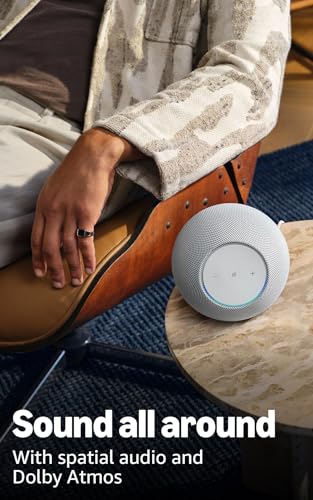
The Echo Studio also supports advanced audio formats including Dolby Atmos, which creates three-dimensional soundscapes by positioning sounds in space around the listener. This spatial audio processing works by analyzing incoming audio and directing specific sounds to different speakers at precise timing intervals, creating the illusion of height, width, and depth. While the effectiveness varies by content, well-mixed Dolby Atmos tracks can provide genuinely immersive experiences that traditional stereo cannot match.
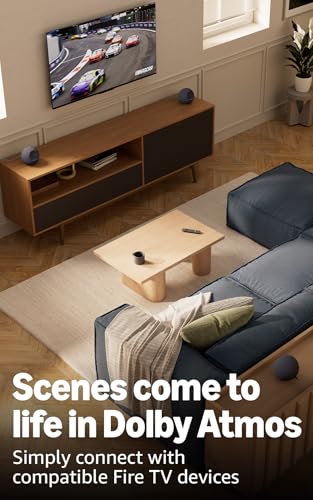
For home theater applications, the Echo Studio offers compelling advantages. It can pair with Fire TV devices wirelessly, providing substantially better dialogue clarity and dynamic range than most television speakers. The ability to pair multiple Echo Studio units creates true surround sound systems without running speaker wires, making it particularly attractive for apartments or rooms where permanent installation isn't practical.
Both devices excel at voice recognition, but their approaches differ significantly. The Echo Studio employs seven far-field microphones arranged to provide 360-degree pickup with advanced noise cancellation. This microphone array excels in challenging acoustic environments—during loud music playback, conversations, or background noise from appliances. The additional microphones allow for beamforming, a technique that focuses on the user's voice while suppressing sounds from other directions.
The Nest Mini uses three far-field microphones, an improvement from the original's two-microphone setup. While fewer than the Echo Studio's array, these microphones still provide reliable voice detection in typical home environments. However, performance degrades more noticeably in noisy conditions or when competing with music playback.
The assistant capabilities reveal different strengths depending on usage patterns. Alexa, powering the Echo Studio, offers broader third-party integration through its Skills platform, with over 100,000 available skills covering everything from meditation apps to restaurant ordering. This extensibility makes Alexa particularly powerful for complex smart home automation and niche applications.
Google Assistant on the Nest Mini excels at natural language processing and general knowledge queries. It integrates seamlessly with Google's ecosystem—Calendar, Gmail, Maps, Photos—making it superior for users already invested in Google services. Assistant also handles conversational follow-up questions more naturally, understanding context from previous queries without requiring exact command phrasing.
For smart home control, the Echo Studio includes a built-in Zigbee hub, eliminating the need for separate bridge devices when connecting compatible smart lights, locks, and sensors. This integration simplifies setup and reduces potential failure points in smart home networks. The Nest Mini relies on Wi-Fi and cloud-based connections, which work well with Google's own Nest products but may require additional hardware for some third-party devices.
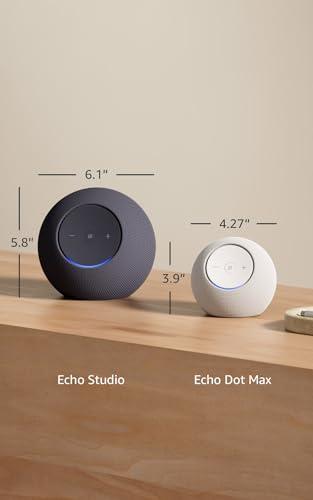
The physical designs reflect each device's intended role. The Echo Studio measures 8.1 inches tall and 6.9 inches in diameter, weighing 7.7 pounds. This substantial footprint houses the acoustic hardware necessary for serious audio performance, but requires dedicated placement on sturdy surfaces. The 2025 redesign reduced the size by 40% while maintaining audio performance through improved driver efficiency and acoustic engineering, but it remains a prominent presence in any room.
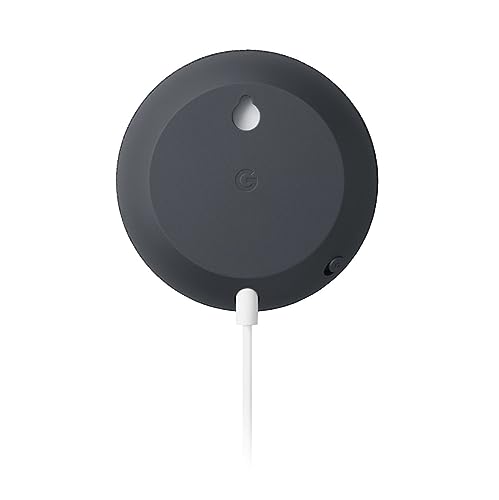
The Nest Mini prioritizes discretion with its 3.85-inch diameter and 1.65-inch height, weighing just over six ounces. This compact form factor allows placement virtually anywhere—bedside tables, kitchen counters, bathroom shelves—without dominating the space. The wall-mounting capability makes it particularly useful in areas where surface space is limited.
Both devices require constant power connections despite their smart capabilities. Neither includes battery power, limiting their portability compared to some Bluetooth speakers. This limitation makes sense for their intended use as stationary home devices, but worth noting for users expecting mobility.
The Nest Mini's environmental focus deserves recognition. Beyond using recycled materials in construction, the compact design reduces shipping volume and packaging waste. For environmentally conscious buyers, these considerations may influence the decision alongside technical capabilities.
Choosing between these devices means choosing between Google and Amazon ecosystems, with implications extending far beyond the speakers themselves. The Echo Studio works optimally with Amazon Music, Prime Video, Fire TV devices, and Ring security systems. While it supports other services, the integration feels most natural within Amazon's ecosystem.
The Nest Mini integrates seamlessly with Google services, Android phones, Chromecasts, and Nest thermostats or cameras. The Chromecast built-in functionality allows easy media streaming from phones and tablets, while deep Google Calendar integration makes scheduling and reminders more natural.
Both devices support Matter, the new smart home standard designed to improve cross-platform compatibility. However, full Matter implementation remains in early stages, making current ecosystem compatibility more relevant for immediate purchase decisions.
Multi-room audio capabilities differ substantially. The Echo Studio can create stereo pairs or integrate with other Echo devices for synchronized playback throughout the home. The powerful audio output makes it suitable as the primary speaker in multi-room setups. Multiple Nest Mini devices provide voice control in every room affordably, though their limited audio quality makes them less suitable for music-focused multi-room systems.
At current pricing levels, these devices serve completely different value propositions. The Echo Studio costs significantly more but provides capabilities typically found in separate smart hub and premium speaker purchases. For users who would otherwise buy dedicated audio equipment and smart home controllers, the consolidated functionality offers genuine value.
The Nest Mini excels at democratizing voice assistant access. Multiple units throughout a home cost less than a single premium speaker, making whole-house voice control achievable on modest budgets. The audio limitations become less relevant when the primary use involves voice commands, timers, and basic streaming rather than critical listening.
The price difference reflects real capability gaps, not arbitrary premium positioning. Audio hardware costs scale dramatically with performance requirements—the drivers, amplifiers, and acoustic design necessary for the Echo Studio's performance simply cannot be achieved at the Nest Mini's price point.
For home theater use, the Echo Studio offers compelling advantages over television speakers. Most TVs prioritize thin designs over audio performance, resulting in weak dialogue clarity and minimal dynamic range. The Echo Studio's dedicated drivers and substantial internal volume provide dramatically better movie and TV sound.
The wireless connectivity with Fire TV devices eliminates the complexity of traditional home theater receiver setups. Multiple Echo Studio units can create surround sound systems without speaker wire installation, particularly valuable in apartments or spaces where permanent modifications aren't practical.
Dolby Atmos support adds genuine value for compatible content, creating overhead effects that enhance action scenes and atmospheric elements. While not matching dedicated Atmos ceiling speakers, the spatial processing provides noticeable improvement over stereo presentation.
The Nest Mini cannot compete in home theater applications due to its limited audio capabilities. While it can control streaming services and answer questions during viewing, it lacks the dynamic range necessary for immersive movie experiences.
The choice between these devices depends entirely on your priorities and usage patterns. Choose the Echo Studio if music quality matters significantly to your daily routine, if you're building or expanding a smart home system, or if you want one device handling multiple roles effectively. Its premium pricing reflects genuine premium capabilities.
Choose the Nest Mini if you primarily need voice assistant functionality, if you're heavily integrated into Google's ecosystem, or if budget constraints make premium speakers impractical. Its focused design excels at its intended purpose without pretending to compete in areas where its hardware cannot deliver.
Consider a hybrid approach for maximum flexibility: Nest Mini devices in bedrooms, bathrooms, and kitchens for voice control, paired with dedicated audio equipment in spaces where music quality matters. This strategy provides comprehensive voice coverage at reasonable cost while maintaining audio quality where it counts.
The Echo Studio represents the better choice for users who want their smart speaker to serve as their primary audio system, while the Nest Mini excels for users who prioritize voice features and smart home integration over music reproduction. Both succeed admirably at their intended purposes, making the decision about matching product capabilities to your specific needs rather than choosing objectively superior devices.
| Amazon Echo Studio | Google Nest Mini 2nd Gen |
|---|---|
| Audio Hardware - The foundation of sound quality and volume capability | |
| 5-speaker array: 5.25" woofer, 3x 2" midrange, 1" tweeter delivering room-filling sound | Single 40mm driver providing basic audio suitable for voice and background music |
| Maximum Volume - Determines if the speaker can fill larger rooms | |
| 91+ dB SPL at 3 feet, loud enough for parties and large spaces | Limited volume with compression artifacts at higher levels |
| Bass Response - Critical for music genres like rock, hip-hop, and movies | |
| Deep bass extension to ~30Hz with visible woofer movement during playback | Minimal bass despite 2x improvement over original Mini |
| Advanced Audio Formats - Future-proofing and immersive content support | |
| Dolby Atmos, spatial audio, hi-res up to 24-bit/192kHz | Standard audio formats only, no spatial or hi-res support |
| Voice Recognition - How well it hears you in noisy environments | |
| 7 far-field microphones with advanced noise cancellation and beamforming | 3 far-field microphones, good in quiet to moderate noise |
| Smart Home Integration - Compatibility with various device brands | |
| Built-in Zigbee hub plus Wi-Fi/Bluetooth, works with broadest range of devices | Wi-Fi/Bluetooth with Matter support, best with Google/Nest ecosystem |
| Physical Connectivity - Flexibility for different audio sources | |
| 3.5mm/optical input allows wired connections to TVs, turntables, etc. | No physical inputs, wireless streaming only |
| Size and Weight - Space requirements and placement flexibility | |
| 8.1" × 6.9", 7.7 lbs - requires dedicated placement on sturdy surfaces | 3.85" × 1.65", 6.3 oz - fits anywhere, wall-mountable |
| Multi-Room Audio - Ability to create whole-house audio systems | |
| Can pair for stereo or integrate with other Echo devices for powerful multi-room | Supports Google multi-room but limited by modest audio quality |
| Voice Assistant Ecosystem - Long-term compatibility and feature access | |
| Alexa with 100,000+ skills, excellent for complex smart home automation | Google Assistant with superior natural language and Google service integration |
| Home Theater Use - Suitability as TV speaker replacement | |
| Excellent with Fire TV integration, supports surround sound setups | Not suitable for home theater due to limited dynamic range |
| Environmental Impact - Sustainability considerations | |
| Standard materials and packaging | Fabric from 100% recycled bottles, 35% recycled plastic housing |
The Amazon Echo Studio delivers significantly better sound quality with its five-speaker array including a 5.25-inch woofer, three midrange drivers, and a tweeter. It produces deep bass, clear highs, and can fill large rooms with high-quality audio. The Google Nest Mini 2nd Gen has a single 40mm driver that's suitable for podcasts and voice responses but lacks the bass and volume needed for serious music listening.
The Amazon Echo Studio excels as a home theater speaker with Fire TV integration, Dolby Atmos support, and the ability to create wireless surround sound systems. It dramatically improves TV dialogue clarity and movie sound compared to built-in TV speakers. The Google Nest Mini 2nd Gen is not suitable for home theater use due to its limited audio capabilities and lack of dynamic range needed for movies.
Both have strengths: Alexa on the Amazon Echo Studio offers over 100,000 skills and excellent smart home device compatibility, making it ideal for complex automation. Google Assistant on the Google Nest Mini 2nd Gen provides more natural conversations, better general knowledge answers, and seamless integration with Google services like Calendar and Gmail.
The Amazon Echo Studio can reach over 91 decibels without distortion, loud enough for parties and large rooms. The Google Nest Mini 2nd Gen has limited volume output and begins showing audio compression at higher levels, making it suitable only for personal listening or small spaces.
The Amazon Echo Studio includes a built-in Zigbee hub and supports the broadest range of smart home devices from different brands. The Google Nest Mini 2nd Gen works best with Google and Nest products but has more limited third-party device compatibility, though it does support the new Matter standard.
The Amazon Echo Studio is substantially larger at 8.1 inches tall and 6.9 inches wide, weighing 7.7 pounds and requiring dedicated shelf space. The Google Nest Mini 2nd Gen is compact at just 3.85 inches across and 1.65 inches tall, weighing only 6.3 ounces and easily fitting anywhere or mounting on walls.
The Amazon Echo Studio includes a 3.5mm/optical input allowing wired connections to TVs, turntables, phones, or other audio sources. The Google Nest Mini 2nd Gen only supports wireless connections through Wi-Fi, Bluetooth, and Chromecast - there are no physical audio inputs.
For audio quality throughout the home, the Amazon Echo Studio provides powerful sound that can serve as primary speakers in multi-room setups. The Google Nest Mini 2nd Gen is more cost-effective for placing voice control in every room, but multiple units work better for smart home commands than music playback due to limited audio quality.
The Amazon Echo Studio supports hi-res audio up to 24-bit/192kHz, Dolby Atmos, and spatial audio formats for premium listening experiences. The Google Nest Mini 2nd Gen only supports standard audio formats and doesn't have the hardware capabilities for high-resolution or immersive audio content.
Value depends on your needs: the Amazon Echo Studio costs significantly more but replaces both a premium speaker and smart home hub, offering excellent value for music lovers and smart home enthusiasts. The Google Nest Mini 2nd Gen provides outstanding value for basic voice assistant functionality and smart home control at a budget-friendly price.
The Amazon Echo Studio can pair with another Echo Studio for true stereo separation or integrate with other Echo devices for multi-room audio. You can also create surround sound setups for home theater use. The Google Nest Mini 2nd Gen supports Google's multi-room audio but cannot create meaningful stereo pairs due to its limited audio hardware.
The Google Nest Mini 2nd Gen uses more sustainable materials with its fabric top made from 100% recycled plastic bottles and housing containing 35% post-consumer recycled plastic. The Amazon Echo Studio uses standard materials but its longer lifespan as a primary audio device may offset the environmental impact through reduced need for multiple device purchases.
We've done our best to create useful and informative comparisons to help you decide what product to buy. Our research uses advanced automated methods to create this comparison and perfection is not possible - please contact us for corrections or questions. These are the sites we've researched in the creation of this article: whathifi.com - crutchfield.com - rtings.com - dxomark.com - youtube.com - dimensions.com - youtube.com - bestbuy.com - techradar.com - dolby.com - consumerreports.org - engadget.com - phonearena.com - aboutamazon.com - askalexa.com - bestbuy.com - pocket-lint.com - goodhousekeeping.com - rtings.com - rtings.com - versus.com - tomsguide.com - versus.com - youtube.com - youtube.com - techradar.com - homedepot.com - support.google.com - gadgetconnect.co.ke - store.google.com - multitronic.fi - bestbuy.com - store.google.com - neweggbusiness.com - store.google.com - support.google.com - versus.com - youtube.com - adiglobaldistribution.us - aboonehomes.com

Privacy Policy
Terms and Conditions - Affiliate Policy
Home Security
© Copyright 2008-2026.
11816 Inwood Rd #1211, Dallas, TX 75244