

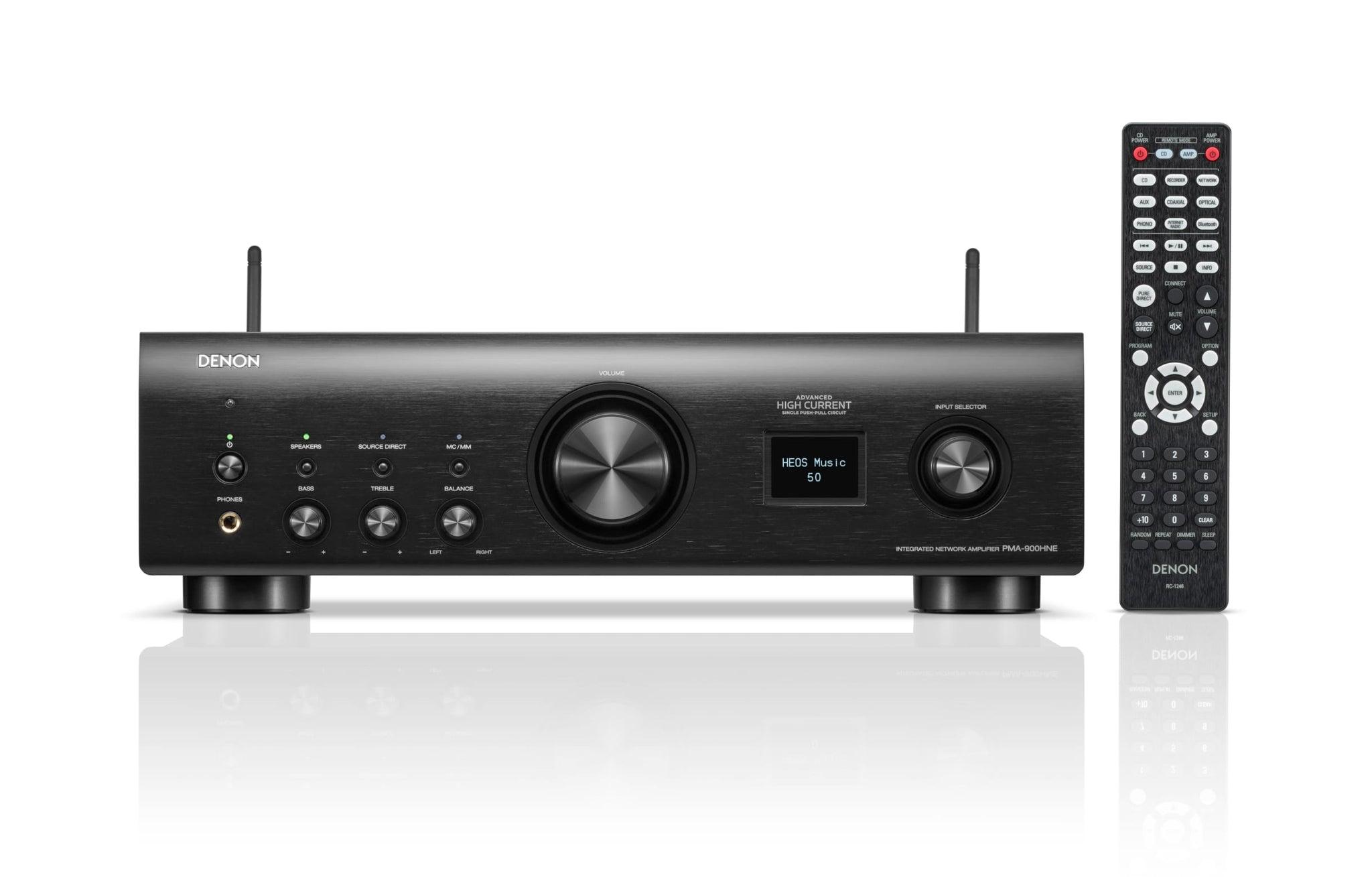
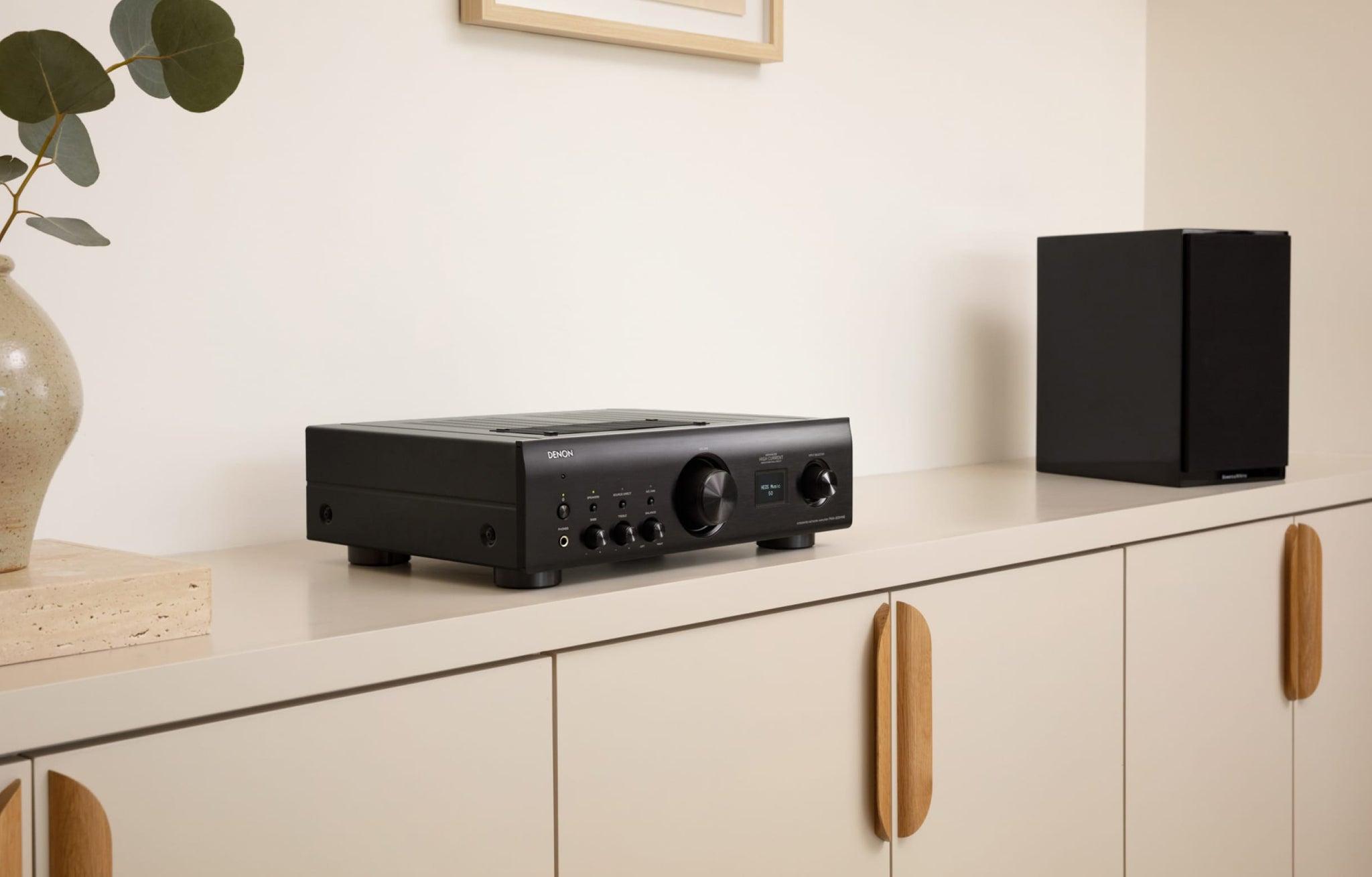
When you're building a stereo system, the integrated amplifier often becomes the heart of everything—it's where all your sources connect, where the volume gets controlled, and what drives your speakers. But choosing the right one can feel overwhelming with so many different approaches available today. Two amplifiers that represent dramatically different philosophies are the Dayton Audio HTA200 and the Denon PMA-900HNE, and understanding their differences can help you figure out what matters most in your setup.
The world of integrated stereo amplifiers has evolved tremendously over the past decade. When the Dayton Audio HTA200 launched in 2019, it represented something of a throwback—a hybrid design that brought vacuum tube technology to budget-conscious music lovers who wanted that classic "tube sound" without the typical hassles of traditional tube amplifiers. Meanwhile, the Denon PMA-900HNE, released in 2022, embodied the modern streaming era, packing serious network capabilities into what Denon calls their first "pure hi-fi" amplifier with built-in streaming.
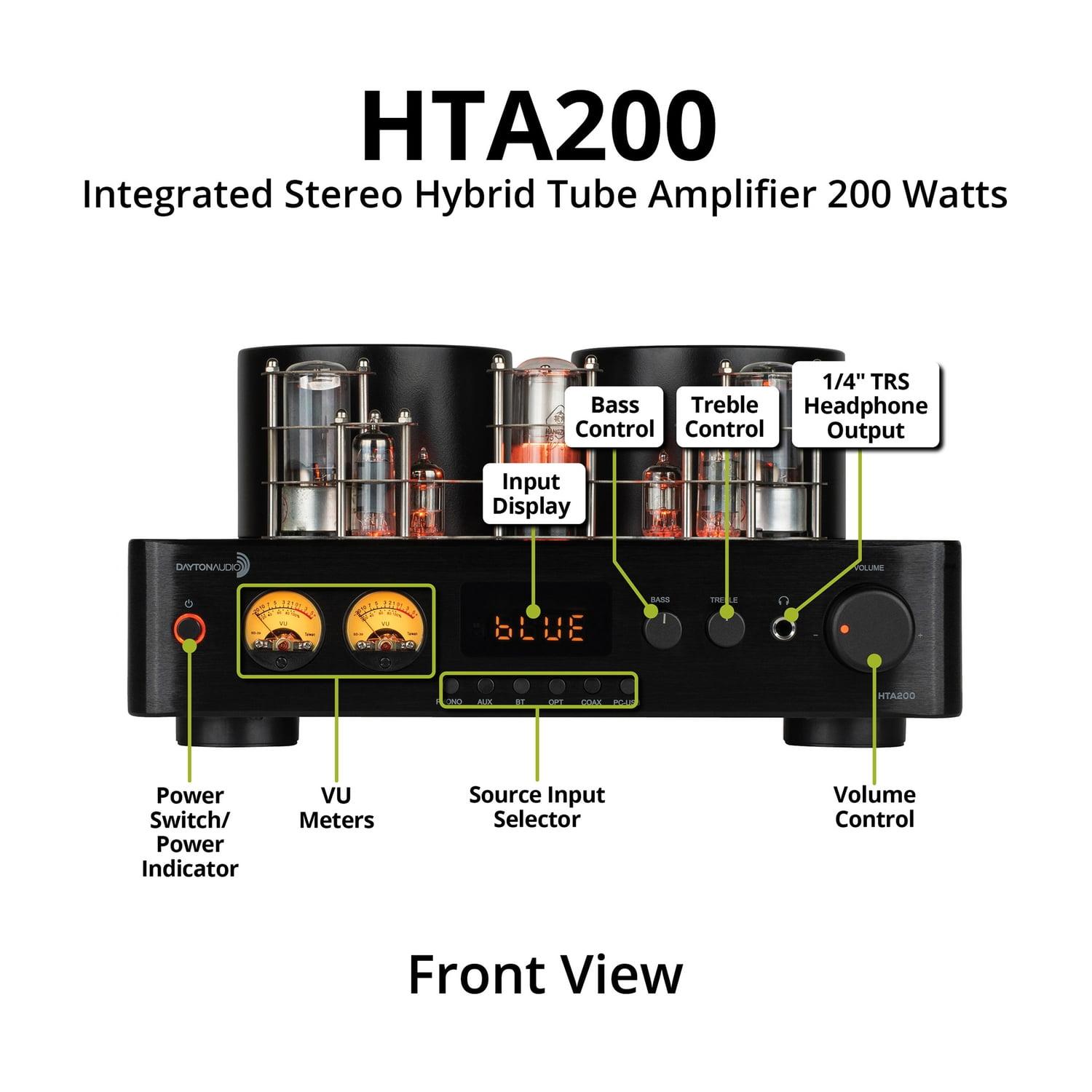
These represent two fundamentally different approaches to audio amplification. The HTA200 uses a hybrid design where vacuum tubes handle the preamplification (the initial boosting and shaping of your audio signal) while solid-state transistors provide the heavy lifting of actually driving your speakers. This gives you the warm, musical character that tubes are famous for, without the heat, power consumption, and reliability issues of full tube amplifiers.
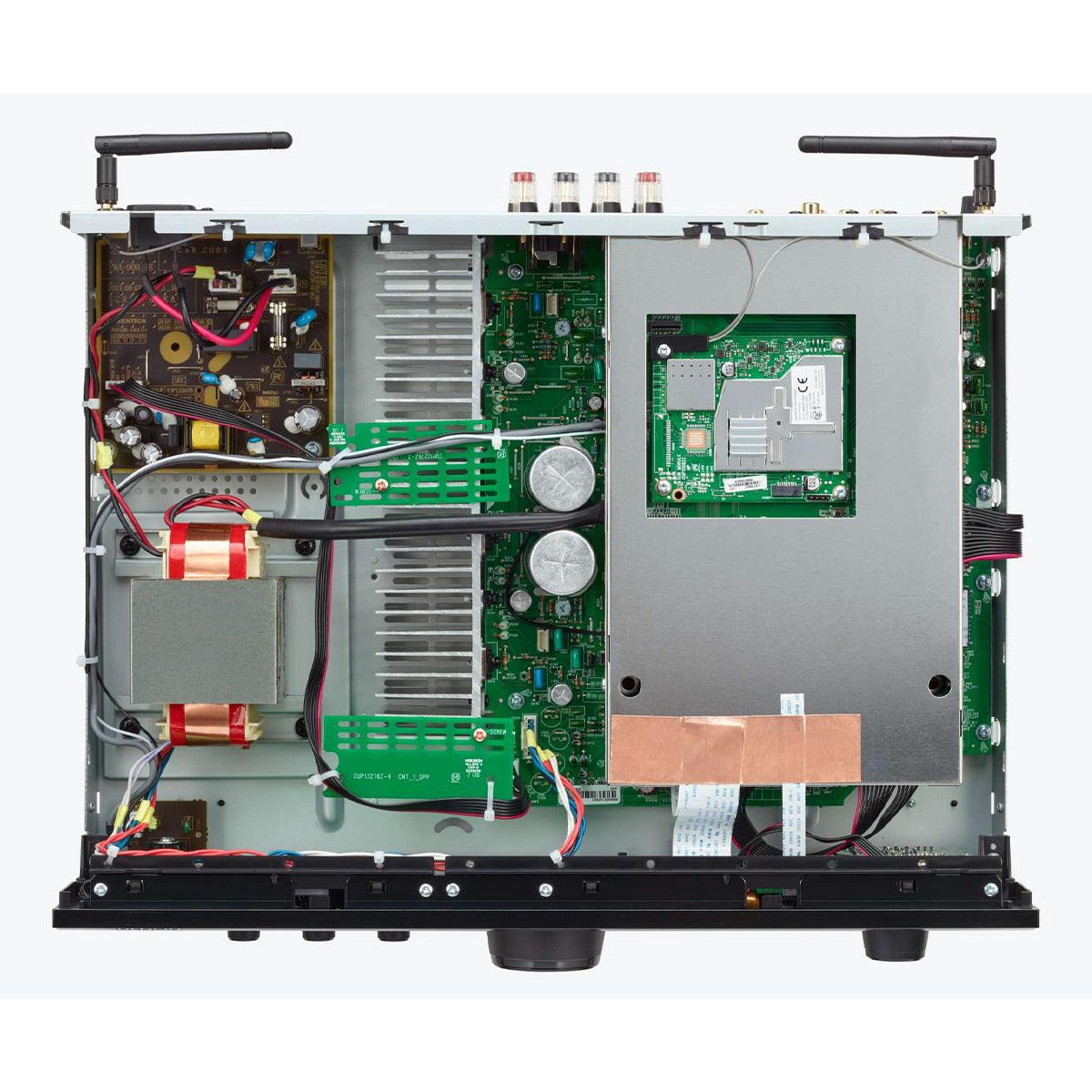
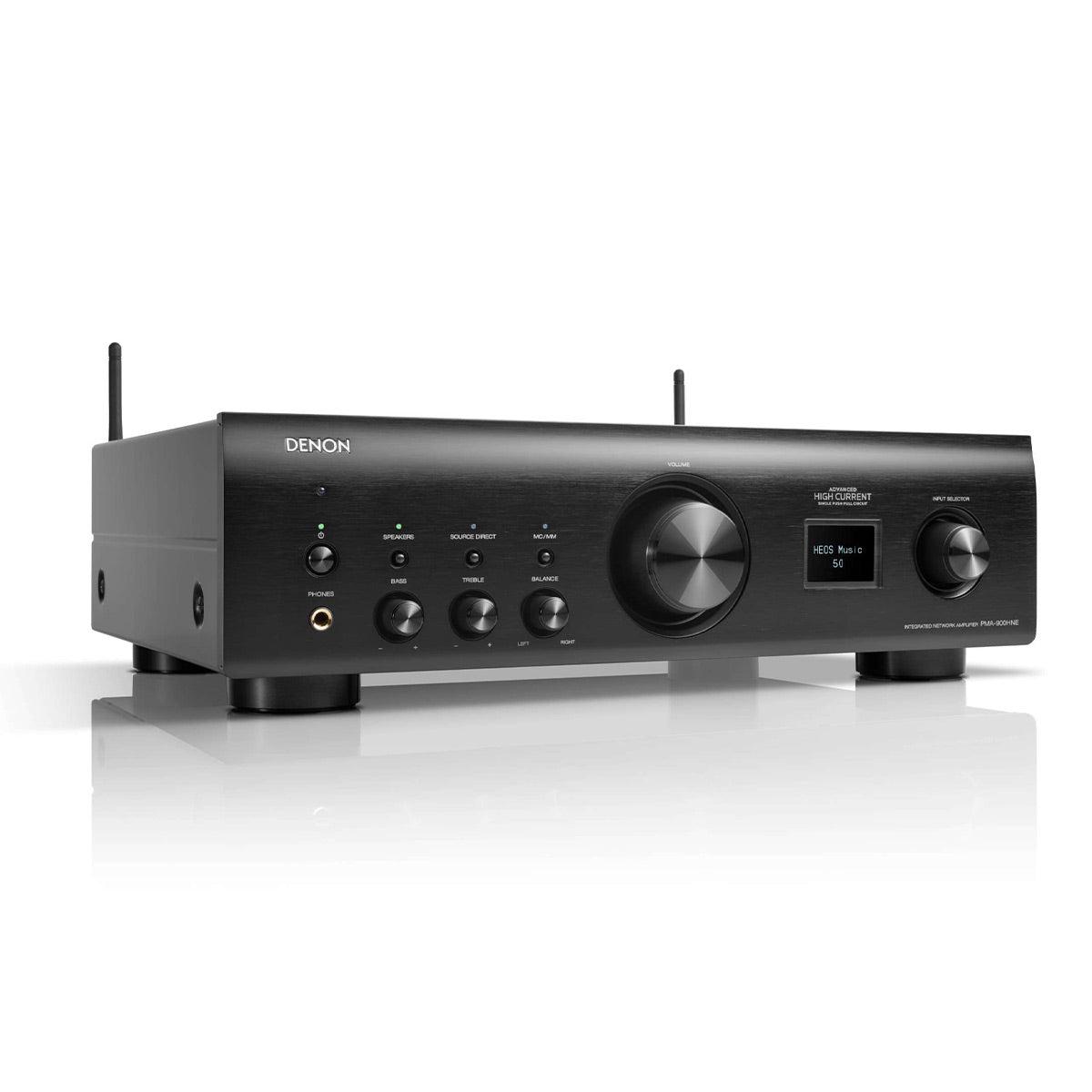
The Denon PMA-900HNE takes the opposite approach—it's completely solid-state but uses advanced transistor technology that Denon calls Advanced High Current (AHC). These special transistors can handle two to three times more electrical current than conventional audio transistors, which means better control over your speakers and more dynamic sound reproduction.
Let's talk about what really matters when it comes to driving your speakers. Both amplifiers deliver similar power into 8-ohm speakers—about 50 watts per channel—which is plenty for most home listening environments unless you have very large rooms or extremely inefficient speakers. But they get there in very different ways.
The HTA200 can pump out 100 watts per channel into 4-ohm speakers, giving it a slight edge in raw power output. However, its total harmonic distortion (THD)—essentially how much the amplifier changes your music from its original form—sits at less than 1%. That might sound bad, but with tubes, some of this "distortion" is actually pleasant harmonic content that many people find musically engaging.
The Denon, meanwhile, achieves an impressive 0.01% THD, meaning it's incredibly faithful to the original recording. Its signal-to-noise ratio (SNR)—how much unwanted background noise you hear—reaches 105 dB for line inputs, compared to the HTA200's 80+ dB specification. In practical terms, this means the Denon will sound cleaner and quieter, especially when you're listening at low volumes late at night.
What's particularly interesting about the Denon's AHC technology is how it handles difficult speaker loads. Some speakers present challenging electrical characteristics that can make amplifiers work harder or even become unstable. The high-current capability means the PMA-900HNE stays composed and controlled even when driving demanding speakers—something that becomes more important if you're considering high-end bookshelf speakers or floor-standing models with complex crossover networks.
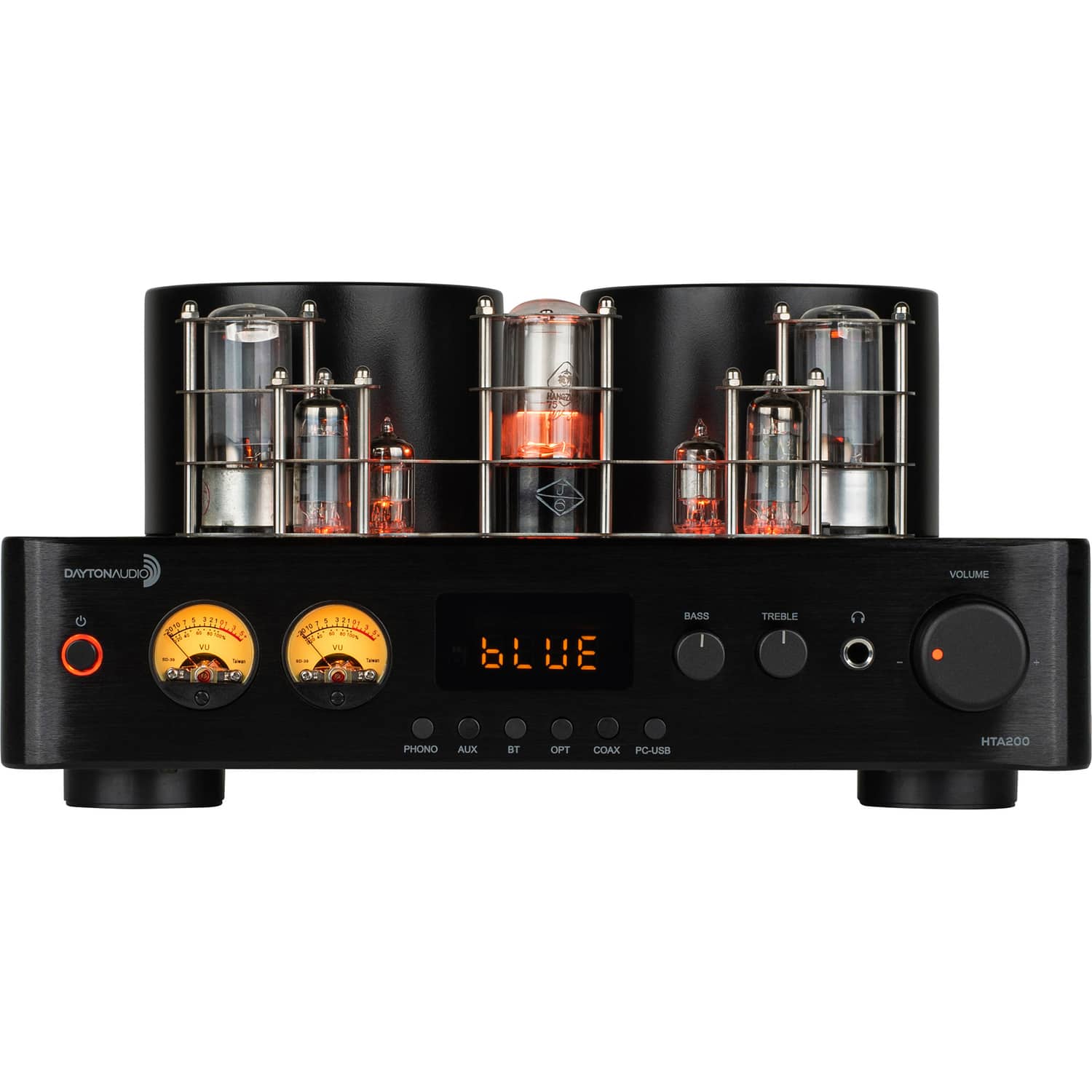
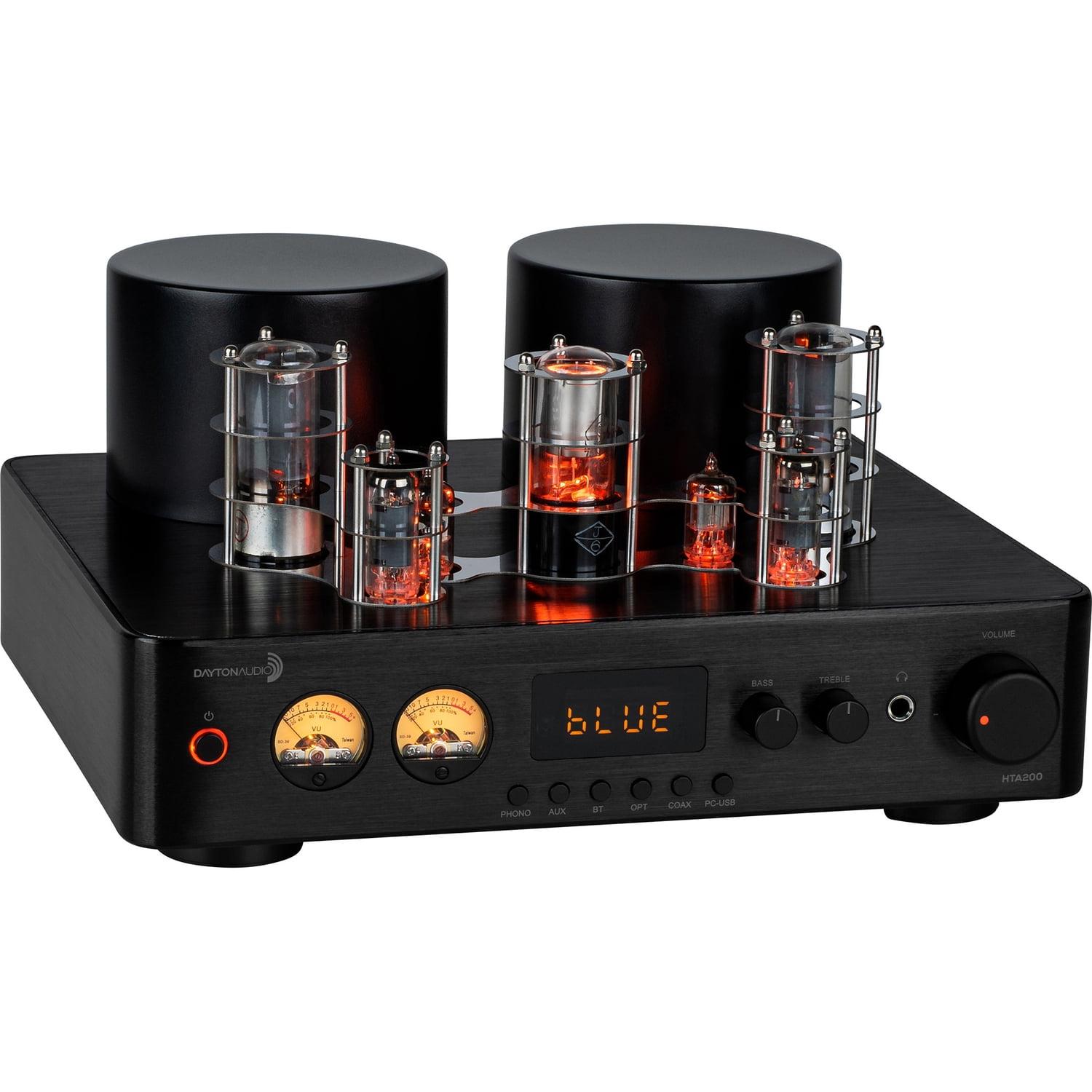
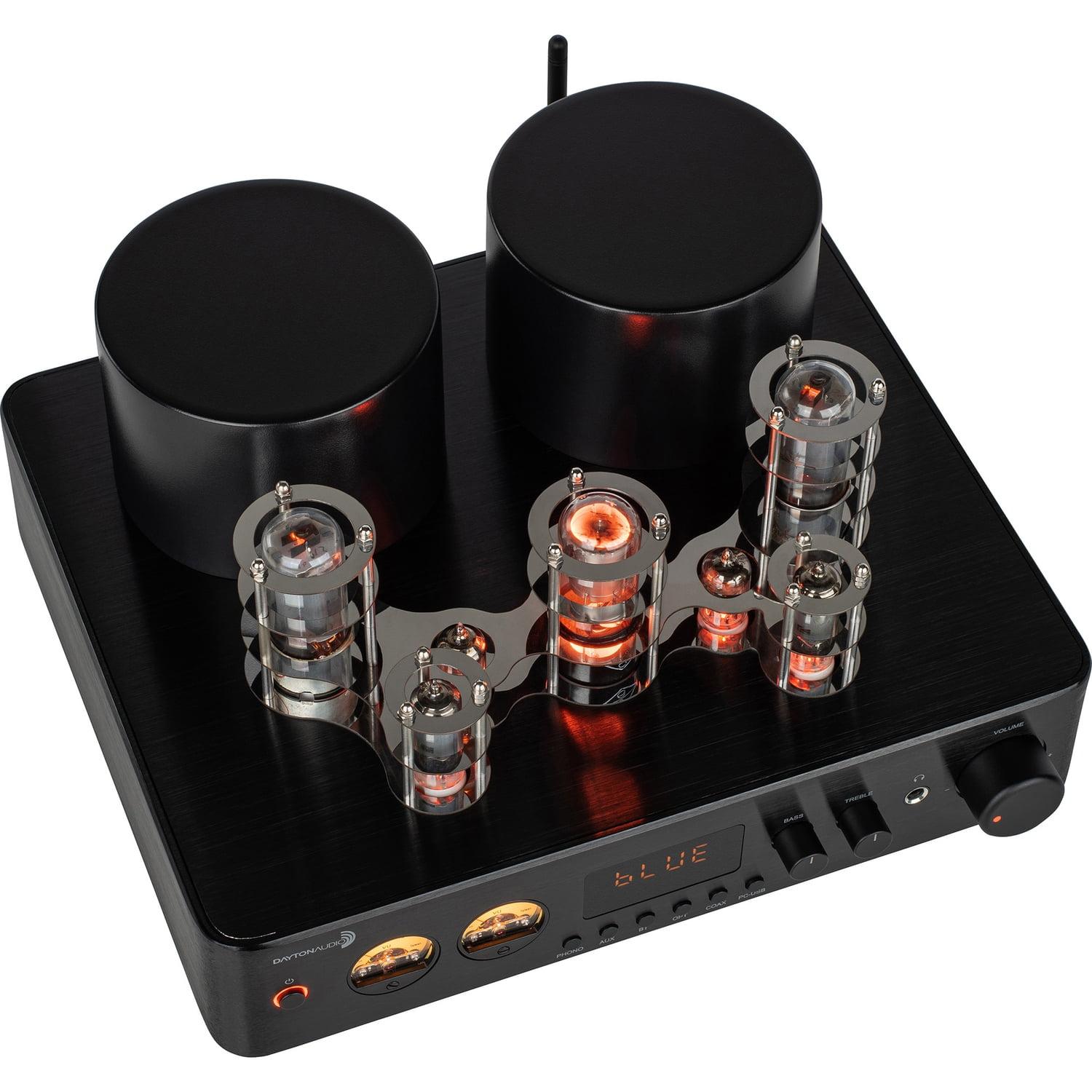
Here's where personal preference really starts to matter. The HTA200 uses six vacuum tubes in its preamp section—specifically 13P1P and 6H2 tubes for amplification, 6A2 tubes for additional gain, and a WY3P stabilizing tube that helps keep everything running smoothly. These tubes don't just sit there looking pretty (though they do look fantastic with their amber glow); they actively shape the sound in subtle but meaningful ways.
Tube amplification tends to emphasize the midrange frequencies where most vocals and instruments live, creating what many describe as a more "musical" or "engaging" sound. The tubes also add subtle harmonic distortions that can make digital music sources sound less harsh or clinical. If you find that a lot of modern recordings sound too bright or fatiguing, the HTA200's tube preamp might be exactly what you need.
The Denon PMA-900HNE takes the opposite approach with its precision-focused solid-state design. It uses what Denon calls Signal Level Divided Construction (SLDC), which essentially means they've carefully isolated different parts of the circuit to minimize electrical interference. The result is exceptionally clean, detailed sound reproduction that reveals everything in your recordings—the good and the bad.
From our research into user experiences and professional reviews, the Denon excels at creating a wide, precise soundstage where you can easily pick out individual instruments and their locations in the mix. It's particularly impressive with well-recorded acoustic music, jazz, and classical recordings where you want to hear every subtle detail. The HTA200, on the other hand, tends to make everything sound more cohesive and warm, which can be incredibly pleasant with rock, pop, and even poorly recorded material.
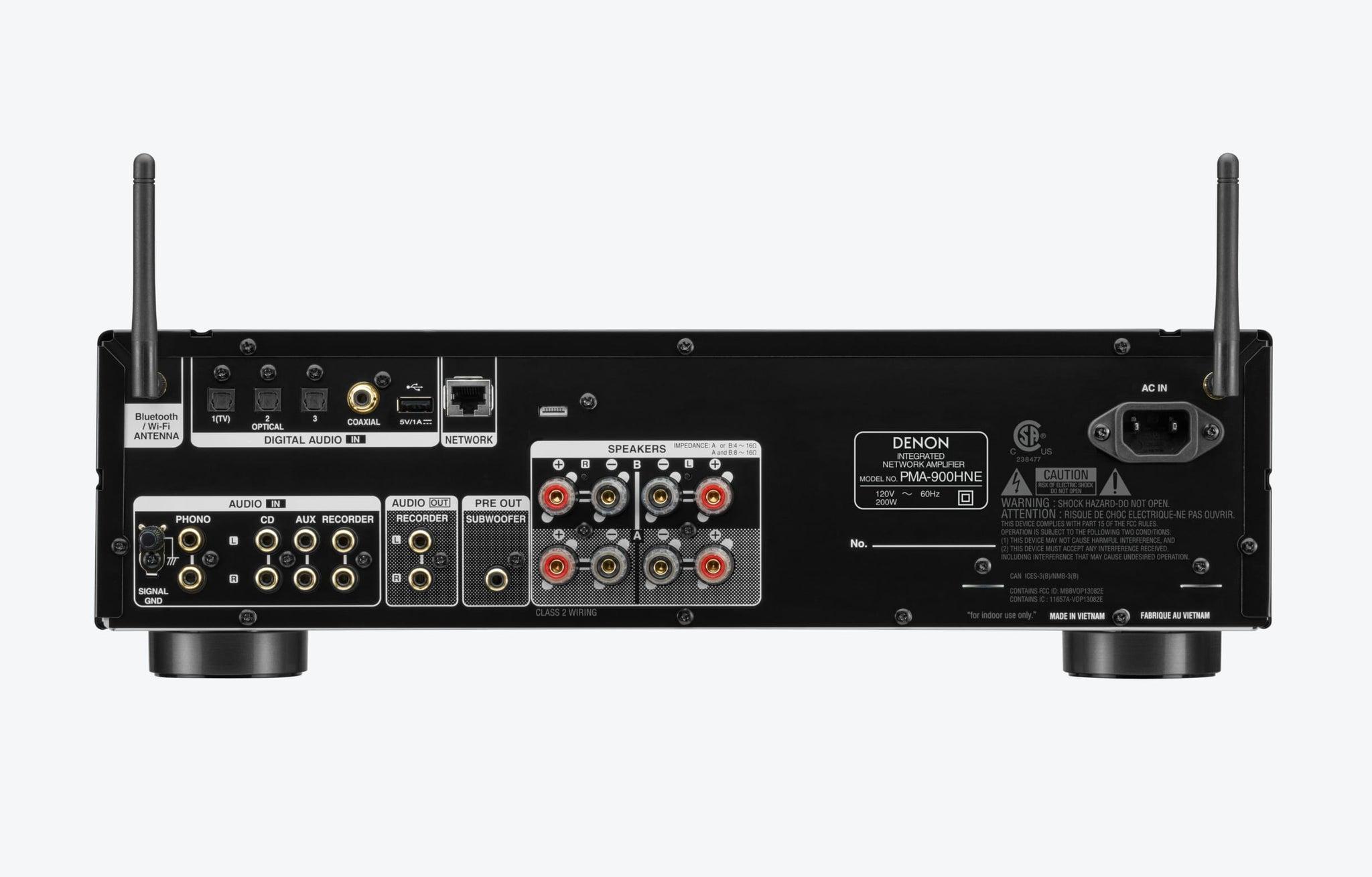
The biggest practical difference between these amplifiers is how they handle digital sources, and this is where the three-year age gap really shows. The HTA200 includes basic digital connectivity that was fairly standard in 2019—Bluetooth 5.0 with SBC and AAC codec support, a USB input for connecting to your computer, and optical/coaxial digital inputs for CD players or TVs. However, everything is limited to 16-bit/48kHz resolution, which means you won't get the full benefit of high-resolution music files.
The Denon PMA-900HNE represents where the industry has moved since then. It's Hi-Res Audio Certified and can handle PCM digital signals up to 192kHz/24-bit—that's four times the resolution of CD quality. More importantly, it includes Denon's HEOS streaming platform built right in, which transforms it from a simple amplifier into a full network music player.
HEOS integration means you can stream directly from Spotify, Apple Music, Tidal, Amazon Music, and other services without needing your phone or computer as an intermediary. The amplifier connects to your Wi-Fi network and can even participate in multi-room audio setups if you have other HEOS-compatible devices. It also supports Apple AirPlay 2, so iPhone users can easily stream high-quality audio without thinking about it.
For many people, this streaming capability alone justifies the Denon's higher price point. Instead of needing a separate streaming device like a Bluesound Node or similar product, you get everything integrated into one box. The HEOS app provides a single interface for all your streaming services and local music files, making day-to-day music listening much more convenient.
Both amplifiers include phono stages for connecting turntables, but they're targeted at different types of vinyl enthusiasts. The HTA200 includes a basic built-in phono preamp that's designed for moving magnet (MM) cartridges—the most common and affordable type of turntable cartridge. It gets the job done and sounds quite good for casual vinyl listening, but it's not going to compete with dedicated phono preamps.
The Denon PMA-900HNE includes a much more sophisticated phono stage that handles both moving magnet and moving coil (MC) cartridges. MC cartridges are typically found on higher-end turntables and produce much lower output signals that require more sensitive amplification. The Denon's phono stage also has better specifications overall, with lower noise and more accurate RIAA equalization (the standard curve used to encode vinyl records).
If you're serious about vinyl and already own or plan to buy a high-quality turntable, the Denon's phono stage could save you from needing a separate phono preamp that might cost $200-400 or more. For casual vinyl listeners who just want to connect a basic turntable, the HTA200's phono input is perfectly adequate.
The physical differences between these amplifiers reflect their different design philosophies. The HTA200 is built around its visual appeal—those glowing tubes and classic VU meters that dance with the music create an undeniably cool retro vibe. The motorized volume knob is a nice touch that adds to the premium feel, and the overall build quality is impressive for the price point at the time of writing.
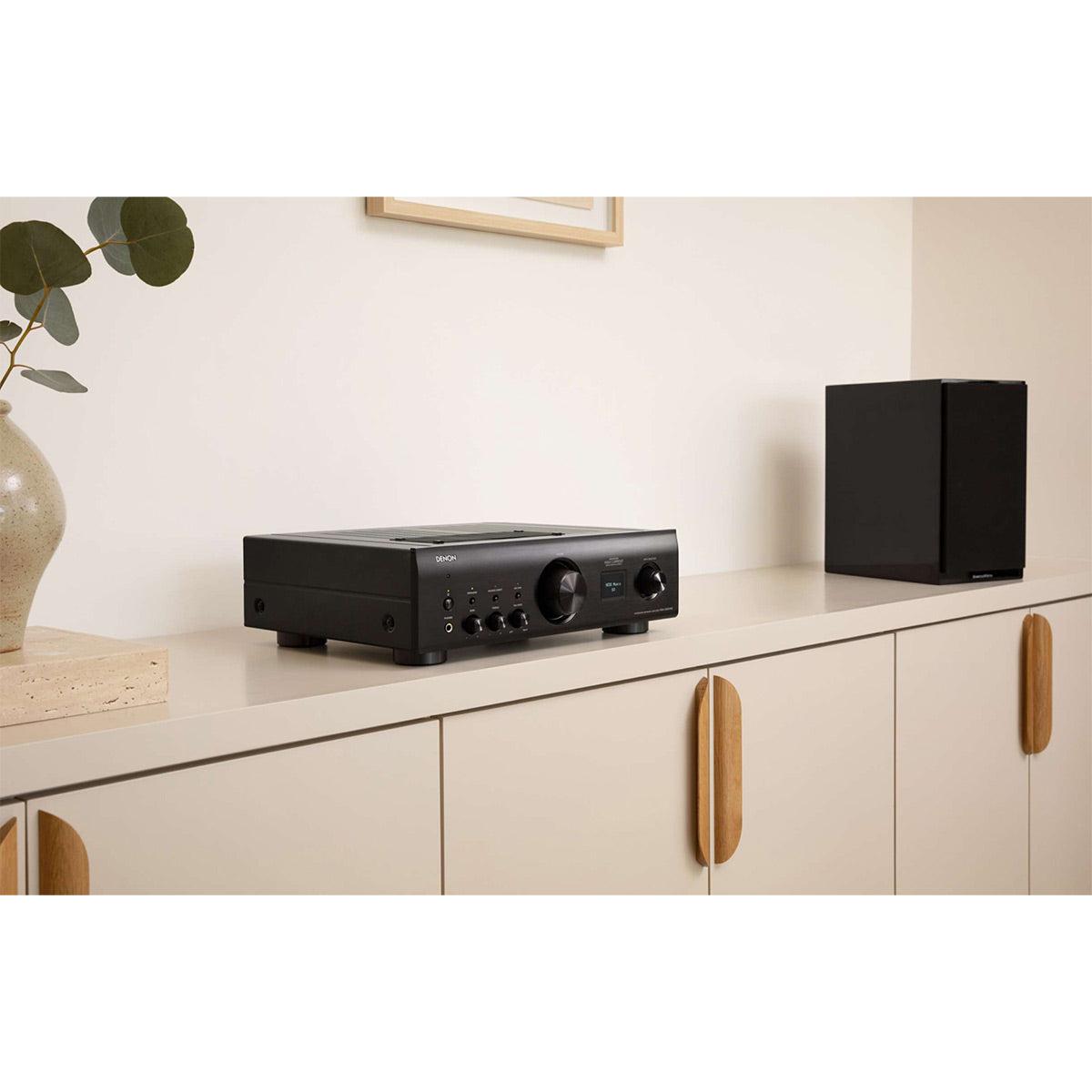
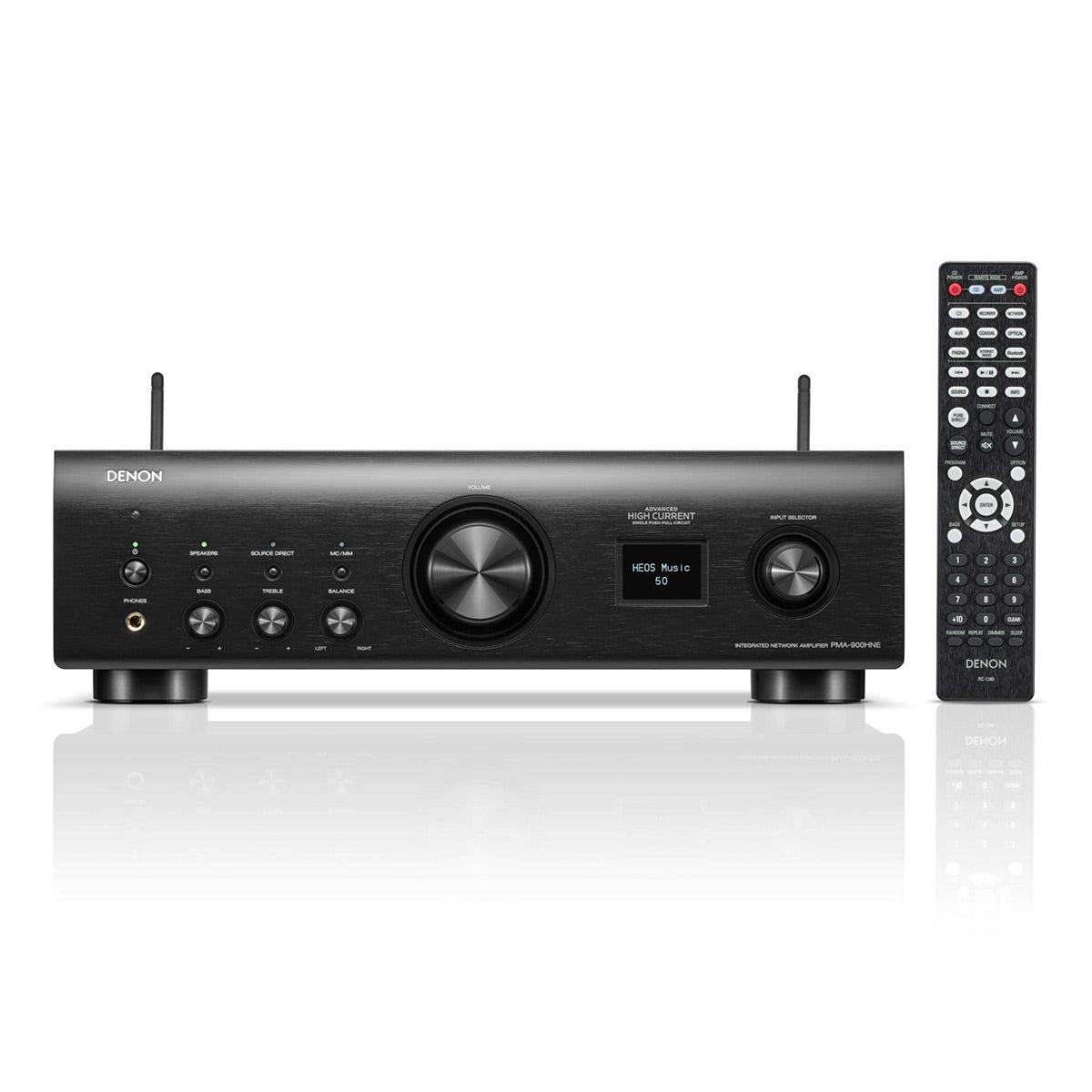
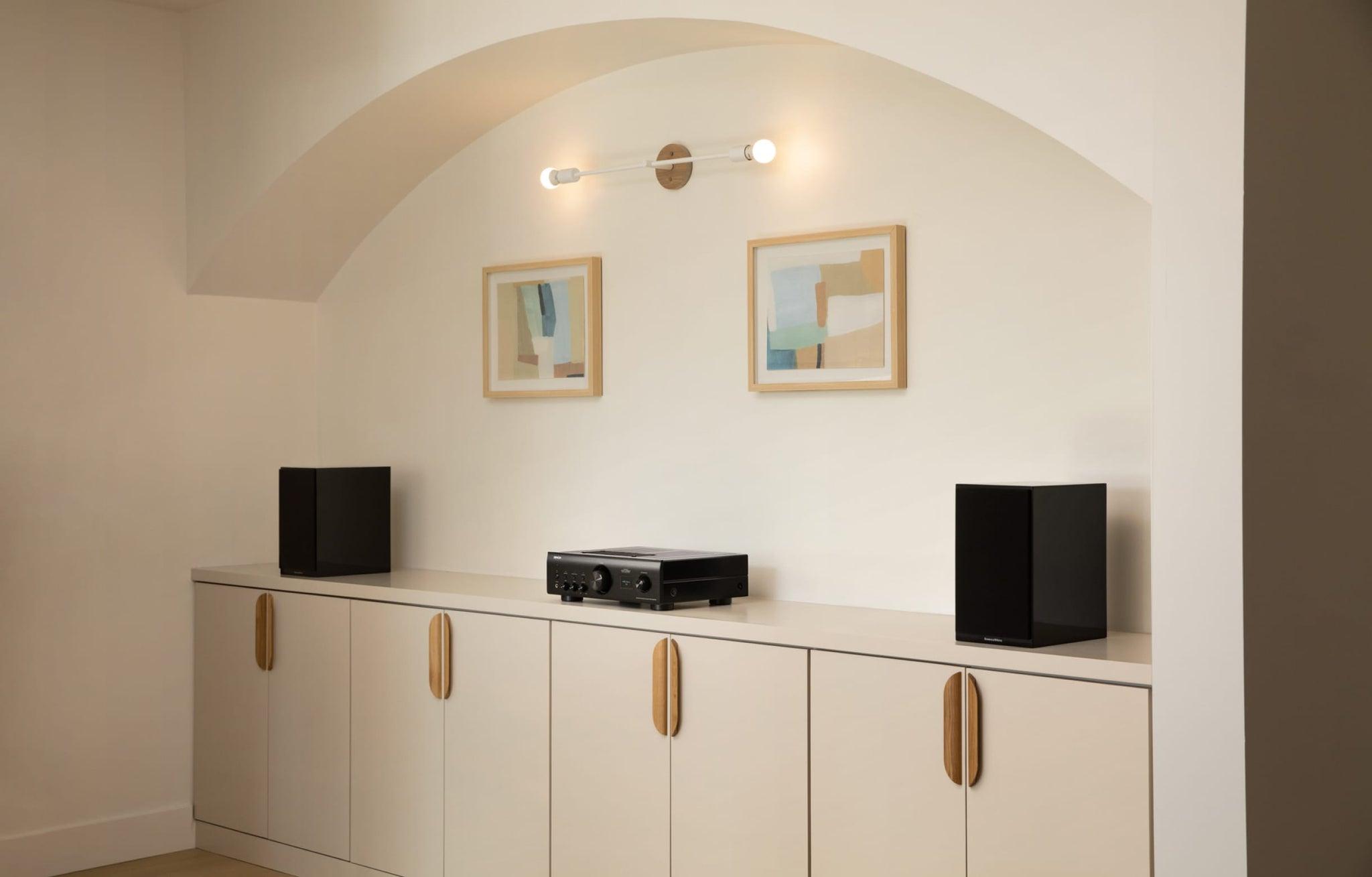
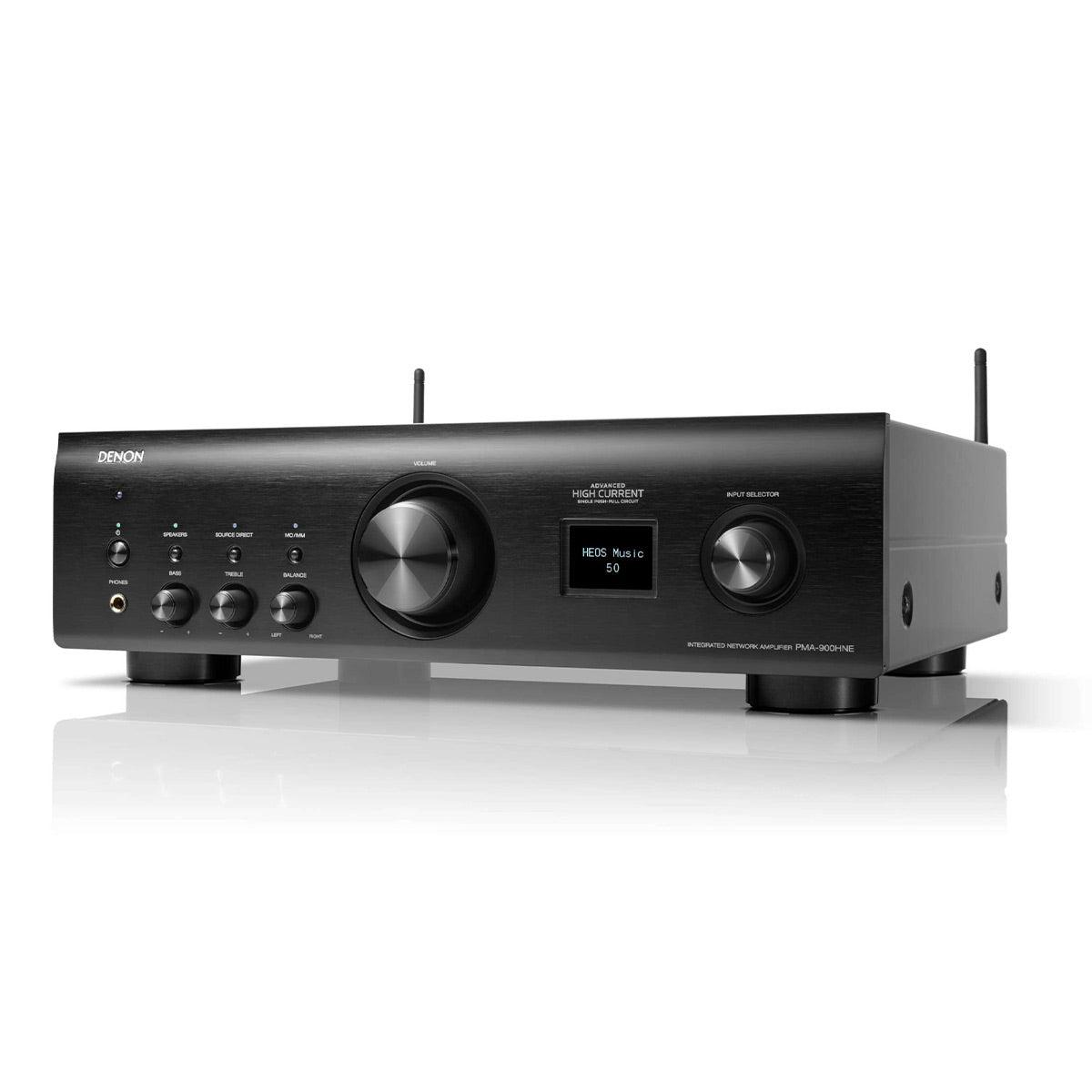
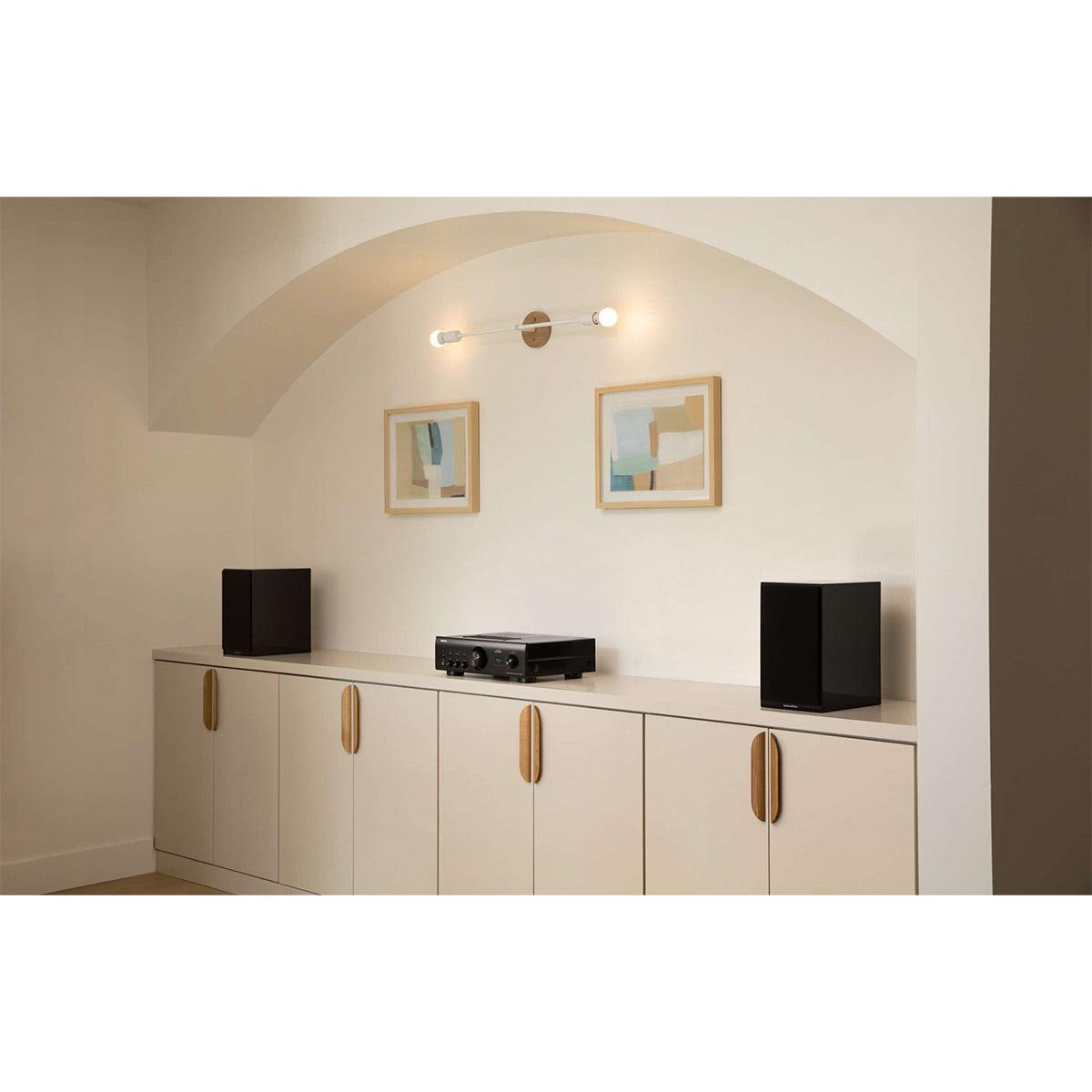
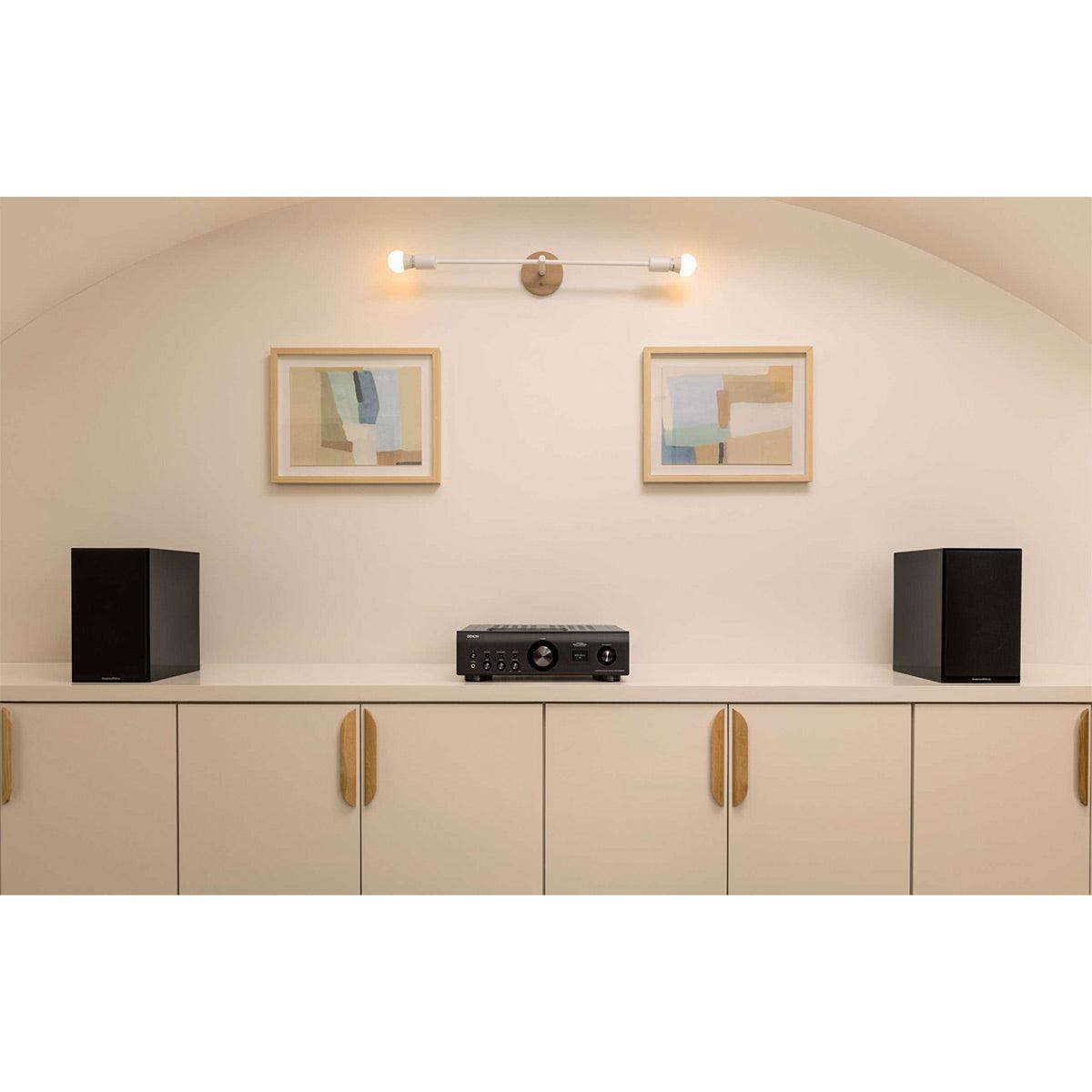
The Denon follows a more minimalist aesthetic typical of modern hi-fi equipment. The construction quality is excellent, with precise machining and a solid feel that suggests it'll last for decades. However, some users and reviewers have criticized the small front display and the tapered control knobs, which don't feel quite as premium as the metal volume knob.
One significant practical difference is the remote control experience. The HTA200 includes a traditional IR remote for basic functions, while the Denon can be controlled through the comprehensive HEOS app on your smartphone. The app control is more powerful and convenient for streaming functions, but some people prefer the immediate tactile feedback of physical remote controls.
While both of these are stereo amplifiers rather than surround sound receivers, they can work in home theater setups with some planning. The HTA200 includes a subwoofer output, which helps when you want to add bass extension for movies. However, it lacks any bass management, so you'll need a subwoofer with its own crossover controls to properly integrate it with your main speakers.
The Denon PMA-900HNE also includes a subwoofer output with a fixed 100Hz low-pass filter, which provides more automatic integration. More importantly for home theater use, it includes multiple digital inputs that can accept audio from TVs, streaming boxes, and other video sources. The superior digital-to-analog conversion and higher resolution support mean it can significantly improve the audio quality from most TV sources.
Both amplifiers include headphone outputs that disable the speaker outputs when in use—perfect for late-night movie watching without disturbing family or neighbors.
At the time of writing, these amplifiers target different segments of the market, with the HTA200 positioned as an affordable entry point into tube sound and the Denon representing a more comprehensive solution at roughly twice the price.
The HTA200 offers something genuinely unique in its price range—that hybrid tube design with its characteristic sound and visual appeal simply isn't available elsewhere at similar prices. If you value the tube experience and vintage aesthetics, it represents excellent value despite its more limited digital capabilities.
The Denon PMA-900HNE justifies its higher price through comprehensive features that eliminate the need for additional components. When you factor in that you don't need a separate streamer (potentially saving $300-500) and get a high-quality phono stage included (another $200-400 in value), the overall package becomes quite competitive.
The decision between these amplifiers really comes down to what you prioritize in your listening experience and how you consume music.
Choose the Dayton Audio HTA200 if you're drawn to the tube aesthetic and sound character, prefer physical controls over app-based interfaces, and don't need extensive streaming capabilities. It's perfect for someone building their first serious stereo system on a budget, or for anyone who wants something visually distinctive that sounds different from typical solid-state amplifiers. The HTA200 is also ideal if your music sources are primarily physical (CDs, vinyl) or if you're content streaming via Bluetooth from your phone.
The Denon PMA-900HNE makes more sense if streaming convenience is important to you, if you listen to high-resolution music files, or if you want the cleanest, most accurate sound reproduction possible. It's the better choice for serious vinyl enthusiasts with high-end turntables, anyone planning to integrate with smart home systems, or people who want a single component that handles everything well.
Both amplifiers will drive most home speakers effectively and sound excellent in their own ways. The HTA200 brings character and visual excitement to music listening, while the PMA-900HNE offers modern convenience and technical excellence. Your choice should align with how you listen to music today and how you expect that to evolve in the coming years.
In my experience researching and evaluating audio equipment, both represent honest, well-executed approaches to their respective design philosophies. Neither is trying to be something it's not, and both deliver on their core promises. The key is understanding which set of priorities matches your own listening preferences and lifestyle.
| Dayton Audio HTA200 | Denon PMA-900HNE |
|---|---|
| Amplification Technology - Determines overall sound character and reliability | |
| Hybrid tube preamp + Class A/B solid-state power (warm, musical sound with tube character) | Pure solid-state Advanced High Current design (clean, precise, controlled sound) |
| Power Output - Critical for driving speakers effectively | |
| 100W @ 4Ω, 50W @ 8Ω (slightly more power available) | 85W @ 4Ω, 50W @ 8Ω (adequate power with better control) |
| Total Harmonic Distortion - Lower is generally better for accuracy | |
| <1% (tube harmonics add musical character) | 0.01% (exceptional accuracy and clarity) |
| Signal-to-Noise Ratio - Higher means less background noise | |
| >80 dB (good, but you may hear slight hiss at high volumes) | 105 dB (excellent, virtually silent background) |
| Digital Audio Support - Future-proofing for high-quality files | |
| 16-bit/48kHz max (basic CD quality, no hi-res support) | 192kHz/24-bit PCM (full hi-res audio capability) |
| Streaming Capabilities - Convenience for modern music consumption | |
| Bluetooth 5.0 only (phone/tablet streaming) | HEOS built-in, Wi-Fi, Bluetooth, AirPlay 2 (comprehensive streaming platform) |
| Phono Stage Quality - Important for vinyl enthusiasts | |
| Basic MM phono input (adequate for casual vinyl listening) | Professional MM/MC phono stage (supports high-end cartridges) |
| Digital Inputs - Flexibility for connecting sources | |
| 1 USB, 1 optical, 1 coaxial (basic connectivity) | 1 USB, 3 optical, 1 coaxial (extensive digital connectivity) |
| Visual Appeal - Aesthetic impact in your listening room | |
| Exposed glowing tubes, VU meters, vintage styling | Clean modern design, small OLED display |
| Control Interface - How you interact with the amplifier | |
| Physical controls, motorized volume, IR remote | App control via HEOS, small physical controls |
| Multi-Room Capability - Expanding beyond single room use | |
| None (standalone amplifier only) | Full HEOS multi-room integration with other compatible devices |
| Voice Control Support - Smart home integration | |
| None | Amazon Alexa, Google Assistant compatibility |
| Warranty Period - Manufacturer confidence and long-term support | |
| 5 years (exceptional coverage for the price range) | 3 years (standard hi-fi warranty period) |
The Dayton Audio HTA200 and Denon PMA-900HNE offer different sound signatures rather than one being objectively better. The HTA200 provides warm, musical tube sound with pleasant harmonic coloration, while the PMA-900HNE delivers clean, precise solid-state reproduction with exceptional detail and accuracy. Choose the HTA200 for engaging, vintage-style sound or the Denon PMA-900HNE for neutral, reference-quality audio.
The Denon PMA-900HNE is significantly better for streaming with built-in HEOS platform, Wi-Fi connectivity, and support for multiple streaming services like Spotify and Tidal. The Dayton Audio HTA200 only offers basic Bluetooth streaming. If modern streaming convenience is important, the PMA-900HNE eliminates the need for separate streaming devices.
Yes, both the HTA200 and PMA-900HNE include phono inputs for turntables. However, the Denon PMA-900HNE offers a superior MM/MC phono stage that supports high-end moving coil cartridges, while the Dayton Audio HTA200 provides a basic MM-only phono input suitable for entry-level turntables.
The Dayton Audio HTA200 delivers slightly more power at 100 watts per channel into 4-ohm speakers compared to the Denon PMA-900HNE's 85 watts. However, both provide 50 watts into 8-ohm speakers, which is adequate for most home listening situations. The PMA-900HNE offers better control and stability with its Advanced High Current technology.
Both amplifiers can work in stereo home theater setups. The Denon PMA-900HNE is better suited with multiple digital inputs for connecting TV sources and superior digital-to-analog conversion. The HTA200 includes a subwoofer output but lacks the comprehensive connectivity that makes the PMA-900HNE more versatile for home theater integration.
Value depends on your priorities. The Dayton Audio HTA200 offers unique hybrid tube technology and vintage aesthetics at a lower price point. The Denon PMA-900HNE costs more but includes comprehensive streaming capabilities and high-quality phono stage that could eliminate the need for separate components, potentially offering better overall value for feature-conscious buyers.
The Denon PMA-900HNE is Hi-Res Audio Certified and supports up to 192kHz/24-bit digital audio through its advanced DAC. The Dayton Audio HTA200 is limited to basic 16-bit/48kHz resolution through its digital inputs. For high-resolution music files, the PMA-900HNE is the clear choice.
The HTA200 offers simpler operation with traditional physical controls and basic remote functionality. The Denon PMA-900HNE requires smartphone app control for many features but provides more comprehensive functionality once set up. Choose the Dayton Audio HTA200 for simplicity or the PMA-900HNE for advanced features.
Both amplifiers can drive most home speakers effectively. The Denon PMA-900HNE has an advantage with its Advanced High Current technology, providing better control over demanding speaker loads. The HTA200 offers adequate power but may struggle slightly more with very inefficient or complex speakers compared to the PMA-900HNE.
This depends on personal preference. The Dayton Audio HTA200 features exposed glowing tubes and classic VU meters for vintage appeal that makes a visual statement. The Denon PMA-900HNE has a clean, minimalist design that blends into modern decor. The HTA200 is more visually distinctive while the PMA-900HNE is more understated.
Only the Denon PMA-900HNE supports voice control through Amazon Alexa and Google Assistant when connected to your network. The Dayton Audio HTA200 lacks smart home integration features. For voice control and smart home compatibility, the PMA-900HNE is the only option.
Both amplifiers should provide years of reliable service. The HTA200 uses vacuum tubes that will eventually need replacement but comes with an exceptional 5-year warranty. The Denon PMA-900HNE has fewer wear items as a solid-state design and includes a 3-year warranty. The Dayton Audio HTA200 shows more manufacturer confidence with its longer warranty period.
We've done our best to create useful and informative comparisons to help you decide what product to buy. Our research uses advanced automated methods to create this comparison and perfection is not possible - please contact us for corrections or questions. These are the sites we've researched in the creation of this article: daytonaudio.com - audiosciencereview.com - daytonaudio.com - audioholics.com - soundstageaccess.com - youtube.com - avsforum.com - solen.ca - daytonaudio.com - soundstagenetwork.com - parts-express.com - homedepot.com - device.report - soundstagenetwork.com - petra.com - manualslib.com - audiophonics.fr - manualshelf.com - crutchfield.com - e-catalog.com - theaudiotailor.com.au - extremehifi.com - whathifi.com - speakerdecision.com - youtube.com - audiosciencereview.com - sound-advice.online - crutchfield.com - crutchfield.com - sweetwater.com - watthifi.com - youtube.com - accessories4less.com - soundstageaccess.com - icav.us - safeandsoundhq.com - listenup.com - accessories4less.com - audiosciencereview.com

Privacy Policy
Terms and Conditions - Affiliate Policy
Home Security
© Copyright 2008-2026.
11816 Inwood Rd #1211, Dallas, TX 75244