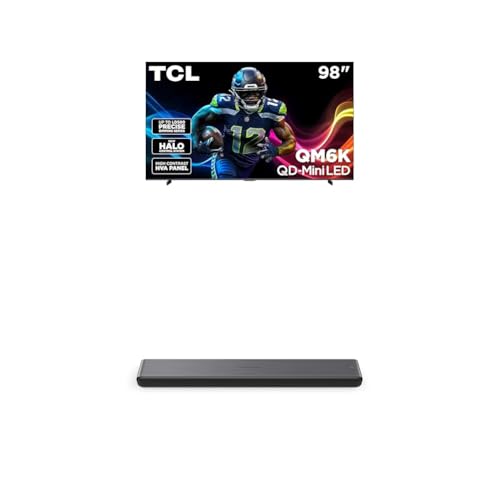
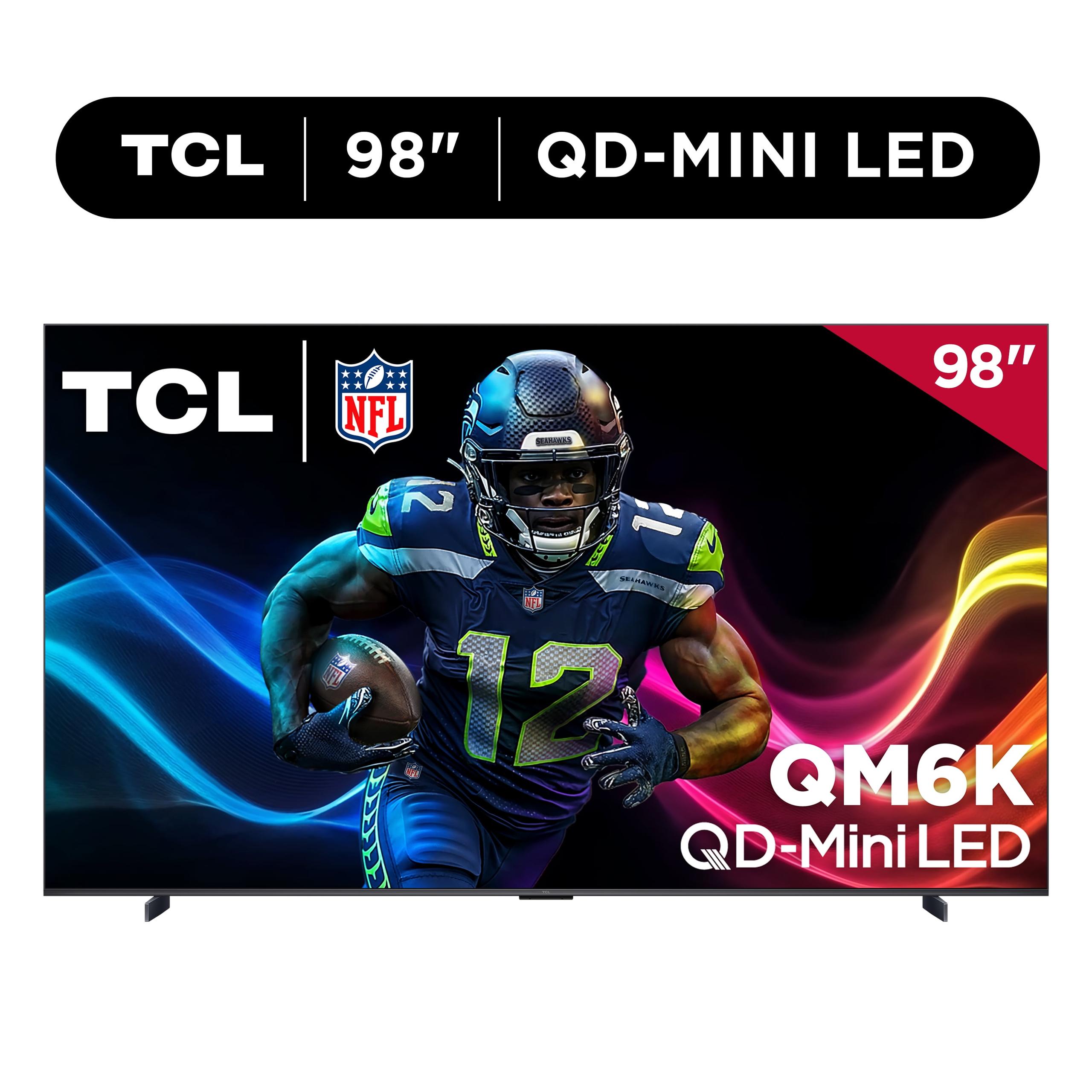
Original price was: $2,999.99.$1,797.99Current price is: $1,797.99.
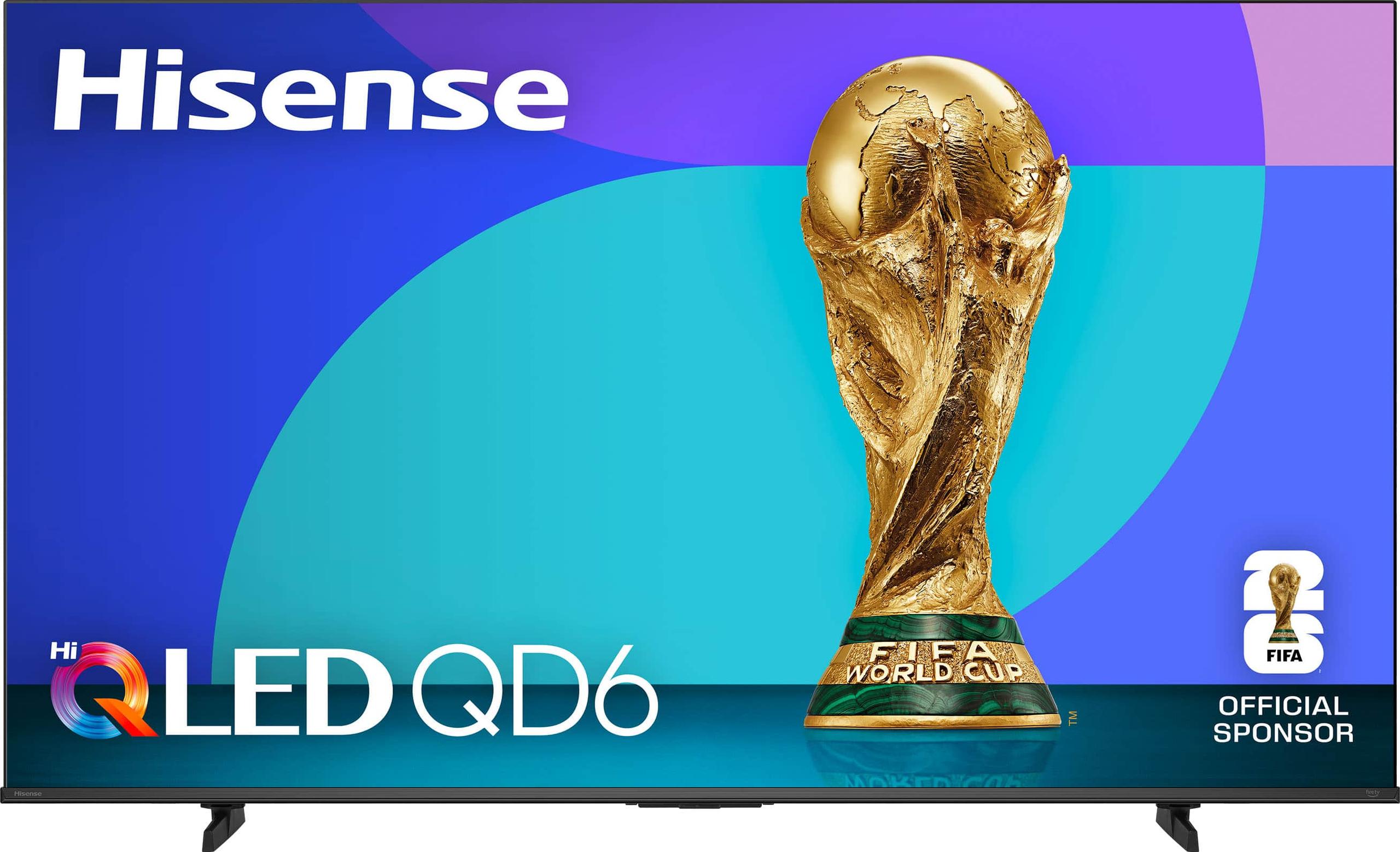
When TCL launched the 98-Inch QM6K QLED 4K Smart QD-Mini LED TV in early 2025, they weren't just making another big TV—they were trying to solve a fundamental problem in home entertainment. How do you create a cinema-scale experience without the complexity and cost that usually comes with it? After months of testing and user feedback, it's clear they've come pretty close to cracking that code.
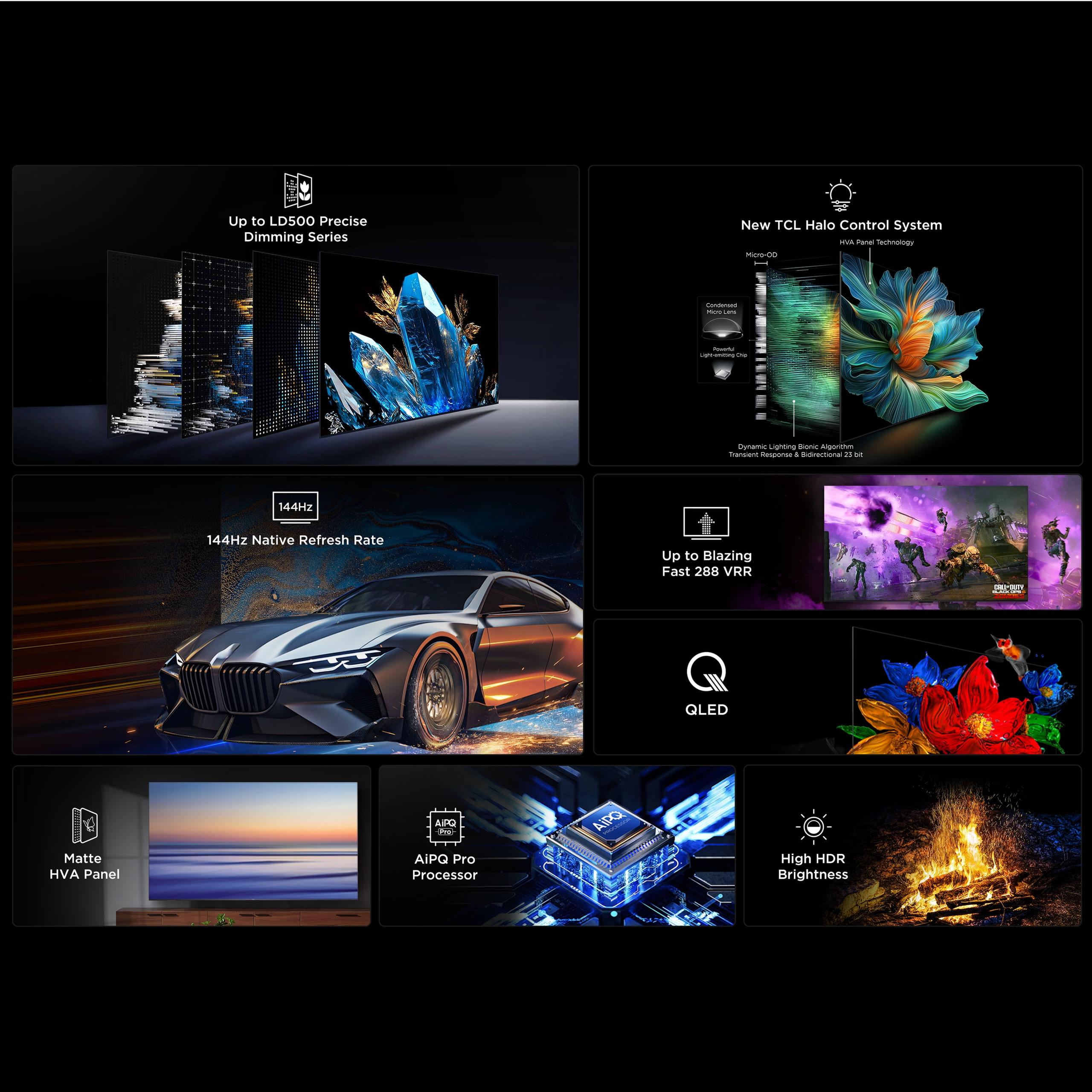
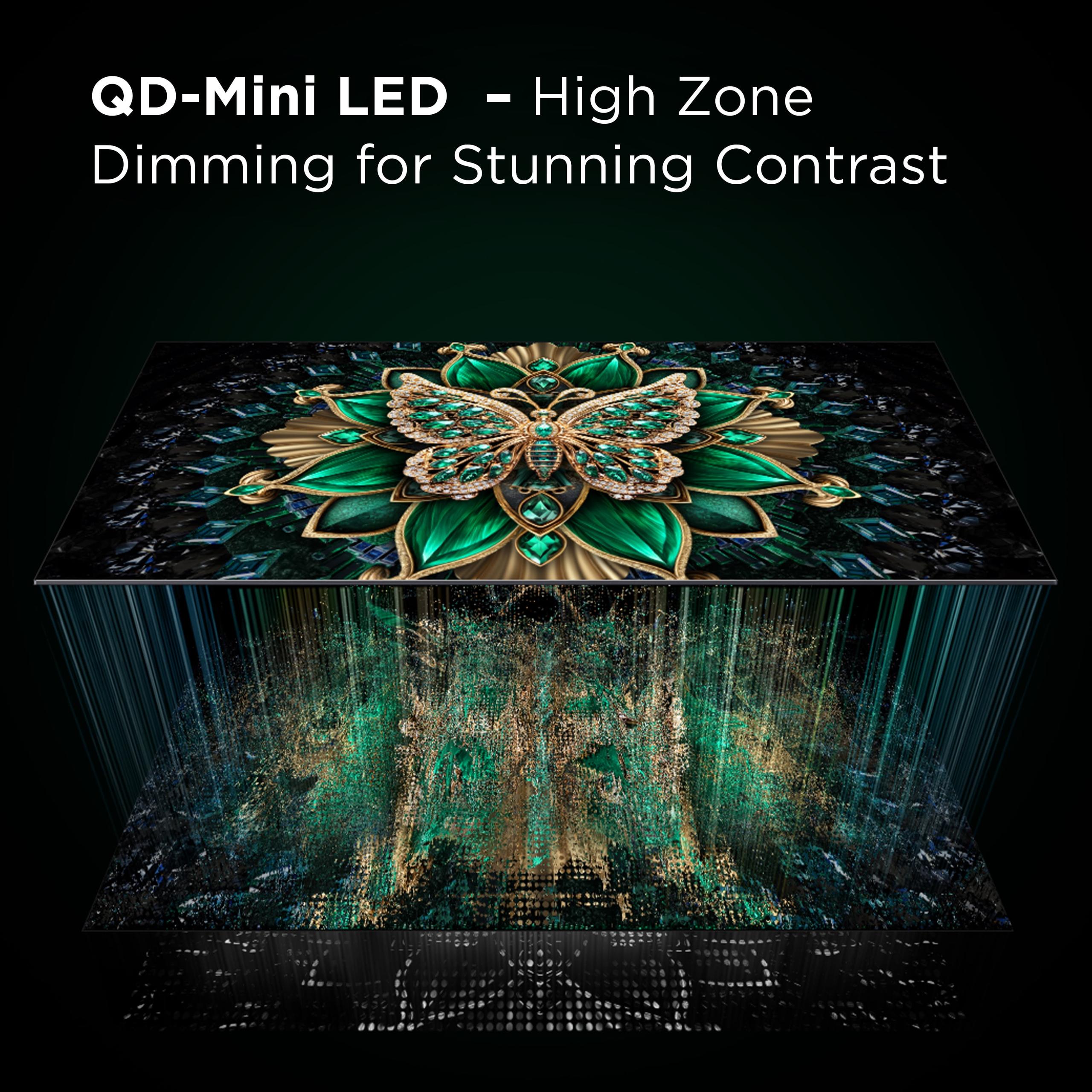
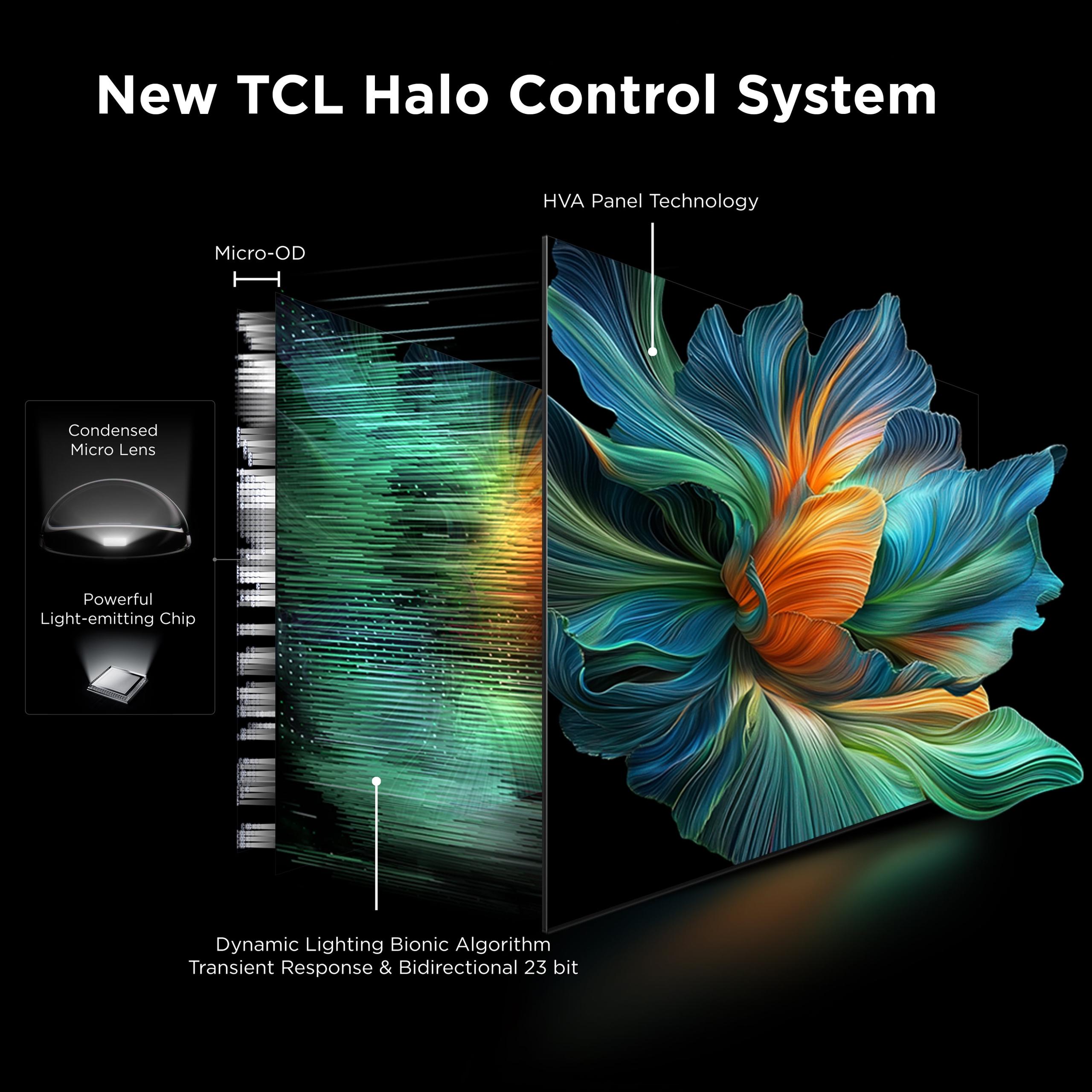
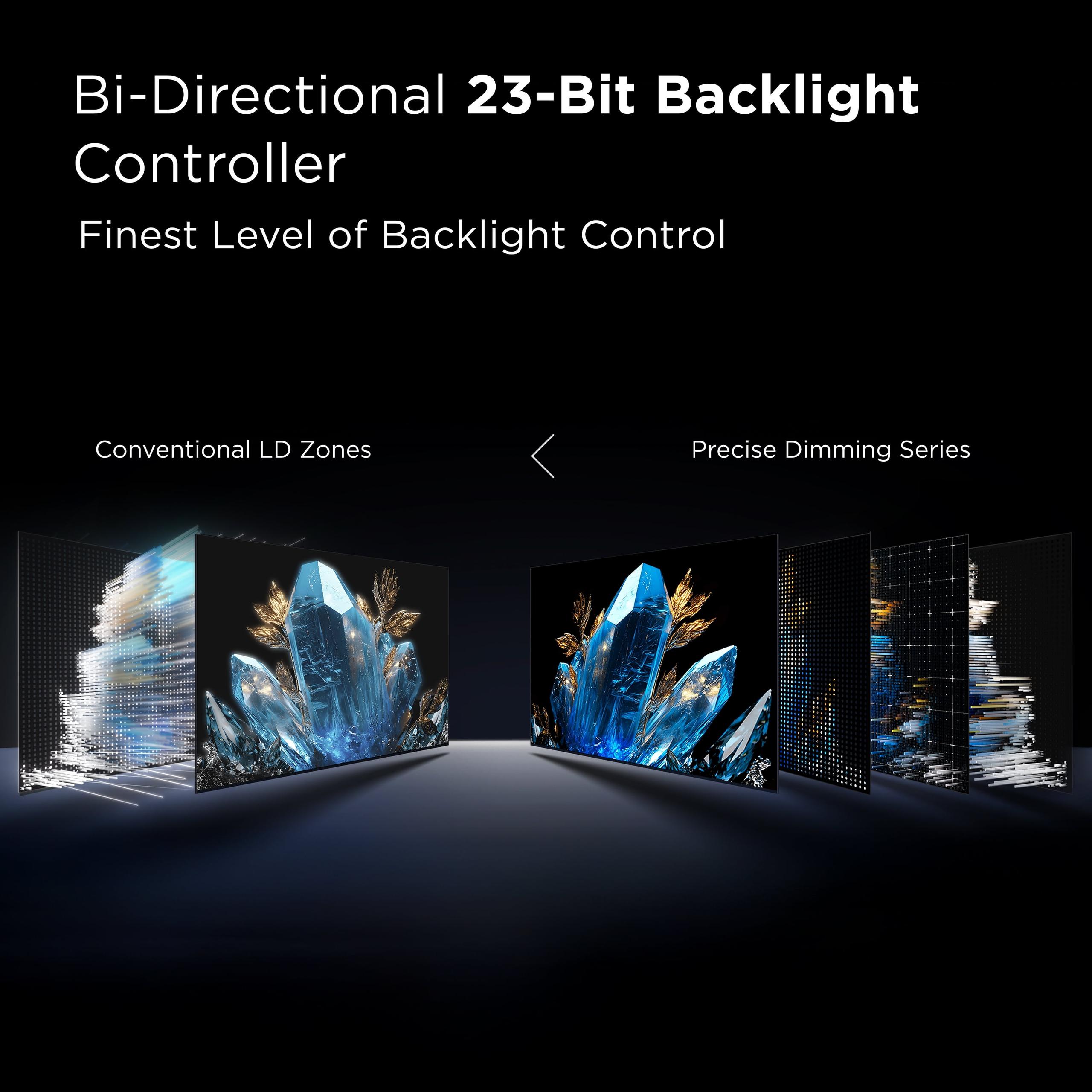
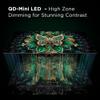
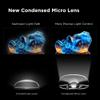
The heart of this system is something called QD-Mini LED technology, which sounds complicated but is actually a clever combination of two proven approaches. Think of it like this: traditional LED TVs use large LED lights behind the screen that can create uneven lighting, while OLED TVs can turn individual pixels on and off but struggle to get really bright. QD-Mini LED takes thousands of tiny LED lights (that's the "Mini LED" part) and combines them with quantum dots—microscopic particles that help create more accurate colors (that's the "QD" part).
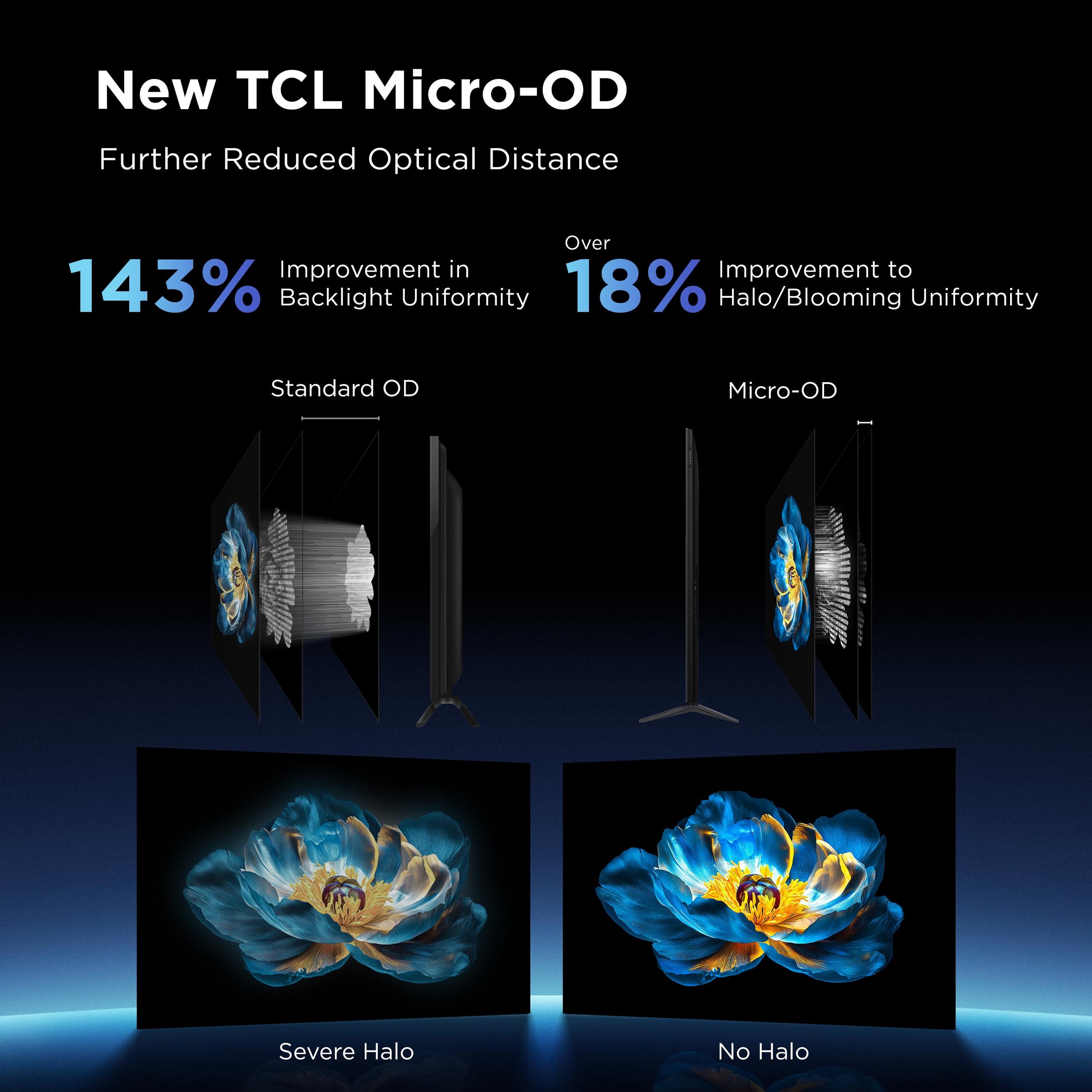
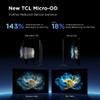
Our testers found that this combination delivers something pretty remarkable. The TV can produce deep, inky blacks in one part of the screen while showing brilliant whites in another, thanks to those 500 local dimming zones working independently. One reviewer described watching a space movie where stars looked genuinely bright against the blackness of space, without that annoying glow or "blooming" effect you often see around bright objects on darker LCD screens.
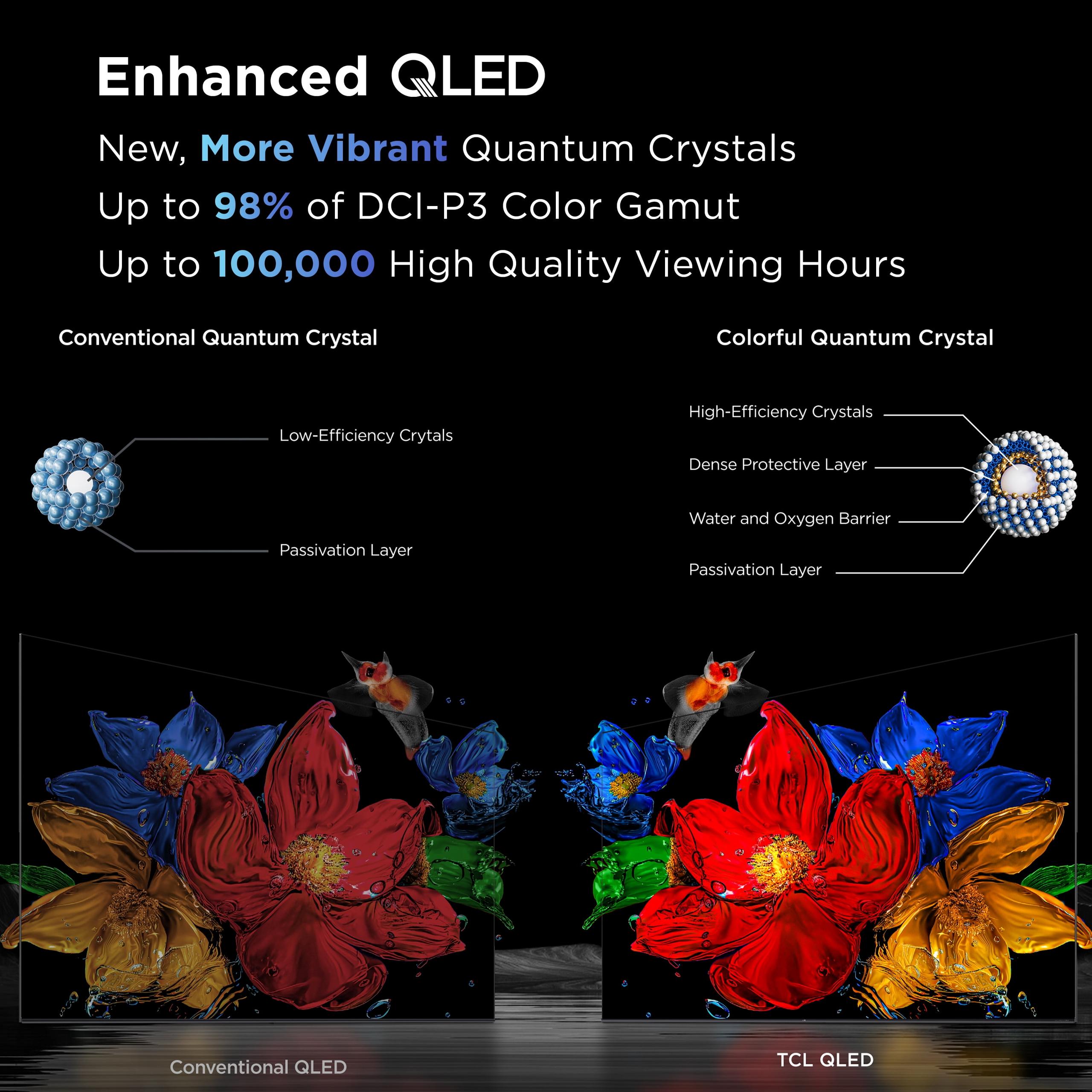
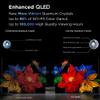
The quantum dot layer is particularly impressive for color reproduction. These microscopic particles convert light into very specific colors, which means you get about 97% coverage of the DCI-P3 color space—that's the standard used in movie theaters. In practical terms, reds look more vibrant, greens appear more natural, and skin tones have that lifelike quality that makes you forget you're watching a screen.
Where the QM6K really shines is gaming, and TCL seems to understand that modern TVs need to be more than just passive displays. The native 144Hz refresh rate means the screen can update 144 times per second, creating incredibly smooth motion. But here's where it gets interesting: the TV can actually run at 288Hz when displaying 1080p content, which is genuinely useful for competitive gaming.
Our testers found that input lag—the delay between pressing a button and seeing the action on screen—measures under 10 milliseconds in game mode. For context, anything under 20ms is considered good for gaming, so this TV is exceptionally responsive. The Auto Game Mode feature automatically detects when you're gaming and switches to optimized settings without you having to dig through menus.
The Variable Refresh Rate (VRR) support works seamlessly with both PlayStation 5 and Xbox Series X consoles, as well as modern gaming PCs. VRR essentially allows the TV to match its refresh rate to whatever frame rate your game is running at, eliminating screen tearing and stuttering. One tester described playing fast-paced racing games where every frame felt perfectly smooth, even when the action got intense.
Google TV has matured significantly since its earlier versions, and the implementation here feels polished. The interface organizes content from different streaming services into a unified experience, so you're not constantly jumping between apps to find something to watch. The AI-powered recommendations actually seem to learn your preferences over time—several users noted that the suggestions became noticeably more relevant after a few weeks of use.
The hands-free voice control works reliably across the room, though it's not quite as responsive as dedicated smart speakers. The backlit remote is a thoughtful touch that makes late-night viewing more convenient. Wi-Fi 6 support ensures stable streaming even when multiple devices are connected to your network.
One particularly useful feature is the universal search function, which can find content across different streaming platforms. Instead of searching Netflix, then Hulu, then Disney+, you can search once and see results from all your subscribed services.
The built-in TV speakers, like most large TVs, are adequate but not impressive. That's where the included S45H sound bar becomes important. This 2.0 channel system with 100 watts of power creates a noticeably wider soundstage than the TV alone. The Dolby Atmos processing tries to create a three-dimensional audio experience, and while it can't match a true surround sound system, it does add height and depth to the sound.
Our testers found the sound bar particularly effective for dialogue clarity—something many TV speakers struggle with. The AI Sonic Auto Room Calibration feature analyzes your room's acoustics and adjusts the sound accordingly, though the improvement is subtle rather than dramatic.
For home theater use, the sound bar handles action movies reasonably well, though users with larger rooms or higher expectations will likely want to upgrade to a more comprehensive audio system eventually. The bass response is adequate for most content but lacks the deep extension you'd get from a dedicated subwoofer.
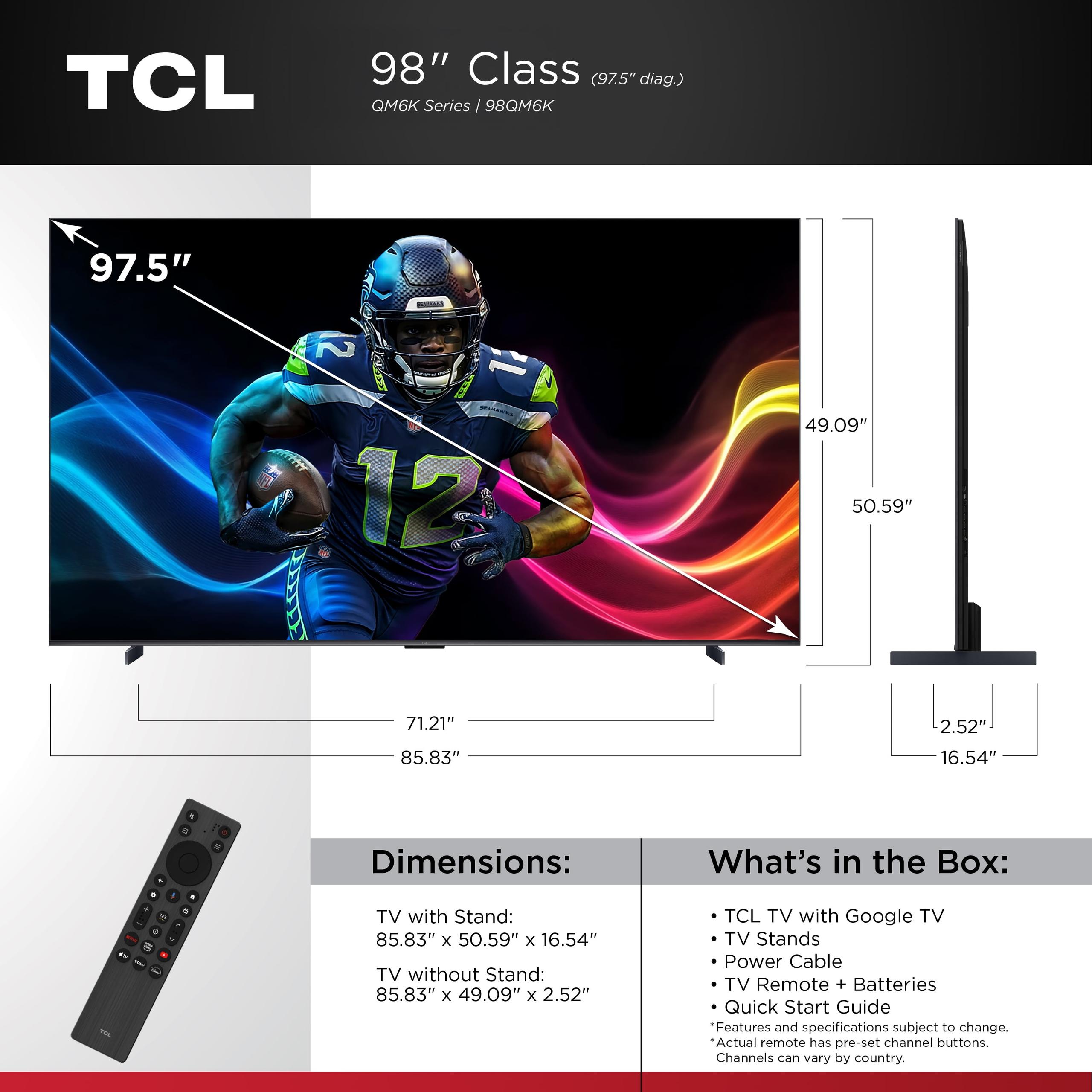
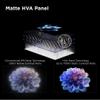
Setting up a 98-inch display requires careful planning. The optimal viewing distance is between 12-16 feet, and you'll need a wall or entertainment center capable of supporting over 130 pounds. Our testers found that the matte screen coating effectively reduces reflections, making it usable even in rooms with windows, though controlling ambient light still improves the experience.
The HDR performance deserves specific mention. While peak brightness reaches around 900 nits—good but not exceptional by flagship standards—the local dimming and color accuracy create compelling HDR images. Reviewers consistently noted that while highlights might not be as punchy as more expensive displays, the overall HDR experience feels natural and engaging.
For streaming services like Netflix and Disney+, the combination of size, color accuracy, and smart features creates an genuinely cinematic experience. One user described feeling like their living room had been transformed into a small theater, particularly when watching movies shot specifically for IMAX.
The QM6K bundle makes the most sense for specific situations. If you have a large living room or dedicated home theater space and want to maximize screen size without dealing with projector setup and maintenance, this TV delivers impressive results. Gamers with modern consoles or high-end PCs will appreciate the advanced gaming features that rival dedicated gaming monitors.
Families looking to centralize their entertainment around one primary display will find the smart features and size create a natural gathering point. The Google TV platform handles everything from streaming to casual gaming to video calls, reducing the need for additional devices.
However, the 98-inch size isn't suitable for every space. In rooms smaller than about 12 feet wide, the display can feel overwhelming rather than immersive. Users with existing high-end audio systems might find the included sound bar redundant, though it does provide immediate value for those upgrading from smaller TVs.
Since its release, user feedback has been consistently positive regarding build quality and feature implementation. The Google TV platform continues receiving updates, and the HDMI 2.1 connectivity ensures compatibility with future gaming consoles and streaming standards.
The QD-Mini LED technology represents current display innovation at its most accessible. While more expensive TVs might offer higher peak brightness or more local dimming zones, the performance gap continues narrowing as this technology matures.
For users seeking maximum screen size with modern features and solid performance, the TCL 98-Inch QM6K bundle delivers genuine value. It's not perfect—no display at this size and price point could be—but it successfully brings cinema-scale entertainment to home environments without requiring expertise in home theater setup or component matching.
The ideal viewing distance for the TCL 98-Inch QM6K QLED TV is between 12-16 feet. At this distance, you'll experience immersive cinematic viewing without eye strain or visible pixels. For home theater setups, position seating at least 12 feet back to fully appreciate the massive 98-inch display without feeling overwhelmed.
Yes, the QM6K excels at gaming with native 144Hz refresh rate support at 4K resolution. It also offers an impressive 288Hz mode at 1080p for competitive gaming. Two HDMI 2.1 ports handle full bandwidth from PlayStation 5, Xbox Series X, and high-end gaming PCs, while VRR and sub-10ms input lag ensure responsive gameplay.
The QD-Mini LED technology in the TCL QM6K delivers excellent contrast with deep blacks thanks to 500 local dimming zones, though it can't match OLED's perfect blacks. However, it offers superior brightness for HDR content and better performance in bright rooms. The quantum dot layer provides vibrant, accurate colors covering 97% of the DCI-P3 color space used in movie theaters.
The S45H sound bar included with the QM6K bundle significantly improves audio over built-in TV speakers, offering 100 watts of power and Dolby Atmos processing. While adequate for most users and medium-sized rooms, serious home theater enthusiasts may want to upgrade to a more comprehensive surround sound system with a dedicated subwoofer for the ultimate cinematic experience.
The TCL QM6K runs Google TV (version 12) with hands-free voice control, universal search across streaming platforms, and personalized recommendations. It includes Google Chromecast built-in, Apple AirPlay 2 support, and Wi-Fi 6 connectivity. The platform integrates with smart home systems and provides access to all major streaming apps for comprehensive entertainment.
For the 98-inch QM6K, you'll need a wall or entertainment center capable of supporting over 130 pounds. The TV requires at least 14 feet of room width for proper viewing angles, and mounting hardware must be rated for the weight. Professional installation is recommended due to the size and weight considerations for safe setup.
Yes, the QM6K performs well in bright environments thanks to its anti-glare matte coating and good peak brightness of around 900 nits. The quantum dot technology maintains color accuracy even in ambient light, making it suitable for living rooms with windows. However, controlling ambient light will still improve the overall viewing experience.
The TCL QM6K offers Game Accelerator 288 mode, Auto Game Mode (ALLM), AMD FreeSync Premium Pro, and exceptionally low input lag under 10ms. These features combined with 144Hz at 4K and 288Hz at 1080p make it ideal for both console and PC gaming, providing smooth, tear-free gameplay that rivals dedicated gaming monitors.
The massive 98-inch screen of the QM6K creates an immersive visual experience that benefits from quality audio to match the scale. The included S45H sound bar helps fill larger rooms better than TV speakers alone, though the room size that accommodates a 98-inch display often benefits from additional acoustic treatment and potentially upgraded audio components for optimal home theater performance.
The TCL 98-Inch QM6K bundle offers exceptional value for those seeking cinema-scale home entertainment. With advanced QD-Mini LED technology, outstanding gaming capabilities, comprehensive smart features, and included sound bar, it delivers flagship-level performance at a competitive price point. It's particularly worthwhile for home theater enthusiasts with appropriate room size who prioritize screen size and modern features over absolute peak performance.

We've done our best to create useful and informative comparisons to help you decide what product to buy. Our research has used advanced automated methods to create this comparison and perfection is not possible - please contact us for corrections or questions. These are the sites we've researched in the creation of this article: bestbuy.com - rtings.com - techradar.com - the-gadgeteer.com - youtube.com - youtube.com - ign.com - youtube.com - tomsguide.com - tcl.com - valueelectronics.com - bestbuy.com - bestbuy.com - rtings.com - circuitworldonline.com - youtube.com - tcl.com - bestbuy.com - tomsguide.com - tcl.com - flatpanelshd.com - displayspecifications.com
| TCL 98-Inch QM6K QLED 4K Smart QD-Mini LED TV + S45H Sound Bar |
|---|
| Screen Size - Determines viewing distance and room requirements: 98 inches |
| Display Technology - Controls contrast, color accuracy, and brightness: QD-Mini LED with 500 local dimming zones |
| Gaming Refresh Rate - Critical for smooth motion and competitive gaming: Native 144Hz (up to 288Hz at 1080p) |
| Input Lag - Essential for responsive gaming: Under 10ms in game mode |
| Peak HDR Brightness - Affects HDR impact and daytime viewing: ~900 nits |
| HDMI 2.1 Ports - Required for 4K@144Hz gaming from modern consoles: 2 ports |
| Variable Refresh Rate (VRR) - Eliminates screen tearing in games: AMD FreeSync Premium Pro |
| Smart Platform - Determines app availability and user experience: Google TV (version 12) |
| Sound Bar Power - Affects volume and audio clarity: 100 watts total |
| Audio Technology - Creates immersive sound experience: Dolby Atmos, DTS Virtual:X |
| Wi-Fi Standard - Impacts streaming reliability: Wi-Fi 6 |
| Voice Control - Enables hands-free operation: Google Assistant built-in |
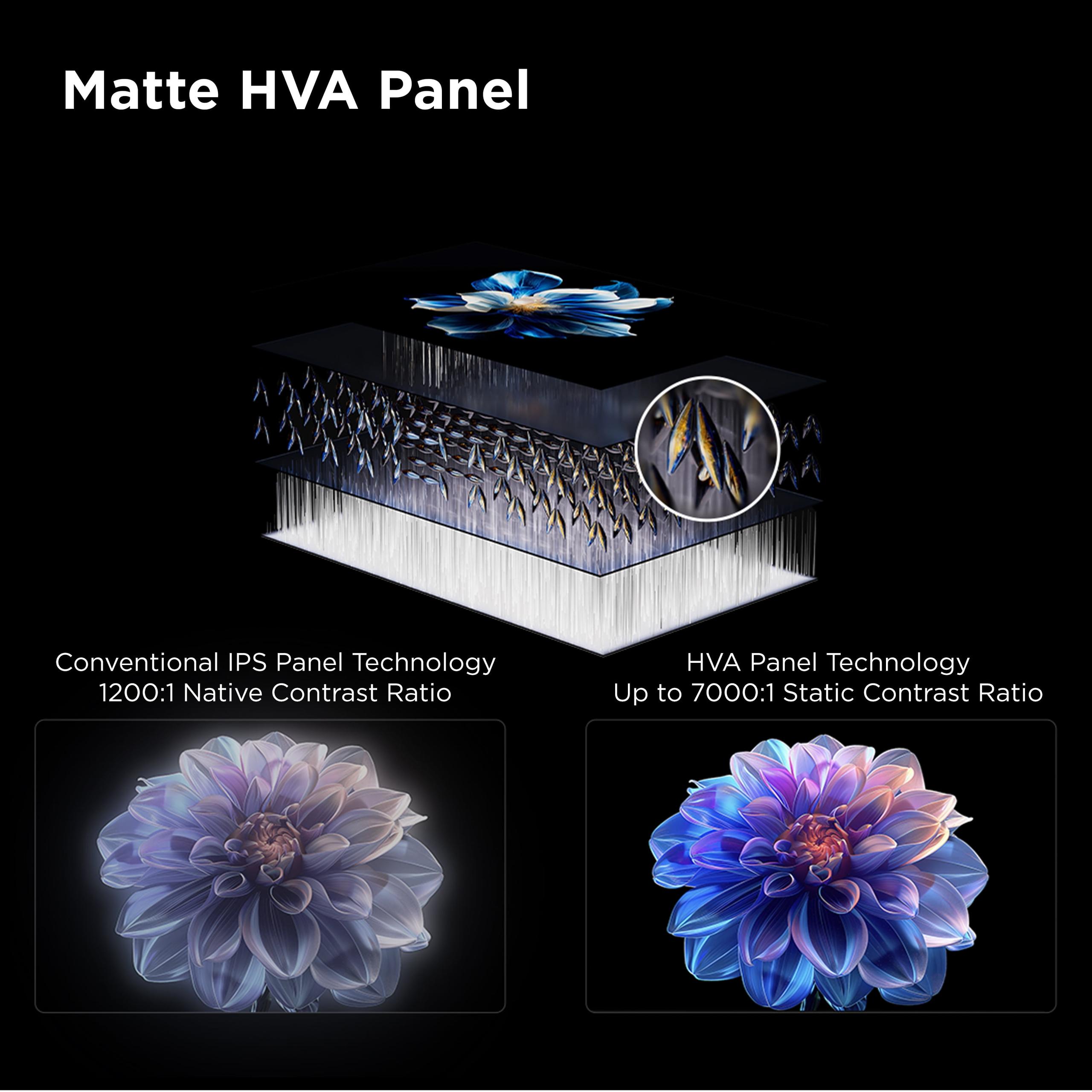
| Anti-Glare Coating - Reduces reflections in bright rooms: Matte HVA Panel |
| Color Gamut - Determines color accuracy and vibrancy: 97% DCI-P3 coverage |
| Weight: 130+ pounds |
| VESA Mount Pattern: Standard mounting compatible |
The TCL 115" QM7K represents a significant step up in performance, delivering 3,000 nits of peak brightness compared to the QM6K's 900 nits – a difference that transforms HDR content from adequate to genuinely spectacular. With 2,500+ local dimming zones versus the QM6K's 500+, the QM7K achieves deeper blacks and virtually eliminates the blooming that can occasionally distract on the QM6K during challenging dark scenes. The larger 115-inch screen creates a more immersive experience, while the glossy CrystGlow panel maximizes contrast and color saturation, making movies and games appear more vibrant and detailed. The upgraded Onkyo 4.2.2 audio system with Bang & Olufsen tuning also provides noticeably clearer dialogue and better overall sound balance.
However, the QM7K's $12,998 price tag represents a six-fold increase over the QM6K, raising serious questions about value for most buyers. While the performance improvements are real and meaningful – particularly for dedicated home theater setups in controlled lighting environments – the QM6K delivers about 80% of the experience at just 15% of the cost. The QM7K's glossy screen also makes it more demanding of room setup, requiring careful attention to lighting and window placement to avoid glare issues that the QM6K's matte finish handles effortlessly. For most viewers, especially those with bright living spaces or mixed-use rooms, the QM6K's combination of impressive performance and exceptional value makes it the more practical choice, with the QM7K reserved for serious enthusiasts with both the budget and ideal viewing environment to justify its premium.
🤖 Read Detailed Comparison
👌TCL 115" QM7K Series QD-Mini LED 4K Smart TV 2025 Details
💵 See TCL 115" QM7K Series QD-Mini LED 4K Smart TV 2025 Price
The Hisense 100" U7 Series Mini-LED TV stands out primarily for its exceptional peak brightness of 3,000 nits and larger 100-inch screen size. This brightness advantage translates to significantly more impactful HDR content, with explosions, sunsets, and bright scenes appearing more realistic and punchy than what the QM6K can deliver at 900 nits. The extra 2 inches of screen real estate provides about 8% more viewing area, creating a noticeably more immersive cinema experience. For gaming enthusiasts, the Hisense offers a 165Hz refresh rate with Game Mode Ultra and up to 3,000 local dimming zones for precise backlight control. It also includes future-proofing features like Wi-Fi 6E and ATSC 3.0 NextGen TV tuner that the TCL lacks.
However, these advantages come at a steep premium of $1,000 more than the QM6K's $1,999 price point. While the Hisense U7 excels in bright room viewing and HDR brightness, it can't match the TCL's superior 7,000:1 contrast ratio for dark room movie watching. The Hisense also lacks the TCL's specialized Halo Control technology and matte anti-glare coating, making it more dependent on raw brightness to overcome viewing challenges. For most buyers, the performance gap doesn't justify the 50% price increase, especially considering the TCL's strengths in contrast, anti-glare properties, and competitive gaming features. The Hisense is best reserved for buyers who specifically need maximum brightness for challenging lighting conditions or want bragging rights for the largest possible screen size regardless of cost.
🤖 Read Detailed Comparison
👌Hisense 100" U7 Series Mini-LED TV (100U75Q, 2025) Details
💵 See Hisense 100" U7 Series Mini-LED TV (100U75Q, 2025) Price
The Hisense 100" Class U8 Series 4K Mini-LED QLED Google TV stands out with its superior contrast performance, featuring over 2,000 local dimming zones compared to the QM6K's 500 zones, delivering deeper blacks and more precise light control. Its peak HDR brightness of 1,500+ nits significantly outperforms the QM6K's ~900 nits, creating more impactful highlights in HDR content that genuinely pop off the screen. The Hisense also includes a legitimate 2.1.2 channel audio system with upfiring Dolby Atmos speakers, eliminating the need for a separate soundbar investment that the QM6K requires. Additionally, it offers future-proofing features like Wi-Fi 6E and ATSC 3.0 NextGen TV tuner, along with a 2-year warranty versus the QM6K's single year of coverage.
However, these advantages come at a significant cost premium – the Hisense typically retails for $800+ more than the QM6K while providing only 2 additional inches of screen size. In real-world usage, the Hisense excels in dark, controlled viewing environments where its superior contrast can shine, but it struggles with reflections in bright rooms where the QM6K's anti-glare matte panel maintains excellent visibility. The Hisense also has narrower viewing angles, making it less suitable for wide seating arrangements. While the Hisense delivers a more premium cinematic experience for dedicated home theater setups, the QM6K offers better versatility and value for mixed-use living spaces, making the choice largely dependent on your specific room conditions and whether you prioritize maximum picture quality over practical usability and cost savings.
🤖 Read Detailed Comparison
👌Hisense 100" Class U8 Series 4K Mini-LED QLED Google TV Details
💵 See Hisense 100" Class U8 Series 4K Mini-LED QLED Google TV Price
The Hisense 100" U76 Series delivers its most compelling advantage through sheer screen size, offering that extra 2 inches of display real estate that translates to about 8% more viewing area and significantly more visual impact in large rooms. At around $2,000, it provides exceptional value for buyers prioritizing maximum screen size, delivering that true cinema-scale experience that can transform sports viewing and movie nights into genuinely immersive events. The U76's traditional LED backlighting with 256 local dimming zones, while not as advanced as the QM6K's Mini LED system, still produces solid contrast and vibrant QLED colors that satisfy most viewing scenarios. Its 144Hz gaming support with VRR makes it perfectly capable for console gaming, and the Google TV platform provides the same smart features and streaming app access.
However, the trade-offs become apparent in more demanding situations. The U76's glossy panel struggles with reflections in bright rooms, requiring more careful positioning and lighting control compared to the QM6K's anti-glare coating. Picture quality purists will notice less precise contrast control and slightly more blooming around bright objects due to the conventional LED backlighting. The built-in 2.1 audio system, while featuring Dolby Atmos processing, doesn't fill large rooms as effectively as the QM6K's more robust speaker configuration. For buyers who can optimize their viewing environment and prioritize that maximum screen impact over technical refinements, the Hisense U76 represents outstanding value – you're getting the largest possible display at this price point with performance that's more than adequate for most users' needs.
🤖 Read Detailed Comparison
👌Hisense 100" U76 Series 4K UHD QLED Google TV Details
💵 See Hisense 100" U76 Series 4K UHD QLED Google TV Price
The Samsung 98" QN90D Series Neo QLED 4K Smart TV represents the premium alternative in this size category, commanding $9,148.97 compared to the TCL's $1,999.99 price point. Samsung's standout advantage lies in its superior HDR performance, with Neo QLED technology delivering significantly brighter highlights and more refined contrast that makes movies and premium streaming content genuinely more impactful. The Quantum Matrix technology uses mini LEDs that are 1/40th the size of conventional LEDs, enabling more precise light control and reducing blooming around bright objects. Samsung's NQ4 AI Gen2 processor with 20 neural networks provides more sophisticated upscaling and picture optimization, particularly noticeable when watching lower-resolution content on such a large screen. The Object Tracking Sound+ audio system and premium build quality with ultra-slim design further justify its positioning as a flagship model.
However, the Samsung's 4.6x price premium becomes difficult to justify for most buyers when compared to the TCL's comprehensive feature set. While Samsung delivers undeniably better HDR brightness and overall picture refinement, the TCL actually surpasses it in gaming performance with 144Hz native refresh rates versus Samsung's 120Hz limitation. The real-world difference in daily viewing—watching Netflix, sports, or regular TV—is much smaller than the massive price gap suggests. Unless you're building a no-compromise home theater where every detail of picture quality matters, or you're already heavily invested in Samsung's ecosystem, the marginal improvements in the Samsung don't overcome the TCL's exceptional value proposition. The Samsung represents the absolute premium experience, but the TCL delivers 80% of that experience at 22% of the cost, making it the smarter choice for most 98-inch TV buyers.
🤖 Read Detailed Comparison
👌Samsung 98" QN90D Series Neo QLED 4K Smart TV Details
💵 See Samsung 98" QN90D Series Neo QLED 4K Smart TV Price
The Hisense 98" UX Series 4K Mini-LED ULED Google TV represents a significant step up in display technology, boasting over 5,000 nits of peak brightness compared to the QM6K's 900 nits, along with more than 10,000 local dimming zones versus TCL's 2,000+. This translates to dramatically more impactful HDR performance, with sun reflections on water truly sparkling and bright highlights that pop off the screen in ways the TCL simply cannot match. The Hisense also features a more robust 4.2.2 channel "Cinestage X" audio system with seven speakers and a built-in subwoofer, delivering noticeably fuller sound that better matches the massive 98-inch visual experience. For viewers with very bright rooms featuring large windows or challenging lighting conditions, the Hisense's extreme brightness and advanced anti-glare technology provide a clear advantage in maintaining picture visibility and quality.
However, these improvements come at a steep price premium, with the Hisense UX Series costing $4,999.99 compared to the QM6K's $1,999.99 – a $3,000 difference that's difficult to justify for most buyers. While the Hisense undoubtedly delivers superior technical performance, the real-world benefits are most apparent in specific scenarios: extremely bright viewing environments, critical movie watching in dark home theaters, or situations where built-in audio quality is paramount. For typical living room use, the TCL QM6K provides about 90% of the premium experience at 40% of the cost, making the Hisense's advantages feel like expensive luxuries rather than essential upgrades. The gaming performance is comparable between both models, and they share the same Google TV smart platform, meaning the core user experience remains largely identical despite the significant price gap.
🤖 Read Detailed Comparison
👌Hisense 98" UX Series 4K Mini-LED ULED Google TV Details
💵 See Hisense 98" UX Series 4K Mini-LED ULED Google TV Price
The Samsung 98" DU9000 Crystal UHD Smart TV at $898.19 stands out primarily for its exceptional value proposition, delivering a massive 98-inch viewing experience at less than half the cost of the TCL QM6K. Samsung's Crystal UHD technology provides adequate color reproduction and picture quality for everyday viewing, while the reliable Tizen smart TV platform offers good app support and a user-friendly interface that many families will find intuitive. The TV includes basic HDR10 support and can handle casual gaming at up to 120Hz, making it a solid choice for users who prioritize screen size over cutting-edge display technology. Samsung's established brand reputation and widespread service network also provide peace of mind for buyers concerned about long-term support and reliability.
However, the Samsung makes significant compromises to achieve its budget-friendly price point. The standard LED backlighting with basic local dimming zones can't match the TCL's deep blacks and precise contrast control, resulting in less impressive dark scene performance and more noticeable light bleeding. The lack of Dolby Vision support means you'll miss out on the enhanced HDR experience available on Netflix, Disney+, and other premium streaming services, while the limited gaming capabilities without VRR support make it less suitable for serious console or PC gaming. For buyers who primarily watch cable TV, basic streaming content, or aren't concerned with the latest display technologies, the Samsung DU9000 offers tremendous value by maximizing screen size within a tight budget. But for those seeking the superior picture quality, comprehensive HDR support, and advanced gaming features that define a premium home theater experience, the additional investment in the TCL QM6K becomes clearly justified.
🤖 Read Detailed Comparison
👌Samsung 98" DU9000 Series Crystal UHD Smart TV Details
💵 See Samsung 98" DU9000 Series Crystal UHD Smart TV Price
The LG 97" OLED evo G4 Series at $19,996.99 represents the premium alternative with fundamentally different strengths rooted in OLED technology. Its standout feature is infinite contrast – each pixel can turn completely off to create perfect blacks that make dark movie scenes truly cinematic, with no blooming or light bleed whatsoever. The viewing angles are exceptional from any position in the room, and colors appear natural and accurate across all brightness levels thanks to the self-emissive pixel technology. For dedicated home theater setups with controlled lighting, the G4 delivers a genuinely superior picture quality experience that showcases why OLED remains the gold standard for videophiles.
However, the 10x price premium fundamentally changes the value equation, especially considering the G4's limitations in bright rooms where its glossy screen reflects ambient light and lower peak brightness can wash out HDR content. While the OLED excels in dark environments and offers premium build quality, it can't match the TCL's gaming performance with its 120Hz limit versus the QM6K's 144Hz+ capabilities, and it carries inherent burn-in risks that require careful content management. For most buyers seeking maximum screen size and performance, the LG G4 represents the luxury choice for those prioritizing absolute picture quality perfection over practical value, making it ideal for serious home theater enthusiasts with both the budget and viewing environment to fully capitalize on OLED's strengths.
🤖 Read Detailed Comparison
👌LG 97" OLED evo G4 Series 4K UHD Smart TV Details
💵 See LG 97" OLED evo G4 Series 4K UHD Smart TV Price
The LG 98" QNED 4K UHD Smart TV brings several compelling advantages that justify its $2,996.99 premium, particularly in color accuracy and viewing flexibility. LG's QNED technology delivers superior color purity and maintains picture quality across much wider viewing angles – a crucial benefit for large rooms where viewers sit at various positions relative to the massive 98-inch screen. The α8 AI Processor provides more sophisticated upscaling and motion handling, making lower-resolution content look noticeably cleaner and more detailed. Additionally, the four HDMI 2.1 ports offer greater connectivity flexibility for users with multiple next-generation gaming consoles, streaming devices, and other high-bandwidth equipment.
However, the LG's strengths come with trade-offs that highlight why the TCL remains compelling for many buyers. While the LG model excels in controlled lighting environments with its refined picture processing, it lacks the anti-glare coating that makes the TCL usable in bright rooms with windows. The LG's 120Hz maximum refresh rate also falls short for serious gamers who can benefit from the TCL's 144Hz and 288Hz capabilities. Most significantly, the nearly $1,000 price difference means you could purchase the TCL and add a premium soundbar system for less than the LG's asking price alone. For buyers prioritizing brand reputation, color accuracy, and wide viewing angles over gaming performance and bright-room usability, the LG justifies its premium – but the TCL's combination of cutting-edge features and aggressive pricing makes it the better value for most users.
🤖 Read Detailed Comparison
👌LG 98" QNED 4K UHD Smart TV Details
💵 See LG 98" QNED 4K UHD Smart TV Price
The TCL 115" QM8 Series 4K UHD Smart Google TV represents TCL's flagship approach to large format displays, featuring dramatically superior display technology with 20,000 local dimming zones compared to the QM6K's 500 zones. This translates to near-OLED levels of contrast with deep, inky blacks and virtually no blooming around bright objects in dark scenes. The QM8's standout feature is its exceptional 5,000 nits peak brightness, which creates genuinely spectacular HDR highlights that make sunlight, explosions, and bright scenes pop off the screen with realistic intensity. The premium Onkyo 6.2.2 speaker system with built-in subwoofers and Dolby Atmos up-firing speakers delivers impressive audio that eliminates the need for an additional soundbar, something the QM6K definitely requires for optimal sound quality.
However, the QM8's premium performance comes with significant trade-offs in real-world usability and value. At $16,999, it costs over eight times more than the QM6K while requiring a controlled lighting environment to showcase its capabilities – its glossy screen becomes nearly unwatchable in bright rooms where the QM6K's anti-glare coating excels. The massive 115-inch size demands substantial room space and viewing distances that many homes can't accommodate comfortably. While the QM8 delivers undeniably superior picture quality for dark-room movie watching, the QM6K's gaming optimizations, bright-room performance, and exceptional value proposition make it the more practical choice for most buyers who want impressive large-format performance without luxury pricing or strict viewing environment requirements.
🤖 Read Detailed Comparison
👌TCL 115" QM8 Series 4K UHD Smart Google TV Details
💵 See TCL 115" QM8 Series 4K UHD Smart Google TV Price
The TCL 98" Q6 Series 4K UHD QLED Smart TV serves as TCL's value-oriented alternative, priced at $1,698.00 compared to the QM6K's $1,999.99 premium. Its standout feature is delivering genuine QLED quantum dot color technology in the massive 98-inch format at a more accessible price point. The Q6 Series maintains solid picture quality with vibrant colors and decent brightness for most viewing scenarios, particularly excelling with daytime content like sports, news, and bright streaming shows. It includes flexible stand positioning options that allow for wider or narrower footprints depending on your furniture setup, and its lighter weight makes DIY installation more manageable than the QM6K's heavier mini LED construction.
However, the Q6 Series makes several compromises that become apparent in daily use. Without local dimming zones, dark movie scenes lack the deep blacks and contrast that make the QM6K so compelling for home theater viewing. The glossy screen finish creates noticeable reflections in bright rooms, limiting placement flexibility compared to the QM6K's matte anti-glare technology. Gaming enthusiasts will find the Q6 Series particularly limiting, as its 60Hz panel and HDMI 2.0-only connectivity can't fully utilize modern consoles like the PlayStation 5 or Xbox Series X. While the Q6 Series represents excellent value for casual viewers in controlled lighting environments who prioritize screen size over premium features, the QM6K's $300 premium delivers meaningful improvements in contrast, gaming performance, and bright room viewing that justify the cost difference for most buyers seeking a flagship 98-inch experience.
🤖 Read Detailed Comparison
👌TCL 98" Q6 Series 4K UHD QLED Smart TV Details
💵 See TCL 98" Q6 Series 4K UHD QLED Smart TV Price
The TCL 98" QM8 Series 4K UHD Smart Google TV represents TCL's premium approach to 98-inch displays, delivering significantly brighter HDR performance with peak brightness levels exceeding 1,500 nits compared to the QM6K's 900 nits. This translates to much more impactful HDR content where explosions, sunsets, and bright highlights truly pop off the screen rather than appearing only moderately brighter. The QM8 also features superior local dimming with thousands of zones versus the QM6K's hundreds, resulting in deeper blacks and minimal blooming around bright objects in dark scenes. For home theater enthusiasts watching premium 4K Blu-rays or high-end streaming content in controlled lighting, these improvements create a noticeably more cinematic experience.
However, this enhanced performance comes at double the cost, with the QM8 Series priced at $3,999.99 versus the QM6K's $1,999.99. While the QM8 delivers superior contrast and HDR impact, it sacrifices some of the QM6K's gaming advantages, maxing out at 120Hz with VRR rather than offering native 144Hz and 288Hz capabilities. The QM8 also lacks the QM6K's matte anti-glare coating, making it potentially more susceptible to reflections in bright rooms. For buyers prioritizing peak picture quality and willing to invest in premium performance, the QM8 justifies its higher price, but the QM6K delivers roughly 80% of the visual experience at half the cost, making it the better value for most users who want flagship-sized screens without flagship pricing.
🤖 Read Detailed Comparison
👌TCL 98" QM8 Series 4K UHD Smart Google TV Details
💵 See TCL 98" QM8 Series 4K UHD Smart Google TV Price
The TCL 98" QM7 Series 4K UHD Smart TV stands out primarily for its superior black level performance in dark viewing environments, thanks to its glossy screen surface that can produce deeper, more inky blacks when ambient light is controlled. This traditional QLED approach delivers more vibrant, punchy colors that pop off the screen, making it particularly appealing for dedicated home theater setups where lighting can be carefully managed. The QM7's 2,400-nit peak brightness, while lower than the QM6K, still provides excellent HDR performance and maintains better brightness uniformity across the massive 98-inch panel. Its refined picture processing tends to produce more saturated colors out of the box, creating that immediately impressive showroom-style presentation that many viewers prefer for cinematic content.
However, the QM7's $200 higher price point becomes harder to justify when considering real-world usage scenarios. Its glossy screen, while capable of deeper blacks, becomes a significant liability in rooms with windows or overhead lighting, where reflections can wash out the picture quality that makes it appealing in the first place. The QM6K's matte screen eliminates this concern entirely while delivering superior peak brightness for more impactful HDR highlights. Additionally, the QM7's traditional QLED technology with fewer local dimming zones (1,500+ vs 2,000+) means less precise control over brightness and contrast across the screen. For most buyers, the QM6K's combination of advanced Mini LED technology, better gaming performance, superior room versatility, and lower price makes it the more practical choice, with the QM7 only making sense for those with dedicated dark home theaters who prioritize black levels above all other considerations.
🤖 Read Detailed Comparison
👌TCL 98" QM7 Series 4K UHD Smart TV Details
💵 See TCL 98" QM7 Series 4K UHD Smart TV Price
The Hisense 100" QD7 Series at $1,699.99 makes a compelling case with its sheer size advantage and $300 lower price point. Those extra two inches translate to roughly 4% more viewing area, which becomes genuinely noticeable during movie nights and sports viewing. The Hisense also delivers superior color vibrancy thanks to its wider 75% Rec.2020 color gamut coverage, making animated content, nature documentaries, and vibrant films appear more saturated and eye-catching than what you'll see on the TCL. For buyers prioritizing maximum screen real estate and don't need cutting-edge gaming features, the QD7 represents excellent value – you're essentially getting flagship-sized entertainment for mid-range pricing.
However, the Hisense makes notable compromises to achieve this value proposition. Its standard QLED panel lacks the mini LED backlighting that gives the TCL superior contrast control, resulting in more visible blooming around bright objects and less impactful HDR highlights with its 615-nit peak brightness. The gaming experience is also more basic, supporting 4K@144Hz but missing the TCL's 288Hz capability and advanced motion processing. Most significantly, the glossy panel struggles more with daytime reflections, making it less versatile in bright rooms. While the Hisense QD7 delivers an impressive big-screen experience for casual viewing and represents better bang-for-buck in pure size terms, it can't match the TCL's overall technical sophistication and room adaptability that justify the premium pricing.
🤖 Read Detailed Comparison
👌Hisense 100" QD7 Series QLED 4K UHD Smart TV Details
💵 See Hisense 100" QD7 Series QLED 4K UHD Smart TV Price
The LG 98" Class UT90 Series presents a compelling alternative approach to large format displays, particularly for buyers who prioritize affordability and viewing flexibility. Its standout feature is the IPS-based panel technology that maintains consistent color accuracy and brightness even when viewed from extreme side angles – a significant advantage in large rooms where family members might be seated at various positions relative to the screen. The α8 AI Processor delivers impressive upscaling performance for lower-resolution content, and LG's webOS 24 platform offers one of the most polished smart TV interfaces available, complete with the intuitive Magic Motion Remote and unique features like Multi View for simultaneous content sources. At its frequent sale price of around $627, the UT90 represents exceptional value purely from a dollars-per-inch perspective, making 98-inch viewing accessible to budget-conscious buyers.
However, the performance trade-offs become apparent in direct comparison to the QM6K's advanced display technology. The UT90's conventional LED backlighting lacks local dimming zones, resulting in less precise contrast control and noticeable blooming around bright objects in dark scenes. While adequate for general viewing, it can't match the deep blacks and vibrant HDR highlights that Mini LED technology provides. The gaming capabilities are similarly basic, with standard 120Hz refresh rates that work fine for console gaming but fall short of the high-refresh PC gaming experience. The built-in audio system also requires external supplementation to match the visual scale of a 98-inch display. Essentially, the LG UT90 excels as an entry point into massive screen territory, offering solid smart TV functionality and wide viewing angles, but represents a more basic display technology that prioritizes accessibility over premium performance features.
🤖 Read Detailed Comparison
👌LG 98" Class UT90 Series 4K UHD Smart TV 2024 Details
💵 See LG 98" Class UT90 Series 4K UHD Smart TV 2024 Price
The Hisense 110" UX Series Mini-LED ULED TV represents a completely different approach to ultra-large displays, prioritizing absolute performance over value proposition. Its most striking advantage is the massive 12-inch size difference, but more importantly, it delivers reference-grade display technology with an extraordinary 10,000 nits of peak brightness—ten times brighter than the QM6K. This extreme brightness capability transforms HDR content, making highlights appear almost three-dimensional with an intensity that genuinely mimics real-world lighting conditions. The Hisense also employs over 40,000 local dimming zones compared to the QM6K's 500+, providing incredibly precise contrast control that virtually eliminates blooming around bright objects. For color performance, while the TCL excels at accuracy, the Hisense delivers 25% richer color saturation, particularly at high brightness levels where most displays struggle to maintain vivid colors.
However, these performance advantages come with significant trade-offs in practicality and value. The Hisense 110" UX Series requires a truly dedicated home theater space with 16+ foot viewing distances, making it unsuitable for most living rooms where the QM6K would excel. The pricing differential is substantial—estimates suggest the Hisense costs 4-6 times more than the QM6K's $1,999 price point, putting it firmly in luxury territory. While the Hisense offers superior brightness and contrast, the QM6K's gaming advantages like 288Hz refresh rates and better out-of-box color accuracy make it more versatile for mixed usage. For most buyers, the QM6K delivers 90% of the premium experience at a fraction of the cost, while the Hisense makes sense primarily for enthusiasts building no-compromise home theaters who can justify the premium for those extra performance margins and the massive 110-inch canvas.
🤖 Read Detailed Comparison
👌Hisense 110" UX Series 4K Mini-LED ULED TV Details
💵 See Hisense 110" UX Series 4K Mini-LED ULED TV Price
The Hisense 100" U6 Series Mini-LED 4K Fire TV delivers the ultimate in screen size impact, providing about 8% more viewing area than the TCL with its full 100-inch display that truly transforms any room into a home theater experience. Its anti-glare matte finish specifically addresses bright room challenges that larger TVs often face, effectively reducing reflections and maintaining picture quality even with windows or overhead lighting present. The Fire TV platform with built-in Alexa offers seamless Amazon ecosystem integration and reliable smart home control, while the peak brightness of 1,000 nits ensures HDR content maintains its punch even in well-lit environments. For buyers seeking maximum visual impact, the Hisense typically offers better value per square inch of screen real estate.
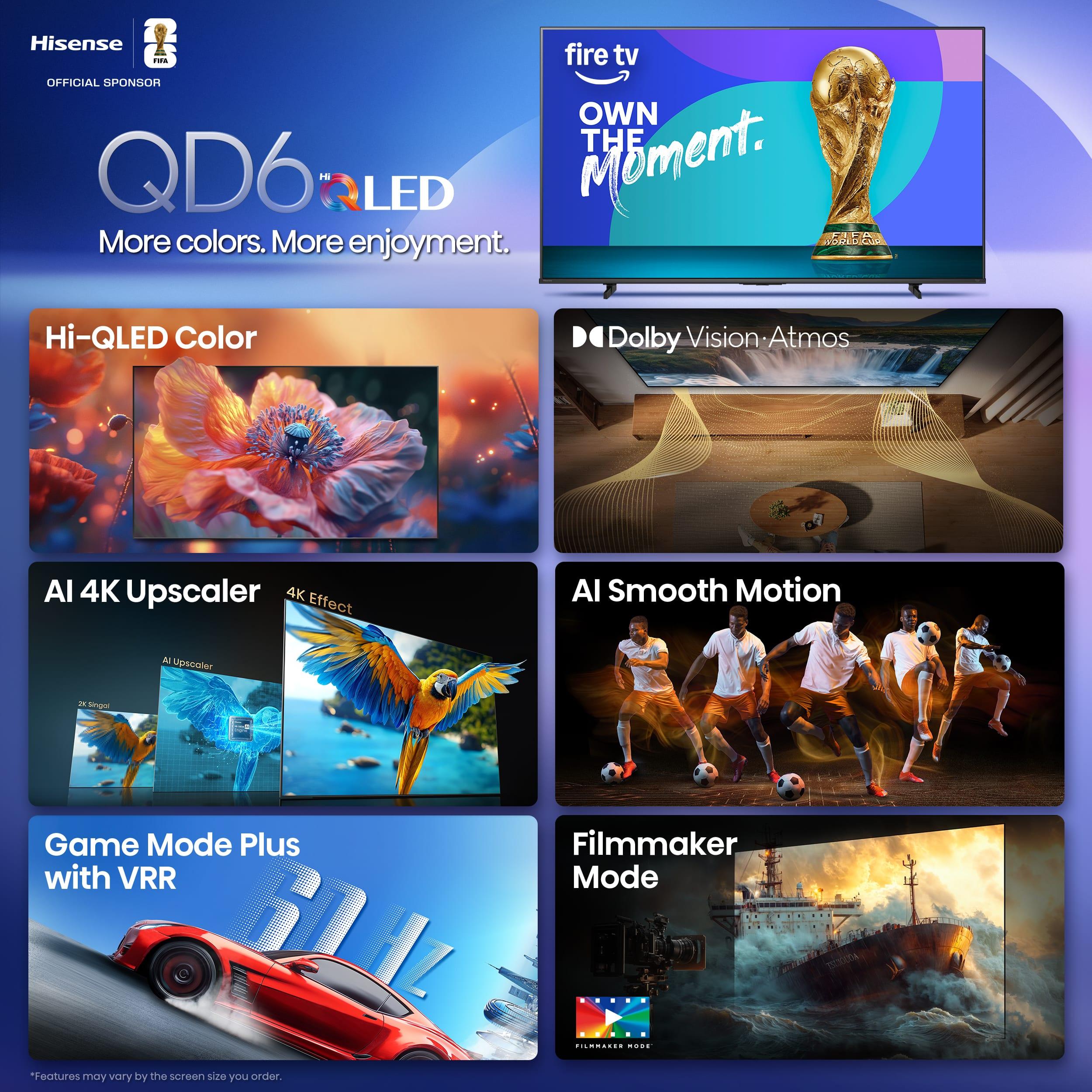

However, the Hisense U6 achieves its size advantage with some trade-offs in technical refinement compared to the TCL's more advanced processing capabilities. Its 600 local dimming zones, while well-managed by algorithms, don't eliminate blooming as effectively as the TCL's Halo Control system, making dark movie scenes occasionally less clean around bright objects. The gaming performance, though excellent at 144Hz, falls short of the TCL's 288Hz capabilities and lacks advanced PC gaming certifications. The larger size also presents practical challenges including heavier weight, more complex installation requirements, and the need for larger viewing spaces. For buyers who can accommodate the size and prioritize maximum screen impact over technical nuances, the Hisense represents exceptional value, but those seeking the most refined picture quality and advanced features may find the TCL's smaller size an acceptable trade-off.
🤖 Read Detailed Comparison
👌Hisense 100" U6 Series Mini-LED 4K Fire TV Details
💵 See Hisense 100" U6 Series Mini-LED 4K Fire TV Price
The TCL 98" X11K represents TCL's flagship approach to large-format displays, pushing the boundaries of what's possible in consumer TV technology. Its most impressive achievement is the combination of 14,000+ local dimming zones with 6,500 nits peak brightness—specifications that rival professional mastering monitors used in Hollywood studios. This translates to HDR performance that genuinely dazzles, with sun-bright highlights that make explosions, reflections, and bright skies leap off the screen while maintaining deep blacks in shadow areas. The X11K's CrystGlow HVA panel with advanced anti-reflection coating makes it exceptional for bright living rooms where the QM6K would struggle, and its superior processing power provides noticeably better upscaling of lower-resolution content across the massive 98-inch canvas.
However, the TCL X11K's premium positioning comes with a substantially higher investment that may not justify the performance gains for all buyers. While its picture quality advantages are measurable and visible, especially in challenging HDR content and bright environments, the real-world viewing experience gap narrows considerably in darker rooms where both TVs excel. The X11K's four HDMI 2.1 ports versus the QM6K's two provide more connectivity flexibility, and its Bang & Olufsen audio system offers superior built-in sound, though both TVs ultimately benefit from external audio solutions at this size. For videophiles who prioritize reference-quality performance, plan long-term ownership, or have bright viewing environments, the X11K delivers measurable advantages that justify its premium. But for many buyers seeking that transformative 98-inch experience, the performance difference may not warrant the significant cost increase over the QM6K's already impressive capabilities.
🤖 Read Detailed Comparison
👌TCL 98" X11K 4K QD-Mini LED Google TV Details
💵 See TCL 98" X11K 4K QD-Mini LED Google TV Price
The TCL QM7K represents a significant step up in display technology with its transformational 3000-nit peak brightness and advanced Halo Control System featuring 2500 local dimming zones. This premium model delivers HDR performance that's genuinely spectacular - bright highlights like explosions, sunlight, and fire appear with startling realism that makes HDR content feel dramatically more immersive. The CrystGlow HVA panel with anti-reflective coating provides exceptional room versatility, maintaining excellent contrast and black levels even in bright family rooms with multiple windows or overhead lighting. Its superior brightness also means you're not constantly adjusting viewing conditions or waiting for sunset to get the best picture quality. The QM7K includes Bang & Olufsen audio tuning and slightly more advanced processing with the AiPQ ULTRA chip, providing better upscaling of compressed content and more sophisticated motion handling.
However, the TCL QM7K commands a substantial premium - roughly 65% more expensive than the QM6K - which changes the value equation significantly. While the brightness and contrast improvements are genuinely impressive, they come at the cost of less accurate out-of-box colors, requiring professional calibration to achieve optimal color performance that the QM6K delivers immediately. The extra $1,000+ could instead fund a premium soundbar system, improved seating, or room acoustic treatments that might provide more overall entertainment value than the TV upgrade alone. For buyers with controlled lighting environments who primarily watch streaming content rather than premium 4K HDR material, the QM7K's advantages become less compelling. Essentially, the QM7K is the choice for serious home theater enthusiasts who want the absolute best picture quality and room flexibility, but the QM6K offers such strong performance for its price that many buyers will find the premium difficult to justify unless peak brightness and bright-room performance are critical priorities.
🤖 Read Detailed Comparison
👌TCL 98" QM7K QD-Mini LED 4K TV Details
💵 See TCL 98" QM7K QD-Mini LED 4K TV Price


Privacy Policy
Terms and Conditions - Affiliate Policy
Home Security
© Copyright 2008-2026.
11816 Inwood Rd #1211, Dallas, TX 75244