

Premium wireless earbuds have become incredibly sophisticated in recent years. Gone are the days when you'd settle for mediocre sound quality just to cut the cord. Today's flagship models deliver audio experiences that can rival high-end wired headphones while packing in features that seemed like science fiction just a few years ago.
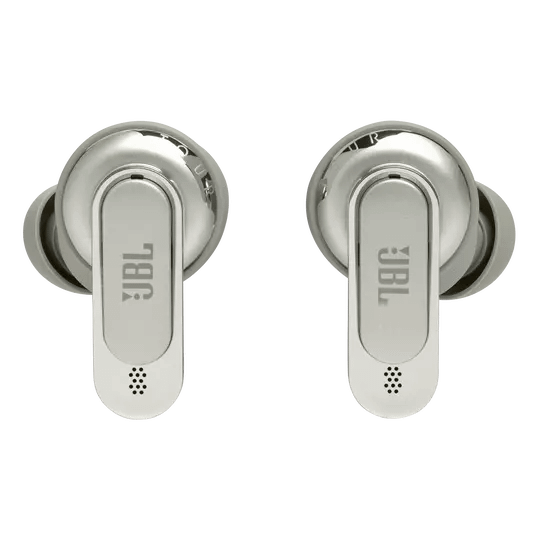
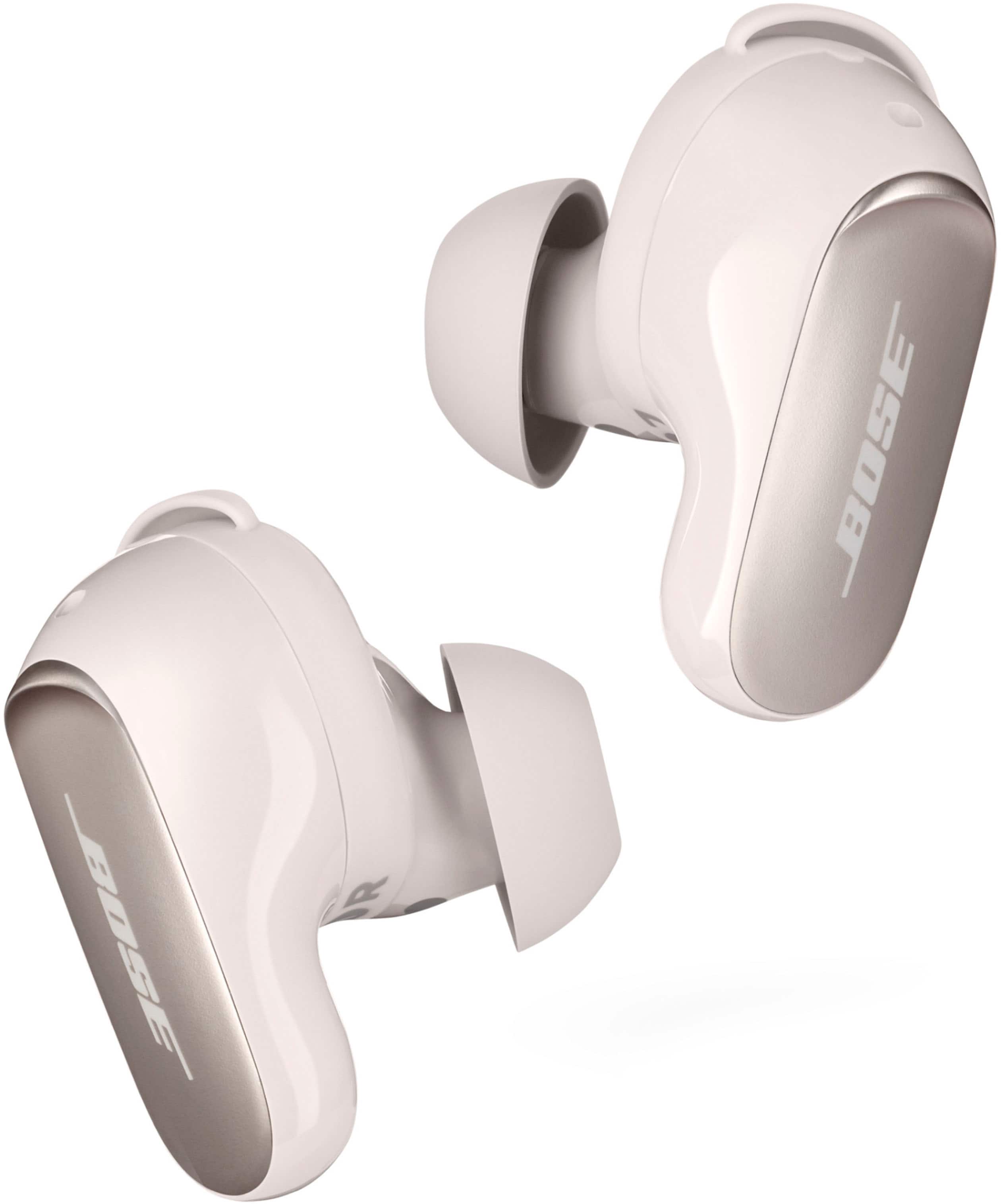
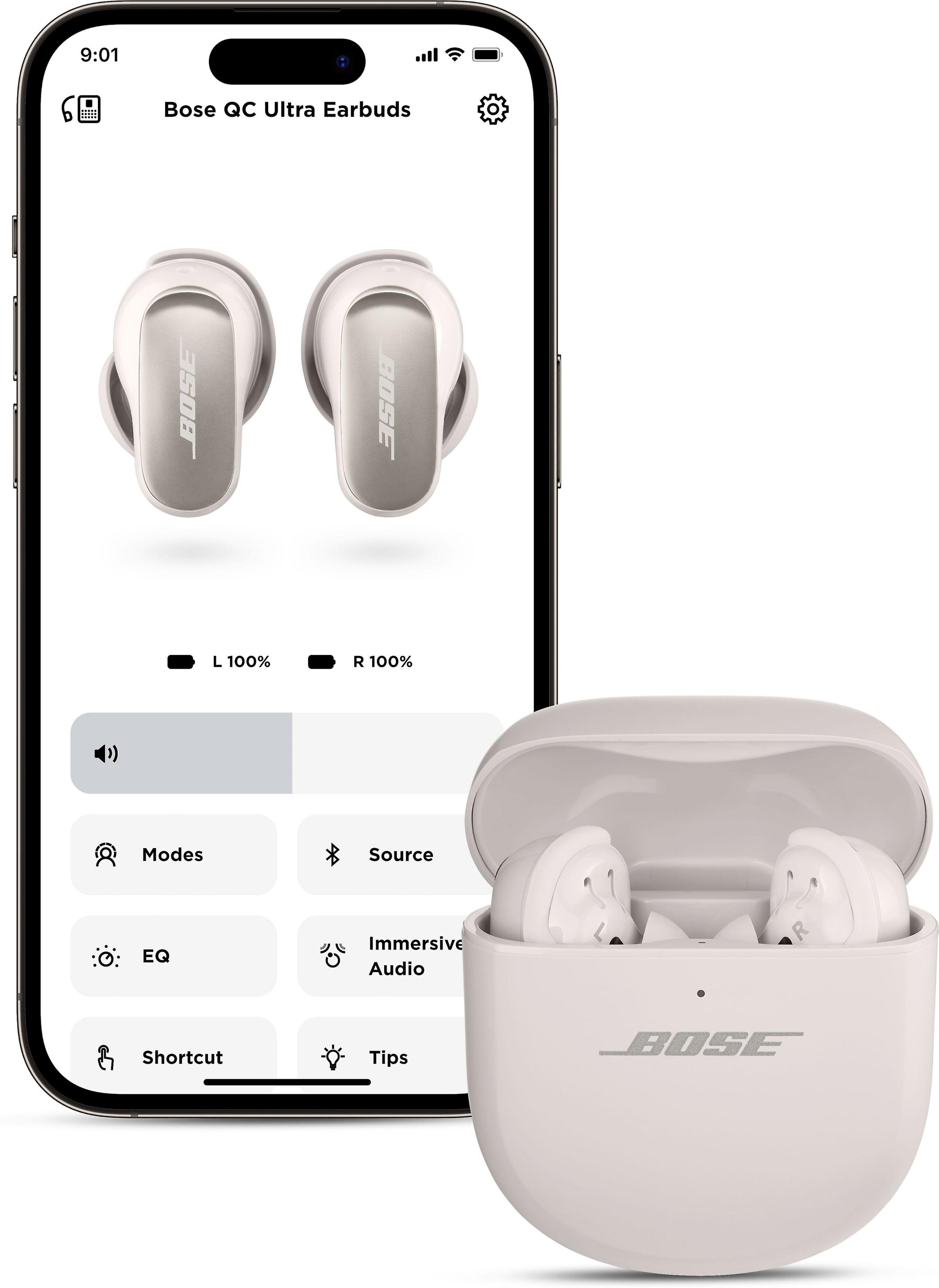
The JBL Tour Pro 2 and Bose QuietComfort Ultra represent two fascinating approaches to premium earbud design. Both launched in 2023 and sit in that competitive $250-$300 sweet spot where manufacturers pull out all the stops. But they achieve excellence in completely different ways, making your choice between them particularly interesting.
Before diving into specifics, let's talk about what separates premium earbuds from budget options. The most important factors are active noise cancellation effectiveness, overall sound quality, battery life that gets you through long days, and comfort for extended listening sessions. These aren't just marketing buzzwords – they represent real technological achievements that justify the higher price tags.
Active noise cancellation (ANC) uses built-in microphones to detect ambient noise, then generates "anti-noise" sound waves to cancel it out. It's like having a force field around your ears, but the quality varies dramatically between brands. Some implementations feel seamless and natural, while others create an uncomfortable pressure sensation or struggle with certain types of noise.
Sound quality encompasses several elements: frequency response (how well the earbuds reproduce different pitches), soundstage (how spacious the music feels), and dynamic range (the difference between quiet and loud sounds). Premium earbuds typically use larger drivers – the tiny speakers inside each earbud – and more sophisticated digital signal processing to achieve better results across all these areas.
What makes comparing the JBL Tour Pro 2 and Bose QuietComfort Ultra so fascinating is how differently they approach the premium earbud concept.
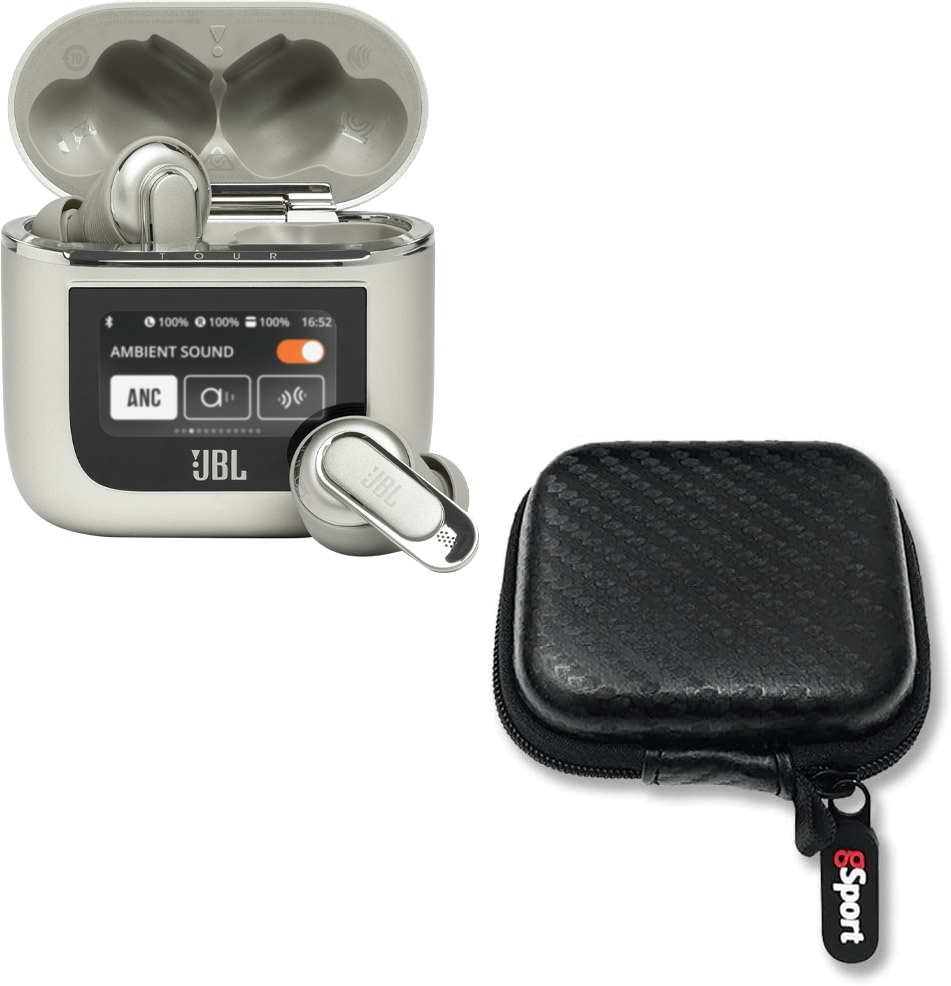
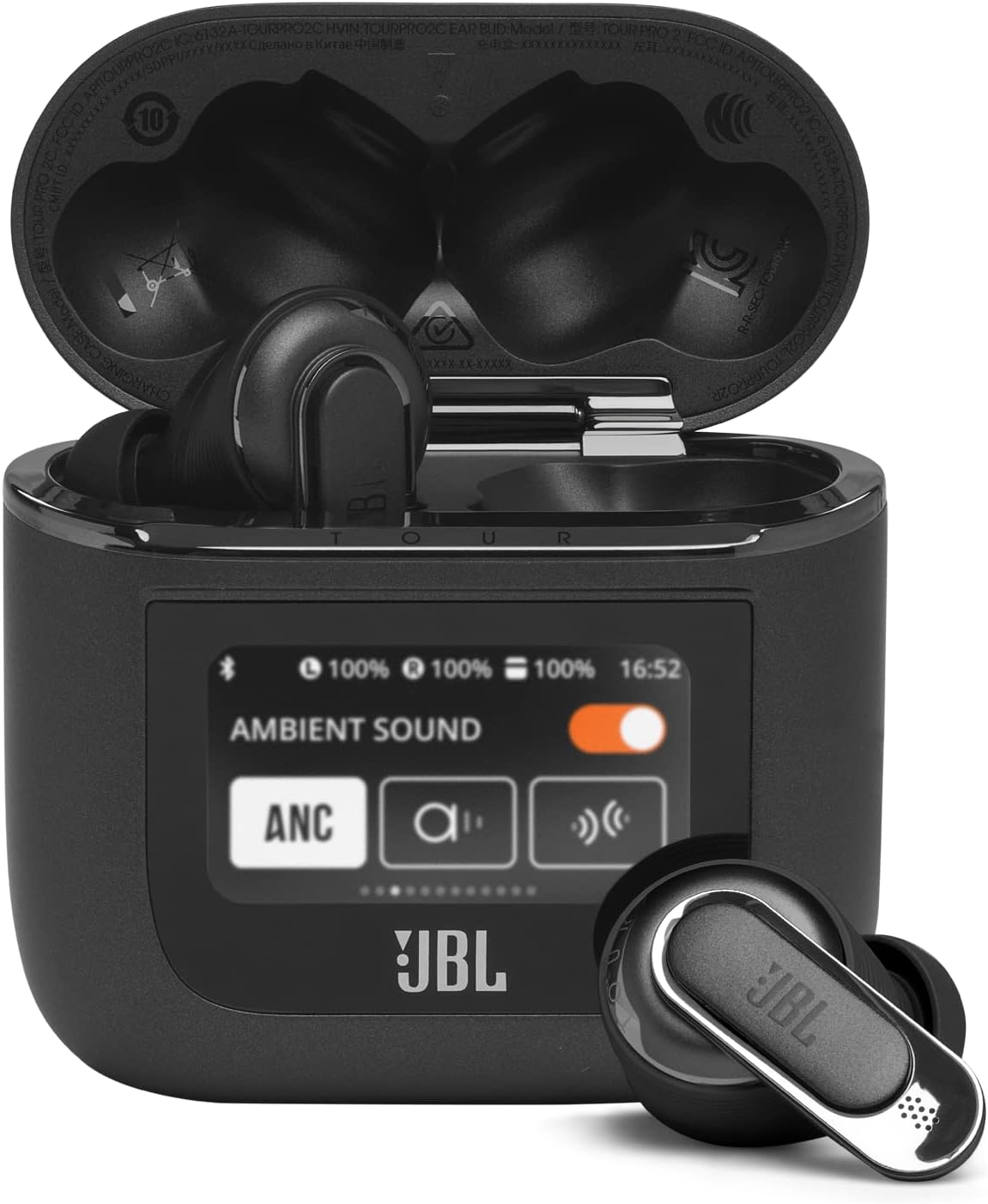
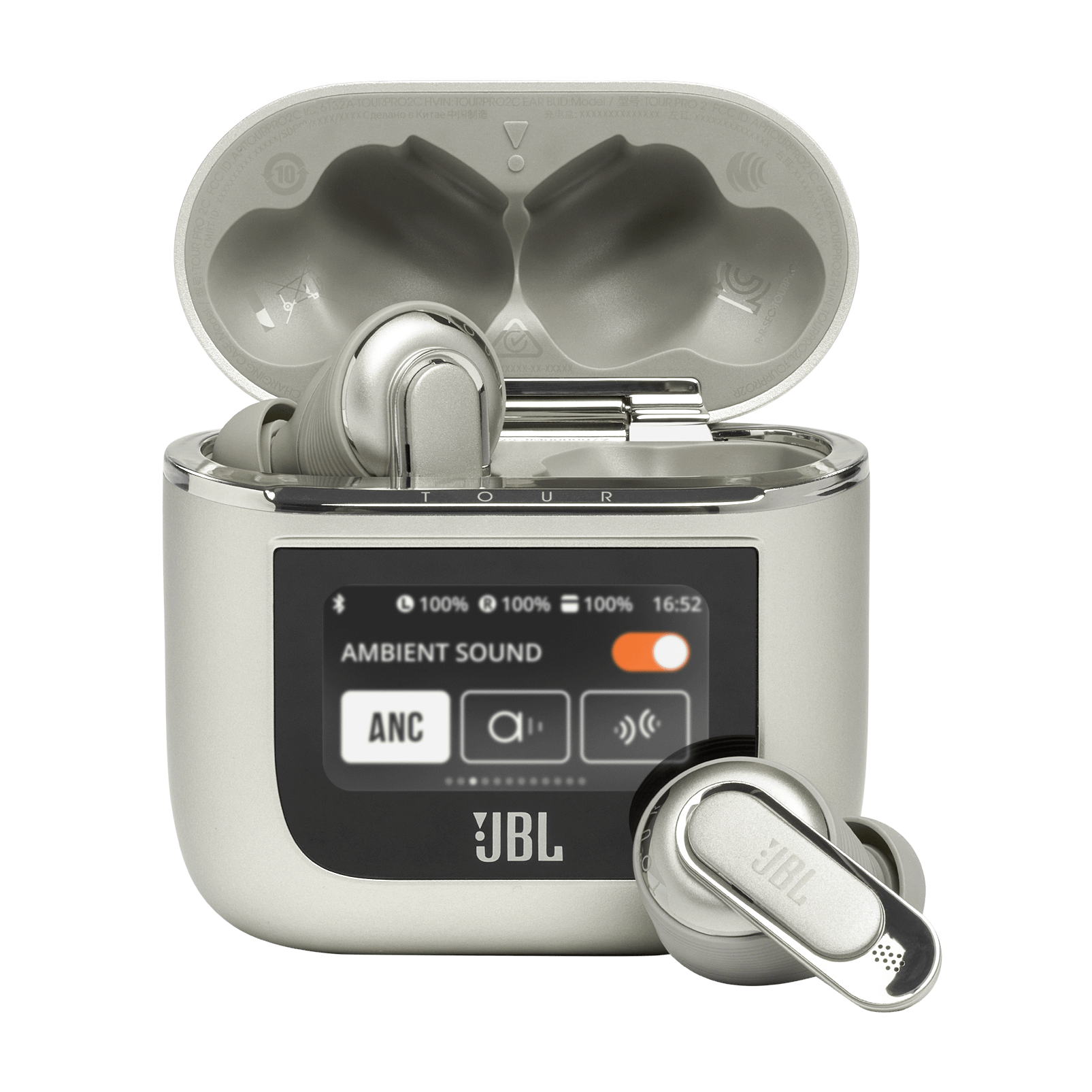
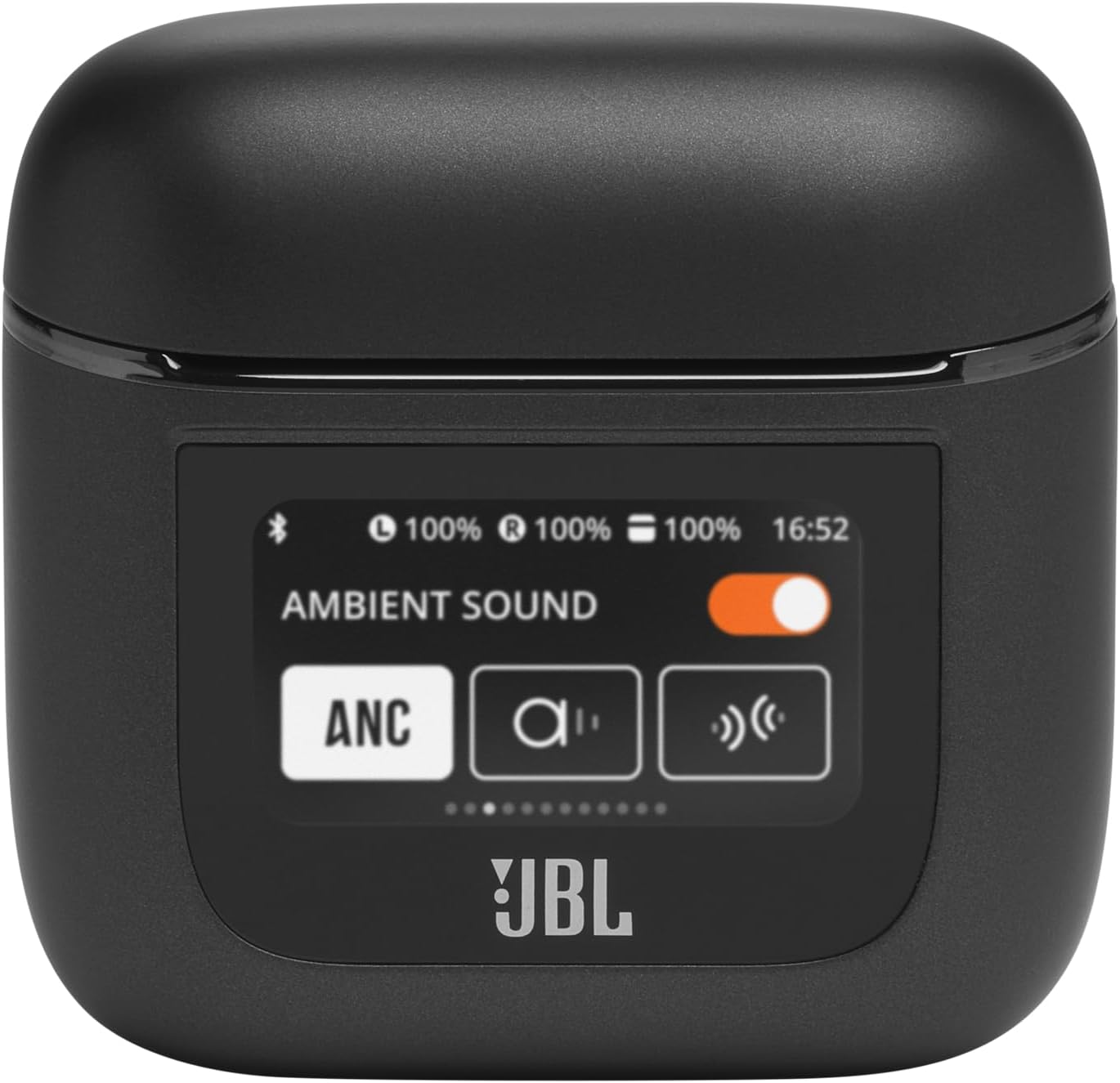
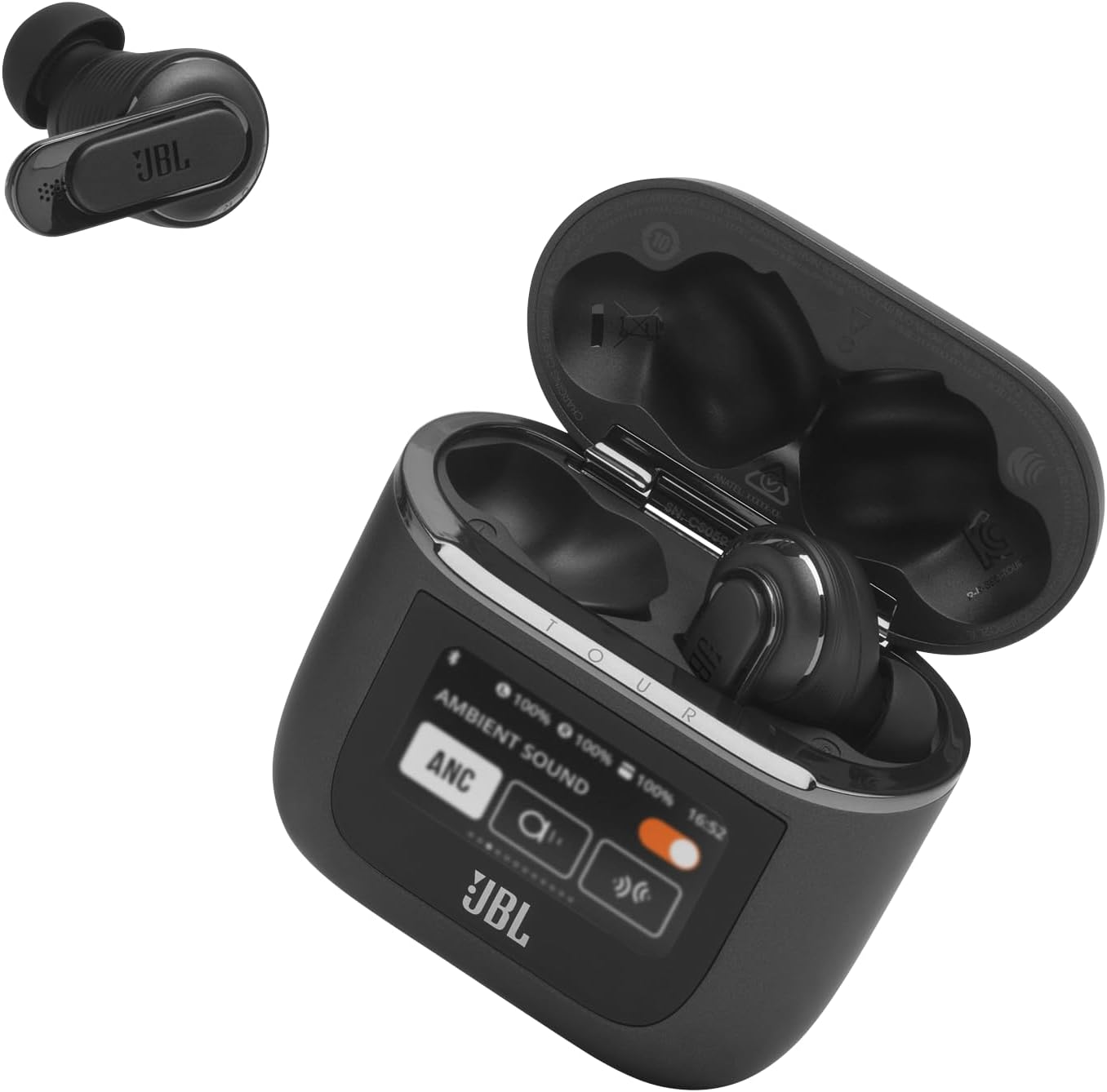
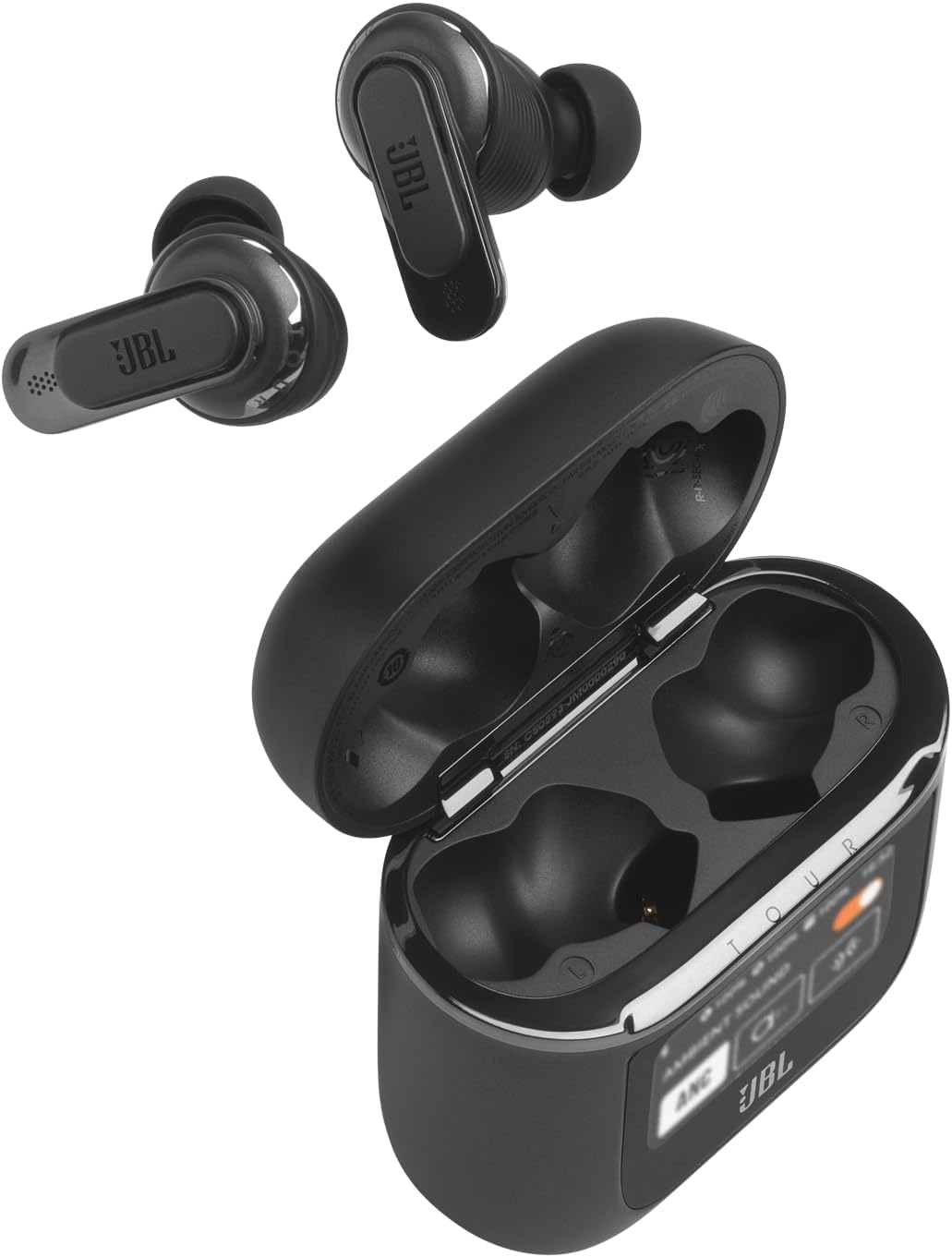
JBL took a bold leap forward with innovation, creating something genuinely new in the earbuds space. The Tour Pro 2's party trick is its smart charging case with a 1.45-inch color touchscreen. This isn't just a gimmick – it fundamentally changes how you interact with your earbuds. Instead of fumbling with your phone or memorizing tap sequences, you can adjust noise cancellation levels, switch between devices, check battery status, and even set alarms directly on the case. It's like having a tiny smartphone dedicated to managing your audio experience.
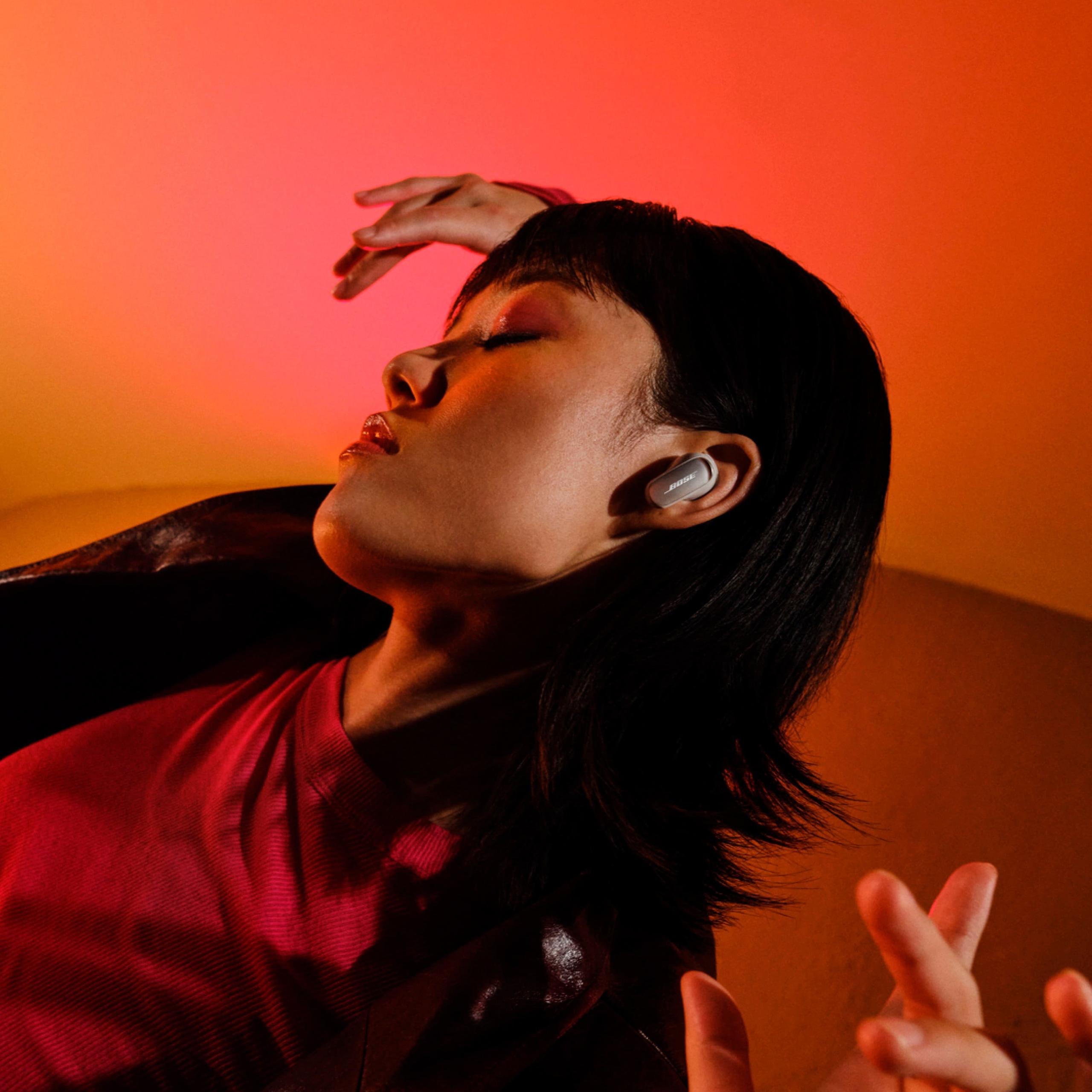
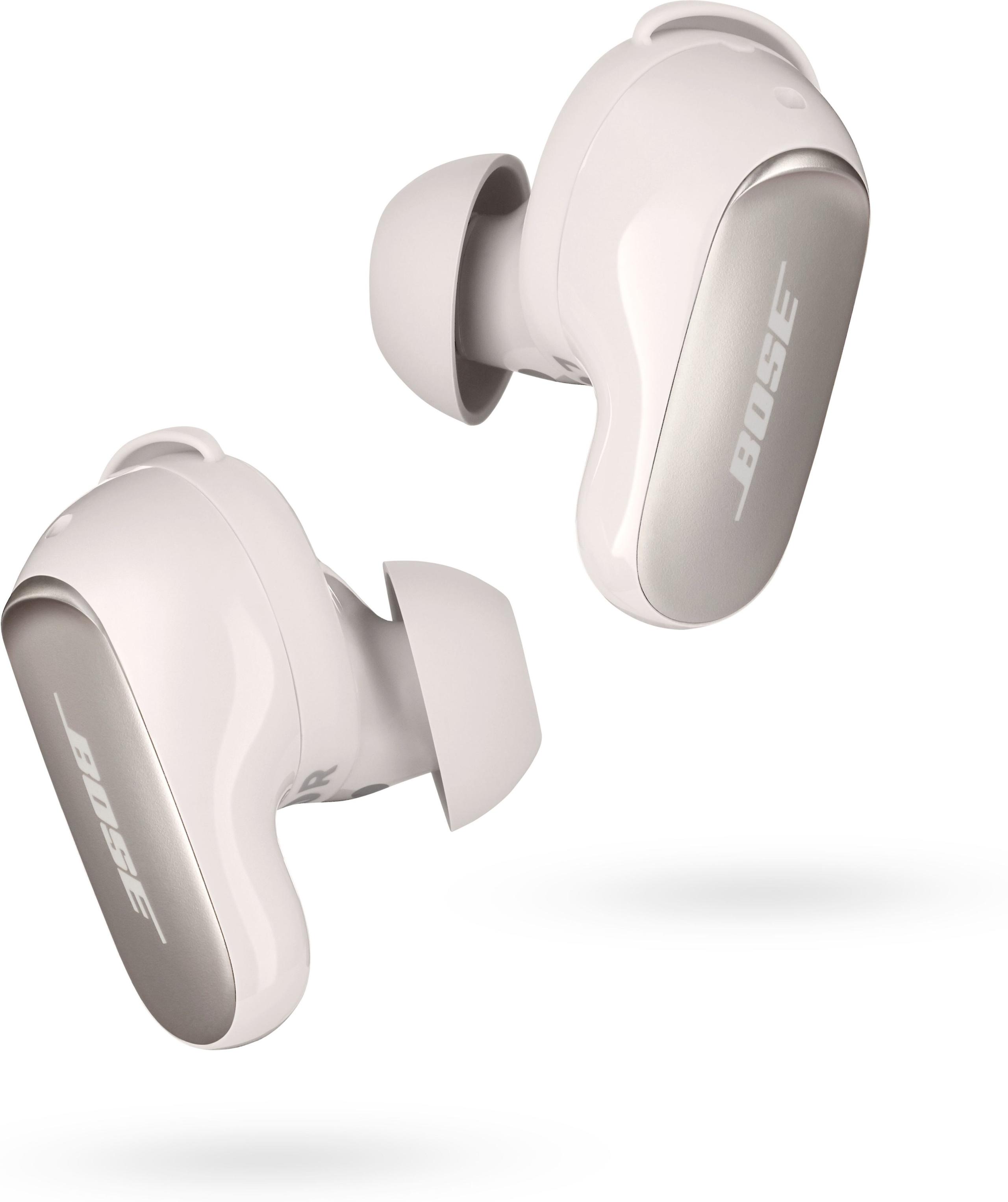
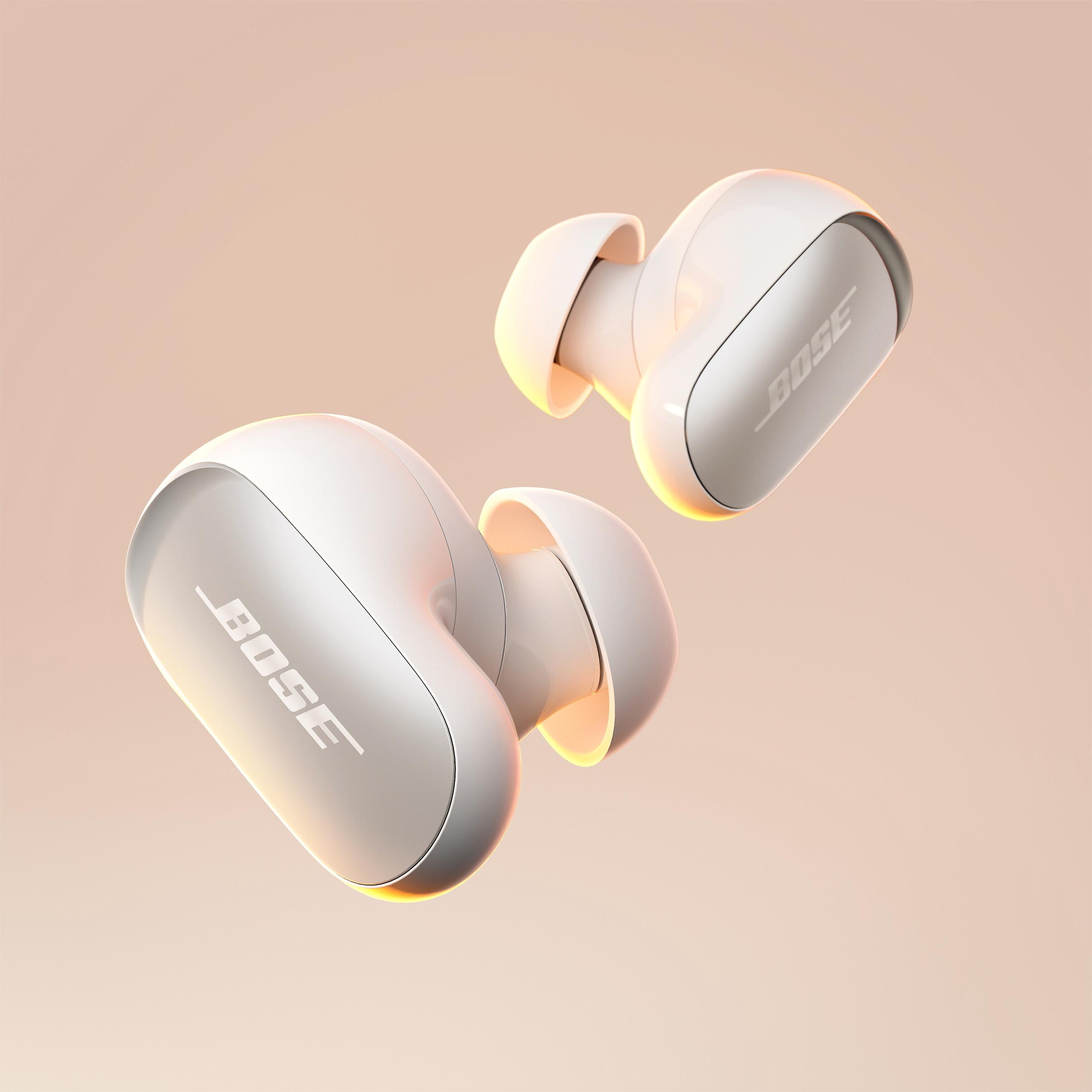
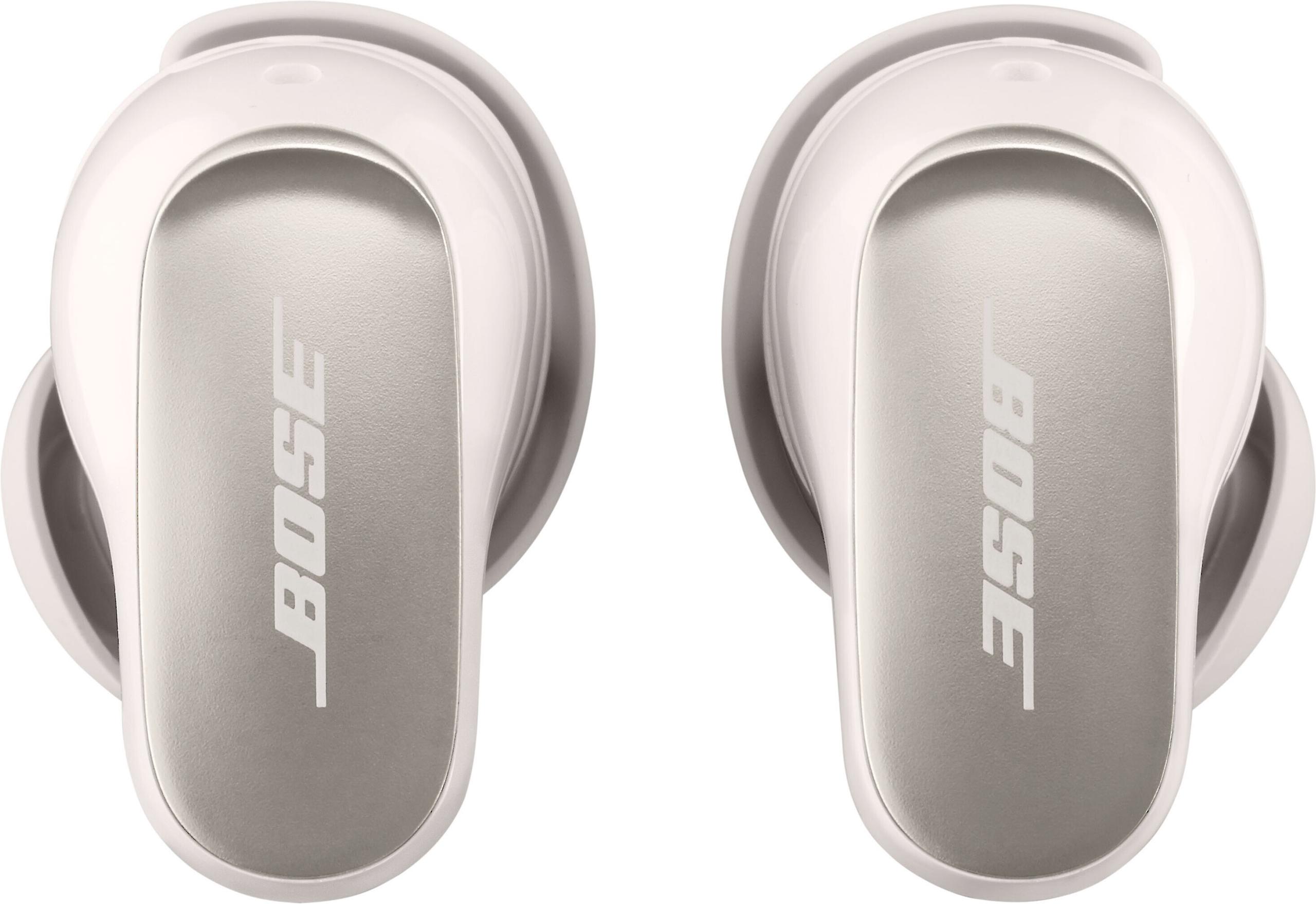
Bose, meanwhile, doubled down on what they do best: making sound disappear and music shine. The QuietComfort Ultra represents decades of acoustic engineering refinement, focusing on delivering the most advanced noise cancellation available and pairing it with Bose's signature balanced sound. Their approach feels more traditional but incredibly polished.
Both strategies have merit, but they appeal to different types of users and use cases.
When it comes to audio performance, both earbuds deliver premium experiences, but with distinct personalities that become apparent within minutes of listening.
The Bose QuietComfort Ultra follows Bose's philosophy of neutral, balanced sound reproduction. This means vocals sound natural and present, instruments maintain their intended character, and nothing feels artificially boosted. The 9.2mm drivers might be smaller than JBL's, but Bose's decades of acoustic expertise shine through in the tuning. Their new Immersive Audio feature creates a wider soundstage – making music feel like it's happening around you rather than directly in your ears. This spatial audio technology works with any content, not just specially mixed tracks, which gives it broader appeal than some competitors' implementations.
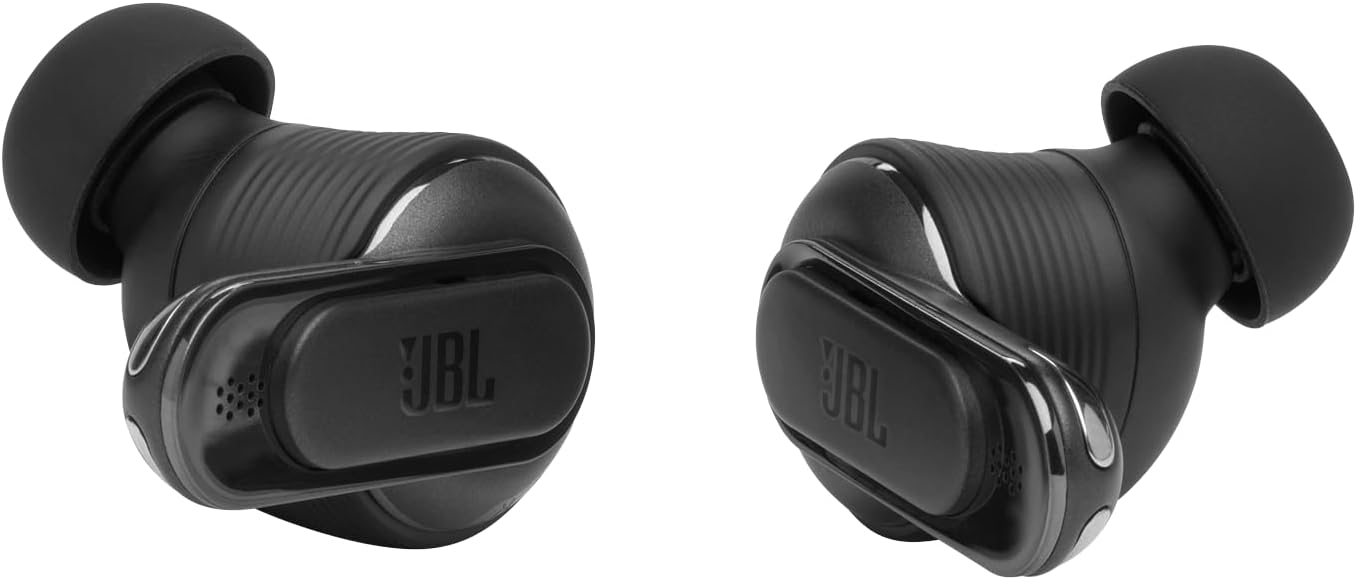
The JBL Tour Pro 2 takes a more energetic approach with its larger 10mm drivers. JBL has always favored a fun, bass-forward sound signature that makes electronic music, hip-hop, and rock feel more impactful. This doesn't mean the sound is muddy or unbalanced – modern JBL tuning is quite sophisticated. But if you're the type who wants to feel the thump of a kick drum or the rumble of a synthesizer, the Tour Pro 2 delivers that excitement more readily than the Bose.
For home theater use, both earbuds offer interesting possibilities, though neither is specifically designed for this application. The Bose would excel for late-night movie watching when you need dialogue clarity and don't want to wake anyone. Their superior noise isolation and balanced sound make them ideal for picking up whispered conversations and subtle sound effects. The JBL, with its more dynamic sound signature, might be more engaging for action movies where you want to feel explosions and chase scenes.
However, I'd recommend considering dedicated home theater headphones for serious movie watching, as both of these earbuds prioritize portability over the wide soundstage that makes movies truly immersive.
This is where the differences become most pronounced, and frankly, where Bose's decades of research and development show their worth.
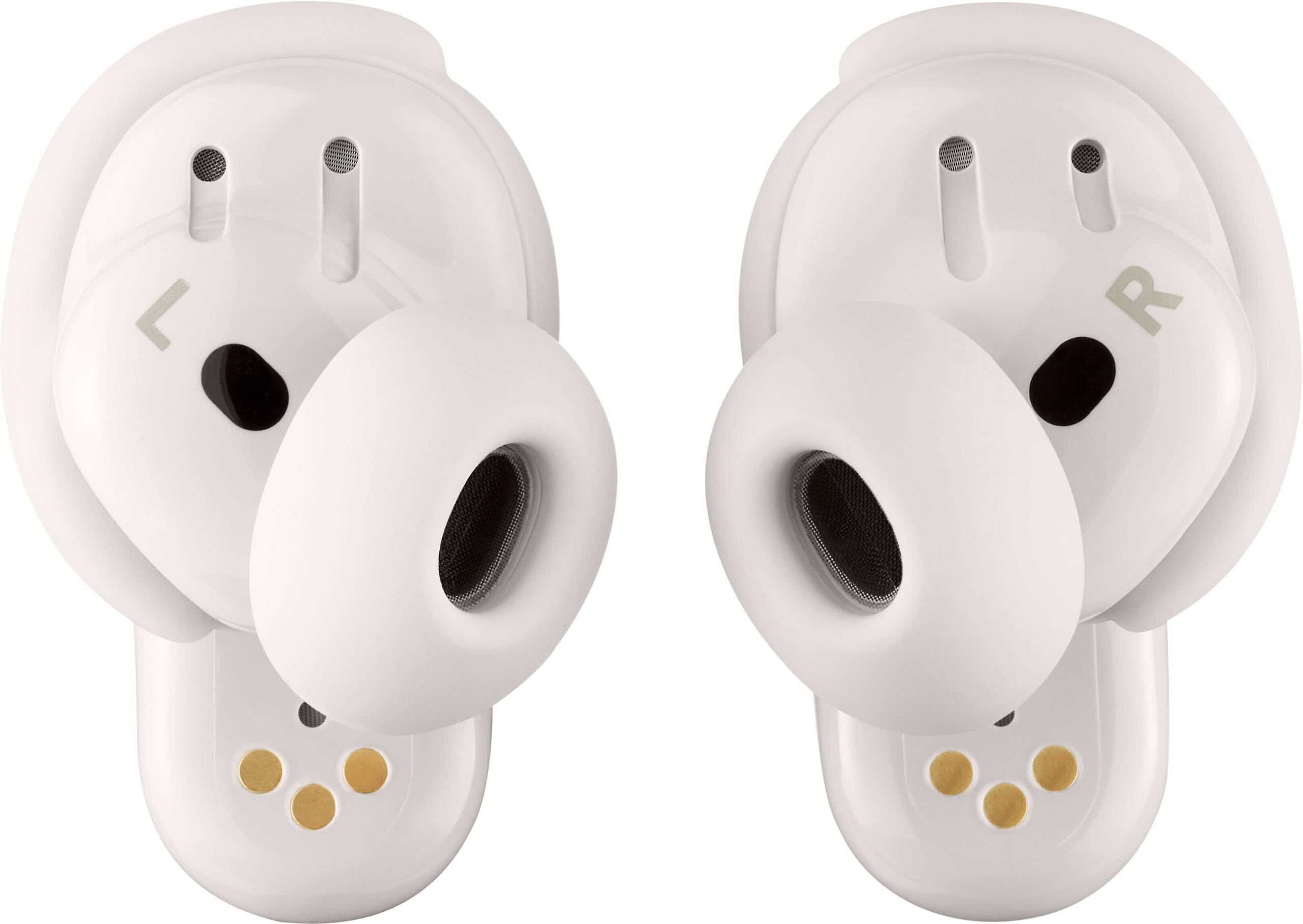
The Bose QuietComfort Ultra delivers what many consider the gold standard of active noise cancellation. Their approach uses multiple microphones per earbud, sophisticated processing algorithms, and something called CustomTune technology that analyzes your individual ear shape to optimize both sound quality and noise cancellation. The result is ANC that feels effortless and natural.
What impresses me most about Bose's implementation is its consistency across different noise types. Low-frequency rumble from airplane engines? Gone. Mid-frequency chatter in coffee shops? Dramatically reduced. Even some higher-frequency sounds like keyboard typing get noticeably quieter. The transparency mode – which lets environmental sound in when you need awareness – sounds remarkably natural, like simply turning down the volume on the world around you.
The JBL Tour Pro 2 offers solid noise cancellation with its True Adaptive system, but it's clearly a step behind Bose in refinement. JBL uses four noise-sensing microphones and real-time environmental adjustment, which sounds impressive on paper and works well in practice. However, some users report that the ANC can shift noticeably when moving around, creating brief moments of distraction that the Bose system handles more gracefully.
This difference matters most if you're frequently in challenging noise environments. Commuters, frequent flyers, and office workers in open-plan spaces will likely appreciate Bose's superior noise control. For casual use in quieter environments, the JBL's ANC is perfectly adequate.
Here's where the JBL Tour Pro 2 absolutely dominates the comparison and showcases one of the most practical advantages you'll experience daily.
With 10 hours of playback from the earbuds themselves (8 hours with ANC active) and an additional 30 hours from the charging case, the Tour Pro 2 delivers a total of 40 hours of listening time. This isn't just impressive on paper – it translates to real-world convenience. You can go several days between charges, even with heavy use. The quick-charge feature adds three hours of playback with just 10 minutes of charging, which means you're never really stuck without music.
The Bose QuietComfort Ultra offers more modest numbers: 6 hours from the earbuds and 18 additional hours from the case, totaling 24 hours. This drops to 4 hours per charge when using their Immersive Audio feature. While 24 hours is reasonable for most users, it requires more frequent charging than the JBL, and the reduction with spatial audio enabled could be limiting for heavy listeners.
For frequent travelers or people who simply hate dealing with charging routines, the JBL's advantage here is substantial. However, if you typically listen for just a few hours per day and charge your devices nightly anyway, the Bose's battery life probably won't feel limiting.
The JBL Tour Pro 2's smart case represents genuinely innovative thinking in earbud design. The 1.45-inch touchscreen lets you control virtually every aspect of the earbuds without touching your phone. Want to switch from noise cancellation to transparency mode? Tap the screen. Need to see which device is connected or check battery levels? It's right there. You can even use it as a remote control for music playback.
This innovation comes with trade-offs. Some users report that the case feels less premium than Bose's, with occasional creaking and a somewhat plasticky feel despite its advanced functionality. The screen also adds complexity – another component that could potentially fail and another surface to potentially scratch.
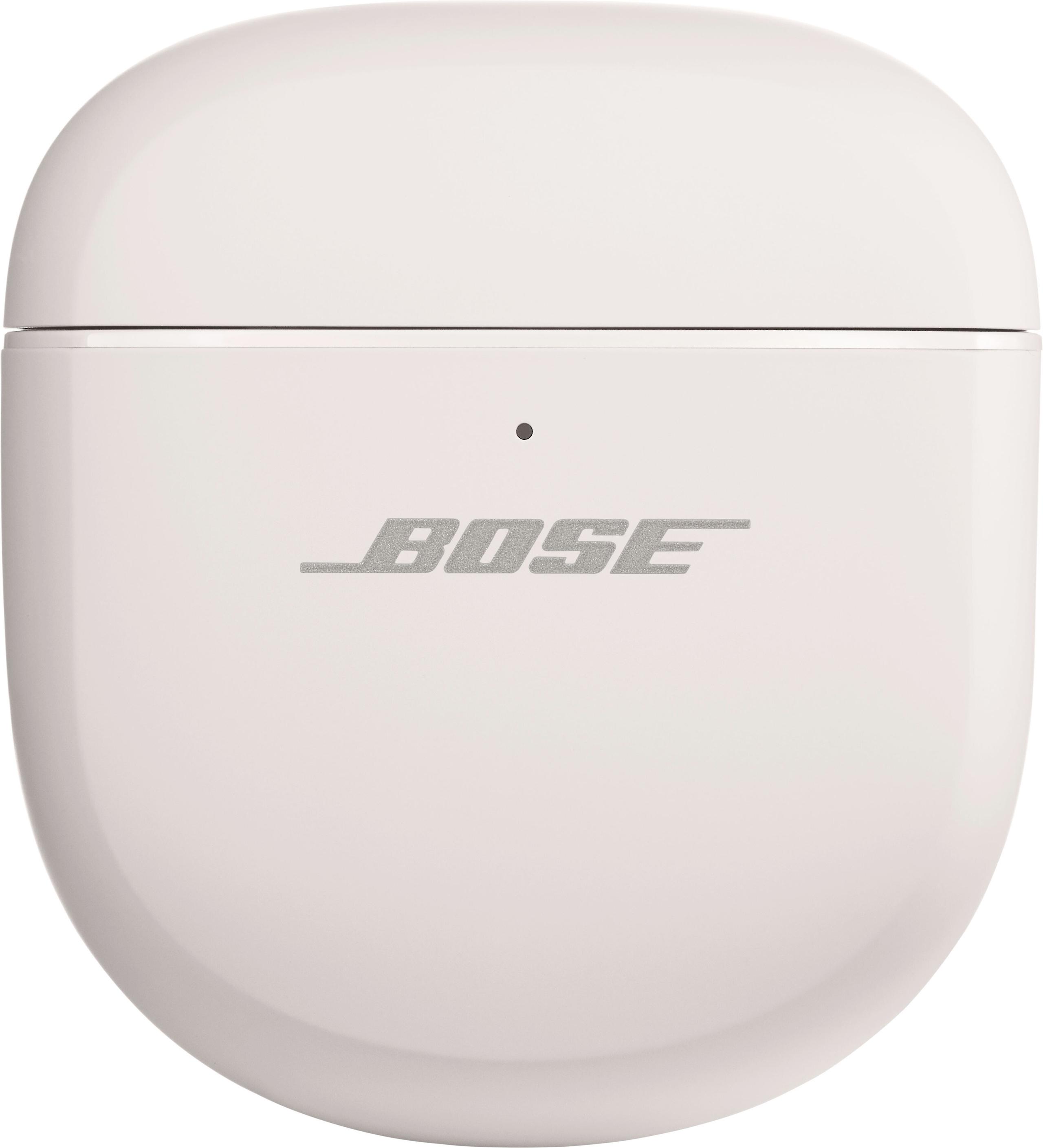
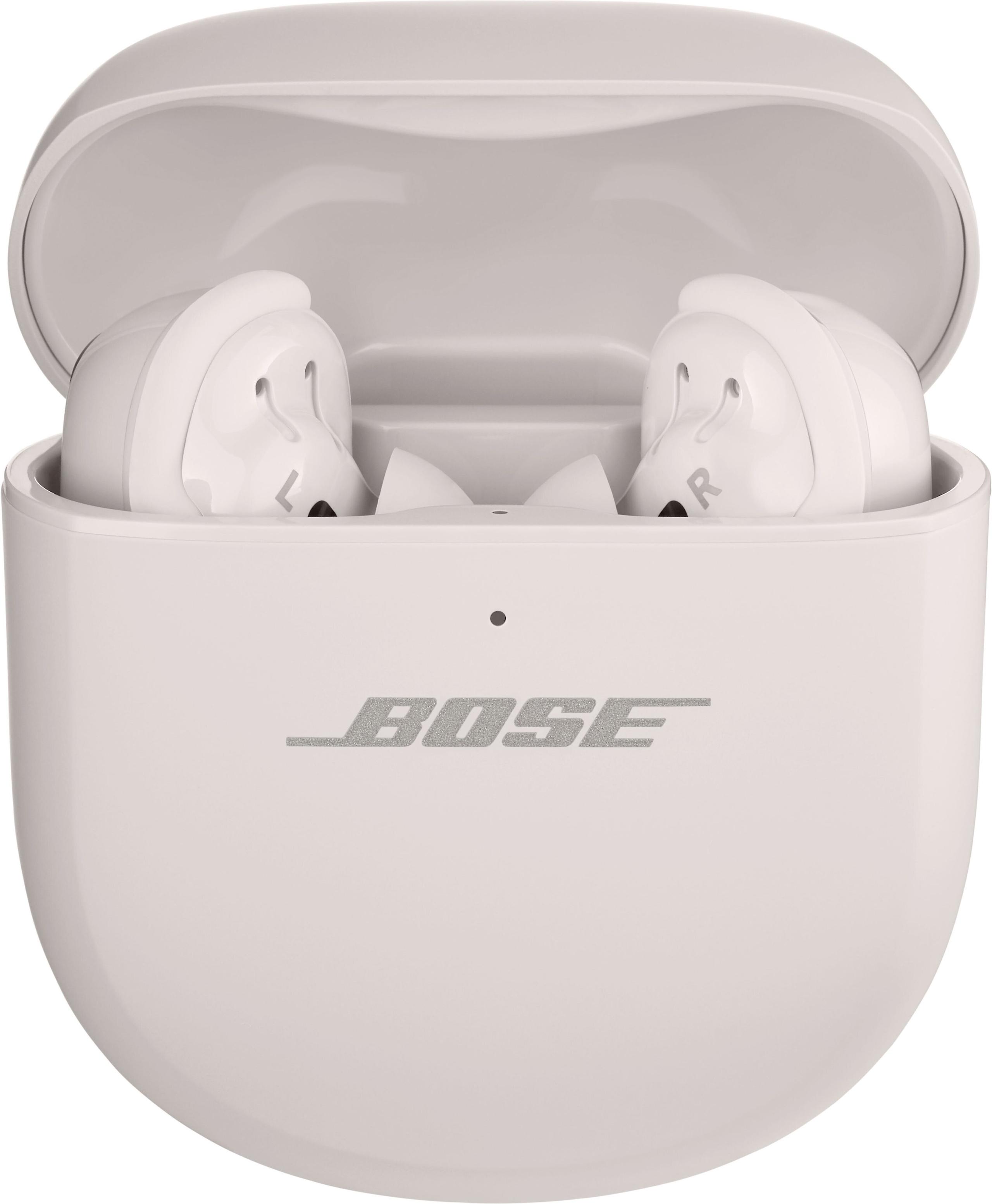
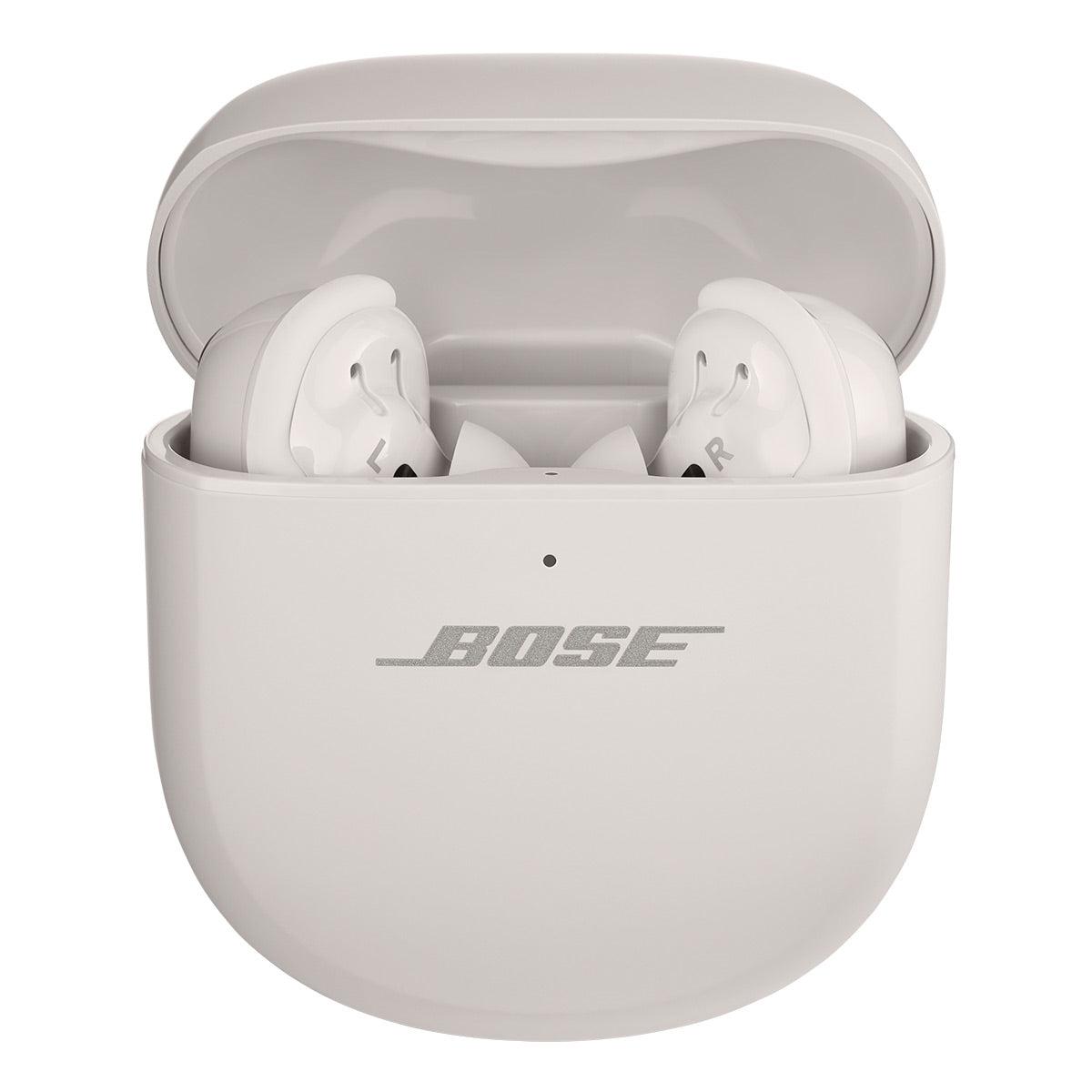
The Bose QuietComfort Ultra takes the opposite approach with a beautifully crafted, minimalist case that feels substantial and premium in your hand. It doesn't do anything fancy, but what it does – protecting and charging your earbuds – it does with the kind of build quality that suggests it'll still be working perfectly years from now.
Your preference here likely depends on your personality and usage patterns. If you love technology for its own sake and appreciate clever innovations, the JBL case is genuinely impressive. If you prefer refined simplicity and worry about long-term reliability, Bose's traditional approach has clear appeal.
Both manufacturers understand that even the best-sounding earbuds are useless if they're uncomfortable, but they solve the fit equation differently.
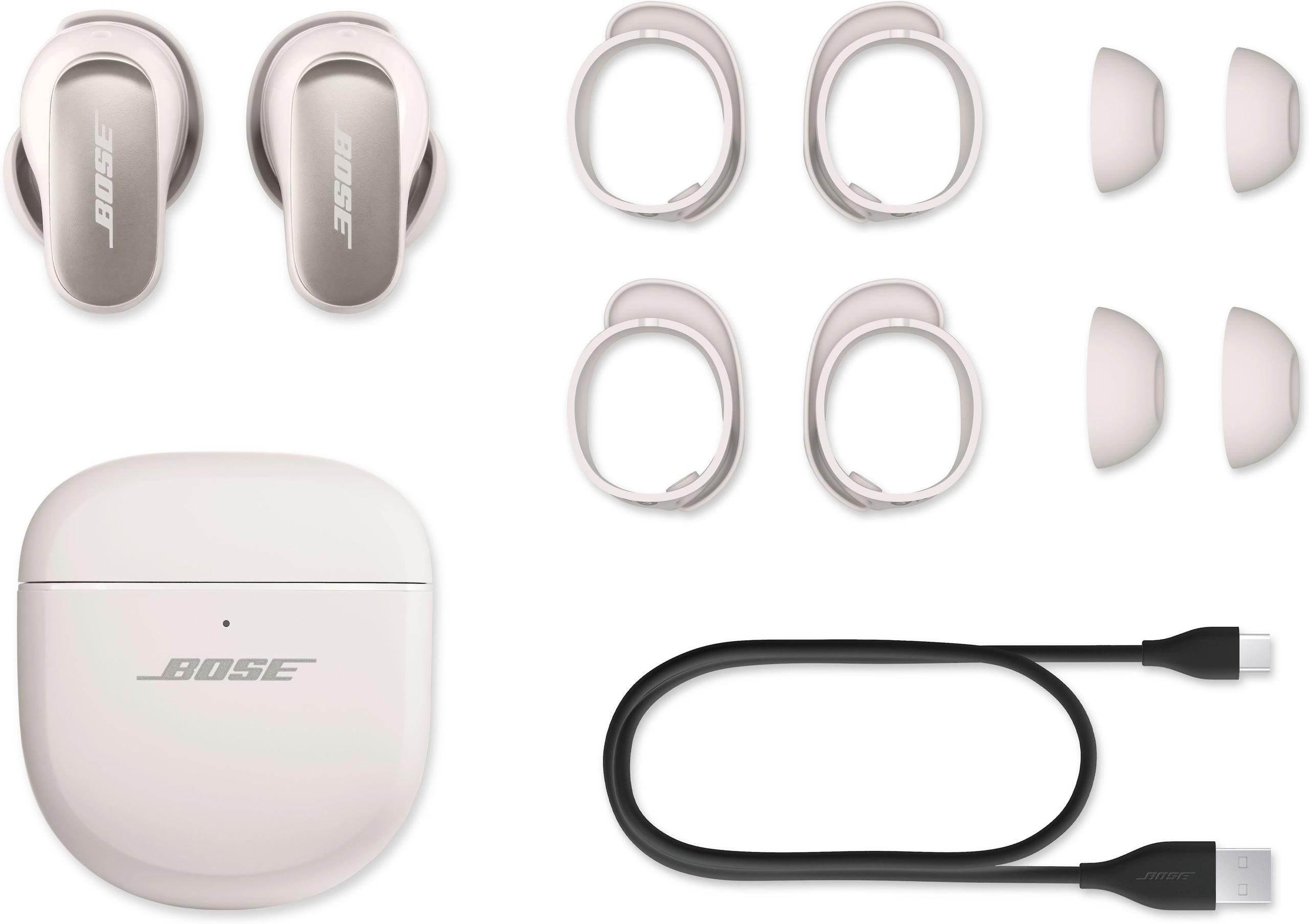
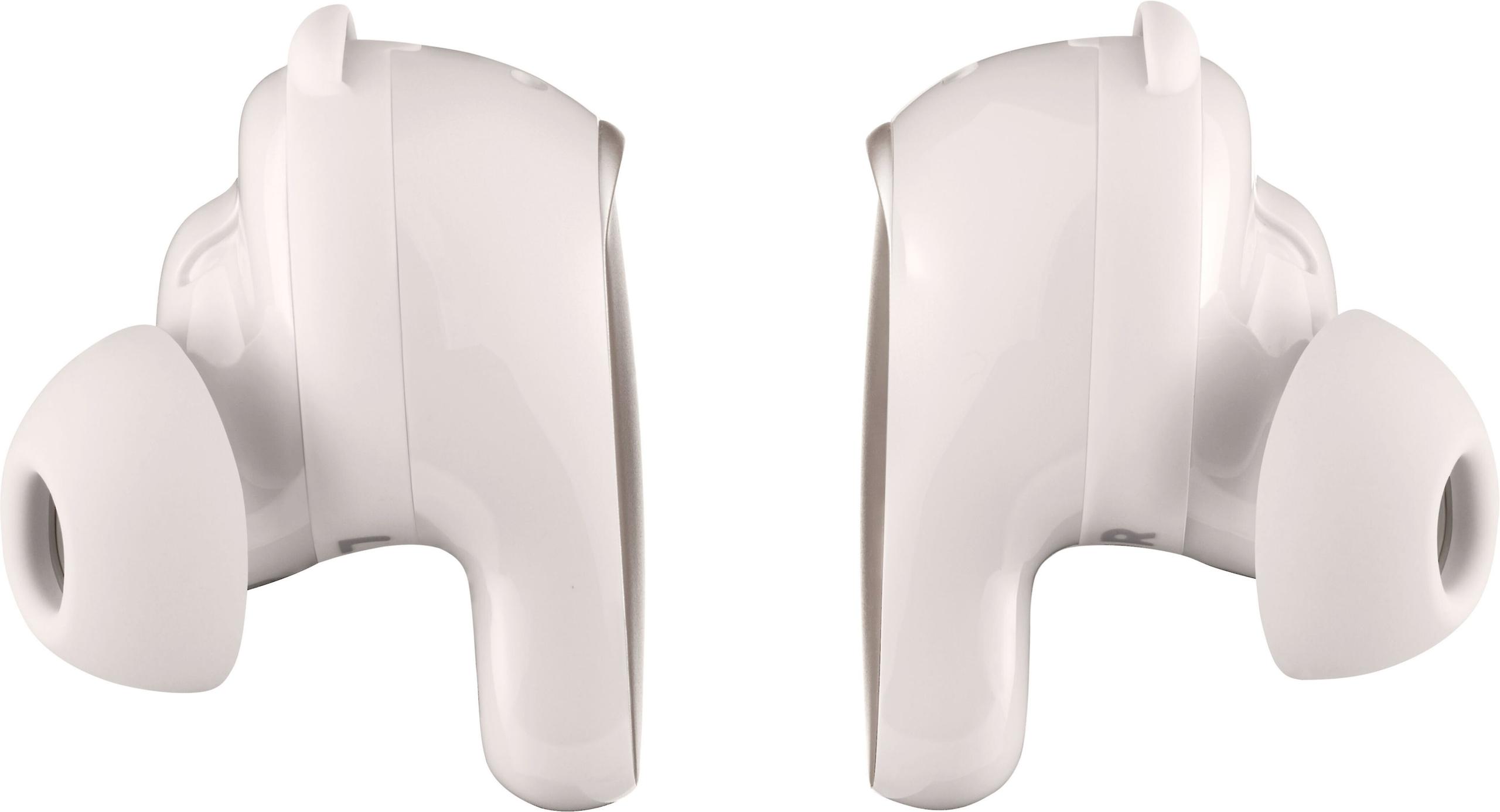
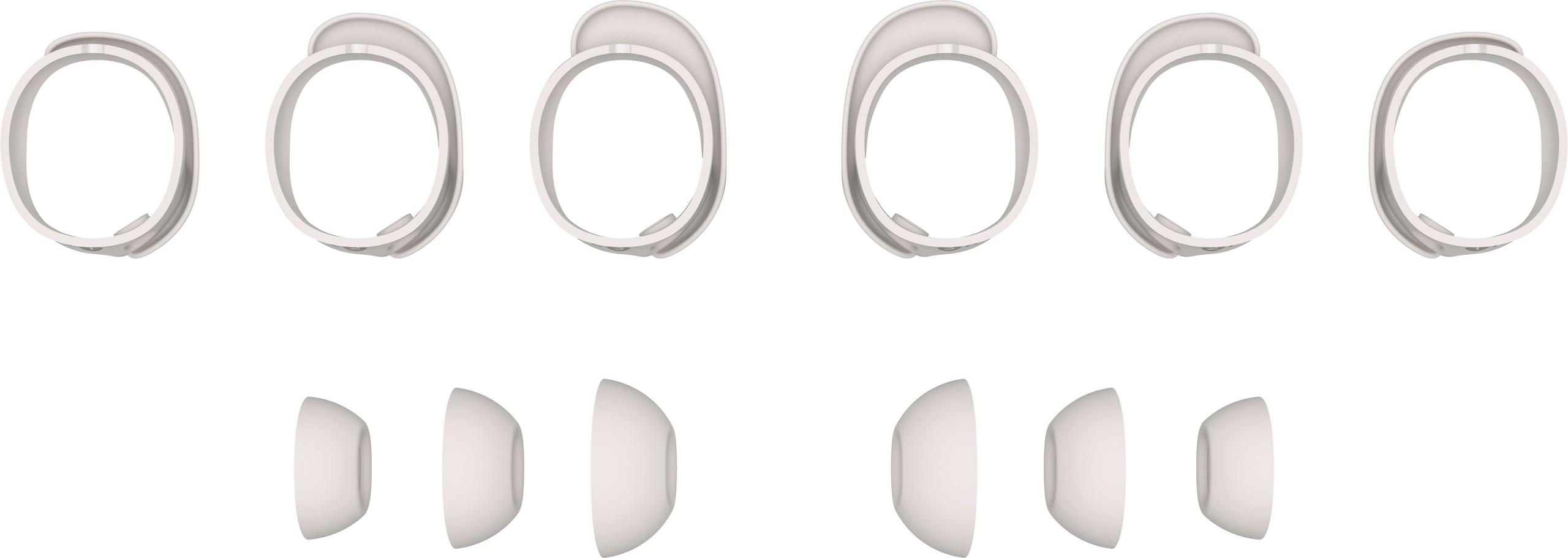
The Bose QuietComfort Ultra includes what they call a Fit Kit with three sizes of ear tips and three sizes of stability bands, creating nine possible combinations. This systematic approach to fit means most people can find a combination that works well. The earbuds themselves are slightly heavier at 6.24 grams each, but Bose's shape and weight distribution make them feel secure without being intrusive.
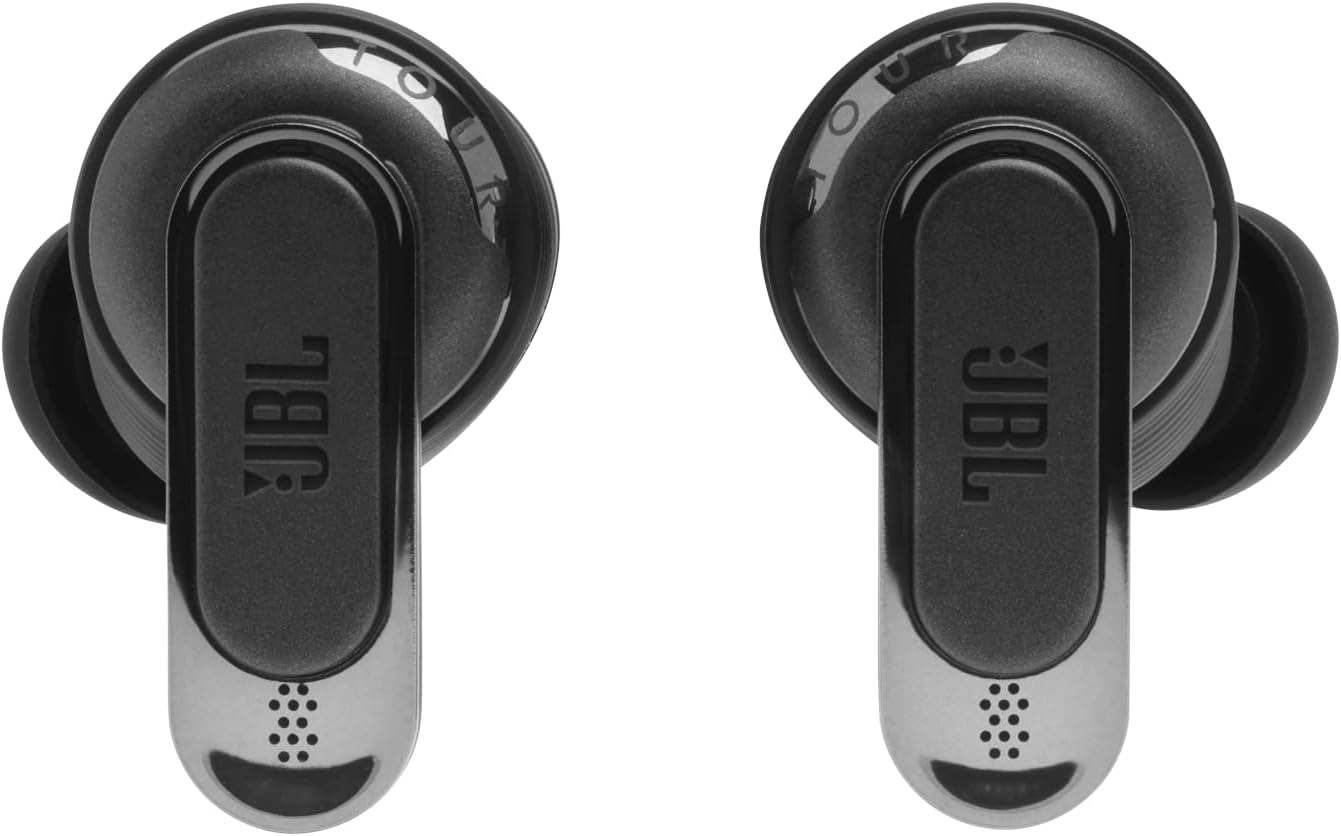
The JBL Tour Pro 2 weighs slightly less at 6.1 grams per earbud and includes multiple ear tip sizes. While JBL doesn't offer the same extensive fit system as Bose, many users find them comfortable for extended listening sessions.
Both earbuds offer water resistance, but the JBL edges ahead with an IPX5 rating compared to Bose's IPX4. In practical terms, this means the JBL can handle more aggressive water exposure – potentially useful for workouts or getting caught in rain.
Modern premium earbuds need to excel at phone calls, and both models deliver good performance with different strengths.
The JBL Tour Pro 2 uses six microphones total (three per earbud) with what they call a crystal call algorithm. This system effectively reduces background noise and includes VoiceAware technology, which lets you control how much of your own voice you hear during calls – useful for ensuring you don't accidentally start shouting.
The Bose QuietComfort Ultra focuses more on natural voice reproduction and superior wind noise reduction. While it doesn't have as many microphones as the JBL, Bose's processing algorithms create very clear, natural-sounding calls that recipients often prefer.
Both earbuds support modern Bluetooth 5.3 with improved connectivity and stability. They also work with their respective smartphone apps for customization, though Bose's app tends to offer more granular control over noise cancellation modes and EQ settings.
At the time of writing, both earbuds compete in the premium segment with pricing that reflects their flagship status, though the JBL Tour Pro 2 typically costs somewhat less than the Bose QuietComfort Ultra.
The JBL represents innovation value – you're paying for genuinely new features like the smart case, exceptional battery life, and solid all-around performance. It's the choice for people who want to experience the cutting edge of earbud technology and appreciate getting more features for their money.
The Bose represents refinement value – you're paying for decades of acoustic expertise, the best noise cancellation available, and build quality that suggests long-term satisfaction. It's the choice for people who prioritize proven excellence in the fundamentals over flashy new features.
Choose the JBL Tour Pro 2 if you're a heavy user who values innovation and practical advantages. The smart case genuinely improves the daily experience, and the exceptional battery life means you're rarely thinking about charging. It's perfect for people who travel frequently, work long days, or simply appreciate clever technology. The more energetic sound signature also makes it ideal if your music library leans toward genres that benefit from impactful bass and dynamic presentation.
Choose the Bose QuietComfort Ultra if you prioritize audio quality and noise cancellation above all else. These earbuds excel in challenging environments like airplanes, busy offices, or anywhere you need to focus despite surrounding noise. The refined sound signature works beautifully across all music genres, and the premium build quality suggests these will remain satisfying purchases for years to come.
For most people, both choices represent excellent investments in premium audio technology. The decision ultimately comes down to whether you're more excited by JBL's innovative features and practical advantages or Bose's refined execution of noise cancellation and sound quality fundamentals.
The JBL pushes the category forward with genuinely useful innovations, while the Bose perfects what premium earbuds should fundamentally do. Both approaches have merit, and your personal priorities will determine which philosophy resonates with your needs and preferences.
| JBL Tour Pro 2 | Bose QuietComfort Ultra |
|---|---|
| Total Battery Life - Critical for heavy users and travelers | |
| 40 hours total (10 hrs earbuds + 30 hrs case) | 24 hours total (6 hrs earbuds + 18 hrs case) |
| Active Noise Cancellation - Essential for noisy environments | |
| Good True Adaptive ANC with real-time adjustment | Industry-leading ANC with CustomTune ear analysis |
| Driver Size - Affects bass response and overall sound power | |
| 10mm drivers (more impactful bass) | 9.2mm drivers (more refined tuning) |
| Water Resistance - Important for workouts and outdoor use | |
| IPX5 (can handle heavy sweat and rain) | IPX4 (basic splash protection only) |
| Weight Per Earbud - Affects comfort during long sessions | |
| 6.1g each (lighter for extended wear) | 6.24g each (slightly heavier but well-balanced) |
| Quick Charge Feature - Convenience when battery runs low | |
| 10 minutes = 3 hours playback | 20 minutes = 2 hours playbook |
| Unique Innovation - What sets each apart from competitors | |
| 1.45" touchscreen smart case for full control | Immersive Audio spatial sound technology |
| Sound Signature - Different approaches to audio tuning | |
| Bass-forward, energetic (great for EDM, hip-hop) | Balanced, neutral (excellent for all genres) |
| Bluetooth Version - Affects connection stability and range | |
| Bluetooth 5.3 with LE Audio support | Bluetooth 5.3 with advanced codec support |
| Microphone Array - Important for call quality | |
| 6 total mics (3 per earbud) with VoiceAware | 4 total mics with superior wind noise reduction |
| Fit Options - Ensures comfortable secure fit for different ears | |
| Multiple ear tip sizes included | Fit Kit with 9 combinations (tips + stability bands) |
| Case Features - Daily convenience and functionality | |
| Smart touchscreen for direct earbud control | Premium materials, traditional charging only |
The Bose QuietComfort Ultra delivers significantly superior noise cancellation compared to the JBL Tour Pro 2. Bose uses advanced CustomTune technology that analyzes your ear shape and adapts the ANC accordingly, providing industry-leading noise reduction across all frequency ranges. While the JBL Tour Pro 2 offers decent True Adaptive noise cancellation, it doesn't match Bose's refinement and consistency.
The JBL Tour Pro 2 offers exceptional battery life with 40 hours total (10 hours from earbuds plus 30 hours from the case), significantly outperforming the Bose QuietComfort Ultra which provides 24 hours total (6 hours from earbuds plus 18 hours from the case). For heavy users, the JBL's longer battery life means fewer charging interruptions.
Both deliver excellent sound quality but with different approaches. The Bose QuietComfort Ultra offers a more balanced, neutral sound signature that works well across all music genres, while the JBL Tour Pro 2 provides a more bass-forward, energetic sound that's particularly engaging for electronic music, hip-hop, and rock. The Bose is generally preferred by audiophiles for its refinement.
Both earbuds handle calls well but excel in different areas. The JBL Tour Pro 2 uses six microphones with VoiceAware technology for clear communication, while the Bose QuietComfort Ultra focuses on natural voice reproduction and superior wind noise reduction. For professional use, the Bose typically provides more natural-sounding calls.
The JBL Tour Pro 2 offers better water protection with an IPX5 rating, meaning it can handle heavy sweat and even light rain exposure. The Bose QuietComfort Ultra has an IPX4 rating, providing basic splash protection but less resistance to water exposure. For workouts and outdoor activities, the JBL is the more durable choice.
Both models prioritize comfort but use different approaches. The Bose QuietComfort Ultra includes a comprehensive Fit Kit with nine different size combinations of ear tips and stability bands, ensuring a secure fit for most ear shapes. The JBL Tour Pro 2 is slightly lighter per earbud but offers fewer fit options. Most users find both comfortable, though the Bose typically accommodates more ear shapes.
The JBL Tour Pro 2 features a revolutionary 1.45-inch touchscreen charging case that acts as a control center for the earbuds. You can adjust settings, control playback, and check battery levels directly from the case without using your phone. The Bose QuietComfort Ultra uses a traditional premium charging case without smart features, focusing on build quality and reliability.
The Bose QuietComfort Ultra excels for travel due to its superior noise cancellation, making it ideal for airplanes, trains, and busy environments. However, the JBL Tour Pro 2 offers practical travel advantages with its longer 40-hour battery life and smart case that reduces phone dependency. For frequent flyers prioritizing quiet, choose Bose; for extended trips valuing convenience, choose JBL.
The JBL Tour Pro 2 offers faster emergency charging with 10 minutes providing 3 hours of playback, while the Bose QuietComfort Ultra provides 20 minutes of charging for 2 hours of playback. The JBL gets you back to listening more quickly when you're in a hurry, making it more convenient for busy lifestyles.
While neither is specifically designed for home theater, both can work for late-night movie watching. The Bose QuietComfort Ultra would be better for dialogue clarity and subtle sound effects due to its balanced sound signature and superior noise isolation. The JBL Tour Pro 2 might be more engaging for action movies with its bass-forward sound. However, dedicated home theater headphones would be better for serious movie watching.
The JBL Tour Pro 2 typically offers better value with its innovative smart case, exceptional 40-hour battery life, and solid performance at a lower price point than the Bose QuietComfort Ultra. However, the Bose justifies its premium pricing with best-in-class noise cancellation and refined audio quality. Choose JBL for feature value, Bose for audio excellence.
Choose the JBL Tour Pro 2 if you want innovative features like the smart touchscreen case, need exceptional battery life, prefer bass-heavy music, or want premium features at a more accessible price. Choose the Bose QuietComfort Ultra if you prioritize the best possible noise cancellation, prefer refined balanced sound, frequently use earbuds in noisy environments, or value premium build quality above cutting-edge features.
We've done our best to create useful and informative comparisons to help you decide what product to buy. Our research uses advanced automated methods to create this comparison and perfection is not possible - please contact us for corrections or questions. These are the sites we've researched in the creation of this article: whathifi.com - eftm.com - jbl.com - gamingtrend.com - seriousinsights.net - harmanaudio.com - youtube.com - soundstagesolo.com - jbl.com - soundguys.com - youtube.com - harmanaudio.com - tomsguide.com - ign.com - jbl.com - retailspecs.com - youtube.com - youtube.com - harmanaudio.com - bhphotovideo.com - jbl.com - bhphotovideo.com - youtube.com - headphones.com - jbl.com - mm.jbl.com - youtube.com - versus.com - uk.jbl.com - youtube.com - goodhousekeeping.com - harmanaudio.com - shop.oprahdaily.com - youtube.com - geekzone.co.nz - rtings.com - recordingnow.com - youtube.com - runnersworld.com - whathifi.com - soundguys.com - cnet.com - bestbuy.com - techgearlab.com - youtube.com - techgearlab.com - youtube.com - youtube.com - loudnwireless.com - soundguys.com - bose.com - bestbuy.com - youtube.com - cdw.com - assets.bose.com - bose.com - staples.com - youtube.com - bhphotovideo.com - shoplineusa.com - insight.com - screenmoove.com - boselatam.com - abt.com - bhphotovideo.com - whathifi.com - bose.com - youtube.com - bose.com - tomsguide.com - boselatam.com - youtube.com

Privacy Policy
Terms and Conditions - Affiliate Policy
Home Security
© Copyright 2008-2026.
11816 Inwood Rd #1211, Dallas, TX 75244