

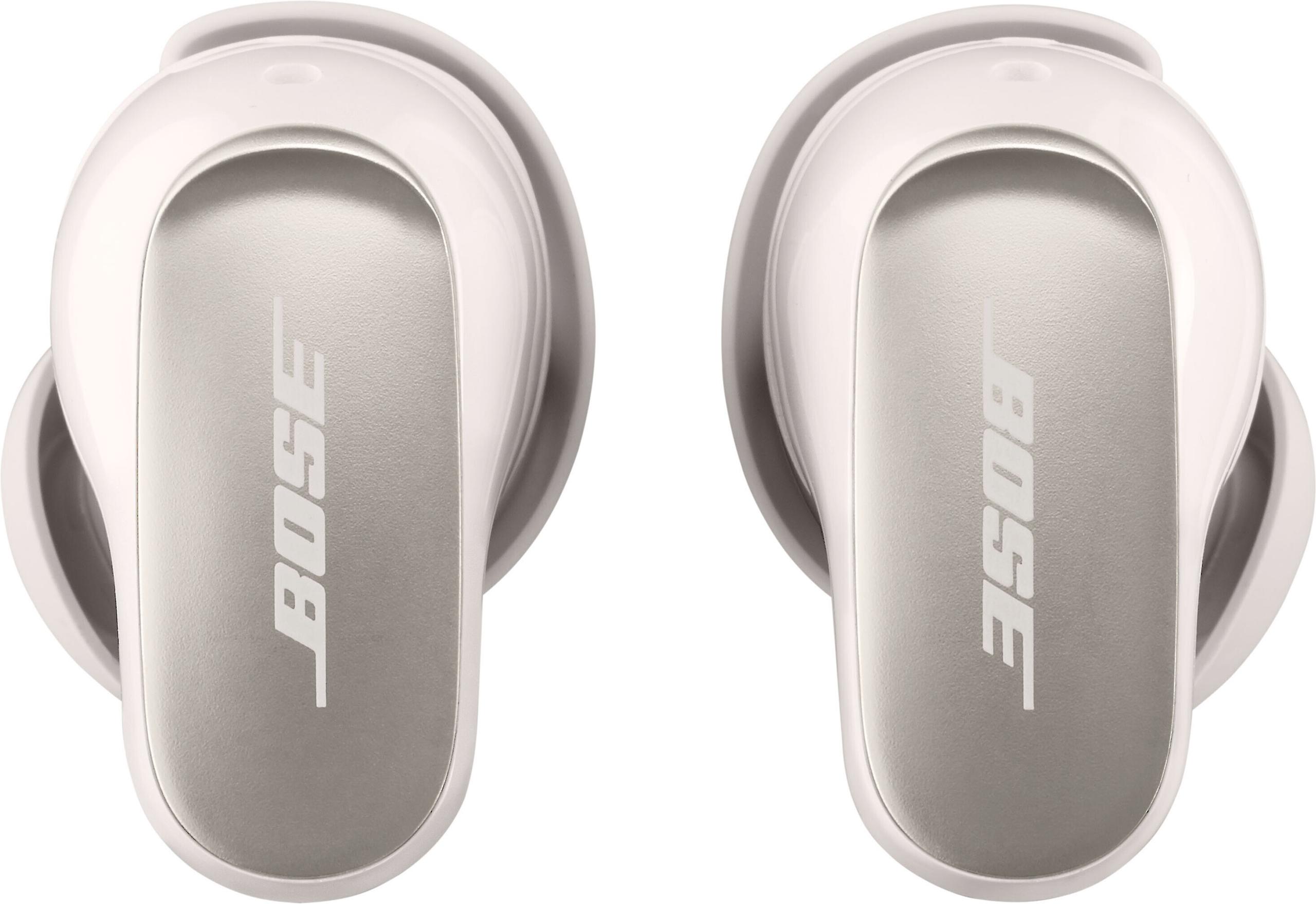
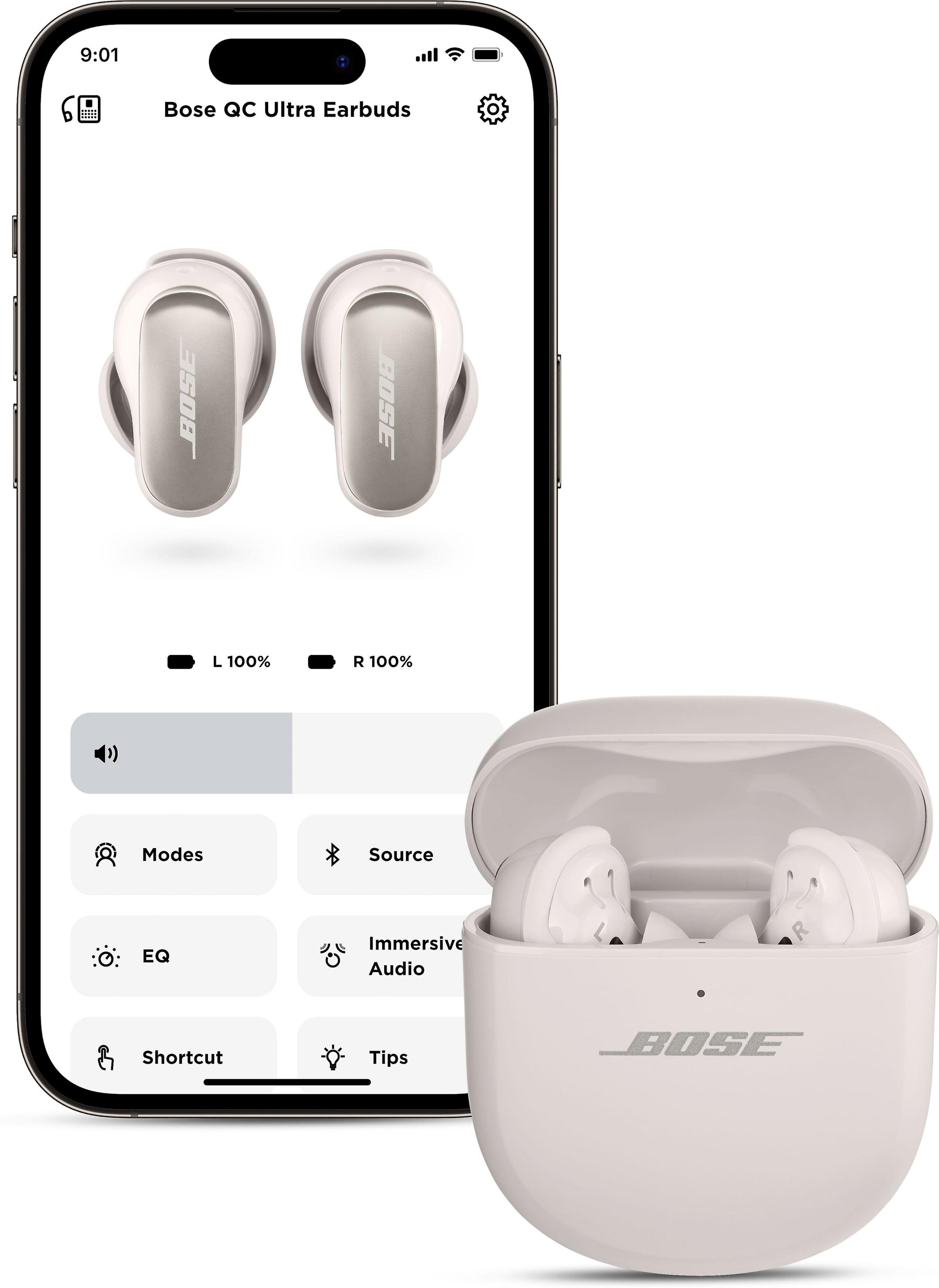
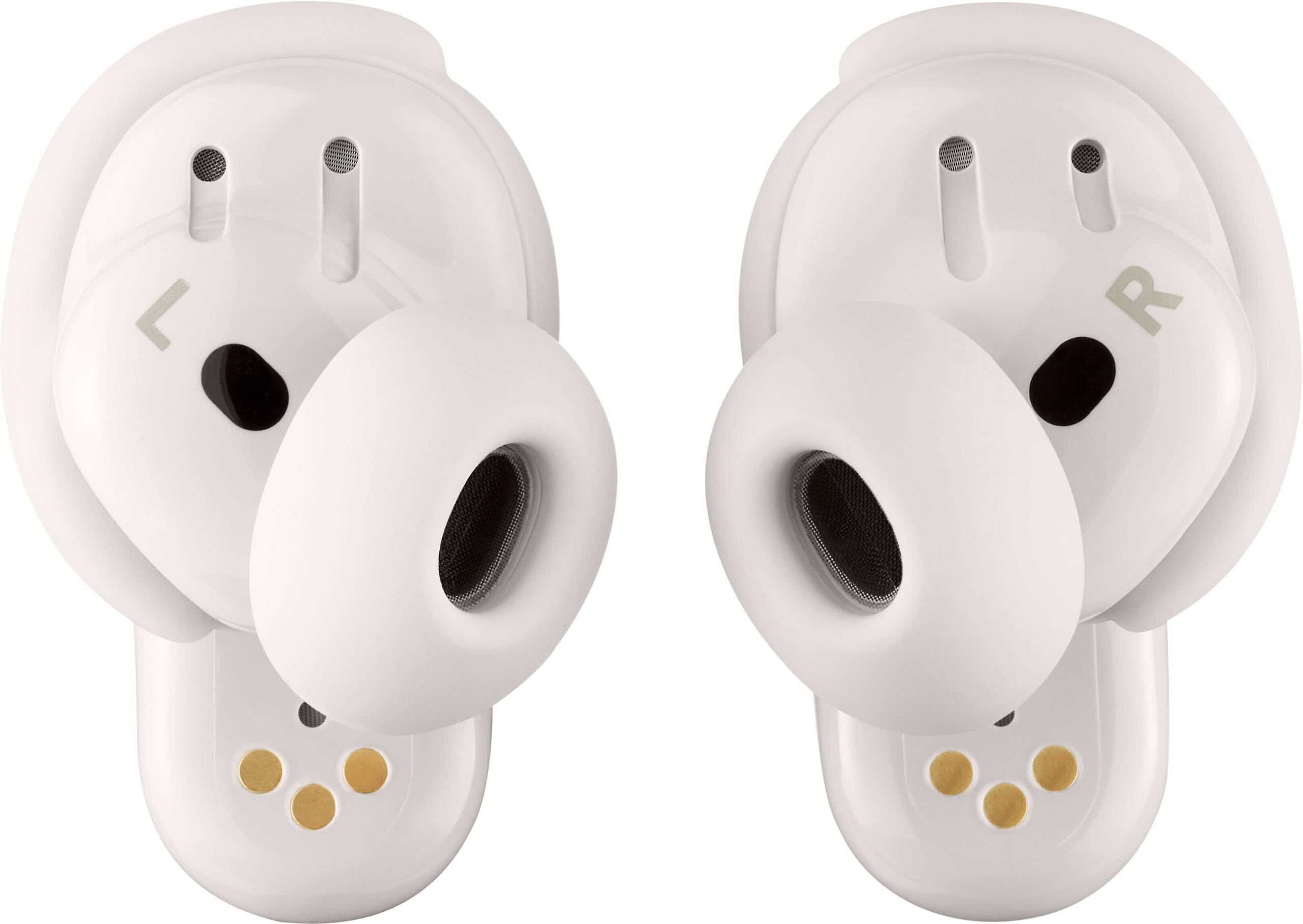
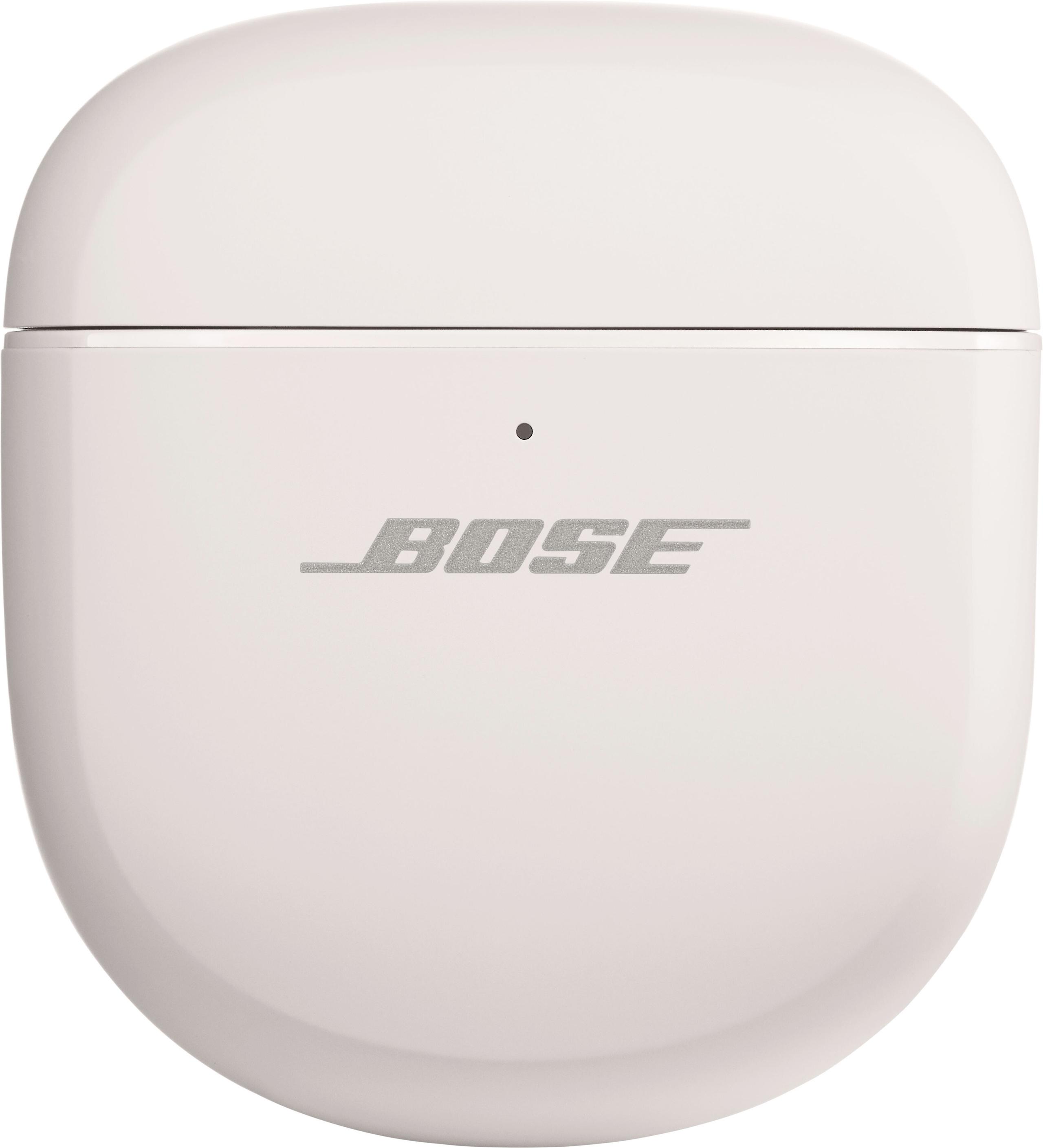
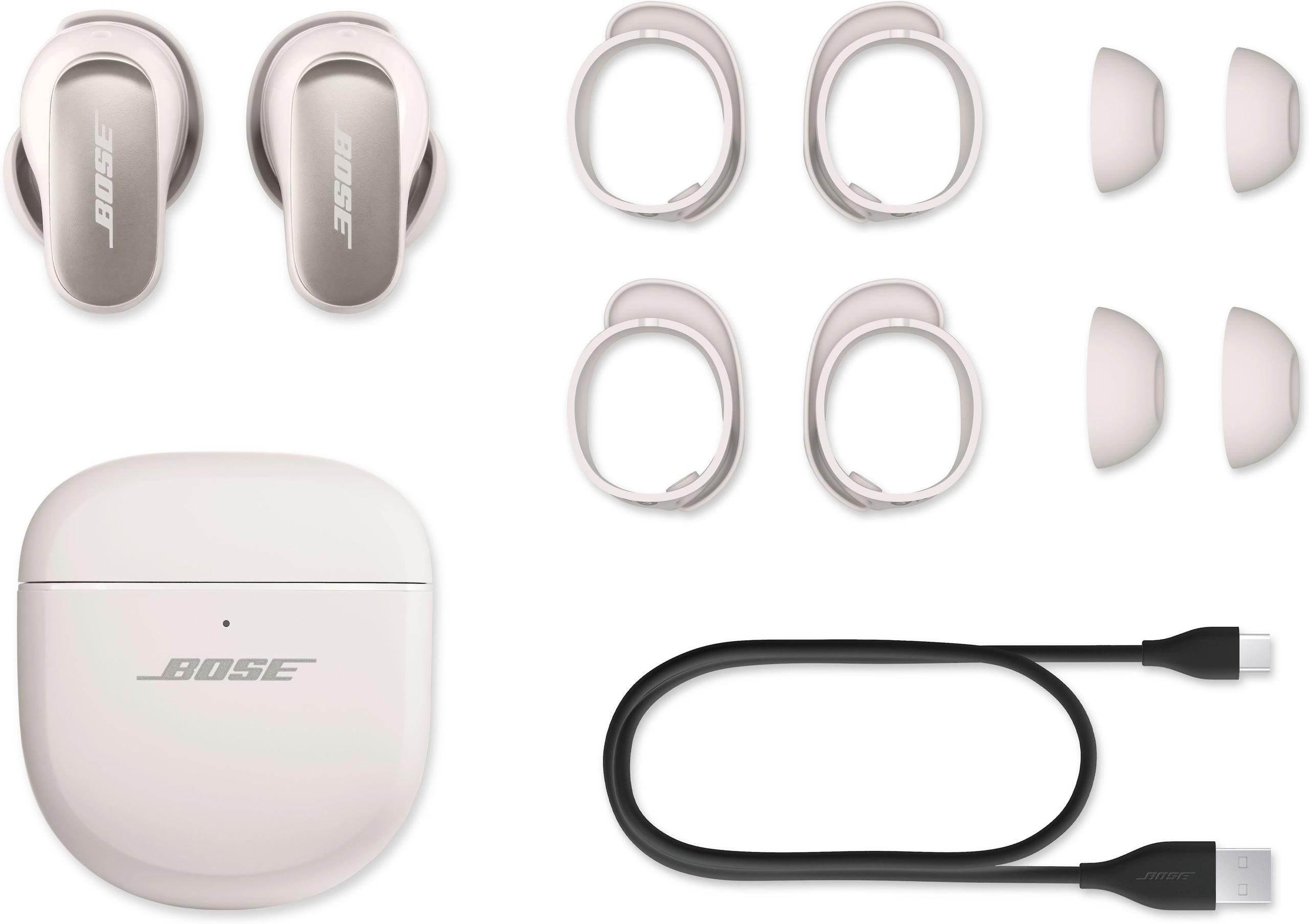
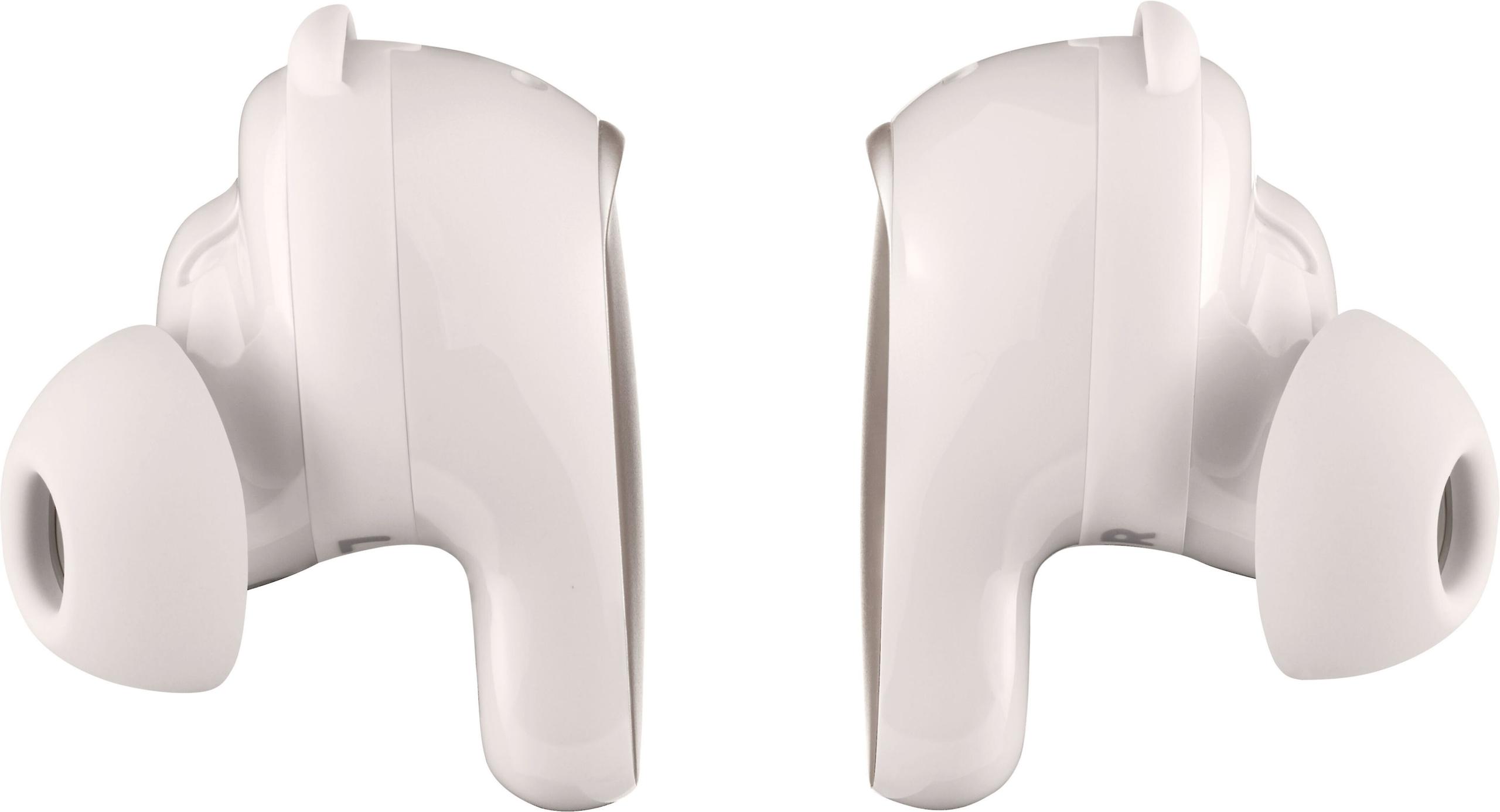
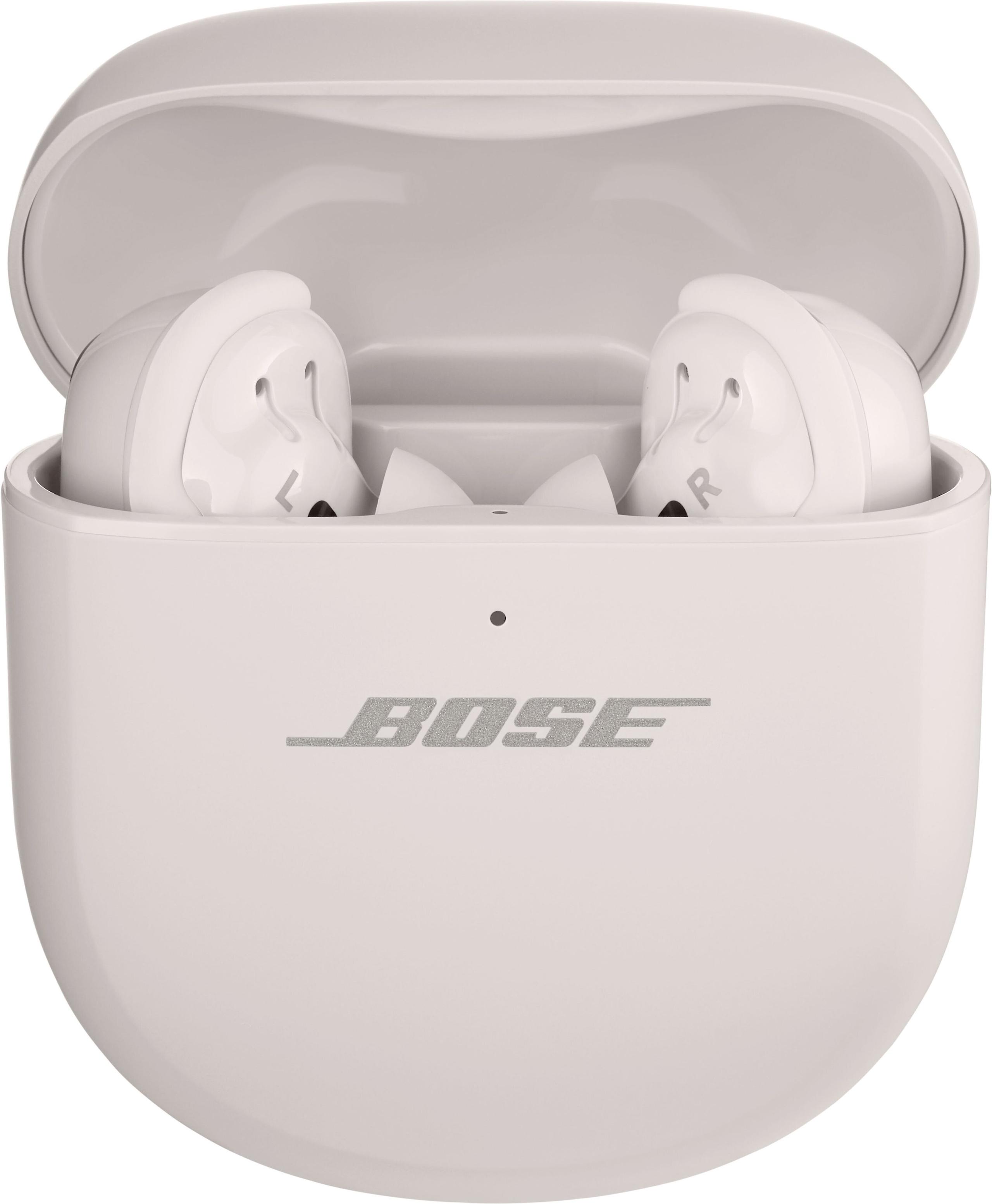
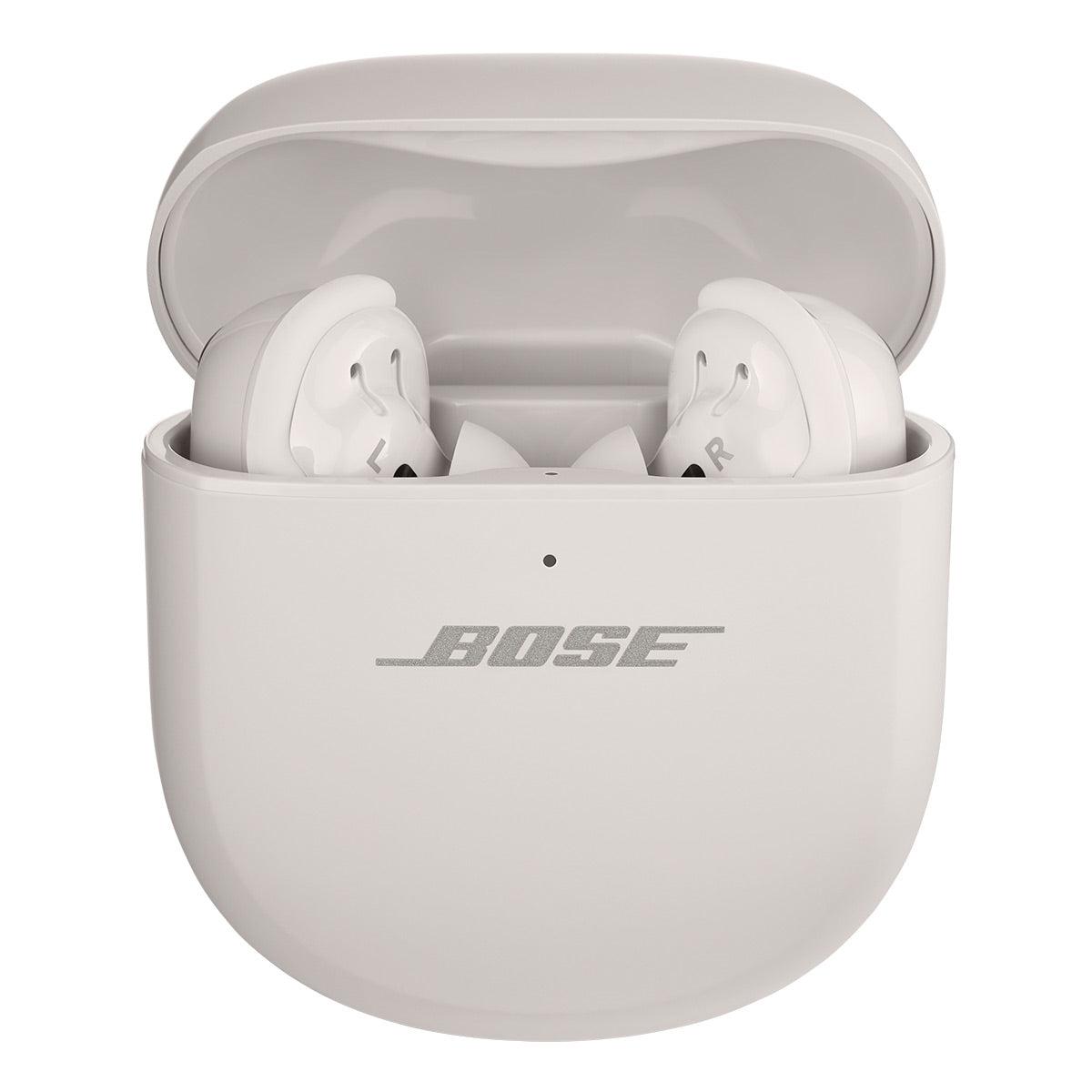
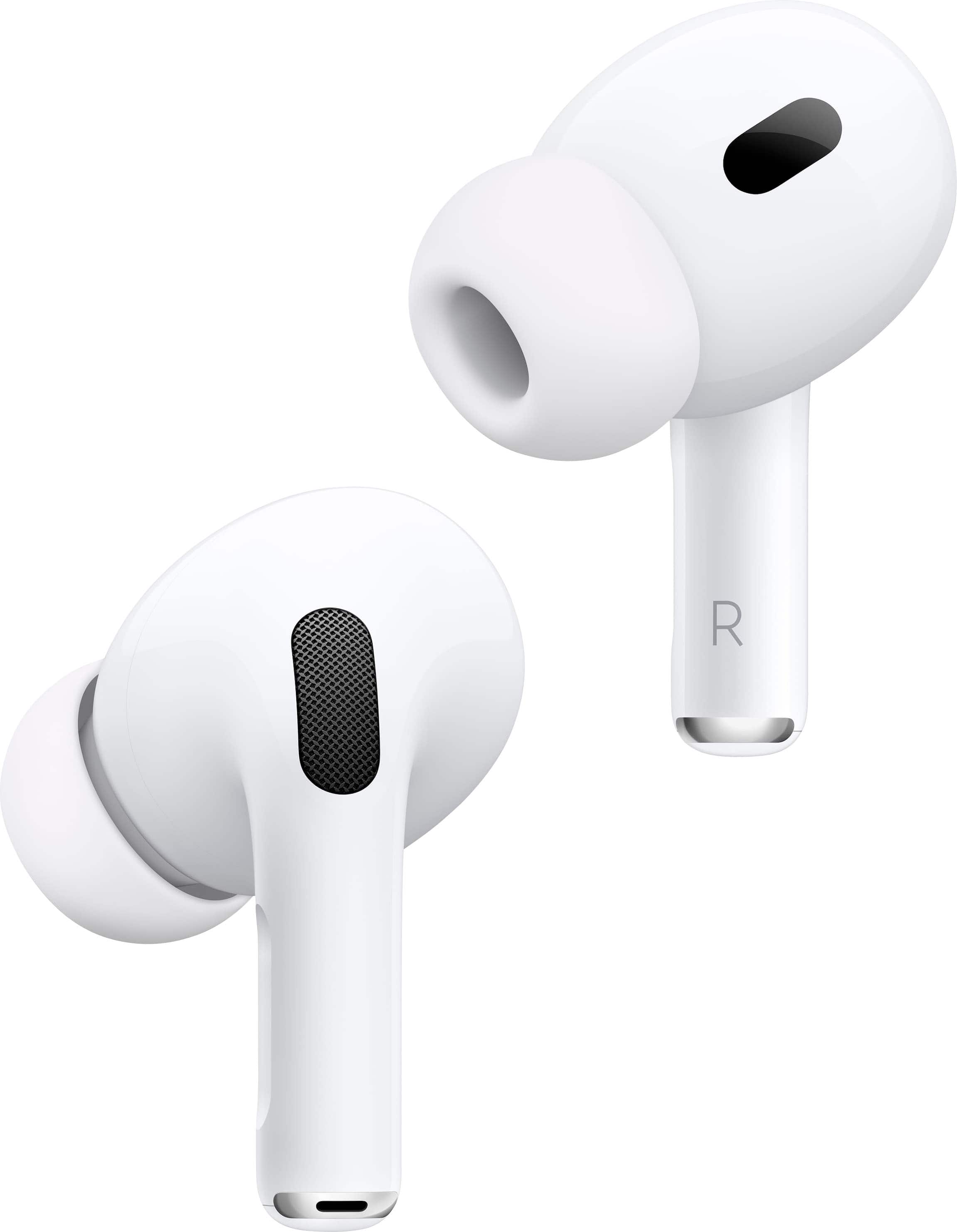
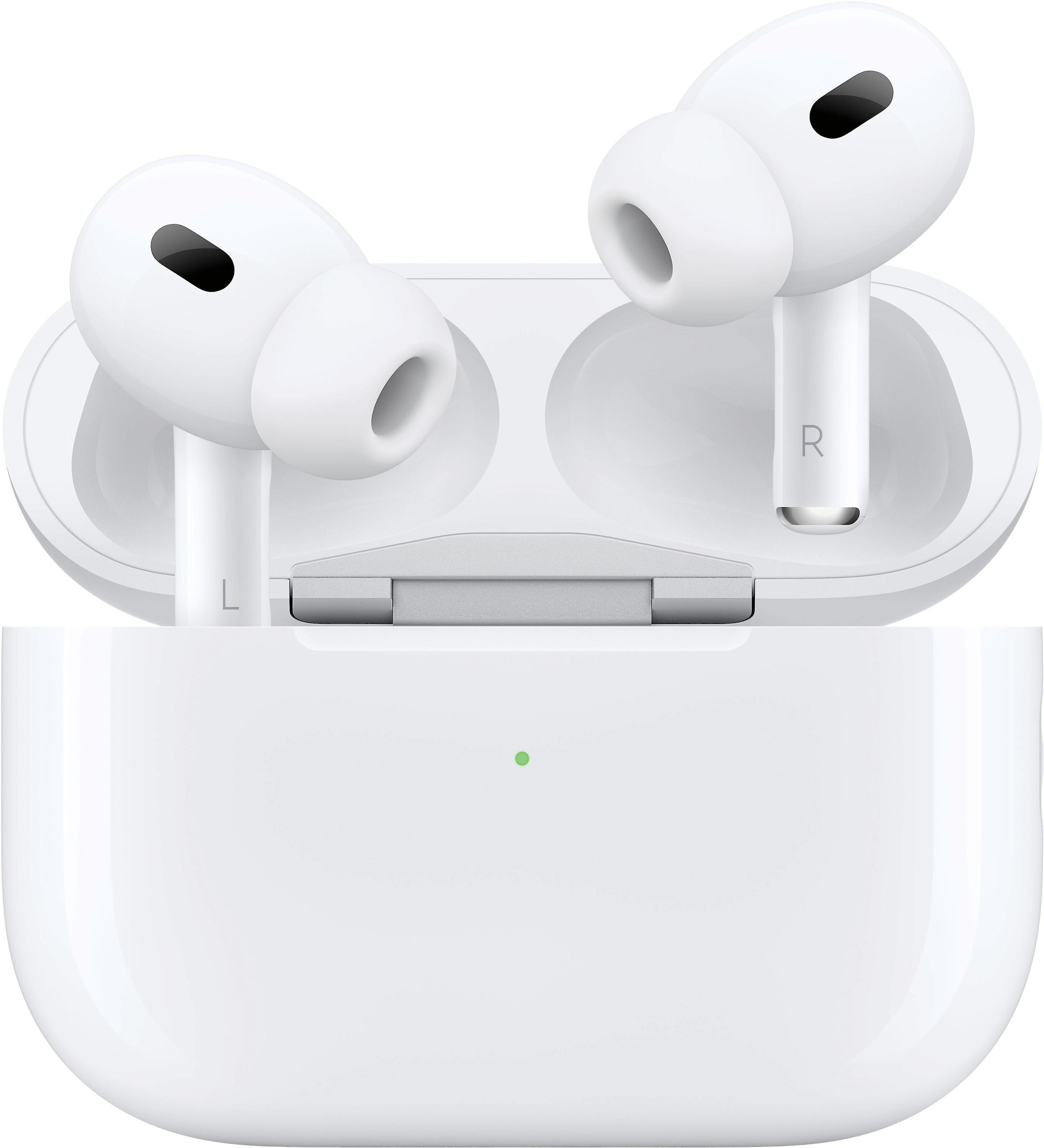
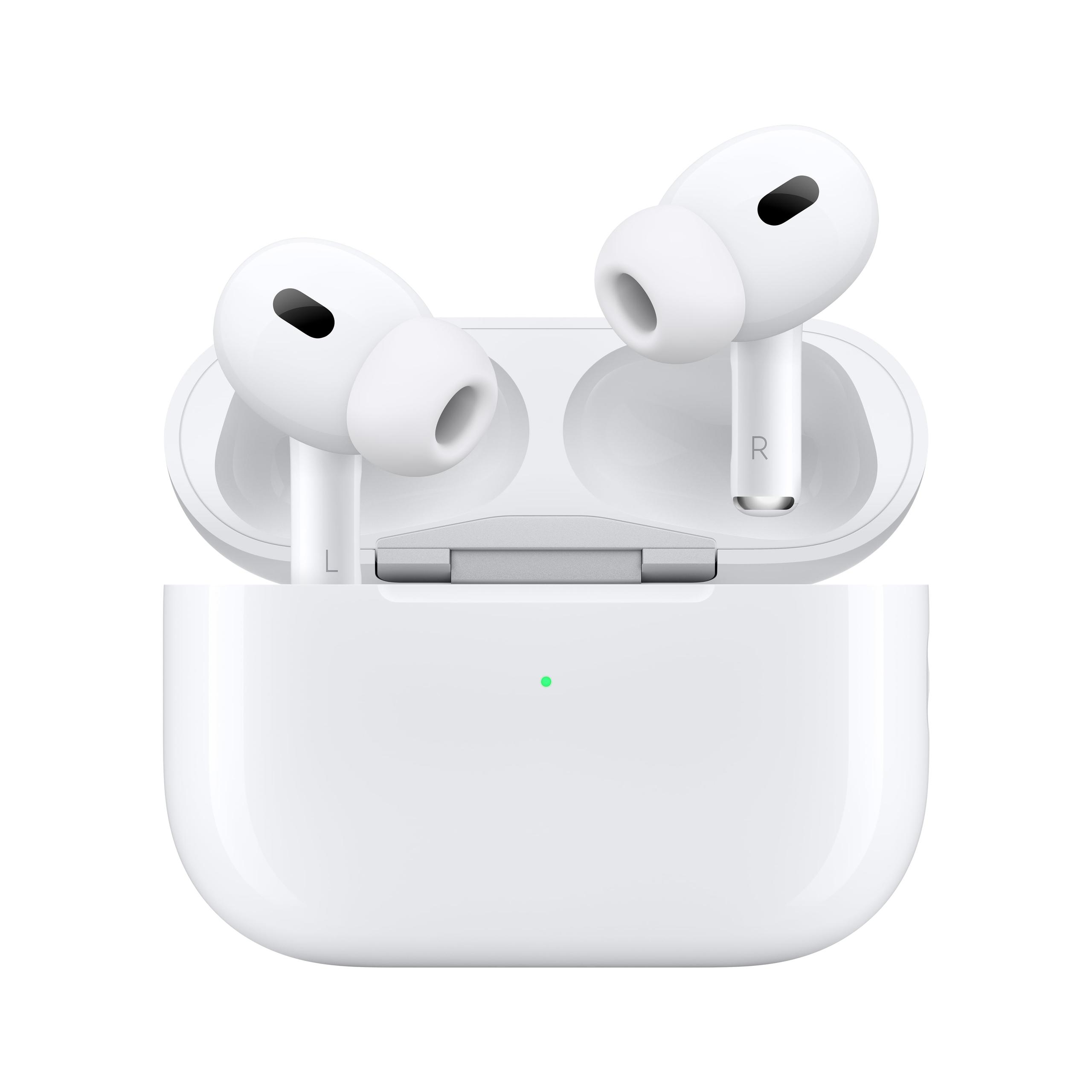
Shopping for premium earbuds in 2024 can feel overwhelming, especially when you're deciding between two heavyweights like the Bose QuietComfort Ultra and Apple AirPods Pro 2. Both sit at the top of their game, but they take very different approaches to delivering that premium experience. After spending considerable time with both, I can tell you that your choice between them will likely come down to what you value most: raw noise-canceling power or seamless ecosystem integration.
Before diving into the specifics, it's worth understanding what sets these premium earbuds apart from the $50 options you'll find everywhere. These aren't just wireless versions of basic headphones – they're sophisticated pieces of technology packed with multiple processors, advanced algorithms, and precision-engineered drivers (the tiny speakers inside each earbud).
The premium earbud market focuses on six key areas: exceptional audio quality that rivals much larger headphones, industry-leading active noise cancellation that can make a subway ride feel silent, seamless connectivity that works reliably across all your devices, impressive battery life for all-day use, comfortable fit for extended listening, and crystal-clear call quality for work and personal conversations.
When you're spending this much money – and both products typically retail in the $200-300 range at the time of writing – you expect these earbuds to excel in every category, not just sound good.
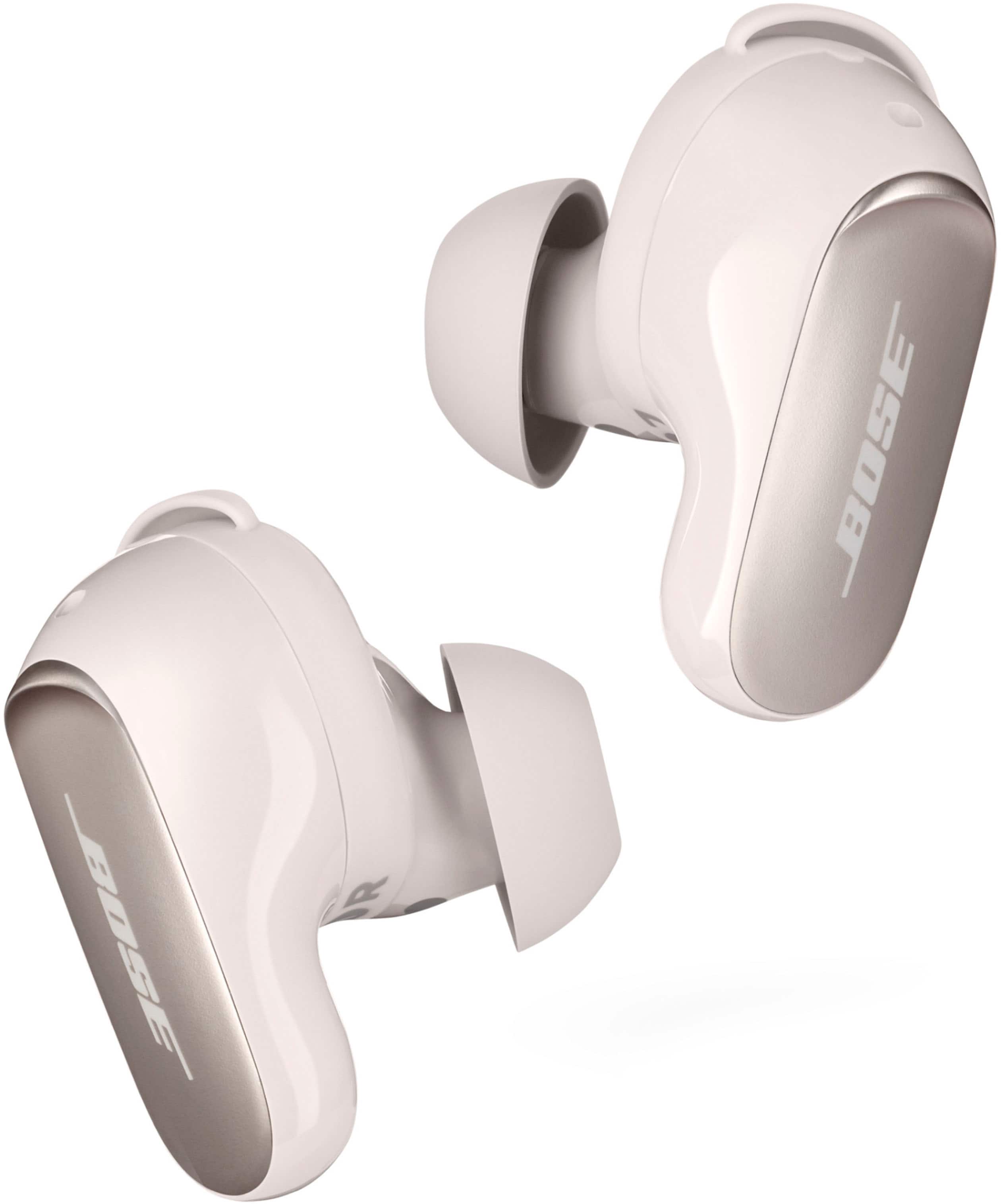
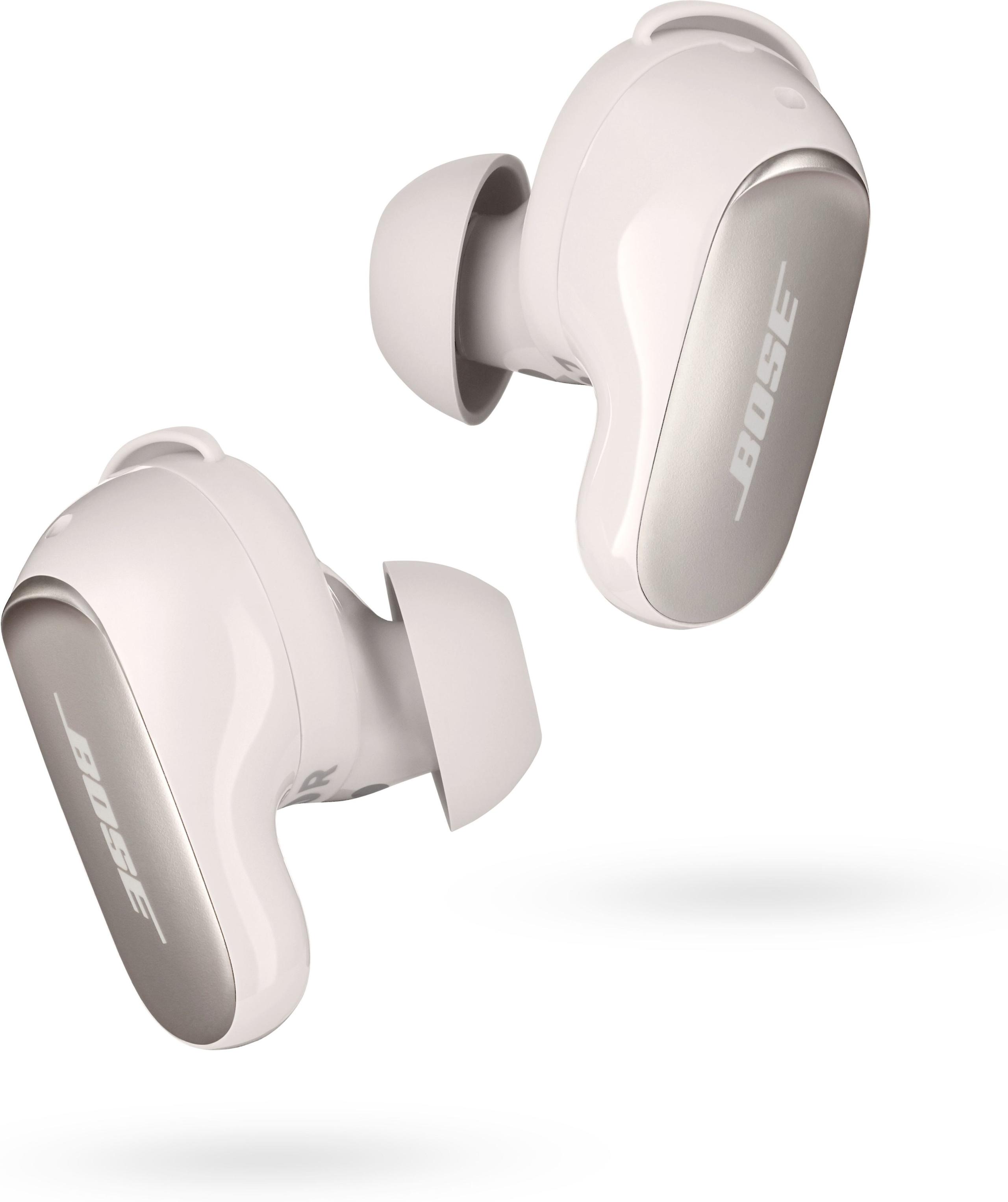
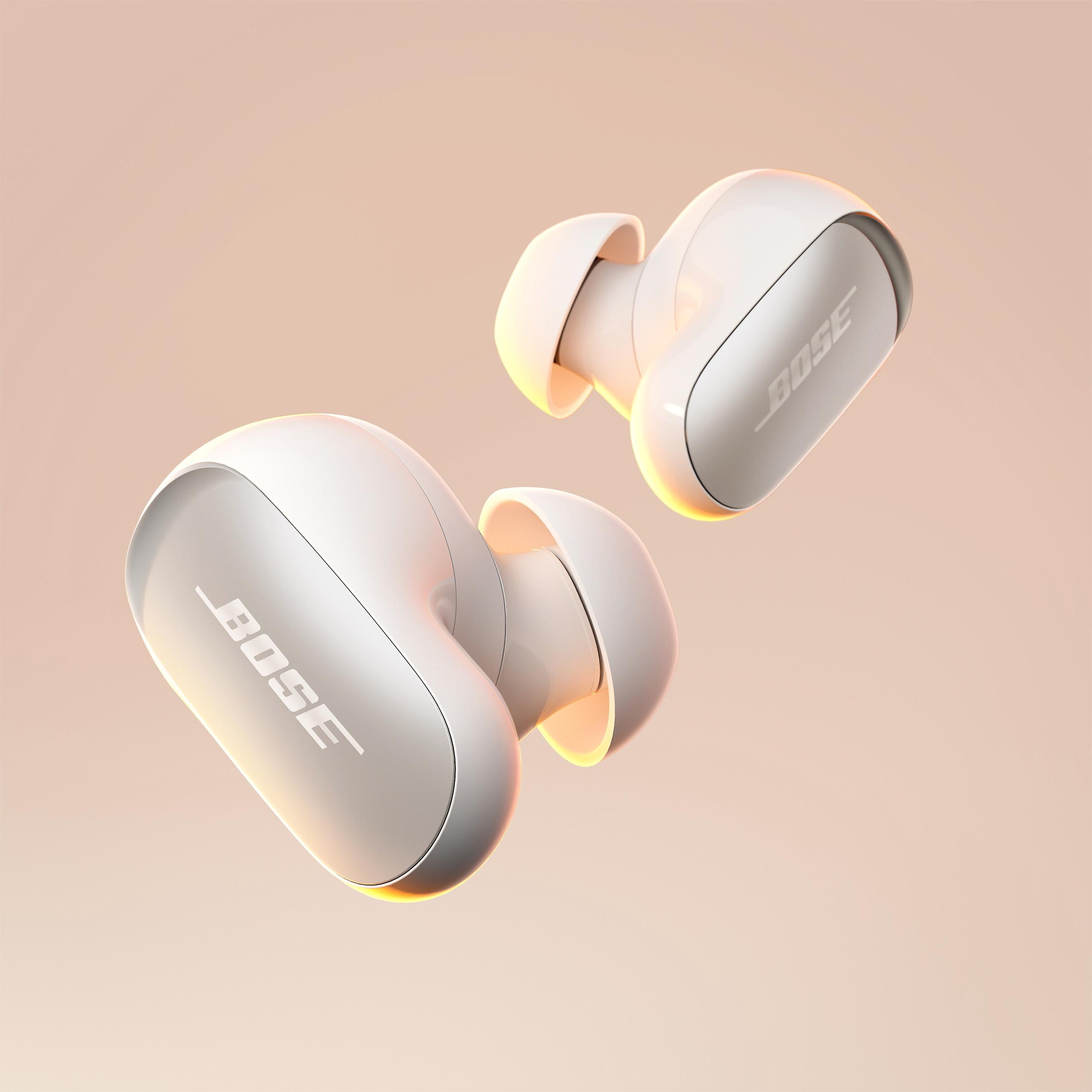
The Bose QuietComfort Ultra arrived in September 2023 as Bose's answer to increasing competition in the premium space. Bose built their reputation on noise cancellation, and these earbuds represent their most advanced attempt yet to create the quietest listening experience possible while delivering rich, engaging sound.
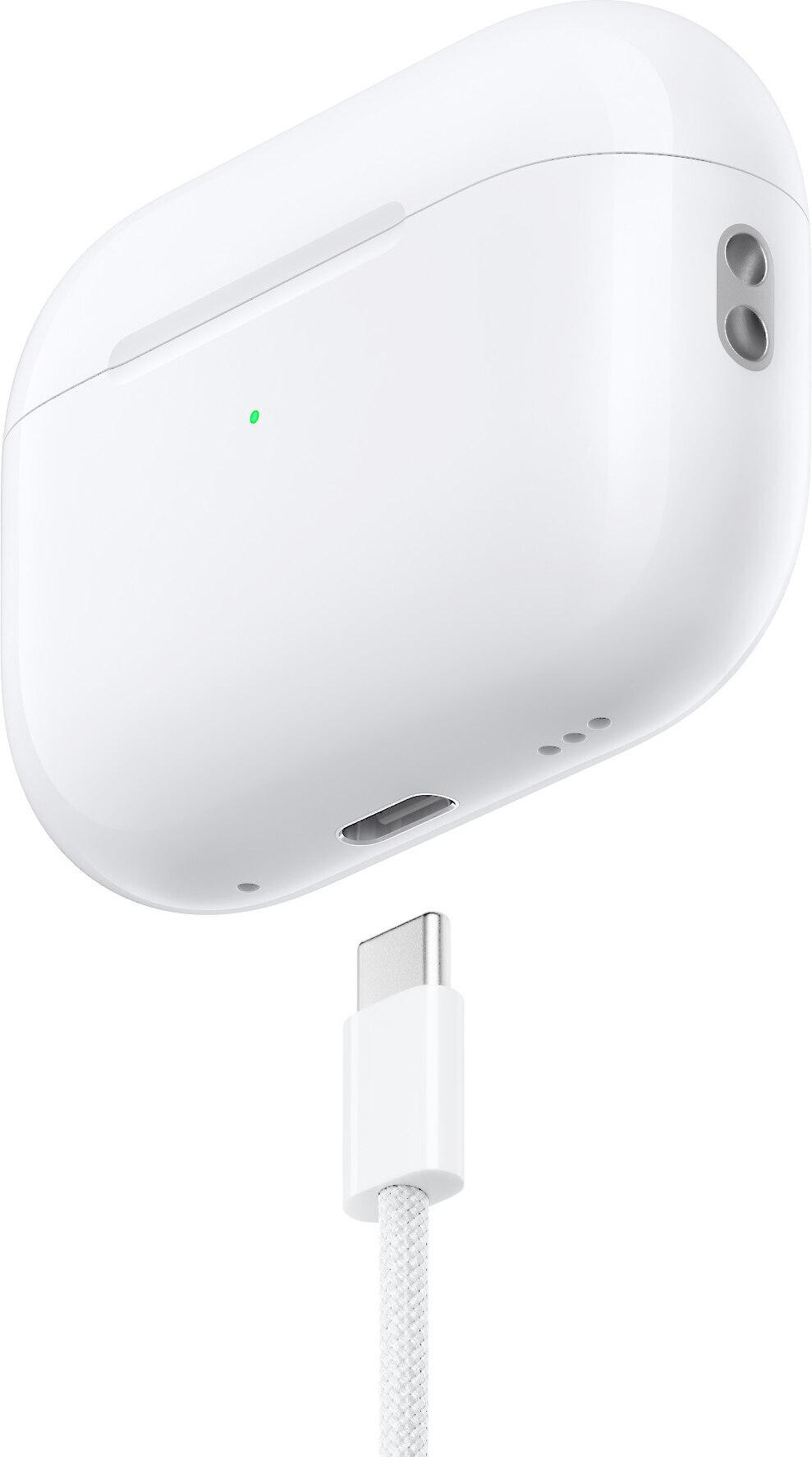
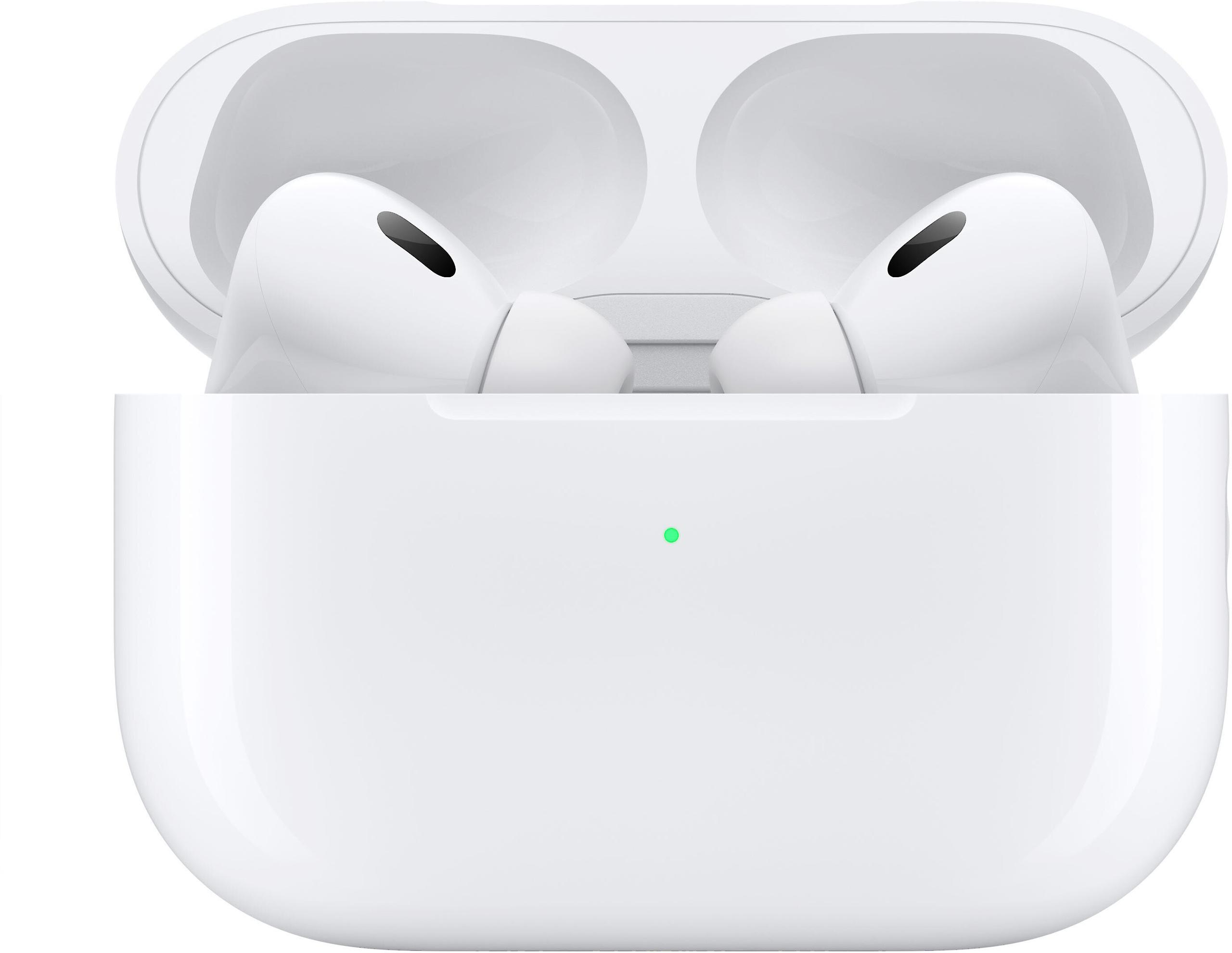
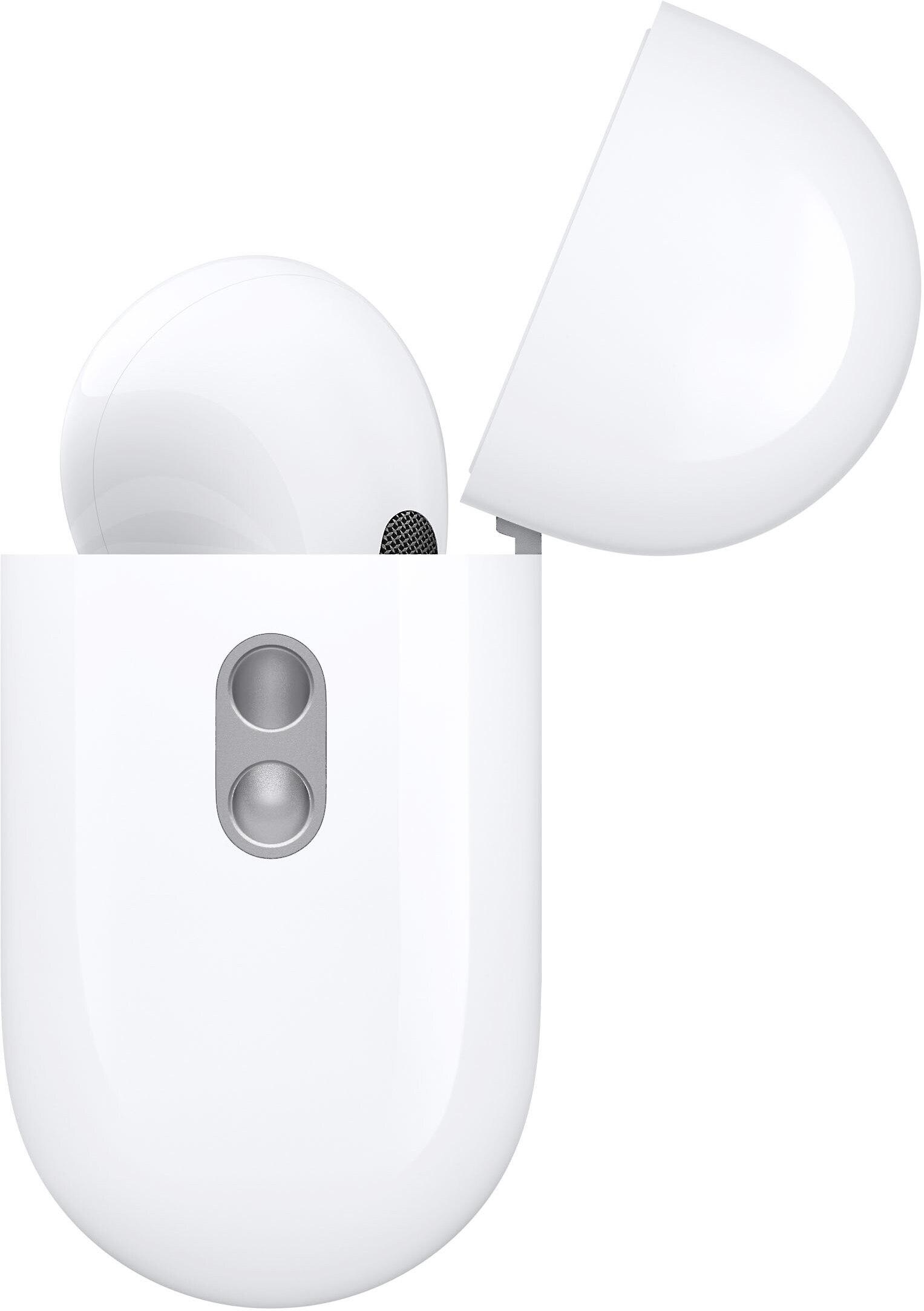
Meanwhile, the Apple AirPods Pro 2 launched in September 2022 and received a USB-C update in 2023. Apple's approach focuses heavily on computational audio – using the powerful H2 chip to process sound in real-time and create features that weren't possible just a few years ago. Their goal isn't just great sound, but seamless integration with your digital life.
These different philosophies create products that excel in different scenarios, and understanding these differences is crucial to making the right choice.
The Bose QuietComfort Ultra delivers what I'd call a "fun" sound signature. There's a noticeable emphasis on bass that makes electronic music, hip-hop, and rock feel more energetic and engaging. This isn't the boomy, muddy bass you get from cheap headphones – it's controlled and precise, but definitely present.
What makes this possible is Bose's CustomTune technology, which analyzes your ear canal shape and adjusts the sound accordingly. Think of it like having a personal audio engineer who fine-tunes the earbuds specifically for your ears. During my testing, I noticed that vocals felt warm and full, while instruments had a rich, almost analog quality that made familiar songs feel fresh.
The Bose QuietComfort Ultra also features Bose Immersive Audio, their take on spatial audio technology. This attempts to move sound from inside your head to in front of you, creating a wider soundstage (the perceived space where music exists around you). While impressive technically, I found the effect worked better with some content than others, and it does reduce battery life significantly.
The Apple AirPods Pro 2 take a more analytical approach to sound. Where Bose emphasizes warmth and engagement, Apple prioritizes accuracy and balance. The result is audio that sounds more like what the artist and engineers intended – clean, detailed, and neutral.
This is powered by the H2 chip, which processes audio 48,000 times per second. That might sound like marketing speak, but it enables some genuinely impressive features. The Adaptive EQ constantly adjusts the sound based on how the earbuds fit in your ears, while Personalized Spatial Audio creates a custom profile using your iPhone's front-facing camera to map your ear shape.
In practice, this means the Apple AirPods Pro 2 excel with all types of content. Podcasts sound crisp and clear, classical music reveals subtle details you might miss with other earbuds, and even heavily produced pop songs maintain their clarity without becoming harsh or fatiguing.
For home theater use, Apple's spatial audio implementation is particularly impressive. When watching movies on an iPad or Apple TV, the AirPods Pro 2 can create a convincing surround sound effect, with dialogue clearly positioned in front of you and action sequences that feel three-dimensional. The dynamic head tracking means the audio stays properly positioned even if you turn your head.
Your preference here likely depends on your listening habits and musical taste. If you love bass-heavy music, podcast listening, or want earbuds that make everything sound more exciting and engaging, the Bose QuietComfort Ultra will probably appeal more to you. If you prefer accurate sound reproduction, listen to a wide variety of content, or plan to use your earbuds for home theater applications, the Apple AirPods Pro 2 might be the better choice.
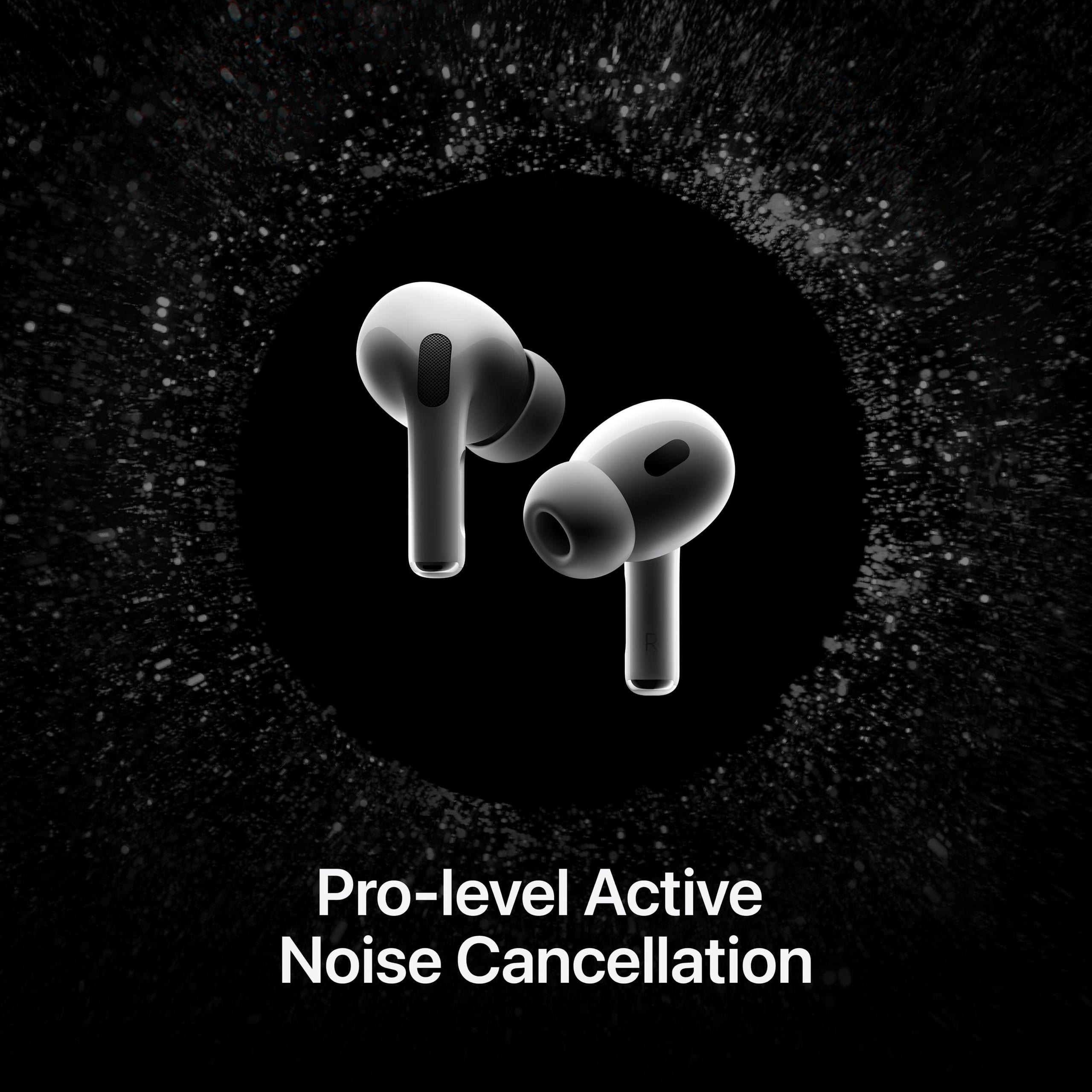
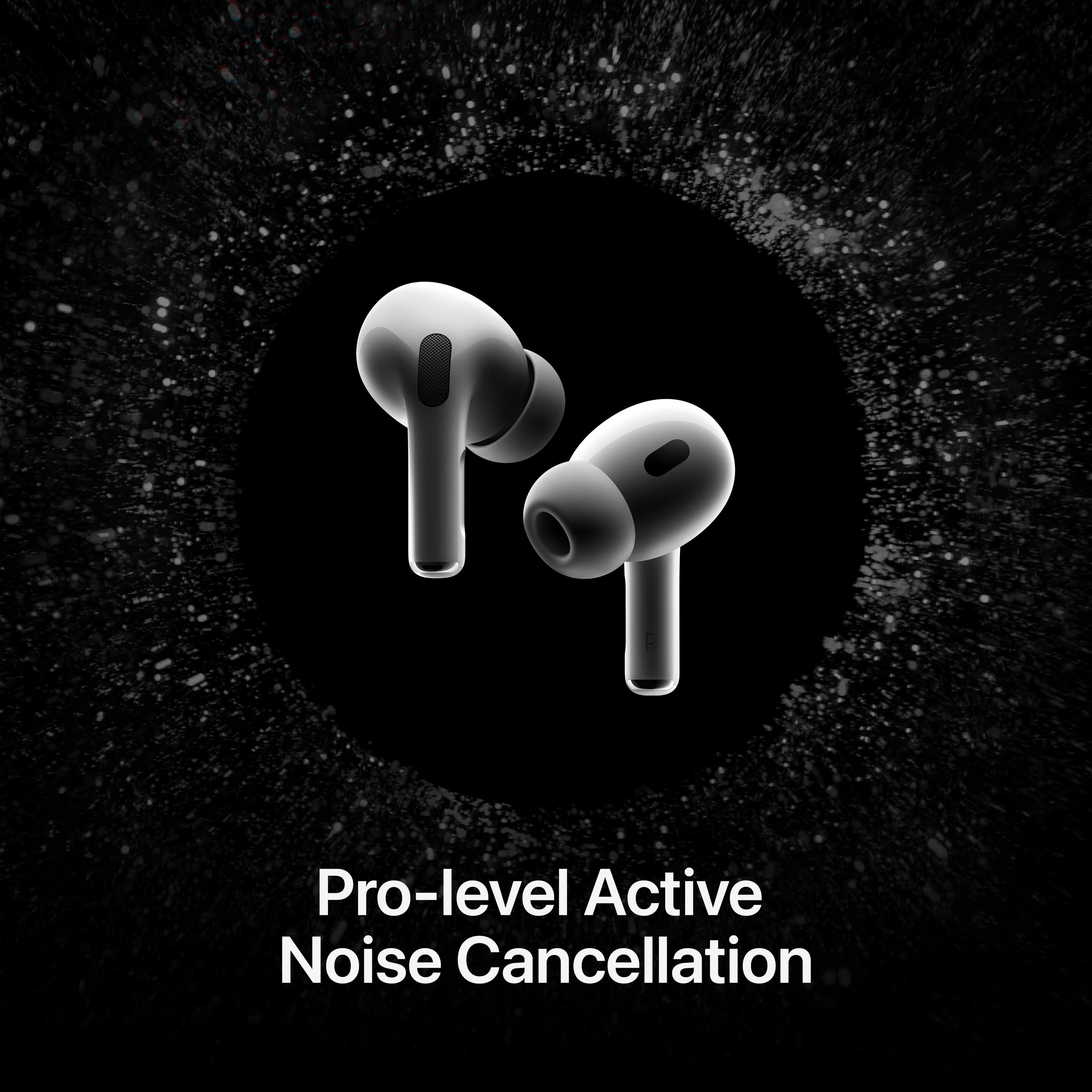
This is where the differences become most dramatic. Active Noise Cancellation (ANC) works by using external microphones to detect unwanted sounds, then generating inverse sound waves to cancel them out. It's particularly effective against constant, low-frequency noises like airplane engines, air conditioning, or traffic rumble.
The Bose QuietComfort Ultra achieve approximately 65.2 decibels of noise reduction, which in practical terms means they can make a noisy coffee shop feel like a quiet library. During my testing, I was consistently impressed by how effectively they handled challenging environments – the gym became silent, airplane flights felt peaceful, and even construction noise outside my office virtually disappeared.
What sets Bose apart isn't just the amount of noise they cancel, but how natural it feels. There's no sense of pressure or "vacuum effect" that some noise-canceling headphones create. The transition between noise cancellation and transparency mode (which lets outside sound in) is smooth and doesn't create the jarring experience you get with lesser products.
The Apple AirPods Pro 2 achieve about 60.1 decibels of noise reduction – still very impressive, but noticeably less than the Bose. However, Apple's strength lies in their Adaptive Audio feature, which intelligently adjusts noise cancellation based on your environment.
The really clever part is how the AirPods Pro 2 handle sudden loud noises. If you're walking down the street and a truck backfires, the earbuds instantly reduce the volume of that sound while maintaining your music quality. This happens 48,000 times per second, creating a more natural listening experience that adapts to real-world conditions.
The Transparency mode on the Apple AirPods Pro 2 is also more sophisticated, allowing you to hear conversations clearly while still providing some protection against extremely loud sounds.
In practice, the choice between these approaches depends on your lifestyle. If you frequently find yourself in consistently noisy environments – like daily subway commutes, open offices, or travel – the Bose QuietComfort Ultra superior noise cancellation provides real quality-of-life improvements. The difference is particularly noticeable in airplanes, where the Bose can make long flights significantly more comfortable.
However, if you move between different environments throughout the day, the Apple AirPods Pro 2 adaptive approach might work better. They're more aware of your surroundings and adjust accordingly, which can be safer for walking around the city or transitioning between quiet and noisy spaces.
This category has a decisive winner: the Apple AirPods Pro 2 absolutely dominate call quality. The difference is so significant that it could be the deciding factor for anyone who takes frequent work calls or video conferences.
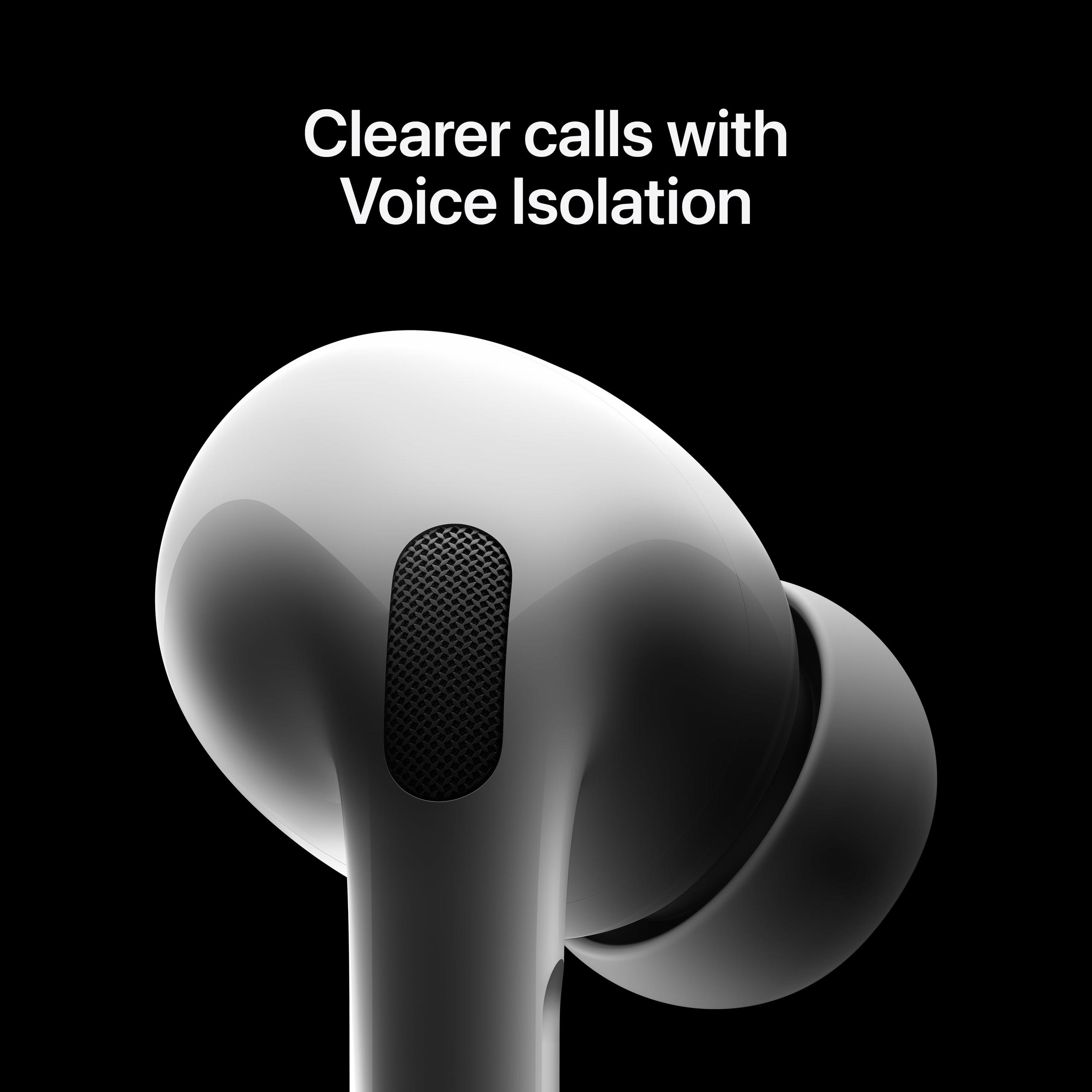
Apple's implementation uses dual beamforming microphones (which focus on your voice while ignoring other sounds) combined with advanced Voice Isolation processing. In testing, I could take calls while walking next to busy traffic, and people on the other end couldn't hear any background noise at all. Even in windy conditions, where most earbuds struggle, the AirPods Pro 2 maintained clear voice transmission.
The Bose QuietComfort Ultra provide adequate call quality – certainly better than cheaper earbuds – but they allow more background noise to leak through to your conversation partners. For casual phone calls, they're fine, but for professional use, Apple's superiority is unmistakable.
Both products offer respectable battery life, but with important differences in implementation.
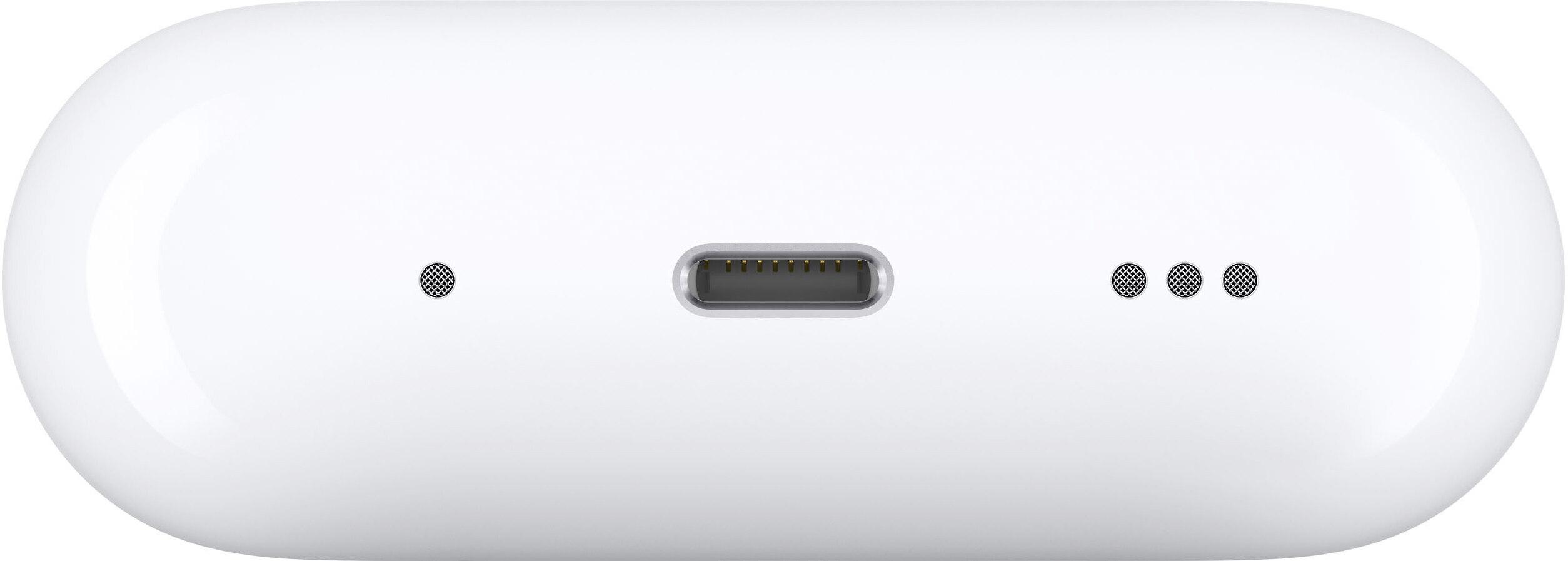
The Apple AirPods Pro 2 provide up to 6 hours of listening time from the earbuds themselves, with an additional 24 hours from the charging case, totaling 30 hours. The case supports MagSafe wireless charging, Qi wireless charging, and USB-C wired charging, giving you maximum flexibility. A quick 5-minute charge provides about an hour of listening time.
The Bose QuietComfort Ultra also offer 6 hours from the earbuds, but only 18 additional hours from the case (24 hours total) when their Immersive Audio feature is disabled. With Immersive Audio enabled, this drops to 4 hours from the earbuds and 16 hours total. The case only supports USB-C charging unless you purchase a separate wireless charging cover for about $50 at the time of writing.
For most people, both provide enough battery life for daily use, but Apple's longer total battery life and more charging options provide better convenience, especially during travel.
Comfort is highly personal, but there are some objective differences worth noting.
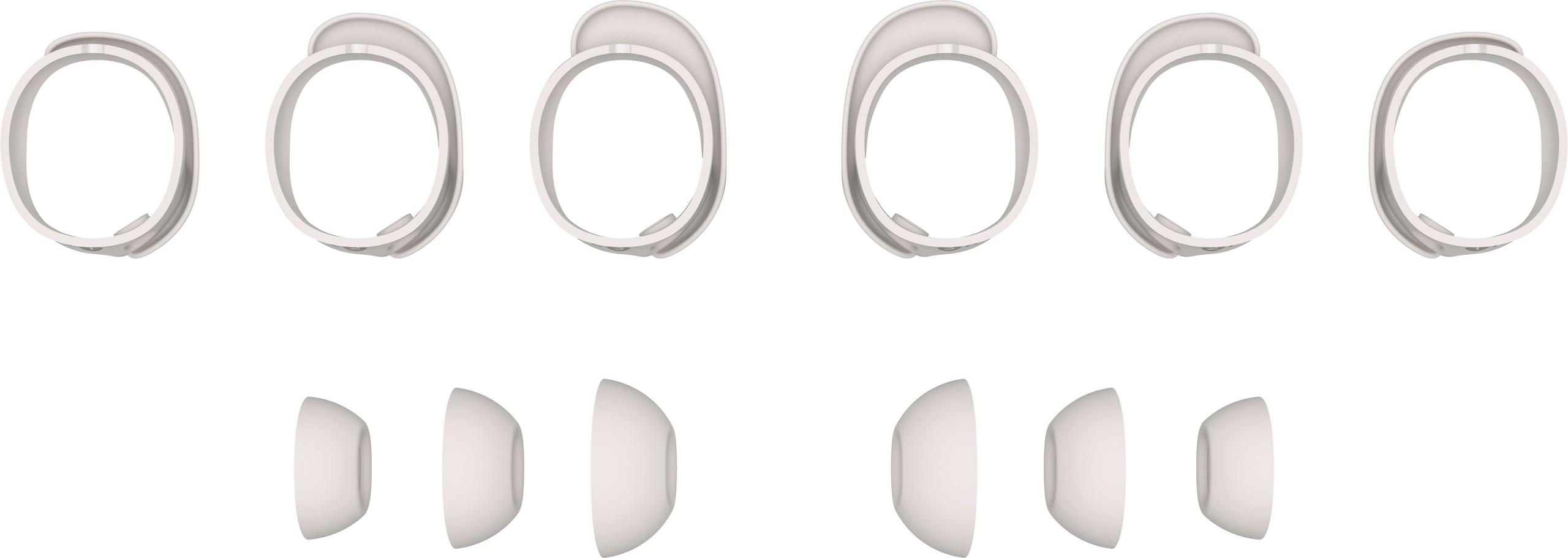
The Apple AirPods Pro 2 are significantly lighter at 4 grams per earbud compared to 6.24 grams for the Bose QuietComfort Ultra. This might not sound like much, but it becomes noticeable during extended listening sessions. Apple also includes four different ear tip sizes (XS, S, M, L) to ensure a good fit for most ear shapes.
However, the Bose QuietComfort Ultra include stability bands in addition to ear tips, creating nine different fit combinations. These stability bands hook into the curves of your outer ear, providing extra security during physical activity. If you plan to use your earbuds for workouts or jogging, this additional retention can be valuable.
Both products are rated for sweat and water resistance, but Apple's IP54 rating (dust and water resistant) provides better protection than Bose's IPX4 rating (water resistant only).
This is where Apple's approach really shines, but it comes with important caveats.
If you use multiple Apple devices, the AirPods Pro 2 provide an almost magical experience. They seamlessly switch between your iPhone, iPad, Mac, and Apple TV based on what you're using. Start watching a movie on your iPad, and the audio automatically switches over. Take a phone call on your iPhone, and it seamlessly transitions back.
The integration extends to features like "Hey Siri" voice commands, Find My precision tracking (you can make the case beep if you lose it), and automatic ear detection that pauses music when you remove an earbud.
However, this ecosystem integration becomes a limitation if you use Android devices or non-Apple computers. Many of these features simply don't work, and you lose access to important controls through companion apps.
The Bose QuietComfort Ultra work identically regardless of which devices you use. The Bose Music app provides the same functionality on Android and iOS, and you don't lose any features when switching between different brands of phones, tablets, or computers.
If you plan to use your earbuds for home entertainment, both offer compelling but different advantages.
The Apple AirPods Pro 2 excel with Apple TV and iPad content, providing convincing spatial audio for movies and TV shows. The dynamic head tracking creates an immersive experience where dialogue seems to come from the screen even if you turn your head. This works particularly well for action movies and sports content.
The Bose QuietComfort Ultra might not have the same spatial audio sophistication, but their superior noise cancellation makes them excellent for late-night viewing when you need to keep volume low but still catch every detail. Their warmer sound signature also tends to make dialogue more intelligible, which can be helpful for movies with complex soundtracks.
At current pricing, both products typically retail in the $200-300 range, but the Apple AirPods Pro 2 often sell for significantly less than the Bose QuietComfort Ultra. This price difference makes the value equation more complex.
The AirPods Pro 2 offer better overall value for most users, providing longer battery life, superior call quality, more charging options, and comprehensive features at a lower price point. However, this value proposition assumes you can take advantage of their ecosystem integration features.
The Bose QuietComfort Ultra premium pricing becomes more justifiable if you specifically need their superior noise cancellation or prefer their sound signature. For frequent travelers or anyone who regularly finds themselves in very noisy environments, the additional cost might be worthwhile.
After extensive testing with both products, here's how I recommend thinking about this choice:
Choose the Bose QuietComfort Ultra if you:
Choose the Apple AirPods Pro 2 if you:
The truth is, both are excellent products that represent the pinnacle of current earbud technology. Your choice should ultimately depend on your specific needs, device ecosystem, and listening preferences.
In my experience, most people will be happier with the Apple AirPods Pro 2 due to their comprehensive feature set, superior call quality, and better value proposition at the time of writing. However, if you're someone who values absolute silence above all else – perhaps you're a frequent flyer or work in consistently noisy environments – the Bose QuietComfort Ultra superior noise cancellation might be worth the premium.
Either way, you're getting a product that represents years of acoustic engineering and will likely serve you well for years to come. The key is honest self-assessment about how you'll actually use these earbuds and what features matter most to your daily routine.
| Bose QuietComfort Ultra True Wireless Earbuds | Apple AirPods Pro 2 Earbuds |
|---|---|
| Active Noise Cancellation - Critical for blocking distractions in noisy environments | |
| 65.2 dB noise reduction (industry-leading performance) | 60.1 dB noise reduction (very good with adaptive features) |
| Sound Signature - Determines whether music sounds engaging or accurate | |
| Bass-heavy, warm sound that makes music feel more exciting | Balanced, reference-quality sound for all content types |
| Battery Life - Total listening time including charging case | |
| 24 hours total (6 hours earbuds + 18 hours case) | 30 hours total (6 hours earbuds + 24 hours case) |
| Weight Per Earbud - Affects comfort during extended listening | |
| 6.24g each (may cause fatigue in smaller ears) | 4g each (comfortable for all-day wear) |
| Call Quality - Essential for work calls and video conferences | |
| Good but allows some background noise through | Exceptional voice isolation, blocks all background noise |
| Platform Compatibility - Feature access across different devices | |
| Identical functionality on Android and iOS | Full features on Apple devices only, limited on Android |
| Water Resistance - Protection during workouts and weather | |
| IPX4 (water resistant, no dust protection) | IP54 (dust and water resistant, better protection) |
| Charging Options - Convenience for daily use | |
| USB-C only (wireless charging requires $50 accessory) | USB-C, MagSafe wireless, and Qi wireless charging |
| Ecosystem Integration - Seamless device switching and smart features | |
| Works independently with any device | Seamless switching between iPhone, iPad, Mac, Apple TV |
| Spatial Audio - Immersive sound for movies and music | |
| Bose Immersive Audio (decent but reduces battery life) | Personalized Spatial Audio with head tracking (best-in-class) |
| Fit Security - Staying in place during physical activity | |
| Stability bands included for secure exercise fit | Relies on ear tips only, may need adjusting during workouts |
| Release Date - How current the technology is | |
| September 2023 (newest noise cancellation algorithms) | September 2022/2023 (mature H2 chip technology) |
The Bose QuietComfort Ultra deliver superior noise cancellation, blocking approximately 65.2 decibels compared to 60.1 decibels from the Apple AirPods Pro 2. This makes the Bose QuietComfort Ultra better for consistently noisy environments like airplanes, trains, or busy offices. However, the Apple AirPods Pro 2 offer smarter adaptive noise control that automatically adjusts to your surroundings.
The Apple AirPods Pro 2 offer better overall value for most users, providing superior call quality, longer battery life, more charging options, and seamless integration with Apple devices. The Bose QuietComfort Ultra are worth the premium if you prioritize maximum noise cancellation or prefer bass-heavy sound, especially if you use Android devices where Apple's ecosystem benefits don't apply.
This depends on your preference: the Bose QuietComfort Ultra deliver warmer, bass-heavy sound that makes music feel more engaging and exciting. The Apple AirPods Pro 2 provide more balanced, accurate sound reproduction that works well across all music genres. If you love electronic music or hip-hop, choose Bose QuietComfort Ultra. For classical, jazz, or podcasts, the Apple AirPods Pro 2 excel.
Yes, the Bose QuietComfort Ultra work identically on Android and iPhone, with full access to all features through the Bose Music app. In contrast, Apple AirPods Pro 2 lose many features on Android devices, including seamless device switching, Siri integration, and some app controls. This makes the Bose QuietComfort Ultra better for Android users or people who switch between different device brands.
The Apple AirPods Pro 2 provide longer total battery life with 30 hours (6 hours earbuds + 24 hours case) compared to 24 hours from the Bose QuietComfort Ultra (6 hours earbuds + 18 hours case). The Apple AirPods Pro 2 also offer more convenient charging with wireless MagSafe and Qi charging, while the Bose QuietComfort Ultra only support USB-C charging unless you buy a separate wireless charging accessory.
The Apple AirPods Pro 2 excel at phone calls with exceptional voice isolation that completely eliminates background noise, even in windy or traffic-heavy environments. The Bose QuietComfort Ultra provide adequate call quality but allow more background noise to reach your conversation partners. For frequent work calls or video conferences, the Apple AirPods Pro 2 are significantly better.
The Apple AirPods Pro 2 are more comfortable for extended wear due to their lighter weight (4g each vs 6.24g for Bose QuietComfort Ultra) and four different ear tip sizes. However, the Bose QuietComfort Ultra include stability bands that provide better security during exercise or physical activity, offering nine different fit combinations for a customized fit.
Both work well for entertainment, but in different ways. The Apple AirPods Pro 2 offer superior spatial audio with dynamic head tracking that creates convincing surround sound for movies on Apple devices like iPad or Apple TV. The Bose QuietComfort Ultra provide better noise isolation for late-night viewing and their warm sound signature makes dialogue more intelligible in complex movie soundtracks.
The Bose QuietComfort Ultra are better for exercise due to their included stability bands that hook into your ear for secure retention during movement. They also provide superior noise cancellation to block gym noise. The Apple AirPods Pro 2 have better water and dust resistance (IP54 vs IPX4) but rely only on ear tips for fit, which may require adjustment during vigorous activity.
The Bose QuietComfort Ultra excel for travel due to their industry-leading noise cancellation that makes airplane flights much more comfortable and peaceful. They effectively block engine noise, crying babies, and other travel distractions. The Apple AirPods Pro 2 also work well for travel but don't provide quite the same level of noise isolation as the Bose QuietComfort Ultra.
The Apple AirPods Pro 2 offer superior protection with an IP54 rating that resists both dust and water, making them better for outdoor activities and dusty environments. The Bose QuietComfort Ultra have an IPX4 rating that only protects against water and sweat, with no dust protection. For runners or people in dusty climates, the Apple AirPods Pro 2 provide better durability.
Choose Apple AirPods Pro 2 if you use Apple devices, prioritize call quality, want longer battery life, or prefer balanced sound. Choose Bose QuietComfort Ultra if you need maximum noise cancellation, prefer bass-heavy sound, use Android devices, or exercise frequently with your earbuds. At current market prices, the Apple AirPods Pro 2 typically offer better value for most users.
We've done our best to create useful and informative comparisons to help you decide what product to buy. Our research uses advanced automated methods to create this comparison and perfection is not possible - please contact us for corrections or questions. These are the sites we've researched in the creation of this article: rtings.com - recordingnow.com - youtube.com - runnersworld.com - whathifi.com - soundguys.com - cnet.com - bestbuy.com - techgearlab.com - youtube.com - techgearlab.com - youtube.com - youtube.com - loudnwireless.com - soundguys.com - bose.com - bestbuy.com - youtube.com - cdw.com - assets.bose.com - bose.com - staples.com - youtube.com - bhphotovideo.com - shoplineusa.com - insight.com - screenmoove.com - boselatam.com - abt.com - bhphotovideo.com - whathifi.com - bose.com - youtube.com - bose.com - tomsguide.com - boselatam.com - youtube.com - recordingnow.com - apple.com - apple.com - cnet.com - hearingreview.com - target.com - support.apple.com - costco.com - cnet.com - quill.com

Privacy Policy
Terms and Conditions - Affiliate Policy
Home Security
© Copyright 2008-2026.
11816 Inwood Rd #1211, Dallas, TX 75244