

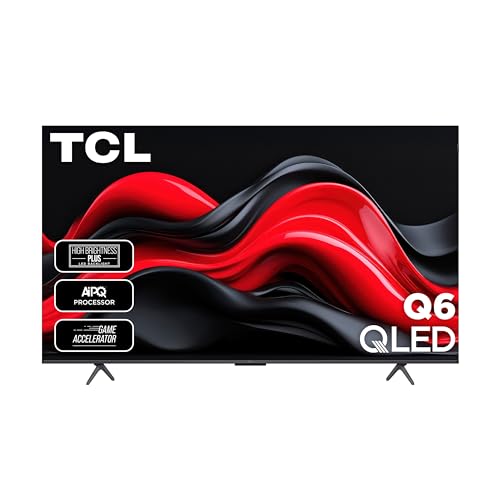

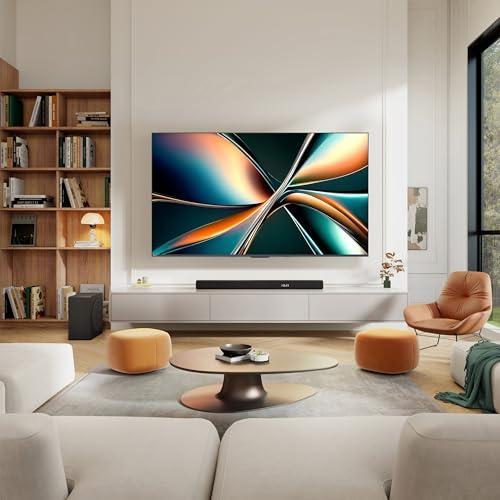
The 65-inch TV market has become incredibly competitive, with manufacturers racing to pack more features into affordable packages. Two standouts that caught our attention are the TCL Q Class QLED and the Hisense U6 Series Mini-LED – both running Amazon's Fire TV platform and targeting different points on the value spectrum.
After diving deep into specs, user feedback, and professional reviews, we've found these represent two distinct approaches to 4K entertainment. One prioritizes affordability while delivering solid fundamentals, while the other pushes premium features at a mid-range price. Let's break down which might be right for your living room.
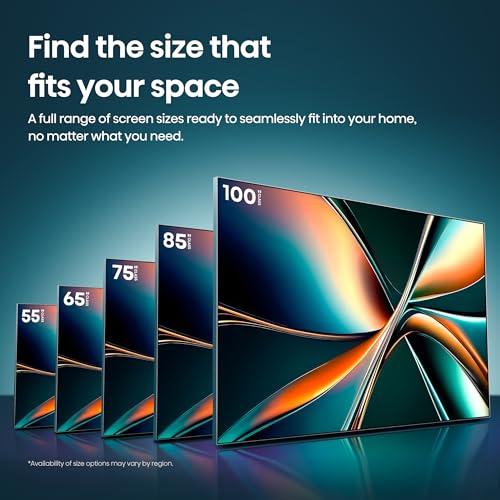
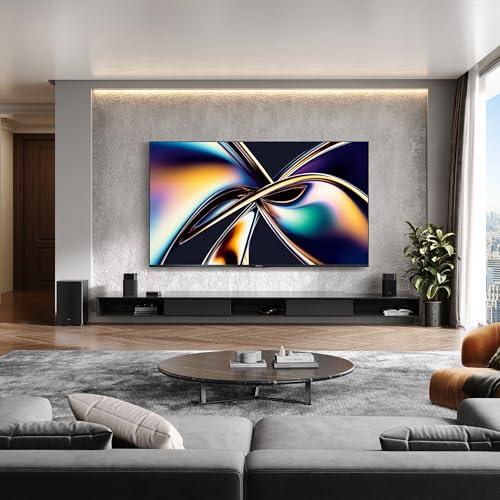
The 65-inch size hits a sweet spot for most homes – large enough to feel cinematic from 8-10 feet away without overwhelming smaller rooms. At this size, the difference between good and great picture quality becomes immediately apparent, especially when watching HDR content or playing modern games.
What matters most in this category? Picture quality dominates, but it's complicated. Peak brightness determines how well HDR content pops and how the TV performs in bright rooms. Contrast ratio – the difference between the deepest blacks and brightest whites – creates that premium "wow factor" that makes images look three-dimensional. Color accuracy and coverage determine how lifelike everything appears, while motion handling separates smooth viewing from stuttery disappointment.
Gaming has become crucial too. Modern consoles like the PlayStation 5 and Xbox Series X can push 4K at 120Hz, but only if your TV can keep up. Smart TV features matter daily – nobody wants a clunky interface when Netflix night arrives.
The TCL Q Class QLED, released in 2024, represents TCL's value-focused approach. It packs QLED quantum dot technology – tiny particles that enhance color reproduction – into an aggressively priced package. TCL has been pushing hard to prove budget TVs don't have to look budget.
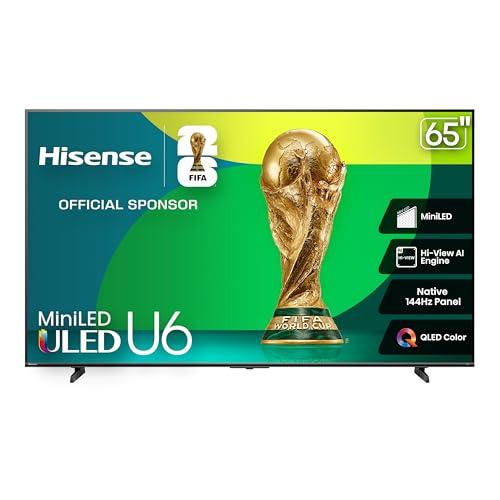
The Hisense U6 Series Mini-LED, also from 2024, takes a more premium approach with Mini-LED backlighting. This newer technology uses thousands of tiny LEDs instead of dozens of large ones, allowing much more precise control over brightness across the screen. Hisense positions this as bringing high-end features to mid-range pricing.
Both run Fire TV, Amazon's smart platform that's matured significantly over the past few years. Having the same software means the differences come down to hardware performance and build quality.
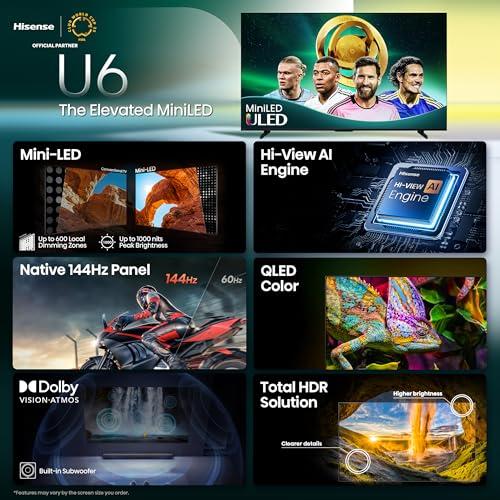
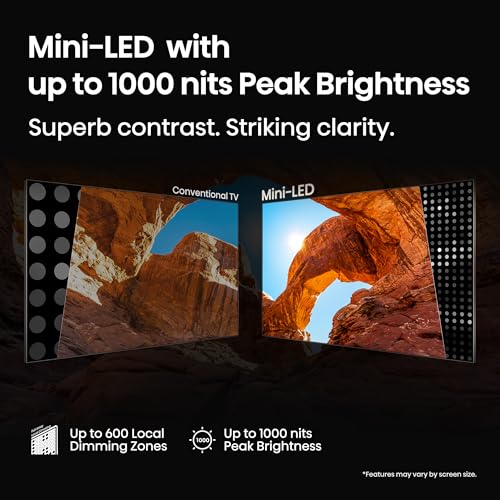
The biggest differentiator here is backlighting technology. The Hisense U6 uses Mini-LED with up to 600 local dimming zones. Think of each zone as a tiny spotlight that can brighten or dim independently. When you're watching a scene with both bright explosions and dark shadows, those 600 zones can make the explosions pop while keeping shadows truly dark – not the grayish "black" you see on cheaper TVs.
Traditional LED backlighting in the TCL Q Class uses larger LEDs that illuminate broader areas. It's like comparing a flashlight to laser pointers – both provide light, but one offers much more precision. This shows up most dramatically in dark room viewing, where the Hisense can display true blacks while the TCL might appear slightly gray in dark scenes.
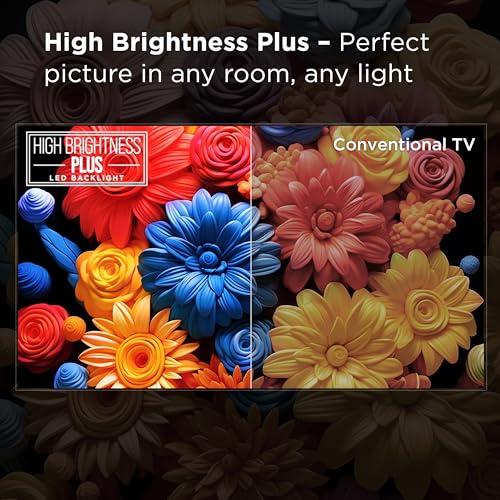
Peak brightness tells another part of the story. The Hisense reaches up to 1000 nits, while the TCL maxes out around 600-700 nits. In practical terms, this means HDR content will have more punch on the Hisense – those bright highlights in movies will genuinely dazzle rather than just looking "bright."
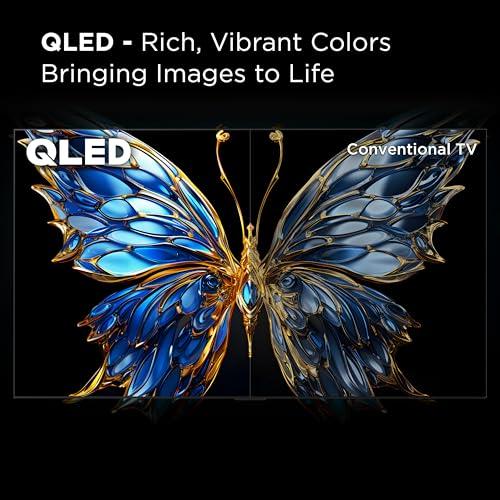
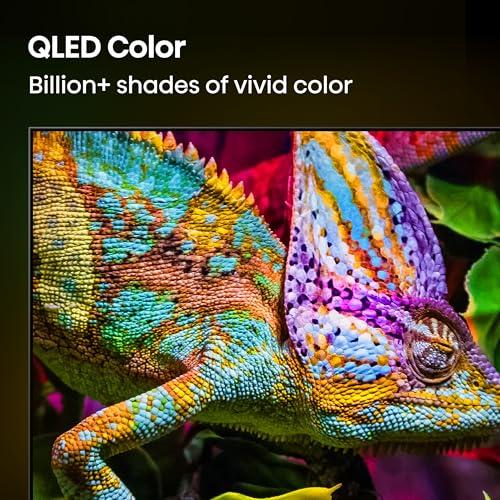
Both models use QLED technology, which places a layer of quantum dots between the backlight and LCD panel. These microscopic particles convert blue light into highly saturated red and green light, dramatically expanding the color gamut – the range of colors the TV can display.
Our research suggests both TVs cover over 90% of the DCI-P3 color space, which is the standard Hollywood uses for digital cinema. In practical terms, this means reds look more vibrant, greens appear more lush, and skin tones look more natural than standard LED TVs. The difference between the two models in color accuracy appears minimal – both punch well above their weight class here.
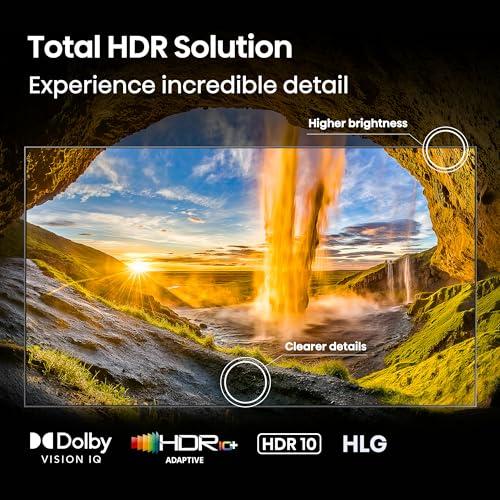
High Dynamic Range (HDR) content contains much more brightness and color information than standard video. Think of it as the difference between a photo taken with your phone versus a professional camera – there's simply more visual information to work with.
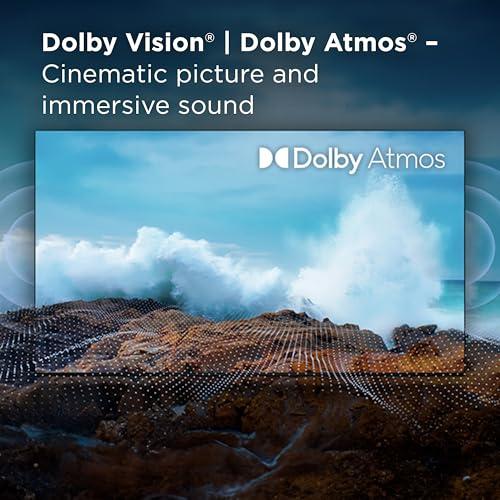
Both TVs support the major HDR formats: HDR10, HDR10+, Dolby Vision, and HLG. The Hisense adds Dolby Vision IQ, which adjusts the picture based on your room's lighting conditions using a built-in sensor. It's a subtle but appreciated feature that prevents HDR content from looking too dark during daytime viewing.
The Mini-LED backlighting gives the Hisense a significant advantage in HDR performance. Those 600 dimming zones can create dramatic contrast that makes HDR content look genuinely spectacular, while the TCL's more basic backlighting can't quite achieve the same impact.
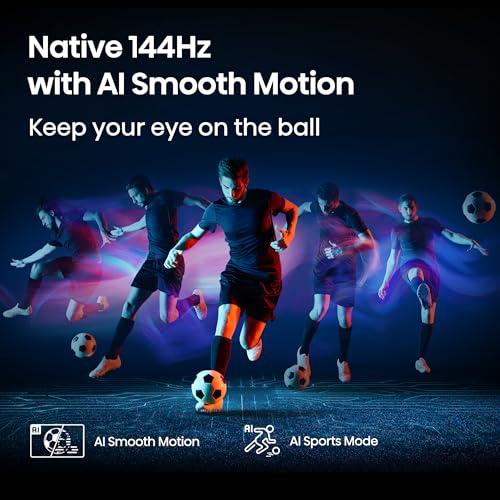
Gaming capabilities separate these TVs most clearly. The Hisense U6 offers native 144Hz refresh rate with dual HDMI 2.1 ports supporting the full 48Gbps bandwidth. This means PlayStation 5 and Xbox Series X games can run at their maximum 4K/120Hz capability with Variable Refresh Rate (VRR) to eliminate screen tearing.
VRR synchronizes the TV's refresh rate with the console's output, preventing the visual artifacts that occur when frame rates fluctuate. It's particularly noticeable in demanding games where performance might drop from 120fps to 90fps – without VRR, you'd see stuttering or tearing.
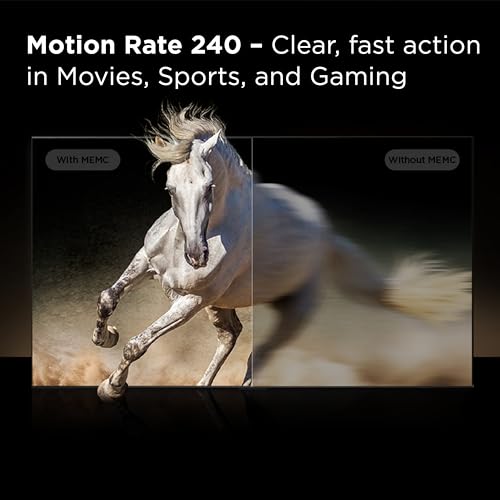
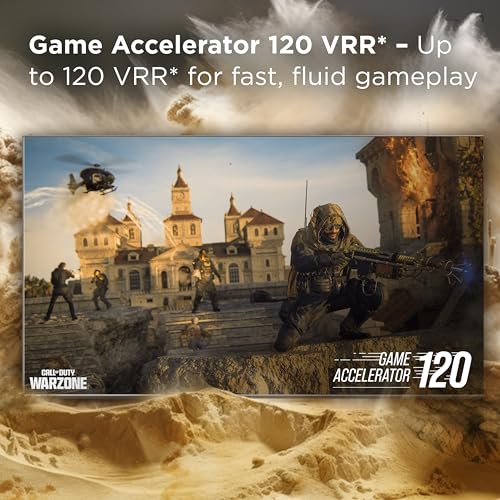
The TCL offers Game Accelerator 120 with up to 120Hz VRR, but its native panel runs at 60Hz. The higher refresh rates come from motion interpolation – essentially the TV creating frames between the console's actual output. While this can make motion appear smoother, it's not the same as true high refresh rate gaming and can introduce input lag.
Auto Low Latency Mode (ALLM) on both TVs automatically switches to game mode when it detects a console, minimizing input lag – the delay between pressing a button and seeing the action on screen. The Hisense's dedicated Game Mode Pro goes further with an on-screen game bar showing real-time performance metrics.
For serious gamers, especially those with current-generation consoles, the Hisense provides a notably superior experience. Casual gamers might not notice the difference.
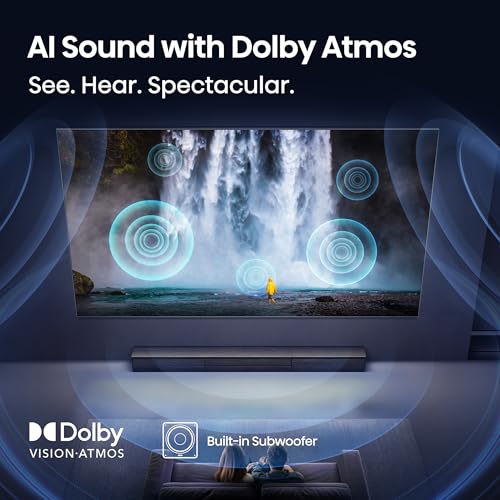
TV speakers have improved dramatically in recent years, and both models reflect this trend. The Hisense U6 features 40W output with a 2.1 channel system including a built-in subwoofer. User reviews consistently praise its bass response and overall clarity – many report it eliminates the immediate need for a soundbar.
The TCL provides 30W output with Dolby Atmos processing but lacks a dedicated subwoofer. While still good for TV speakers, it doesn't match the Hisense's low-end response or overall volume capabilities.
Both support Dolby Atmos, which creates immersive 3D audio effects even from built-in speakers. The format analyzes sound positioning in movies and games to create the illusion of audio coming from above and around you, not just from the TV.
For home theater enthusiasts planning to add a soundbar eventually, this difference matters less. But for users who want good audio right out of the box, the Hisense has a clear advantage.
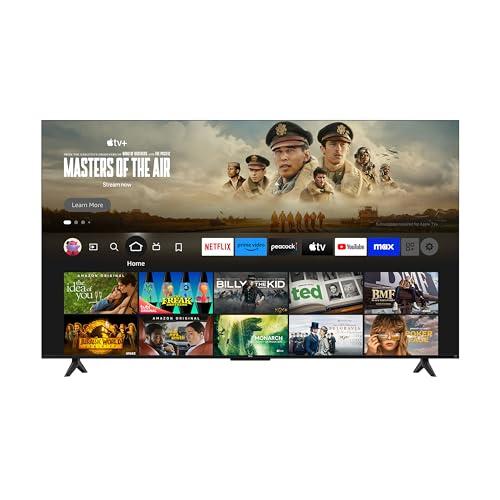
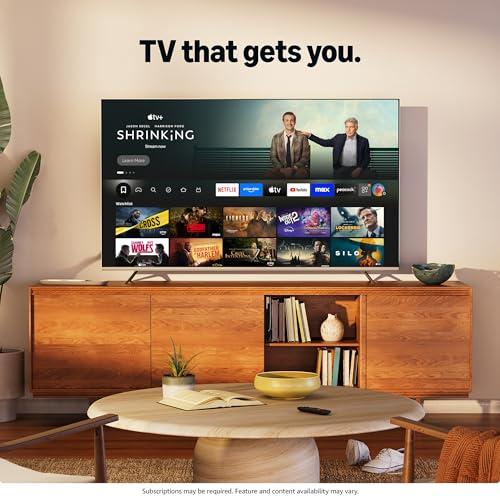
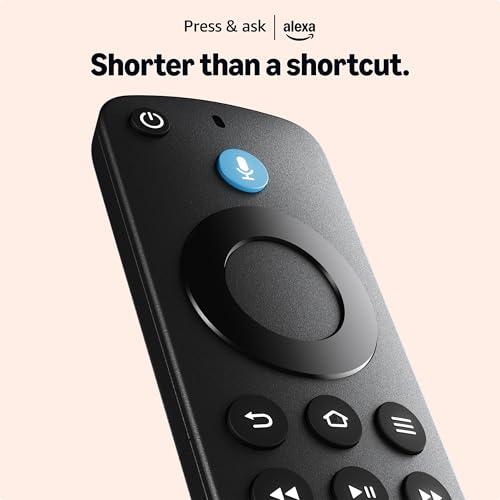
Since both run Fire TV, the smart experience is nearly identical. Amazon's platform has matured into one of the better smart TV interfaces, with quick navigation, comprehensive app support, and excellent voice search through Alexa integration.
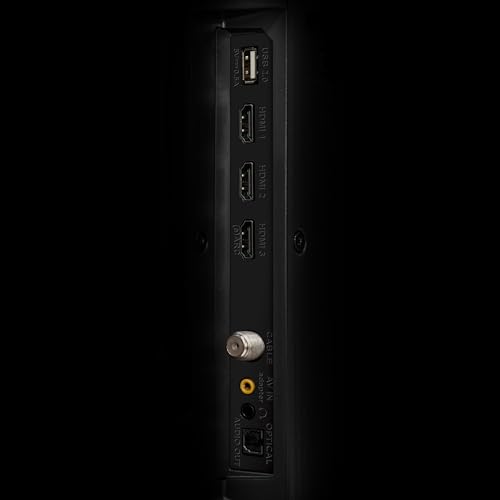
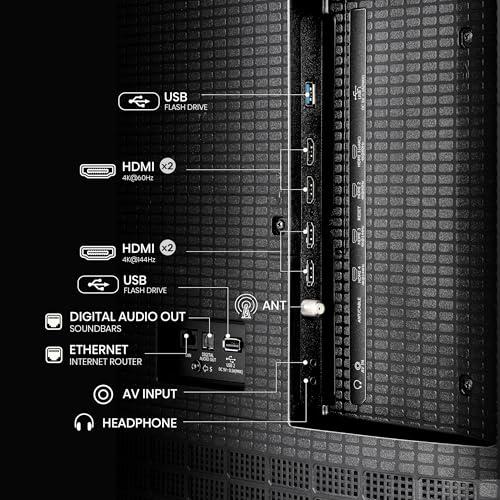
The main differences come down to connectivity. The Hisense offers dual HDMI 2.1 ports, Bluetooth 5.2, and Apple AirPlay support for screen mirroring from iPhones and iPads. The TCL provides three HDMI ports but only one with full HDMI 2.1 capabilities.
Both include voice remotes with Alexa built-in, letting you search for content, control smart home devices, or ask questions without picking up your phone. The Fire TV interface can feel ad-heavy compared to some competitors, but it's fast and reliable.
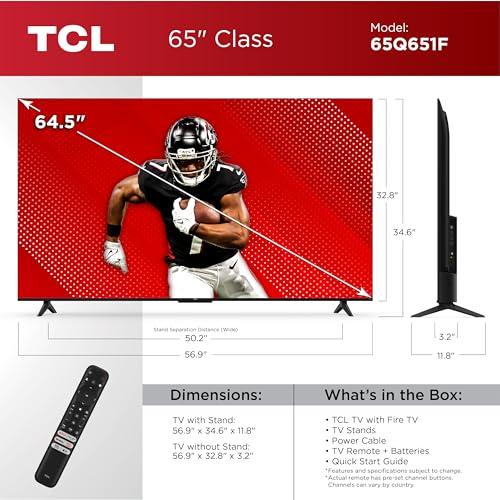
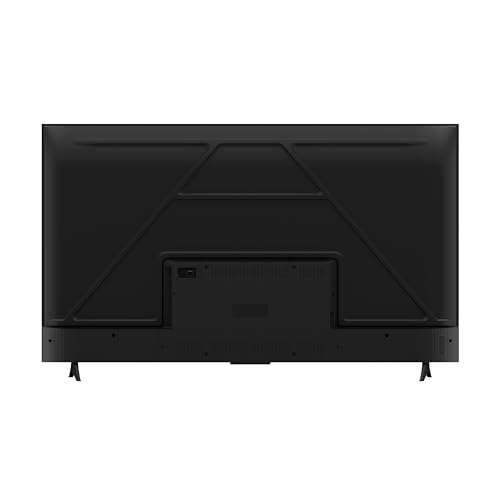
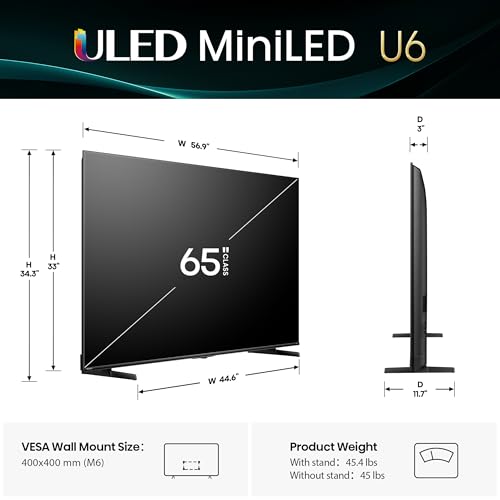
Both TVs sport modern, minimalist designs with slim bezels that won't distract from the viewing experience. The Hisense measures about 3 inches deep without its stand, while the TCL comes in slightly thinner. Both support VESA mounting for wall installation.
Build quality appears solid on both models based on user feedback. Neither feels premium like high-end Samsung or LG TVs, but both seem well-constructed for their price points. The included stands are adequate but not particularly elegant – serious home theater setups will likely wall-mount anyway.
At the time of writing, these TVs sit roughly $200 apart, with the TCL representing exceptional value for budget-conscious buyers and the Hisense offering premium features at a mid-range price.
The TCL's strength lies in delivering QLED color performance and Fire TV functionality at an aggressive price point. It's an excellent choice for users who primarily stream content, don't game competitively, and want good picture quality without premium features.
The Hisense commands a significant premium but justifies it with Mini-LED backlighting, superior gaming capabilities, better audio, and higher brightness. For users who can afford the difference and will utilize these features, it represents strong value in the premium mid-range segment.
Choose the TCL Q Class QLED if you want excellent color performance and smart features at the lowest possible price. It's perfect for casual viewing, streaming, and light gaming. The picture quality punches above its price point, and Fire TV provides all the apps and features most users need.
The Hisense U6 Series Mini-LED makes sense if you can stretch your budget for significantly better performance. It's the clear choice for PS5/Xbox Series X owners who want to experience games at their full potential. The superior contrast, brightness, and audio also make it better for movie nights and bright room viewing.
For home theater enthusiasts, the Hisense's Mini-LED technology and higher brightness provide a more cinematic experience, especially with HDR content. The better built-in audio also reduces the urgency to add a soundbar immediately.
Consider your usage patterns honestly. If you primarily watch Netflix and YouTube in a moderately lit room, the TCL delivers excellent results at a great price. If you game regularly, watch a lot of movies, or have a bright living room, the Hisense's advanced features justify the premium.
Both represent strong values in their respective segments. The TCL proves budget TVs can deliver impressive performance, while the Hisense shows how premium features can be accessible without luxury pricing. Your choice should align with your budget, viewing habits, and performance expectations.
The 65-inch TV market will continue evolving rapidly, but both of these 2024 models offer solid foundations that should provide years of enjoyable viewing. Choose based on your priorities, and either will likely exceed your expectations for what's possible at their respective price points.
| TCL 65" Q Class QLED 4K Fire TV | Hisense 65" U6 Series Mini-LED QLED 4K Fire TV |
|---|---|
| Display Technology - Key factor for contrast and black levels | |
| Direct LED backlight with QLED quantum dots | Mini-LED backlight with up to 600 local dimming zones + QLED |
| Peak Brightness - Critical for HDR performance and bright room viewing | |
| ~600-700 nits (good for moderate lighting) | Up to 1,000 nits (excellent for bright rooms and HDR impact) |
| Refresh Rate - Essential for smooth gaming and sports | |
| 60Hz native panel with Motion Rate 240 processing | Native 144Hz with advanced motion processing |
| Gaming Features - Must-have for PS5/Xbox Series X owners | |
| Game Accelerator 120 with 120Hz VRR, ALLM | Dual HDMI 2.1 ports, 4K@144Hz, VRR, FreeSync Premium, Game Mode Pro |
| HDR Support - Determines quality of streaming and 4K Blu-ray content | |
| HDR PRO+ (Dolby Vision, HDR10+, HDR10, HLG) | Comprehensive HDR including Dolby Vision IQ and HDR10+ Adaptive |
| Audio System - Important if you won't add a soundbar immediately | |
| 30W (2x15W) with Dolby Atmos | 40W with 2.1 channels including built-in subwoofer + Dolby Atmos |
| Smart Platform - Daily user experience and app availability | |
| Fire TV with Alexa built-in | Fire TV with Alexa built-in (identical experience) |
| HDMI Connectivity - Future-proofing for gaming and external devices | |
| 3 HDMI ports (1 with eARC, limited HDMI 2.1) | Multiple HDMI 2.1 ports with full 48Gbps bandwidth |
| Value Proposition - Price-to-performance at time of writing | |
| Exceptional budget option with solid QLED performance | Premium mid-range with Mini-LED justifying higher cost |
| Best For - Target user scenarios | |
| Budget-conscious streamers and casual viewers | Serious gamers, movie enthusiasts, and bright room setups |
The Hisense U6 Series Mini-LED delivers superior picture quality thanks to its Mini-LED backlighting with up to 600 local dimming zones and 1,000 nits peak brightness. This technology creates deeper blacks and brighter highlights, making HDR movies more impactful. While the TCL Q Class QLED offers good color reproduction with quantum dot technology, it can't match the contrast performance of Mini-LED for cinematic viewing.
The Hisense U6 Series is significantly better for next-gen gaming, featuring native 144Hz refresh rate, dual HDMI 2.1 ports, and comprehensive VRR support. It can handle 4K gaming at 120Hz with minimal input lag. The TCL Q Class offers basic gaming features with 120Hz VRR but uses a 60Hz native panel, making it less suitable for competitive gaming or taking full advantage of modern consoles.
Value depends on your needs and budget. The TCL Q Class QLED offers exceptional value for budget-conscious buyers who want QLED color performance and Fire TV features at the lowest price. The Hisense U6 Series Mini-LED costs more but justifies the premium with Mini-LED technology, superior gaming capabilities, and better audio - making it excellent value in the mid-range segment.
The Hisense U6 Series features 40W audio with a built-in subwoofer and 2.1 channel system that many users find adequate without additional speakers. The TCL Q Class has decent 30W audio with Dolby Atmos but lacks bass response, making a soundbar more beneficial for movie watching and music.
The Hisense U6 Series Mini-LED handles bright rooms much better with its 1,000 nits peak brightness and anti-glare properties. It maintains good picture quality even with windows nearby. The TCL Q Class performs adequately in moderate lighting but may struggle with visibility and washed-out colors in very bright environments.
For dedicated home theater use, the Hisense U6 Series is the clear choice with its Mini-LED backlighting providing true blacks, higher brightness for HDR impact, and better audio that reduces the immediate need for external speakers. The TCL Q Class QLED can work in a home theater but won't deliver the same contrast performance in dark room viewing.
Both the TCL Q Class and Hisense U6 Series run identical Fire TV platforms with Alexa built-in, offering the same apps, interface, and voice control features. The main difference is connectivity - the Hisense adds Apple AirPlay support and more HDMI 2.1 ports for better device compatibility.
The Hisense U6 Series Mini-LED provides superior motion handling with its native 144Hz refresh rate and advanced processing, making fast-paced sports appear smoother with less blur. The TCL Q Class uses motion interpolation to achieve higher refresh rates, which can be effective but isn't as smooth as true high refresh rate performance.
Both TVs use QLED quantum dot technology for enhanced color reproduction, covering similar color gamuts. However, the Hisense U6 Series delivers better HDR performance due to its higher peak brightness and local dimming capabilities, making HDR content more dramatic. The TCL Q Class QLED handles colors well but can't achieve the same HDR impact.
The Hisense U6 Series Mini-LED is more future-proof with dual HDMI 2.1 ports supporting full bandwidth, native 144Hz capability, and advanced gaming features that work with current and upcoming gaming technology. The TCL Q Class has basic future-proofing but limited HDMI 2.1 connectivity may restrict some advanced features.
The main drawback of the TCL Q Class QLED is limited peak brightness and lack of local dimming, which affects dark room performance and HDR impact. The Hisense U6 Series may show some blooming around bright objects in very dark scenes due to its local dimming zones, and it costs significantly more than the TCL option.
Choose the TCL Q Class QLED if you prioritize budget, primarily stream content, and have moderate lighting conditions. Select the Hisense U6 Series Mini-LED if you can afford the premium for better contrast, have a bright room, game regularly with modern consoles, or want superior built-in audio for movies and shows.
We've done our best to create useful and informative comparisons to help you decide what product to buy. Our research uses advanced automated methods to create this comparison and perfection is not possible - please contact us for corrections or questions. These are the sites we've researched in the creation of this article: bestbuy.com - tcl.com - tcl.com - circuitworldonline.com - bestbuy.com - tcl.com - rtings.com - woodruffappliance.com - rtings.com - bestbuy.com - tcl.com - tcl.com - tcl.com - youtube.com - alexraytv.com - tcl.com - alexraytv.com - avsforum.com - a1ontheweb.com - youtube.com - bestbuy.com - rtings.com - youtube.com - tomsguide.com - rtings.com - static.pcrichard.com - hisense-usa.com - pcguide.com - hisense-usa.com - manuals.plus - costco.com - pcrichard.com - beverlycenter.com - hisense-usa.com - rtings.com - device.report

Privacy Policy
Terms and Conditions - Affiliate Policy
Home Security
© Copyright 2008-2026.
11816 Inwood Rd #1211, Dallas, TX 75244