

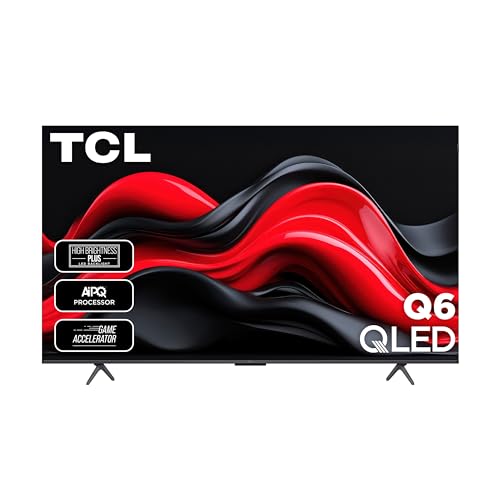

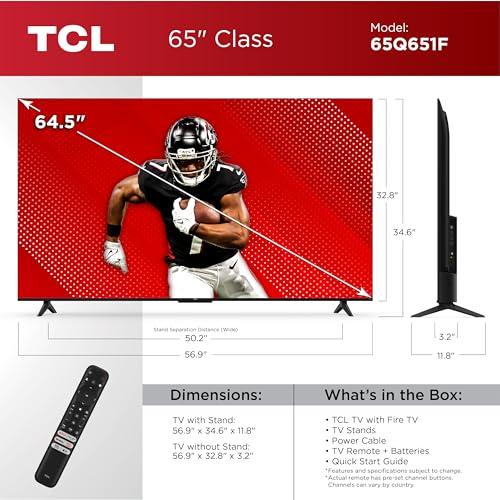


Large screen TVs have become the centerpiece of modern living rooms, and choosing the right one can feel overwhelming with so many options available. The mid-range 65-inch smart TV market is particularly competitive, offering impressive features without the premium price tag of flagship models. Two standout contenders that caught our attention are the TCL 65" Q Class QLED 4K Fire TV and the Roku Select Series 65" 4K HDR Smart TV, both released in recent years as manufacturers refined their mid-tier offerings.
When evaluating TVs in this category, the most important factors are picture quality, smart platform experience, gaming capabilities, and overall value. The display technology, color accuracy, brightness levels, and motion handling determine how good your movies and shows will look. The smart platform affects your daily experience navigating apps and finding content. Gaming performance matters more than ever as console gaming has evolved, and value means getting the right features for your budget without overpaying for capabilities you won't use.
The fundamental difference between these two TVs starts with their display technology, which affects everything from color reproduction to how bright the screen can get. The TCL Q Class uses QLED (Quantum Dot Light Emitting Diode) technology, while the Roku Select Series employs traditional LED backlighting.
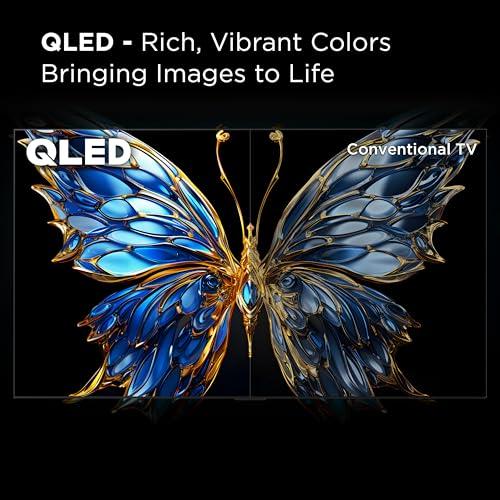
QLED technology places a quantum dot film between the LED backlight and LCD panel. These quantum dots are microscopic particles that emit specific colors when hit by blue light from the backlight. This process allows QLED displays to produce over 1 billion colors compared to standard LED TVs, which typically display around 16.7 million colors. The result is a wider color gamut – essentially a broader range of colors the TV can display accurately.
Based on our research of expert reviews and user feedback, this difference is noticeable in real-world viewing. The TCL Q Class delivers more vibrant greens in nature documentaries, richer reds in action movies, and more accurate skin tones across different lighting conditions. The quantum dot technology particularly excels with HDR (High Dynamic Range) content, where the expanded color range becomes most apparent.
The Roku Select Series, using traditional LED direct-lit backlighting, produces good color reproduction for everyday viewing but lacks the same punch and accuracy. This isn't necessarily bad – many viewers find the colors perfectly adequate for streaming Netflix or watching cable TV. The trade-off comes down to whether you notice and value color accuracy, especially when watching high-quality content.
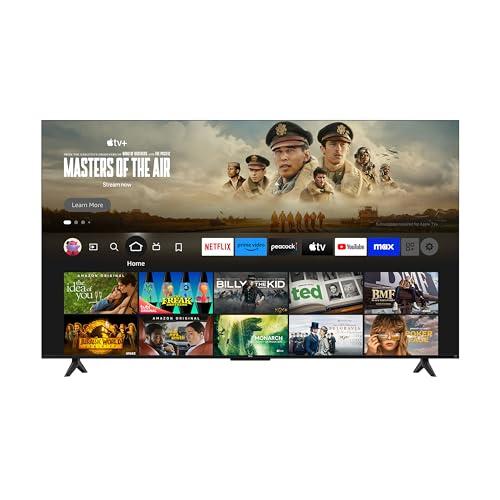
The smart platform experience shapes how you interact with your TV daily, and these two take notably different approaches. Amazon's Fire TV, powering the TCL Q Class, integrates deeply with Amazon's ecosystem. This means excellent support for Prime Video, natural Alexa voice commands, and content recommendations that favor Amazon's services. The interface feels familiar if you've used other Amazon devices, with a content-forward home screen that showcases movies and shows prominently.
However, Fire TV's Amazon bias can feel limiting. The platform sometimes prioritizes Amazon's content in search results and recommendations, even when free or cheaper options exist elsewhere. Some users report occasional ads in the interface, though these have become less intrusive over time.
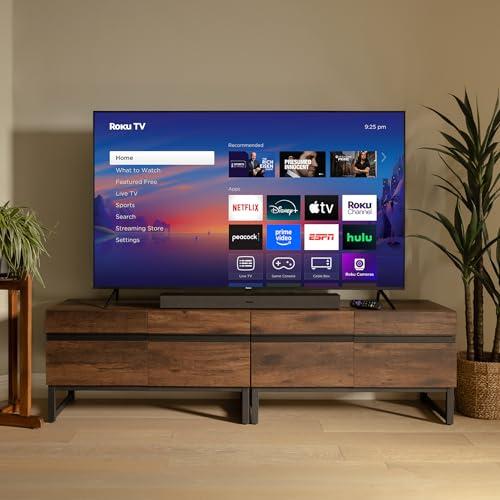
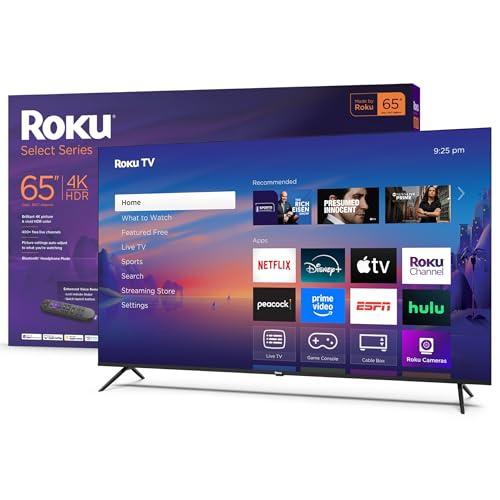
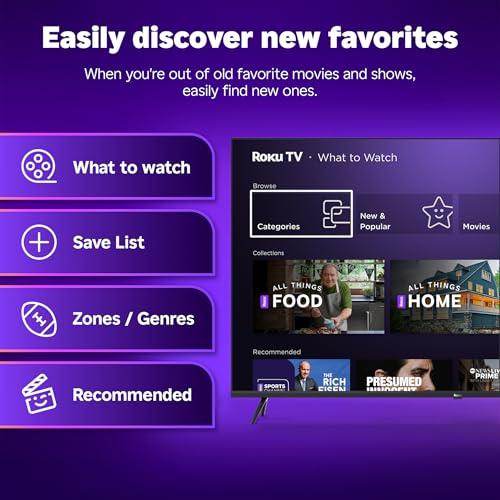
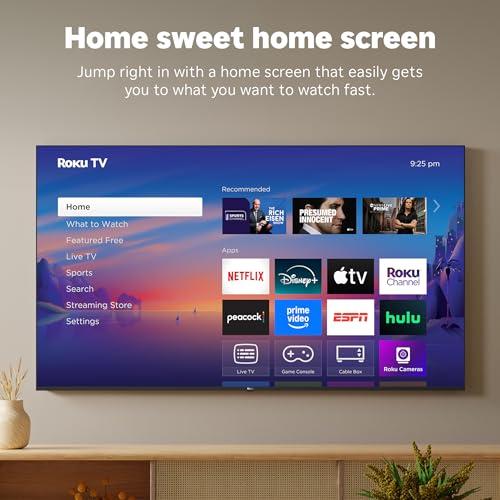
Roku TV on the Select Series takes the opposite approach with platform neutrality. The interface doesn't favor any particular streaming service, presenting all your apps equally. This neutrality extends to search results, where Roku shows pricing across multiple platforms, helping you find the cheapest way to watch content. The grid-based layout is intuitive, and the system rarely feels cluttered with promotional content.
From a performance standpoint, both platforms are responsive in 2024, but Roku TV consistently receives praise for its smooth navigation and quick app loading. The Roku Select Series benefits from Roku's years of software optimization specifically for TV interfaces, while the TCL Q Class sometimes shows minor stutters when switching between apps or scrolling through large content libraries.
Voice control implementation differs significantly. The TCL excels with Alexa integration, allowing natural commands like "Alexa, find action movies on Netflix" or controlling smart home devices directly from the TV. The Roku Select supports multiple voice assistants but requires more specific phrasing and feels less conversational than Alexa's implementation.
Gaming capabilities have become increasingly important as PlayStation 5 and Xbox Series X consoles push for higher frame rates and lower input lag. The TCL Q Class clearly targets gamers with several dedicated features, while the Roku Select Series focuses on basic gaming support.
Input lag – the delay between pressing a controller button and seeing the action on screen – is crucial for responsive gaming. The TCL includes Auto Game Mode (ALLM), which automatically detects when a gaming console connects and switches to a low-latency mode. This reduces input lag to around 15-20 milliseconds, which feels immediate during gameplay. The TV also supports Variable Refresh Rate (VRR), which synchronizes the display's refresh rate with the console's output, eliminating screen tearing and providing smoother visuals during demanding game scenes.
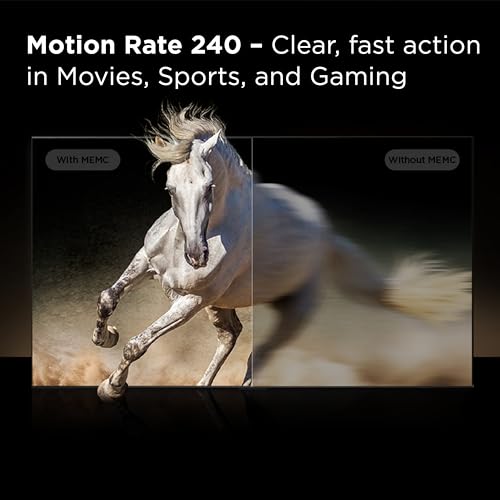
Motion Rate 240 with MEMC (Motion Estimation, Motion Compensation) frame insertion on the TCL combines multiple techniques to reduce motion blur. While the native panel refresh rate is 60Hz, the processing can interpolate additional frames to create smoother motion, particularly beneficial for fast-paced racing games or first-person shooters.
The Roku Select Series operates at a standard 60Hz refresh rate with basic game mode functionality. Input lag is reasonable for casual gaming but notably higher than the TCL. The lack of VRR means screen tearing can occur during graphically intensive scenes, and the absence of advanced motion processing results in more blur during rapid movement.
For serious gamers, especially those with newer consoles, the TCL Q Class provides a noticeably superior experience. Casual gamers who play occasionally or stick to slower-paced games will find the Roku Select adequate, but the limitations become apparent in competitive gaming scenarios.
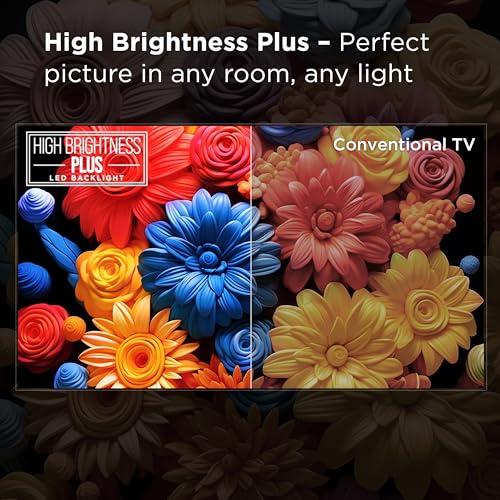
Picture quality encompasses several technical aspects, but brightness, contrast ratio, and HDR performance are the most critical for real-world viewing experience. Peak brightness, measured in nits (a unit of luminance), determines how well a TV handles bright scenes and HDR content. The TCL Q Class achieves higher peak brightness levels, typically reaching 400-500 nits, while the Roku Select Series peaks around 300-350 nits.
This difference becomes noticeable when watching HDR content, which requires higher brightness levels to display the full dynamic range. HDR mastering studios create content expecting displays to reach certain brightness thresholds. When a TV can't achieve these levels, highlights appear dim and the expanded contrast range is compressed, reducing the HDR effect.
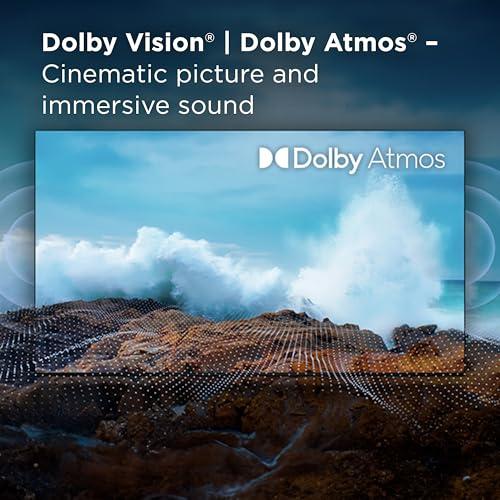
The TCL Q Class supports HDR PRO+, including Dolby Vision, HDR10+, HDR10, and HLG formats. Dolby Vision, in particular, uses dynamic metadata to adjust brightness and color on a scene-by-scene basis, creating more accurate and impactful HDR presentation. The Roku Select Series supports HDR10 and HDR10+ but lacks Dolby Vision, which limits its compatibility with some premium streaming content.
Contrast ratio – the difference between the darkest blacks and brightest whites – affects how three-dimensional and realistic images appear. Neither TV includes local dimming (which dims specific zones of the backlight), so both struggle with deep blacks compared to premium models. However, the TCL manages slightly better contrast through its quantum dot technology and higher brightness capabilities.
Based on professional reviews and user feedback, the TCL Q Class provides a noticeably more cinematic experience with HDR content from Netflix, Disney+, and 4K Blu-rays. The Roku Select Series handles standard dynamic range content well but falls short with HDR material, often appearing washed out compared to the TCL.
Built-in TV audio has improved significantly in recent years, but physics still limits what thin displays can achieve. The TCL Q Class includes 30W of total power (2 x 15W speakers) with Dolby Atmos and DTS Virtual:X processing. These technologies use psychoacoustic processing to create virtual surround sound effects from the built-in speakers, simulating height and spatial effects without additional speakers.
The Roku Select Series features a 2.1 stereo system with Dolby Audio processing. While it lacks the virtual surround capabilities of the TCL, many users report clear dialogue reproduction and adequate volume for average-sized rooms.
For home theater setups, both TVs include HDMI eARC (enhanced Audio Return Channel) support, allowing high-quality audio passthrough to soundbars or AV receivers. The TCL supports more advanced audio codecs, including lossless formats, making it better suited for serious home theater installations.
However, neither TV's built-in audio will satisfy listeners accustomed to dedicated speakers or soundbars. The thin form factor prevents meaningful bass response, and maximum volume levels are limited. For optimal home theater experience, plan to add external audio regardless of which TV you choose.
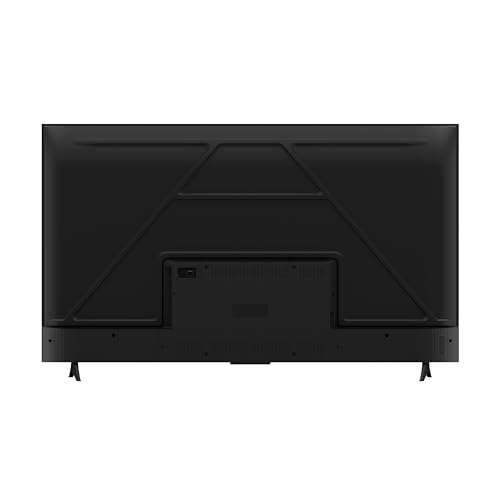
Both TVs employ similar design philosophies with slim profiles and minimal bezels, but construction quality differs in subtle ways. The TCL Q Class features a metal bezel-less design that feels more premium and reduces light reflection around the screen edges. The stand design provides good stability, though the wide stance requires adequate surface space.
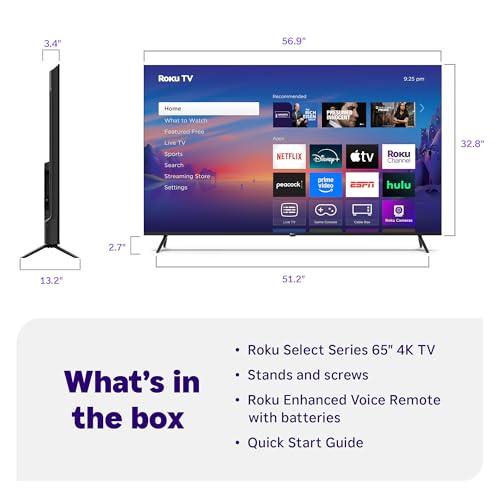
The Roku Select Series uses a more basic plastic construction but maintains clean aesthetics. The wide-set feet elevate the screen sufficiently to accommodate most soundbars, which is a practical consideration often overlooked.
Both TVs support VESA mounting (300x300mm for the TCL, 400x300mm for the Roku), making wall installation straightforward. Weight distribution is reasonable for both, though professional installation is recommended for wall mounting due to the 65-inch size.
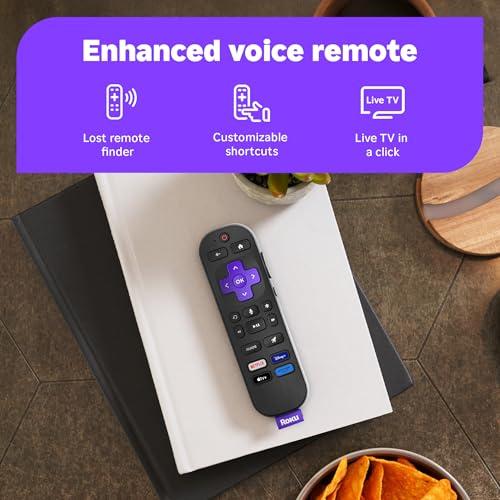
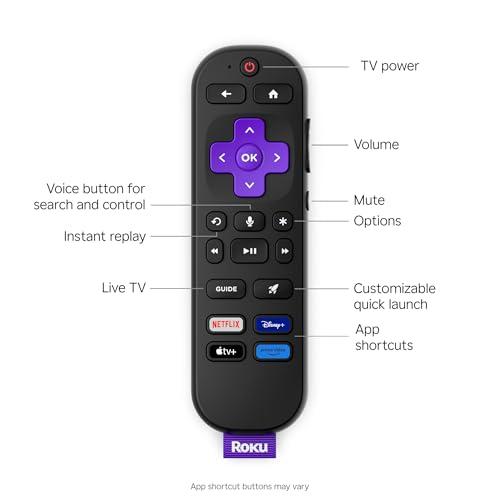
Remote control quality varies notably. The TCL's Fire TV remote includes dedicated buttons for popular streaming services and supports Alexa voice commands with a push-to-talk button. The Roku Select's enhanced voice remote includes customizable shortcut buttons and a lost remote finder feature, which emits an audible beep from the remote when activated from the TV.
At the time of writing, the TCL Q Class QLED typically commands a premium of $50-100 over the Roku Select Series, though prices fluctuate with seasonal sales and retailer promotions. This price difference reflects the enhanced display technology, gaming features, and more powerful audio system.
For many consumers, the TCL represents better long-term value despite the higher initial cost. The QLED technology, superior HDR performance, and gaming capabilities provide tangible benefits that remain relevant as content quality improves and gaming requirements evolve. The quantum dot technology particularly pays dividends with high-quality streaming content and 4K Blu-rays.
The Roku Select Series offers compelling value for viewers prioritizing smart platform experience and basic picture quality over advanced features. The platform's neutrality, extensive app support, and reliable performance justify the cost for streaming-focused households.
Choose the TCL Q Class QLED if you want the best possible picture quality in this price range, plan to game regularly, or watch significant amounts of HDR content. The QLED technology and enhanced brightness make it particularly suitable for rooms with moderate ambient light, where the improved color gamut and peak brightness become more apparent. It's also the better choice for home theater enthusiasts who want a display that can grow with improving content quality.
The TCL makes sense for Amazon ecosystem users who appreciate deep Alexa integration and don't mind the platform's content bias. If you own other Amazon devices or subscribe to Prime Video regularly, the seamless integration provides daily convenience benefits.
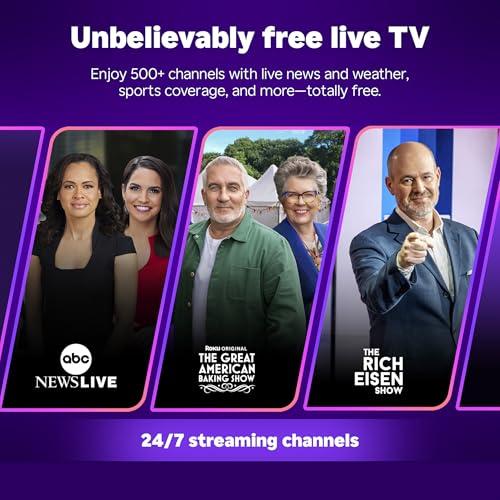
Select the Roku Select Series for the superior smart TV experience, especially if you value platform neutrality and interface simplicity. It's ideal for households that primarily stream content, want reliable long-term software support, and prefer spending less upfront. The Roku platform's content-agnostic approach and extensive free programming make it particularly attractive for cord-cutters.
The Roku also suits users who prefer not being locked into any particular ecosystem and want the flexibility to choose streaming services based purely on content and pricing rather than platform integration.
Both TVs serve the mid-range market well, but the TCL Q Class QLED provides better future-proofing and superior technical performance, while the Roku Select Series excels at delivering a premium software experience at an accessible price point. Your choice should align with whether hardware capabilities or software experience matters more to your household's viewing habits.
| TCL 65" Q Class QLED 4K Fire TV | Roku Select Series 65" 4K HDR Smart TV 2025 |
|---|---|
| Display Technology - Determines color accuracy and vibrancy | |
| QLED (Quantum Dot) with 1.07 billion colors | Traditional LED direct-lit with standard color range |
| HDR Support - Essential for premium streaming content | |
| HDR PRO+ with Dolby Vision, HDR10+, HDR10, HLG | HDR10, HDR10+, HLG (no Dolby Vision) |
| Peak Brightness - Critical for HDR performance and bright room viewing | |
| 400-500 nits (good HDR impact) | 300-350 nits (limited HDR effectiveness) |
| Gaming Features - Important for console gaming | |
| Auto Game Mode (ALLM), VRR up to 120Hz, Motion Rate 240 | Basic 60Hz with standard game mode only |
| Smart Platform - Affects daily user experience | |
| Fire TV with Alexa (Amazon ecosystem focused) | Roku TV (content-neutral, broader app support) |
| Audio System - Determines if external speakers are needed | |
| 30W with Dolby Atmos and DTS Virtual:X | 2.1 stereo with Dolby Audio |
| Motion Handling - Critical for sports and action content | |
| Motion Rate 240 with MEMC frame insertion | Standard 60Hz motion (more blur in fast scenes) |
| Voice Control - Convenience for hands-free operation | |
| Built-in Alexa with natural language commands | Compatible with multiple assistants (less integrated) |
| HDMI Ports - Limits connected device options | |
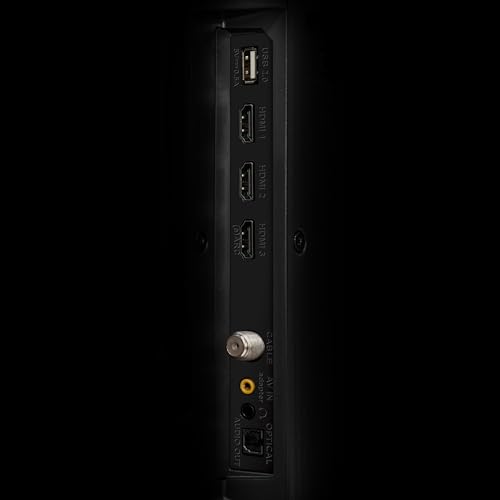
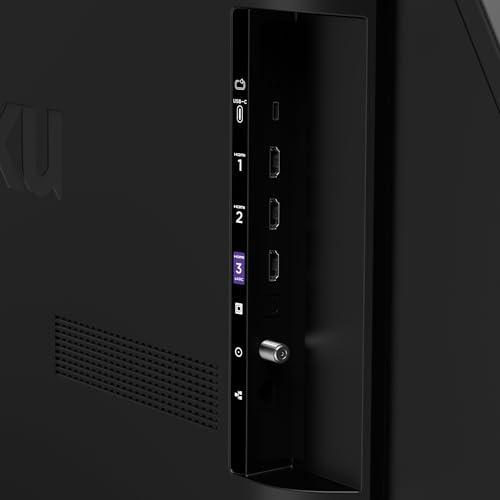
| 3 HDMI (1 with eARC) | 3 HDMI ports |
| Build Quality - Affects durability and aesthetics | |
| Metal bezel-less design with premium feel | Plastic construction with clean design |
| Target User - Who benefits most from each approach | |
| Gamers, HDR enthusiasts, Amazon ecosystem users | Streaming-focused households, platform-neutral users |
The TCL 65" Q Class QLED 4K Fire TV offers superior picture quality with its QLED quantum dot technology, delivering over 1 billion colors compared to the standard LED display in the Roku Select Series 65" 4K HDR Smart TV. The TCL also achieves higher peak brightness (400-500 nits vs 300-350 nits), making HDR content appear more vibrant and impactful.
The TCL Q Class QLED uses Amazon's Fire TV platform, which integrates deeply with Alexa and Amazon's ecosystem but may show bias toward Amazon content. The Roku Select Series runs Roku TV, which is content-neutral and doesn't favor any particular streaming service, often showing pricing across multiple platforms to help you find the best deals.
The TCL 65" Q Class QLED 4K Fire TV is significantly better for gaming, featuring Auto Game Mode (ALLM), Variable Refresh Rate (VRR) up to 120Hz, and lower input lag. The Roku Select Series only supports basic 60Hz gaming with higher input lag, making it suitable for casual gaming but not ideal for competitive or next-gen console gaming.
Only the TCL Q Class QLED supports Dolby Vision through its HDR PRO+ feature, along with HDR10+ and HDR10. The Roku Select Series 65" 4K HDR Smart TV supports HDR10 and HDR10+ but lacks Dolby Vision, which may limit compatibility with some premium streaming content that uses this format.
The TCL 65" Q Class QLED 4K Fire TV provides superior audio with 30W total power, Dolby Atmos, and DTS Virtual:X processing for virtual surround sound effects. The Roku Select Series features a 2.1 stereo system with Dolby Audio that's adequate for dialogue but lacks the immersive audio processing of the TCL.
The TCL Q Class QLED performs better in bright rooms due to its higher peak brightness and QLED technology, which maintains color accuracy even with ambient light. The Roku Select Series has mediocre reflection handling and lower brightness, making it better suited for moderately lit or darker viewing environments.
The Roku Select Series 65" 4K HDR Smart TV typically receives longer software support, as Roku has a strong track record of updating their TV platform for several years. While the TCL Q Class QLED receives regular Fire TV updates, Amazon's support timeline can vary, and the platform may show more ads over time.
The TCL 65" Q Class QLED 4K Fire TV features Motion Rate 240 with MEMC frame insertion technology, significantly reducing motion blur in fast-paced content like sports and action movies. The Roku Select Series uses standard 60Hz motion handling, which results in more noticeable blur during rapid movement scenes.
The TCL Q Class QLED provides superior voice control with built-in Alexa integration, allowing natural language commands and smart home device control directly from the TV. The Roku Select Series 65" 4K HDR Smart TV supports multiple voice assistants but requires more specific phrasing and feels less conversational than the TCL's Alexa implementation.
For home theater use, the TCL 65" Q Class QLED 4K Fire TV is the better choice due to its superior HDR performance, higher brightness, wider color gamut, and support for advanced audio codecs through eARC. The Roku Select Series can work in a home theater but may disappoint with HDR content due to its lower brightness and lack of Dolby Vision support.
The Roku Select Series 65" 4K HDR Smart TV offers excellent value for streaming-focused users who prioritize the smart platform experience and don't need advanced gaming or HDR features. The TCL Q Class QLED provides better long-term value for users who want superior picture quality, gaming capabilities, and future-proofing, despite the higher upfront cost.
Both the TCL 65" Q Class QLED 4K Fire TV and Roku Select Series offer similar connectivity with 3 HDMI ports (including eARC), Wi-Fi, and Bluetooth. The main difference is in gaming connectivity, where the TCL supports more advanced features like VRR and ALLM through its HDMI ports, while the Roku Select Series provides basic HDMI connectivity without gaming enhancements.
We've done our best to create useful and informative comparisons to help you decide what product to buy. Our research uses advanced automated methods to create this comparison and perfection is not possible - please contact us for corrections or questions. These are the sites we've researched in the creation of this article: bestbuy.com - tcl.com - tcl.com - circuitworldonline.com - bestbuy.com - tcl.com - rtings.com - woodruffappliance.com - rtings.com - bestbuy.com - tcl.com - tcl.com - tcl.com - youtube.com - alexraytv.com - tcl.com - alexraytv.com - avsforum.com - a1ontheweb.com - bestbuy.com - rtings.com - roku.com - rtings.com - youtube.com - cnet.com - manuals.plus - target.com - walmart.com - nice-pay.com - bestbuy.com - roku.com - roku.com - electronicexpress.com

Privacy Policy
Terms and Conditions - Affiliate Policy
Home Security
© Copyright 2008-2026.
11816 Inwood Rd #1211, Dallas, TX 75244