

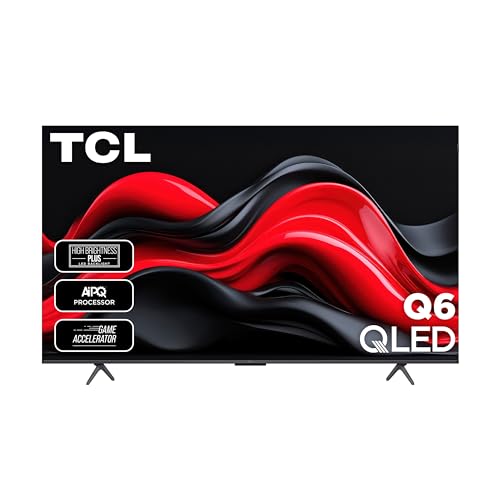



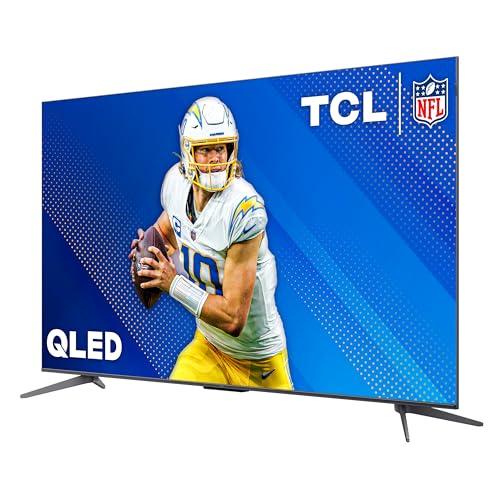
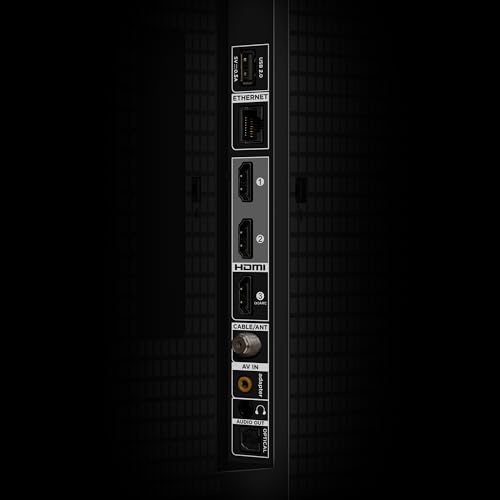
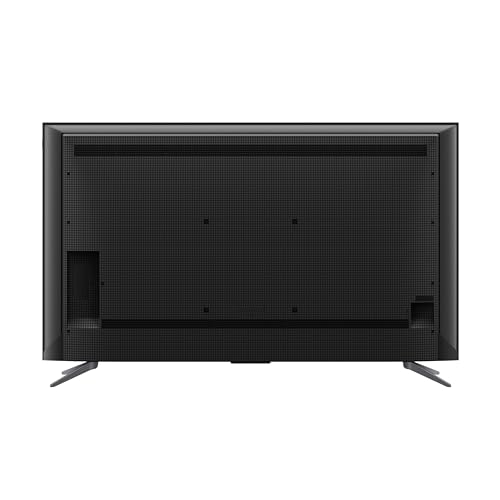
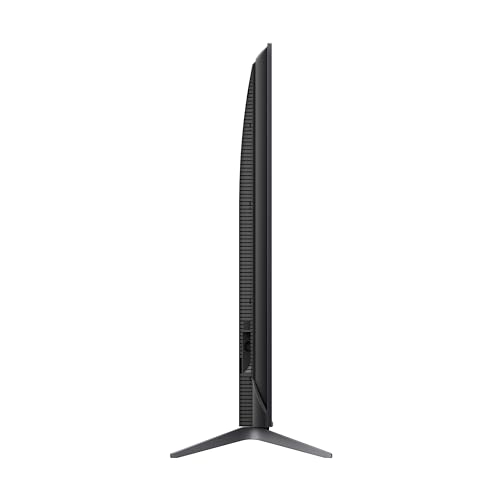
When you're shopping for a 65-inch QLED TV, you're entering a sweet spot where picture quality improvements become genuinely noticeable and worthwhile. Both the TCL 65" Q Class QLED 4K Fire TV and TCL 65" Q68 QLED 4K UHD Smart TV represent solid options in this competitive segment, but they take notably different approaches to delivering that premium QLED experience.
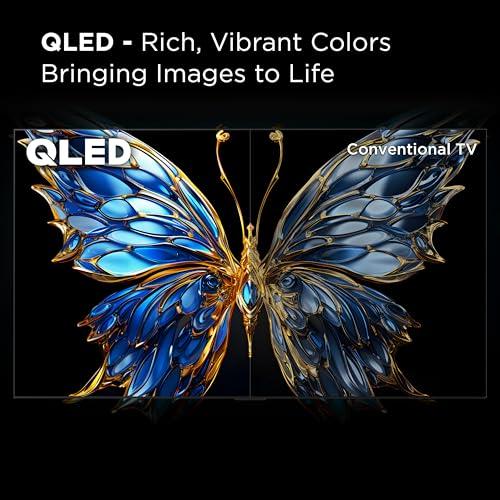
QLED technology uses quantum dots—tiny particles that emit pure colors when hit with light—to create more vibrant and accurate colors than traditional LED TVs. Think of quantum dots as ultra-precise color filters that can produce over a billion different shades, compared to the few million that standard LED displays manage. This translates to more realistic skin tones, deeper ocean blues, and more vivid sunset oranges.
The main considerations when choosing between QLED models come down to contrast performance (how deep the blacks look), peak brightness (how vibrant HDR content appears), motion handling (crucial for sports and gaming), and smart platform preferences. Build quality and design matter too, especially on a 65-inch display that becomes a room's focal point.
The TCL Q Class, released in 2024, positions itself as an accessible entry into QLED territory. At the time of writing, it typically retails in the mid-$400 to low-$500 range, making it one of the more affordable 65-inch QLED options available. TCL has focused on delivering core QLED benefits—vibrant colors, solid 4K performance, and reliable Fire TV integration—without premium features that drive up costs.
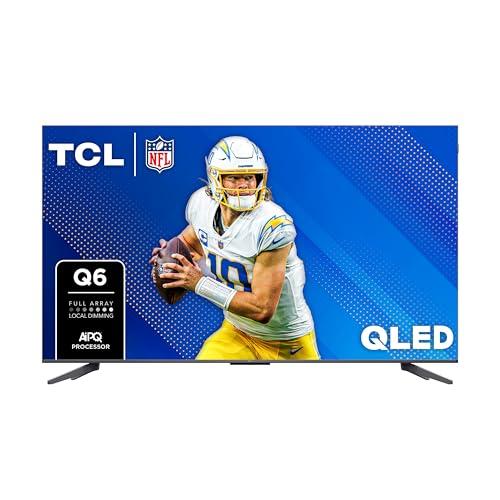
The TCL Q68, also a 2024 release, sits in TCL's mid-tier lineup with pricing generally ranging from the high-$400s to around $600, depending on sales and retailer. This model incorporates more advanced display technology, particularly Full Array Local Dimming, which represents a significant upgrade in contrast performance.
The most significant performance gap between these models lies in contrast handling, which directly impacts how good movies and shows look, especially in darker scenes.
The Q68 incorporates Full Array Local Dimming (FALD), a technology that divides the screen into multiple zones that can be brightened or dimmed independently. When you're watching a movie with a bright explosion against a dark night sky, FALD allows the TV to make the explosion brilliantly bright while keeping the surrounding darkness truly black. This creates the dramatic contrast that makes HDR content pop off the screen.
In contrast, the Q Class uses a direct LED backlight without local dimming zones. While this still produces good overall brightness and color, it can't achieve the same level of contrast. Dark scenes tend to look more grayish, and bright HDR highlights don't have the same impact because the entire backlight needs to accommodate both the brightest and darkest parts of the image simultaneously.
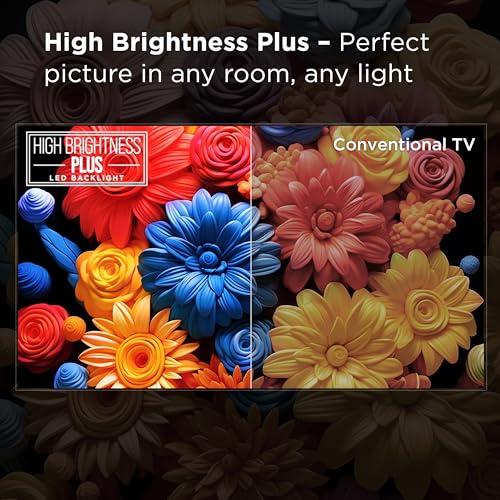
Peak brightness also favors the Q68, which can reach up to 600 nits compared to the Q Class's more modest brightness levels. This difference becomes particularly noticeable in bright rooms or when watching HDR content during daytime. HDR (High Dynamic Range) content is specifically designed to take advantage of higher brightness levels—without sufficient peak brightness, you're not getting the full intended experience.
Both models support the same HDR formats: Dolby Vision, HDR10+, HDR10, and HLG. However, having the formats supported is only half the equation; you need the display capability to actually show the enhanced contrast and brightness that HDR promises. The Q68's combination of local dimming and higher brightness makes it significantly better at delivering true HDR performance.
Color performance between the models is more similar, as both use quantum dot technology to achieve wide color gamuts covering nearly the entire DCI-P3 color space used in movie production. Both deliver the characteristic QLED advantage of vibrant, saturated colors that remain accurate across different content types.
Gaming capabilities have become increasingly important as TVs serve as primary displays for PlayStation 5, Xbox Series X, and PC gaming setups. Both models include Auto Game Mode (ALLM), which automatically switches to low-latency settings when a gaming console is detected, reducing input lag—the delay between pressing a button and seeing the action on screen.
The Q68 takes gaming further with its Game Accelerator 120 feature, supporting Variable Refresh Rate (VRR) up to 120Hz. VRR synchronizes the TV's refresh rate with the gaming device's frame rate, eliminating screen tearing and stuttering during gameplay. This is particularly beneficial for competitive gaming where smooth, responsive visuals can impact performance.
The Q Class supports VRR as well, but at the standard 60Hz refresh rate. For casual gaming—family game nights, story-driven single-player games, or turn-based strategy—60Hz VRR provides perfectly adequate performance. However, if you're playing fast-paced shooters, racing games, or competitive online titles, the Q68's 120Hz capability offers a noticeable advantage.
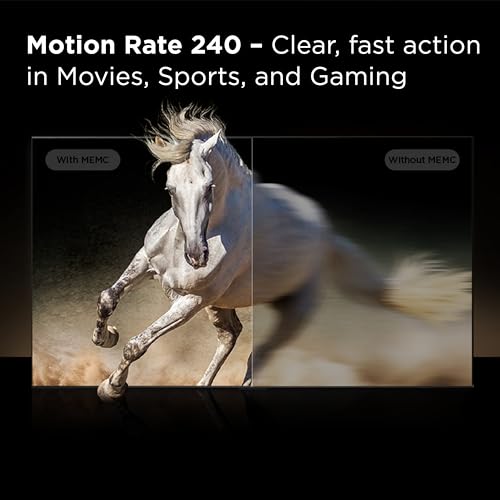
Both models feature Motion Rate 240, which combines multiple technologies including MEMC (Motion Estimation, Motion Compensation) frame insertion to reduce motion blur. This technology analyzes consecutive frames and creates intermediate frames to smooth motion, particularly beneficial for sports viewing and action movies.
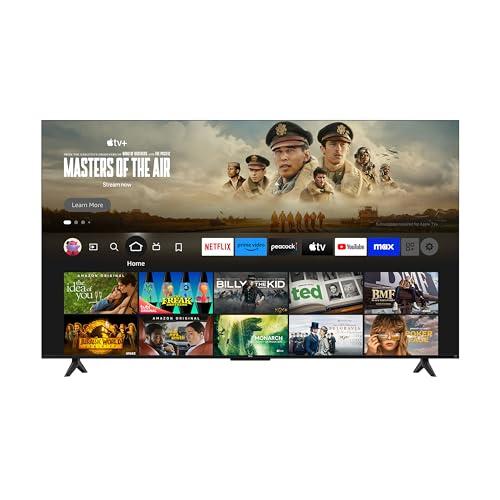
Platform preference often comes down to ecosystem loyalty and personal workflow preferences. The Q Class exclusively runs Fire TV, Amazon's streaming platform that integrates deeply with Alexa voice control and Amazon services. Fire TV's interface is straightforward and responds quickly, with excellent voice search capabilities through the included Alexa remote.
Fire TV's strength lies in its seamless Amazon ecosystem integration. If you're a Prime Video subscriber, use Amazon Music, or have other Amazon devices, the experience feels cohesive and natural. Content recommendations lean heavily toward Amazon's own services, which can be beneficial or limiting depending on your viewing habits.
The Q68 availability varies by retailer, with some versions running Fire TV and others featuring Google TV. Google TV offers more customization options and generally better content discovery across multiple streaming services. Its recommendation algorithm considers your viewing history across platforms to suggest relevant content, rather than prioritizing one service's catalog.
Both platforms support major streaming apps including Netflix, Disney+, Hulu, and YouTube. App selection remains comprehensive on both, though Google TV typically receives new apps slightly earlier and offers more international streaming options.
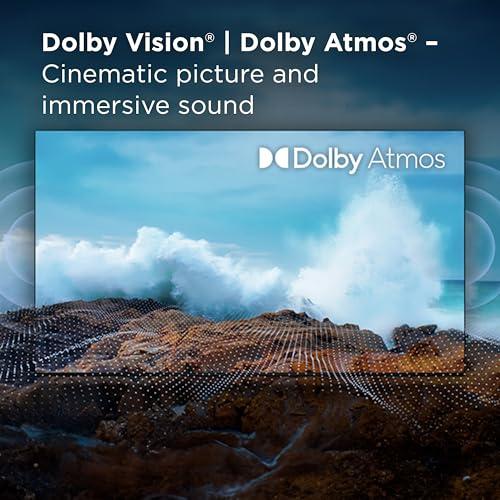
Both models deliver similar audio specifications with 30W total output (2 x 15W speakers) and support for Dolby Atmos and DTS Virtual:X. These audio processing technologies create simulated surround sound effects from the built-in speakers, adding dimensionality to movie soundtracks and gaming audio.
The Q68 includes an Enhanced Dialogue Mode that specifically amplifies speech frequencies, making conversations clearer during movies and shows. This proves particularly useful for older viewers or in noisy environments where dialogue can get lost in background music and sound effects.
However, both models' built-in audio, while adequate for casual viewing, benefits significantly from external audio solutions. A soundbar or surround sound system transforms the viewing experience, especially given the large 65-inch screen size that creates expectations for equally impressive audio.
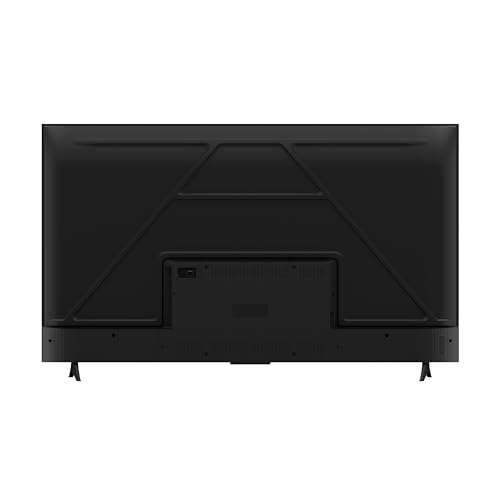
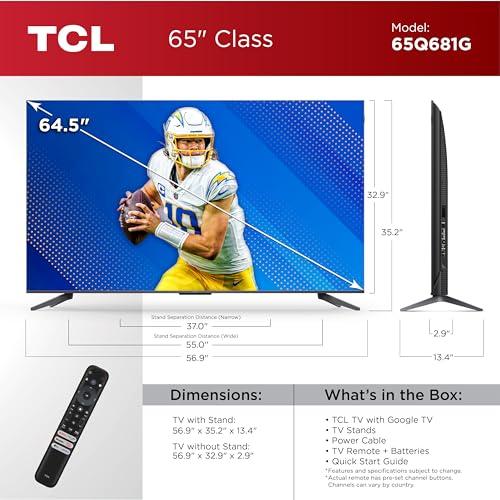
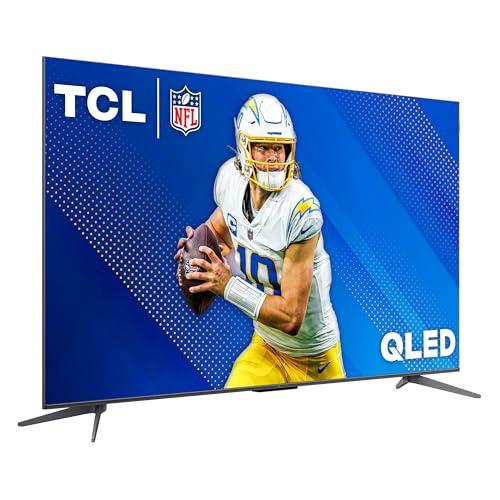
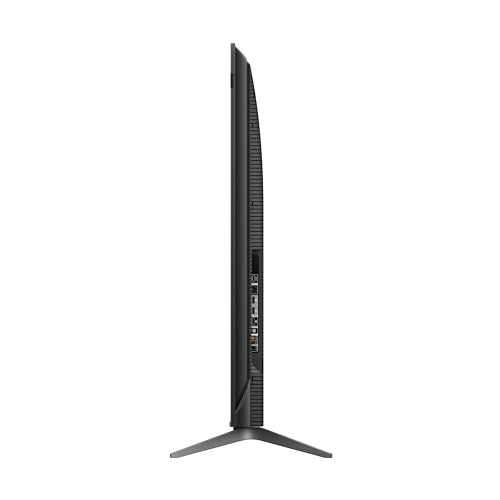
Physical design differences become apparent when you place these TVs in your living space. The Q68 features a FullView 360 Metal Bezel-less design with a height-adjustable pedestal stand, allowing you to position the screen at the optimal viewing height for your seating arrangement. The build feels more premium, with thinner bezels and a sleek profile measuring just 2.9 inches deep without the stand.
The Q Class maintains an attractive appearance with its FullView Metal Bezel-less design, but uses a fixed stand position and slightly thicker profile. While still modern-looking, it doesn't achieve the same premium aesthetic as the Q68.
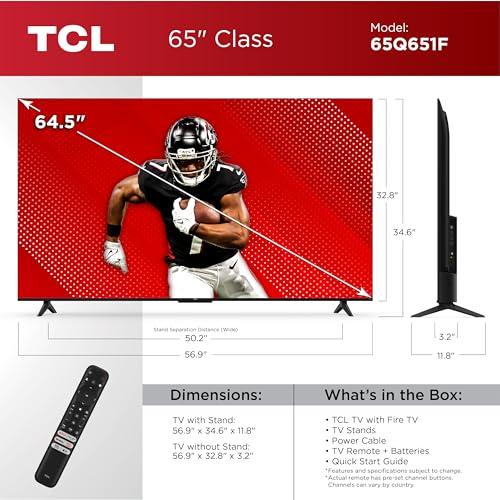
Both models support VESA wall mounting (300 x 300mm) if you prefer a wall-mounted installation. The weight difference is minimal—both hover around 43-44 pounds without the stand—making wall mounting straightforward for either model.
At the time of writing, the pricing gap between these models often runs $50-150, with the Q68 commanding a modest premium. This price difference represents excellent value when you consider the significant performance improvements: Full Array Local Dimming, higher peak brightness, enhanced gaming capabilities, and superior build quality.
The Q Class delivers solid value for budget-conscious buyers who want QLED color performance without premium features. If your primary concern is accessing 4K streaming content with good color reproduction at the lowest possible price, the Q Class accomplishes this effectively.
However, the Q68's additional capabilities become increasingly valuable as your expectations grow. The local dimming alone transforms dark scene performance, making movie watching more immersive and satisfying. For home theater enthusiasts or anyone who prioritizes picture quality, the modest price increase delivers disproportionate performance gains.
For dedicated home theater setups, the Q68 emerges as the clear choice. Its Full Array Local Dimming and higher brightness create the contrast performance that makes movies genuinely engaging. Dark scenes in films like "Blade Runner 2049" or "The Batman" benefit enormously from true blacks rather than the elevated gray levels that non-local dimming displays produce.
The Q68's superior HDR performance also matters more in darkened viewing environments where the display's peak brightness capabilities become fully apparent. Movie enthusiasts who invest time in optimizing their viewing setup will appreciate these technical advantages.
Room lighting plays a crucial role in display performance. The Q68's higher brightness makes it more suitable for living rooms with large windows or daytime viewing, while the Q Class works well in controlled lighting conditions but may struggle in very bright environments.
Choose the TCL Q Class if you're primarily focused on value and want a reliable QLED experience without premium features. This model suits Amazon ecosystem users who prioritize Fire TV integration, casual gamers who don't need 120Hz capabilities, and buyers working within tighter budgets who still want meaningful picture quality improvements over standard LED TVs.
The Q Class also makes sense for secondary TVs in bedrooms or guest rooms where ultimate picture quality matters less than functionality and affordability. Its solid performance across basic use cases makes it a sensible choice for straightforward viewing needs.
Choose the TCL Q68 if picture quality ranks as your primary concern and you can accommodate the modest price increase. This model suits movie enthusiasts, serious gamers, bright room installations, and anyone who wants a more future-proof display that will remain satisfying as viewing habits evolve.
The Q68 particularly excels for buyers who plan to keep their TV for many years. Its advanced features—local dimming, higher brightness, enhanced gaming capabilities—provide performance headroom that prevents the TV from feeling outdated as content and gaming standards continue advancing.
Between these two models, the Q68 offers better overall value despite its higher price point. The combination of Full Array Local Dimming, increased brightness, and superior gaming features creates meaningful performance differences that enhance daily viewing experiences. For most buyers, the additional cost proves justified by the substantial picture quality improvements.
The Q Class remains a solid choice for budget-focused purchases or specific use cases where Fire TV integration takes priority over ultimate picture performance. However, if your budget allows for the difference, the Q68 delivers significantly better long-term satisfaction and represents the more compelling purchase for the majority of buyers considering 65-inch QLED displays.
| TCL 65" Q Class QLED 4K Fire TV | TCL 65" Q68 QLED 4K UHD Smart TV Display |
|---|---|
| Display Technology - Core picture quality foundation | |
| QLED Quantum Dot with Direct LED backlight | QLED PRO Quantum Dot with Full Array Local Dimming |
| Peak Brightness - Critical for HDR performance and bright rooms | |
| Standard LED brightness (adequate for most rooms) | Up to 600 nits (excellent for bright environments) |
| Contrast Performance - Most noticeable difference in dark scenes | |
| Basic contrast without zone control | Superior blacks and highlights with local dimming zones |
| Gaming Features - Important for console and PC gaming | |
| 60Hz VRR, Auto Game Mode, Motion Rate 240 | Game Accelerator 120 (up to 120Hz VRR), Auto Game Mode, Motion Rate 240 |
| Smart Platform - Determines app selection and user experience | |
| Fire TV with Alexa integration | Google TV or Fire TV (varies by retailer) |
| Audio System - Built-in sound capabilities | |
| 30W Dolby Atmos, DTS Virtual:X | 30W Dolby Atmos, DTS Virtual:X, Enhanced Dialogue Mode |
| Build Quality - Physical design and premium feel | |
| FullView Metal Bezel-less, fixed stand | FullView 360 Metal Bezel-less, height-adjustable stand |
| Dimensions Without Stand - Wall mounting considerations | |
| 56.9" x 32.8" x 3.2" | 56.9" x 32.9" x 2.9" |
| HDR Support - All major formats supported on both | |
| HDR PRO+ (Dolby Vision, HDR10+, HDR10, HLG) | HDR PRO+ (Dolby Vision, HDR10+, HDR10, HLG) |
| Best For - Target user scenarios | |
| Budget-conscious buyers, Fire TV fans, casual gaming | Picture quality enthusiasts, serious gamers, bright rooms |
The TCL 65" Q68 QLED 4K UHD Smart TV Display delivers superior picture quality thanks to its Full Array Local Dimming technology and higher peak brightness of 600 nits. While both models use QLED quantum dot technology for vibrant colors, the Q68 produces deeper blacks and brighter highlights, making HDR content more impactful. The TCL 65" Q Class QLED 4K Fire TV offers good QLED performance but lacks the contrast control that makes the Q68 stand out.
The primary difference is contrast performance. The TCL Q68 features Full Array Local Dimming that can brighten and dim different screen zones independently, creating better contrast in movies and shows. The TCL Q Class uses standard direct LED backlighting without zone control. This means the Q68 produces more dramatic HDR effects and deeper blacks, while the Q Class focuses on delivering solid QLED colors at a lower price point.
The TCL 65" Q68 QLED 4K UHD Smart TV Display offers superior gaming features with its Game Accelerator 120 supporting up to 120Hz Variable Refresh Rate for smoother gameplay. Both models include Auto Game Mode and Motion Rate 240, but the Q68's higher refresh rate capabilities make it better for competitive gaming. The TCL 65" Q Class QLED 4K Fire TV provides adequate gaming performance at 60Hz VRR, suitable for casual players.
Yes, both the TCL Q Class and TCL Q68 support major streaming services like Netflix, Prime Video, Disney+, and YouTube. The Q Class exclusively runs Fire TV, while the Q68 may feature either Fire TV or Google TV depending on the retailer. Both platforms offer comprehensive app selection, though Google TV typically provides better cross-platform content recommendations.
The TCL 65" Q68 QLED 4K UHD Smart TV Display performs significantly better in bright rooms due to its higher peak brightness of 600 nits. This extra brightness helps HDR content remain visible even with windows or overhead lighting. The TCL 65" Q Class QLED 4K Fire TV works well in moderately lit rooms but may struggle with very bright environments where its lower brightness becomes a limitation.
The TCL Q68 features premium build quality with a FullView 360 Metal Bezel-less design and height-adjustable pedestal stand, allowing you to optimize viewing angles. It's also slightly thinner at 2.9 inches deep. The TCL Q Class maintains an attractive metal bezel-less design but uses a fixed stand position and is slightly thicker. Both support VESA wall mounting with the same 300 x 300mm pattern.
The TCL 65" Q68 QLED 4K UHD Smart TV Display typically offers better value despite costing more, as its Full Array Local Dimming and higher brightness provide significant picture quality improvements for a modest price increase. The TCL 65" Q Class QLED 4K Fire TV delivers excellent value for budget-conscious buyers who want QLED technology without premium features. The performance gap often justifies the Q68's higher price.
Yes, both the TCL Q Class and TCL Q68 support 4K Ultra HD resolution and comprehensive HDR formats including Dolby Vision, HDR10+, HDR10, and HLG. However, the Q68 delivers superior HDR performance due to its higher brightness and local dimming capabilities, making HDR content appear more dramatic and realistic compared to the Q Class.
Both models feature similar 30W audio systems with Dolby Atmos and DTS Virtual:X support. The TCL 65" Q68 QLED 4K UHD Smart TV Display includes an Enhanced Dialogue Mode that improves speech clarity, giving it a slight advantage. However, both the Q68 and TCL 65" Q Class QLED 4K Fire TV benefit significantly from external soundbars or audio systems for optimal home theater performance.
The TCL Q68 excels in home theater environments thanks to its Full Array Local Dimming creating true blacks and enhanced contrast that makes movies more immersive. Its higher brightness also ensures HDR content displays properly in darkened rooms. While the TCL Q Class provides good movie performance, the Q68's superior contrast capabilities make it the better choice for dedicated home theater use.
Casual viewers focused on streaming shows and basic 4K content will find the TCL 65" Q Class QLED 4K Fire TV perfectly adequate, especially if they prefer Amazon's Fire TV interface. However, the TCL 65" Q68 QLED 4K UHD Smart TV Display provides noticeably better picture quality that enhances all viewing experiences. The Q68 represents better long-term value even for casual use.
Yes, both the TCL Q Class and TCL Q68 support standard VESA wall mounting using 300 x 300mm brackets with M6 screws. Both models weigh approximately 43-44 pounds without stands, making installation straightforward. The Q68's thinner profile may look slightly more elegant when wall-mounted, but both the Q Class and Q68 mount securely with standard hardware.
We've done our best to create useful and informative comparisons to help you decide what product to buy. Our research uses advanced automated methods to create this comparison and perfection is not possible - please contact us for corrections or questions. These are the sites we've researched in the creation of this article: bestbuy.com - tcl.com - tcl.com - circuitworldonline.com - bestbuy.com - tcl.com - rtings.com - woodruffappliance.com - rtings.com - bestbuy.com - tcl.com - tcl.com - tcl.com - youtube.com - alexraytv.com - tcl.com - alexraytv.com - avsforum.com - a1ontheweb.com - tvsbook.com - youtube.com - tcl.com - rtings.com - youtube.com - rcwilley.com - youtube.com - tvsbook.com - tcl.com - sellout.woot.com - tcl.com - tcl.com

Privacy Policy
Terms and Conditions - Affiliate Policy
Home Security
© Copyright 2008-2026.
11816 Inwood Rd #1211, Dallas, TX 75244