

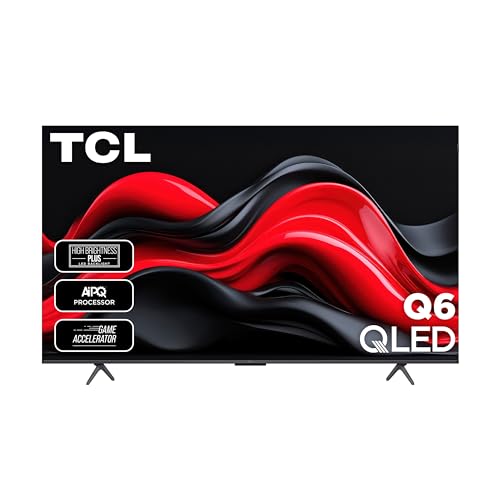


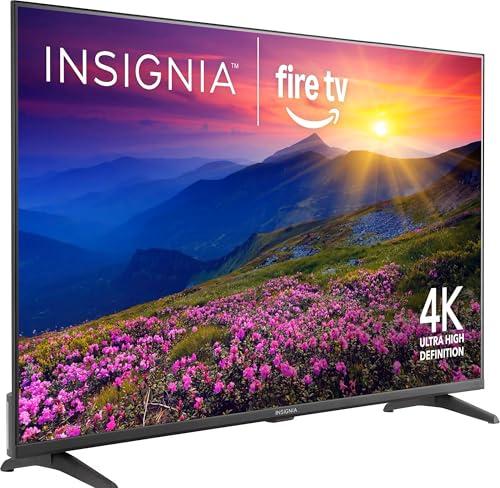
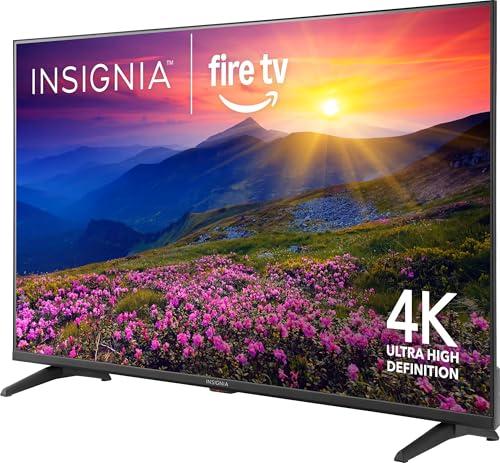
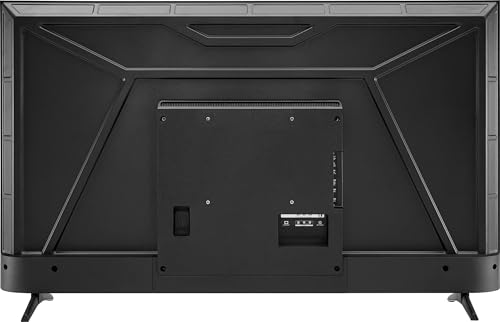
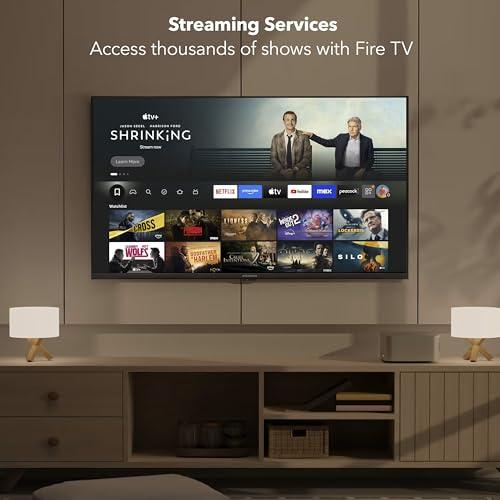
When shopping for a large-screen TV without breaking the bank, the 65-inch budget smart TV category has become incredibly competitive. Two models that consistently appear in shoppers' final considerations are the TCL Q Class QLED 4K Fire TV and the Insignia F50 Series 4K UHD Smart Fire TV. At the time of writing, both typically retail in the $300-500 range, making them accessible options for families wanting cinema-sized entertainment at home.
Understanding what separates these TVs requires diving into the technical details that actually impact your viewing experience. While both offer 4K resolution and smart TV features, their approaches to delivering picture quality, gaming performance, and overall value differ significantly.
The budget large-screen TV market has evolved dramatically since these models launched in recent years. The TCL Q Class arrived as part of TCL's 2023-2024 refresh, while the Insignia F50 Series represents Best Buy's house brand entry into the QLED space around the same timeframe.
What's remarkable about this category is how much technology has trickled down from premium models. Features that cost thousands of dollars just five years ago—like Quantum Dot displays, Dolby Vision HDR, and sophisticated smart TV platforms—are now standard at these price points.
The main trade-offs in budget TVs typically involve advanced features like full-array local dimming (which uses hundreds of LED zones to control brightness precisely), ultra-high refresh rates above 120Hz, and premium build materials. However, the core viewing experience has improved substantially, making these TVs genuinely satisfying for most households.
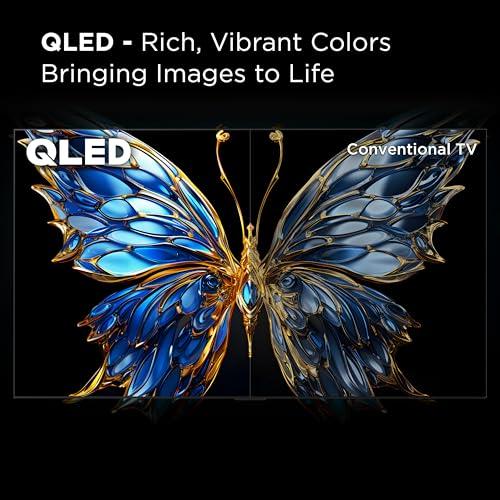
Both the TCL Q Class and Insignia F50 use QLED technology, but understanding what this means helps explain their differences. QLED stands for Quantum Dot LED, where microscopic semiconductor particles called quantum dots sit between the LED backlight and LCD panel. When hit by blue LED light, these dots emit precise colors—red and green—creating a much wider color palette than traditional LED TVs.
The TCL Q Class implements what they call "QLED Quantum Dot Technology" with over 1 billion displayable colors covering nearly the full DCI-P3 color space. DCI-P3 is the color standard used by movie studios, so content appears closer to the filmmaker's intent. In practice, this translates to more vibrant greens in nature documentaries, richer reds in action movies, and more lifelike skin tones across all content.
The Insignia F50 also features QLED technology, but based on user feedback and technical reviews, its implementation appears more conservative. Colors look accurate and pleasant, but they don't pop with the same intensity as the TCL. This isn't necessarily worse—some viewers prefer more natural-looking colors—but it's a clear difference.
HDR (High Dynamic Range) represents one of the most significant improvements in TV technology over the past decade. Traditional TVs can only display a limited range between the brightest whites and darkest blacks. HDR expands this range dramatically, revealing details in both shadow areas and bright highlights that would otherwise be lost.
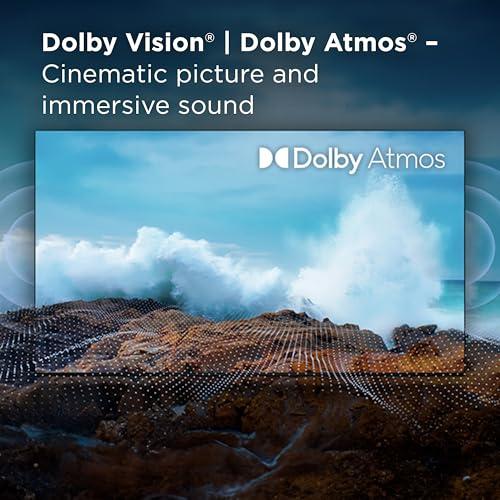
The TCL Q Class supports HDR PRO+, which includes Dolby Vision, HDR10+, HDR10, and HLG formats. Dolby Vision is particularly important because it adjusts HDR settings scene-by-scene or even frame-by-frame, optimizing the picture dynamically. This is like having a colorist fine-tune every moment of your movie. HDR10+ works similarly but is less common in streaming content.
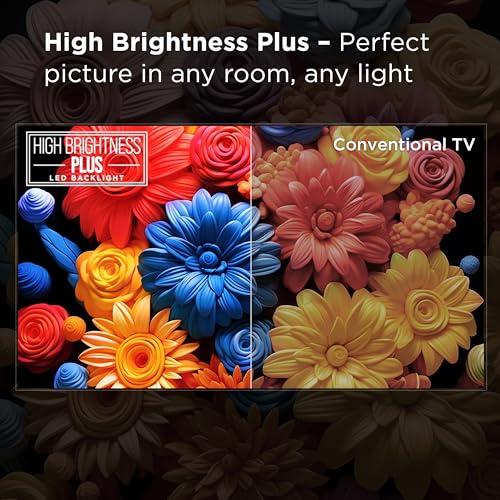
The Insignia F50 supports Dolby Vision and HDR10 but lacks HDR10+ support. More importantly, its lower peak brightness—a critical limitation of budget TVs—means HDR content won't have the same impact. Bright scenes like explosions or sunny landscapes won't shine as dramatically, reducing the "wow factor" that makes HDR worthwhile.
From our research into user experiences, the TCL Q Class delivers noticeably better HDR performance. Netflix's HDR content, for example, shows more dramatic contrast and richer colors on the TCL, while the same content on the Insignia F50 looks good but less spectacular.
Both TVs use direct LED backlighting without local dimming zones. This means the entire screen's backlight operates as one unit, rather than having hundreds of zones that can brighten and dim independently. The result is decent contrast for the price, but neither TV achieves the deep blacks of OLED displays or premium QLED models with full-array local dimming.
In dark room viewing—crucial for home theater setups—both TVs perform adequately, though some light bleed around bright objects against dark backgrounds is visible. This is physics, not poor quality control. The TCL Q Class handles this slightly better due to what appears to be better panel quality control, but the difference isn't dramatic.
Modern TVs process motion using several techniques. The native panel refresh rate determines how many unique images per second the screen can display—both these TVs use 60Hz panels, showing 60 frames per second. However, TVs use motion processing to create additional frames between the original ones, reducing blur during fast movement.
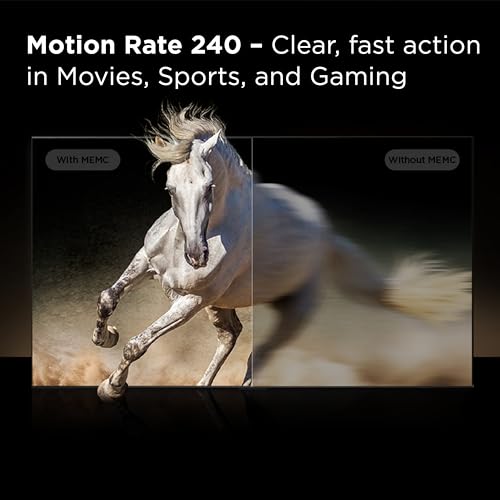
The TCL Q Class features Motion Rate 240 with MEMC (Motion Estimation, Motion Compensation) frame insertion. This system analyzes consecutive frames and creates intermediate frames to smooth motion. The "240" refers to the processing rate, not the actual refresh rate, which remains 60Hz. This technology works particularly well for sports, where camera pans and fast player movement can appear blurry on standard TVs.
The Insignia F50 relies on basic 60Hz processing without advanced motion interpolation. For most TV shows and movies, this is perfectly adequate. However, sports enthusiasts will notice a difference. Fast camera movements during football games or hockey matches appear smoother on the TCL Q Class.
Some viewers dislike motion interpolation because it creates an artificial "soap opera effect," making movies look like they were shot with video cameras rather than film. Fortunately, motion processing can be adjusted or disabled entirely based on personal preference.
Gaming has become a crucial consideration for TV buyers, even those who don't consider themselves serious gamers. Console gaming, PC gaming, and even mobile gaming through casting all benefit from TVs optimized for interactive content.
The TCL Q Class excels here with several gaming-focused features. Auto Game Mode (ALLM) automatically detects gaming consoles and switches to a low-latency mode that reduces input lag—the delay between pressing a button and seeing the action on screen. The TV also supports Game Accelerator 120, enabling Variable Refresh Rate (VRR) up to 120Hz for supported consoles.
VRR is particularly important for modern gaming. When your console renders frames at inconsistent rates—say, between 40-60 fps during intensive scenes—VRR adjusts the TV's refresh timing to match, eliminating screen tearing and stuttering. This creates smoother, more responsive gameplay.
The Insignia F50 offers basic gaming support with decent input lag but lacks VRR and advanced gaming features. For casual gaming, it's adequate. However, anyone with a PlayStation 5, Xbox Series X/S, or gaming PC will appreciate the TCL Q Class's superior gaming optimization.
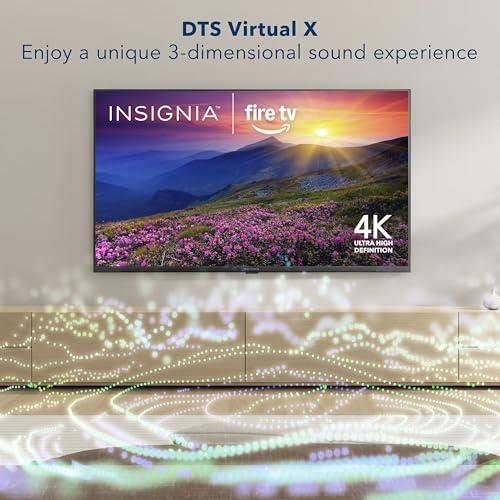
TV audio has improved significantly in recent years, though external sound systems remain preferable for serious home theater setups. The TCL Q Class features a 30W audio system (2 x 15W speakers) with Dolby Atmos and DTS Virtual:X processing. These technologies create a more spacious soundstage, making dialogue clearer and effects more immersive.
Dolby Atmos, originally designed for movie theaters with ceiling speakers, uses psychoacoustic processing to simulate height and surround effects from the TV's built-in speakers. While it can't match a dedicated surround system, the effect is noticeable, particularly with compatible content from Netflix, Disney+, and Ultra HD Blu-rays.
The Insignia F50 includes a 20W speaker system with DTS Studio Sound. The lower power output and simpler processing result in adequate but unremarkable audio. Dialogue remains clear at normal volumes, but the system lacks the depth and presence of the TCL's implementation.
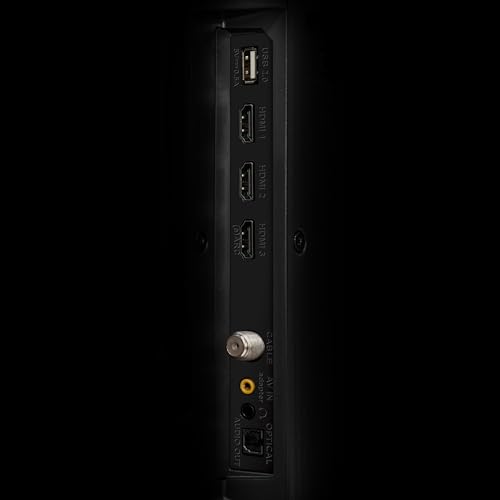
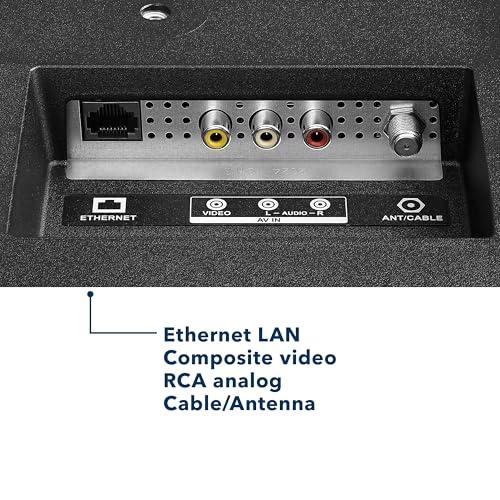
For home theater enthusiasts, both TVs include eARC (enhanced Audio Return Channel) HDMI ports, allowing high-quality audio passthrough to soundbars and AV receivers. This means your investment in better audio equipment won't be wasted.
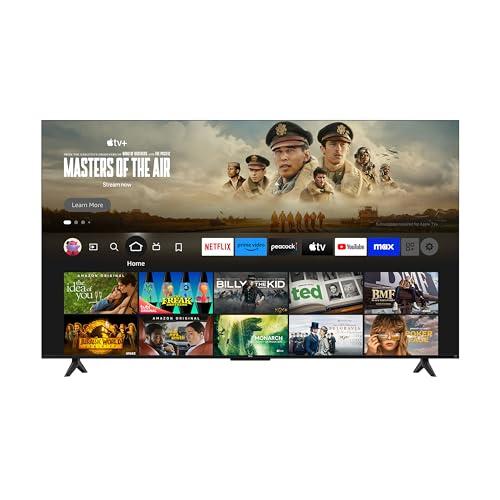
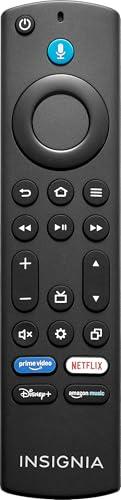
Both TVs run identical Fire TV software, Amazon's smart TV platform. Fire TV has matured into one of the more capable smart TV systems, offering quick access to major streaming services, voice control through Alexa, and reasonable performance.
The platform's strengths include excellent integration with Amazon Prime Video, comprehensive app support covering Netflix, Disney+, Hulu, YouTube, and hundreds of other services, and genuinely useful voice control. You can ask Alexa to find movies by actor, genre, or even abstract concepts like "funny movies from the 1980s."
However, Fire TV isn't perfect. The interface includes advertisements for Amazon content, which some find intrusive. Google's services, particularly YouTube TV, sometimes receive delayed updates compared to other platforms. Additionally, if you're heavily invested in Apple's ecosystem, you might prefer Roku or Google TV platforms.
From user feedback, the TCL Q Class generally runs Fire TV more smoothly, with faster app loading and fewer interface hiccups. The Insignia F50 occasionally suffers from slower navigation and rare freezing issues, though these aren't universal experiences.
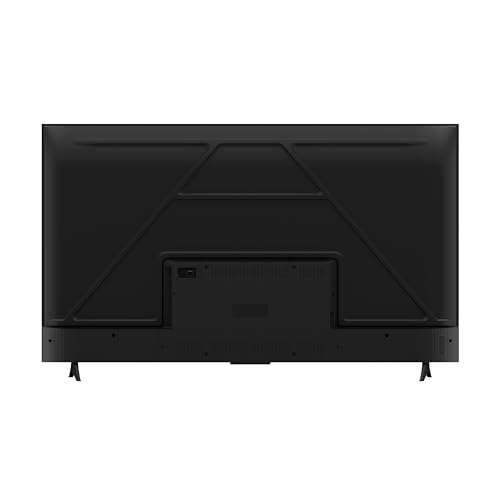
The physical differences between these TVs reflect their different approaches to value. The TCL Q Class features what TCL calls a "FullView Metal Bezel-less Design," with thin bezels and more substantial construction. At 34 pounds, it feels solid and premium despite its budget positioning.
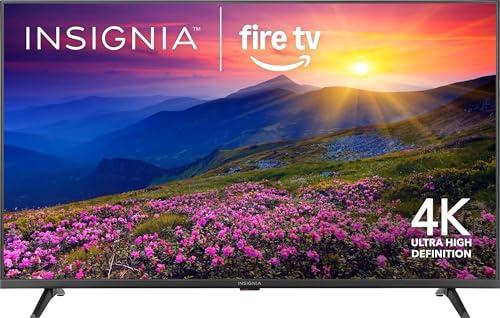
The Insignia F50 weighs just 27.8 pounds, making it easier to handle during setup and wall mounting. However, this lighter weight comes from less substantial internal construction and more plastic components. It doesn't feel cheap, but it clearly prioritizes affordability over premium feel.
For wall mounting, both TVs support standard VESA patterns, though the Insignia's lighter weight might be preferable for older or less robust wall mounts. The TCL's additional weight suggests better internal shielding and more robust power supplies, potentially contributing to longer lifespan.
For dedicated home theater setups, several factors become particularly important. Both TVs perform well in dark rooms, though neither approaches OLED-level black performance. The TCL Q Class handles HDR content more effectively, which is crucial for Ultra HD Blu-ray movies and premium streaming content.
The TCL's better motion processing also benefits movie watching, particularly action films with fast camera movement. However, motion interpolation should typically be disabled for movies to maintain the filmmaker's intended 24fps cadence.
Both TVs' audio systems are adequate for casual viewing but insufficient for serious home theater setups. Plan to invest in at least a soundbar, preferably one supporting Dolby Atmos to match the content capabilities.
Color accuracy out of the box favors the TCL Q Class, though both TVs allow picture adjustments. For the most accurate colors, consider having either TV professionally calibrated, though this adds significant cost to budget models.
At the time of writing, the Insignia F50 typically costs $50-100 less than the TCL Q Class, positioning it as the value leader. However, the TCL's additional features and better performance in key areas often justify its premium.
For families primarily watching streaming content—Netflix shows, Disney+ movies, YouTube videos—the Insignia F50 delivers satisfying performance at the lowest price. Its picture quality is genuinely good for the money, and Fire TV provides access to all major streaming services.
However, for households with diverse viewing habits, the TCL Q Class offers better long-term value. Its superior gaming features matter if anyone in the family plays console games. The better motion processing enhances sports viewing. The more powerful audio system reduces the immediate need for external speakers.
The TCL Q Class also feels like a TV that will age better. As streaming services continue adding more HDR content and gaming becomes increasingly important, the TCL's superior capabilities remain relevant longer.
The Insignia F50 Series makes sense for budget-conscious buyers who primarily stream content and can live with basic gaming performance. It's particularly attractive for secondary TVs in bedrooms or guest rooms where absolute performance matters less than value.
The TCL Q Class QLED represents the better buy for most households despite its higher cost. Its superior picture quality, gaming features, and audio system create a more satisfying long-term ownership experience. The price premium typically amounts to less than $0.30 per day over a three-year ownership period—reasonable for the improved daily viewing experience.
For serious home theater enthusiasts, neither TV reaches enthusiast-level performance, but the TCL Q Class comes closer. Its better HDR implementation and color accuracy provide a more cinema-like experience, particularly in dark room viewing.
Ultimately, both TVs represent solid value in the budget 65-inch category. Your choice depends on whether the TCL Q Class's performance advantages justify its premium over the Insignia F50's rock-bottom pricing. For most buyers seeking a balance of performance and value, the TCL edges ahead.
| TCL 65" Q Class QLED 4K Fire TV | Insignia 65" F50 Series 4K UHD Smart Fire TV |
|---|---|
| Display Technology - QLED delivers wider color gamut than standard LED | |
| QLED with Quantum Dot technology, 1+ billion colors | QLED with Quantum Dot technology |
| HDR Support - More formats mean better compatibility with streaming content | |
| HDR PRO+ (Dolby Vision, HDR10+, HDR10, HLG) | Dolby Vision, HDR10 |
| Motion Processing - Critical for sports and action movies | |
| Motion Rate 240 with MEMC frame insertion | Standard 60Hz with basic processing |
| Gaming Features - Essential for console gamers | |
| Auto Game Mode (ALLM), Game Accelerator 120 with VRR up to 120Hz | Basic gaming support, decent input lag |
| Audio System - Higher wattage provides better sound without soundbar | |
| 30W (2 x 15W) with Dolby Atmos, DTS Virtual:X | 20W with DTS Studio Sound |
| Smart Platform Performance - Both run Fire TV but speed varies | |
| Fire TV with faster, more responsive navigation | Fire TV with occasional slowdowns reported |
| Build Quality - Weight often indicates internal component quality | |
| 34 lbs, FullView metal bezel-less design | 27.8 lbs, lightweight plastic construction |
| Connectivity - eARC enables high-quality audio passthrough to soundbars | |
| 3 HDMI (1 eARC), USB 2.0, Wi-Fi 5, Bluetooth | 3 HDMI (1 eARC), USB 2.0, Wi-Fi 5, Bluetooth |
| Peak Brightness - Higher brightness improves HDR impact and daytime viewing | |
| Higher peak brightness for better HDR performance | Moderate brightness limits HDR effectiveness |
| Best For - Consider your primary use case | |
| Mixed usage: gaming, sports, movies, premium feel | Budget streaming, casual viewing, lighter mounting |
The TCL 65" Q Class QLED 4K Fire TV delivers superior picture quality with its advanced QLED implementation featuring over 1 billion colors and HDR PRO+ support including Dolby Vision, HDR10+, HDR10, and HLG formats. The Insignia 65" F50 Series also uses QLED technology but with more conservative color tuning and limited HDR format support. For home theater viewing, the TCL Q Class provides more vibrant colors, better contrast, and superior HDR performance.
The TCL 65" Q Class QLED 4K Fire TV is significantly better for gaming, featuring Auto Game Mode (ALLM), Game Accelerator 120 with Variable Refresh Rate (VRR) up to 120Hz, and optimized input lag. The Insignia 65" F50 Series offers basic gaming support with decent input lag but lacks VRR and advanced gaming features. Console gamers will notice smoother gameplay and reduced screen tearing on the TCL Q Class.
The TCL 65" Q Class QLED 4K Fire TV excels at sports viewing thanks to its Motion Rate 240 with MEMC frame insertion, which creates smoother motion during fast camera pans and player movements. The Insignia 65" F50 Series uses standard 60Hz processing without advanced motion interpolation, making fast sports action appear less smooth. Sports fans will appreciate the enhanced motion clarity of the TCL Q Class.
Both the TCL 65" Q Class QLED 4K Fire TV and Insignia 65" F50 Series run identical Fire TV software with access to the same streaming apps including Netflix, Prime Video, Disney+, and YouTube. However, the TCL Q Class generally provides faster navigation and more responsive performance, while some users report occasional slowdowns with the Insignia F50 Series.
The TCL 65" Q Class QLED 4K Fire TV features a more powerful 30W audio system (2 x 15W) with Dolby Atmos and DTS Virtual:X processing for enhanced sound depth and clarity. The Insignia 65" F50 Series includes a 20W speaker system with DTS Studio Sound, which is adequate for casual viewing but less impressive than the TCL Q Class. Both TVs support eARC for connecting external sound systems.
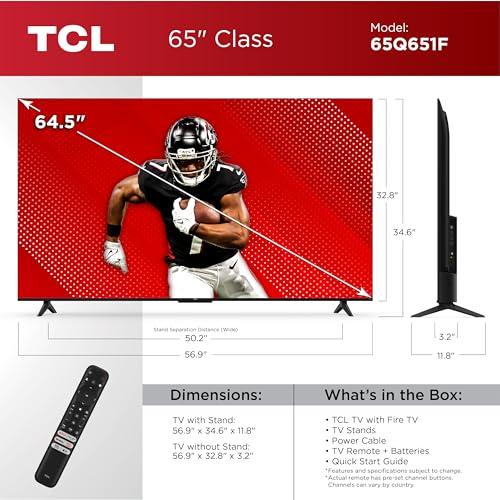
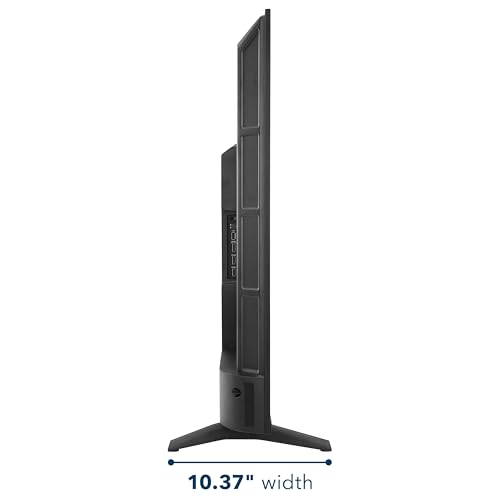
Both the TCL 65" Q Class QLED 4K Fire TV and Insignia 65" F50 Series feature 65-inch screens with identical dimensions when mounted on stands. However, the TCL Q Class weighs 34 pounds compared to the Insignia F50's 27.8 pounds. The lighter weight makes the Insignia F50 Series easier to mount and move, while the heavier TCL Q Class suggests more substantial internal construction.
Both the TCL 65" Q Class QLED 4K Fire TV and Insignia 65" F50 Series perform well in dark rooms with decent black levels for their price range. However, the TCL Q Class handles HDR content more effectively with higher peak brightness and superior contrast performance. For dedicated home theater setups in dark rooms, the TCL Q Class provides a more cinematic viewing experience.
Yes, both the TCL 65" Q Class QLED 4K Fire TV and Insignia 65" F50 Series support all major streaming services through Fire TV, including Netflix, Prime Video, Disney+, Hulu, YouTube, and hundreds of other apps. Both TVs also include Alexa voice control and Apple AirPlay support. The streaming experience is nearly identical, though the TCL Q Class may load apps slightly faster.
The Insignia 65" F50 Series typically costs less than the TCL 65" Q Class QLED 4K Fire TV, making it the budget leader for basic streaming needs. However, the TCL Q Class offers better long-term value with superior gaming features, motion processing, audio quality, and HDR performance. The price difference often justifies the enhanced features for most households.
The TCL 65" Q Class QLED 4K Fire TV features more substantial construction with a metal bezel-less design and proven reliability track record in the budget TV segment. The Insignia 65" F50 Series offers adequate build quality as Best Buy's house brand with direct customer support, though it uses more plastic components. Both TVs are generally reliable, but the TCL Q Class feels more premium.
Both the TCL 65" Q Class QLED 4K Fire TV and Insignia 65" F50 Series handle moderate room lighting adequately, but the TCL Q Class achieves higher peak brightness levels for better daytime viewing and HDR impact. In very bright rooms with lots of windows, both TVs may struggle with glare, but the TCL Q Class maintains better picture quality in challenging lighting conditions.
For most buyers, the TCL 65" Q Class QLED 4K Fire TV represents the better choice despite its higher cost, offering superior gaming features, motion processing, and overall performance that will satisfy diverse viewing needs. Choose the Insignia 65" F50 Series if you're strictly budget-focused and primarily watch streaming content without gaming or sports viewing requirements. The TCL Q Class provides better long-term satisfaction for most households.
We've done our best to create useful and informative comparisons to help you decide what product to buy. Our research uses advanced automated methods to create this comparison and perfection is not possible - please contact us for corrections or questions. These are the sites we've researched in the creation of this article: bestbuy.com - tcl.com - tcl.com - circuitworldonline.com - bestbuy.com - tcl.com - rtings.com - woodruffappliance.com - rtings.com - bestbuy.com - tcl.com - tcl.com - tcl.com - youtube.com - alexraytv.com - tcl.com - alexraytv.com - avsforum.com - a1ontheweb.com - bestbuy.com - bestbuy.com - rtings.com - youtube.com - pcvarge.com - whathifi.com - leaseville.com - bestbuy.com - manuals.plus - youtube.com - bestbuy.com - techeasypay.com - sears.com - rtings.com

Privacy Policy
Terms and Conditions - Affiliate Policy
Home Security
© Copyright 2008-2026.
11816 Inwood Rd #1211, Dallas, TX 75244