

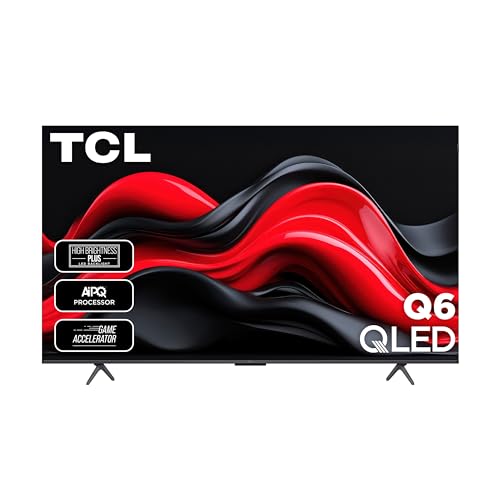


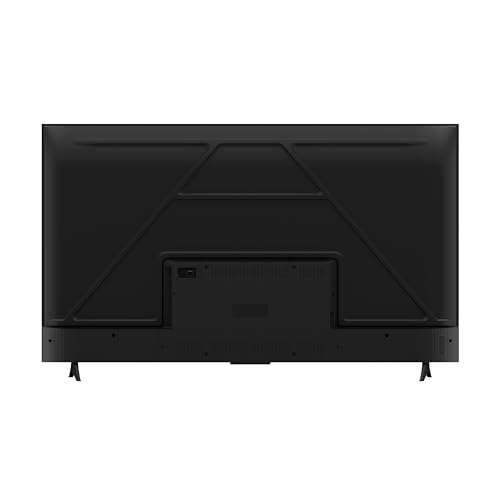
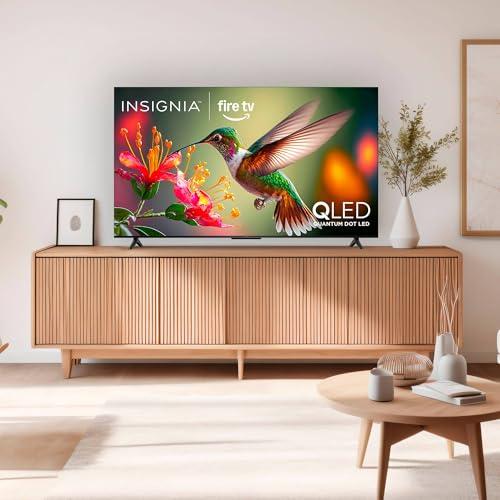
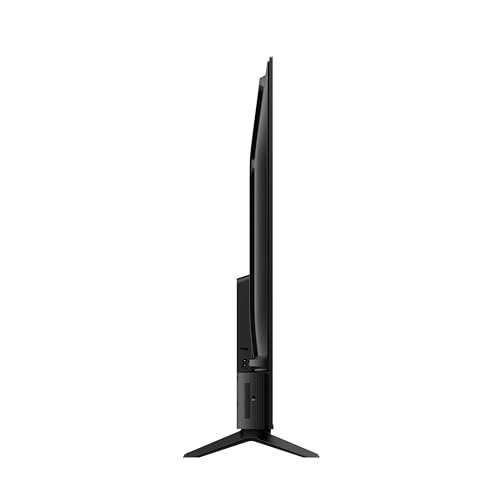
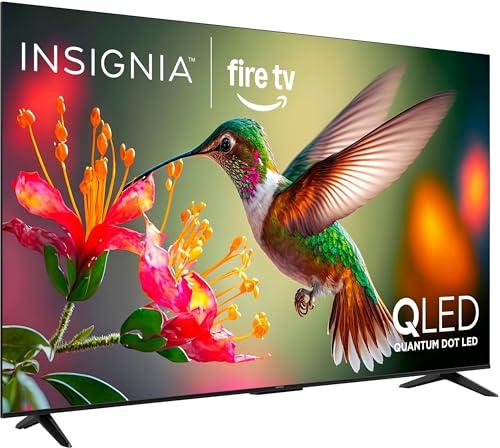
Shopping for a 65-inch QLED TV without breaking the bank? You've probably stumbled across two compelling options: the TCL 65" Q Class QLED 4K Fire TV and the Insignia 65" QF Series QLED 4K UHD Smart TV. Both launched in 2024 as budget-friendly entries into the quantum dot display world, but they take slightly different approaches to delivering premium features at accessible prices.
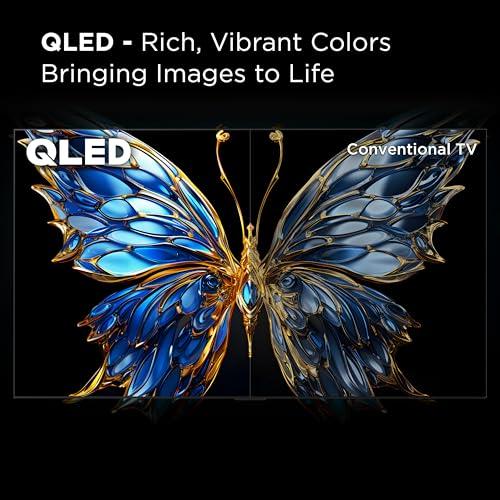
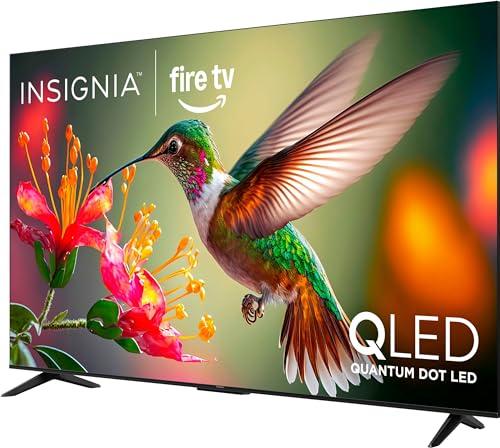
Before diving into the specifics, let's talk about what QLED actually brings to your living room. QLED stands for Quantum Dot Light Emitting Diode – essentially, it's a layer of microscopic particles called quantum dots that sit between the LED backlight and the LCD panel. These quantum dots act like tiny color filters, absorbing blue light from the LEDs and converting it into precise red and green wavelengths.
The result? You get over a billion displayable colors instead of the roughly 16 million that standard LED TVs can produce. This translates to more vibrant sunsets, richer greens in nature documentaries, and more lifelike skin tones in movies. Both the TCL Q Class and Insignia QF Series use this quantum dot technology, which is why they can compete with TVs that cost hundreds more.
What's particularly impressive about 2024's budget QLED offerings is how much the technology has matured. Just a few years ago, quantum dot displays were primarily found in premium TVs costing $800 or more. The fact that both the TCL and Insignia can deliver this enhanced color performance at their respective price points represents a significant democratization of display technology.
Both TVs deliver 4K Ultra HD resolution (3840 x 2160 pixels), which provides four times the detail of 1080p displays. This pixel density is particularly noticeable on a 65-inch screen, where you can sit closer without seeing individual pixels – typically around 8-10 feet for optimal viewing.
The HDR (High Dynamic Range) support is comprehensive on both models. They handle Dolby Vision, HDR10+, HDR10, and HLG formats, which means you're covered for content from Netflix (Dolby Vision), Amazon Prime Video (HDR10+), and broadcast television (HLG). HDR essentially expands the range between the brightest whites and darkest blacks, creating more realistic contrast that matches what your eyes see in real life.
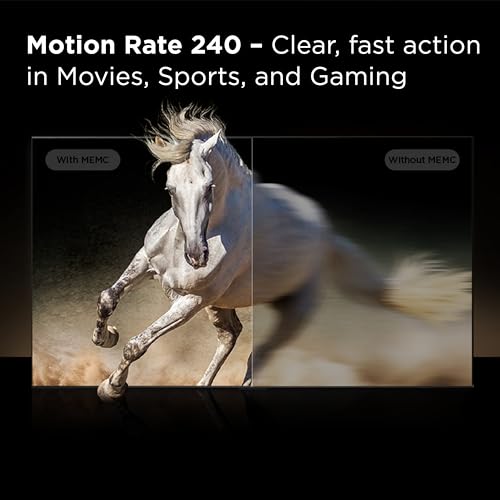
Where these TVs start to diverge is in motion handling. The TCL Q Class includes Motion Rate 240 technology, which combines several techniques including MEMC (Motion Estimation, Motion Compensation) frame insertion. This technology analyzes consecutive frames and creates intermediate frames to smooth out fast motion. If you're a sports fan or love action movies, this can be the difference between crisp, clear movement and noticeable blur during fast-paced scenes.
The Insignia QF Series, operating at its native 60Hz refresh rate without motion enhancement, handles most content well but may show more motion blur during rapid camera pans or sports action. For casual viewing of movies and TV shows, this difference is minimal. For sports enthusiasts, it could be a deciding factor.
Both TVs use direct LED backlighting rather than the more expensive full-array local dimming found in premium models. This means the entire backlight operates as zones rather than having hundreds of individually controllable zones. While this limits their ability to display true blacks in letterboxed content, it keeps costs reasonable while still delivering solid contrast performance.
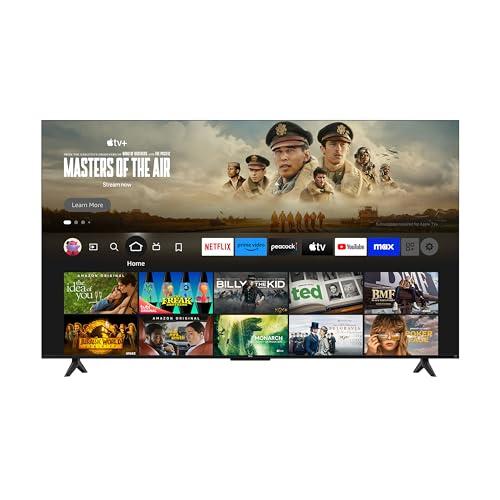
Here's where both TVs are essentially identical – they run Amazon's Fire TV operating system with the same interface, same app selection, and same Alexa integration. This is significant because the smart platform can make or break a TV's user experience.
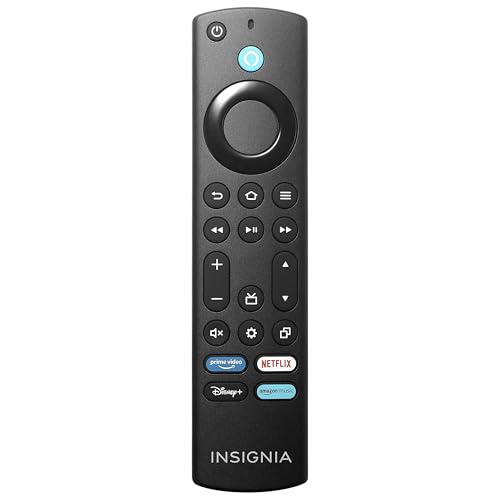
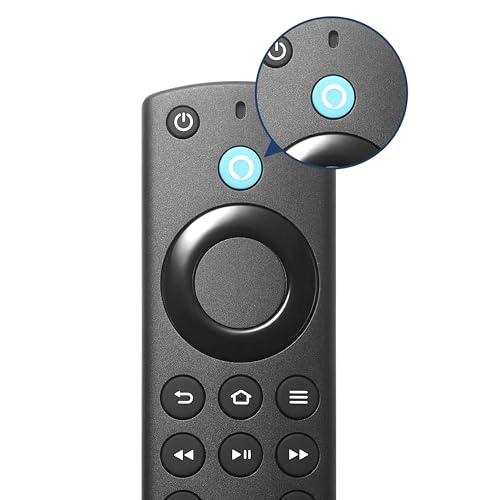
Fire TV has evolved considerably since its launch, and the 2024 implementation on both the TCL and Insignia benefits from years of refinement. The interface is intuitive, with content recommendations that actually learn your preferences over time. Voice control through the included Alexa remote works reliably for searching content, adjusting volume, and controlling compatible smart home devices.
The app ecosystem is robust, covering all major streaming services: Netflix, Disney+, Hulu, HBO Max, Apple TV+, and Amazon Prime Video, of course. The integration with Amazon's ecosystem means you can easily access your purchased or rented movies and shows, and the platform handles 4K content streaming smoothly over modern Wi-Fi networks.
One underrated feature is the universal search functionality. When you ask Alexa to find a specific movie or show, it searches across all your installed apps and tells you where it's available and at what cost. This saves considerable time compared to manually checking each streaming service.
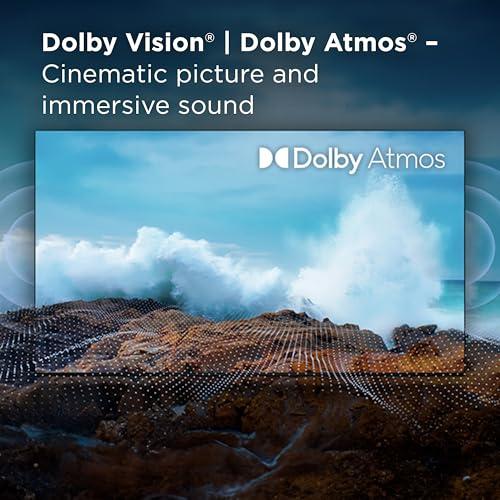
The TCL Q Class edges ahead slightly in audio with its 30W total power output (15W per channel) and support for both Dolby Atmos and DTS Virtual:X processing. These technologies create virtual surround sound from the TV's built-in speakers, attempting to simulate the experience of sound coming from above and around you.
The Insignia QF Series includes Dolby Atmos support as well, though the total wattage isn't specified in available documentation. In practice, both TVs deliver adequate audio for casual viewing, with clear dialogue and reasonable dynamic range for built-in speakers.
However, let's be realistic about TV audio in 2024. The thin profile that makes modern TVs aesthetically pleasing leaves little room for substantial speakers. If you're setting up a proper home theater or even just want to do justice to the excellent picture quality, you'll want to add a soundbar. Both TVs include eARC (Enhanced Audio Return Channel) on one HDMI port, which can pass high-quality audio formats to compatible sound systems without compression.
Both the TCL Q Class and Insignia QF Series include Auto Game Mode (ALLM), which automatically detects when you connect a gaming console and switches to a low-latency mode. This reduces input lag – the delay between pressing a button and seeing the action on screen – to levels acceptable for most gaming.
However, neither TV offers the advanced gaming features that enthusiasts expect in 2024. There's no 120Hz refresh rate support, no Variable Refresh Rate (VRR), and no HDMI 2.1 ports for the latest console features. These TVs are designed for casual gaming rather than competitive esports or taking full advantage of PlayStation 5 and Xbox Series X capabilities.
The TCL's motion processing does provide some benefit for gaming, particularly in fast-paced action titles where smoother motion can improve visual clarity. But if gaming is your primary use case, you'd be better served looking at TVs specifically designed for that purpose, even if it means spending more.
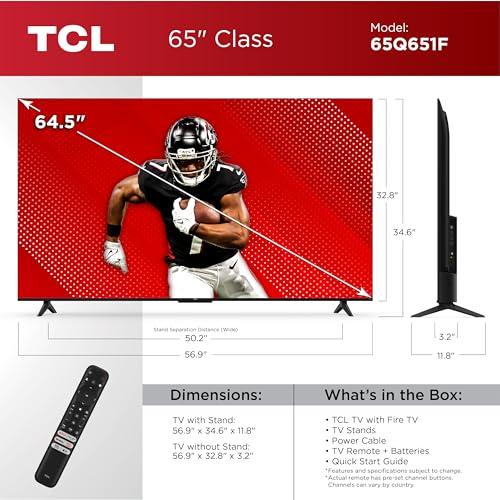
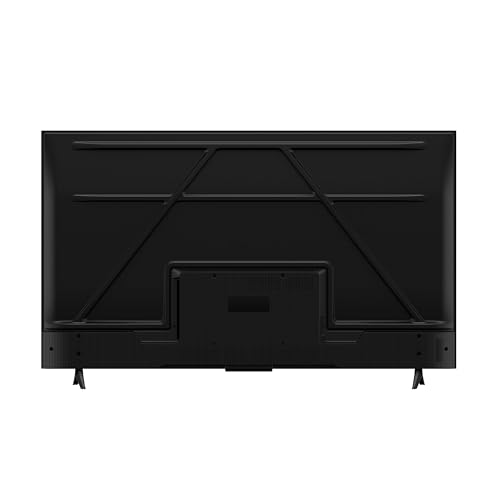
Both TVs embrace the current trend toward minimal bezels and clean lines. The metal bezel-less designs look appropriately modern and shouldn't feel out of place in contemporary living spaces. The TCL Q Class weighs slightly more at around 38 pounds, which might indicate more robust internal construction, though both feel solid enough for their price segments.
Wall mounting is straightforward with both models using standard VESA mounting patterns. The TCL includes a stand separation distance of about 52 inches, so you'll need a TV stand at least that wide if you're not wall-mounting.
Neither TV screams "premium" in terms of materials or finish, but they don't look cheap either. They hit the sweet spot of appearing more expensive than they are while keeping costs controlled through smart material choices.
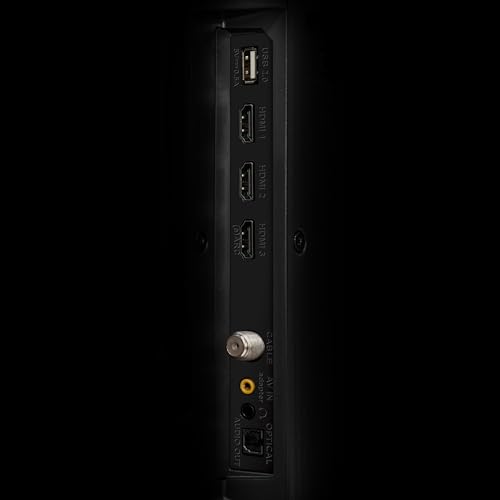
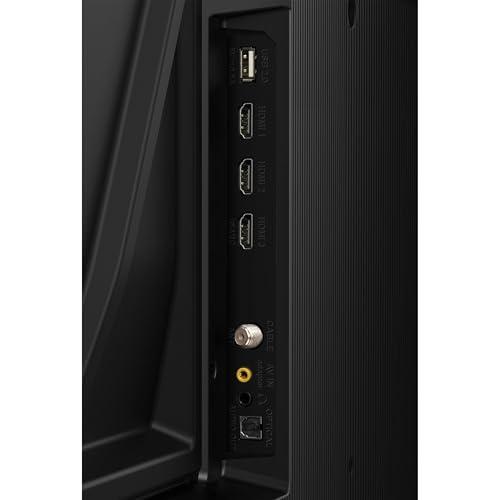
The TCL Q Class provides a more generous connectivity package with confirmed dual USB 2.0 ports alongside the standard three HDMI inputs. This matters if you regularly connect multiple media devices like streaming sticks, gaming consoles, or external storage drives.
Both TVs include Wi-Fi 5 (802.11ac) wireless connectivity, which provides sufficient bandwidth for 4K streaming over modern home networks. Ethernet ports are available if you prefer wired connections for maximum reliability during critical content consumption.
The single eARC HDMI port on both models handles high-quality audio passthrough to soundbars and AV receivers. While neither includes the latest HDMI 2.1 standard, the included HDMI 2.0 ports handle all current 4K streaming and gaming needs at 60Hz.
If you're building a budget home theater setup, both TVs can serve as capable centerpieces, though with some limitations to consider. The lack of full-array local dimming means you won't get the deep blacks that make letterboxed movies truly cinematic. However, the QLED color performance ensures that bright, colorful content like Marvel movies or nature documentaries will look vibrant and engaging.
For a dedicated home theater room with controlled lighting, the TCL's motion processing becomes more valuable since you're more likely to watch action-heavy content in that setting. The Insignia works well for family rooms where a mix of content gets viewed under various lighting conditions.
Both TVs benefit significantly from proper calibration using the built-in picture modes. The "Movie" or "Cinema" modes typically provide the most accurate colors out of the box, though you might need to adjust brightness and contrast based on your room's lighting conditions.
At the time of writing, the Insignia QF Series typically costs about $80 less than the TCL Q Class. This price difference represents the core value decision you need to make.
The Insignia maximizes the quantum dot experience for the lowest possible investment. You're getting the enhanced color gamut, HDR support, and full Fire TV functionality without paying for features you might not use. This approach makes sense if your viewing habits center on streaming movies and TV shows, where motion processing provides minimal benefit.
The TCL justifies its premium with motion enhancement that genuinely improves sports and action content, plus additional connectivity options that provide more flexibility for complex setups. If you're a sports fan or frequently watch high-action content, the extra cost becomes easier to justify.
The TCL 65" Q Class makes sense if:
The Insignia 65" QF Series is the better choice when:
Both the TCL Q Class and Insignia QF Series represent excellent values in the budget QLED category, successfully bringing quantum dot color enhancement to price points that seemed impossible just a few years ago. Your choice should align with how you actually watch TV rather than theoretical feature lists.
The Insignia succeeds by focusing ruthlessly on core picture quality and smart functionality while eliminating features that many buyers won't use. The TCL provides meaningful upgrades in motion handling and connectivity that benefit specific use cases.
Neither TV will match the performance of premium models costing twice as much, but both deliver picture quality that would have been considered high-end not too long ago. In the rapidly evolving TV market, that represents genuine progress worth celebrating – and buying.
| TCL 65" Q Class QLED 4K Fire TV | Insignia 65" QF Series QLED 4K UHD Smart TV |
|---|---|
| Display Technology - Core picture quality foundation | |
| QLED with Quantum Dot, 1.07 billion colors | QLED with Quantum Dot, 1.07 billion colors |
| Motion Processing - Critical for sports and action content | |
| Motion Rate 240 with MEMC frame insertion | Native 60Hz, no motion enhancement |
| HDR Support - Enhanced contrast and color accuracy | |
| Dolby Vision, HDR10+, HDR10, HLG | Dolby Vision, HDR10+, HDR10, HLG |
| Audio System - Built-in sound quality | |
| 30W total (15W + 15W) with Dolby Atmos & DTS Virtual:X | Dolby Atmos support, wattage unspecified |
| Smart Platform - User interface and app ecosystem | |
| Fire TV OS with Alexa Voice Remote | Fire TV OS with Alexa Voice Remote |
| Gaming Features - Console compatibility and performance | |
| Auto Game Mode (ALLM), 60Hz panel | Auto Game Mode (ALLM), 60Hz panel |
| Connectivity - Ports and wireless options | |
| 3 HDMI (1 eARC), 2 USB 2.0, Wi-Fi 5, Ethernet | 3 HDMI (1 eARC), USB ports, Wi-Fi 5, Ethernet |
| Design & Build - Aesthetics and mounting | |
| Metal bezel-less, 37.9 lbs, VESA compatible | Metal bezel-less, 27.8 lbs, VESA compatible |
| Best For - Ideal user scenarios | |
| Sports fans, action movie enthusiasts, multi-device setups | Budget-conscious streamers, casual viewers, Amazon ecosystem users |
Both the TCL 65" Q Class QLED 4K Fire TV and Insignia 65" QF Series QLED 4K UHD Smart TV offer identical QLED picture quality with quantum dot technology and support for over 1 billion colors. They both handle Dolby Vision, HDR10+, and other HDR formats equally well. For standard movie watching and streaming content, you'll get virtually the same picture quality from both TVs.
No, both the TCL Q Class and Insignia QF Series run the exact same Fire TV operating system with identical interfaces, app selection, and Alexa voice control. You'll get the same streaming experience, voice commands, and smart home integration regardless of which model you choose.
The TCL 65" Q Class QLED 4K Fire TV is significantly better for sports viewing due to its Motion Rate 240 technology with MEMC frame insertion. This smooths out fast motion and reduces blur during quick camera movements and rapid action. The Insignia QF Series lacks motion processing and may show more blur during fast-paced sports content.
Yes, both the TCL Q Class and Insignia QF Series include Auto Game Mode (ALLM) that automatically reduces input lag when gaming consoles are connected. However, neither offers advanced gaming features like 120Hz refresh rates or Variable Refresh Rate, so they're better suited for casual gaming rather than competitive esports.
The TCL 65" Q Class QLED 4K Fire TV has superior audio with 30W total power and support for both Dolby Atmos and DTS Virtual:X processing. The Insignia QF Series includes Dolby Atmos but doesn't specify total wattage. Both TVs benefit from adding a soundbar for optimal audio performance.
The TCL Q Class offers more connectivity options with confirmed dual USB 2.0 ports, while the Insignia QF Series specifications don't clearly indicate the number of USB ports. Both provide three HDMI inputs with one eARC port, ethernet connectivity, and Wi-Fi 5 support.
The Insignia 65" QF Series QLED 4K UHD Smart TV typically offers better pure value by delivering core QLED picture quality and full Fire TV functionality at a lower price point. The TCL Q Class justifies its higher cost with motion processing and additional ports that benefit specific use cases like sports viewing.
Yes, both the TCL 65" Q Class QLED 4K Fire TV and Insignia QF Series support all major streaming platforms including Netflix, Disney+, Hulu, HBO Max, Amazon Prime Video, and Apple TV+ through the Fire TV operating system.
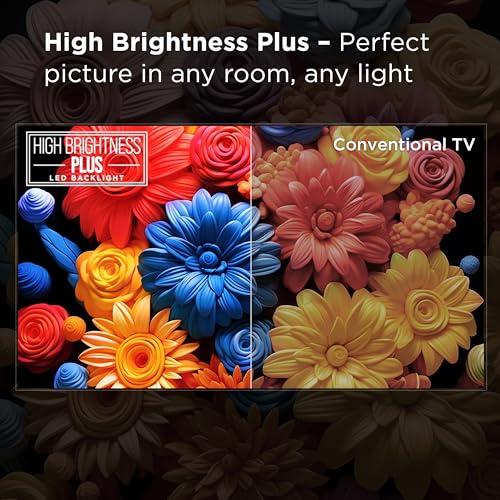
Both TVs perform similarly in bright rooms since they use the same QLED quantum dot technology and direct LED backlighting. Neither has specified peak brightness differences, so room lighting performance should be comparable between the TCL Q Class and Insignia QF Series.
Both TVs feature modern metal bezel-less designs that look similarly premium. The TCL 65" Q Class QLED 4K Fire TV weighs more at 37.9 pounds compared to the Insignia QF Series at 27.8 pounds, potentially indicating more robust construction, though both support standard VESA wall mounting.
The TCL Q Class comes from an established TV manufacturer with traditional support channels and dealer networks. The Insignia QF Series is Amazon's house brand with direct support through Amazon's customer service system, which many users find convenient and responsive.
Choose the Insignia 65" QF Series QLED 4K UHD Smart TV if you want maximum screen size and QLED benefits for the lowest cost and primarily watch streaming content. Choose the TCL 65" Q Class QLED 4K Fire TV if you regularly watch sports, need multiple USB ports, or want the smoothest motion processing for action content.
We've done our best to create useful and informative comparisons to help you decide what product to buy. Our research uses advanced automated methods to create this comparison and perfection is not possible - please contact us for corrections or questions. These are the sites we've researched in the creation of this article: bestbuy.com - tcl.com - tcl.com - circuitworldonline.com - bestbuy.com - tcl.com - rtings.com - woodruffappliance.com - rtings.com - bestbuy.com - tcl.com - tcl.com - tcl.com - youtube.com - alexraytv.com - tcl.com - alexraytv.com - avsforum.com - a1ontheweb.com - bestbuy.com - bestbuy.com - bestbuy.com - youtube.com - rtings.com - youtube.com - youtube.com - manuals.plus - youtube.com - bestbuy.com - leaseville.com - financemycart.com - financemycart.com - bestbuy.com - klarna.com - bestbuy.com - slickdeals.net

Privacy Policy
Terms and Conditions - Affiliate Policy
Home Security
© Copyright 2008-2026.
11816 Inwood Rd #1211, Dallas, TX 75244