

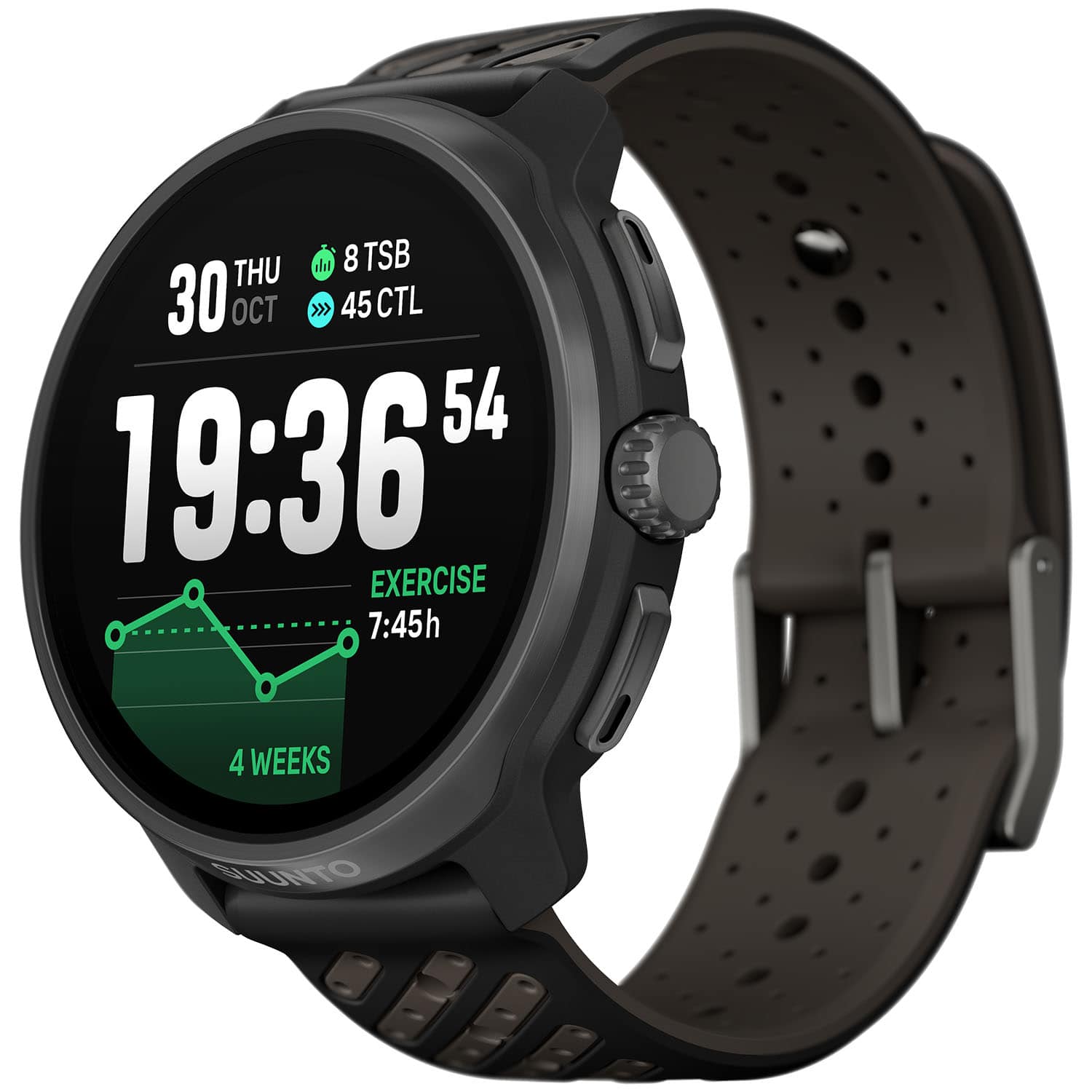
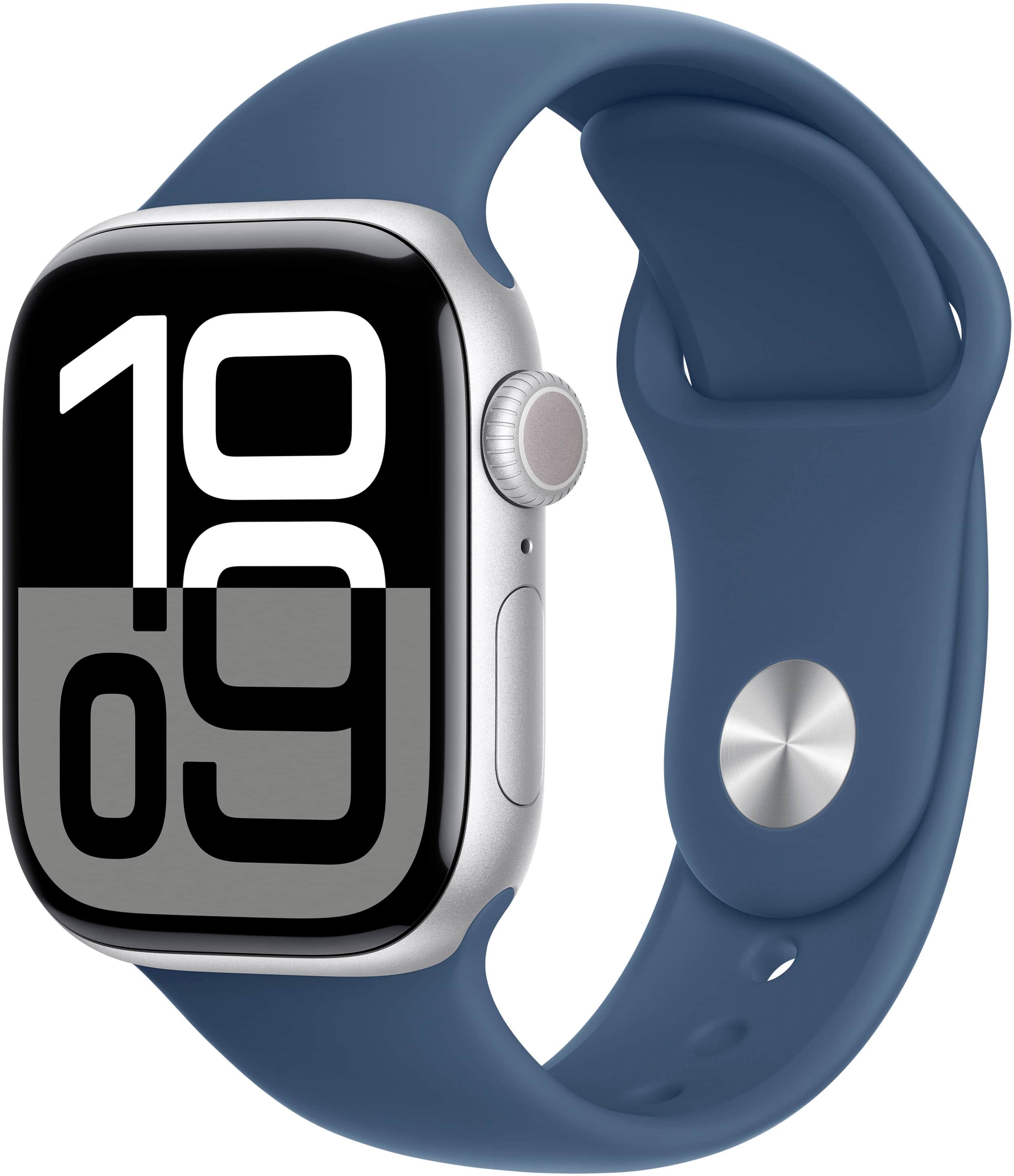
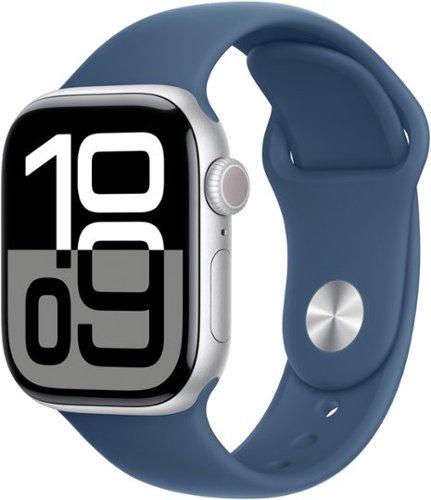
When it comes to wrist-worn technology, you're essentially choosing between two philosophies: do you want a device that excels at specific athletic pursuits, or one that seamlessly integrates into every aspect of your daily life? The Suunto Race 2 Titanium and Apple Watch Series 10 represent the pinnacle of these competing approaches, and understanding their differences will help you make the right choice for your lifestyle.
The wearable technology market has evolved into distinct categories that serve different needs. Sports watches like the Suunto Race 2 Titanium are purpose-built instruments designed primarily for athletes and outdoor enthusiasts. They prioritize accuracy, durability, and battery life above all else. Smartwatches like the Apple Watch Series 10, on the other hand, are comprehensive lifestyle devices that happen to track fitness quite well.
This fundamental difference shapes every design decision. Sports watches optimize for situations where failure isn't an option—think ultramarathons in remote areas or multi-day hiking expeditions. Smartwatches optimize for daily convenience and integration with your digital life. Neither approach is inherently better; they're solving different problems for different users.
The key considerations that separate these categories include battery life versus smart features, sports accuracy versus convenience, durability versus daily wearability, and training focus versus lifestyle integration. Understanding where you fall on these spectrums will guide your decision.
The Suunto Race 2 Titanium, released in 2024, represents Suunto's refined approach to endurance sports tracking. It builds on decades of experience creating instruments for serious athletes, incorporating lessons learned from previous generations of GPS sports watches. The Apple Watch Series 10, also from 2024, continues Apple's evolution of the smartwatch concept that began in 2015, now refined through nearly a decade of iterations.
These devices target fundamentally different users. The Suunto Race 2 Titanium speaks to ultramarathoners, triathletes, mountaineers, and adventure racers who need reliable performance in challenging conditions. The Apple Watch Series 10 appeals to general consumers who want health tracking integrated with comprehensive smartphone functionality.
Perhaps no specification matters more in practical use than battery life, and here the differences are stark. The Suunto Race 2 Titanium delivers up to 55 hours of dual-frequency GPS tracking—that's more than two full days of continuous navigation. In smartwatch mode, it can run for 16 days between charges. The power-saving GPS mode extends this to over 200 hours, essentially enabling week-long expeditions without charging infrastructure.
The Apple Watch Series 10, by contrast, requires daily charging. Apple rates it for 18 hours of normal use, though real-world testing by users consistently shows 26-30 hours is achievable with moderate use. The low power mode can stretch this to 36 hours, but with significant functionality limitations.
This difference isn't just about convenience—it's about enabling entirely different use cases. The Suunto's battery life makes multi-day adventures possible without carrying external battery packs or planning charging stops. For someone training for a 100-mile ultramarathon (which can take 24-36 hours to complete), the Suunto Race 2 Titanium eliminates any battery anxiety. The Apple Watch Series 10 simply cannot support such use cases without additional planning and equipment.
However, for daily wear, this battery difference may matter less than you'd expect. Most people develop charging routines—placing their watch on a bedside charger each night isn't fundamentally different from charging a phone. The question becomes whether you need those extended-use scenarios.
GPS accuracy and navigation capabilities represent another significant divide. The Suunto Race 2 Titanium features dual-band GPS technology, which uses both L1 and L5 satellite frequencies. This dual-frequency approach significantly improves accuracy, especially in challenging environments like dense forests or urban canyons where satellite signals bounce off buildings and trees.
The watch supports five global satellite systems (GPS, GLONASS, Galileo, QZSS, and BeiDou), providing redundancy and improved accuracy worldwide. More importantly for serious outdoor use, it includes 32GB of storage for offline topographic maps. These aren't simple breadcrumb trails—they're detailed maps with contour lines, trail markings, and points of interest that work completely independently of your phone or cellular service.
The Apple Watch Series 10 uses single-band GPS but compensates with sophisticated algorithms and tight integration with your iPhone. For urban running, cycling, or hiking in well-mapped areas, this approach works excellently. The watch can display turn-by-turn directions and even offers some offline capabilities, but it's fundamentally designed to work as part of the iPhone ecosystem.
In practical terms, if you're running in Central Park or cycling suburban bike paths, both devices will track your route accurately. But if you're navigating unmarked trails in the backcountry or need precise positioning for adventure racing, the Suunto Race 2 Titanium provides capabilities that the Apple Watch Series 10 simply cannot match.
Both devices offer optical heart rate monitoring using LED sensors that detect blood flow changes through your skin, but they optimize for different scenarios. The Suunto Race 2 Titanium features a redesigned sensor system specifically optimized for endurance activities. This sensor excels during steady-state activities like long runs, cycling, or swimming where consistent heart rate monitoring is crucial for training zone management.
The Apple Watch Series 10 uses a third-generation optical heart rate sensor that's been refined through multiple generations. Where it particularly shines is in algorithmic integration—Apple's software does an exceptional job of handling irregular activities, detecting workout starts and stops automatically, and providing health insights beyond just raw heart rate data.
For serious endurance athletes, the accuracy during long, steady efforts often matters more than algorithmic convenience. The Suunto Race 2 Titanium has addressed previous generations' heart rate accuracy issues, and current user feedback suggests it now performs comparably to leading competitors during sustained activities.
However, the Apple Watch Series 10 offers additional health monitoring capabilities that extend beyond fitness. Its ECG functionality can detect irregular heart rhythms, and its blood oxygen monitoring provides insights into overall health status. The comprehensive health app integration means your heart rate data becomes part of a larger health picture that can even be shared with healthcare providers.
The display experience reveals each device's priorities clearly. The Apple Watch Series 10 features a larger, brighter OLED display optimized for information density and interaction. The touchscreen interface, combined with the Digital Crown (Apple's rotating input mechanism) and side buttons, creates an intuitive interaction model that works well for everything from reading messages to navigating complex menus.
The Suunto Race 2 Titanium also uses a bright AMOLED display, but its interface prioritizes simplicity and reliability. The primarily button-based navigation works consistently even with gloves, in wet conditions, or when your hands are shaking from cold or fatigue. This might seem like a minor consideration, but anyone who's tried to use a touchscreen while hiking in winter weather understands its importance.
Both displays reach 2,000 nits of brightness, making them readable in direct sunlight, but they use this brightness differently. The Apple Watch optimizes for rich content display and interaction, while the Suunto focuses on clear, unambiguous information presentation during activities.
Here's where the fundamental philosophical differences become most apparent. The Apple Watch Series 10 offers comprehensive smartphone integration—you can make calls, send messages, use apps, make payments, and control smart home devices directly from your wrist. The cellular version works independently of your phone for many functions, essentially becoming a tiny computer on your wrist.
The Suunto Race 2 Titanium takes a minimalist approach to smart features. It can display notifications from your phone, but it lacks a speaker, microphone, or app ecosystem. There's no payment system, no voice assistant, and no ability to respond to messages. This isn't an oversight—it's a deliberate design choice that prioritizes battery life and reliability over convenience features.
This difference significantly impacts daily wearability. If you want to leave your phone at home during a grocery run and still be able to pay for items and receive important calls, the Apple Watch Series 10 enables this lifestyle. The Suunto Race 2 Titanium requires you to carry your phone for any connectivity beyond basic fitness tracking.
The construction differences reflect each device's intended use environment. The Suunto Race 2 Titanium uses a titanium case with sapphire crystal glass—materials chosen for maximum durability. Titanium provides excellent strength-to-weight ratio and corrosion resistance, while sapphire crystal is nearly scratch-proof. The watch is rated for 100 meters of water resistance, making it suitable for serious swimming and even some shallow diving applications.
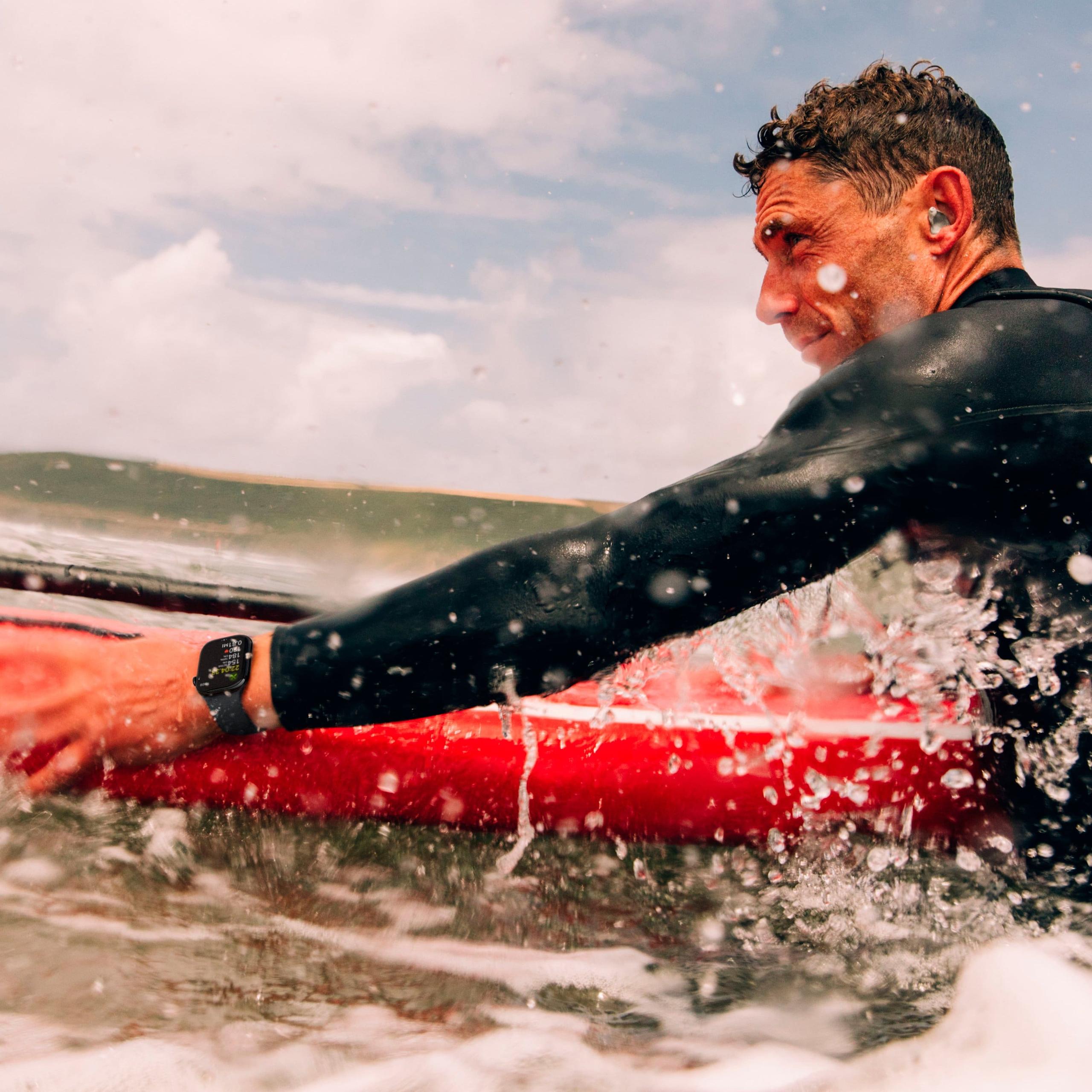
The Apple Watch Series 10 uses an aluminum case with Ion-X glass, materials optimized for daily wear comfort rather than extreme durability. At 50 meters of water resistance, it handles swimming and water sports well, but it's not designed for the harsh treatment that adventure sports might require.
This durability difference matters if you're rock climbing, mountain biking, or engaging in activities where impacts are likely. The Suunto Race 2 Titanium can handle being scraped against rocks or banged against equipment without concern. The Apple Watch Series 10 requires more careful treatment to maintain its appearance.
At the time of writing, these devices occupy similar price ranges, though the Suunto Race 2 Titanium typically commands a premium for its titanium construction. However, value calculations depend heavily on how you'll use the device.
The Suunto Race 2 Titanium offers exceptional value for serious athletes. The combination of professional-grade navigation, extended battery life, and premium materials would cost significantly more if purchased as separate devices. For someone training for ultramarathons or engaging in multi-day outdoor adventures, the capabilities justify the investment.
The Apple Watch Series 10 provides comprehensive value through its ecosystem integration. The health monitoring, productivity features, communication capabilities, and app ecosystem create value that extends far beyond fitness tracking. For most people, it replaces multiple devices and simplifies daily technology interaction.
The Suunto Race 2 Titanium truly shines in scenarios where other devices fail. Ultra-endurance events where 50+ hour battery life eliminates mid-race charging concerns. Backcountry navigation where offline maps and waypoints work without cellular service. Harsh environments where titanium and sapphire construction survive conditions that would damage consumer electronics. Training periodization where advanced sports metrics support structured athletic development.
The Apple Watch Series 10 excels in comprehensive daily integration. Health monitoring that goes beyond fitness to include medical-grade features like ECG monitoring and irregular rhythm detection. Productivity integration that puts calendar, messages, and calls on your wrist. Social connectivity through workout sharing, family tracking, and emergency features. Lifestyle convenience through payments, apps, music control, and smart home integration.
The Apple Watch Series 10 represents a more flexible platform that adapts to changing needs through software updates. Apple's extensive third-party app ecosystem means the watch can grow with you as your interests change. Whether you're focusing on casual fitness, serious training, productivity, entertainment, or health monitoring, the platform scales to meet different needs.
The Suunto Race 2 Titanium offers specialized excellence rather than flexibility. Its focus on athletic performance means it does specific things better than any general-purpose device can match, but it doesn't adapt to non-athletic needs.
Choose the Suunto Race 2 Titanium if you participate in ultra-endurance sports like marathons, triathlons, or mountaineering. If multi-day battery life is essential for your activities. If you need professional-grade navigation in remote areas. If you prioritize training data accuracy over smart features. If you want maximum durability for harsh conditions. If you already carry a phone for smart features and don't need redundant functionality on your wrist.
Choose the Apple Watch Series 10 if you want comprehensive health monitoring beyond just fitness metrics. If daily smartphone integration is important for calls, messages, and apps. If you prefer the convenience of a single device for multiple needs. If you're willing to charge daily for more features. If you want access to a rich app ecosystem. If you participate in varied activities rather than specialized sports. If you value lifestyle features like payments and music control.
The fundamental decision comes down to specialization versus integration. The Suunto Race 2 Titanium excels at being the best possible sports watch, while the Apple Watch Series 10 excels at being the best possible daily wearable that also tracks fitness well. Your choice should align with whether you prioritize athletic performance or lifestyle integration in your wearable technology.
Both devices represent the pinnacle of their respective categories, and either choice will serve you well within its intended use case. The key is honestly assessing how you'll actually use the device and choosing the tool that best matches your real-world needs rather than aspirational scenarios that may never materialize.
| Suunto Race 2 Titanium Sports Watch | Apple Watch Series 10 GPS + Cellular 42mm Aluminum Smartwatch |
|---|---|
| Battery Life - Critical for multi-day activities and daily charging habits | |
| 55 hours dual-frequency GPS, 16 days smartwatch mode | 18 hours normal use, 36 hours low power mode |
| Case Material & Durability - Determines longevity and suitable use environments | |
| Titanium case with sapphire crystal, 100m water resistance | Aluminum case with Ion-X glass, 50m water resistance |
| Display Technology - Affects outdoor readability and battery efficiency | |
| 1.5" AMOLED, 2,000 nits, button-focused navigation | 1.89" LTPO3 OLED, 2,000 nits, touchscreen + Digital Crown |
| GPS Accuracy - Essential for navigation and precise activity tracking | |
| Dual-band (L1+L5) GPS with 5 satellite systems, 32GB offline maps | Single-band GPS with 5 satellite systems, requires phone for detailed navigation |
| Heart Rate Monitoring - Key for training zones and health insights | |
| Redesigned 6-LED sensor optimized for endurance activities | Third-generation sensor with superior algorithm integration |
| Smart Features - Determines daily usability beyond fitness | |
| Basic notifications only, no speaker/mic, no apps or payments | Full smartphone integration, cellular calls, apps, payments, voice assistant |
| Weight & Thickness - Affects comfort for extended wear | |
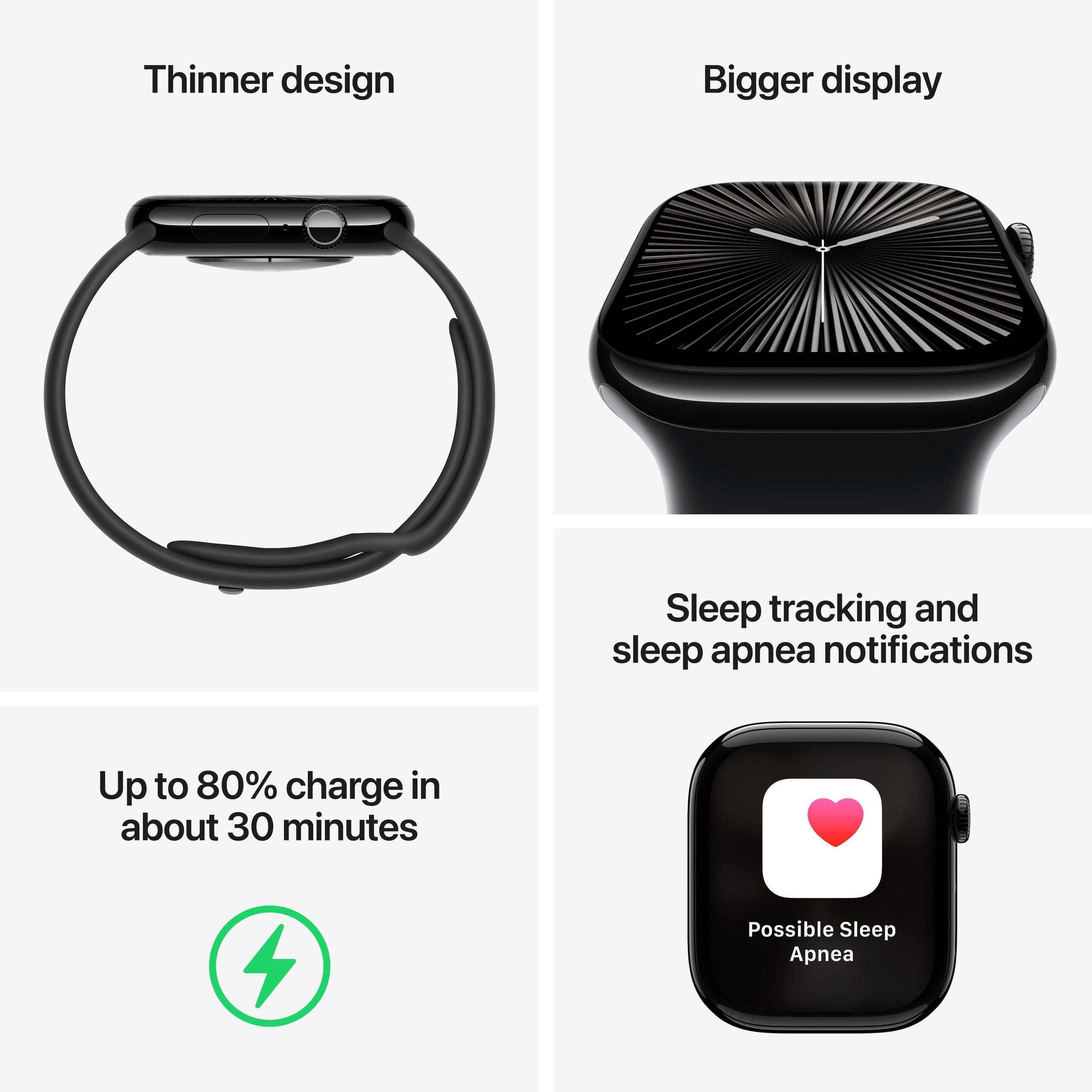
| 65g, 12.5mm thick (with silicone strap) | 29.3g, 9.7mm thick (lightest and thinnest design) |
| Storage Capacity - Important for maps, music, and apps | |
| 32GB (primarily for offline maps) | 64GB (apps, music, data) |
| Charging Speed - Convenience factor for daily use | |
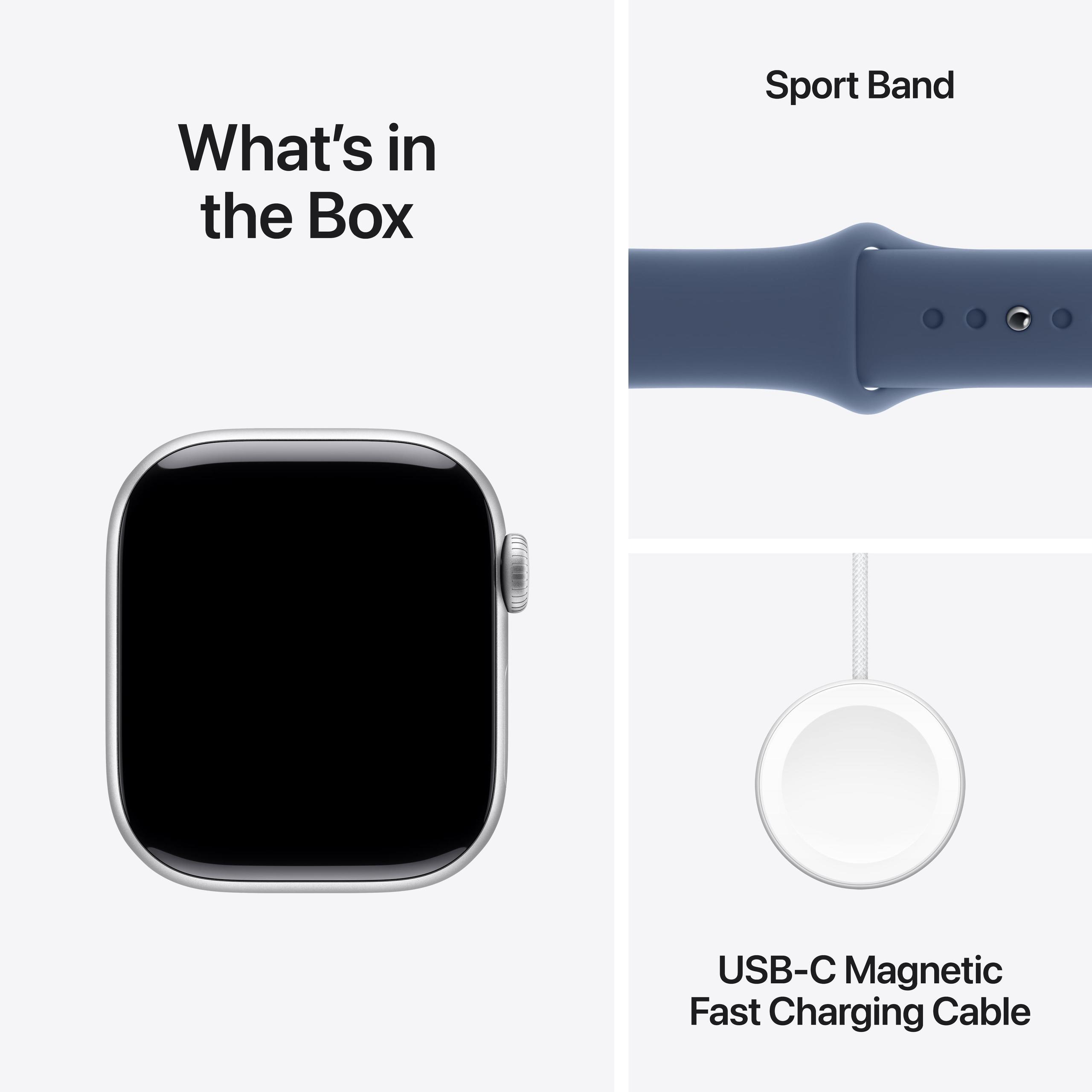
| Standard wireless charging | Fast charging (80% in 30 minutes, 8 hours use from 15 minutes) |
| Connectivity Options - Determines independence from phone | |
| Bluetooth only, requires phone for smart features | Cellular + WiFi + Bluetooth, works independently for calls/data |
| Health Sensors - Comprehensive health monitoring capabilities | |
| Heart rate, SpO2, barometric altimeter, temperature | Heart rate, SpO2, ECG, temperature, fall detection, sleep apnea notifications |
| Target Use Case - Who each device serves best | |
| Ultra-endurance athletes, adventure sports, multi-day expeditions | Daily wear with comprehensive health tracking and smart features |
The Suunto Race 2 Titanium Sports Watch significantly outperforms the Apple Watch Series 10 for extended activities. The Suunto Race 2 Titanium provides up to 55 hours of continuous GPS tracking, making it ideal for ultramarathons and multi-day adventures. In contrast, the Apple Watch Series 10 offers 18 hours of normal use, requiring daily charging for most users.
The Apple Watch Series 10 GPS + Cellular requires an iPhone for initial setup and full functionality, though the cellular model can work independently for calls and messages. The Suunto Race 2 Titanium Sports Watch works with both iPhone and Android devices, offering more flexibility across smartphone platforms.
The Suunto Race 2 Titanium Sports Watch is built for extreme conditions with a titanium case, sapphire crystal glass, and 100-meter water resistance. The Apple Watch Series 10 uses aluminum construction with 50-meter water resistance, making it suitable for daily wear and swimming but less robust for harsh outdoor environments.
Only the Apple Watch Series 10 GPS + Cellular supports phone calls with its built-in speaker and microphone. The Suunto Race 2 Titanium Sports Watch focuses purely on fitness tracking and lacks calling capabilities, requiring your phone for communication needs.
The Suunto Race 2 Titanium Sports Watch offers superior GPS accuracy with dual-band technology and support for five satellite systems, plus 32GB of offline topographic maps. The Apple Watch Series 10 provides good GPS accuracy for urban activities but relies more heavily on phone connectivity for detailed navigation.
Both devices offer sleep tracking, but with different approaches. The Apple Watch Series 10 provides comprehensive sleep stage analysis and new sleep apnea notifications. The Suunto Race 2 Titanium Sports Watch focuses on recovery metrics for athletes, tracking sleep duration, quality, and heart rate variability for training optimization.
The Suunto Race 2 Titanium Sports Watch is specifically designed for serious athletes, offering advanced training metrics, structured interval guidance, VO2 max estimation, and lactate threshold detection. While the Apple Watch Series 10 provides good fitness tracking, it's designed more for general health monitoring than specialized athletic training.
The Apple Watch Series 10 offers a full app ecosystem with thousands of available apps, Apple Pay for contactless payments, and comprehensive smart features. The Suunto Race 2 Titanium Sports Watch has no app store, payment capabilities, or smart features beyond basic notifications, focusing entirely on sports and fitness functionality.
The Apple Watch Series 10 is significantly lighter at 29.3 grams and thinner at 9.7mm, optimized for comfortable daily wear. The Suunto Race 2 Titanium Sports Watch weighs 65 grams and measures 12.5mm thick, which is still comfortable but more substantial on the wrist, particularly during sleep.
Both watches offer improved heart rate sensors, but with different strengths. The Suunto Race 2 Titanium Sports Watch excels at steady-state activities like long runs with its redesigned 6-LED sensor. The Apple Watch Series 10 provides excellent overall accuracy and additional health features like ECG monitoring and irregular rhythm detection.
Value depends on your needs. The Suunto Race 2 Titanium Sports Watch offers exceptional value for serious athletes who need extended battery life and premium materials. The Apple Watch Series 10 provides broader value through comprehensive smart features, health monitoring, and ecosystem integration for everyday users.
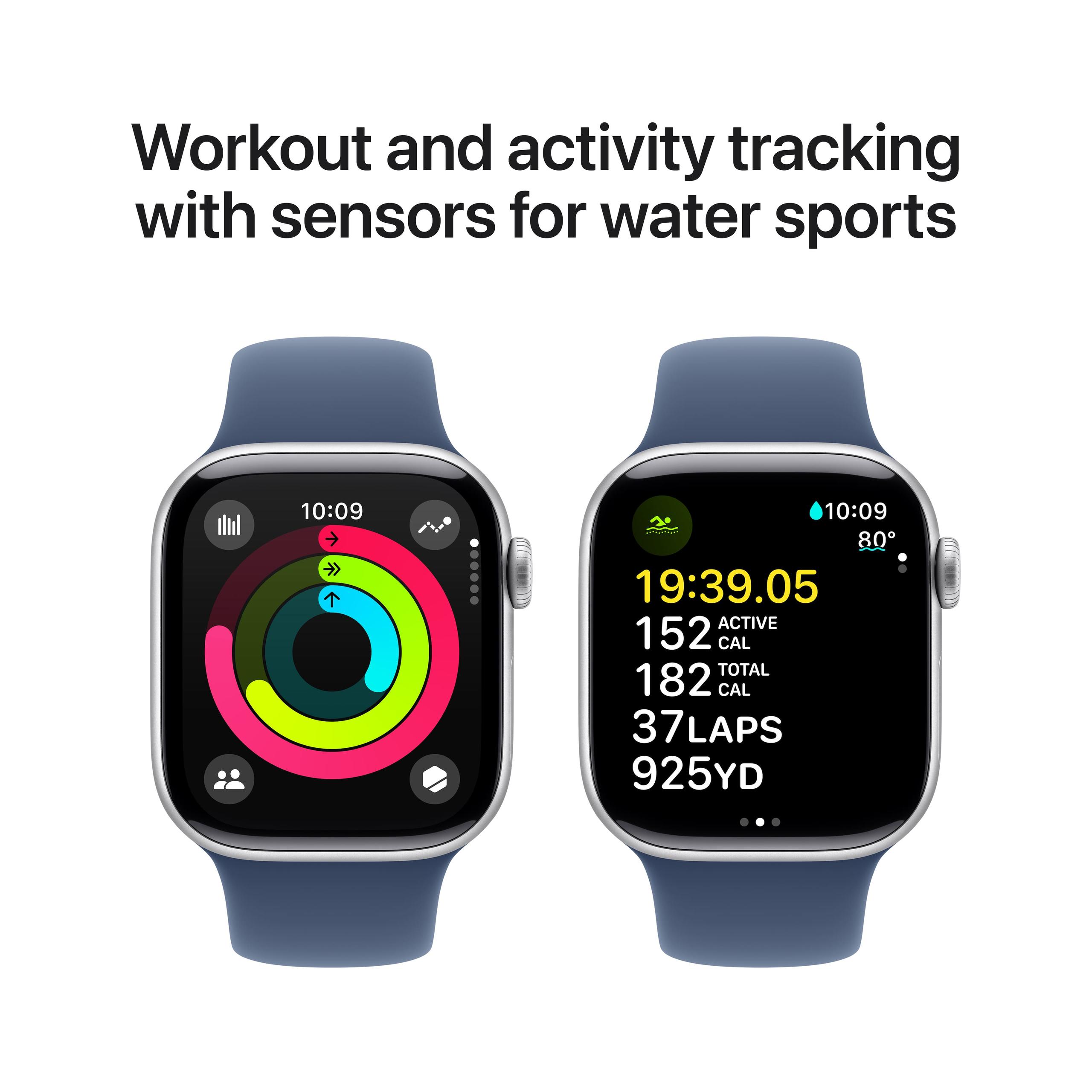
Both watches support swimming, but at different levels. The Suunto Race 2 Titanium Sports Watch is water-resistant to 100 meters and includes water temperature sensors, making it suitable for serious swimming and water sports. The Apple Watch Series 10 offers 50-meter water resistance, adequate for swimming and casual water activities but not designed for extreme water sports.
We've done our best to create useful and informative comparisons to help you decide what product to buy. Our research uses advanced automated methods to create this comparison and perfection is not possible - please contact us for corrections or questions. These are the sites we've researched in the creation of this article: the5krunner.com - tomsguide.com - androidcentral.com - tomsguide.com - youtube.com - wareable.com - youtube.com - youtube.com - dcrainmaker.com - nsmb.com - gpstraining.co.uk - triathlete.com - us.suunto.com - youtube.com - us.suunto.com - youtube.com - suunto.com - apac.suunto.com - bestbuy.com - wareable.com - wareable.com - appleinsider.com - youtube.com - youtube.com - youtube.com - apple.com - dcrainmaker.com - dcrainmaker.com - apple.com - apple.com - forums.macrumors.com - gethegoods.com - appleinsider.com - apple.com - support.apple.com - apple.com - en.wikipedia.org - cellcom.com - youtube.com - walmart.com - youtube.com - apple.com - bestbuy.com - apple.com - youtube.com - apple.com - verizon.com - apple.com - apple.com - youtube.com - costco.com - bestbuy.com - t-mobile.com - talk.tidbits.com - support.apple.com - gci.com - att.com

Privacy Policy
Terms and Conditions - Affiliate Policy
Home Security
© Copyright 2008-2026.
11816 Inwood Rd #1211, Dallas, TX 75244