

Choosing between a general smartwatch and a dedicated sports watch has become one of the most important decisions for anyone looking to upgrade from a basic fitness tracker. These two categories serve fundamentally different purposes, and picking the wrong one can leave you frustrated with features you don't need while missing the ones you actually do.
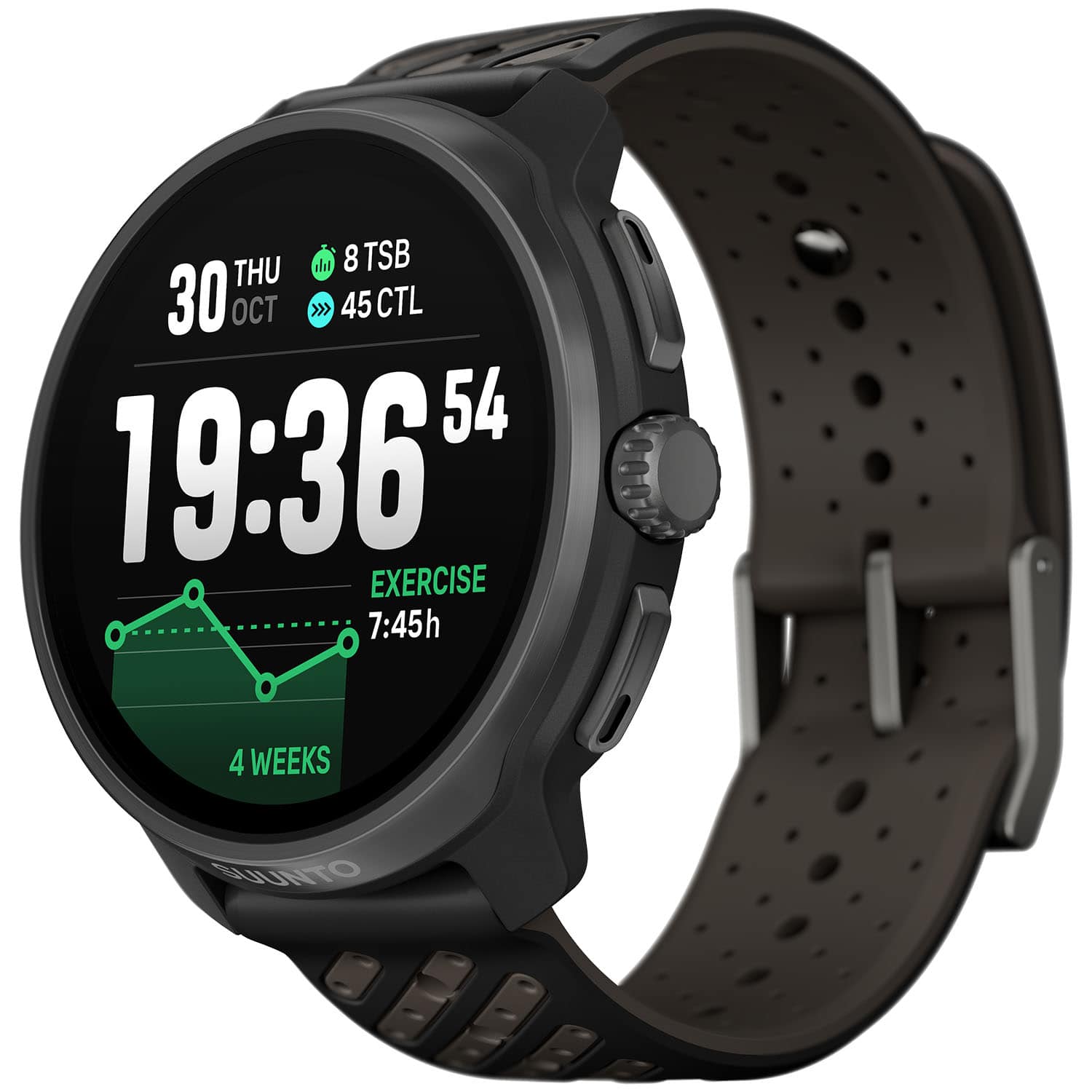
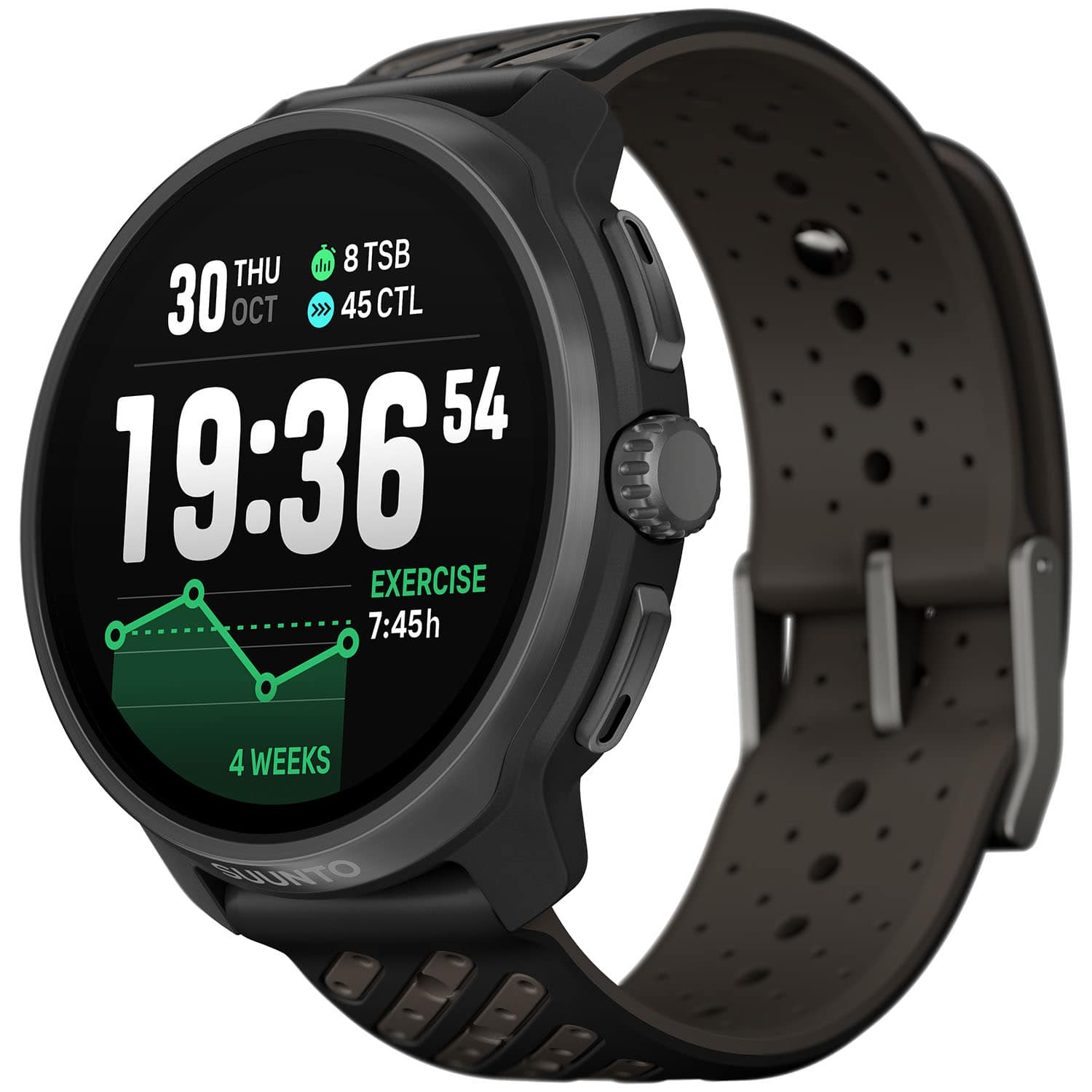
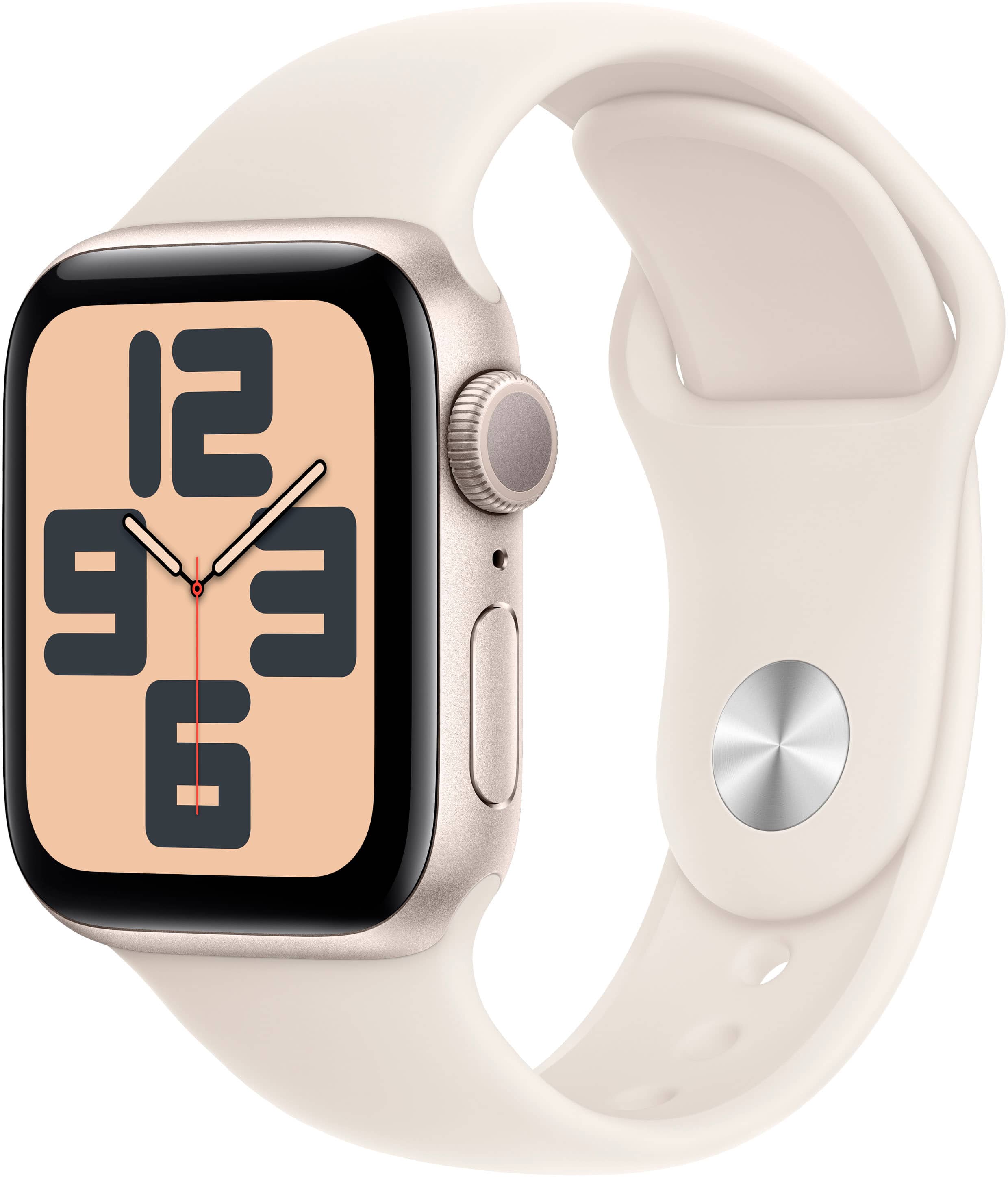
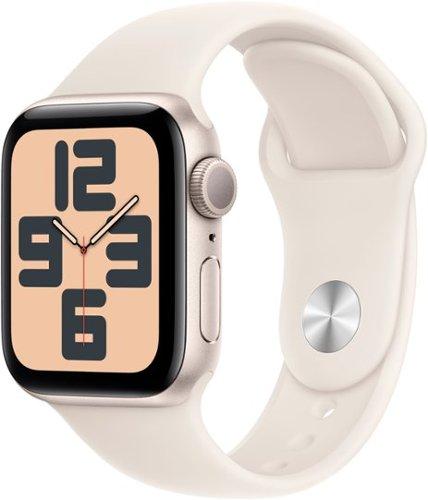
The Apple Watch SE 2nd Generation, released in 2022, represents Apple's approach to affordable smartwatches—prioritizing smartphone integration and daily convenience. Meanwhile, the Suunto Race 2 Titanium, launched in 2024, embodies the sports watch philosophy of athletic performance tracking above all else.
Before diving into specifics, it's crucial to understand what separates these product categories. Smartwatches like the Apple Watch SE function as miniature smartphones on your wrist. They handle notifications, phone calls, mobile payments, and run apps while offering basic fitness tracking as a secondary feature. Think of them as convenience devices that happen to count your steps.
Sports watches like the Suunto Race 2 Titanium flip this priority completely. They're purpose-built athletic tools that measure detailed performance metrics, provide navigation for outdoor adventures, and track training progress with scientific precision. Smart features like notifications are afterthoughts—nice to have but not the main event.
The key considerations when choosing between these categories include your primary use case (daily convenience versus athletic performance), battery expectations (daily charging versus multi-week endurance), ecosystem integration preferences, the depth of data you need, and whether you prioritize style or ruggedness.
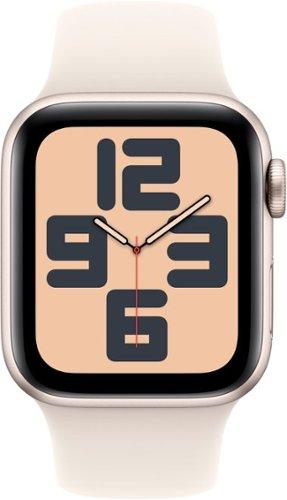
The display represents the first major difference you'll notice. The Suunto Race 2 Titanium features a substantial 1.5-inch AMOLED screen with 466×466 pixel resolution, while the Apple Watch SE uses a smaller 40mm Retina LTPO OLED display at 324×394 pixels.
But raw size doesn't tell the whole story—brightness makes the critical difference for outdoor use. The Suunto Race 2 reaches an impressive 2,000 nits peak brightness, nearly double the Apple Watch SE's 1,000 nits. For context, most smartphone screens max out around 800-1,200 nits, so the Suunto's display remains clearly visible even in direct desert sunlight.
The Suunto Race 2 Titanium also includes an always-on display feature that constantly shows the time and key metrics without requiring wrist gestures. This might seem like a small detail, but it's transformative during workouts when you need to quickly glance at your pace or heart rate without breaking stride. The Apple Watch SE lacks this always-on capability—the screen goes completely black when not actively in use, requiring deliberate wrist movements to wake it up.
From our research into user experiences, this display difference creates two distinct usage patterns. Apple Watch users develop a habit of deliberately activating their screen to check information, while Suunto users can continuously monitor their data with peripheral vision during activities.
The Apple Watch SE's smaller, rectangular display excels at showing notifications, text messages, and app interfaces in a smartphone-familiar format. The Suunto's larger, round display provides more space for multiple data fields during workouts and clearer map visualization during navigation.
Battery life represents the most dramatic performance difference between these devices, and it fundamentally shapes how you can use them.
The Apple Watch SE 2nd Generation delivers approximately 18 hours of mixed usage, meaning you'll charge it every single night. Apple optimized this for daily routines—it lasts through a typical day of notifications, basic fitness tracking, and occasional app usage, then sits on a charger overnight.
The Suunto Race 2 Titanium operates in a completely different league with 16 days of smartwatch mode battery life. Even more impressive, it provides 55 hours of continuous GPS tracking—long enough for ultramarathons, multi-day hiking trips, or week-long training camps. In power-saving mode, it can extend to 200 hours of basic GPS tracking.
This battery difference isn't just about convenience—it enables entirely different use cases. With the Apple Watch SE, you're tethered to daily charging routines and can't rely on it for extended outdoor adventures. The Suunto Race 2 eliminates charging anxiety completely, making it suitable for expedition-style activities where power access is limited.
The technology behind these differences involves several factors. The Suunto Race 2 uses LTPO (Low Temperature Polycrystalline Oxide) display technology that dynamically adjusts refresh rates to conserve power. Its larger case also accommodates a bigger battery, while the sports-focused processor prioritizes efficiency over raw computational power.
Our analysis of user feedback consistently shows that battery life becomes the deciding factor for anyone engaging in multi-day outdoor activities or extended training sessions.
The athletic tracking capabilities reveal each device's core philosophy most clearly.
The Suunto Race 2 Titanium offers 115+ sport-specific modes covering everything from trail running and cycling to kettlebell training and open water swimming. Each mode tracks relevant metrics—swimming modes monitor stroke count and SWOLF efficiency (a combination of stroke count and time that measures swimming efficiency), while running modes track cadence, ground contact time, and running power (a measure of the energy you're exerting while running, similar to cycling power meters).
More importantly, the Suunto Race 2 provides advanced physiological insights. It measures VO2 max (the maximum rate at which your body can consume oxygen during exercise—a key indicator of cardiovascular fitness), estimates lactate threshold (the exercise intensity at which lactic acid builds up faster than your body can clear it), and calculates training load to prevent overtraining. These metrics help serious athletes optimize their training and avoid injury.
The upgraded optical heart rate sensor in the Suunto Race 2 uses multiple LED colors and photodetectors to improve accuracy during intense activities. While no wrist-based sensor matches chest strap precision, Suunto's 2024 redesign significantly closes this gap for steady-state activities like distance running.
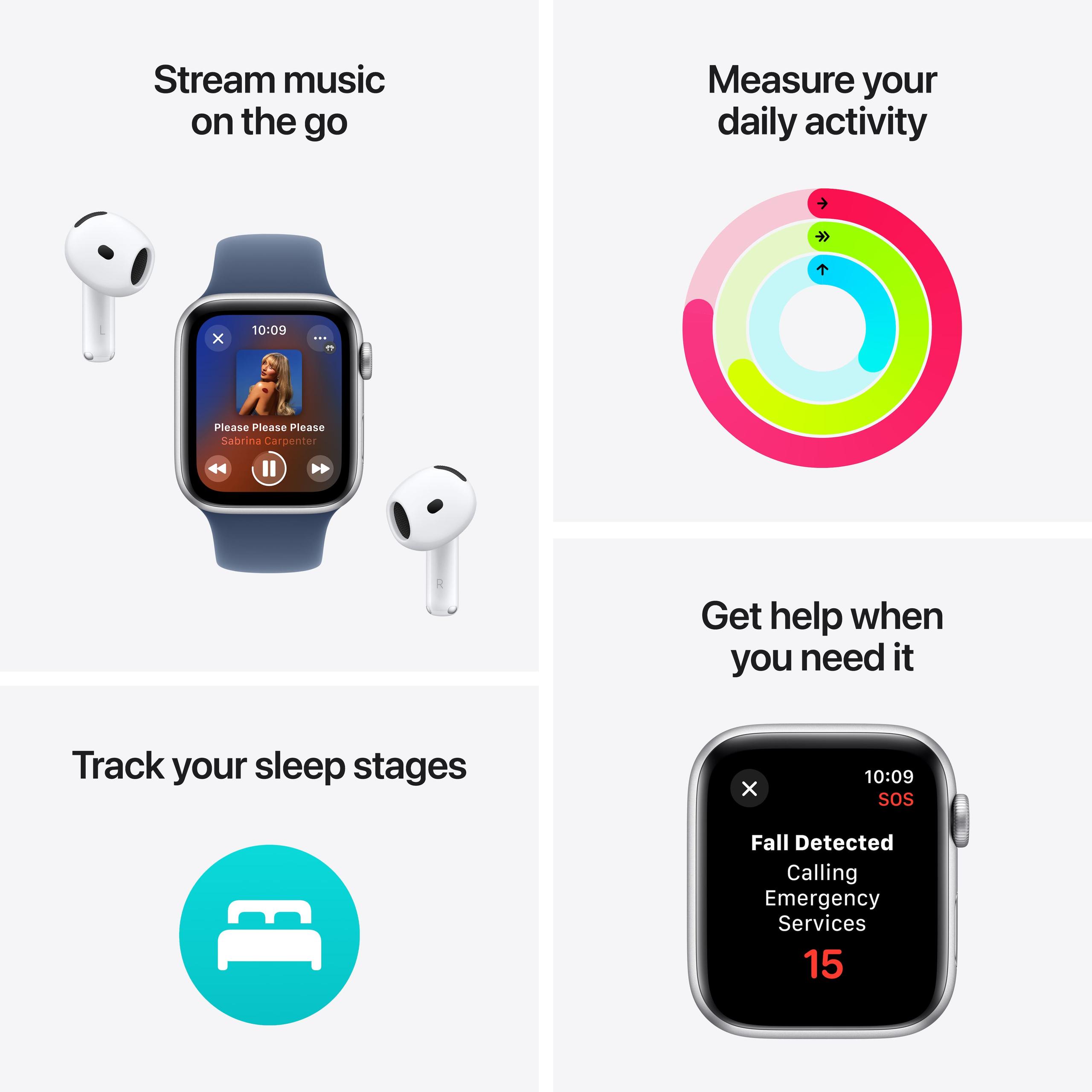
The Apple Watch SE 2nd Generation takes a broader but shallower approach to fitness tracking. It automatically detects common workouts, tracks basic metrics like heart rate and calories burned, and provides motivational coaching through Activity Rings that encourage daily movement. The second-generation optical heart rate sensor delivers reliable results for general fitness monitoring.
However, the Apple Watch SE lacks the advanced metrics that serious athletes require. There's no VO2 max measurement, no running power data, and no detailed training load analysis. It's designed for people who want to track general activity levels rather than optimize athletic performance.
For navigation, the differences are equally stark. The Suunto Race 2 Titanium includes detailed offline topographic maps with breadcrumb trail functionality, waypoint navigation, and route planning capabilities. You can download maps for entire regions and navigate complex trail systems without cellular connectivity.
The Apple Watch SE provides basic GPS tracking and can show your route on a simple map, but it lacks detailed offline mapping or advanced navigation features. It's suitable for urban navigation with iPhone connectivity but inadequate for wilderness adventures.
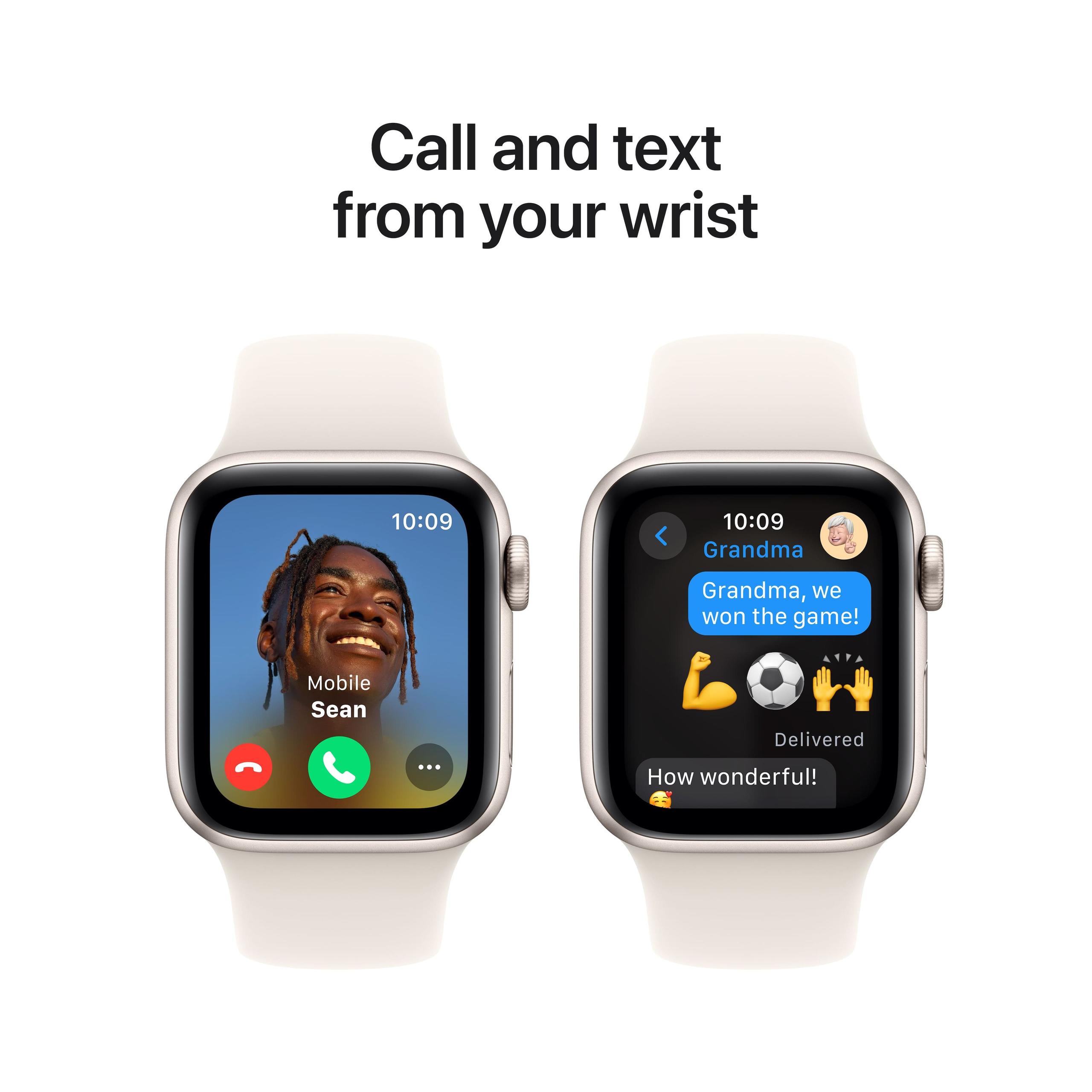
The Apple Watch SE 2nd Generation dominates smart functionality through deep iPhone integration. It handles phone calls directly through built-in speakers and microphones, displays full notifications with quick reply options, and supports Apple Pay for contactless payments. The S8 processor (the same chip used in Apple's flagship Series 8) ensures smooth performance across all smart functions.
Siri voice control works reliably for setting timers, sending messages, or controlling smart home devices. The App Store provides thousands of third-party apps, from meditation guides to music streaming services. For iPhone users, it creates a seamless extension of their smartphone experience.
The Suunto Race 2 Titanium approaches smart features minimally. It displays basic notifications from your smartphone but lacks speakers, microphones, or payment capabilities. There's no app ecosystem or voice control. This isn't an oversight—it's a deliberate design choice prioritizing battery life and sports functionality over smartphone replacement features.
From our evaluation of user experiences, this difference creates distinct usage patterns. Apple Watch SE users frequently interact with their device throughout the day for various tasks, while Suunto Race 2 users primarily engage with it during specific athletic activities.
Construction quality reflects each device's intended use environment. The Suunto Race 2 Titanium uses Grade 5 titanium for the bezel—a aerospace-grade material that's both lighter than steel and significantly more corrosion-resistant. The case combines glass fiber reinforced polyamide for impact resistance, while sapphire crystal protects the display from scratches that would destroy softer glass.
Water resistance reaches 100 meters, making it suitable for swimming, diving, and water sports. The overall construction targets military durability standards for extreme conditions.
The Apple Watch SE 2nd Generation uses aluminum construction with Ion-X strengthened glass. While durable for daily wear, Ion-X glass scratches more easily than sapphire crystal. Water resistance is rated to 50 meters—adequate for swimming but not for diving activities.
The durability difference matters most for outdoor athletes who subject their devices to harsh conditions, extreme temperatures, and regular impacts.
At the time of writing, the Apple Watch SE 2nd Generation costs significantly less than the Suunto Race 2 Titanium—roughly two-thirds less expensive. This price difference reflects their different target markets and feature priorities.
The Apple Watch SE delivers exceptional value for general smartwatch users seeking iPhone integration and basic fitness tracking. For casual fitness enthusiasts who primarily want step counting, heart rate monitoring, and smartphone convenience features, it provides comprehensive functionality at an accessible price point.
The Suunto Race 2 Titanium targets serious athletes willing to invest in specialized sports performance tools. The premium pricing reflects titanium construction, advanced GPS capabilities, comprehensive training metrics, and multi-week battery life. For dedicated endurance athletes, these features justify the cost premium, but they represent poor value for casual users who won't utilize the specialized capabilities.
Long-term ownership costs also differ. The Apple Watch SE typically requires replacement after 3-4 years due to battery degradation and software obsolescence. The Suunto Race 2's exceptional battery longevity and rugged construction suggest longer operational lifespan with lower replacement frequency.
The decision ultimately depends on honest self-assessment of your primary use case and lifestyle requirements.
Choose the Apple Watch SE 2nd Generation if you're primarily an iPhone user seeking seamless ecosystem integration. It's ideal for people who want comprehensive smartwatch functionality—notifications, payments, calls, and basic fitness tracking—without premium pricing. If you exercise casually, prefer daily convenience features, don't mind nightly charging, and value style variety with extensive band options, the Apple Watch SE delivers excellent value.
The Apple Watch SE also makes sense for people interested in health monitoring features like fall detection and irregular heart rhythm notifications, or those who want productivity tools like calendar alerts and email quick replies always accessible.
Choose the Suunto Race 2 Titanium if you're a serious athlete or outdoor enthusiast requiring detailed performance metrics. It's designed for people participating in endurance events, needing multi-day battery reliability, requiring offline navigation for trail running or hiking, and wanting advanced training analytics including VO2 max, power metrics, and recovery data.
The Suunto Race 2 justifies its premium pricing for professional-grade sports tools, but only if you'll actually utilize these specialized capabilities. If you rarely engage in serious athletic training or extended outdoor activities, the Suunto's features won't provide value over the Apple Watch's comprehensive everyday functionality.
Both devices represent significant improvements over their predecessors, but in different directions. The Apple Watch SE 2nd Generation, released in 2022, upgraded to the S8 processor for improved performance and added car crash detection through enhanced accelerometer technology. Apple focused on refining the smartwatch experience while maintaining affordability.
The Suunto Race 2 Titanium, launched in 2024, represents a more dramatic evolution. Suunto completely redesigned the optical heart rate sensor for better accuracy, upgraded to dual-frequency GPS for improved tracking precision, increased the display brightness significantly, and added comprehensive offline mapping capabilities. These improvements directly address the key complaints about previous Suunto models.
The choice between these devices reflects a fundamental decision about what you want from wearable technology. The Apple Watch SE 2nd Generation excels as a lifestyle device that happens to track fitness, while the Suunto Race 2 Titanium functions as a specialized athletic tool that happens to show notifications.
For most people, the Apple Watch SE provides the right balance of features, convenience, and value. Its smart capabilities, health monitoring, and basic fitness tracking meet typical user needs without requiring premium investment.
However, if you're genuinely committed to endurance athletics, outdoor adventures, or detailed training optimization, the Suunto Race 2 Titanium becomes worth its premium pricing. Its specialized capabilities, exceptional battery life, and rugged construction serve serious athletes in ways that general smartwatches simply cannot match.
The key is being honest about your actual usage patterns rather than aspirational ones—choose the device that matches what you'll actually do, not what you imagine you might do someday.
| Suunto Race 2 Titanium Sports Watch | Apple Watch SE 2nd Generation 40mm GPS Smartwatch |
|---|---|
| Battery Life - The most critical difference affecting daily usability | |
| 16 days smartwatch mode, 55 hours GPS tracking | 18 hours mixed usage (daily charging required) |
| Display Size and Brightness - Impacts outdoor visibility and data readability | |
| 1.5" AMOLED, 2,000 nits, always-on display | 40mm Retina OLED, 1,000 nits, no always-on |
| Case Material and Durability - Determines longevity under harsh conditions | |
| Titanium Grade 5 bezel, sapphire crystal, 100m water resistance | Aluminum case, Ion-X glass, 50m water resistance |
| Weight - Affects comfort during extended wear and activities | |
| 65g (titanium with silicone strap) | 26.4g (significantly lighter for daily wear) |
| GPS Systems - More systems mean better accuracy in challenging terrain | |
| Dual-frequency GPS/GLONASS/Galileo/QZSS/BeiDou | GPS/GLONASS/Galileo/QZSS |
| Sports Modes - Breadth of activity tracking capabilities | |
| 115+ sport-specific modes with advanced metrics | Basic workout detection with general activity tracking |
| Advanced Health Sensors - Determines depth of physiological insights | |
| Heart rate, SpO2, HRV, barometer, compass | Heart rate, accelerometer, altimeter (no SpO2 or advanced metrics) |
| Smart Features - Level of smartphone integration and convenience | |
| Basic notifications only (no calls, payments, or apps) | Full iPhone integration, Apple Pay, calls, Siri, App Store |
| Navigation Capabilities - Critical for outdoor adventures and trail activities | |
| Offline topographic maps, breadcrumb trails, waypoint navigation | Basic GPS tracking, no offline maps |
| Training Analytics - Depth of performance optimization data | |
| VO2 max, training load, lactate threshold, running power | Activity rings, basic workout summaries |
| Target User - Who gets the most value from each device | |
| Serious athletes, endurance sports, outdoor adventurers | iPhone users wanting convenience features with basic fitness tracking |
The Suunto Race 2 Titanium Sports Watch significantly outperforms the Apple Watch SE 2nd Generation in battery life. The Suunto Race 2 lasts up to 16 days in smartwatch mode and 55 hours with continuous GPS tracking, while the Apple Watch SE requires daily charging with only 18 hours of battery life.
The Apple Watch SE 2nd Generation is designed as a general smartwatch with iPhone integration, notifications, and basic fitness tracking. The Suunto Race 2 Titanium Sports Watch is a specialized sports watch built for serious athletes, featuring advanced training metrics, longer battery life, and rugged construction for outdoor activities.
The Suunto Race 2 Titanium Sports Watch is superior for serious athletes, offering 115+ sport modes, VO2 max tracking, training load analysis, running power metrics, and offline navigation maps. The Apple Watch SE provides only basic fitness tracking suitable for casual exercise.
Only the Apple Watch SE 2nd Generation supports phone calls through built-in speakers and microphone. The Suunto Race 2 Titanium Sports Watch lacks calling capabilities, focusing instead on sports performance features.
The Suunto Race 2 Titanium Sports Watch excels for outdoor activities with offline topographic maps, 100m water resistance, breadcrumb trail navigation, and multi-day battery life. The Apple Watch SE offers basic GPS but lacks detailed offline maps and has limited battery for extended outdoor use.
Only the Apple Watch SE 2nd Generation supports mobile payments through Apple Pay. The Suunto Race 2 Titanium Sports Watch does not include contactless payment functionality.
The Suunto Race 2 Titanium Sports Watch offers superior durability with titanium construction, sapphire crystal glass, and 100m water resistance designed for extreme conditions. The Apple Watch SE uses aluminum and Ion-X glass, suitable for daily wear but less rugged than the Suunto Race 2.
The Apple Watch SE 2nd Generation requires an iPhone for setup and most functionality. The Suunto Race 2 Titanium Sports Watch works independently and is compatible with both iPhone and Android devices through the Suunto app.
Both watches support swimming, but the Suunto Race 2 Titanium Sports Watch offers better water resistance (100m vs 50m) and more detailed swimming metrics. The Apple Watch SE handles basic swim tracking but with lower water resistance ratings.
The Suunto Race 2 Titanium Sports Watch features a brighter 2,000-nit AMOLED display with always-on capability, making it more readable in direct sunlight. The Apple Watch SE has a 1,000-nit display without always-on functionality, requiring wrist gestures to activate.
Value depends on your needs: the Apple Watch SE 2nd Generation offers better value for general smartwatch users wanting iPhone integration and basic fitness tracking. The Suunto Race 2 Titanium Sports Watch provides better value for serious athletes who need specialized sports features and extended battery life.
The Apple Watch SE 2nd Generation offers comprehensive smart features including notifications, Siri, App Store access, music control, and seamless iPhone integration. The Suunto Race 2 Titanium Sports Watch provides basic notification display but focuses primarily on sports and fitness functionality rather than smart features.
We've done our best to create useful and informative comparisons to help you decide what product to buy. Our research uses advanced automated methods to create this comparison and perfection is not possible - please contact us for corrections or questions. These are the sites we've researched in the creation of this article: the5krunner.com - tomsguide.com - androidcentral.com - tomsguide.com - youtube.com - wareable.com - youtube.com - youtube.com - dcrainmaker.com - nsmb.com - gpstraining.co.uk - triathlete.com - us.suunto.com - youtube.com - us.suunto.com - youtube.com - suunto.com - apac.suunto.com - techradar.com - bestbuy.com - techgearlab.com - fratellowatches.com - youtube.com - macobserver.com - youtube.com - gsmarena.com - pocketnow.com - att.com - walmart.com - gsmarena.com - bestbuy.com - apple.com - support.apple.com - apple.com - apple.com - youtube.com - phonetradr.com - 9to5mac.com - apple.com

Privacy Policy
Terms and Conditions - Affiliate Policy
Home Security
© Copyright 2008-2026.
11816 Inwood Rd #1211, Dallas, TX 75244