

When you're shopping for a watch that can track your workouts and keep up with modern life, you're really choosing between two completely different philosophies. The Suunto Race 2 Titanium represents the athletic purist approach—it's a specialized tool built for serious sports performance. The Apple Watch Series 11, on the other hand, embodies the "everything device" philosophy, cramming smartphone-like capabilities into a wrist-worn package that also happens to track your runs.
This isn't just about picking features from a spec sheet. It's about understanding what kind of person you are and how you actually use technology in your daily life. Do you need a watch that can survive a multi-day mountain expedition, or one that lets you answer texts during your morning jog?
Sports watches and smartwatches might look similar on your wrist, but they're engineered with fundamentally different priorities. Think of it like comparing a mountain bike to a Tesla—both can get you from point A to point B, but they excel in completely different environments.
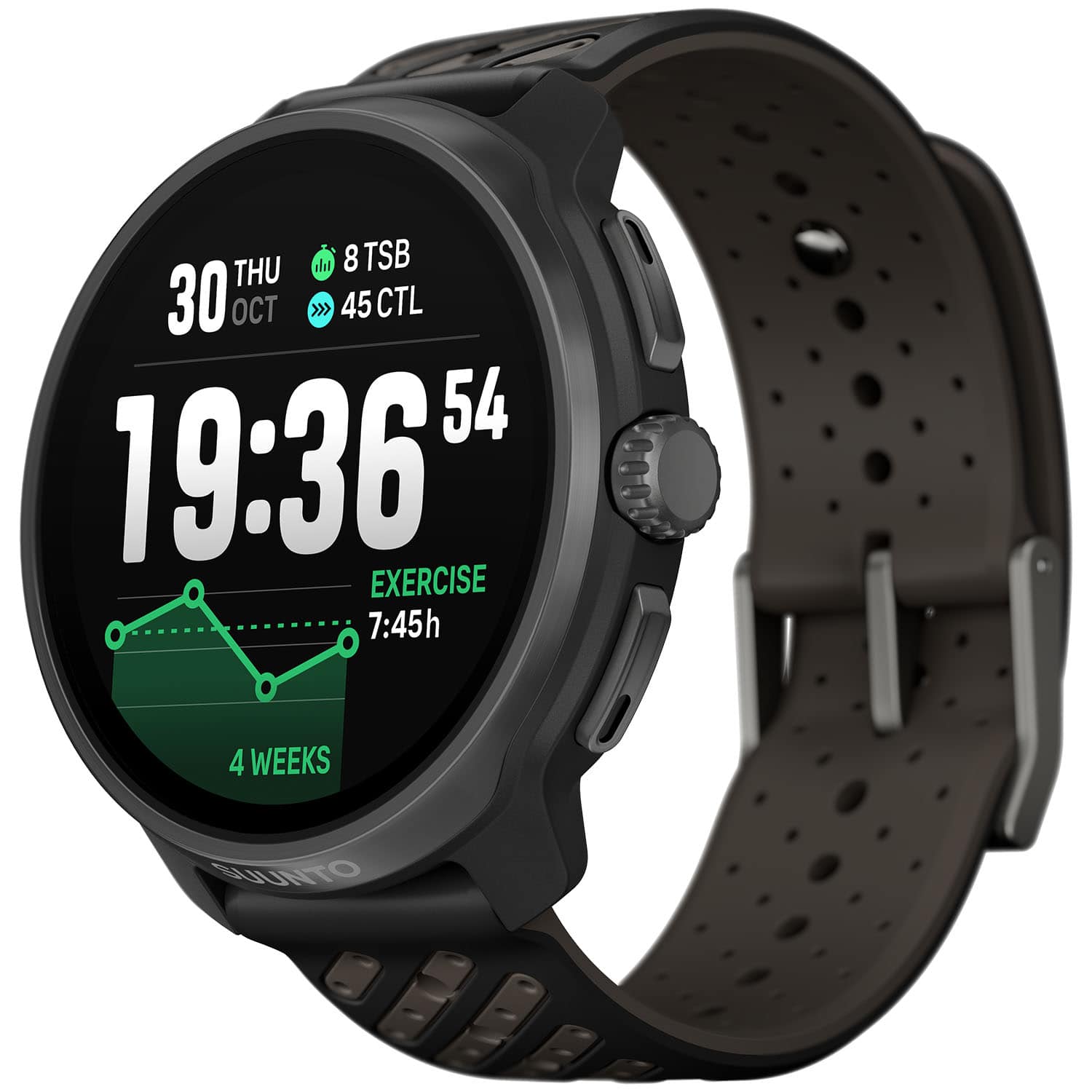
The Suunto Race 2 Titanium, released in 2025, comes from a Finnish company with decades of experience making instruments for extreme athletes. Suunto's reputation was built on creating compasses and dive computers that literally keep people alive in dangerous situations. This heritage shows in every aspect of the Race 2's design—from its titanium construction to its ability to track your location for over two days straight without needing a charge.
The Apple Watch Series 11, also from 2025, represents Apple's latest evolution of the smartwatch concept they pioneered back in 2015. Over nearly a decade, Apple has steadily transformed their watch from a curious smartphone accessory into a legitimate health monitoring device that can detect heart problems and call emergency services if you're in a car crash.
The key difference comes down to specialization versus integration. Sports watches are built around the assumption that you're doing serious athletic activities where precision, durability, and battery life matter more than convenience features. Smartwatches assume you want your wrist to be an extension of your smartphone, handling everything from navigation to payments to entertainment.
When you pick up the Suunto Race 2 Titanium, the first thing you notice is its substantial feel despite weighing just 65 grams. Titanium is the same metal used in aerospace applications because it's incredibly strong while remaining lightweight. The watch face is protected by sapphire crystal—the same material used in high-end luxury watches—which is nearly impossible to scratch in normal use.
This construction makes sense when you consider the target user. If you're trail running through rocky terrain or rock climbing where your watch might scrape against granite, you need materials that won't fail. The 100-meter water resistance means you can swim, snorkel, or get caught in a downpour without worry. The operating temperature range of -20°C to +55°C covers everything from Arctic expeditions to desert ultramarathons.
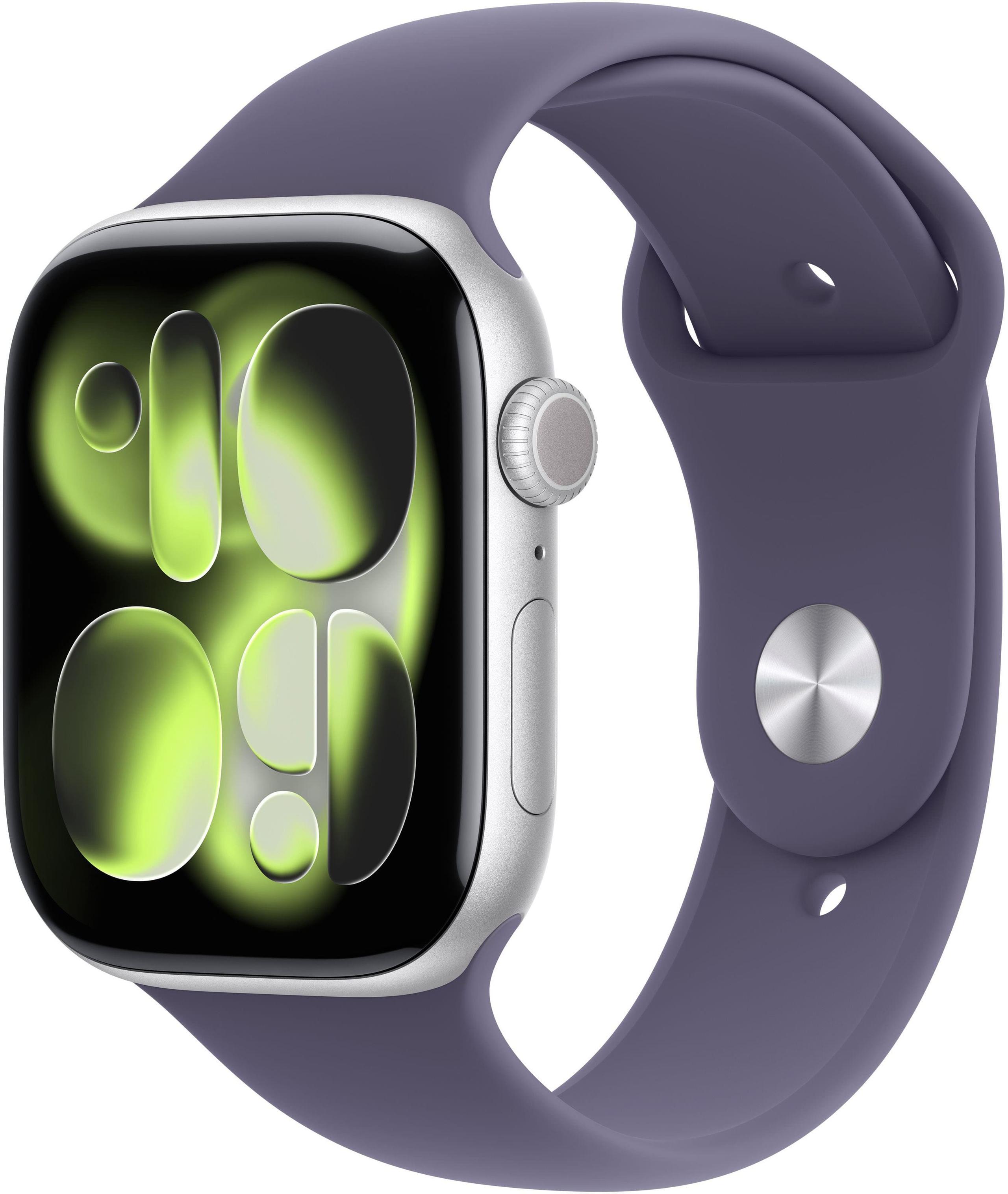
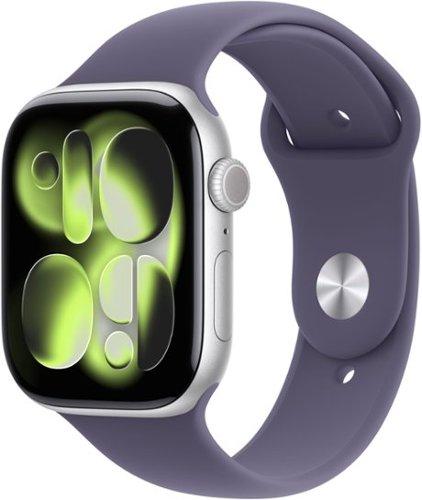
The Apple Watch Series 11 takes a different approach with its aluminum construction. At 35 grams, it's nearly half the weight of the Suunto, making it more comfortable for all-day wear in office settings. Apple's new Ion-X glass coating is twice as scratch-resistant as previous generations, which is impressive for daily use but still not quite at the sapphire crystal level.
What Apple loses in ruggedness, it gains in refined daily usability. The Digital Crown and side button feel precise and responsive, while the larger 46mm display offers more screen real estate for reading messages or navigating apps. The overall aesthetic is more jewelry-like than tool-like, which matters if you're wearing it to business meetings or social events.
Nothing separates these devices more dramatically than their approach to battery life, and this difference reveals everything about their intended use cases.
The Suunto Race 2 Titanium can track your GPS location continuously for 55 hours—that's more than two full days. In regular smartwatch mode, it lasts 16 days between charges. This isn't just impressive; it's practically essential for the watch's target audience. If you're attempting a 100-mile ultramarathon that takes 24+ hours to complete, or embarking on a multi-day backpacking trip, running out of battery isn't just inconvenient—it could be dangerous.
This endurance comes from LTPO (Low Temperature Polycrystalline Oxide) display technology, which can dynamically adjust its refresh rate down to 1Hz when showing static information, dramatically reducing power consumption. The watch also uses efficient GPS chipsets and can drop into various power-saving modes that extend battery life to an incredible 200 hours while still tracking your basic location.
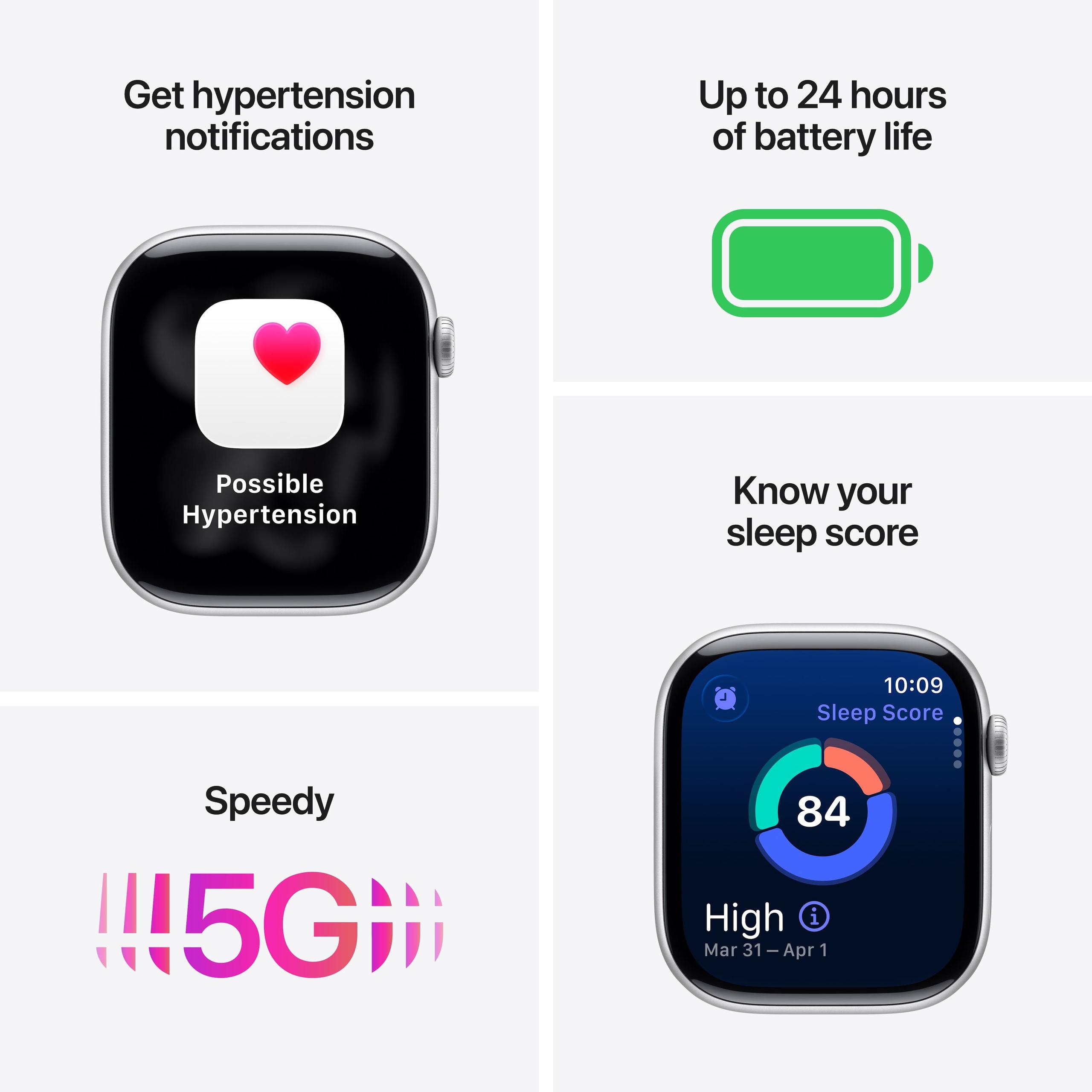
The Apple Watch Series 11 offers 24 hours of mixed-use battery life, which represents a significant improvement over earlier Apple Watches but still requires daily charging. However, Apple's fast-charging capability gives you 8 hours of use from just 15 minutes plugged in, which changes the equation. If you can build charging into your daily routine—say, while you shower and get ready in the morning—the shorter battery life becomes manageable.
This design choice reflects Apple's assumption that you're never far from power sources and that you want your watch to do intensive tasks that naturally consume more battery. Running cellular connections, processing Siri requests, displaying rich app interfaces, and maintaining constant smartphone synchronization all require more power than simple sports tracking.
Both watches can track your runs, count your steps, and monitor your heart rate, but their approaches and capabilities differ significantly in ways that matter for serious athletic performance.
The Suunto Race 2 Titanium features dual-frequency GPS, which means it receives signals on both L1 and L5 frequencies from multiple satellite systems (GPS, GLONASS, GALILEO, QZSS, and BEIDOU). This might sound like technical overkill, but dual-frequency GPS is dramatically more accurate in challenging environments like dense forests, urban canyons, or mountainous terrain where signals can bounce off surfaces and create tracking errors.
More importantly for outdoor enthusiasts, the Suunto includes full offline topographic maps stored in its 32GB of internal memory. You can plan routes with elevation profiles, set waypoints, and navigate turn-by-turn without needing your phone. The breadcrumb trail feature lets you follow your exact path back to the starting point—invaluable if you're exploring unfamiliar terrain.
The Apple Watch Series 11 uses standard GPS that works well for most urban and suburban activities but lacks the precision and offline capabilities for serious backcountry navigation. It relies heavily on your iPhone for detailed mapping and route planning, which limits its usefulness in areas with poor cellular coverage.
Heart rate accuracy has historically been Suunto's Achilles' heel, but the Race 2 represents a complete sensor redesign. The new optical heart rate system uses 6 LEDs and 4 photodetectors—significantly more hardware than most competitors—and our research indicates it now performs comparably to the Apple Watch for steady-state activities like running and cycling.
The Apple Watch Series 11 continues to set the standard for wrist-based heart rate monitoring. Its third-generation sensor has been refined over years of development and millions of users, and it includes ECG (electrocardiogram) capability that can detect irregular heart rhythms. Apple's sensor also integrates with their comprehensive health platform to provide insights about heart rate variability, resting heart rate trends, and recovery metrics.
Where the Suunto Race 2 Titanium really shines is in its 115+ sport modes and advanced training features. It can measure running power (how much energy you're expending), provide structured interval training guidance, estimate your VO2max (maximum oxygen uptake, a key fitness metric), and detect your lactate threshold (the intensity where your muscles start accumulating fatigue-causing lactate faster than they can clear it).
These metrics matter for serious training. Knowing your lactate threshold helps you train in the right intensity zones. Running power gives you a more immediate measure of effort than heart rate, which can lag behind your actual exertion level. The watch can also analyze your training load over time and suggest recovery periods to prevent overtraining.
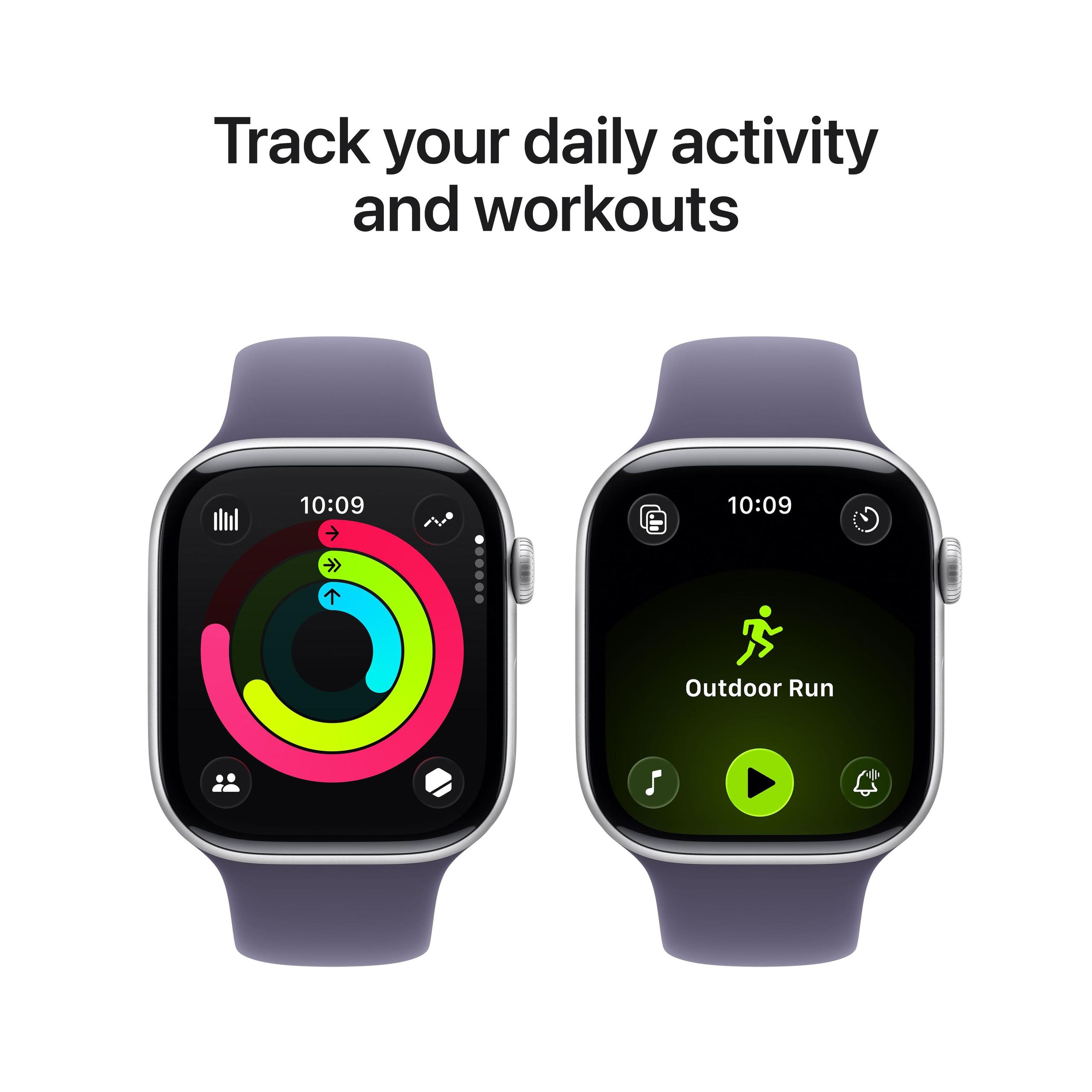
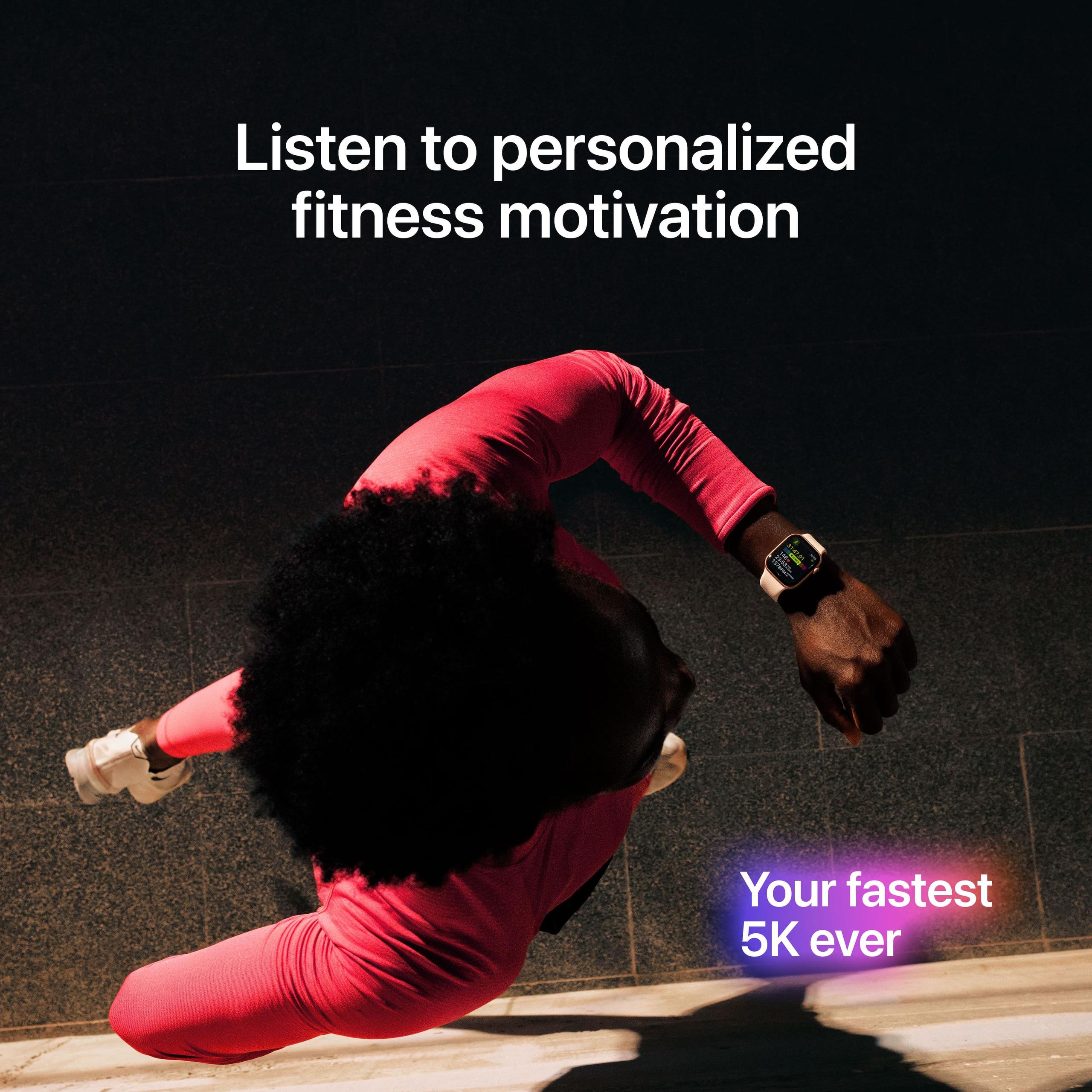
The Apple Watch Series 11 introduces "Workout Buddy," an AI-powered coaching system that provides real-time guidance during workouts. While not as technically detailed as Suunto's metrics, it's more accessible for casual fitness enthusiasts who want motivation and basic guidance without diving deep into sports science.
This is where the philosophical differences become most apparent. The Suunto Race 2 Titanium deliberately limits smart features to focus on its core mission. You get basic notifications from your phone, weather updates, and music controls, but that's about it. There's no app store, no payments, no voice assistant, and no standalone calling.
This minimalism is intentional. Suunto's research with professional athletes showed that complex smart features often became distractions during training and competition. The interface is designed around three physical buttons plus touch control, making it usable with gloves or when your hands are wet or dirty.
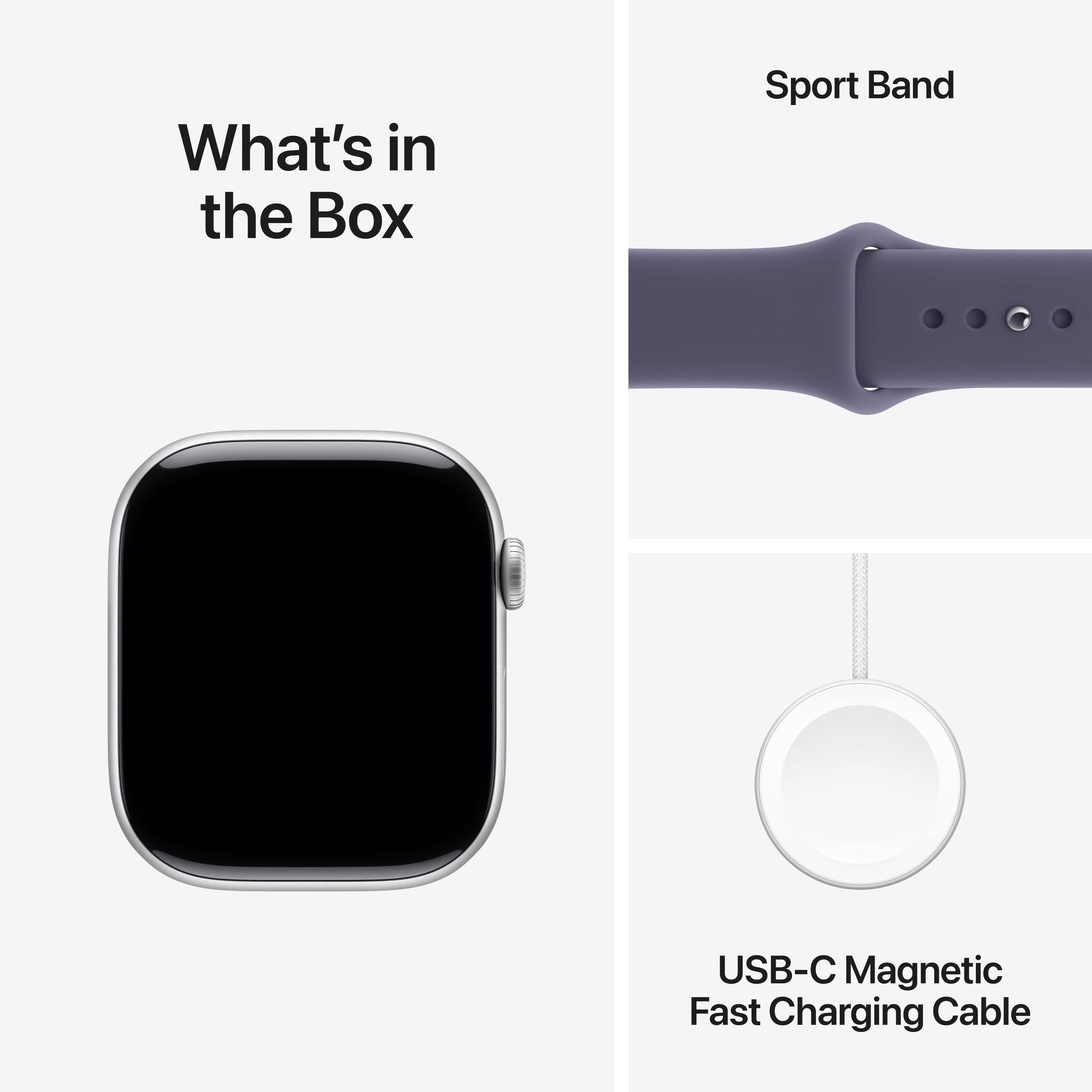
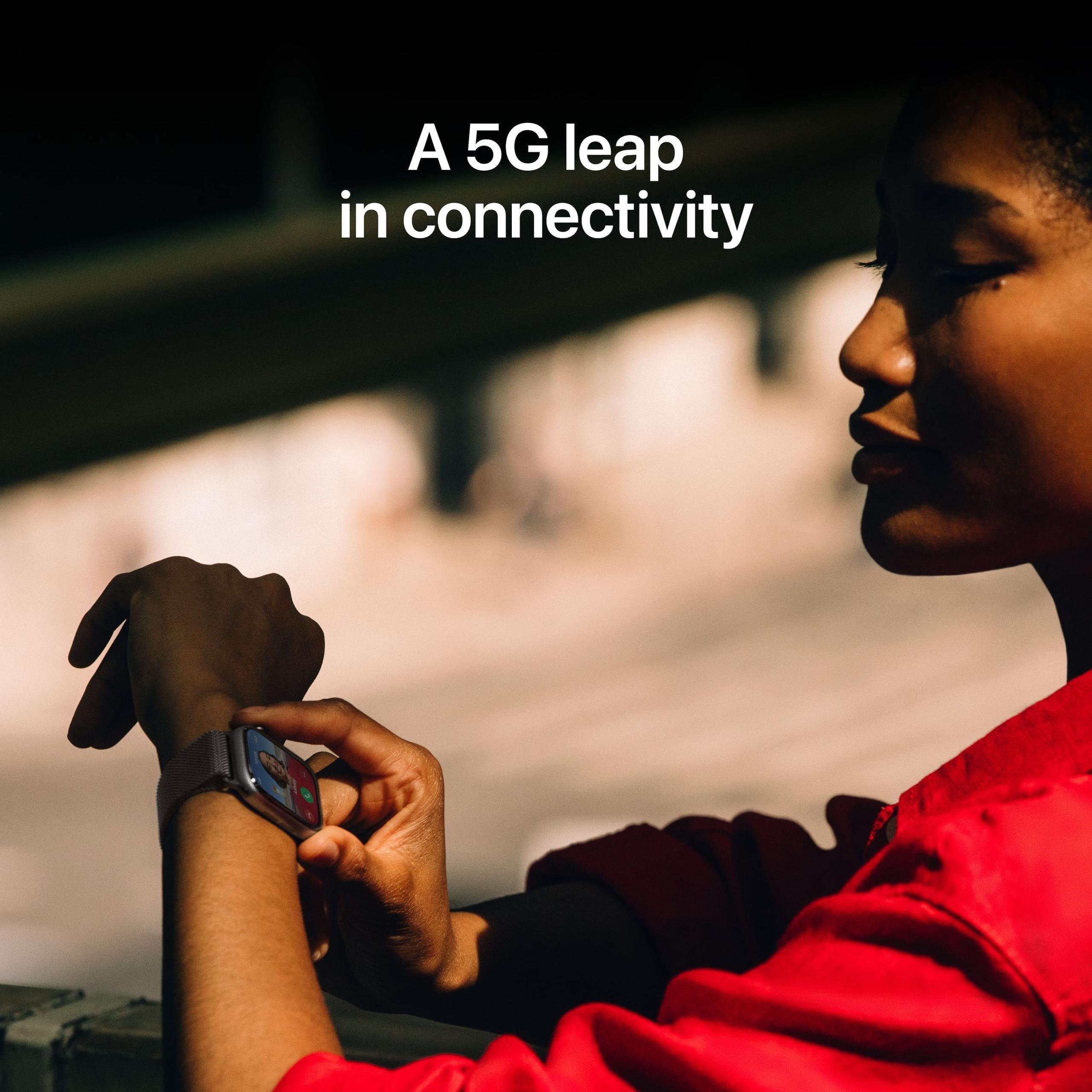
The Apple Watch Series 11 is essentially a tiny computer on your wrist. It runs watchOS with access to thousands of apps, supports Apple Pay for contactless payments, includes Siri voice control, and can make phone calls over its 5G cellular connection. New gesture controls like "Double Tap" and "Wrist Flick" let you interact with the watch without touching the screen—useful when your hands are occupied.
For iPhone users, the integration is seamless. Text messages appear on your wrist with full reply capabilities, including live translation for foreign languages. The watch can automatically unlock your phone, serve as a remote for Apple TV, and sync with the entire Apple ecosystem including AirPods, HomePods, and Mac computers.
Both watches monitor health, but with different emphases and capabilities.
The Suunto Race 2 Titanium focuses on performance-oriented health metrics. It tracks sleep duration and stages (light, deep, REM sleep), measures heart rate variability for recovery insights, and monitors blood oxygen levels. The sleep tracking includes analysis of sleep quality and recovery recommendations, which is crucial for athletes who need to balance training stress with adequate recovery.
The Apple Watch Series 11 offers what might be the most comprehensive health monitoring available in a consumer device. Beyond standard fitness tracking, it includes ECG monitoring that can detect atrial fibrillation (an irregular heart rhythm), blood oxygen monitoring, temperature sensing for cycle tracking, and new hypertension notifications that can alert you to potential blood pressure issues.
Apple's health features have genuine medical applications—the watch is FDA-cleared for several of its health monitoring functions. The fall detection and crash detection features can automatically call emergency services if you're unresponsive after an incident, potentially life-saving capabilities for solo athletes or elderly users.
At the time of writing, both watches occupy the premium segment of their respective categories, but they offer value in different ways.
The Suunto Race 2 Titanium represents significant value for serious athletes when you consider the materials and specialized features. Titanium construction, sapphire crystal, and professional-grade GPS capabilities typically cost much more in dedicated outdoor gear. The multi-day battery life alone can be worth the price premium for ultramarathon runners or expedition athletes who would otherwise need to carry multiple devices or battery packs.
The Apple Watch Series 11 pricing varies significantly depending on size and cellular options, but it generally offers strong value when you consider it as a replacement for multiple devices. If it can handle your fitness tracking, payments, communications, and entertainment needs, the per-function cost becomes quite reasonable.
However, there are hidden costs to consider. The Apple Watch essentially requires an iPhone to reach its full potential, while the Suunto Race 2 Titanium works with both iPhone and Android devices. Apple's cellular service also requires an additional monthly fee from your carrier, typically $10-15 per month.
The Suunto Race 2 Titanium is the clear choice for serious endurance athletes, outdoor adventurers, and anyone who needs multi-day battery life. If you're training for ultramarathons, doing multi-day hikes, or participating in adventure races where precise navigation and extended battery life are essential, there's really no substitute. The watch also makes sense for professional athletes who need detailed training metrics and don't want smart features creating distractions.
The Apple Watch Series 11 is ideal for iPhone users who want one device to handle fitness tracking alongside comprehensive smart features. If you're a recreational athlete who also wants to stay connected, manage notifications, make payments, and access apps, the Apple Watch provides the better overall experience. It's also the better choice for users who prioritize comprehensive health monitoring over specialized sports features.
Choosing between these watches isn't really about comparing features—it's about understanding yourself and how you use technology. The Suunto Race 2 Titanium is a specialized tool that excels in its intended domain but deliberately limits itself to that focus. The Apple Watch Series 11 is a general-purpose device that tries to do everything well, with the compromises that such an approach inevitably requires.
Both represent the pinnacle of their respective approaches, and both are likely to serve their intended users very well. The key is honestly assessing whether you need a dedicated athletic instrument or a comprehensive digital companion that happens to track fitness effectively. Your answer to that question should make the choice clear.
| Suunto Race 2 Titanium | Apple Watch Series 11 GPS + Cellular 46mm |
|---|---|
| Battery Life - Critical for multi-day activities and daily convenience | |
| 55 hours GPS tracking, 16 days smartwatch mode, 200 hours power-saving | 24 hours mixed use, 8 hours from 15-minute charge |
| Display Technology - Affects outdoor visibility and power consumption | |
| 1.5" AMOLED LTPO, 2,000 nits brightness, sapphire crystal protection | 1.5" LTPO3 OLED, 2,000 nits brightness, Ion-X glass with ceramic coating |
| Build Materials - Determines durability for different use cases | |
| Titanium Grade 5 case, sapphire crystal, 100m water resistance | Aluminum case, Ion-X glass (2x scratch resistant), standard water resistance |
| Weight - Impacts comfort for extended wear and sleep tracking | |
| 65 grams (titanium with silicone strap) | 35.3 grams (aluminum case) |
| GPS Capabilities - Essential for navigation accuracy in challenging terrain | |
| Dual-frequency GPS with offline maps, waypoints, breadcrumb trails | Standard GPS, requires iPhone for detailed navigation |
| Heart Rate Monitoring - Key for fitness tracking accuracy | |
| Redesigned 6-LED optical sensor, comparable to Apple Watch accuracy | Third-generation optical sensor with ECG capability |
| Smart Features - Determines daily usability beyond fitness | |
| Basic notifications, no apps, no payments, sports-focused interface | Full app ecosystem, Apple Pay, Siri, 5G cellular, comprehensive integration |
| Sports Tracking - Matters for serious athletic training | |
| 115+ sport modes, VO2max, lactate threshold, running power, training load | AI Workout Buddy coaching, automatic detection, Apple Fitness+ integration |
| Health Monitoring - Important for comprehensive wellness tracking | |
| Sleep stages, HRV, recovery metrics, blood oxygen | ECG, hypertension notifications, comprehensive health suite, medical-grade features |
| Storage & Memory - Affects offline capabilities and performance | |
| 32GB for offline maps and data | 64GB for apps and content |
| Operating System - Determines available features and updates | |
| Proprietary Suunto OS, sports-focused | watchOS 26 with extensive app support |
| Phone Compatibility - Affects ecosystem integration | |
| Works with iPhone and Android | Requires iPhone Xs or later with iOS 18+ |
The Suunto Race 2 Titanium offers dramatically better battery life with 55 hours of GPS tracking compared to the Apple Watch Series 11's 24 hours of mixed use. For ultramarathons, multi-day hikes, or extended outdoor activities, the Suunto Race 2 Titanium is the clear winner.
Only the Apple Watch Series 11 GPS + Cellular supports phone calls through its built-in 5G cellular connection. The Suunto Race 2 Titanium focuses purely on sports tracking and doesn't include calling capabilities or cellular connectivity.
The Suunto Race 2 Titanium uses dual-frequency GPS with offline maps, making it more accurate in challenging environments like dense forests or urban canyons. The Apple Watch Series 11 has good GPS for general use but relies on your iPhone for detailed navigation.
The Suunto Race 2 Titanium works with both iPhone and Android devices. However, the Apple Watch Series 11 only works with iPhones (iPhone Xs or later with iOS 18+), making it exclusively for Apple users.
Both watches are water-resistant, but the Suunto Race 2 Titanium offers superior water resistance at 100 meters and includes a depth gauge for shallow diving. The Apple Watch Series 11 is suitable for swimming but doesn't match the aquatic capabilities of the Suunto.
Only the Apple Watch Series 11 supports contactless payments through Apple Pay. The Suunto Race 2 Titanium doesn't include payment capabilities, focusing instead on sports and fitness features.
Both watches now offer comparable heart rate accuracy. The Suunto Race 2 Titanium features a redesigned 6-LED sensor that significantly improved from previous models, while the Apple Watch Series 11 includes ECG capability and comprehensive health monitoring features.
The Apple Watch Series 11 is significantly lighter at 35.3 grams, making it more comfortable for all-day wear. The Suunto Race 2 Titanium weighs 65 grams due to its titanium construction, but this adds durability for extreme activities.
The Suunto Race 2 Titanium is designed specifically for serious athletes with 115+ sport modes, VO2max testing, lactate threshold detection, and training load analysis. The Apple Watch Series 11 offers good fitness tracking but focuses more on general health and smart features.
The Apple Watch Series 11 has access to thousands of apps through the App Store, making it highly customizable. The Suunto Race 2 Titanium doesn't support third-party apps, instead offering a focused sports-tracking interface without distractions.
The Suunto Race 2 Titanium is built for extreme durability with titanium construction, sapphire crystal glass, and operation in temperatures from -20°C to +55°C. The Apple Watch Series 11 uses aluminum and Ion-X glass, making it durable for daily use but not as rugged as the Suunto for extreme conditions.
The Apple Watch Series 11 requires daily charging but offers fast charging (8 hours of use from 15 minutes of charging). The Suunto Race 2 Titanium can go 16 days between charges in smartwatch mode, making it ideal for extended trips away from power sources.
We've done our best to create useful and informative comparisons to help you decide what product to buy. Our research uses advanced automated methods to create this comparison and perfection is not possible - please contact us for corrections or questions. These are the sites we've researched in the creation of this article: the5krunner.com - tomsguide.com - androidcentral.com - tomsguide.com - youtube.com - wareable.com - youtube.com - youtube.com - dcrainmaker.com - nsmb.com - gpstraining.co.uk - triathlete.com - us.suunto.com - youtube.com - us.suunto.com - youtube.com - suunto.com - apac.suunto.com - techradar.com - youtube.com - youtube.com - dcrainmaker.com - apple.com - tomsguide.com - youtube.com - phonearena.com - androidcentral.com - youtube.com - apple.com - tomsguide.com - appleinsider.com - pre-www.att.com - apple.com - macobserver.com - swappa.com - phonearena.com - apple.com - t-mobile.com - apple.com - phonearena.com - apple.com - apple.com - apple.com - att.com - apple.com - tomsguide.com - appleinsider.com - tomsguide.com - apple.com - t-mobile.com - macrumors.com - apple.com - en.wikipedia.org - techpoint.africa - phonearena.com - youtube.com - verizon.com

Privacy Policy
Terms and Conditions - Affiliate Policy
Home Security
© Copyright 2008-2026.
11816 Inwood Rd #1211, Dallas, TX 75244