


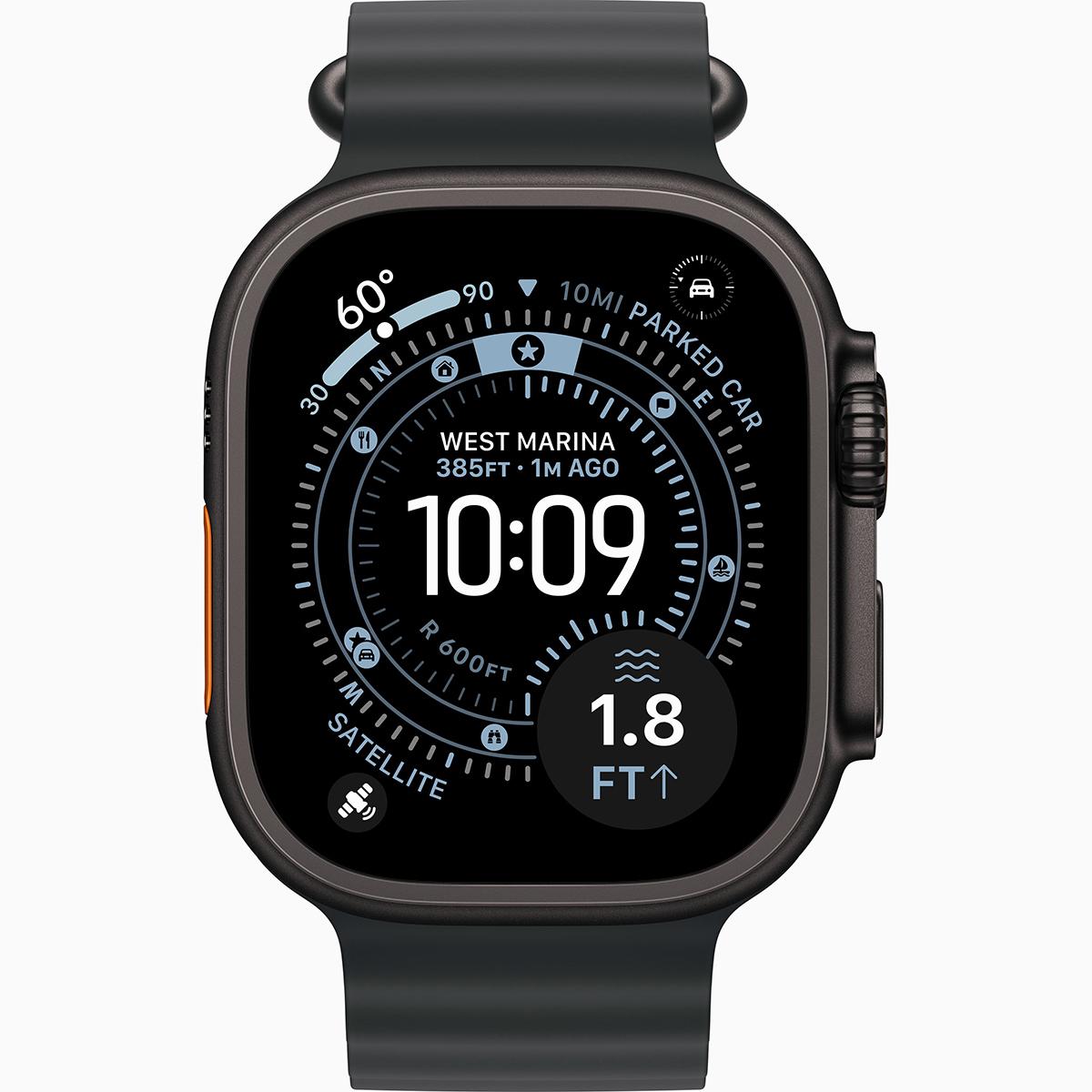

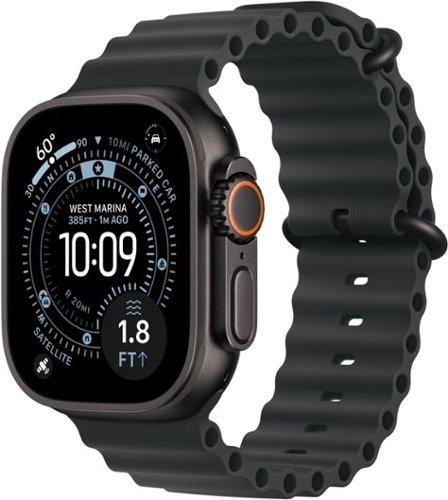
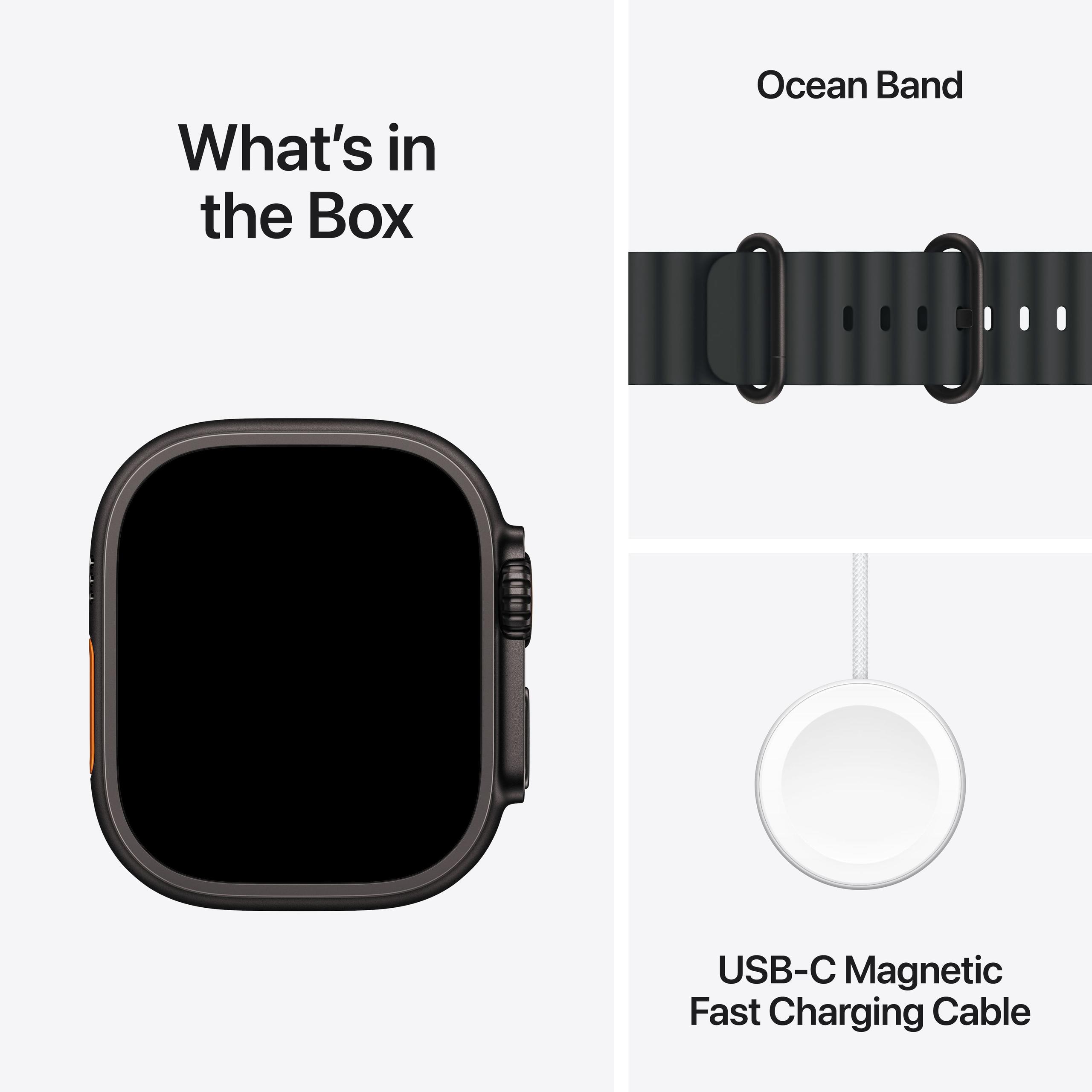
When Apple released the Apple Watch Series 10 in 2024 and followed up with the Apple Watch Ultra 3 in 2025, they solidified their position as the leading smartwatch manufacturer. But choosing between these two premium models isn't straightforward—they serve distinctly different purposes despite sharing the same ecosystem.
The smartwatch category has matured significantly over the past few years. What started as glorified notification displays have evolved into sophisticated health monitoring devices, fitness trackers, and communication tools. The key considerations when shopping for a premium smartwatch today include daily wearability, battery endurance, durability for your lifestyle, display clarity, and whether you need specialized features like satellite connectivity or extreme sports tracking.
Both the Apple Watch Series 10 and Apple Watch Ultra 3 represent the pinnacle of Apple's smartwatch technology, but they target completely different users. Understanding these differences is crucial for making the right choice.
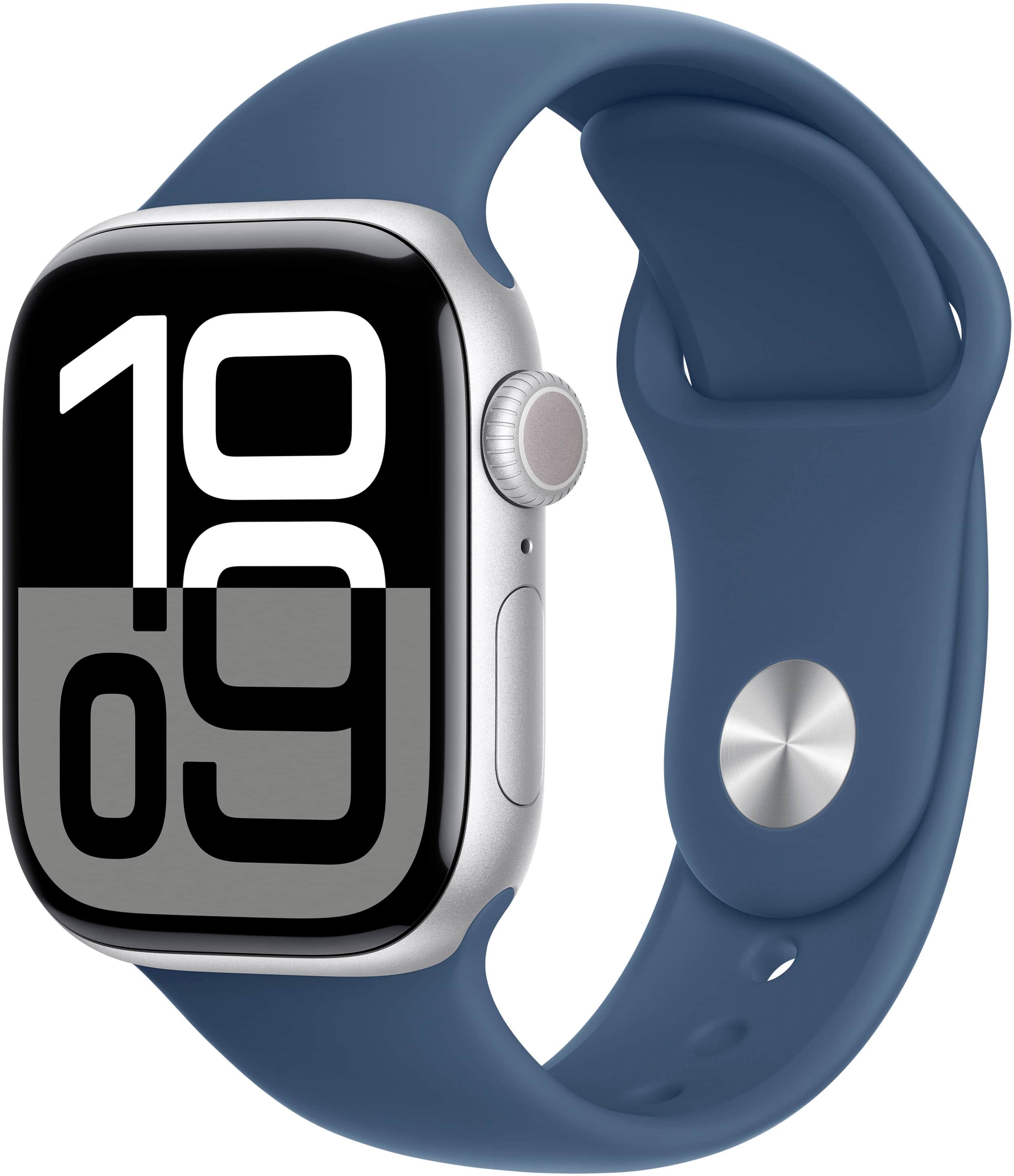
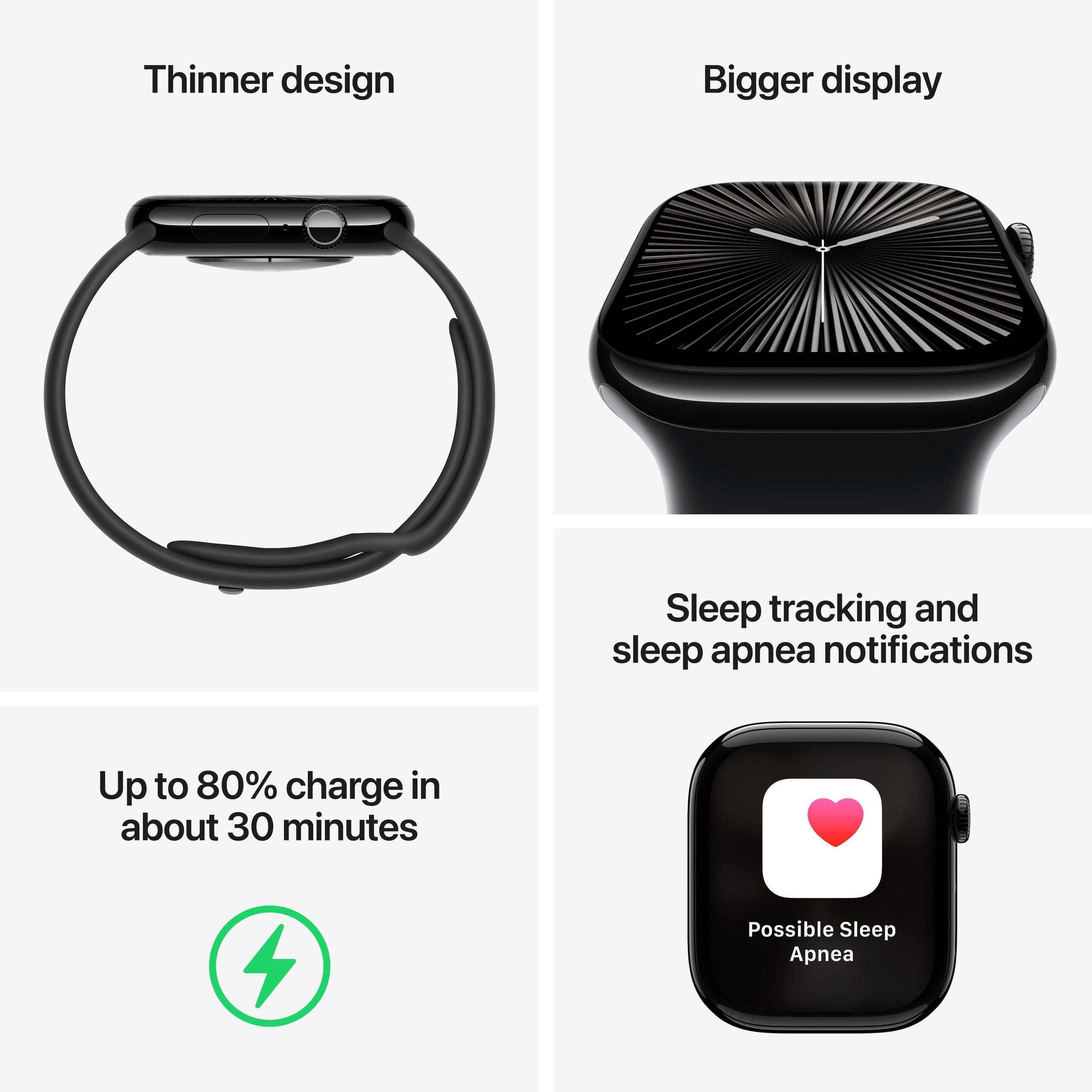
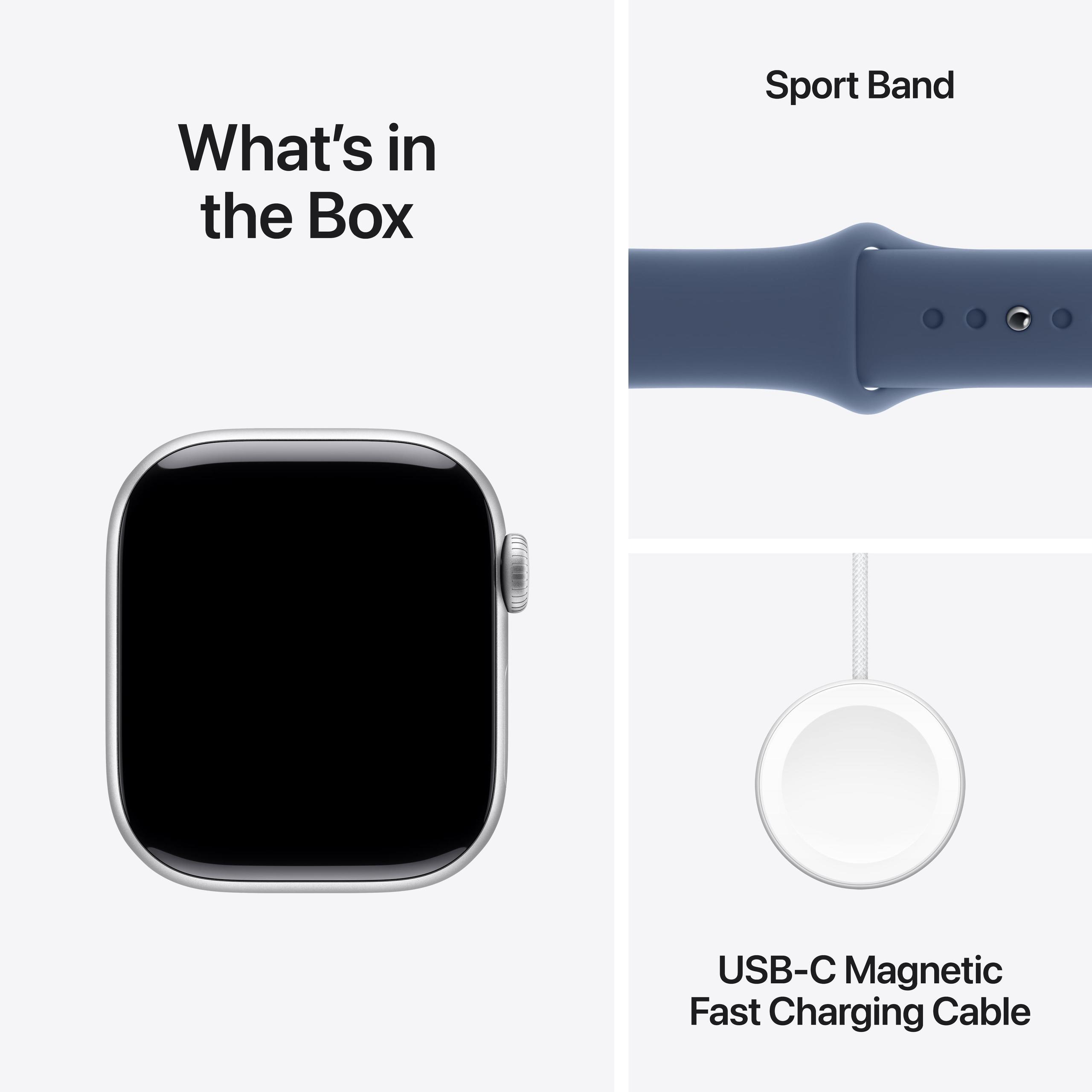
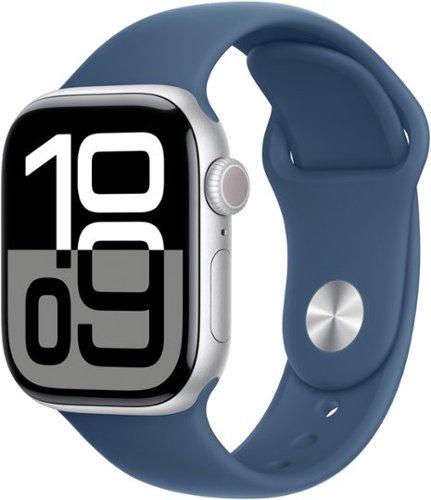
The design differences between these watches tell the story of their intended audiences. The Apple Watch Series 10 in its 42mm aluminum configuration represents Apple's pursuit of the perfect everyday wearable. At just 29.3 grams and 9.7mm thick, it's the thinnest and lightest Apple Watch ever made. This isn't just a marketing claim—the reduction in thickness and weight makes a noticeable difference during extended wear.
Apple achieved this svelte profile through innovative engineering, including a new metal back that integrates the antenna directly into the housing. This creates a seamless, single-piece appearance while improving cellular reception. The 100% recycled aluminum case comes in three finishes: Jet Black (a new polished, highly reflective finish), Rose Gold, and Silver.
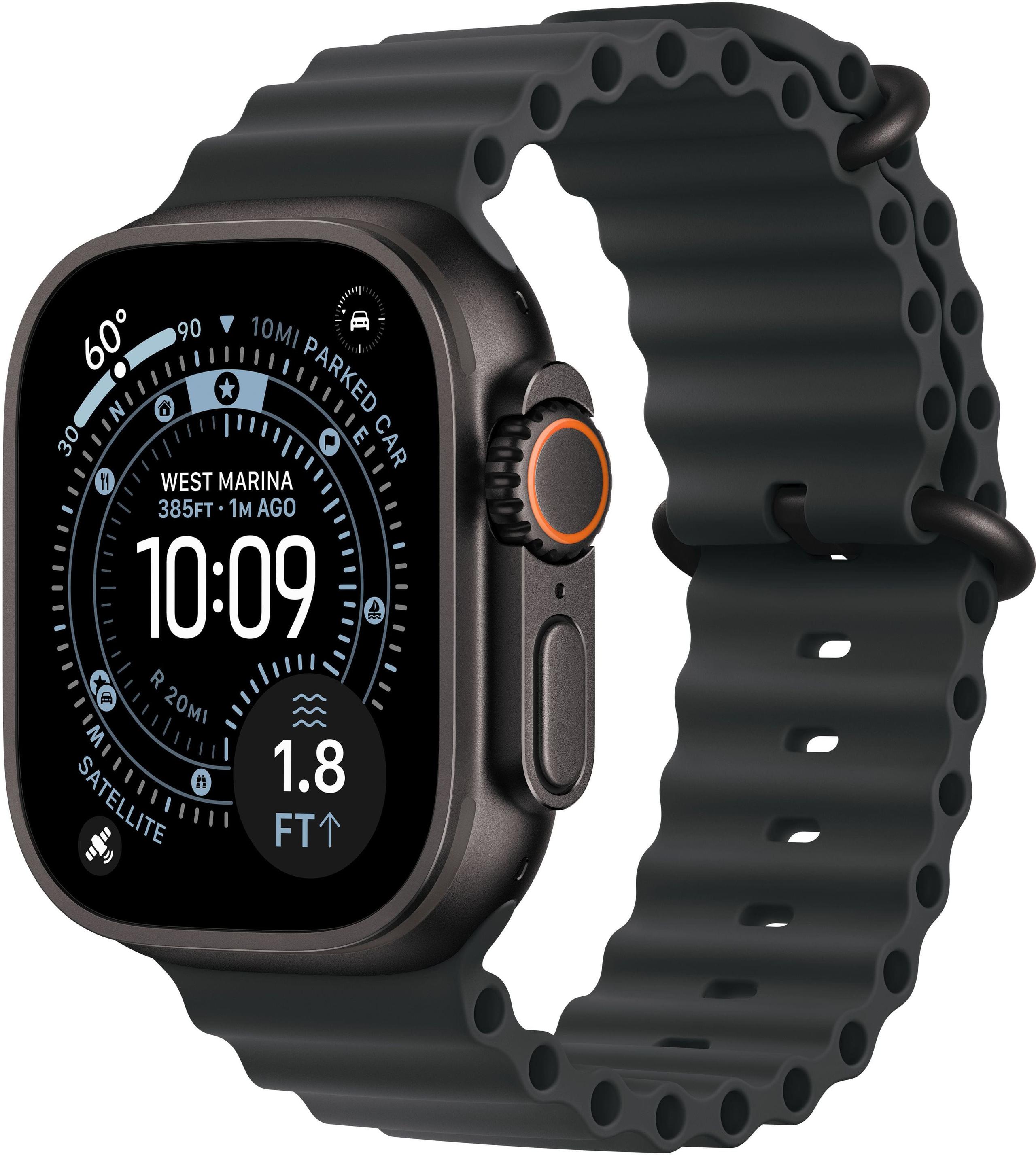
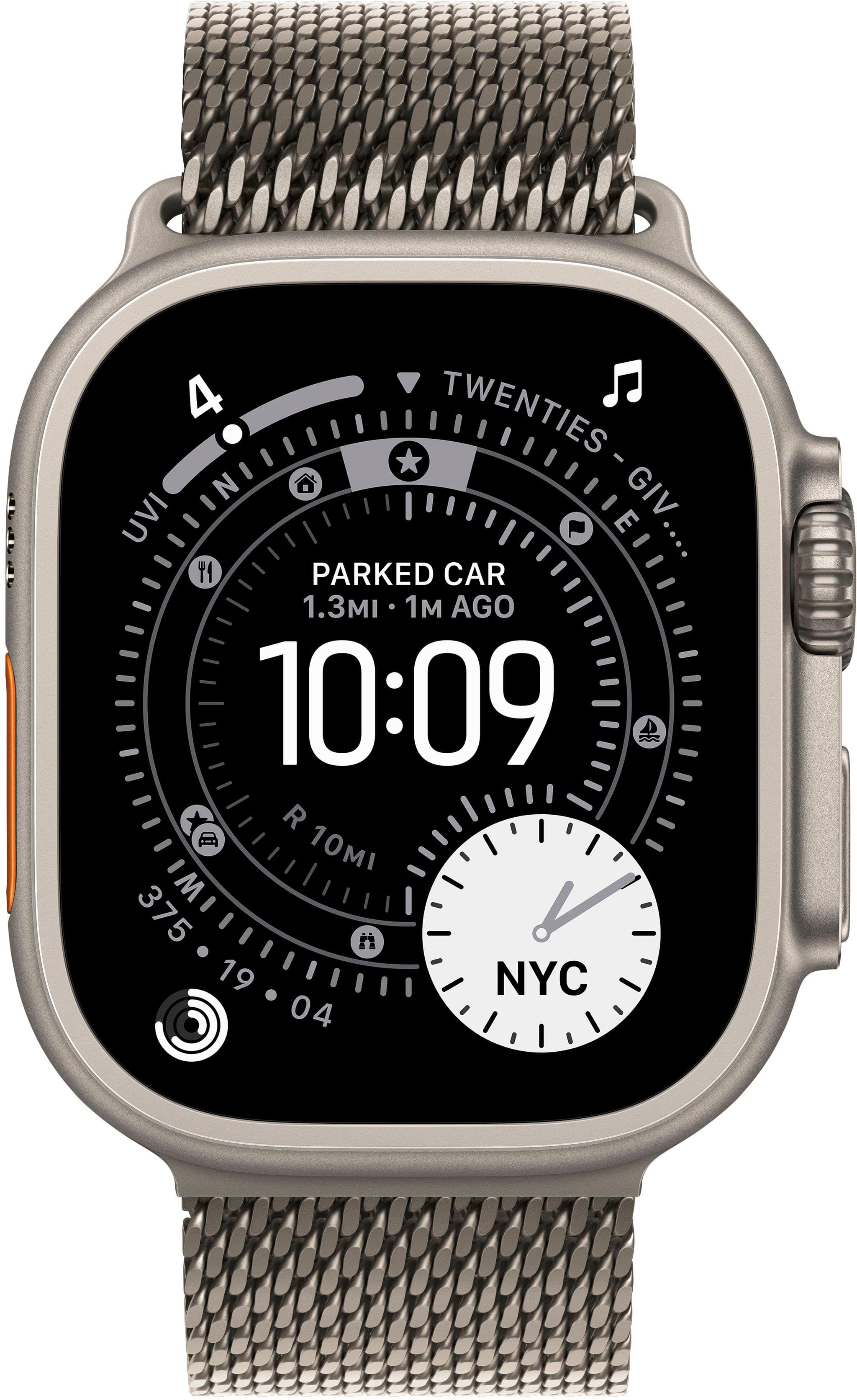
In stark contrast, the Apple Watch Ultra 3 embraces its bulk purposefully. Weighing 61.6 grams and measuring 12mm thick, it's more than twice as heavy as the Series 10. However, this additional mass serves a purpose—the case is constructed from aerospace-grade titanium using a groundbreaking 3D-printing process that stacks grains of recycled titanium and laser-bonds them together.
The durability difference is substantial. While the Apple Watch Series 10 features Ion-X glass and is rated for 50-meter water resistance with IP6X dust protection, the Apple Watch Ultra 3 steps up to sapphire crystal glass, 100-meter water resistance, and MIL-STD-810H military-grade certification. This means the Ultra 3 can withstand extreme temperatures, impacts, and environmental conditions that would damage other watches.
For most users, the Apple Watch Series 10's durability is more than adequate for daily activities, including swimming and recreational sports. However, if you're into rock climbing, extreme sports, or work in harsh environments, the Ultra 3's additional protection becomes essential.
The display represents one of the most significant differences between these models. The Apple Watch Series 10 features a 374 by 446 pixel LTPO3 OLED Always-On Retina display with 989 square millimeters of active area. While this might sound technical, LTPO3 stands for Low Temperature Polycrystalline Oxide, third generation—a technology that allows the display to dynamically adjust its refresh rate from 1Hz to 60Hz based on content needs, dramatically improving battery efficiency.
The Apple Watch Ultra 3 takes this further with its 422 by 514 pixel display covering 1,245 square millimeters—about 25% more screen real estate. More importantly, it can reach 3,000 nits of peak brightness compared to the Series 10's 2,000 nits. This 50% brightness advantage makes a dramatic difference in direct sunlight conditions, where the Ultra 3 remains clearly readable while other watches become nearly invisible.
Both displays maintain the same 326 pixels per inch density, ensuring sharp text and graphics. However, the Ultra 3's flat sapphire crystal offers superior scratch resistance compared to the Series 10's curved Ion-X glass. Based on user feedback and expert reviews, the Ultra 3's display consistently outperforms in challenging lighting conditions, making it the clear choice for outdoor activities.
The always-on display functionality works identically on both models, but the Ultra 3's specialized watch faces include a Night Mode that switches to red coloring to preserve night vision—a feature particularly valuable for hikers, campers, and night shift workers.
Battery performance represents perhaps the most significant practical difference between these watches. The Apple Watch Series 10 delivers up to 18 hours of normal use, extending to 36 hours in Low Power Mode. These numbers align with Apple's traditional all-day battery philosophy, requiring nightly charging for most users.
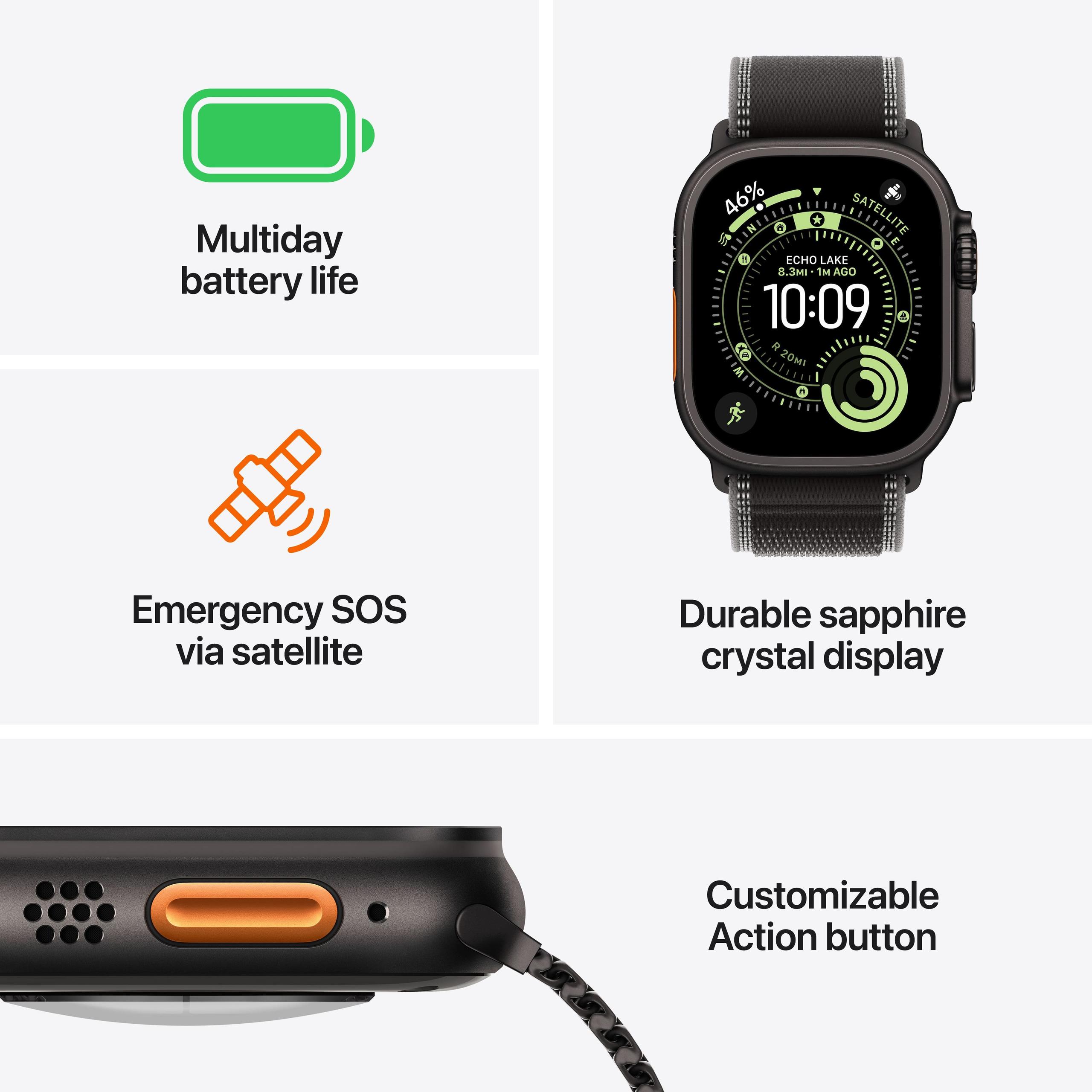
The Apple Watch Ultra 3 changes this equation entirely. With up to 42 hours of normal use and an impressive 72 hours in Low Power Mode, it genuinely supports multi-day adventures. For GPS-intensive activities, the Ultra 3 provides up to 20 hours of continuous tracking in Low Power Mode—enough for ultramarathons or multi-day hiking trips.
Real-world testing by users and reviewers consistently shows the Apple Watch Series 10 delivering 26-30 hours of mixed use, while the Apple Watch Ultra 3 regularly exceeds 40 hours. The difference becomes crucial if you frequently travel, enjoy weekend camping trips, or simply prefer not to charge daily.
Charging speeds favor the Apple Watch Series 10 slightly, reaching 80% in about 30 minutes compared to the Ultra 3's 45 minutes. However, the Ultra 3's larger battery means 15 minutes of charging provides up to 12 hours of use versus 8 hours for the Series 10.
Both watches share Apple's comprehensive health monitoring foundation. They include identical electrical heart sensors for ECG readings, third-generation optical heart sensors, blood oxygen sensors, and temperature sensors for cycle tracking. Both also feature the new sleep apnea notifications, which analyze overnight heart rate, respiratory rate, and wrist temperature patterns to identify potential sleep disorders.
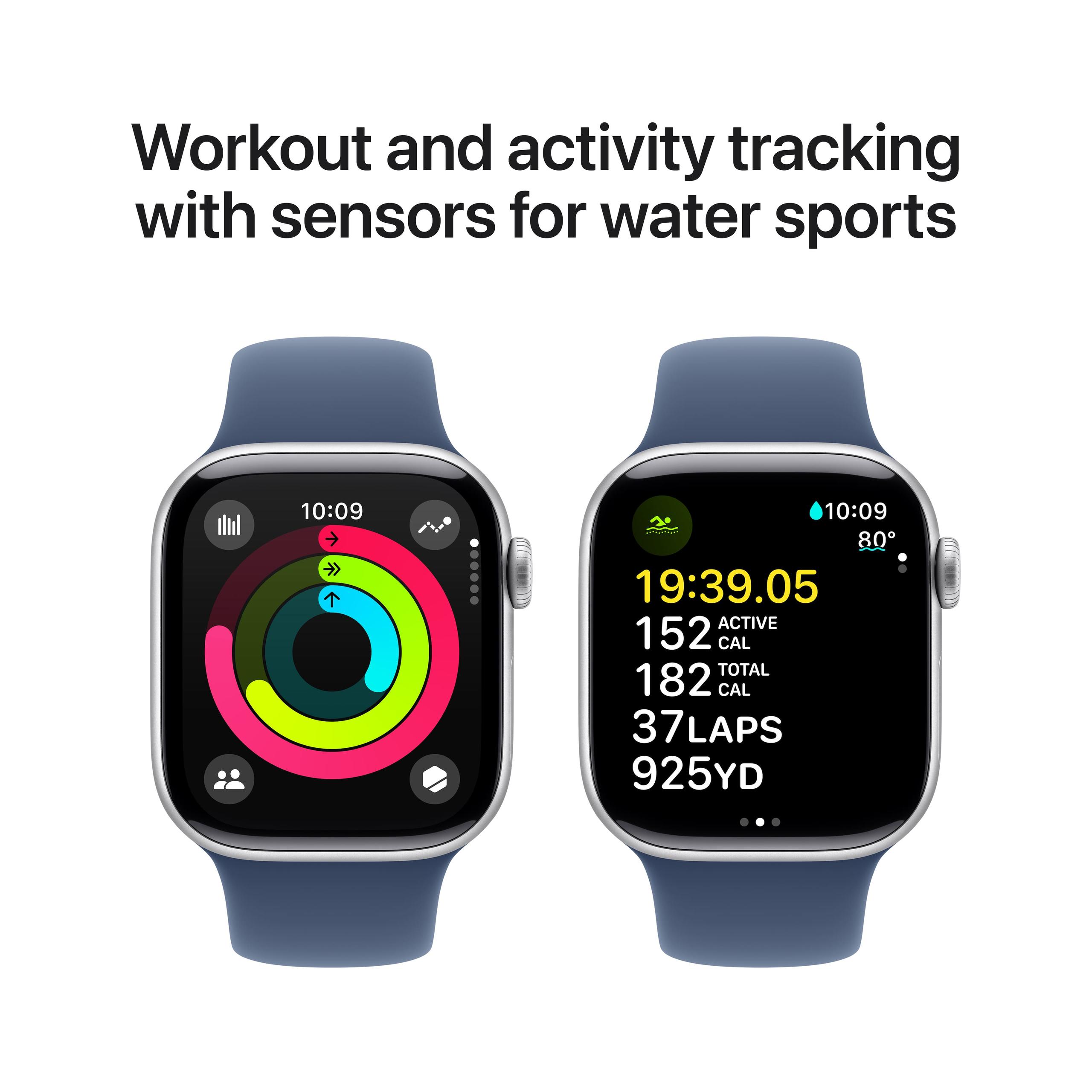
Where they diverge is in specialized fitness capabilities. The Apple Watch Series 10 includes a depth gauge that automatically activates when submerged, working to 6 meters depth, plus a water temperature sensor for swimming activities. It supports Training Load analysis, which tracks how workout intensity and duration impact your body over time.
The Apple Watch Ultra 3 extends these capabilities significantly. Its depth gauge works to 40 meters and meets EN13319 scuba diving certification standards. The precision dual-frequency GPS (L1 + L5) provides significantly more accurate location tracking than the Series 10's standard GPS, particularly in challenging environments like dense forests or urban canyons.
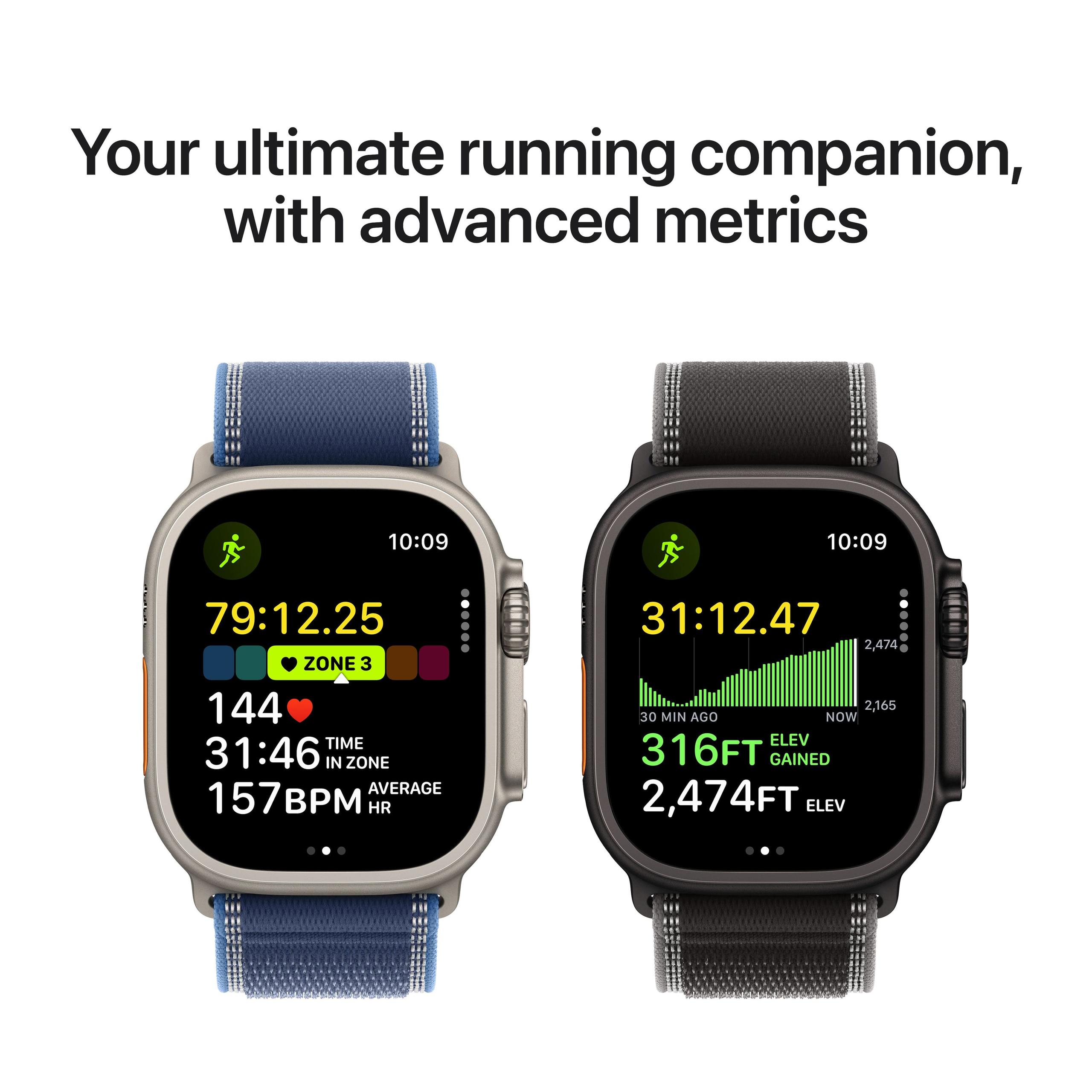
For serious athletes, the Ultra 3 offers advanced workout metrics including stride length, ground contact time, cadence, power output, and vertical oscillation. The new Workout Buddy feature uses Apple Intelligence to provide personalized coaching and motivation during activities.
Based on expert reviews and user feedback, GPS accuracy differences are noticeable. The Apple Watch Series 10 provides good accuracy for recreational activities, but the Apple Watch Ultra 3's dual-frequency system consistently outperforms in challenging conditions, making it essential for precision activities like trail running or mountaineering.
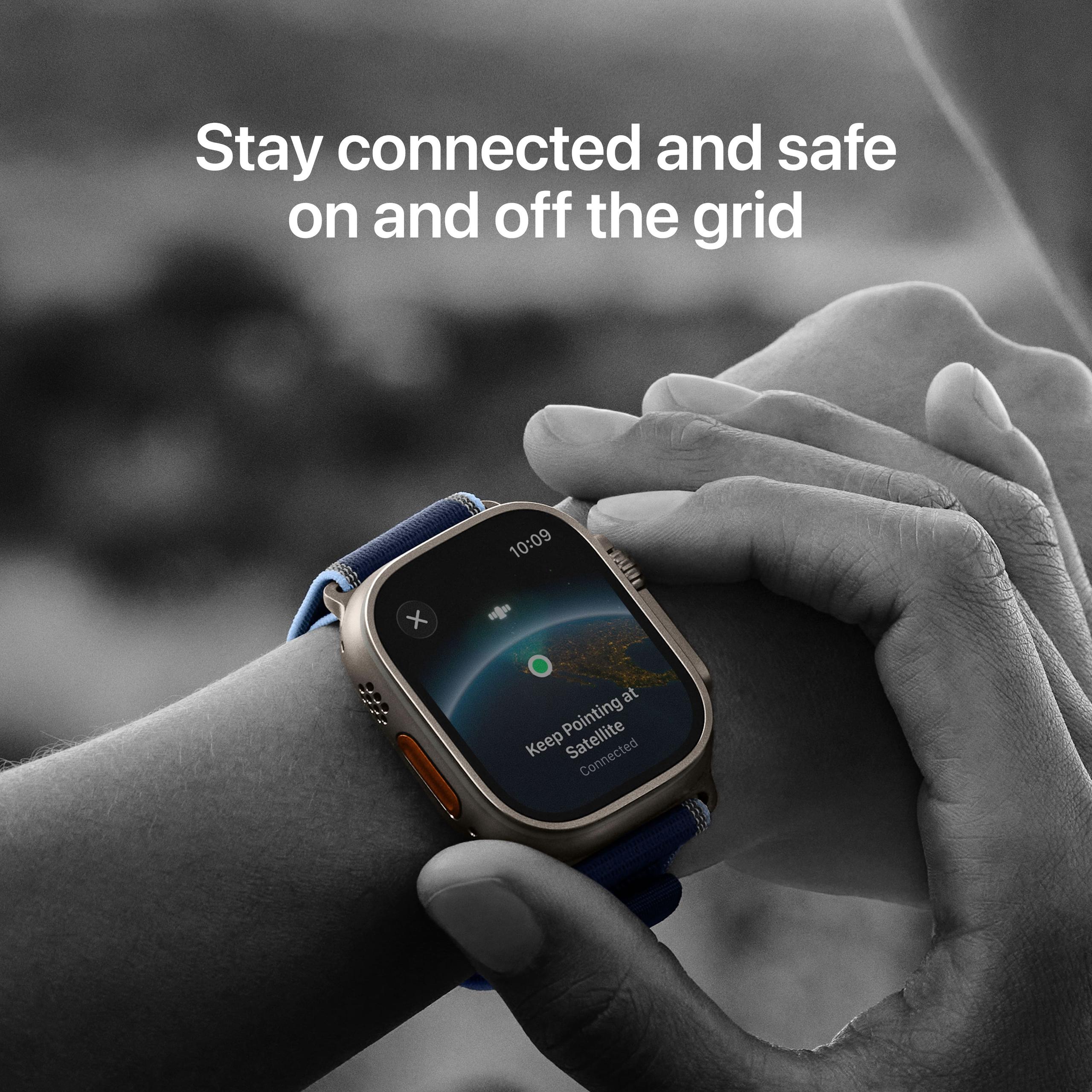
Both models support cellular connectivity, but the Apple Watch Ultra 3 introduces groundbreaking satellite communications—a first for any Apple Watch. This enables two-way satellite messaging, location sharing, and Emergency SOS even when completely outside cellular coverage. For outdoor enthusiasts, this represents a genuine safety breakthrough.
The Ultra 3 also supports 5G RedCap (Reduced Capability) connectivity, providing faster data speeds and improved call quality compared to the Series 10's 4G LTE. However, for most daily usage scenarios, both provide excellent connectivity performance.
Wi-Fi and Bluetooth capabilities are similar across both models, supporting the full Apple ecosystem seamlessly. The practical difference lies in the Ultra 3's satellite features, which could be life-saving for remote adventurers but unnecessary for urban users.
Both watches run watchOS 11 and support identical smart features, including on-device Siri processing, Apple Intelligence integration, and the complete Apple ecosystem. App performance is nearly identical thanks to the same S10 chip and 64GB storage capacity.
The Apple Watch Ultra 3's larger display provides better usability for complex apps and data-heavy interfaces. The additional screen space makes a noticeable difference when viewing detailed workout data, maps, or multiple complications simultaneously.
At the time of writing, the Apple Watch Series 10 represents excellent value in the premium smartwatch segment, offering sophisticated health tracking, cellular connectivity, and Apple's ecosystem integration. The Apple Watch Ultra 3 commands a significant premium—roughly 60% more—for its specialized capabilities.
This pricing reflects their distinct market positioning. The Series 10 targets mainstream users seeking premium features without compromise, while the Ultra 3 serves users with specific needs for extreme durability, extended battery life, or satellite connectivity.
For most users, the Apple Watch Series 10 provides 90% of the Ultra 3's functionality at a substantially lower cost. The premium becomes justified only if you specifically need the Ultra 3's unique capabilities.
The Apple Watch Series 10 excels in professional environments, daily fitness routines, and general health monitoring. Its lightweight design makes it comfortable for extended wear, and the refined aesthetics suit business and casual settings equally well. The fast charging accommodates busy lifestyles, and the health features support wellness goals without requiring specialized knowledge.
The Apple Watch Ultra 3 shines in demanding scenarios: multi-day hiking trips where satellite communication provides safety backup, precision sports training requiring accurate GPS tracking, extreme weather conditions where durability matters, and situations where multi-day battery life eliminates charging concerns.
User reviews consistently highlight comfort as the Series 10's greatest strength and capability as the Ultra 3's defining characteristic. The choice often comes down to whether you need a sophisticated daily wearable or a specialized adventure tool.
Choose the Apple Watch Series 10 if you prioritize daily comfort, have a moderate budget, primarily use smartwatch features for health tracking and notifications, prefer lightweight devices, or don't need specialized outdoor features. It represents the sweet spot of Apple Watch capability and value.
Choose the Apple Watch Ultra 3 if you regularly engage in outdoor adventures, need multi-day battery life, require maximum durability, want precision GPS tracking, value satellite communication for safety, or simply prefer larger displays for better visibility.
The decision ultimately hinges on lifestyle alignment rather than general performance, as both deliver excellent smartwatch experiences within their intended domains. The Apple Watch Series 10 perfects the everyday smartwatch formula, while the Apple Watch Ultra 3 extends Apple Watch capability into previously impossible territory.
For most readers, the Series 10 will exceed expectations and provide years of reliable service. However, if you've identified specific needs that only the Ultra 3 can address, its premium pricing becomes justified by its unique capabilities. Consider your actual usage patterns carefully—the right choice depends more on how you'll use the watch than on which has more impressive specifications.
| Apple Watch Series 10 GPS + Cellular 42mm Aluminum | Apple Watch Ultra 3 49mm Titanium GPS Cellular |
|---|---|
| Case Size and Weight - Critical for daily comfort and wearability | |
| 42mm, 29.3g (thinnest Apple Watch ever at 9.7mm) | 49mm, 61.6g (substantial but purposeful bulk at 12mm thick) |
| Display Size and Brightness - Affects readability and outdoor visibility | |
| 374×446 pixels, 989 sq mm area, up to 2,000 nits brightness | 422×514 pixels, 1,245 sq mm area, up to 3,000 nits peak brightness |
| Case Material and Durability - Determines scratch resistance and impact protection | |
| 100% recycled aluminum with Ion-X glass, 50m water resistance, IP6X dust rating | Aerospace-grade 3D-printed titanium with sapphire crystal, 100m water resistance, MIL-STD-810H certified |
| Battery Life - Most important for multi-day use and convenience | |
| Up to 18 hours normal use, 36 hours Low Power Mode | Up to 42 hours normal use, 72 hours Low Power Mode (genuine multi-day capability) |
| GPS Accuracy - Essential for fitness tracking and navigation precision | |
| Standard GPS (good for recreational activities) | Precision dual-frequency GPS L1+L5 (superior accuracy in challenging environments) |
| Connectivity Features - Determines communication capabilities in remote areas | |
| 4G LTE cellular, Wi-Fi 4, Bluetooth 5.3 | 5G RedCap cellular, satellite communications with two-way messaging, Emergency SOS via satellite |
| Depth and Water Features - Important for swimming and water sports | |
| Depth gauge to 6m, water temperature sensor, 50m water resistance | Depth gauge to 40m with scuba diving certification (EN13319), water temperature sensor, 100m water resistance |
| Health Monitoring - Core functionality for wellness tracking | |
| ECG, blood oxygen, sleep apnea notifications, temperature sensing, heart rate monitoring | All Series 10 features plus hypertension notifications and enhanced sleep scoring |
| Charging Speed - Affects daily convenience and travel usability | |
| 80% charge in 30 minutes, 8 hours use from 15-minute charge | 80% charge in 45 minutes, 12 hours use from 15-minute charge |
| Target User and Value Proposition | |
| Mainstream users seeking premium daily wearable with excellent health features | Outdoor enthusiasts, athletes, and users needing extreme durability and multi-day battery life |
The Apple Watch Series 10 GPS + Cellular 42mm Aluminum is significantly better for daily wear due to its lightweight 29.3g design and slim 9.7mm profile. It's comfortable enough to wear all day and night without fatigue. The Apple Watch Ultra 3 weighs over twice as much at 61.6g and may feel bulky for extended daily use, though some users prefer its substantial feel.
The primary difference is their target audience and design philosophy. The Apple Watch Series 10 prioritizes everyday comfort and style with a thin aluminum case, while the Apple Watch Ultra 3 focuses on extreme durability and extended battery life with a rugged titanium construction. The Ultra 3 also includes unique features like satellite communications and precision dual-frequency GPS.
The Apple Watch Ultra 3 has significantly superior battery life, lasting up to 42 hours in normal use and 72 hours in Low Power Mode. The Apple Watch Series 10 provides up to 18 hours normal use and 36 hours in Low Power Mode, requiring daily charging for most users.
The Apple Watch Ultra 3 is worth the premium only if you need its specific features: multi-day battery life, extreme durability, satellite communications, or precision GPS tracking. For most users, the Apple Watch Series 10 provides 90% of the functionality at a lower cost, making it better value for everyday use.
The Apple Watch Ultra 3 is substantially more durable with its aerospace-grade titanium case, sapphire crystal display, 100m water resistance, and MIL-STD-810H military certification. The Apple Watch Series 10 offers good durability for daily activities with aluminum construction and 50m water resistance, but can't match the Ultra 3's extreme-condition protection.
Both the Apple Watch Series 10 and Apple Watch Ultra 3 share core health monitoring features including ECG, blood oxygen sensing, sleep apnea notifications, and temperature tracking. The Ultra 3 adds hypertension notifications and enhanced sleep scoring, while both offer comprehensive fitness and wellness tracking capabilities.
The Apple Watch Ultra 3 is designed specifically for outdoor adventures with precision dual-frequency GPS, satellite communications, 40m depth gauge, multi-day battery life, and extreme weather resistance. The Apple Watch Series 10 handles recreational outdoor activities well but lacks the specialized features needed for serious hiking, climbing, or remote adventures.
Yes, both the Apple Watch Series 10 GPS + Cellular and Apple Watch Ultra 3 include cellular connectivity, allowing calls, messages, and app usage without an iPhone nearby. The Ultra 3 additionally offers satellite communications for areas without cellular coverage, providing emergency messaging and location sharing capabilities.
The Apple Watch Series 10 charges slightly faster, reaching 80% in about 30 minutes compared to the Apple Watch Ultra 3's 45 minutes. However, the Ultra 3's larger battery provides more usage hours from a quick charge session, offering 12 hours of use from 15 minutes of charging versus 8 hours for the Series 10.
Yes, the Apple Watch Ultra 3 has a larger 1,245 sq mm display with 3,000 nits peak brightness and scratch-resistant sapphire crystal. The Apple Watch Series 10 features a 989 sq mm display with 2,000 nits brightness and Ion-X glass. Both offer excellent clarity, but the Ultra 3 provides better outdoor visibility and more screen space.
While both watches are water-resistant, the Apple Watch Ultra 3 is superior for water activities with 100m water resistance, a 40m depth gauge with scuba diving certification, and enhanced durability for high-speed water sports. The Apple Watch Series 10 handles swimming and recreational water activities well with 50m water resistance and a 6m depth gauge.
For general fitness tracking, both the Apple Watch Series 10 and Apple Watch Ultra 3 offer excellent capabilities with identical sensors and workout detection. Choose the Ultra 3 if you need precision GPS for trail running, multi-day battery for ultramarathons, or extreme durability for intense training. The Series 10 is perfect for gym workouts, casual running, and daily activity monitoring.
We've done our best to create useful and informative comparisons to help you decide what product to buy. Our research uses advanced automated methods to create this comparison and perfection is not possible - please contact us for corrections or questions. These are the sites we've researched in the creation of this article: bestbuy.com - wareable.com - wareable.com - appleinsider.com - youtube.com - youtube.com - youtube.com - apple.com - dcrainmaker.com - dcrainmaker.com - apple.com - apple.com - forums.macrumors.com - gethegoods.com - appleinsider.com - apple.com - support.apple.com - apple.com - en.wikipedia.org - cellcom.com - youtube.com - walmart.com - youtube.com - apple.com - bestbuy.com - apple.com - youtube.com - apple.com - verizon.com - apple.com - apple.com - youtube.com - costco.com - bestbuy.com - t-mobile.com - talk.tidbits.com - support.apple.com - gci.com - att.com - youtube.com - dcrainmaker.com - youtube.com - phonearena.com - tomsguide.com - applevis.com - apple.com - apple.com - apple.com - apple.com - bestbuy.com - apple.com - macobserver.com - costco.com - apple.com - youtube.com - t-mobile.com - verizon.com - att.com

Privacy Policy
Terms and Conditions - Affiliate Policy
Home Security
© Copyright 2008-2026.
11816 Inwood Rd #1211, Dallas, TX 75244