

When you're shopping for a wrist-worn device in 2025, you're essentially choosing between two very different philosophies. Do you want a specialized tool that excels at tracking athletic performance, or a versatile daily companion that happens to monitor fitness? This fundamental question sits at the heart of comparing the Suunto Race 2 Titanium with the Google Pixel Watch 3 41mm LTE.
These devices represent the best of their respective categories, but they serve distinctly different purposes. Understanding which approach fits your lifestyle will save you from buyer's remorse and ensure you get the functionality you actually need.
The wearable market has evolved into distinct categories over the past few years. Sports watches prioritize accuracy, battery life, and specialized training features. They're built for people who view their watch primarily as a training tool. Smartwatches, on the other hand, focus on convenience, connectivity, and general health monitoring while serving as an extension of your smartphone.
When evaluating any wearable device, consider these core factors: how long the battery lasts between charges, how well it performs its primary functions, how durable it is for your intended use, and whether it integrates well with your existing devices and apps. The weight of these factors depends entirely on your lifestyle and priorities.
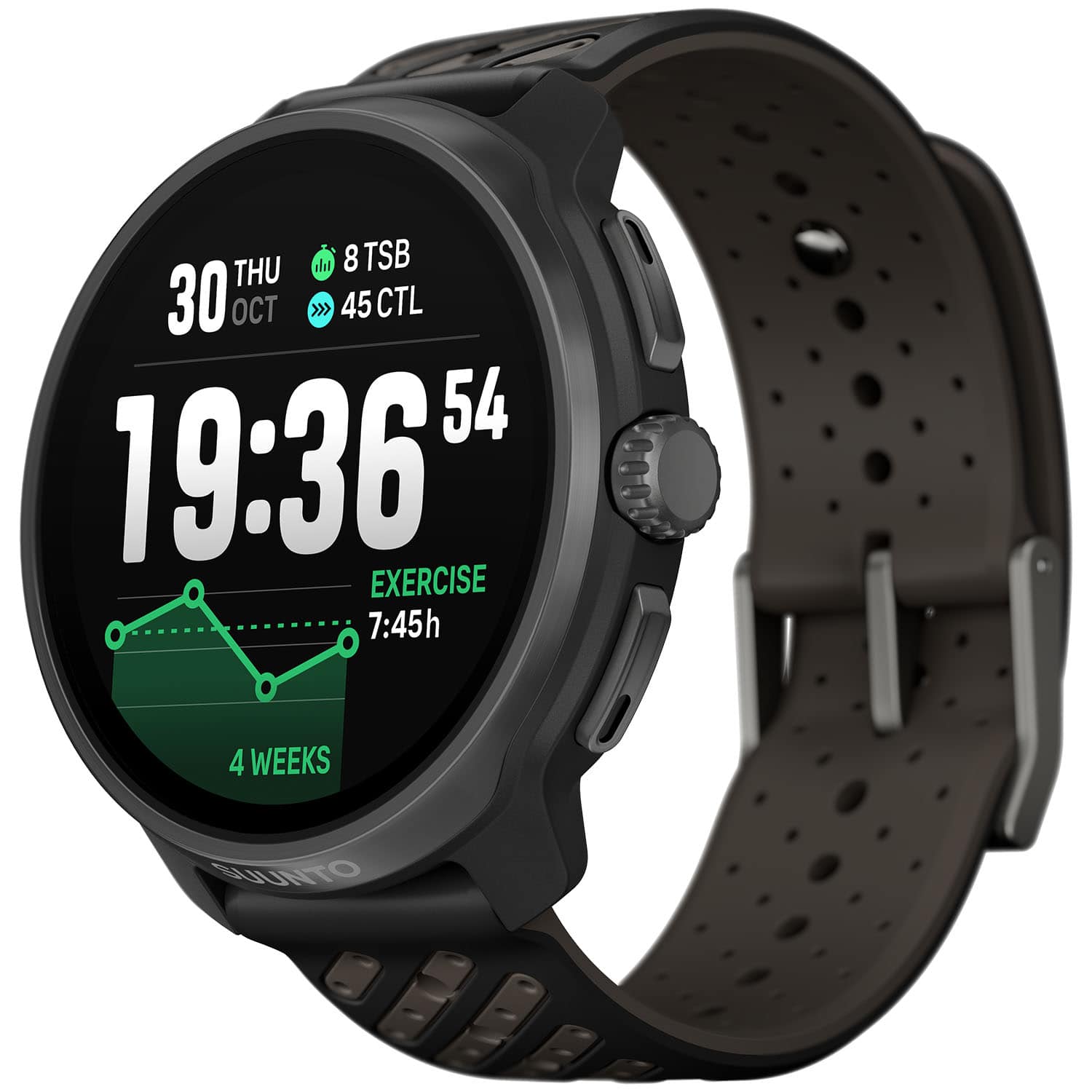
The Suunto Race 2 Titanium, launched in 2024, represents Suunto's flagship sports watch with significant improvements over its predecessor. At the time of writing, it commands a premium price point that reflects its titanium construction and specialized features. This isn't just a fitness tracker with a fancy case—it's engineered specifically for serious athletes and outdoor enthusiasts who demand professional-grade performance.
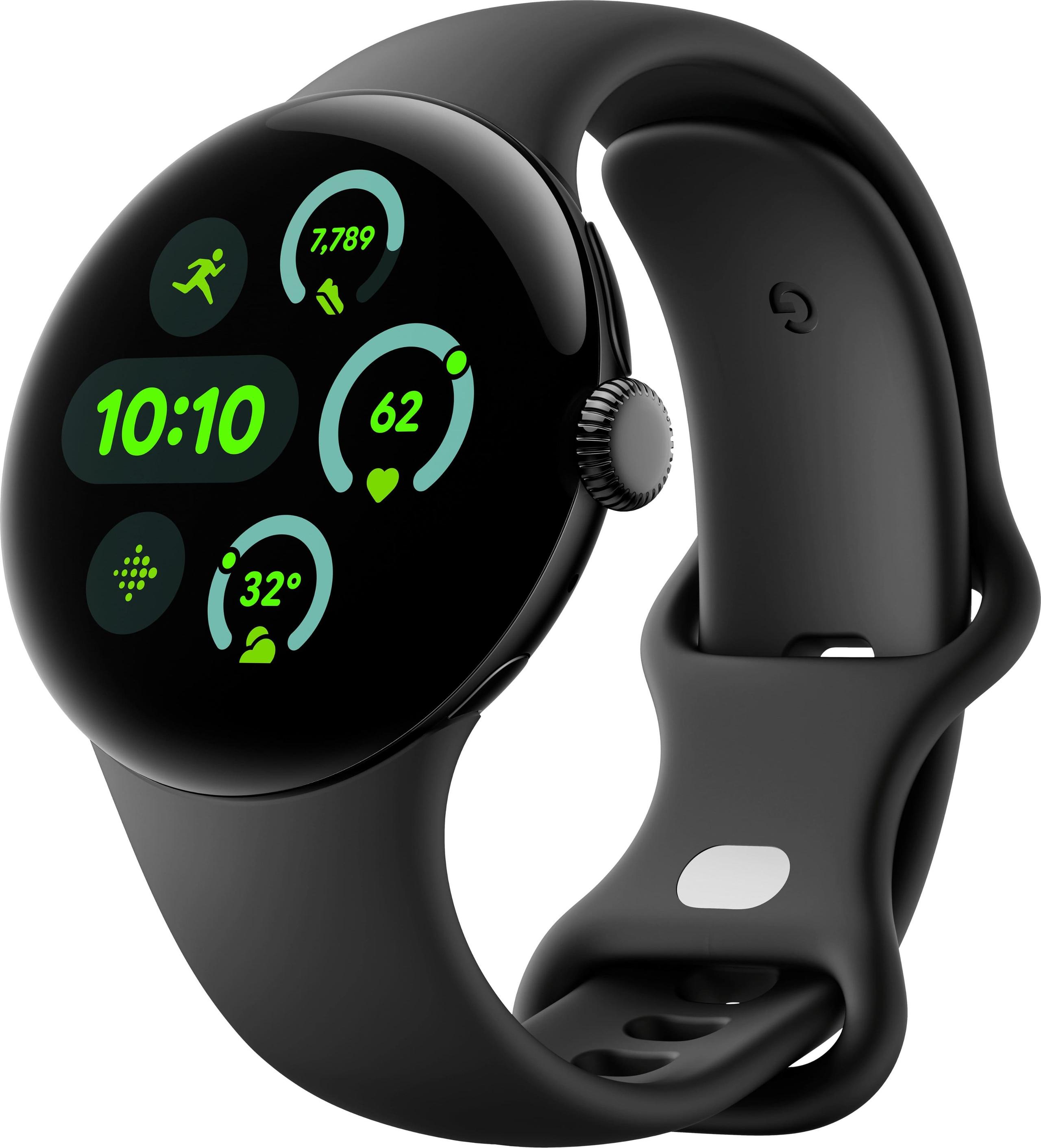
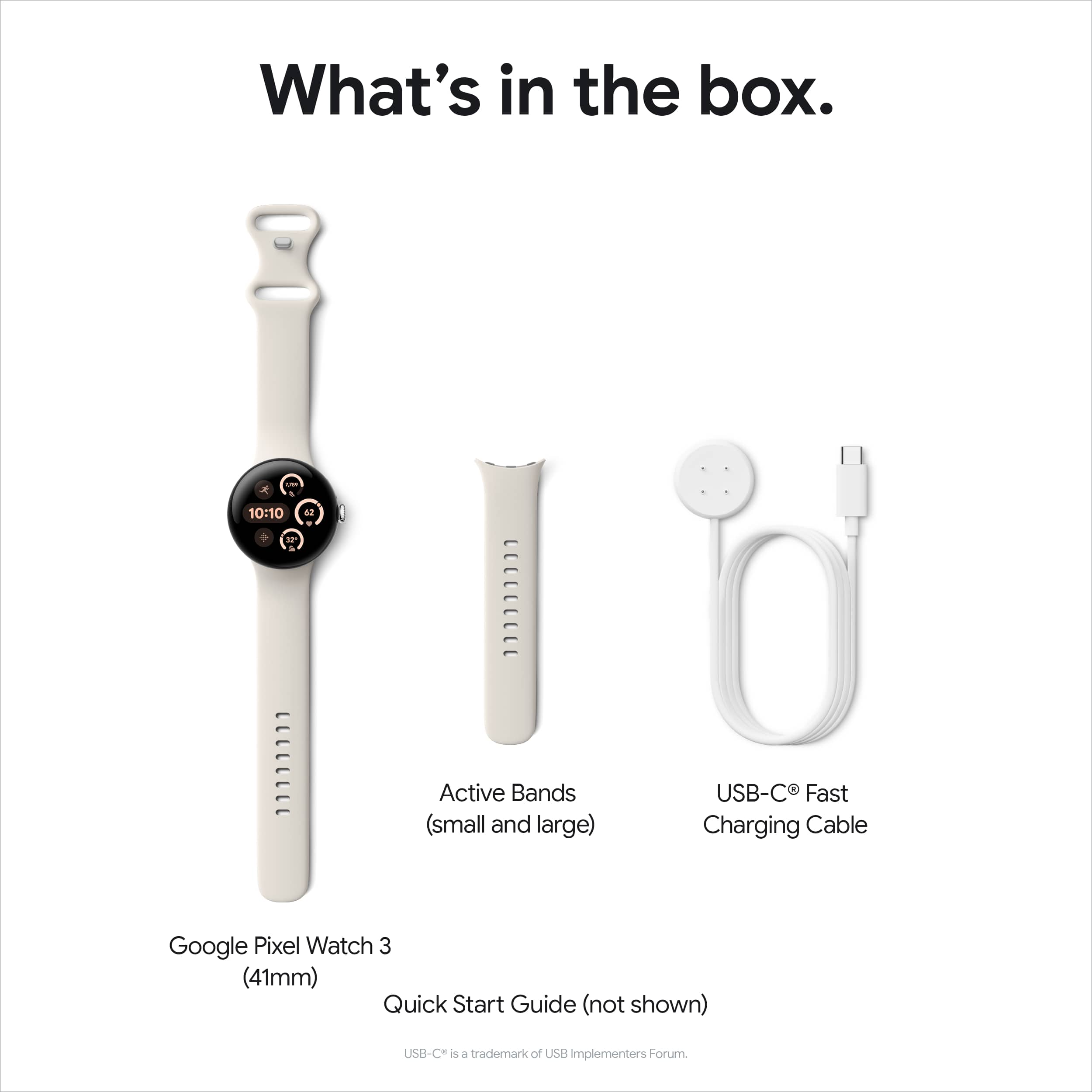
The Google Pixel Watch 3 41mm LTE, also released in 2024, takes a different approach entirely. Priced more accessibly than the Suunto, it positions itself as a comprehensive smartwatch that happens to include robust fitness features. Google designed this device for people who want their watch to seamlessly integrate with their digital life while providing solid health monitoring capabilities.
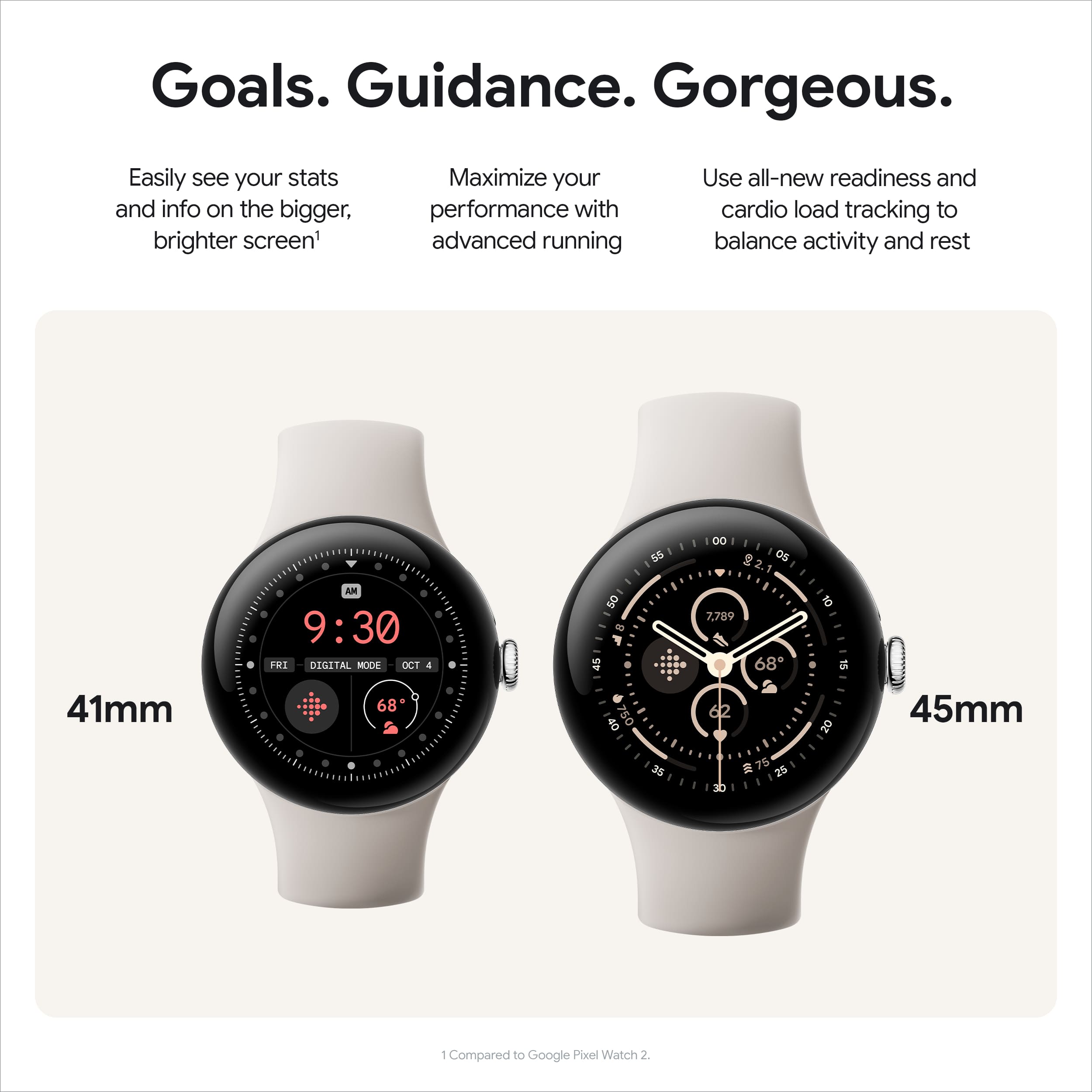
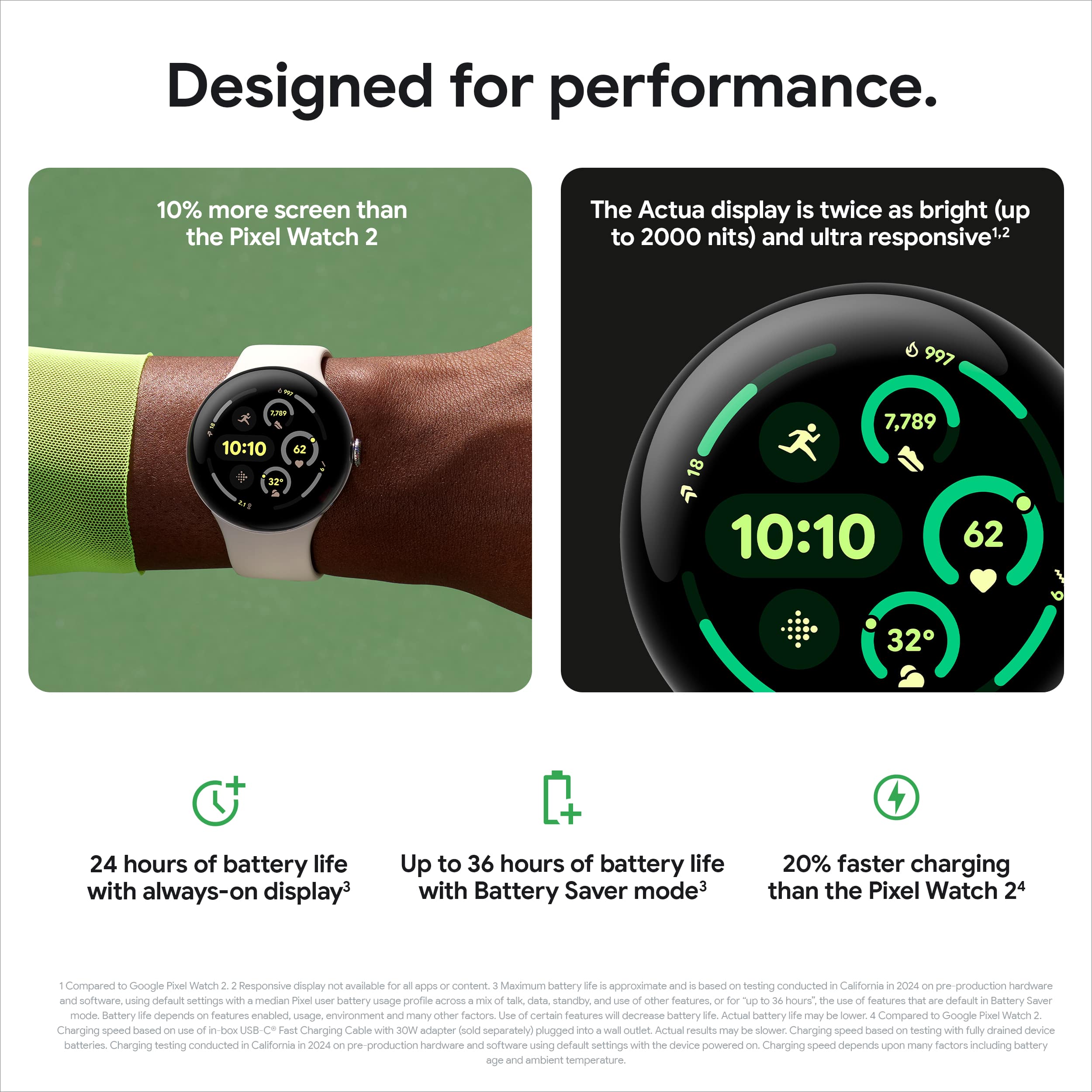
Both watches feature impressive AMOLED displays that can reach 2,000 nits of brightness—a specification that might sound like marketing jargon but makes a real difference when you're trying to read your watch in bright sunlight. However, the implementations differ significantly.
The Suunto Race 2 Titanium sports a larger 1.5-inch display with 466×466 pixel resolution, protected by sapphire crystal glass. Sapphire is significantly harder than regular glass, meaning it resists scratches from rocks, metal, and daily wear much better than standard materials. This protection comes at a cost—both in terms of price and weight—but for someone who spends time outdoors or in challenging environments, it's invaluable insurance against damage.
The Google Pixel Watch 3 uses a smaller 1.2-inch display with Corning Gorilla Glass 5 protection. While not as scratch-resistant as sapphire, Gorilla Glass offers adequate protection for daily use while enabling features like responsive touch input and smooth 60Hz refresh rates. This higher refresh rate means scrolling through menus and swiping between screens feels fluid and modern, similar to what you'd expect from a smartphone.
For outdoor athletes, the Suunto's larger, more protected display wins decisively. The extra screen real estate makes data fields easier to read during activities, and the sapphire crystal won't get scratched up after a season of trail running or rock climbing. However, if you prioritize smooth touch interactions and don't need extreme durability, the Pixel's display offers a more responsive everyday experience.
This is where these devices diverge most dramatically. The Suunto Race 2 Titanium delivers up to 16 days of smartwatch use and an extraordinary 55 hours of continuous GPS tracking with dual-frequency positioning enabled. These aren't theoretical numbers—they reflect real-world usage patterns where you're checking the time, receiving notifications, and using basic features throughout the day.
For GPS-intensive activities, Suunto's engineering really shines. Dual-frequency GPS (which uses both L1 and L5 satellite signals for improved accuracy) typically drains batteries quickly, yet the Suunto manages to maintain exceptional longevity. This capability is crucial for ultramarathon runners, multi-day hikers, or anyone who doesn't want to worry about their watch dying mid-adventure.
The Google Pixel Watch 3 takes a conventional smartwatch approach with 24-hour battery life when using the always-on display, or up to 36 hours in battery saver mode. While Google has implemented fast charging (reaching 50% capacity in about 24 minutes), this still means daily charging for most users.
The battery difference isn't just about convenience—it fundamentally affects how you can use each device. With the Suunto, you can head out for a weekend camping trip or multi-day hiking adventure without carrying a charger. The Pixel Watch requires more planning and limits certain use cases where charging isn't practical.
The navigation capabilities showcase perhaps the starkest difference between these devices. The Suunto Race 2 Titanium includes dual-frequency GPS that connects to multiple satellite systems (GPS, GLONASS, GALILEO, QZSS, and BEIDOU). Dual-frequency GPS uses two different satellite signals to calculate your position more accurately, especially in challenging environments like urban canyons with tall buildings or dense forests where satellite signals can bounce around.
More importantly, the Suunto offers 32GB of storage for offline maps, turn-by-turn navigation, and elevation profiles. This means you can download detailed topographic maps before heading into areas without cell coverage and still receive guidance. The elevation profiles show you upcoming climbs and descents, similar to professional cycling computers, helping you pace your effort during long activities.
The Google Pixel Watch 3 includes standard GPS functionality adequate for basic activity tracking and location services, but lacks offline mapping capabilities. It relies on your connected smartphone for detailed navigation, which works fine for urban runs or gym workouts but becomes problematic in remote areas or when you want to leave your phone behind.
For serious outdoor activities, the Suunto's navigation features justify its higher price. If you primarily exercise in familiar areas or urban environments where your phone provides navigation, the Pixel's simpler GPS implementation suffices.
Both devices excel at fitness tracking, but they emphasize different aspects of health and performance monitoring.
The Suunto Race 2 Titanium offers over 115 sport modes with customizable data fields for each activity. Beyond basic metrics like heart rate and pace, it provides advanced training analytics including VO2 max estimation (a measure of your cardiovascular fitness), lactate threshold detection (the intensity where your body starts accumulating lactic acid faster than it can clear it), and training load analysis to help prevent overtraining.
The redesigned optical heart rate sensor in the Suunto Race 2 represents a significant improvement over previous generations. Based on user reports and expert reviews, the new sensor delivers much more accurate readings during both steady-state activities and high-intensity intervals. This accuracy matters because heart rate data forms the foundation for all other training metrics.
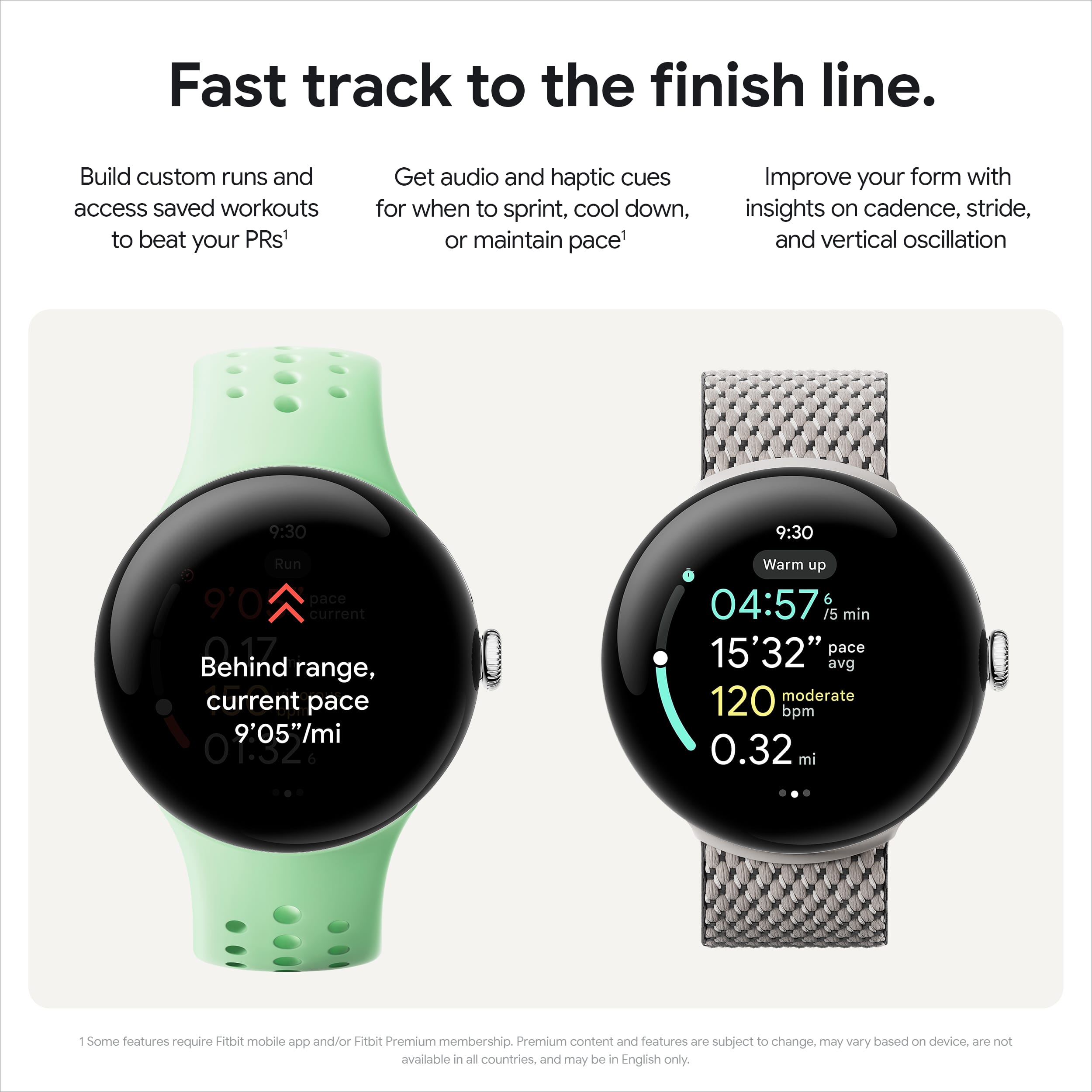
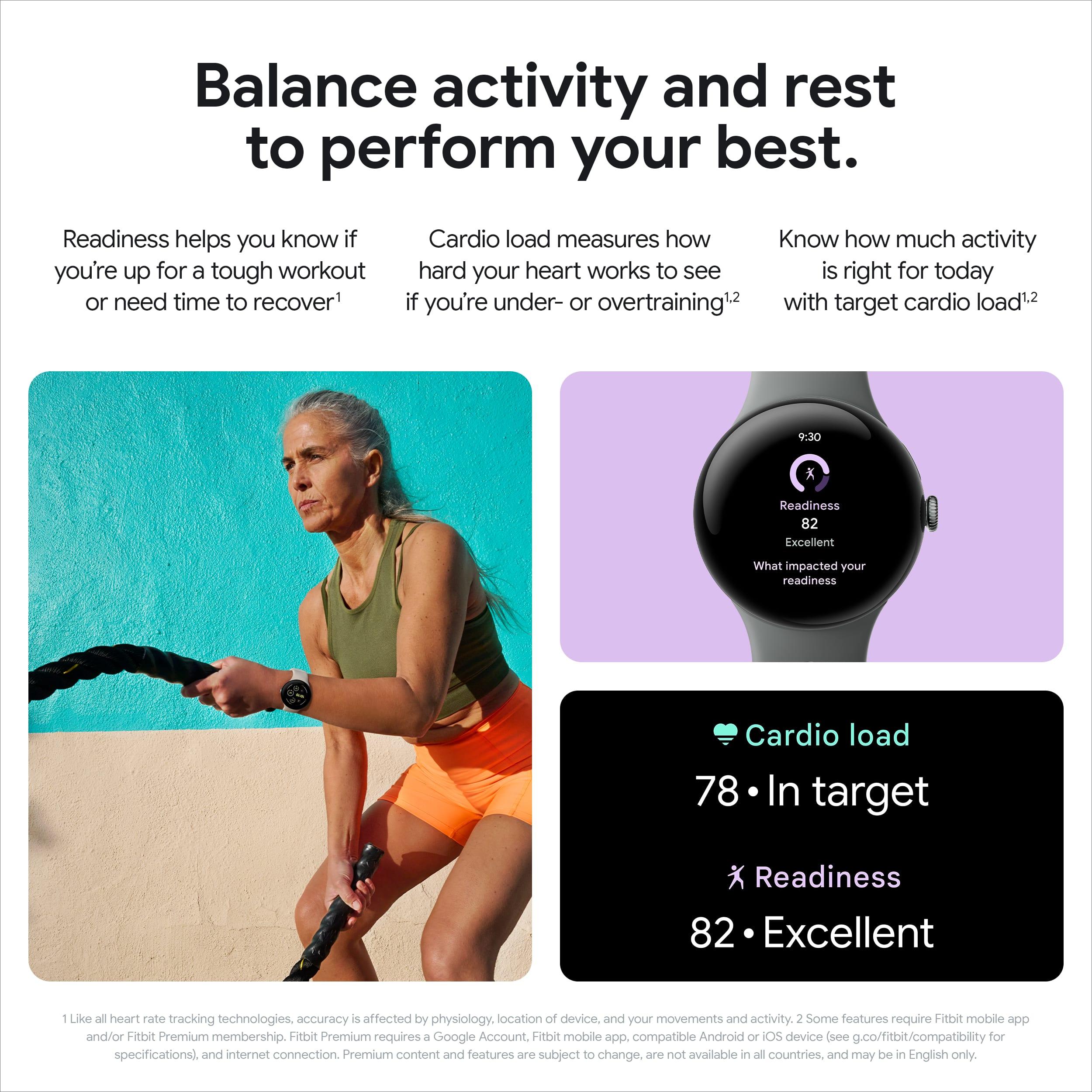
The Google Pixel Watch 3 takes a broader health monitoring approach. It includes sensors for ECG (electrocardiogram, which can detect irregular heart rhythms), SpO2 (blood oxygen saturation), skin temperature, and stress monitoring through electrical skin conductance. These features provide valuable insights into overall health trends and can help identify potential medical concerns early.
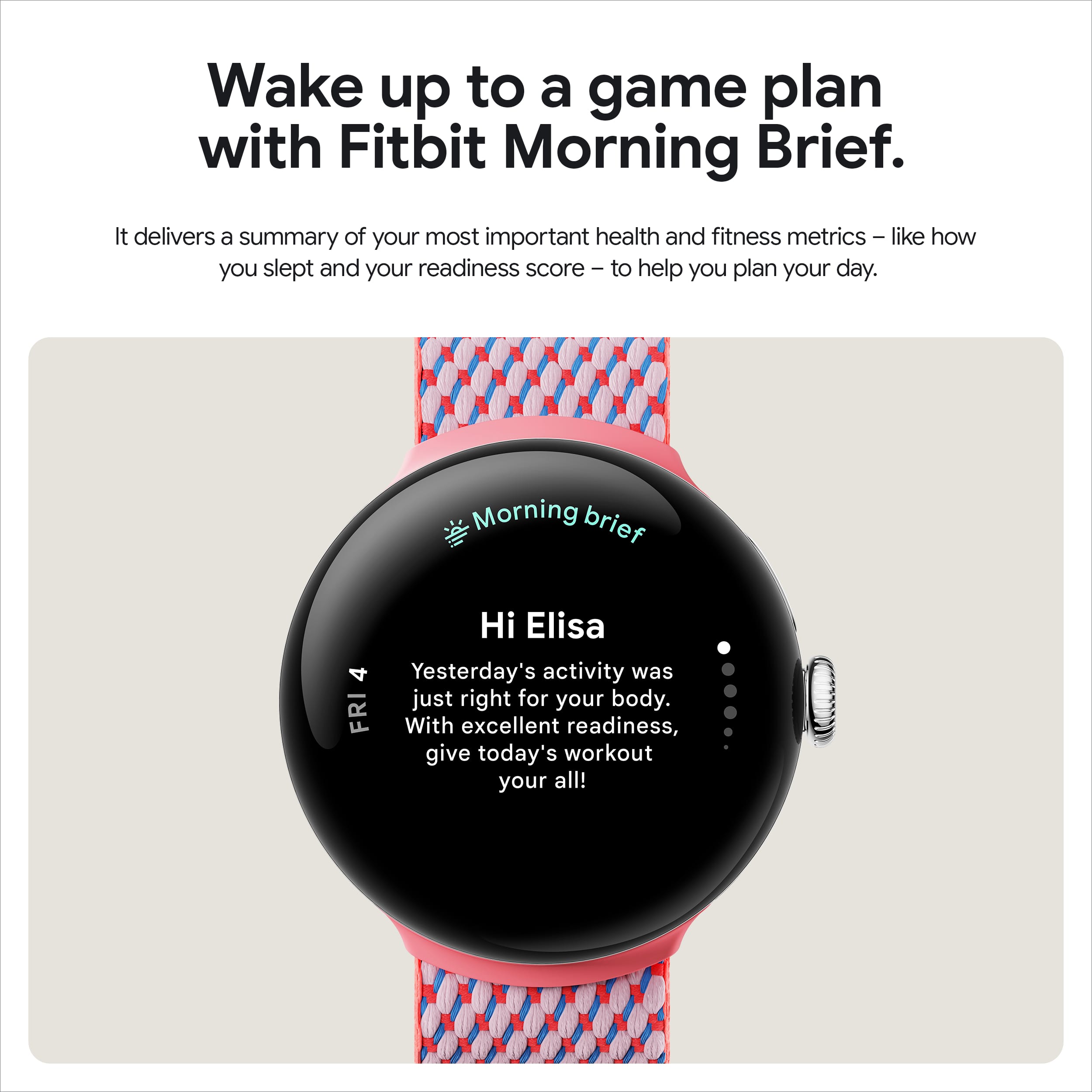
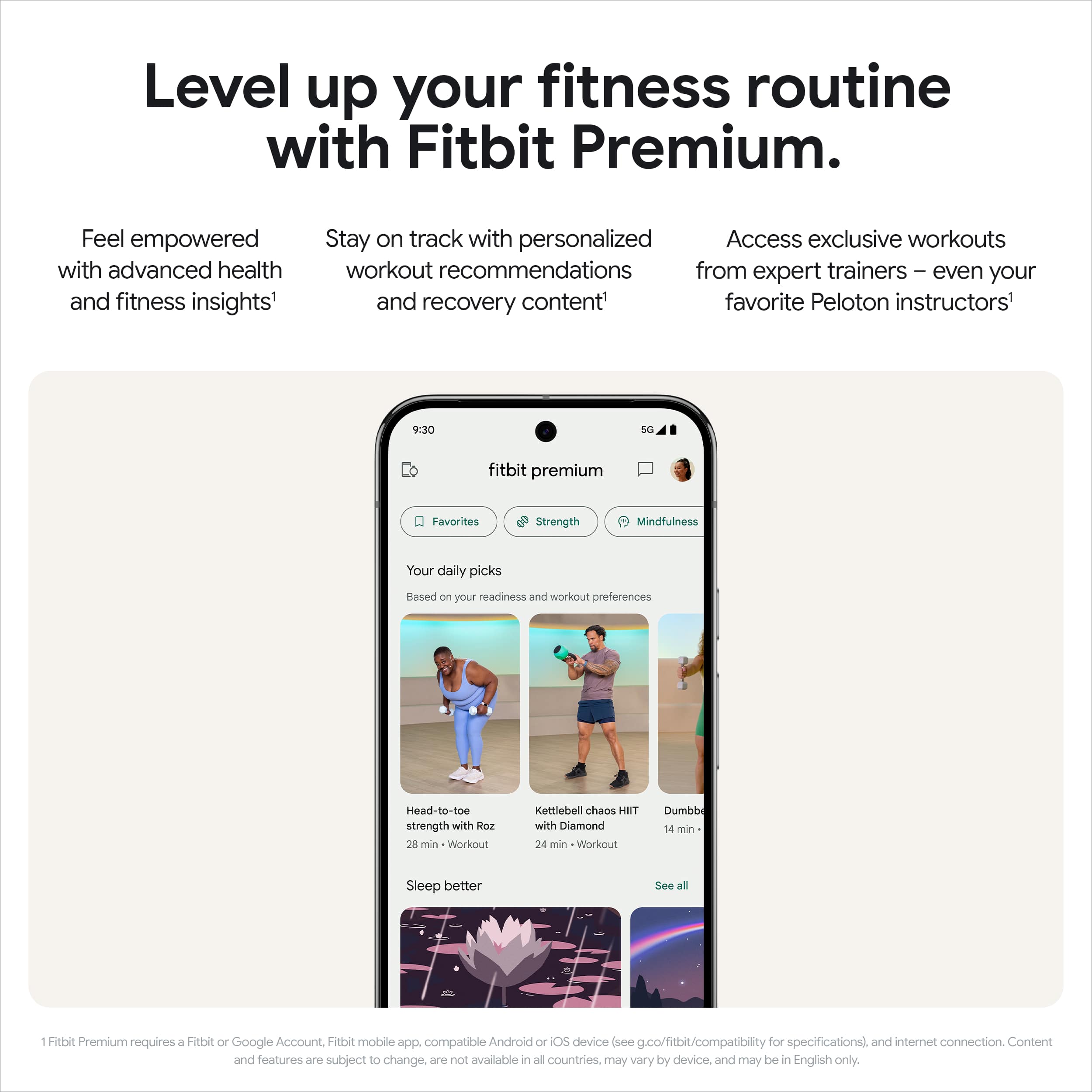
However, the Pixel's fitness features often require a Fitbit Premium subscription to unlock advanced insights and personalized coaching. While the basic tracking is free, the most valuable analytics and recommendations are locked behind a paywall, adding to the long-term cost of ownership.
For dedicated athletes focused on improving performance, the Suunto's specialized training features and subscription-free approach offer better value. If you're more interested in general health monitoring and don't mind ongoing subscription costs, the Pixel's comprehensive sensor suite provides broader insights.
This comparison reveals the core philosophical difference between these devices most clearly.
The Suunto Race 2 Titanium intentionally minimizes smart features to focus on its primary mission. You'll get basic notifications from your phone and media controls for music, but there's no app store, no payment system, and no voice assistant. This isn't an oversight—it's a deliberate design choice that prioritizes battery life and specialized functionality over general convenience features.
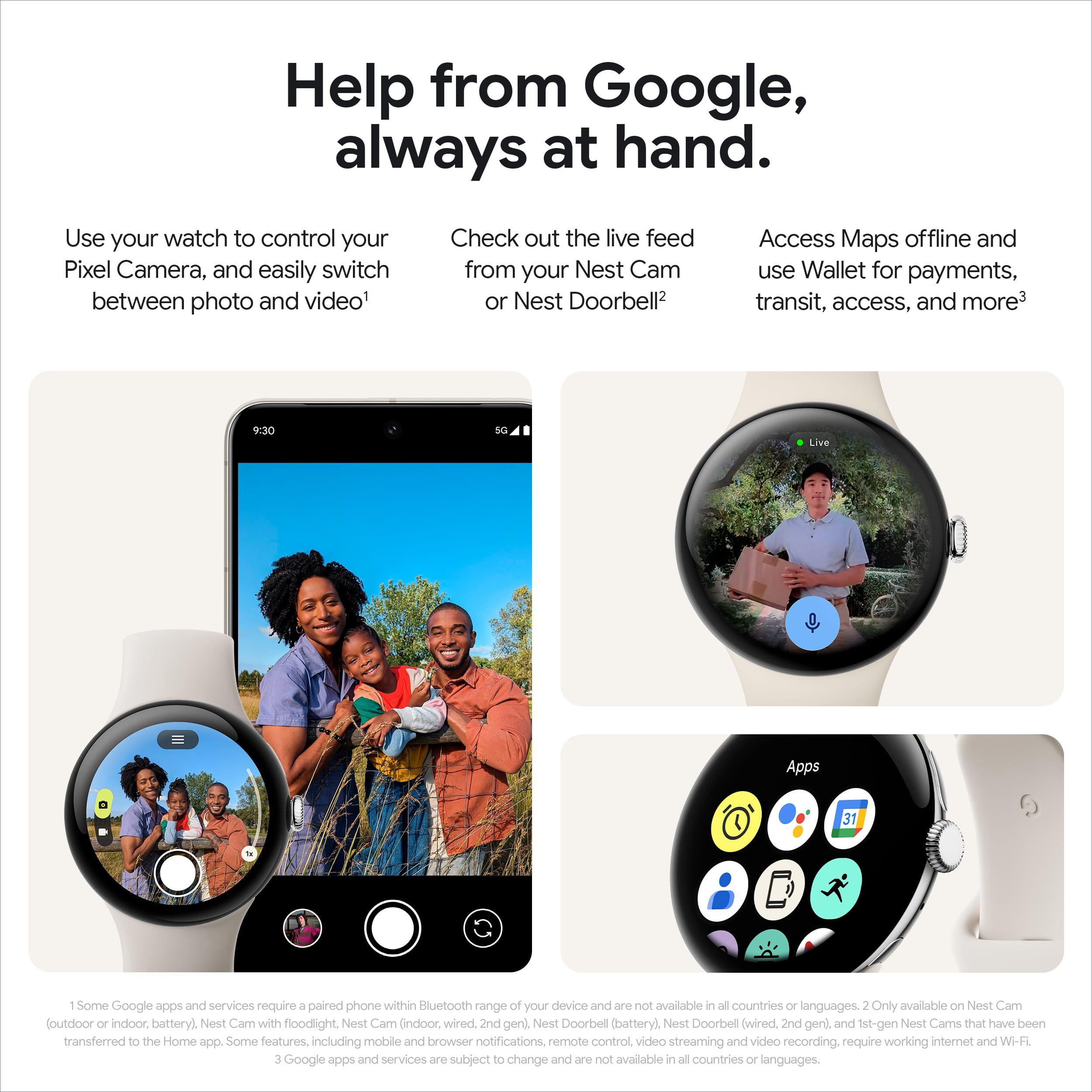
The Google Pixel Watch 3 runs full Wear OS 5.0, providing access to Google's ecosystem of apps and services. You can make payments with Google Pay, use Google Assistant for voice commands, download third-party apps, and even make phone calls directly from the watch when connected to LTE networks. The standalone LTE connectivity means you can leave your phone at home for short runs or workouts while still staying connected.
The smart features extend to integration with Google's services as well. If you use Google Calendar, Gmail, Google Maps, or other Google services extensively, the Pixel Watch seamlessly syncs and provides relevant information without requiring you to check your phone constantly.
For users who want their watch to serve as a true smartphone companion, the Pixel Watch offers significantly more functionality. However, if you prefer a distraction-free training tool that won't tempt you with notifications and apps during workouts, the Suunto's minimal approach has clear advantages.
The construction quality reflects each device's intended use case and price point.
The Suunto Race 2 Titanium uses Grade 5 titanium for the bezel, which offers an excellent strength-to-weight ratio. Despite the premium materials, it weighs just 65 grams, making it surprisingly comfortable for all-day wear and sleep tracking. The glass fiber reinforced polyamide case provides durability while keeping weight down, and the 100-meter water resistance rating means you can swim, shower, and encounter weather without concern.
The sapphire crystal display protection deserves special mention. While it adds cost and weight, sapphire is nearly impossible to scratch during normal use. After months of outdoor activities, a sapphire-protected watch will look nearly new, while conventional glass often shows wear from daily contact with surfaces.
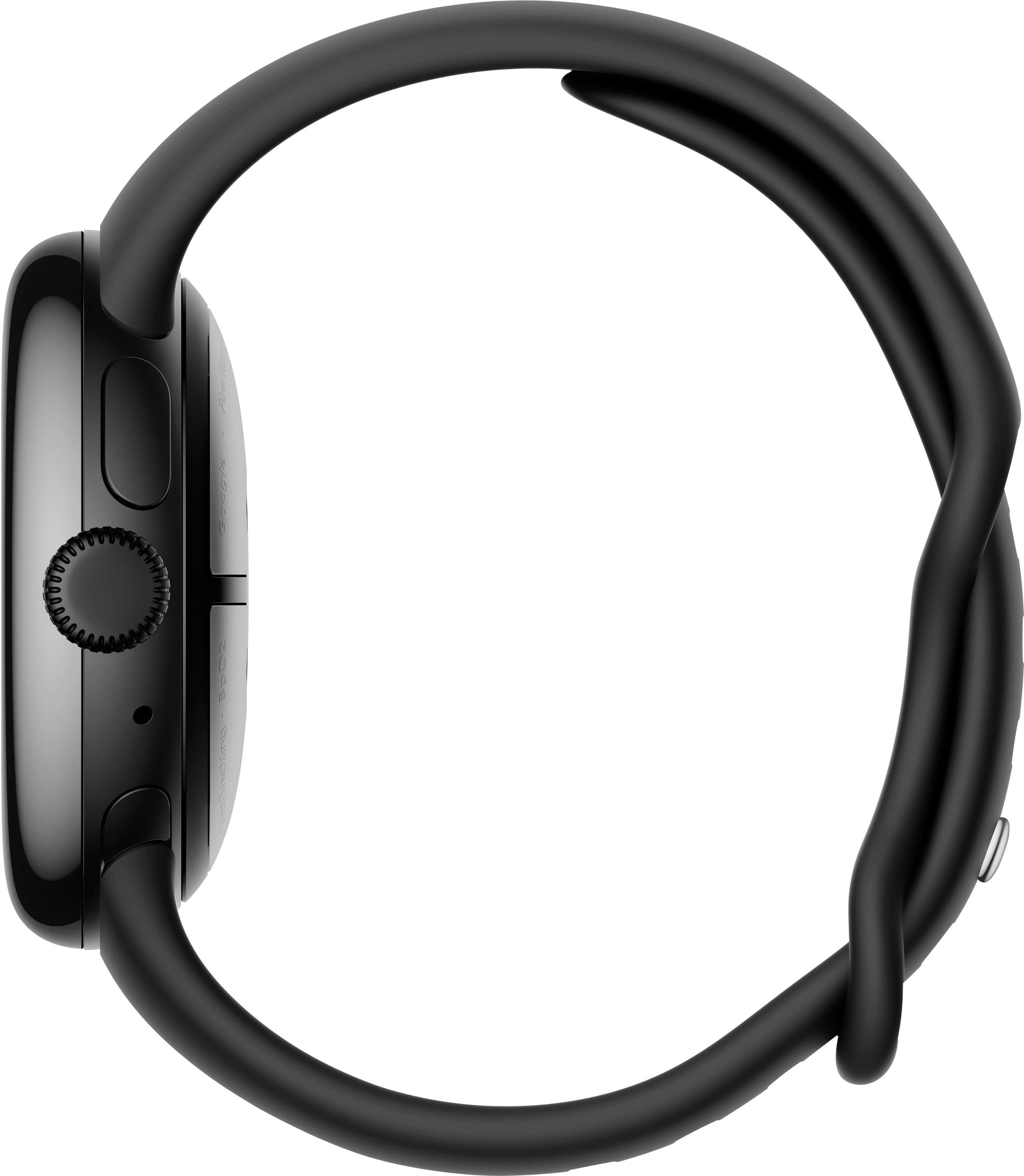
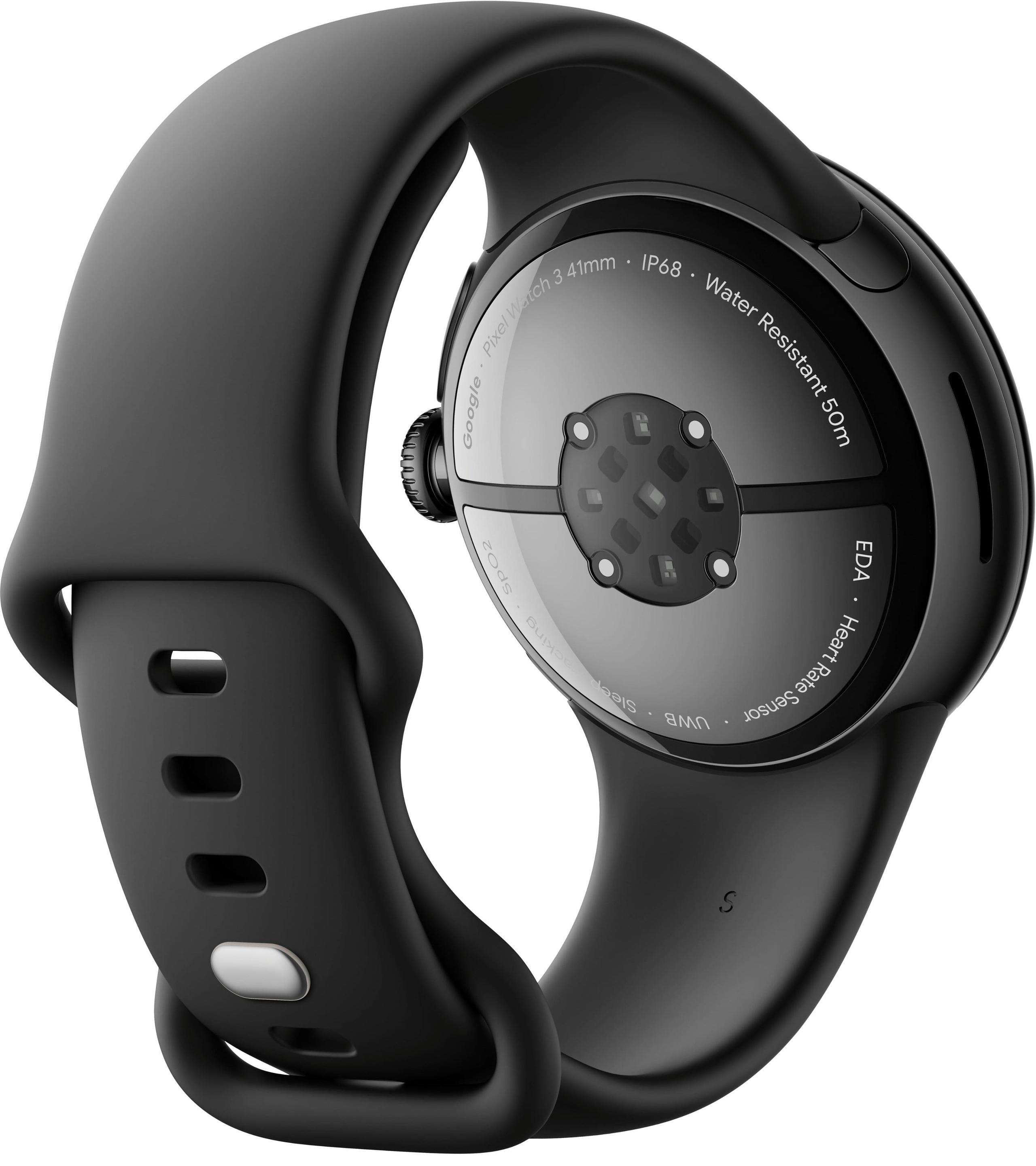
The Google Pixel Watch 3 uses recycled aluminum construction that prioritizes comfort and environmental responsibility over ultimate durability. At 31 grams, it's noticeably lighter than the Suunto, which some users prefer for extended wear. The 5 ATM water resistance and IP68 dust protection handle daily use and exercise well, though it's less robust than the Suunto's construction.
The build quality choice comes down to your priorities: the Suunto emphasizes longevity and abuse resistance, while the Pixel focuses on daily comfort and sustainability.
After evaluating both devices extensively through user reports, expert reviews, and technical specifications, clear usage patterns emerge for each watch.
Choose the Suunto Race 2 Titanium if you're a serious athlete or outdoor enthusiast who values specialized performance over general convenience. Marathon runners, triathletes, hikers, and cyclists who want detailed training analytics, offline navigation, and multi-day battery life will find the Suunto's focused feature set invaluable. The higher price point makes sense when you consider the premium materials, specialized sensors, and professional-grade capabilities.
The Suunto also makes sense for people who prefer single-purpose tools that excel at their intended function rather than trying to do everything adequately. If you already carry a smartphone for smart features and want your watch to be a dedicated training and timing device, the Suunto's approach aligns perfectly with that philosophy.
The Google Pixel Watch 3 suits users who want a versatile daily companion that happens to include solid fitness features. If you're primarily interested in general health monitoring, smart notifications, payment convenience, and app functionality, with fitness tracking as a secondary priority, the Pixel Watch delivers better overall value.
Android users already invested in Google's ecosystem will particularly appreciate the seamless integration with Gmail, Google Calendar, Google Pay, and other services. The LTE connectivity also appeals to people who want the option to leave their phone behind occasionally while maintaining connectivity.
The choice between these devices ultimately depends on your primary use case and priorities. At the time of writing, the Suunto Race 2 Titanium commands a significant price premium over the Google Pixel Watch 3, but the cost difference reflects fundamentally different approaches to wearable technology.
If battery life lasting weeks rather than hours is crucial, if you need professional-grade GPS and navigation features, or if you prioritize specialized training analytics over general smart features, the Suunto justifies its premium pricing through superior performance in these areas.
If you want a watch that seamlessly integrates with your digital life, provides comprehensive health monitoring, and offers the convenience of payments, apps, and voice assistance, the Pixel Watch delivers significantly more functionality for the price, even though it requires daily charging and doesn't match the Suunto's specialized athletic capabilities.
Neither device effectively serves both purposes, so honest self-assessment of your primary needs will guide you to the right choice. The good news is that both represent excellent execution of their respective visions—you're choosing between two devices that excel at their intended purposes rather than settling for a compromise that does everything poorly.
| Suunto Race 2 Titanium Sports Watch | Google Pixel Watch 3 41mm LTE Smartwatch |
|---|---|
| Display Size & Protection - Larger screens show more data, better protection prevents scratches | |
| 1.5" AMOLED with sapphire crystal (premium scratch resistance) | 1.2" AMOLED with Gorilla Glass 5 (adequate daily protection) |
| Battery Life - Most critical difference between these devices | |
| 16 days smartwatch / 55 hours GPS (exceptional for multi-day activities) | 24 hours always-on / 36 hours battery saver (requires daily charging) |
| GPS Accuracy - Essential for outdoor activities and navigation | |
| Dual-frequency multi-band GPS with offline maps (professional grade) | Standard GPS with basic location tracking (adequate for casual use) |
| Weight & Build - Affects comfort for all-day wear | |
| 65g titanium construction with 100m water resistance (premium durability) | 31g recycled aluminum with 5ATM rating (lighter daily comfort) |
| Smart Features - Determines daily usability beyond fitness | |
| Basic notifications only (focused sports tool approach) | Full Wear OS with apps, payments, calls (comprehensive smartwatch) |
| Sports Tracking - Depth of athletic performance analysis | |
| 115+ modes with advanced training metrics (VO2 max, training load) | 40+ modes with health monitoring (ECG, SpO2, stress tracking) |
| Navigation Capabilities - Critical for outdoor adventures | |
| Turn-by-turn with elevation profiles and 32GB offline maps | Phone-dependent navigation (limited standalone capability) |
| Connectivity Options - Determines independence from phone | |
| Bluetooth only with basic phone pairing | LTE, Bluetooth, Wi-Fi with standalone calling/messaging |
| Subscription Requirements - Ongoing costs affect total ownership | |
| No subscriptions needed for core features | Fitbit Premium required for advanced health insights |
| Target User - Who each device serves best | |
| Serious athletes and outdoor enthusiasts prioritizing performance | Android users wanting versatile daily smartwatch with fitness features |
The Suunto Race 2 Titanium Sports Watch offers significantly better battery life with up to 16 days in smartwatch mode and 55 hours of continuous GPS tracking. The Google Pixel Watch 3 41mm LTE Smartwatch provides 24 hours with always-on display or 36 hours in battery saver mode, requiring daily charging for most users.
The Suunto Race 2 Titanium Sports Watch is a specialized sports watch focused on athletic performance and outdoor activities, while the Google Pixel Watch 3 41mm LTE Smartwatch is a comprehensive smartwatch that emphasizes daily convenience features, smart connectivity, and general health monitoring alongside basic fitness tracking.
The Suunto Race 2 Titanium Sports Watch is superior for serious athletes, offering 115+ sport modes, advanced training metrics like VO2 max and lactate threshold, dual-frequency GPS, offline maps, and professional-grade navigation features. The Google Pixel Watch 3 is better suited for casual fitness enthusiasts who want basic activity tracking.
The Suunto Race 2 Titanium Sports Watch includes all core features without requiring any subscriptions. The Google Pixel Watch 3 41mm LTE Smartwatch offers basic fitness tracking for free, but advanced health insights and personalized coaching require a Fitbit Premium subscription for the best experience.
The Google Pixel Watch 3 41mm LTE Smartwatch excels in smart features with full Wear OS, Google Pay, voice assistant, app store access, and standalone LTE calling. The Suunto Race 2 Titanium Sports Watch offers only basic notifications and media controls, focusing purely on sports functionality.
Both watches are suitable for swimming. The Suunto Race 2 Titanium Sports Watch offers 100m water resistance with robust construction ideal for open water swimming and water sports. The Google Pixel Watch 3 41mm LTE Smartwatch provides 5 ATM water resistance suitable for swimming and shower use.
The Suunto Race 2 Titanium Sports Watch is significantly more durable with titanium construction, sapphire crystal display protection, and rugged design built for extreme conditions. The Google Pixel Watch 3 uses aluminum construction with Gorilla Glass, adequate for daily use but less suitable for harsh outdoor environments.
The Google Pixel Watch 3 41mm LTE Smartwatch requires Android phones and doesn't work with iPhones. The Suunto Race 2 Titanium Sports Watch works with both Android and iOS devices through the Suunto app, making it compatible with iPhones for basic connectivity and data syncing.
The Suunto Race 2 Titanium Sports Watch provides superior GPS accuracy with dual-frequency multi-band positioning that connects to multiple satellite systems (GPS, GLONASS, GALILEO, QZSS, BEIDOU). The Google Pixel Watch 3 41mm LTE Smartwatch uses standard GPS adequate for basic location tracking but less precise for detailed navigation.
The Google Pixel Watch 3 41mm LTE Smartwatch supports phone calls directly from the watch with built-in speaker, microphone, and LTE connectivity. The Suunto Race 2 Titanium Sports Watch doesn't support phone calls, focusing instead on sports and fitness functionality.
The Google Pixel Watch 3 41mm LTE Smartwatch is lighter at 31g, making it more comfortable for extended daily wear. The Suunto Race 2 Titanium Sports Watch weighs 65g but uses premium titanium materials that provide excellent strength-to-weight ratio while remaining comfortable for all-day use including sleep tracking.
Value depends on your needs. The Suunto Race 2 Titanium Sports Watch offers excellent value for serious athletes who need professional sports features, exceptional battery life, and premium durability. The Google Pixel Watch 3 41mm LTE Smartwatch provides better value for users wanting comprehensive smartwatch functionality with solid fitness tracking at a more accessible price point.
We've done our best to create useful and informative comparisons to help you decide what product to buy. Our research uses advanced automated methods to create this comparison and perfection is not possible - please contact us for corrections or questions. These are the sites we've researched in the creation of this article: the5krunner.com - tomsguide.com - androidcentral.com - tomsguide.com - youtube.com - wareable.com - youtube.com - youtube.com - dcrainmaker.com - nsmb.com - gpstraining.co.uk - triathlete.com - us.suunto.com - youtube.com - us.suunto.com - youtube.com - suunto.com - apac.suunto.com - tomsguide.com - androidcentral.com - androidcentral.com - wareable.com - versus.com - hothardware.com - thedisconnekt.com - tomsguide.com - store.google.com - youtube.com - wareable.com - support.google.com - dcrainmaker.com - phonearena.com - fi.google.com - 9to5google.com - wareable.com - youtube.com - support.google.com - t-mobile.com - support.google.com - att.com - gsmarena.com - store.google.com - bestbuy.com - youtube.com - pre-www.att.com - androidcentral.com - phonearena.com

Privacy Policy
Terms and Conditions - Affiliate Policy
Home Security
© Copyright 2008-2026.
11816 Inwood Rd #1211, Dallas, TX 75244