

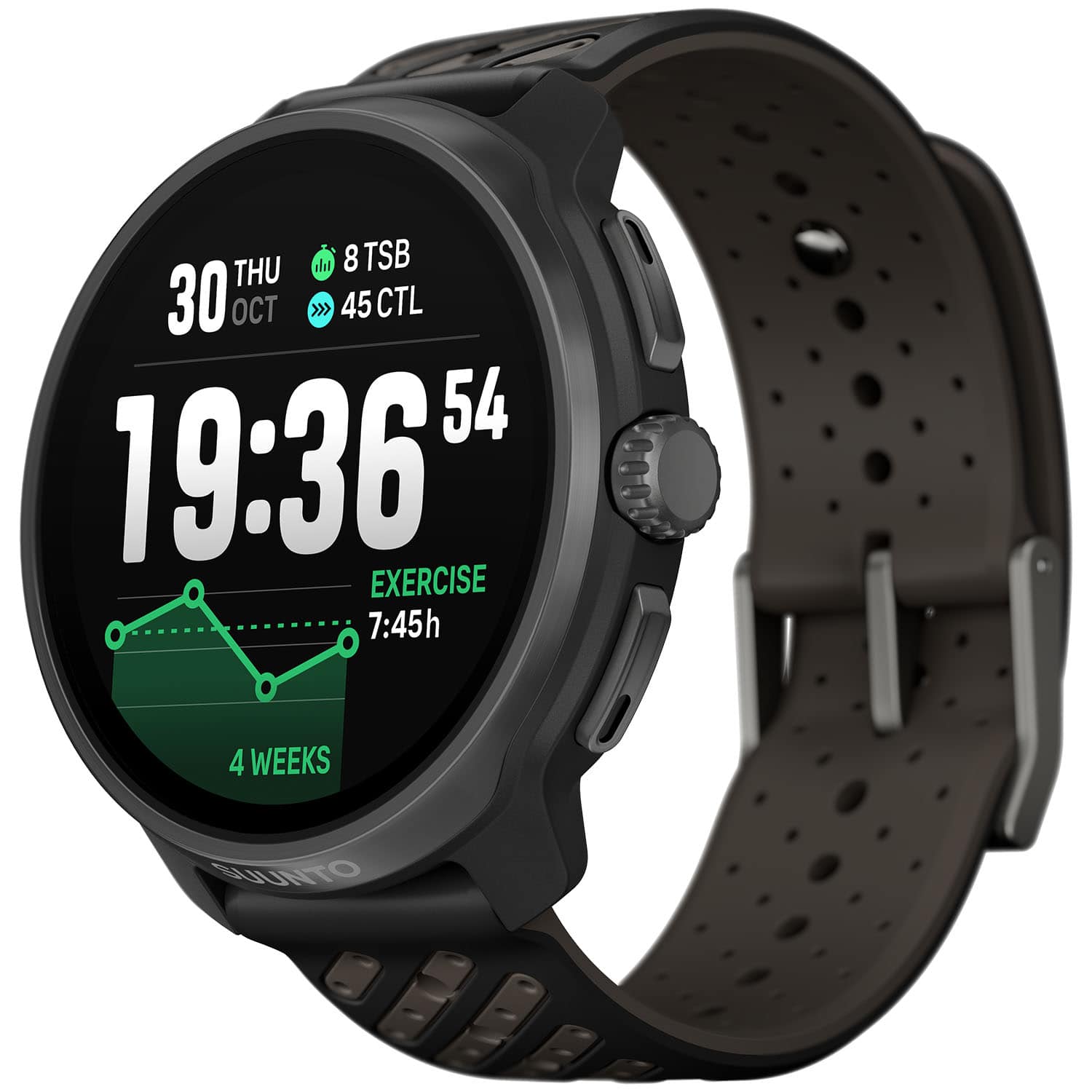
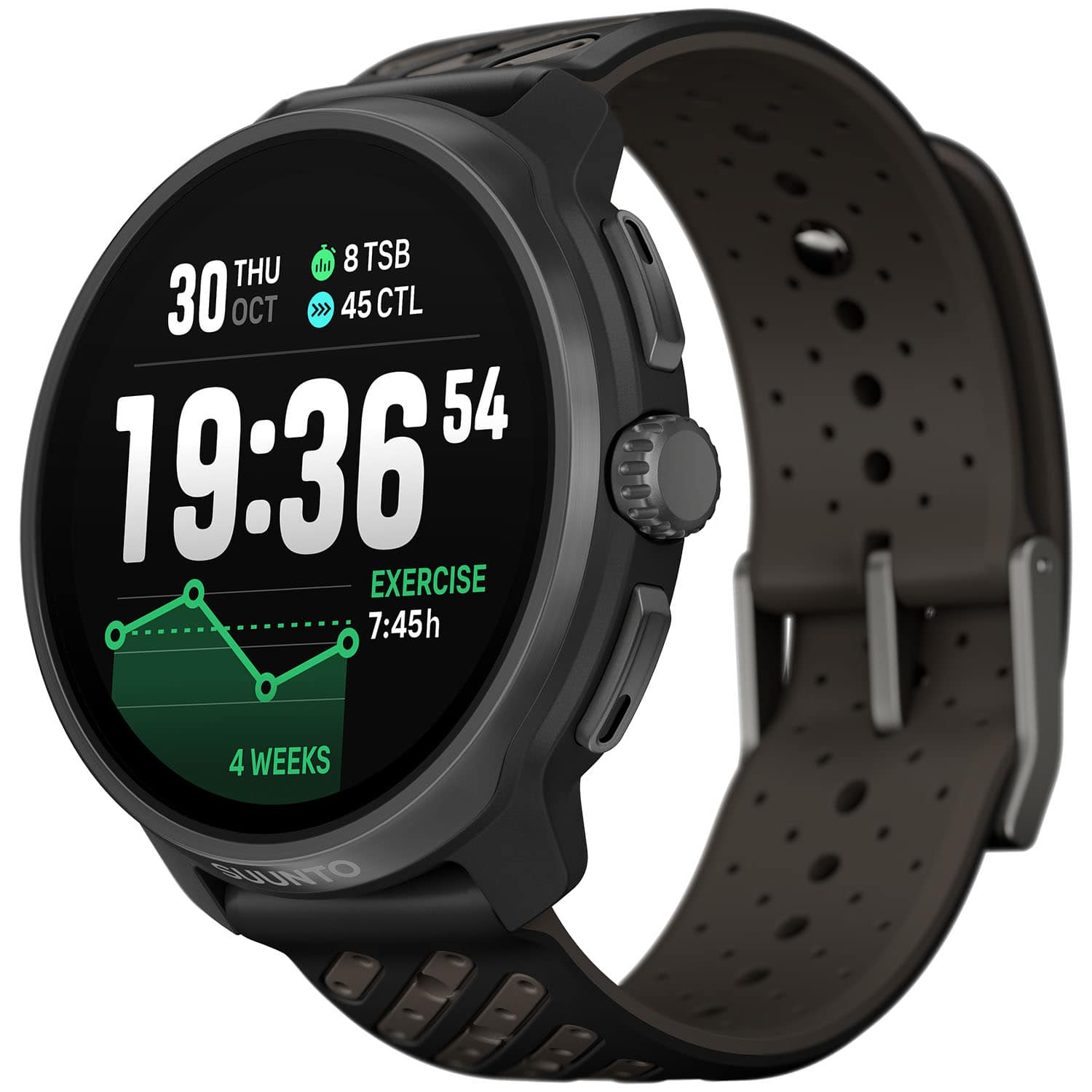
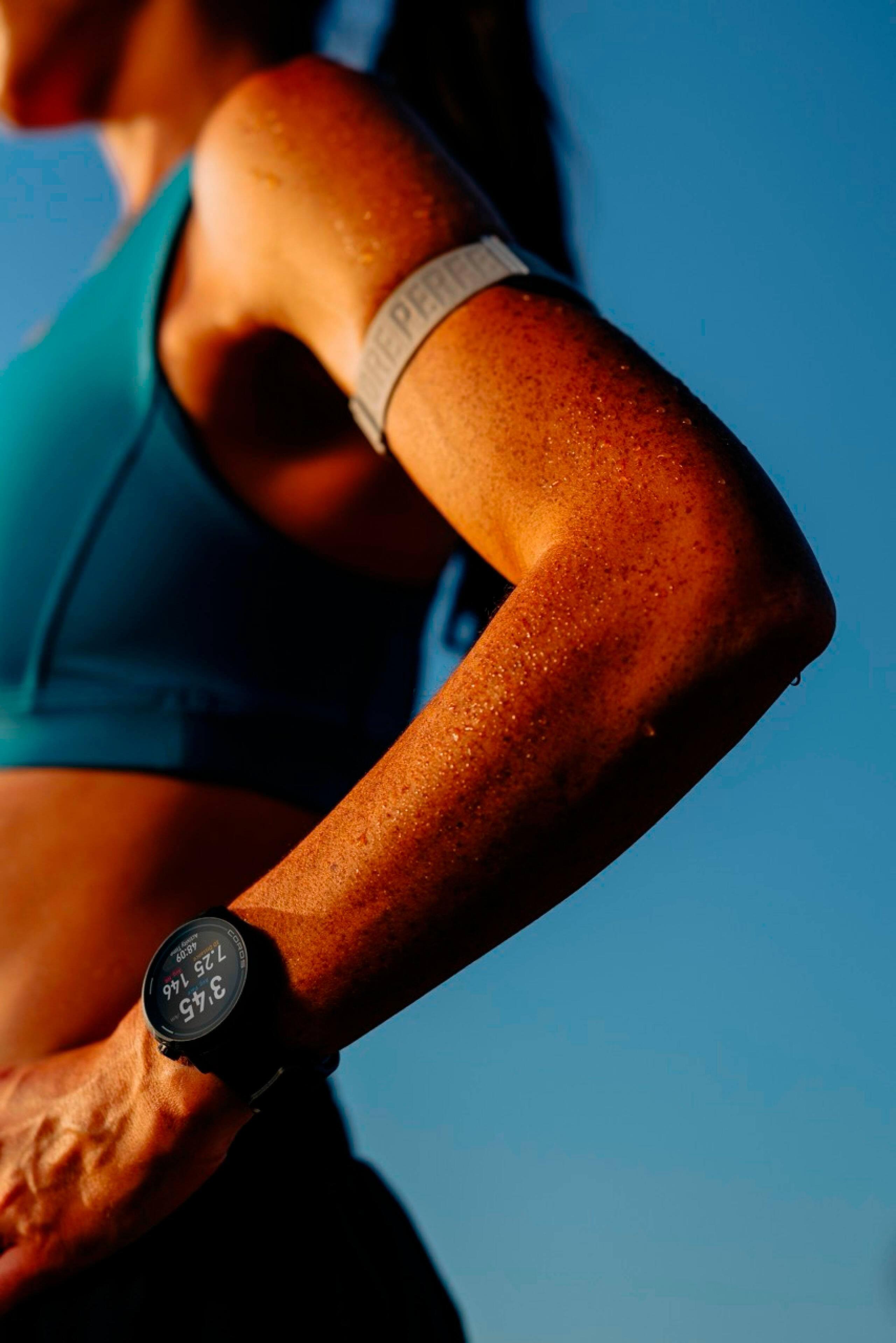
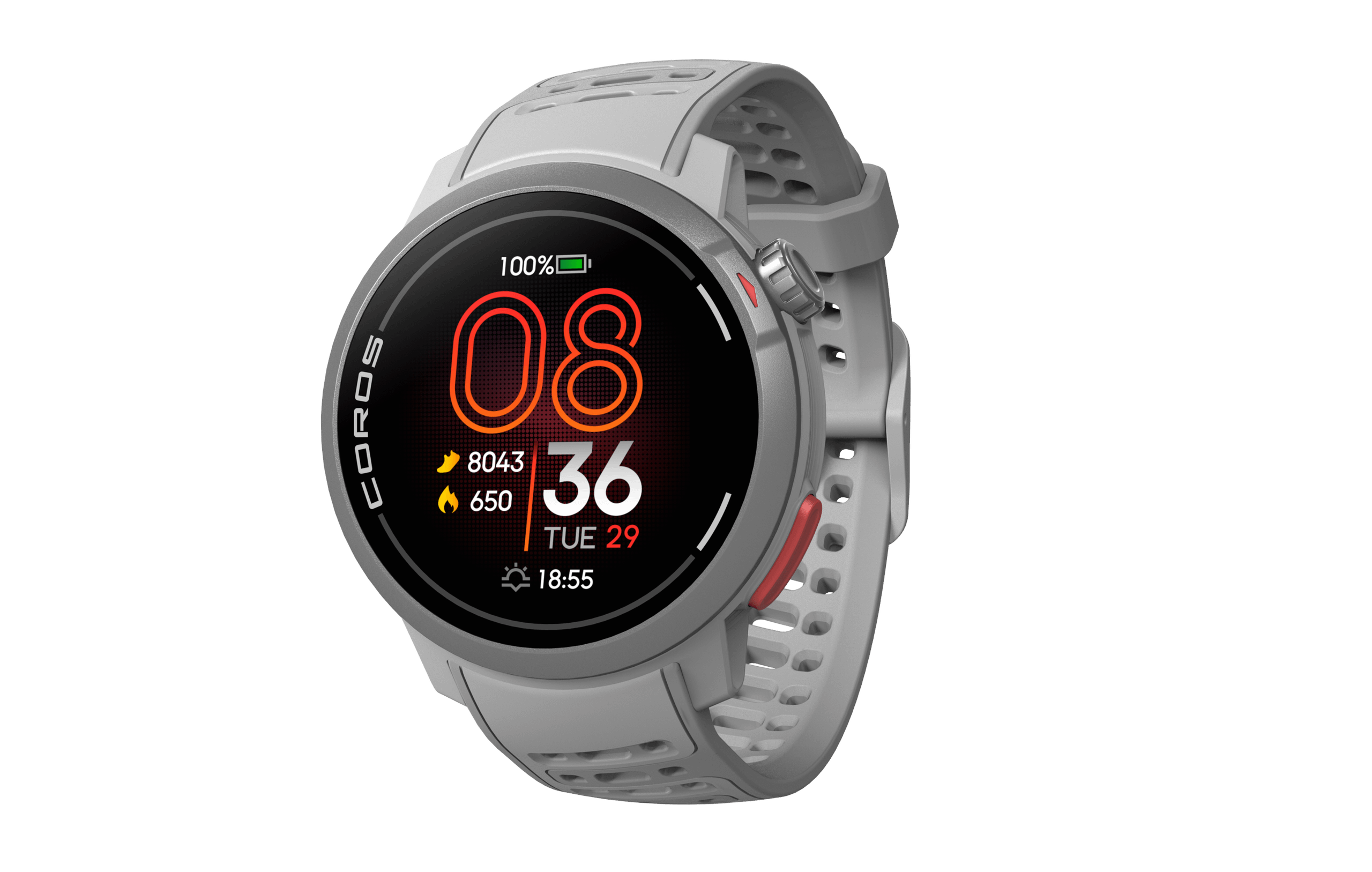
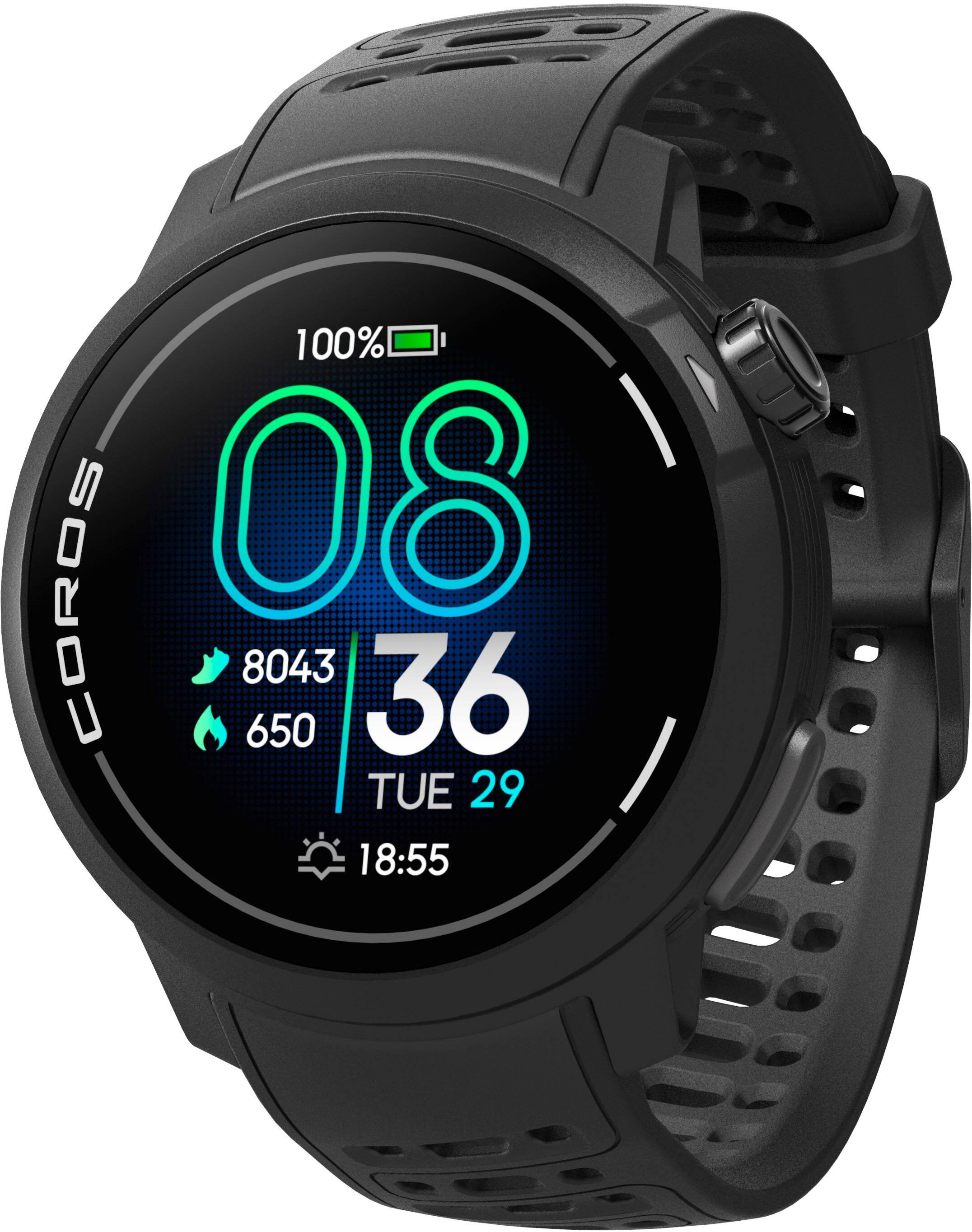
When you're logging serious miles on trails, pushing through marathon training blocks, or tackling multi-day adventures, your watch becomes more than just a timepiece—it transforms into your digital coach, navigator, and safety backup all rolled into one. The GPS sports watch market has exploded with options, but two models have captured attention for delivering exceptional performance at different price points: the Suunto Race 2 Titanium and the COROS Pace Pro.
Both watches launched in recent years as manufacturers pushed to solve the age-old problem of balancing bright, responsive displays with marathon-length battery life. The Suunto Race 2 Titanium arrived in 2024 as Suunto's answer to criticism about their previous optical heart rate sensors and processing speed, while the COROS Pace Pro debuted as the company's attempt to bring premium AMOLED technology to a more accessible price point.
Before diving into specifics, it's worth understanding what separates a true GPS sports watch from fitness trackers or smartwatches. These devices prioritize three core functions above everything else: precise location tracking, extended battery life during activities, and comprehensive training analytics.
GPS accuracy matters because a few meters of error can mean the difference between following a trail safely or getting lost in backcountry terrain. Modern watches use multiple satellite systems—GPS from the US, GLONASS from Russia, Galileo from Europe, and others—to triangulate your position. Dual-frequency GPS takes this further by receiving signals on two different frequencies, dramatically improving accuracy in challenging environments like dense forests or urban canyons where signals bounce off buildings.
Battery endurance during GPS tracking separates serious sports watches from everyday wearables. While your smartphone might die after 4-6 hours of GPS navigation, these watches can track for 20, 40, or even 60+ hours continuously. This matters tremendously for ultramarathoners, backpackers, or anyone whose activities extend beyond typical daily use.
Training metrics help you understand not just where you went, but how your body performed. Heart rate variability (HRV) measures the tiny variations between heartbeats to gauge recovery. VO2 max estimates your body's maximum oxygen consumption capacity, providing insight into cardiovascular fitness. Training load calculates how much stress you're putting on your body across multiple activities.
The Suunto Race 2 Titanium and COROS Pace Pro represent fundamentally different design approaches, and this difference affects everything from daily comfort to long-term durability.
Suunto chose the premium materials route. The titanium bezel isn't just for show—titanium offers exceptional strength-to-weight ratio while resisting corrosion from sweat and saltwater. The sapphire crystal display protection ranks 9 on the Mohs hardness scale, meaning only diamond can scratch it. At 65 grams, it's surprisingly light for its 49mm case size, though the larger dimensions make it feel substantial on your wrist.
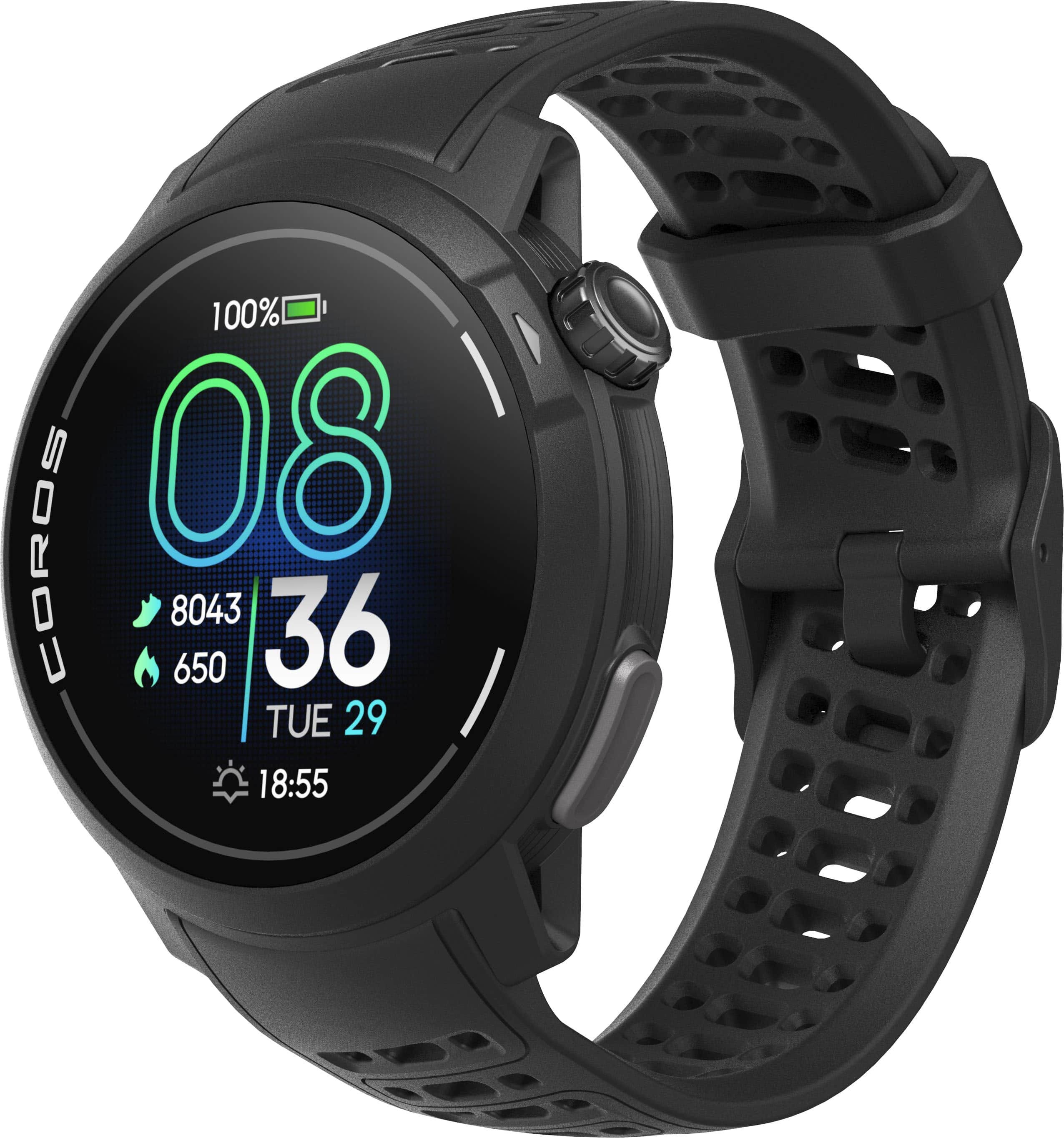
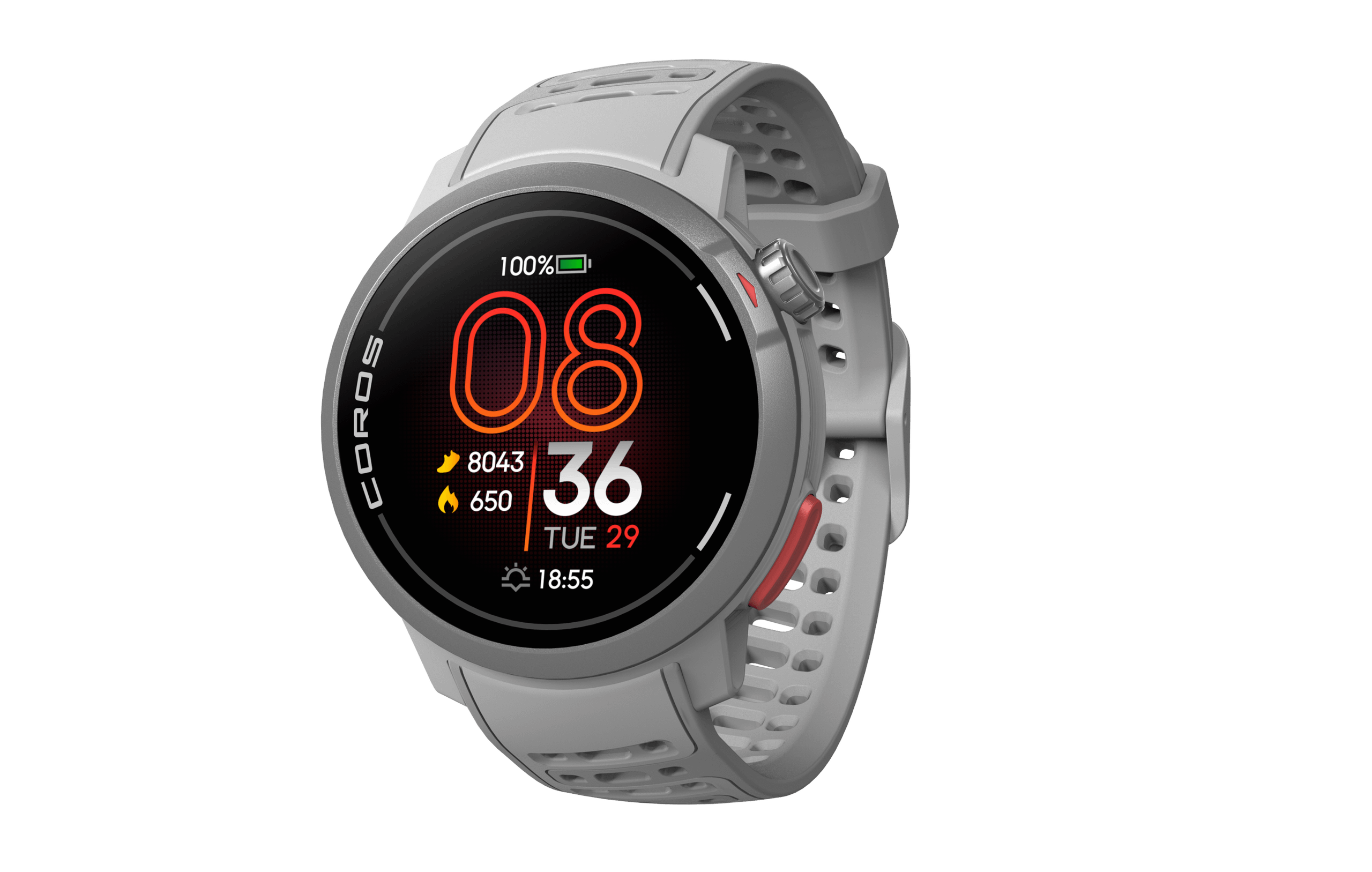
COROS went the opposite direction, prioritizing weight savings above all else. At just 37 grams with the nylon band, the COROS Pace Pro practically disappears during wear. This matters more than you might think—during a 50-mile ultramarathon, every gram counts. The fiber-reinforced polymer construction lacks the premium feel of titanium but delivers exceptional durability while keeping costs reasonable.
The water resistance difference tells an interesting story. Suunto's 100-meter rating means you can actually dive with it, opening use cases for triathletes who swim in open water or adventure racers who encounter river crossings. COROS's 50-meter rating handles swimming and surface water sports perfectly well, but draws the line at diving activities.
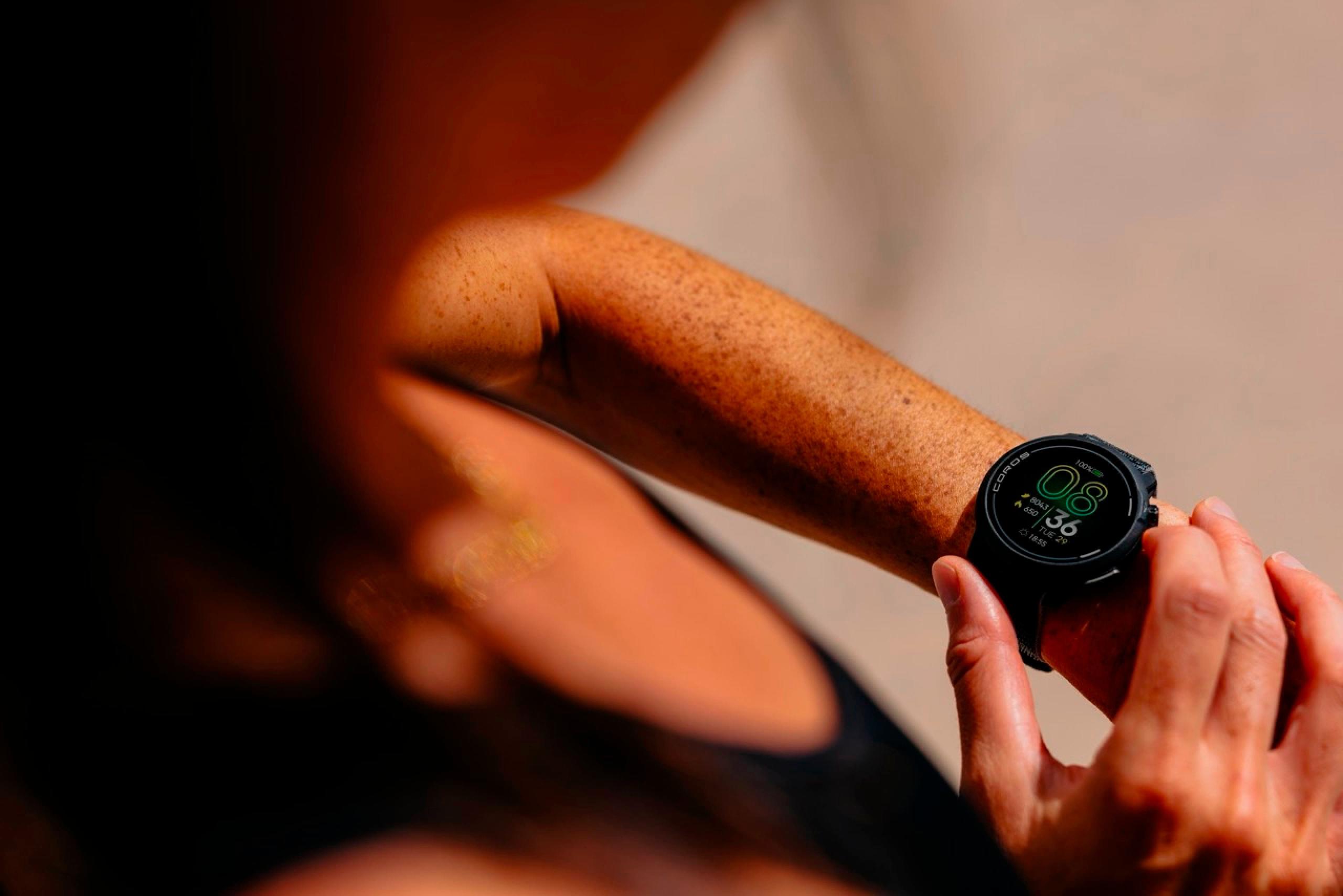
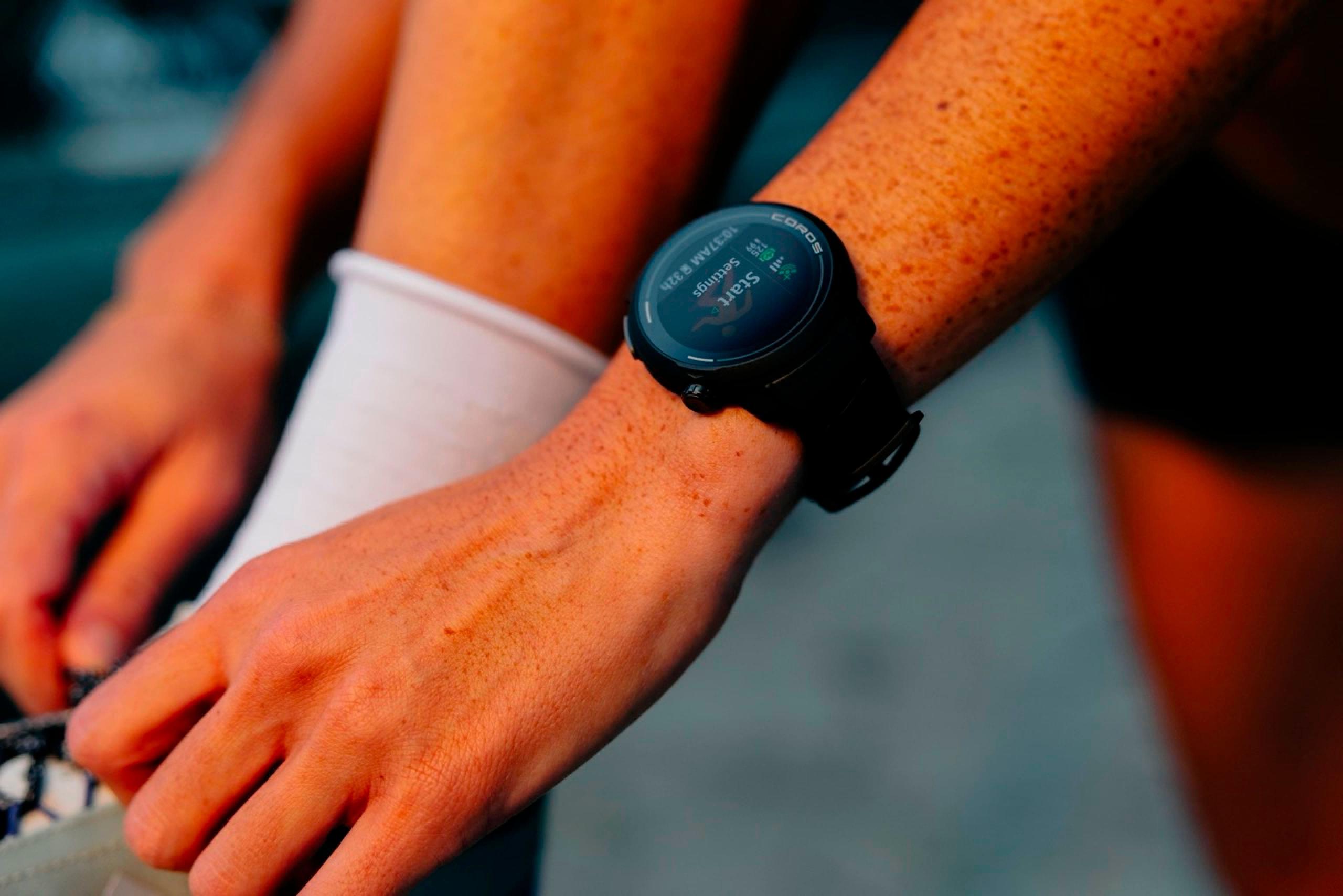
From a practical standpoint, the weight difference becomes most noticeable during sleep tracking and all-day wear. The COROS Pace Pro feels comfortable enough that you'll forget you're wearing it, while the Suunto Race 2 Titanium has enough heft that you'll always be aware of its presence.
Both watches solved the longstanding problem of GPS sports watches: terrible screens. For years, athletes had to choose between battery life and display quality. AMOLED technology changed everything by allowing individual pixels to turn completely off, dramatically reducing power consumption while delivering smartphone-quality visuals.
The Suunto Race 2 Titanium features a 1.5-inch display that pushes 2,000 nits of brightness—genuinely readable even in direct desert sunlight. The larger screen real estate makes a noticeable difference when displaying maps, training data fields, or navigation instructions. More information fits comfortably without feeling cramped, and text remains readable without squinting.
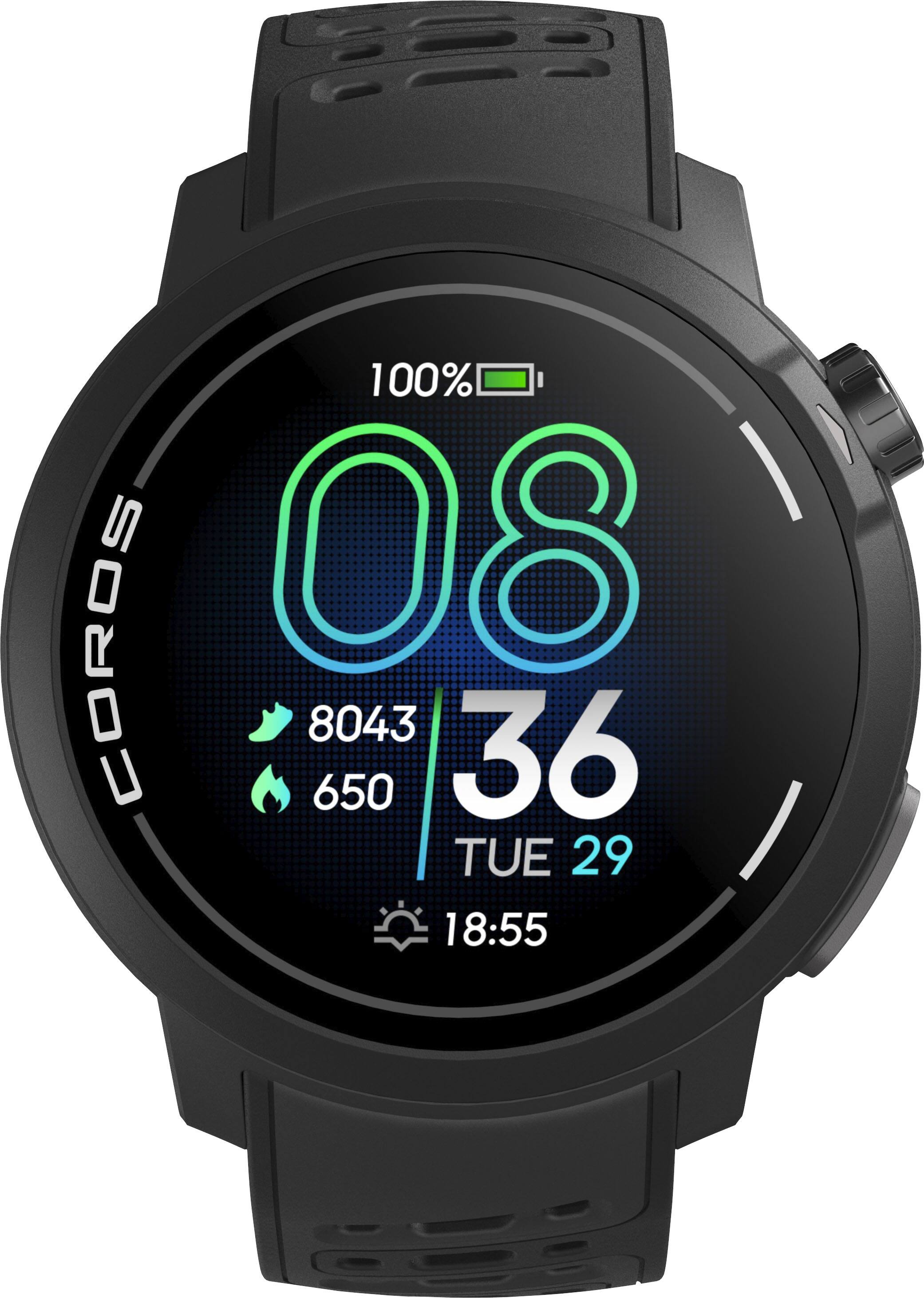
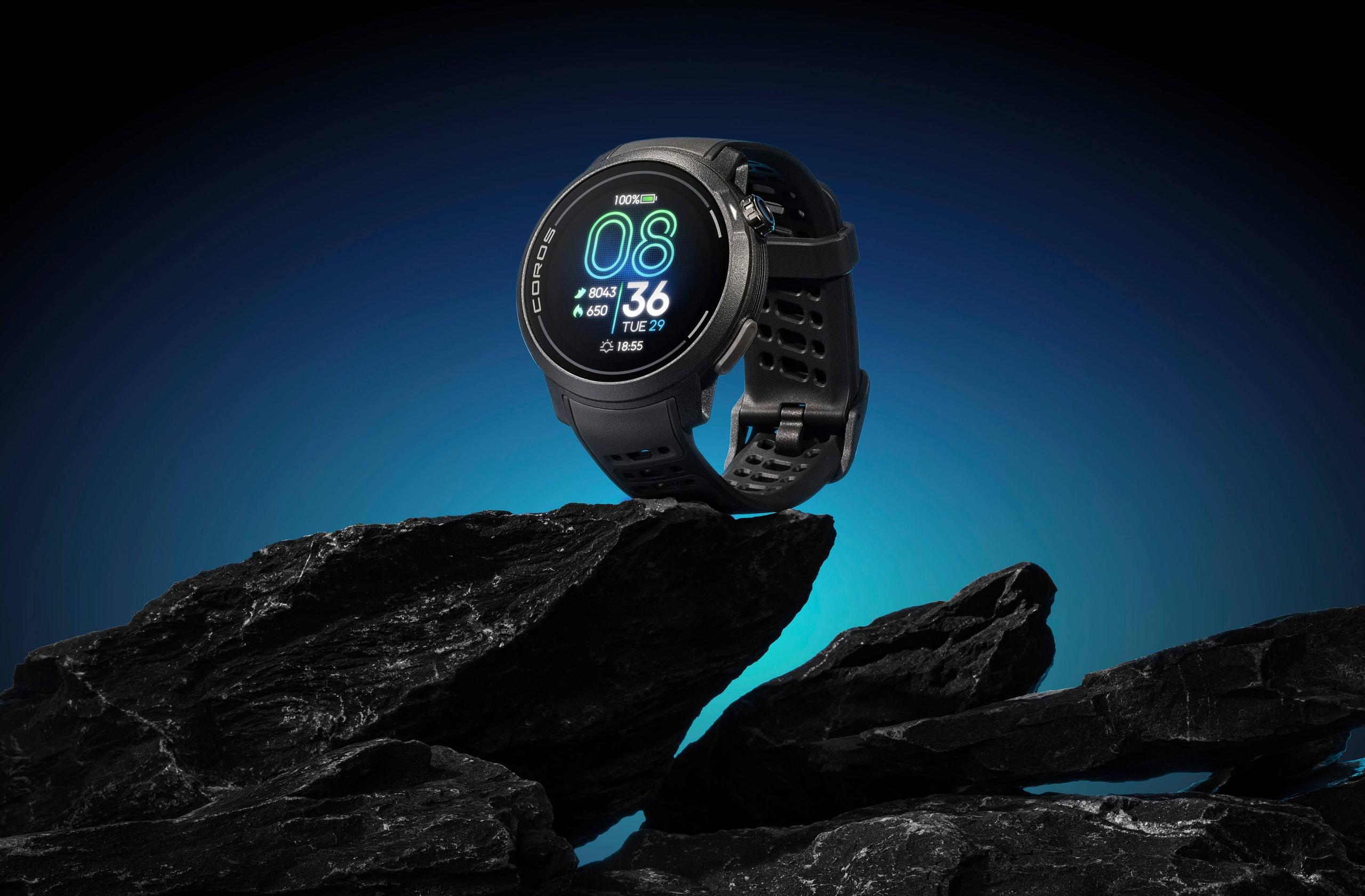
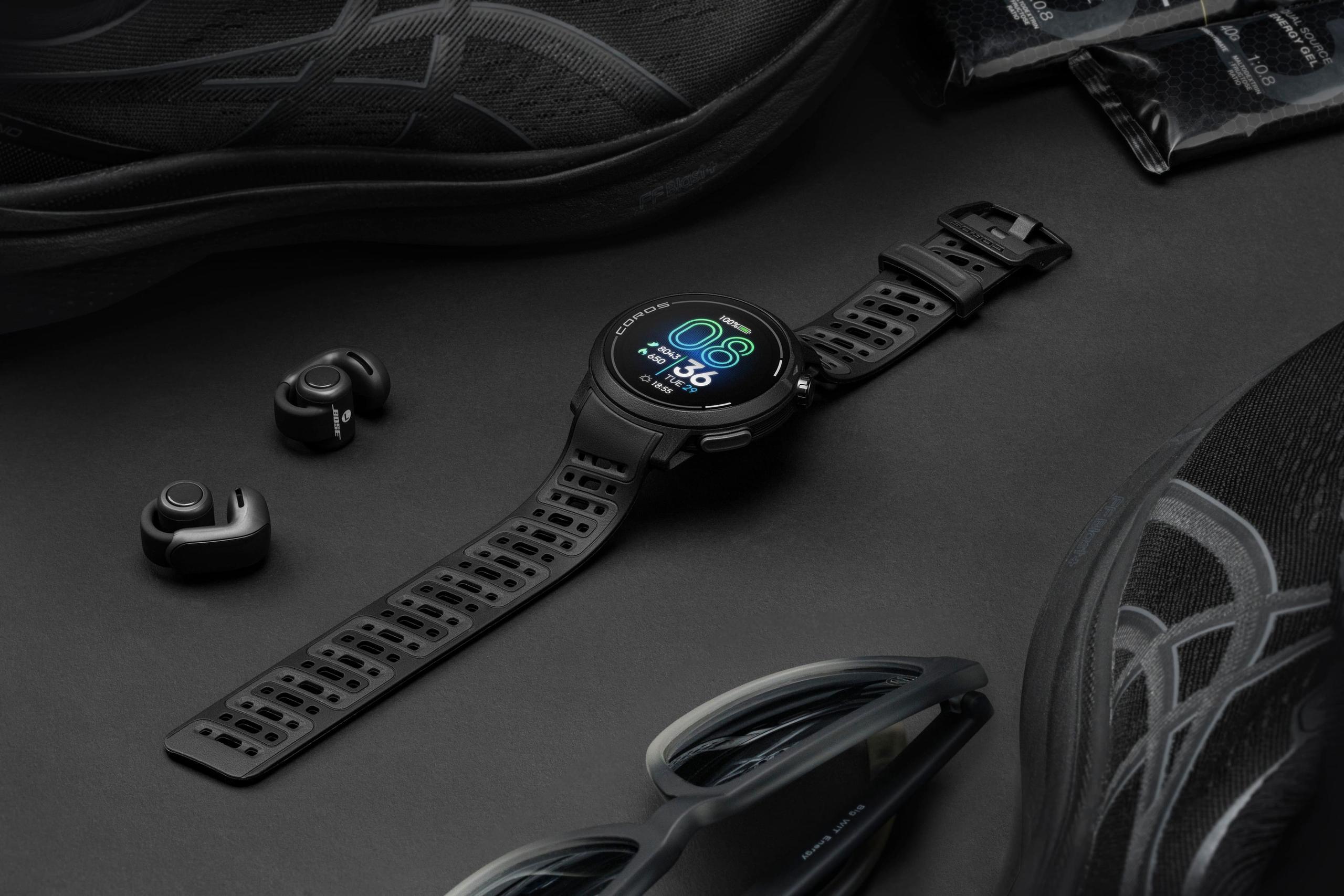
The COROS Pace Pro counters with a 1.3-inch display hitting 1,500 nits. While smaller, the screen still delivers excellent visibility and the slightly more compact size contributes to the watch's ultralight feel. The resolution difference (466×466 vs. 416×416 pixels) is minimal in practice—both displays look crisp and detailed.
Both watches offer always-on displays, meaning you can glance down and immediately see the time and key metrics without raising your wrist or pressing buttons. This feature dramatically improves usability during activities but comes with battery life trade-offs we'll discuss later.
The sapphire crystal on the Suunto Race 2 Titanium versus mineral glass on the COROS Pace Pro represents a durability versus cost decision. Sapphire crystal virtually eliminates scratching but costs significantly more to manufacture. Mineral glass can develop micro-scratches over time but remains highly resistant to impacts that might crack sapphire.
This category reveals the most dramatic performance differences between these watches, and understanding the nuances helps explain why each excels in different scenarios.
GPS battery life represents the ultimate test for sports watches. The Suunto Race 2 Titanium delivers an impressive 55 hours in dual-frequency mode—the most accurate GPS setting—while the COROS Pace Pro provides 31 hours in the same mode. For single-frequency GPS, Suunto extends to 65 hours versus COROS's 38 hours.
These differences matter enormously for specific use cases. If you're running a 50-mile trail race that might take 10-12 hours, either watch handles the task easily. But for a multi-day backpacking trip where you're tracking your route for 8-10 hours daily over several days, the Suunto Race 2 Titanium provides crucial buffer time that could mean the difference between completing your adventure safely or running out of navigation capabilities.
However, daily smartwatch battery life tells a different story. The COROS Pace Pro actually outlasts the Suunto with 20 days versus 16 days of typical use. This reflects more efficient power management during non-GPS activities—something that matters if you're wearing the watch 24/7 for sleep tracking, heart rate monitoring, and daily activity logging.
Real-world testing from multiple reviewers confirms an interesting pattern: the COROS Pace Pro typically drains only 2-3% battery overnight, while the Suunto Race 2 Titanium consumes 6-7%. Over a week of typical use, this adds up significantly.
The always-on display feature impacts both watches substantially. With this convenience feature enabled, expect roughly half the advertised battery life, though both remain usable for extended periods.
Modern GPS sports watches have largely solved the accuracy problems that plagued earlier generations, but subtle differences remain that matter for specific activities.
Both the Suunto Race 2 Titanium and COROS Pace Pro support dual-frequency GPS across multiple satellite systems. In practice, this means they'll track within 1-3 meters of your actual location in most conditions—accurate enough for trail navigation, distance measurement, and route following.
The real differentiator lies in navigation features and map handling. The Suunto Race 2 Titanium includes ClimbGuide, which alerts you to upcoming elevation gains during activities—similar to Garmin's popular ClimbPro feature. This proves invaluable during long trail runs or hikes where pacing yourself on climbs can make or break your performance.
Map storage reveals an interesting technical trade-off. COROS achieves more efficient compression, requiring only 65MB to store Colorado's topographic maps versus over 1GB for Suunto's maps. While Suunto's maps might contain more detail, the storage efficiency of COROS means you can load more regions without filling up the watch's memory.
Both watches handle turn-by-turn navigation competently, but the Suunto Race 2 Titanium provides more detailed route planning integration with platforms like Komoot. The larger screen also makes map reading more comfortable during navigation.
For tracking accuracy during activities, extensive testing by multiple reviewers shows both watches performing similarly well. They track clean lines on trails, accurately measure distances, and handle challenging GPS environments like dense tree cover or urban canyons without significant issues.
The optical heart rate sensor represents one area where both manufacturers made significant improvements in recent generations, though neither achieves the precision of a chest strap monitor during high-intensity efforts.
The Suunto Race 2 Titanium received a completely redesigned optical sensor to address accuracy complaints from previous models. With six LEDs and four photodetectors, it provides improved readings across different skin tones and fitness levels. The sensor also includes SpO2 (blood oxygen) monitoring and supports underwater heart rate tracking.
The COROS Pace Pro similarly upgraded its sensor array while adding ECG capability—a feature that measures the electrical activity of your heart for additional health insights. The ECG isn't medical-grade, but it provides useful data for tracking heart rate variability and overall cardiovascular trends.
Both watches struggle somewhat with optical heart rate accuracy during high-intensity interval training, occasionally reading 10-20 beats per minute higher than chest strap monitors during peak efforts. This limitation affects most optical sensors and shouldn't be considered a specific weakness of either model.
For sleep tracking and recovery monitoring, both watches perform admirably. They measure sleep stages (light, deep, REM), heart rate variability, and provide recovery recommendations based on training load and sleep quality. The COROS Pace Pro tends to be slightly more sensitive in sleep detection, occasionally registering brief rest periods as sleep.
Both watches offer comprehensive training support, though they approach coaching and metrics differently.
The Suunto Race 2 Titanium supports 115+ sport modes and integrates with Suunto Coach, which now includes AI-powered training suggestions. The watch excels at providing detailed training load analysis, lactate threshold estimation, and VO2 max calculations. Recovery time recommendations help you balance training stress with adequate rest.
The COROS Pace Pro covers all major sports comprehensively while presenting training insights in more accessible language. Rather than overwhelming users with acronyms and complex metrics, COROS explains what your data means in practical terms. The watch includes running fitness tests, race prediction algorithms, and integrates with the COROS POD accessory for detailed running form analysis.
For structured training, both watches support custom workout creation, interval training, and integration with third-party platforms like TrainingPeaks and Strava. The COROS Pace Pro edge comes from its faster processor, making navigation through training menus and data fields noticeably more responsive.
The user interface experience differs significantly between these watches, largely due to processing power differences.
The COROS Pace Pro utilizes the Ambiq Apollo510 processor, delivering more than twice the speed of previous COROS models. This translates to lightning-fast map rendering, smooth scrolling through menus, and responsive touchscreen interactions. The interface feels nearly as snappy as a smartphone, which wasn't possible in GPS sports watches until recently.
The Suunto Race 2 Titanium improved processing speed over the original Race model but doesn't match the COROS's responsiveness. However, Suunto's interface provides more detailed customization options and deeper integration with training analytics platforms.
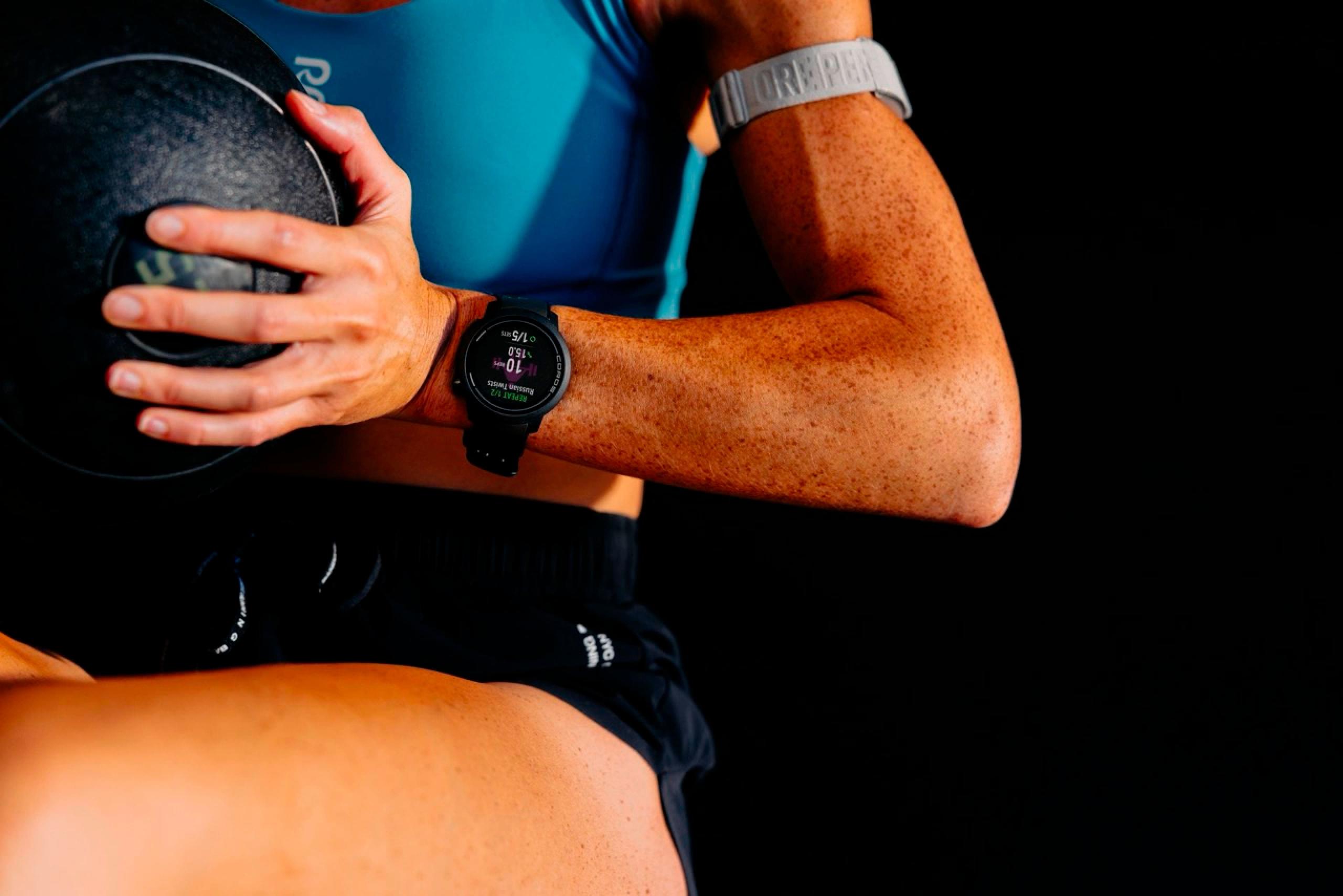
Both watches support touchscreen navigation complemented by physical buttons—crucial for operation during activities when your hands might be wet or gloved. The COROS Pace Pro includes a digital crown that makes scrolling through data fields smooth and precise.
Modern GPS sports watches succeed or fail based on how well they integrate with your existing training ecosystem and favorite apps.
Both the Suunto Race 2 Titanium and COROS Pace Pro sync seamlessly with major platforms including Strava, TrainingPeaks, and Apple Health. Wi-Fi connectivity enables automatic workout uploads and over-the-air firmware updates, keeping your watch current with the latest features and bug fixes.
The COROS Pace Pro includes 32GB of internal storage for offline music playback—a feature missing from the Suunto. While it doesn't support streaming services like Spotify directly, you can load your own music files for phone-free workouts with Bluetooth headphones.
Smartphone integration covers the basics on both watches: call and text notifications, weather updates, and find-my-phone functionality. Neither attempts to replicate the full smartwatch experience of an Apple Watch or Samsung Galaxy Watch, maintaining focus on sports and fitness functions.
At the time of writing, these watches occupy different price tiers that significantly impact their value propositions and ideal user profiles.
The COROS Pace Pro delivers exceptional value for recreational and competitive athletes who want premium features without premium pricing. The combination of AMOLED display, dual-frequency GPS, comprehensive training metrics, and ultralight construction provides tremendous capability for the investment. It's particularly appealing for runners, cyclists, and triathletes whose activities typically don't exceed 20-30 hours of continuous GPS use.
The Suunto Race 2 Titanium justifies its premium positioning through superior GPS endurance, expedition-grade construction, and the largest, brightest display available. It targets serious adventurers, ultramarathoners, and professionals who need maximum reliability and capability. The titanium construction and 100-meter water resistance open use cases that the COROS simply can't handle.
Choose the COROS Pace Pro if you prioritize daily comfort, want the most responsive user interface available, and your GPS activities rarely exceed 24-30 hours. The ultralight design makes it disappear on your wrist, while the fast processor ensures smooth operation. The significant price advantage lets you invest savings in other gear or training resources.
Choose the Suunto Race 2 Titanium if you regularly need GPS tracking beyond 40+ hours, engage in water activities requiring diving capability, or want the premium materials and construction quality that justify the investment. The larger, brighter display proves invaluable for navigation in challenging conditions.
The deciding factors typically come down to specific use cases rather than general preferences. Ultramarathoners, multi-day adventurers, and expedition athletes genuinely need the Suunto Race 2 Titanium's extended GPS endurance and robust construction. Recreational athletes training for marathons, centuries, or triathlons will find the COROS Pace Pro more than capable while appreciating the daily comfort and responsive interface.
Both watches excel in their respective categories, making the choice primarily about matching your specific needs, activity patterns, and budget to the appropriate performance level. Either choice delivers years of reliable training partnership—the question is which approach better fits your athletic ambitions and practical requirements.
| Suunto Race 2 Titanium | COROS Pace Pro |
|---|---|
| Display Size - Larger screens show more data and improve navigation readability | |
| 1.5" AMOLED (466×466 pixels) | 1.3" AMOLED (416×416 pixels) |
| Peak Brightness - Higher brightness ensures visibility in direct sunlight | |
| 2,000 nits (industry-leading for outdoor visibility) | 1,500 nits (excellent for most conditions) |
| Weight - Lighter watches improve comfort during long activities and sleep tracking | |
| 65g with silicone strap (substantial feel) | 37g with nylon strap (ultralight, barely noticeable) |
| Case Material - Premium materials affect durability and long-term appearance | |
| Titanium Grade 5 bezel, sapphire crystal | Fiber-reinforced polymer, mineral glass |
| Water Resistance - Higher ratings enable more water activities | |
| 100m (suitable for diving and deep water sports) | 50m (perfect for swimming and surface activities) |
| Dual-Frequency GPS Battery Life - Critical for ultramarathons and multi-day adventures | |
| 55 hours (exceptional for extended expeditions) | 31 hours (excellent for most activities under 24 hours) |
| Daily Smartwatch Battery - Affects how often you need to charge for everyday use | |
| 16 days (good for weekly charging routine) | 20 days (superior efficiency for all-day wear) |
| Processing Speed - Faster processors improve menu navigation and map rendering | |
| Upgraded from original Race (good responsiveness) | Ambiq Apollo510 (lightning-fast, 2x faster than predecessor) |
| Internal Storage - More storage allows offline maps and music for phone-free activities | |
| 32GB (primarily for maps and activity data) | 32GB (supports offline music playback and maps) |
| Unique Health Features - Advanced sensors provide additional health insights | |
| Upgraded optical HR, SpO2, underwater HR tracking | ECG capability, temperature monitoring, SpO2 |
| Navigation Features - Advanced navigation helps with route planning and safety | |
| ClimbGuide alerts, detailed topo maps, turn-by-turn | Efficient map compression, touchscreen map control |
| Target User - Different designs optimize for different athlete needs | |
| Expedition athletes, ultramarathoners, diving enthusiasts | Recreational runners, cyclists, weight-conscious athletes |
The Suunto Race 2 Titanium offers superior GPS battery life with 55 hours in dual-frequency mode compared to the COROS Pace Pro's 31 hours. However, for daily smartwatch use, the COROS Pace Pro actually lasts longer at 20 days versus the Suunto Race 2 Titanium's 16 days.
The biggest difference is weight and build quality. The COROS Pace Pro weighs just 37 grams making it ultralight for all-day comfort, while the Suunto Race 2 Titanium weighs 65 grams but offers premium titanium construction and deeper water resistance for diving activities.
The Suunto Race 2 Titanium is better for ultramarathons due to its exceptional 55-hour GPS battery life and larger 1.5-inch display for better navigation. The COROS Pace Pro works well for runs under 24 hours but may not last through the longest events.
Both the Suunto Race 2 Titanium and COROS Pace Pro use dual-frequency GPS with multiple satellite systems, providing similar accuracy within 1-3 meters in most conditions. Both handle challenging environments like dense forests and urban areas effectively.
The Suunto Race 2 Titanium has a brighter display at 2,000 nits peak brightness and a larger 1.5-inch screen, making it more readable in direct sunlight. The COROS Pace Pro offers 1,500 nits brightness on a 1.3-inch screen, which is still excellent for most outdoor conditions.
The Suunto Race 2 Titanium offers 100-meter water resistance suitable for diving and deep water activities. The COROS Pace Pro has 50-meter water resistance, perfect for swimming and surface water sports but not recommended for diving.
The COROS Pace Pro is significantly more comfortable for all-day wear due to its ultralight 37-gram weight. The Suunto Race 2 Titanium at 65 grams feels more substantial and may be noticeable during sleep, though many users adapt quickly.
Both the Suunto Race 2 Titanium and COROS Pace Pro feature upgraded optical heart rate sensors that perform similarly well during steady-state activities. The COROS Pace Pro adds ECG capability for additional health insights, while the Suunto Race 2 Titanium supports underwater heart rate tracking.
The COROS Pace Pro offers exceptional value with premium features at a mid-range price point, making it ideal for recreational athletes. The Suunto Race 2 Titanium justifies its premium pricing through superior materials, longer GPS battery life, and expedition-grade durability.
Yes, both the Suunto Race 2 Titanium and COROS Pace Pro sync with major fitness platforms including Strava, TrainingPeaks, Apple Health, and others. Both offer Wi-Fi connectivity for automatic workout uploads and seamless data sharing.
The COROS Pace Pro has a faster processor (Ambiq Apollo510) that delivers more responsive touchscreen navigation and quicker map rendering. The Suunto Race 2 Titanium improved speed over previous models but doesn't match the COROS Pace Pro's lightning-fast performance.
The COROS Pace Pro supports offline music storage and playback with Bluetooth headphones, allowing phone-free workouts. The Suunto Race 2 Titanium doesn't include music storage capability but can control music playback on your connected smartphone.
We've done our best to create useful and informative comparisons to help you decide what product to buy. Our research uses advanced automated methods to create this comparison and perfection is not possible - please contact us for corrections or questions. These are the sites we've researched in the creation of this article: the5krunner.com - tomsguide.com - androidcentral.com - tomsguide.com - youtube.com - wareable.com - youtube.com - youtube.com - dcrainmaker.com - nsmb.com - gpstraining.co.uk - triathlete.com - us.suunto.com - youtube.com - us.suunto.com - youtube.com - suunto.com - apac.suunto.com - southwesthikes.com - coros.com - dcrainmaker.com - garagegrowngear.com - tomsguide.com - techradar.com - runningwarehouse.com - wareable.com - runnersworld.com - alastairrunning.com - trackbetter.com - us.coros.com - youtube.com - youtube.com - corosnordic.com - coros.com - us.coros.com - coros.com - bikerumor.com - advnture.com - corosbenelux.com

Privacy Policy
Terms and Conditions - Affiliate Policy
Home Security
© Copyright 2008-2026.
11816 Inwood Rd #1211, Dallas, TX 75244