


The smartwatch market has matured dramatically over the past few years, with premium models now offering capabilities that rival dedicated fitness trackers and medical devices. Two standout options have emerged for 2024 and 2025: the Apple Watch Series 10 and the Samsung Galaxy Watch Ultra. While both represent the pinnacle of their respective ecosystems, they take fundamentally different approaches to what a premium smartwatch should be.
At the time of writing, these devices occupy different price tiers, with the Samsung Galaxy Watch Ultra commanding a significant premium over the Apple Watch Series 10. This price difference isn't arbitrary—it reflects genuine differences in capabilities, materials, and target audiences that become clear once you understand what each device prioritizes.
Premium smartwatches have evolved beyond simple notification displays and step counters. Today's flagship devices serve as comprehensive health monitoring platforms, featuring sensors that can detect everything from irregular heart rhythms to sleep disorders. They've also become surprisingly capable standalone devices, with cellular connectivity allowing them to operate independently from your phone for calls, messages, and even streaming music.
The most important considerations when evaluating these devices center around four key areas: health and fitness tracking accuracy, battery life and charging behavior, build quality and durability, and ecosystem integration. Each of these factors plays a crucial role in determining which device will best serve your needs, and understanding these differences is essential for making an informed decision.
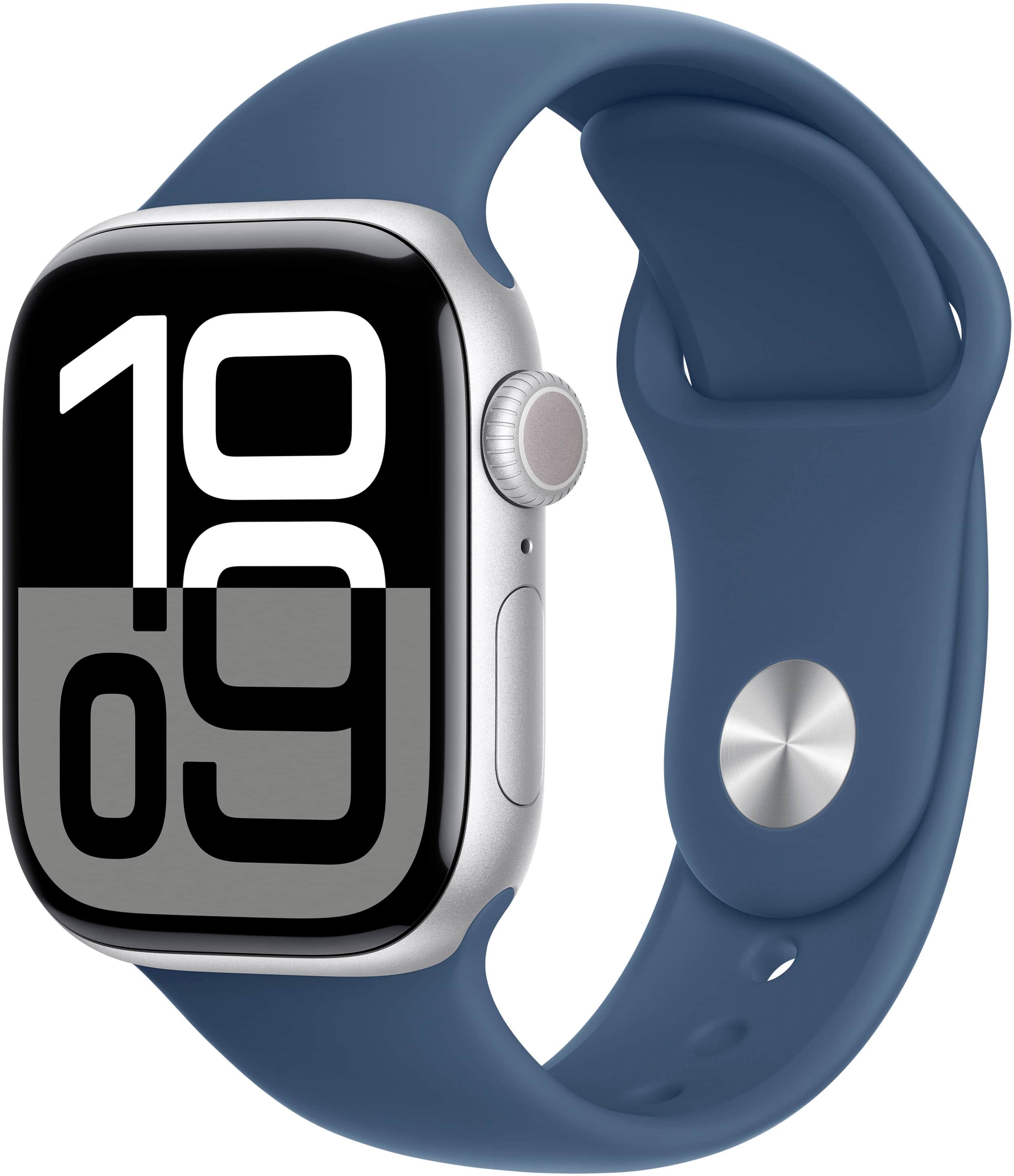
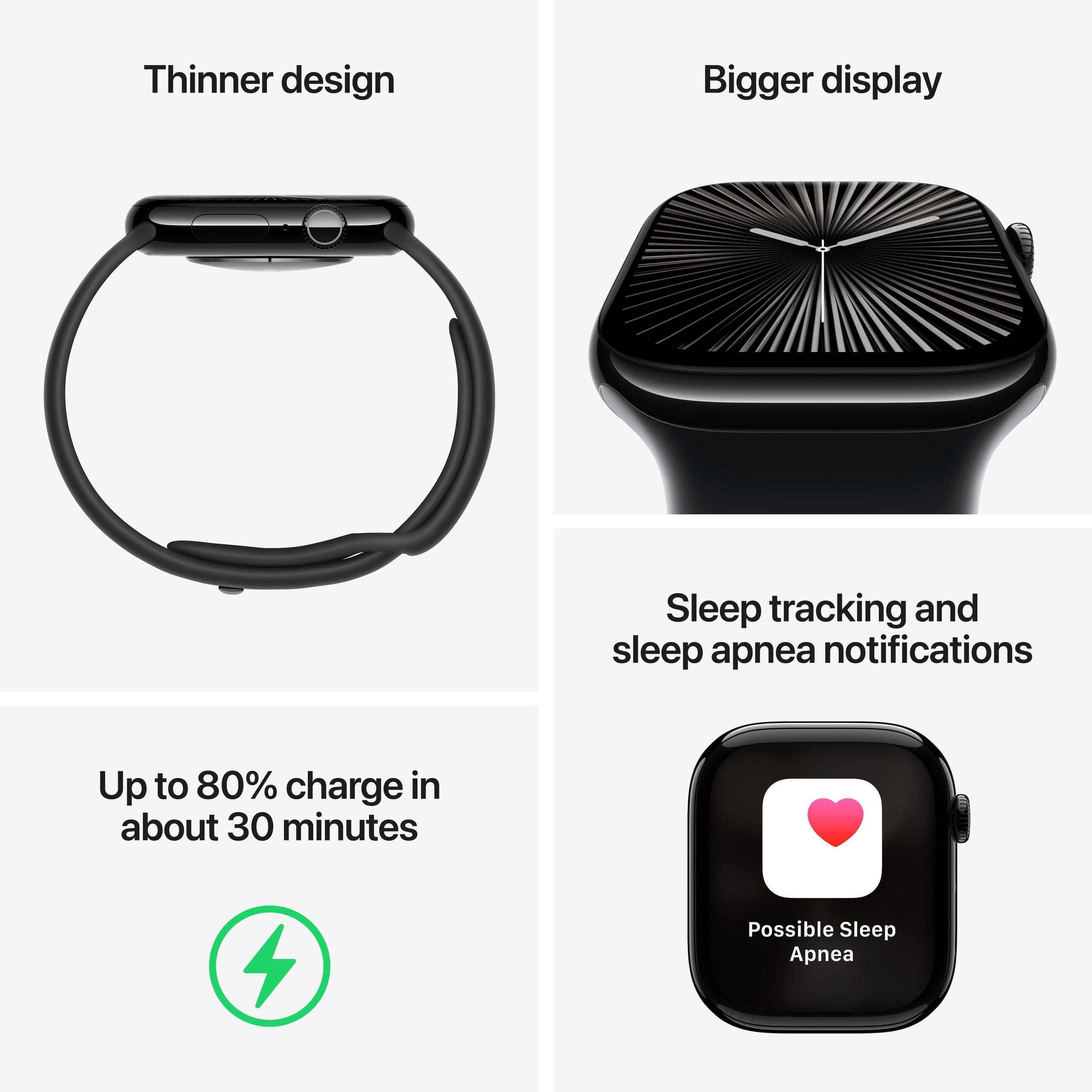
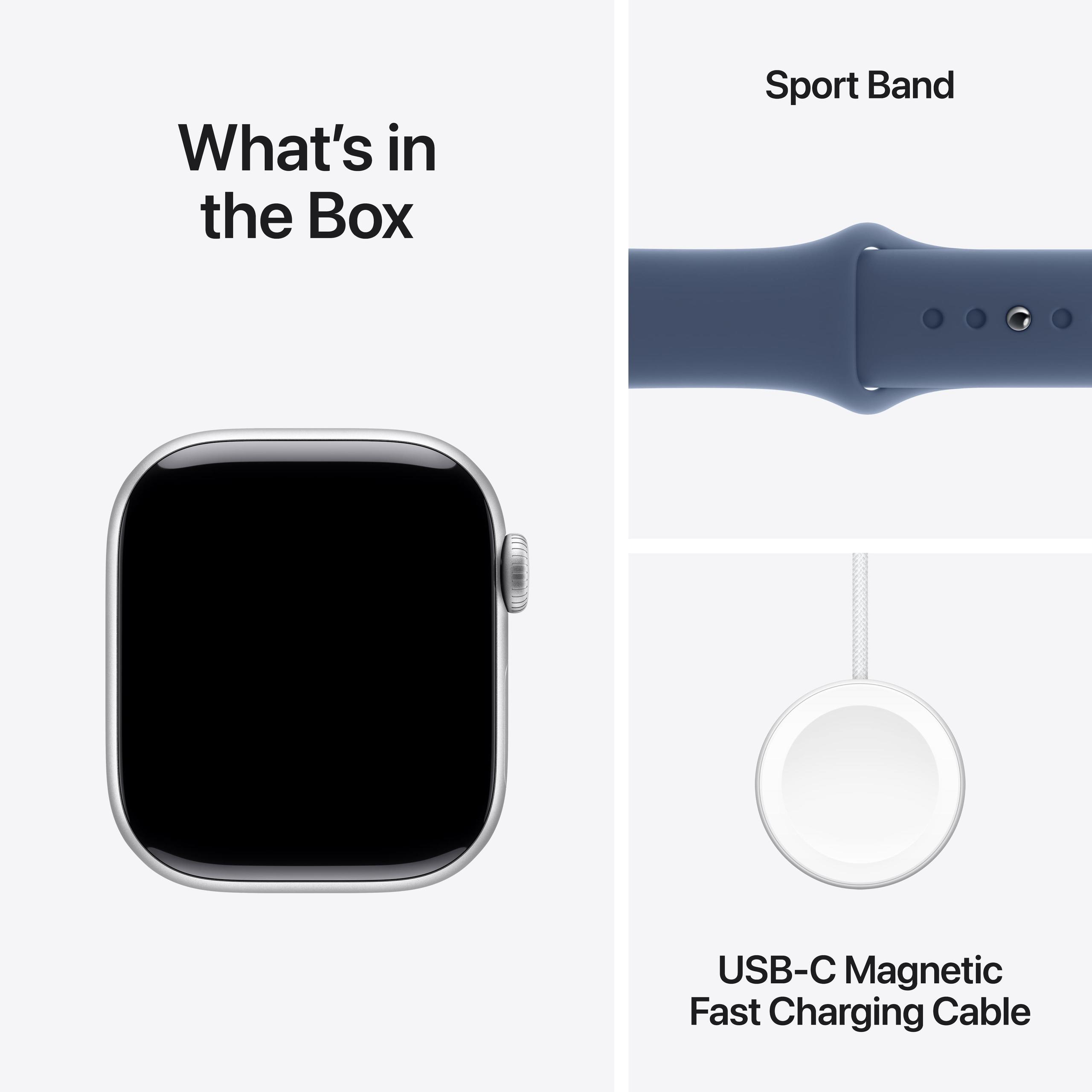
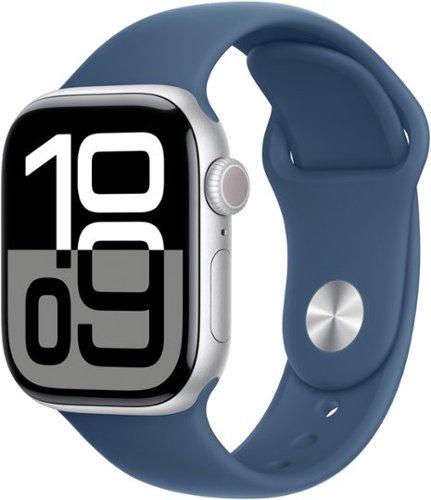
The Apple Watch Series 10, released in late 2024, represents Apple's continued commitment to creating the perfect everyday smartwatch. With its refined 42mm aluminum case weighing just 29.3 grams, it's designed to disappear on your wrist while delivering sophisticated functionality. Apple has made this generation 10% thinner and lighter than previous models, addressing one of the few remaining complaints about earlier versions.
The rectangular design might seem limiting compared to traditional round watches, but it actually maximizes screen real estate in a way that circular displays simply cannot match. When you're reading messages, viewing maps, or interacting with apps, that extra screen area becomes immediately apparent. The aluminum construction keeps costs reasonable while providing adequate protection for typical daily use.
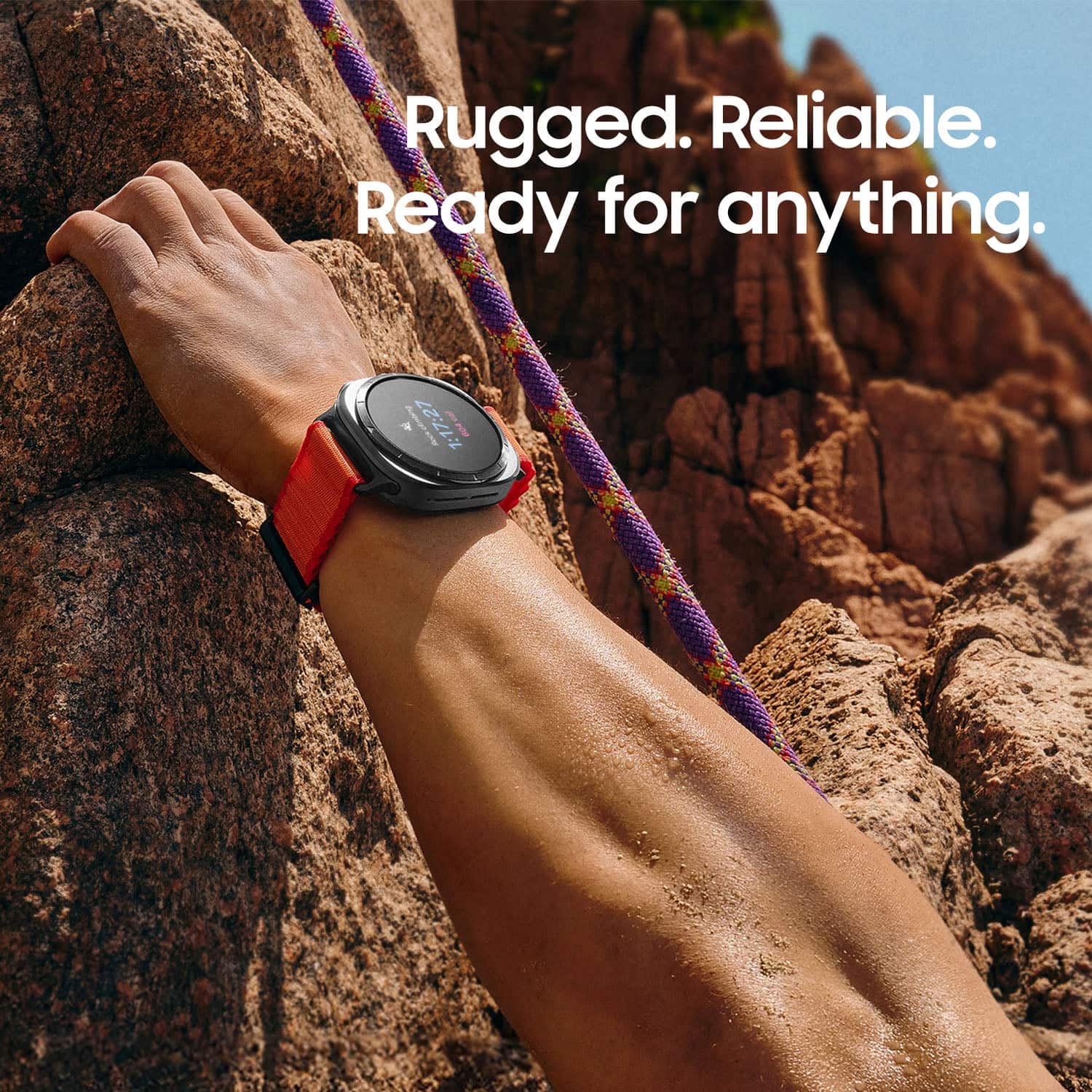
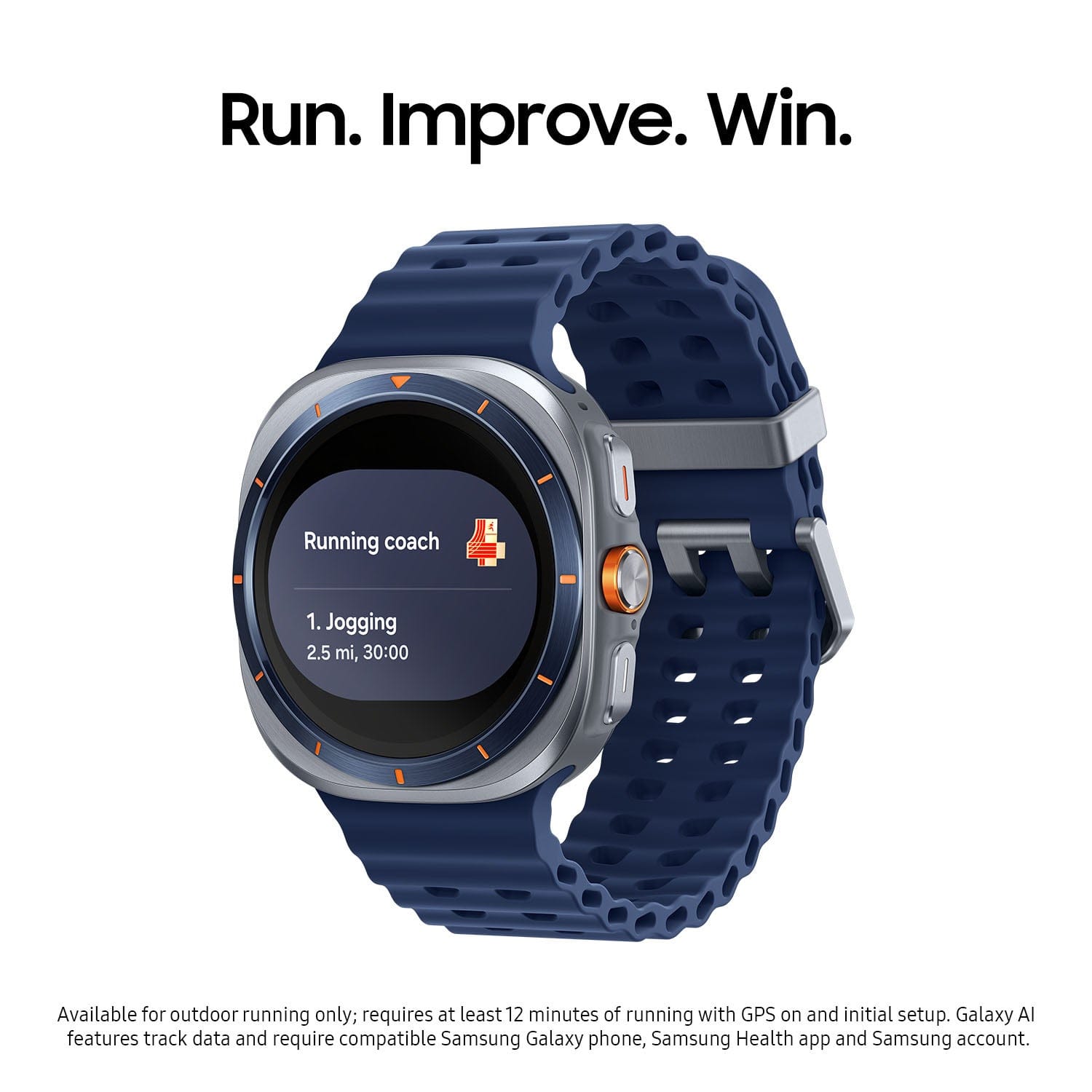
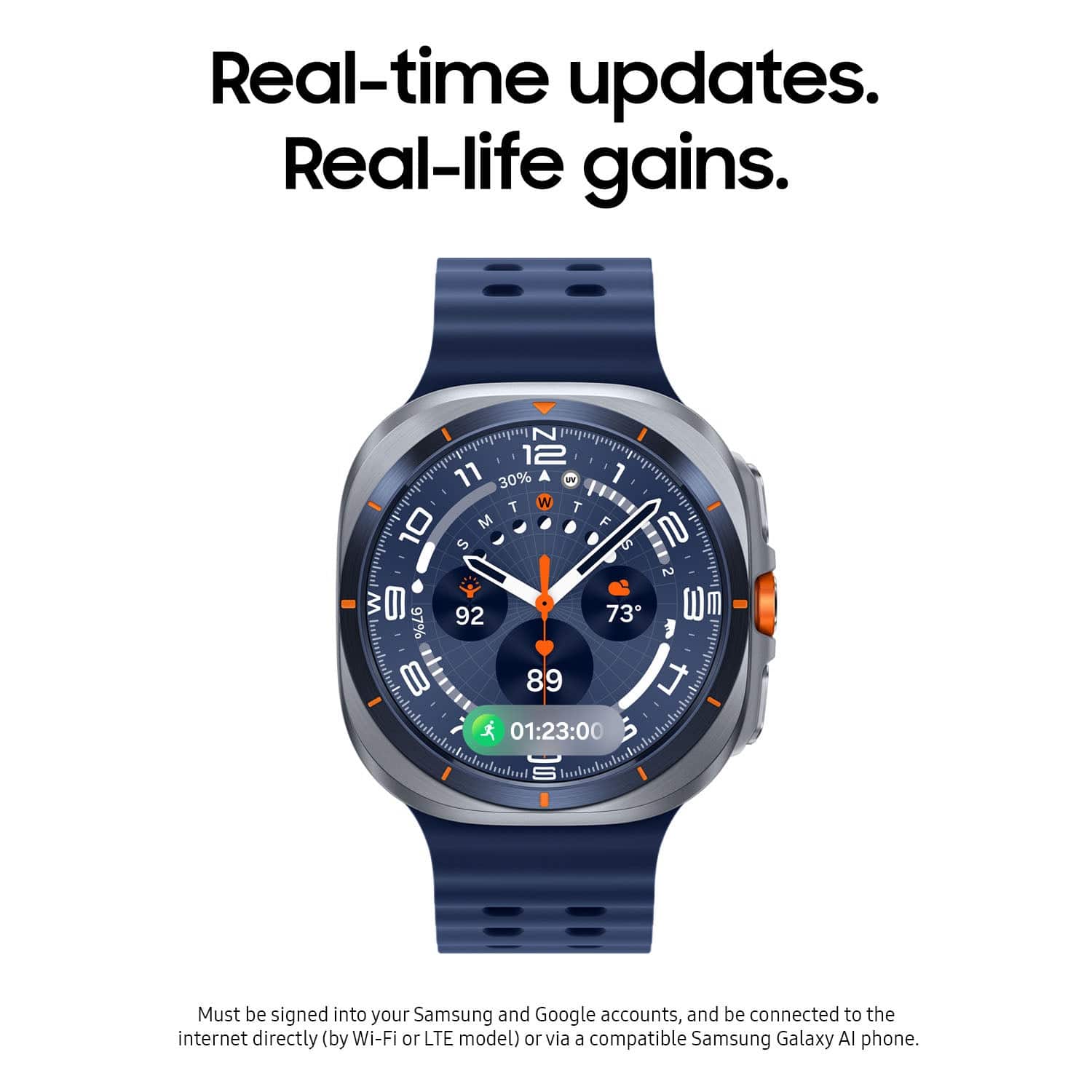
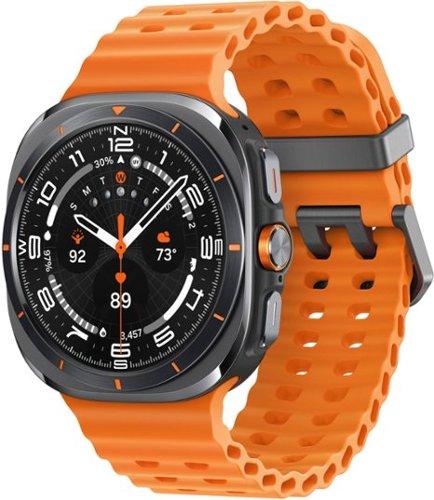
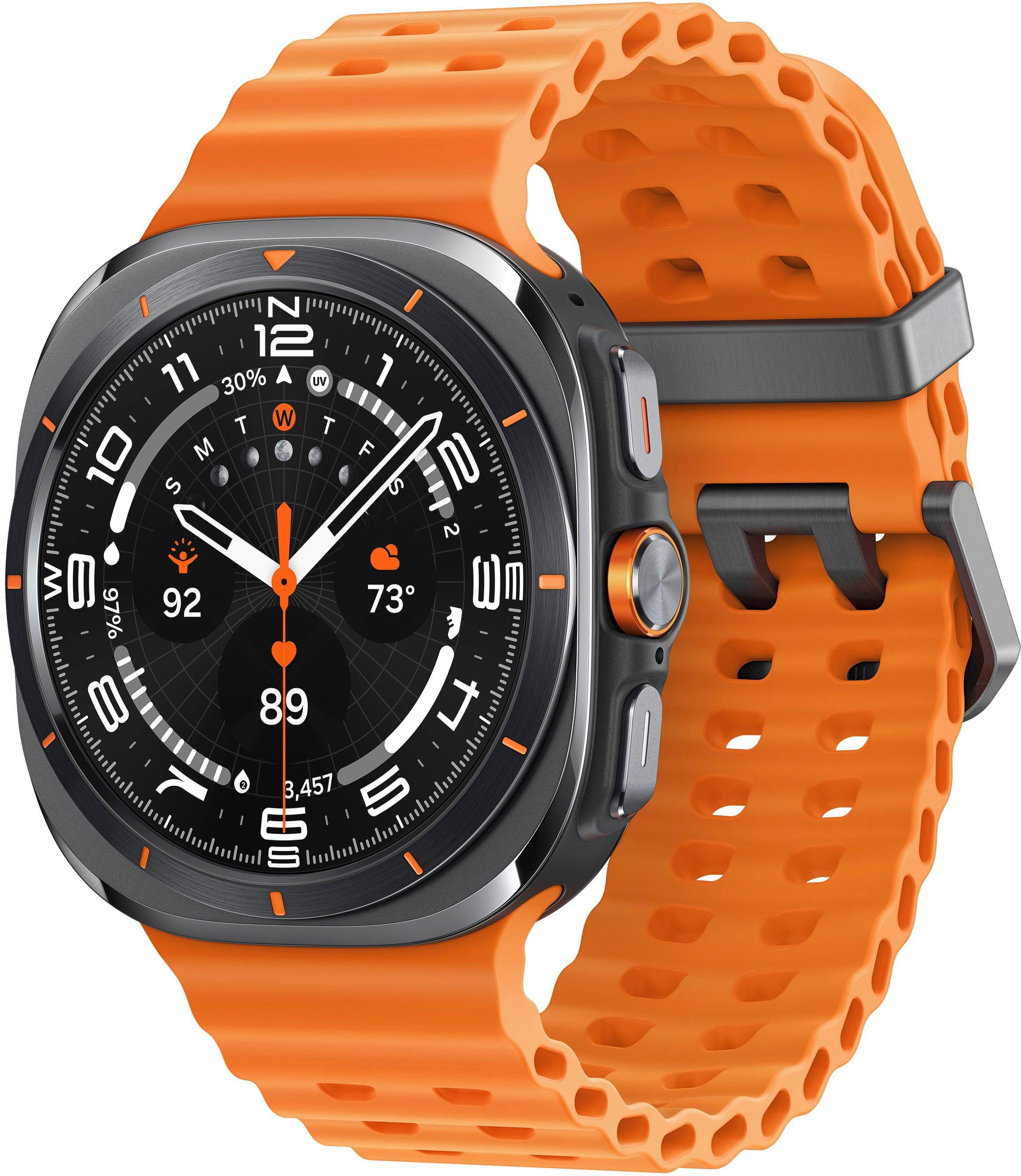
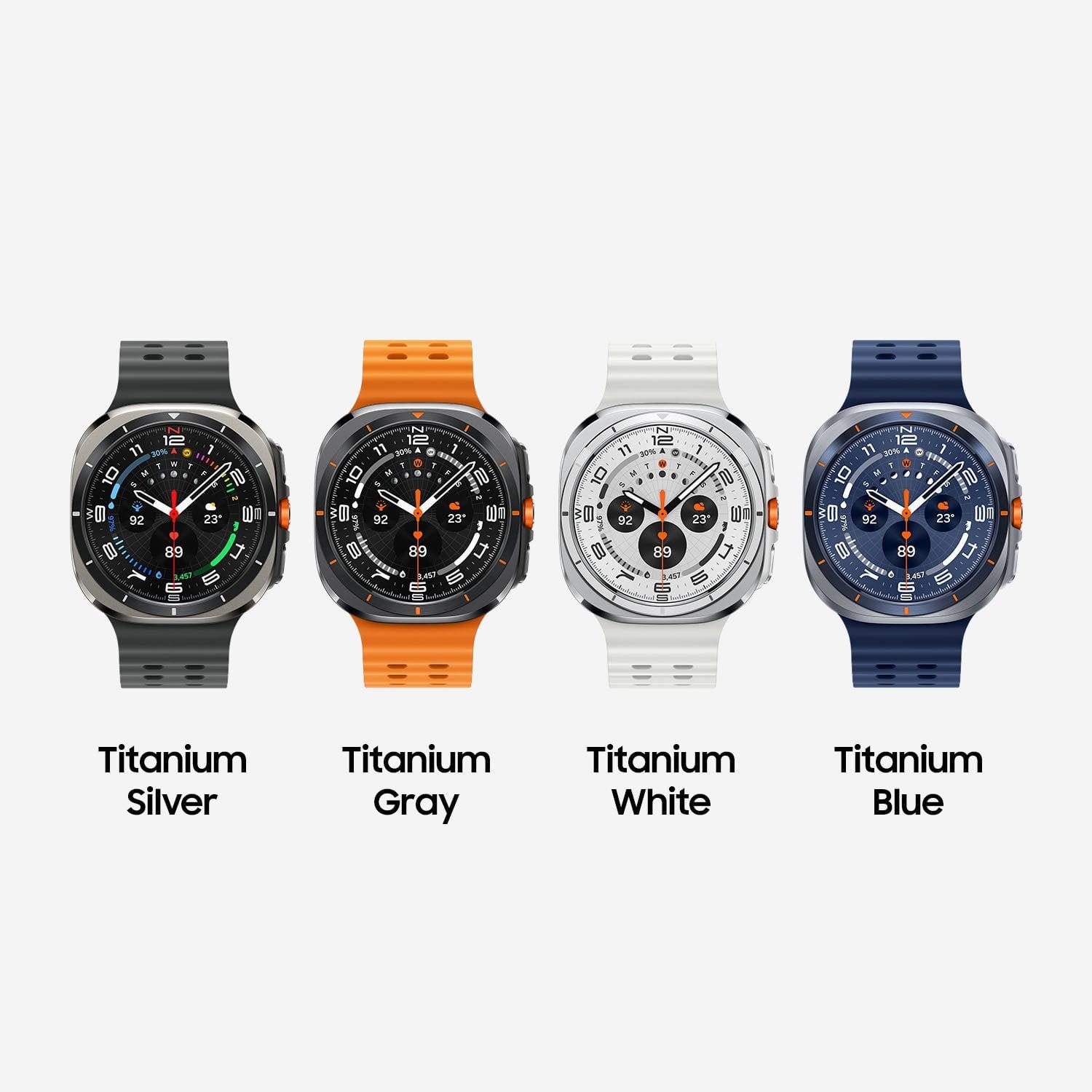
In stark contrast, the Samsung Galaxy Watch Ultra, launched in mid-2025, embraces a rugged, performance-focused approach. Its 47mm titanium case weighs 60.5 grams—more than double the Apple's weight—but this heft comes with serious benefits. Grade 4 titanium offers exceptional durability while remaining lighter than stainless steel, and the sapphire crystal display can withstand impacts that would shatter conventional glass.
This isn't just marketing speak. The Galaxy Watch Ultra meets MIL-STD-810H military standards, meaning it can handle temperature extremes from -20°C to 55°C, altitude changes up to 9,000 meters, and water immersion up to 100 meters deep. If you're someone who genuinely puts their gear through extreme conditions, these specifications matter enormously.
Both devices feature OLED displays, but their implementations reveal different priorities. The Apple Watch Series 10 uses a 374 x 446 pixel LTPO3 OLED panel that can reach 2,000 nits of brightness—substantially brighter than most smartphone displays. The LTPO3 technology allows the refresh rate to drop as low as 1Hz when displaying static content, which helps preserve battery life while maintaining the always-on display functionality.
The Samsung Galaxy Watch Ultra counters with a 480 x 480 Super AMOLED display capable of an impressive 3,000 nits peak brightness. This might seem like overkill until you're trying to read your watch display during a bright sunny day outdoors. That extra 1,000 nits of brightness makes a genuine difference when you're hiking, cycling, or working outside.
However, display quality isn't just about peak brightness. The Apple Watch Series 10 benefits from Apple's extensive experience optimizing displays for glanceability—the ability to quickly read information without fully engaging with the device. The always-on display shows a simplified version of your watch face that updates once per second, providing just enough information to be useful without being distracting.
This is where these two devices diverge most dramatically, and where your specific needs will largely determine which makes more sense. The Apple Watch Series 10 introduces sleep apnea detection as its flagship health feature, using a combination of temperature sensors, heart rate monitoring, and motion detection to identify breathing irregularities during sleep.
Sleep apnea affects millions of people who remain undiagnosed, and the Apple Watch Series 10 approaches this problem methodically. After monitoring your sleep patterns for at least three months, it generates a comprehensive PDF report that meets medical standards, suitable for discussion with healthcare providers. This isn't a casual wellness feature—it's a legitimate medical screening tool that could identify a serious health condition.
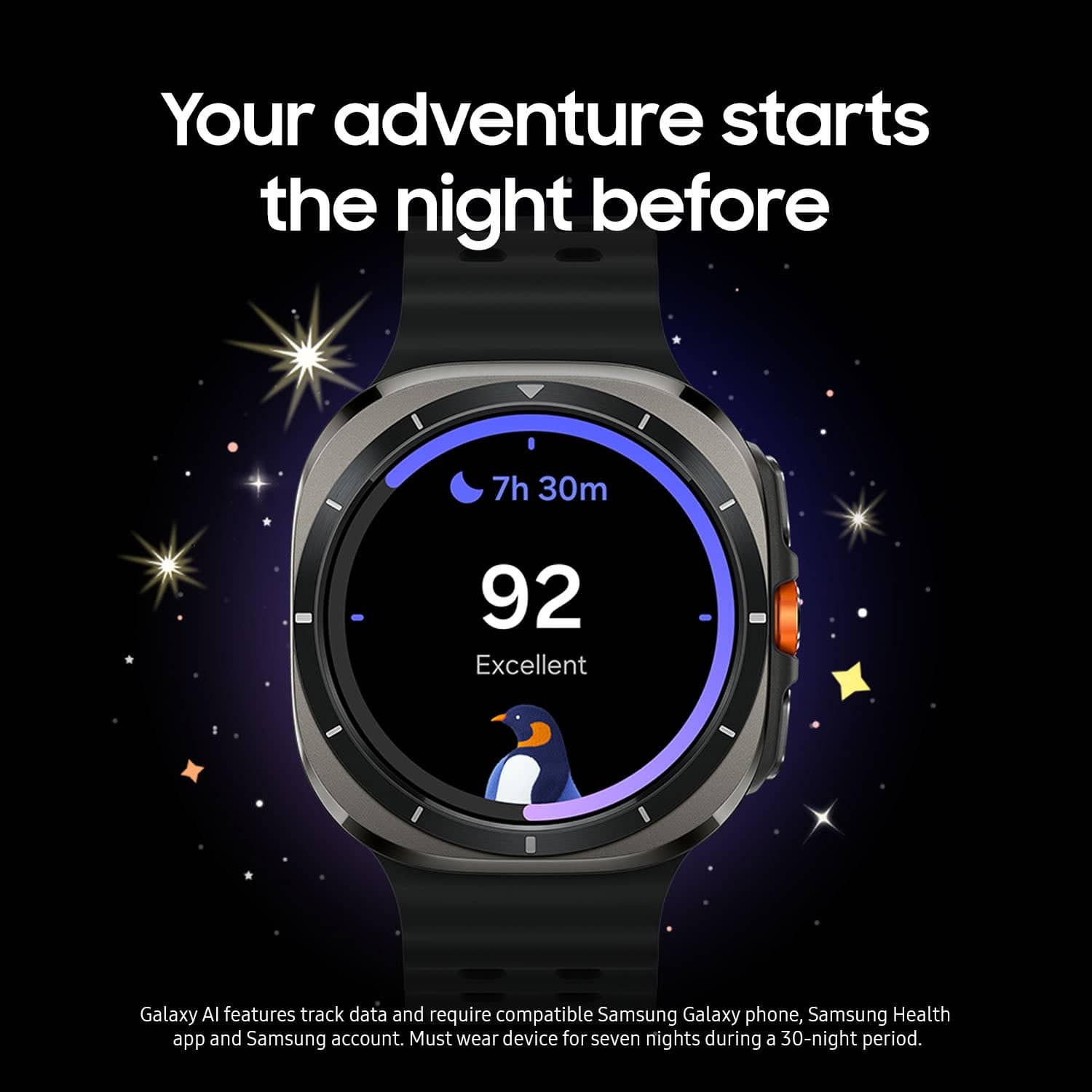
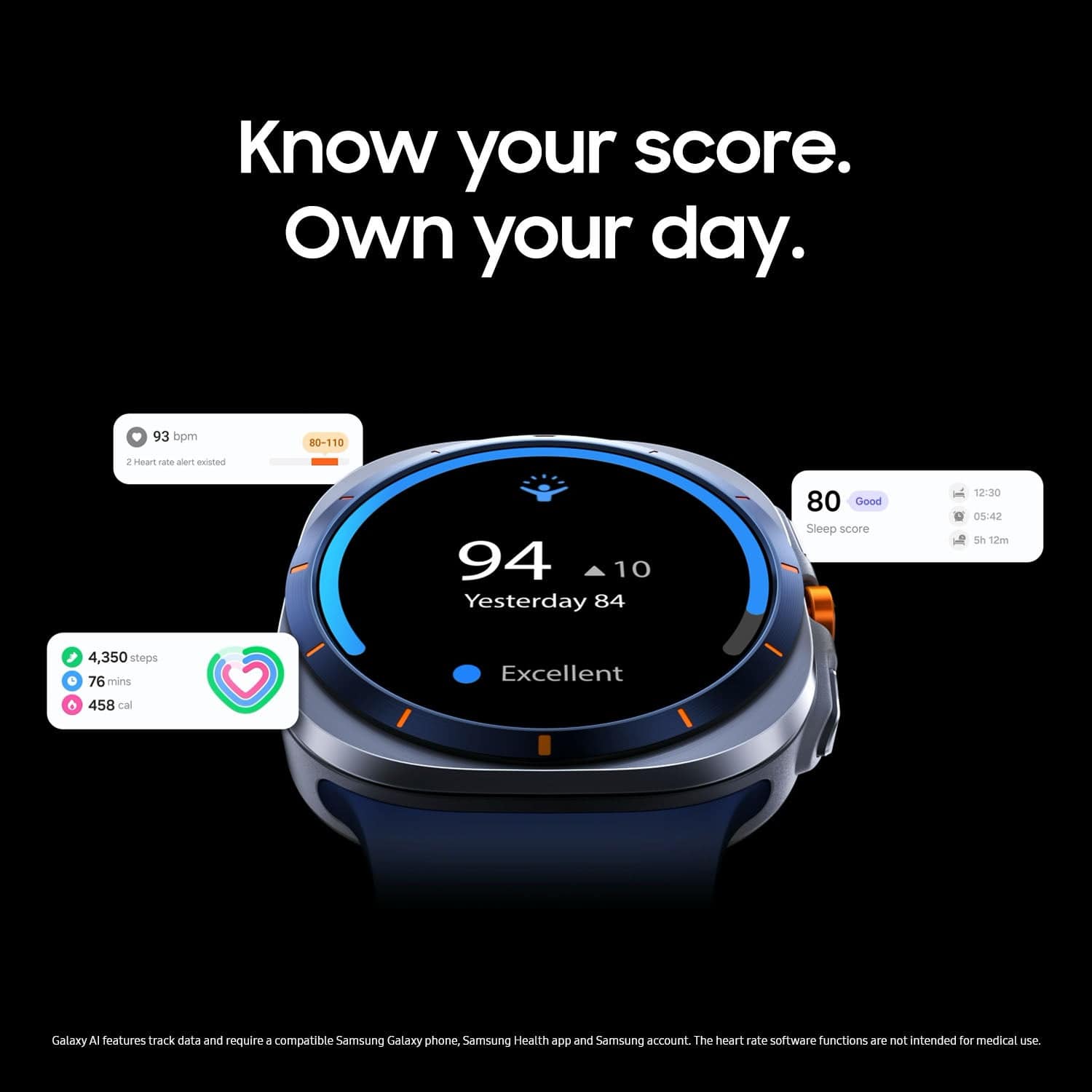
The Samsung Galaxy Watch Ultra takes a broader approach to health monitoring through its BioActive sensor suite. This technology combines multiple sensors into a single measurement system that can analyze body composition, including muscle mass, body fat percentage, and hydration levels. It also introduces more esoteric measurements like the AGE Index, which attempts to measure cellular aging through advanced glycation end-products in your skin.
For serious athletes, the Galaxy Watch Ultra offers features that approach professional sports science equipment. It can measure Functional Threshold Power (FTP) for cycling—the maximum power output you can sustain for one hour—and provides detailed training load analysis that considers not just how much you exercised, but how intensely and how that impacts your recovery needs.
The heart rate monitoring accuracy between these devices deserves special attention. Based on extensive testing by independent reviewers, the Apple Watch Series 10 maintains Apple's reputation for excellent heart rate accuracy across a wide range of activities. The third-generation optical heart sensor performs particularly well during steady-state cardio activities like running or cycling.
The Samsung Galaxy Watch Ultra represents a significant improvement over previous Samsung watches in terms of sensor accuracy. During interval training—where heart rate changes rapidly—it tracks much more closely to chest strap monitors than earlier Galaxy Watch models. However, some cycling activities still show occasional irregularities where the watch might overshoot or undershoot during sudden intensity changes.
This represents perhaps the most significant practical difference between these devices, and it's where personal usage patterns become crucial for decision-making. The Apple Watch Series 10 delivers approximately 18 hours of battery life under typical usage conditions, requiring daily charging for most users.
Apple has addressed this limitation with exceptionally fast charging capabilities. The watch can reach 80% charge in just 30 minutes, and remarkably, 15 minutes of charging provides enough power for 8 hours of typical use. This means you can shower, charge your watch briefly, and have enough power for a full day including sleep tracking.
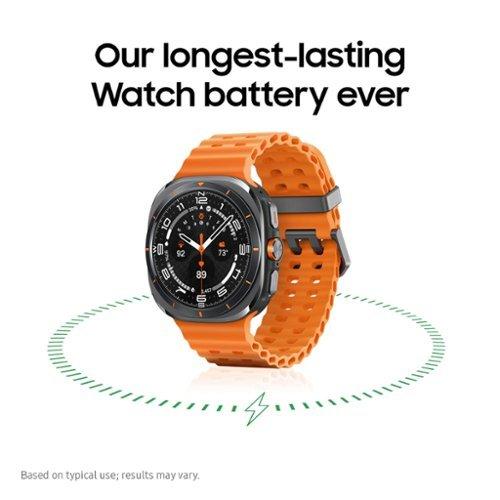
The Samsung Galaxy Watch Ultra approaches battery life from an entirely different perspective. Its massive 590mAh battery—nearly double most smartwatch capacities—enables 2-4 days of typical usage. Even with continuous health monitoring, GPS tracking, and the always-on display enabled, most users consistently achieve two full days of operation.
For outdoor enthusiasts, this difference becomes even more pronounced. The Galaxy Watch Ultra can track GPS-intensive activities like hiking or trail running for up to 48 hours continuously in exercise power-saving mode. This makes it genuinely suitable for multi-day adventures where charging opportunities don't exist.
The psychological impact of this difference shouldn't be underestimated. Daily charging creates a routine that some users find restrictive, particularly when traveling or during busy periods where remembering to charge yet another device becomes burdensome. The Galaxy Watch Ultra's extended battery life essentially eliminates charging anxiety for most use cases.
Both devices represent flagship-level processing power, but they achieve this through different architectural approaches. The Apple Watch Series 10 uses Apple's custom S10 SiP (System in Package), which integrates a 64-bit dual-core processor with a 4-core Neural Engine specifically designed for watchOS operations.
This tight integration between hardware and software enables features like on-device Siri processing, which means voice commands are processed locally rather than being sent to cloud servers. This provides both faster response times and enhanced privacy, as sensitive voice data never leaves your wrist.
The Samsung Galaxy Watch Ultra employs Samsung's Exynos W1000 processor, built on an advanced 3nm manufacturing process. This penta-core processor operates at speeds up to 1.6GHz and includes 2GB of RAM—substantially more memory than most smartwatches. The additional RAM enables more sophisticated multitasking and supports the complex health analytics powered by Galaxy AI.
In practical daily use, both devices deliver smooth, responsive performance with no perceptible lag during normal operations. App launching, notification handling, and interface navigation all feel immediate and polished on both platforms.
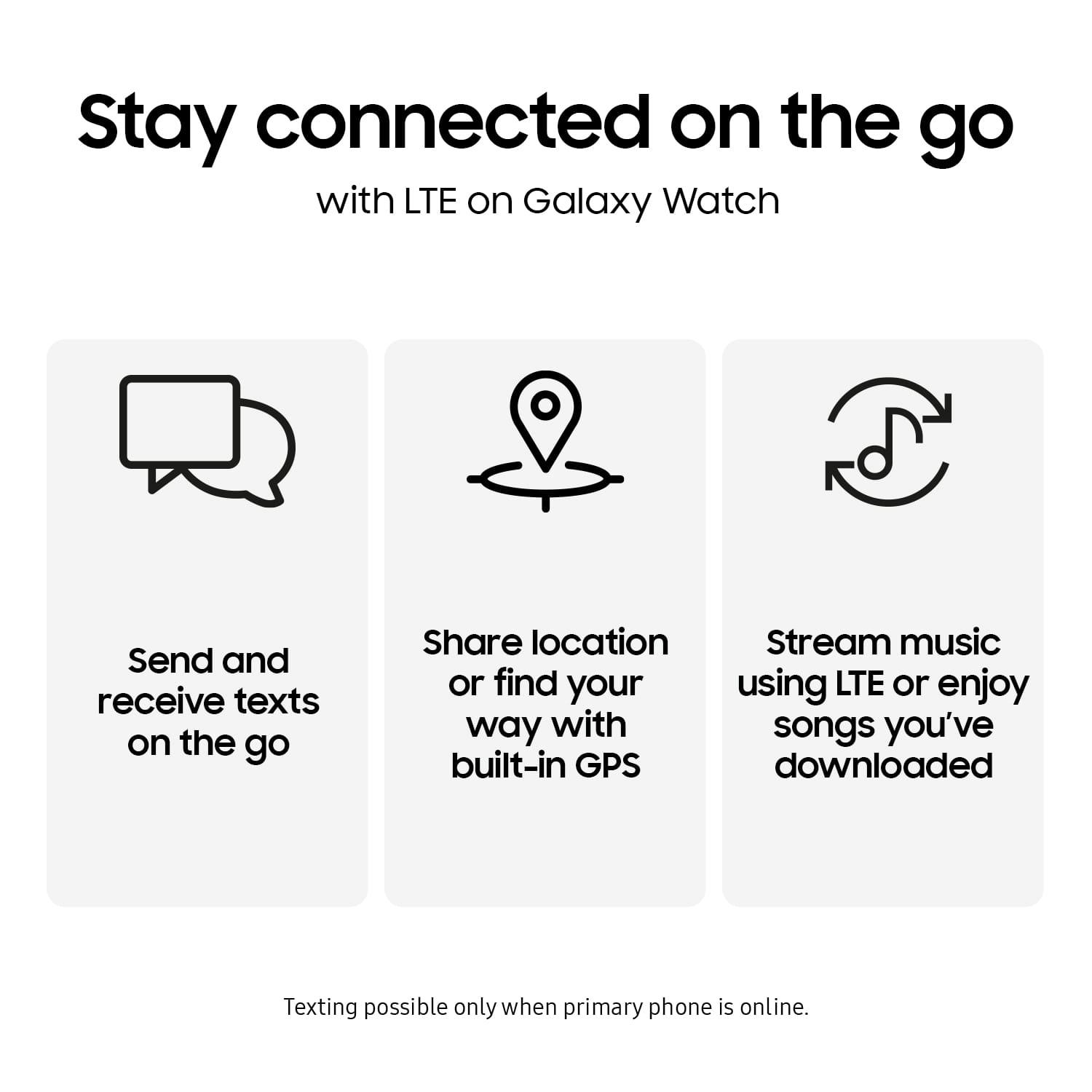
Both devices offer cellular connectivity, but their implementations reveal different priorities. The Apple Watch Series 10 provides seamless iPhone integration where the watch essentially becomes an extension of your phone. When connected to cellular networks, you can make calls, send messages, stream music, and receive notifications without your iPhone present.
The cellular implementation works particularly well for activities like running or gym workouts where carrying a phone feels cumbersome. You can stream music directly to Bluetooth headphones, track your workout with GPS, and still remain reachable for important calls or messages.
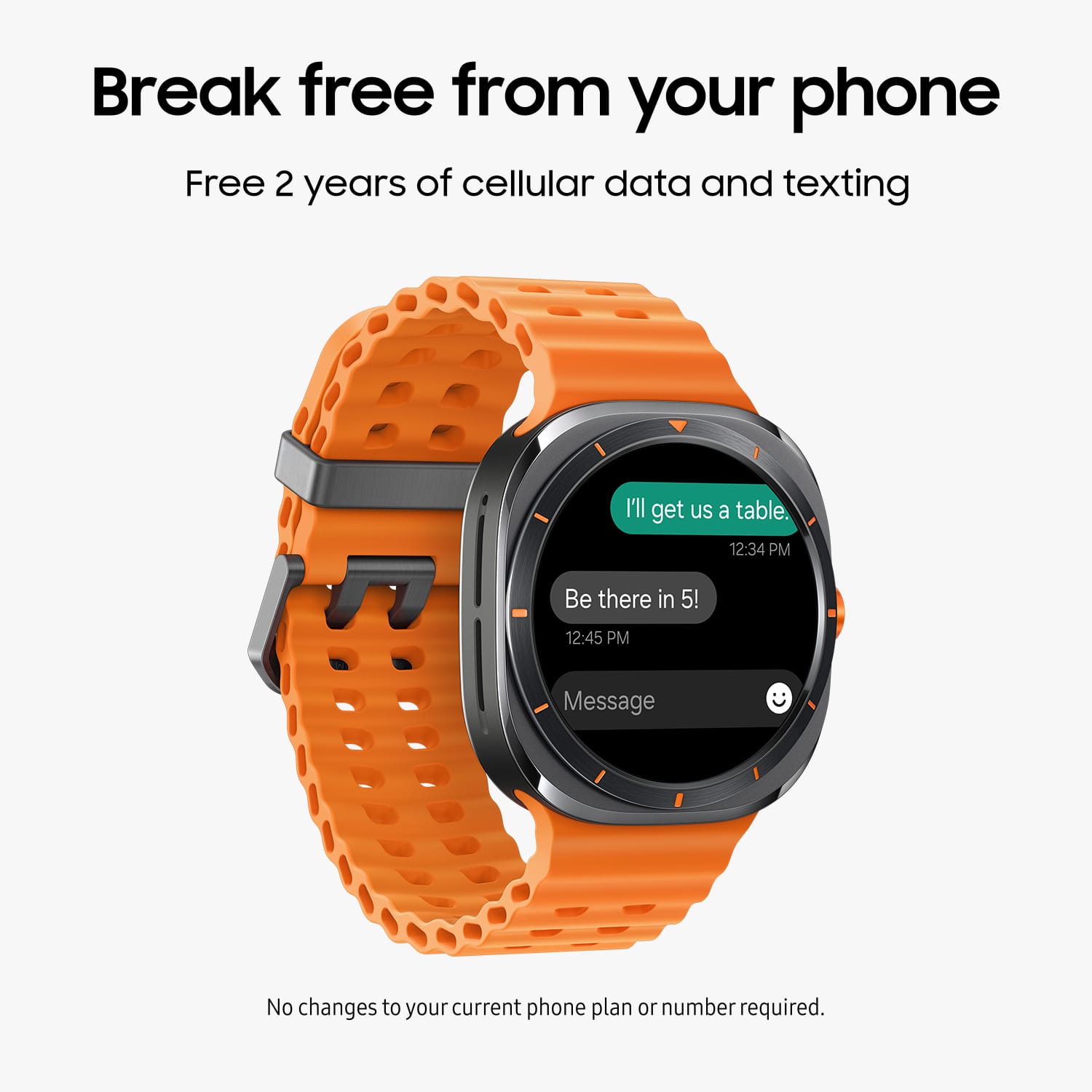
The Samsung Galaxy Watch Ultra offers broader compatibility, working with most Android devices and providing limited functionality with iPhones. Its cellular capabilities include the same basic functions—calls, messages, and data—but the watch can also access a wider range of third-party applications through Wear OS.
For emergency situations, the Galaxy Watch Ultra includes an 86-decibel emergency siren that can alert nearby people to your location. This feature, combined with its rugged construction and extended battery life, makes it particularly appealing for solo outdoor activities where getting help might be challenging.
Your smartphone choice heavily influences which device makes more sense, but the relationship isn't as simple as iPhone equals Apple Watch. The Apple Watch Series 10 requires an iPhone for initial setup and full functionality, but this restriction enables deeper integration than mixed-platform solutions can achieve.
Health data synchronizes seamlessly between your iPhone and watch, creating a comprehensive health profile that can be shared with healthcare providers through Apple's Health app. Fitness data integrates with Apple Fitness+ and other third-party platforms, creating a cohesive ecosystem for tracking and improving your health over time.
The Samsung Galaxy Watch Ultra works best with Samsung Galaxy phones but provides solid functionality with other Android devices. It also offers limited compatibility with iPhones, though many advanced features require an Android phone to function properly.
The Wear OS foundation provides access to a broader selection of third-party applications compared to Apple's more curated approach. This flexibility appeals to users who want to customize their experience extensively or use specialized applications not available on Apple's platform.
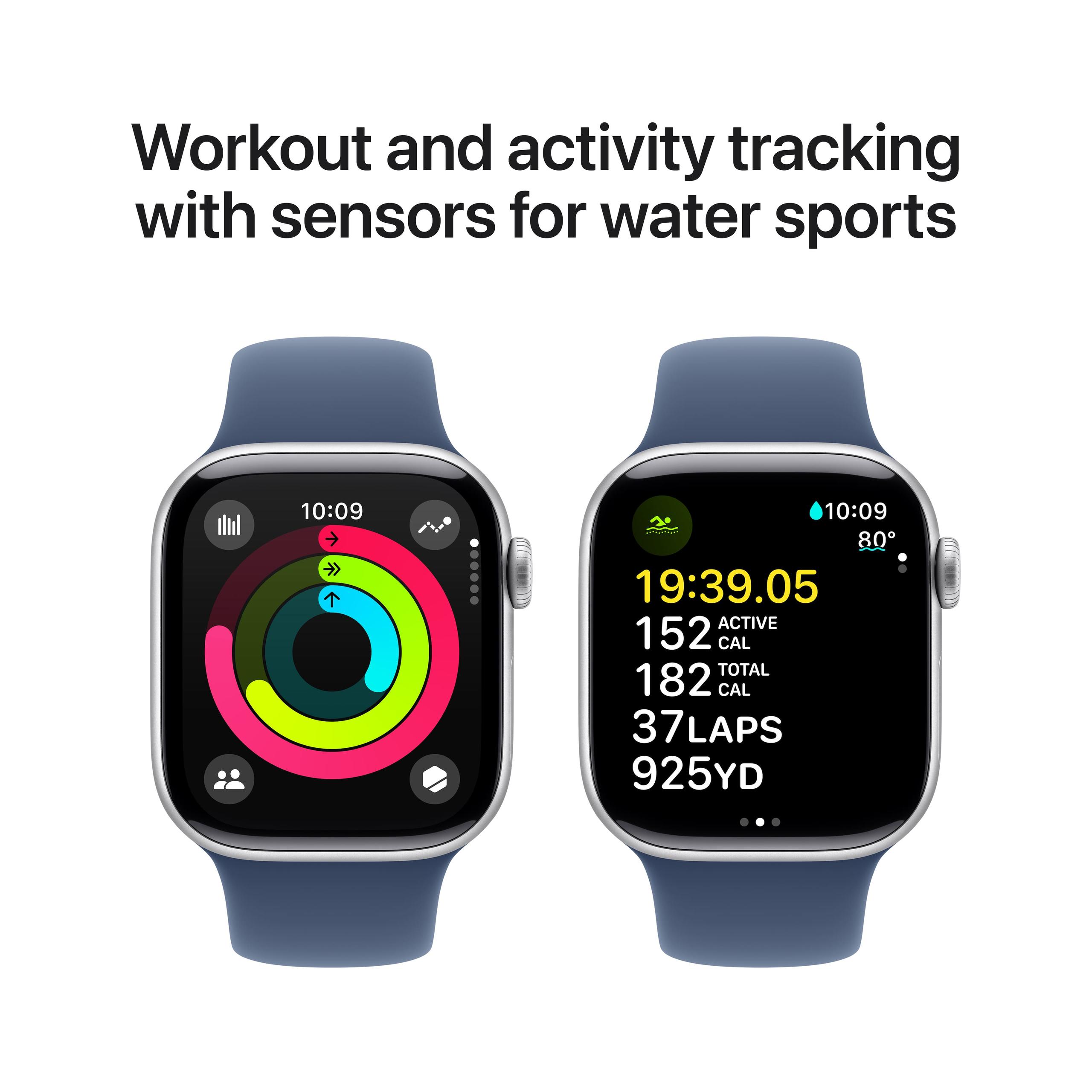
The construction differences between these devices become apparent during extended use. The Apple Watch Series 10's aluminum case provides adequate protection for typical daily activities, including swimming and light sports. The Ion-X glass resists scratching reasonably well, though it's not immune to damage from harder materials.
The Samsung Galaxy Watch Ultra's titanium and sapphire crystal construction represents a significant step up in durability. Titanium offers exceptional strength-to-weight ratio, while sapphire crystal ranks among the hardest materials used in consumer electronics. This combination can withstand impacts and abrasion that would damage conventional smartwatches.
For users engaged in construction work, rock climbing, mountain biking, or other activities where impact and abrasion are common, this durability difference justifies the Galaxy Watch Ultra's higher price point. The watch is genuinely built to handle conditions that would destroy most consumer electronics.
The Apple Watch Series 10 excels as a refined daily companion that seamlessly integrates with your iPhone-based lifestyle. If you prioritize comfort, fast charging, and don't mind daily charging routines, it offers exceptional value for its capabilities. The sleep apnea detection feature alone could provide significant health benefits for many users.
Choose the Apple Watch Series 10 if you own an iPhone, prefer lighter devices for all-day comfort, value fast charging over extended battery life, and want proven health monitoring capabilities. It's also the better choice if you're primarily interested in general fitness tracking rather than professional-grade sports analytics.
The Samsung Galaxy Watch Ultra serves serious athletes, outdoor enthusiasts, and users who demand maximum durability and battery life. Its comprehensive health analytics, multi-day battery performance, and rugged construction justify the premium price for users who will actually utilize these advanced capabilities.
Choose the Samsung Galaxy Watch Ultra if you need multi-day battery life, engage in extreme sports or outdoor activities, want the most comprehensive health analytics available, or require a device that can withstand harsh environmental conditions. It's also preferable for Android users who want the most advanced Wear OS experience available.
At the time of writing, the price difference between these devices reflects genuine capability gaps rather than arbitrary premium pricing. The Samsung Galaxy Watch Ultra offers professional-grade features that justify its higher cost for users who need them, while the Apple Watch Series 10 provides excellent value for general smartwatch users seeking refined daily functionality.
The decision ultimately comes down to understanding your specific needs and usage patterns. Both devices excel in their intended roles, but they serve distinctly different users with different priorities and requirements.
| Apple Watch Series 10 GPS + Cellular 42mm Aluminum | Samsung Galaxy Watch Ultra 47mm LTE 2025 |
|---|---|
| Case Size & Weight - Daily comfort and wearability | |
| 42mm aluminum case, 29.3g (comfortable for all-day wear) | 47mm titanium case, 60.5g (substantial feel, premium materials) |
| Display Technology - Outdoor visibility and screen quality | |
| 374×446 LTPO3 OLED, 2,000 nits peak brightness | 480×480 Super AMOLED, 3,000 nits peak brightness (50% brighter) |
| Battery Life - Most important daily use factor | |
| 18 hours typical use (daily charging required) | 60-80 hours typical use (2-4 days between charges) |
| Charging Speed - Convenience when battery runs low | |
| 80% charge in 30 minutes (ultra-fast charging) | Standard wireless charging (10W) |
| Build Materials - Durability and premium feel | |
| 100% recycled aluminum, Ion-X glass | Grade 4 titanium, sapphire crystal glass |
| Water Resistance - Swimming and water sports capability | |
| 50 meters (suitable for swimming) | 100 meters/10 ATM (diving capable, MIL-STD-810H rated) |
| Health Sensors - Medical-grade monitoring capabilities | |
| ECG, blood oxygen, temperature, sleep apnea detection | ECG, blood oxygen, body composition, AGE index, antioxidant scoring |
| Fitness Tracking - Workout variety and accuracy | |
| Automatic workout detection, basic metrics | 90+ workout modes, FTP cycling, professional sports analytics |
| GPS Accuracy - Location tracking for outdoor activities | |
| Standard GPS with iPhone integration | Dual-frequency GPS (L1+L5) for professional-grade accuracy |
| Storage Capacity - Apps and offline content | |
| 64GB internal storage | 64GB internal storage, 2GB RAM |
| Smartphone Compatibility - Device ecosystem requirements | |
| iPhone only (seamless integration) | Android primary, limited iPhone support |
| Emergency Features - Safety for outdoor adventures | |
| Emergency SOS, crash detection, fall detection | 86dB emergency siren, SOS, military-grade durability |
| Unique Selling Points - What sets each apart | |
| Sleep apnea detection, fastest charging, lightest weight | Multi-day battery, titanium build, professional health analytics |
The Samsung Galaxy Watch Ultra has significantly better battery life, lasting 2-4 days on a single charge compared to the Apple Watch Series 10's 18-hour daily battery life. However, the Apple Watch Series 10 compensates with ultra-fast charging, reaching 80% in just 30 minutes.
The key difference is their target audience: the Apple Watch Series 10 is designed as a lightweight daily companion focusing on convenience and iPhone integration, while the Samsung Galaxy Watch Ultra is built for serious athletes and outdoor enthusiasts with rugged titanium construction and professional-grade health analytics.
The Samsung Galaxy Watch Ultra is significantly more durable with its Grade 4 titanium case, sapphire crystal glass, and MIL-STD-810H military rating. It can handle 100-meter water depth and extreme conditions, while the Apple Watch Series 10 has basic aluminum construction suitable for daily wear and swimming.
The Apple Watch Series 10 requires an iPhone for full functionality and seamless integration. The Samsung Galaxy Watch Ultra works best with Android phones but offers limited compatibility with iPhones, though many advanced features require Android for full access.
Both excel in different areas: the Apple Watch Series 10 offers medical-grade sleep apnea detection and proven heart rate accuracy, while the Samsung Galaxy Watch Ultra provides more comprehensive health analytics including body composition analysis, AGE index, and professional sports metrics for serious athletes.
The Samsung Galaxy Watch Ultra has a brighter display at 3,000 nits peak brightness compared to the Apple Watch Series 10's 2,000 nits, making it better for outdoor visibility. The Apple Watch Series 10 offers better optimization for quick glances and daily readability with its always-on display technology.
For general fitness, the Apple Watch Series 10 provides excellent automatic workout detection and reliable metrics. For serious athletes, the Samsung Galaxy Watch Ultra offers 90+ workout modes, FTP cycling measurements, dual-frequency GPS, and professional training analytics that rival dedicated sports watches.
The Apple Watch Series 10 weighs just 29.3 grams, making it extremely comfortable for all-day wear. The Samsung Galaxy Watch Ultra weighs 60.5 grams due to its titanium construction - more than double the weight but still reasonable for the premium materials and durability it provides.
The Apple Watch Series 10 has much faster charging, reaching 80% in 30 minutes and providing 8 hours of use from just 15 minutes of charging. The Samsung Galaxy Watch Ultra charges at standard speeds but rarely needs charging due to its multi-day battery life.
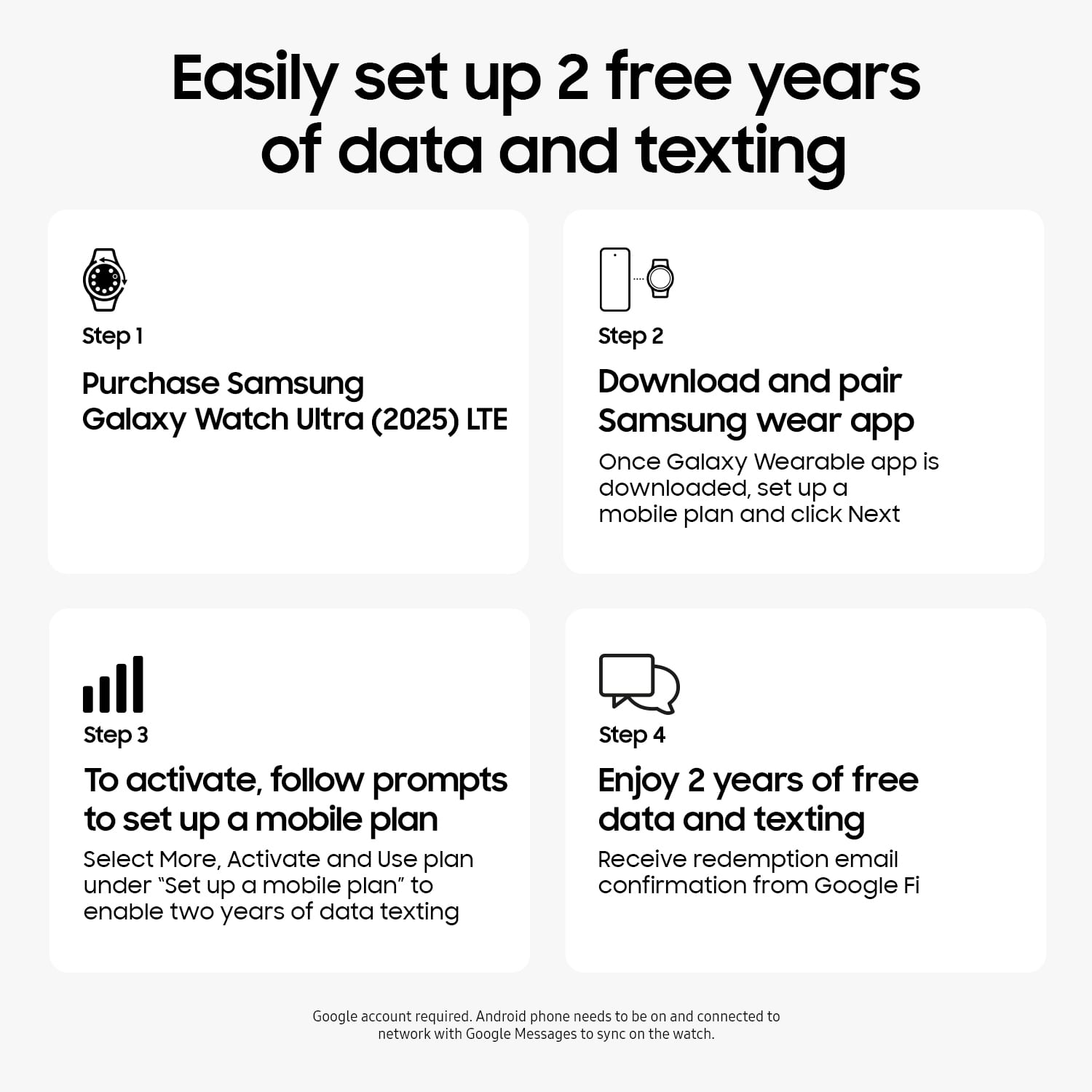
Yes, both the Apple Watch Series 10 and Samsung Galaxy Watch Ultra have cellular connectivity (GPS + Cellular and LTE models respectively), allowing independent calls, messages, and data usage when away from your phone, though the Apple Watch Series 10 requires an iPhone for initial setup.
The Apple Watch Series 10 offers better value for general users wanting a refined daily smartwatch with proven health features. The Samsung Galaxy Watch Ultra justifies its premium price for serious athletes and outdoor enthusiasts who need its advanced health analytics, multi-day battery, and military-grade durability.
The Apple Watch Series 10 uniquely offers sleep apnea detection, the fastest smartwatch charging available, and seamless iPhone ecosystem integration. The Samsung Galaxy Watch Ultra stands out with its 86dB emergency siren, professional body composition analysis, dual-frequency GPS accuracy, and genuine multi-day battery life that other smartwatches can't match.
We've done our best to create useful and informative comparisons to help you decide what product to buy. Our research uses advanced automated methods to create this comparison and perfection is not possible - please contact us for corrections or questions. These are the sites we've researched in the creation of this article: bestbuy.com - wareable.com - wareable.com - appleinsider.com - youtube.com - youtube.com - youtube.com - apple.com - dcrainmaker.com - dcrainmaker.com - apple.com - apple.com - forums.macrumors.com - gethegoods.com - appleinsider.com - apple.com - support.apple.com - apple.com - en.wikipedia.org - cellcom.com - youtube.com - walmart.com - youtube.com - apple.com - bestbuy.com - apple.com - youtube.com - apple.com - verizon.com - apple.com - apple.com - youtube.com - costco.com - bestbuy.com - t-mobile.com - talk.tidbits.com - support.apple.com - gci.com - att.com - smartwatch-straps.co.uk - wareable.com - dcrainmaker.com - pocket-lint.com - sypnotix.com - youtube.com - youtube.com - 9to5google.com - us.community.samsung.com - youtube.com - samsung.com - phonearena.com - versus.com - gsmarena.com - samsung.com - samsung.com - phonearena.com - samsung.com - samsung.com - samsung.com - samsung.com - samsung.com - t-mobile.com - att.com - youtube.com - bestbuy.com - verizon.com - youtube.com - bandletic.com - androidcentral.com - samsung.com - samsung.com - samsung.com - samsung.com

Privacy Policy
Terms and Conditions - Affiliate Policy
Home Security
© Copyright 2008-2026.
11816 Inwood Rd #1211, Dallas, TX 75244