

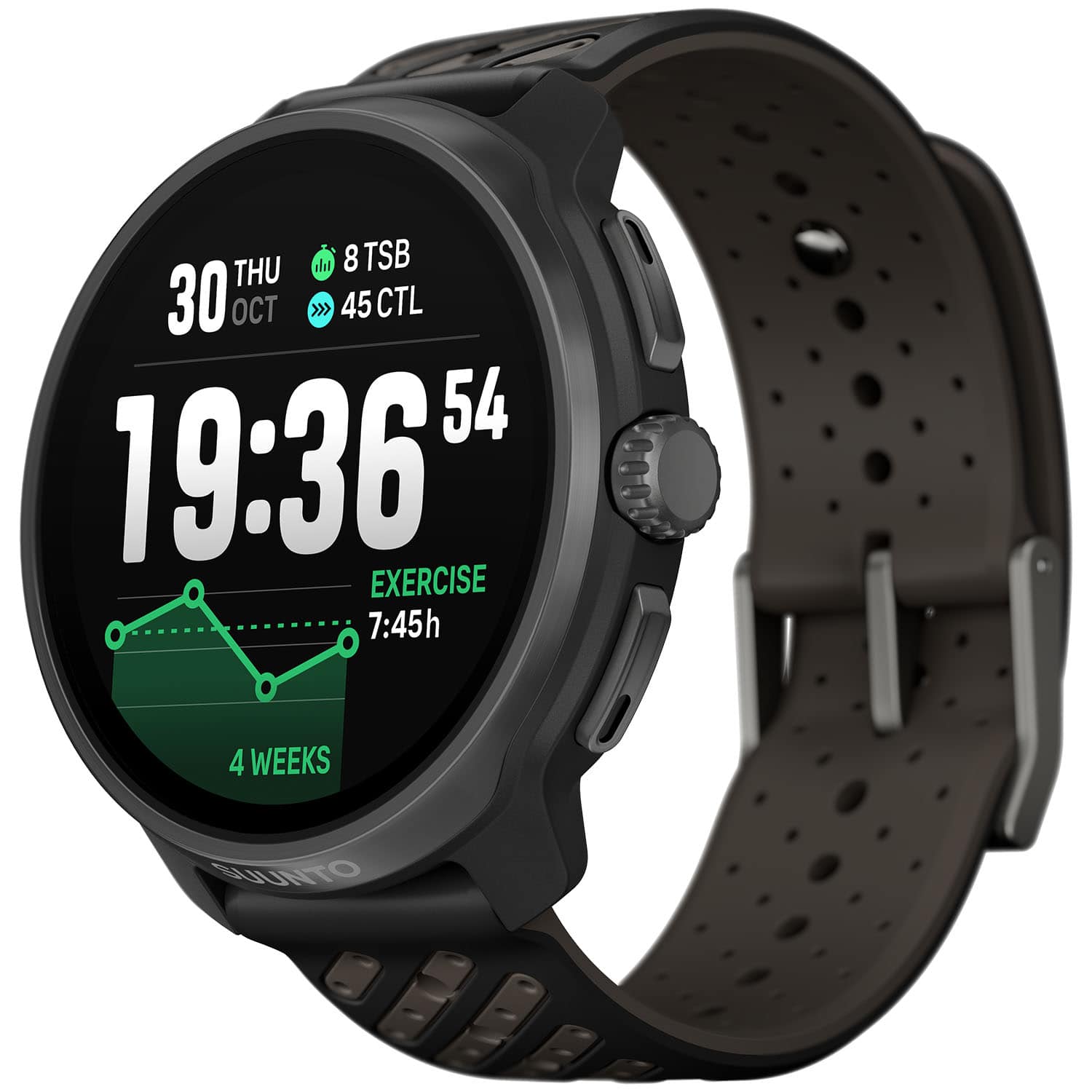
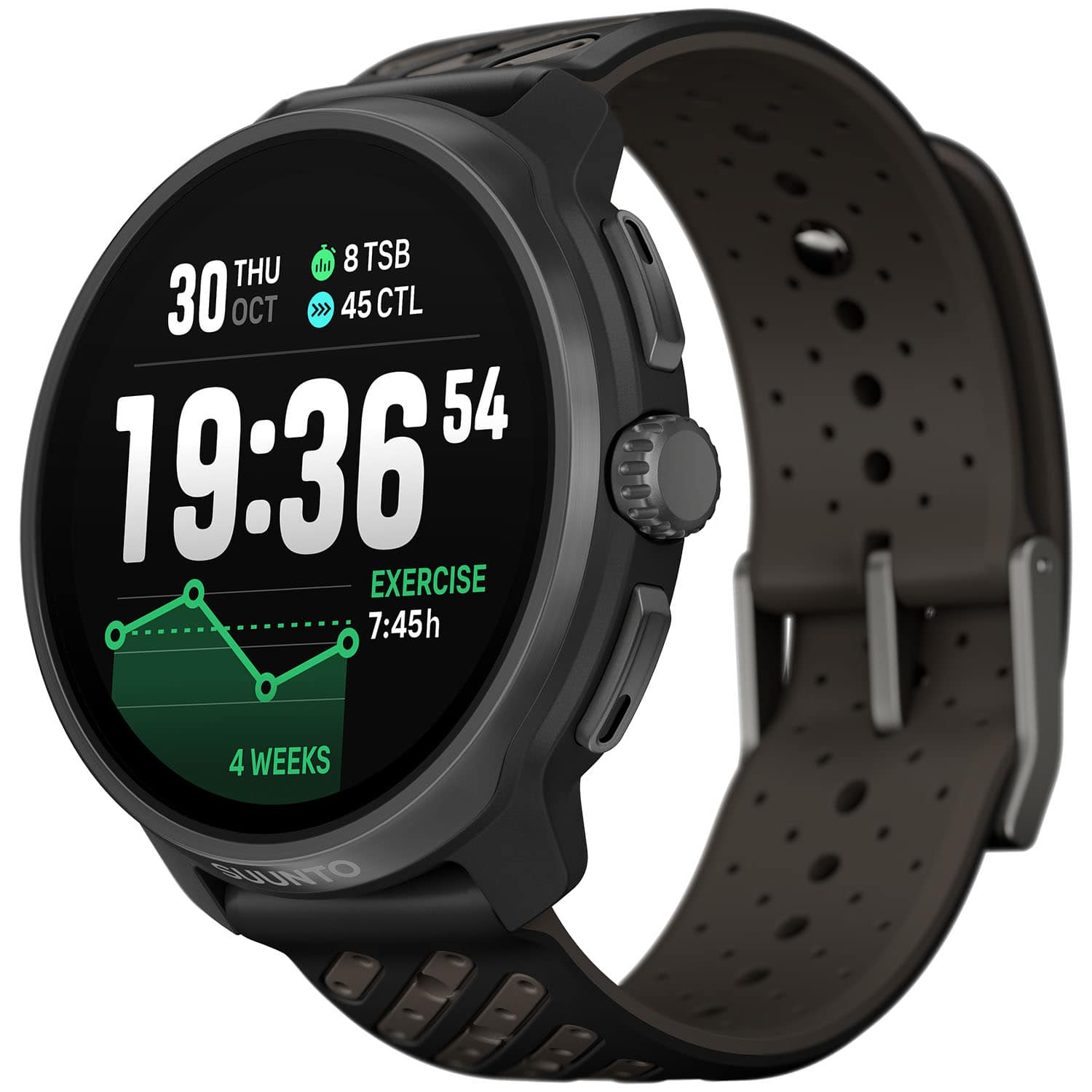
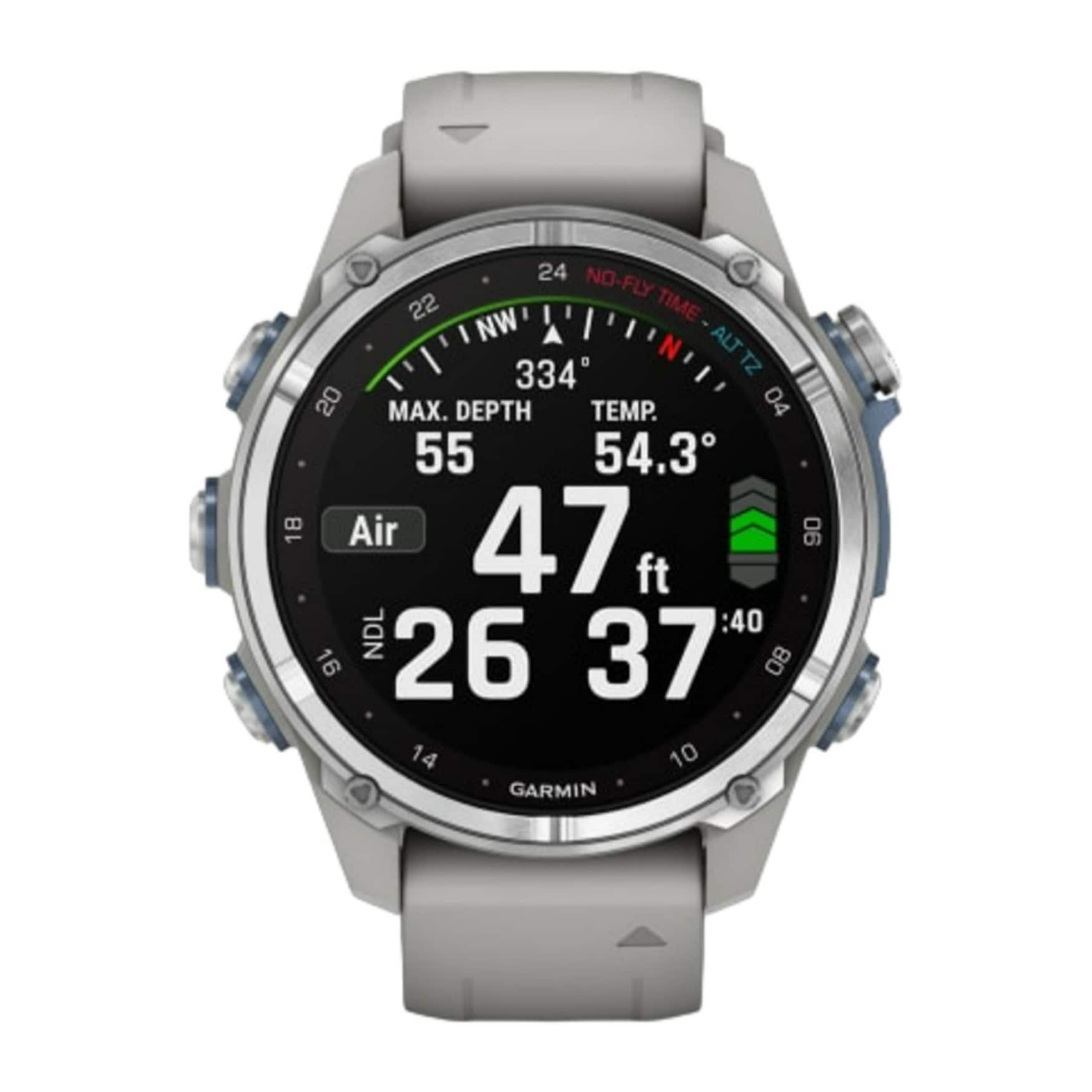
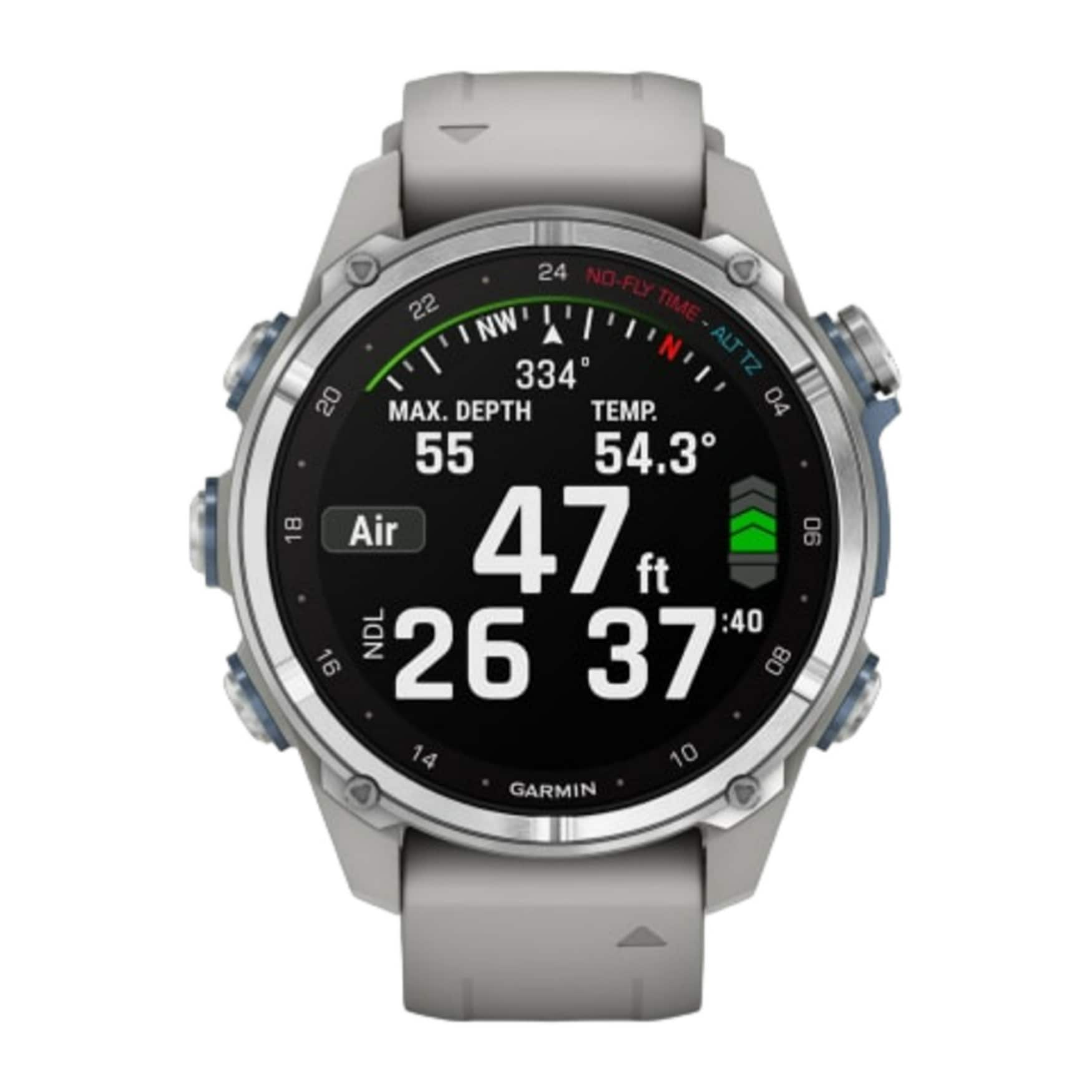
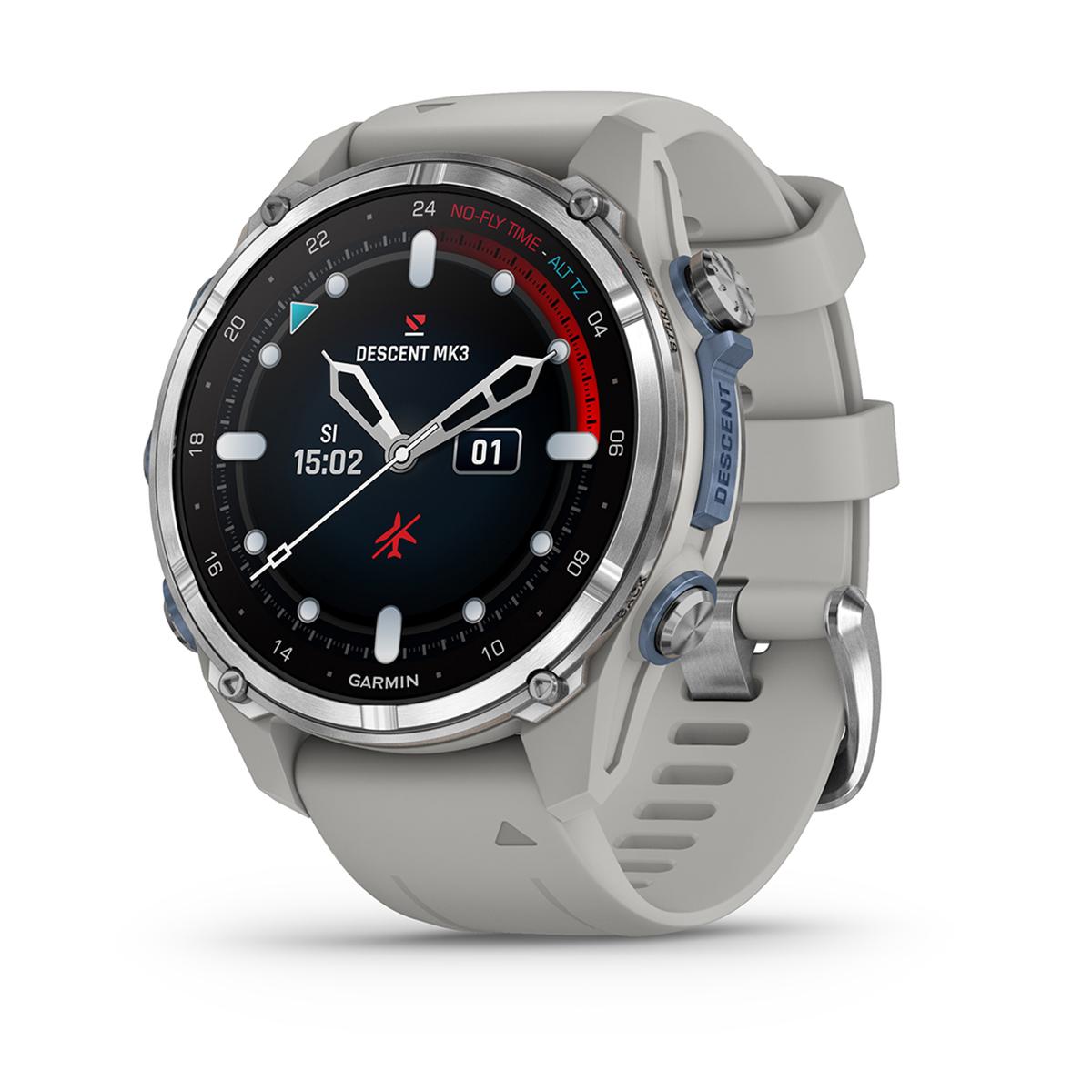
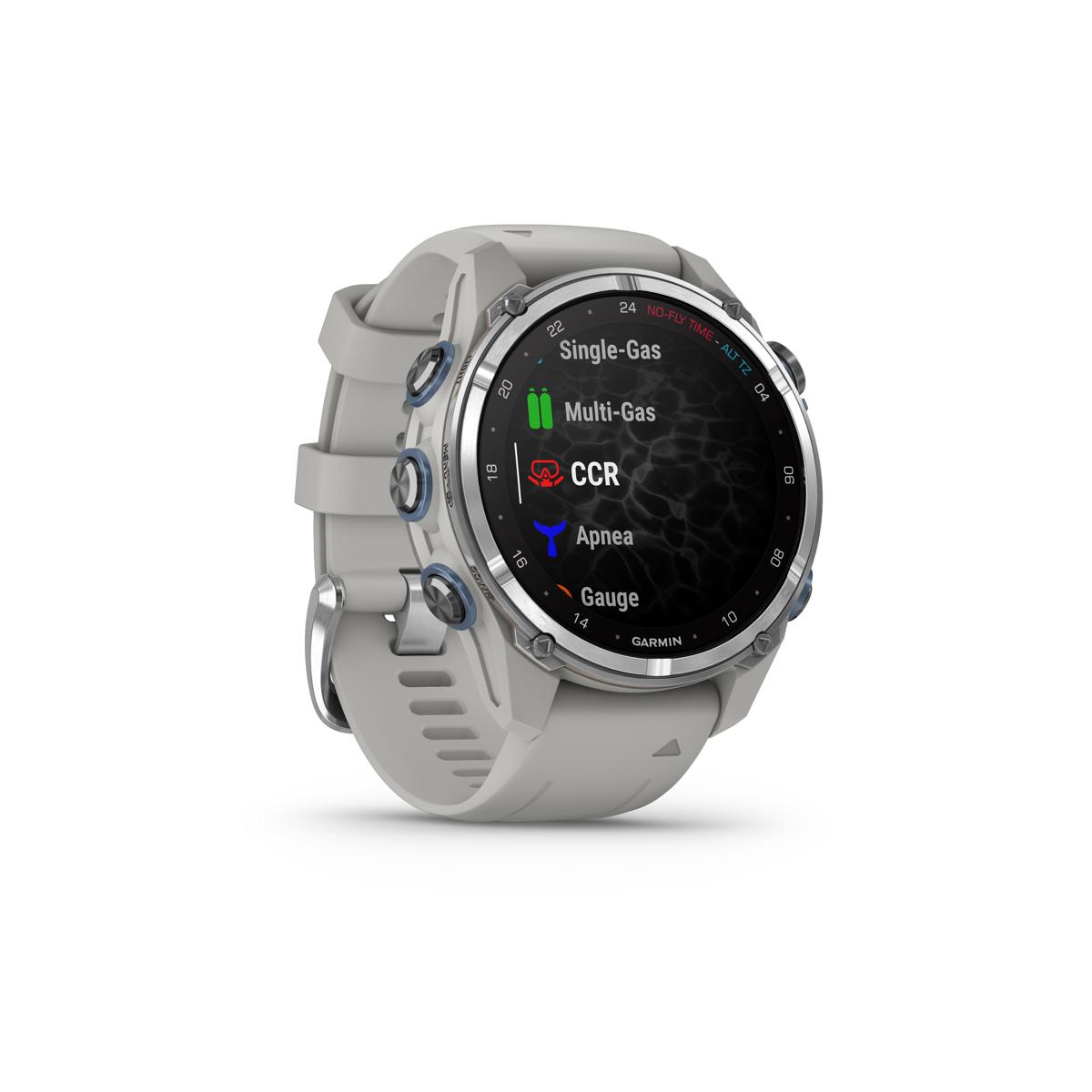
When you're looking for a high-end adventure watch in 2024, you'll likely encounter two very different approaches to wearable technology. On one side, you have dedicated multisport watches like the Suunto Race 2 Titanium, designed to excel at tracking your runs, rides, and hikes with exceptional battery life. On the other, specialized dive computers such as the Garmin Descent Mk3 bring underwater capabilities to the surface, functioning as both a certified diving instrument and a capable sports watch.
The key difference isn't just about going underwater—it's about how each device prioritizes different aspects of performance, battery life, and user experience. Understanding these distinctions can save you from spending significant money on features you'll never use, or worse, missing capabilities you actually need.
The Suunto Race 2 Titanium represents what happens when a company focuses entirely on surface-based endurance sports. Released in 2024, this watch builds on Suunto's decades of experience making instruments for extreme athletes. Think of it as the Swiss Army knife of adventure watches—it does many things very well, but its primary mission is tracking your activities on land with incredible precision and endurance.
Multisport watches prioritize battery life during GPS tracking, which is crucial if you're planning a multi-day hiking trip or an ultra-marathon that could last 24+ hours. They also focus heavily on training metrics—measurements like VO2 max (your body's maximum oxygen uptake, indicating cardiovascular fitness), lactate threshold (the point where your muscles start accumulating lactic acid faster than they can clear it), and training load (how much stress your workouts place on your body).
The Garmin Descent Mk3, launched in 2024, takes a completely different approach. It's primarily a certified dive computer that happens to be excellent at surface sports. This means it must meet strict safety standards for underwater use, including the ability to calculate decompression stops—mandatory pauses during ascent to prevent dangerous nitrogen bubbles from forming in your bloodstream.
Dive computers use complex algorithms (mathematical formulas) to track how much nitrogen your body absorbs at depth and calculate safe ascent profiles. The Descent Mk3 uses the Bühlmann ZHL-16c algorithm with configurable gradient factors, which sounds complicated but essentially means it can adjust its conservatism level based on your diving experience and risk tolerance.
This is where the philosophical differences become stark. The Suunto Race 2 Titanium delivers an impressive 55 hours of dual-band GPS tracking—that's more than two full days of continuous navigation. Dual-band GPS means it receives signals from two different frequencies simultaneously, providing much more accurate positioning than single-frequency systems, especially in challenging environments like dense forests or urban canyons.
In contrast, the Garmin Descent Mk3 offers about 30 hours in dive mode and roughly 10 days in smartwatch mode. While this might seem inferior, remember that dive computers face different demands. They need to maintain precise depth and time calculations while underwater, where GPS doesn't work, and they must be ready for emergency situations at any moment.
For endurance athletes, this difference is crucial. If you're attempting a 100-mile trail run or a multi-day backpacking trip, the Suunto's extended battery life could mean the difference between completing your adventure with full tracking data or having to switch to a basic timekeeping mode halfway through.
Both watches use AMOLED (Active Matrix Organic Light Emitting Diode) displays, which produce incredibly vibrant colors and deep blacks while consuming less power than traditional LCD screens. However, they optimize for different scenarios.
The Suunto Race 2 features a larger 1.5-inch display with 2,000 nits of peak brightness—bright enough to remain clearly visible in direct sunlight while running or cycling. Its sapphire crystal protection (an extremely hard synthetic material) ensures the screen won't scratch during rocky scrambles or accidental bumps.
The Descent Mk3 uses a slightly smaller 1.2-inch display but optimizes it specifically for underwater visibility. Water absorbs different wavelengths of light, so colors that look great on the surface can become invisible at depth. Garmin has tuned their display to maintain readability even in the blue-filtered light found 20-30 meters underwater.
Modern GPS accuracy depends heavily on how many satellite systems a device can access simultaneously. Both watches support multi-constellation GNSS (Global Navigation Satellite Systems), meaning they can receive signals from GPS (USA), GLONASS (Russia), Galileo (Europe), and other satellite networks simultaneously.
The Suunto Race 2 uses an updated Sony chipset that our research suggests provides exceptional accuracy across varied terrain. User reports from ultra-runners consistently praise its ability to maintain precise tracking through challenging environments like slot canyons or dense forest canopy. This matters because even small GPS errors can accumulate over long distances, potentially affecting your navigation or training analysis.
The Descent Mk3 includes Garmin's SatIQ technology, which automatically selects the optimal satellite configuration based on your environment. While this provides excellent accuracy, it's optimized more for marking dive sites and surface navigation rather than the continuous precision tracking that endurance athletes require.
The Race 2 Titanium includes several features specifically designed for serious athletes. Its redesigned optical heart rate sensor uses multiple LEDs and photodetectors to measure blood flow through your wrist, providing more accurate readings during intense exercise when traditional wrist-based sensors often struggle.
One standout feature is on-wrist running power measurement. Running power measures how much energy you're actually putting into forward motion, similar to how cycling power meters work. This helps runners pace more consistently, especially on hills where heart rate can lag behind actual effort. Previously, you needed expensive foot pods or other external sensors to get this data.
The Ghostrunner virtual pacer creates a digital competitor based on your target pace, showing whether you're ahead or behind your goal in real-time. For competitive athletes, this psychological element can be surprisingly motivating during tough training sessions or races.
The Descent Mk3 brings several underwater technologies that simply don't exist in surface-focused watches. Its SubWave sonar communication system allows divers to send pre-programmed messages to other Mk3 users within about 30 meters underwater. While this might sound gimmicky, it addresses a real safety concern—underwater communication typically requires expensive, bulky equipment or hand signals that work only at close range.
Air integration capability (available on the Mk3i variant) wirelessly connects to tank pressure transmitters, displaying your remaining air supply and calculating air time remaining based on your current consumption rate. This eliminates the need to constantly check analog gauges and can alert you if your air consumption changes dramatically, potentially indicating equipment problems or stress.
The dive readiness assessment analyzes your sleep quality, recent exercise load, stress levels, and even jet lag to calculate whether you're physically prepared for diving. This feature draws from Garmin's extensive health tracking ecosystem to provide insights that go beyond traditional dive computer functions.
The Suunto Race 2 Titanium uses Grade 5 titanium for its bezel, which provides exceptional strength while keeping weight to just 65 grams. Titanium is roughly 45% lighter than steel while being significantly stronger, making it ideal for long-duration wear during endurance activities. The watch case itself uses glass fiber reinforced polyamide—a high-tech plastic that's extremely durable but lighter than metal.
At 12.5mm thick, it's notably slimmer than many GPS watches, which matters more than you might think during long activities. A thick, heavy watch can cause hot spots or pressure points during marathon training or multi-day adventures.
The Garmin Descent Mk3 prioritizes absolute durability over weight savings. Its construction must withstand the pressure changes and potential impacts associated with diving activities. The 43mm case size represents Garmin's attempt to balance capability with wearability—the larger 51mm version offers additional features like an integrated flashlight but can feel unwieldy for smaller wrists or daily wear.
Neither device tries to replace your smartphone, but they handle essential smart features differently. The Suunto Race 2 focuses on core functionality—notifications, weather updates, and music controls without onboard storage. This streamlined approach conserves battery life and keeps the interface focused on fitness functions.
The Descent Mk3 includes more comprehensive smart features like music storage, Garmin Pay contactless payments, and more detailed notification handling. For divers who travel frequently, having payment capability can be genuinely useful when you don't want to carry a wallet to the beach or boat.
At the time of writing, these watches occupy different price tiers that reflect their target markets and development costs. The Suunto Race 2 Titanium positions itself as premium performance at a relatively accessible price point for titanium construction and advanced GPS capabilities.
The Descent Mk3 commands significantly higher pricing, reflecting the specialized engineering required for dive computer certification and the smaller market size for diving-specific features. Developing and certifying dive algorithms involves extensive testing and regulatory approval that doesn't apply to surface-focused sports watches.
For most users, the question becomes whether the additional cost of dive capabilities is justified by your actual usage patterns. If you dive regularly—even just on vacation—having a certified computer eliminates the need to rent or buy separate dive equipment. However, if diving isn't part of your regular activities, you're essentially paying a significant premium for features you'll rarely use.
Both manufacturers have strong track records for firmware updates and feature additions over time. Suunto has particularly improved their software ecosystem in recent years, addressing previous criticisms about limited third-party integration. The Race 2 benefits from this renewed focus on user experience and regular feature updates.
Garmin's broader ecosystem includes comprehensive training platforms, detailed analytics, and integration with numerous third-party fitness services. If you're already invested in Garmin's ecosystem or planning to add other devices like cycling computers or running dynamics pods, the Descent Mk3 integrates seamlessly with these systems.
If your primary activities involve running, cycling, hiking, or other land-based endurance sports, the Suunto Race 2 Titanium offers compelling advantages. Its exceptional GPS battery life, lightweight construction, and training-focused features address the specific needs of serious athletes without unnecessary complexity.
The 55-hour GPS battery life isn't just a number—it represents the freedom to attempt multi-day adventures without battery anxiety. Whether you're tackling the Ultra-Trail du Mont-Blanc or exploring remote wilderness areas, having reliable tracking throughout your entire journey provides both safety and complete activity data.
The Garmin Descent Mk3 makes sense for two distinct groups: serious divers who want surface sports capabilities, and multi-sport athletes who dive regularly enough to justify the investment in proper dive computer functionality.
If you dive even occasionally—perhaps during annual vacations or weekend trips—having a certified dive computer eliminates rental costs and provides familiar equipment every time. The surface sports tracking capabilities mean you don't need to compromise on your land-based training while having proper underwater functionality available.
Consider the Suunto Race 2 Titanium if battery life during GPS activities is your top priority, you want premium materials at reasonable cost, and your activities focus primarily on surface sports. Its streamlined approach and exceptional endurance make it ideal for dedicated athletes who know exactly what they need.
Choose the Garmin Descent Mk3 if you need certified dive computer functionality, want comprehensive smart features alongside sports tracking, and are willing to invest in specialized capabilities that extend your device's usefulness into underwater environments.
The reality is that both devices excel in their intended domains. The key is honestly assessing your actual usage patterns versus aspirational activities, and choosing the device that best supports your primary adventures while providing room for growth in your preferred direction—whether that's toward extreme endurance challenges or deeper underwater exploration.
| Suunto Race 2 Titanium | Garmin Descent Mk3 Dive Computer 43mm |
|---|---|
| Primary Purpose - What each device is designed to excel at | |
| Multisport GPS watch optimized for endurance athletes | Certified dive computer with comprehensive surface sports tracking |
| GPS Battery Life - Critical for long adventures and multi-day activities | |
| 55 hours dual-band GPS (industry-leading for AMOLED displays) | ~30 hours dive mode, significantly less in GPS mode |
| Display Size & Brightness - Readability in challenging conditions | |
| 1.5" AMOLED, 466x466 pixels, 2,000 nits peak brightness | 1.2" AMOLED, 390x390 pixels, optimized for underwater visibility |
| Weight & Thickness - Comfort during extended wear | |
| 65g, 12.5mm thick (lightweight titanium construction) | Heavier build, 14.15mm thick (dive-rated durability focus) |
| Water Resistance - Determines suitable water activities | |
| 100m (suitable for swimming and water sports) | 200m depth rating with full dive computer certification |
| Specialized Features - Unique capabilities that justify the investment | |
| On-wrist running power, 55-hour GPS endurance, ClimbGuidance | Dive computer algorithms, SubWave sonar communication, air integration ready |
| Smart Features - Daily usability beyond sports tracking | |
| Basic notifications, music controls, no onboard storage | Full smart features: music storage, Garmin Pay, comprehensive notifications |
| Training Metrics - Depth of fitness analysis | |
| Advanced running/cycling metrics, redesigned HR sensor, training load analysis | Comprehensive health tracking plus dive-specific readiness assessment |
| Maps & Navigation - Critical for outdoor adventures | |
| Free offline maps, 32GB storage, turn-by-turn navigation | DiveView maps with 4,000+ dive sites, superior Garmin mapping ecosystem |
| Smartwatch Battery Life - Daily wear without frequent charging | |
| 16 days typical use, 7-8 days with always-on display | 10 days smartwatch mode (shorter due to more complex feature set) |
| Target User - Who gets the most value from each approach | |
| Endurance athletes prioritizing battery life and training optimization | Active divers wanting one device for underwater and surface activities |
| Value Proposition - Cost relative to capabilities delivered | |
| Premium materials and performance at competitive pricing for the category | Higher investment justified by specialized dive functionality and broader feature set |
The Suunto Race 2 Titanium significantly outperforms the Garmin Descent Mk3 for GPS battery life, offering up to 55 hours of dual-band GPS tracking compared to about 30 hours for the Garmin in dive mode. For endurance athletes and long adventures, the Suunto Race 2 Titanium provides nearly double the GPS endurance.
Yes, the Garmin Descent Mk3 functions as a full-featured sports watch with comprehensive fitness tracking, heart rate monitoring, and activity profiles for running, cycling, swimming, and other sports. However, the Suunto Race 2 Titanium is more specialized for endurance sports with longer battery life and training-focused features.
The Garmin Descent Mk3 is specifically designed as a certified dive computer with 200-meter depth rating, decompression algorithms, and underwater communication features. The Suunto Race 2 Titanium is only water resistant to 100 meters and lacks dive computer functionality, making the Garmin Descent Mk3 the clear choice for diving.
The Suunto Race 2 Titanium is primarily a multisport GPS watch optimized for endurance athletes, while the Garmin Descent Mk3 is a specialized dive computer that also functions as a sports watch. The Suunto excels at surface activities with exceptional battery life, while the Garmin provides underwater capabilities alongside surface sports tracking.
The Suunto Race 2 Titanium features a larger 1.5-inch display with 2,000 nits peak brightness, making it excellent for outdoor visibility in direct sunlight. The Garmin Descent Mk3 has a smaller 1.2-inch display optimized for underwater visibility. For surface activities, the Suunto Race 2 Titanium offers superior outdoor readability.
Both watches can be worn daily, but the Suunto Race 2 Titanium is lighter and thinner, making it more comfortable for extended wear. The Garmin Descent Mk3 is bulkier due to its dive-rated construction but offers more comprehensive smart features like music storage and contactless payments for daily convenience.
The Suunto Race 2 Titanium offers excellent value for endurance athletes with premium titanium construction and exceptional GPS battery life at a competitive price point. The Garmin Descent Mk3 commands a higher price but justifies it with specialized dive computer functionality and broader smart features.
Both watches are suitable for swimming. The Suunto Race 2 Titanium is water resistant to 100 meters and tracks swimming activities, while the Garmin Descent Mk3 offers 200-meter depth rating and can even monitor heart rate underwater, making it more versatile for various water activities.
Both watches offer excellent GPS accuracy with dual-band/multi-frequency capabilities. The Suunto Race 2 Titanium uses an updated Sony chipset that provides highly accurate tracking for endurance activities, while the Garmin Descent Mk3 includes SatIQ technology for optimal satellite selection. Performance is comparable, with slight advantages to the Suunto Race 2 Titanium for continuous long-duration tracking.
Yes, both watches connect to smartphones via Bluetooth for notifications, data syncing, and app integration. The Suunto Race 2 Titanium offers basic smart features focused on fitness, while the Garmin Descent Mk3 provides more comprehensive smartphone integration including music control, payments, and detailed notification handling.
The Suunto Race 2 Titanium is specifically designed for ultra-endurance activities with its 55-hour GPS battery life, lightweight titanium construction, and endurance-focused features like on-wrist running power. The Garmin Descent Mk3 has shorter battery life and heavier build, making the Suunto Race 2 Titanium the better choice for multi-day adventures.
If you dive even occasionally during vacations or weekend trips, the Garmin Descent Mk3 eliminates the need to rent dive computers and provides familiar equipment each time. However, if diving isn't a regular activity, the Suunto Race 2 Titanium offers better value and performance for surface sports without paying for specialized underwater features you rarely use.
We've done our best to create useful and informative comparisons to help you decide what product to buy. Our research uses advanced automated methods to create this comparison and perfection is not possible - please contact us for corrections or questions. These are the sites we've researched in the creation of this article: the5krunner.com - tomsguide.com - androidcentral.com - tomsguide.com - youtube.com - wareable.com - youtube.com - youtube.com - dcrainmaker.com - nsmb.com - gpstraining.co.uk - triathlete.com - us.suunto.com - youtube.com - us.suunto.com - youtube.com - suunto.com - apac.suunto.com - youtube.com - divernet.com - techradar.com - youtube.com - submersiblewrist.substack.com - bluewaterphotostore.com - youtube.com - youtube.com - scubaboard.com - youtube.com - youtube.com - scubaboard.com - scubaboard.com - divemagazine.com - apneapassion.com - thegpsstore.com - support.garmin.com - divegearexpress.com - www8.garmin.com - support.garmin.com - force-e.com - paragondivestore.com - austinsdiving.com - www8.garmin.com - www8.garmin.com

Privacy Policy
Terms and Conditions - Affiliate Policy
Home Security
© Copyright 2008-2026.
11816 Inwood Rd #1211, Dallas, TX 75244