

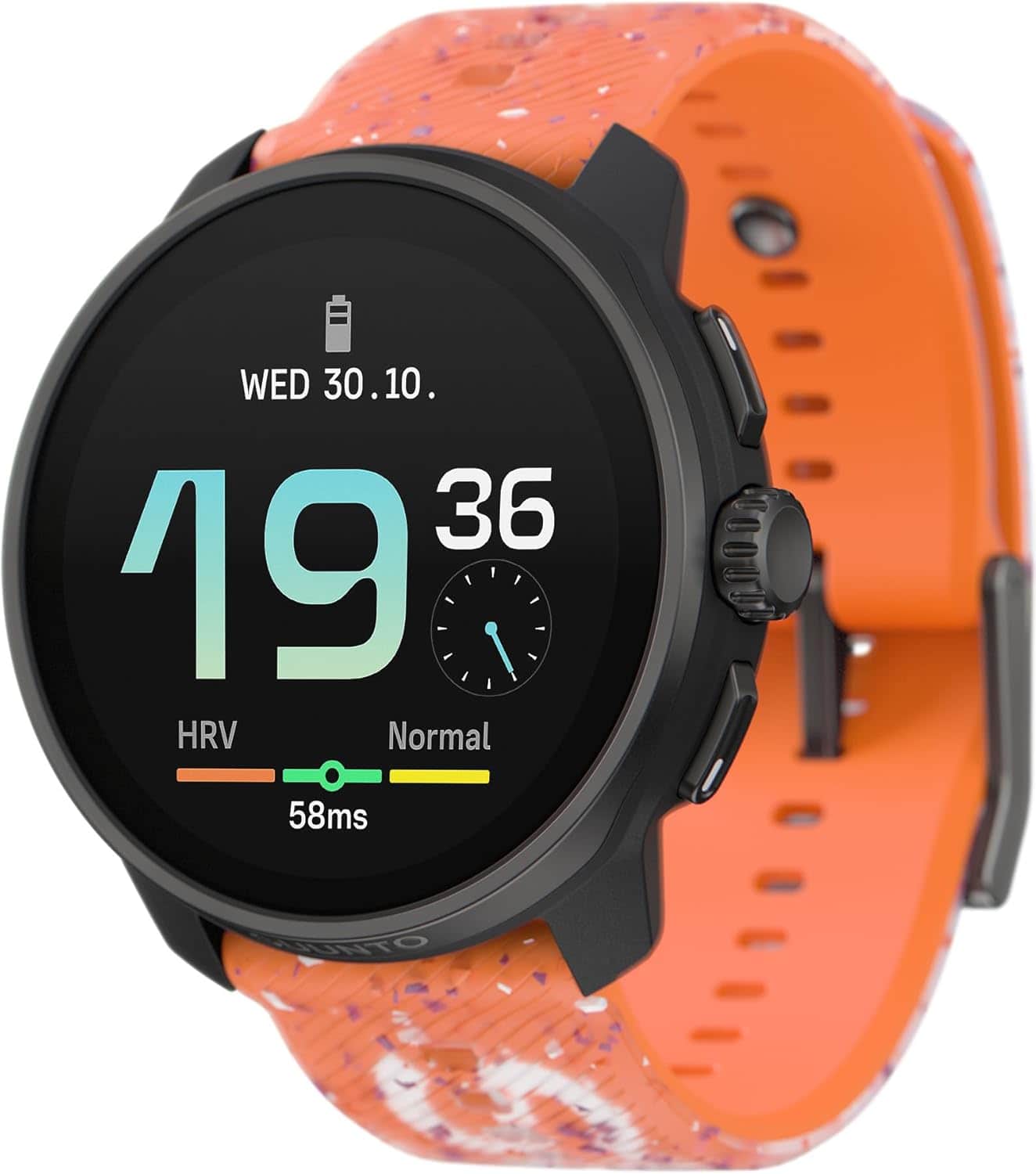
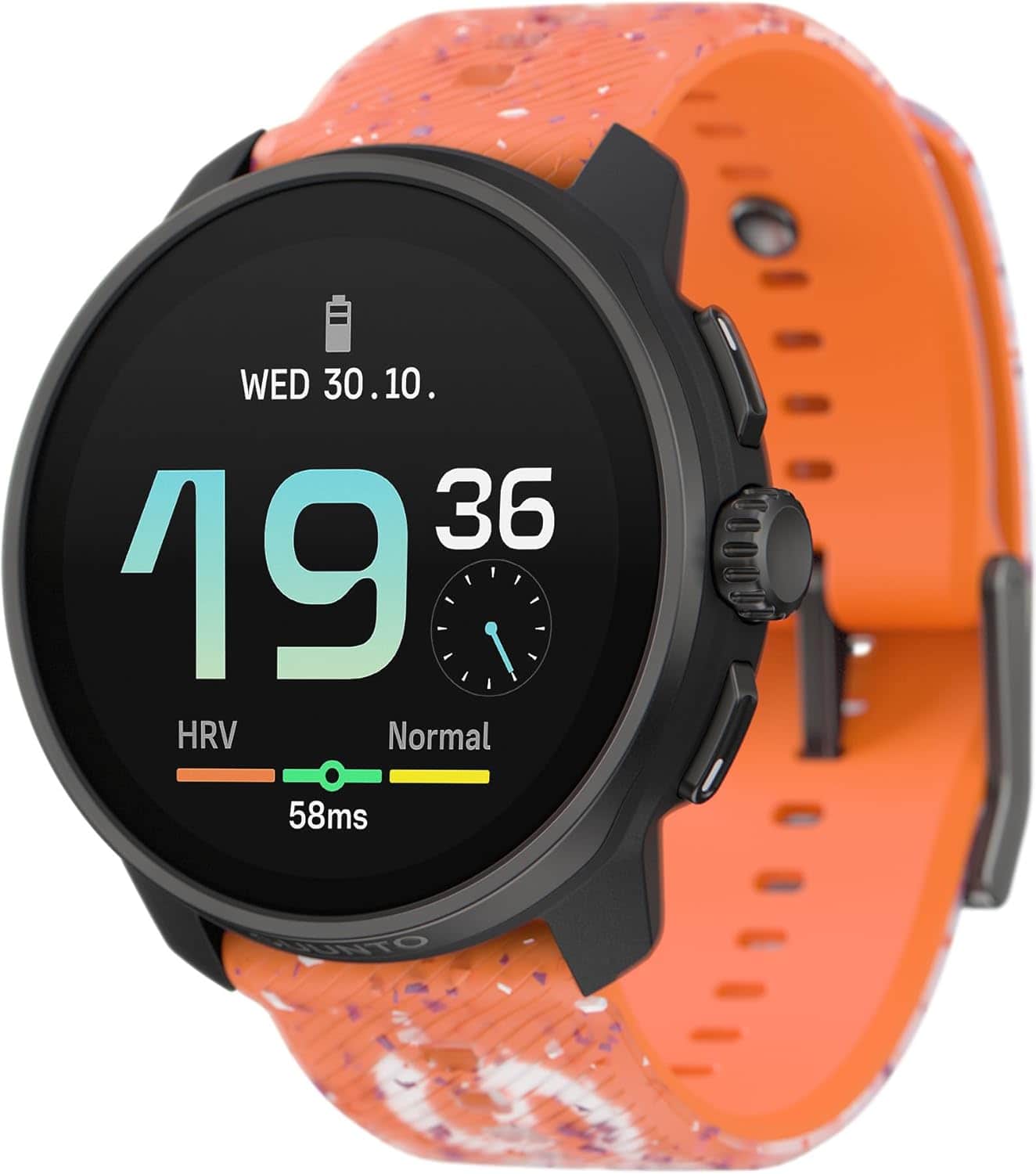
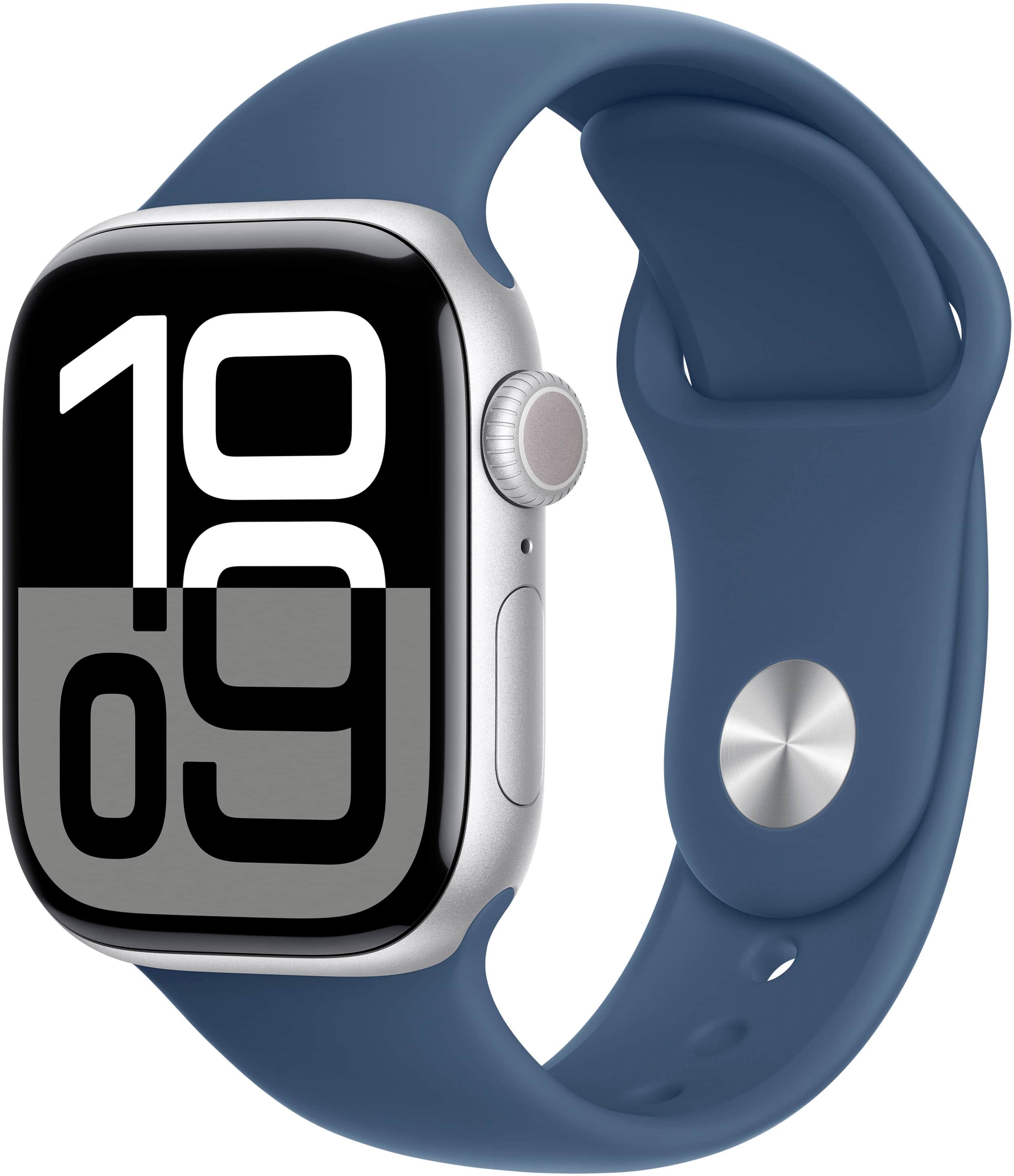
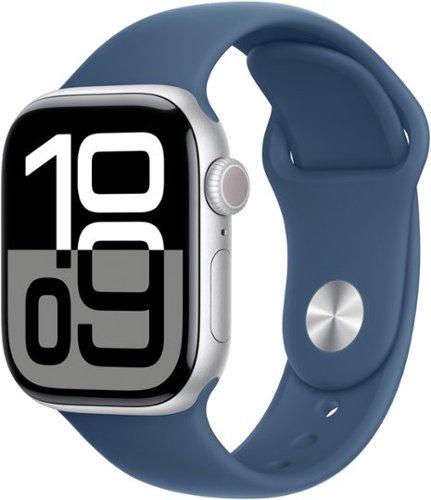
The world of wrist-worn technology has split into two distinct camps, and understanding this division is crucial for making the right purchase decision. On one side, we have dedicated sports watches like the Suunto Race S, designed specifically for athletes and outdoor enthusiasts. On the other, lifestyle smartwatches like the Apple Watch Series 10 prioritize daily connectivity while offering fitness features as a secondary function.
This fundamental difference shapes everything about these devices—from how long their batteries last to what they can actually do for you. At the time of writing, the Suunto Race S costs roughly half what you'd pay for the cellular version of the Apple Watch Series 10, but this price difference reflects completely different philosophies about what a watch should be.
When Suunto released the Race series in 2024, they were responding to a specific need in the sports watch market: providing premium AMOLED display technology and advanced GPS features at a more accessible price point. The Suunto Race S represents the compact version of this vision, packing serious athletic capabilities into a lighter, more comfortable package.
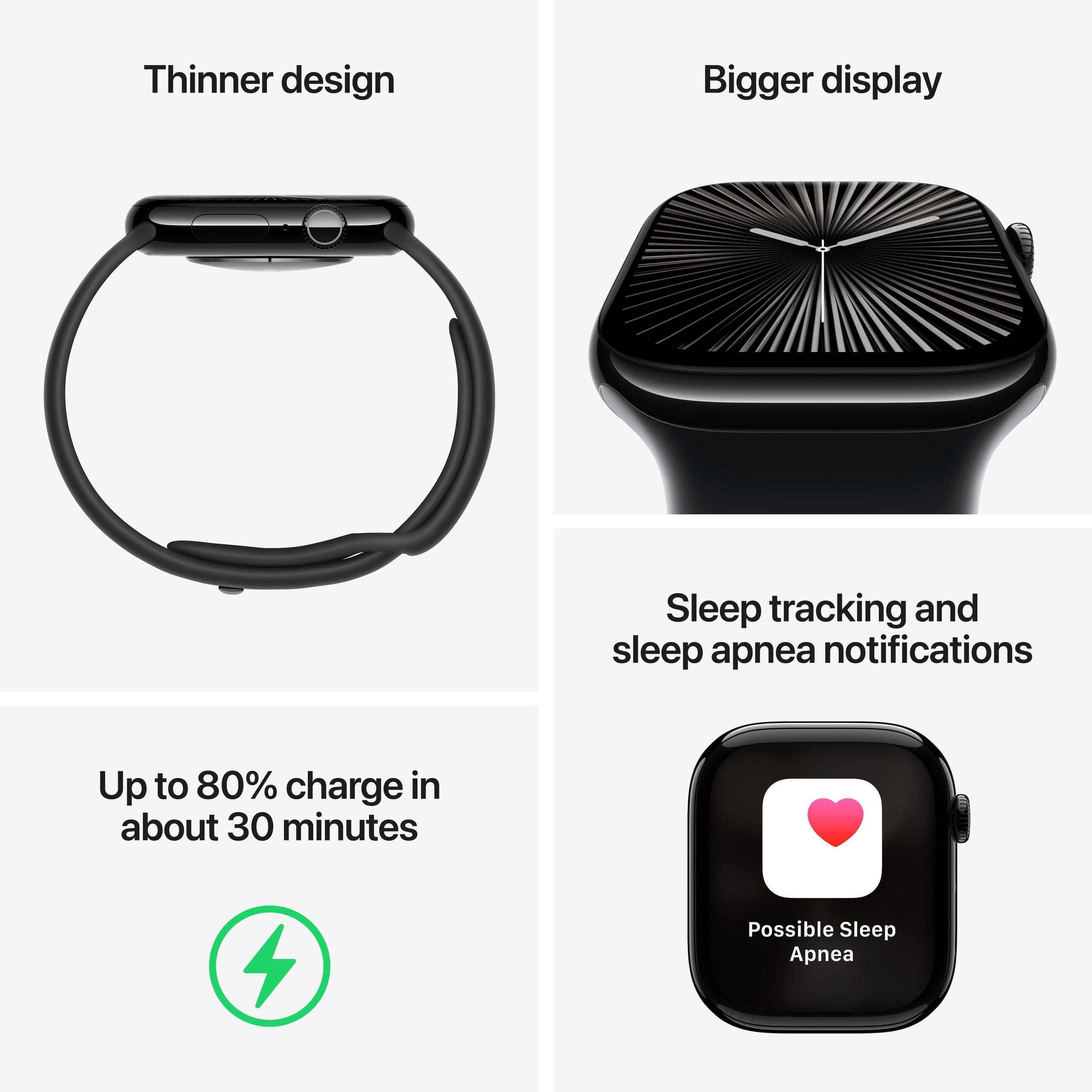
Apple, meanwhile, launched the Apple Watch Series 10 in 2024 as their thinnest and most advanced smartwatch yet, focusing on seamless integration with the iPhone ecosystem and comprehensive health monitoring. The cellular version transforms your wrist into an independent communication device, capable of making calls, sending messages, and streaming music without your phone nearby.
The key insight here is that these aren't really competing products—they're tools designed for fundamentally different lifestyles. Think of it like comparing a professional camera to a smartphone camera. Both take pictures, but one is built for photography enthusiasts while the other prioritizes convenience and versatility.
The most significant performance difference between these devices lies in their GPS capabilities, and this difference can literally be the difference between finding your way home or getting lost in the wilderness.
The Suunto Race S uses what's called dual-frequency GNSS (Global Navigation Satellite System). In simple terms, it listens to satellite signals on two different frequencies—L1 and L5—which dramatically improves accuracy, especially in challenging environments like dense forests or urban canyons where buildings can block signals. The watch can simultaneously track five different satellite networks: GPS (American), GLONASS (Russian), GALILEO (European), QZSS (Japanese), and BEIDOU (Chinese).
This multi-system approach means the Suunto Race S can connect to up to 32 satellites at once, compared to typical single-frequency devices that might only see 8-12 satellites. More satellites equal better position accuracy, which is why serious hikers and trail runners consistently report that dedicated sports watches like this outperform general smartwatches for navigation.
But raw GPS accuracy is only part of the story. The Suunto Race S comes loaded with comprehensive offline maps—meaning you can navigate even when your phone has no signal. These aren't basic breadcrumb trails; they're detailed topographic maps with elevation contours, trails, and points of interest. The watch includes 32GB of storage specifically for map data, enough to store detailed maps for entire countries.
The Apple Watch Series 10, by contrast, uses single-frequency GPS and relies heavily on your iPhone for detailed navigation. While it can provide basic directions and track your route, it lacks the offline mapping capabilities and precision needed for serious outdoor adventures. For urban running or cycling, this difference might not matter. For backcountry hiking or trail running, it absolutely does.
One particularly clever feature on the Suunto Race S is Climb Guide, which analyzes your planned route and warns you about upcoming elevation changes. If you're running along what seems like a flat trail but there's a steep climb in half a mile, the watch will alert you so you can pace yourself accordingly. It's like having a knowledgeable local guide on your wrist.
Nothing illustrates the philosophical difference between these devices more clearly than their battery performance, and this is where many potential buyers make their decision.
The Suunto Race S can run for up to 30 hours with full GPS tracking in what Suunto calls "Performance Mode"—meaning dual-frequency GPS, heart rate monitoring, and all sensors active. In "Tour Mode," which reduces GPS precision slightly and turns off heart rate monitoring, you can get up to 120 hours of continuous tracking. For daily smartwatch use without GPS, you're looking at 9-13 days between charges.
These numbers aren't just marketing claims—they're based on real-world usage patterns. During our research into user experiences, we consistently found that people were getting close to these advertised figures. A typical weekend warrior might use GPS for 6-8 hours across Saturday and Sunday activities, then go the rest of the week on a single charge.
The Apple Watch Series 10 tells a very different story. Apple rates it for 18 hours of "all-day" use, and while you can extend this to 36 hours in Low Power Mode, you're essentially turning off most of the features that make it worth buying in the first place. In practice, most users charge their Apple Watch every single night.
This difference has profound implications for how you can actually use these devices. With the Suunto Race S, you can head out for a multi-day backpacking trip or ultra-marathon without worrying about battery life. The Apple Watch Series 10 might not even last through a single day of heavy outdoor activities.
The charging technology differs significantly too. The Apple Watch Series 10 introduced faster charging, reaching 80% in about 30 minutes—impressive for daily use. The Suunto Race S charges more slowly but needs charging far less frequently, so the total time spent connected to a charger actually favors the Suunto for most athletic users.
Both watches include optical heart rate sensors, but they approach health monitoring from completely different angles, and understanding these differences is crucial for making the right choice.
The Suunto Race S features what Suunto calls their "improved optical heart rate sensor" with double the number of LEDs compared to previous models. This enhancement focuses specifically on athletic performance—tracking heart rate variability (HRV), training load, recovery metrics, and VO₂ max estimation. However, based on user feedback we've analyzed, optical heart rate sensors in sports watches (including this one) still struggle with rapid intensity changes during interval training or activities with a lot of arm movement.
The real strength of the Suunto Race S lies in how it processes this data. The watch calculates training load based on your workout intensity and duration, provides recovery recommendations, and even includes AI coaching features through the Suunto app. For serious athletes, these insights can be genuinely valuable for optimizing training and preventing overtraining or injury.
The Apple Watch Series 10 takes a broader approach to health monitoring. Beyond heart rate, it includes an ECG (electrocardiogram) sensor that can detect irregular heart rhythms, blood oxygen monitoring, temperature sensing for cycle tracking, and even sleep apnea detection—a new feature introduced in 2024. The watch can also detect falls and car crashes, automatically calling emergency services if you don't respond.
From a medical perspective, the Apple Watch Series 10 is significantly more advanced. It's FDA-cleared for several health monitoring functions and integrates deeply with healthcare providers and medical records. If you have heart conditions, diabetes, or other health concerns that benefit from continuous monitoring, the Apple Watch ecosystem provides much more comprehensive tracking and professional integration.
However, for pure athletic training, the sports-specific metrics and longer battery life of the Suunto Race S often provide more actionable insights. The choice here really depends on whether you need a medical device that also does fitness tracking, or a training tool that also monitors basic health metrics.
The difference in sports tracking capability between these devices is substantial, and it becomes obvious the moment you start using them for structured training.
The Suunto Race S offers 95+ sport-specific modes, each tailored with relevant metrics for that activity. Running modes include pace analysis, running power (estimated from your movement patterns), cadence, and vertical oscillation. Swimming modes automatically detect different strokes, calculate SWOLF scores (a swimming efficiency metric), and work in both pools and open water. Cycling modes track power zones, functional threshold power, and cadence when paired with external sensors.
What makes this particularly valuable is the depth of analysis available. The watch doesn't just record that you ran 5 miles; it analyzes your pace distribution, elevation gain, heart rate zones, and recovery time needed. The Suunto app and integration with platforms like TrainingPeaks and Strava provide professional-level analytics that coaches and serious athletes actually use for training decisions.
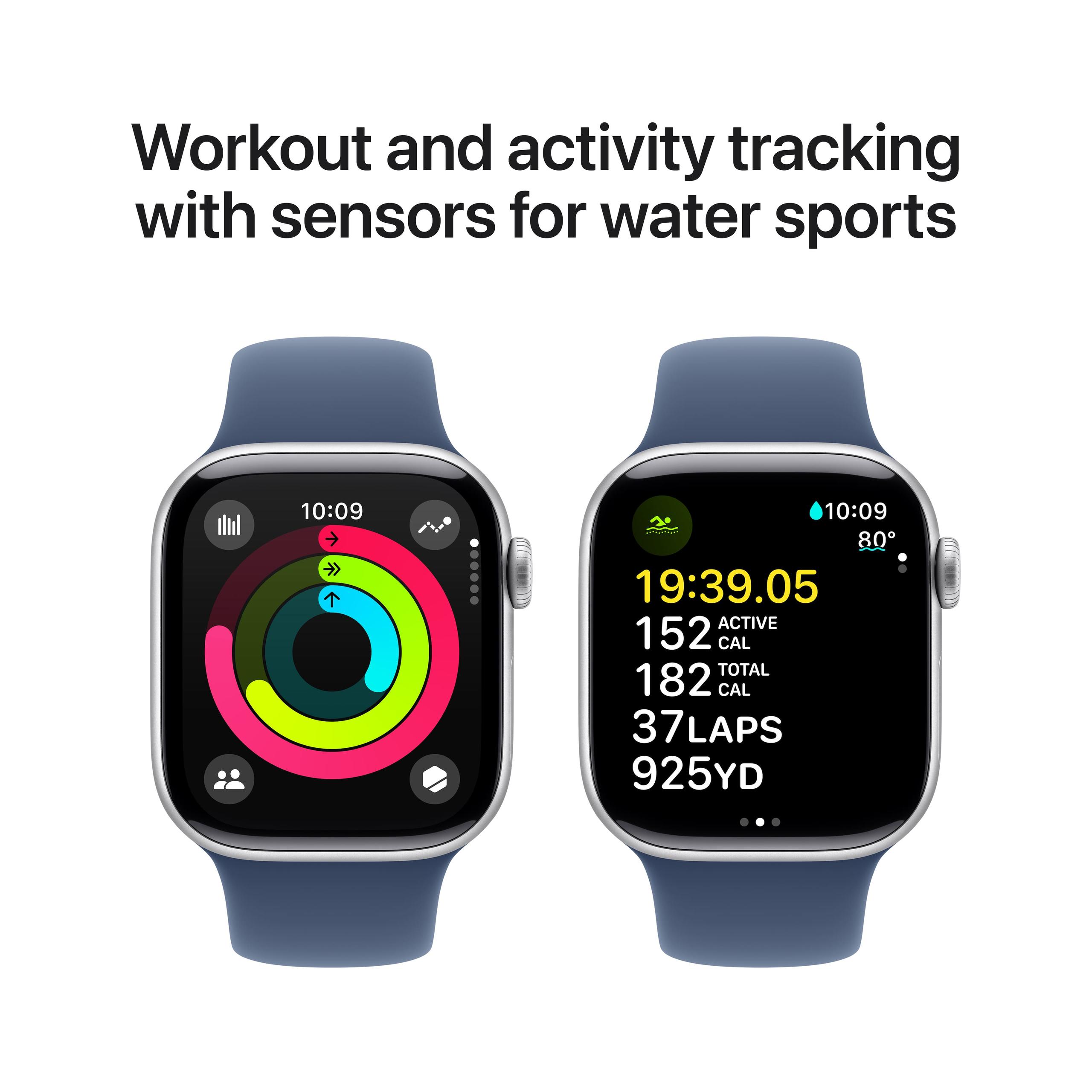
The Apple Watch Series 10 covers the basics well but lacks this specialized depth. Its strength lies in motivation and accessibility rather than performance analysis. The Activity Rings system encourages daily movement, and features like Fitness+ provide guided workouts that work seamlessly with the watch. For someone getting into fitness or maintaining general health, these features are often more valuable than complex training metrics.
One area where the Apple Watch Series 10 does excel is in gym environments. It integrates with GymKit-enabled equipment, automatically syncing with treadmills, ellipticals, and other cardio machines for more accurate calorie and heart rate tracking. The larger app ecosystem also means you can find specialized fitness apps for everything from yoga to martial arts.
Here's where the Apple Watch Series 10 absolutely dominates, and it's worth understanding exactly what you're giving up or gaining depending on your choice.
The cellular version of the Apple Watch Series 10 essentially puts a tiny iPhone on your wrist. You can make and receive calls, send and receive text messages, stream music from Apple Music or Spotify, use Siri for voice commands, and make payments with Apple Pay. The integration with iOS is seamless—notifications appear exactly as they do on your phone, and you can even unlock your iPhone by wearing the watch.
The app ecosystem is extensive, with thousands of third-party applications available. You can order an Uber, check your calendar, control smart home devices, and even run basic productivity apps right from your wrist. For someone deeply embedded in the Apple ecosystem, the Apple Watch Series 10 feels like a natural extension of their digital life.
The Suunto Race S takes a much more minimalist approach to smart features. You'll get basic notifications from your paired smartphone—texts, calls, emails—but you can't respond to them directly from the watch. There's no voice assistant, no payment system, no music streaming, and no third-party apps beyond what Suunto provides.
This limitation is intentional. Suunto designed the Suunto Race S as a specialized tool rather than a general-purpose computer. The trade-off is extended battery life and a focus on core functionality without the distractions that can come with full smartwatch capabilities.
At the time of writing, the pricing difference between these devices is significant, with the Apple Watch Series 10 cellular model costing roughly double what you'd pay for the Suunto Race S. This price gap reflects not just different feature sets, but different approaches to what constitutes value.
The Suunto Race S represents exceptional value for athletic-focused users. You're getting AMOLED display technology, dual-frequency GPS, comprehensive mapping, and professional-level training analytics at a price point that would have been unthinkable just a few years ago. For comparison, similar features from competitors like Garmin typically cost significantly more.
The Apple Watch Series 10, while more expensive, provides value through its ecosystem integration and comprehensive feature set. If you need cellular connectivity, want music streaming, require medical-grade health monitoring, and value the convenience of having a tiny computer on your wrist, the higher price may be justified.
There are also ongoing costs to consider. The cellular Apple Watch Series 10 requires a data plan from your phone carrier, typically adding $10-15 per month to your bill. The Suunto Race S has no ongoing costs—maps are free, the app is free, and there are no subscription services required for basic functionality.
Based on our analysis of user experiences and expert reviews, here's how we'd recommend making this decision:
Choose the Suunto Race S if you're a serious athlete or outdoor enthusiast who needs specialized tools for training and navigation. This includes trail runners, cyclists, triathletes, hikers, and anyone who participates in endurance events or adventures where battery life and GPS accuracy are critical. The watch excels for people who want professional-level training insights without paying professional-level prices.
The Suunto Race S is also ideal if you want a watch that enhances your athletic performance without the distractions of full smartwatch functionality. Many serious athletes prefer this approach, finding that notifications and apps can interfere with training focus.
Choose the Apple Watch Series 10 if you're primarily looking for a smartwatch that happens to include fitness features rather than a fitness device that happens to include smart features. This works best for iPhone users who want seamless integration with their digital ecosystem and need features like cellular connectivity, music streaming, and comprehensive health monitoring.
The Apple Watch Series 10 is particularly valuable for people with health conditions that benefit from continuous monitoring, those who work in environments where quick communication access is important, or anyone who appreciates the convenience of having multiple devices consolidated into one.
The choice between the Suunto Race S and Apple Watch Series 10 ultimately comes down to a simple question: Do you need a specialized athletic tool or a general-purpose smartwatch?
If your priority is athletic performance, outdoor navigation, and multi-day battery life, the Suunto Race S delivers superior functionality at a lower price. It's a focused tool that excels at its intended purpose.
If you want a device that keeps you connected, entertains you, monitors your health comprehensively, and happens to track fitness along the way, the Apple Watch Series 10 provides a more complete digital experience.
Neither choice is wrong—they're just optimized for different lifestyles. The key is being honest about which category better describes your actual needs rather than your aspirational ones. Many people think they need professional athletic features when what they really want is the convenience of a well-integrated smartwatch, while others convince themselves they need full smartwatch functionality when what would actually serve them better is a specialized training tool.
Consider your primary use case, your budget, and your tolerance for daily charging. The right choice will become clear once you understand what you're actually optimizing for.
| Suunto Race S GPS Sports Watch | Apple Watch Series 10 GPS + Cellular 42mm Aluminum Smartwatch |
|---|---|
| GPS Accuracy - Critical for outdoor navigation and precise activity tracking | |
| Dual-frequency GNSS (L1+L5) with 5 satellite systems, up to 32 satellites | Single-frequency GPS with basic Apple Maps integration |
| Battery Life (GPS Mode) - Determines if you can complete long activities without charging | |
| 30 hours (Performance) / 120 hours (Tour mode) | Limited GPS duration, requires daily charging |
| Battery Life (Daily Use) - How often you need to charge for regular wear | |
| 9-13 days depending on heart rate monitoring | ~18 hours (nightly charging required) |
| Display Technology - Affects outdoor visibility and battery consumption | |
| 1.32" AMOLED with Gorilla Glass, optimized for sports | Larger LTPO3 OLED Always-On Retina, up to 2000 nits |
| Weight - Important for comfort during long activities | |
| 60g (lightweight for extended wear) | 29.3g (thinner, lighter aluminum design) |
| Offline Maps - Essential for navigation without phone signal | |
| 32GB storage with free topographic maps, turn-by-turn guidance | Limited offline capability, relies on iPhone connectivity |
| Sports Tracking Depth - How detailed your workout analysis will be | |
| 95+ specialized modes with running power, training load, AI coaching | Basic fitness tracking with Activity Rings, good for casual exercise |
| Heart Rate Features - Different approaches to health monitoring | |
| Improved optical sensor, HRV, training recovery metrics | ECG capability, blood oxygen, temperature sensing, medical-grade monitoring |
| Smartwatch Features - Determines daily convenience and connectivity | |
| Basic notifications only, no apps or payments | Full smartphone functionality: calls, texts, apps, Apple Pay, Siri |
| Water Resistance - Swimming and water sports capability | |
| 50m (suitable for swimming, not diving) | 50m (suitable for swimming, not diving) |
| Navigation Features - Advanced outdoor tools vs basic directions | |
| ClimbGuide, waypoints, breadcrumb trails, route planning | Basic Apple Maps integration, limited outdoor navigation |
| Price Point - Value proposition for target users | |
| Mid-range pricing for premium sports features | Premium pricing for comprehensive smartwatch ecosystem |
| Cellular Independence - Ability to function without your phone | |
| Requires smartphone for full functionality | Complete independence with cellular connectivity |
The Suunto Race S GPS Sports Watch dramatically outperforms the Apple Watch Series 10 for extended activities. The Suunto Race S provides up to 30 hours of continuous GPS tracking in performance mode and up to 120 hours in tour mode, making it ideal for ultra-marathons, multi-day hikes, and endurance events. The Apple Watch Series 10 requires daily charging and may not last through a single day of intensive GPS use.
The Suunto Race S GPS Sports Watch is specifically designed for serious athletes, offering 95+ specialized sport modes, running power metrics, training load analysis, and AI coaching features. It provides dual-frequency GPS for superior accuracy and comprehensive training insights. The Apple Watch Series 10 offers basic fitness tracking suitable for casual exercise but lacks the depth of athletic performance analysis that dedicated sports watches provide.
The Apple Watch Series 10 GPS + Cellular can operate completely independently, making calls, sending messages, and streaming music without your phone nearby. The Suunto Race S GPS Sports Watch can track GPS activities independently but requires a smartphone connection for notifications, data syncing, and full functionality. For true smartphone independence, the Apple Watch Series 10 is the clear winner.
The Suunto Race S GPS Sports Watch uses dual-frequency GNSS technology with five satellite systems (GPS, GLONASS, GALILEO, QZSS, BEIDOU), providing superior accuracy in challenging environments like dense forests or mountain terrain. It also includes comprehensive offline maps with 32GB storage. The Apple Watch Series 10 uses single-frequency GPS and relies on iPhone connectivity for detailed navigation, making the Suunto Race S better for serious outdoor adventures.
The Apple Watch Series 10 provides more comprehensive health monitoring with ECG capability, blood oxygen sensing, temperature tracking, fall detection, and sleep apnea notifications. It's FDA-cleared for medical applications and integrates with healthcare providers. The Suunto Race S GPS Sports Watch focuses on athletic health metrics like heart rate variability, training recovery, and stress monitoring, making the Apple Watch Series 10 better for general health and medical monitoring.
The Apple Watch Series 10 supports music streaming from Apple Music and Spotify, plus contactless payments through Apple Pay. The Suunto Race S GPS Sports Watch lacks music storage, streaming capabilities, and payment features, focusing instead on core sports functionality. For entertainment and payment convenience, the Apple Watch Series 10 is the only viable option.
The Suunto Race S GPS Sports Watch offers exceptional value for athletes and outdoor enthusiasts, providing premium AMOLED display technology, advanced GPS features, and professional training metrics at a lower price point. The Apple Watch Series 10 costs significantly more but delivers comprehensive smartwatch functionality. Value depends on your needs: the Suunto Race S for sports-focused users, the Apple Watch Series 10 for those wanting full smartwatch capabilities.
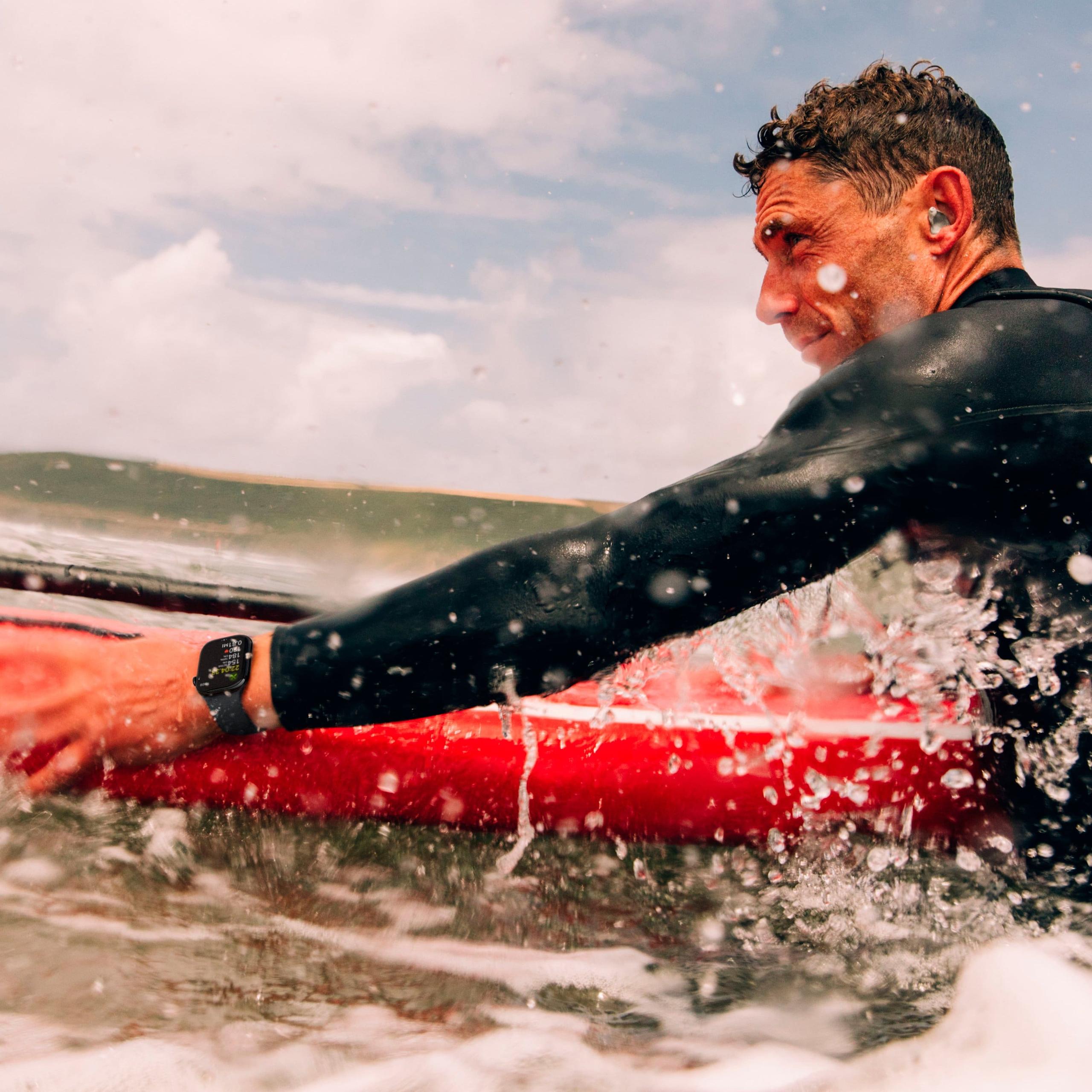
Both watches offer 50-meter water resistance suitable for swimming. The Suunto Race S GPS Sports Watch provides specialized swimming metrics, automatic stroke detection, and SWOLF scoring for performance analysis. The Apple Watch Series 10 includes a new depth gauge and water temperature sensor, plus basic swim tracking. For serious swim training, the Suunto Race S offers more detailed analytics, while the Apple Watch Series 10 provides broader water activity features.
Both watches feature AMOLED displays optimized for outdoor use. The Suunto Race S GPS Sports Watch has a 1.32-inch display with Gorilla Glass protection designed specifically for sports activities. The Apple Watch Series 10 offers a larger, brighter display with up to 2000 nits brightness and better viewing angles. Both perform well outdoors, but the Apple Watch Series 10 has a slight edge in display technology and brightness.
The Suunto Race S GPS Sports Watch integrates seamlessly with popular training platforms including Strava, TrainingPeaks, and other professional analytics services, automatically syncing workout data for detailed analysis. The Apple Watch Series 10 also connects to Strava and many fitness apps through the App Store ecosystem. Both watches support third-party fitness app integration, though the Suunto Race S is more focused on serious training platforms.
The Apple Watch Series 10 is thinner and lighter at 29.3 grams with a more refined design for daily wear comfort. The Suunto Race S GPS Sports Watch weighs 60 grams but is specifically designed for extended athletic activities and outdoor adventures. Comfort preference varies by individual, but the Apple Watch Series 10 generally appeals more to users prioritizing daily comfort, while the Suunto Race S excels during sports activities.
The Apple Watch Series 10 features fast charging technology, reaching 80% battery in about 30 minutes, which is convenient for daily charging routines. The Suunto Race S GPS Sports Watch charges more slowly but requires charging much less frequently due to its superior battery life. Overall charging time spent is often less with the Suunto Race S despite slower charging speeds, since you only need to charge it weekly instead of daily like the Apple Watch Series 10.
We've done our best to create useful and informative comparisons to help you decide what product to buy. Our research uses advanced automated methods to create this comparison and perfection is not possible - please contact us for corrections or questions. These are the sites we've researched in the creation of this article: techradar.com - trackbetter.com - trackbetter.com - runnersworld.com - alastairrunning.com - youtube.com - feedthehabit.com - outdoorgearlab.com - irunfar.com - youtube.com - forum.suunto.com - youtube.com - dcrainmaker.com - the5krunner.com - youtube.com - youtube.com - grittyrunners.co.uk - youtube.com - us.suunto.com - us.suunto.com - youtube.com - playbetter.com - us.suunto.com - suunto.com - suunto.com - suunto.com - bestbuy.com - trackbetter.com - watchard.com - bestbuy.com - wareable.com - wareable.com - appleinsider.com - youtube.com - youtube.com - youtube.com - apple.com - dcrainmaker.com - dcrainmaker.com - apple.com - apple.com - forums.macrumors.com - gethegoods.com - appleinsider.com - apple.com - support.apple.com - apple.com - en.wikipedia.org - cellcom.com - youtube.com - walmart.com - youtube.com - apple.com - bestbuy.com - apple.com - youtube.com - apple.com - verizon.com - apple.com - apple.com - youtube.com - costco.com - bestbuy.com - t-mobile.com - talk.tidbits.com - support.apple.com - gci.com - att.com

Privacy Policy
Terms and Conditions - Affiliate Policy
Home Security
© Copyright 2008-2026.
11816 Inwood Rd #1211, Dallas, TX 75244