


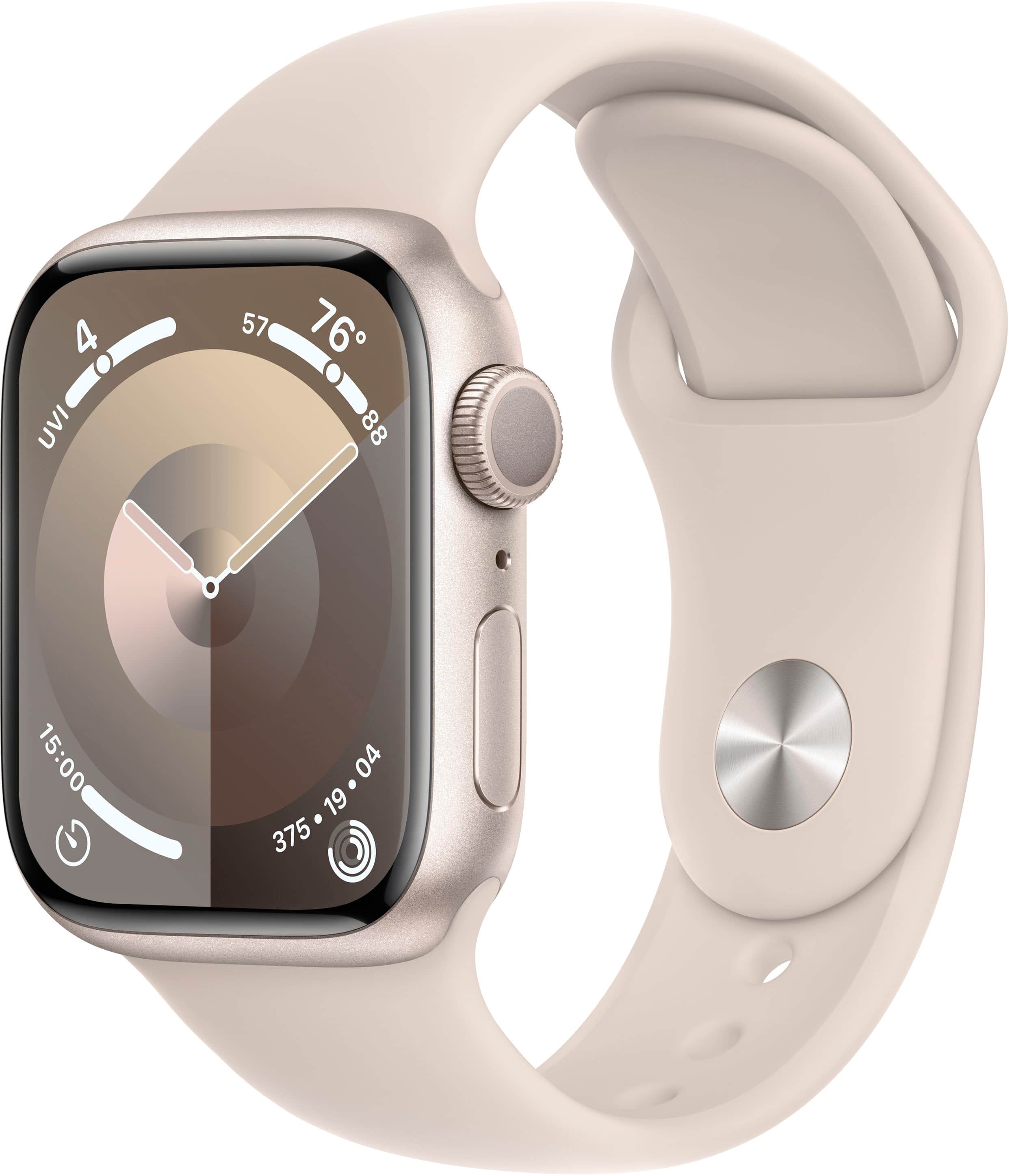
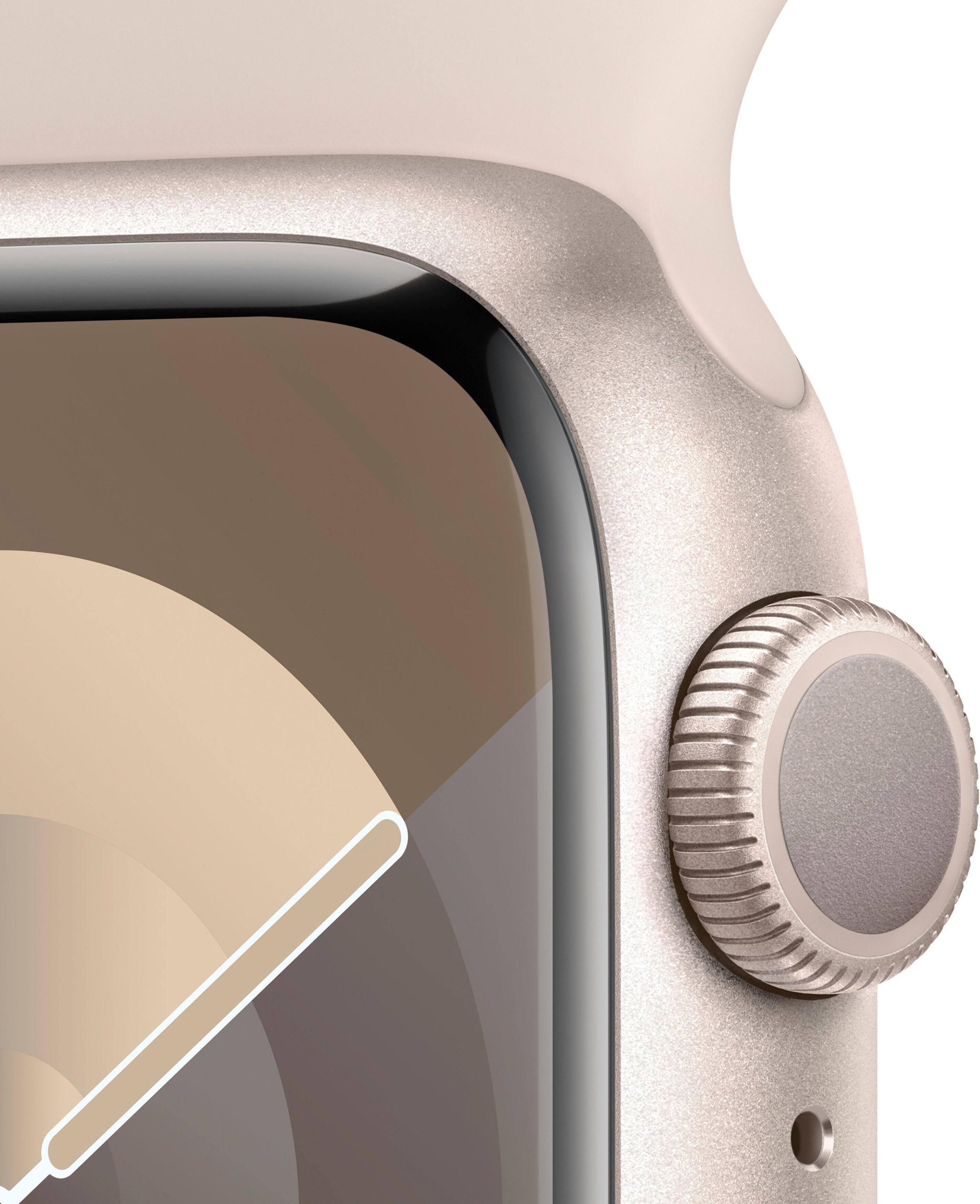
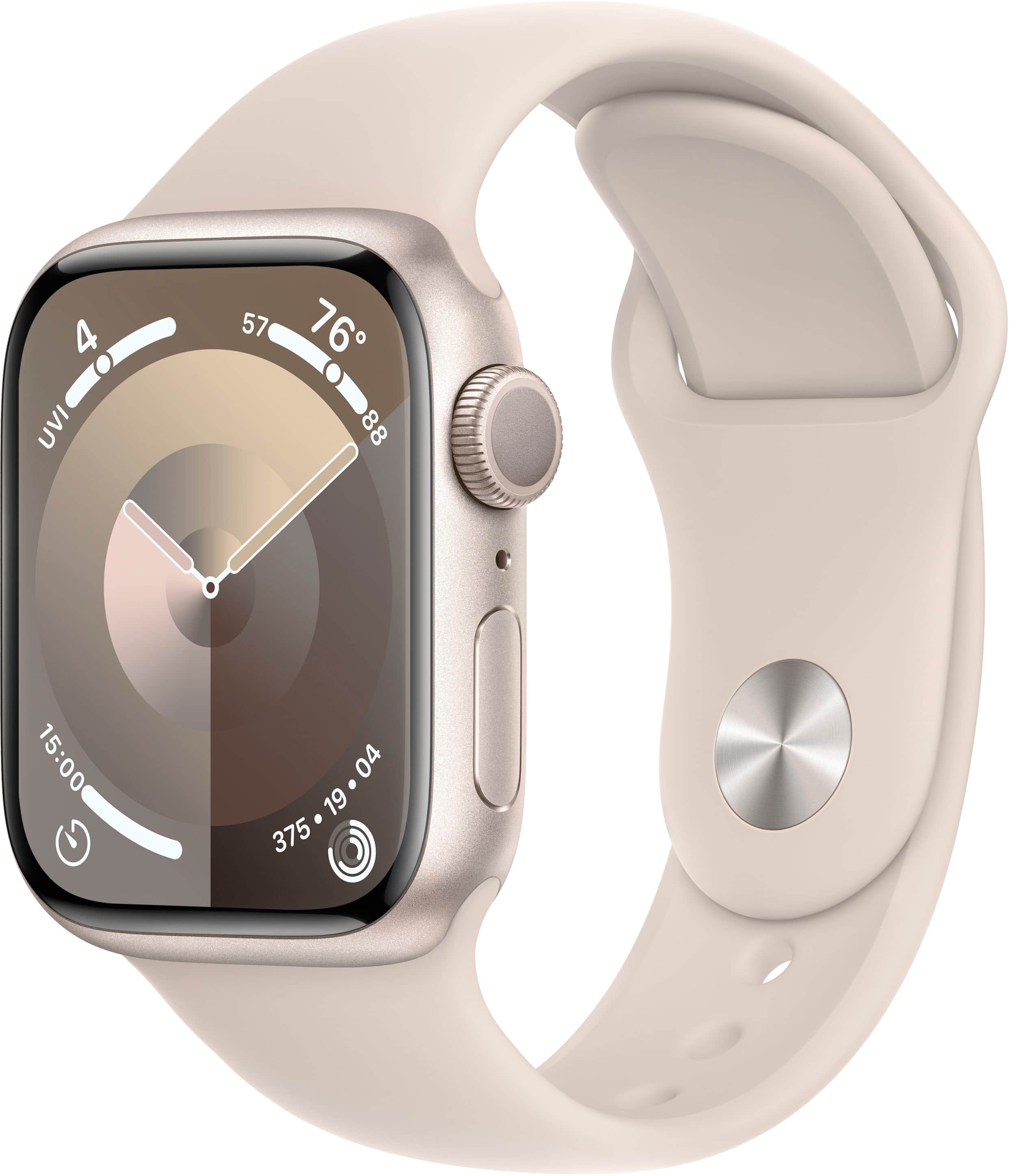
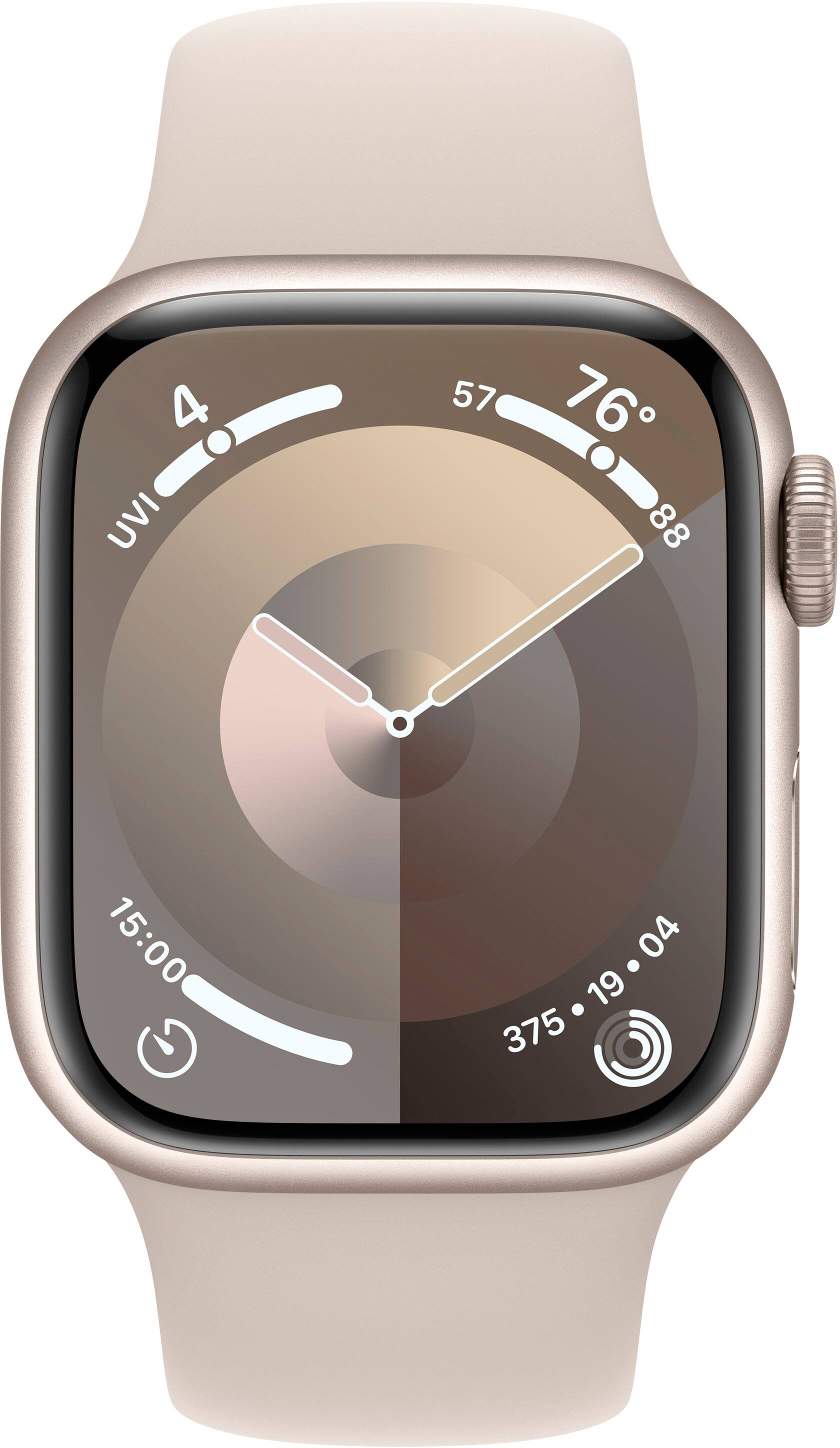

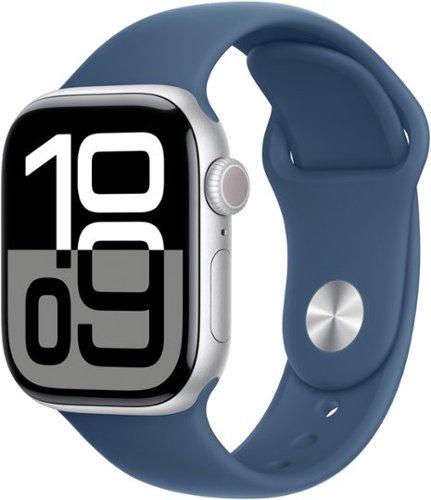
The Apple Watch has evolved into much more than a timepiece—it's become a comprehensive health companion, fitness tracker, and communication device that many people can't imagine living without. But with multiple models available at different price points, choosing the right one can feel overwhelming. Today, we're diving deep into two compelling options: the Apple Watch Series 9 GPS 41mm and the Apple Watch Series 10 GPS + Cellular 42mm.
These two models represent different approaches to smartwatch ownership. The Series 9, released in 2023, focuses on delivering core Apple Watch functionality at a more accessible price point. The Series 10, launched in 2024, pushes the envelope with cellular connectivity and the latest display technology, but commands a premium that's roughly double the Series 9's cost at the time of writing.
Before we compare these specific models, it's worth understanding what separates a good smartwatch from a great one. The most important factors are display quality (since you'll be looking at it dozens of times daily), battery life (nobody wants to charge their watch twice a day), health tracking accuracy, and seamless integration with your existing devices.
Apple Watches excel in these areas because they're built around a custom chip called the SiP (System in Package)—essentially a tiny computer that combines the processor, memory, and other components into an incredibly small space. The Series 9 uses the S9 chip, while the Series 10 features the newer S10 chip. Both include a Neural Engine, which is Apple's dedicated processor for artificial intelligence tasks like voice recognition and health data analysis.
The real magic happens when these chips work together with watchOS, Apple's watch operating system. This software has matured significantly since the first Apple Watch launched in 2015, adding features like sleep tracking, ECG readings, and blood oxygen monitoring that were once only available in medical devices.
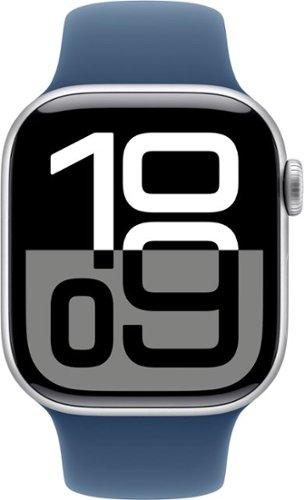
The most immediately noticeable difference between these watches is their displays. The Series 9 features a 1.69-inch LTPO OLED Always-On Retina display, while the Series 10 boasts a larger 1.89-inch LTPO3 OLED wide-angle Always-On Retina display. That might sound like technical jargon, but these differences matter in daily use.
LTPO stands for Low Temperature Polycrystalline Oxide, a display technology that allows the screen to adjust its refresh rate dynamically. When you're actively using the watch, it refreshes quickly for smooth scrolling. When you're just glancing at the time, it slows down to conserve battery. The "3" in LTPO3 indicates this is Apple's third-generation implementation, offering better power efficiency and viewing angles.
The Series 10's wide-angle OLED technology is particularly impressive. Traditional OLED displays can look washed out when viewed from the side, but this new screen maintains color accuracy and brightness even when you're not looking at it straight-on. This is incredibly useful during workouts when your wrist might be angled differently, or when you're quickly glancing at notifications.
The size difference—from 1.69 to 1.89 inches—translates to about 9% more screen real estate on the Series 10. This might not sound significant, but it makes text noticeably easier to read and apps more comfortable to navigate. If you frequently respond to messages from your watch or use apps beyond basic notifications, this extra space becomes genuinely valuable.
Both displays reach a peak brightness of 2,000 nits, making them readable even in direct sunlight. For comparison, most smartphone displays max out around 1,000-1,200 nits, so these Apple Watches actually outperform many phones in bright conditions.
Here's where things get interesting—and a bit counterintuitive. Despite the Series 10 having a newer S10 chip compared to the Series 9's S9 processor, real-world performance differences are minimal. Both watches handle daily tasks like checking messages, tracking workouts, and running apps with identical smoothness.
This similarity exists because Apple has reached a point where their watch processors are overpowered for typical smartwatch tasks. The S9 chip was already fast enough to handle everything watchOS demands, so the S10's improvements are more about power efficiency and enabling future features rather than making your current experience faster.
Where the S10 chip does shine is in machine learning tasks. Both watches can process Siri requests on-device (meaning your voice commands don't need to travel to Apple's servers), but the Series 10 can handle more complex requests locally. This results in slightly faster voice recognition and more accurate dictation, though both are impressive by smartwatch standards.
The Neural Engine in both models enables features like automatic workout detection—the watch can sense when you start exercising and ask if you want to begin tracking. It also powers the Double Tap gesture, where you tap your thumb and index finger together to control the watch without touching the screen. This feature works surprisingly well and feels almost magical when you first try it.
Battery life remains the Achilles' heel of all smartwatches, and these Apple Watches are no exception. Both the Series 9 and Series 10 officially claim "all-day battery life," which Apple defines as 18 hours of mixed use. In reality, both watches typically last 26-30 hours with normal usage patterns.
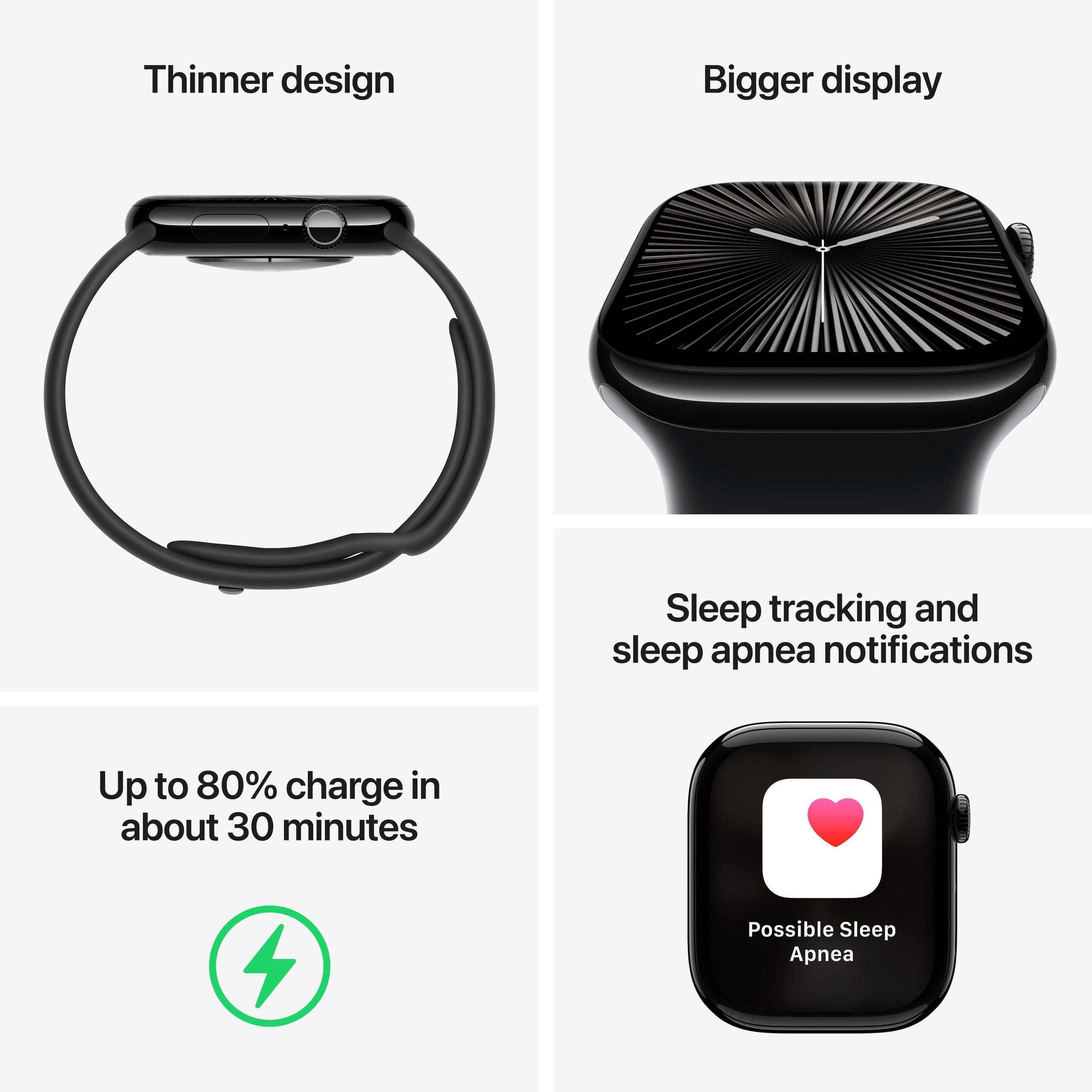
The key difference lies in charging speed. The Series 9 charges from empty to 80% in about 45 minutes, while the Series 10 accomplishes the same task in just 30 minutes—a 33% improvement. This faster charging addresses one of the most common complaints about Apple Watches: forgetting to charge overnight and facing a dead watch the next day.
The Series 10's improved charging speed comes from a redesigned back case that houses a larger, more efficient wireless charging coil. This engineering change also enables the thinner profile despite the larger case size—a impressive feat of miniaturization.
Both watches support Low Power Mode, which can extend battery life to around 36 hours by disabling non-essential features like the always-on display and background app refresh. This mode is perfect for long trips or when you forget your charger.
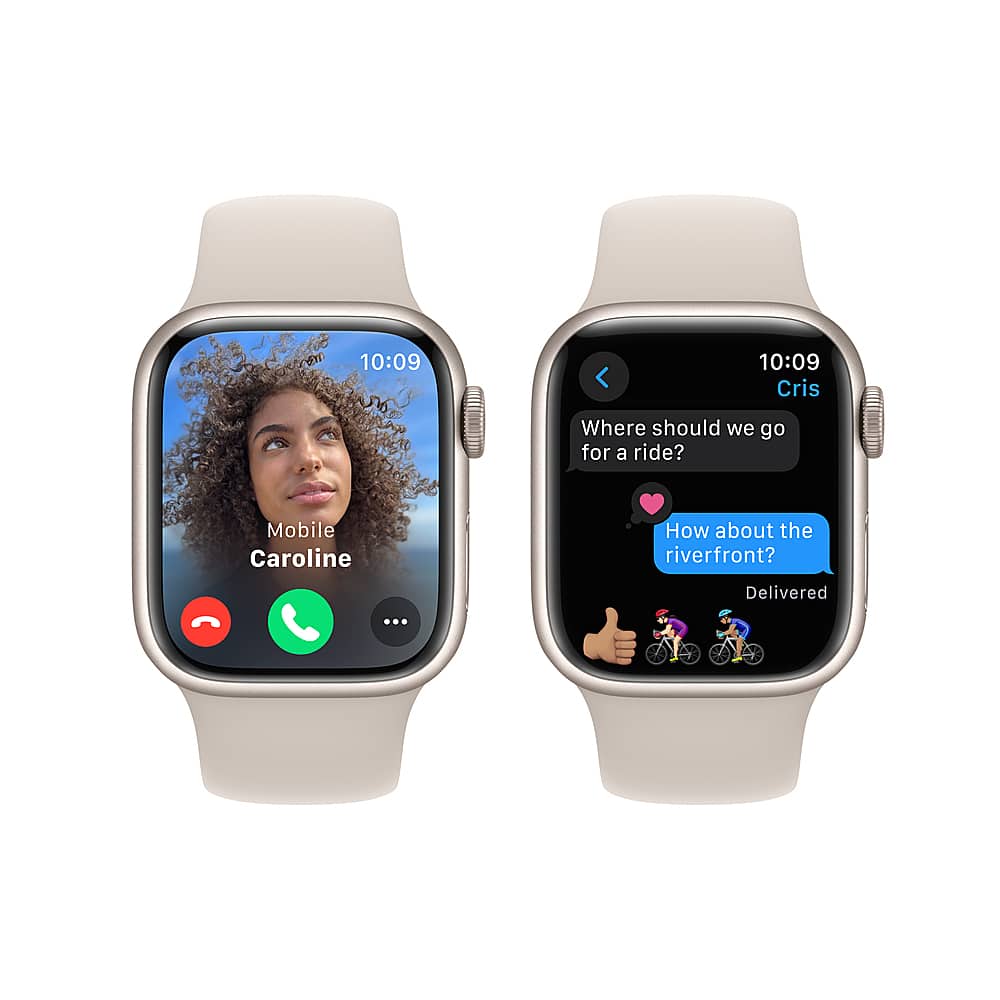
This is where these two models fundamentally diverge. The Series 9 is GPS-only, meaning it needs to stay connected to your iPhone via Bluetooth for full functionality. Step too far from your phone, and you'll lose the ability to make calls, send messages, or access most internet-dependent features.
The Series 10, with its GPS + Cellular capability, operates as a standalone device. It includes an eSIM (embedded SIM card) that connects directly to cellular networks, allowing it to make calls, send messages, stream music, and run apps without your iPhone nearby.
This cellular independence comes with trade-offs beyond the higher purchase price. Most carriers charge an additional monthly fee (typically $10-15 at the time of writing) to add the watch to your cellular plan. The cellular radio also consumes more battery, though the difference is usually only a few hours under normal use.
The cellular capability transforms how you can use the watch. You can leave your phone at home during workouts, go for walks without worrying about losing connection, and have peace of mind knowing you can make emergency calls even if your phone battery dies. For parents juggling kids' activities or professionals who can't always carry their phone, this independence is genuinely liberating.
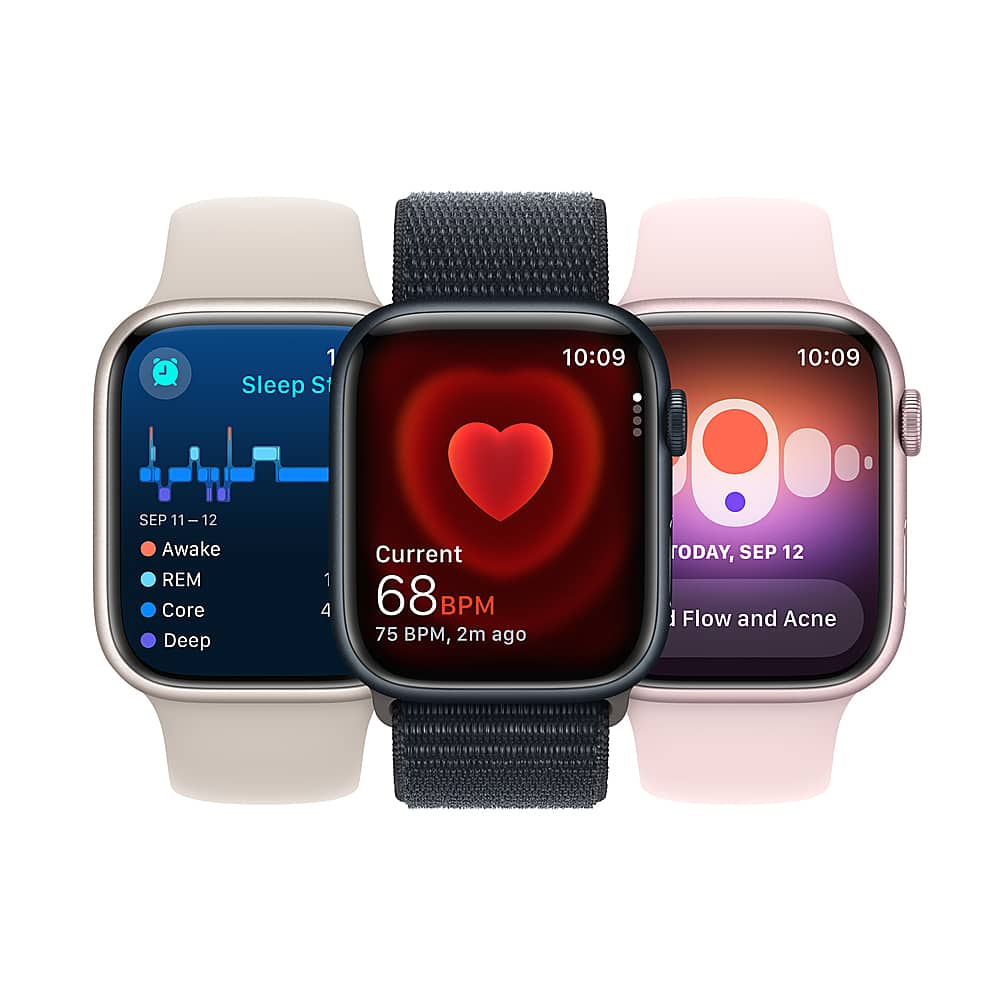
Both the Series 9 and Series 10 offer comprehensive health tracking capabilities that rival dedicated medical devices. They share most core features: heart rate monitoring, ECG readings, blood oxygen sensing (where legally available), sleep tracking with sleep stage analysis, and the new sleep apnea detection feature introduced with watchOS 11.
The ECG (electrocardiogram) app deserves special mention—it can generate a heart rhythm reading similar to what you'd get from a single-lead medical ECG machine. While it's not a replacement for professional medical diagnosis, it's remarkably capable for a consumer device and has genuinely helped some users identify heart rhythm irregularities.
Sleep tracking has evolved significantly since early Apple Watch models. Both watches now monitor sleep stages (REM, Core, and Deep sleep), track time spent in each stage, and provide insights about sleep consistency and quality. The new sleep apnea detection uses heart rate, breathing patterns, and wrist temperature data to identify potential signs of this serious sleep disorder.
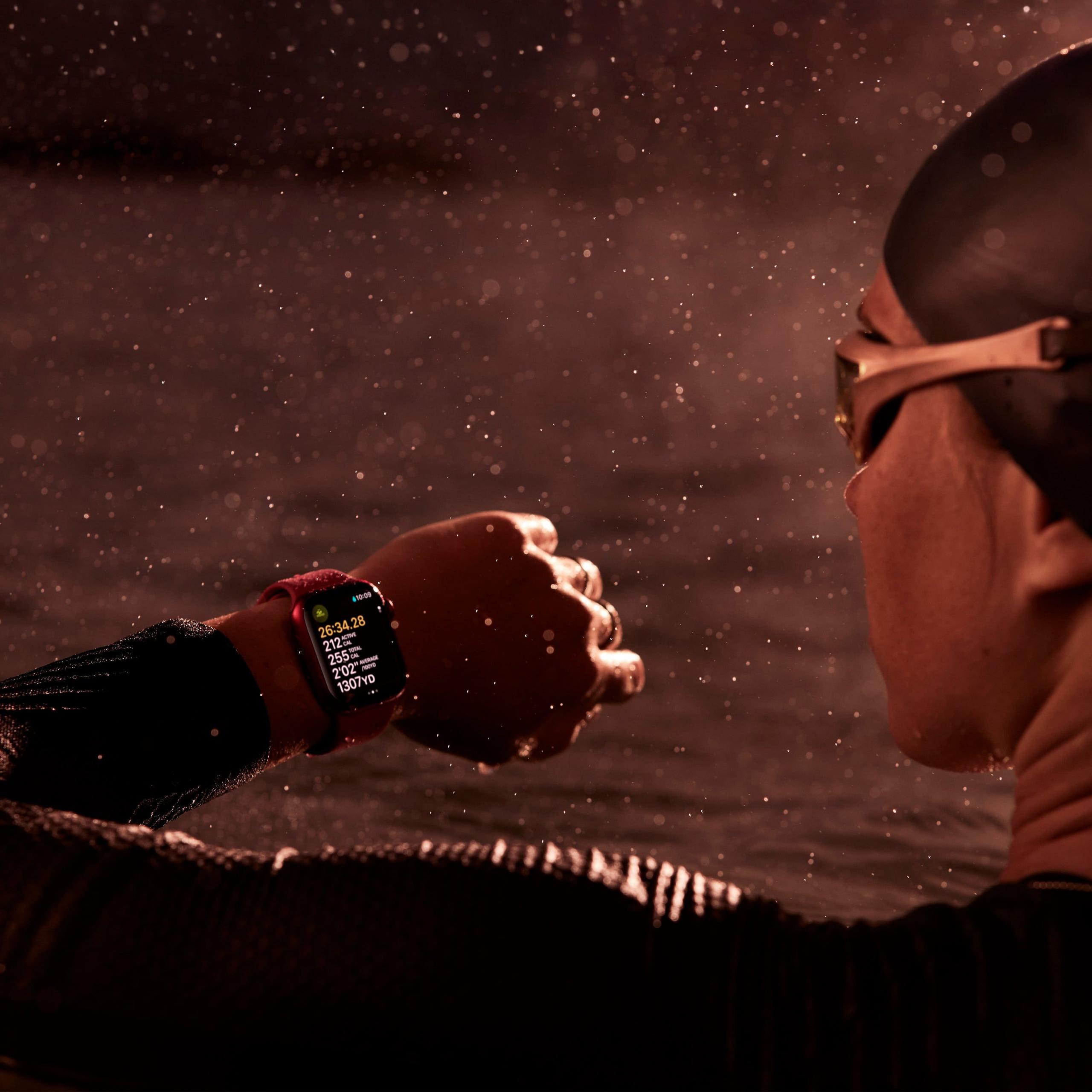
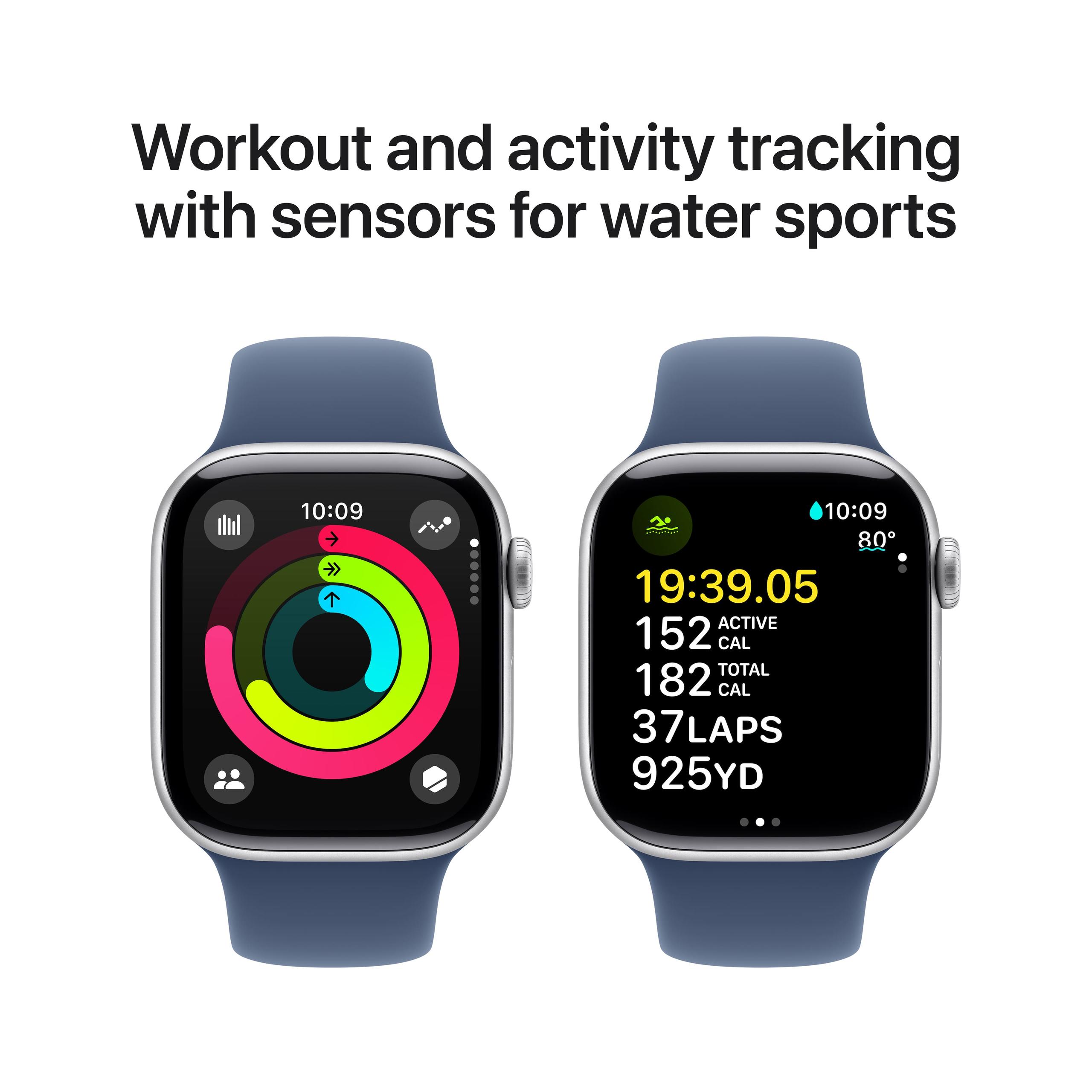
Where the Series 10 pulls ahead is in water-related activities. It includes a depth gauge that automatically activates when submerged (working up to 6 meters or about 20 feet), plus a water temperature sensor that provides real-time readings during swimming or water sports. These additions make the Series 10 significantly more capable for swimmers, snorkelers, or anyone who enjoys water activities.
The Series 10 also features improved speakers that can play media directly from the watch—not just handle phone calls like the Series 9. This seems minor but proves useful when you want to quickly play a voice message or listen to directions without headphones.
Both watches feature aluminum construction with similar durability ratings, but their physical profiles tell different stories. The Series 9 maintains the traditional Apple Watch proportions in a compact 41mm case that works well for smaller wrists or those who prefer a less prominent watch presence.
The Series 10 achieves something remarkable: despite being larger (42mm versus 41mm), it's actually 10% thinner and 10% lighter than the Series 9. Apple accomplished this through extensive engineering, including integrating the cellular antenna directly into the case structure rather than as a separate component.
This thinner profile makes the Series 10 sit more flush against your wrist, reducing the "computer on your arm" feeling that some people dislike about smartwatches. The weight reduction, though modest in absolute terms, is noticeable during extended wear, particularly during sleep tracking.
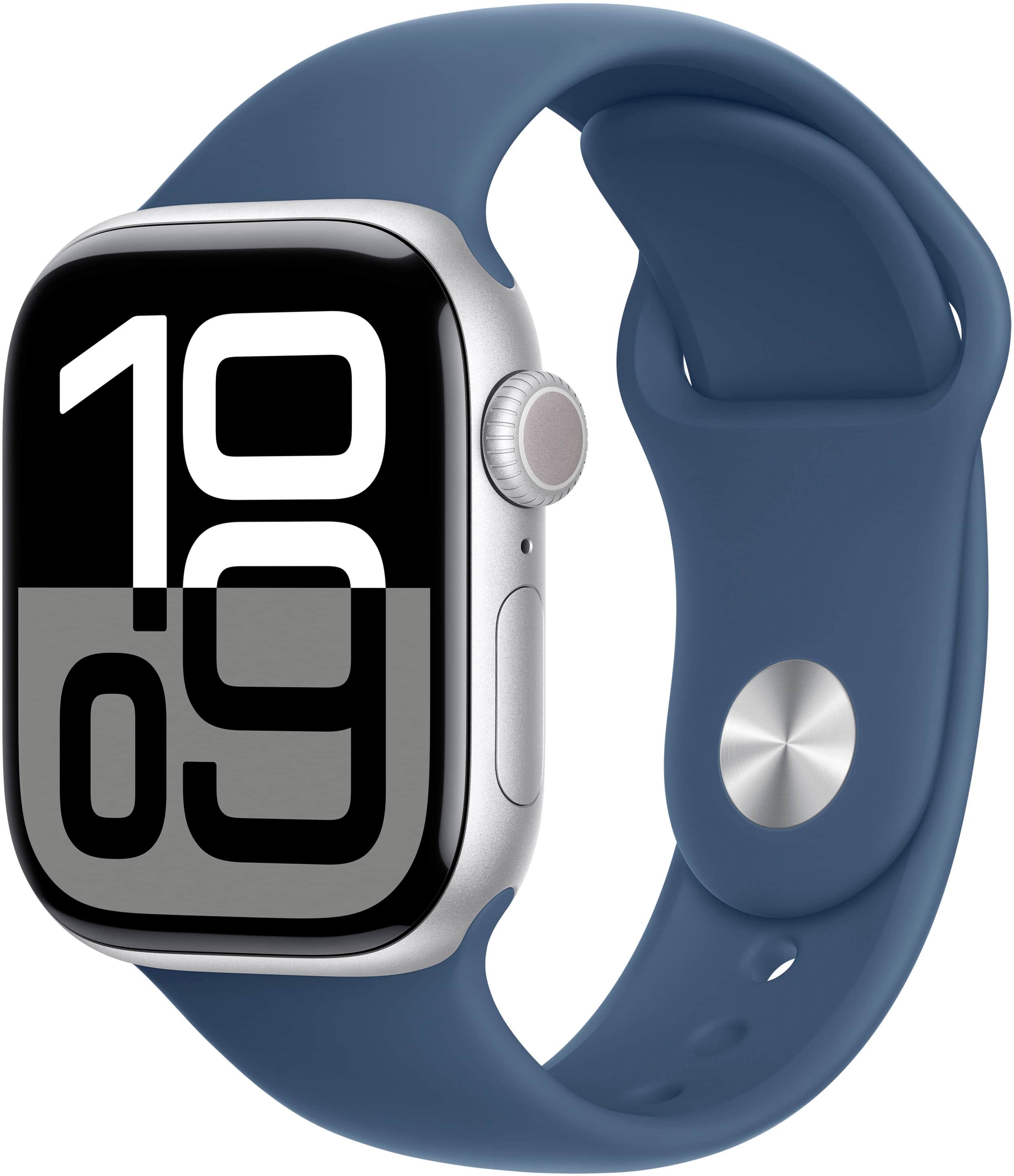
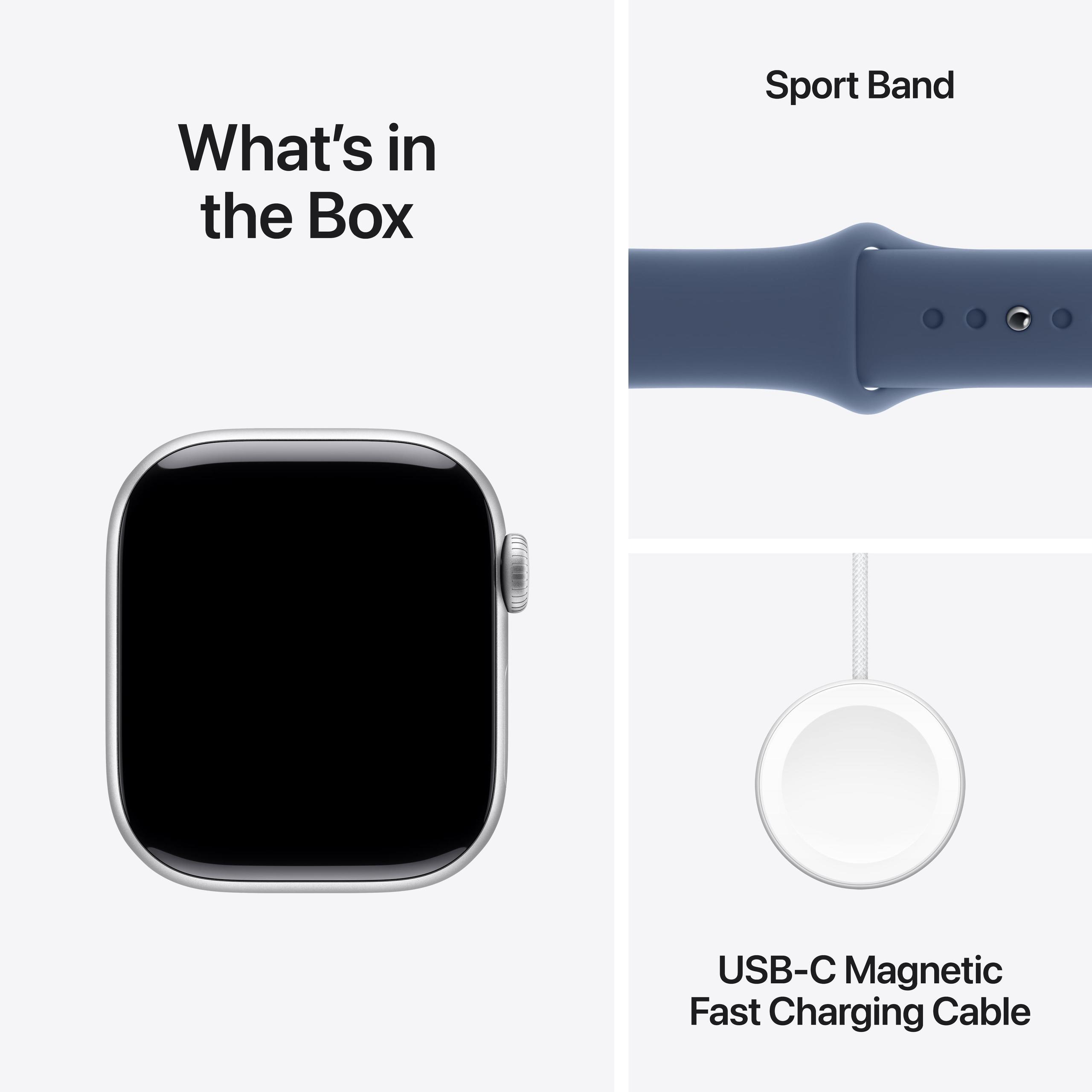
Both watches come with Apple's Sport Band by default—a fluoroelastomer (fancy rubber) band that's comfortable, easy to clean, and suitable for workouts. The band ecosystem is identical between models, so you can use any Apple Watch band with either device.
At the time of writing, these watches sit at dramatically different price points, with the Series 10 costing roughly double the Series 9. This price gap reflects several premium features: cellular connectivity (typically worth about $100), the latest-generation display technology, faster charging, and additional sensors.
The Series 9 represents exceptional value for users who want comprehensive Apple Watch functionality without paying for cellular independence they may not need. If you always carry your iPhone and primarily use your watch for health tracking, notifications, and basic smart features, the Series 9 delivers 90% of the Apple Watch experience at roughly half the cost.
The Series 10 justifies its premium for users who value cellular independence, want the largest and most advanced display Apple offers, or engage in water sports where the additional sensors provide genuine utility. The faster charging, while nice, probably isn't worth the price difference alone.
Consider also the ongoing costs. The Series 10's cellular capability requires a monthly carrier fee, adding $120-180 annually to the total cost of ownership. Over a typical 3-4 year usage period, this can add $360-720 to the watch's effective cost.
While neither watch is primarily designed for home theater use, they do offer some relevant capabilities. Both can control Apple TV and other HomeKit-compatible devices, serve as remote controls for music playback, and provide discrete notifications that won't disturb movie watching.
The Series 10's improved speakers and larger display make it slightly better for quickly adjusting volume or checking messages without disrupting your viewing experience. However, these improvements are marginal in a home theater context where you'll likely prefer using dedicated remotes or your phone for media control.
The Series 9 is ideal for iPhone users who want excellent smartwatch functionality at a reasonable price. It's perfect for fitness enthusiasts, health-conscious individuals, or anyone who primarily uses their watch for notifications and basic smart features while their phone stays nearby. The smaller 41mm size also makes it the better choice for people with smaller wrists or those who prefer a more subtle watch presence.
Choose the Series 10 if cellular independence is important to you, you frequently engage in water sports, or you want the absolute latest Apple Watch technology regardless of price. It's also the better choice if you use your watch heavily for reading messages, using apps, or interacting with the interface—the larger, more advanced display genuinely improves these experiences.
The Series 10 makes particular sense for parents managing kids' activities (leaving the phone in the car during practice), fitness enthusiasts who prefer phone-free workouts, or professionals in environments where carrying a phone isn't always practical.
Start by honestly assessing whether you need cellular connectivity. If you always have your iPhone nearby and don't see value in standalone watch functionality, the Series 9 offers outstanding value and identical core health and fitness features.
If the price difference isn't a significant concern and you want the latest technology, the Series 10 provides a more premium experience with its larger display, faster charging, and cellular independence. Just remember to factor in ongoing cellular service costs.
For most users upgrading from older Apple Watches (Series 6 and earlier), either choice represents a significant improvement. Current Series 8 or Series 9 owners should probably wait unless cellular connectivity or the larger display addresses a specific pain point in their current experience.
The Apple Watch market moves quickly, but both of these models represent mature, capable smartwatches that will serve their owners well for years. The Series 9 proves that you don't need the latest and greatest to get an excellent smartwatch experience, while the Series 10 demonstrates how premium features can genuinely enhance daily use for users willing to pay for them.
| Apple Watch Series 9 GPS 41mm | Apple Watch Series 10 GPS + Cellular 42mm |
|---|---|
| Release Year - Affects software support lifespan and resale value | |
| 2023 (mature, proven technology) | 2024 (latest generation with longer support) |
| Case Size - Impacts comfort and screen readability | |
| 41mm (better for smaller wrists, more subtle) | 42mm (larger display, modern proportions) |
| Display Size - Critical for daily usability and text reading | |
| 1.69" LTPO OLED (352x430 pixels) | 1.89" LTPO3 OLED wide-angle (374x446 pixels, 9% larger) |
| Display Technology - Affects viewing angles and outdoor visibility | |
| Standard OLED Always-On Retina | LTPO3 wide-angle OLED with improved side viewing |
| Connectivity - The biggest functional difference between models | |
| GPS only (requires iPhone nearby for calls/messages) | GPS + Cellular with eSIM (works independently) |
| Monthly Service Cost - Ongoing expense to consider | |
| None (uses iPhone's connection) | $10-15/month cellular plan required |
| Processor - Affects performance and future feature support | |
| S9 chip with Neural Engine | S10 chip with Neural Engine (minimal real-world difference) |
| Case Thickness - Impacts daily comfort and wearability | |
| 10.7mm (traditional Apple Watch profile) | 9.7mm (10% thinner, sits flatter on wrist) |
| Weight - Affects comfort during extended wear and sleep tracking | |
| 31.9g (aluminum GPS model) | 29.3g (10% lighter despite larger size) |
| Charging Speed - Important for users who forget to charge overnight | |
| 0-80% in 45 minutes | 0-80% in 30 minutes (33% faster) |
| Water Sports Features - Matters for swimmers and water activity enthusiasts | |
| Standard 50m water resistance | Depth gauge + water temperature sensor (up to 6m/20ft) |
| Audio Capabilities - Affects standalone media playback | |
| Speaker for calls only | Enhanced speakers can play media directly from watch |
| Health Sensors - Both share core features through software updates | |
| ECG, heart rate, blood oxygen, temperature, sleep apnea detection | Same sensors plus depth and water temperature |
| Storage Capacity - Affects app and music storage | |
| 64GB | 64GB |
| Battery Life - Both deliver similar real-world performance | |
| 18 hours official (26-30 hours typical use) | 18 hours official (26-30 hours typical use) |
| Color Options - Aluminum case varieties available | |
| Pink, Midnight, Starlight, Silver, (PRODUCT)RED | Jet Black, Rose Gold, Silver |
| Best For - Target user scenarios | |
| iPhone users wanting core smartwatch features at lower cost | Users needing cellular independence or latest display tech |
The biggest difference is connectivity: the Apple Watch Series 9 is GPS-only and requires your iPhone nearby for calls and messages, while the Apple Watch Series 10 has cellular capability and can work independently. The Series 10 also features a larger 1.89" display compared to the Series 9's 1.69" screen, faster charging, and additional water sports sensors.
Both the Apple Watch Series 9 and Apple Watch Series 10 offer similar battery life, lasting 18 hours officially but typically 26-30 hours in real-world use. The key difference is charging speed: the Series 10 charges 33% faster, reaching 80% in just 30 minutes compared to 45 minutes for the Series 9.
You need cellular if you want to make calls, send messages, or use apps when away from your iPhone. The Apple Watch Series 10 with cellular is ideal for workouts without your phone, emergencies, or situations where carrying your iPhone isn't practical. If you always have your iPhone nearby, the Apple Watch Series 9 GPS model provides the same core features at a lower cost.
Both the Apple Watch Series 9 and Apple Watch Series 10 offer identical core fitness features including heart rate monitoring, ECG, sleep tracking, and workout detection. The Series 10 adds water-specific sensors (depth gauge and water temperature) that benefit swimmers and water sports enthusiasts, but for general fitness tracking, both perform equally well.
The Apple Watch Series 10 is worth the premium if you need cellular independence, frequently use water sports features, or want the largest Apple Watch display available. However, the Apple Watch Series 9 offers exceptional value with 90% of the same functionality at roughly half the price, making it better for budget-conscious buyers who don't need cellular connectivity.
The Apple Watch Series 10 has a superior display with 9% more screen area (1.89" vs 1.69"), LTPO3 technology for better viewing angles, and the same 2,000-nit peak brightness as the Series 9. The larger screen makes text easier to read and apps more comfortable to use, though both displays are excellent for outdoor visibility.
The Apple Watch Series 10 with cellular can function independently for calls, messages, music streaming, and many apps without an iPhone nearby. The Apple Watch Series 9 GPS model requires Bluetooth connection to your iPhone for most internet-dependent features, though it can still track workouts and play downloaded music when disconnected.
Despite being larger, the Apple Watch Series 10 is actually 10% thinner and lighter than the Series 9, making it surprisingly comfortable for extended wear. The Series 9 offers a more compact 41mm size that works better for smaller wrists or those preferring a subtle watch presence. Both use the same comfortable Sport Band.
Yes, both the Apple Watch Series 9 and Apple Watch Series 10 share core health features through software updates, including ECG, heart rate monitoring, blood oxygen sensing, sleep apnea detection, and comprehensive sleep tracking. The Series 10 adds water-specific sensors for depth and temperature monitoring during swimming activities.
The Apple Watch Series 10 charges significantly faster, reaching 80% battery in 30 minutes compared to 45 minutes for the Apple Watch Series 9. This 33% improvement in charging speed helps users who frequently forget to charge overnight or need quick top-ups during the day.
Yes, the Apple Watch Series 10 cellular model requires a monthly carrier plan, typically costing $10-15 per month in addition to the higher purchase price. The Apple Watch Series 9 GPS model has no ongoing costs since it uses your iPhone's connection for internet access and calling features.
Choose the Apple Watch Series 9 if you want excellent smartwatch functionality at a lower cost and always carry your iPhone. Select the Apple Watch Series 10 if you need cellular independence, prefer the largest available display, engage in water sports, or want the latest Apple Watch technology regardless of cost. Both offer identical core health and fitness tracking capabilities.
We've done our best to create useful and informative comparisons to help you decide what product to buy. Our research uses advanced automated methods to create this comparison and perfection is not possible - please contact us for corrections or questions. These are the sites we've researched in the creation of this article: bestbuy.com - businessinsider.com - nextpit.com - macrumors.com - techgearlab.com - markellisreviews.com - youtube.com - apple.com - wareable.com - youtube.com - techradar.com - bajajfinserv.in - gsmarena.com - youtube.com - support.apple.com - forums.macrumors.com - apple.com - apple.com - apple.com - apple.com - uscbookstore.com - gsmarena.com - apple.com - gsmarena.com - bestbuy.com - att.com - sellmac.com - costco.com - phonearena.com - cuit.columbia.edu - uscbookstore.com - bestbuy.com - wareable.com - appleinsider.com - youtube.com - youtube.com - youtube.com - apple.com - dcrainmaker.com - dcrainmaker.com - apple.com - forums.macrumors.com - gethegoods.com - appleinsider.com - apple.com - support.apple.com - apple.com - en.wikipedia.org - cellcom.com - youtube.com - walmart.com - youtube.com - bestbuy.com - apple.com - youtube.com - apple.com - verizon.com - apple.com - apple.com - youtube.com - costco.com - bestbuy.com - t-mobile.com - talk.tidbits.com - support.apple.com - gci.com - att.com

Privacy Policy
Terms and Conditions - Affiliate Policy
Home Security
© Copyright 2008-2026.
11816 Inwood Rd #1211, Dallas, TX 75244