


The smartwatch market has evolved dramatically since the early days of basic step counters and notification displays. Today's premium smartwatches function as comprehensive health monitors, fitness coaches, communication devices, and pocket computer replacements. The choice between Apple's latest flagship and Google's second-generation offering represents one of the most important decisions in wearable technology—one that will influence your daily routine and health monitoring for years to come.
At the time of writing, the pricing landscape for these devices reveals an interesting story. The Apple Watch Series 10, launched in 2024, commands premium pricing as Apple's current flagship, while the Google Pixel Watch 2, released in 2023, has seen significant price reductions that position it as exceptional value in the premium smartwatch category. This price difference isn't just about age—it reflects fundamentally different approaches to the smartwatch market.
Before diving into specific models, it's crucial to understand what separates premium smartwatches from basic fitness trackers. Premium devices integrate advanced processors capable of running full applications, multiple health sensors that can detect everything from irregular heart rhythms to sleep disorders, and sophisticated displays that remain visible in bright sunlight while conserving battery life.
The most critical considerations when choosing a premium smartwatch include ecosystem compatibility (which smartphone you own), health monitoring depth, performance reliability, battery longevity, and long-term value. Unlike smartphones that you might upgrade every 2-3 years, quality smartwatches often serve users for 4-5 years, making the initial choice particularly important.
Ecosystem compatibility deserves special emphasis because it's non-negotiable. The Apple Watch Series 10 exclusively supports iPhones, while the Pixel Watch 2 requires Android phones. This isn't just about pairing—it affects which apps you can install, how notifications work, and whether features like cellular calling function properly.
Performance in smartwatches differs significantly from smartphones because the interaction model prioritizes instant response to quick gestures rather than sustained computing tasks. When you raise your wrist to check the time or scroll through notifications, any delay breaks the natural flow of the experience.
The Apple Watch Series 10 uses Apple's custom S10 SiP (System in Package), which integrates a 64-bit dual-core processor with a 4-core Neural Engine on a single chip. This Neural Engine—essentially a dedicated AI processor—handles tasks like voice recognition, workout detection, and health data analysis without taxing the main processor or requiring internet connectivity. In practical terms, this means Siri responds faster, workout tracking starts more reliably, and the watch feels more responsive throughout the day.
Google took a different approach with the Pixel Watch 2, using Qualcomm's Snapdragon W5 Gen 1 processor paired with 2GB of RAM—double what Apple uses. This sounds impressive on paper, but the reality is more nuanced. Wear OS, Google's smartwatch operating system, requires more RAM to run smoothly because it's built on Android's foundation, which was originally designed for smartphones with larger batteries and more powerful processors.
Our research into user experiences reveals a clear performance hierarchy. The Apple Watch Series 10 consistently delivers instantaneous app launches and smooth scrolling, while the Pixel Watch 2 occasionally exhibits brief delays when launching apps or switching between functions. These delays aren't deal-breakers, but they're noticeable enough that users coming from Apple Watches often mention them in reviews.
The performance difference becomes most apparent during intensive tasks like GPS tracking during workouts or when using voice assistants. Apple's on-device Siri processing means voice commands work reliably even without cellular or Wi-Fi connectivity, while Google Assistant on the Pixel Watch 2 requires internet access for most functions.
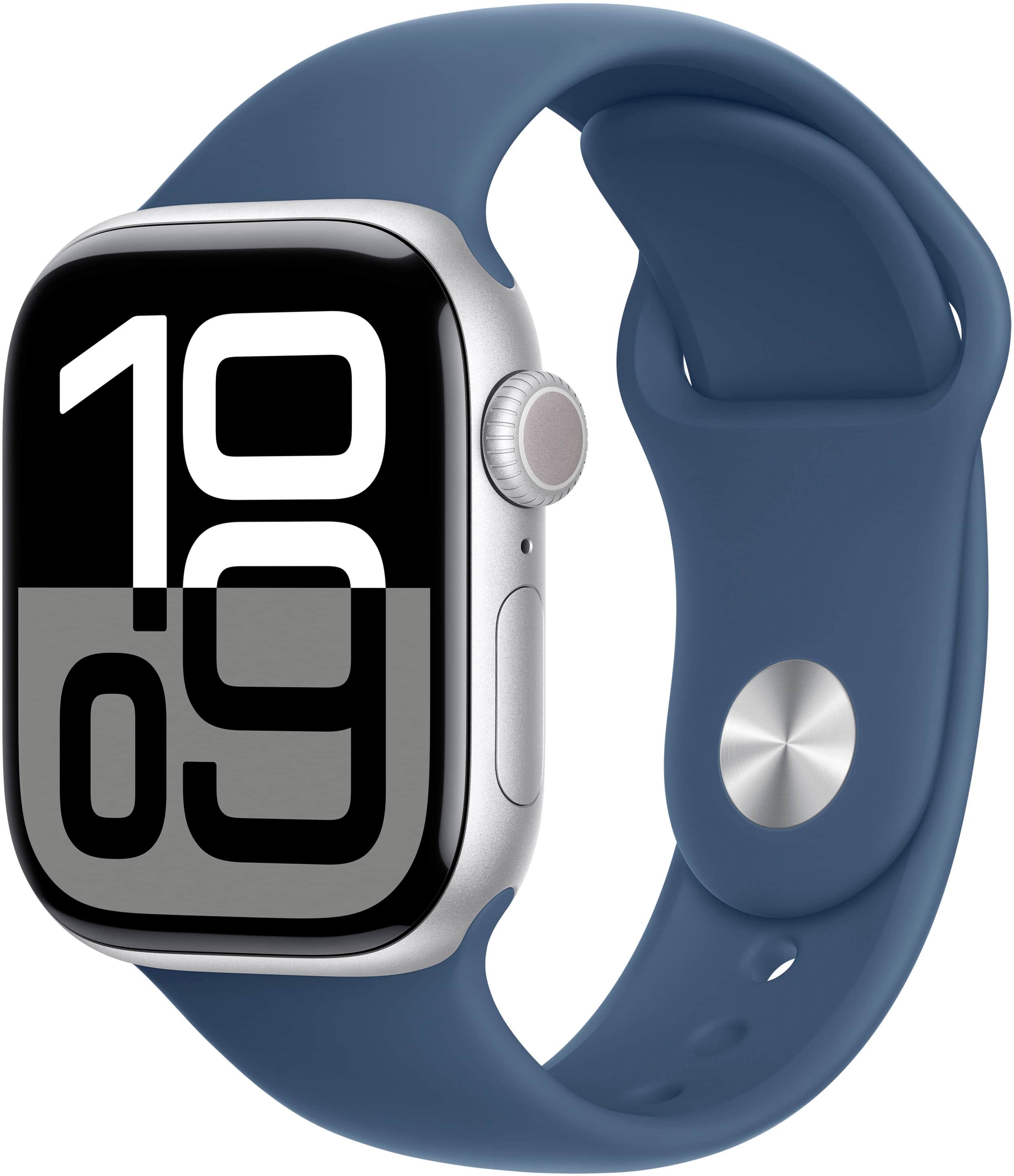
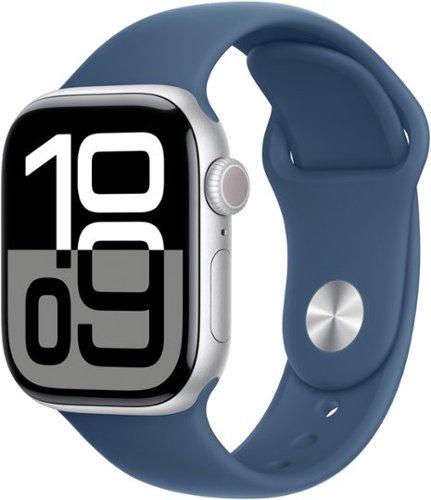
Display quality dramatically impacts smartwatch usability because the screen serves as the primary interface for all interactions. The Apple Watch Series 10 represents a significant leap forward with its 1.89-inch LTPO3 OLED Always-On Retina display. LTPO (Low-Temperature Polycrystalline Oxide) technology allows the display to dynamically adjust its refresh rate from 1Hz when showing static content like watch faces to higher rates during scrolling, preserving battery life while maintaining smoothness.
The technical specifications tell part of the story—374 x 446 pixel resolution with up to 2000 nits peak brightness and 326 pixels per inch density—but the real-world impact is more impressive. The 2000 nit brightness means the display remains clearly visible even under direct sunlight, crucial for outdoor workouts or navigation. The expanded screen area compared to previous Apple Watches provides noticeably more space for app interfaces and text reading.
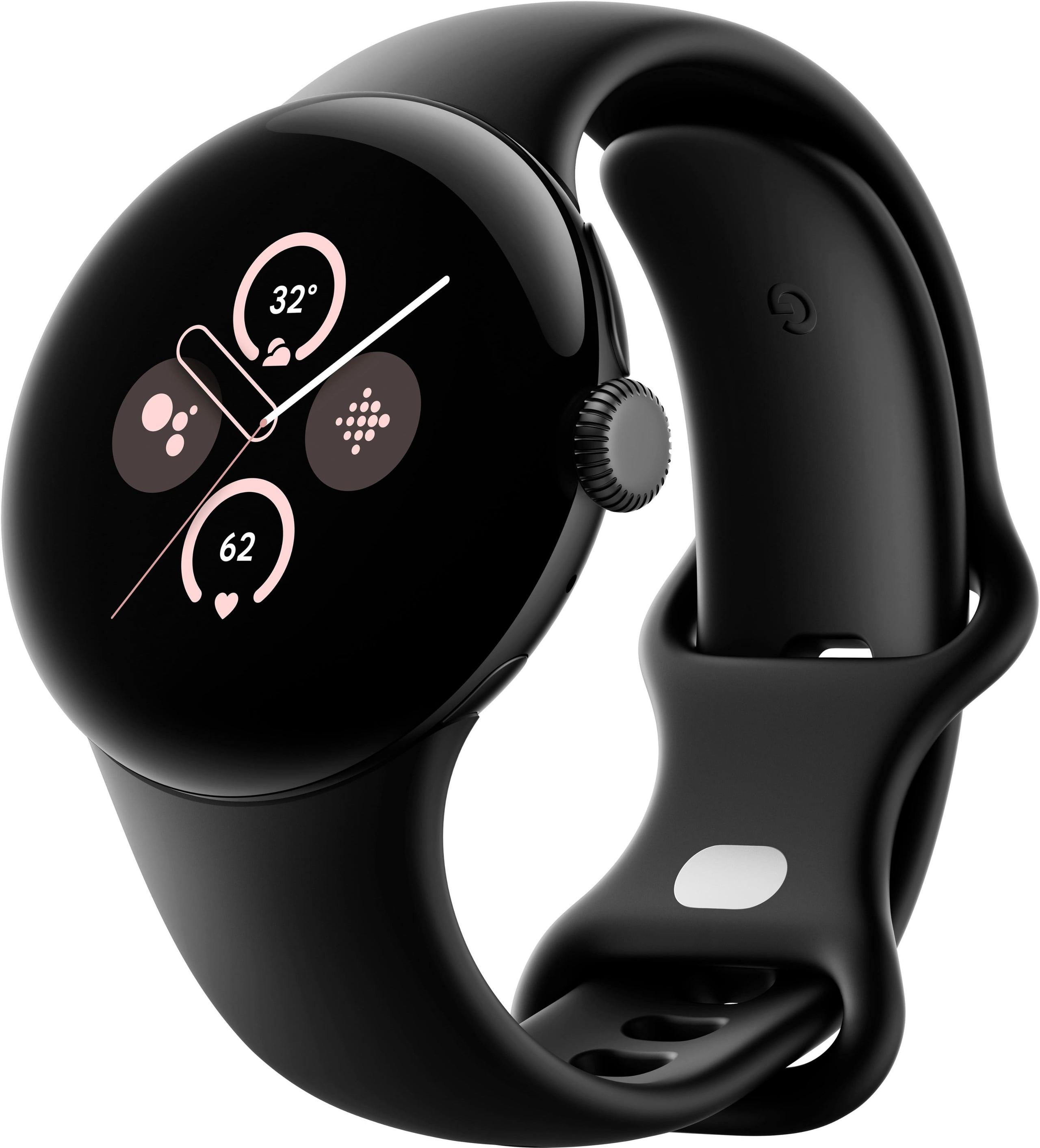
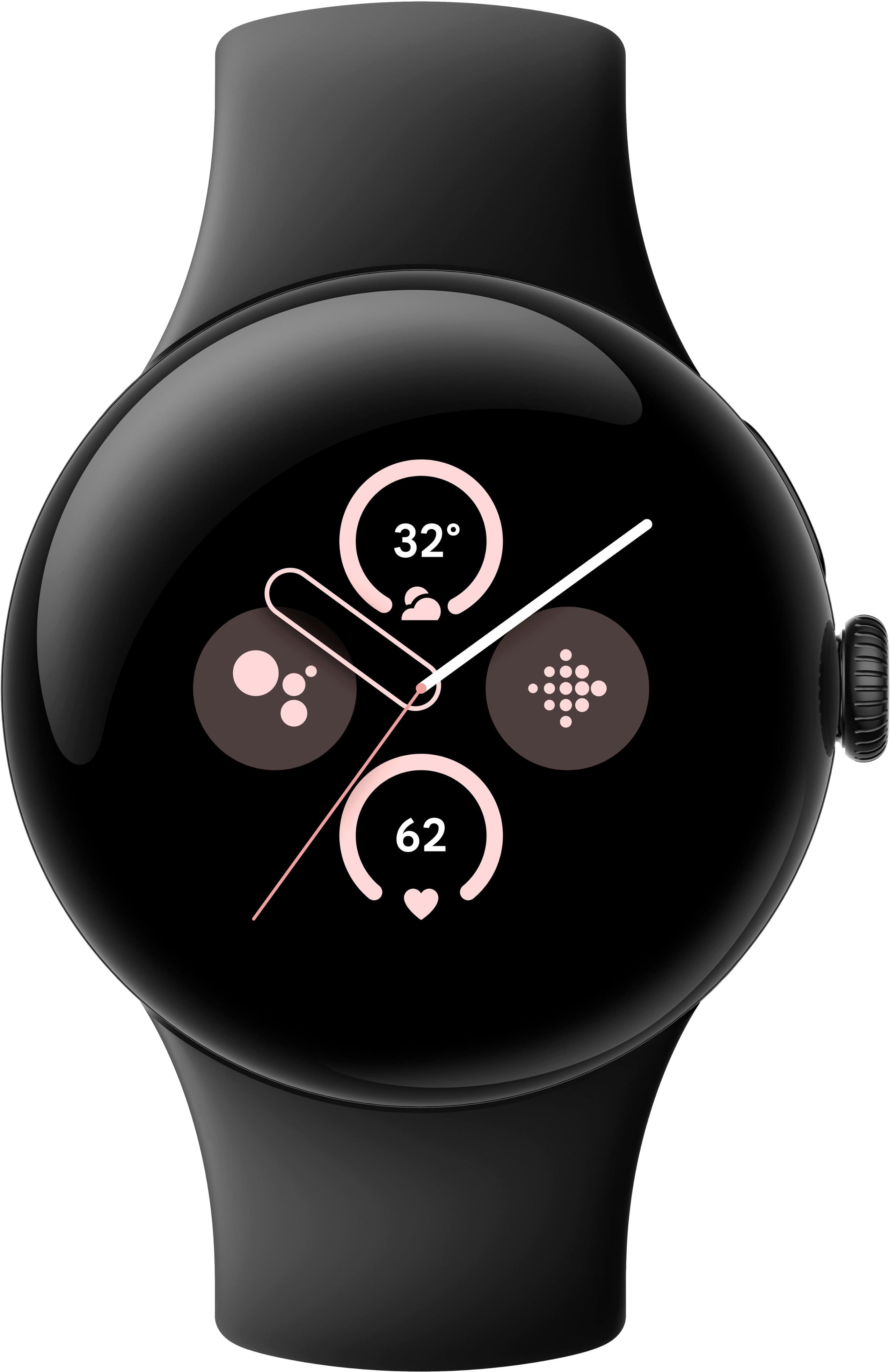
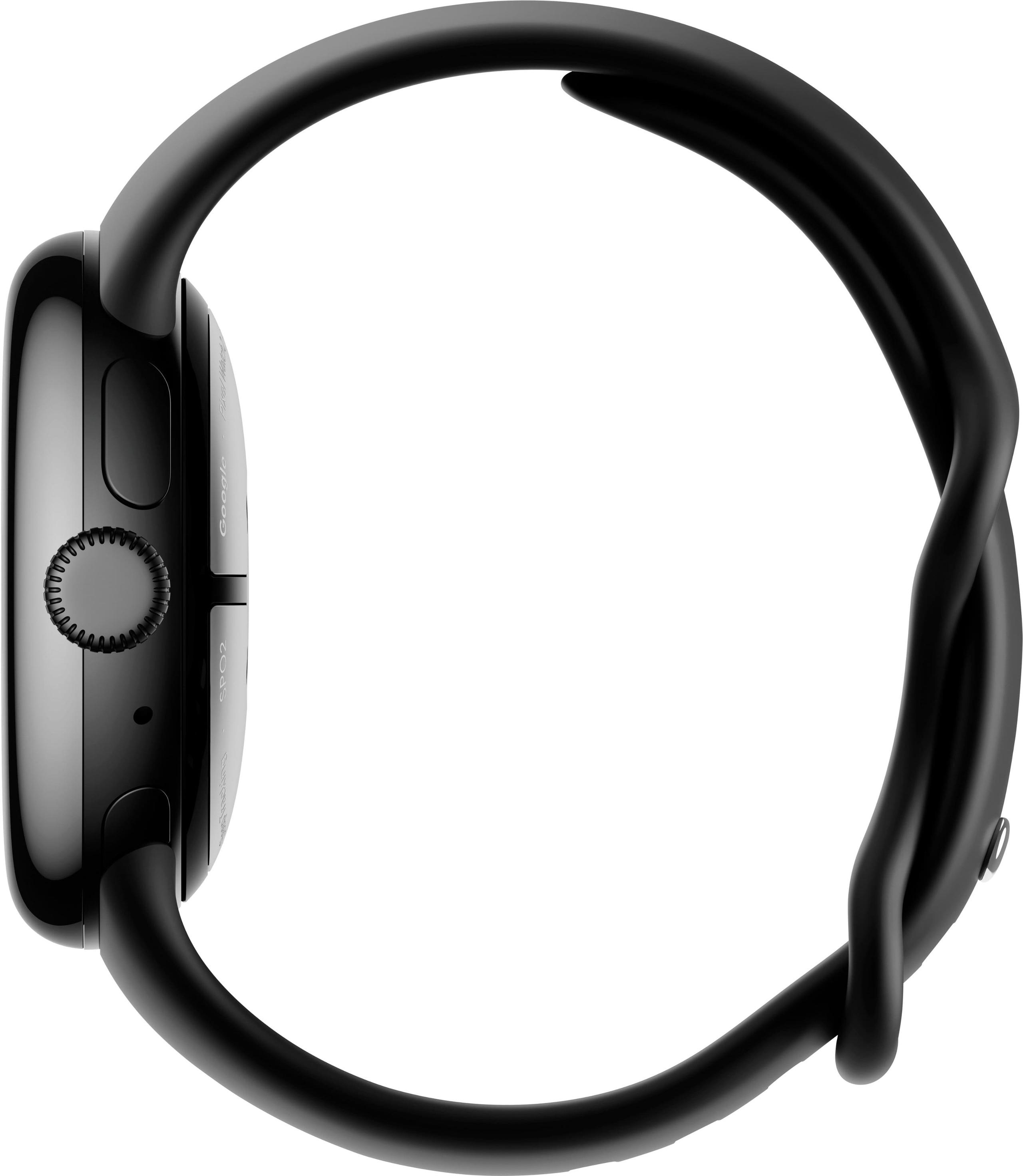
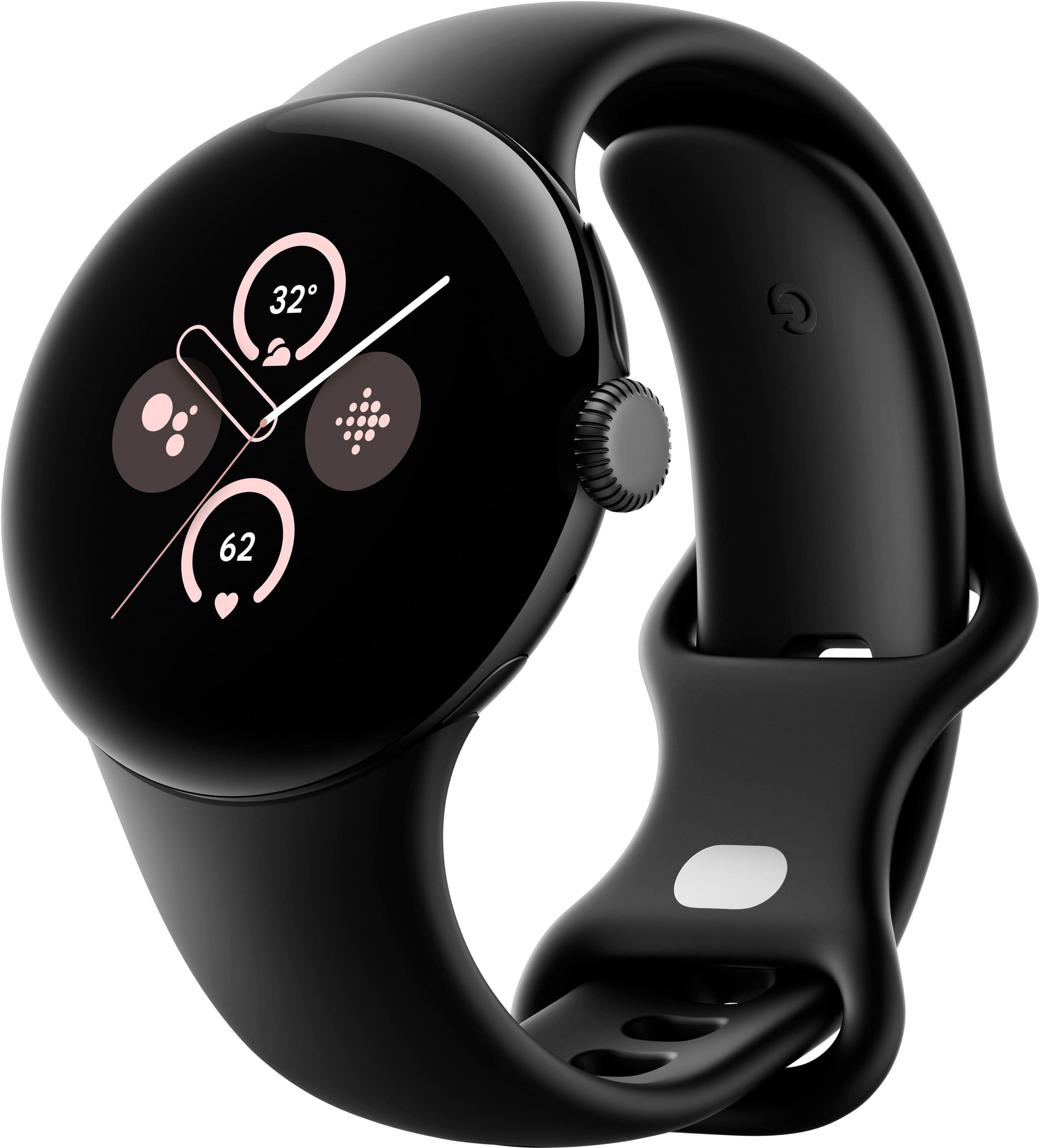
The Pixel Watch 2 takes a more traditional approach with its 1.2-inch circular AMOLED display running at 450 x 450 pixels. While the circular design appeals to users who prefer traditional watch aesthetics, it inherently provides less usable screen space than rectangular displays. The 1000 nit peak brightness, while respectable, falls short of the Apple Watch Series 10's capabilities in bright outdoor conditions.
The always-on display functionality differs significantly between devices. Apple's implementation updates once per second, providing a live seconds hand and real-time complications (small widgets showing information like weather or calendar events), while maintaining impressive battery efficiency. The Pixel Watch 2 also offers always-on display, but with less frequent updates and simpler watch face options.
For users who prioritize information density and outdoor visibility, the Apple Watch Series 10 provides a clear advantage. However, those who prefer the traditional circular watch aesthetic and find the smaller display adequate for basic functions may gravitate toward the Pixel Watch 2.
Battery life represents one of the most critical practical differences between these devices. The Apple Watch Series 10 officially provides 18 hours of typical use, though Apple's definition of "typical use" is conservative. Real-world testing by users and reviewers suggests most people can achieve a full day of moderate to heavy use, ending with 10-20% battery remaining before overnight charging.
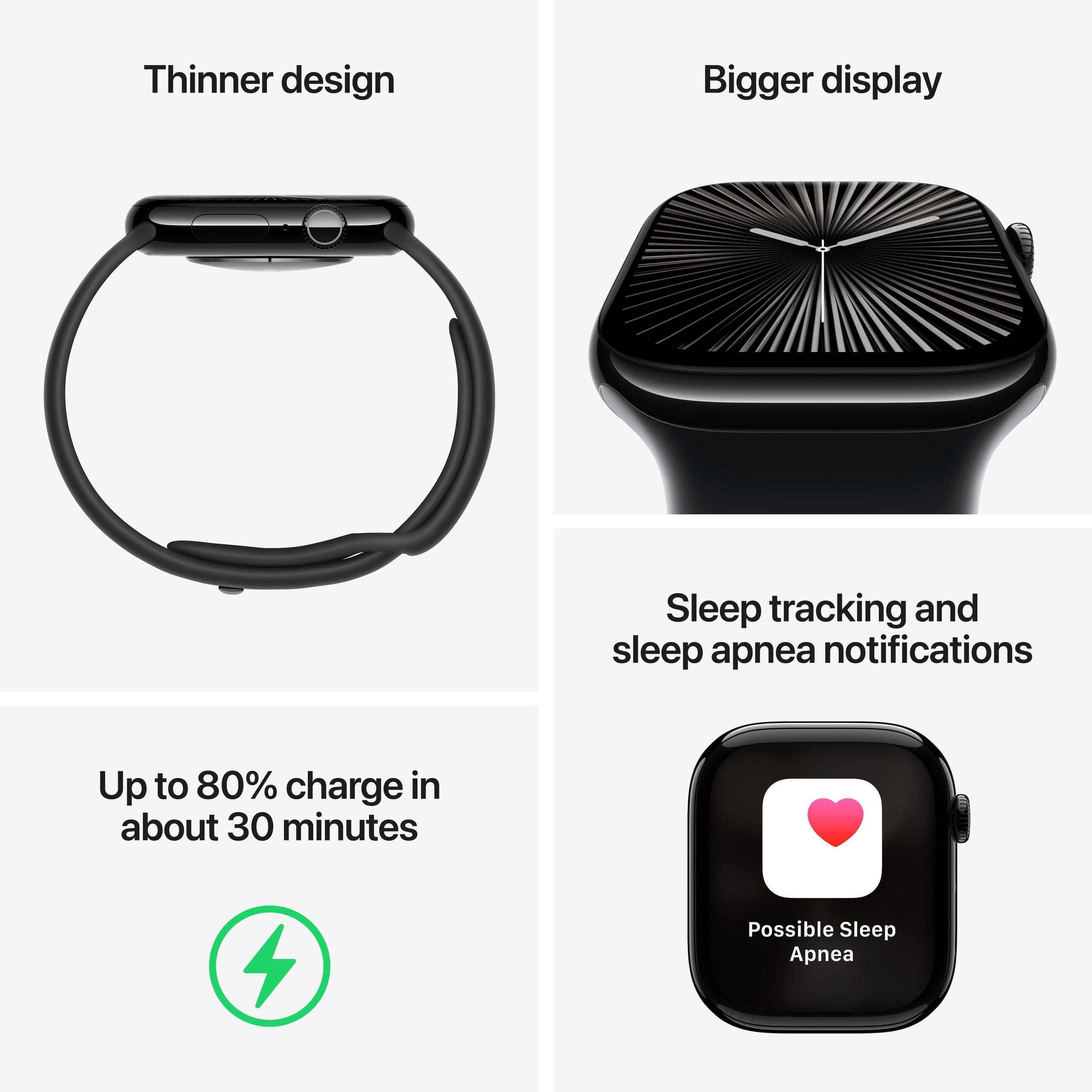
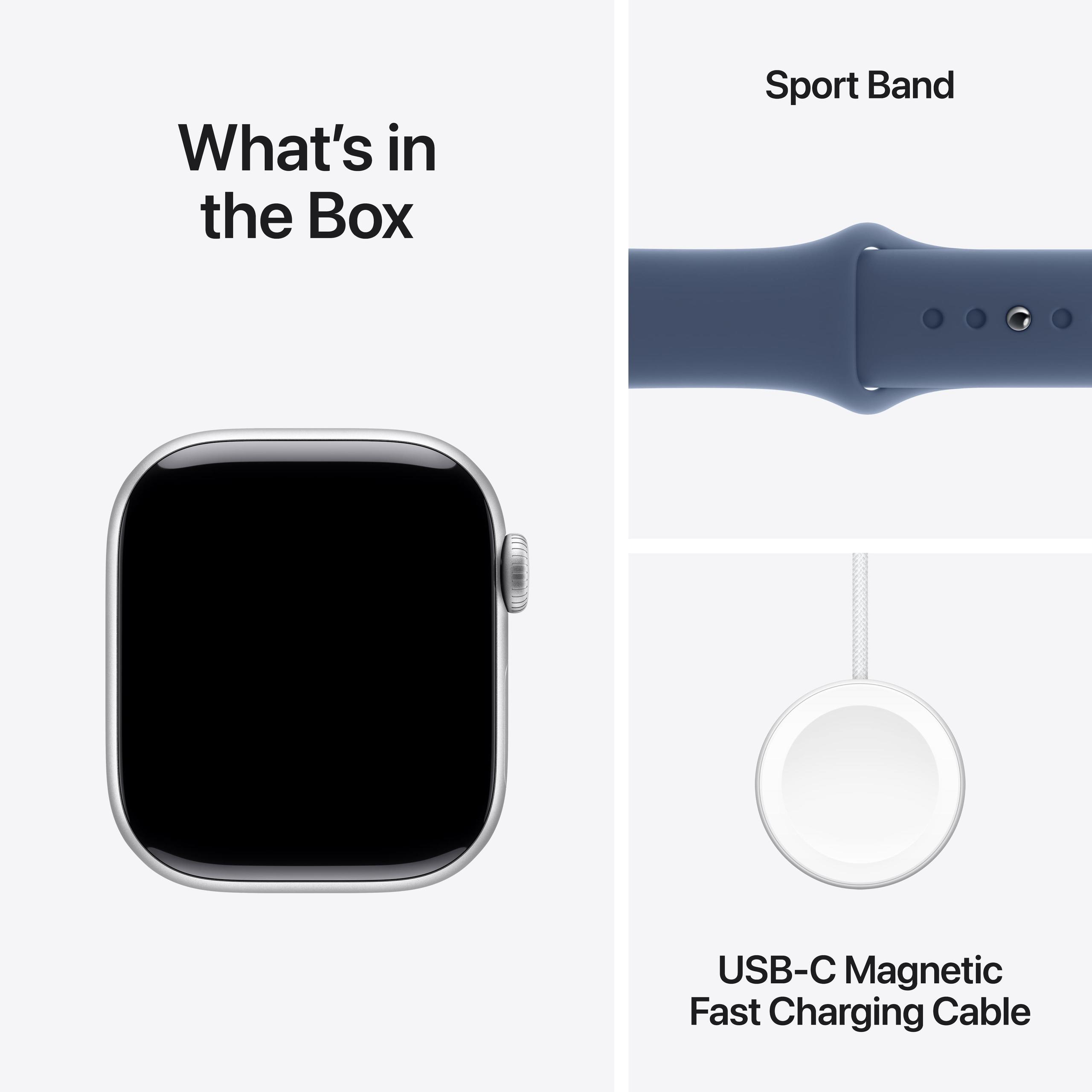
Where the Apple Watch Series 10 excels is charging speed. The new magnetic charging system can provide 8 hours of battery life with just 8 minutes of charging—incredibly useful for users who forget to charge overnight or need a quick top-up before a workout. Reaching 80% charge takes approximately 30 minutes, making it practical to charge during a shower or morning routine.
The Pixel Watch 2 takes a different approach, prioritizing overall battery capacity over charging speed. Most users report consistently achieving 24+ hours of use with the always-on display enabled, often ending the day with 15-25% remaining. This extra battery life provides genuine peace of mind, especially for users who occasionally forget to charge nightly or want to track sleep without worrying about battery depletion.
The Pixel Watch 2's charging system requires about 75 minutes for a full charge and 30 minutes to reach 50%—slower than Apple's implementation but still reasonable for overnight charging. The trade-off between longer daily battery life and slower charging speeds ultimately comes down to personal preference and usage patterns.
For users who prioritize convenience and don't mind daily charging routines, the Apple Watch Series 10's ultra-fast charging provides flexibility. Those who prefer longer battery life and less frequent charging anxiety will appreciate the Pixel Watch 2's endurance approach.
Health monitoring represents perhaps the most significant differentiation between these devices, with both offering advanced capabilities that extend beyond basic fitness tracking into genuine medical monitoring territory.
The Apple Watch Series 10 introduces FDA-approved sleep apnea detection, a potentially life-saving feature that monitors breathing patterns during sleep using heart rate, respiratory rate, and wrist temperature data. Sleep apnea affects millions of people who remain undiagnosed, and early detection can prevent serious cardiovascular complications. This feature alone justifies the device for many users concerned about sleep health.
Beyond sleep apnea detection, the Apple Watch Series 10 includes ECG (electrocardiogram) monitoring that can detect irregular heart rhythms, blood oxygen monitoring (though currently disabled in the US due to patent disputes), and comprehensive cycle tracking with ovulation estimates using temperature sensors. The fall detection and crash detection features can automatically contact emergency services, providing crucial safety benefits for elderly users or those with medical conditions.
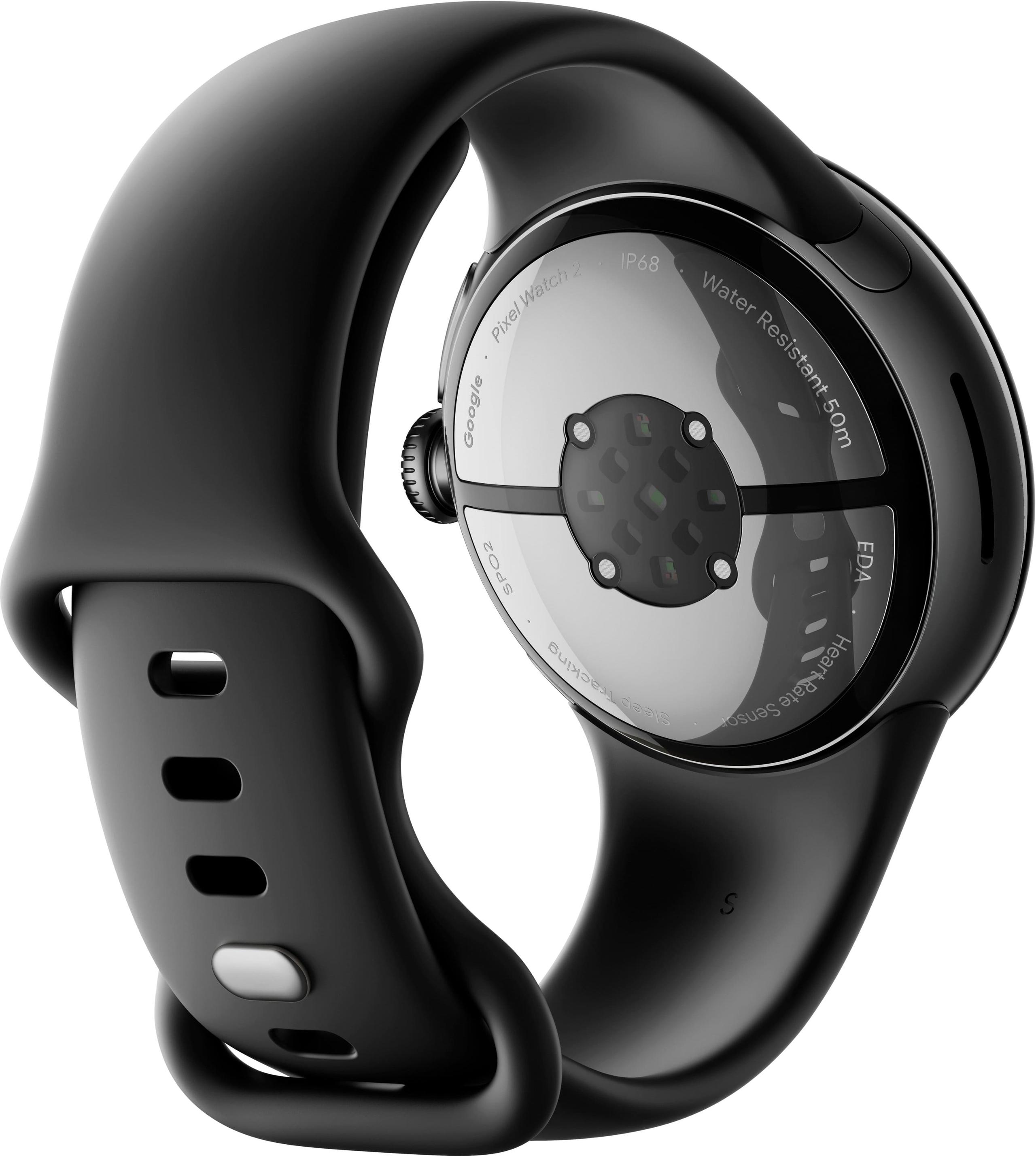
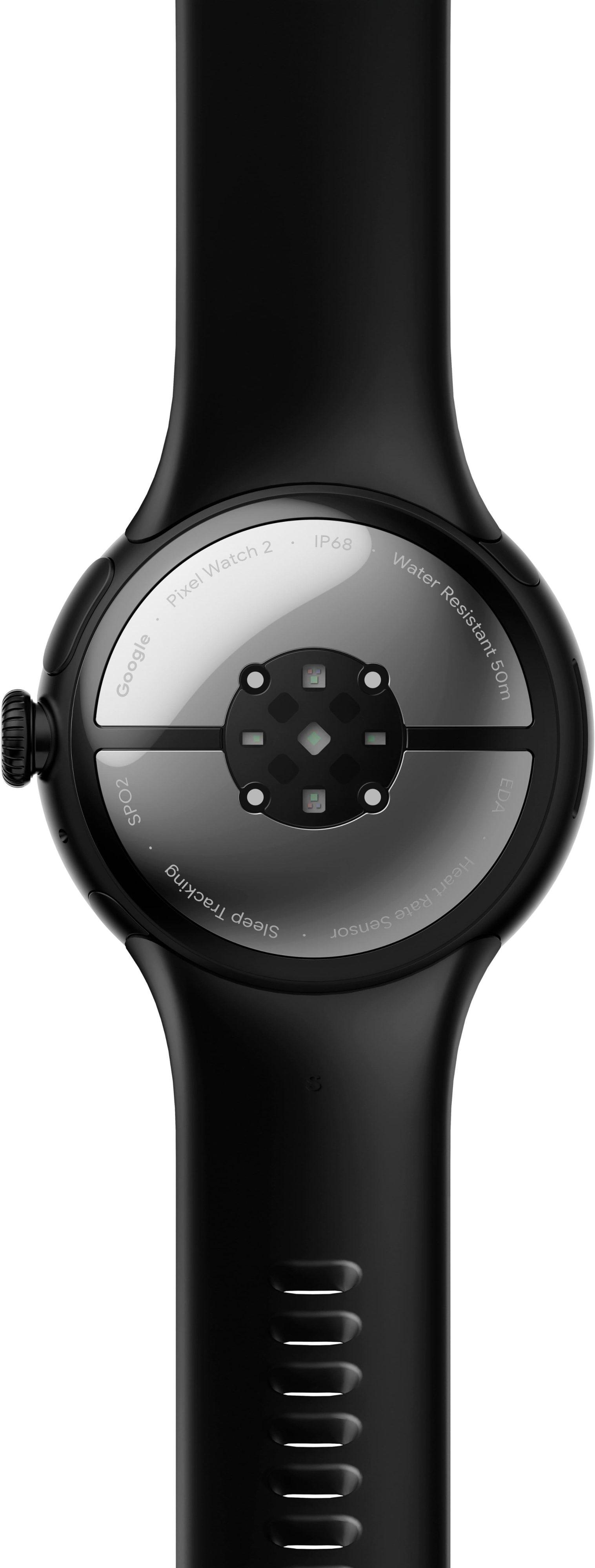
The Pixel Watch 2 approaches health monitoring through deep integration with Fitbit's established ecosystem. The device features a redesigned multipath heart rate sensor with five LEDs and five photodiodes, claiming up to 40% better accuracy during vigorous exercise compared to the original Pixel Watch. This improvement addresses one of the biggest criticisms of the first-generation device and brings heart rate accuracy closer to Apple Watch levels.
Where the Pixel Watch 2 differentiates itself is through continuous electrodermal activity (cEDA) monitoring—a technology that measures microscopic changes in sweat levels to detect stress responses. Combined with heart rate variability analysis, this provides insights into stress patterns throughout the day and can prompt users to take breathing breaks or practice mindfulness when stress levels spike.
The Fitbit integration provides comprehensive sleep analysis, including sleep stages (light, deep, REM), sleep score calculations, and weekly sleep pattern summaries. While not as medically focused as Apple's sleep apnea detection, Fitbit's sleep tracking offers more detailed lifestyle insights and coaching recommendations.
However, accessing the full depth of health features on the Pixel Watch 2 requires a Fitbit Premium subscription after the initial free trial period. This ongoing cost includes advanced analytics, personalized insights, guided workouts, and detailed health reports that form the core value proposition of the device.
Both devices excel at fitness tracking, but with different philosophies that appeal to different types of users. The Apple Watch Series 10 focuses on accuracy and comprehensive data collection, while the Pixel Watch 2 emphasizes coaching and motivation through Fitbit's established fitness platform.
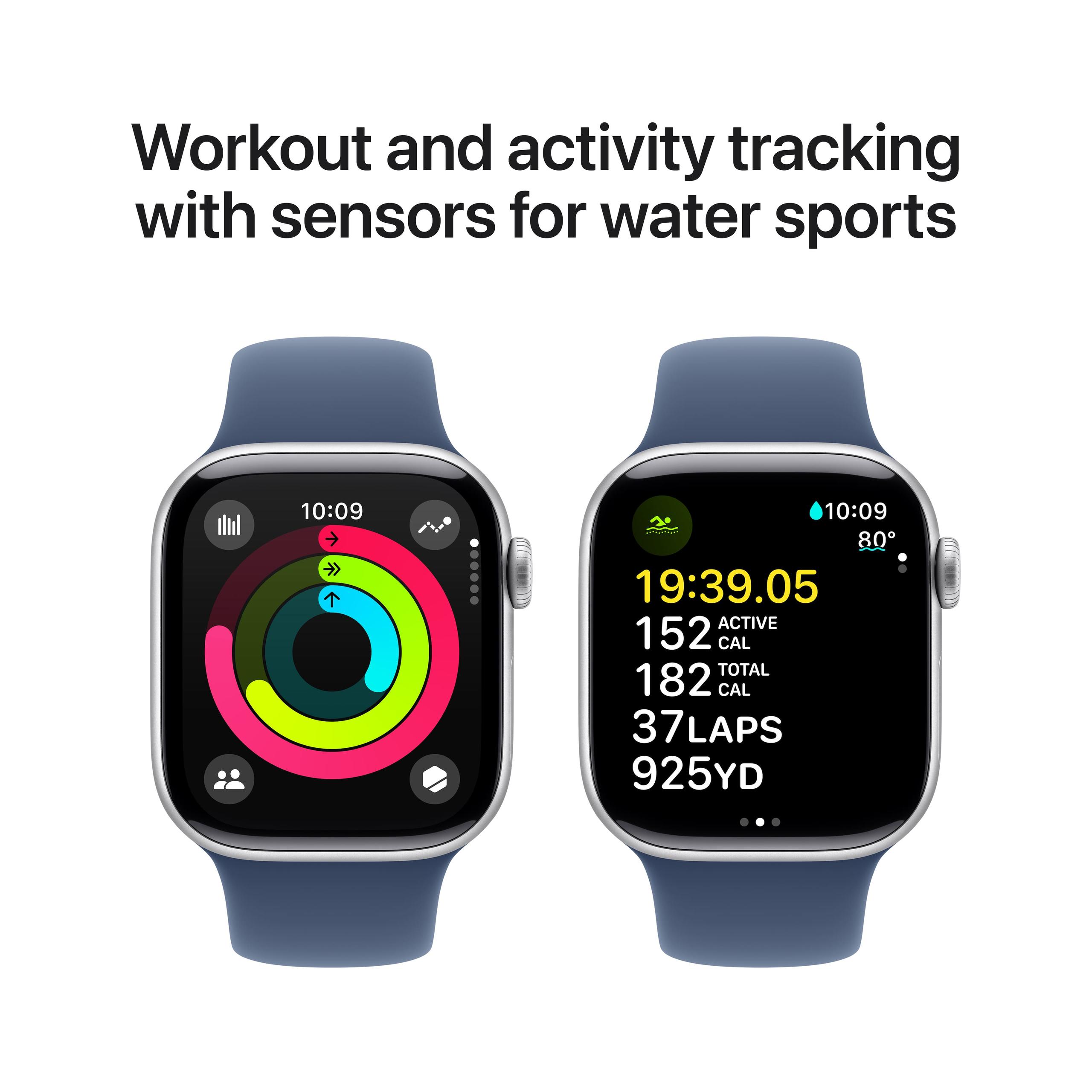
The Apple Watch Series 10 provides highly accurate GPS tracking for outdoor activities, with support for multiple satellite systems (GPS, GLONASS, Galileo, QZSS, and BeiDou) ensuring reliable position data even in challenging environments like dense urban areas or forest trails. The addition of a depth gauge and water temperature sensor makes it particularly appealing for swimmers and water sports enthusiasts, automatically detecting when you're underwater and providing detailed swim metrics.
Automatic workout detection works reliably for common activities like walking, running, cycling, and swimming, starting tracking when it detects sustained activity and stopping when you finish. The implementation feels intuitive and rarely triggers false positives, though it occasionally takes a minute or two to recognize workout starts.
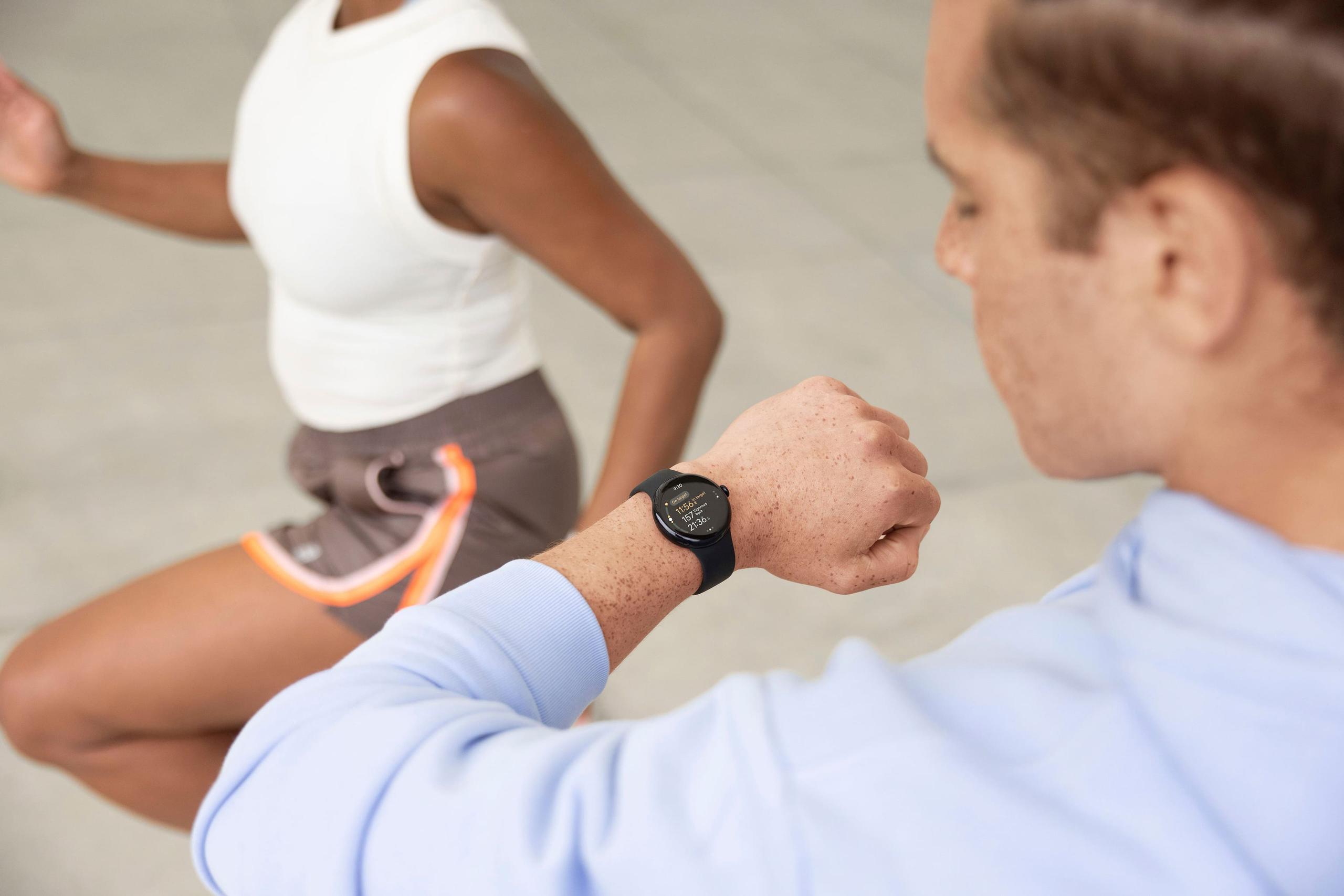
The Pixel Watch 2 takes a more coach-like approach through Fitbit's ecosystem. Heart Rate Zone coaching provides real-time guidance during workouts, buzzing your wrist when you need to increase or decrease intensity to stay within target zones. Pace Training offers similar guidance for runners, helping maintain consistent speeds during training runs.
The automatic workout detection on the Pixel Watch 2 covers seven exercise types and includes smart pause functionality that stops tracking when you take breaks during longer activities. While not as comprehensive as Apple's workout detection, it covers the most common activities adequately.
Both devices provide accurate step counting, calories burned estimation, and activity ring/goal systems that motivate daily movement. The choice often comes down to whether you prefer Apple's comprehensive data approach or Fitbit's coaching and community features.
The depth of smartphone integration significantly impacts daily smartwatch utility, and both devices excel within their respective ecosystems while struggling with cross-platform compatibility.
The Apple Watch Series 10 benefits from Apple's ecosystem integration philosophy, seamlessly connecting with iPhones for features like Handoff (starting tasks on one device and finishing on another), Universal Clipboard (copying text on the watch and pasting on iPhone), and automatic device switching for audio. Siri processes most requests directly on the device using the Neural Engine, providing faster responses and better privacy protection.
The cellular-enabled Apple Watch Series 10 truly shines when used independently of the iPhone. You can make phone calls, send messages, stream music, use navigation, and access emergency features without carrying your phone—invaluable for workouts, quick errands, or outdoor activities where you want to stay connected but travel light.
App ecosystem breadth heavily favors the Apple Watch Series 10, with thousands of optimized watchOS applications covering everything from productivity tools to games. Third-party app quality is generally high due to Apple's strict app review process and mature development tools.
The Pixel Watch 2 provides excellent integration with Google services, making Gmail, Google Calendar, Google Maps, and Google Pay work seamlessly on your wrist. Google Assistant integration allows voice commands for smart home control, search queries, and basic automation, though most functions require internet connectivity.
Wear OS has improved significantly since Google's acquisition of Fitbit and renewed focus on wearables, but the app ecosystem remains smaller and less polished than Apple's offering. Essential apps like WhatsApp, Spotify, and major banking apps are available, but selection and quality vary compared to the Apple Watch App Store.
Both devices represent premium build quality, but with different design philosophies that appeal to different aesthetic preferences. The Apple Watch Series 10 continues Apple's rectangular design language, now refined to be 10% thinner than previous generations while maintaining the signature aluminum construction from 100% recycled materials.
The rectangular design maximizes screen real estate and provides a modern, tech-forward appearance that clearly identifies the device as a smartwatch rather than attempting to mimic traditional timepieces. The new Jet Black finish option offers a polished, premium appearance, while Silver and Rose Gold provide more classic options.
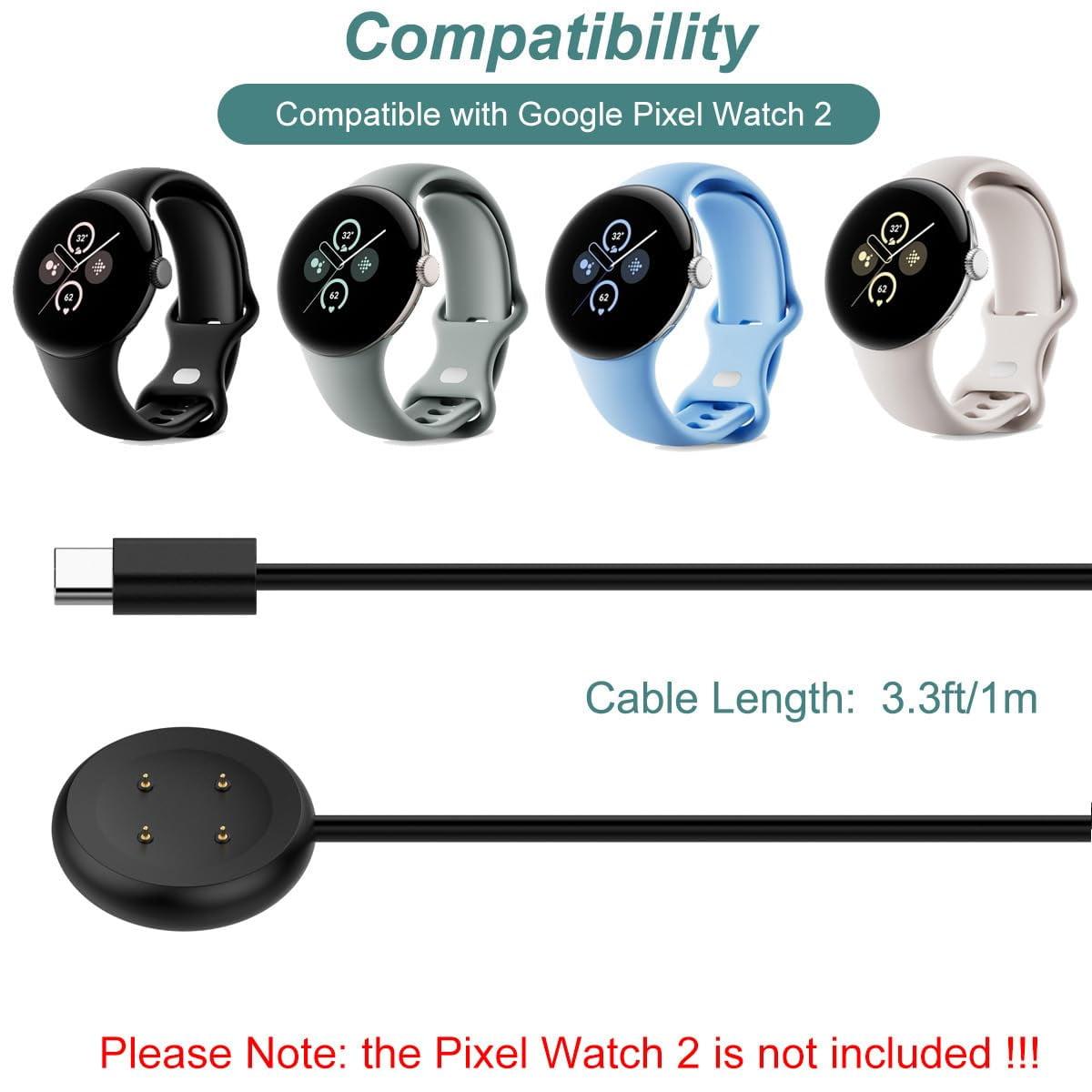
The Pixel Watch 2 embraces traditional watch aesthetics with its circular design and domed glass construction. The 100% recycled aluminum case feels substantial without being heavy, and the circular form factor appeals to users who prefer watches that look like conventional timepieces from a distance.
Both devices achieve 50-meter water resistance suitable for swimming and water sports, with similar dust resistance ratings. The choice between designs ultimately comes down to personal preference: rectangular for maximum functionality and modern aesthetics, or circular for traditional watch appearance and broader style compatibility.
The pricing landscape at the time of writing creates an interesting value comparison. The Apple Watch Series 10 commands premium pricing as Apple's current flagship, reflecting its position as the most advanced smartwatch available with cutting-edge health features and the latest technology innovations.
The Pixel Watch 2 has seen significant price reductions since launch, positioning it as exceptional value for premium smartwatch features. This pricing makes it competitive with basic fitness trackers while offering full smartwatch functionality, comprehensive health monitoring, and Fitbit's established fitness ecosystem.
However, long-term ownership costs differ significantly. The Apple Watch Series 10 includes most features without ongoing subscriptions, though some advanced Fitness+ content requires optional monthly fees. Apple typically supports devices with software updates for 5+ years, ensuring long-term functionality and security.
The Pixel Watch 2 requires Fitbit Premium for advanced health analytics, detailed sleep insights, guided workouts, and personalized coaching after the initial free trial. This ongoing subscription cost should factor into total ownership calculations, potentially adding significant expense over the device's lifespan.
Choose the Apple Watch Series 10 if you own an iPhone and prioritize cutting-edge health monitoring, particularly the FDA-approved sleep apnea detection feature. The larger display, superior performance, cellular independence, and extensive app ecosystem justify the premium pricing for users who want the most advanced smartwatch experience available.
The device particularly appeals to users who value Apple's ecosystem integration, need reliable cellular connectivity for workouts or outdoor activities, or have specific health monitoring requirements that benefit from the most advanced sensors and medical features.
Choose the Pixel Watch 2 if you own an Android phone and prioritize exceptional value, longer battery life, and comprehensive fitness coaching. The significant price reduction makes it an outstanding choice for users who want premium smartwatch features without premium pricing, especially those who appreciate Fitbit's established health and fitness ecosystem.
The circular design appeals to users who prefer traditional watch aesthetics, while the longer battery life provides peace of mind for heavy users or those who occasionally forget charging routines.
The decision ultimately comes down to smartphone ecosystem compatibility first, then balancing your priorities between cutting-edge features and exceptional value. Both devices deliver premium smartwatch experiences within their respective ecosystems—the Apple Watch Series 10 pushing technological boundaries while the Pixel Watch 2 offers remarkable value for comprehensive smartwatch functionality.
| Apple Watch Series 10 GPS + Cellular 42mm Aluminum Smartwatch | Google Pixel Watch 2 Smartwatch |
|---|---|
| Display Size & Technology - Directly impacts usability and readability | |
| 1.89" LTPO3 OLED, 374x446 pixels, up to 2000 nits brightness | 1.2" AMOLED, 450x450 pixels, up to 1000 nits brightness |
| Battery Life - Determines charging frequency and convenience | |
| 18 hours typical use, ultra-fast charging (80% in 30 min) | 24+ hours typical use, standard charging (100% in 75 min) |
| Processor & Performance - Affects app speed and responsiveness | |
| Apple S10 SiP with Neural Engine, 1GB RAM | Qualcomm Snapdragon W5 Gen 1, 2GB RAM |
| Health Monitoring - Advanced features beyond basic fitness tracking | |
| FDA-approved sleep apnea detection, ECG, temperature sensor, blood oxygen (disabled in US) | Multipath heart rate sensor, cEDA stress detection, skin temperature, ECG |
| Ecosystem Compatibility - Non-negotiable requirement based on your phone | |
| iPhone only (iOS integration required) | Android phones only (Android 9.0+ required) |
| Cellular Connectivity - Independence from your smartphone | |
| Full LTE independence included (calls, messages, streaming without phone) | LTE available in select models (likely GPS-only at current pricing) |
| Case Size & Weight - Comfort and fit considerations | |
| 42mm case, 29.3g, 9.7mm thick (10% thinner than previous models) | 41mm case, 31g, 12.3mm thick |
| Storage Capacity - Apps, music, and offline content | |
| 64GB (more space for apps and media) | 32GB (adequate for basic use) |
| Water Resistance - Swimming and water sports capability | |
| 50 meters, depth gauge up to 6m, water temperature sensor | 50 meters, basic swim tracking |
| App Ecosystem - Third-party software availability and quality | |
| Extensive App Store with thousands of optimized apps | Growing Wear OS selection, fewer premium apps |
| Subscription Requirements - Ongoing costs for full functionality | |
| Most features included, optional Fitness+ subscription | Fitbit Premium required for advanced health features after free trial |
| Voice Assistant - On-device vs cloud-based processing | |
| Siri with on-device processing (works offline) | Google Assistant (requires internet connection) |
| Design Philosophy - Traditional vs modern smartwatch aesthetics | |
| Rectangular, modern tech appearance, larger display area | Circular, traditional watch appearance, classic styling |
The Apple Watch Series 10 is the only option for iPhone users, as it requires iOS for full functionality. The Google Pixel Watch 2 is exclusively designed for Android phones and won't work with iPhones. Apple's tight ecosystem integration provides seamless features like Handoff, Universal Clipboard, and automatic device syncing that make the Apple Watch Series 10 the clear choice for iOS users.
The Google Pixel Watch 2 offers superior battery life with 24+ hours of typical use compared to the Apple Watch Series 10's 18-hour rating. However, the Apple Watch Series 10 compensates with ultra-fast charging that provides 8 hours of use with just 8 minutes of charging, making it more convenient for quick top-ups.
Both devices provide excellent fitness tracking accuracy. The Apple Watch Series 10 excels with precise GPS tracking and comprehensive workout detection, while the Google Pixel Watch 2 features an improved multipath heart rate sensor that's up to 40% more accurate during vigorous exercise. The choice depends on whether you prioritize Apple's comprehensive data or Fitbit's coaching features.
The Apple Watch Series 10 offers a significantly larger 1.89-inch display with 2000 nits brightness compared to the Google Pixel Watch 2's 1.2-inch screen with 1000 nits. The larger Apple display provides more usable space and better outdoor visibility, while the Pixel Watch's circular design appeals to users who prefer traditional watch aesthetics.
The Apple Watch Series 10 GPS + Cellular includes full LTE connectivity for independent calling, messaging, and data usage without an iPhone. The Google Pixel Watch 2 also offers cellular models, but availability and pricing vary by region and carrier.
The Apple Watch Series 10 includes FDA-approved sleep apnea detection, a potentially life-saving feature not available on the Google Pixel Watch 2. However, the Pixel Watch offers unique stress monitoring through continuous electrodermal activity sensors and comprehensive Fitbit health analytics, though advanced features require a subscription.
The Google Pixel Watch 2 is specifically designed for Android phones and won't work with iPhones. It provides excellent integration with Google services like Gmail, Maps, and Calendar. The Apple Watch Series 10 requires an iPhone and offers no Android compatibility.
The Apple Watch Series 10 benefits from a mature App Store with thousands of optimized watchOS applications. The Google Pixel Watch 2 runs Wear OS with a growing but smaller app selection. Apple's ecosystem generally offers higher-quality third-party apps and more developer support.
The Apple Watch Series 10 features ultra-fast charging that reaches 80% in about 30 minutes and provides 8 hours of battery life with just 8 minutes of charging. The Google Pixel Watch 2 requires about 75 minutes for a full charge, making the Apple Watch more convenient for quick charging sessions.
The Apple Watch Series 10 offers superior swimming features with a depth gauge (up to 6 meters), water temperature sensor, and automatic stroke detection. While the Google Pixel Watch 2 is also swim-proof with 50-meter water resistance, it lacks the specialized swimming sensors found in the Apple Watch.
Value depends on your needs and budget. The Google Pixel Watch 2 often offers exceptional value due to frequent price reductions, providing premium features at competitive pricing. The Apple Watch Series 10 commands premium pricing but includes cutting-edge health features and the most advanced smartwatch technology available.
The Apple Watch Series 10 includes most features without ongoing subscriptions, though some advanced Fitness+ content is optional. The Google Pixel Watch 2 requires a Fitbit Premium subscription for advanced health analytics, detailed sleep insights, and personalized coaching after the initial free trial period.
We've done our best to create useful and informative comparisons to help you decide what product to buy. Our research uses advanced automated methods to create this comparison and perfection is not possible - please contact us for corrections or questions. These are the sites we've researched in the creation of this article: bestbuy.com - wareable.com - wareable.com - appleinsider.com - youtube.com - youtube.com - youtube.com - apple.com - dcrainmaker.com - dcrainmaker.com - apple.com - apple.com - forums.macrumors.com - gethegoods.com - appleinsider.com - apple.com - support.apple.com - apple.com - en.wikipedia.org - cellcom.com - youtube.com - walmart.com - youtube.com - apple.com - bestbuy.com - apple.com - youtube.com - apple.com - verizon.com - apple.com - apple.com - youtube.com - costco.com - bestbuy.com - t-mobile.com - talk.tidbits.com - support.apple.com - gci.com - att.com - tomsguide.com - tomsguide.com - tomsguide.com - phonearena.com - smartwatch-straps.co.uk - youtube.com - 6monthslater.net - petematheson.com - support.google.com - wareable.com - versus.com - verizon.com - youtube.com - youtube.com - androidpolice.com - techgearlab.com - wareable.com - androidcentral.com - blog.google - support.google.com - youtube.com - en.wikipedia.org - store.google.com - gsmarena.com - fi.google.com

Privacy Policy
Terms and Conditions - Affiliate Policy
Home Security
© Copyright 2008-2026.
11816 Inwood Rd #1211, Dallas, TX 75244