

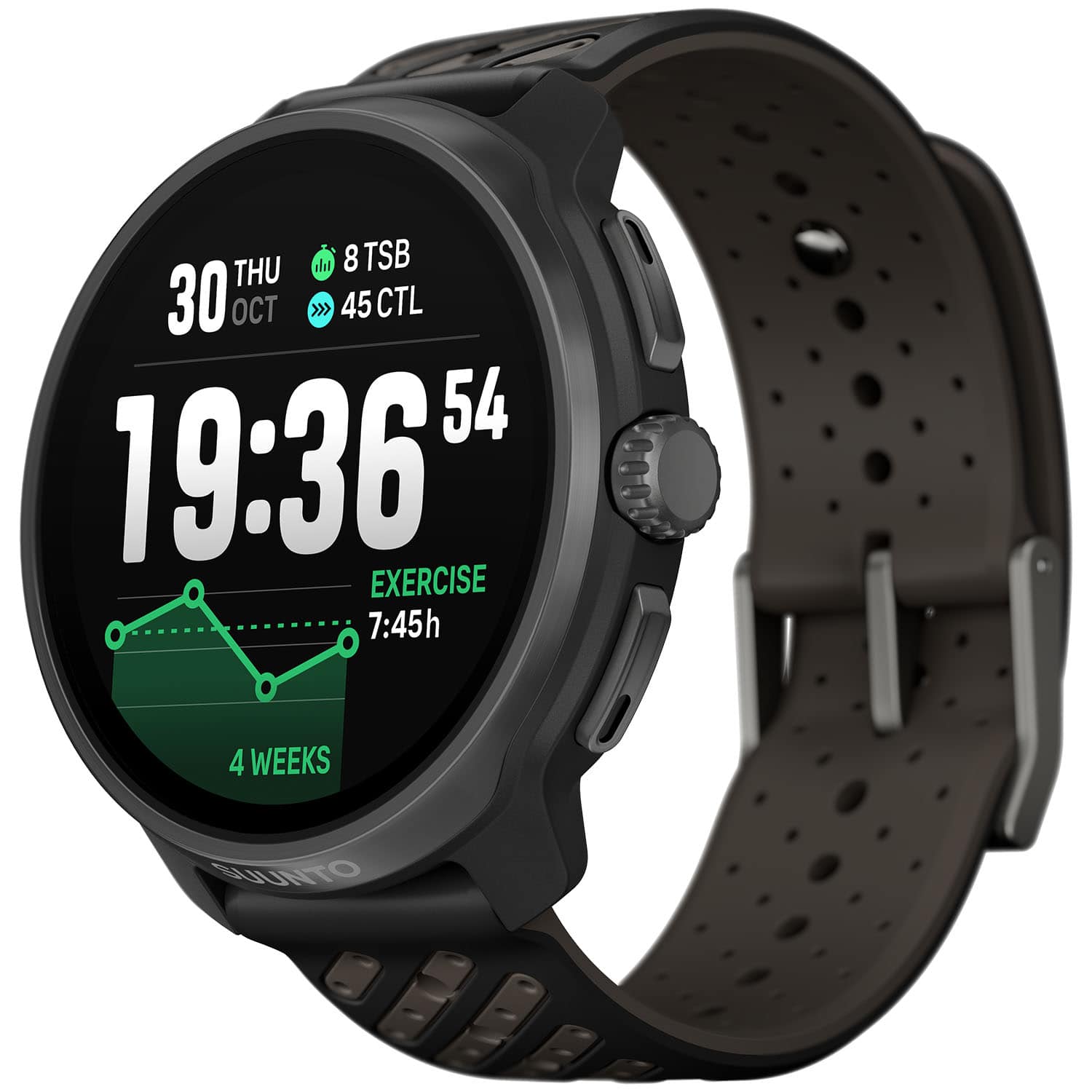
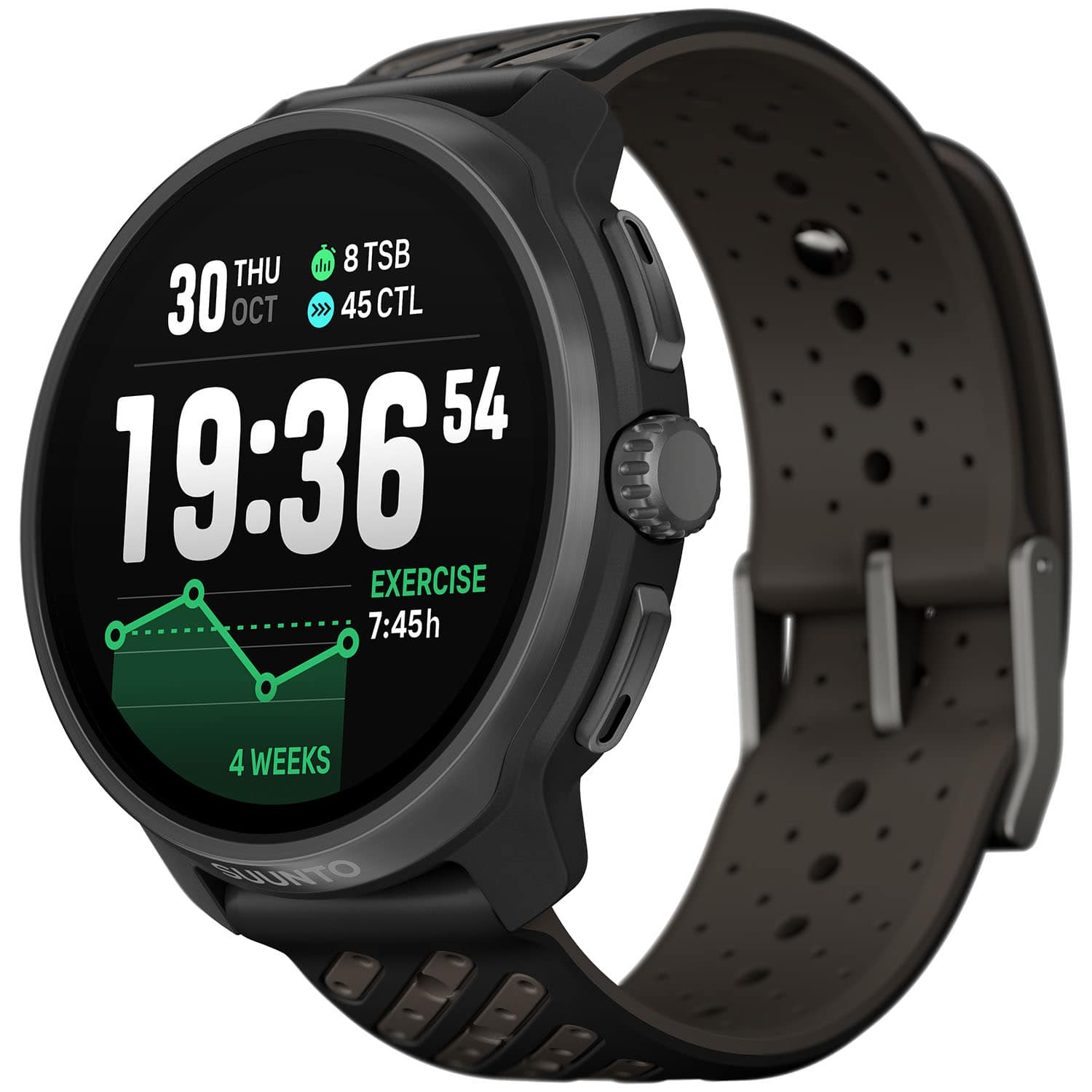
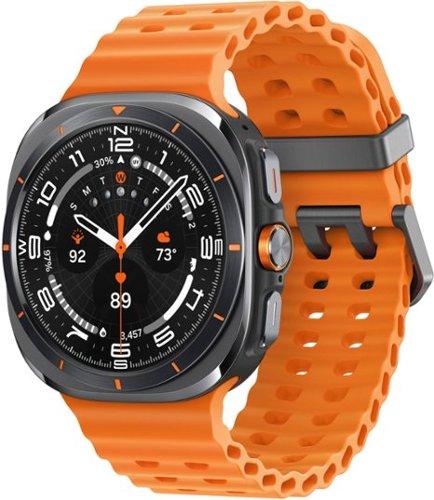
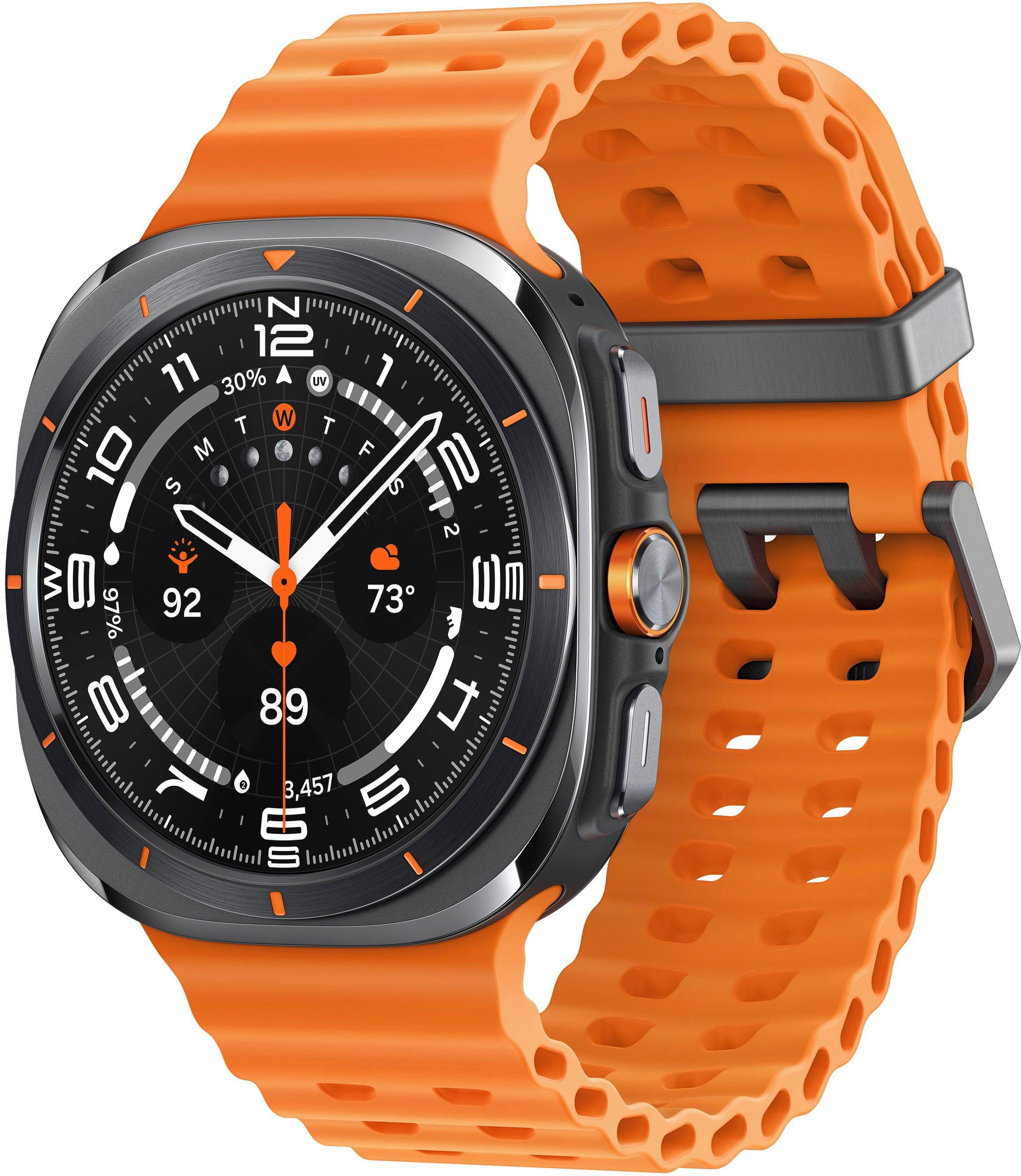
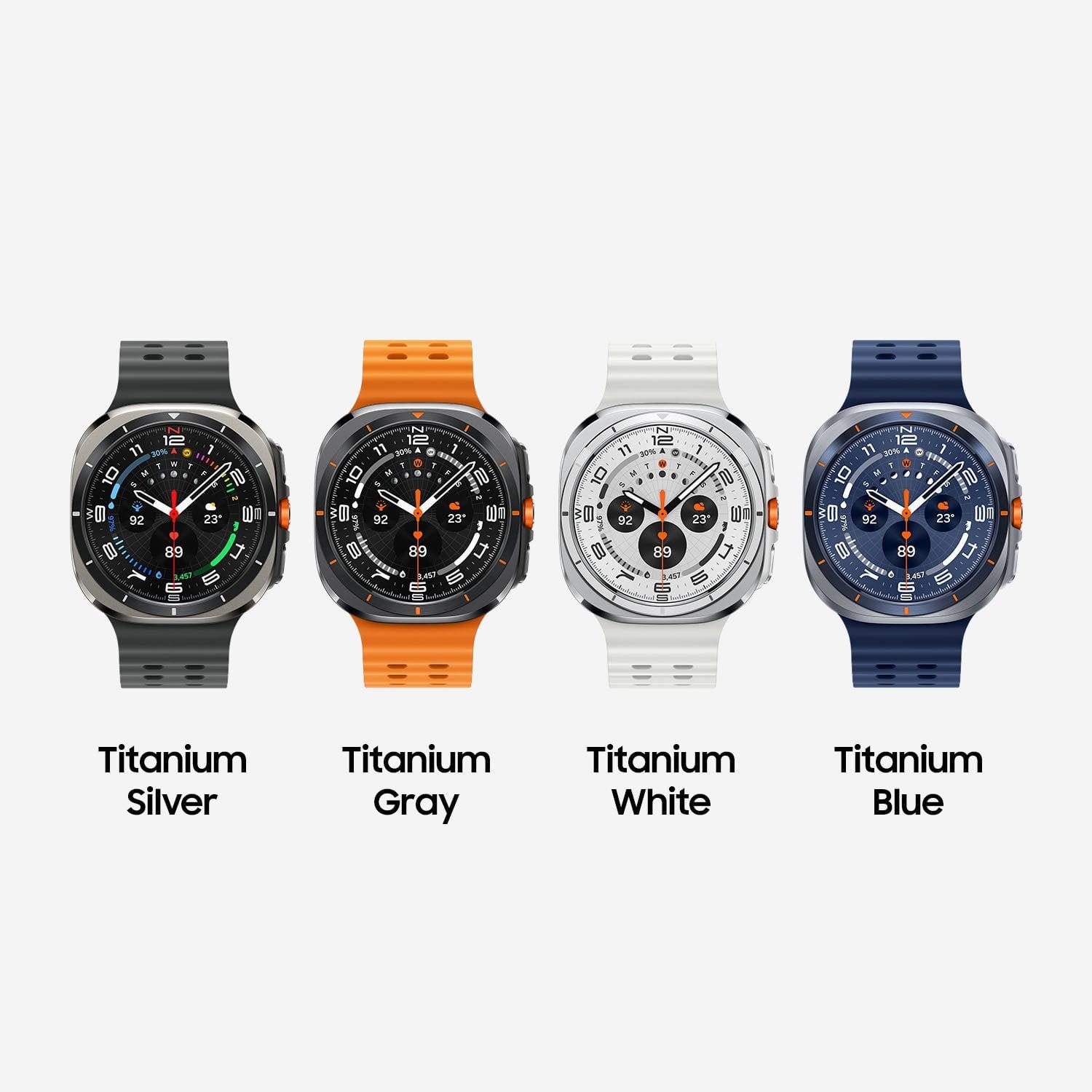
The world of premium wearables has split into two fascinating camps, and understanding the difference could save you hundreds of dollars and months of regret. On one side, you have laser-focused sports watches like the Suunto Race 2 Titanium, designed specifically for athletes who need maximum GPS accuracy and battery life. On the other, rugged smartwatches like the Samsung Galaxy Watch Ultra 2025 try to be everything to everyone—full smartphone integration packed into a case tough enough for extreme adventures.
This isn't just about picking features from a spec sheet. It's about understanding two completely different philosophies for what a watch should do, and which approach actually serves your daily life better.
Think of it this way: sports watches are like Formula 1 race cars—every component optimized for one specific purpose. Rugged smartwatches are more like military jeeps—built to handle anything you throw at them while carrying a full load of gear. Both can get you where you're going, but the experience and capabilities are worlds apart.
The Suunto Race 2 Titanium, released in 2025, represents the latest evolution of Finnish engineering focused purely on athletic performance. Suunto spent decades perfecting GPS accuracy and battery optimization for outdoor athletes, and this watch reflects that singular focus. Meanwhile, the Samsung Galaxy Watch Ultra 2025, building on Samsung's 2024 Ultra platform, embodies the Korean tech giant's approach: pack advanced connectivity, AI-powered health insights, and smartphone-level processing into a case tough enough for military use.
The fundamental question isn't which is "better"—it's which philosophy matches how you actually live and train. Let's dig into what that means in practice.
GPS performance separates serious sports watches from smartwatch pretenders, and the technical differences are dramatic. The Suunto Race 2 Titanium delivers 55 hours of dual-frequency GPS tracking, meaning it uses both L1 and L5 satellite bands for enhanced accuracy. This isn't marketing fluff—dual-frequency GPS (sometimes called multi-band) dramatically improves precision in challenging environments like urban canyons or dense forest canopy where satellite signals bounce off buildings or get blocked by trees.
Here's what that 55-hour number actually means: you could track a multi-day ultra-marathon, a weekend backpacking trip, or an entire week of daily training runs without charging. Real-world testing from outdoor enthusiasts shows the Suunto Race 2 maintaining excellent accuracy even in mountain terrain, with distance measurements within 1% of surveyed routes over hundreds of miles.
The Samsung Galaxy Watch Ultra also features dual-frequency GPS with comprehensive satellite system support (GPS, GLONASS, Galileo, BeiDou), but its approach prioritizes balanced performance over maximum endurance. In Exercise Power Saving mode, it manages 48 hours of GPS tracking—still impressive, but clearly optimized for different use patterns. Samsung's focus on the broader smartwatch experience means GPS battery life takes a backseat to features like always-on displays, notifications, and app processing.
For serious endurance athletes, that 7-hour difference (55 vs 48 hours) isn't trivial. It's the difference between confidently starting a 100-mile trail race and worrying about battery management during your biggest athletic challenge of the year. But for most recreational users who rarely exceed 4-6 hour adventures, both watches provide more than adequate GPS endurance.
The accuracy story is more nuanced. Both watches use similar satellite systems and dual-frequency technology, but the Suunto Race 2 benefits from years of Suunto's GPS algorithm refinement specifically for outdoor sports. Previous Suunto models had well-documented GPS accuracy issues, but the Race 2 represents a significant improvement, with field testing showing distance measurements consistently within acceptable margins for competitive athletes.
Health tracking reveals another philosophical divide. The Suunto Race 2 Titanium features a completely redesigned optical heart rate sensor—essentially LED lights and photodetectors that measure blood flow changes through your skin. Suunto's previous heart rate accuracy was problematic, making this upgrade crucial for the watch's credibility with serious athletes.
The redesigned sensor addresses the core challenge of optical heart rate monitoring: maintaining accuracy during intense movement, temperature changes, and varying skin conditions. Based on user reports, the new sensor shows significant improvement in steady-state activities like distance running, though interval training and cycling still present challenges—common issues across all optical heart rate monitors.
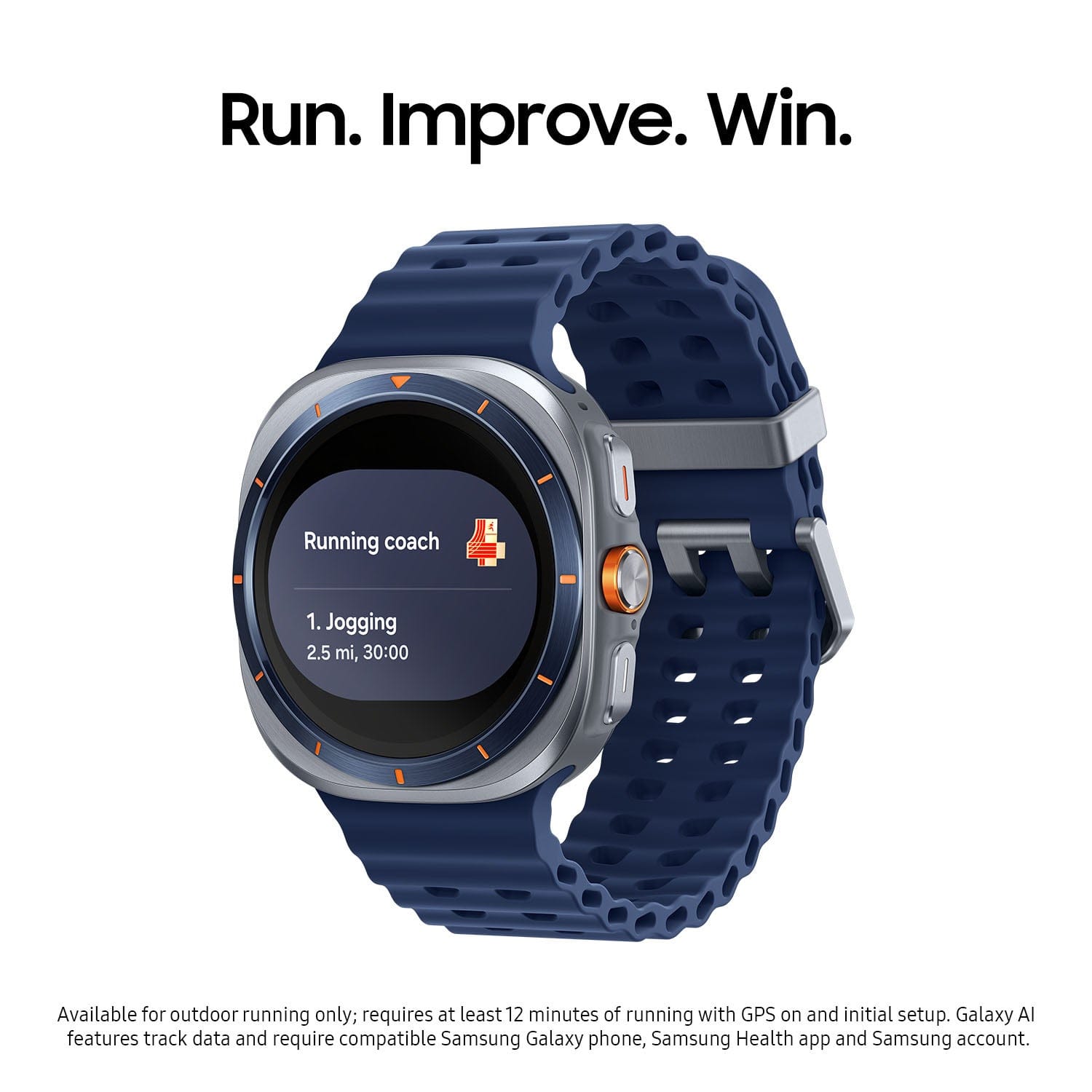
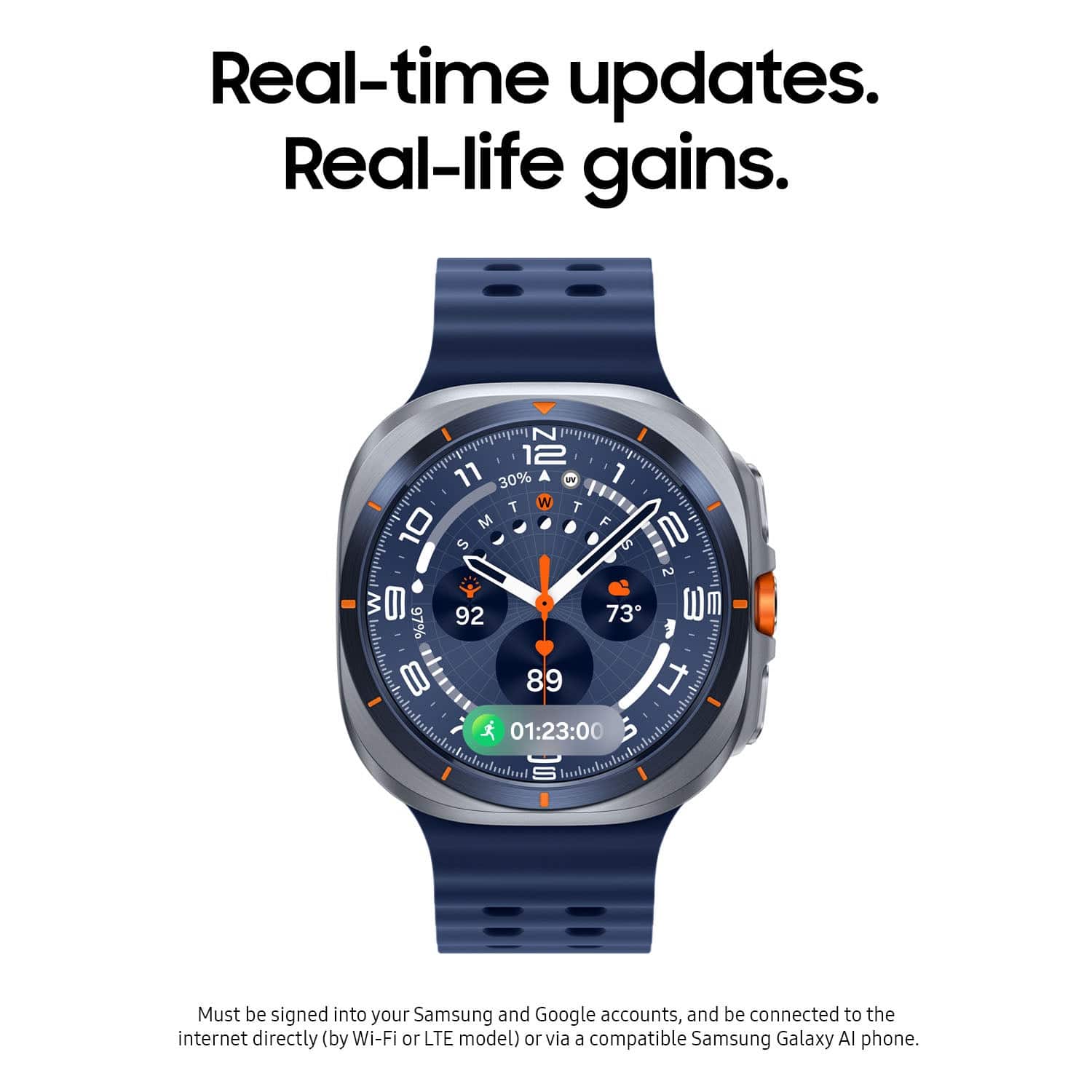
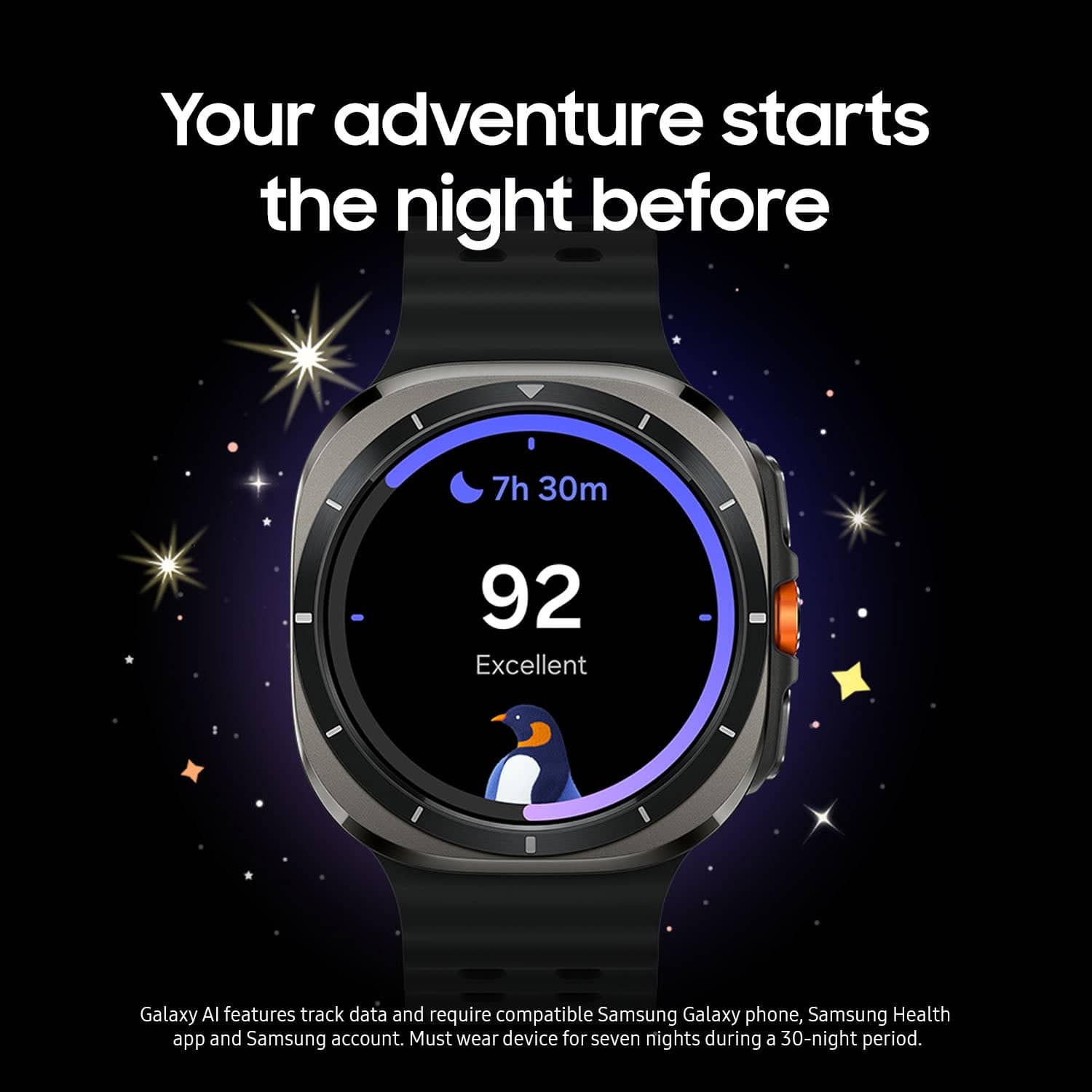
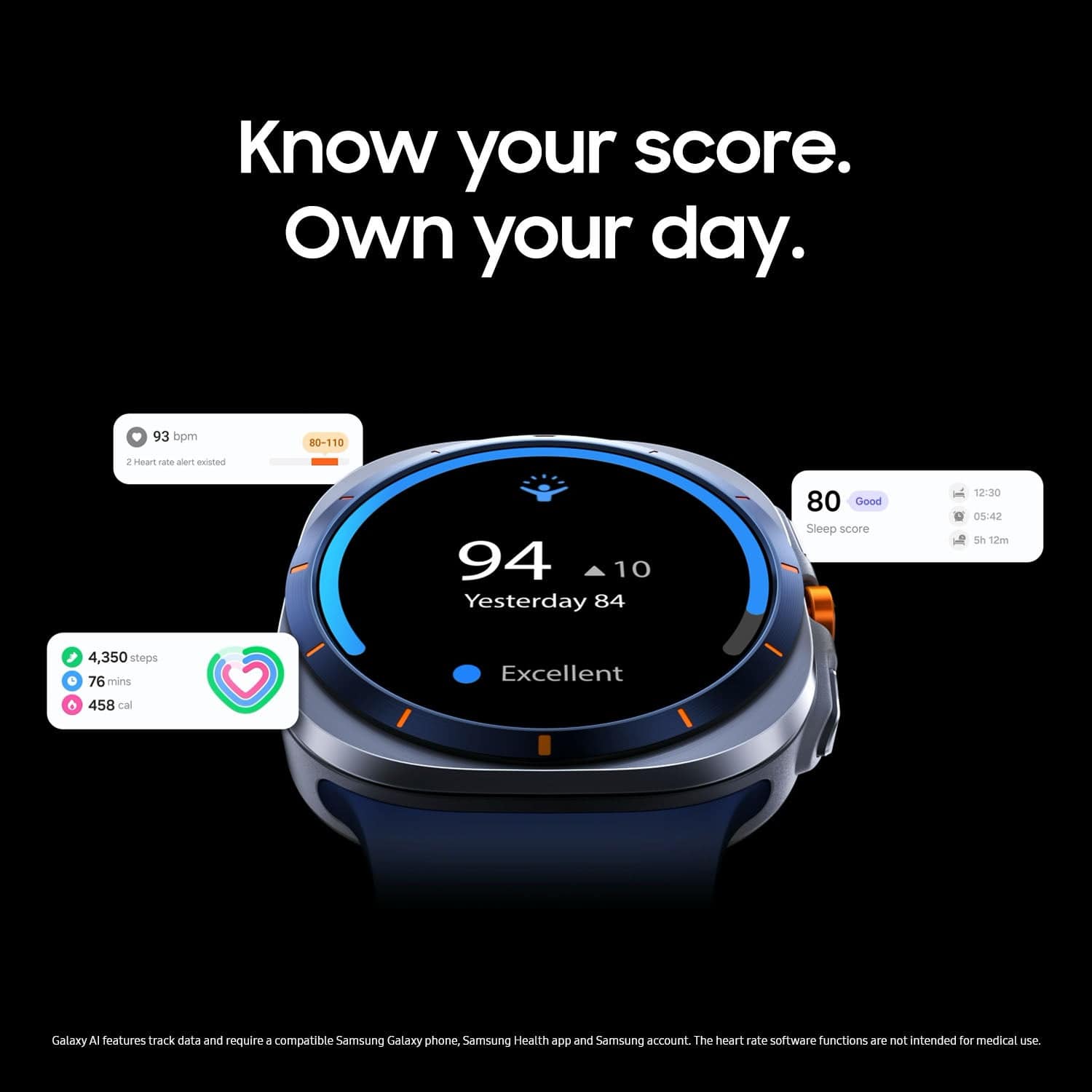
The Samsung Galaxy Watch Ultra takes a completely different approach with its BioActive Sensor technology. Think of this as a health monitoring Swiss Army knife: optical heart rate, electrocardiogram (ECG) for heart rhythm analysis, bioelectrical impedance for body composition, SpO2 for blood oxygen levels, and even skin temperature monitoring. The Galaxy AI integration then processes this data to provide intelligent insights about your health trends, recovery status, and personalized recommendations.
This is where the philosophical difference becomes clear. Suunto focuses on accuracy for athletic performance metrics—heart rate zones during training, recovery between intervals, lactate threshold estimation. Samsung emphasizes comprehensive health monitoring with AI-powered interpretation—detecting irregular heart rhythms, tracking long-term health trends, providing personalized coaching based on your complete health picture.
For competitive athletes, the Suunto approach makes more sense. You need heart rate accuracy during specific training sessions more than broad health insights. For general health monitoring and lifestyle tracking, Samsung's comprehensive sensor suite and AI analysis provide more actionable information about your overall wellbeing.
Both watches feature 1.5-inch AMOLED displays, but their optimization reveals different priorities. The Suunto Race 2 Titanium achieves 2,000 nits of brightness—among the brightest available on any smartwatch. This might seem like overkill until you're trying to read your pace during a noon summer run or navigate mountain trails in blazing alpine sunshine.
AMOLED technology offers perfect blacks and vibrant colors by lighting individual pixels, but traditionally comes with higher battery consumption. Suunto addresses this with LTPO (Low Temperature Polycrystalline Oxide) technology, which dynamically adjusts refresh rates based on content. When displaying static information like your current pace, the refresh rate drops dramatically to preserve battery. When scrolling through menus, it increases for smooth responsiveness.
The Samsung Galaxy Watch Ultra also uses Super AMOLED technology with sapphire crystal protection, but optimizes for different use cases. The display emphasizes touch responsiveness and color accuracy for app interactions, notification reading, and media consumption. While Samsung doesn't publish exact brightness specifications, their displays typically perform well in outdoor conditions, though likely not matching Suunto's extreme 2,000-nit peak.
Here's where your use case matters: if you primarily exercise outdoors in bright conditions and need to quickly glance at data during activities, Suunto's extreme brightness provides a real advantage. If you use your watch throughout the day for various tasks and want the best overall display experience, Samsung's balanced approach makes more sense.
Battery life represents the clearest difference between these approaches. The Suunto Race 2 Titanium achieves 16 days in smartwatch mode and that remarkable 55-hour GPS endurance through aggressive optimization. Every component is tuned for efficiency: the processor runs at minimal speeds during basic functions, the display uses LTPO technology to reduce refresh rates, and non-essential features are limited to preserve power for athletic functions.
This creates an interesting trade-off. You get exceptional battery life for the functions that matter most to athletes (GPS tracking, heart rate monitoring, basic notifications), but sacrifice features that consume more power (music storage, extensive app processing, always-on connectivity).
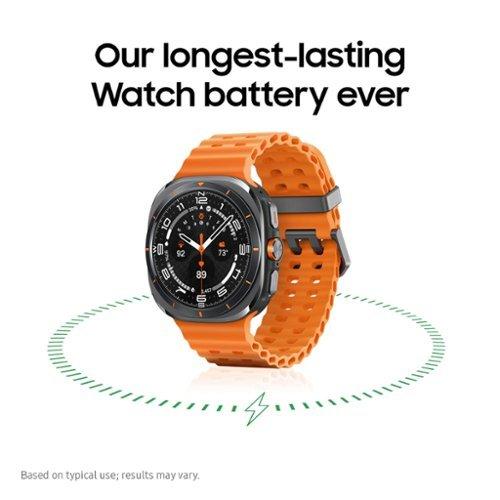
The Samsung Galaxy Watch Ultra manages battery differently with a 590mAh cell that delivers up to 100 hours in Power Saving mode. This sounds impressive until you understand what Power Saving mode actually means—essentially turning the watch into a basic timepiece with minimal smart features. In normal use with notifications, always-on display, and regular app usage, expect significantly shorter battery life.
The 48-hour Exercise Power Saving mode is more relevant for athletic use, providing GPS tracking with reduced smartphone connectivity and display brightness. This approach gives you flexibility: full smartwatch functionality when you need it, extended battery life when you prioritize outdoor activities.
For multi-day adventures, both watches can work, but require different strategies. The Suunto Race 2 lets you maintain full GPS functionality for the entire trip. The Samsung Galaxy Watch Ultra requires more battery management—perhaps using Power Saving mode between activities and full functionality when needed.
Both watches use premium materials, but with different durability philosophies. The Suunto Race 2 Titanium uses Grade 5 titanium—an aerospace-grade alloy that's significantly lighter and more corrosion-resistant than stainless steel. At 65 grams including the strap, it's built for comfort during extended athletic activities. The 12.5mm thickness and refined case design reduce bulk while maintaining structural integrity.
Sapphire crystal protection adds scratch resistance that's particularly important for outdoor sports where branches, rocks, and gear contact are common. The 100-meter water resistance handles swimming, snorkeling, and most water sports, though it's not rated for serious diving.
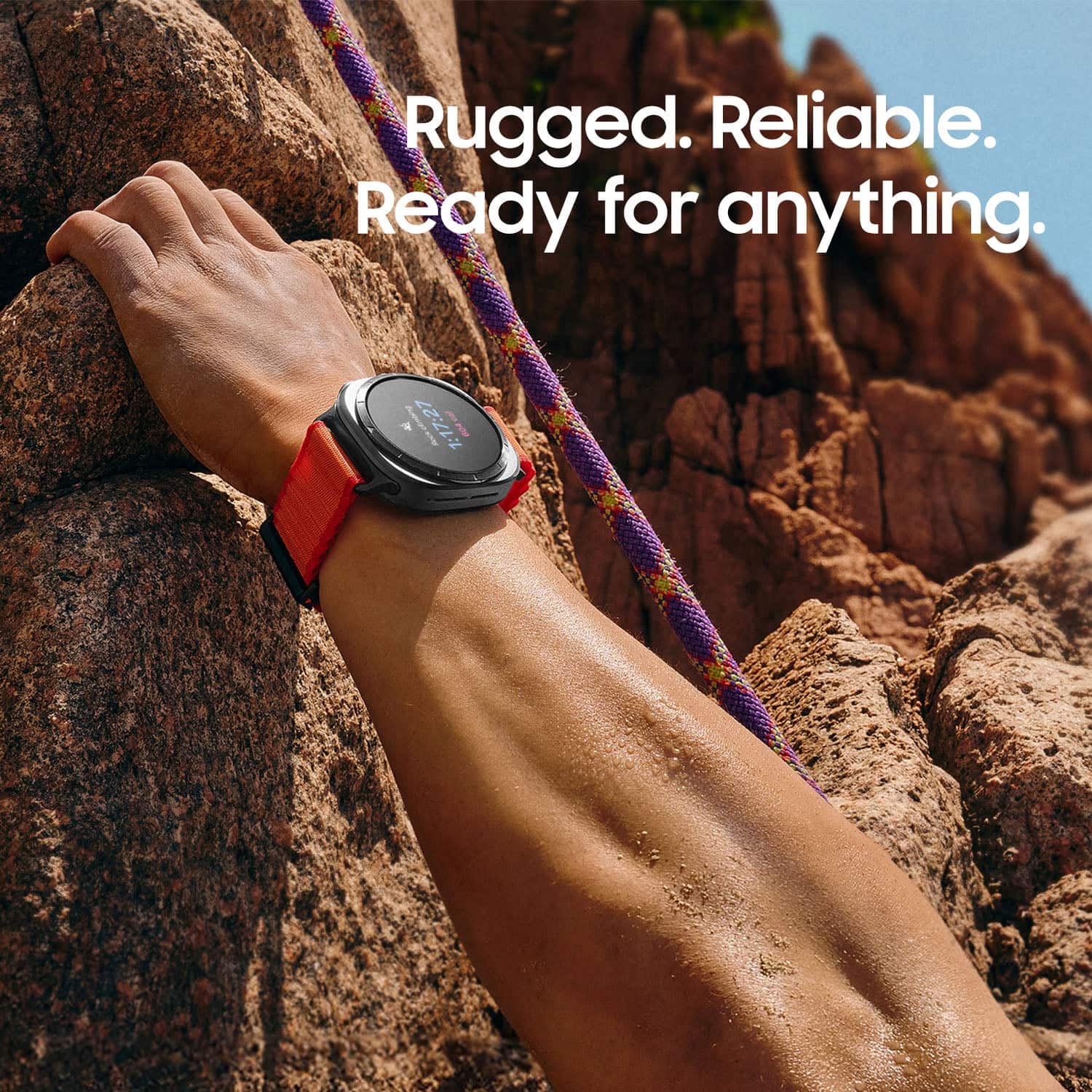
The Samsung Galaxy Watch Ultra uses Grade 4 titanium with a ceramic back and weighs just 60.5 grams—slightly lighter despite packing more technology. But the real differentiator is MIL-STD-810H certification, a series of military durability tests covering temperature extremes, altitude, shock, vibration, and humidity resistance.
This certification means the watch has been tested to function at temperatures up to 55°C (131°F), altitudes up to 9,000 meters, and various impact scenarios that would destroy typical consumer electronics. The 10 ATM water resistance matches the Suunto Race 2, but the broader environmental testing suggests better reliability in extreme conditions.
For most users, both watches offer more durability than necessary. The choice comes down to whether you value the refined, sport-optimized design of the Suunto Race 2 or the comprehensive environmental certification of the Samsung Galaxy Watch Ultra.
This is where the philosophical divide becomes a practical chasm. The Suunto Race 2 Titanium offers basic Bluetooth connectivity for phone pairing, sensor connections (heart rate straps, power meters), and data syncing. It handles essential notifications and provides weather updates, but stops there. No music storage, no mobile payments, no app ecosystem.
This limitation is intentional. Suunto's research shows that additional connectivity features often distract from athletic performance and drain battery life. By keeping connectivity focused on training-essential functions, they preserve battery life and maintain the simplified interface that athletes prefer during activities.
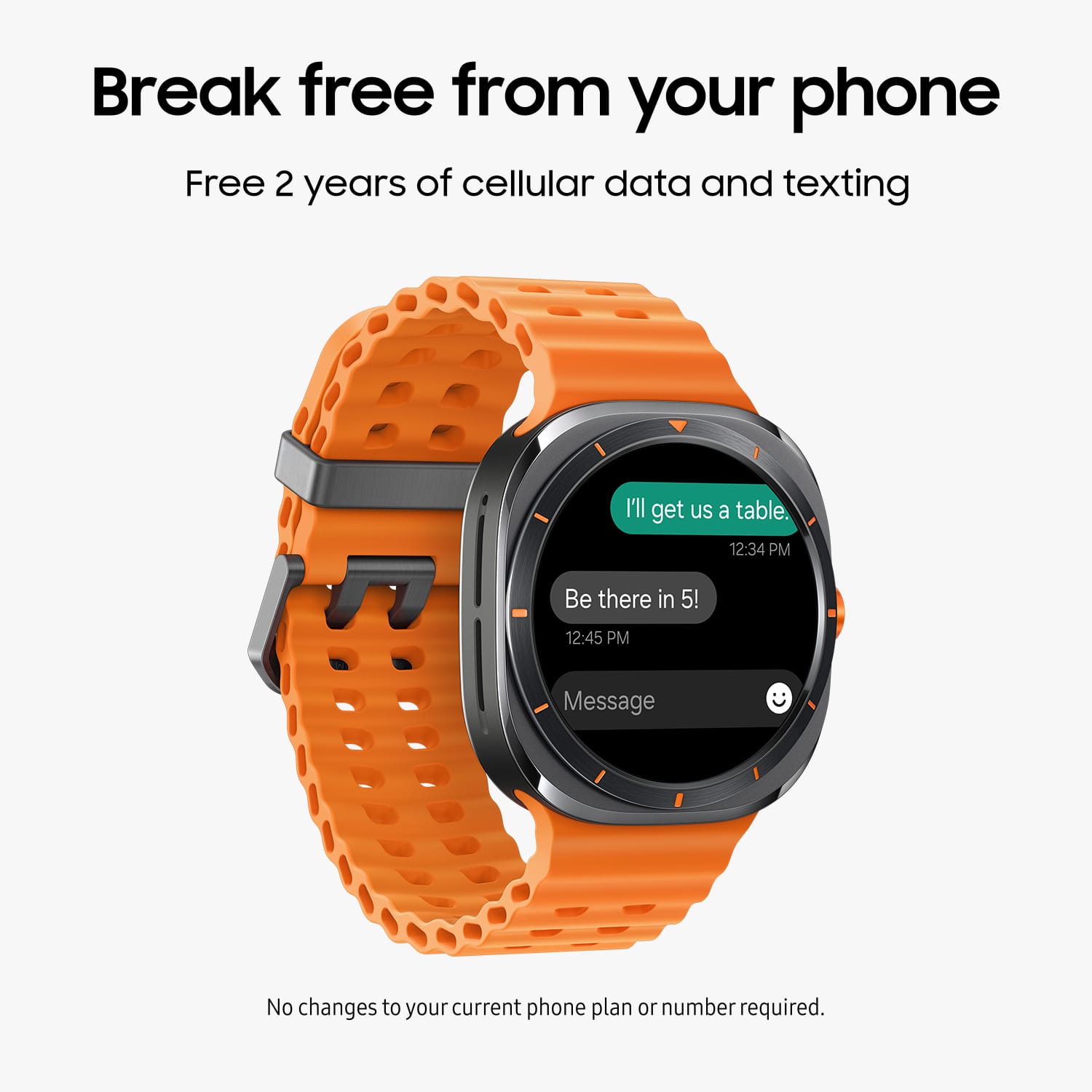
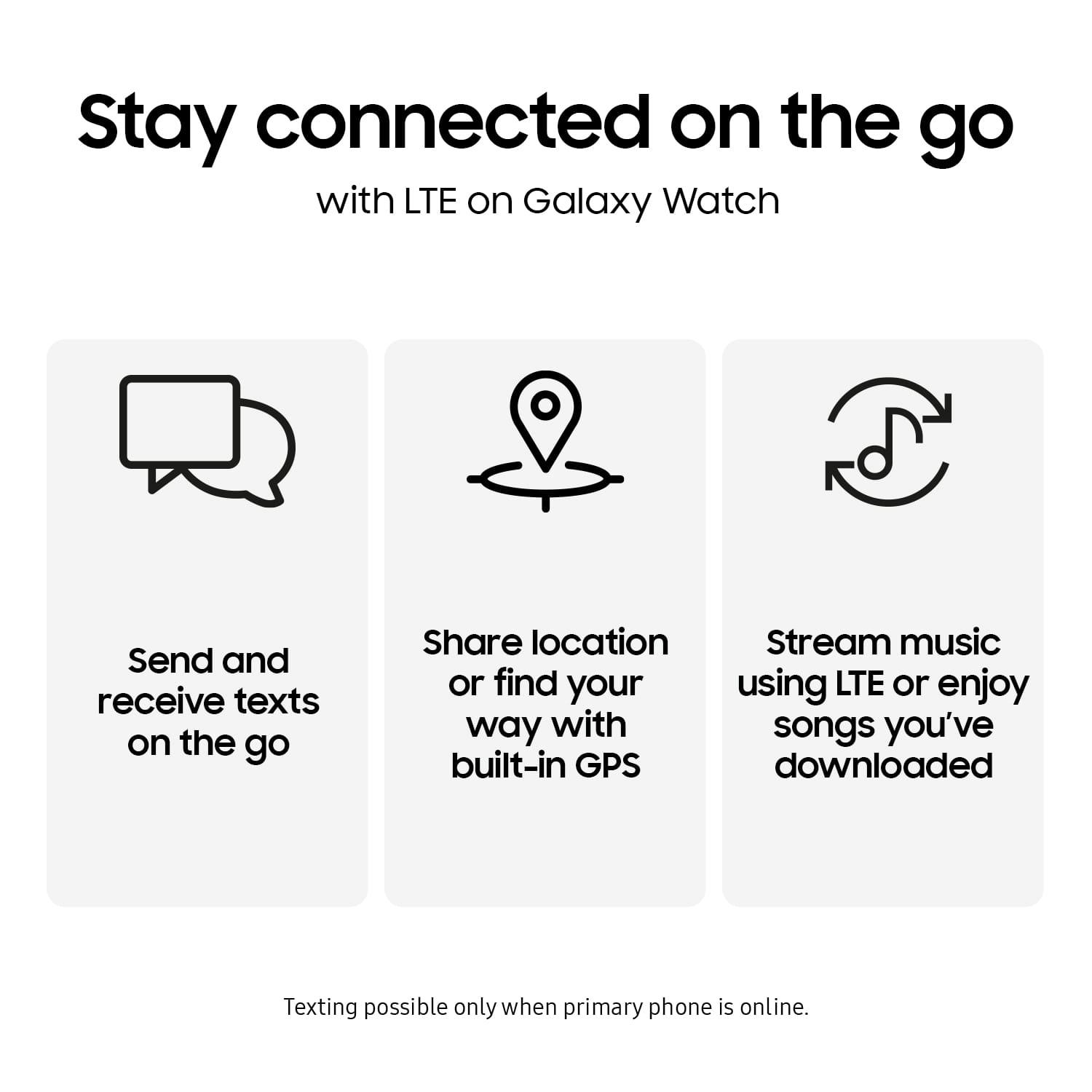
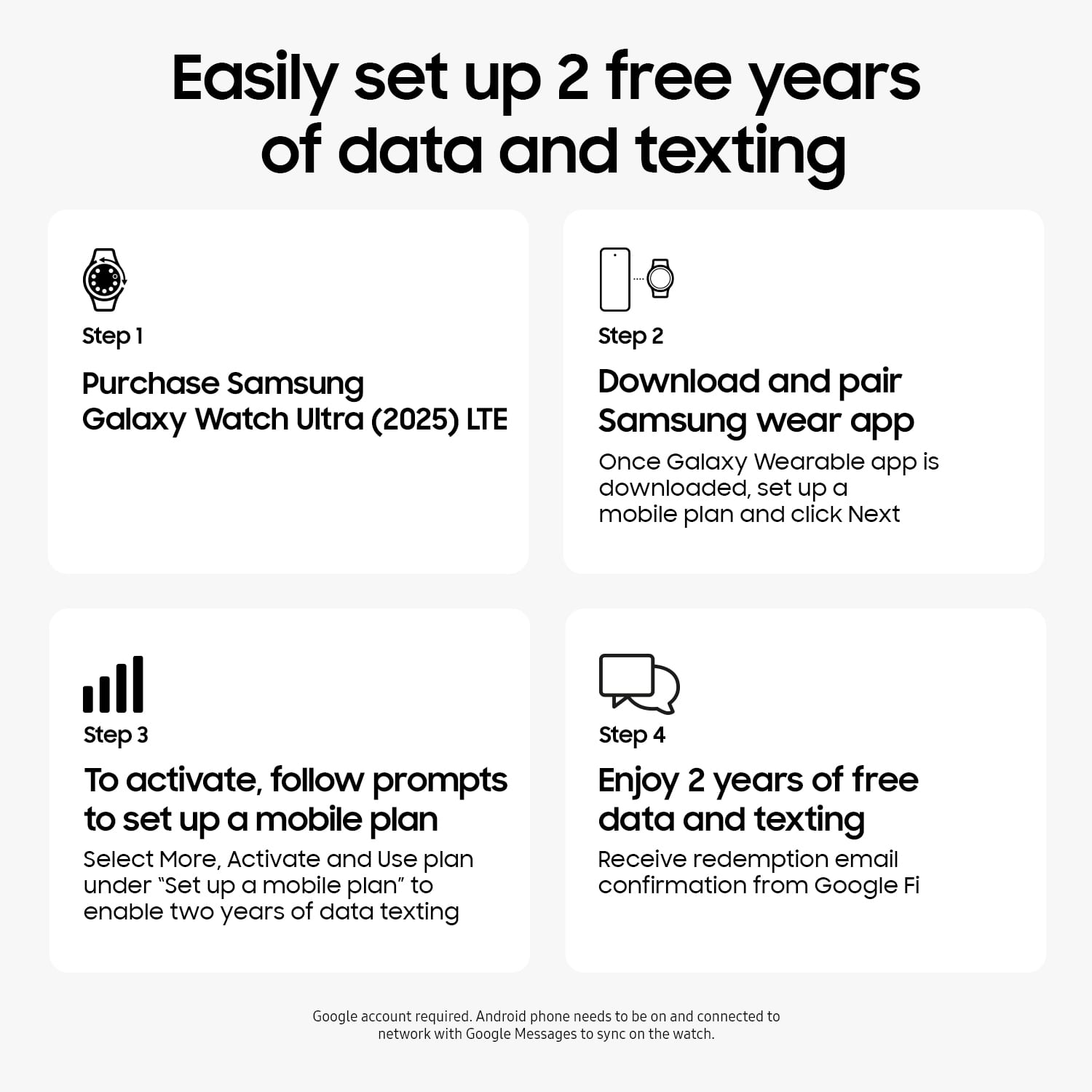
The Samsung Galaxy Watch Ultra embraces full smartwatch connectivity with LTE capability, meaning it can function independently of your smartphone. You can make calls, send messages, stream music, and access apps without carrying your phone. The Wear OS platform provides access to thousands of apps, while Galaxy AI integration offers intelligent health insights and personalized recommendations.
This comprehensive connectivity comes with trade-offs beyond battery life. The interface becomes more complex, with multiple ways to access various functions. During athletic activities, this complexity can be overwhelming when you just need to check your current pace or heart rate zone.
The 64GB of storage (with 50GB available) allows extensive music libraries, offline maps, and app installations. For users who want a single device that handles all their technology needs, this approach makes sense. For focused athletic training, it may be overkill.
Both watches introduce interesting technical innovations worth understanding. The Suunto Race 2 Titanium features a completely new processor architecture with significantly increased memory and processing speed compared to previous Suunto models. This foundation enables future software updates and more responsive user interfaces—addressing long-standing complaints about sluggish Suunto performance.
The multi-sensor pairing capability allows simultaneous connections to heart rate straps, power meters, and other training devices—essential for serious cyclists and triathletes who use multiple data sources. Voice guidance support through Suunto Wing 2 headsets provides audio feedback during training without requiring smartphone connectivity.
The Samsung Galaxy Watch Ultra showcases Samsung's cutting-edge Exynos W1000 processor, built on advanced 3nm manufacturing technology. This represents the most powerful processing available in a smartwatch, enabling complex AI calculations directly on the device rather than relying on cloud processing.
The BioActive Sensor technology deserves special attention—it's essentially a miniaturized medical device capable of multiple simultaneous health measurements. The electrocardiogram function can detect irregular heart rhythms that might indicate serious cardiac issues, while bioelectrical impedance analysis provides body composition data typically requiring dedicated scales.
At the time of writing, both watches command premium pricing that reflects their specialized engineering and premium materials. The Suunto Race 2 Titanium positions itself in the high-end sports watch market, competing with dedicated training devices rather than general smartwatches. The Samsung Galaxy Watch Ultra sits at the top of Samsung's smartwatch lineup, priced comparably to other flagship wearables with similar connectivity and processing capabilities.
Value assessment depends entirely on your priorities. If you're a serious endurance athlete who needs maximum GPS accuracy and battery life, the Suunto Race 2 delivers specialized performance that justifies its premium positioning. The 55-hour GPS battery life alone could be worth the investment for ultra-runners, multi-day hikers, or adventure racers.
If you want comprehensive smartwatch functionality with extreme durability, the Samsung Galaxy Watch Ultra provides capabilities that no dedicated sports watch can match. The LTE connectivity, extensive app ecosystem, and AI-powered health insights create value beyond pure athletic performance.
Consider the Suunto Race 2 Titanium if you primarily exercise outdoors, need maximum GPS battery life, prefer simplified interfaces during activities, and value specialized sports features over general connectivity. It's the choice for serious athletes who want their watch to excel at training support above all else.
Choose the Samsung Galaxy Watch Ultra if you need comprehensive smartwatch functionality with adventure-ready durability, want AI-powered health insights, require LTE connectivity for independence from your smartphone, and prefer versatile devices that handle multiple use cases effectively.
The decision ultimately comes down to understanding what you actually need from a premium watch. Both represent excellent engineering and deliver on their intended purposes—but those purposes are fundamentally different. Choose based on which philosophy better matches your lifestyle, training goals, and technology preferences.
| Suunto Race 2 Titanium | Samsung Galaxy Watch Ultra 2025 |
|---|---|
| GPS Battery Life - Critical for long outdoor activities and multi-day adventures | |
| 55 hours dual-frequency GPS (industry-leading for AMOLED watches) | 48 hours exercise power saving mode (excellent for most users) |
| Display Brightness - Essential for outdoor visibility in direct sunlight | |
| 2,000 nits (among the brightest available, exceptional for trail running) | Not specified but likely lower (adequate for most outdoor conditions) |
| Weight - Impacts comfort during extended athletic activities | |
| 65g with strap (lightweight titanium construction) | 60.5g (slightly lighter despite more features) |
| Smartwatch Battery Life - For daily wear without GPS tracking | |
| 16 days (excellent for athletes who prioritize training over connectivity) | Up to 100 hours power saving mode (limited functionality) |
| Connectivity - Determines independence from smartphone | |
| Bluetooth only (focused on training sensors and basic notifications) | LTE, Wi-Fi, Bluetooth 5.3, NFC (full smartphone replacement capability) |
| Health Sensors - Accuracy vs comprehensive monitoring approach | |
| Redesigned optical HR sensor (improved accuracy for athletic performance) | BioActive sensor suite with ECG, SpO2, body composition (comprehensive health insights) |
| Storage Capacity - For music, maps, and apps | |
| Not specified (minimal for sports-focused features) | 64GB with 50GB available (extensive music and app storage) |
| Water Resistance - Protection level for swimming and water sports | |
| 100m/10 ATM (suitable for swimming and water sports) | 100m/10 ATM plus MIL-STD-810H certification (extreme durability testing) |
| Sport Modes - Variety of tracking options for different activities | |
| 115+ sport modes (comprehensive coverage for endurance athletics) | Extensive but unspecified number (focuses on popular activities) |
| Navigation Features - For outdoor adventures and route finding | |
| Offline maps with turn-by-turn directions (essential for backcountry use) | Limited offline mapping (relies more on smartphone connectivity) |
| Voice Features - Hands-free operation and feedback | |
| Voice guidance via Suunto Race 2 Wing 2 headset support | Galaxy AI assistant with Gemini integration (full voice control) |
| Processing Power - Affects responsiveness and future capabilities | |
| Upgraded MCU with increased memory (faster than previous Suunto models) | Exynos W1000 3nm processor (most powerful smartwatch chip available) |
The Suunto Race 2 Titanium offers superior GPS battery life with 55 hours of dual-frequency tracking, compared to the Samsung Galaxy Watch Ultra 2025 which provides 48 hours in exercise power saving mode. For ultra-marathons, multi-day hiking, or extended outdoor adventures, the Suunto Race 2 Titanium gives you an extra 7 hours of GPS tracking without needing to charge.
The Samsung Galaxy Watch Ultra 2025 offers full LTE connectivity, allowing you to make calls, send messages, and access apps independently of your smartphone. The Suunto Race 2 Titanium requires Bluetooth pairing with your phone for most smart features, though it can track activities and store data offline. For true smartphone independence, the Samsung Galaxy Watch Ultra 2025 is the clear winner.
The Suunto Race 2 Titanium features a completely redesigned optical heart rate sensor specifically optimized for athletic performance and steady-state activities like distance running. The Samsung Galaxy Watch Ultra 2025 uses BioActive sensor technology that provides comprehensive health monitoring including ECG capabilities. For pure athletic training accuracy, the Suunto Race 2 Titanium has the edge, while the Samsung Galaxy Watch Ultra 2025 offers broader health insights.
The Suunto Race 2 Titanium delivers exceptional outdoor visibility with 2,000 nits of brightness—among the brightest available on any smartwatch. The Samsung Galaxy Watch Ultra 2025 uses Super AMOLED technology with good outdoor visibility, though Samsung doesn't specify exact brightness levels. For guaranteed readability in blazing sunshine during trail running or alpine activities, the Suunto Race 2 Titanium provides superior performance.
The Suunto Race 2 Titanium delivers exceptional value for dedicated athletes with its 55-hour GPS battery life, 2,000-nit display brightness, and 115+ sport modes focused purely on training performance. The Samsung Galaxy Watch Ultra 2025 offers broader functionality with LTE connectivity and comprehensive health monitoring, but at a higher cost. For athletes prioritizing training-specific features, the Suunto Race 2 Titanium provides better specialized value.
The Samsung Galaxy Watch Ultra 2025 includes 64GB of storage with 50GB available for music, apps, and offline content, plus streaming capabilities with LTE connectivity. The Suunto Race 2 Titanium does not offer music storage or playback capabilities, focusing instead on core athletic functions. For music during workouts, the Samsung Galaxy Watch Ultra 2025 is the only option between these two watches.
Both watches offer excellent durability, but with different approaches. The Samsung Galaxy Watch Ultra 2025 meets MIL-STD-810H military standards for extreme temperature, altitude, and shock resistance, tested up to 55°C and 9,000m altitude. The Suunto Race 2 Titanium uses Grade 5 titanium construction with sapphire crystal protection, optimized for outdoor sports durability. For the most extreme environmental conditions, the Samsung Galaxy Watch Ultra 2025 has superior certification.
The Suunto Race 2 Titanium achieves up to 16 days of battery life in smartwatch mode by focusing on essential functions and aggressive power optimization. The Samsung Galaxy Watch Ultra 2025 offers up to 100 hours in power saving mode, but this significantly limits functionality. For extended daily use without frequent charging, the Suunto Race 2 Titanium provides more practical longevity with full features enabled.
The Suunto Race 2 Titanium connects to external training sensors like heart rate straps and power meters via Bluetooth, with data syncing to platforms like Strava and TrainingPeaks. The Samsung Galaxy Watch Ultra 2025 runs full Wear OS with access to thousands of third-party apps and comprehensive fitness platform integration. For the broadest app ecosystem compatibility, the Samsung Galaxy Watch Ultra 2025 offers significantly more options.
The Suunto Race 2 Titanium includes comprehensive offline mapping with turn-by-turn navigation, route planning, and waypoint guidance—essential features for backcountry adventures. The Samsung Galaxy Watch Ultra 2025 offers basic navigation capabilities but relies more heavily on smartphone connectivity for detailed mapping. For serious outdoor navigation and off-grid adventures, the Suunto Race 2 Titanium provides superior mapping functionality.
Both watches offer 100-meter (10 ATM) water resistance suitable for swimming, snorkeling, and most water sports. The Samsung Galaxy Watch Ultra 2025 adds MIL-STD-810H environmental testing for additional confidence in harsh conditions. The Suunto Race 2 Titanium includes specific swim tracking modes and underwater navigation features. Both are excellent for water activities, with the Samsung Galaxy Watch Ultra 2025 having slightly better extreme condition certification.
The Samsung Galaxy Watch Ultra 2025 offers comprehensive health monitoring with BioActive sensors providing ECG, SpO2, body composition analysis, and AI-powered health insights through Galaxy AI. The Suunto Race 2 Titanium focuses on athletic performance metrics like VO2 max, lactate threshold, and recovery analysis with its redesigned heart rate sensor. For general health monitoring, choose the Samsung Galaxy Watch Ultra 2025; for athletic training metrics, the Suunto Race 2 Titanium excels.
We've done our best to create useful and informative comparisons to help you decide what product to buy. Our research uses advanced automated methods to create this comparison and perfection is not possible - please contact us for corrections or questions. These are the sites we've researched in the creation of this article: the5krunner.com - tomsguide.com - androidcentral.com - tomsguide.com - youtube.com - wareable.com - youtube.com - youtube.com - dcrainmaker.com - nsmb.com - gpstraining.co.uk - triathlete.com - us.suunto.com - youtube.com - us.suunto.com - youtube.com - suunto.com - apac.suunto.com - smartwatch-straps.co.uk - wareable.com - dcrainmaker.com - pocket-lint.com - sypnotix.com - youtube.com - youtube.com - 9to5google.com - us.community.samsung.com - youtube.com - samsung.com - phonearena.com - versus.com - gsmarena.com - samsung.com - samsung.com - phonearena.com - samsung.com - samsung.com - samsung.com - samsung.com - samsung.com - t-mobile.com - att.com - youtube.com - bestbuy.com - verizon.com - youtube.com - bandletic.com - androidcentral.com - samsung.com - samsung.com - samsung.com - samsung.com

Privacy Policy
Terms and Conditions - Affiliate Policy
Home Security
© Copyright 2008-2026.
11816 Inwood Rd #1211, Dallas, TX 75244