


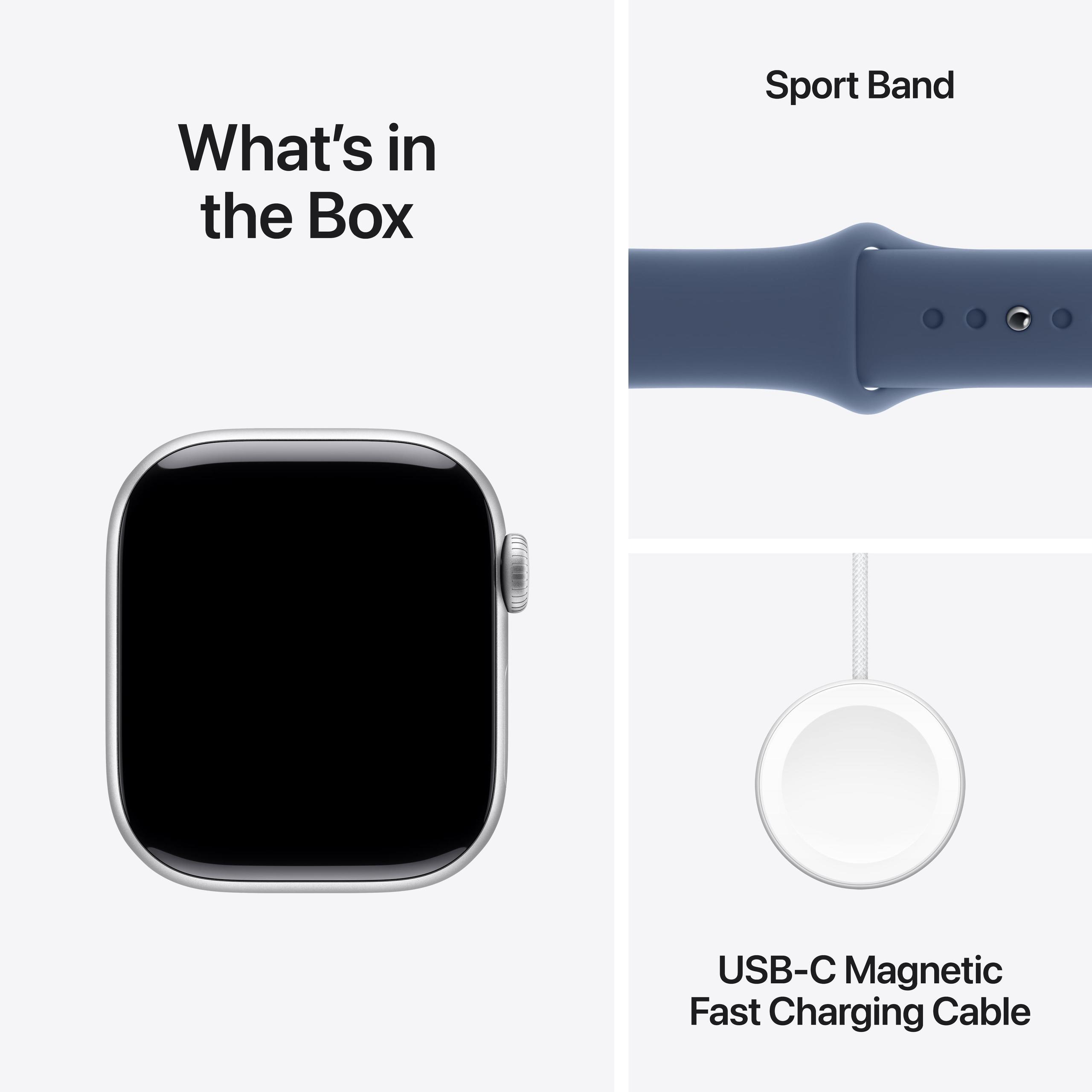
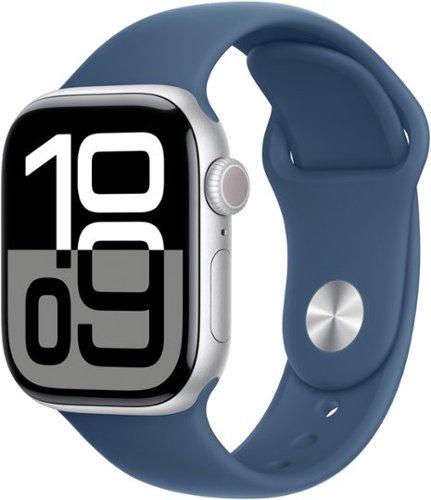
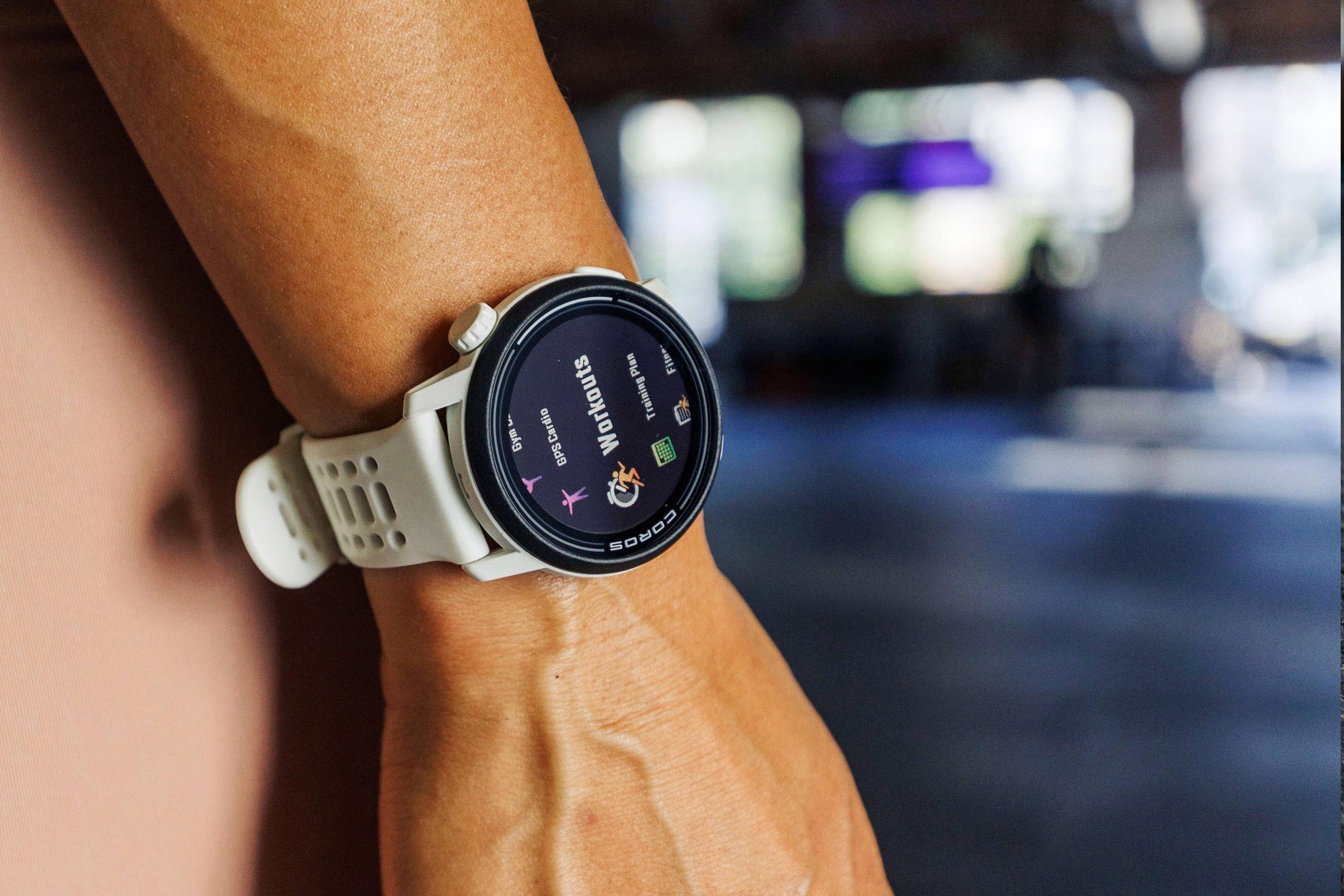
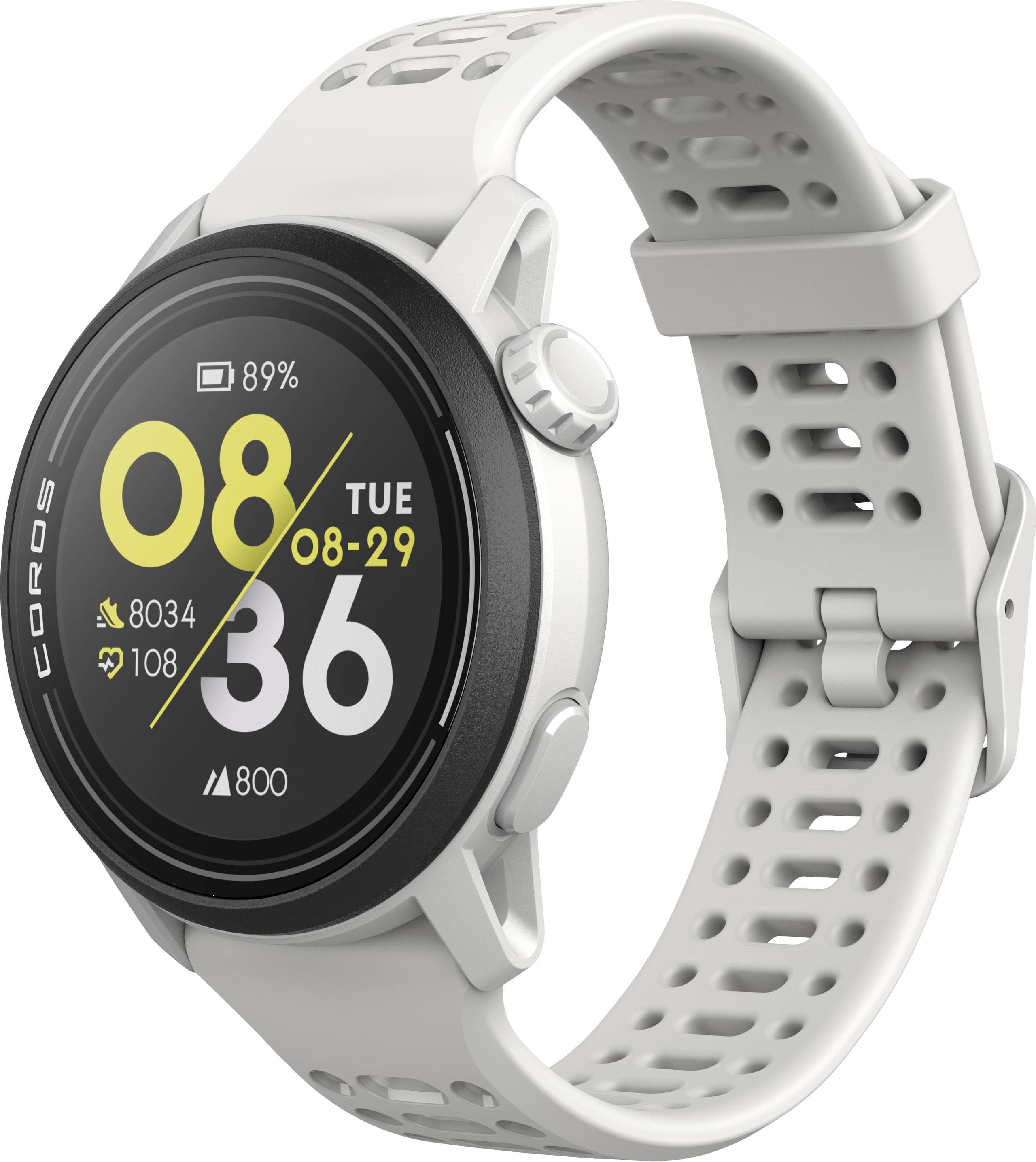



Choosing between a full-featured smartwatch and a dedicated sport watch isn't just about picking between two gadgets—it's about deciding what role you want your wearable to play in your daily life. The Apple Watch Series 10 and COROS Pace 3 represent two completely different philosophies, and understanding these differences will help you make the right choice for your lifestyle and budget.
At the time of writing, these devices sit in very different price brackets. The Apple Watch Series 10 commands a premium price that reflects its comprehensive feature set, while the COROS Pace 3 offers exceptional value for athletes who prioritize performance over general smartwatch features. Let's dive into what makes each approach unique and which might be right for you.
The wearable technology market has evolved into two distinct camps: comprehensive smartwatches that aim to replace your phone for many tasks, and specialized sport watches designed specifically for athletic performance. This wasn't always the case—early fitness trackers were simple step counters, but today's devices are sophisticated computers with different strengths.
Smartwatches like the Apple Watch Series 10 prioritize versatility. They're designed to handle everything from answering calls and reading emails to monitoring your heart rate and tracking workouts. Think of them as mini smartphones strapped to your wrist, with fitness features as one part of a much larger package.
Sport watches like the COROS Pace 3 take the opposite approach. They're laser-focused on athletic performance, GPS accuracy, and battery life. While they might handle some basic smartwatch tasks, their primary job is helping you train better and track activities with exceptional precision.
The key considerations boil down to how you plan to use your watch most often. Do you want a device that seamlessly integrates with your digital life, or are you primarily looking for an advanced training companion?
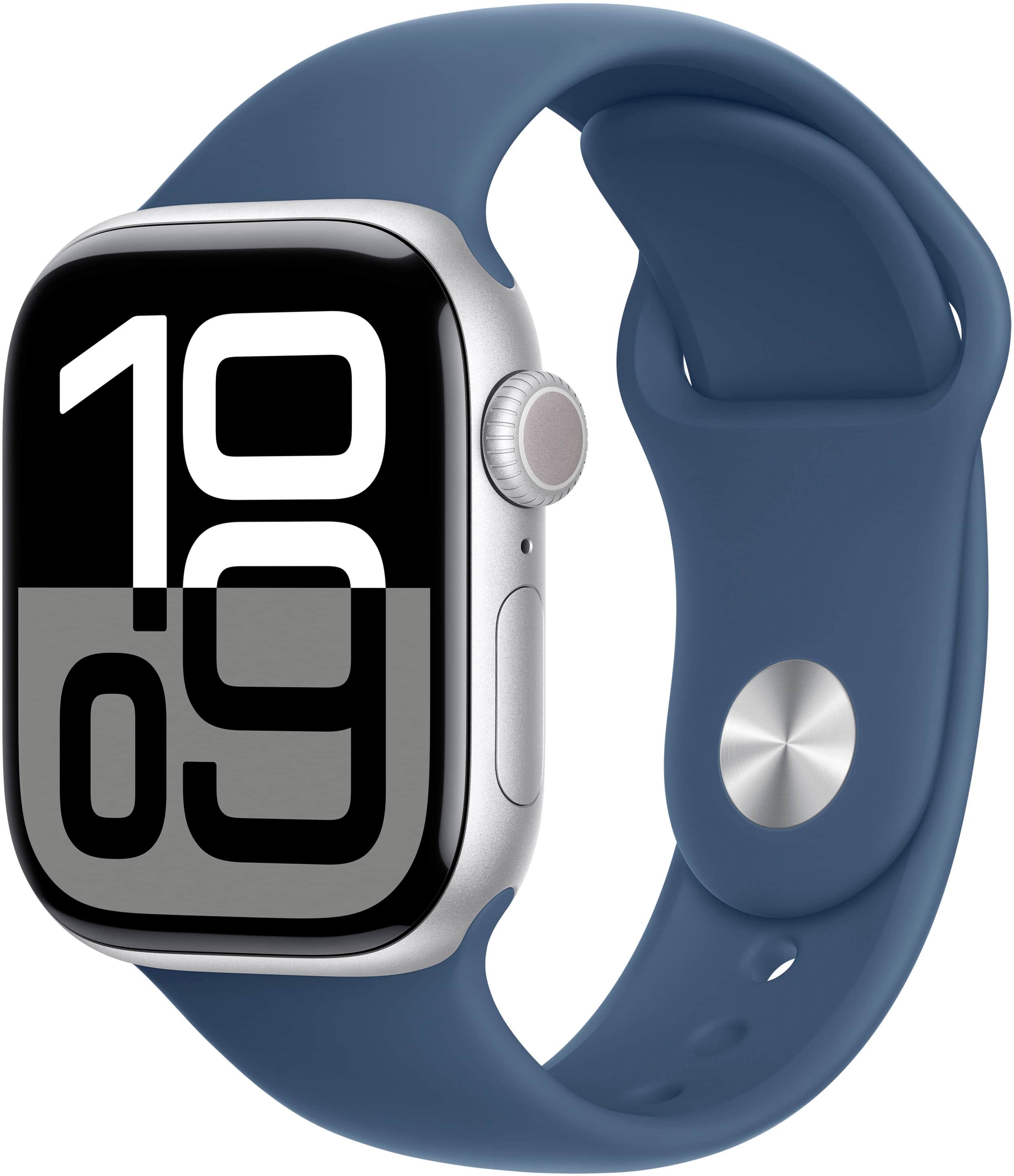
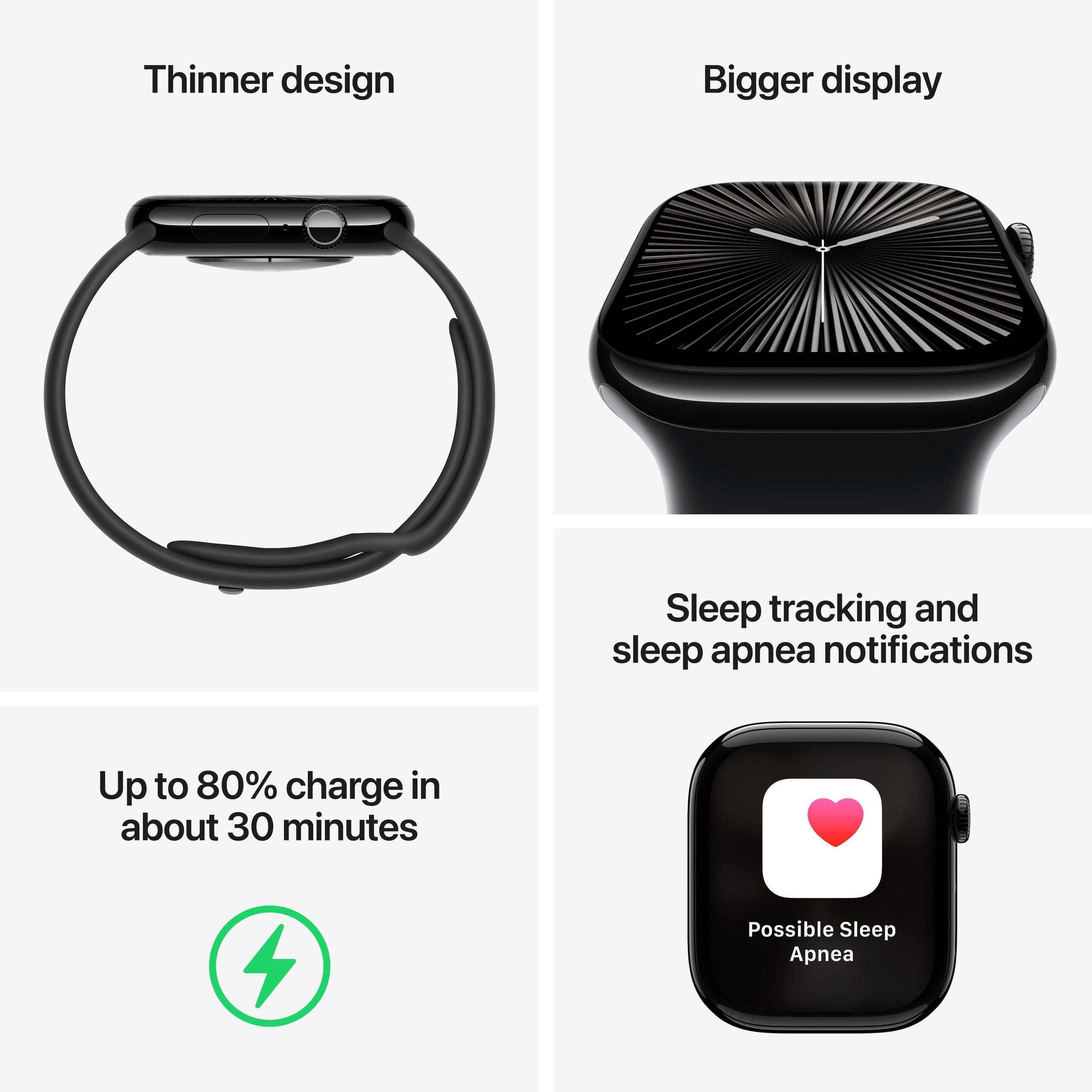
Released in 2024, the Apple Watch Series 10 represents nearly a decade of refinement since the original Apple Watch launched in 2015. The most striking improvement is the larger display—now the biggest ever on an Apple Watch—with dramatically reduced bezels and improved brightness that reaches up to 2000 nits. That technical specification means the screen stays readable even in bright sunlight, which previous generations struggled with.
The 42mm aluminum model we're focusing on weighs around 61 grams, which places it in the middle ground for modern smartwatches. It's not the lightest option available, but Apple has managed to pack an impressive amount of technology into this form factor.
The Apple Watch Series 10 shines in its ecosystem integration. If you're already using an iPhone, the seamless connection between devices feels almost magical. Messages appear instantly, calls can be answered directly on your wrist, and you can even stream music independently thanks to cellular connectivity. The watch essentially becomes a backup phone that never leaves your side.
The health monitoring capabilities have reached genuinely impressive levels. The electrical heart sensor can perform ECG readings (electrocardiograms), which detect irregular heart rhythms that might indicate serious medical conditions. The blood oxygen sensor uses light absorption to measure SpO2 levels, while the new temperature sensors can track ovulation cycles and sleep patterns with remarkable accuracy.
One standout feature for 2024 is sleep apnea detection, which uses overnight heart rate, respiratory rate, and wrist temperature data to identify potential breathing interruptions during sleep. This represents a significant step toward medical-grade monitoring in a consumer device.
The S10 processor delivers snappy performance for typical smartwatch tasks, but battery life remains the Apple Watch Series 10's biggest compromise. You'll get 18 hours of normal use, extending to about 36 hours in Low Power Mode. For most people, this means daily charging—a routine that can be inconvenient for those who want continuous health monitoring or multi-day adventures.
GPS accuracy is solid but not exceptional. The watch supports major satellite systems including GPS, GLONASS, Galileo, and others, but it lacks the dual-frequency precision that serious athletes often need in challenging environments like dense forests or urban canyons.
The display technology deserves special mention. The LTPO3 OLED (Low Temperature Polycrystalline Oxide Organic Light Emitting Diode) can adjust its refresh rate dynamically, saving battery when showing static information while maintaining smooth animations when needed. This contributes to both the excellent visual experience and battery optimization.
The COROS Pace 3 launched in 2023 as an evolution of COROS's athlete-focused approach. Since the company's founding, they've concentrated on creating tools specifically for serious runners, cyclists, and outdoor enthusiasts rather than chasing the broader consumer market.
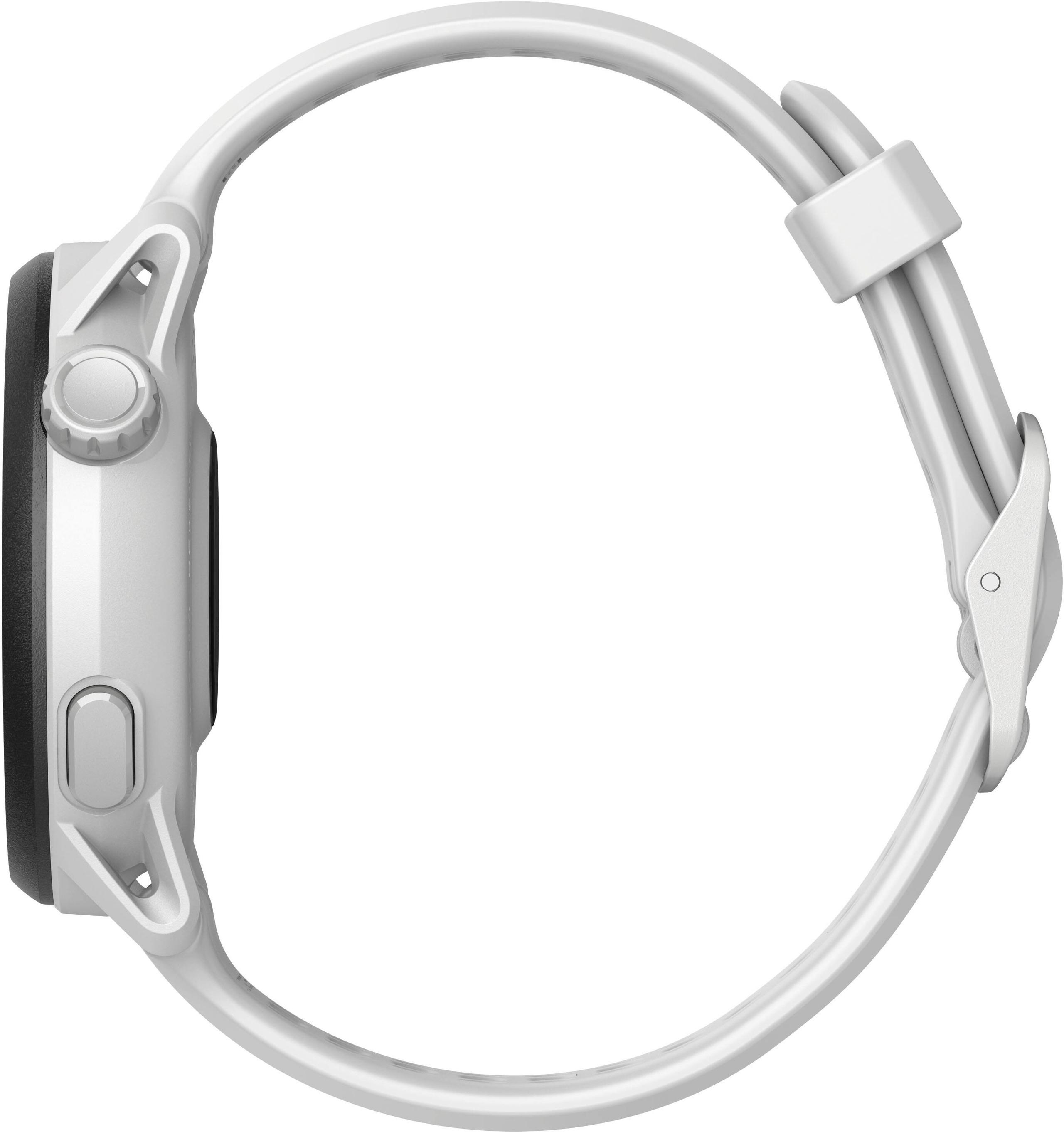
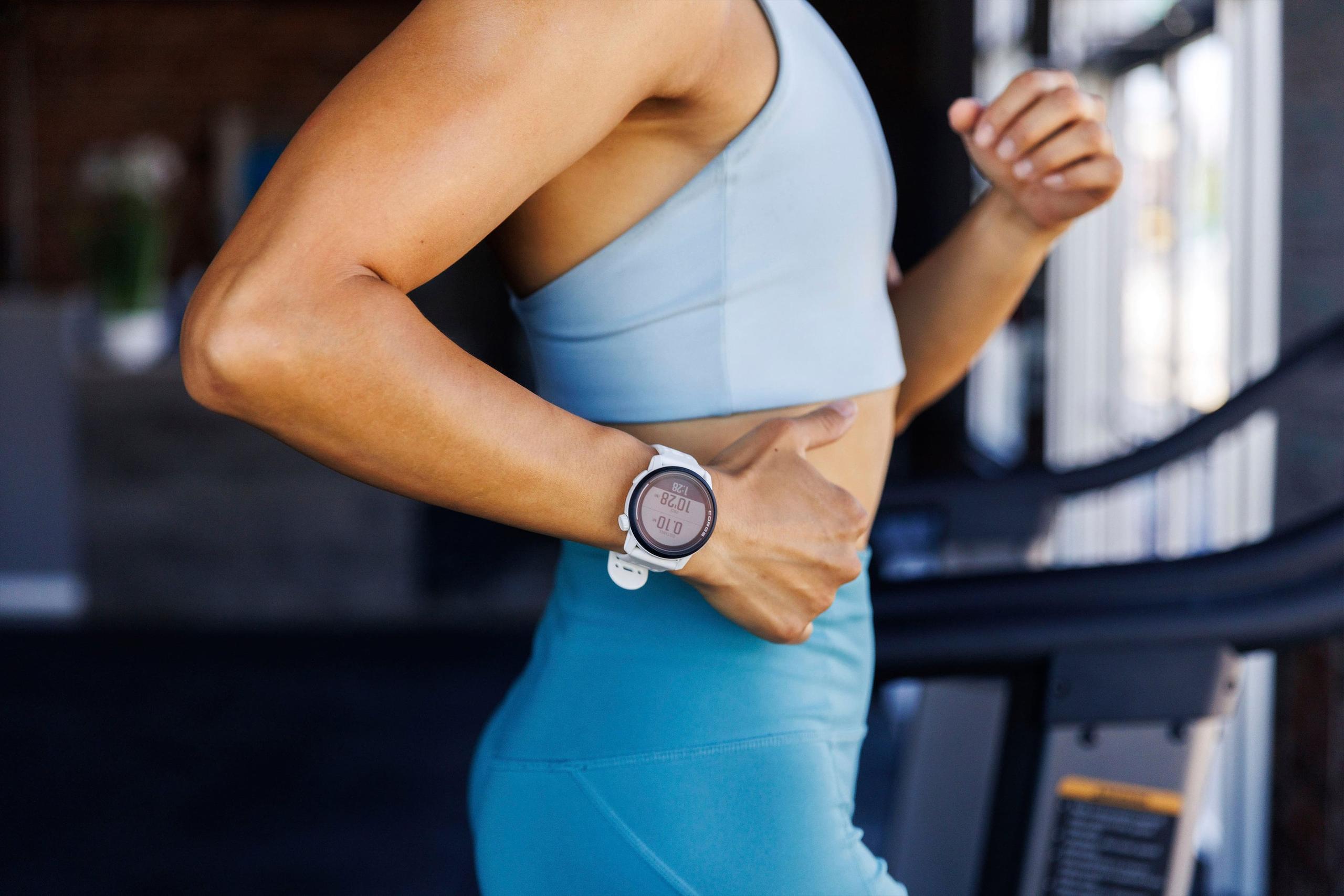
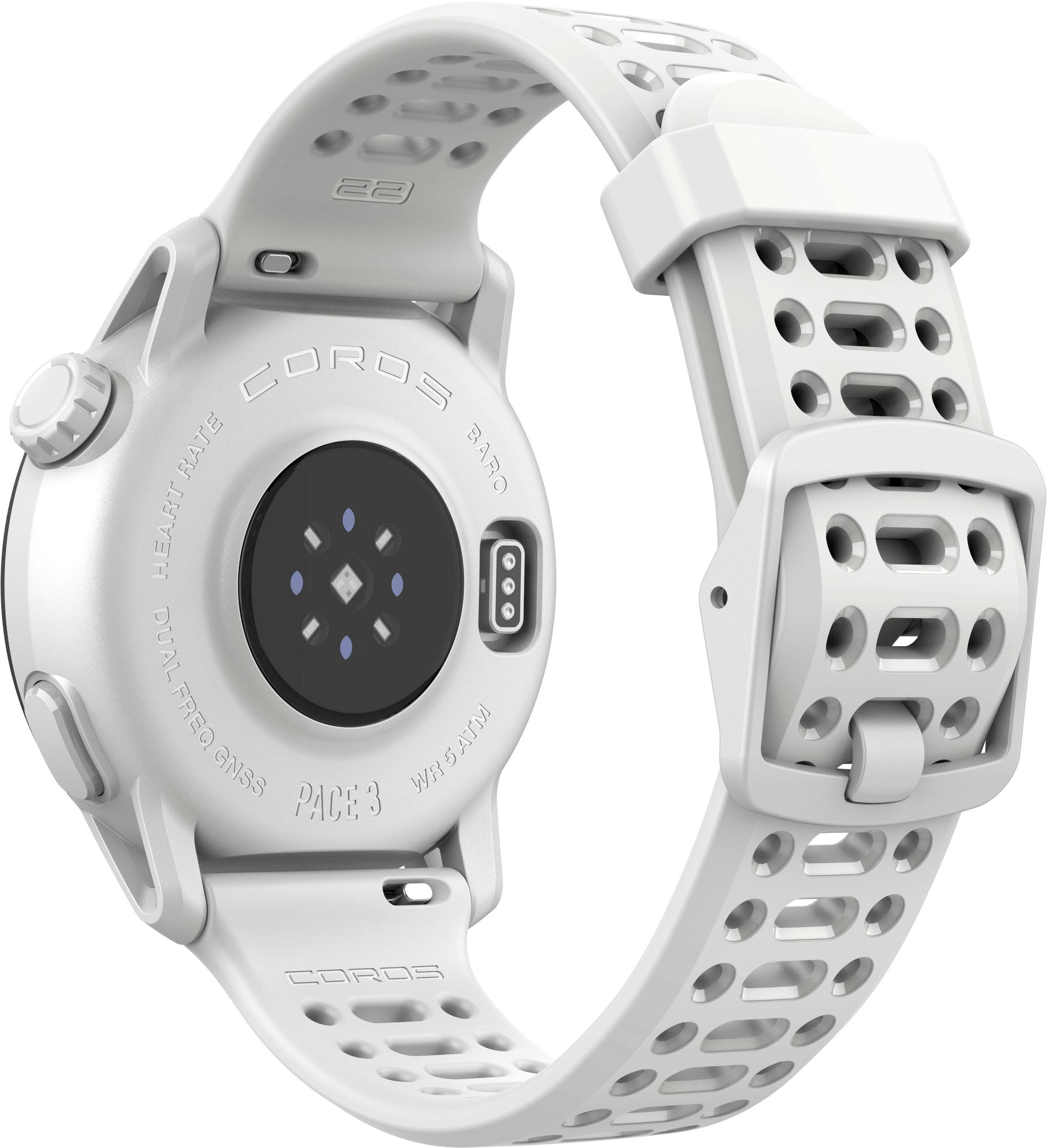
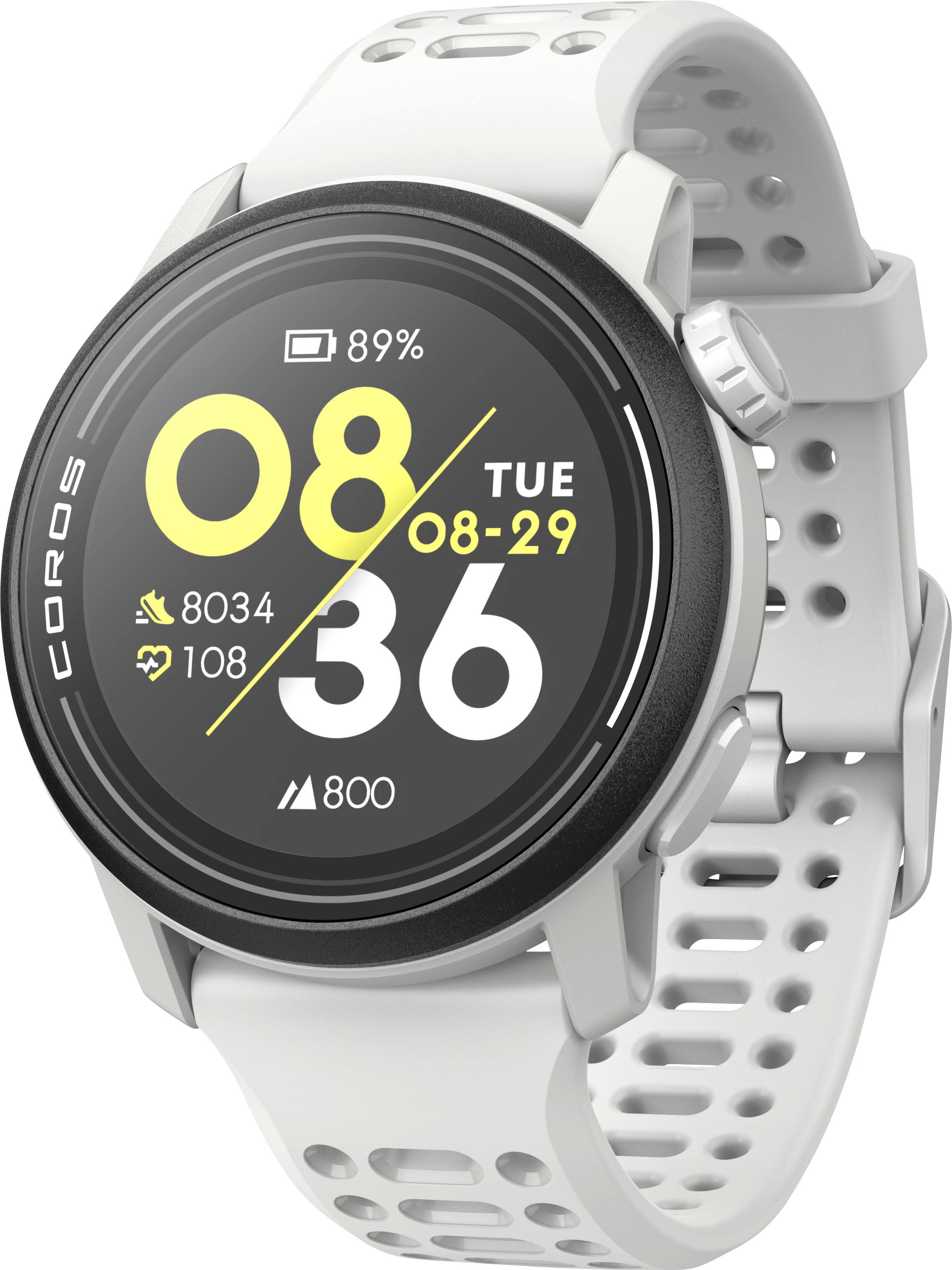
Weighing just 30 grams with the nylon band, the COROS Pace 3 feels almost weightless on your wrist. This isn't just about comfort—when you're wearing a device for 10+ hour activities or sleeping with it every night, every gram matters. The fiber-reinforced polymer construction prioritizes function over premium aesthetics, which some might find cheap-looking but others will appreciate for its practical benefits.
Where the COROS Pace 3 absolutely dominates is battery performance. We're talking 15-24 days of regular smartwatch use, or up to 38 hours of continuous GPS tracking. In real-world terms, this means you can track a full marathon, a century bike ride, or even an ultra-marathon without worrying about the device dying mid-activity.
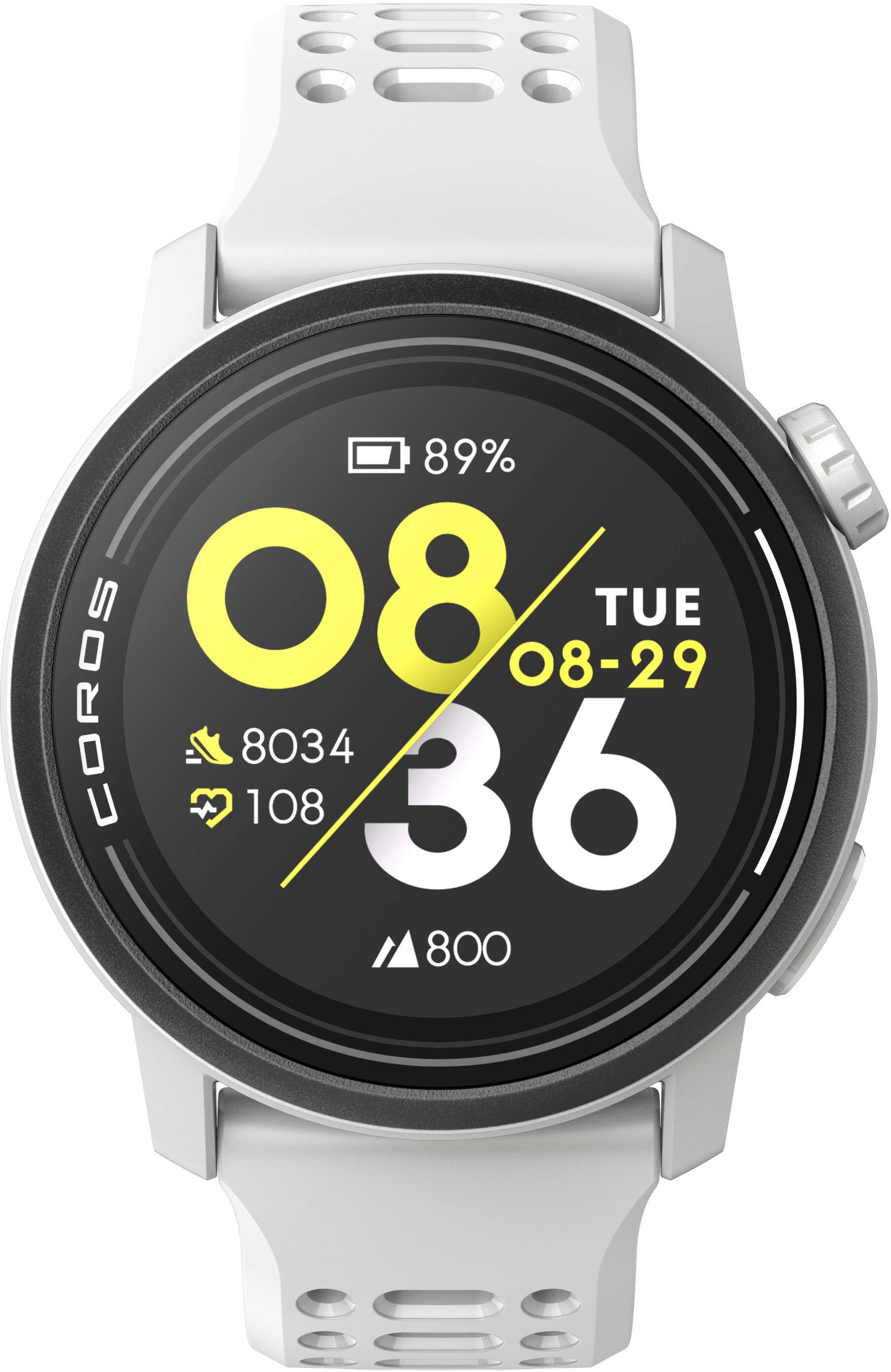
This battery advantage comes from several design choices. The transflective display technology uses ambient light to remain visible, consuming minimal power compared to the constantly-lit OLED displays in premium smartwatches. The simplified processor focuses on essential functions rather than running a full operating system with numerous background processes.
The COROS Pace 3 features dual-frequency GPS, a technology typically reserved for much more expensive devices. Traditional GPS uses the L1 frequency, which can struggle in challenging environments. Dual-frequency GPS adds L5 signals, which penetrate obstacles better and provide more accurate positioning in urban canyons, under tree cover, or near tall buildings.
For athletes, this translates to more accurate distance measurements, better pace calculations, and reliable navigation even in difficult conditions. The difference might seem minimal—perhaps 0.1 miles over a 10-mile run—but for serious training, this precision matters enormously.
The watch supports GPS, GLONASS, Galileo, BeiDou, and QZSS satellite systems simultaneously, using signals from multiple constellations to improve accuracy. This comprehensive satellite support is typically found in devices costing significantly more.
Beyond basic activity tracking, the COROS Pace 3 offers sophisticated training analysis. The watch calculates Training Load, which considers both workout intensity and duration to help prevent overtraining. Recovery metrics analyze heart rate variability (HRV) and other factors to suggest rest days or lighter training.
The navigation features include breadcrumb trails that show your route in real-time, turn-by-turn directions for pre-loaded routes, and even offline maps for certain regions. While not as comprehensive as dedicated GPS units, these features make the watch suitable for trail running, hiking, and cycling in unfamiliar areas.
Based on extensive user feedback and professional testing, the COROS Pace 3 consistently outperforms the Apple Watch Series 10 in GPS accuracy. The dual-frequency capability gives it a significant edge in challenging environments. Users report that the COROS tracks distance more precisely over long activities, with typical variations under 0.1 miles per 10-mile run compared to ground-truth measurements.
The Apple Watch Series 10 provides adequate GPS for casual fitness tracking but may struggle in areas with poor satellite visibility. For urban running or well-marked trails, the difference might be negligible, but serious athletes training in varied terrain will notice the COROS's superior precision.
This comparison reveals interesting trade-offs. The Apple Watch Series 10 offers more sophisticated heart monitoring overall, including ECG capability and irregular rhythm detection that can identify potential atrial fibrillation. For general health monitoring, Apple's sensors provide more comprehensive data.
However, during intense exercise, both devices can struggle with wrist-based heart rate measurement. The COROS Pace 3 focuses specifically on athletic heart rate zones and training applications, while the Apple Watch prioritizes broader health insights. For the most accurate exercise heart rate data, both manufacturers recommend pairing with a chest strap heart rate monitor.
The battery performance difference is stark and represents the most significant practical distinction between these devices. The Apple Watch Series 10 requires daily charging for most users, which can interrupt sleep tracking and creates anxiety about battery level during longer activities.
The COROS Pace 3 eliminates these concerns entirely. Users regularly report 15-20 days between charges with typical use, and the watch easily handles ultra-marathons, century rides, or multi-day hiking trips without requiring portable chargers or careful power management.
The Apple Watch Series 10 offers a dramatically superior display experience. The OLED technology provides vibrant colors, deep blacks, and excellent viewing angles. The interface is intuitive, with smooth animations and responsive touch controls that work reliably even with wet fingers.
The COROS Pace 3 uses a more basic transflective display that excels in direct sunlight but looks dated compared to modern OLED screens. The touchscreen can be unreliable when wet or when wearing gloves, often requiring users to rely on physical buttons instead. However, this simpler display technology contributes directly to the exceptional battery life.
The Apple Watch Series 10 operates as a genuine wrist computer. You can install thousands of third-party apps, control smart home devices, make contactless payments, and even take phone calls through the built-in speaker and microphone. The cellular model allows complete independence from your iPhone for many tasks.
Fall detection automatically calls emergency services if it detects a hard fall followed by immobility. Crash detection can identify car accidents and alert emergency contacts. These safety features provide real peace of mind for many users, especially older adults or those with medical conditions.
The COROS Pace 3 handles basic notifications like text messages and calls, but you can't respond to them from the watch. There are no third-party apps, no mobile payments, and limited smart home integration. It's designed as a specialized training tool rather than a general-purpose computer.
The Apple Watch Series 10 uses recycled aluminum construction with premium finishing. The design emphasizes aesthetics alongside functionality, resulting in a device that looks appropriate in both gym and boardroom settings. Water resistance reaches 50 meters, suitable for swimming and showering.
The COROS Pace 3 prioritizes function over form. The lightweight construction uses fiber-reinforced polymers that feel somewhat plastic-like but contribute to the exceptional comfort during long activities. The design is understated and purely functional—this isn't a fashion statement but a serious training tool.
At the time of writing, the Apple Watch Series 10 costs significantly more than the COROS Pace 3—roughly double the price for the cellular model. This premium reflects the comprehensive feature set, premium materials, and extensive development costs for the full smartwatch ecosystem.
The COROS Pace 3 represents exceptional value for athletes. You're getting dual-frequency GPS, advanced training metrics, and industry-leading battery life at a price point that undercuts many basic fitness trackers. For serious athletes, the cost-per-feature ratio is outstanding.
Consider the total cost of ownership as well. The Apple Watch might require cellular service plans for independence, while the COROS operates entirely independently. Apple Watch bands and accessories also command premium prices compared to standard 22mm watch bands compatible with the COROS.
The decision ultimately depends on your primary use case and priorities.
Choose the Apple Watch Series 10 if you want a comprehensive wrist computer that handles fitness tracking alongside extensive smart features. It's ideal for iPhone users who value ecosystem integration, need cellular independence, or want advanced health monitoring features like ECG. The daily charging requirement and higher price are reasonable trade-offs for the versatility you gain.
The Apple Watch Series 10 also makes sense if you prioritize premium materials and design, need extensive app support, or want features like fall detection and emergency calling. For casual to moderate fitness enthusiasts who also want smartwatch functionality, it's the more well-rounded choice.
Choose the COROS Pace 3 if athletic performance and training are your primary focus. It's perfect for serious runners, cyclists, triathletes, or outdoor enthusiasts who need exceptional GPS accuracy, multi-day battery life, and specialized training features. The basic smartwatch functionality and utilitarian design are acceptable compromises for the superior athletic capabilities and outstanding value.
The COROS Pace 3 particularly excels for users who participate in long-duration activities, train in challenging GPS environments, or simply prefer not to worry about daily charging routines. If you're primarily looking for a training tool rather than a lifestyle accessory, the focused approach delivers better results at a lower cost.
Both devices represent excellent choices within their respective categories. The key is honestly assessing whether you need a versatile smartwatch that does fitness well, or a specialized athletic tool that handles some smart features as a secondary benefit. Your answer to that question should guide your decision.
| Apple Watch Series 10 GPS + Cellular 42mm Aluminum Smartwatch | COROS Pace 3 GPS Sport Watch |
|---|---|
| Weight - Critical for all-day comfort and long workouts | |
| 61g (heavier but premium materials) | 30g nylon band / 39g silicone (ultra-lightweight for endurance) |
| Battery Life - Most important practical difference | |
| 18 hours normal, 36 hours Low Power Mode (daily charging required) | 15-24 days smartwatch mode, 38 hours GPS tracking (game-changing endurance) |
| Display Technology - Affects visibility and battery consumption | |
| LTPO3 OLED, 2000 nits, always-on (premium visuals, power hungry) | 1.2" transflective touchscreen (basic but sunlight readable, power efficient) |
| GPS Accuracy - Essential for distance tracking and navigation | |
| Single-frequency GPS with multiple satellite systems (good for casual use) | Dual-frequency GPS with multiple systems (superior accuracy in challenging terrain) |
| Price Category - Determines overall value proposition | |
| Premium smartwatch pricing (comprehensive features justify cost) | Budget-friendly sport watch (exceptional athletic features for the price) |
| Health Monitoring - Varies from basic fitness to medical-grade | |
| ECG, blood oxygen, temperature, sleep apnea detection (comprehensive health suite) | Heart rate, SpO2, sleep stages, HRV (athletic-focused health metrics) |
| Smart Features - Determines daily utility beyond fitness | |
| Cellular independence, thousands of apps, calls, payments (full wrist computer) | Basic notifications only, no apps, no payments (minimal smart functionality) |
| Construction - Affects durability and premium feel | |
| Recycled aluminum, premium finish, 50m water resistance (lifestyle device) | Fiber-reinforced polymer, utilitarian design, 5 ATM (purpose-built tool) |
| Target Use Case - Defines ideal buyer | |
| Comprehensive smartwatch for iPhone users wanting versatility | Dedicated training tool for serious athletes prioritizing performance |
The COROS Pace 3 has dramatically better battery life, lasting 15-24 days in smartwatch mode and up to 38 hours with continuous GPS tracking. The Apple Watch Series 10 requires daily charging with 18 hours of normal use or up to 36 hours in Low Power Mode. For athletes doing long activities or those who don't want to charge daily, the COROS Pace 3 is the clear winner.
The COROS Pace 3 is significantly lighter at just 30g with the nylon band (39g with silicone), while the Apple Watch Series 10 weighs around 61g. This weight difference becomes very noticeable during long workouts, sleep tracking, or all-day wear. The lighter COROS Pace 3 is more comfortable for extended activities.
The COROS Pace 3 is specifically designed for serious athletes, offering dual-frequency GPS for superior accuracy, specialized training metrics, ultra-long battery life, and lightweight construction. While the Apple Watch Series 10 has good fitness features, the COROS Pace 3 provides more precise tracking and athletic-focused tools that serious runners and triathletes prefer.
The Apple Watch Series 10 GPS + Cellular model can operate independently for calls, messages, music streaming, and apps when connected to cellular networks. The COROS Pace 3 can track activities and store music offline but cannot make calls or send messages without your phone nearby. For true phone independence, the Apple Watch Series 10 is superior.
The COROS Pace 3 has more accurate GPS tracking thanks to its dual-frequency GPS system that works better in challenging environments like urban canyons, dense forests, or mountainous terrain. The Apple Watch Series 10 has good GPS accuracy for general use, but the COROS Pace 3 provides superior precision for serious athletic tracking and navigation.
The Apple Watch Series 10 is significantly more expensive than the COROS Pace 3, reflecting its comprehensive smartwatch features and premium materials. The COROS Pace 3 offers exceptional value for athletes who prioritize GPS accuracy and battery life over general smartwatch functionality.
The Apple Watch Series 10 offers more comprehensive health monitoring with ECG readings, blood oxygen sensing, temperature tracking, and sleep apnea detection. The COROS Pace 3 focuses on athletic health metrics like heart rate variability, sleep stages, and recovery tracking. For medical-grade health monitoring, choose the Apple Watch Series 10; for training-focused health data, the COROS Pace 3 excels.
The Apple Watch Series 10 supports thousands of third-party apps from the App Store, making it a true wrist computer. The COROS Pace 3 has no third-party app support and focuses solely on built-in athletic and basic smartwatch functions. If app flexibility matters to you, the Apple Watch Series 10 is the only option.
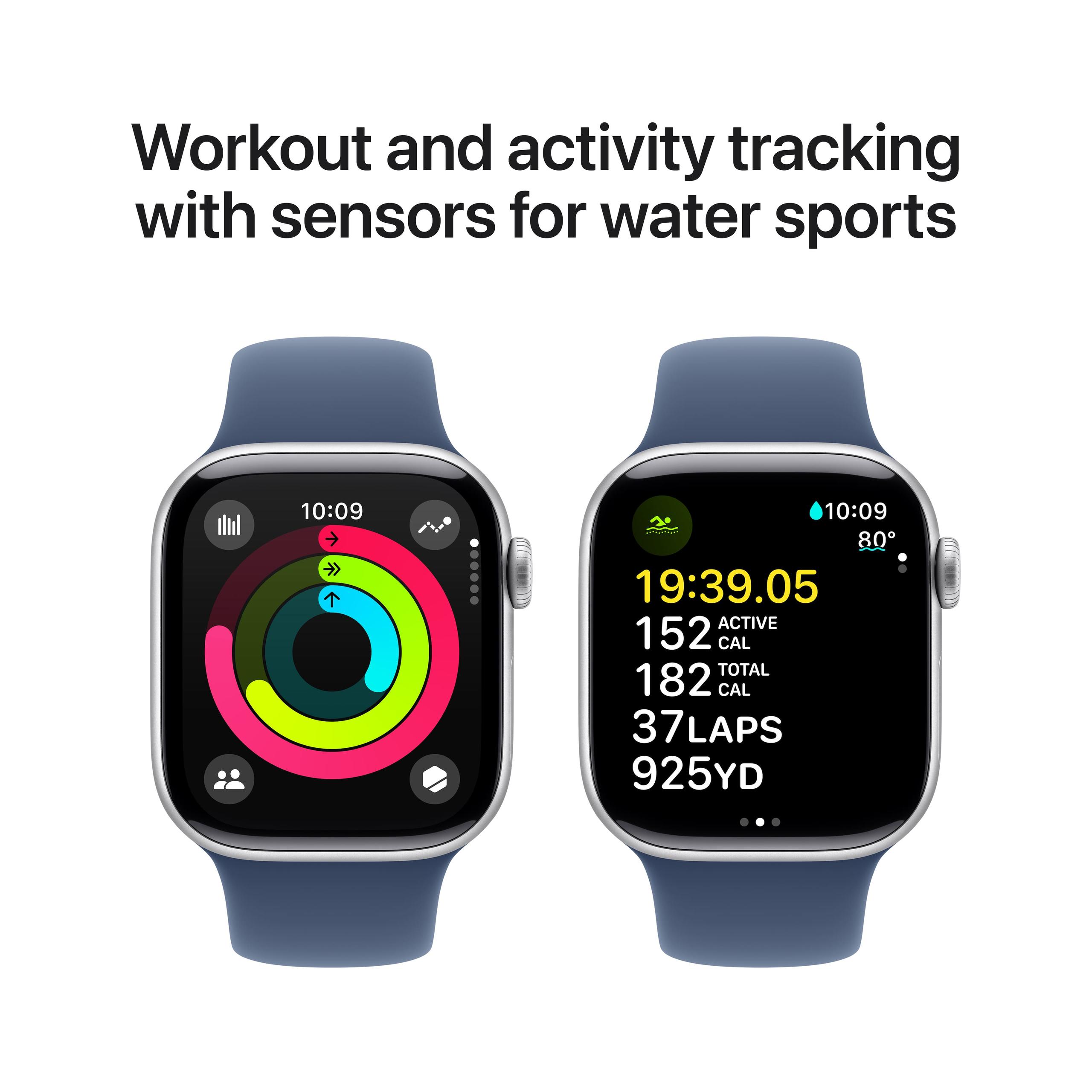
Both watches are water-resistant, but the COROS Pace 3 includes unique features like a depth gauge and water temperature sensor, making it better suited for swimming and water sports. The Apple Watch Series 10 tracks swimming workouts well but lacks the specialized aquatic sensors found in the COROS Pace 3.
The Apple Watch Series 10 has a premium LTPO3 OLED display with vibrant colors, 2000 nits brightness, and smooth touch responsiveness. The COROS Pace 3 uses a basic transflective display that's excellent in sunlight but looks dated compared to modern OLED screens. For visual quality and user interface, the Apple Watch Series 10 is far superior.
The COROS Pace 3 offers exceptional value for athletes, providing premium GPS accuracy, incredible battery life, and specialized training features at a fraction of the cost. The Apple Watch Series 10 justifies its higher price with comprehensive smartwatch capabilities, premium materials, and cellular connectivity. Value depends on whether you need a training tool (COROS Pace 3) or a complete wrist computer (Apple Watch Series 10).
Choose the Apple Watch Series 10 if you want a comprehensive smartwatch with cellular independence, extensive app support, premium health monitoring, and seamless iPhone integration. Choose the COROS Pace 3 if you're a serious athlete prioritizing GPS accuracy, multi-day battery life, lightweight design, and exceptional value for specialized training features.
We've done our best to create useful and informative comparisons to help you decide what product to buy. Our research uses advanced automated methods to create this comparison and perfection is not possible - please contact us for corrections or questions. These are the sites we've researched in the creation of this article: bestbuy.com - wareable.com - wareable.com - appleinsider.com - youtube.com - youtube.com - youtube.com - apple.com - dcrainmaker.com - dcrainmaker.com - apple.com - apple.com - forums.macrumors.com - gethegoods.com - appleinsider.com - apple.com - support.apple.com - apple.com - en.wikipedia.org - cellcom.com - youtube.com - walmart.com - youtube.com - apple.com - bestbuy.com - apple.com - youtube.com - apple.com - verizon.com - apple.com - apple.com - youtube.com - costco.com - bestbuy.com - t-mobile.com - talk.tidbits.com - support.apple.com - gci.com - att.com - cleverhiker.com - tomsguide.com - dcrainmaker.com - youtube.com - advnture.com - runtothefinish.com - runnersworld.com - youtube.com - us.coros.com - youtube.com - outdoorgearlab.com - youtube.com - trackbetter.com - runningshoesguru.com - youtube.com - runningwarehouse.com - tomsguide.com - coros.com - support.coros.com - shop-fr.coros.com - running.reviews - support.coros.com - us.coros.com - youtube.com - coros.com - coros.com - wareable.com - publiclands.com - youtube.com - corosbenelux.com - trackbetter.com - bestbuy.com

Privacy Policy
Terms and Conditions - Affiliate Policy
Home Security
© Copyright 2008-2026.
11816 Inwood Rd #1211, Dallas, TX 75244