

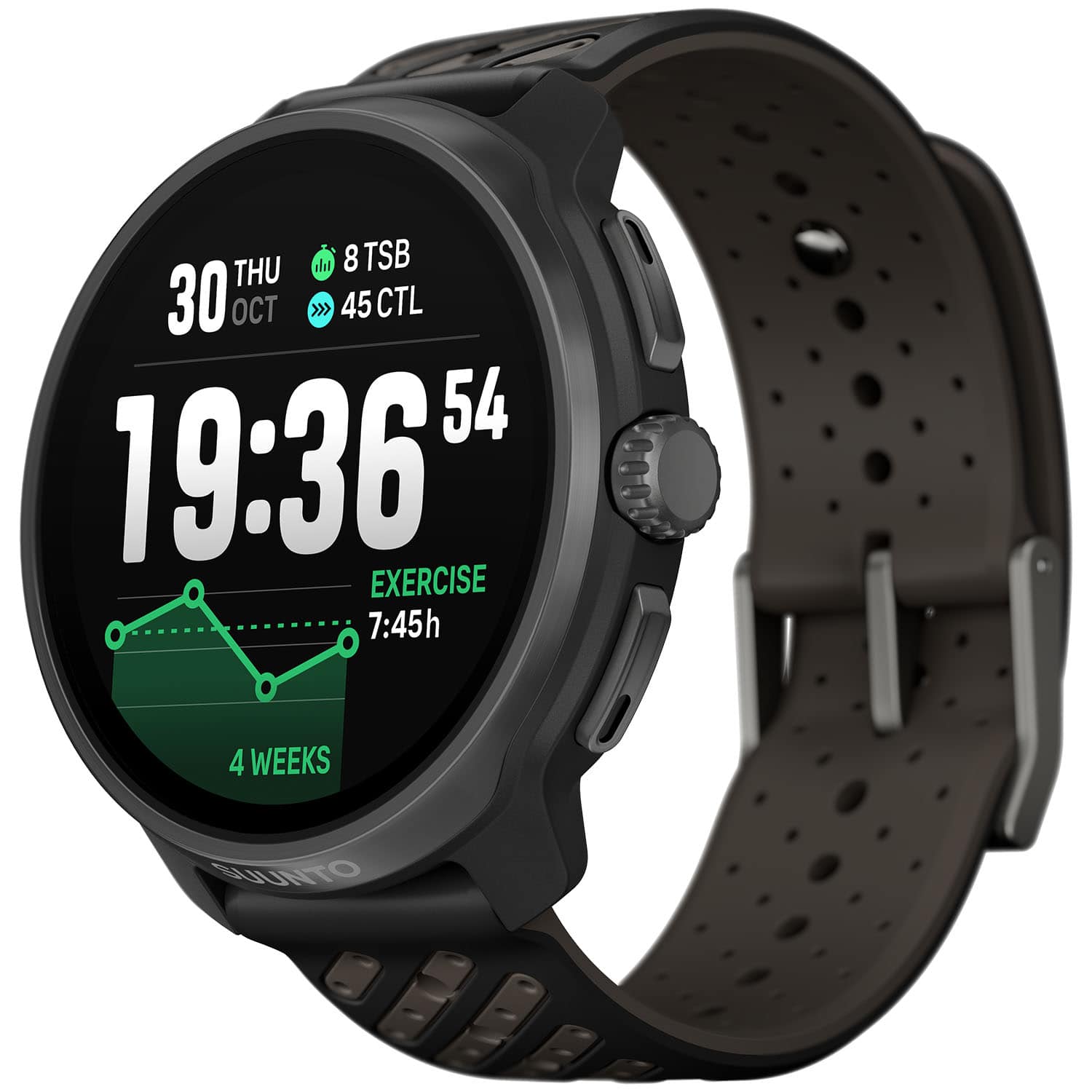
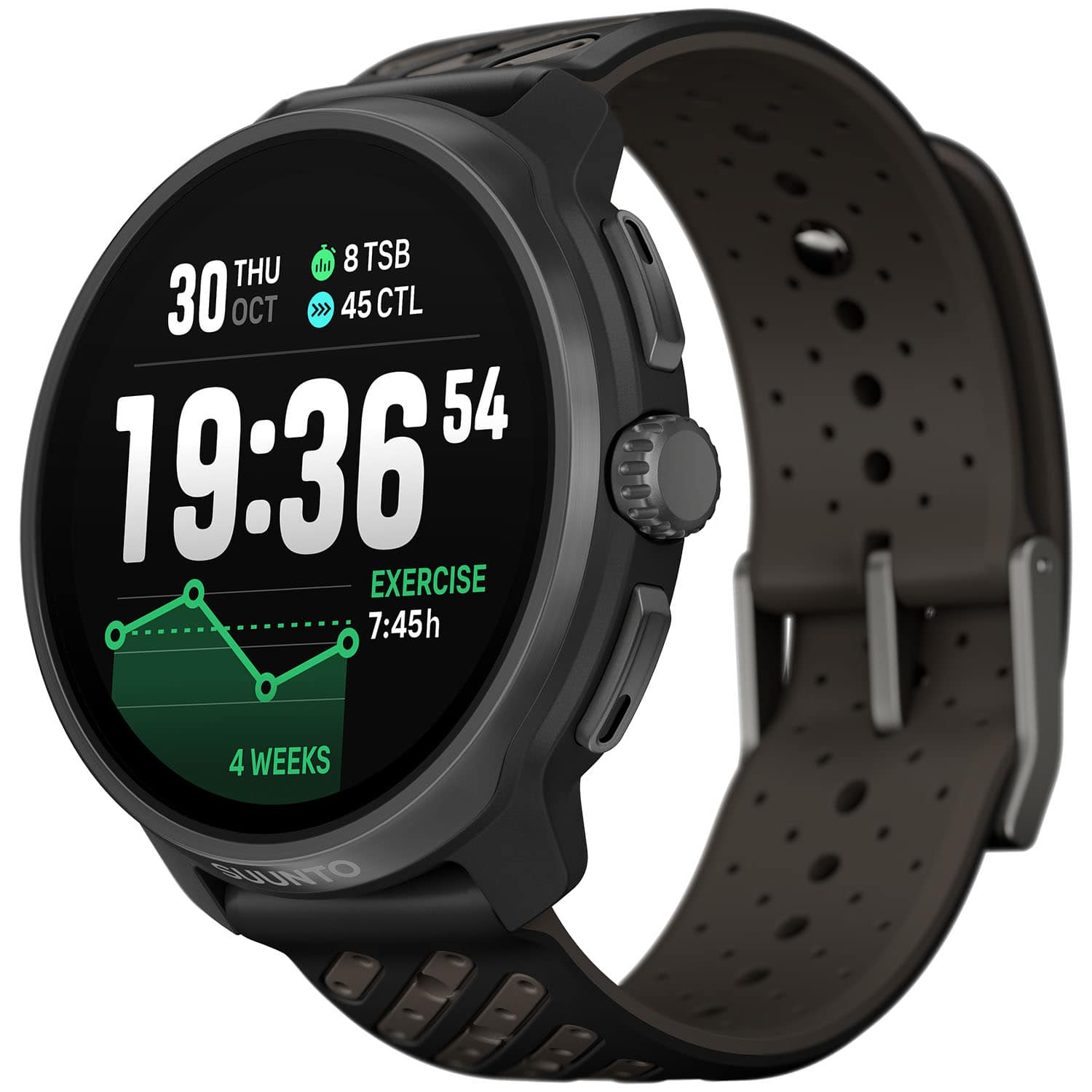
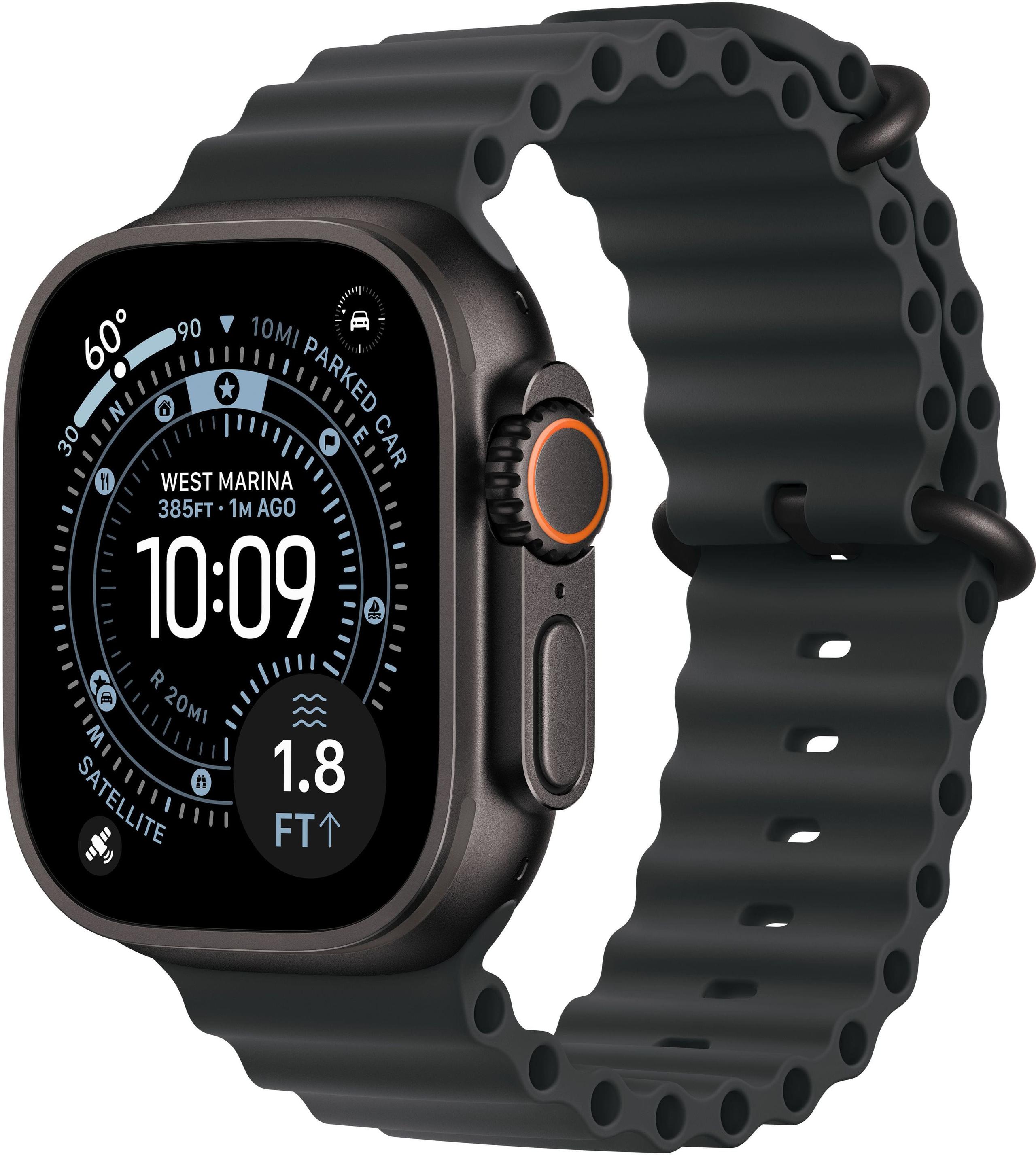
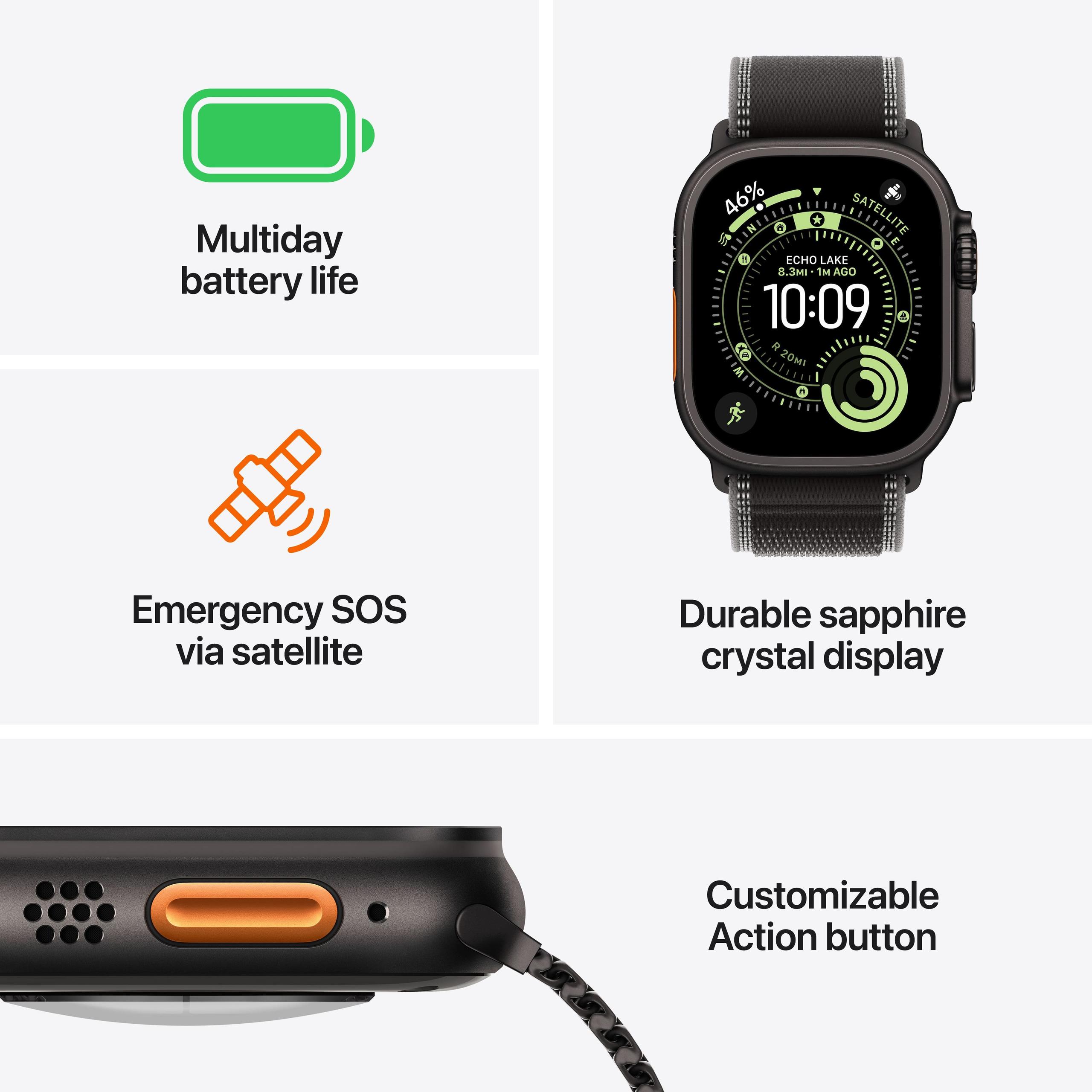
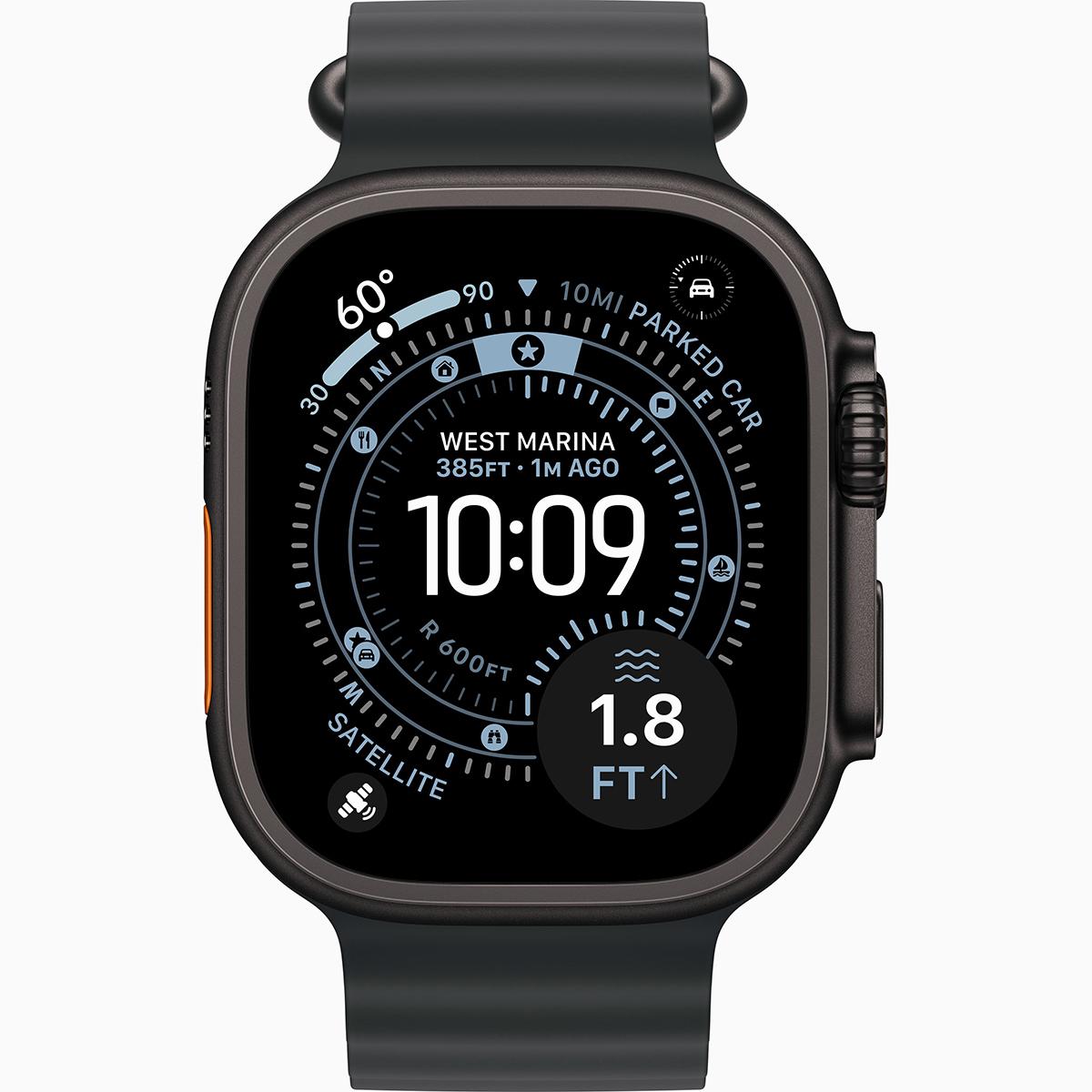

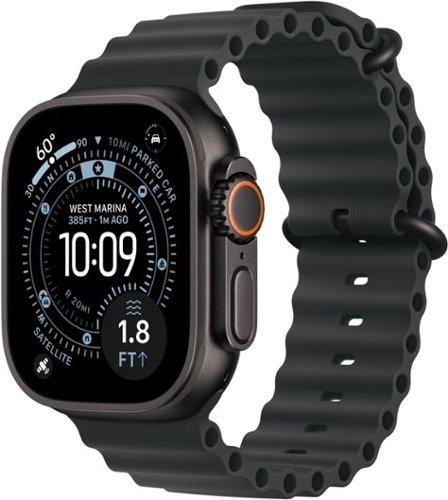
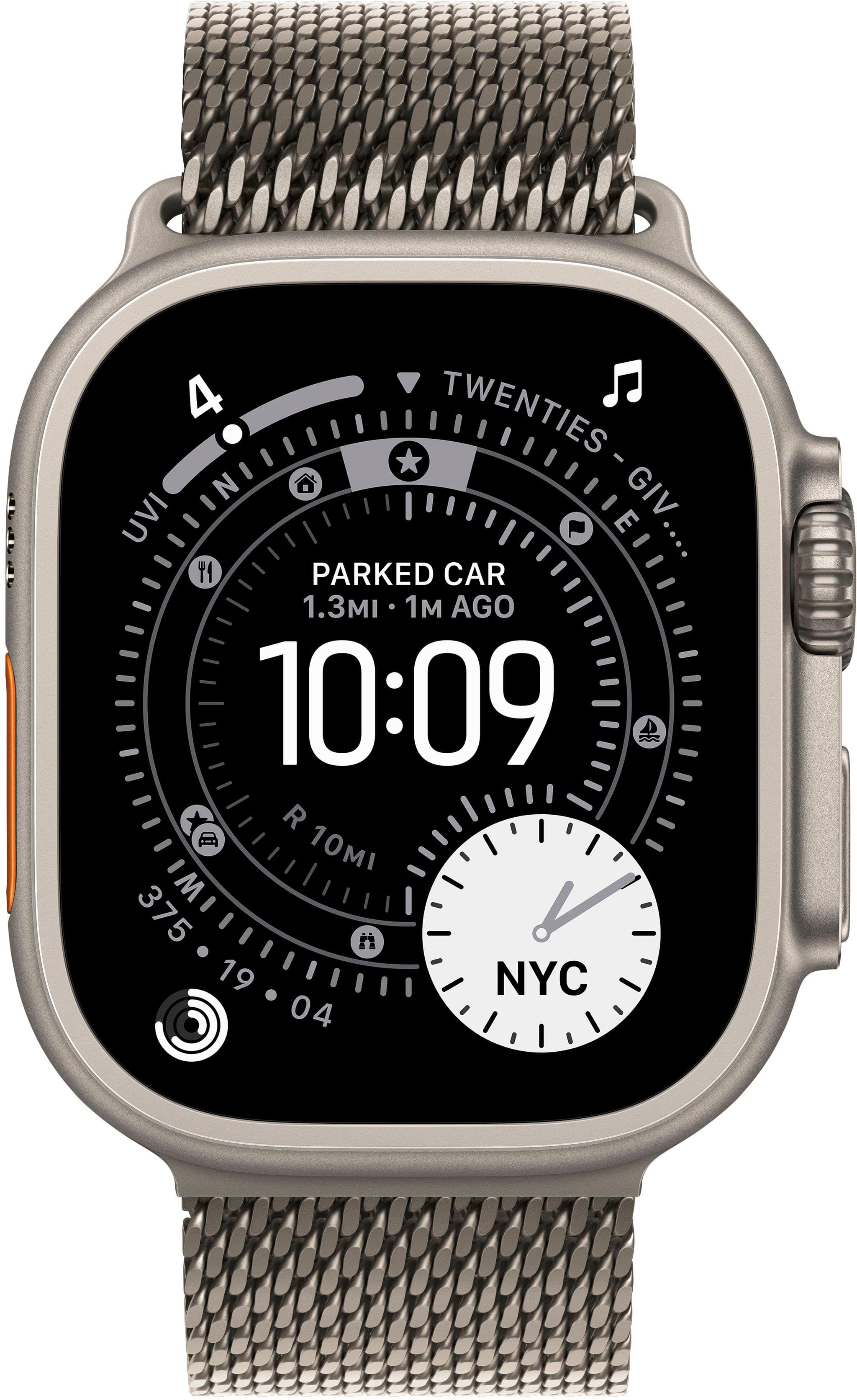
If you're in the market for a premium sports watch, you've probably narrowed your choices down to two very different but equally impressive options: the Suunto Race 2 Titanium and the Apple Watch Ultra 3. Both represent the pinnacle of their respective approaches to fitness tracking, but they couldn't be more different in philosophy.
Released in 2024, the Suunto Race 2 Titanium builds on decades of Finnish engineering focused purely on outdoor sports and endurance activities. Meanwhile, the Apple Watch Ultra 3, launched in 2024, represents Apple's most ambitious attempt to create a true hybrid device—combining serious sports capabilities with comprehensive smartwatch features.
The choice between them isn't just about specs on paper. It's about understanding two fundamentally different approaches to what a sports watch should be and do.
Premium sports watches have evolved far beyond simple step counters. Today's top-tier models pack sophisticated sensors, GPS systems, and computing power that would have been unimaginable in a wrist-worn device just a decade ago. But this evolution has created a fork in the road.
Traditional sports watch manufacturers like Suunto focus on creating purpose-built tools for athletes and adventurers. Their philosophy centers on reliability, battery life, and specialized features for specific sports. On the other side, tech companies like Apple approach sports watches as extensions of your smartphone—devices that happen to be excellent at fitness tracking but can also handle calls, apps, and daily digital tasks.
The key considerations when choosing between these approaches include how you plan to use the watch, whether you need multi-day battery life, the importance of smart features in your daily routine, and your tolerance for charging frequency. Neither approach is inherently better—they're optimized for different users and scenarios.
The display represents one of the most fundamental differences between the Suunto Race 2 Titanium and Apple Watch Ultra 3. Both use AMOLED technology—a type of display that produces its own light rather than requiring a backlight—but they implement it very differently.
The Suunto Race 2 Titanium features a 1.5-inch display with 466×466 pixel resolution, which translates to exceptionally sharp text and map details. This pixel density becomes crucial when you're trying to read detailed topographic maps or navigate complex trail intersections. The display uses LTPO (Low Temperature Polycrystalline Oxide) technology, which allows it to dynamically adjust its refresh rate to conserve battery power while maintaining smooth operation.
In contrast, the Apple Watch Ultra 3 prioritizes raw brightness over pixel density. Its 49mm display can reach an incredible 3,000 nits of peak brightness—roughly three times brighter than most premium smartphones. This means you can read the screen perfectly even in direct desert sunlight or while skiing on a bright, snowy slope. The trade-off is that while the display is larger, it doesn't pack as many pixels per inch as the Suunto.
Both displays feature sapphire crystal protection—an extremely hard material that resists scratches from rocks, metal, and other hazards you might encounter outdoors. However, sapphire is more brittle than regular glass, so while it won't scratch easily, it can shatter if subjected to a hard impact at the wrong angle.
For outdoor navigation and detailed data viewing, the Suunto Race 2 Titanium has the edge due to its superior sharpness. For general visibility in challenging conditions, the Apple Watch Ultra 3 is unmatched.
This is where the philosophical differences between these watches become most apparent. The Suunto Race 2 Titanium delivers what many consider the gold standard for sports watch battery life: 16 days in smartwatch mode and an impressive 55 hours when using GPS tracking continuously.
To put this in perspective, 55 hours of GPS tracking means you could run a 100-mile ultramarathon, complete a multi-day bikepacking adventure, or spend a long weekend hiking without worrying about your watch dying. The technology achieving this includes power-efficient GPS chipsets, optimized software that only updates the display when necessary, and careful power management throughout the system.
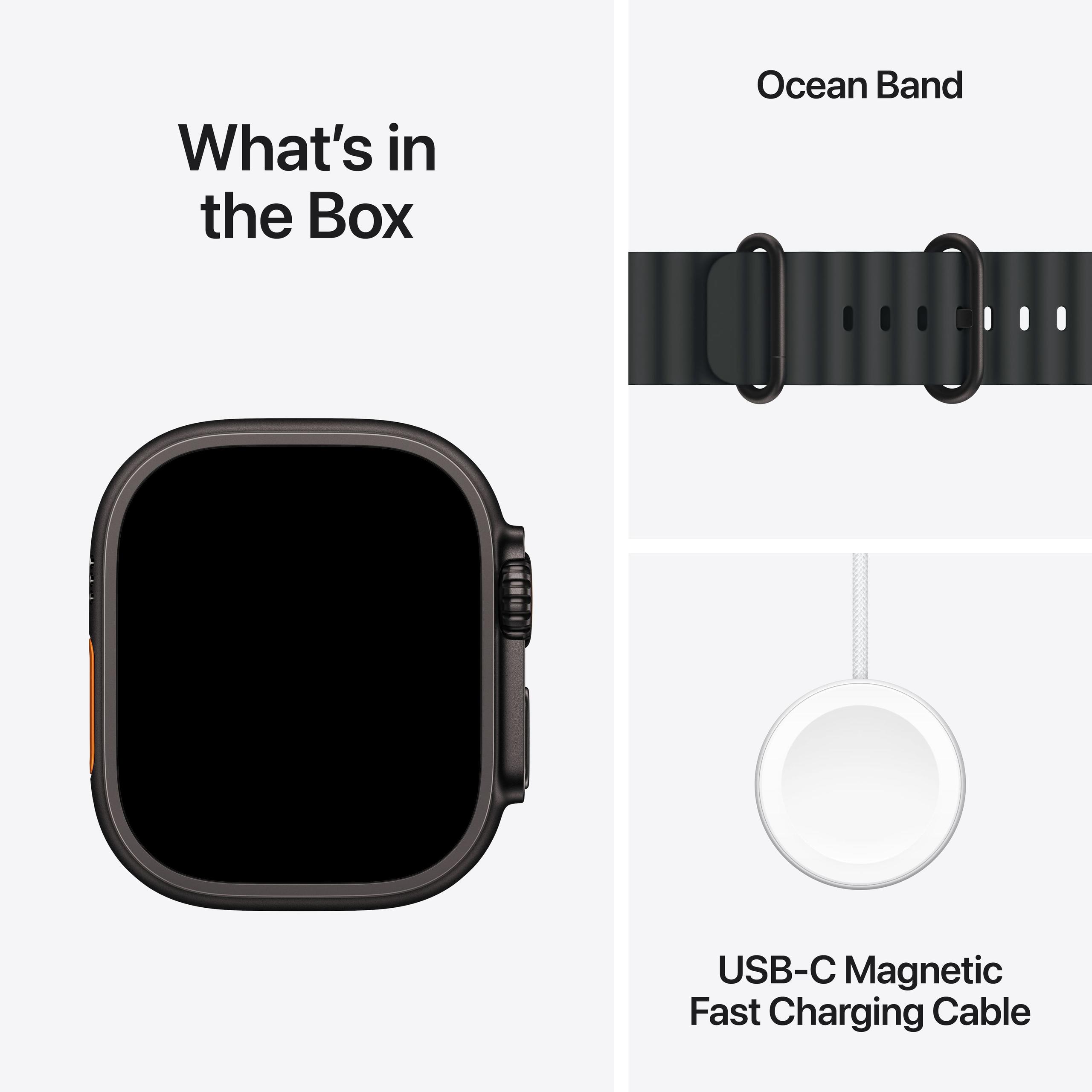
The Apple Watch Ultra 3 takes a different approach, offering 42 hours of normal use or up to 72 hours in Low Power Mode. While this might seem short compared to the Suunto, it's actually impressive for a device running a full operating system with cellular connectivity, app support, and constant background processing. The watch also supports fast charging, reaching 80% battery in about 45 minutes—a feature that can be genuinely useful if you're willing to charge daily.
The battery life difference fundamentally changes how you interact with these devices. With the Suunto Race 2 Titanium, you can forget about charging for weeks at a time. With the Apple Watch Ultra 3, charging becomes part of your daily routine, though the fast charging makes it less of a burden than you might expect.
For multi-day adventures, extended training periods, or anyone who simply doesn't want to think about charging, the Suunto wins decisively. For users who charge their devices nightly anyway and value the convenience of fast charging, the Apple's approach works well.
GPS accuracy and battery efficiency during tracking represent critical performance metrics for serious athletes and outdoor enthusiasts. Both watches use dual-frequency GPS technology, which means they receive signals from two different frequency bands (typically L1 and L5) to improve accuracy, especially in challenging environments like dense forests or urban canyons with tall buildings.
The Suunto Race 2 Titanium excels in GPS endurance, maintaining its 55-hour tracking capability while using the most accurate dual-frequency mode. This is achieved through optimized antenna design and power management that other manufacturers struggle to match. The watch includes 32GB of storage for offline topographic maps, turn-by-turn navigation, and waypoint management—features essential for backcountry navigation where cellular connectivity doesn't exist.
The Apple Watch Ultra 3 offers precision dual-frequency GPS that's generally accurate, though some user testing suggests it may occasionally cut corners or drift slightly compared to dedicated GPS devices. However, it compensates with 64GB of storage—double that of the Suunto—and seamless integration with Apple Maps for route planning and navigation.
For pure GPS endurance and specialized outdoor navigation, the Suunto Race 2 Titanium is superior. The Apple Watch Ultra 3 offers adequate GPS performance with better integration for everyday navigation and route planning.
Both watches excel at health monitoring but emphasize different aspects of wellness and performance. The Suunto Race 2 Titanium focuses intensely on sports performance metrics that serious athletes actually use. Its redesigned optical heart rate sensor uses multiple LEDs and photodetectors to improve accuracy during exercise, particularly important for training zone management and recovery monitoring.
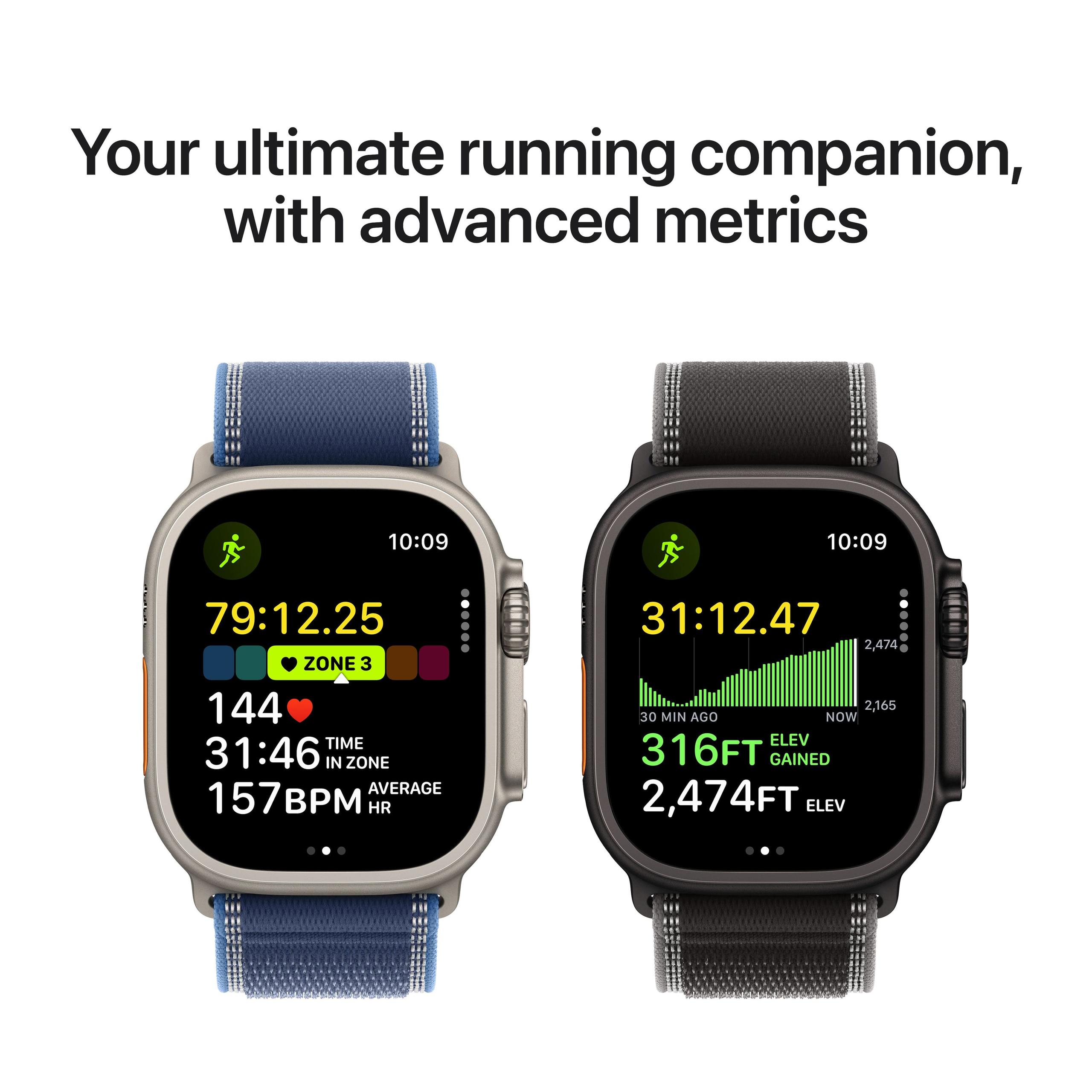
The watch offers over 115 sport modes covering everything from common activities like running and cycling to specialized pursuits like ice climbing and kitesurfing. More importantly, it provides advanced metrics like VO2 max estimation (your maximum oxygen consumption during exercise), lactate threshold detection (the point where your body switches from aerobic to anaerobic energy production), and training load analysis—data that helps serious athletes optimize their performance and avoid overtraining.
The Apple Watch Ultra 3 takes a broader approach to health, offering comprehensive wellness monitoring that extends well beyond exercise. It includes ECG (electrocardiogram) capability for detecting irregular heart rhythms, blood oxygen monitoring, sleep apnea notifications, and new hypertension alerts. The watch tracks sleep stages (light, deep, and REM sleep) and provides recovery insights based on heart rate variability—the small variations in time between heartbeats that can indicate stress and recovery status.
For competitive athletes and serious fitness enthusiasts, the Suunto Race 2 Titanium provides more relevant and actionable training data. For general health monitoring and wellness tracking, the Apple Watch Ultra 3 offers a more comprehensive picture of overall health status.
This category reveals the most significant philosophical difference between these watches. The Suunto Race 2 Titanium deliberately keeps smart features minimal and practical. You'll get basic notifications, music controls, and a surprisingly useful built-in LED flashlight with both white and red light modes—perfect for setting up camp or navigating in the dark without destroying your night vision.
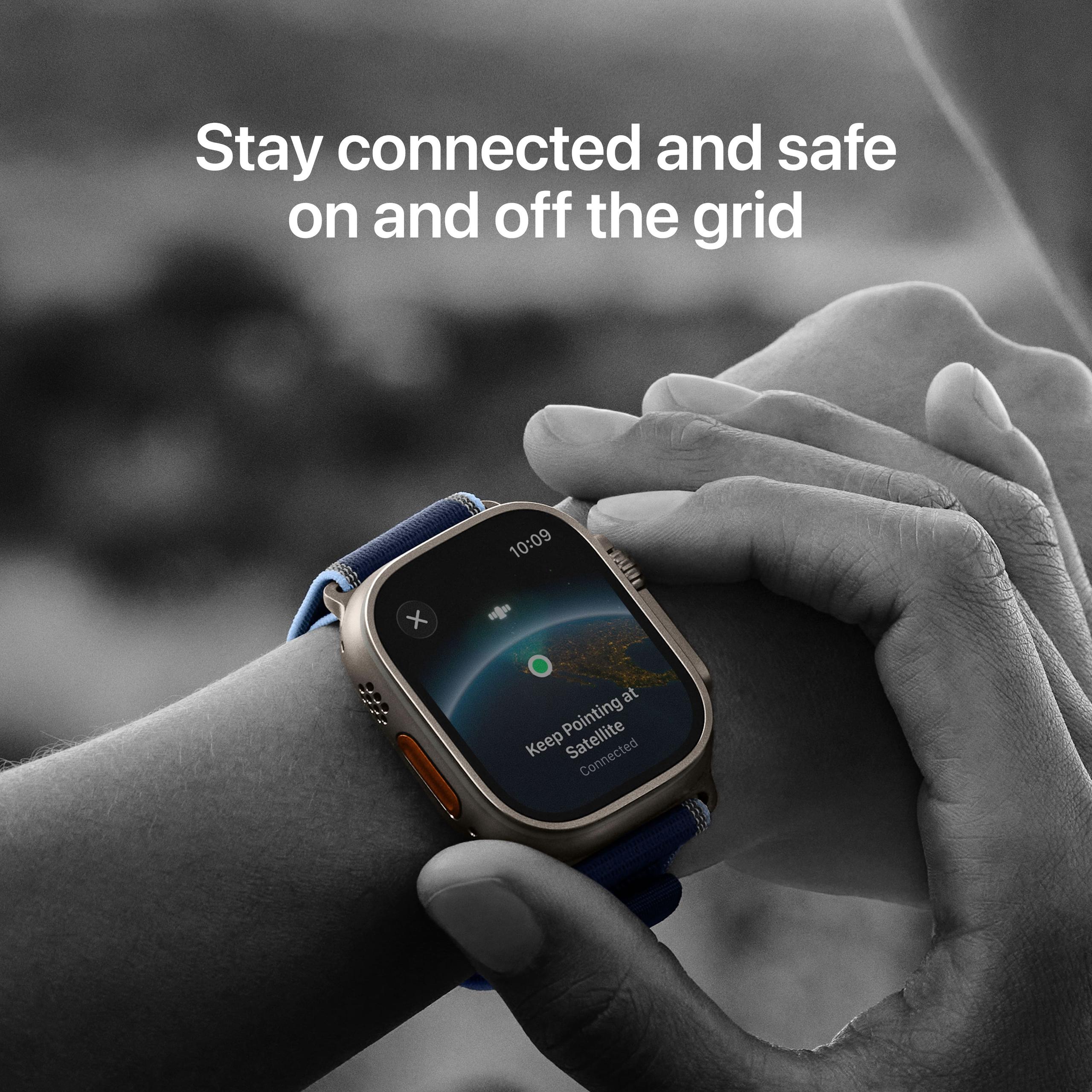
The Apple Watch Ultra 3 functions as a complete smart device on your wrist. It handles phone calls, text messages, email, calendar appointments, and thousands of third-party apps. The cellular connectivity means you can leave your phone at home during runs while still staying connected. Features like Apple Pay, Siri voice commands, and satellite emergency communications (for areas without cellular coverage) make it genuinely useful for daily tasks beyond fitness.
The trade-off is complexity and potential distraction. The Suunto Race 2 Titanium keeps you focused on your activity, while the Apple Watch Ultra 3 brings all the benefits and distractions of smartphone connectivity to your wrist.
Both watches feature premium titanium construction, but they approach durability differently. The Suunto Race 2 Titanium maintains a traditional sports watch aesthetic with a focus on functional design elements. Every button, crown, and surface serves a specific purpose for outdoor use. The titanium case is lightweight yet incredibly durable, designed to withstand years of outdoor adventures.
The Apple Watch Ultra 3 uses aerospace-grade titanium in a more modern, tech-forward design. The flat sapphire crystal display and refined case finishing make it suitable for both outdoor adventures and business meetings. The customizable Action button provides quick access to key functions, while the Digital Crown offers precise control even when wearing gloves.
Both approaches work well, but the Suunto leans more toward pure functionality while the Apple balances ruggedness with everyday wearability.
At the time of writing, the Suunto Race 2 Titanium typically costs several hundred dollars less than the Apple Watch Ultra 3, making it an attractive option for budget-conscious buyers who still want premium features. However, value isn't just about upfront cost—it's about what you get for your money and how well the device serves your specific needs.
The Suunto Race 2 Titanium offers exceptional value for dedicated athletes and outdoor enthusiasts. Its battery life alone can eliminate the need for portable chargers during multi-day adventures, and its specialized sports features provide data that many athletes can't get elsewhere at this price point.
The Apple Watch Ultra 3 costs more but potentially replaces multiple devices. If you value having phone capabilities, comprehensive health monitoring, navigation, and entertainment features in one device, the premium may be justified. The broader functionality and Apple's ecosystem integration can make the higher price worthwhile for users who will actually use these features.
The decision between the Suunto Race 2 Titanium and Apple Watch Ultra 3 should be based on your primary use case rather than specifications alone.
Choose the Suunto Race 2 Titanium if you're a serious athlete or outdoor enthusiast who values focus and endurance above all else. This watch excels for ultramarathoners, triathletes, mountaineers, and anyone whose activities regularly last longer than a day or two. The exceptional battery life eliminates charging anxiety during long adventures, while the specialized sports features provide actionable training data. If you prefer a distraction-free training environment and don't need comprehensive smart features, the Suunto represents excellent value and performance.
The Apple Watch Ultra 3 makes more sense if you want one device that handles both serious fitness tracking and daily digital life. It's ideal for tech-integrated athletes who want sports capabilities without sacrificing connectivity. Urban runners, cyclists who also need work functionality, and anyone who values comprehensive health monitoring beyond just fitness will appreciate the Apple's broader feature set. The satellite communication capability adds genuine safety value for remote adventures, though the shorter battery life requires more planning for extended activities.
Neither choice is wrong—they're optimized for different users and priorities. The Suunto Race 2 Titanium is a specialized tool that excels at its intended purpose, while the Apple Watch Ultra 3 is a versatile device that combines good sports functionality with comprehensive smart features. Your choice should reflect which philosophy better matches your lifestyle and training goals.
Consider your charging habits, the length of your typical activities, your need for smart features, and whether you're already invested in Apple's ecosystem. Both watches will serve their target users extremely well, but understanding their fundamental differences ensures you'll choose the one that truly fits your needs.
| Suunto Race 2 Titanium | Apple Watch Ultra 3 |
|---|---|
| Display Technology - Critical for outdoor readability and data clarity | |
| 1.5" AMOLED, 466×466 pixels, sharper map detail | 49mm LTPO3 OLED, 3,000 nits peak brightness |
| Battery Life - The most important difference for extended activities | |
| 16 days smartwatch, 55 hours GPS tracking | 42 hours normal use, 72 hours Low Power Mode |
| GPS Performance - Essential for navigation accuracy and endurance | |
| Dual-frequency, 55-hour battery life in max accuracy | Dual-frequency precision GPS, shorter battery life |
| Smart Features - Determines daily usability beyond fitness | |
| Basic notifications, music controls, LED flashlight | Full smartwatch: calls, apps, cellular, Apple Pay |
| Health Monitoring - Different approaches to wellness tracking | |
| 115+ sport modes, VO2max, training load analysis | ECG, blood oxygen, sleep apnea alerts, hypertension monitoring |
| Storage Capacity - Affects offline maps and content | |
| 32GB for offline maps and data | 64GB for maps, apps, and media |
| Water Resistance - Important for swimming and water sports | |
| 100m water resistance | 100m water resistance, certified for scuba diving |
| Build Quality - Both premium but different design philosophies | |
| Titanium case, traditional sports watch aesthetic | Aerospace-grade titanium, modern tech design |
| Connectivity - Determines standalone capabilities | |
| Bluetooth, basic smartphone pairing | 5G cellular, satellite communications, comprehensive connectivity |
| Weight - Affects comfort during long activities | |
| 65g with silicone strap (lightweight for all-day wear) | 61.6g (slightly lighter despite larger size) |
| Target User - Who each watch serves best | |
| Dedicated athletes, endurance sports, outdoor adventurers | Tech-integrated users wanting sports + smart features |
The Suunto Race 2 Titanium significantly outperforms the Apple Watch Ultra 3 in battery endurance. The Suunto Race 2 Titanium provides up to 55 hours of continuous GPS tracking, making it ideal for ultramarathons, multi-day hikes, or extended cycling adventures. In contrast, the Apple Watch Ultra 3 offers shorter GPS battery life but compensates with fast charging capabilities that can reach 80% in 45 minutes.
The primary difference is philosophy: the Suunto Race 2 Titanium is a dedicated sports watch focused purely on athletic performance and outdoor activities, while the Apple Watch Ultra 3 combines comprehensive smartwatch features with sports tracking. The Suunto Race 2 Titanium excels in battery life and specialized training metrics, whereas the Apple Watch Ultra 3 offers cellular connectivity, apps, and broader health monitoring.
The Suunto Race 2 Titanium is generally better suited for serious athletes due to its 115+ sport modes, advanced training metrics like VO2 max and lactate threshold detection, and exceptional battery life for long training sessions. The Apple Watch Ultra 3 offers good fitness tracking but focuses more on overall health monitoring rather than specialized athletic performance data.
The Apple Watch Ultra 3 with cellular connectivity can function independently of your phone for calls, messages, and many apps. The Suunto Race 2 Titanium can track activities and navigate offline without a phone but requires smartphone pairing for full functionality and data syncing. For true standalone capability, the Apple Watch Ultra 3 is the clear winner.
Both watches offer dual-frequency GPS for improved accuracy, but they excel in different areas. The Suunto Race 2 Titanium provides exceptional GPS endurance and specialized outdoor navigation features with offline topographic maps. The Apple Watch Ultra 3 has good GPS accuracy but may occasionally drift in challenging environments. For dedicated outdoor navigation and multi-day adventures, the Suunto Race 2 Titanium is preferred.
The Apple Watch Ultra 3 offers comprehensive smart features including phone calls, text messaging, apps, Apple Pay, Siri, and satellite communications. The Suunto Race 2 Titanium keeps smart features minimal with basic notifications, music controls, and a built-in LED flashlight. If you want a full smartwatch experience, the Apple Watch Ultra 3 is significantly more capable.
Both watches feature premium titanium construction and 100m water resistance, making them highly durable. The Suunto Race 2 Titanium is designed specifically for rugged outdoor use with a traditional sports watch build, while the Apple Watch Ultra 3 balances durability with modern design aesthetics. Both can handle extreme outdoor conditions, though the Suunto Race 2 Titanium has a slight edge in pure ruggedness.
The Apple Watch Ultra 3 offers more comprehensive health monitoring with ECG, blood oxygen monitoring, sleep apnea notifications, and hypertension alerts. The Suunto Race 2 Titanium focuses on sports-specific health metrics like heart rate variability, recovery tracking, and training load analysis. Choose the Apple Watch Ultra 3 for broader health monitoring or the Suunto Race 2 Titanium for athletic performance insights.
Value depends on your needs. The Suunto Race 2 Titanium typically costs less and offers exceptional value for dedicated athletes and outdoor enthusiasts who prioritize battery life and specialized features. The Apple Watch Ultra 3 costs more but potentially replaces multiple devices with its comprehensive smart features and health monitoring capabilities.
Both watches are water resistant to 100 meters and suitable for swimming. The Apple Watch Ultra 3 is additionally certified for recreational scuba diving, while the Suunto Race 2 Titanium includes specialized swimming modes and water sports tracking. Both handle pool swimming, open water swimming, and water sports effectively.
The Apple Watch Ultra 3 dominates in raw brightness with up to 3,000 nits, making it perfectly readable in direct sunlight. The Suunto Race 2 Titanium offers superior pixel density for sharper map details and data display. For general outdoor visibility, the Apple Watch Ultra 3 wins, but for detailed navigation and data clarity, the Suunto Race 2 Titanium excels.
The Suunto Race 2 Titanium can go up to 16 days between charges in smartwatch mode, making it ideal for extended trips or users who dislike frequent charging. The Apple Watch Ultra 3 requires charging every 1-3 days depending on usage but offers fast charging for convenience. If minimal charging is important, the Suunto Race 2 Titanium is the clear choice.
We've done our best to create useful and informative comparisons to help you decide what product to buy. Our research uses advanced automated methods to create this comparison and perfection is not possible - please contact us for corrections or questions. These are the sites we've researched in the creation of this article: the5krunner.com - tomsguide.com - androidcentral.com - tomsguide.com - youtube.com - wareable.com - youtube.com - youtube.com - dcrainmaker.com - nsmb.com - gpstraining.co.uk - triathlete.com - us.suunto.com - youtube.com - us.suunto.com - youtube.com - suunto.com - apac.suunto.com - youtube.com - dcrainmaker.com - youtube.com - phonearena.com - tomsguide.com - applevis.com - apple.com - apple.com - apple.com - apple.com - bestbuy.com - apple.com - macobserver.com - costco.com - apple.com - apple.com - youtube.com - t-mobile.com - verizon.com - att.com

Privacy Policy
Terms and Conditions - Affiliate Policy
Home Security
© Copyright 2008-2026.
11816 Inwood Rd #1211, Dallas, TX 75244