


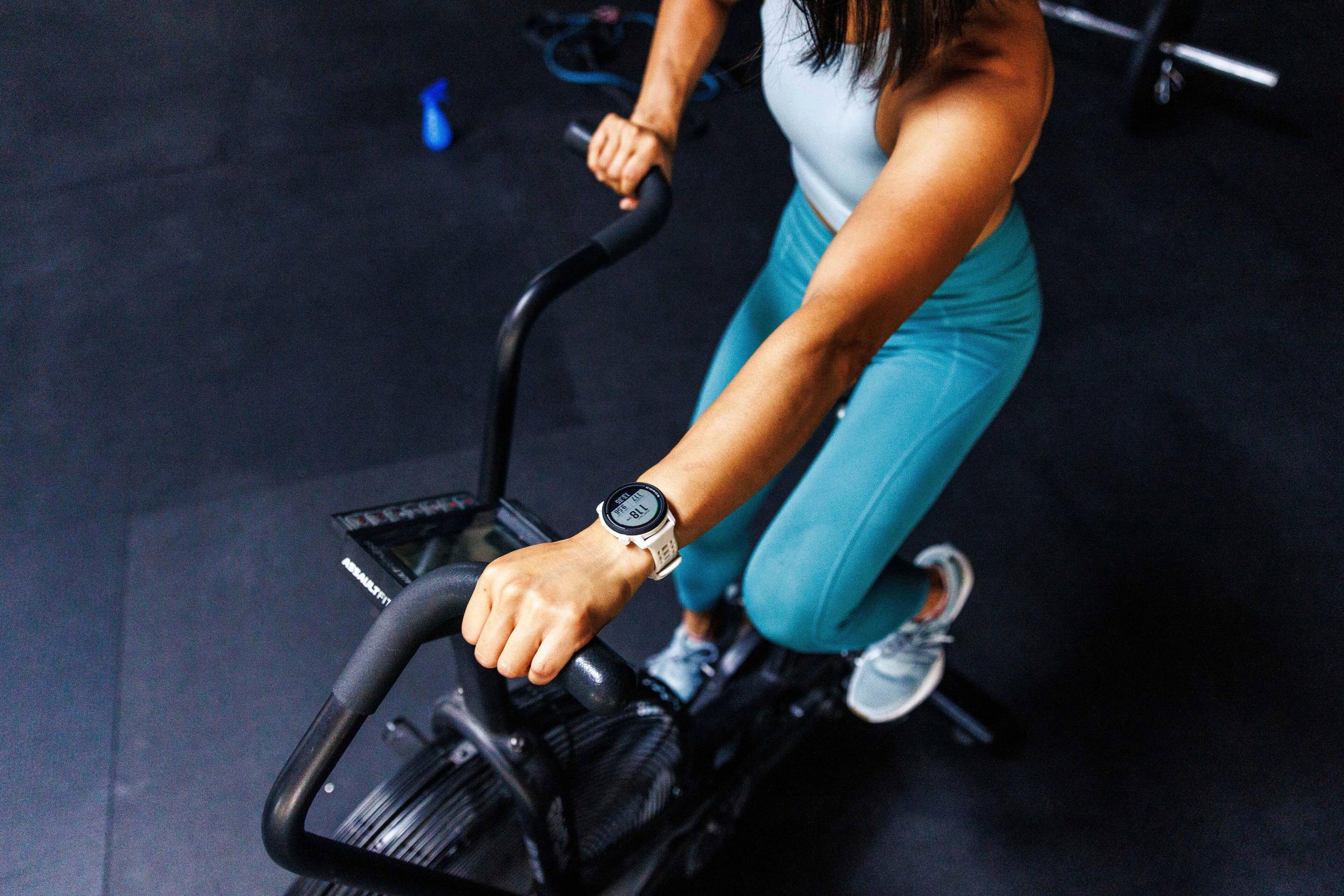
GPS sports watches have evolved dramatically over the past decade, transforming from basic step counters into sophisticated training computers that can guide you through backcountry trails, analyze your sleep quality, and even store your favorite workout playlist. Today's market offers everything from bare-bones running trackers to premium multisport computers that rival dedicated navigation devices.
The challenge for most athletes lies in determining how much capability they actually need versus want. At the time of writing, this decision often comes down to choosing between feature-rich premium watches that cost as much as a decent laptop, or more focused budget options that deliver core functionality without breaking the bank.
Two watches that perfectly illustrate this divide are the Suunto Race 2 Titanium and the COROS Pace 3. Released in 2024 and late 2023 respectively, these devices represent fundamentally different approaches to GPS sports tracking. The Suunto Race 2 Titanium targets serious multisport athletes with flagship features and premium materials, while the COROS Pace 3 focuses on delivering essential GPS tracking in an ultralight, budget-friendly package.
Before diving into specifics, it's worth understanding what separates a basic fitness tracker from a true GPS sports watch. The key differentiator is satellite connectivity—GPS sports watches can track your exact location and movement without relying on your smartphone. This independence becomes crucial when you're miles into a trail run or cycling through areas with poor cell coverage.
Modern GPS watches also incorporate multiple satellite systems beyond the original GPS network. Terms like "multi-band" or "dual-frequency" refer to watches that can simultaneously connect to different satellite frequencies, resulting in more accurate positioning. Both the Suunto Race 2 Titanium and COROS Pace 3 include this technology, which was previously reserved for premium devices.
The most important performance characteristics for GPS sports watches include battery life during tracking, GPS accuracy, display readability, sensor reliability, and build quality. However, the weight given to each factor depends entirely on your intended use.
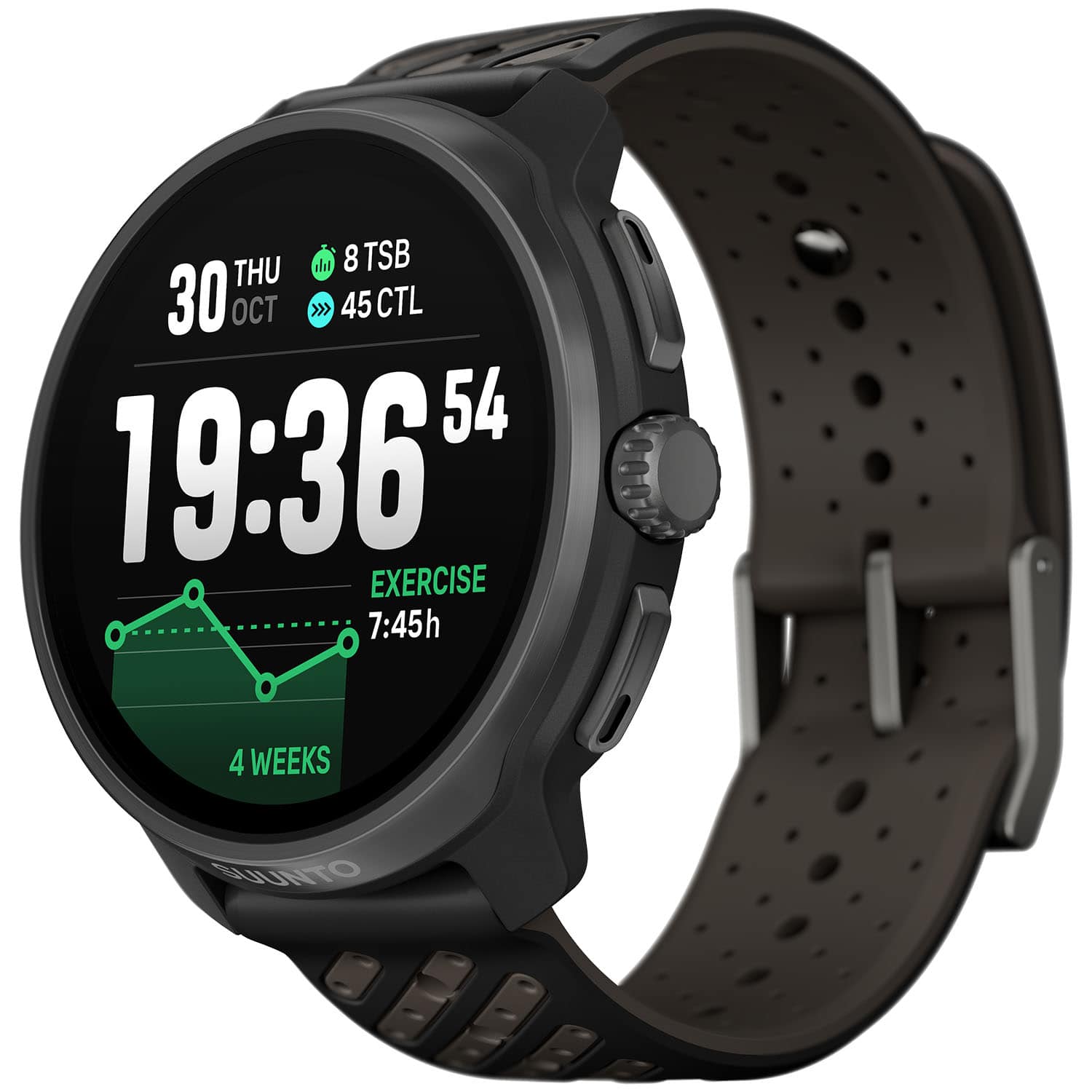
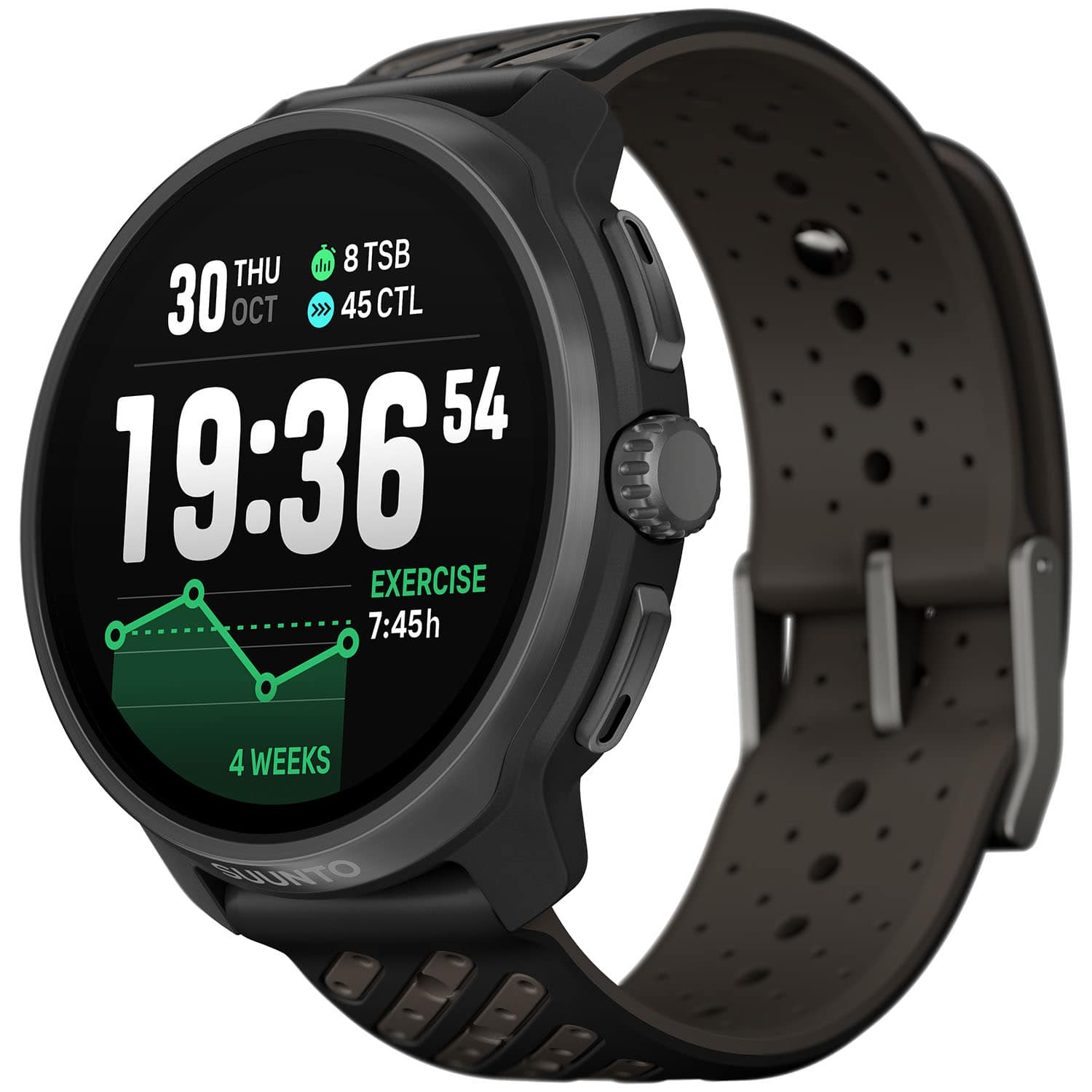
The most immediately noticeable difference between these watches lies in their display technology. The Suunto Race 2 Titanium features a 1.5-inch AMOLED screen with 466x466 pixel resolution and peak brightness of 2,000 nits. AMOLED (Active-Matrix Organic Light-Emitting Diode) displays produce vibrant colors and deep blacks because each pixel generates its own light. The high nit rating means exceptional visibility even in direct sunlight—crucial when you're checking navigation mid-run on a bright day.
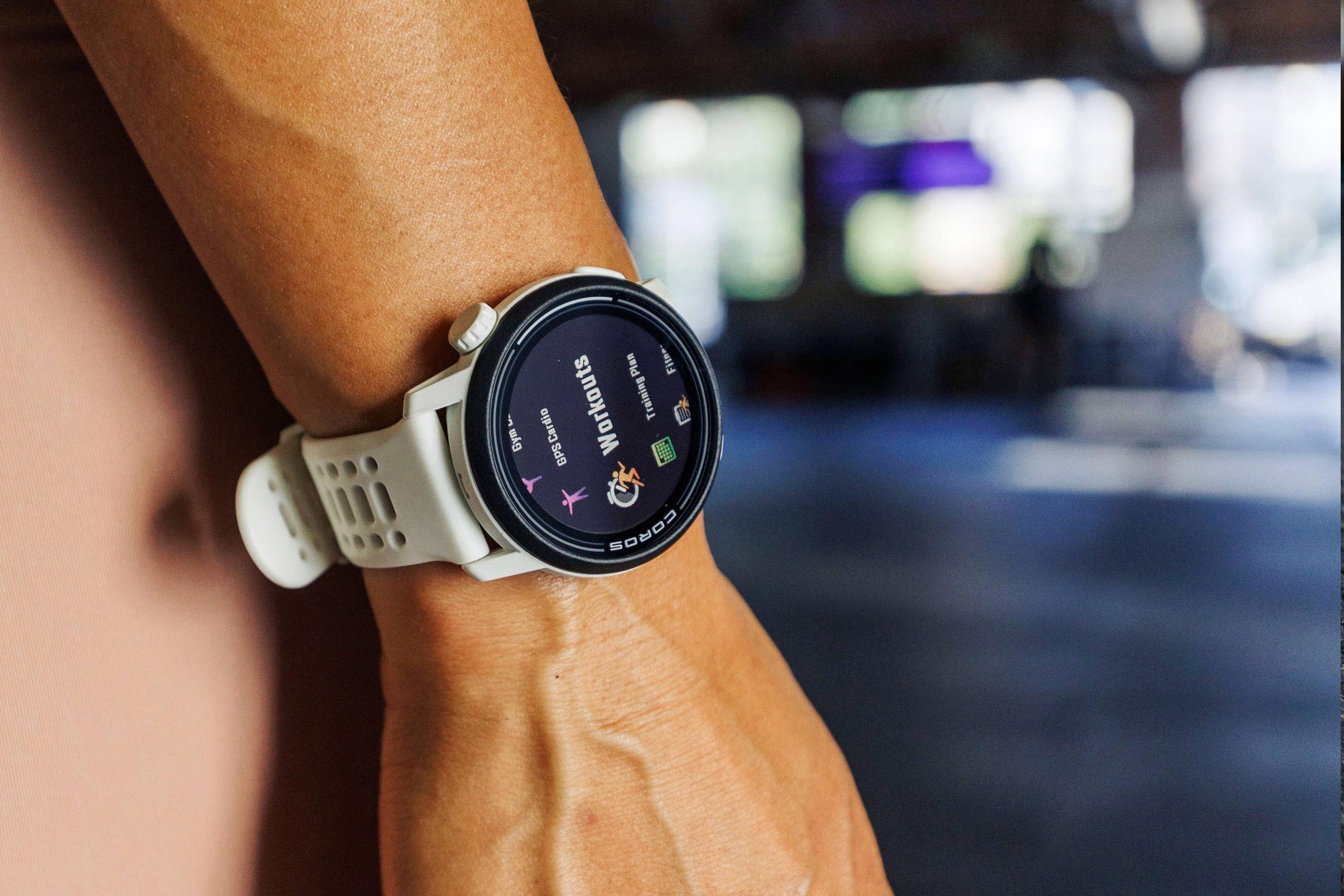
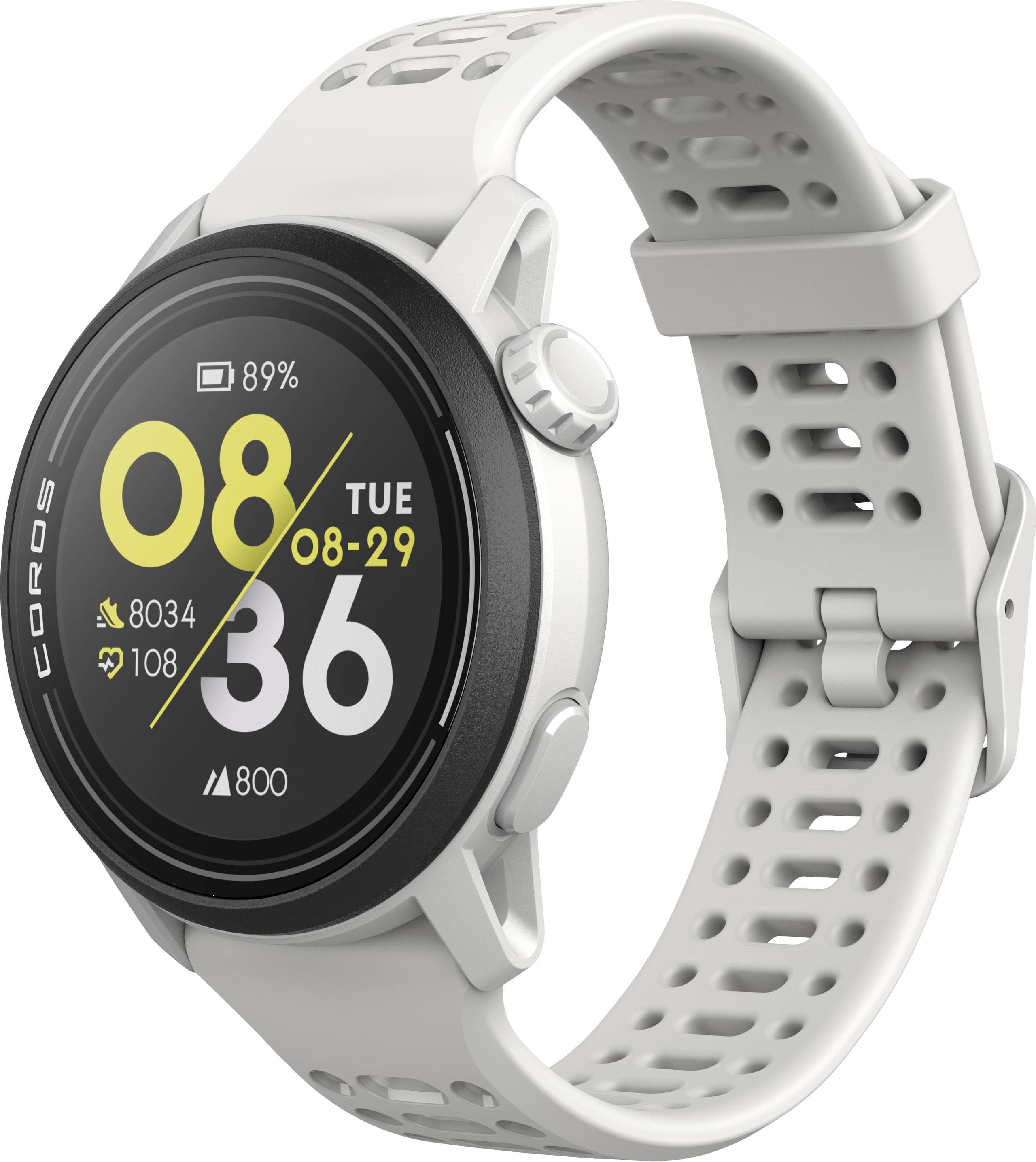
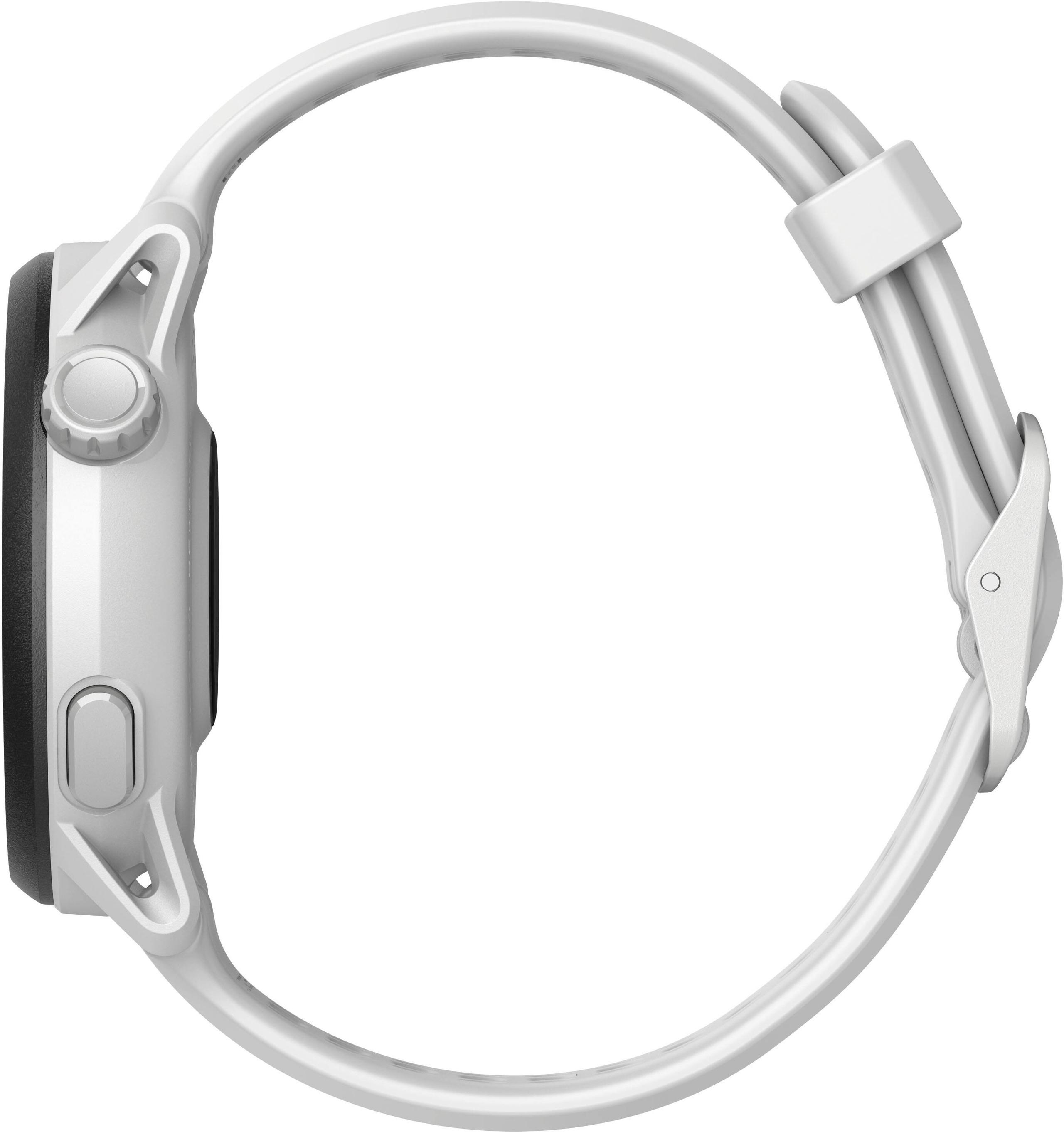
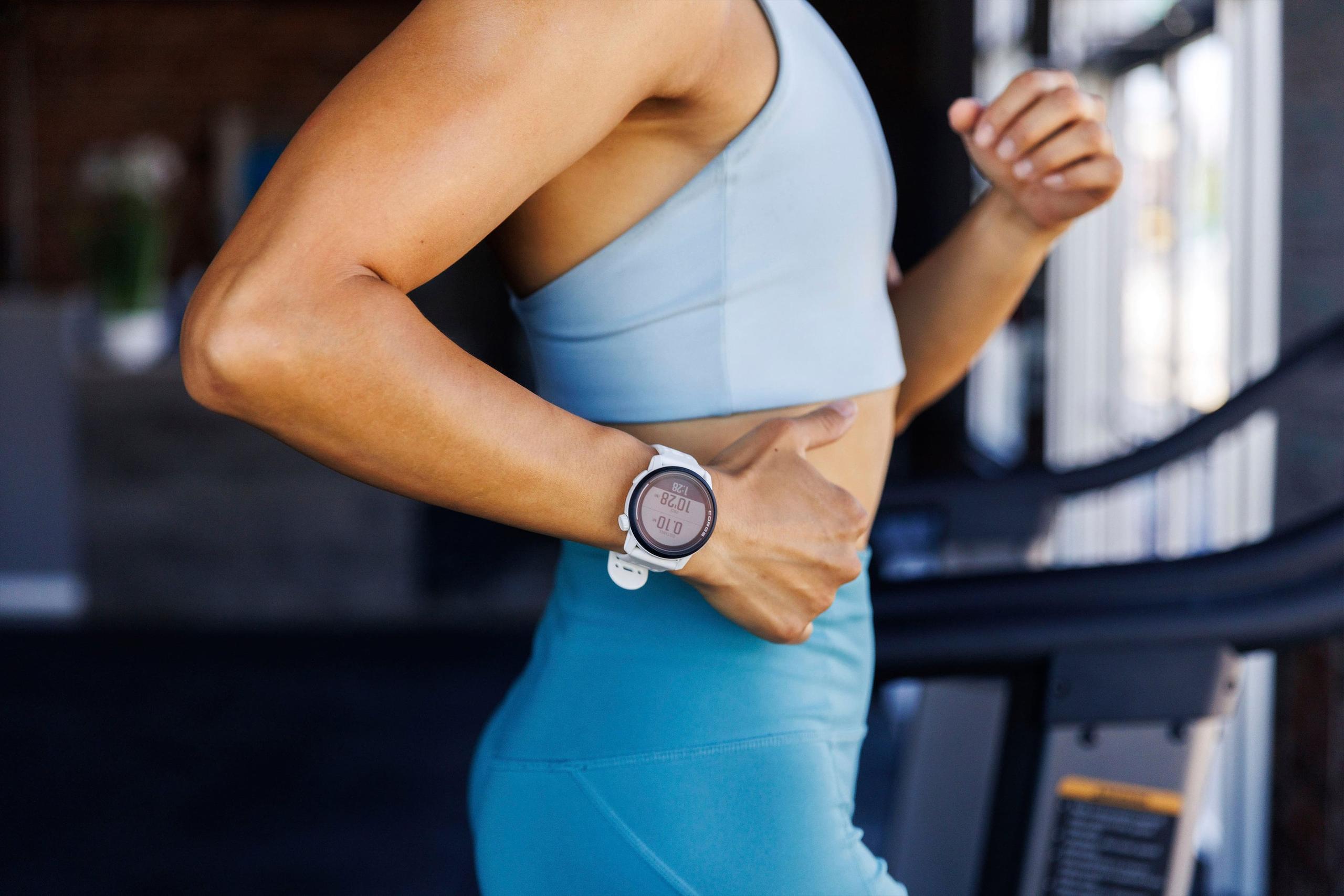
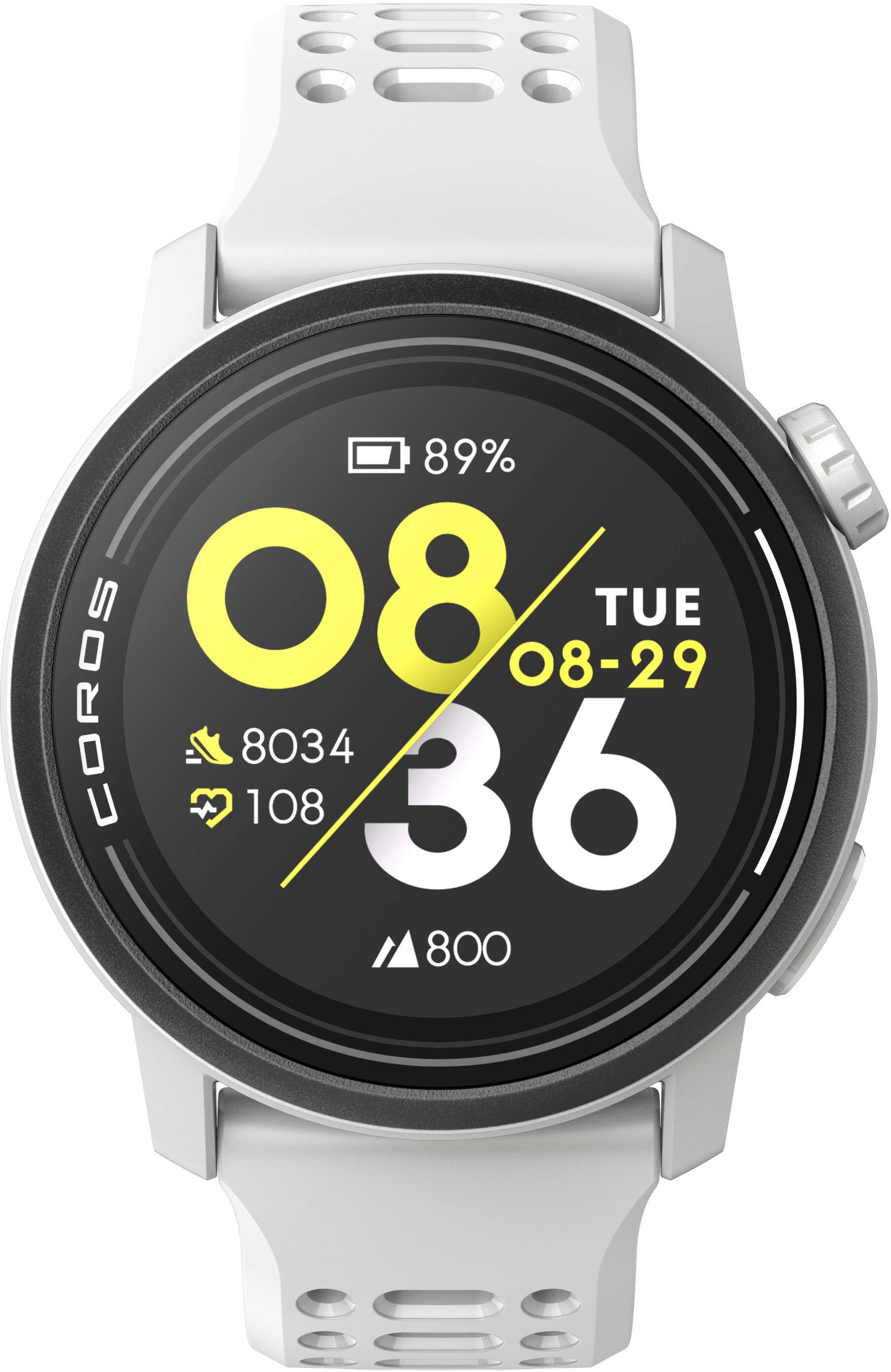
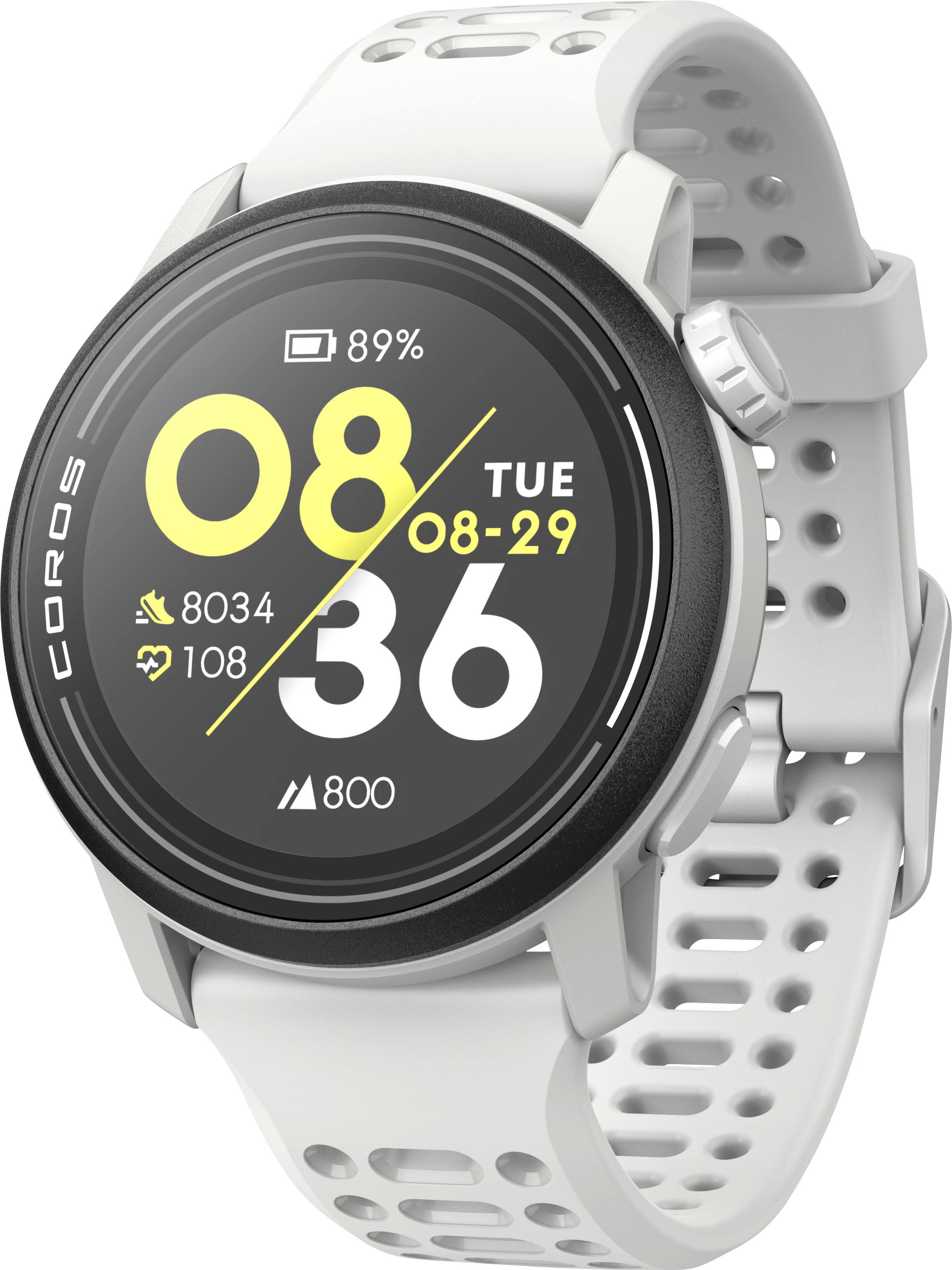
In contrast, the COROS Pace 3 uses a traditional transflective LCD display at 1.2 inches with 240x240 resolution. Transflective screens work by reflecting ambient light, making them always visible without backlighting but appearing dimmer and less colorful than AMOLED alternatives. Think of the difference between a modern smartphone screen and a basic digital watch—that's essentially what you're comparing here.
This display difference impacts more than aesthetics. The Suunto Race 2 Titanium's AMOLED screen makes reviewing detailed maps genuinely useful, while the COROS Pace 3's smaller, dimmer display works fine for basic data but struggles with complex information. However, the transflective screen consumes virtually no power in daylight, contributing significantly to the COROS's exceptional battery efficiency.
Battery life represents perhaps the most critical performance metric for endurance athletes. Nothing ruins a long training session like a dead watch halfway through. Both devices excel here but achieve their results differently.
The Suunto Race 2 Titanium delivers up to 55 hours of dual-frequency GPS tracking—exceptional for any AMOLED watch. In smartwatch mode, it lasts approximately 16 days. These numbers put it among the best in the premium category, especially considering the power demands of that bright, large display.
The COROS Pace 3 provides 38 hours of GPS tracking and up to 17 days in smartwatch mode. While the raw numbers appear lower, real-world efficiency testing reveals the COROS to be significantly more power-efficient. Research from multiple user reports indicates the COROS drains only 2% battery overnight versus 6-7% for the Suunto. During GPS tracking, the COROS consumes roughly half the power per hour compared to the Suunto Race 2 Titanium.
For weekend warriors who charge weekly, this difference matters little. For ultra-distance athletes or those who frequently forget to charge devices, the COROS's superior efficiency provides meaningful practical advantages.
Both watches include dual-frequency GPS capability, connecting to multiple satellite systems (GPS, GLONASS, Galileo, QZSS, and Beidou) for improved accuracy. In testing across various conditions, both demonstrate solid GPS performance that rivals much more expensive devices.
The critical difference lies in navigation capabilities. The Suunto Race 2 Titanium includes 32GB of storage for offline topographic maps, turn-by-turn navigation, route planning, waypoint marking, and breadcrumb trails. This transforms it into a legitimate backcountry navigation tool. The color display makes map interpretation intuitive, while features like climb guidance (similar to Garmin's ClimbPro) provide elevation profiles for planned routes.
The COROS Pace 3 offers basic breadcrumb navigation and route syncing through the companion app, but lacks onboard maps or advanced navigation features. You can follow a pre-planned route, but won't see your surroundings or receive turn-by-turn guidance. This limitation restricts the COROS to familiar training areas or simple out-and-back routes.
For trail runners, hikers, or anyone who ventures off established paths, this navigation difference alone justifies the Suunto Race 2 Titanium's premium positioning. Road runners and track athletes will find the COROS Pace 3's basic navigation perfectly adequate.
The construction difference between these watches reflects their target markets perfectly. The Suunto Race 2 Titanium features a titanium case with sapphire crystal display protection, steel buttons, and refined finishing that wouldn't look out of place in a boardroom. At 65 grams, it feels substantial without being cumbersome, and the 12.5mm thickness sits comfortably under most shirt sleeves.
Titanium offers several practical advantages beyond aesthetics. It's significantly lighter than steel while providing superior corrosion resistance—important for athletes who sweat heavily or swim in saltwater. The sapphire crystal display protection is nearly scratchproof, maintaining clarity throughout years of use.
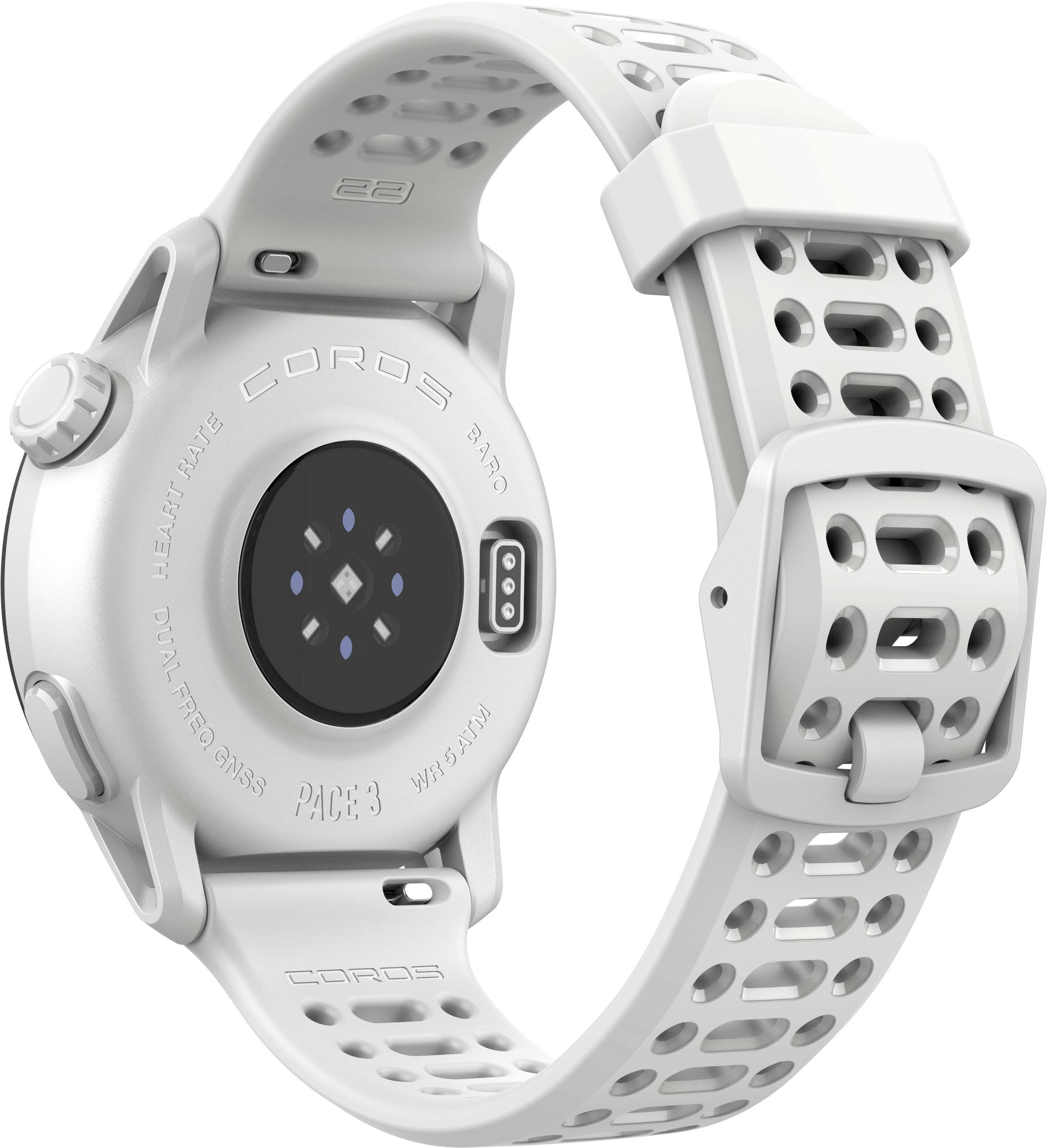
The COROS Pace 3 takes the opposite approach, prioritizing weight savings above all else. At just 30 grams with the nylon band, it's among the lightest GPS watches available. The fiber-reinforced polymer construction feels plasticky compared to the Suunto's premium materials, but this contributes to the featherweight feel that ultrarunners particularly appreciate.
Both watches offer 5 ATM water resistance, suitable for swimming and showering. The Suunto Race 2 Titanium's 100-meter rating exceeds the COROS's 50-meter specification, though both exceed what most athletes require.
Both watches include optical heart rate sensors, SpO2 (blood oxygen) monitoring, and barometric altimeters. The Suunto Race 2 Titanium features an upgraded sensor design specifically intended to address accuracy issues in previous generations, while the COROS Pace 3 uses a next-generation sensor with five LEDs and four photodetectors.
Optical heart rate technology works by shining light through your skin and measuring blood volume changes. However, factors like skin tone, tattoos, wrist hair, and movement can impact accuracy. Based on extensive user feedback and professional reviews, both watches deliver typical optical heart rate performance—generally reliable during steady-state activities but prone to errors during high-intensity intervals or sudden pace changes.
For athletes requiring clinical-grade heart rate accuracy, both watches support external Bluetooth heart rate straps. However, the COROS Pace 3 lacks ANT+ connectivity, which some cycling power meters and advanced sensors require. This limitation particularly impacts cyclists and triathletes using specialized equipment.
The SpO2 sensors on both devices measure blood oxygen saturation, useful for altitude training and sleep analysis. These readings shouldn't be considered medical-grade but provide helpful trends for training adaptation and recovery monitoring.
The Suunto Race 2 Titanium supports over 115 sport modes covering everything from running and cycling to skiing, climbing, and specialized activities like kitesurfing. The extensive customization options allow athletes to tailor data fields, alerts, and tracking parameters for specific sports.
Advanced training features include VO2 max estimation (maximum oxygen uptake, indicating cardiovascular fitness), lactate threshold detection (the point where lactate accumulates faster than your body can clear it), recovery analysis, and structured workout guidance. The Suunto ecosystem integrates with established coaching platforms and provides sophisticated training load analysis.
The COROS Pace 3 covers 20+ core sport modes focused on running, cycling, swimming, and basic multisport activities. While sufficient for most recreational athletes, the training analysis lacks the depth of premium competitors. User feedback consistently indicates that the COROS's physiological metrics like VO2 max and race predictions feel less reliable than those from more established platforms.
For serious athletes following structured training plans or working with coaches, the Suunto Race 2 Titanium's comprehensive analytics provide genuine value. Recreational athletes focused on basic tracking will find the COROS Pace 3 perfectly adequate for monitoring progress and motivation.
Neither watch attempts to replace your smartphone, but they differ significantly in smart feature implementation. The Suunto Race 2 Titanium offers notification mirroring, weather updates, music controls (but no storage), and calendar integration. The interface feels modern and responsive, thanks to an upgraded processor introduced in 2024.
The COROS Pace 3 includes a surprising feature for its price point: 4GB of onboard music storage. This allows downloading MP3 files directly to the watch for phone-free workouts with Bluetooth headphones. However, the overall smart features remain basic, with limited notification management and no third-party app support.
The companion apps differ significantly in sophistication. The Suunto app provides comprehensive workout analysis, route planning, and community features. The COROS app, while functional, feels less polished with more limited analysis capabilities.
The Suunto Race 2 Titanium introduces several noteworthy technologies for 2024. The LTPO (Low Temperature Polycrystalline Oxide) AMOLED display dynamically adjusts refresh rates to conserve power while maintaining responsiveness. Voice guidance integration with compatible headsets provides audio navigation cues, particularly valuable for cyclists who can't easily check their wrist while riding.
The COROS Pace 3's standout innovation lies in its power management. The watch achieves exceptional efficiency through optimized hardware and software, with standby power consumption that rivals basic fitness trackers despite including full GPS capability.
Both watches receive regular firmware updates adding new features and improvements. This ongoing development extends the useful life of these devices well beyond their initial purchase.
For ultrarunners and endurance athletes, the COROS Pace 3's featherweight design and exceptional battery efficiency make it compelling. The 30-gram weight becomes increasingly important during 50+ mile races where every ounce matters. However, the basic navigation limits its utility for unfamiliar trail races.
Triathletes and multisport athletes will appreciate the Suunto Race 2 Titanium's comprehensive sport mode coverage, advanced sensor compatibility, and detailed analytics. The navigation features prove valuable for open water swimming and unfamiliar cycling routes.
Adventure athletes and hikers benefit enormously from the Suunto Race 2 Titanium's full mapping and navigation capabilities. The ability to download topographic maps and navigate complex terrain safely justifies the premium positioning for these use cases.
Recreational runners and budget-conscious athletes may find the COROS Pace 3's core functionality perfectly adequate. The music storage eliminates phone dependency, while the exceptional battery life reduces charging frustration.
Daily wear consideration strongly favors the Suunto Race 2 Titanium. The premium materials, refined aesthetics, and vibrant display make it suitable for professional environments. The COROS Pace 3's plasticky construction and basic display limit its appeal outside of workouts.
At the time of writing, these watches represent the premium versus budget divide in GPS sports tracking. The Suunto Race 2 Titanium costs roughly 2.5 times more than the COROS Pace 3, but delivers flagship features that justify the premium for serious athletes.
Choose the Suunto Race 2 Titanium if you participate in multiple sports, venture into unfamiliar terrain, want premium daily wear aesthetics, or simply desire the best available technology. The AMOLED display, comprehensive navigation, and titanium construction provide tangible benefits that extend beyond basic tracking.
Choose the COROS Pace 3 if you primarily run or cycle on familiar routes, prioritize ultralight weight, operate on a strict budget, or want exceptional battery efficiency above all else. The core GPS tracking performs excellently, and the music storage adds genuine utility.
Both represent solid choices within their respective categories. The decision ultimately depends on whether you prioritize the comprehensive capabilities and premium experience of the Suunto Race 2 Titanium, or the focused efficiency and value proposition of the COROS Pace 3. Neither will disappoint users who understand their intended strengths and limitations.
| Suunto Race 2 Titanium | COROS Pace 3 |
|---|---|
| Display Technology - Critical for readability and daily use | |
| 1.5" AMOLED, 466x466 pixels, 2,000 nits brightness with sapphire crystal | 1.2" transflective LCD, 240x240 pixels, always-visible but dimmer |
| Weight and Comfort - Essential for long training sessions | |
| 65g with premium titanium construction | 30g ultralight design (half the weight of Suunto) |
| GPS Battery Life - Most important for endurance activities | |
| Up to 55 hours dual-frequency GPS (excellent for AMOLED display) | Up to 38 hours GPS but 50% more power efficient per hour |
| Build Materials - Affects durability and daily wear appeal | |
| Titanium case, sapphire crystal, steel buttons (premium feel) | Fiber-reinforced polymer, mineral glass (functional but basic) |
| Navigation Capabilities - Crucial for adventure and trail athletes | |
| Full offline maps (32GB), turn-by-turn navigation, waypoints | Basic breadcrumb trails only, no onboard maps |
| Smartwatch Battery Life - Important for daily wear convenience | |
| 16 days typical, but 6-7% overnight drain | 17 days with only 2% overnight drain (much more efficient) |
| Water Resistance - Matters for swimmers and outdoor athletes | |
| 100m (excellent for all water sports) | 50m (sufficient for swimming and showers) |
| Heart Rate Sensor - Key for training accuracy | |
| Upgraded optical sensor with improved accuracy claims | Next-gen 5 LED/4 photodetector design, similar performance |
| Sport Mode Coverage - Important for multisport athletes | |
| 115+ modes including specialized activities | 20+ core modes focused on running/cycling/swimming |
| Music Storage - Valuable for phone-free workouts | |
| Music controls only, no onboard storage | 4GB storage for MP3 files (rare at this price point) |
| External Sensor Support - Critical for serious cyclists/triathletes | |
| Bluetooth and ANT+ compatibility with power meters, etc. | Bluetooth only, no ANT+ (limits cycling sensor options) |
| Training Analysis - Important for structured training | |
| Comprehensive VO2 max, lactate threshold, recovery metrics | Basic metrics with questionable accuracy according to users |
The COROS Pace 3 is generally better for beginners due to its simpler interface, lower cost, and focus on core GPS tracking features. New athletes don't need the advanced navigation and multisport features of the Suunto Race 2 Titanium, making the COROS Pace 3 a more practical starting point.
The primary difference is that the Suunto Race 2 Titanium is a premium multisport watch with AMOLED display, full navigation maps, and titanium construction, while the COROS Pace 3 is a budget-focused running watch with basic LCD display and ultralight design. The Suunto Race 2 Titanium offers flagship features, whereas the COROS Pace 3 prioritizes essential tracking at a lower cost.
Both offer excellent battery life, but in different ways. The COROS Pace 3 is more power-efficient, using only 2% battery overnight versus 6-7% for the Suunto Race 2 Titanium. However, the Suunto Race 2 Titanium provides longer total GPS tracking time at 55 hours compared to 38 hours for the COROS Pace 3.
Yes, both are excellent for running. The COROS Pace 3 is specifically designed for runners with its ultralight 30g weight and efficient battery. The Suunto Race 2 Titanium offers more advanced running metrics and navigation for trail running, but weighs more than twice as much as the COROS Pace 3.
Both watches offer similar GPS accuracy with dual-frequency satellite tracking. The Suunto Race 2 Titanium and COROS Pace 3 perform comparably in testing, with minor variations depending on terrain and conditions. Neither has a significant accuracy advantage over the other.
Yes, both are suitable for swimming. The Suunto Race 2 Titanium offers 100m water resistance compared to 50m for the COROS Pace 3, making it better for deeper water activities. Both track swimming workouts effectively, though the Suunto Race 2 Titanium provides more detailed swimming metrics.
The Suunto Race 2 Titanium is significantly better for cycling due to ANT+ sensor compatibility, allowing connection to cycling power meters and advanced sensors. The COROS Pace 3 only supports Bluetooth sensors, limiting cycling accessory options. Serious cyclists should choose the Suunto Race 2 Titanium.
Yes, both function independently with built-in GPS. The COROS Pace 3 can even store and play music without a phone, while the Suunto Race 2 Titanium includes offline maps for navigation. However, both sync with smartphone apps for detailed analysis and additional features.
The Suunto Race 2 Titanium is more durable with its titanium construction and sapphire crystal display protection. The COROS Pace 3 uses polymer materials and mineral glass, making it functional but less premium. For long-term durability, the Suunto Race 2 Titanium is the better choice.
Yes, both track sleep stages, heart rate variability, and recovery metrics. The Suunto Race 2 Titanium provides more comprehensive recovery analysis integrated with training load data. The COROS Pace 3 offers basic sleep and recovery tracking sufficient for most users' needs.
The Suunto Race 2 Titanium is far superior for trail running and hiking due to its offline topographic maps, turn-by-turn navigation, and waypoint features. The COROS Pace 3 only offers basic breadcrumb navigation, limiting its usefulness in unfamiliar terrain. Adventure athletes should choose the Suunto Race 2 Titanium.
Both offer good value in their categories. The COROS Pace 3 provides excellent value for budget-conscious runners seeking reliable GPS tracking. The Suunto Race 2 Titanium justifies its premium cost for serious multisport athletes who need advanced features, navigation, and premium materials. Choose based on your specific needs and budget.
We've done our best to create useful and informative comparisons to help you decide what product to buy. Our research uses advanced automated methods to create this comparison and perfection is not possible - please contact us for corrections or questions. These are the sites we've researched in the creation of this article: the5krunner.com - tomsguide.com - androidcentral.com - tomsguide.com - youtube.com - wareable.com - youtube.com - youtube.com - dcrainmaker.com - nsmb.com - gpstraining.co.uk - triathlete.com - us.suunto.com - youtube.com - us.suunto.com - youtube.com - suunto.com - apac.suunto.com - cleverhiker.com - tomsguide.com - dcrainmaker.com - youtube.com - advnture.com - runtothefinish.com - runnersworld.com - youtube.com - us.coros.com - youtube.com - outdoorgearlab.com - youtube.com - trackbetter.com - runningshoesguru.com - youtube.com - runningwarehouse.com - tomsguide.com - coros.com - support.coros.com - shop-fr.coros.com - running.reviews - support.coros.com - us.coros.com - youtube.com - coros.com - coros.com - wareable.com - publiclands.com - youtube.com - corosbenelux.com - trackbetter.com - bestbuy.com

Privacy Policy
Terms and Conditions - Affiliate Policy
Home Security
© Copyright 2008-2026.
11816 Inwood Rd #1211, Dallas, TX 75244