


The smartwatch market in 2025 feels like the wild west all over again. You've got premium players charging premium prices, scrappy newcomers offering flagship features for half the cost, and enough technical jargon to make your head spin. Two devices perfectly capture this tension: the OnePlus Watch 3 43mm, released in early 2025, and the Apple Watch Series 10 GPS + Cellular 42mm, which hit shelves in late 2024.
At the time of writing, these watches sit at opposite ends of the pricing spectrum—the OnePlus costs roughly what you'd spend on a nice dinner for two, while the Apple Watch with cellular will set you back about the same as a decent laptop. That price gap isn't just marketing fluff; it represents fundamentally different approaches to what a smartwatch should be.
Before diving into the nitty-gritty, let's establish what actually matters in a smartwatch today. Unlike the early days when these devices were glorified notification mirrors, modern smartwatches are genuine computers on your wrist. The key battlegrounds are battery life versus feature density, health tracking accuracy, ecosystem integration, and build quality.
The most important performance metric? It depends entirely on how you plan to use it. If you're a fitness enthusiast who goes on weekend camping trips, battery life trumps everything else. If you're someone who forgets their phone constantly and needs to stay connected, cellular capability becomes non-negotiable. If you're dealing with health issues or just want the most accurate medical-grade monitoring, sensor quality and FDA approvals matter most.
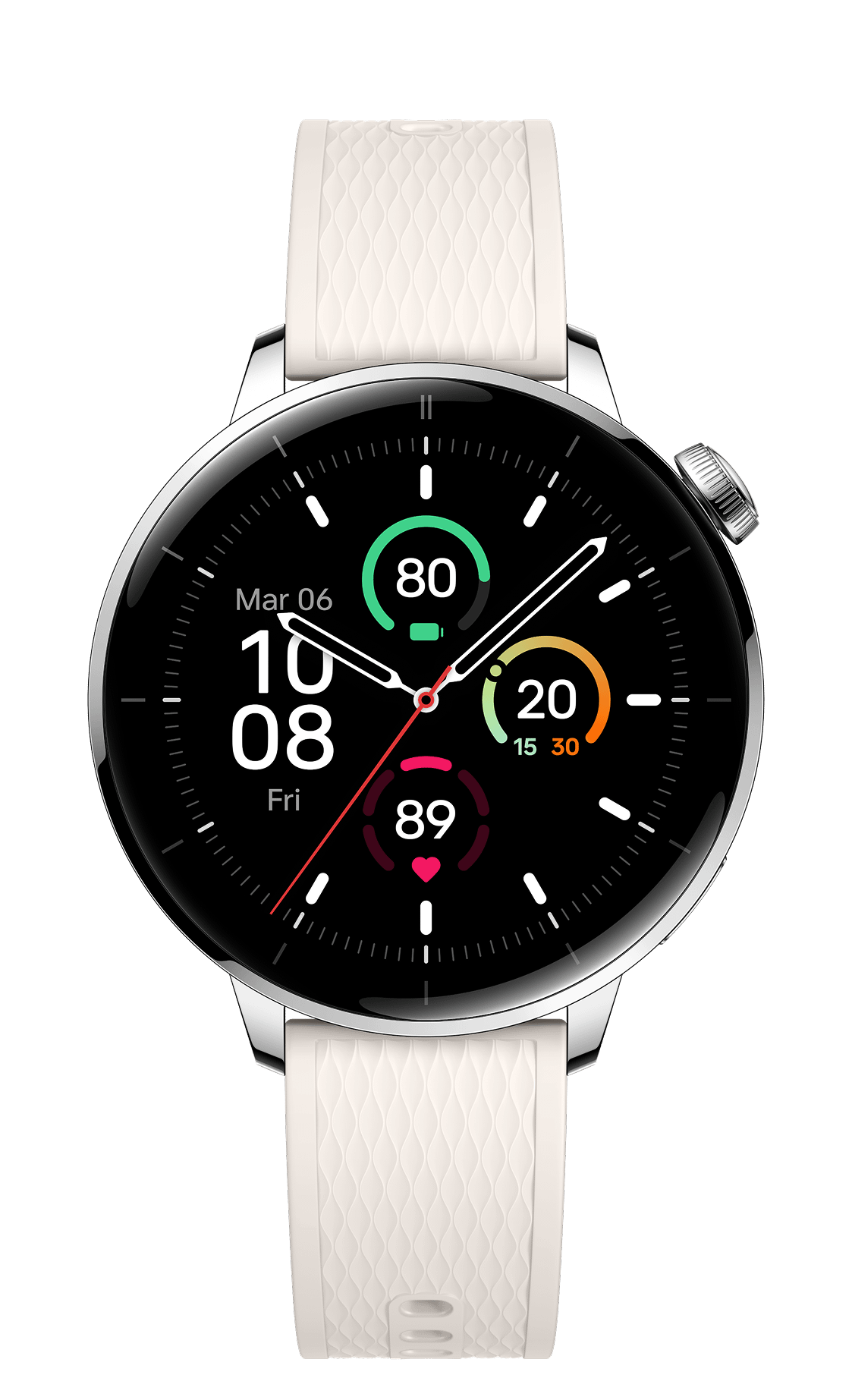
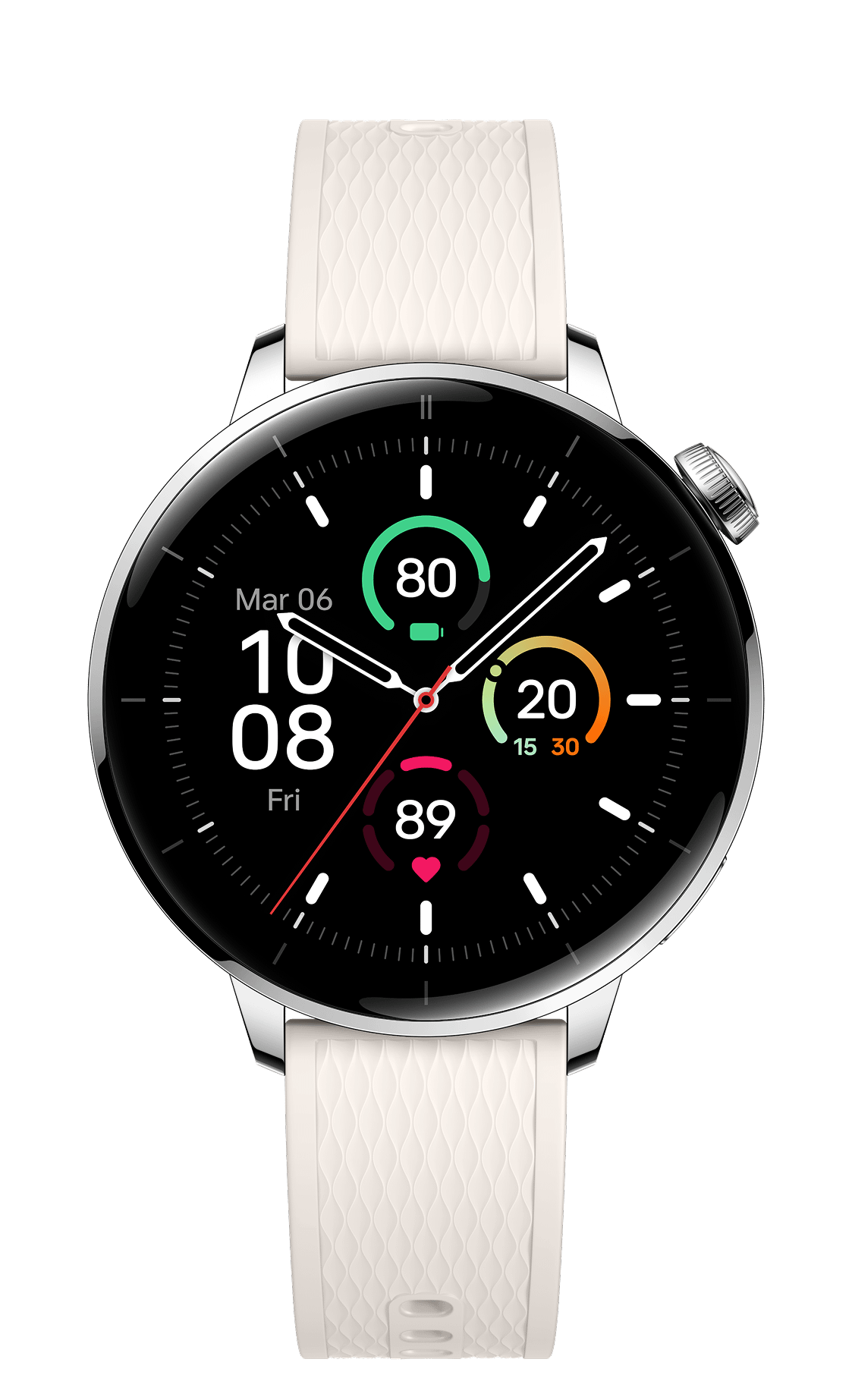
The OnePlus Watch 3 embraces traditional watch aesthetics with its round face and stainless steel construction. This isn't just about looks—stainless steel offers superior scratch resistance and a more premium feel than aluminum, though it does add weight. At 67 grams with the strap, it's definitely more substantial on your wrist than the Apple Watch.
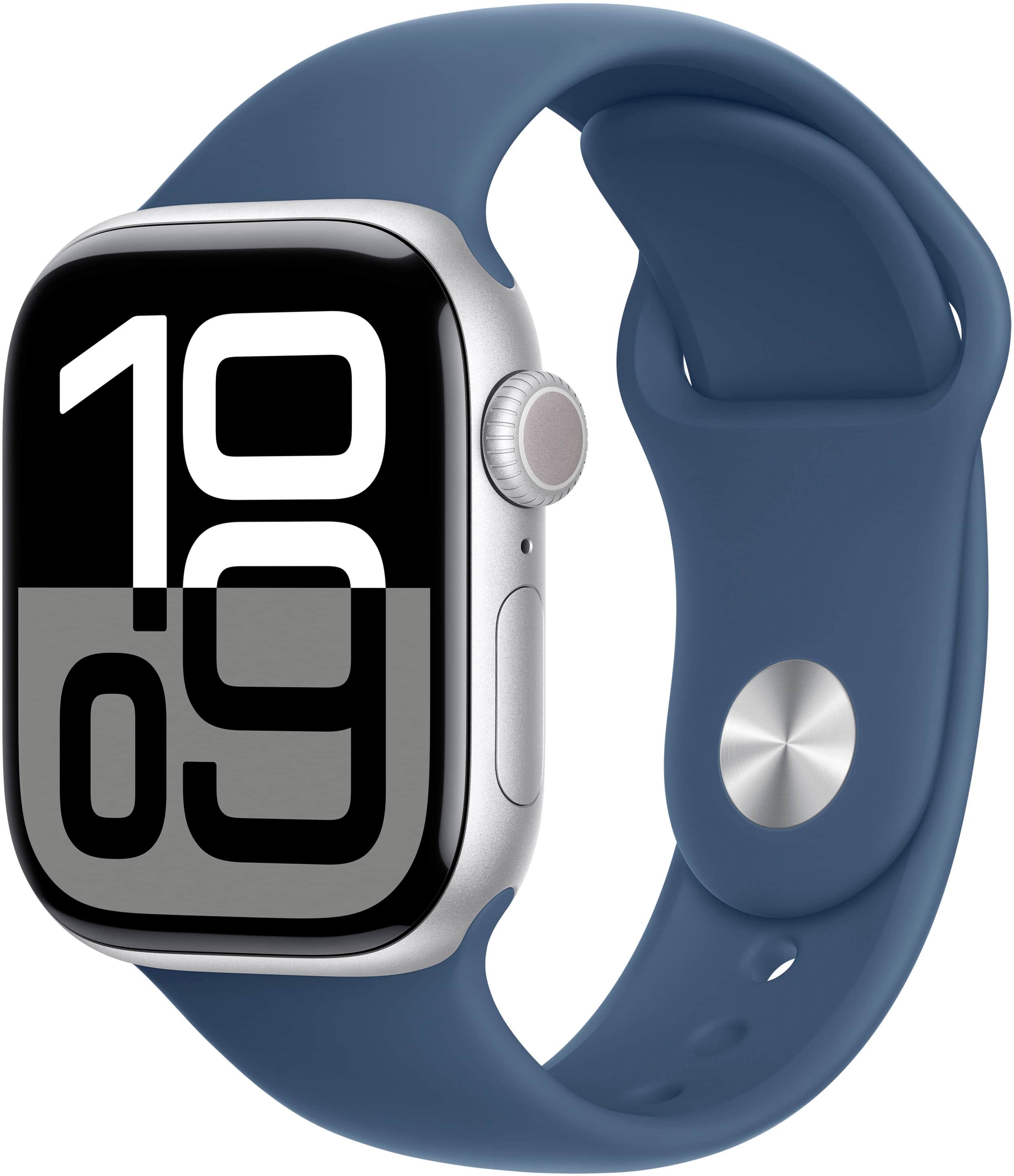
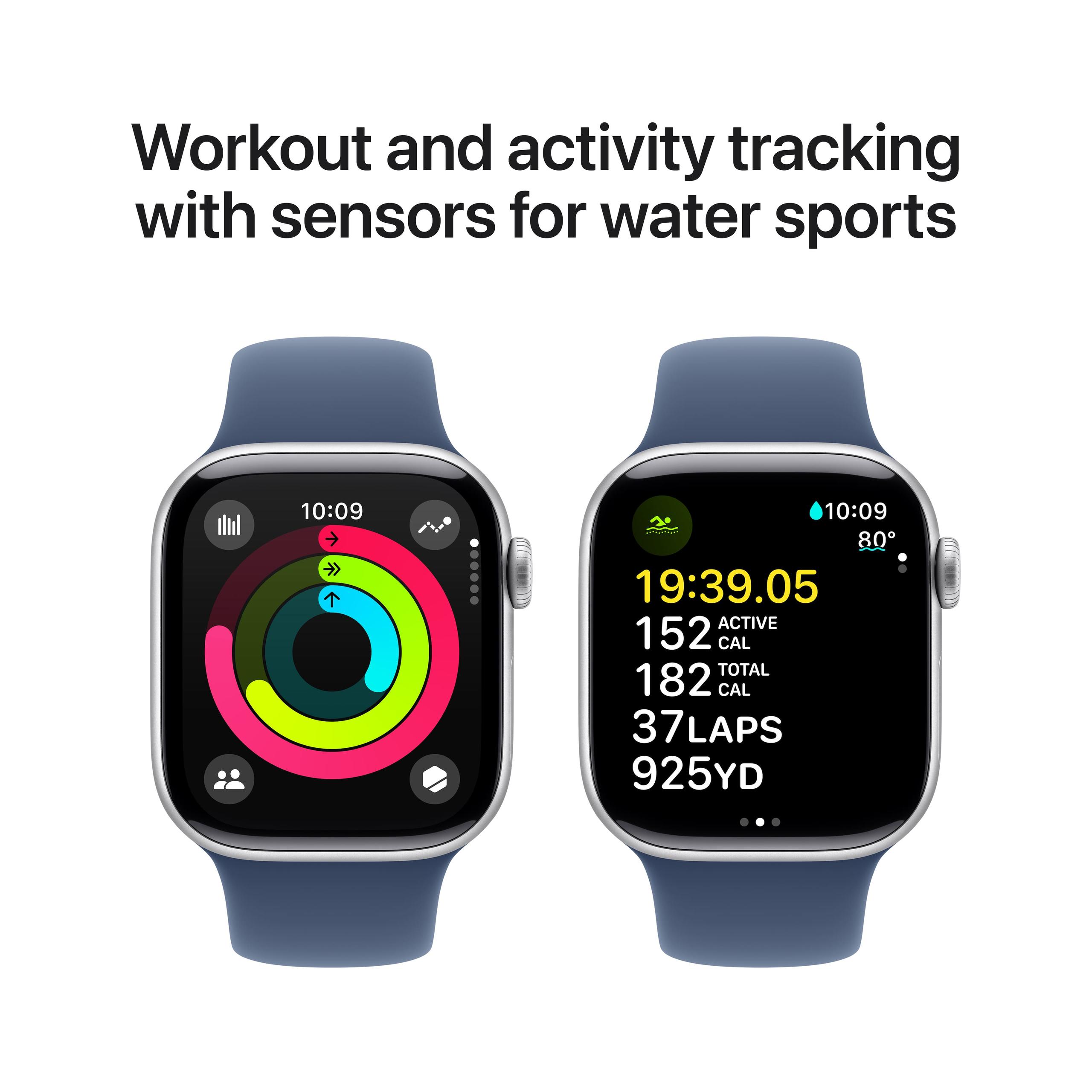
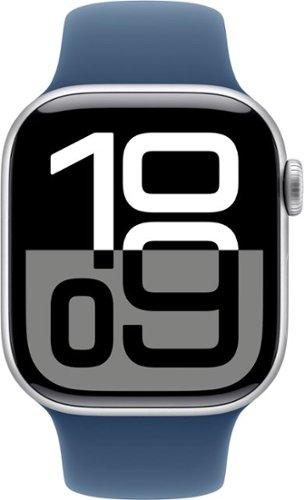
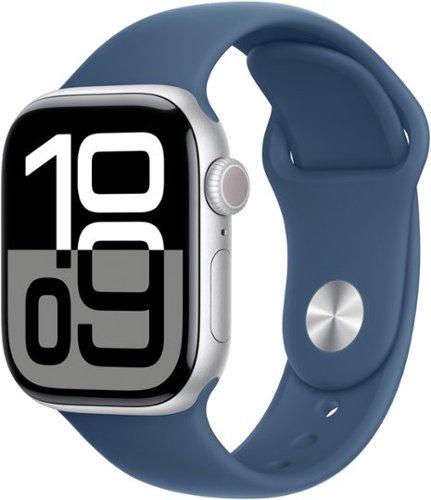
The Apple Watch Series 10, meanwhile, continues Apple's square design language that prioritizes screen real estate for apps and text. At just 29.3 grams, it's remarkably light—so light that you'll forget you're wearing it during sleep tracking. The aluminum construction keeps costs down while still offering decent durability, though it's more prone to scratches than steel.
What's interesting is how each company approaches the same 43mm vs 42mm sizing. The OnePlus uses that measurement for the actual case width, while Apple measures diagonally. In practical terms, both watches fit similarly sized wrists, but the Apple Watch feels more compact due to its thinner 9.7mm profile compared to the OnePlus's 11mm thickness.
The rotating crown on both devices deserves special mention. This isn't just a nostalgic nod to traditional timepieces—it's genuinely the best way to navigate smartwatch interfaces without covering the screen with your finger. Both implementations feel premium and responsive, though the OnePlus includes haptic feedback that makes scrolling feel more tactile.
Here's where things get technically interesting. Both watches use AMOLED displays, which means individual pixels can turn completely off for true blacks and excellent battery efficiency. But the Apple Watch Series 10 uses LTPO3 OLED technology—that's Low Temperature Polycrystalline Oxide, which allows for variable refresh rates from 1Hz up to higher rates when needed.
This technical difference translates to real-world benefits. The Apple Watch can update its always-on display once per second for a live seconds hand, while most smartwatches update every minute to save battery. It's a small detail that makes the device feel more alive and responsive.
Screen size tells an interesting story about design priorities. The Apple Watch offers 989 square millimeters of display area compared to the OnePlus's circular display. While both are perfectly readable, the Apple's rectangular screen provides more usable space for text messages, app interfaces, and notifications. However, the round display of the OnePlus looks more natural when displaying traditional watch faces.
Brightness is where both devices excel, though the Apple Watch takes the crown at 2000 nits maximum brightness compared to 1000 nits on the OnePlus. In practical terms, both are perfectly readable in direct sunlight, but the Apple Watch maintains better visibility at extreme angles—useful when you're checking the time while your arm is bent during exercise.
This is where these two devices diverge most dramatically. The OnePlus Watch 3 uses what they call "dual-engine architecture"—essentially two processors that work together. The Snapdragon W5 Gen 1 handles demanding tasks like GPS tracking and app processing, while the BES2800BP co-processor manages basic functions like time display and simple notifications.
This setup allows the OnePlus to intelligently switch between high-performance and low-power modes without user intervention. The result? Up to 60 hours of smart mode usage, meaning you can go nearly three full days with all features active. In power-saver mode, which still maintains basic smartwatch functions, it can stretch to seven days.
The Apple Watch Series 10, despite its advanced S10 processor and neural engine, sticks to the traditional approach of a single, highly efficient chip. While this delivers excellent performance and enables features like on-device Siri processing, it comes at the cost of battery longevity. Most users get 18-24 hours of typical use, requiring daily charging.
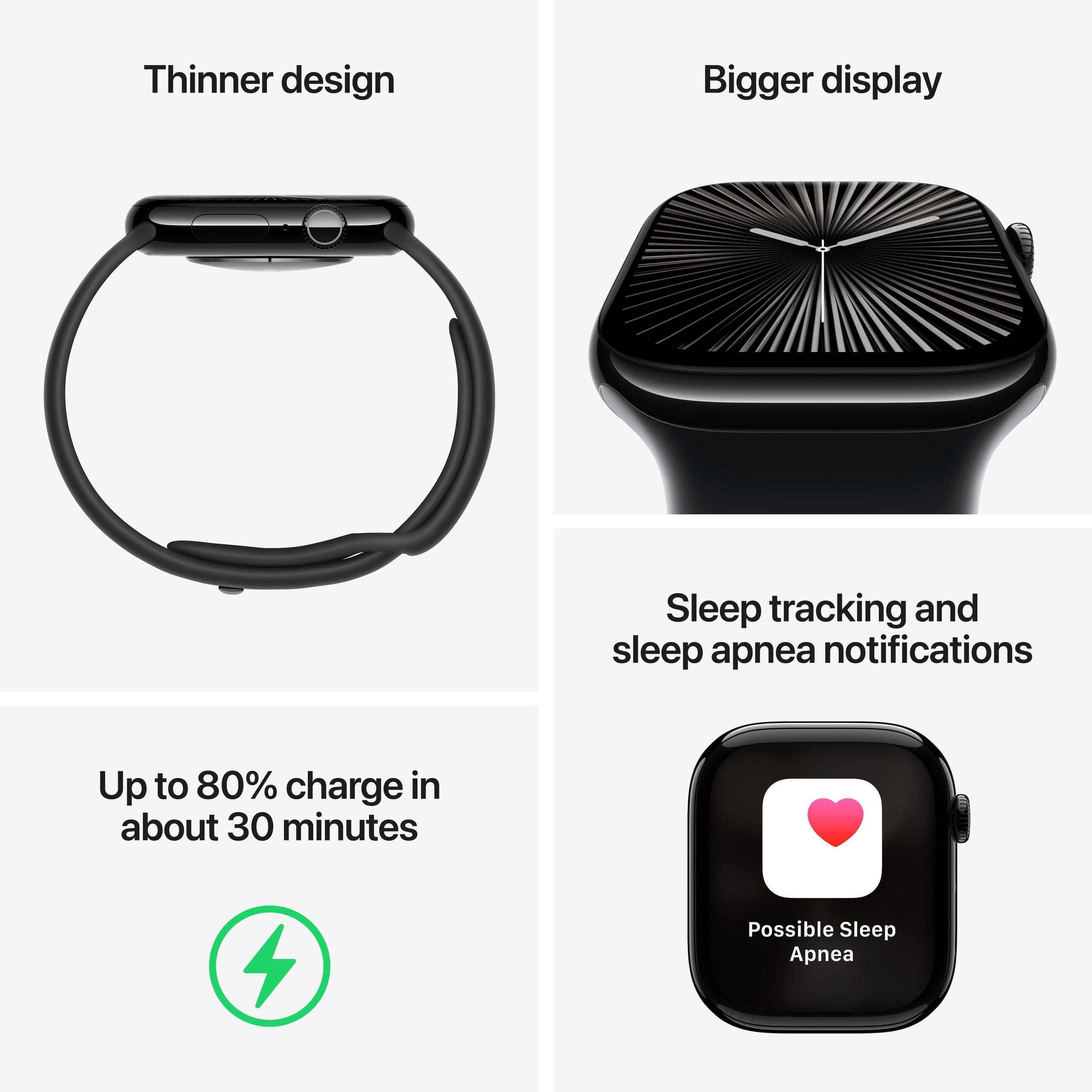
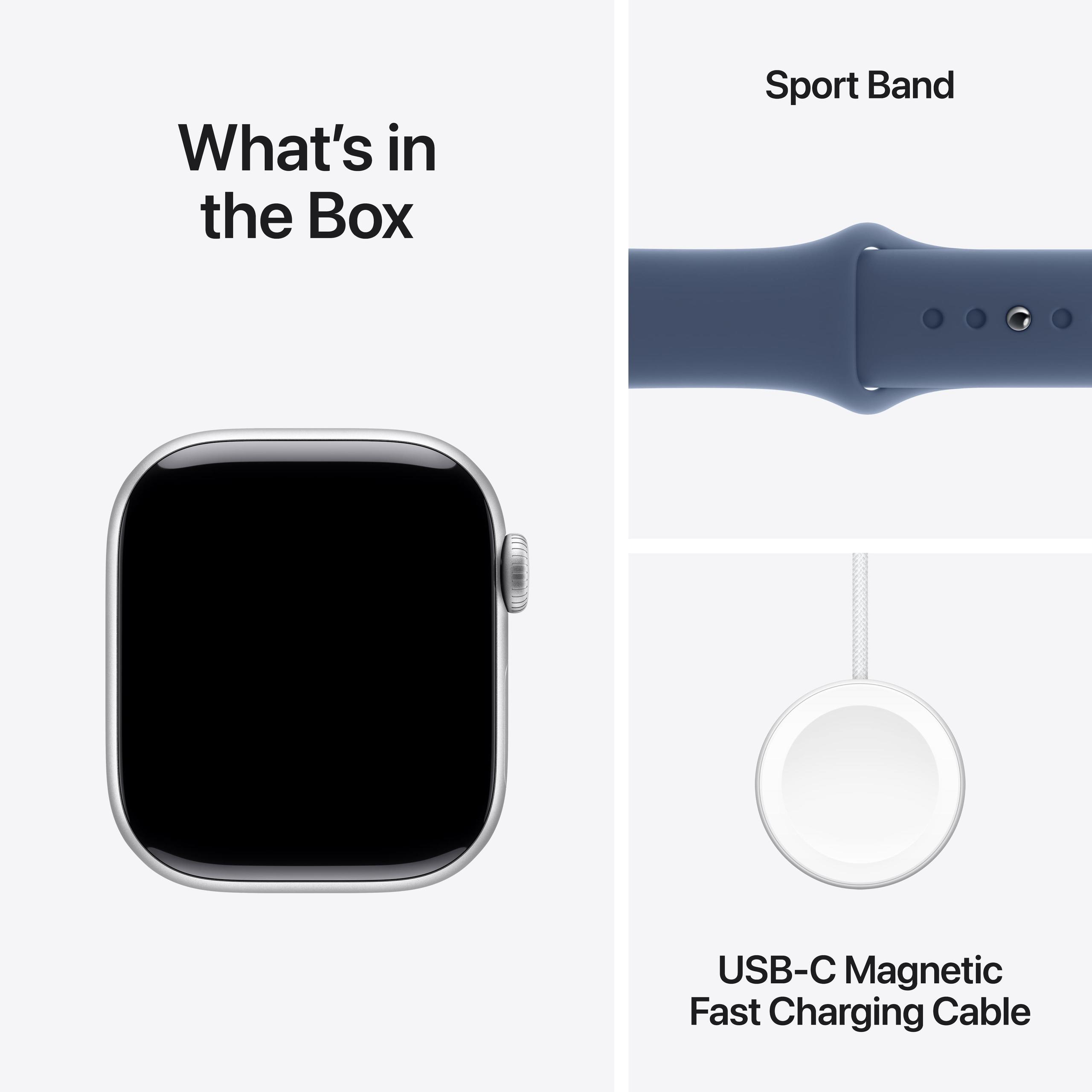
From our research into user experiences, this battery difference is the single most mentioned factor in purchase decisions. Android users particularly appreciate being able to forget about their watch for days at a time, while iPhone users have largely adapted to the daily charging routine. The fast charging on both devices helps—the OnePlus can get a full day's use from 10 minutes of charging, while the Apple Watch reaches 80% in about 30 minutes.
Both devices excel at basic health monitoring—heart rate tracking, sleep analysis, and blood oxygen measurement are table stakes in 2025. But their approaches to advanced health features reveal different philosophies.
The Apple Watch Series 10 focuses on medical-grade accuracy and FDA-approved features. Its ECG app can detect atrial fibrillation, a potentially serious heart rhythm disorder. The sleep apnea notification feature, introduced in 2024, uses multiple sensors (heart rate, respiratory rate, and wrist temperature) to identify potential breathing disruptions during sleep. These aren't just fitness features—they're legitimate health monitoring tools that doctors increasingly accept as valid data.
The OnePlus Watch 3 takes a more comprehensive approach to fitness analytics. While it also offers ECG monitoring, its standout feature is the depth of running metrics. We're talking stride length, ground contact time, vertical oscillation, and running power—data typically reserved for dedicated running watches costing twice as much. The 60-second health assessment provides insights into arterial stiffness and detailed calorie burn analysis (fat versus sugar), giving fitness enthusiasts granular data about their performance.
GPS accuracy varies between the devices based on our analysis of user reports. The Apple Watch tends to provide more consistent distance measurements across different workout types, while the OnePlus excels in environments with challenging satellite reception thanks to its dual-frequency GPS support—the same technology used in Apple's premium Watch Ultra.
For sleep tracking, both devices perform admirably, but with different strengths. The Apple Watch provides reliable sleep stage detection and integrates seamlessly with iOS health apps. The OnePlus offers breathing risk assessment and more detailed sleep quality metrics, though the multi-day battery life means you never have to skip sleep tracking due to a dead battery.
This is where your phone choice becomes crucial. The Apple Watch Series 10 with cellular capability essentially becomes a tiny iPhone on your wrist. You can make calls, send texts, stream music, and use apps completely independently of your phone. The LTE connection means you're never truly disconnected, which is either liberating or anxiety-inducing depending on your perspective.
The tight integration with iOS means features like Handoff (starting a task on one device and finishing on another) work seamlessly. The Siri integration is particularly impressive—voice recognition happens locally on the watch, so responses are faster and more reliable than cloud-based alternatives.
The OnePlus Watch 3 runs Wear OS 5, which provides excellent flexibility and customization options. While it lacks cellular connectivity, it compensates with features like camera remote control with live preview—surprisingly useful for group photos and creative shots. The Google ecosystem integration means Gmail, Maps, and Assistant work well, though not with the same seamless feel as Apple's implementation.
Both watches handle payments well through their respective platforms (Apple Pay and Google Pay), and both support music storage for phone-free workouts. The Apple Watch edges ahead with native support for more streaming services when connected to cellular or WiFi.
Real-world performance reveals interesting differences between these processors. The Apple Watch's S10 chip with its 4-core Neural Engine delivers consistently smooth animations and quick app launches. The neural processing enables features like voice isolation during calls—the watch can filter out background noise using machine learning, making conversations clearer in noisy environments.
The OnePlus Watch 3's dual-chip setup provides a different kind of performance advantage. While individual apps might not launch quite as quickly as on the Apple Watch, the overall system remains responsive even when battery levels drop. Most smartwatches slow down significantly as the battery depletes, but the OnePlus maintains consistent performance thanks to its efficient co-processor handling basic functions.
Navigation feels premium on both devices. The rotating crown provides precise control, and both touchscreens are responsive to light touches. The OnePlus includes more customizable gesture controls, while the Apple Watch offers the double-tap gesture that can trigger actions without touching the screen—useful when your hands are wet or gloved.
At the time of writing, the price difference between these watches is substantial—roughly 2.5x more expensive for the Apple Watch Series 10 with cellular compared to the OnePlus Watch 3. This isn't just a simple "expensive vs cheap" comparison; it's about different value propositions.
The OnePlus delivers what feels like 80% of premium smartwatch functionality at 40% of the premium price. You get stainless steel construction, comprehensive health tracking, multi-day battery life, and a full app ecosystem. The trade-offs are primarily in ecosystem integration refinement and the lack of cellular connectivity.
The Apple Watch commands its premium through cellular independence, tighter iOS integration, medical-grade health features, and superior build quality in terms of thinness and lightness. Whether these advantages justify the cost depends largely on your priorities and budget.
For fitness enthusiasts, the OnePlus actually provides more detailed metrics than the Apple Watch in many scenarios. For iPhone users who want seamless integration and cellular connectivity, the Apple Watch remains unmatched.
Choose the OnePlus Watch 3 if you use Android, prioritize battery life, want detailed fitness analytics, and appreciate premium build materials without premium pricing. It's particularly compelling for serious athletes who want running watch-level data without carrying a separate device.
The Apple Watch Series 10 makes sense for iPhone users who want the most refined smartwatch experience, need cellular connectivity for independence from their phone, or prioritize medical-grade health monitoring features. Despite requiring daily charging, the overall user experience and ecosystem integration often justify the premium for iOS users.
The battery life difference cannot be overstated—it fundamentally changes how you interact with your smartwatch. If the idea of daily charging bothers you, the OnePlus eliminates that concern entirely. If you're already in the habit of charging devices nightly, the Apple Watch's superior smart features and cellular capabilities provide tangible daily benefits.
Both represent the current state of smartwatch technology, just optimized for different users and budgets. The OnePlus proves that premium features don't require premium prices, while the Apple Watch demonstrates that true ecosystem integration and cellular independence command a significant but often justifiable premium.
| OnePlus Watch 3 43mm | Apple Watch Series 10 GPS + Cellular 42mm |
|---|---|
| Battery Life - Single most important factor for daily usability | |
| Up to 60 hours smart mode, 7 days power saver (multi-day freedom) | 18-24 hours typical use, 36 hours low power (daily charging required) |
| Display Size & Type - Affects readability and app interaction | |
| 1.32" round AMOLED, 466x466 pixels, 1000 nits brightness | 1.79" square LTPO OLED, 496x416 pixels, 2000 nits brightness |
| Case Material & Build - Durability and premium feel | |
| Stainless steel with MIL-STD-810 certification (premium materials) | 100% recycled aluminum, thinnest Apple Watch ever (lightweight comfort) |
| Weight - Comfort for all-day and sleep tracking | |
| 67g with strap (more substantial feel) | 29.3g GPS+Cellular (remarkably light, forget it's there) |
| Cellular Connectivity - Independence from phone | |
| No cellular (requires paired smartphone nearby) | Full LTE cellular (calls, texts, streaming without phone) |
| Operating System - App ecosystem and integration | |
| Wear OS 5 with dual-chip architecture (Android optimized) | watchOS 11 with S10 processor (seamless iPhone integration) |
| Health Sensors - Medical-grade vs fitness-focused tracking | |
| Heart rate, ECG, SpO2, 60-second health assessments | Heart rate, ECG, SpO2, sleep apnea detection, temperature sensor |
| Fitness Tracking - Depth of workout analytics | |
| 100+ modes, advanced running metrics (stride, power, GCT) | Comprehensive tracking, more reliable GPS across all sports |
| GPS Technology - Navigation and workout accuracy | |
| Dual-frequency GPS (L1+L5) for challenging environments | Single-band GPS with excellent overall accuracy |
| Charging Speed - Convenience for busy lifestyles | |
| 10 minutes = 24 hours use, rarely need to charge | 30 minutes = 80% charge, but must charge daily |
| Water Resistance - Swimming and water sports capability | |
| 5ATM + IP68 (50m swimming, dust protection) | 5ATM + IP6X (50m swimming, excellent dust protection) |
| Storage & Apps - Standalone functionality | |
| 32GB storage, full Google Play Store access | 64GB storage, native Apple apps, App Store |
| Price Category - Value proposition at time of writing | |
| Mid-range pricing for flagship features | Premium pricing for ecosystem integration |
The OnePlus Watch 3 43mm offers significantly better battery life with up to 60 hours in smart mode and 7 days in power saver mode. The Apple Watch Series 10 GPS + Cellular 42mm provides 18-24 hours of typical use, requiring daily charging. If you want to go days without charging, the OnePlus Watch 3 is the clear winner.
The Apple Watch Series 10 only works with iPhones and requires iOS compatibility. The OnePlus Watch 3 43mm is designed for Android phones running Android 9.0 or later. You cannot use the Apple Watch with Android devices or the OnePlus Watch with iPhones.
Both excel at fitness tracking but in different ways. The OnePlus Watch 3 43mm provides more detailed running metrics like stride length, ground contact time, and running power. The Apple Watch Series 10 offers more reliable GPS accuracy across all workout types and includes medical-grade features like ECG and sleep apnea detection.
Only the Apple Watch Series 10 GPS + Cellular 42mm can make calls independently through its LTE cellular connection. The OnePlus Watch 3 43mm does not have cellular capability and requires your paired smartphone to be nearby for calls and most smart features.
The Apple Watch Series 10 has a larger 1.79-inch square display with 2000 nits brightness and better viewing angles. The OnePlus Watch 3 features a 1.32-inch round AMOLED display with 1000 nits brightness. The Apple Watch provides more screen real estate for apps, while the OnePlus offers a more traditional watch appearance.
The OnePlus Watch 3 43mm uses stainless steel construction with MIL-STD-810 military durability certification, offering premium scratch resistance. The Apple Watch Series 10 uses 100% recycled aluminum, making it much lighter at 29.3g versus 67g for the OnePlus. Steel is more durable, but aluminum is more comfortable for all-day wear.
Both offer fast charging but serve different needs. The OnePlus Watch 3 provides 24 hours of use from just 10 minutes of charging, but you'll rarely need to charge it. The Apple Watch Series 10 reaches 80% charge in 30 minutes, which is important since you need to charge it daily.
Yes, both the OnePlus Watch 3 43mm and Apple Watch Series 10 provide comprehensive sleep tracking with sleep stages, heart rate monitoring, and sleep quality scores. The Apple Watch adds sleep apnea notifications, while the OnePlus includes breathing risk assessment. The OnePlus has an advantage since its multi-day battery means you never skip sleep tracking due to charging.
The OnePlus Watch 3 43mm provides exceptional value with premium stainless steel construction, comprehensive health tracking, and multi-day battery life at a mid-range price point. The Apple Watch Series 10 costs significantly more but offers cellular independence, tighter ecosystem integration, and medical-grade health features that may justify the premium for iPhone users.
Yes, both the OnePlus Watch 3 and Apple Watch Series 10 support local music storage for phone-free workouts. The OnePlus offers 32GB of storage while the Apple Watch provides 64GB. The Apple Watch has better native streaming app support when connected to cellular or WiFi.
The OnePlus Watch 3 43mm is more durable overall with its stainless steel case and MIL-STD-810 military certification for shock, temperature, and humidity resistance. Both watches offer 5ATM water resistance for swimming. The Apple Watch Series 10 uses aluminum which is lighter but more prone to scratches than the stainless steel OnePlus Watch.
Choose the OnePlus Watch 3 43mm if you use Android, want multi-day battery life, prefer premium steel construction, and need detailed fitness analytics at a great value. Choose the Apple Watch Series 10 GPS + Cellular 42mm if you use iPhone, need cellular independence, want the most refined smartwatch experience, and don't mind daily charging for premium features and ecosystem integration.
We've done our best to create useful and informative comparisons to help you decide what product to buy. Our research uses advanced automated methods to create this comparison and perfection is not possible - please contact us for corrections or questions. These are the sites we've researched in the creation of this article: phonearena.com - gadgetsandwearables.com - oneplus.com - gadgetsandwearables.com - youtube.com - oneplus.com - androidauthority.com - androidcentral.com - nextpit.com - androidcentral.com - geekspin.co - droid-life.com - mobilemaya.com - androidfaithful.com - versus.com - youtube.com - mobilemaya.com - droid-life.com - youtube.com - techaeris.com - oneplus.com - gsmarena.com - oneplus.com - androidheadlines.com - gsmarena.com - bestbuy.com - wareable.com - wareable.com - appleinsider.com - youtube.com - youtube.com - youtube.com - apple.com - dcrainmaker.com - dcrainmaker.com - apple.com - apple.com - forums.macrumors.com - gethegoods.com - appleinsider.com - apple.com - support.apple.com - apple.com - en.wikipedia.org - cellcom.com - youtube.com - walmart.com - youtube.com - apple.com - bestbuy.com - apple.com - youtube.com - apple.com - verizon.com - apple.com - apple.com - youtube.com - costco.com - bestbuy.com - t-mobile.com - talk.tidbits.com - support.apple.com - gci.com - att.com

Privacy Policy
Terms and Conditions - Affiliate Policy
Home Security
© Copyright 2008-2026.
11816 Inwood Rd #1211, Dallas, TX 75244