


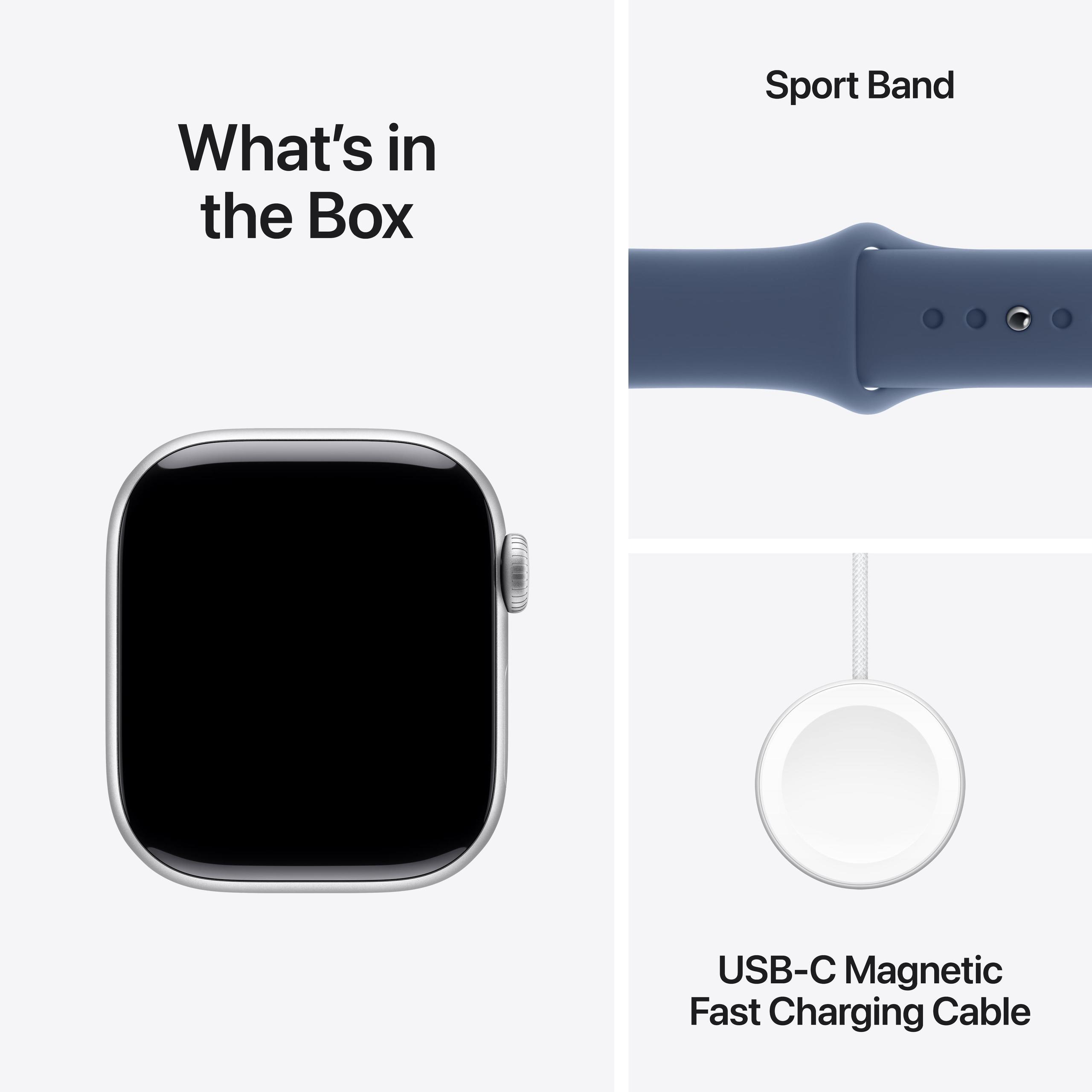
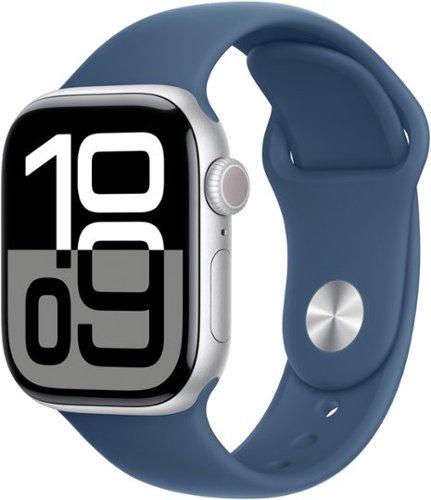
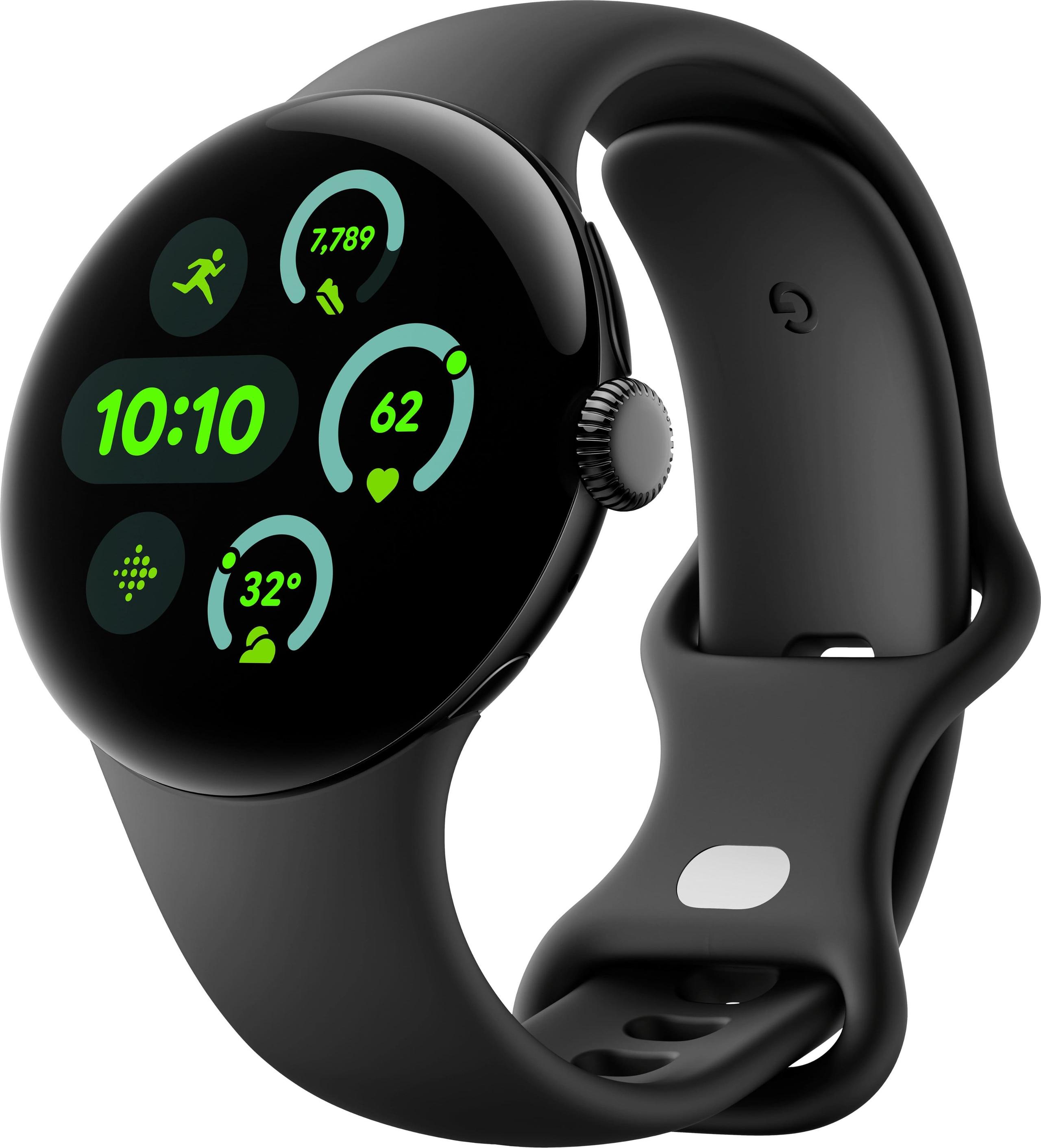
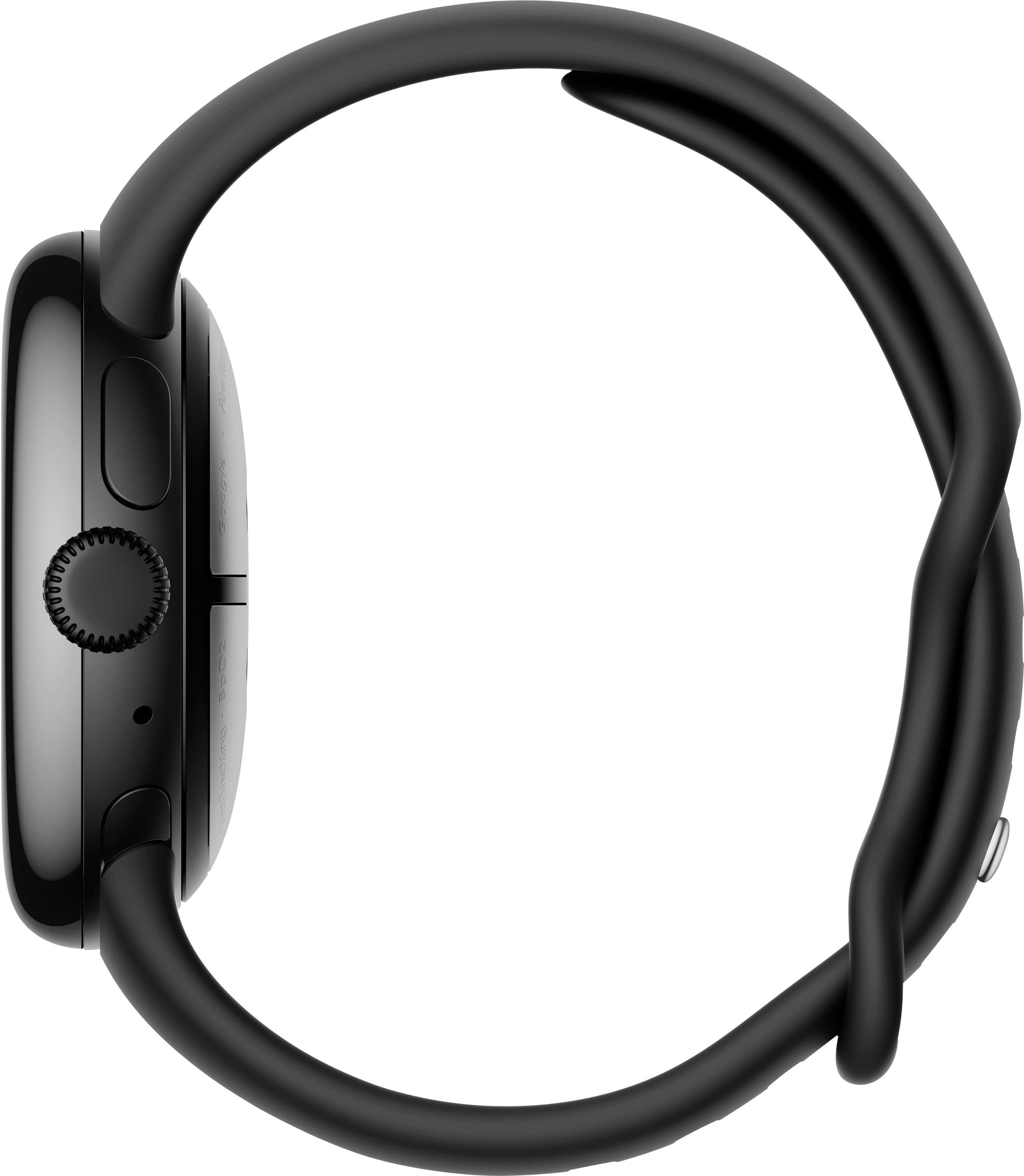
The smartwatch market has exploded over the past few years, and choosing between premium options can feel overwhelming. Two standout devices—the Apple Watch Series 10 and Google Pixel Watch 3—represent different philosophies in wearable technology. At the time of writing, there's a significant price gap between them, making this comparison particularly interesting for anyone weighing features against value.
Premium smartwatches have evolved far beyond simple fitness trackers. They're now sophisticated health monitoring devices that can detect irregular heart rhythms, track sleep patterns, and even identify potential breathing disorders while you sleep. The key word here is "premium"—these aren't basic step counters, but rather comprehensive health and connectivity platforms strapped to your wrist.
When shopping for a premium smartwatch, you're essentially choosing between three main ecosystems: Apple's watchOS (which only works with iPhones), Google's Wear OS (primarily for Android phones), and Samsung's Galaxy Watch ecosystem (which works with both Android and iPhone, though better with Samsung phones). This ecosystem choice often determines your decision before you even consider specific features.
The most important factors to consider include battery life (how often you'll need to charge it), health monitoring capabilities (what sensors are included and how accurate they are), display quality (how well you can see it in sunlight), and build quality (how long it will last with daily wear). Cellular connectivity—the "LTE" designation on both watches—means they can make calls and send texts without your phone nearby, which is incredibly useful but typically requires an additional monthly fee from your carrier.
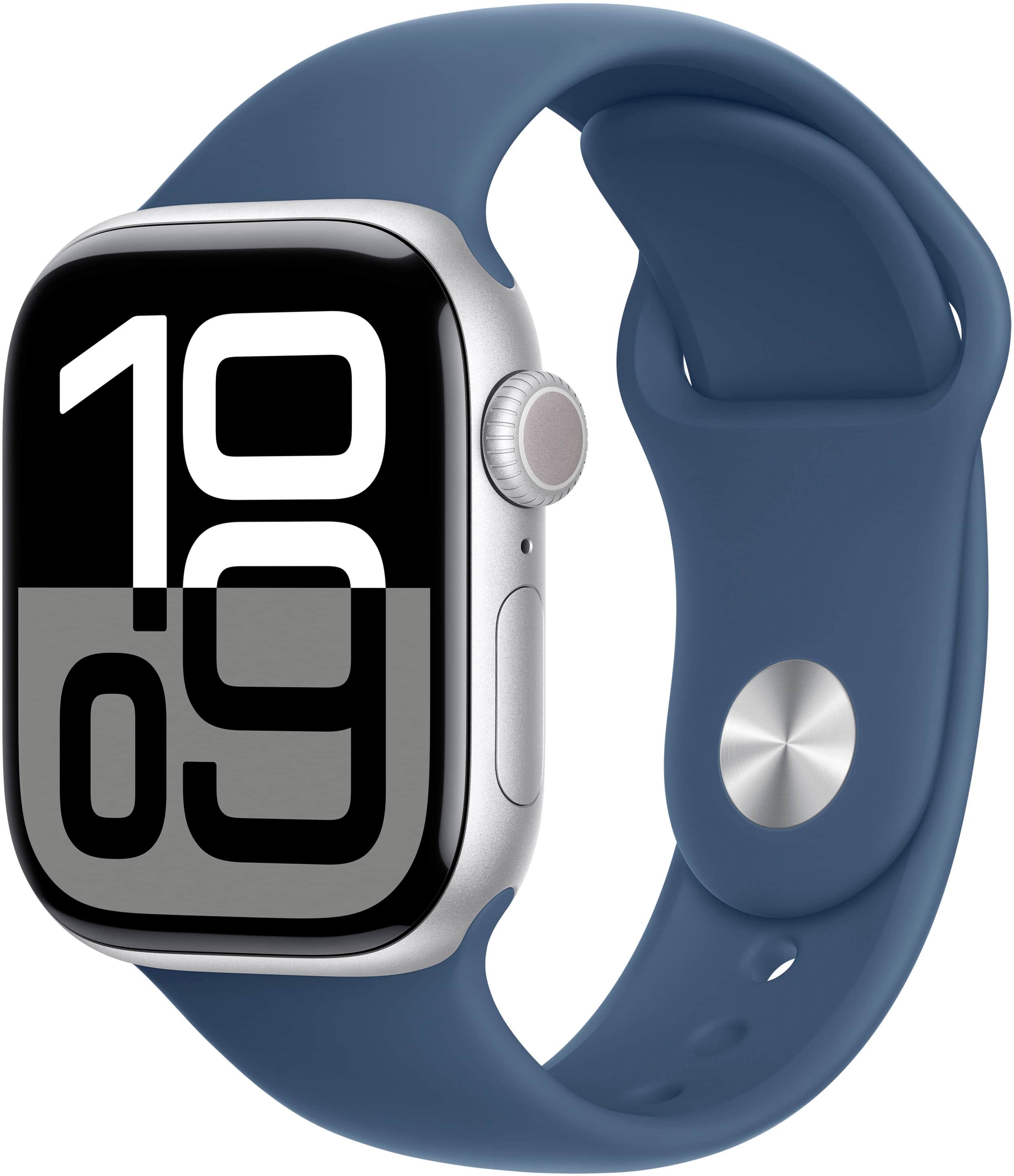
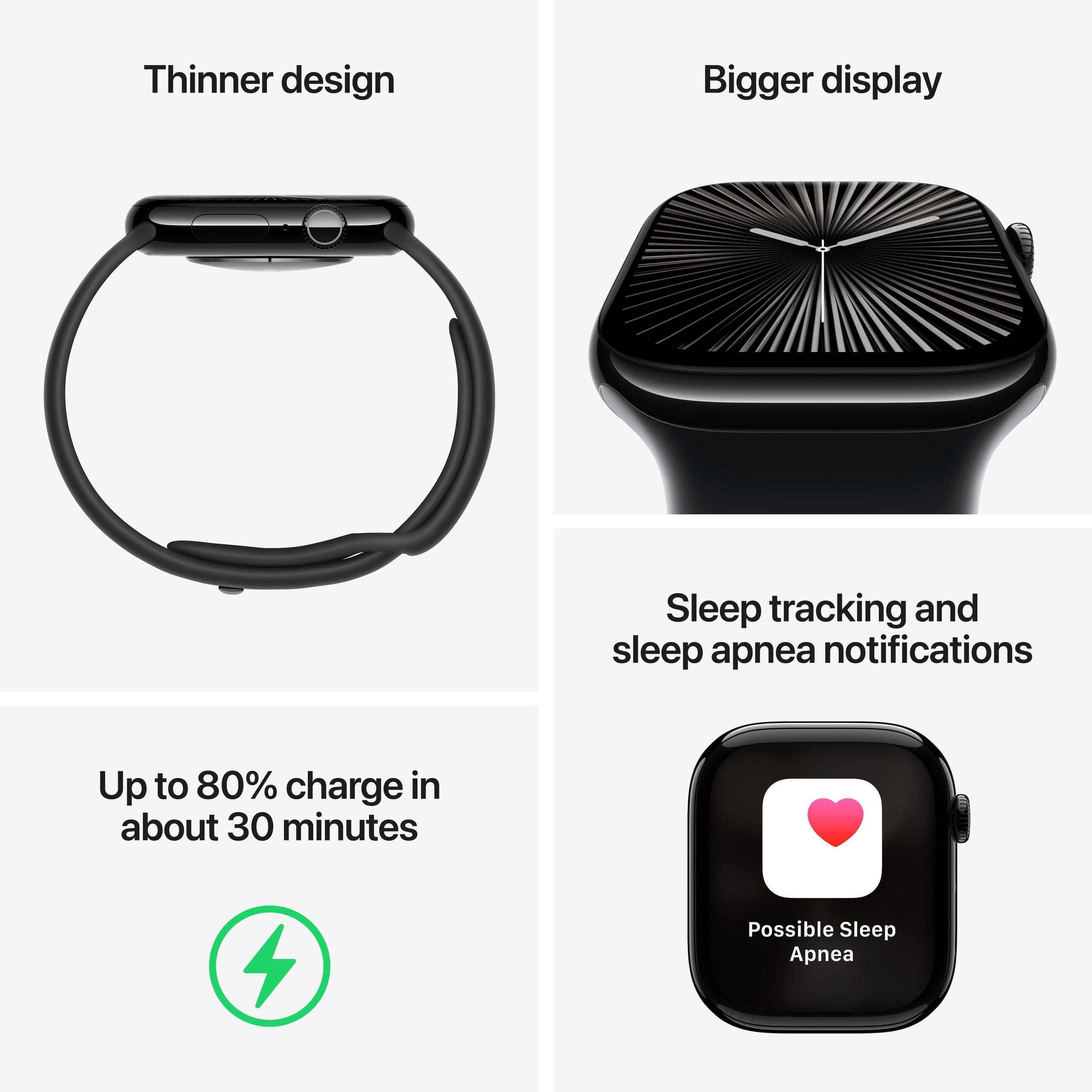
The Apple Watch Series 10 launched in 2024 as Apple's most significant watch redesign in years. It's notably thinner than previous generations—nearly 10% slimmer than the Series 9—while offering the largest display Apple has ever put on a watch. The big health innovation is sleep apnea detection, which uses the watch's sensors to identify potential breathing interruptions during sleep. This feature has FDA approval, making it a legitimate medical tool rather than just a wellness gadget.
Google's Pixel Watch 3, also released in 2024, represents Google's third attempt at creating a premium smartwatch. The company learned from criticism of earlier models, particularly around battery life and display brightness. The Pixel Watch 3 integrates deeply with Fitbit's health tracking platform (Google owns Fitbit), offering some of the most comprehensive fitness insights available on any smartwatch.
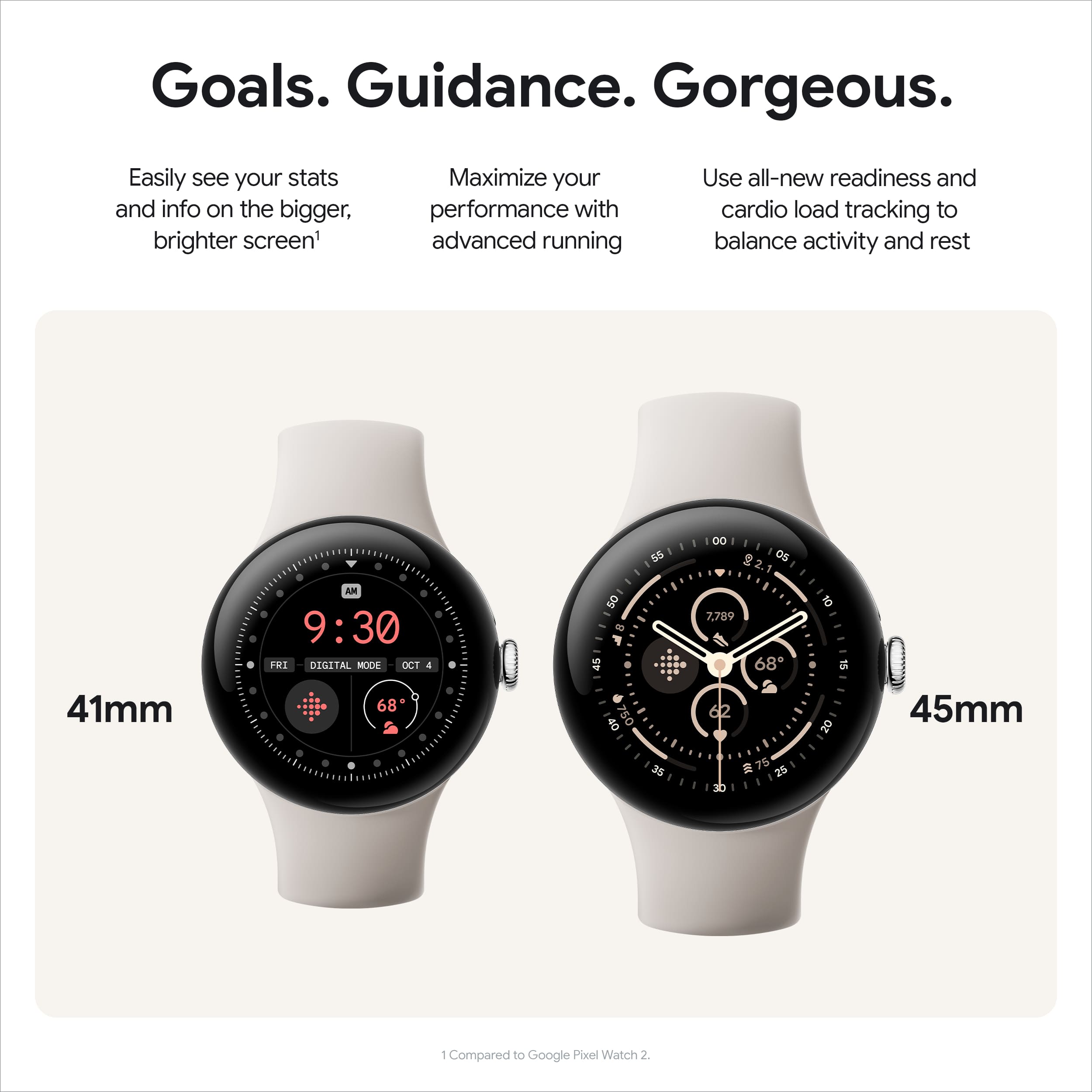
The most obvious difference between these watches is their shape. The Apple Watch Series 10 uses a rectangular display measuring 1.6 inches diagonally, while the Pixel Watch 3 opts for a traditional circular 1.27-inch screen. This isn't just about aesthetics—it fundamentally changes how you interact with the device.
Apple's rectangular approach provides significantly more screen real estate. When you're reading a text message, checking your calendar, or navigating through apps, that extra space makes a real difference. The Series 10's LTPO OLED display (Low Temperature Polycrystalline Oxide, which allows for variable refresh rates to save battery) can show more information at a glance. Text is easier to read, and you can see more data without scrolling.
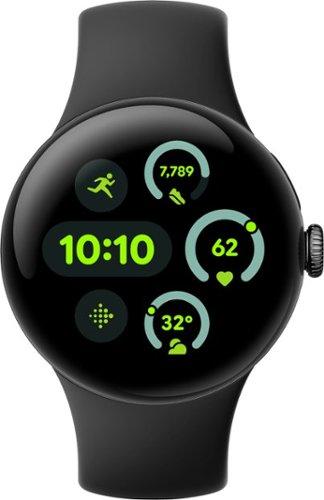
The Pixel Watch 3's circular design looks more like a traditional timepiece, which some people prefer aesthetically. However, circular displays inherently waste space when displaying rectangular content like text messages or app interfaces. Google does a decent job optimizing for the round screen, but you'll definitely notice the limitation when reading longer messages or detailed information.
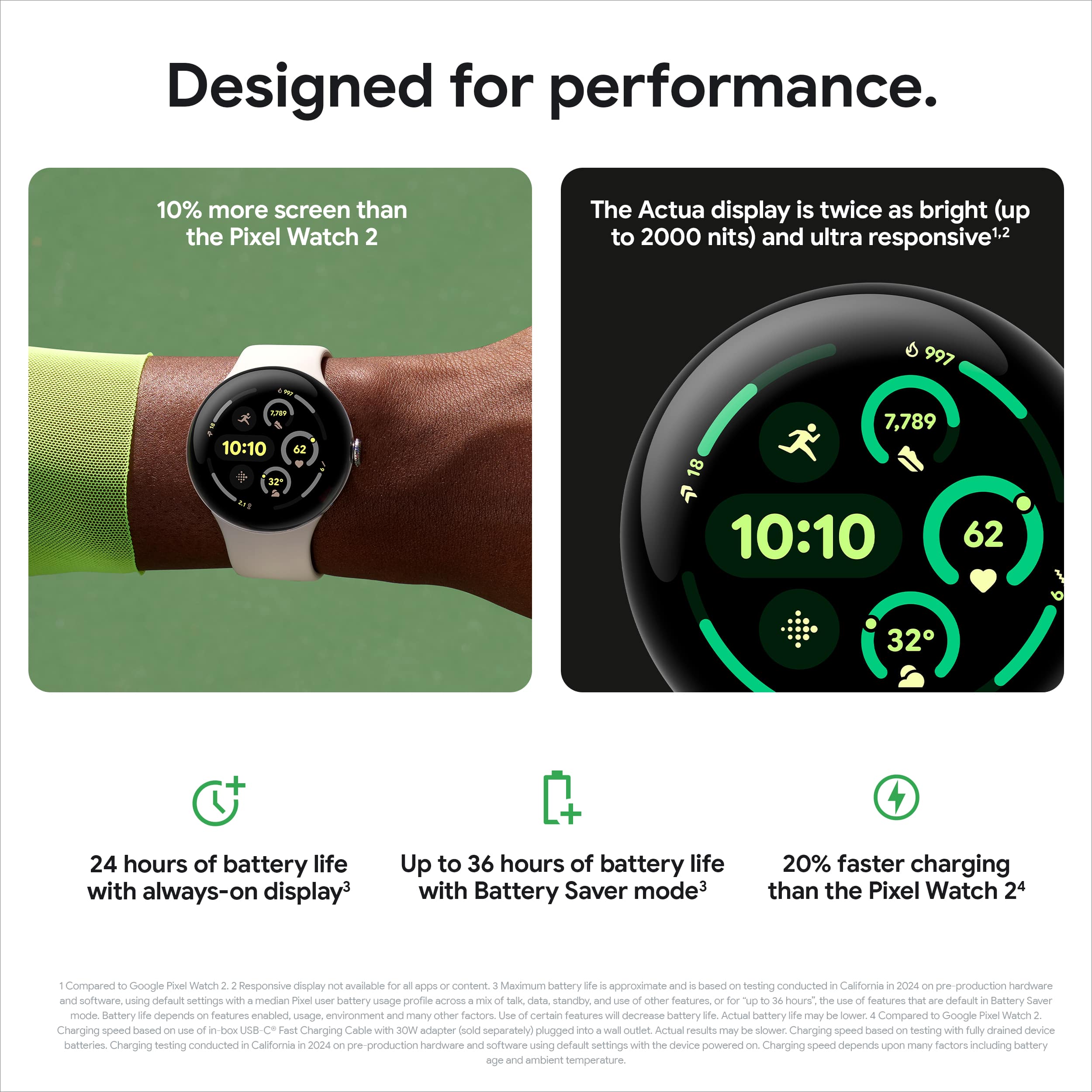
Both displays reach 2,000 nits of peak brightness, making them easily readable even in direct sunlight. This is crucial for a device you'll be checking outdoors frequently. The always-on display feature on both watches means you can glance at the time without raising your wrist—a small convenience that becomes surprisingly important in daily use.
Where the Apple Watch Series 10 really shines is in its build quality. At just 9.7mm thick, it's remarkably slim for a device packed with this much technology. The 100% recycled aluminum case feels premium without being heavy, and the improved speaker system allows for clearer phone calls directly from your wrist. The Pixel Watch 3, while still comfortable, feels noticeably thicker at 12.3mm and doesn't quite match Apple's premium build quality.
This is where the Pixel Watch 3 takes a clear lead. Google promises 24 hours of battery life with the always-on display enabled, and our research suggests it often exceeds this in real-world use. Some users report getting closer to 30 hours with moderate usage patterns. The watch also has a battery saver mode that can extend life to 36 hours, though with reduced functionality.
The Apple Watch Series 10, despite improvements in efficiency, still requires daily charging for most users. Apple officially claims 18 hours of battery life, though many users find it lasts a full day with some battery remaining. The key difference is that Apple Watch users need to develop a charging routine—typically overnight—while Pixel Watch 3 users can be more flexible.
However, the Apple Watch Series 10 compensates with incredibly fast charging. In just 15 minutes of charging, you get about 8 hours of use. This means if you forget to charge overnight, a quick morning charge while you shower and get ready can easily get you through the day.
This battery difference affects how you use the device. With the Pixel Watch 3, you can comfortably wear it 24/7 for continuous health monitoring without worrying about charging windows. The Apple Watch Series 10 requires more planning, but its faster charging makes forgotten charges less problematic.
Both watches excel at health monitoring, but they take different approaches that make them better suited for different types of users.
The Apple Watch Series 10's standout feature is FDA-approved sleep apnea detection. This uses the watch's accelerometer (motion sensor) to detect subtle breathing interruptions while you sleep. Sleep apnea affects millions of people and often goes undiagnosed, so having a medical-grade screening tool on your wrist is genuinely valuable. The watch analyzes 30 days of sleep data before providing insights, ensuring accuracy over quick conclusions.
However, there's a significant caveat for US users: the Apple Watch Series 10 cannot measure blood oxygen levels due to an ongoing patent dispute. This SpO2 monitoring feature, which can indicate potential health issues, works on Apple Watches sold in other countries but is disabled in the United States. This is particularly frustrating given that it's a key health metric many users expect from a premium device.
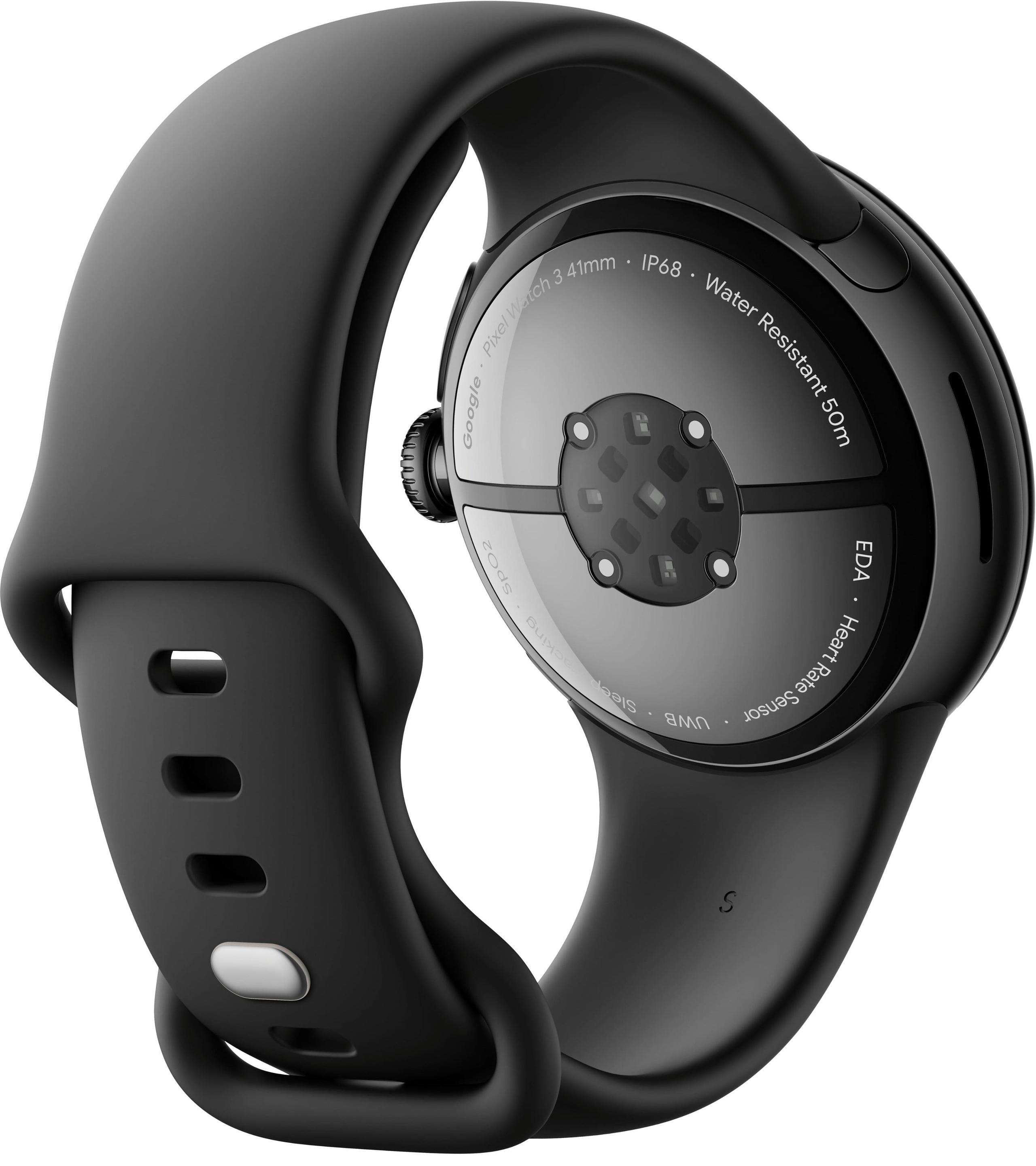
The Pixel Watch 3 doesn't have sleep apnea detection, but it offers comprehensive SpO2 monitoring regardless of where you buy it. It also includes a unique stress tracking feature using electrodermal activity (EDA) sensors. These sensors measure tiny changes in your skin's electrical conductance, which can indicate stress levels throughout the day. While not as medically significant as sleep apnea detection, stress tracking provides valuable insights into your daily patterns.
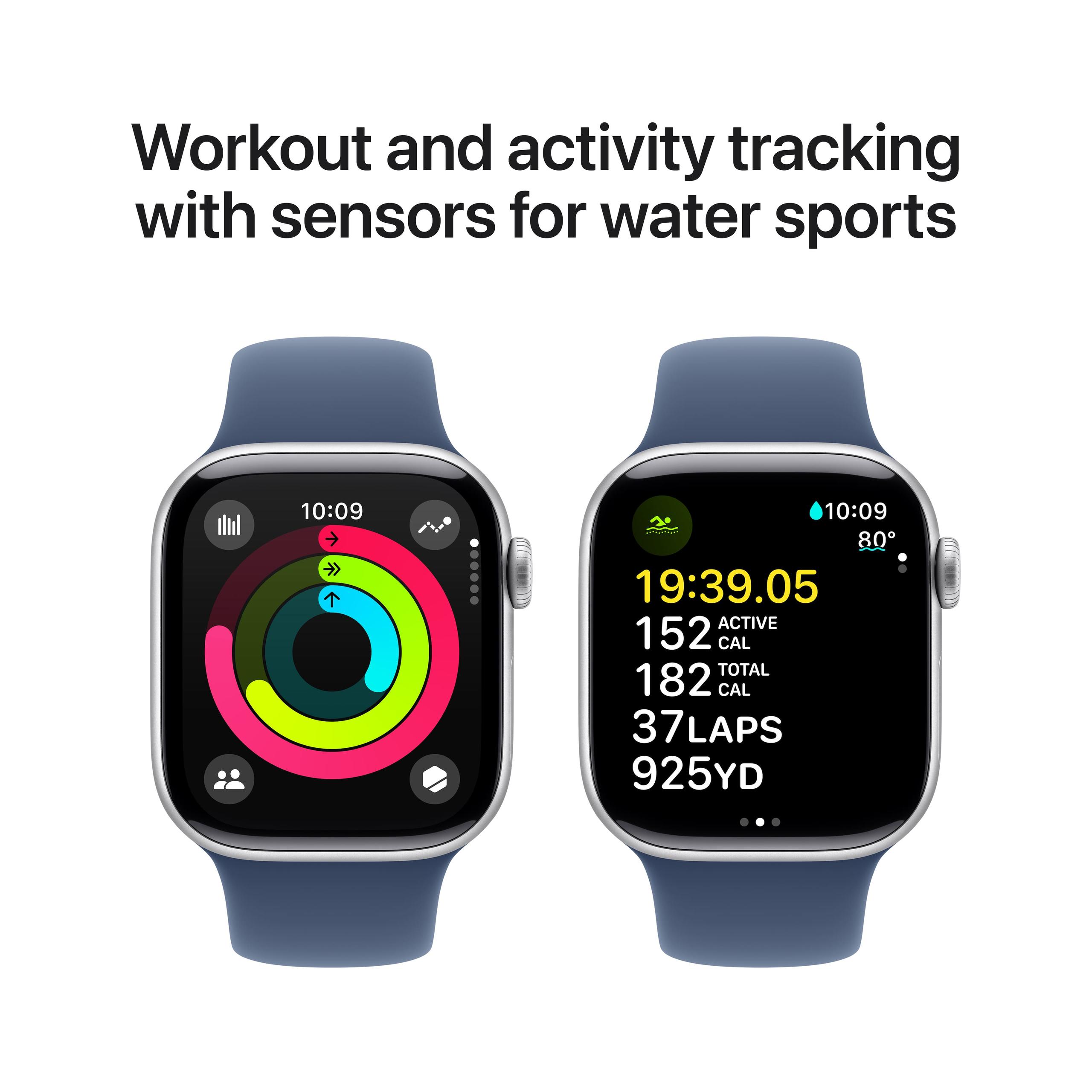
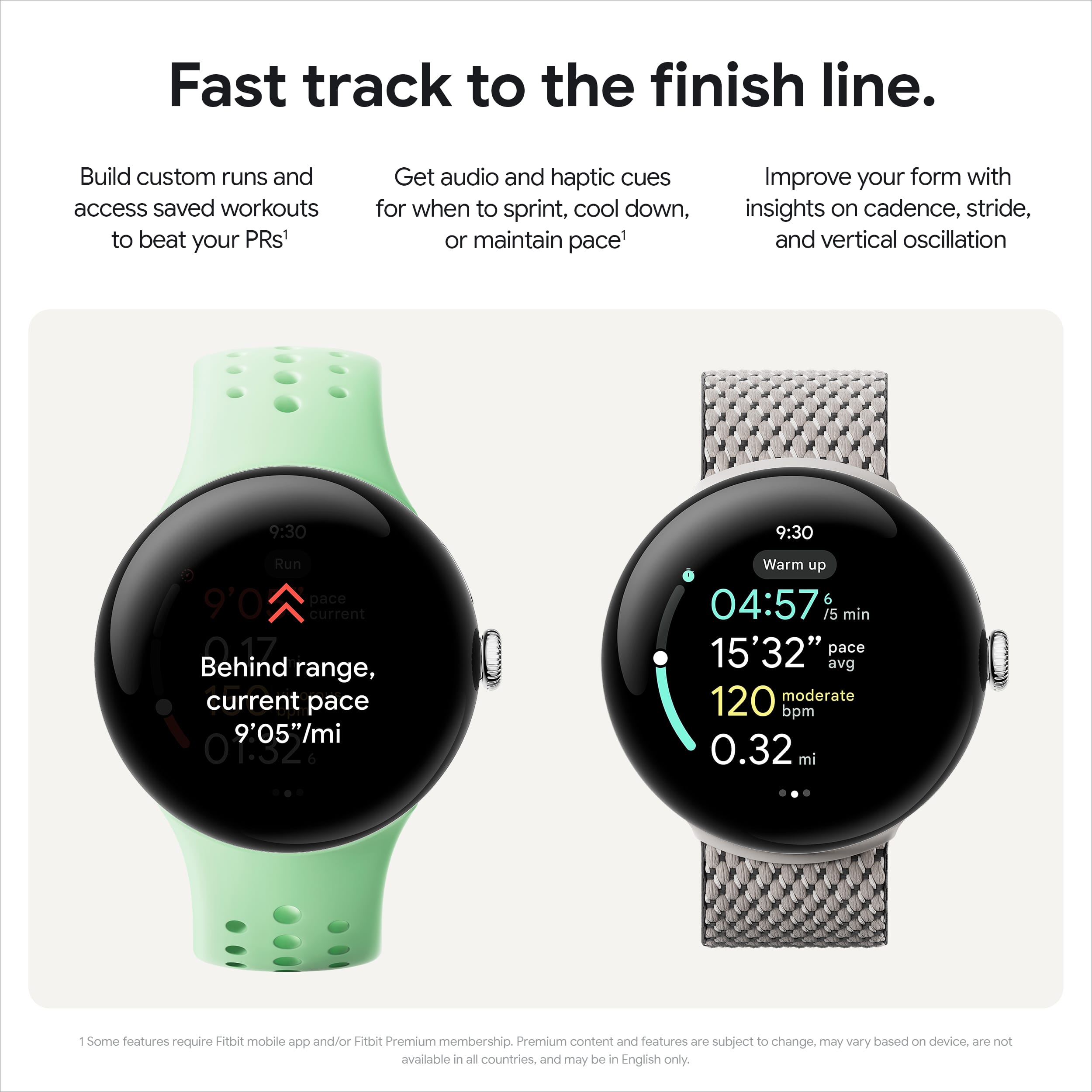
For fitness tracking, both watches perform well, but with different strengths. The Apple Watch Series 10 generally provides more accurate GPS tracking during outdoor activities like running or cycling. This matters if you're serious about distance and pace accuracy. It also offers more detailed cycling metrics, including power zones and cadence tracking when paired with compatible sensors.
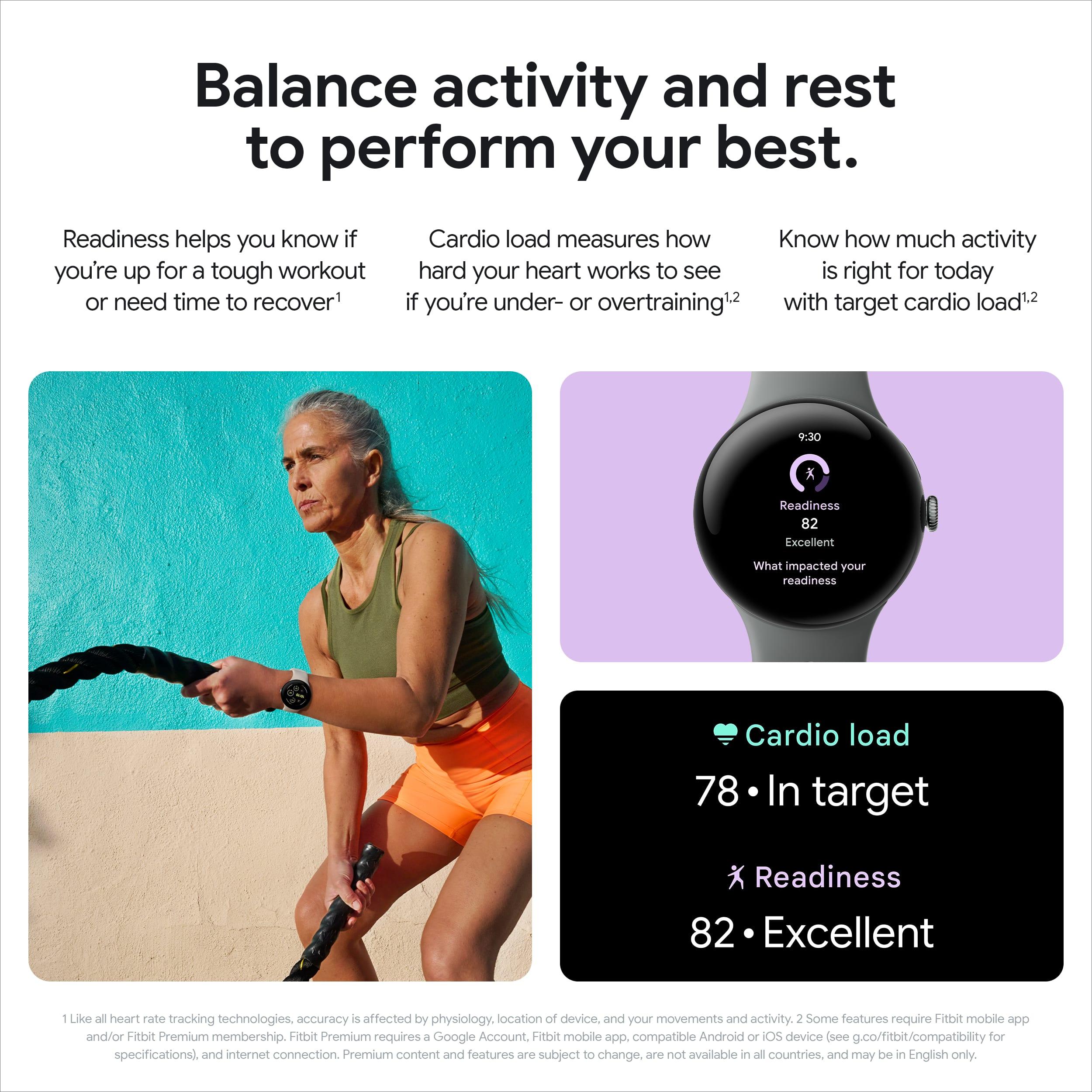
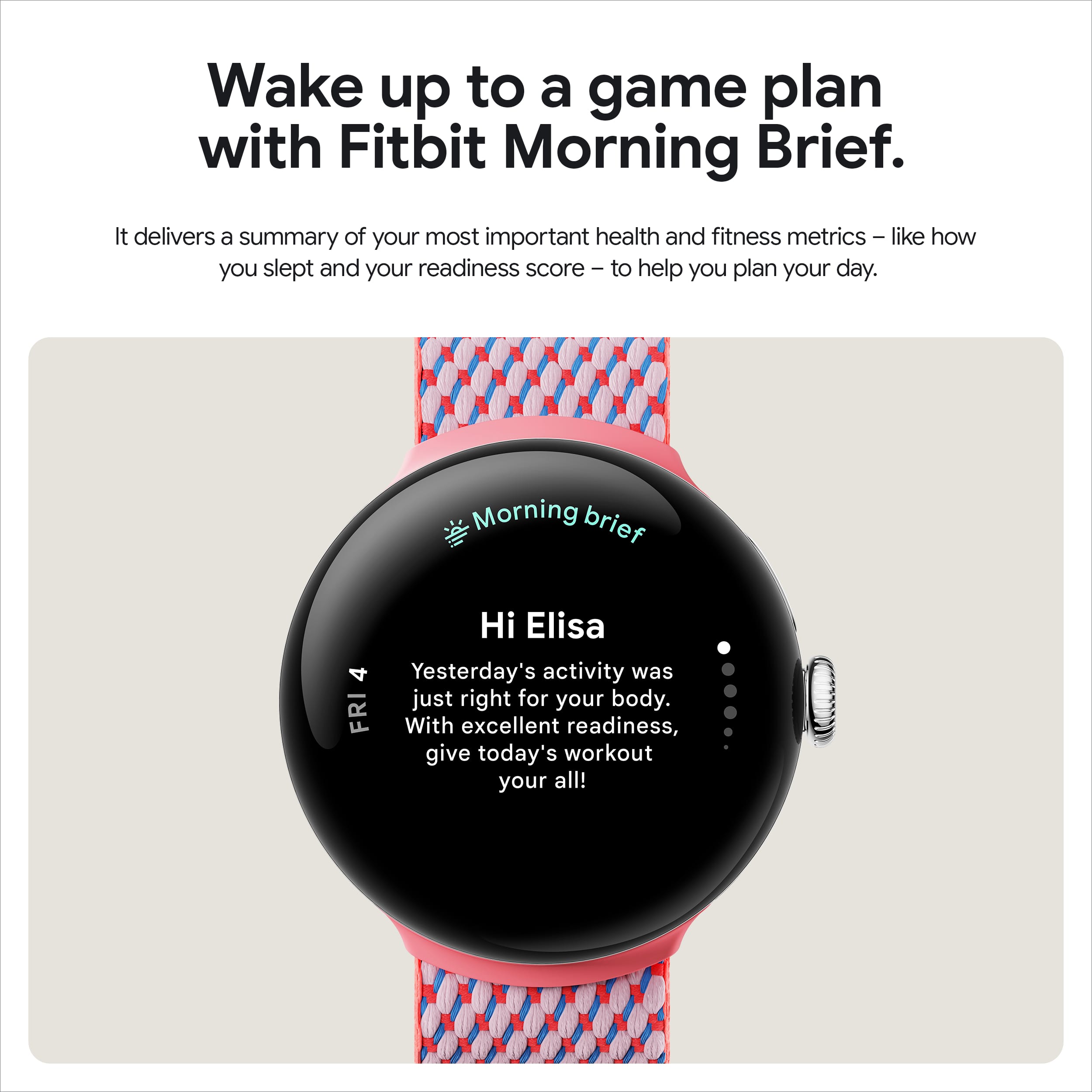
The Pixel Watch 3 leverages Fitbit's extensive fitness database and community features. It provides detailed recovery metrics, training load analysis (which helps prevent overtraining), and comprehensive sleep stage tracking. The Fitbit ecosystem offers social challenges and community features that can be motivating for long-term fitness goals.
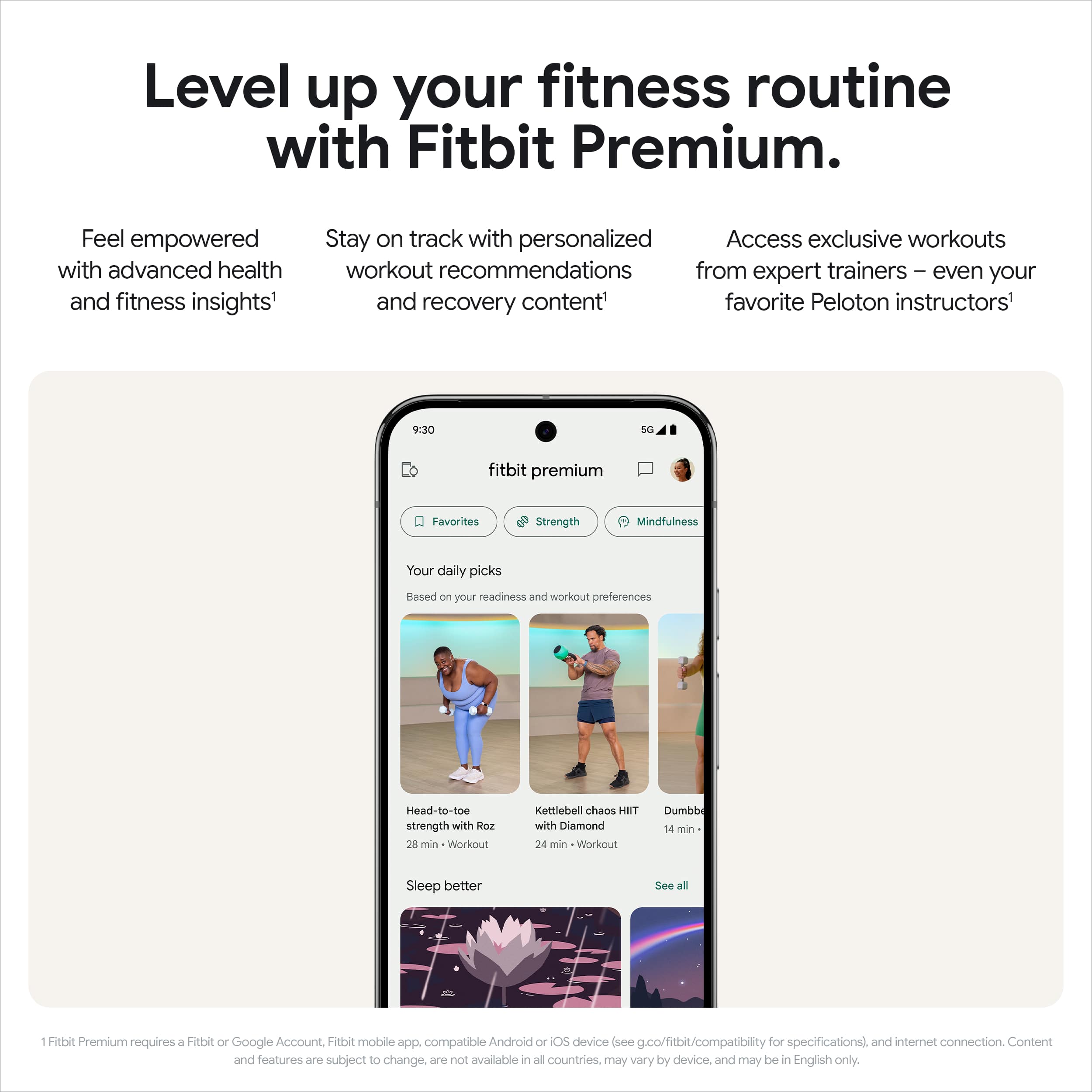
One important consideration: while the Pixel Watch 3 includes many fitness features out of the box, the most advanced insights require a Fitbit Premium subscription (currently about $10 per month). The Apple Watch Series 10 provides its core health features without additional subscription costs.
This is where ecosystem choice becomes crucial. The Apple Watch Series 10 works exclusively with iPhones, while the Pixel Watch 3 requires an Android phone. You can't mix and match, so your smartphone choice determines your smartwatch options.
If you're in Apple's ecosystem, the integration is seamless. The Apple Watch Series 10 can unlock your iPhone, Mac, and iPad. It handles Siri requests with on-device processing (meaning faster responses and better privacy), and it integrates perfectly with Apple's Health app and other native iOS applications. The larger display makes it genuinely useful for quick email responses and message replies using voice dictation or pre-written responses.
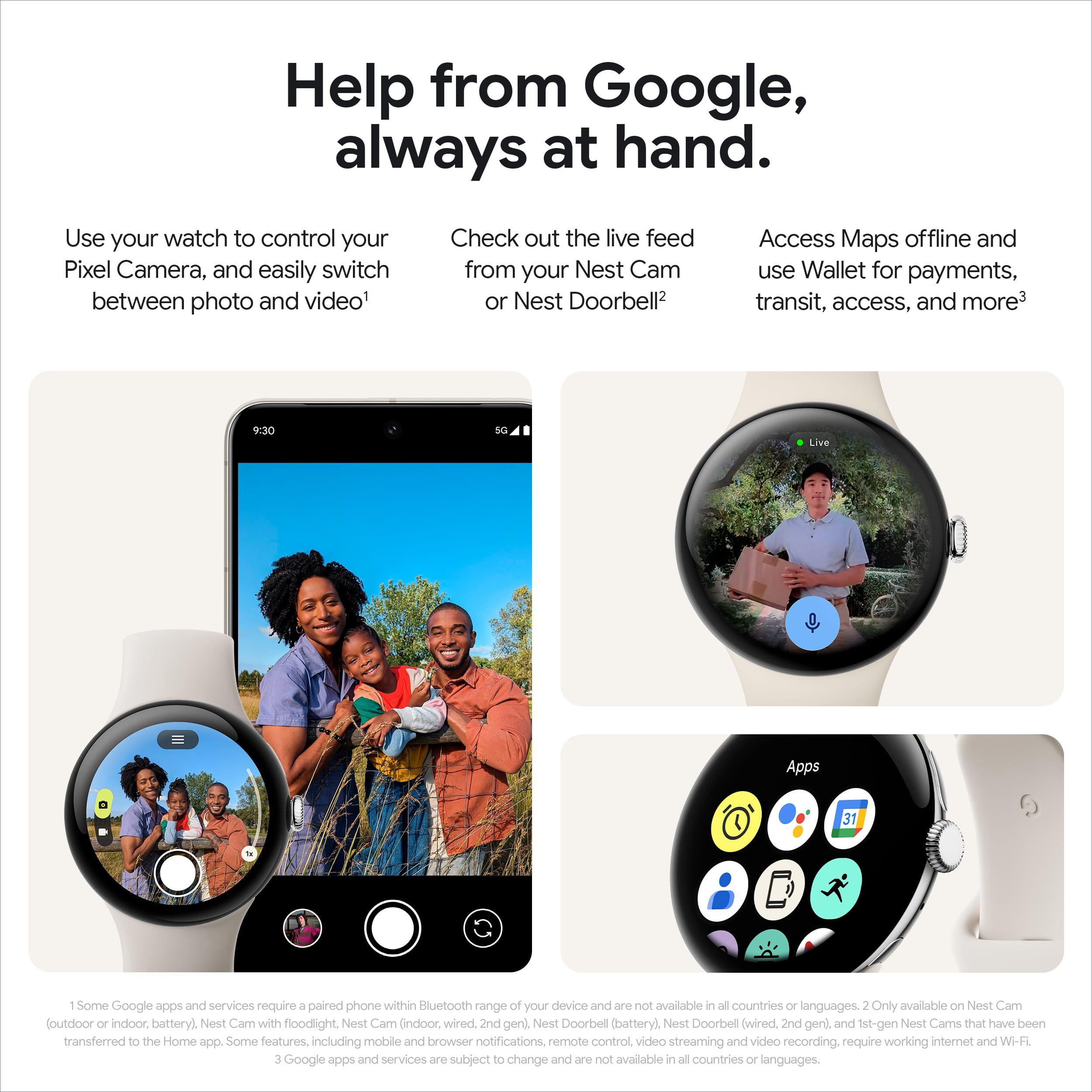
The Pixel Watch 3 offers deep Google services integration for Android users. Google Assistant works well for voice commands, and the watch integrates smoothly with Gmail, Google Calendar, and Google Pay. It also supports Google's newer features like Ultra Wideband (UWB), which enables precise location tracking for finding lost devices and unlocking compatible cars.
Both watches support cellular connectivity through eSIM technology, meaning they can share your phone number and work independently when your phone isn't nearby. This is particularly useful for workouts when you don't want to carry your phone but still want to receive important calls or messages.
The Apple Watch Series 10 runs on Apple's S10 processor, which provides smooth performance across all applications. The interface feels responsive, and switching between apps is seamless. The 64GB of storage provides plenty of space for music, podcasts, and apps, making it genuinely functional as a standalone device for shorter periods.
The Pixel Watch 3 uses Qualcomm's Snapdragon W5 processor with 2GB of RAM and 32GB of storage. While it performs well for typical smartwatch tasks, it occasionally shows slight hesitation with more demanding applications. The smaller storage capacity means you'll need to be more selective about downloaded content.
For everyday use, both watches handle core functions—notifications, quick replies, fitness tracking, and music control—without issues. The Apple Watch Series 10's larger screen makes it more comfortable for extended interactions, while the Pixel Watch 3's longer battery life means less frequent charging interruptions.
The decision often comes down to your existing tech ecosystem and personal priorities.
Choose the Apple Watch Series 10 if you're an iPhone user who values premium build quality and cutting-edge health features. The sleep apnea detection alone could be worth the higher price for users with health concerns. It's also the better choice if you frequently use your smartwatch for more than basic fitness tracking—the larger screen makes it genuinely useful for productivity tasks, and the faster processor ensures smooth performance.
The sleep apnea detection feature is particularly valuable for people over 40, those with family history of sleep disorders, or anyone who experiences unexplained fatigue. Having FDA-approved medical screening on your wrist is genuinely innovative and potentially life-changing for undiagnosed cases.
Choose the Pixel Watch 3 if you're an Android user looking for excellent fitness tracking without the premium price tag. At the time of writing, it offers significantly better value, providing about 80% of premium smartwatch functionality at roughly half the cost of comparable devices. The longer battery life makes it more convenient for 24/7 health monitoring, and the Fitbit integration provides comprehensive fitness insights that rival dedicated fitness trackers.
The Pixel Watch 3 is particularly appealing for fitness enthusiasts who want detailed recovery metrics and training guidance. While some features require a subscription, the base functionality is comprehensive enough for most users.
At the time of writing, the price difference between these watches is substantial, making the value comparison particularly interesting. The Apple Watch Series 10 commands a premium price that reflects its advanced features, premium materials, and exclusive capabilities like sleep apnea detection.
The Pixel Watch 3 offers exceptional value, delivering comprehensive smartwatch functionality at a significantly lower price point. For budget-conscious buyers, it provides genuine premium features without the premium price tag.
However, consider the total cost of ownership. The Pixel Watch 3 may require a Fitbit Premium subscription for advanced features, while the Apple Watch Series 10 includes its core functionality without additional fees. Both watches benefit from cellular data plans if you want standalone connectivity.
For iPhone users, the Apple Watch Series 10 is the clear choice despite its higher price. The ecosystem integration, sleep apnea detection, and premium build quality justify the cost for users who want the best possible experience.
For Android users, the Pixel Watch 3 offers excellent value with comprehensive health tracking and longer battery life. Unless you specifically need features only available on other Android-compatible watches, it provides everything most users want in a smartwatch.
Both watches represent significant improvements over their predecessors and offer genuinely useful health monitoring capabilities that go far beyond basic fitness tracking. Your choice should align with your smartphone ecosystem first, then consider whether you prioritize premium features and build quality or value and battery life.
The smartwatch market continues evolving rapidly, but both the Apple Watch Series 10 and Pixel Watch 3 represent current peak achievements in their respective ecosystems. Either choice will provide years of useful service, comprehensive health insights, and genuine convenience in daily life.
| Apple Watch Series 10 GPS + Cellular 42mm | Google Pixel Watch 3 41mm LTE |
|---|---|
| Display Size & Shape - Affects readability and content display | |
| 1.6" rectangular LTPO OLED, 374×446 pixels (40% more screen area) | 1.27" circular AMOLED, 320 ppi (traditional watch look, less content) |
| Battery Life - Most important daily usability factor | |
| 18 hours official, daily charging required | 24-36 hours real-world, charges every 1-2 days |
| Charging Speed - Critical when battery runs low | |
| 15 minutes = 8 hours use, 80% in 30 minutes (fastest available) | 24 minutes to 50%, 60 minutes to 100% (good but slower) |
| Build Quality & Thickness - Affects comfort and durability | |
| 9.7mm thick, 30g, premium aluminum with optional titanium | 12.3mm thick, 31g, aluminum only (noticeably thicker) |
| Health Monitoring Standout Features - Unique capabilities | |
| FDA-approved sleep apnea detection, no SpO2 in US (patent issues) | Full SpO2 monitoring, stress tracking via EDA sensor |
| Fitness Tracking Accuracy - Important for serious athletes | |
| More accurate GPS, advanced cycling metrics, better outdoor tracking | Comprehensive Fitbit integration, superior recovery insights |
| Storage Capacity - Affects standalone music and app usage | |
| 64GB (plenty for music, podcasts, apps) | 32GB (adequate but more limited) |
| Ecosystem Compatibility - Determines if you can even use it | |
| iPhone only, seamless iOS integration | Android only, deep Google services integration |
| Subscription Requirements - Ongoing costs to consider | |
| Core health features included, no subscription needed | Advanced Fitbit insights require $10/month Premium subscription |
| Water Resistance - Swimming and daily durability | |
| 50 meters, IP6X dust resistance, depth gauge to 6m | 5 ATM (50m), IP68 dust/water resistance |
| Smart Features - Beyond fitness tracking | |
| Larger screen better for apps, Double Tap gestures, Siri on-device | Google Assistant, UWB for device finding, better always-on display |
| Value Proposition - Feature-to-price ratio at time of writing | |
| Premium pricing for exclusive features and build quality | Exceptional value, 80% of premium features at significantly lower cost |
The Google Pixel Watch 3 41mm LTE has significantly better battery life, lasting 24-36 hours in real-world use compared to the Apple Watch Series 10 GPS + Cellular 42mm which requires daily charging with about 18 hours of battery life. However, the Apple Watch Series 10 charges much faster, reaching 80% in just 30 minutes.
No, these smartwatches are ecosystem-locked. The Apple Watch Series 10 GPS + Cellular 42mm only works with iPhones, while the Google Pixel Watch 3 41mm LTE only works with Android phones. Your smartphone choice determines which watch you can use.
The Apple Watch Series 10 GPS + Cellular 42mm has a larger 1.6-inch rectangular display with 40% more screen area than the Google Pixel Watch 3's 1.27-inch circular display. The rectangular shape of the Apple Watch Series 10 makes it better for reading text and viewing app content.
Both excel at different health features. The Apple Watch Series 10 GPS + Cellular 42mm offers FDA-approved sleep apnea detection, which is unique and medically significant. The Google Pixel Watch 3 41mm LTE provides comprehensive Fitbit integration with stress tracking and full SpO2 monitoring (which the Apple Watch Series 10 lacks in the US due to patent issues).
Yes, both the Apple Watch Series 10 GPS + Cellular 42mm and Google Pixel Watch 3 41mm LTE have cellular connectivity. This means they can make calls, send texts, and use data independently when your phone isn't nearby, though this typically requires an additional monthly fee from your carrier.
The Apple Watch Series 10 GPS + Cellular 42mm generally provides more accurate GPS tracking for outdoor activities like running and cycling. However, the Google Pixel Watch 3 41mm LTE offers more comprehensive fitness insights through Fitbit integration, including detailed recovery metrics and training load analysis.
The Apple Watch Series 10 GPS + Cellular 42mm includes all core health and fitness features without requiring subscriptions. The Google Pixel Watch 3 41mm LTE provides basic functionality for free, but advanced Fitbit Premium features require a monthly subscription for the most detailed health insights.
The Apple Watch Series 10 GPS + Cellular 42mm has a more premium build with a thinner 9.7mm aluminum case and offers optional titanium construction. Both watches have 50-meter water resistance, but the Apple Watch Series 10 feels more premium and includes a depth gauge for swimming up to 6 meters.
The Apple Watch Series 10 GPS + Cellular 42mm comes with 64GB of storage, while the Google Pixel Watch 3 41mm LTE has 32GB. The Apple Watch Series 10's larger storage capacity is better for downloading music, podcasts, and apps for standalone use.
The Apple Watch Series 10 GPS + Cellular 42mm offers better smart functionality due to its larger display, faster processor, and seamless iPhone integration. The Google Pixel Watch 3 41mm LTE provides excellent Google services integration for Android users, including Google Assistant and Ultra Wideband technology for device finding.
Yes, both watches track sleep, but differently. The Apple Watch Series 10 GPS + Cellular 42mm offers unique FDA-approved sleep apnea detection, which can identify potential breathing disorders. The Google Pixel Watch 3 41mm LTE provides detailed sleep stage analysis through Fitbit's comprehensive sleep tracking system.
At the time of writing, the Google Pixel Watch 3 41mm LTE offers significantly better value, providing most premium smartwatch features at a lower cost. The Apple Watch Series 10 GPS + Cellular 42mm commands a premium price but justifies it with exclusive features like sleep apnea detection, superior build quality, and a larger display.
We've done our best to create useful and informative comparisons to help you decide what product to buy. Our research uses advanced automated methods to create this comparison and perfection is not possible - please contact us for corrections or questions. These are the sites we've researched in the creation of this article: bestbuy.com - wareable.com - wareable.com - appleinsider.com - youtube.com - youtube.com - youtube.com - apple.com - dcrainmaker.com - dcrainmaker.com - apple.com - apple.com - forums.macrumors.com - gethegoods.com - appleinsider.com - apple.com - support.apple.com - apple.com - en.wikipedia.org - cellcom.com - youtube.com - walmart.com - youtube.com - apple.com - bestbuy.com - apple.com - youtube.com - apple.com - verizon.com - apple.com - apple.com - youtube.com - costco.com - bestbuy.com - t-mobile.com - talk.tidbits.com - support.apple.com - gci.com - att.com - tomsguide.com - androidcentral.com - androidcentral.com - wareable.com - versus.com - hothardware.com - thedisconnekt.com - tomsguide.com - store.google.com - youtube.com - wareable.com - support.google.com - dcrainmaker.com - phonearena.com - fi.google.com - 9to5google.com - wareable.com - youtube.com - support.google.com - t-mobile.com - support.google.com - att.com - gsmarena.com - store.google.com - bestbuy.com - youtube.com - pre-www.att.com - androidcentral.com - phonearena.com

Privacy Policy
Terms and Conditions - Affiliate Policy
Home Security
© Copyright 2008-2026.
11816 Inwood Rd #1211, Dallas, TX 75244