


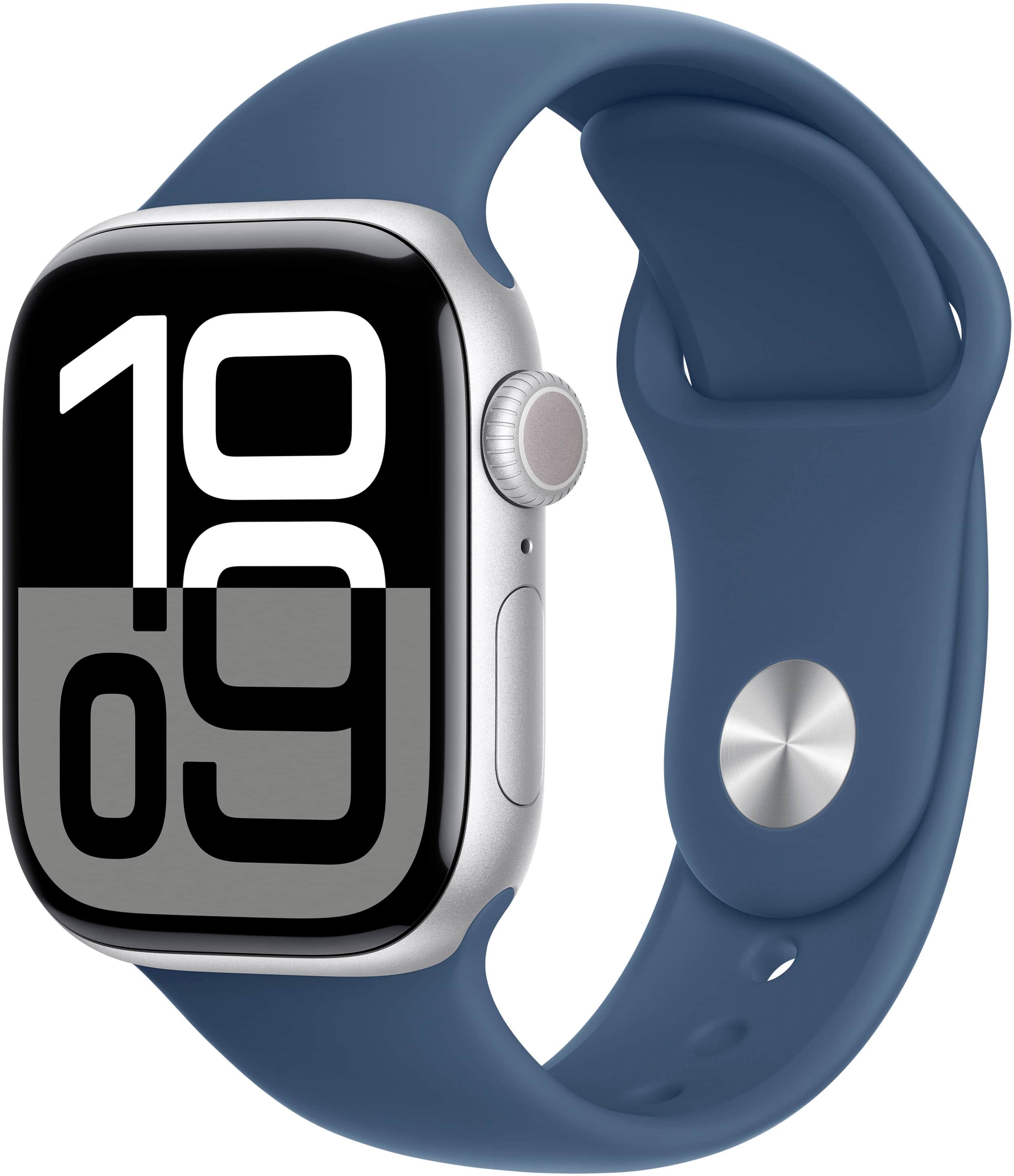
Apple dominates the smartwatch market for good reason. Their watches seamlessly blend health monitoring, fitness tracking, and smartphone convenience into devices that actually feel essential rather than gimmicky. But with multiple models at different price points, choosing the right Apple Watch can feel overwhelming.
The two most popular options represent opposite ends of Apple's current strategy. The Apple Watch Series 10, released in 2024, showcases Apple's latest technology with premium features and independent cellular connectivity. Meanwhile, the Apple Watch SE 2nd Generation, also from 2024, strips away the bells and whistles to deliver core Apple Watch functionality at a much more accessible price point.
At the time of writing, the Series 10 costs nearly three times more than the SE 2, making this comparison crucial for anyone considering their first Apple Watch or upgrading from an older model. The price gap isn't just about premium materials—it reflects fundamental differences in capabilities that could significantly impact your daily experience.
Before diving into specifics, it's worth understanding what separates excellent smartwatches from mediocre ones. The best smartwatches excel in five key areas: display quality, health monitoring accuracy, connectivity options, battery performance, and overall build quality.
Display technology particularly matters because you'll glance at your watch hundreds of times daily. An always-on display—which remains visible even when your wrist isn't raised—provides instant information access during workouts, meetings, or simple time checks. Standard displays that turn completely black when inactive require deliberate interaction every single time.
Health monitoring has evolved from basic step counting to comprehensive wellness tracking. Modern sensors can detect irregular heart rhythms, measure blood oxygen levels, track sleep stages, and even identify potential sleep disorders. The accuracy and breadth of these sensors often justify premium pricing.
Connectivity determines whether your watch functions as a smartphone companion or standalone device. GPS-only models require your iPhone nearby for calls, messages, and most smart features. Cellular-enabled watches operate independently, letting you leave your phone behind during runs, errands, or travel.
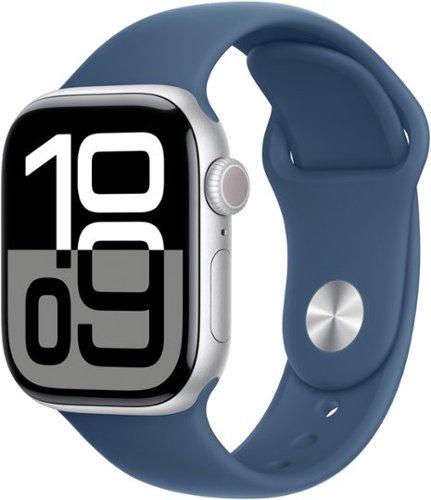
The most immediately noticeable difference between the Series 10 and SE 2 lies in display technology. The Series 10 features Apple's LTPO3 OLED Always-On Retina display—a mouthful of technical terms that translate to "you can always see your watch face."
LTPO stands for Low Temperature Polycrystalline Oxide, a display technology that dynamically adjusts refresh rates based on content. When you're actively using the watch, it refreshes at normal speeds for smooth scrolling. When idle, it drops to 1Hz (refreshing once per second) while maintaining visibility at reduced brightness.
This always-on capability fundamentally changes how you interact with your watch. During exercise, you can glance at heart rate, pace, or elapsed time without breaking stride or tapping the screen. In meetings, a subtle wrist turn reveals notifications without the obvious screen-wake gesture that draws attention.
The SE 2, by contrast, uses a standard display that turns completely black when inactive. While this conserves battery life, it requires deliberate wrist movement, screen tapping, or Digital Crown interaction for every single interaction—potentially hundreds of times daily.
Our research into user experiences reveals mixed opinions about always-on displays. Fitness enthusiasts and professionals consistently praise the convenience, while some casual users find it unnecessarily distracting. The feature proves most valuable during activities where hands aren't free for screen interaction.
The Series 10's display also provides roughly 30% more screen real estate than the SE 2, despite relatively similar case sizes. This translates to larger text, more visible complications (small widgets showing information like weather or calendar events), and generally improved readability—particularly beneficial for users with vision concerns.
Perhaps the most significant functional difference involves connectivity. The Series 10 model we're examining includes GPS + Cellular capability, while our comparison SE 2 features GPS-only connectivity.
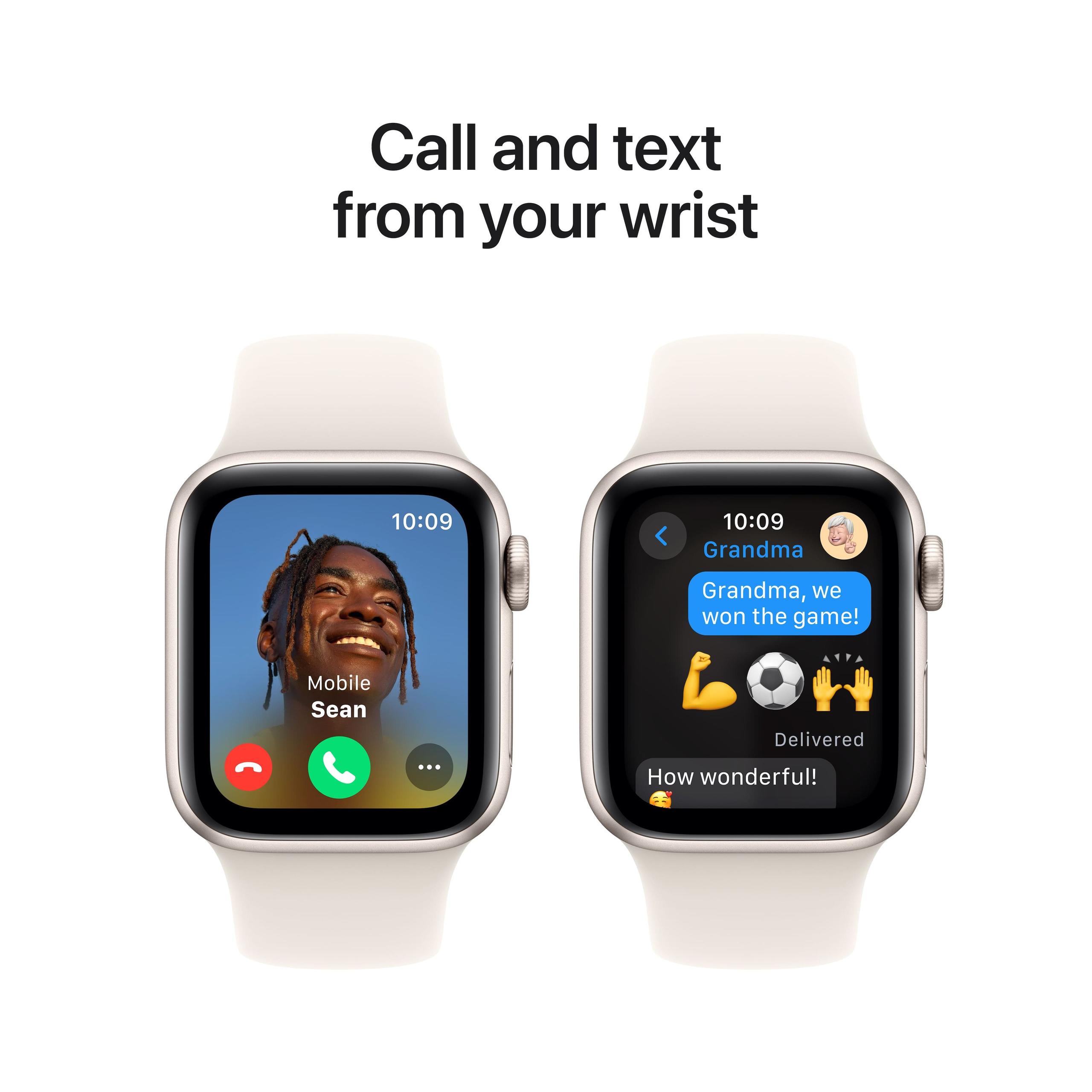
Cellular capability transforms your watch from a smartphone accessory into a standalone communication device. With an active cellular plan (typically $10-15 monthly from carriers), you can make calls, send messages, stream music, navigate with GPS, and use apps without your iPhone nearby.
This independence proves invaluable for runners who prefer leaving phones behind, parents managing kids while being reachable for emergencies, or travelers wanting minimal pocket bulk. The feature becomes essential for anyone whose lifestyle involves regular phone-free activities.
However, cellular connectivity comes with ongoing costs beyond the initial purchase price. Monthly service fees add up over years of ownership, and battery life decreases when actively using cellular features. Many users discover they rarely venture far from their phones, making cellular capability expensive insurance against uncommon scenarios.
The SE 2 GPS-only model handles fitness tracking, music playback (from stored content), and basic functionality independently. But calls, messages, navigation, and most apps require iPhone proximity—typically within Bluetooth range (about 30 feet) or connected to known Wi-Fi networks.
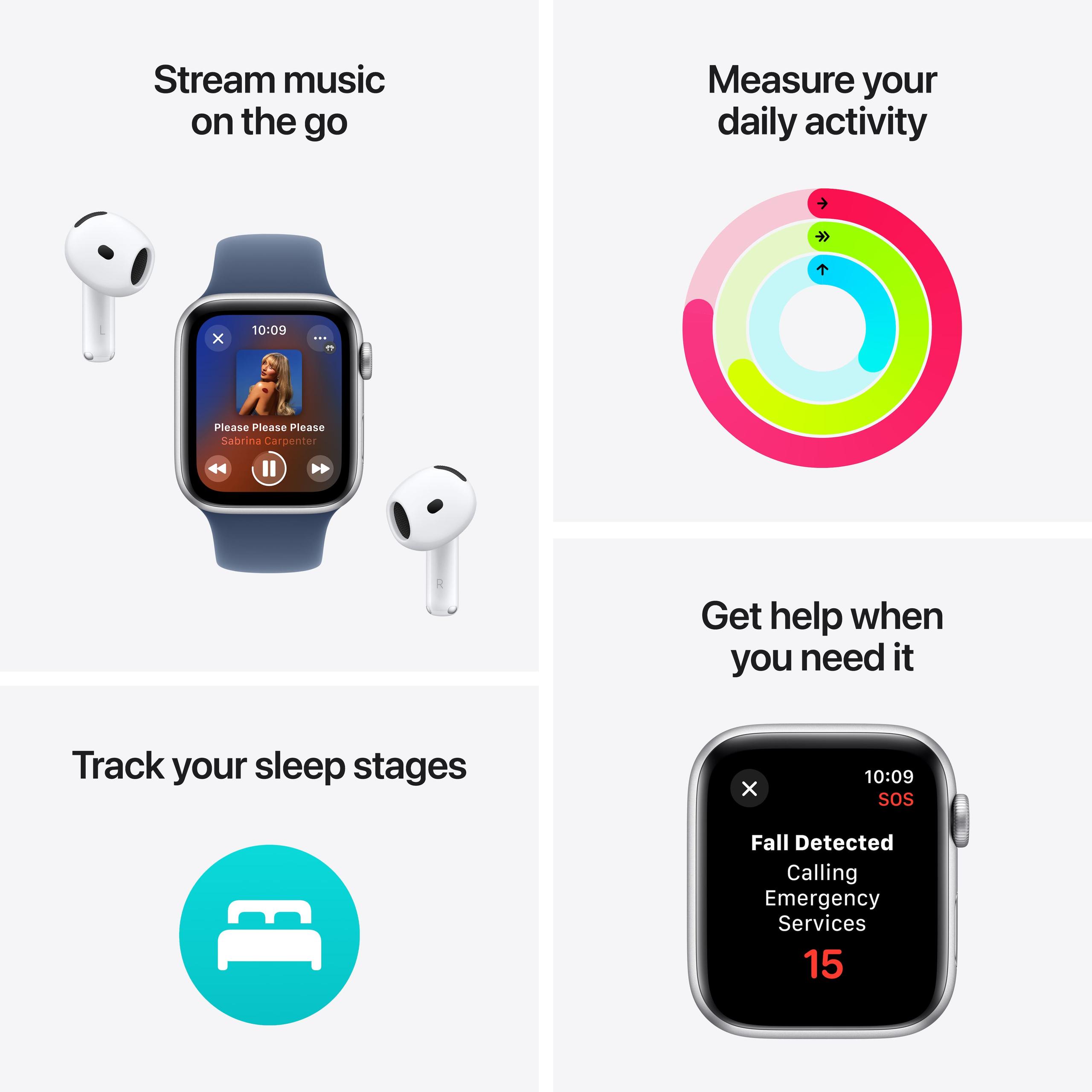
Both watches excel at fundamental health monitoring—heart rate tracking, sleep analysis, fall detection, and workout recognition work excellently on both models. However, the Series 10 includes advanced sensors absent from the SE 2 that expand monitoring capabilities significantly.
The Series 10's ECG (electrocardiogram) feature lets you take medical-grade heart rhythm readings by placing a finger on the Digital Crown for 30 seconds. This generates a waveform that can detect atrial fibrillation (irregular heartbeat) and provide documentation for healthcare providers. While not a replacement for professional medical testing, it offers valuable baseline monitoring and peace of mind.
Temperature sensing, another Series 10 exclusive, primarily tracks overnight wrist temperature variations. This data proves most useful for menstrual cycle tracking and ovulation prediction, though it can also indicate illness trends or stress patterns over time.
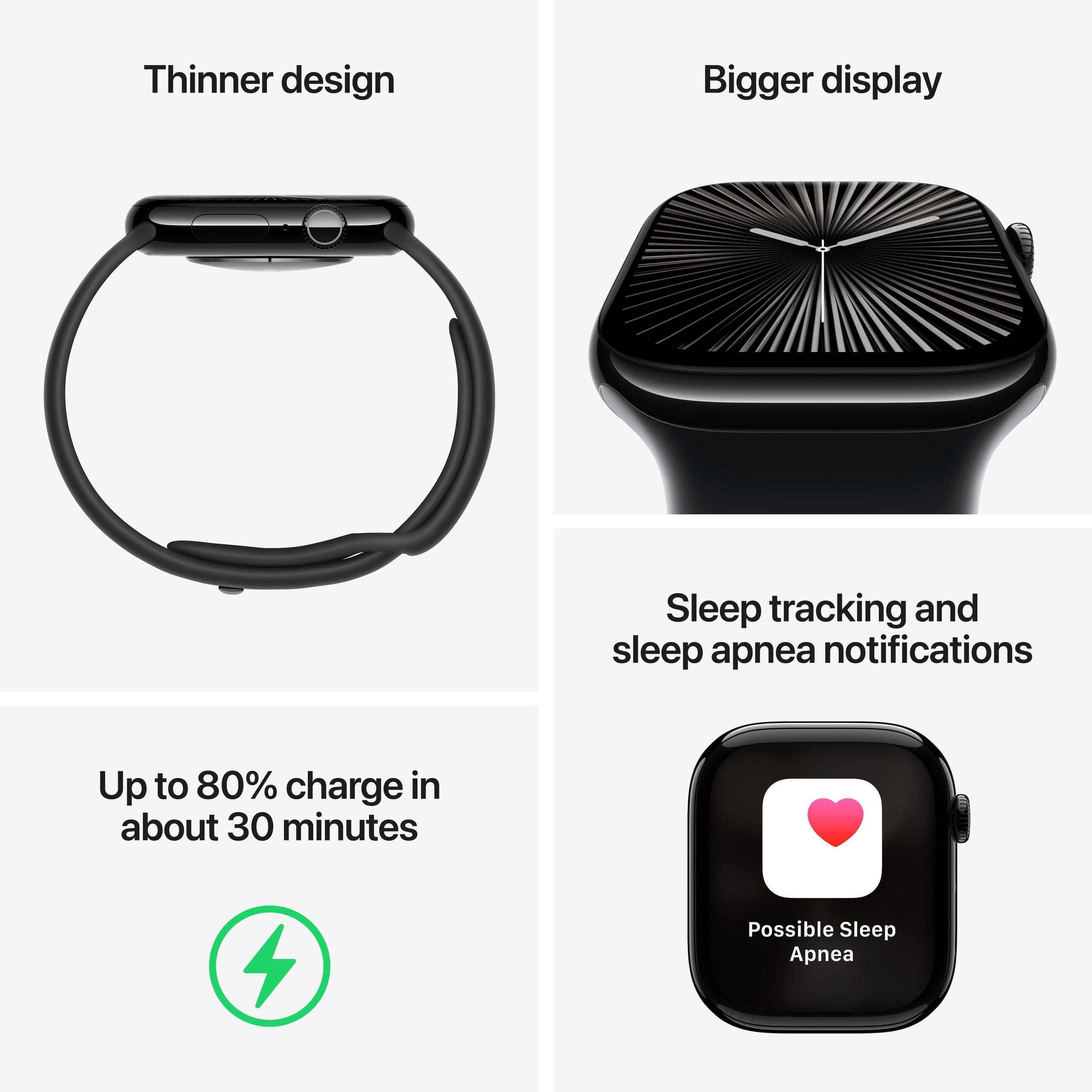
The Series 10 also includes sleep apnea detection—a potentially life-saving feature that monitors breathing patterns during sleep. Sleep apnea affects millions unknowingly and increases risks of heart disease, stroke, and other serious conditions. Having preliminary detection on your wrist could prompt important conversations with healthcare providers.
Blood oxygen monitoring, available on the Series 10 in most markets, measures oxygen saturation levels—particularly useful for athletes training at altitude or individuals with respiratory concerns.
The SE 2 handles core health monitoring excellently with its second-generation optical heart sensor, sleep tracking, and comprehensive fitness metrics. For most users focused on general wellness and fitness improvement, these features provide more than adequate insight into health trends.
Both watches deliver snappy daily performance thanks to modern Apple silicon. The Series 10 uses the S10 chip while the SE 2 runs on the S8 processor. In real-world usage, performance differences are minimal—both handle app launches, navigation, and multitasking smoothly.
Where differences emerge is in battery optimization and charging convenience. The Series 10 features revolutionary fast charging that reaches 80% capacity in just 30 minutes and full charge in about an hour. This dramatically improves usability, especially for users who track sleep and need quick morning top-ups.
The SE 2 requires approximately 2.5 hours for full charging—not problematic for overnight charging but inconvenient for quick power boosts. If you frequently forget to charge overnight or want to track sleep patterns, charging speed becomes genuinely important.
Battery life varies based on usage patterns, but both watches officially provide 18 hours of typical use. Real-world testing suggests the Series 10 achieves slightly longer runtime (around 36 hours with always-on disabled) compared to the SE 2's approximate 30-hour performance. The difference matters less than charging convenience for most users.
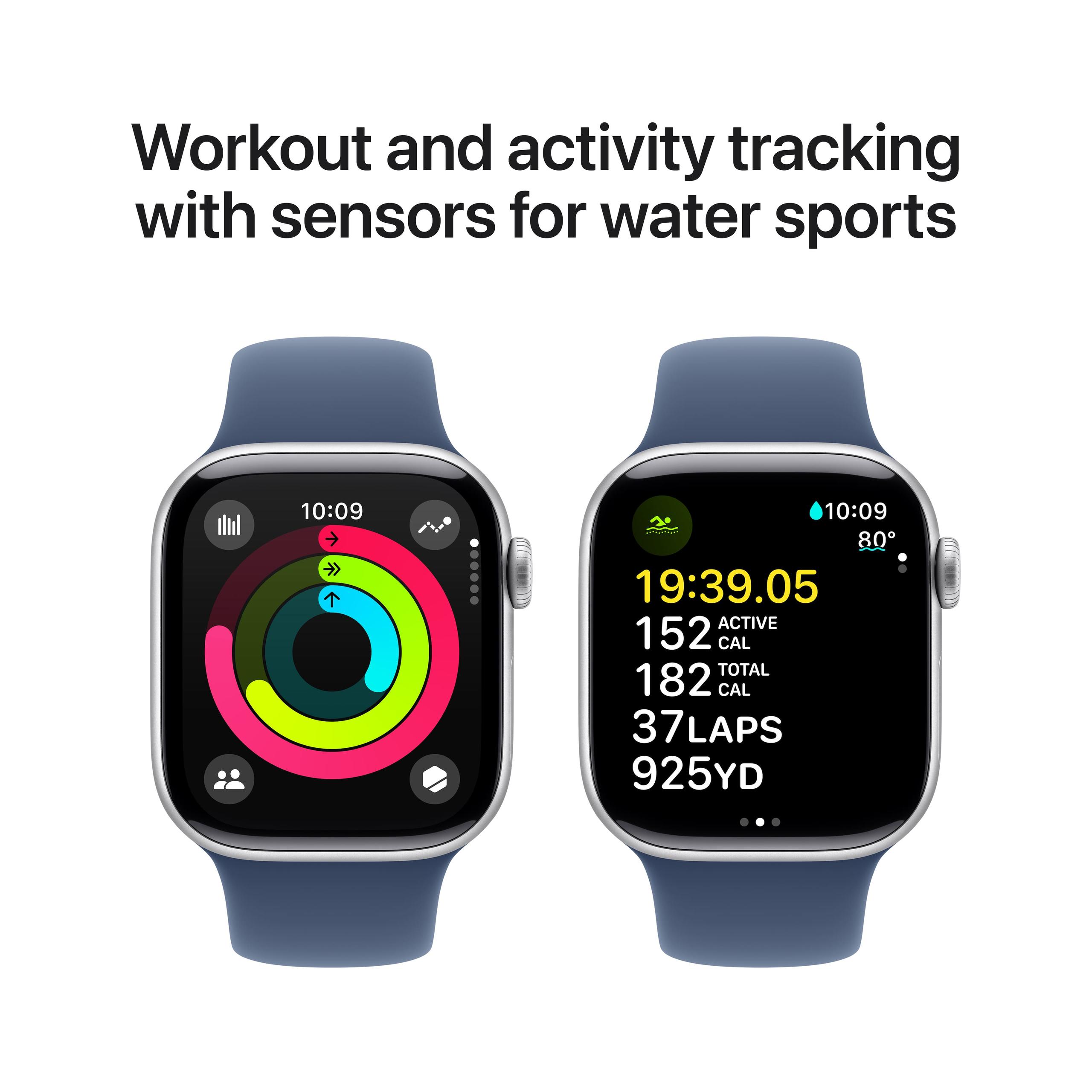
Apple released both watches in 2024, representing their current design philosophy and manufacturing quality. Both feature aluminum construction with Ion-X strengthened glass and 50-meter water resistance suitable for swimming and water sports.
The Series 10 showcases Apple's latest engineering with a notably thinner profile—about 10% slimmer than previous generations. This creates a more refined wrist presence that sits closer to your arm, reducing snagging on clothing and improving comfort during extended wear.
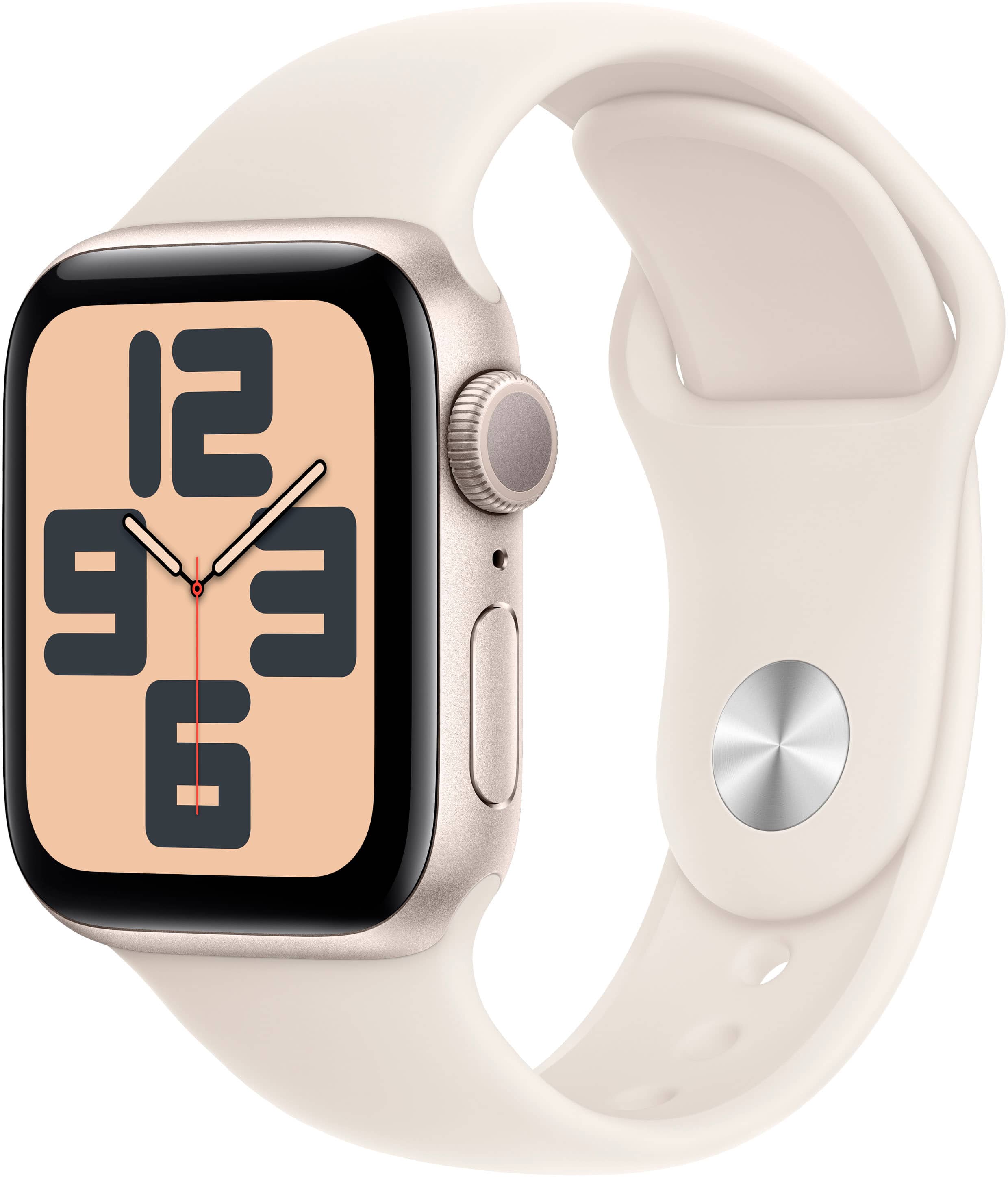
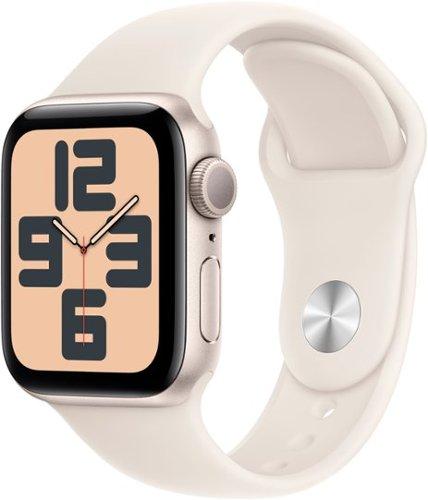
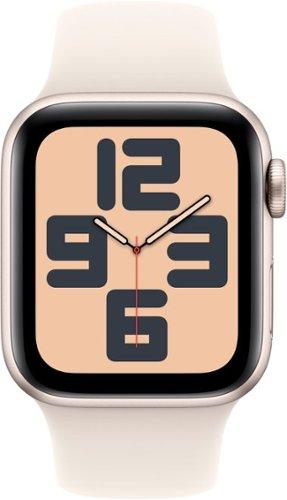
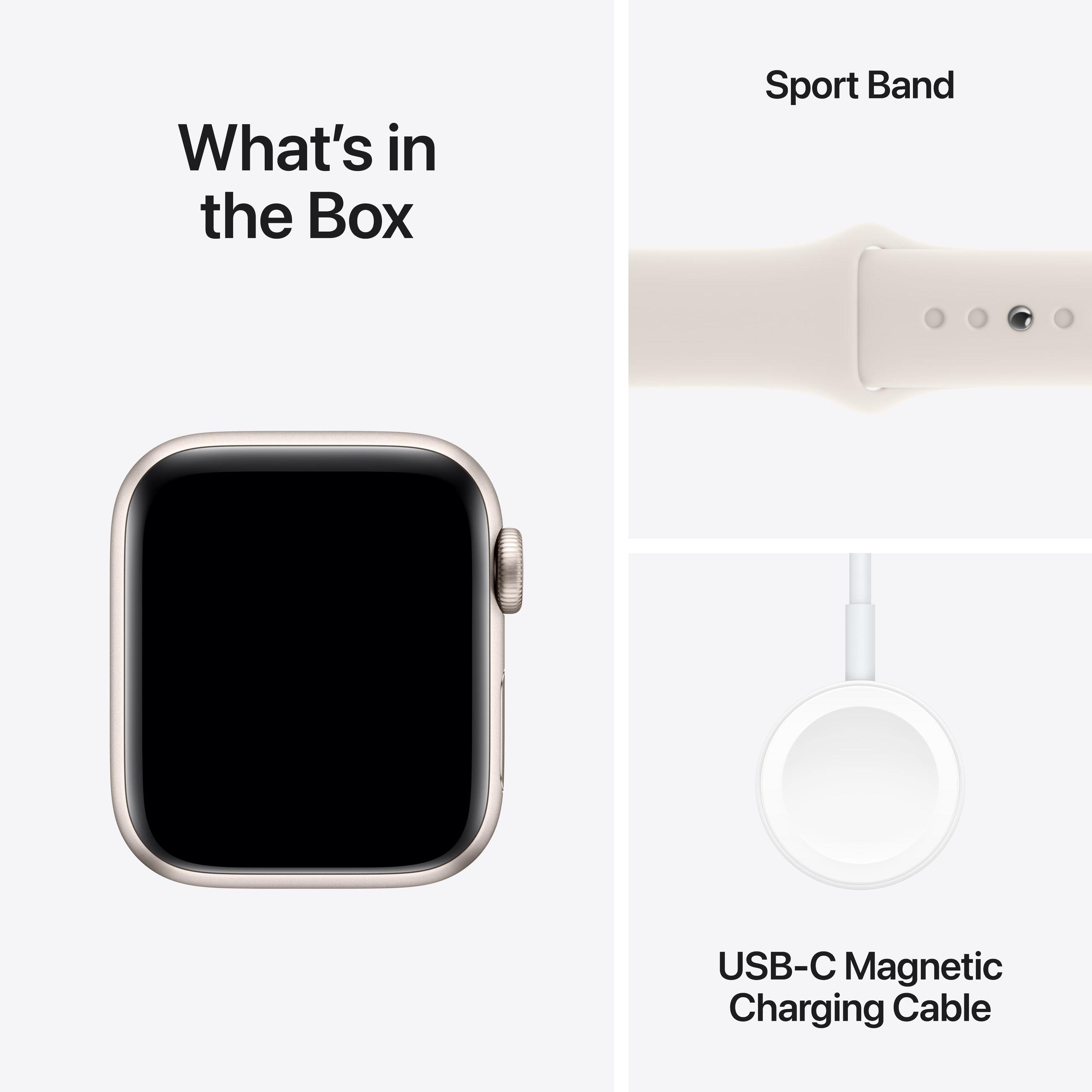
Color options differ slightly: the Series 10 offers Jet Black, Rose Gold, and Silver, while the SE 2 provides Midnight, Starlight, and Silver. Both support Apple's complete band ecosystem, from Sport Bands to premium leather and metal options.
The Series 10's Jet Black finish deserves special mention—it's a polished, highly reflective surface that looks stunning but may show fingerprints and micro-scratches more readily than matte finishes.
Both watches run watchOS with identical app compatibility and core functionality. Siri works equally well on both models, notifications sync seamlessly, and Apple Pay functions identically.
The Series 10 includes a few exclusive features like Double Tap gesture control (though user feedback suggests this feature feels gimmicky rather than genuinely useful) and on-device keyboard typing for larger screen models.
More meaningfully, the Series 10 can play music through its speaker—useful for quick audio playback without headphones. The SE 2 has a speaker for calls and alerts but cannot play music aloud.
Both watches support Family Setup, allowing parents to manage watches for children or elderly family members who don't have iPhones.
The Apple Watch SE 2 represents exceptional value for first-time smartwatch buyers, casual fitness enthusiasts, and budget-conscious users. It delivers the core Apple Watch experience—excellent fitness tracking, seamless iPhone integration, comprehensive app ecosystem, and reliable daily functionality—at a price point that makes premium smartwatch features accessible.
Choose the SE 2 if you primarily want fitness tracking, basic health monitoring, and smartphone convenience without needing advanced sensors or cellular independence. It's perfect for users who always carry their iPhone and don't require always-on display convenience.
The Apple Watch Series 10 justifies its premium pricing for users who need cellular independence, value always-on display convenience, or require comprehensive health monitoring. It's the better choice for serious fitness enthusiasts, health-conscious users, frequent travelers, or anyone upgrading from older Apple Watch models.
The Series 10 also makes sense for users who prioritize having the latest technology and plan to keep their watch for several years. Its advanced sensors and features provide better long-term value and functionality expansion.
At the time of writing, the price difference between these watches is substantial—the Series 10 costs nearly three times more than the SE 2. This gap reflects genuine feature differences rather than just premium positioning.
If cellular independence, advanced health monitoring, and always-on display convenience align with your needs and budget, the Series 10 provides excellent value despite its higher price. The ongoing cellular service costs are worth considering in your total ownership calculation.
For users seeking core Apple Watch functionality without premium features, the SE 2 delivers remarkable value. It provides modern performance, comprehensive fitness tracking, and full watchOS compatibility while keeping costs reasonable.
Both watches excel at their intended purposes. The SE 2 democratizes premium smartwatch features, while the Series 10 pushes technological boundaries for users who can benefit from its advanced capabilities. Your choice should depend on which features matter most for your lifestyle and budget—both represent smart investments in their respective categories.
Consider starting with the SE 2 if you're unsure about smartwatch utility. You can always upgrade later with a better understanding of which features you actually use versus those that sound appealing in marketing materials.
| Apple Watch Series 10 GPS + Cellular 42mm Aluminum | Apple Watch SE 2nd Generation 40mm GPS |
|---|---|
| Display Technology - Critical for daily usability and convenience | |
| Always-On LTPO3 OLED, 2000 nits, never turns off | Standard OLED, 1000 nits, turns black when inactive |
| Screen Size - Affects readability and interaction ease | |
| 42mm case with 30% more display area | 40mm case with smaller viewing area |
| Connectivity - Determines standalone functionality | |
| GPS + Cellular (works independently from iPhone) | GPS only (requires iPhone nearby for most features) |
| Health Sensors - Expansion of monitoring capabilities | |
| ECG, temperature, sleep apnea detection, blood oxygen | Basic heart rate, sleep tracking, fall detection |
| Processor - Performance and future software support | |
| S10 chip (2024 latest technology) | S8 chip (still very fast for daily use) |
| Charging Speed - Daily convenience factor | |
| Fast charging: 80% in 30 minutes | Standard charging: 2.5 hours for full charge |
| Battery Life - Real-world usage duration | |
| ~36 hours typical use (18 hours official) | ~30 hours typical use (18 hours official) |
| Build Quality - Durability and premium feel | |
| 10% thinner profile, refined engineering | Standard thickness, excellent build quality |
| Water Resistance - Swimming and water sports capability | |
| 50 meters (suitable for swimming) | 50 meters (suitable for swimming) |
| Storage Capacity - App and music storage | |
| 64GB internal storage | 32GB internal storage |
| Speaker Functionality - Audio playback options | |
| Music playback + calls through speaker | Calls only (no music playback) |
| Price Category - Value positioning at time of writing | |
| Premium pricing with cellular service costs | Budget-friendly with excellent value proposition |
The biggest difference is that the Apple Watch Series 10 features an always-on display that never turns off and includes cellular connectivity for standalone use, while the Apple Watch SE 2nd Generation has a standard display that goes black when inactive and requires your iPhone nearby for most smart features. The Series 10 also includes advanced health sensors like ECG and temperature monitoring that aren't available on the SE 2.
Both watches officially offer 18 hours of battery life, but real-world testing shows the Apple Watch Series 10 lasts slightly longer at around 36 hours with typical use, compared to about 30 hours for the SE 2. However, the Series 10 charges much faster, reaching 80% in just 30 minutes versus 2.5 hours for a full charge on the SE 2.
Cellular connectivity on the Apple Watch Series 10 is valuable if you want to make calls, send messages, and use apps without your iPhone nearby. It's ideal for runners, travelers, or anyone who wants the freedom to leave their phone behind. The GPS-only Apple Watch SE 2 works great if you always carry your iPhone and don't mind the connected dependency.
Both watches excel at basic fitness tracking with accurate GPS, heart rate monitoring, and workout detection. The Apple Watch Series 10 adds advanced features like temperature sensing for better cycle tracking and sleep apnea detection. For most fitness enthusiasts, the SE 2 provides excellent tracking capabilities at a much lower cost.
The always-on display on the Apple Watch Series 10 provides instant access to time and notifications without raising your wrist or tapping the screen. It's particularly useful during workouts, meetings, or when your hands aren't free. The Apple Watch SE 2 requires deliberate interaction every time you want to see the display, which some users find inconvenient.
The Apple Watch Series 10 offers comprehensive health monitoring with ECG readings, temperature tracking, blood oxygen monitoring, and sleep apnea detection. The SE 2 covers essential health tracking including heart rate monitoring, sleep tracking, and fall detection. For basic wellness monitoring, the SE 2 is sufficient, but serious health tracking benefits from the Series 10's advanced sensors.
Yes, both can make calls, but differently. The Apple Watch Series 10 with cellular can make calls independently using its own connection. The Apple Watch SE 2 can make calls when connected to your iPhone via Bluetooth or WiFi. The Series 10 offers true calling independence, while the SE 2 requires your phone nearby.
The Apple Watch Series 10 features revolutionary fast charging, reaching 80% battery in just 30 minutes and full charge in about an hour. The SE 2 uses standard charging that takes approximately 2.5 hours for a complete charge. Fast charging on the Series 10 is especially convenient for users who track sleep and need quick morning top-ups.
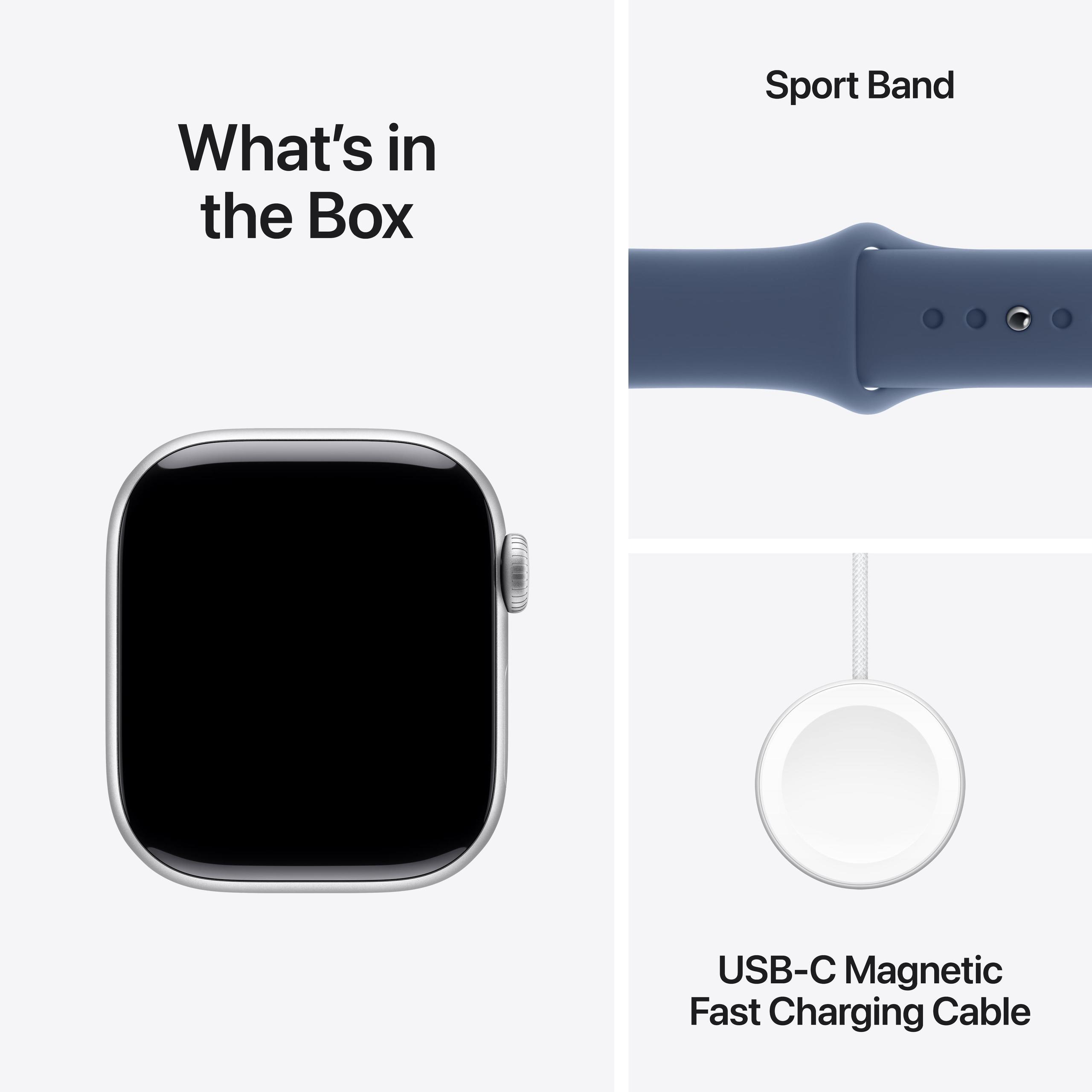
Yes, Apple Watch bands are compatible across models with the same case size category. However, the Apple Watch Series 10 uses 42mm bands while the SE 2 uses 40mm bands, so they're not directly interchangeable. Both support Apple's full ecosystem of Sport Bands, leather bands, and premium metal options in their respective sizes.
The Apple Watch SE 2 is excellent for first-time smartwatch users, offering core Apple Watch functionality, modern performance, and comprehensive fitness tracking at an accessible price point. It provides the full watchOS experience without premium features that beginners might not need. The Series 10 is better for users who want the latest technology and advanced health monitoring from day one.
The Apple Watch Series 10 features a larger, brighter always-on display with 2000 nits peak brightness and about 30% more screen area than the SE 2. The SE 2 has a 1000-nit display that turns completely black when inactive. Both offer excellent outdoor visibility, but the Series 10's always-on capability and larger size provide better usability and readability.
The Apple Watch SE 2 offers exceptional value, providing core Apple Watch functionality at a significantly lower cost than the Series 10. It's perfect for users who want excellent fitness tracking and smart features without premium sensors. The Series 10 justifies its higher cost with cellular independence, always-on display, advanced health monitoring, and fast charging for users who need these premium capabilities.
We've done our best to create useful and informative comparisons to help you decide what product to buy. Our research uses advanced automated methods to create this comparison and perfection is not possible - please contact us for corrections or questions. These are the sites we've researched in the creation of this article: bestbuy.com - wareable.com - wareable.com - appleinsider.com - youtube.com - youtube.com - youtube.com - apple.com - dcrainmaker.com - dcrainmaker.com - apple.com - apple.com - forums.macrumors.com - gethegoods.com - appleinsider.com - apple.com - support.apple.com - apple.com - en.wikipedia.org - cellcom.com - youtube.com - walmart.com - youtube.com - apple.com - bestbuy.com - apple.com - youtube.com - apple.com - verizon.com - apple.com - apple.com - youtube.com - costco.com - bestbuy.com - t-mobile.com - talk.tidbits.com - support.apple.com - gci.com - att.com - techradar.com - bestbuy.com - techgearlab.com - fratellowatches.com - youtube.com - macobserver.com - youtube.com - gsmarena.com - pocketnow.com - att.com - walmart.com - gsmarena.com - bestbuy.com - apple.com - support.apple.com - apple.com - youtube.com - phonetradr.com - 9to5mac.com - apple.com

Privacy Policy
Terms and Conditions - Affiliate Policy
Home Security
© Copyright 2008-2026.
11816 Inwood Rd #1211, Dallas, TX 75244