

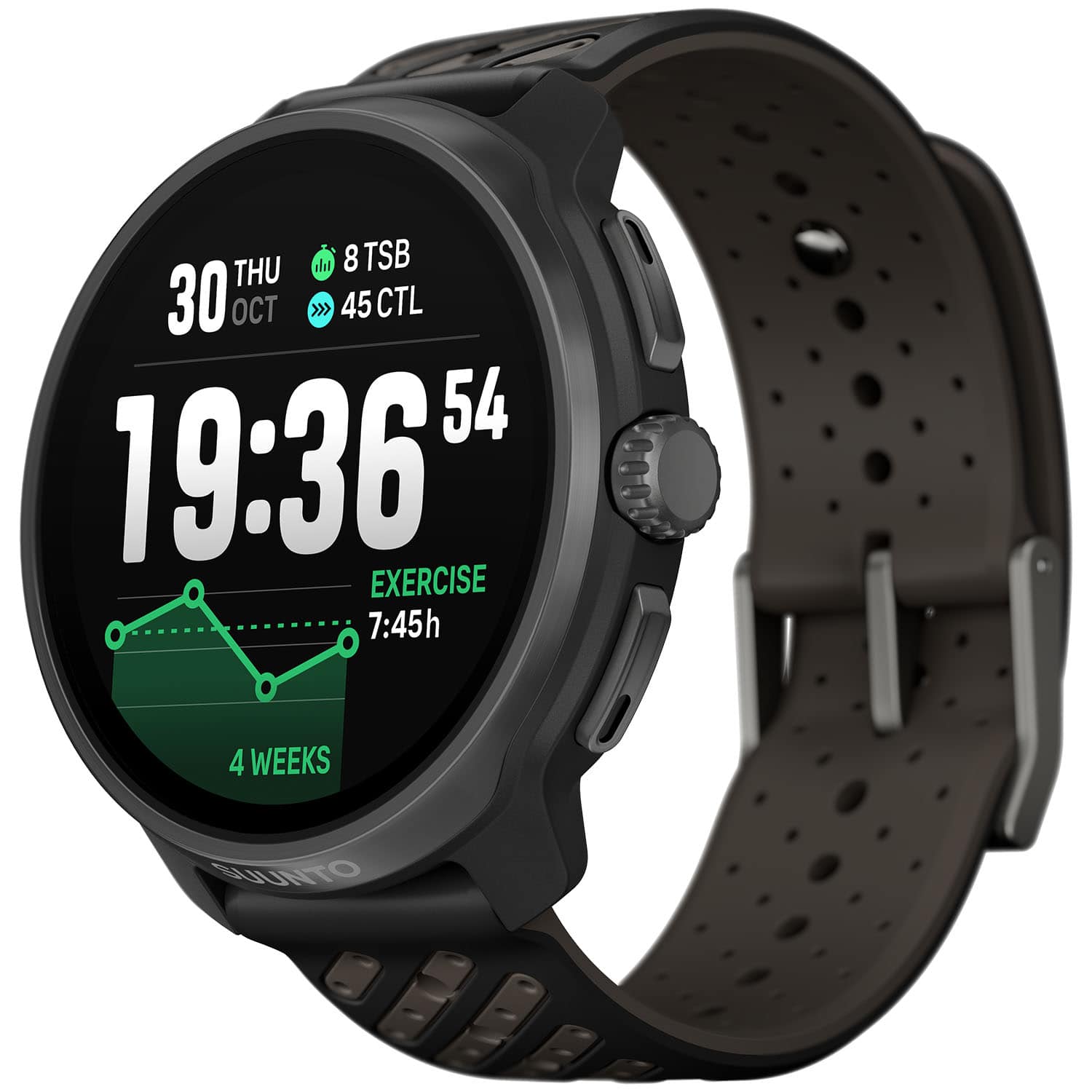
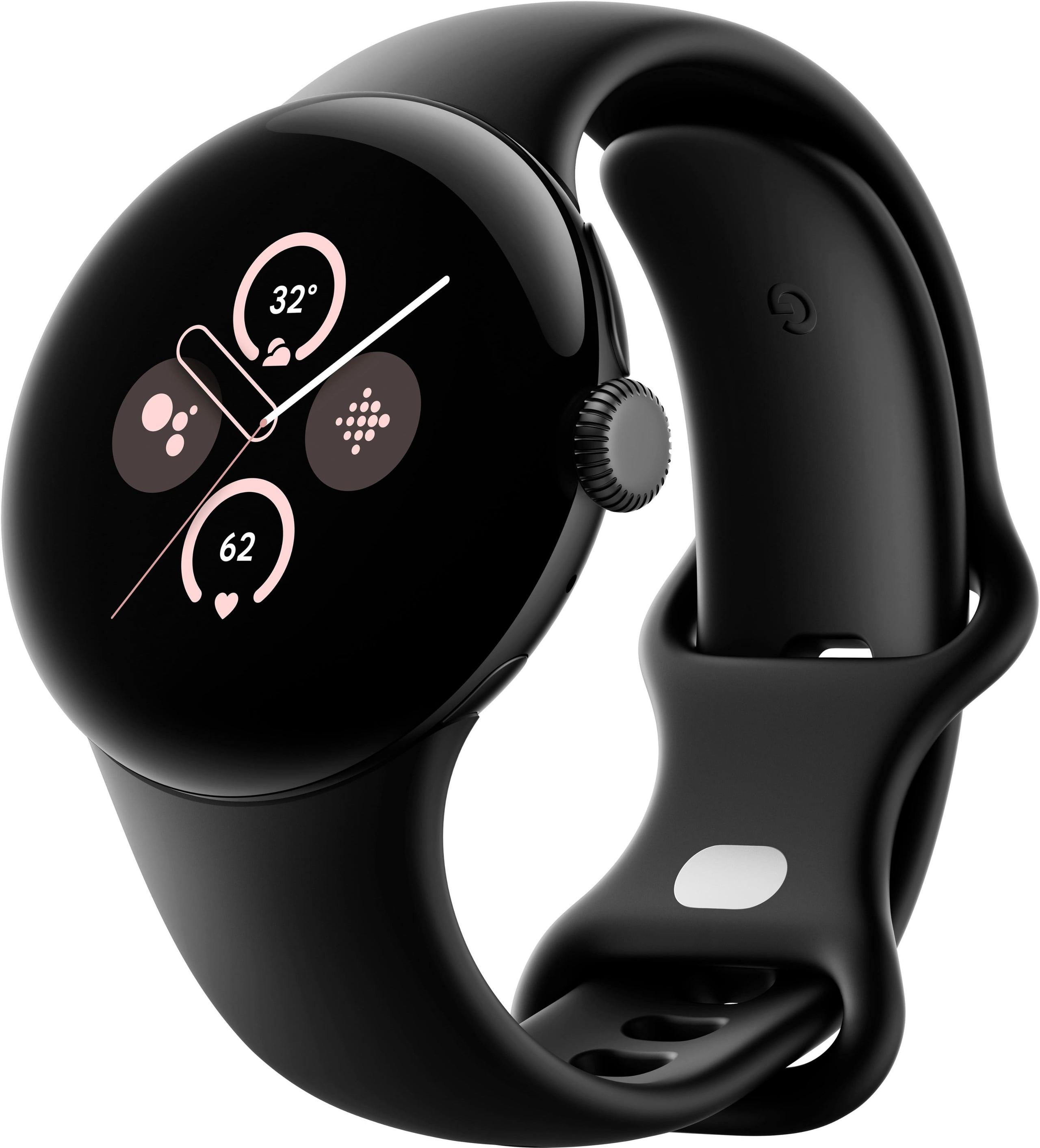
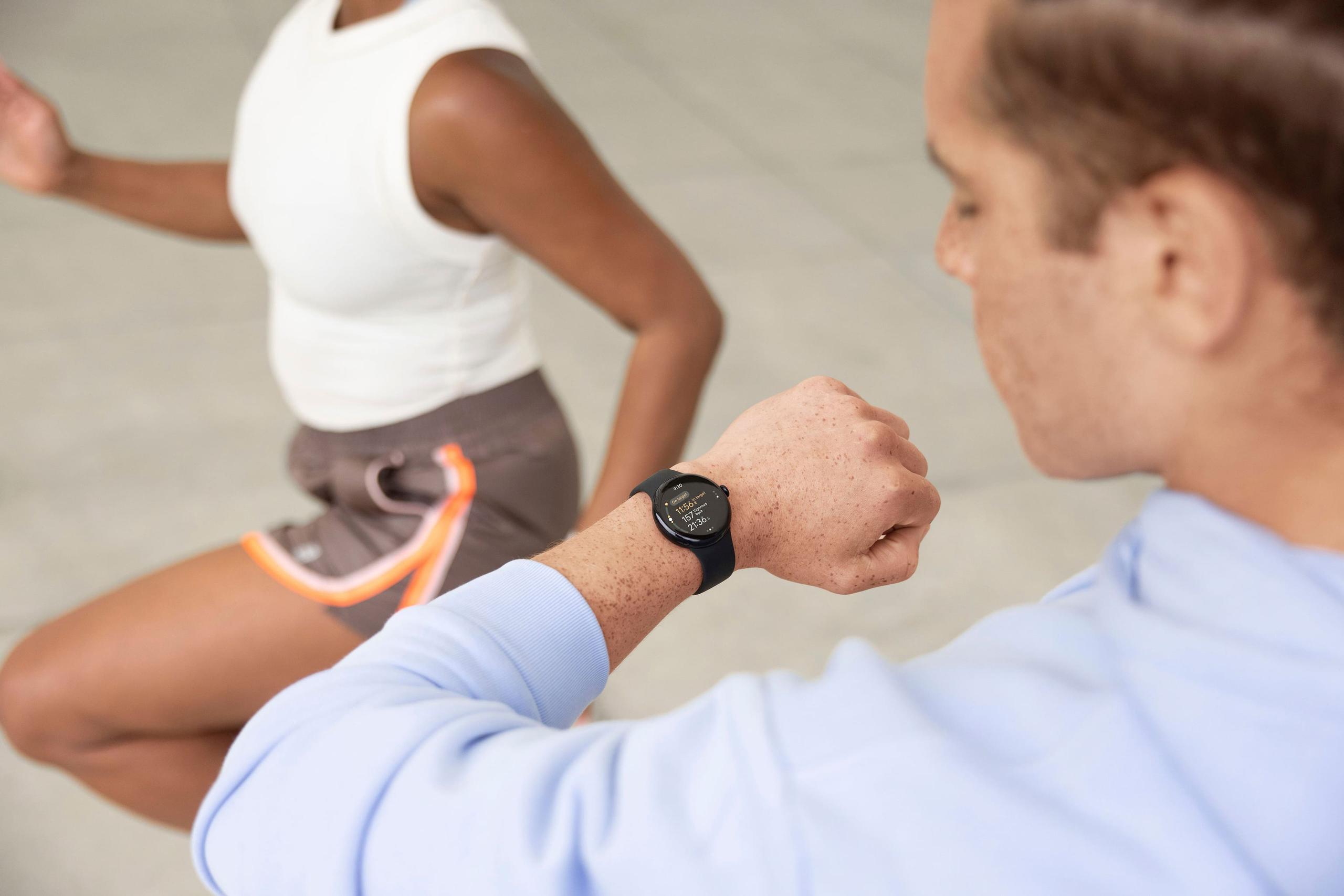
The wearable tech market has split into two distinct camps that serve very different needs. On one side, you have purpose-built sports watches like the Suunto Race 2 Titanium, designed for serious athletes who need precise tracking and multi-day battery life. On the other, there are comprehensive smartwatches like the Google Pixel Watch 2, built for daily convenience with notifications, payments, and smartphone integration.
Understanding which category fits your lifestyle is crucial because these devices excel in completely different areas. The Suunto Race 2 Titanium launched in 2024 as Suunto's flagship response to Garmin's dominance in the endurance sports market, while the Google Pixel Watch 2 arrived in 2023 as Google's refined take on what a modern Android smartwatch should be.
Sports watches prioritize function over form, with features designed around athletic performance and outdoor adventures. They're built to survive harsh conditions while providing the precise data athletes need to improve their performance. Battery life measured in weeks rather than hours ensures they won't die during your biggest adventures.
Smartwatches, conversely, focus on seamless integration with your digital life. They excel at bringing your phone's most useful features to your wrist—notifications, payments, voice assistants, and health monitoring that goes beyond just fitness tracking.
The Suunto Race 2 Titanium represents the sports watch philosophy taken to its logical extreme, while the Google Pixel Watch 2 exemplifies the smartwatch approach with Google's ecosystem integration.
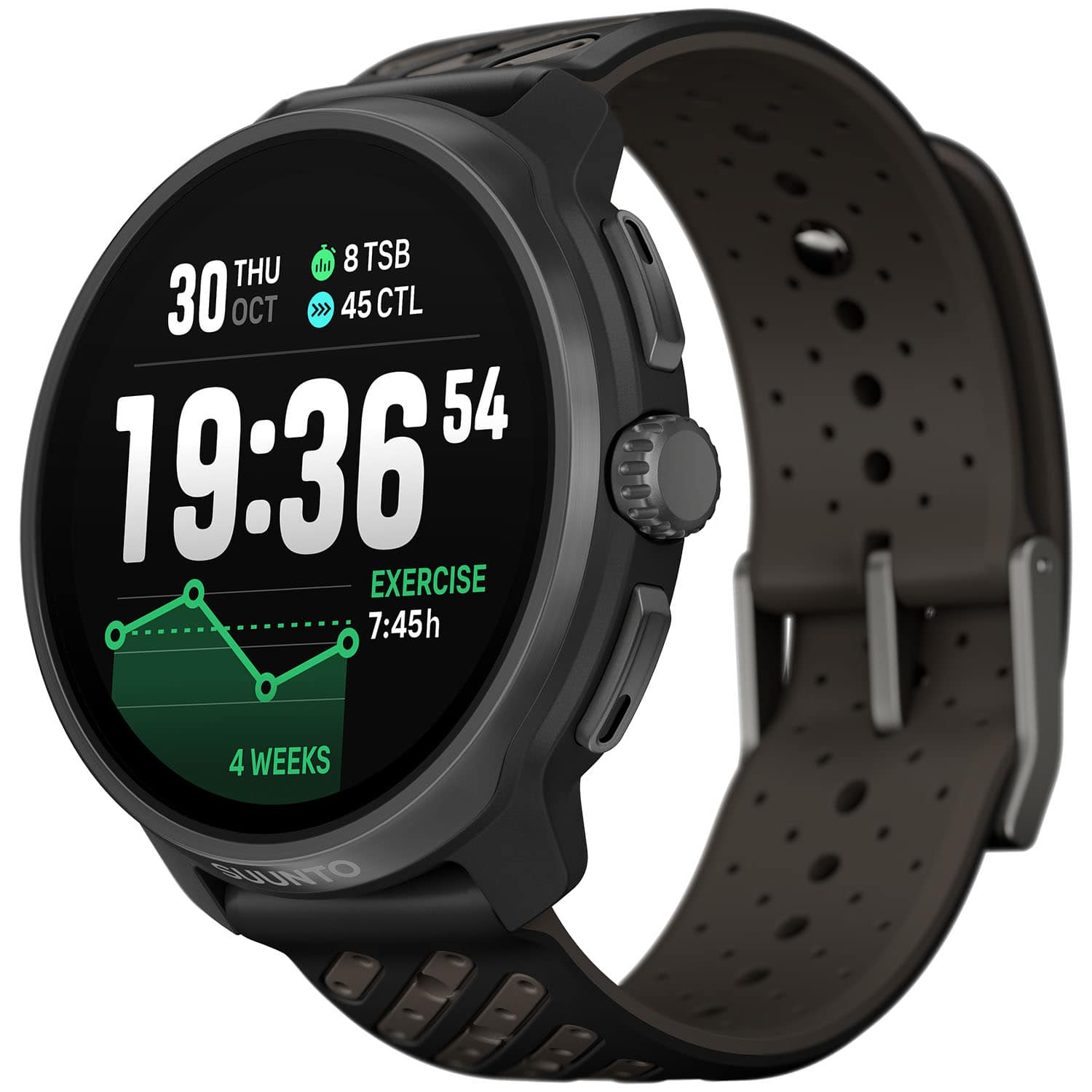
The Suunto Race 2 Titanium makes its priorities clear from the moment you pick it up. The titanium construction—a aerospace-grade metal known for being incredibly strong yet lightweight—gives it a premium feel that justifies its position as Suunto's flagship model. At 65 grams total weight with the silicone strap, it strikes an impressive balance between durability and comfort.
The 49mm case diameter might sound massive, but the 12.5mm thickness keeps it from feeling bulky on the wrist. More importantly, the sapphire crystal display protection is virtually scratchproof—a material so hard it's used in high-end luxury watches and scientific instruments. This means the Suunto Race 2 Titanium can handle rock climbing, mountain biking, and other activities that would destroy lesser watches.
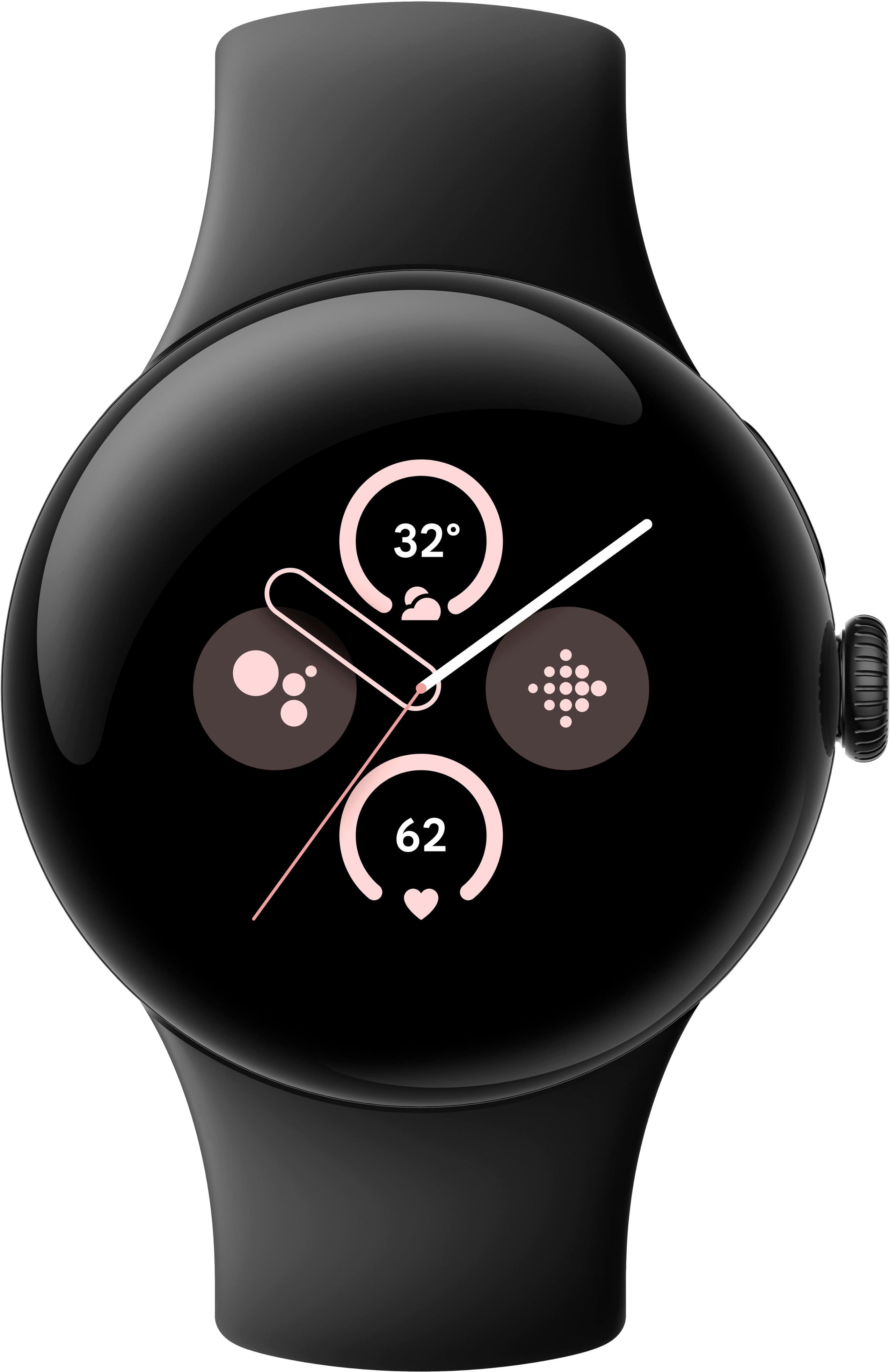
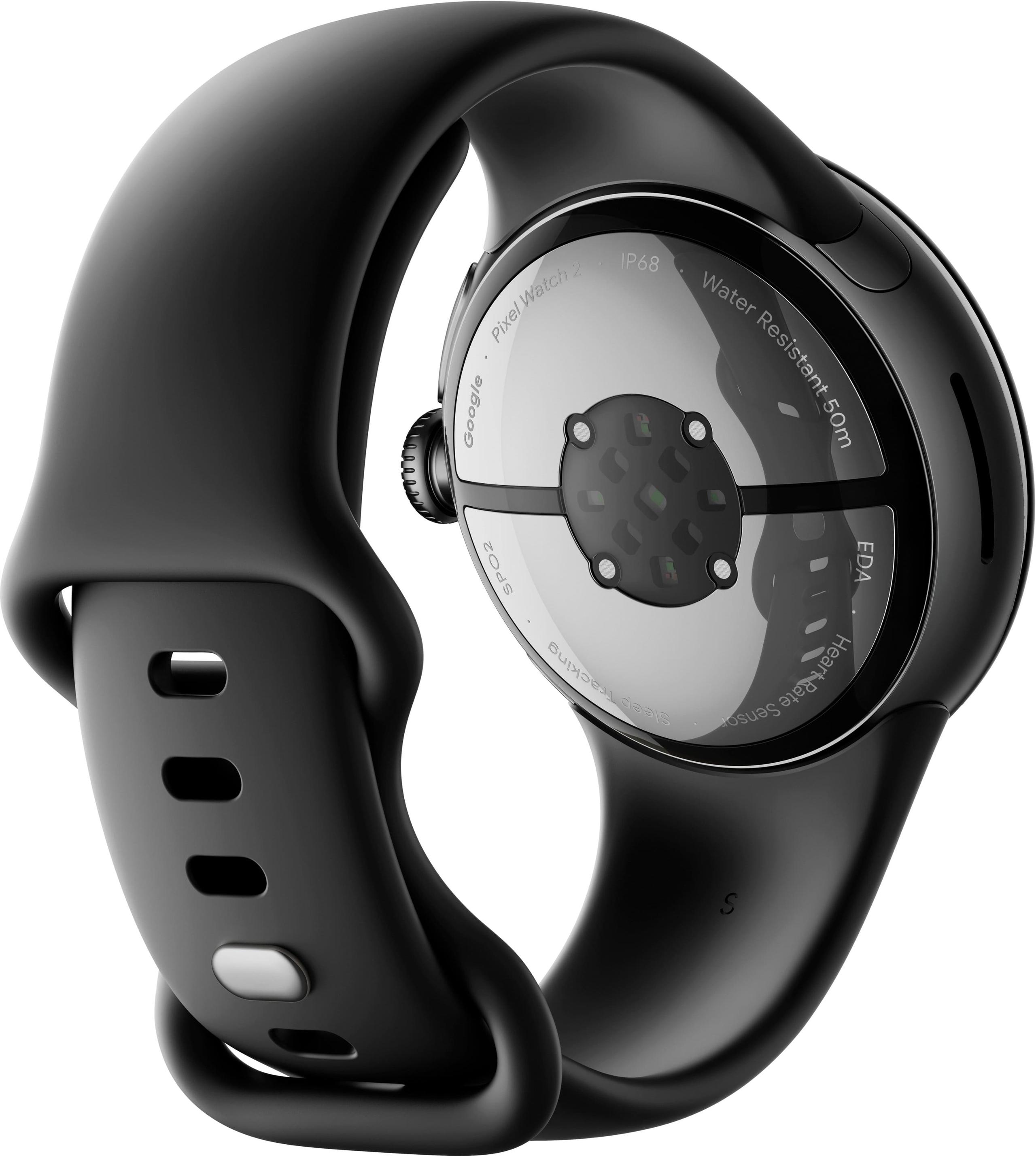
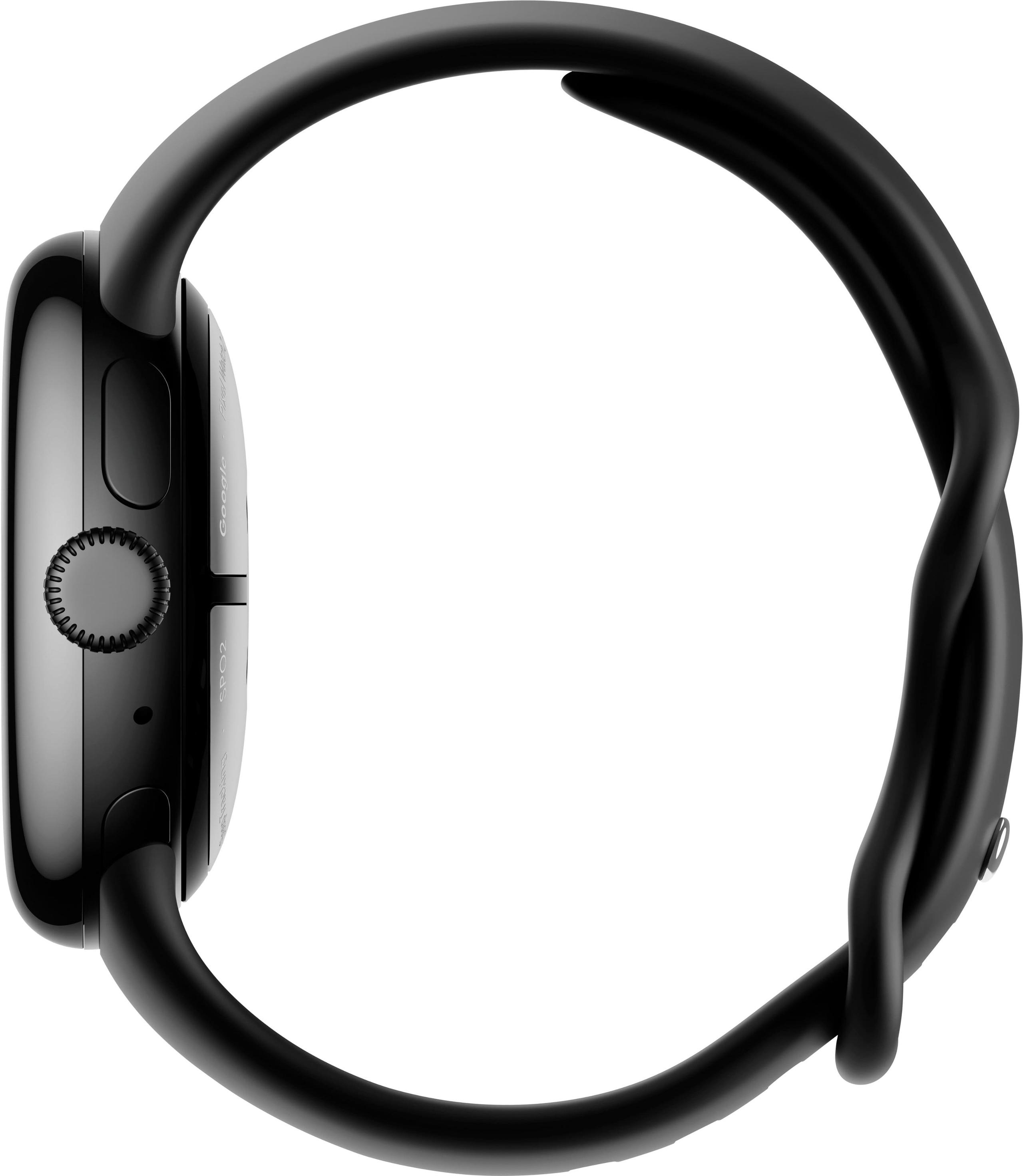
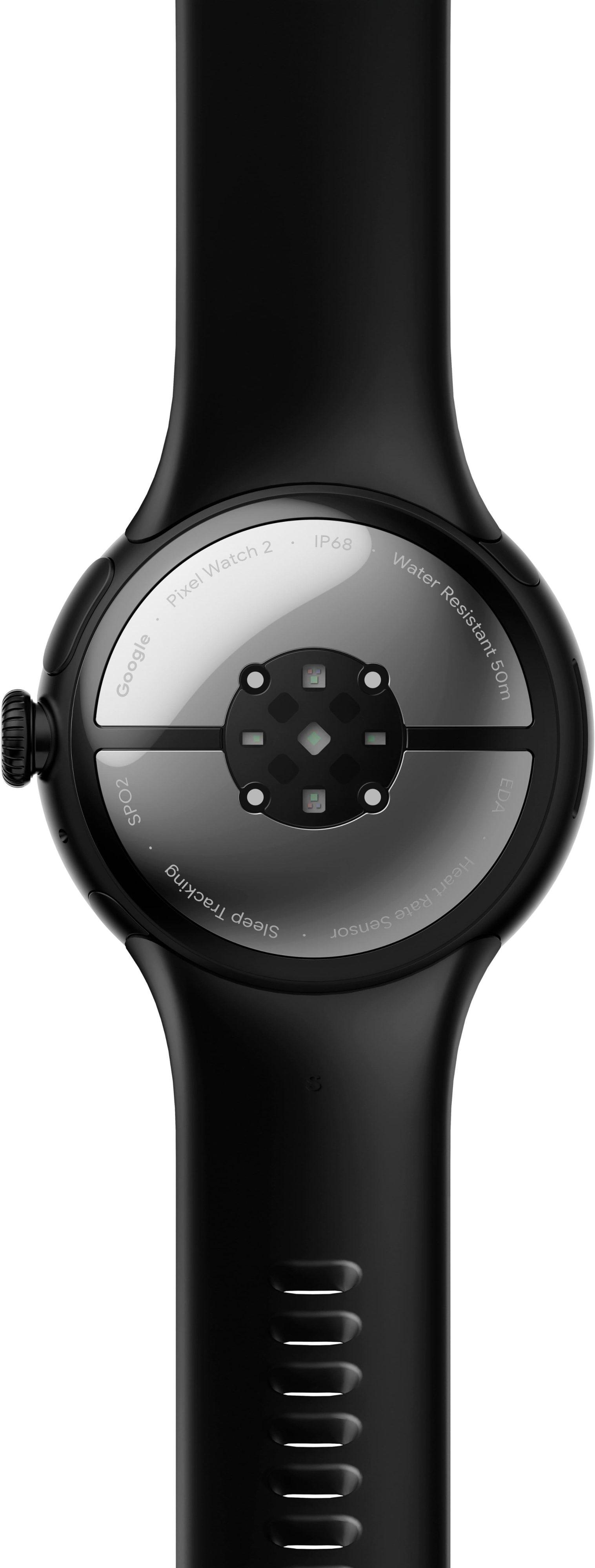
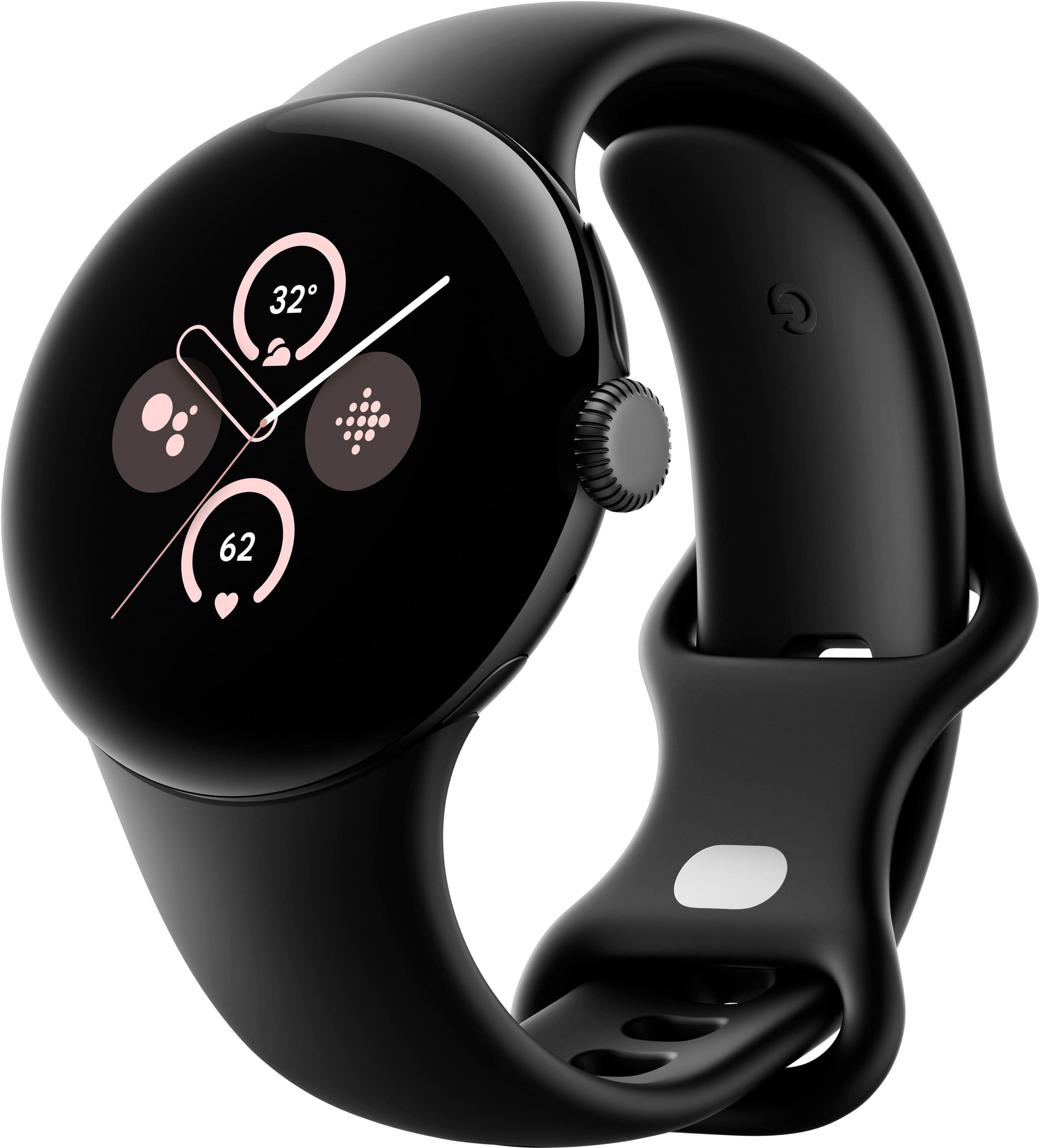
The Google Pixel Watch 2 takes a completely different approach. Its 100% recycled aluminum construction weighs just 31 grams for the case alone, making it nearly disappear on your wrist during daily wear. The 41mm case diameter fits smaller wrists better than most sports watches, though some users wish Google offered multiple size options like Apple does.
Corning Gorilla Glass 5 protects the display—tough enough for daily bumps but not nearly as resilient as sapphire crystal. The trade-off is worth it for most users because the lighter weight makes all-day wear more comfortable, especially during sleep tracking.
Water resistance tells an interesting story about intended use. The Suunto Race 2 Titanium offers 100-meter water resistance, suitable for swimming, snorkeling, and water sports. The Google Pixel Watch 2 provides 50-meter resistance—fine for swimming laps but not designed for diving or high-impact water activities.
Both watches use AMOLED display technology, which provides vibrant colors and deep blacks while allowing for always-on display modes. However, their implementations reveal different priorities.
The Suunto Race 2 Titanium features a 1.5-inch display that reaches an incredible 2,000 nits of peak brightness—among the brightest in any wearable device. This extreme brightness ensures perfect readability even in direct desert sunlight or snow glare, critical for outdoor athletes. The 466×466 pixel resolution provides crisp text and graphics for maps and data screens.
LTPO (Low Temperature Polycrystalline Oxide) technology allows the display to dynamically adjust its refresh rate, conserving battery when showing static information but smoothly animating when needed. This technology, also used in premium smartphones, is partly responsible for the watch's exceptional battery life.
The Google Pixel Watch 2 uses a slightly smaller 1.43-inch display with 1,000 nits peak brightness and 320 pixels per inch density. While not as blindingly bright as the Suunto, it's perfectly readable in most conditions and optimized for touch interaction. The interface feels more responsive to gestures and swipes, making navigation through apps and notifications smoother.
For outdoor sports, the Suunto Race 2 Titanium clearly wins on visibility. For daily use with frequent interaction, the Google Pixel Watch 2 provides a more refined experience.
This is where the fundamental difference between sports watches and smartwatches becomes most apparent. The Suunto Race 2 Titanium delivers up to 16 days of battery life in smartwatch mode—meaning you can wear it for over two weeks with notifications, daily activity tracking, and sleep monitoring before needing to charge.
When using GPS actively, it still provides 55 hours in dual-frequency mode or 65 hours using all satellite systems. Dual-frequency GPS uses both L1 and L5 satellite signals simultaneously, providing more accurate positioning in challenging environments like dense forests or urban canyons, but typically drains battery faster than single-frequency GPS.
In ultra-endurance mode, the Suunto Race 2 Titanium can track activities for up to 200 hours—over eight days of continuous GPS tracking. This makes it suitable for multi-day hiking trips, ultra-marathons, or expedition racing where charging opportunities don't exist.
The Google Pixel Watch 2 provides 24 hours of battery life with always-on display enabled. In practical terms, this means daily charging is mandatory. Heavy users might need to charge twice daily, while light users might stretch to 36 hours occasionally.
Fast charging partially mitigates this limitation—the Google Pixel Watch 2 reaches 50% charge in about 30 minutes. However, you still need to remember to charge it regularly and plan around charging windows.
The battery life difference reflects different use cases. If you're running a marathon, doing a century bike ride, or backpacking for days, the Suunto Race 2 Titanium won't leave you stranded. If you primarily want notifications and daily health tracking, charging nightly isn't a major inconvenience.
GPS performance separates serious sports watches from general fitness trackers. The Suunto Race 2 Titanium uses an optimized Sony chipset with dual-frequency GPS capability, accessing signals from GPS, GLONASS (Russian), GALILEO (European), QZSS (Japanese), and BeiDou (Chinese) satellite systems simultaneously.
This multi-system approach provides more satellite coverage and better accuracy, especially in challenging environments. The dual-frequency capability (L1+L5 signals) helps eliminate errors caused by atmospheric interference and multipath effects—when GPS signals bounce off buildings or terrain before reaching your watch.
More importantly, the Suunto Race 2 Titanium includes 32GB of storage for offline maps. These aren't just basic breadcrumb trails—they're detailed topographic maps with elevation contours, trails, and points of interest. The navigation system provides turn-by-turn directions with altitude profiles, helping you plan routes and avoid getting lost in unfamiliar terrain.
Breadcrumb trail functionality shows your path in real-time, making it easy to retrace your route if needed. Waypoint navigation lets you mark important locations and navigate between them, crucial for multi-stage adventures or finding your way back to camp.
The Google Pixel Watch 2 includes GPS capability using multiple satellite systems but lacks the dual-frequency precision of the Suunto. More significantly, it has no onboard map storage and relies on your connected phone for detailed navigation. This works fine for urban runs or bike rides where phone connectivity is reliable, but fails in remote areas without cell coverage.
For serious outdoor navigation, the Suunto Race 2 Titanium is in a different league entirely. For basic activity tracking around town, the Google Pixel Watch 2 provides sufficient GPS accuracy.
Both watches have sophisticated health monitoring, but they emphasize different aspects of wellness and fitness.
The Suunto Race 2 Titanium focuses intensely on athletic performance metrics. Its redesigned optical heart rate sensor uses six LEDs and four photodetectors—more than most competitors—to provide accurate heart rate data during vigorous activities. This was a major engineering focus for Suunto, addressing previous accuracy issues that plagued earlier models.
The watch supports over 115 sport modes with specialized metrics for each activity. Running metrics include pace, distance, cadence (steps per minute), and running power—a measure of the energy you're expending that helps pace efforts more precisely than heart rate alone. Swimming modes track stroke count, SWOLF (swimming golf) scores, and can differentiate between stroke types.
VO2 max estimation tells you your aerobic fitness level—essentially how efficiently your body uses oxygen during exercise. Lactate threshold detection identifies the exercise intensity where your body begins accumulating lactic acid faster than it can clear it, a crucial metric for endurance training. Training load analysis tracks how much stress your workouts place on your body, helping prevent overtraining.
Heart Rate Variability (HRV) measurement analyzes the tiny variations in time between heartbeats, providing insights into recovery, stress, and overall autonomic nervous system health. The Suunto Race 2 Titanium uses this data alongside sleep quality metrics to provide daily readiness scores.
The Google Pixel Watch 2 takes a broader health monitoring approach. Its multi-path heart rate sensor uses five LEDs and five photodetectors with improved algorithms for 40% better accuracy compared to the original Pixel Watch, according to Google's claims.
Blood oxygen (SpO2) monitoring tracks how well your blood carries oxygen—useful for altitude training, sleep apnea detection, and general wellness monitoring. The ECG (electrocardiogram) feature can detect irregular heart rhythms like atrial fibrillation, though it's not a medical device and can't diagnose conditions.
The continuous electrodermal activity (cEDA) sensor is particularly interesting—it measures tiny changes in skin conductance caused by sweat gland activity, which correlates with stress and emotional arousal. Combined with heart rate variability data, this provides more comprehensive stress tracking than most wearables offer.
A dedicated skin temperature sensor tracks nightly temperature variations that can indicate illness, hormonal changes, or environmental factors affecting sleep quality. This data integrates with sleep stage tracking to provide detailed wellness insights.
The Google Pixel Watch 2 also includes comprehensive menstrual cycle tracking, mood logging, and guided breathing exercises through Fitbit integration. However, accessing the full suite of health analytics requires a Fitbit Premium subscription after the initial free trial period.
For serious athletes focused on performance improvement, the Suunto Race 2 Titanium provides more actionable data. For general wellness and comprehensive health monitoring, the Google Pixel Watch 2 offers broader insights into overall wellbeing.
The Suunto Race 2 Titanium deliberately minimizes smart features to focus on sports functionality. You'll receive basic notification mirroring from your phone—texts, calls, and app notifications appear on the watch screen. However, you can't respond to messages, answer calls, or interact with notifications beyond dismissing them.
There's no speaker, microphone, or cellular connectivity. No payment capability, voice assistant, or third-party app ecosystem. This isn't an oversight—it's a deliberate design choice to maximize battery life and maintain focus on athletic features.
The Google Pixel Watch 2 runs full Wear OS 4.0, Google's latest smartwatch operating system. This provides access to thousands of apps through the Google Play Store, from Spotify and YouTube Music to banking apps and games.
The built-in speaker and microphone enable phone calls directly from your wrist when connected to your phone via Bluetooth. LTE models include cellular connectivity with an eSIM (embedded SIM card), allowing completely standalone operation—you can leave your phone at home and still receive calls, messages, and use data-dependent apps.
Google Pay integration enables contactless payments at any NFC-enabled terminal. Google Assistant provides voice control for smart home devices, setting timers, asking questions, and controlling phone functions. The integration feels seamless if you're already invested in Google's ecosystem of services.
Notification handling is sophisticated, with rich previews, quick response options, and the ability to interact with many apps directly from the watch. Gmail, Calendar, and YouTube Music have optimized watch interfaces that feel natural to use on the small screen.
The smart feature gap between these devices is enormous. If smartphone integration matters to you, the Google Pixel Watch 2 provides a comprehensive experience. If you want to minimize digital distractions during activities, the Suunto Race 2 Titanium keeps things focused.
At the time of writing, these watches occupy very different price segments that reflect their target audiences and feature sets. The Suunto Race 2 Titanium commands a premium price—roughly 60-70% more expensive than the Google Pixel Watch 2—positioning it as a specialized tool for serious athletes rather than a mass-market accessory.
The titanium construction, sapphire crystal, and extensive sports features justify the premium for users who need those capabilities. Professional athletes, ultra-runners, mountaineers, and serious fitness enthusiasts often view this price as reasonable for a specialized tool that can handle extreme conditions while providing precise performance data.
However, the Google Pixel Watch 2 offers remarkable value for general users. The comprehensive feature set, including cellular connectivity options, smart features, and health monitoring, provides more functionality per dollar for typical smartwatch users. The trade-off is reduced specialization in athletic performance and much shorter battery life.
Ongoing costs also differ significantly. The Suunto Race 2 Titanium requires no subscriptions for core functionality—all sports features, GPS navigation, and health tracking work without additional fees. The Google Pixel Watch 2 provides six months of Fitbit Premium free, but accessing advanced health analytics, personalized insights, and guided programs requires a monthly subscription afterward.
Cellular models of the Google Pixel Watch 2 also require a monthly data plan from your carrier, typically adding $10-15 to your phone bill. For users who value the standalone connectivity, this cost may be worthwhile, but it adds up over time.
Endurance Sports: The Suunto Race 2 Titanium excels in marathon running, century cycling, triathlon, and ultra-endurance events. The multi-day battery life ensures it won't die mid-race, while specialized metrics help optimize pacing and effort distribution. GPS accuracy remains consistent throughout long activities, and the robust build quality handles sweat, weather, and physical stress.
Daily Fitness: For gym workouts, casual running, and general activity tracking, both watches perform well. The Google Pixel Watch 2 provides automatic workout detection that's more convenient for spontaneous activity, while the Suunto Race 2 Titanium offers more detailed metrics for users who want comprehensive data.
Outdoor Adventures: Hiking, backpacking, climbing, and wilderness activities strongly favor the Suunto Race 2 Titanium. Offline maps, extended GPS battery life, and extreme durability make it the clear choice for serious outdoor enthusiasts. The Google Pixel Watch 2 lacks the navigation capabilities and battery life for multi-day adventures.
Urban Life: For city dwellers who prioritize connectivity, convenience, and style, the Google Pixel Watch 2 integrates seamlessly into daily life. Payments, notifications, and smartphone features make routine tasks easier, while the lighter weight and smaller profile suit professional and casual settings equally well.
Sleep Tracking: Both watches provide competent sleep monitoring, but the Google Pixel Watch 2 offers more detailed insights into sleep stages, temperature variations, and recovery metrics. The Suunto Race 2 Titanium focuses more on sleep's impact on athletic recovery and readiness.
Choose the Suunto Race 2 Titanium if you're serious about athletic performance and outdoor adventures. This watch makes sense for marathon runners, triathletes, cyclists, hikers, mountaineers, and anyone who needs precise sports metrics with multi-day battery life. The premium price reflects specialized capabilities that mass-market watches can't match.
It's also ideal if you prefer minimal digital distractions during activities, value extreme durability, and don't mind charging less frequently at the cost of smart features. The offline navigation capabilities alone justify the investment for serious outdoor enthusiasts who venture beyond cell coverage.
Choose the Google Pixel Watch 2 if you want a well-rounded smartwatch that enhances daily life while providing solid fitness tracking. It's perfect for Android users who value smartphone integration, contactless payments, comprehensive health monitoring, and access to a rich app ecosystem.
The significantly lower price makes it accessible to a broader audience, while the lighter weight and comprehensive feature set suit users who want one device that handles both fitness tracking and smart functionality reasonably well.
The fundamental question isn't which watch is better—it's which philosophy aligns with your priorities. The Suunto Race 2 Titanium excels as a specialized athletic tool that happens to tell time, while the Google Pixel Watch 2 succeeds as a comprehensive digital assistant that happens to track fitness.
For most people, the Google Pixel Watch 2 provides better overall value and more daily utility. For serious athletes and outdoor enthusiasts, the Suunto Race 2 Titanium offers capabilities that no general-purpose smartwatch can match. Understanding which category describes your needs will make the choice clear.
| Suunto Race 2 Titanium Sports Watch | Google Pixel Watch 2 Smartwatch |
|---|---|
| Battery Life - Critical for multi-day activities and daily convenience | |
| Up to 16 days smartwatch mode, 55 hours GPS tracking | 24 hours with always-on display, requires daily charging |
| Display Technology - Affects outdoor visibility and daily usability | |
| 1.5" AMOLED, 2,000 nits brightness, sapphire crystal protection | 1.43" AMOLED, 1,000 nits brightness, Gorilla Glass 5 protection |
| GPS & Navigation - Essential for outdoor adventures and accurate tracking | |
| Dual-frequency GPS, 32GB offline maps, turn-by-turn navigation | Standard GPS, requires phone for detailed maps, basic location tracking |
| Build Quality & Durability - Important for extreme conditions vs daily wear | |
| Titanium case, 100m water resistance, 65g total weight | Recycled aluminum case, 50m water resistance, 31g case weight |
| Smart Features - Determines daily convenience and smartphone integration | |
| Basic notifications only, no speaker/mic, no payments | Full Wear OS, Google Pay, calls, voice assistant, app ecosystem |
| Health Monitoring - Affects fitness insights and wellness tracking | |
| 115+ sport modes, VO2 max, lactate threshold, running power | ECG, SpO2, stress tracking, temperature sensor, comprehensive wellness |
| Cellular Connectivity - Enables standalone operation without phone | |
| Bluetooth only, requires paired smartphone | Optional 4G LTE with eSIM for independent operation |
| Storage & Processing - Impacts performance and feature capabilities | |
| Optimized for sports, faster processor than previous models | 32GB storage, 2GB RAM, Qualcomm Snapdragon W5 processor |
| Price Positioning - Affects value proposition and target market | |
| Premium pricing for specialized athletic features | Mid-range pricing for comprehensive smartwatch functionality |
| Charging Method - Impacts daily convenience and travel considerations | |
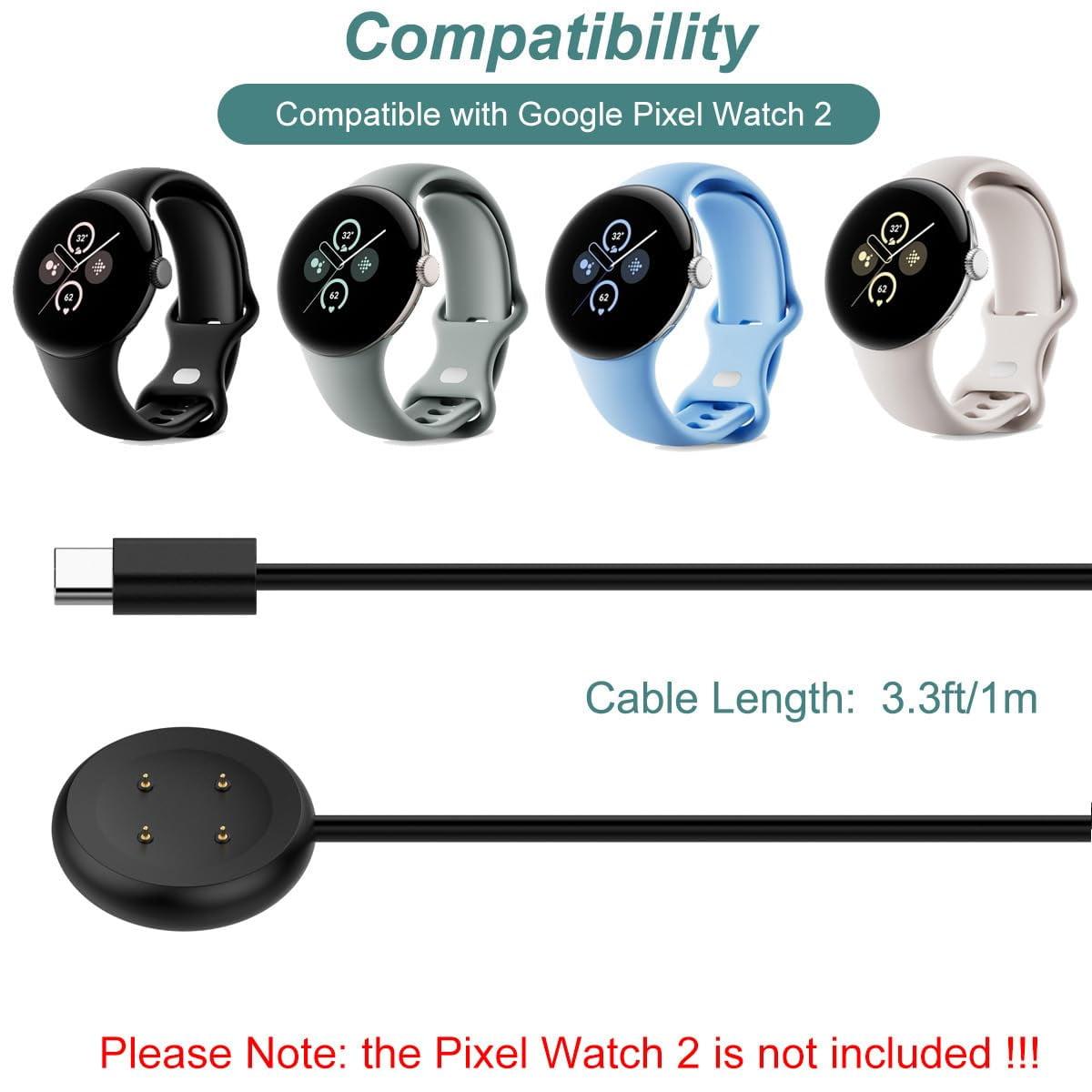
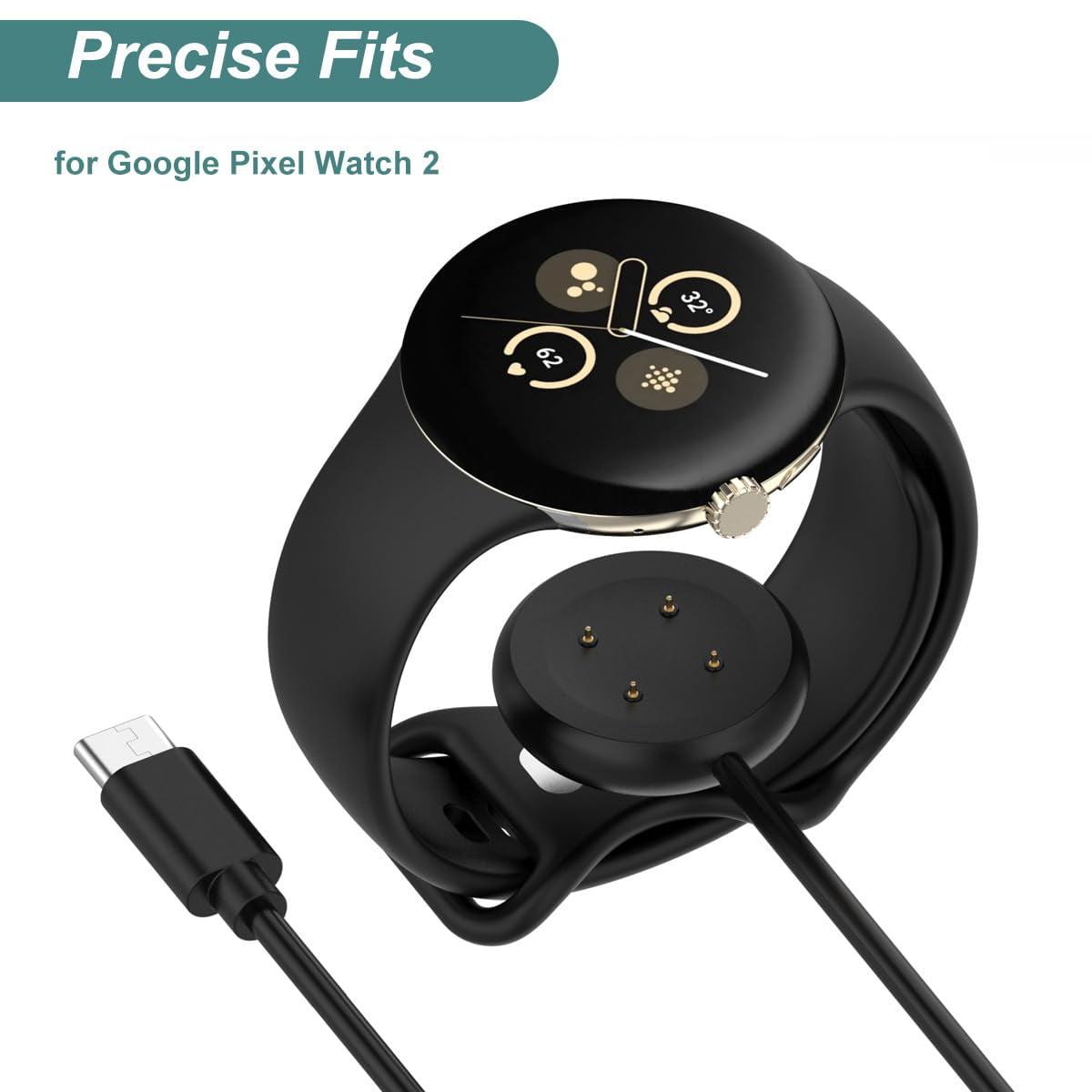
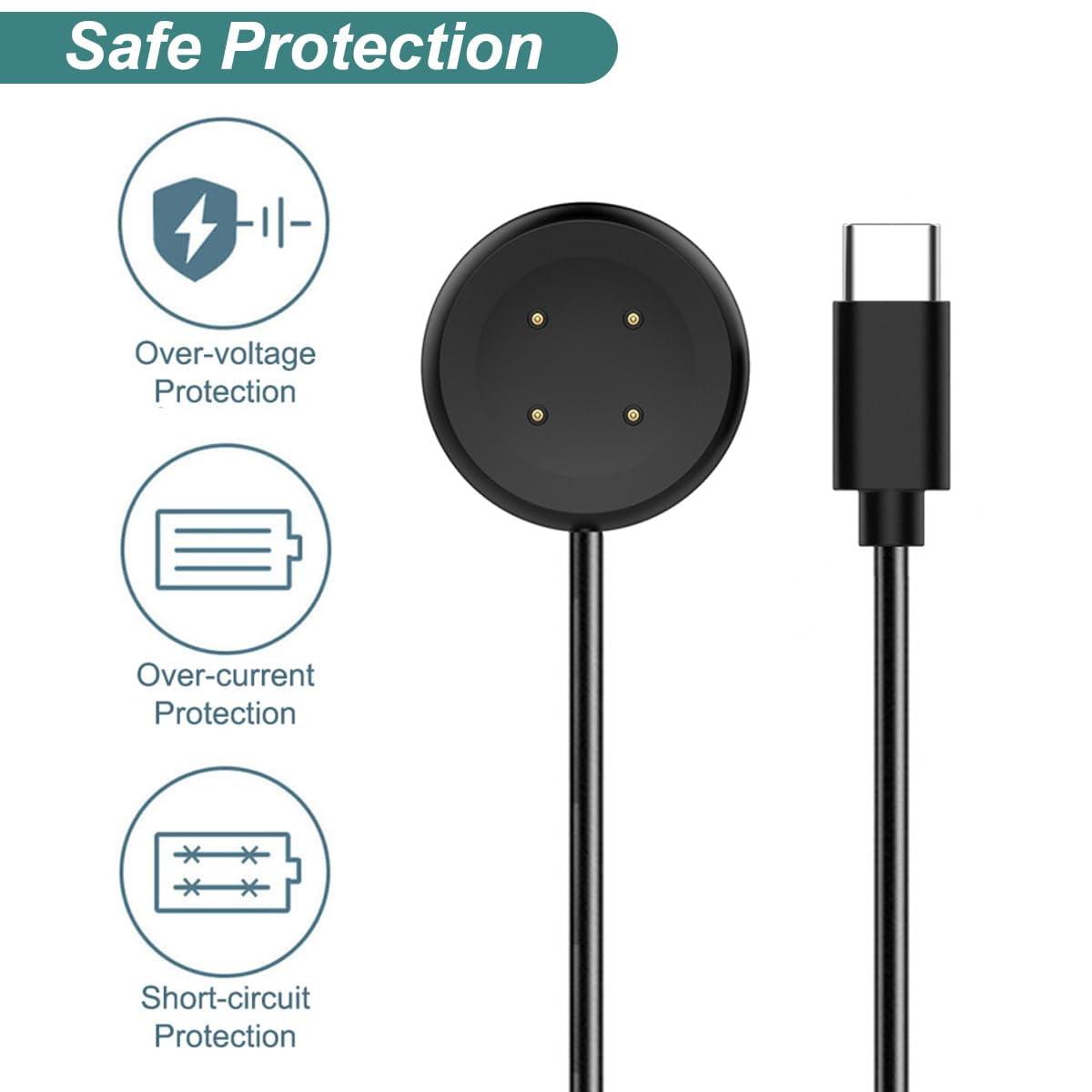
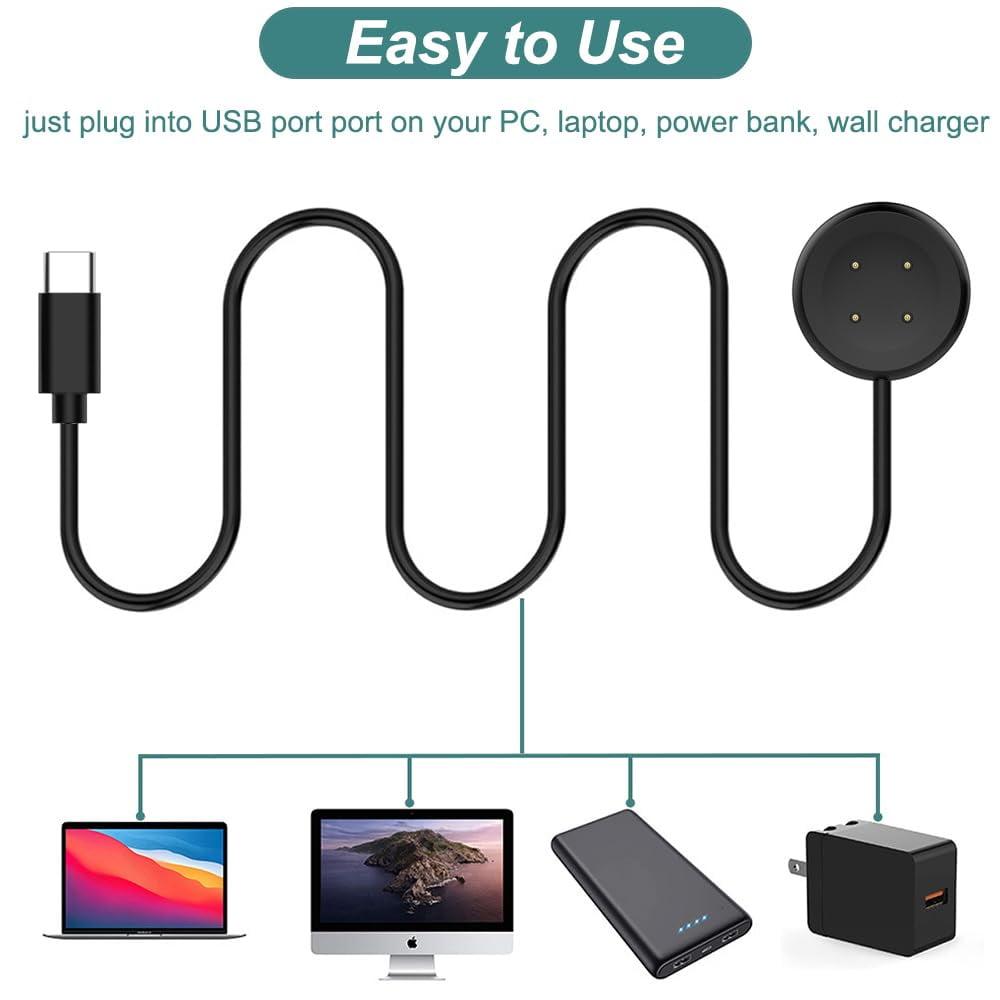
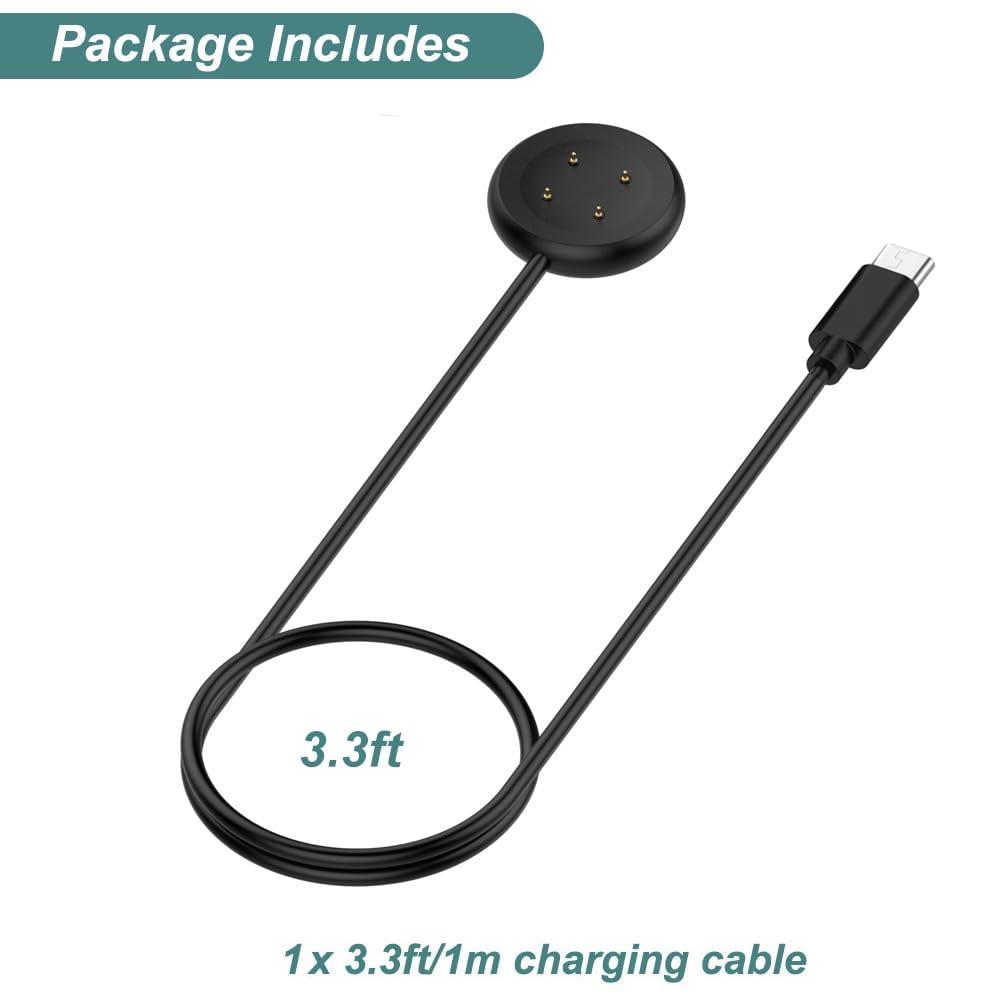
| Proprietary magnetic charger, infrequent charging needed | USB-C fast charging, daily charging required |
The Suunto Race 2 Titanium Sports Watch significantly outperforms the Google Pixel Watch 2 Smartwatch in battery life. The Suunto Race 2 Titanium provides up to 55 hours of GPS tracking and 16 days in smartwatch mode, while the Google Pixel Watch 2 requires daily charging with only 24 hours of battery life.
The Suunto Race 2 Titanium Sports Watch is designed specifically for serious athletes and outdoor enthusiasts, focusing on precise sports tracking and navigation. The Google Pixel Watch 2 Smartwatch is a general-purpose smartwatch that emphasizes smartphone integration, notifications, and daily convenience features.
The Suunto Race 2 Titanium Sports Watch is superior for outdoor activities. It features offline maps, dual-frequency GPS, 100m water resistance, and multi-day battery life. The Google Pixel Watch 2 lacks offline navigation and has insufficient battery life for extended outdoor adventures.
Only the Google Pixel Watch 2 Smartwatch supports phone calls through its built-in speaker and microphone, plus optional cellular connectivity. The Suunto Race 2 Titanium has no speaker or microphone and cannot make calls independently.
Both excel in different areas. The Suunto Race 2 Titanium Sports Watch provides 115+ sport modes with advanced metrics like VO2 max and lactate threshold for serious athletes. The Google Pixel Watch 2 offers comprehensive health monitoring including ECG, blood oxygen, and stress tracking for general wellness.
The Google Pixel Watch 2 Smartwatch supports Google Pay for contactless payments at NFC terminals. The Suunto Race 2 Titanium Sports Watch does not offer any payment functionality.
The Suunto Race 2 Titanium Sports Watch is more durable with titanium construction, sapphire crystal display protection, and 100m water resistance. The Google Pixel Watch 2 uses aluminum construction with Gorilla Glass and 50m water resistance, suitable for daily wear but less rugged.
Neither the Suunto Race 2 Titanium Sports Watch nor the Google Pixel Watch 2 Smartwatch offers onboard music storage. However, the Google Pixel Watch 2 can control music playback on your connected smartphone, while the Suunto Race 2 has limited media control features.
The Suunto Race 2 Titanium Sports Watch offers superior GPS accuracy with dual-frequency capability and multi-satellite system support. The Google Pixel Watch 2 provides standard GPS accuracy sufficient for most fitness activities but lacks the precision needed for detailed navigation.
The Suunto Race 2 Titanium Sports Watch features a brighter 2,000-nit display optimized for outdoor visibility with sapphire crystal protection. The Google Pixel Watch 2 has a 1,000-nit display that's excellent for indoor use and daily interaction but less visible in direct sunlight.
The Google Pixel Watch 2 Smartwatch provides more comprehensive sleep analysis with temperature monitoring, sleep stages, and wellness insights. The Suunto Race 2 offers basic sleep tracking focused on recovery metrics for athletic performance.
Choose the Google Pixel Watch 2 Smartwatch for everyday use if you want notifications, apps, payments, and smartphone integration. Select the Suunto Race 2 Titanium Sports Watch if you're a serious athlete who prioritizes sports tracking, navigation, and extended battery life over smart features.
We've done our best to create useful and informative comparisons to help you decide what product to buy. Our research uses advanced automated methods to create this comparison and perfection is not possible - please contact us for corrections or questions. These are the sites we've researched in the creation of this article: the5krunner.com - tomsguide.com - androidcentral.com - tomsguide.com - youtube.com - wareable.com - youtube.com - youtube.com - dcrainmaker.com - nsmb.com - gpstraining.co.uk - triathlete.com - us.suunto.com - youtube.com - us.suunto.com - youtube.com - suunto.com - apac.suunto.com - tomsguide.com - tomsguide.com - tomsguide.com - phonearena.com - smartwatch-straps.co.uk - youtube.com - 6monthslater.net - petematheson.com - support.google.com - wareable.com - versus.com - verizon.com - youtube.com - youtube.com - androidpolice.com - techgearlab.com - wareable.com - androidcentral.com - blog.google - support.google.com - youtube.com - en.wikipedia.org - store.google.com - gsmarena.com - fi.google.com

Privacy Policy
Terms and Conditions - Affiliate Policy
Home Security
© Copyright 2008-2026.
11816 Inwood Rd #1211, Dallas, TX 75244