

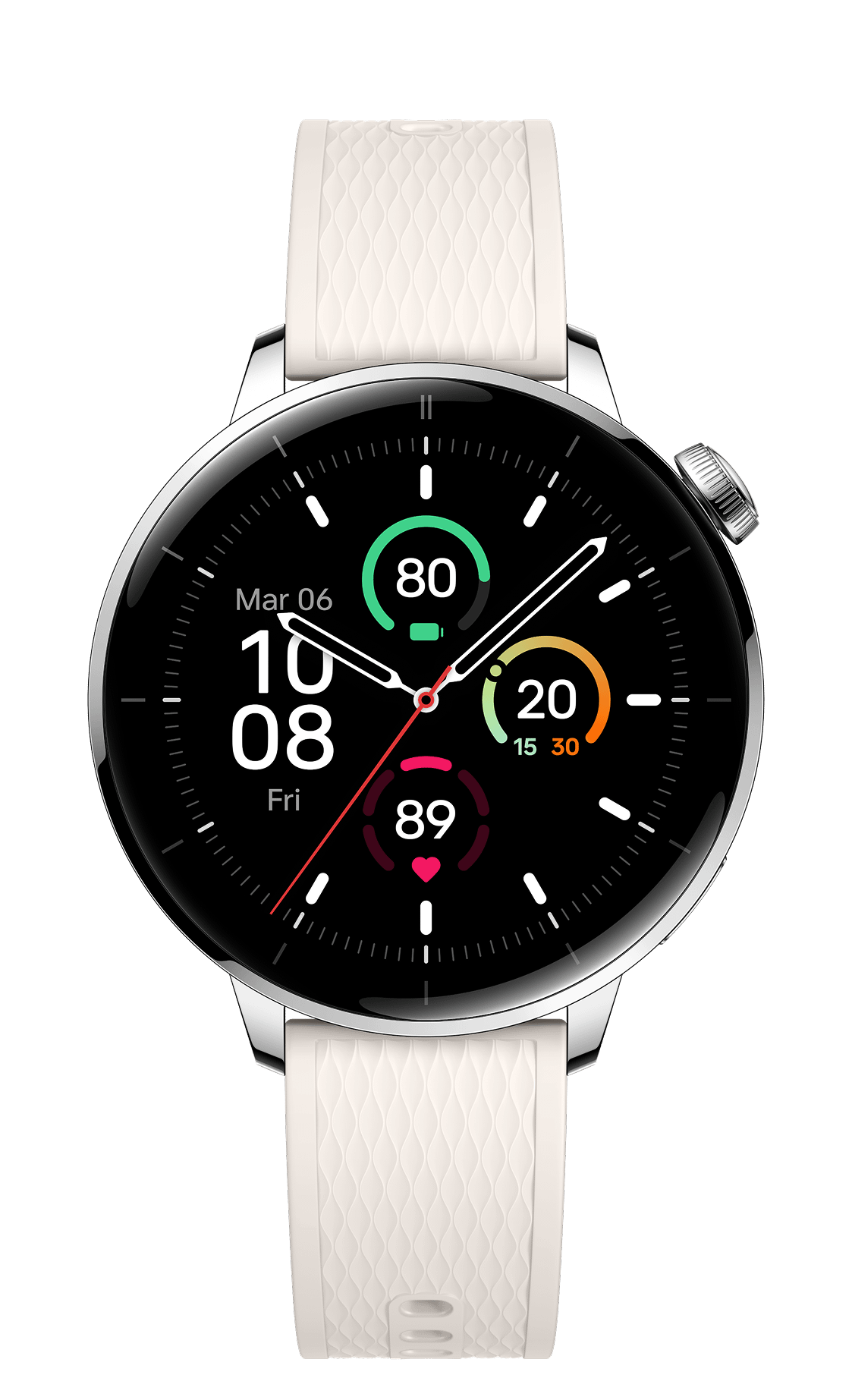
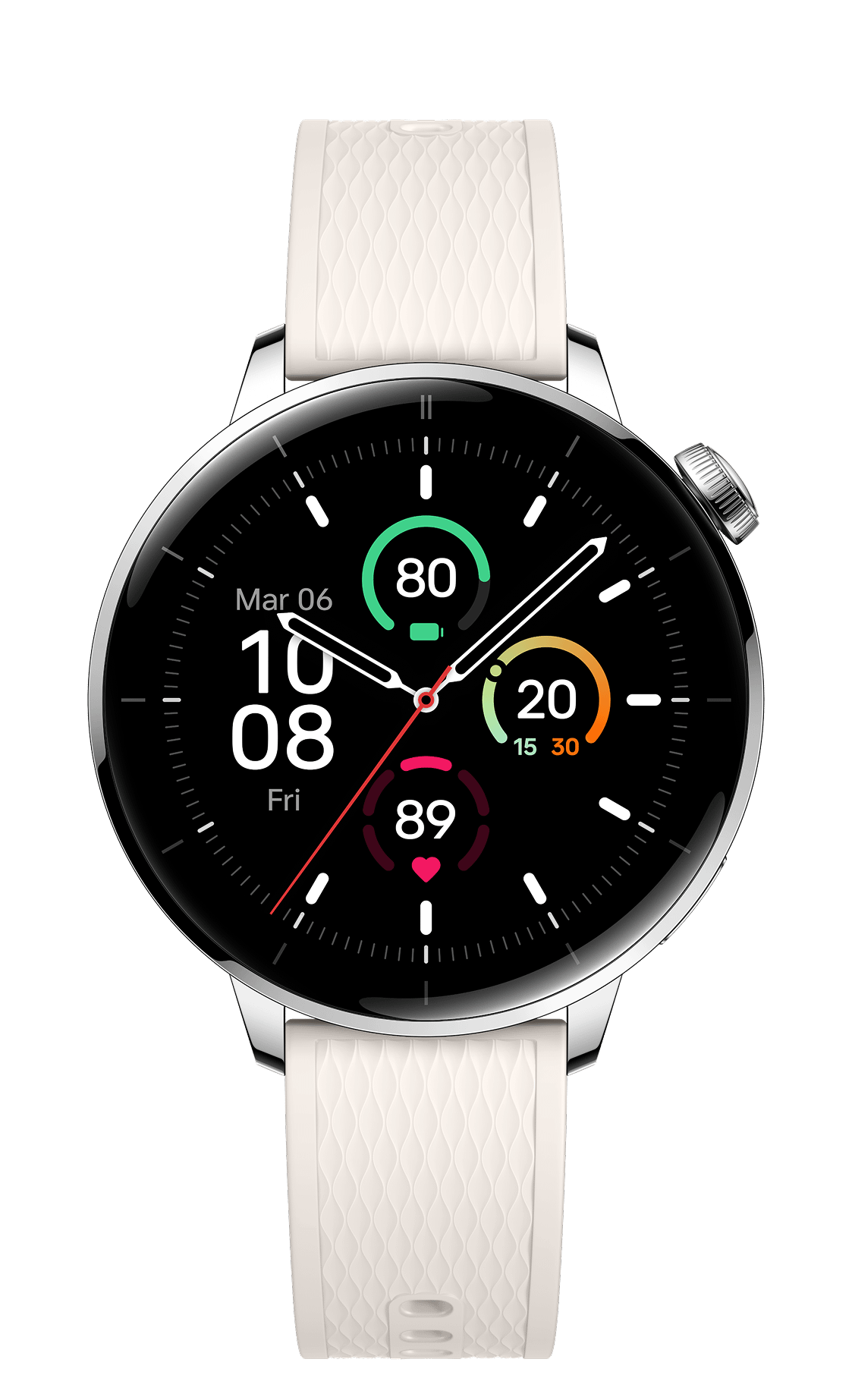
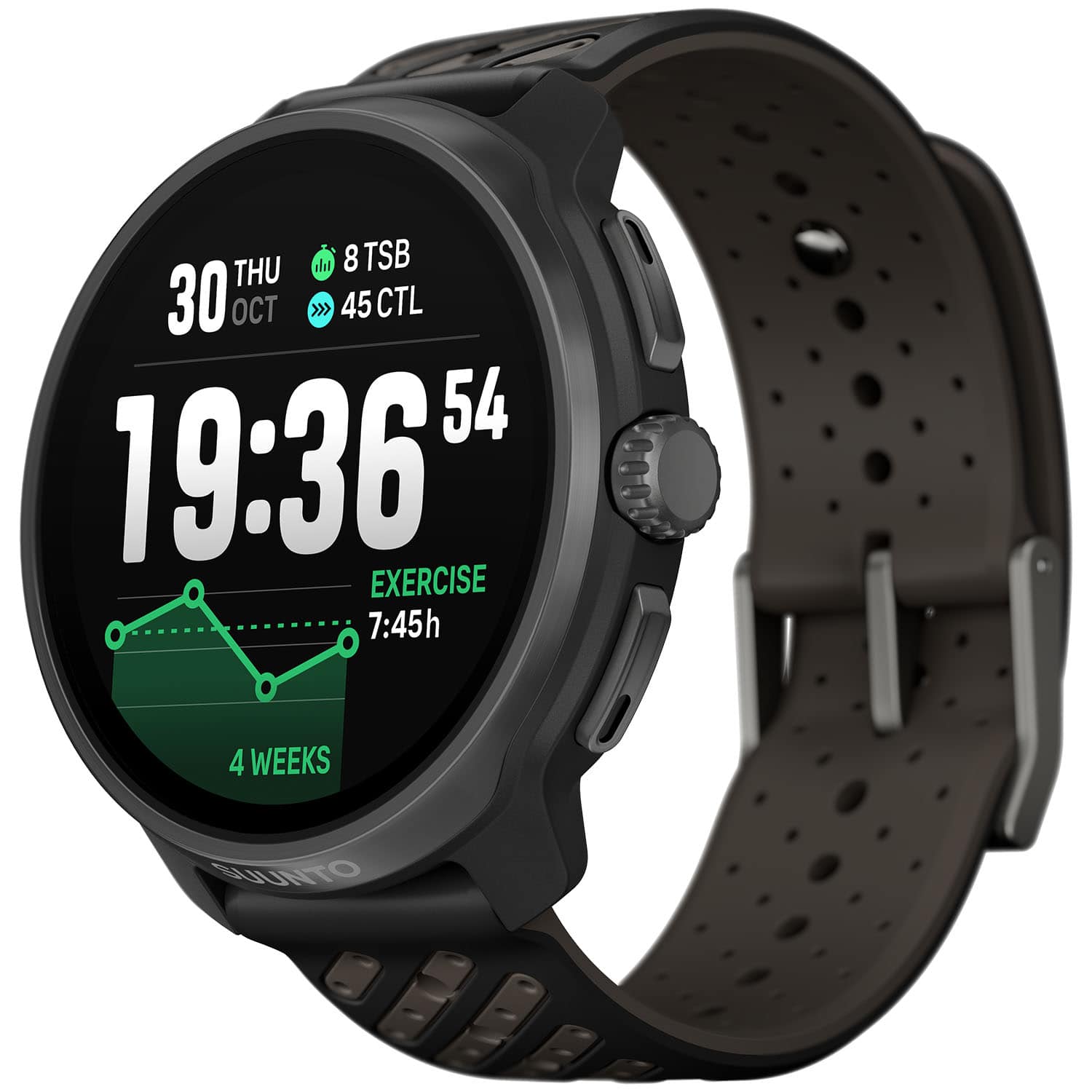
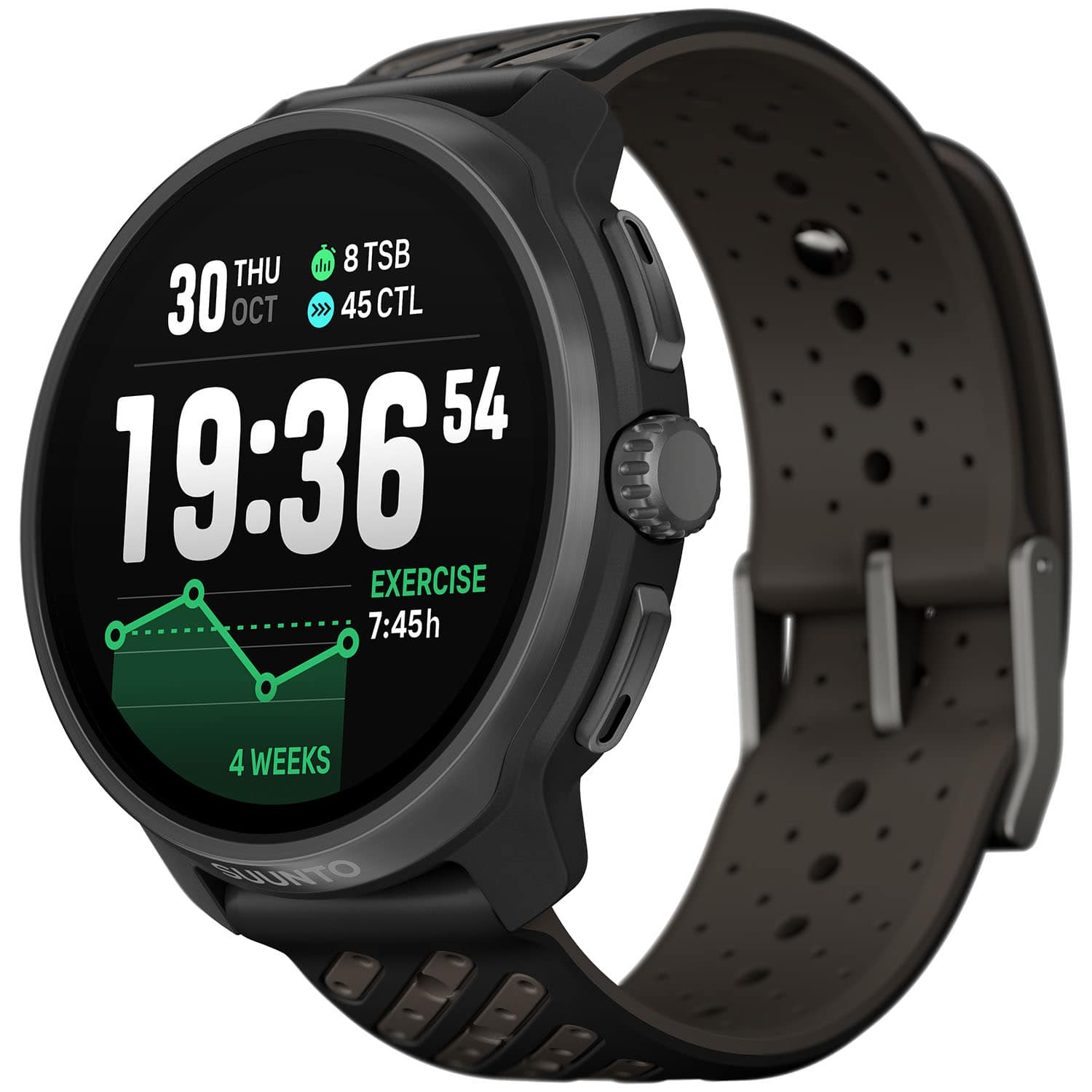
When it comes to choosing a smartwatch in 2025, you're essentially picking between two different philosophies. The OnePlus Watch 3 43mm represents the "do-everything" approach—a compact smartwatch that handles daily tasks while tracking your fitness. The Suunto Race 2 Titanium takes the opposite route, focusing laser-sharp on athletic performance and outdoor adventures. Both are excellent watches, but they serve completely different masters.
At the time of writing, these watches sit in different price brackets, with the OnePlus Watch 3 43mm positioned as a premium mid-range option while the Suunto Race 2 Titanium commands flagship pricing. The question isn't which is "better"—it's which approach matches your lifestyle and priorities.
The wearable tech world has split into two distinct camps. Traditional smartwatch makers like Apple, Samsung, and OnePlus focus on extending your smartphone's capabilities to your wrist. They prioritize notifications, app ecosystems, payment systems, and general convenience features. On the other side, companies like Suunto, Garmin, and Polar build specialized sports watches that happen to have some smart features.
This fundamental difference shapes everything from battery life to button placement. When evaluating any wearable, you need to first decide whether you want a smart device that tracks fitness or a fitness device with smart capabilities. Your answer will determine which compromises you're willing to accept.
The OnePlus Watch 3 43mm, released in 2025, represents OnePlus's refined approach to smartwatches. After learning from previous generations, they've created a device that balances functionality with comfort, particularly for users with smaller wrists. Meanwhile, the Suunto Race 2 Titanium builds on Suunto's decades of experience in sports watches, incorporating modern AMOLED display technology while maintaining their signature focus on athletic performance.
The display represents where these two philosophies diverge most dramatically. The Suunto Race 2 Titanium features a 1.5-inch AMOLED screen that pumps out an incredible 2,000 nits of brightness. To put this in perspective, most smartphone screens max out around 1,000-1,200 nits. This extreme brightness isn't just a spec sheet number—it means you can read the watch perfectly even in direct desert sunlight or bright snow conditions.
However, brightness alone doesn't tell the whole story. The OnePlus Watch 3 43mm uses a similar-sized 1.5-inch LTPO (Low Temperature Polycrystalline Oxide) OLED display. LTPO technology allows the screen to dynamically adjust its refresh rate, dropping to as low as 1Hz when showing static information like the time. This intelligent power management extends battery life significantly compared to traditional OLED screens.
Where the OnePlus really shines is in its interface intelligence. Running Wear OS 5, it provides a complete smartphone-like experience on your wrist. You can install apps from the Google Play Store, reply to messages with voice-to-text or quick responses, make contactless payments through Google Pay, and even control your smart home devices. The Suunto Race 2 Titanium, by contrast, runs proprietary sports-focused software with no app installation capability.
The OnePlus's dual-engine architecture is particularly clever. It combines Qualcomm's Snapdragon W5 Gen 1 processor (designed specifically for wearables) with a BES2800BP co-processor. This setup allows the watch to automatically switch between high-performance mode for demanding tasks and ultra-low-power mode for basic functions like showing the time. It's like having two different watches in one device.
This is where the philosophical differences become most apparent. The OnePlus Watch 3 43mm delivers 3-5 days of mixed usage, which includes notifications, app usage, fitness tracking, and always-on display. For a full-featured smartwatch, this is actually impressive—it significantly outlasts Apple Watches and most Samsung Galaxy Watches.
But the Suunto Race 2 Titanium operates in a completely different league. Its 18-day smartwatch battery life and 55-hour GPS tracking capability make it ideal for multi-day adventures where charging isn't possible. This isn't just about convenience—it's about capability. If you're planning a week-long backpacking trip or training for an ultramarathon, the Suunto won't leave you stranded with a dead battery.
The OnePlus compensates with incredibly fast charging. A 10-minute charge provides a full day of usage, making it practical for daily life even with more frequent charging needs. The charging technology, called VOOC, uses higher wattage to rapidly fill the smaller battery. This approach works well for urban lifestyles where you're never far from a charger.
The battery difference ultimately reflects different use cases. The OnePlus is designed for people who charge their devices nightly anyway, while the Suunto targets users who need reliability during extended outdoor activities where power sources are scarce.
Both watches track the basics—heart rate, steps, sleep, and various workout modes. However, their approaches differ significantly. The OnePlus Watch 3 43mm offers over 100 workout modes covering everything from yoga to rock climbing. Its health tracking integrates with Google's health ecosystem, making it easy to share data with your doctor or other health apps.
The heart rate sensor on the OnePlus has seen improvements over previous generations, but user reviews suggest it's still not as consistently accurate as dedicated sports watches during intense activities. For casual fitness tracking and general health monitoring, it's perfectly adequate. For serious training where precise heart rate zones matter, you might want to pair it with a chest strap.
The Suunto Race 2 Titanium takes a more specialized approach. Suunto redesigned the optical heart rate sensor specifically to address accuracy issues from earlier models. The new sensor uses 6 LEDs and 4 photodetectors to provide more reliable readings, especially during steady-state activities like distance running. While it's not perfect, the improvement is significant enough that many users report reliable training zone data without needing external sensors.
Where the Suunto really excels is in advanced metrics. It provides VO2 max estimation (a measure of aerobic fitness), lactate threshold detection (the point where your body switches from aerobic to anaerobic energy production), recovery time recommendations, and training load analysis. These aren't just numbers—they're actionable insights that can improve your training effectiveness.
The GPS capabilities showcase another key difference. Both watches support dual-frequency GPS, which uses multiple satellite signals to improve accuracy, especially in challenging environments like dense forests or urban canyons. However, the Suunto Race 2 Titanium supports additional satellite systems (GLONASS, GALILEO, QZSS, BEIDOU) and is optimized for longer tracking sessions.
The OnePlus Watch 3 43mm prioritizes wearability. At just 59 grams, it's light enough that you'll forget you're wearing it, making it ideal for 24/7 use including sleep tracking. The stainless steel case with titanium bezel provides a premium feel without excessive weight. The 43mm case size specifically targets users with smaller wrists who find larger sports watches uncomfortable.
The watch uses standard 18mm straps, making it easy to swap between different styles for various occasions. The quick-release system means you can switch from a silicone sport band for workouts to a leather band for business meetings in seconds.
Water resistance is rated at IP68, which means it can handle swimming, showering, and daily water exposure without issues. However, it's not designed for serious aquatic sports or diving.
The Suunto Race 2 Titanium approaches durability differently. The titanium construction and sapphire crystal display are built to withstand extreme conditions. Titanium is significantly lighter than steel while being stronger and more corrosion-resistant. The sapphire crystal is nearly scratch-proof and won't shatter like regular glass under impact.
At 65 grams, it's slightly heavier than the OnePlus but still reasonable for a premium sports watch. The 100-meter water resistance rating makes it suitable for serious swimming, snorkeling, and water sports. The larger 49mm case accommodates a bigger battery and more robust construction, though it may feel bulky on smaller wrists.
The strap system uses a more secure pin-based attachment rather than quick-release. While this makes strap changes more involved, it provides superior security during intense activities where you don't want your expensive watch flying off.
This is where the fundamental difference between these devices becomes most apparent. The OnePlus Watch 3 43mm is designed to be an extension of your smartphone. It handles notifications intelligently, allowing you to triage messages, calls, and apps without pulling out your phone. The NFC chip enables contactless payments through Google Pay, making it genuinely useful for daily errands.
The Wear OS platform provides access to thousands of apps. You can install Spotify for music control, banking apps for quick balance checks, navigation apps for directions, and productivity apps for managing tasks. This flexibility means the watch can adapt to your specific needs and preferences.
Voice control through Google Assistant adds another layer of functionality. You can set reminders, send messages, control smart home devices, or get weather updates using voice commands. The onboard microphone and speaker enable phone calls directly from the watch, though the speaker quality is adequate rather than impressive.
The Suunto Race 2 Titanium takes a minimalist approach to smart features. It displays notifications from your phone but doesn't allow interactive responses. There's no app store, no payment system, and limited voice control. This isn't an oversight—it's intentional design focused on reducing complexity and maximizing battery life.
What the Suunto does provide are specialized features that serious athletes value. The offline topographic maps with 32GB of storage allow for navigation in areas without cell coverage. The breadcrumb trail feature shows your exact route, making it easy to retrace your steps if you get lost. Waypoint navigation and climb guidance provide detailed route information that's invaluable for mountaineering or trail running.
The mapping capabilities highlight the different target audiences. The OnePlus Watch 3 43mm relies on your phone for detailed navigation but provides basic GPS tracking and location services. It's perfect for urban environments where you have consistent cell coverage and just need simple route guidance or fitness tracking.
The Suunto Race 2 Titanium includes detailed offline topographic maps that work independently of your phone. This capability is crucial for backcountry activities where cell service is unreliable or nonexistent. The maps include elevation data, trail information, and points of interest that are specifically relevant to outdoor activities.
The multi-constellation GPS support (GPS, GLONASS, GALILEO, QZSS, BEIDOU) provides more accurate positioning, especially in challenging environments. This isn't just about precision—it's about reliability when your safety might depend on accurate location information.
For the OnePlus Watch 3 43mm, the most important performance metrics are responsiveness, battery efficiency, and integration quality. The dual-processor architecture ensures smooth operation whether you're scrolling through notifications or starting a workout. The 10-minute fast charging capability makes the shorter battery life practical for daily use.
Heart rate accuracy during casual activities is generally good, though it may struggle during high-intensity intervals or activities with significant arm movement. Sleep tracking provides useful insights into sleep duration and quality, integrating well with Google's health ecosystem for comprehensive wellness monitoring.
For the Suunto Race 2 Titanium, the critical metrics are GPS accuracy, heart rate precision during sports activities, and battery endurance. The 55-hour GPS battery life enables activities that would be impossible with shorter-lasting devices. The improved optical heart rate sensor provides more reliable training data, though serious athletes might still prefer chest straps for maximum accuracy.
The barometric altimeter provides accurate elevation data, which is crucial for activities like mountaineering where altitude affects both performance and safety. The multiple satellite systems ensure GPS lock even in challenging conditions like deep canyons or dense forest cover.
The OnePlus Watch 3 43mm makes perfect sense for people who want a versatile daily companion that happens to track fitness. If you value smartphone integration, app flexibility, contactless payments, and comfortable all-day wear, this is the clear choice. It's ideal for urban professionals, casual fitness enthusiasts, and anyone who prioritizes convenience and versatility over specialized performance.
The compact 43mm size specifically benefits users with smaller wrists who find typical sports watches too bulky. The stainless steel construction and premium materials provide an upscale feel without the premium sports watch price tag.
However, if you're serious about endurance sports, outdoor adventures, or need reliable GPS tracking for safety reasons, the OnePlus limitations become apparent. The shorter battery life, less robust construction, and basic navigation features aren't suitable for demanding outdoor activities.
The Suunto Race 2 Titanium targets a specific but passionate audience: serious athletes and outdoor enthusiasts who need professional-grade performance. If you regularly participate in marathons, triathlons, mountaineering, or multi-day hiking trips, the superior battery life, navigation capabilities, and rugged construction justify the higher price.
The titanium construction and sapphire crystal display are investments in longevity. These materials resist scratches, corrosion, and impact damage that would destroy lesser watches. For someone who puts gear through serious abuse, the initial cost premium pays for itself through durability.
At the time of writing, the price difference reflects their different target markets and capabilities. The OnePlus Watch 3 43mm offers excellent value for users wanting smartwatch features with good fitness tracking. The Suunto Race 2 Titanium commands premium pricing for premium materials and specialized capabilities that serve a more focused audience.
The decision ultimately comes down to your primary use case. Do you want a smart device that tracks fitness, or a fitness device with some smart features? Your honest answer to this question will point you toward the right choice for your lifestyle and priorities.
| OnePlus Watch 3 43mm | Suunto Race 2 Titanium |
|---|---|
| Weight & Size - Critical for all-day comfort and smaller wrists | |
| 59g, 43mm case - Ultra-lightweight for 24/7 wear | 65g, 49mm case - Larger sports watch design |
| Display Technology - Affects outdoor readability and battery life | |
| 1.5" LTPO OLED, standard brightness with dynamic refresh | 1.5" AMOLED, 2,000 nits - Industry-leading outdoor visibility |
| Battery Life (Smartwatch Mode) - Determines charging frequency | |
| 3-5 days with smart features active | 18 days - Exceptional for extended trips |
| GPS Battery Life - Essential for long outdoor activities | |
| Standard GPS tracking, battery life not separately specified | 55 hours continuous GPS - Best-in-class for ultraendurance |
| Smart Features - Defines daily utility beyond fitness | |
| Full Wear OS 5, Google Play Store, NFC payments, app installation | Basic notifications only, no apps or payments |
| Operating System - Determines app ecosystem and functionality | |
| Wear OS 5 with Google integration | Proprietary sports-focused OS |
| Build Materials - Impacts durability and premium feel | |
| Stainless steel case with titanium bezel | Full titanium construction with sapphire crystal |
| Water Resistance - Swimming and water sports capability | |
| IP68 - Good for swimming and daily water exposure | 100M - Professional diving and serious water sports |
| Heart Rate Accuracy - Crucial for serious training | |
| Improved but mixed reviews for high-intensity activities | Redesigned 6-LED sensor with significantly better accuracy |
| Navigation Features - Important for outdoor adventures | |
| Basic GPS tracking, relies on phone for detailed maps | Offline topographic maps, waypoint navigation, breadcrumb trails |
| Charging Speed - Convenience factor for daily use | |
| 10-minute charge = full day use (VOOC fast charging) | Standard charging, less critical due to 18-day battery |
| Price Positioning - Value consideration at time of writing | |
| Premium mid-range smartwatch pricing | Flagship sports watch pricing with titanium premium |
The OnePlus Watch 3 43mm is significantly better for daily smartwatch use. It runs full Wear OS 5 with Google Play Store access, allowing you to install apps, make NFC payments through Google Pay, and handle notifications with full interaction. The Suunto Race 2 Titanium only displays basic notifications and has no app ecosystem or payment capabilities.
The Suunto Race 2 Titanium offers exceptional 18-day battery life in smartwatch mode and 55 hours of continuous GPS tracking. The OnePlus Watch 3 43mm provides 3-5 days of mixed usage but compensates with 10-minute fast charging that gives a full day of use.
The OnePlus Watch 3 43mm is specifically designed for smaller wrists, weighing just 59g with a 43mm case size. The Suunto Race 2 Titanium has a larger 49mm case and weighs 65g, which may feel bulky on smaller wrists despite its lightweight titanium construction.
The Suunto Race 2 Titanium excels for serious athletes with its redesigned heart rate sensor, advanced metrics like VO2 max and lactate threshold, and professional-grade GPS accuracy. The OnePlus Watch 3 43mm offers good basic fitness tracking with 100+ workout modes but may have inconsistent heart rate accuracy during intense activities.
The Suunto Race 2 Titanium offers superior 100-meter water resistance suitable for diving and serious water sports. The OnePlus Watch 3 43mm has IP68 rating that handles swimming and daily water exposure but isn't designed for professional aquatic activities.
Only the OnePlus Watch 3 43mm supports app installation through the Google Play Store, giving you access to thousands of apps including Spotify, banking apps, and productivity tools. The Suunto Race 2 Titanium runs proprietary software with no app installation capability.
The Suunto Race 2 Titanium is purpose-built for outdoor adventures with offline topographic maps, waypoint navigation, breadcrumb trails, and 55-hour GPS battery life. The OnePlus Watch 3 43mm provides basic GPS tracking but lacks detailed navigation features needed for backcountry activities.
The Suunto Race 2 Titanium features an exceptional 2,000-nit display that remains perfectly readable in direct sunlight. The OnePlus Watch 3 43mm uses LTPO OLED technology for better battery efficiency but has standard brightness levels that may struggle in bright outdoor conditions.
The OnePlus Watch 3 43mm provides excellent value with premium smartwatch features at a mid-range price point. The Suunto Race 2 Titanium commands premium pricing but offers specialized athletic capabilities and titanium construction that justify the cost for serious athletes and outdoor enthusiasts.
Only the OnePlus Watch 3 43mm supports contactless payments through Google Pay's NFC technology. The Suunto Race 2 Titanium lacks NFC payment capability, focusing instead on sports and navigation features.
The Suunto Race 2 Titanium offers superior durability with full titanium construction and sapphire crystal display that resist scratches and impacts. While the OnePlus Watch 3 43mm has quality stainless steel construction, it's designed more for daily comfort than extreme durability.
Choose the OnePlus Watch 3 43mm for your first smartwatch if you want comprehensive daily features, app flexibility, and comfortable all-day wear. Select the Suunto Race 2 Titanium only if you're specifically focused on serious athletic training and outdoor adventures where the specialized features justify the higher cost and reduced smart functionality.
We've done our best to create useful and informative comparisons to help you decide what product to buy. Our research uses advanced automated methods to create this comparison and perfection is not possible - please contact us for corrections or questions. These are the sites we've researched in the creation of this article: phonearena.com - gadgetsandwearables.com - oneplus.com - gadgetsandwearables.com - youtube.com - oneplus.com - androidauthority.com - androidcentral.com - nextpit.com - androidcentral.com - geekspin.co - droid-life.com - mobilemaya.com - androidfaithful.com - versus.com - youtube.com - mobilemaya.com - droid-life.com - youtube.com - techaeris.com - oneplus.com - gsmarena.com - oneplus.com - androidheadlines.com - gsmarena.com - the5krunner.com - tomsguide.com - androidcentral.com - tomsguide.com - youtube.com - wareable.com - youtube.com - youtube.com - dcrainmaker.com - nsmb.com - gpstraining.co.uk - triathlete.com - us.suunto.com - youtube.com - us.suunto.com - youtube.com - suunto.com - apac.suunto.com

Privacy Policy
Terms and Conditions - Affiliate Policy
Home Security
© Copyright 2008-2026.
11816 Inwood Rd #1211, Dallas, TX 75244