


When you're shopping for a wearable device, the choice between a dedicated sports watch and a general-purpose smartwatch represents one of the most important decisions you'll make. These aren't just different products—they're entirely different philosophies about what belongs on your wrist.
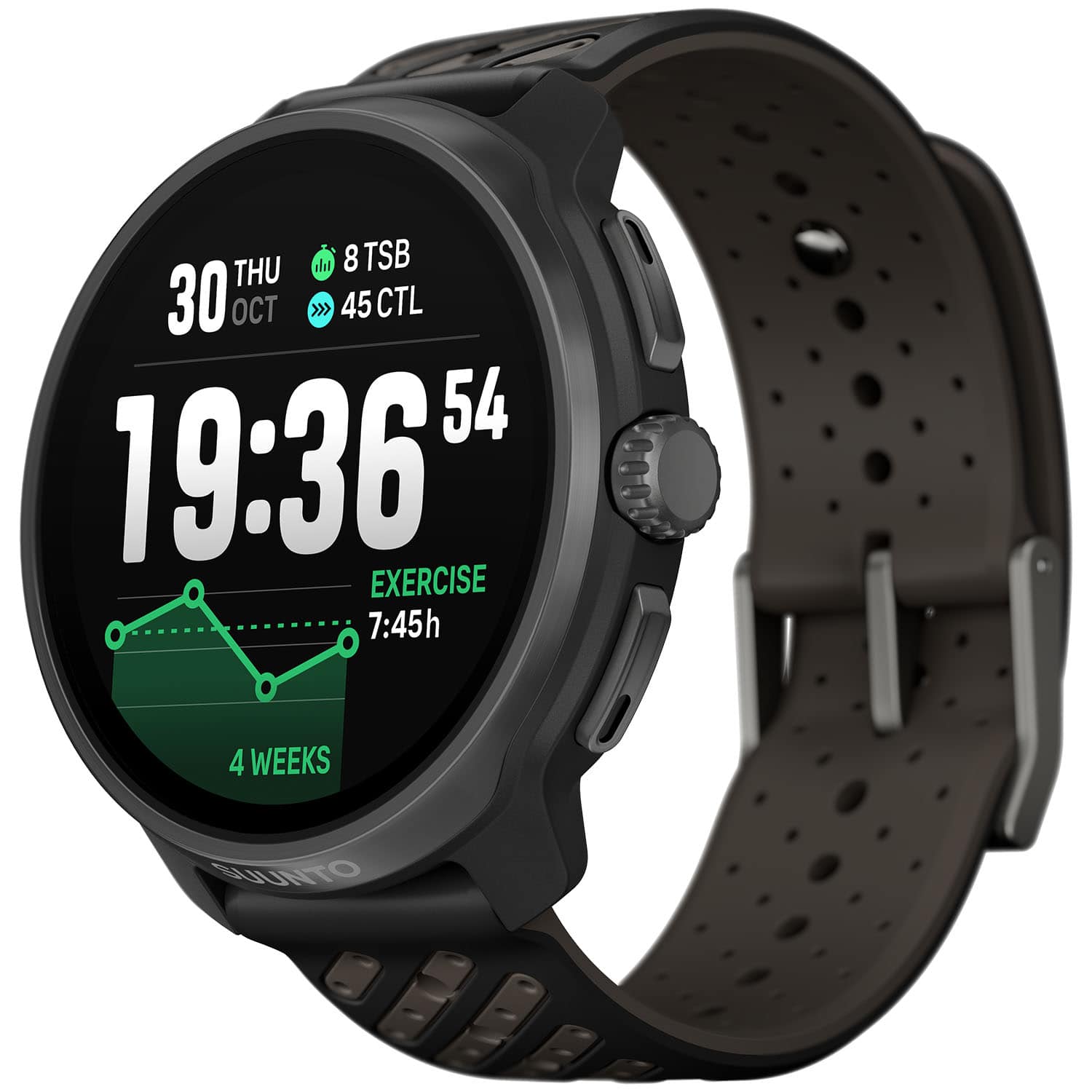
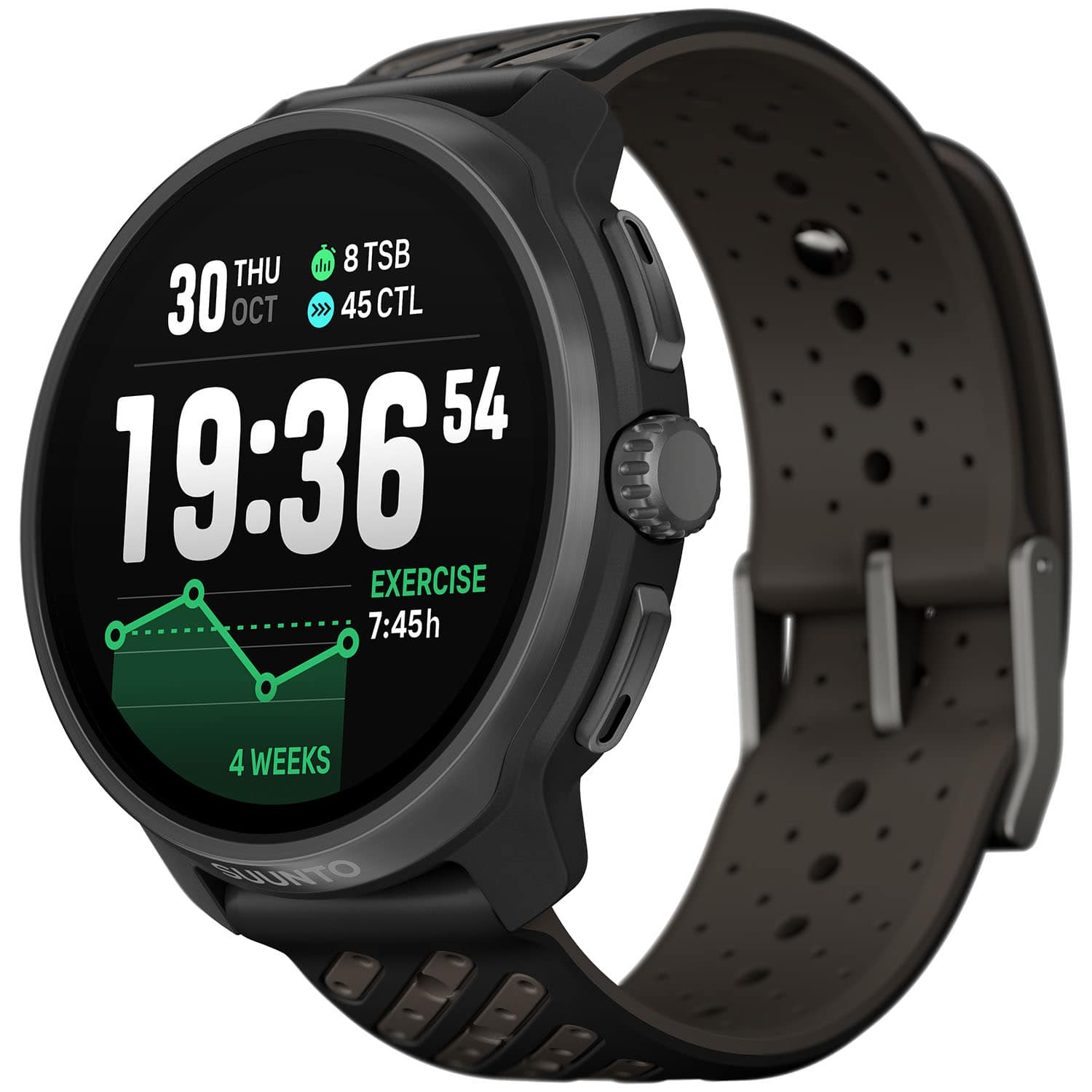
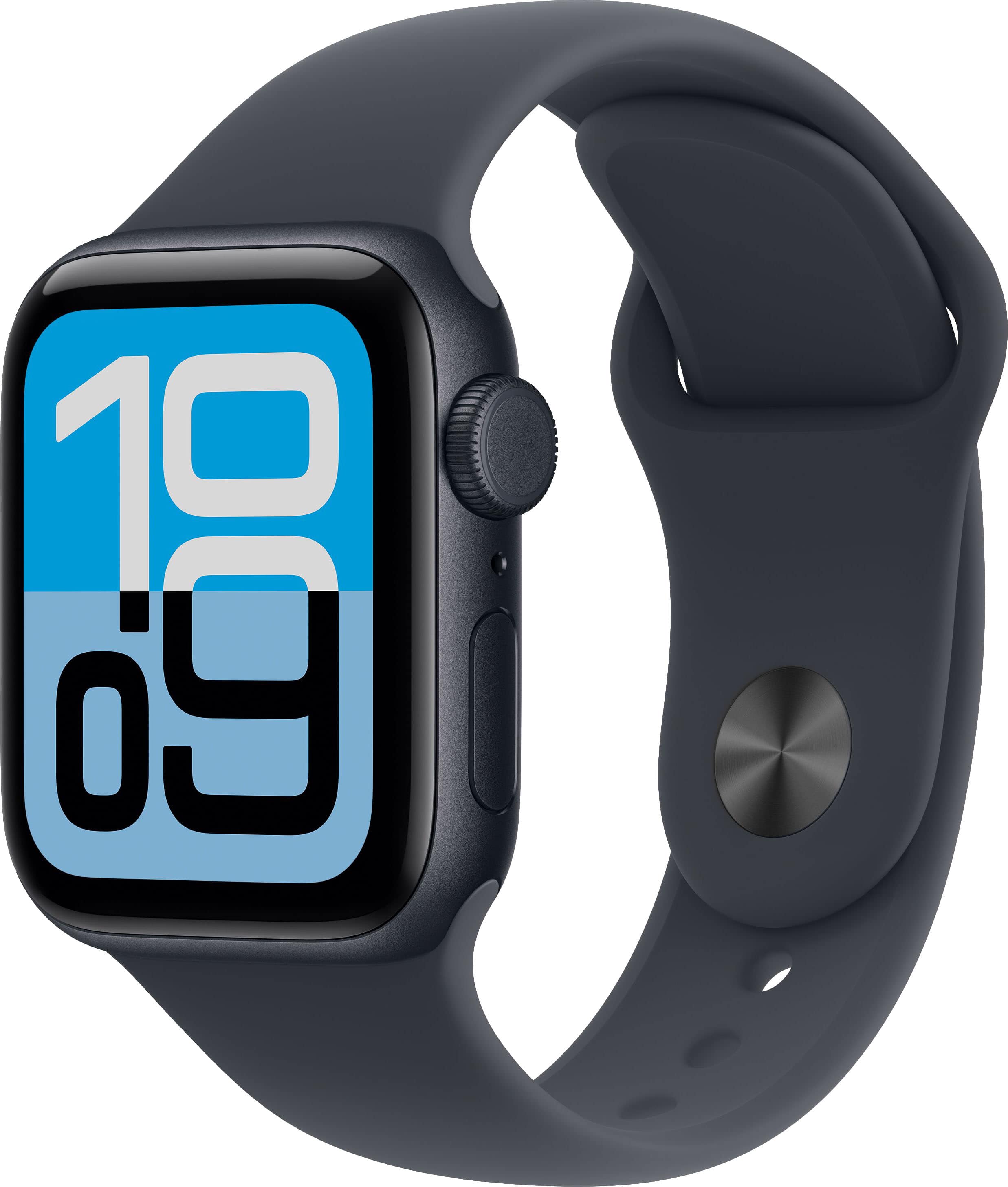
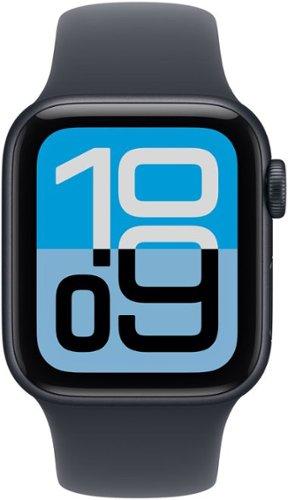
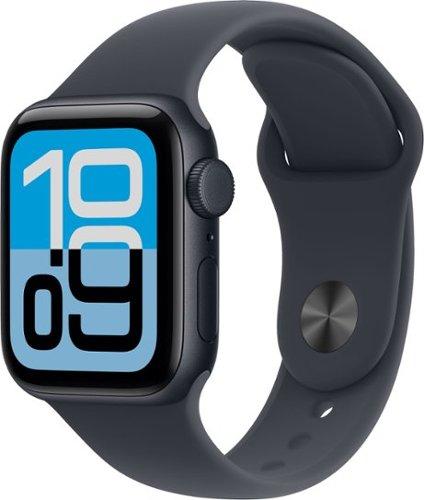
The Suunto Race 2 Titanium, launched in 2024, represents the pinnacle of athletic-focused wearables. It's designed for runners who disappear into the mountains for days, cyclists who track every training zone, and swimmers who need precise metrics underwater. On the other side, the Apple Watch SE 3, also released in 2024, approaches wearables from the opposite direction—it's a computer that happens to track your workouts, not a workout tracker that can send messages.
Understanding this fundamental difference will guide every aspect of your decision, from battery expectations to which features actually matter for your lifestyle.
Battery performance reveals the core philosophy difference between these devices more clearly than any other feature. The Suunto Race 2 Titanium can track GPS activities for up to 55 hours straight—that's more than two full days of continuous tracking. In smartwatch mode (checking time, getting notifications, basic features), it can last up to 16 days between charges.
This isn't just impressive on paper; it's transformative for how you use the device. When you're planning a weekend backpacking trip or training for an ultramarathon, you simply don't think about charging. The watch becomes a reliable tool rather than another device demanding daily attention. The dual-frequency GPS (which uses both L1 and L5 satellite bands for better accuracy) combined with that 55-hour battery life means you could complete most ultra-endurance events without worrying about power.
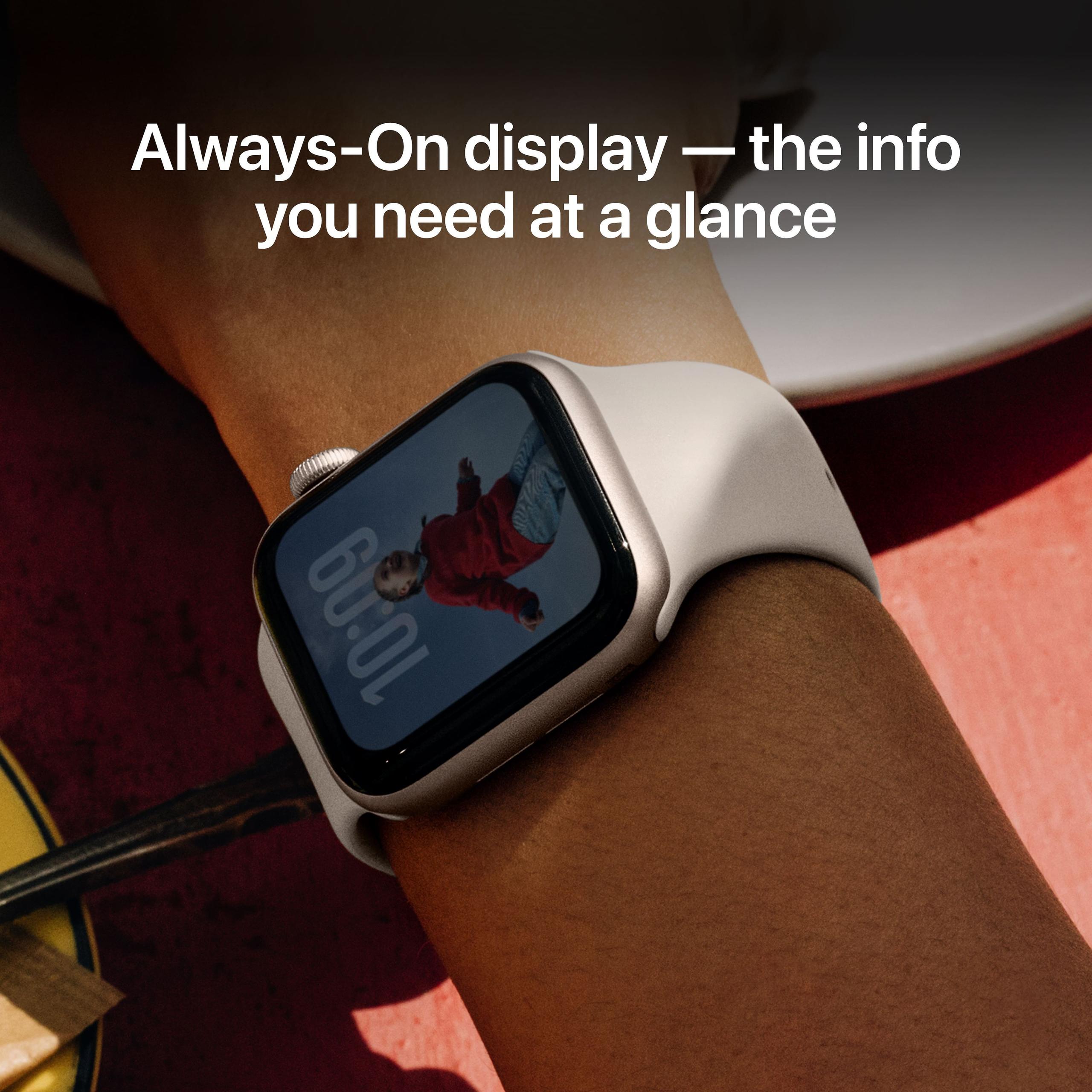
The Apple Watch SE 3 takes the opposite approach. Apple rates it for 18 hours of typical use, though real-world testing suggests it can stretch to about 37 hours with moderate use. While this sounds limiting compared to the Suunto, it reflects a different use case entirely. Apple assumes you're near charging opportunities daily and prioritizes features that drain more power—bright always-on displays, constant connectivity, and processing power for apps and notifications.
For most people living urban or suburban lifestyles, daily charging isn't a significant burden. You charge your phone nightly; adding a watch to that routine feels natural. But if you frequently spend weekends camping, traveling without reliable power, or engaging in long training sessions, that daily charging requirement becomes a real limitation.
GPS accuracy might seem like a technical detail, but it fundamentally affects how useful your device becomes for athletic training and navigation. The Suunto Race 2 Titanium uses dual-band GPS technology, which receives signals on both L1 and L5 frequencies. This dual-band approach dramatically improves accuracy in challenging environments—under tree cover, between tall buildings, or in mountainous terrain where GPS signals can bounce off surfaces before reaching your watch.
The technical improvement is significant. Single-band GPS (what most consumer devices use) can be off by several meters, especially when you're running tight corners or navigating complex trail systems. Dual-band GPS, combined with Suunto's optimized Sony chipset, provides accuracy that's crucial for serious training. When you're running interval training on a track or analyzing your exact route through technical trail sections, those extra meters of precision matter enormously.
The Apple Watch SE 3 uses single-band GPS, which is perfectly adequate for general fitness tracking, urban running, and casual outdoor activities. For most weekend warriors and fitness enthusiasts, the accuracy difference won't impact their experience. But if you're training for competitive events, analyzing performance metrics seriously, or navigating in remote areas, the precision advantage of dual-band GPS becomes genuinely valuable.
Beyond accuracy, the Suunto Race 2 Titanium includes 32GB of storage for offline topographic maps with turn-by-turn navigation. This isn't just convenience—it's a safety feature for backcountry activities where cellular coverage disappears. The watch can guide you back to your starting point even when you're completely disconnected from the digital world.
Both devices feature impressive display technology, but optimized for different priorities. The Suunto Race 2 Titanium sports a 1.5-inch AMOLED display reaching 2,000 nits of brightness—among the brightest available in any wearable device. This extreme brightness isn't marketing excess; it's functional necessity for outdoor athletes who need to read their display in direct sunlight while mountain biking or running.
The sapphire crystal covering the display adds another layer of durability crucial for sports watches. Sapphire is significantly harder than standard glass, meaning it resists scratches from rocks, branches, and the general abuse that comes with outdoor activities. After months or years of use, a sapphire crystal display will look nearly new, while standard glass accumulates the microscratches that make displays look cloudy and worn.
The Apple Watch SE 3 features a 1,000-nit always-on Retina display, which is plenty bright for most indoor and urban outdoor activities. Apple's new Ion-X glass is four times more crack-resistant than previous generations, representing a significant durability improvement. However, it's still more vulnerable to scratching than sapphire crystal.
Where Apple's display excels is in general usability and responsiveness. The touchscreen interface feels more intuitive for navigating apps, reading messages, and interacting with notifications. The Suunto Race 2 Titanium uses a combination of touchscreen and physical buttons, which works better with gloves or wet hands but feels less fluid for general smartwatch tasks.
The performance tracking capabilities reveal the deepest differences between these approaches. The Suunto Race 2 Titanium offers 115+ sport modes, each optimized with relevant metrics for specific activities. This isn't just about having more options—each mode provides sport-specific data fields, recovery metrics, and training analysis tailored to that activity.
The upgraded optical heart rate sensor in the Suunto Race 2 Titanium addresses previous accuracy concerns with a redesigned system using multiple LEDs and photodetectors. While optical heart rate sensors will never match chest strap accuracy for intense interval training, the improvements make it reliable for most training scenarios. More importantly, the watch supports external sensors, so serious athletes can pair chest straps, power meters, and foot pods for comprehensive training data.
Training analysis goes deep with VO₂ max estimation, lactate threshold detection, training load analysis, and recovery time recommendations. These metrics help serious athletes understand not just what they did, but how it affects their overall training progression and when they should rest versus push harder.
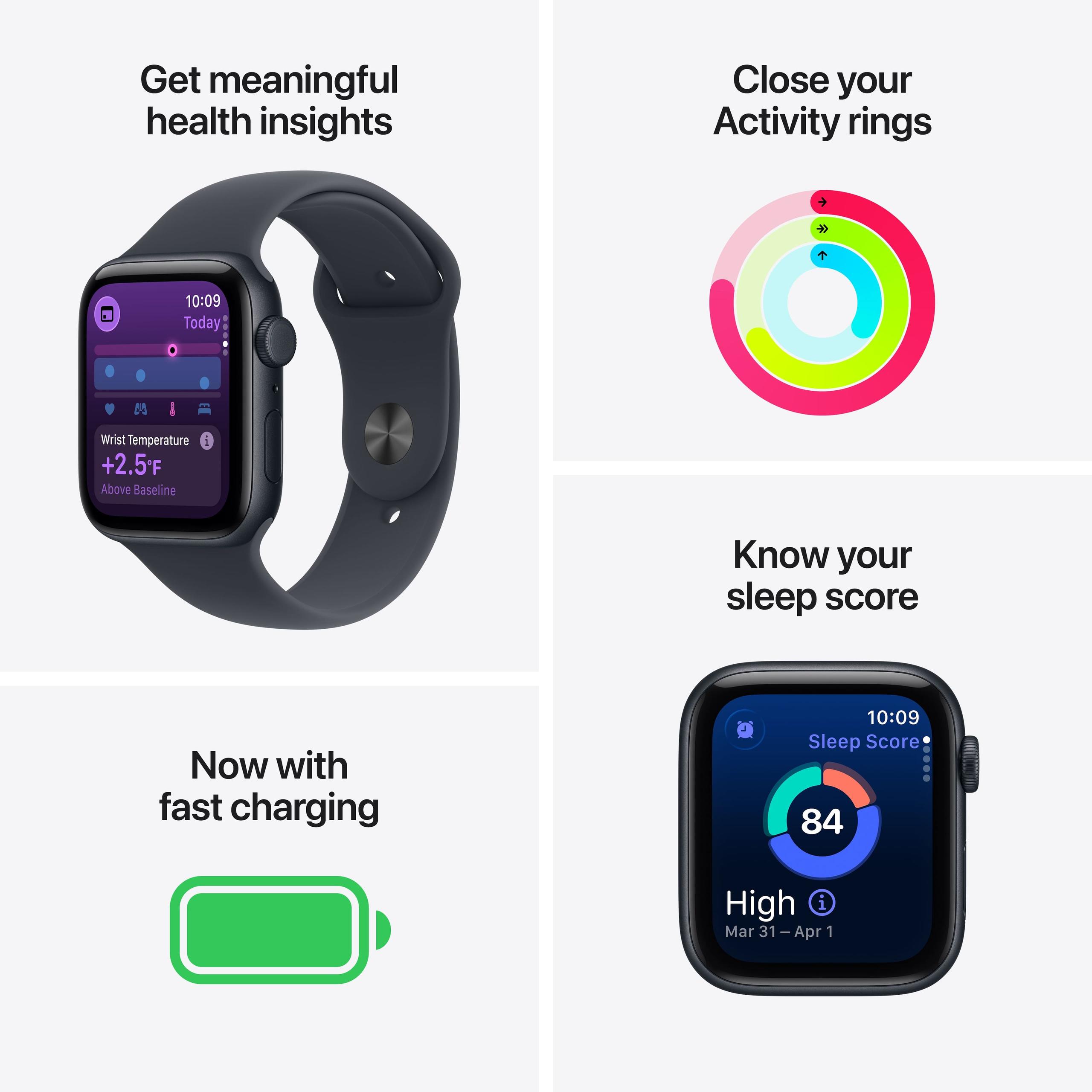
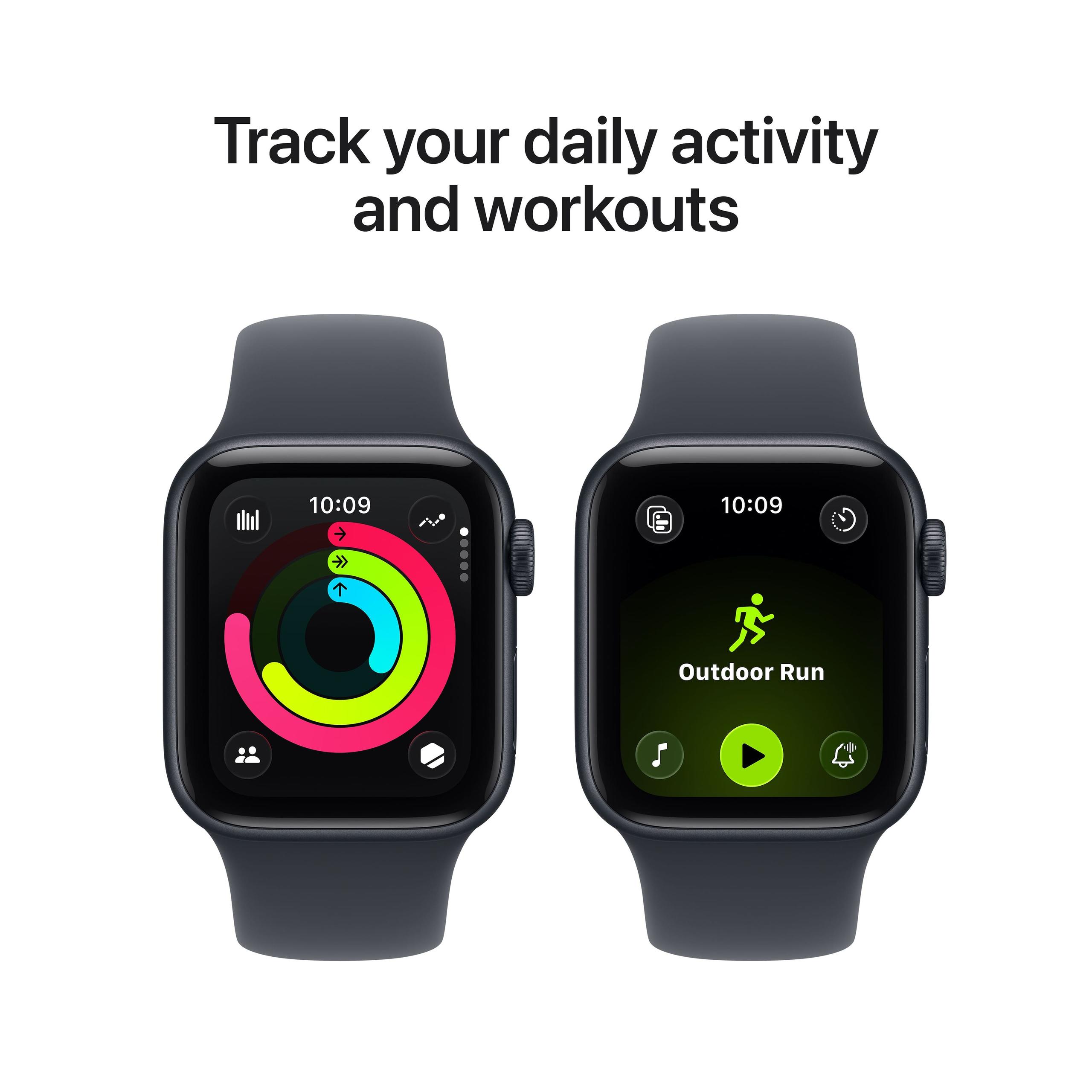
The Apple Watch SE 3 focuses more on general health awareness than athletic performance optimization. Its sleep tracking includes sleep apnea notifications—a genuinely valuable health feature that could identify serious medical conditions. The temperature sensor enables cycle tracking with retrospective ovulation estimates, and the new Vitals app aggregates health metrics for a holistic view of your wellness trends.
For most people, Apple's approach to health tracking is more immediately useful. The watch encourages daily movement, tracks general fitness trends, and can identify health issues that warrant medical attention. It's preventive health care rather than performance optimization.
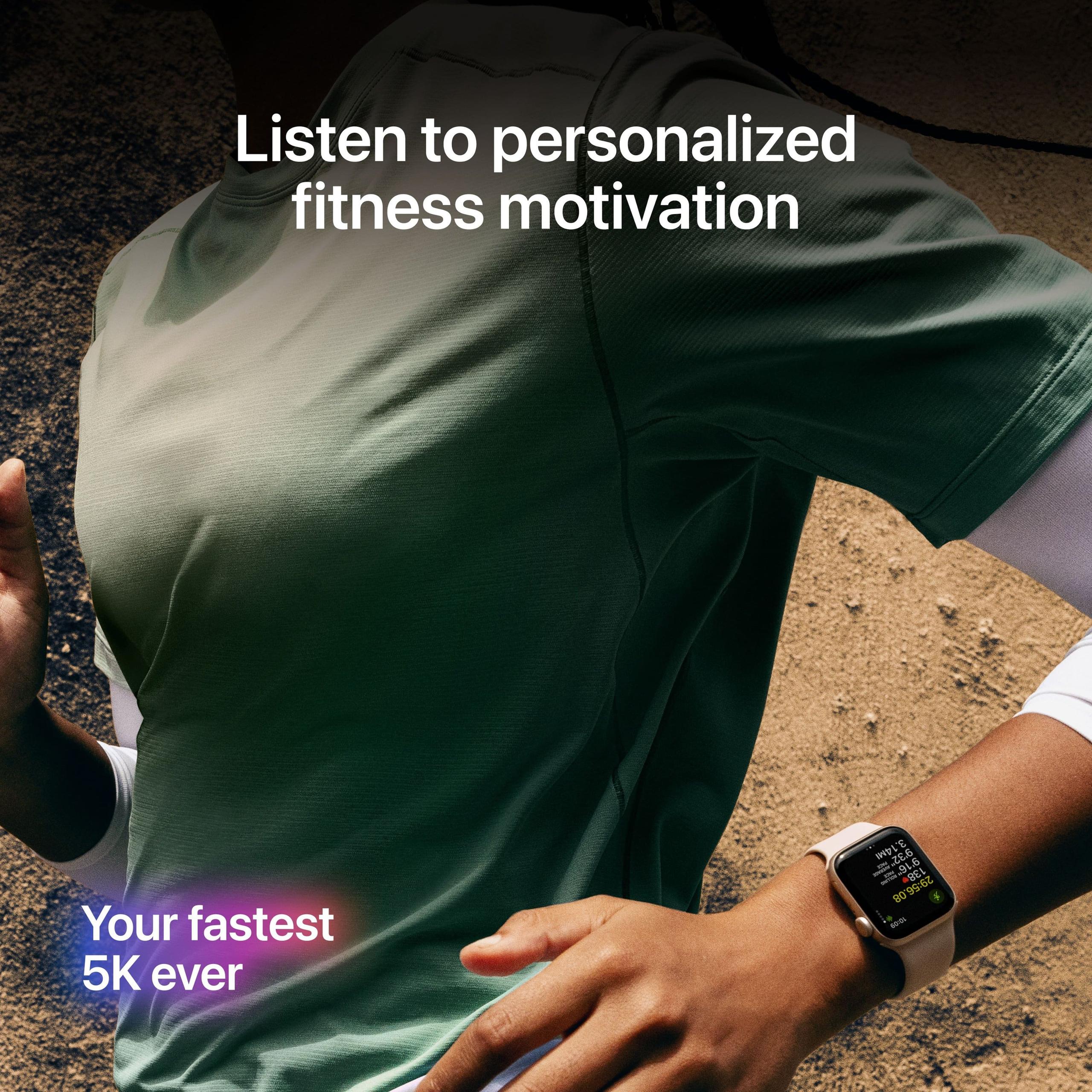
This is where the philosophical differences become most apparent. The Apple Watch SE 3 functions as a genuine wrist computer. Siri voice assistant with on-device processing means you can dictate messages, set reminders, and control smart home devices directly from your wrist. Apple Pay enables contactless payments at most retailers. Deep integration with the Apple ecosystem means your calendar, messages, calls, and notifications flow seamlessly between devices.
The productivity benefits are substantial if you're already invested in Apple's ecosystem. You can join video calls from your wrist (audio only), control music playback, respond to texts with voice dictation, and access thousands of apps designed specifically for watchOS. For many users, these features justify the device entirely separate from any fitness capabilities.
The Suunto Race 2 Titanium deliberately avoids this complexity. It receives basic notifications from your phone but can't respond to them. There's no payment system, no voice assistant, and no app ecosystem beyond fitness and navigation tools. This limitation is intentional—Suunto prioritizes battery life and athletic functionality over general smartwatch features.
For users who want their watch to be a training tool first, this focused approach eliminates distractions and reduces complexity. But for those expecting modern smartwatch conveniences, the limitations feel significant.
Materials and construction reflect each device's intended use case. The Suunto Race 2 Titanium uses Grade 5 titanium for the bezel—a premium aerospace material that's lighter than steel but significantly more durable than aluminum. Despite the premium materials, the watch weighs just 65 grams, making it comfortable for all-day and overnight wear during multi-day adventures.
The 100-meter water resistance rating means it's suitable for swimming, snorkeling, and water sports without concern. The physical button design works underwater and with gloves, crucial for winter sports and aquatic activities.
The Apple Watch SE 3 uses an aluminum case that keeps weight down to just 26 grams—less than half the weight of the Suunto. For daily wear comfort, this lighter weight is advantageous. The 50-meter water resistance is adequate for swimming and daily exposure to water, though not quite as robust as the Suunto's rating.
Build quality reflects priorities: the Suunto prioritizes durability for extreme conditions, while the Apple Watch optimizes for daily comfort and style.
At the time of writing, the Suunto Race 2 Titanium commands a premium price reflecting its specialized capabilities and premium materials. You're paying for titanium construction, sapphire crystal, dual-band GPS, and exceptional battery life. For serious athletes who will use these features regularly, the investment makes sense. The watch can replace multiple dedicated devices—GPS unit, training computer, altimeter, compass—while providing better integration and convenience.
The Apple Watch SE 3 represents exceptional value in the smartwatch category, priced significantly lower while offering comprehensive smart functionality. For most consumers, it provides everything they need in a wearable device: health tracking, notifications, productivity features, and Apple ecosystem integration.
The value equation depends entirely on your intended use. If you're training for endurance events, navigating in remote areas, or need multi-day battery life, the Suunto's premium pricing becomes justified by capabilities you'll actually use. If you want a general-purpose smartwatch for daily life and casual fitness, the Apple Watch provides significantly more functionality at a lower price point.
Choose the Suunto Race 2 Titanium if you regularly engage in activities where its specialized features provide genuine value. This includes trail running, ultramarathon training, backcountry hiking, cycling with power meters, or any scenario where you need precise GPS tracking for extended periods. The offline maps and navigation capabilities make it invaluable for outdoor adventures where cellular coverage disappears.
The premium materials and exceptional battery life also appeal to users who prefer wearing one device continuously rather than managing daily charging routines. If you sleep with your watch for recovery tracking and want something comfortable enough for 24/7 wear, the lightweight titanium construction excels.
Choose the Apple Watch SE 3 if you want a smartwatch that happens to track fitness rather than a fitness tracker with limited smart features. The productivity benefits—Siri, Apple Pay, notifications, app ecosystem—provide daily value that many users find more compelling than specialized athletic features they'll rarely use.
The lower price point makes it accessible for users who want to try wearable technology without significant investment, and the comprehensive health tracking provides valuable insights for general wellness rather than athletic performance optimization.
The decision ultimately comes down to specialization versus versatility. The Suunto Race 2 Titanium excels at its core mission of athletic performance tracking and outdoor navigation, while the Apple Watch SE 3 provides broader utility for daily digital life. Both approaches have merit—the key is honestly assessing which set of capabilities better matches your actual usage patterns rather than aspirational activities you might occasionally consider.
For most consumers, the Apple Watch's combination of health tracking, smart features, and accessibility provides better overall value. But for the subset of users who need serious athletic capabilities and multi-day battery life, the Suunto's specialized approach justifies its premium positioning. The best choice is the one that aligns with how you actually live and exercise, not the one with the most impressive specifications on paper.
| Suunto Race 2 Titanium | Apple Watch SE 3 40mm |
|---|---|
| Battery Life - Critical for multi-day activities and daily convenience | |
| Up to 55 hours GPS tracking, 16 days smartwatch mode (eliminates charging anxiety for adventures) | 18 hours typical use, 37 hours real-world (requires daily charging but adequate for most users) |
| GPS Accuracy - Essential for precise tracking and navigation | |
| Dual-band GPS with L1+L5 frequencies (superior accuracy in challenging terrain) | Single-band GPS (sufficient for general fitness and urban activities) |
| Display Brightness - Crucial for outdoor visibility | |
| 2,000 nits AMOLED with sapphire crystal (excellent for direct sunlight, scratch-resistant) | 1,000 nits Retina with Ion-X glass (good brightness, 4x more crack-resistant than previous) |
| Weight and Comfort - Important for all-day and overnight wear | |
| 65g titanium construction (lightweight premium materials, comfortable for sleep tracking) | 26g aluminum case (ultra-light for daily wear, less durable materials) |
| Smart Features - Determines daily utility beyond fitness | |
| Basic notifications only (no apps, payments, or voice assistant - purely sports-focused) | Full smartwatch with Siri, Apple Pay, apps, deep iPhone integration (comprehensive daily utility) |
| Athletic Training Features - Key for serious performance tracking | |
| 115+ sport modes, VO₂ max, training load analysis, external sensor support (comprehensive sports science) | Basic fitness tracking with health-focused features like sleep apnea detection (general wellness over performance) |
| Water Resistance - Important for swimming and outdoor activities | |
| 100m rating (suitable for swimming, snorkeling, water sports) | 50m rating (adequate for swimming and daily water exposure) |
| Navigation Capabilities - Critical for outdoor adventures | |
| 32GB offline maps with turn-by-turn navigation (essential for backcountry safety) | Cloud-dependent navigation (requires cellular connection for detailed mapping) |
| Price Category - Value consideration at time of writing | |
| Premium sports watch pricing (justified by titanium build and specialized features) | Mid-range smartwatch pricing (excellent value for comprehensive smart functionality) |
| Target User - Who benefits most from each approach | |
| Serious athletes, ultrarunners, outdoor adventurers needing multi-day reliability | General consumers wanting smart features with basic fitness tracking capability |
The Suunto Race 2 Titanium offers significantly better battery life with up to 55 hours of GPS tracking and 16 days in smartwatch mode. This makes it ideal for ultramarathons, multi-day hiking trips, and extended training sessions. The Apple Watch SE 3 provides 18 hours of typical use, requiring daily charging but sufficient for most standard workouts and daily activities.
The Suunto Race 2 Titanium is a dedicated sports watch focused on athletic performance, GPS accuracy, and training metrics with minimal smart features. The Apple Watch SE 3 is a general-purpose smartwatch that includes fitness tracking alongside comprehensive smart features like Siri, Apple Pay, apps, and iPhone integration.
The Suunto Race 2 Titanium uses dual-band GPS technology for superior accuracy, especially in challenging environments like forests or urban canyons. It's designed specifically for serious athletes who need precise tracking data. The Apple Watch SE 3 uses single-band GPS that's adequate for casual fitness tracking and general outdoor activities.
The Apple Watch SE 3 offers full communication features including phone calls, text messages, Siri voice commands, and app notifications with the ability to respond. The Suunto Race 2 Titanium only receives basic notifications from your phone but cannot make calls, send messages, or respond to notifications.
The Suunto Race 2 Titanium has 100-meter water resistance, making it suitable for swimming, snorkeling, and water sports. The Apple Watch SE 3 offers 50-meter water resistance, which is adequate for swimming and daily water exposure but less robust for intensive water activities.
The Apple Watch SE 3 requires an iPhone for setup and full functionality, as it's designed to integrate deeply with Apple's ecosystem. The Suunto Race 2 Titanium works with both iPhone and Android devices through the Suunto app, offering more flexibility for non-Apple users.
The Suunto Race 2 Titanium features a titanium case, sapphire crystal display, and rugged construction designed for extreme outdoor conditions. The Apple Watch SE 3 uses an aluminum case with Ion-X glass that's suitable for daily wear but less durable than the premium materials in the Suunto watch.
Both watches offer sleep tracking, but with different focuses. The Apple Watch SE 3 provides comprehensive health monitoring including sleep apnea detection, temperature sensing, and general wellness metrics. The Suunto Race 2 Titanium focuses on athletic recovery with sleep stages, HRV monitoring, and training-specific health data.
The Apple Watch SE 3 provides excellent value with comprehensive smartwatch features at a lower price point, making it ideal for most consumers. The Suunto Race 2 Titanium commands a premium price but justifies it with specialized athletic features, premium materials, and exceptional battery life for serious athletes.
The Suunto Race 2 Titanium includes 32GB of storage for offline topographic maps with turn-by-turn navigation, essential for backcountry adventures. The Apple Watch SE 3 relies primarily on cloud-based navigation and requires cellular or iPhone connectivity for detailed mapping features.
The Apple Watch SE 3 weighs only 26 grams and offers superior comfort for all-day wear with its lightweight aluminum construction. The Suunto Race 2 Titanium weighs 65 grams but uses premium titanium materials that provide durability while remaining comfortable for extended wear during training and sleep.
The Apple Watch SE 3 supports thousands of apps through the App Store and includes Apple Pay for contactless payments at retailers. The Suunto Race 2 Titanium focuses exclusively on sports and fitness applications without app ecosystem support or payment capabilities, maintaining simplicity and longer battery life.
We've done our best to create useful and informative comparisons to help you decide what product to buy. Our research uses advanced automated methods to create this comparison and perfection is not possible - please contact us for corrections or questions. These are the sites we've researched in the creation of this article: the5krunner.com - tomsguide.com - androidcentral.com - tomsguide.com - youtube.com - wareable.com - youtube.com - youtube.com - dcrainmaker.com - nsmb.com - gpstraining.co.uk - triathlete.com - us.suunto.com - youtube.com - us.suunto.com - youtube.com - suunto.com - apac.suunto.com - appleinsider.com - apple.com - youtube.com - tomsguide.com - apple.com - apple.com - youtube.com - apple.com - bandletic.com - youtube.com - t-mobile.com - youtube.com - apple.com - att.com - support.apple.com - phonearena.com - apple.com - apple.com - forums.macrumors.com - apple.com - apple.com - tomsguide.com - apple.com - apple.com

Privacy Policy
Terms and Conditions - Affiliate Policy
Home Security
© Copyright 2008-2026.
11816 Inwood Rd #1211, Dallas, TX 75244