

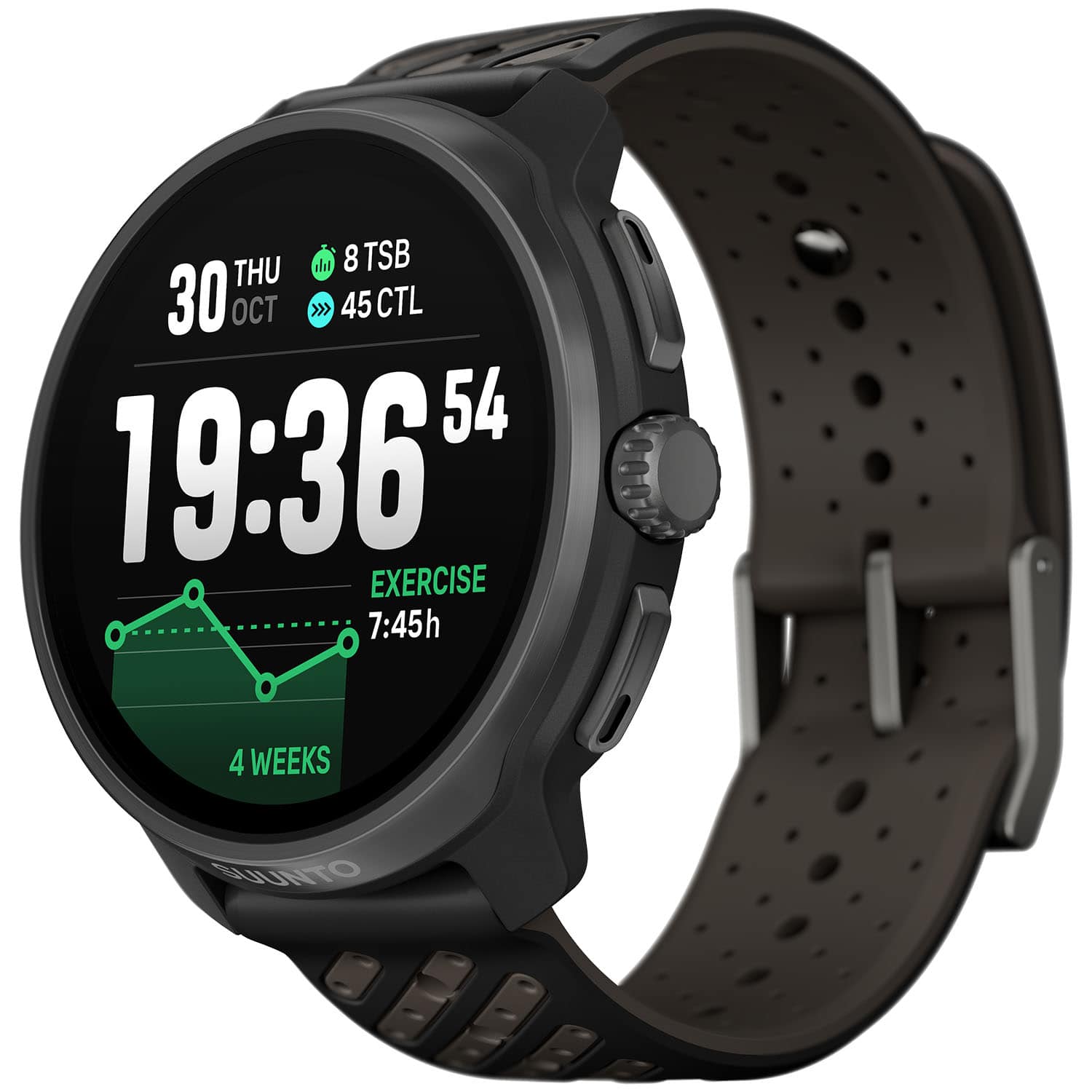
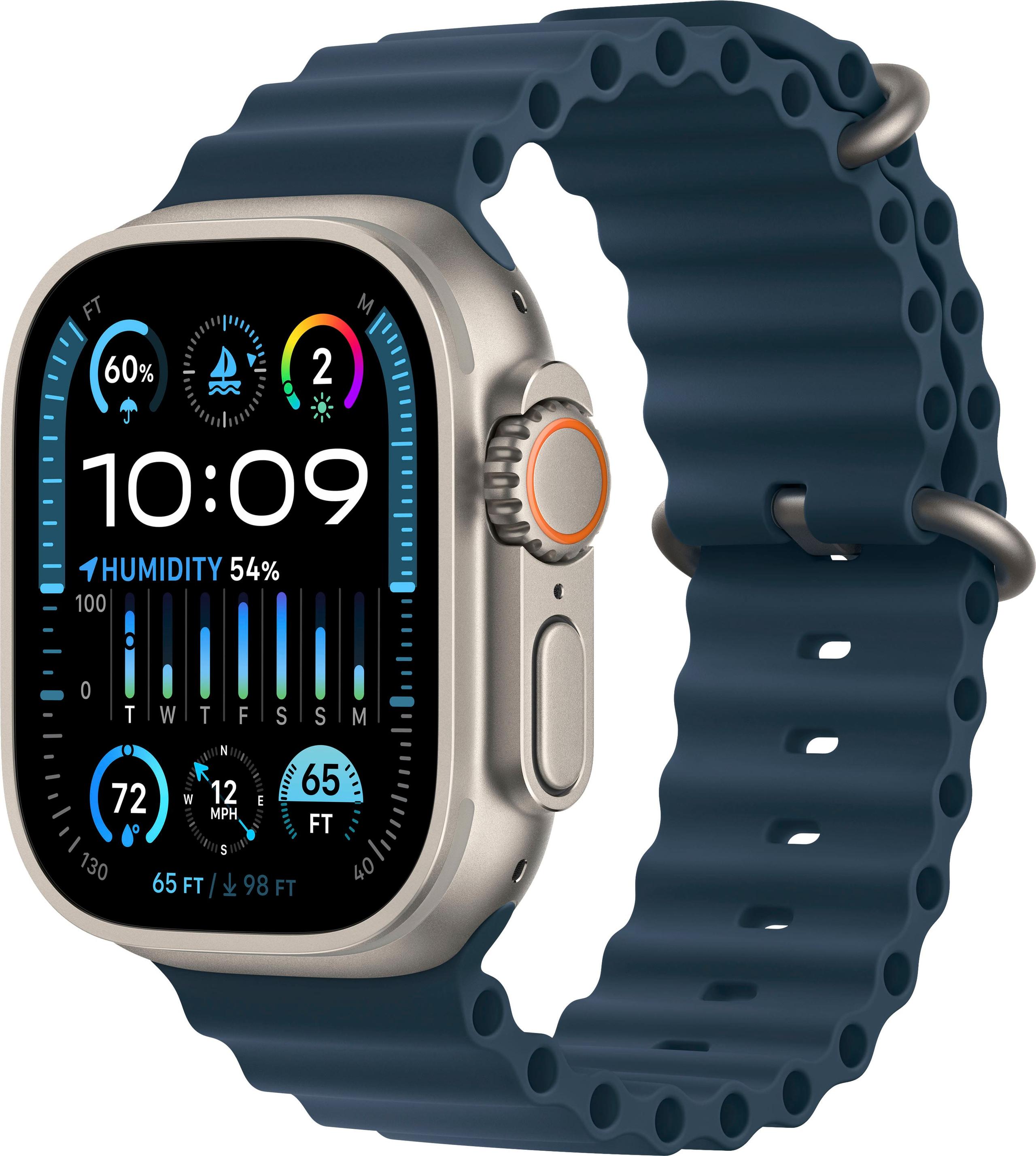
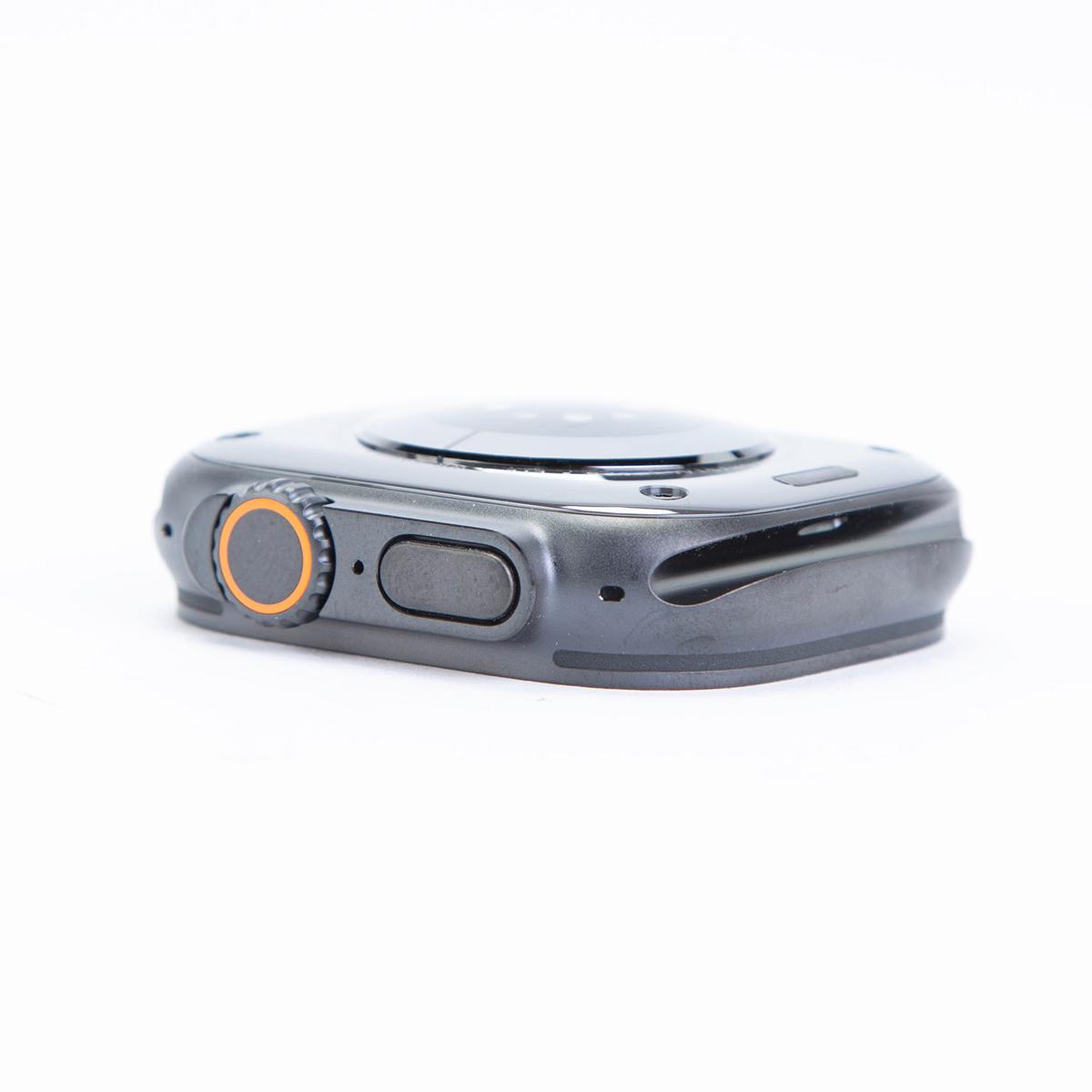
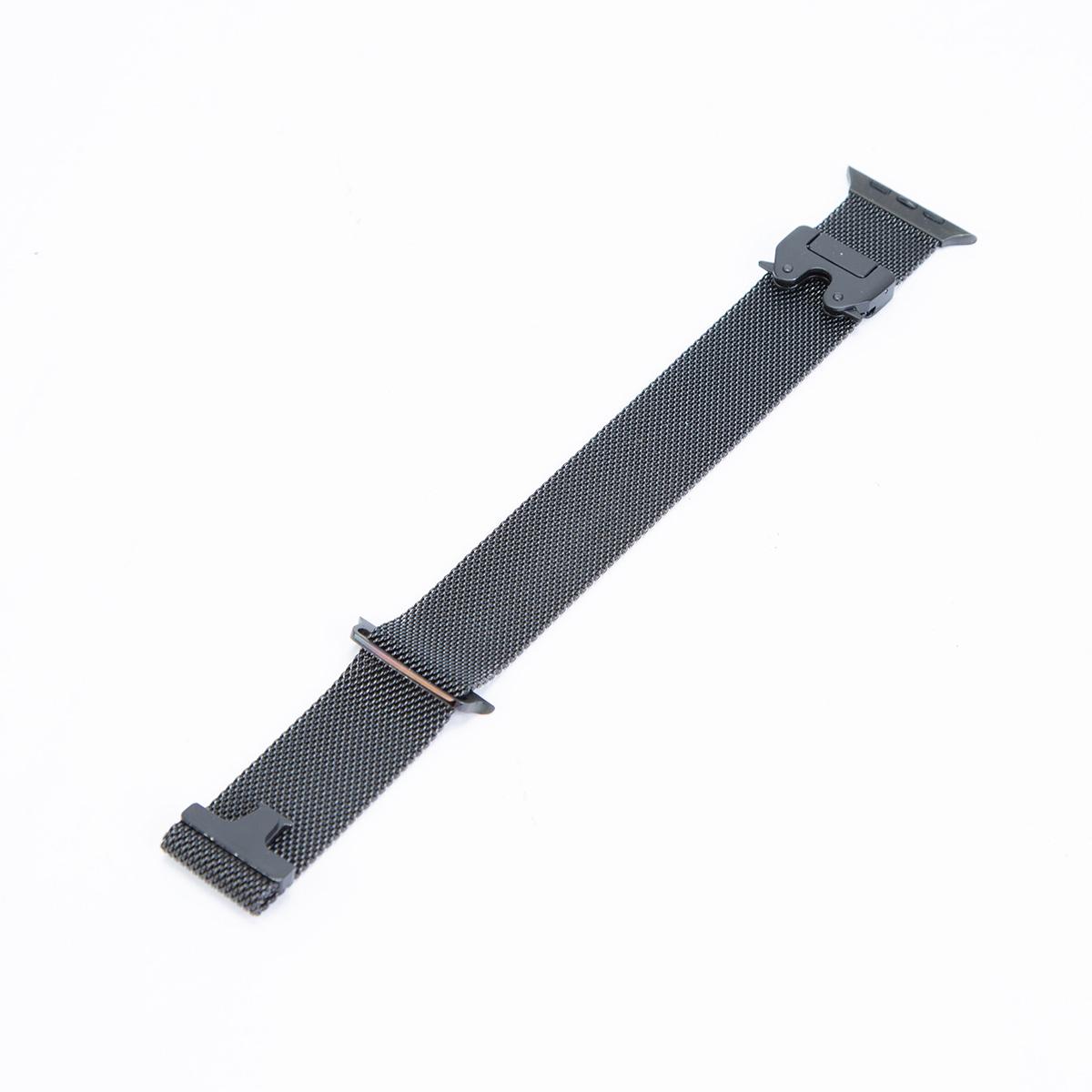
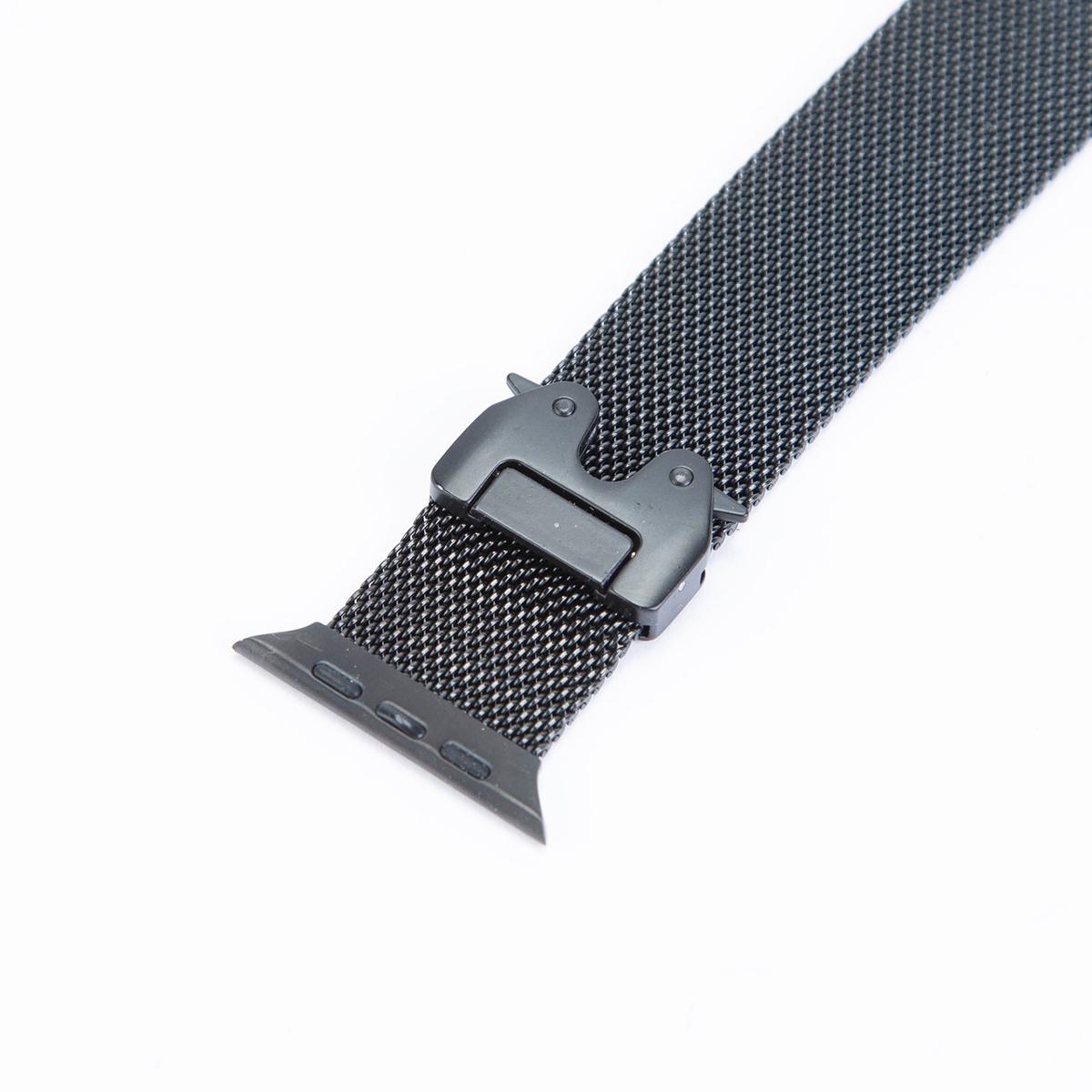
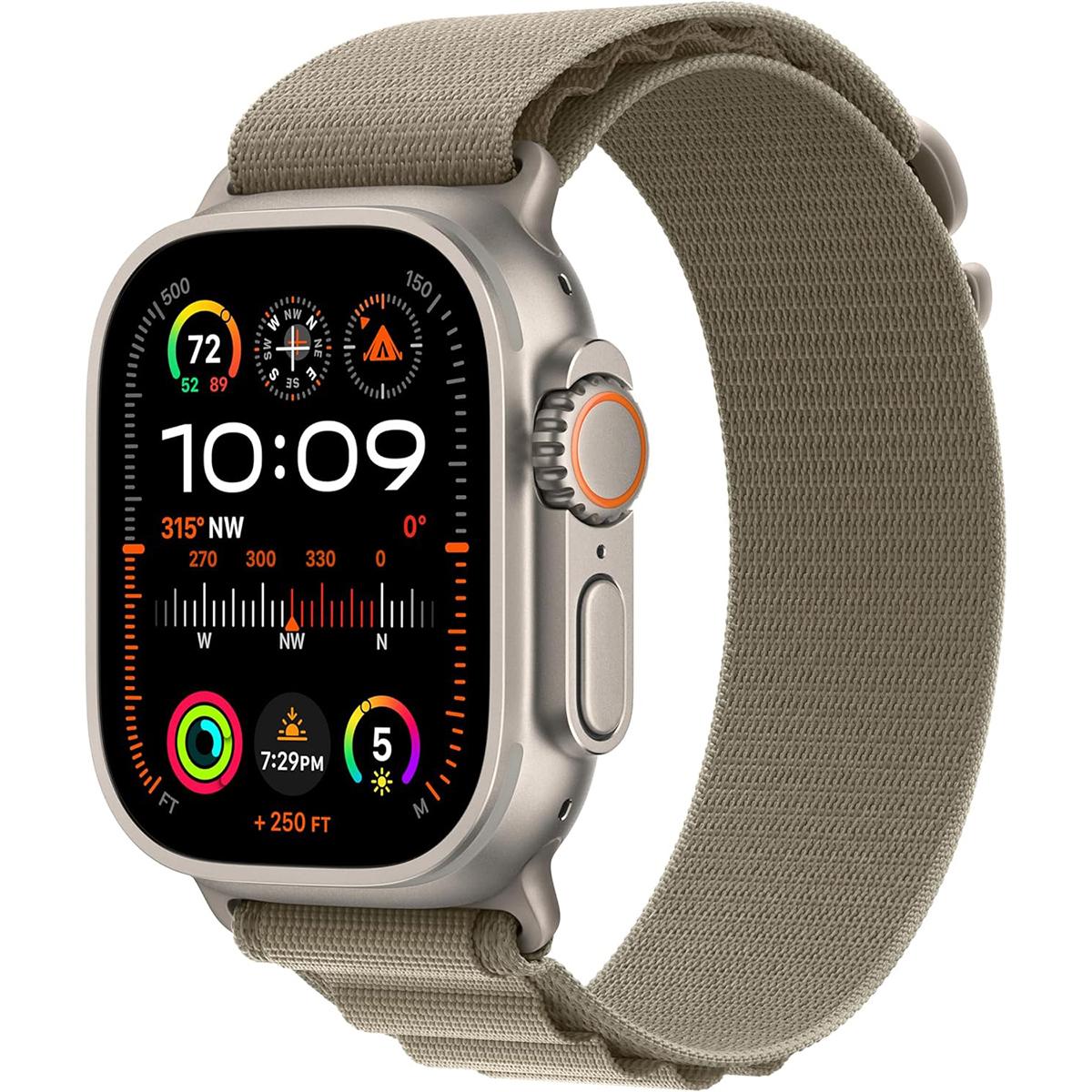

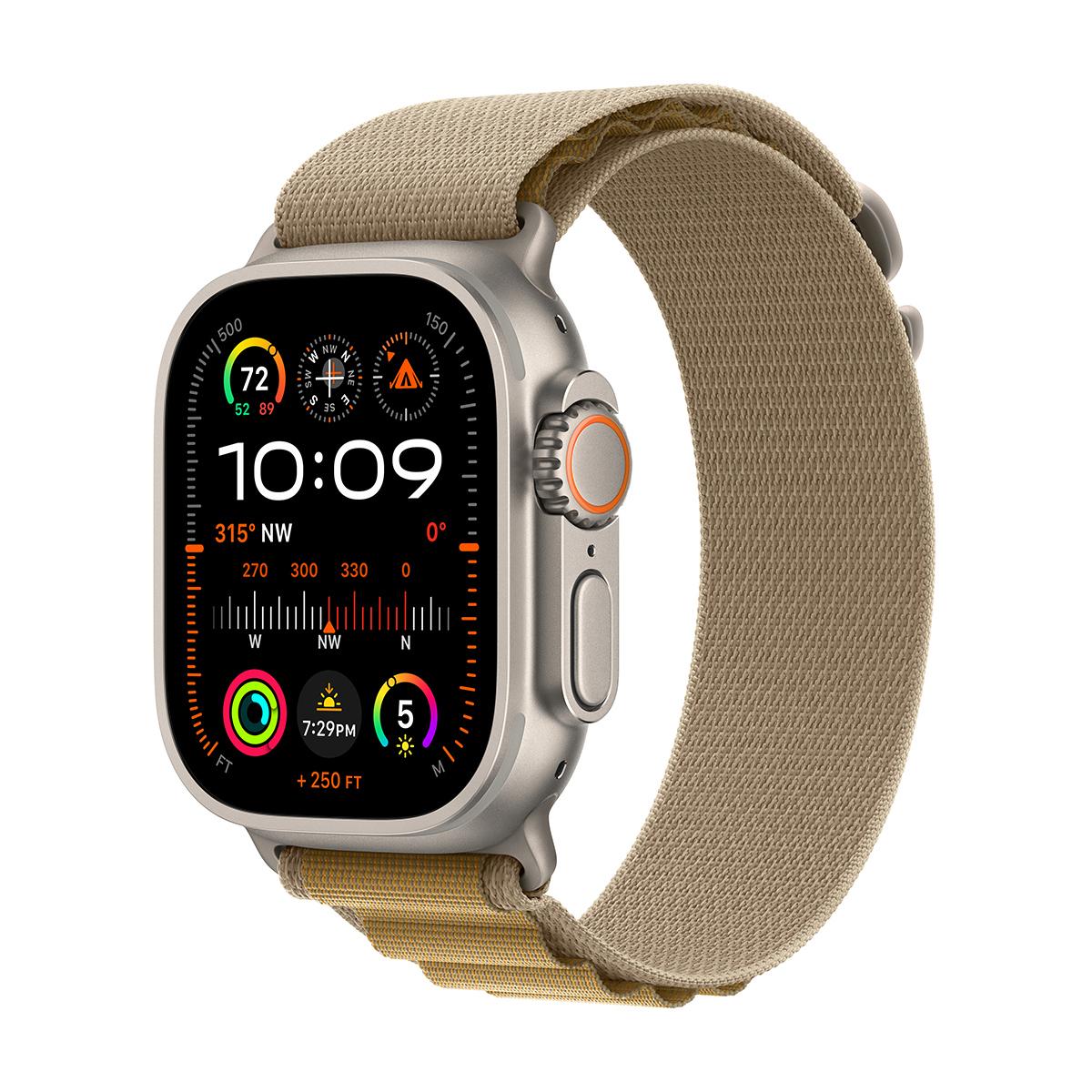
The sports watch world has split into two camps, and the division couldn't be clearer. On one side, you have dedicated sports computers like the Suunto Race 2 Titanium, released in 2024 as an evolution of Suunto's flagship racing watch. On the other, there's the smartwatch-meets-adventure-tool approach embodied by Apple's Apple Watch Ultra 2, which launched in late 2023 as Apple's second-generation attempt at conquering the serious athlete market.
These aren't just different watches—they represent fundamentally different philosophies about what a sports watch should be. The Suunto Race 2 Titanium asks: "What if we built the ultimate endurance machine?" The Apple Watch Ultra 2 asks: "What if your everyday smartwatch could handle extreme adventures too?"
At the time of writing, the Suunto typically costs about $140 less than the Apple Watch, but that price gap tells only part of the value story. Let me walk you through what really matters when choosing between these two impressive pieces of technology.
Let's start with the most dramatic difference: battery endurance. This isn't just about convenience—it fundamentally changes what activities these watches can handle.
The Suunto Race 2 Titanium delivers an absolutely staggering 55 hours of continuous GPS tracking with its bright AMOLED display running. To put that in perspective, that's enough battery to track a 100-mile ultramarathon race from start to finish, with power to spare. This achievement comes from Suunto's use of LTPO AMOLED technology—the same variable refresh rate screen technology that Apple pioneered—combined with an optimized Sony GPS chipset and aggressive power management.
The Apple Watch Ultra 2, meanwhile, provides about 12 hours of GPS tracking, which covers a marathon distance but leaves ultra-endurance athletes in a tough spot. However, Apple's implementation includes rapid charging that reaches 80% in just one hour, which partially addresses the limitation through quick top-ups.
Here's where this difference becomes crucial: if you're training for or competing in events longer than about 8-10 hours, the Suunto Race 2 Titanium might be your only practical option. The psychological impact of "battery anxiety"—constantly worrying about your watch dying mid-activity—can't be overstated for serious endurance athletes. The Suunto eliminates that concern entirely.
For most athletes, though, the Apple Watch Ultra 2's 12-hour GPS runtime covers the vast majority of training sessions and races. Marathon runners, cyclists doing century rides, and hikers on day trips will find it perfectly adequate.
Both watches use AMOLED displays—the same vibrant, high-contrast screen technology found in premium smartphones—but with important differences in implementation.
The Suunto Race 2 Titanium features a 1.5-inch display that peaks at 2,000 nits of brightness. That's incredibly bright—bright enough to remain clearly readable even in direct desert sunlight. The watch uses sapphire crystal for protection, which is significantly harder and more scratch-resistant than regular glass, though it can be more prone to shattering under extreme impact.
The Apple Watch Ultra 2 goes even brighter with its larger 1.92-inch display hitting 3,000 nits—making it one of the brightest screens available on any wearable device. The larger screen real estate also means more information fits comfortably, reducing the need to scroll through data screens during activities.
From a practical standpoint, both displays excel in outdoor conditions, but the Apple Watch's combination of larger size and higher brightness gives it a slight edge for quick data glances during intense activities. However, the Suunto Race 2 Titanium's display is perfectly adequate and contributes to its superior battery efficiency.
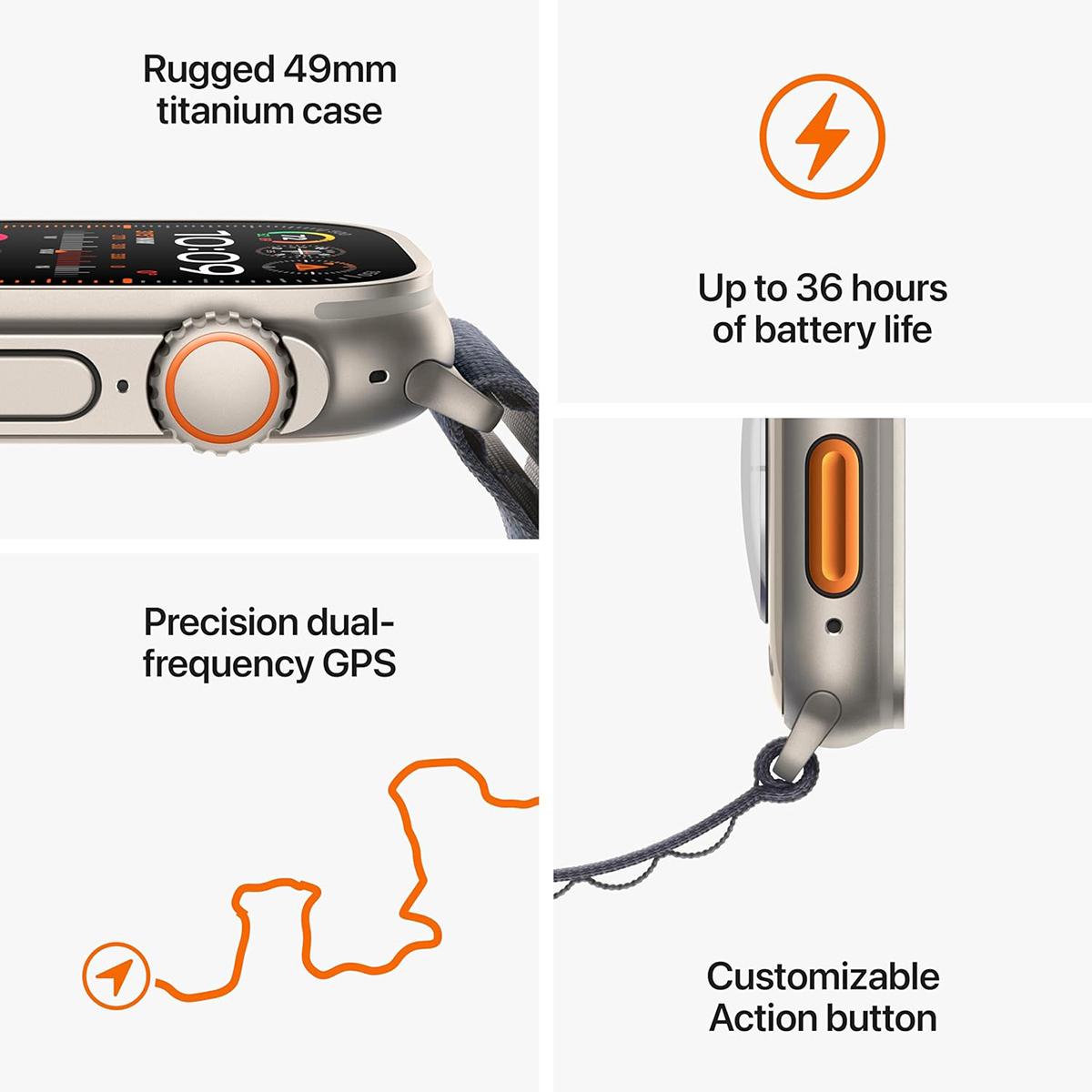
GPS accuracy might seem like a solved problem in 2024, but the reality is more nuanced. Both watches use dual-frequency GPS technology, which means they can receive signals on two different frequency bands (L1 and L5) simultaneously. This dual-band approach dramatically improves accuracy in challenging environments like dense forests, urban canyons, or mountainous terrain by giving the watch more satellite signals to work with.
The Apple Watch Ultra 2 has earned a reputation for exceptional GPS accuracy through extensive real-world testing. Reviews consistently show it matching the precision of dedicated Garmin sports watches, with reliable pace data and track following that hugs the actual path closely. This accuracy extends to elevation tracking, which uses a combination of GPS and barometric pressure sensors for precise altitude measurements.
The Suunto Race 2 Titanium incorporates similar dual-frequency technology with optimization specifically for the Sony GPS chipset, but early user reports suggest its GPS accuracy still needs refinement. This is particularly important for activities where precise positioning matters—like navigation in unfamiliar terrain or accurate pace feedback during training intervals.
For most recreational athletes, small GPS variations won't meaningfully impact training, but for competitive athletes or serious navigators, the Apple Watch Ultra 2's proven accuracy provides more confidence.
Heart rate accuracy has been the Achilles' heel of many sports watches, but both devices represent significant advances in optical sensor technology.
The Suunto Race 2 Titanium features a completely redesigned optical heart rate sensor with six LEDs and four photodetectors—significantly more hardware than previous generations. This multi-LED approach uses different colored lights (typically green, red, and infrared) to measure blood flow changes more accurately across different skin tones and activity types. The additional photodetectors help filter out motion artifacts that traditionally cause heart rate spikes during running or cycling.
The Apple Watch Ultra 2 uses Apple's third-generation optical sensor, which has earned praise for consistency and accuracy across diverse activities. In comparative testing, it typically reads within 2-3 beats per minute of professional chest strap monitors like the Polar H10, which is considered the gold standard for accuracy.
Early reports suggest the Suunto Race 2 Titanium's redesigned sensor shows promise but hasn't yet achieved the proven reliability of Apple's implementation. For athletes who rely heavily on heart rate zones for training—like those following polarized training plans or specific lactate threshold workouts—sensor reliability becomes critical.
Both watches also include additional biometric sensors. The Suunto measures blood oxygen saturation (SpO2) and heart rate variability (HRV) for recovery tracking. The Apple Watch goes further with ECG capability, temperature sensing, and even sleep apnea detection notifications—features that extend well beyond sports into general health monitoring.
This is where the fundamental difference between these devices becomes most apparent.
The Suunto Race 2 Titanium is intentionally limited in smart features. It mirrors basic notifications from your phone, provides weather updates, and controls music playback—but it won't store music locally, make payments, or run third-party apps. This focused approach keeps the interface clean and battery-efficient, but it means you'll still need your phone for most daily smart tasks.
The Apple Watch Ultra 2 is a full-featured smartwatch that happens to excel at sports. It integrates deeply with iPhone features, supports contactless payments through Apple Pay, stores music for offline listening, runs thousands of third-party apps, and includes Siri voice control that works without an internet connection. The cellular models can even function independently of your phone for calls and messages.
For athletes who want one device that handles both training and daily life, the Apple Watch Ultra 2 makes compelling sense. You can leave your phone behind for runs while still having access to music, payments, and emergency communication.
However, this comprehensive functionality comes with tradeoffs. The more complex software occasionally experiences bugs or slowdowns that don't affect the simpler Suunto Race 2 Titanium. And all those smart features contribute to faster battery drain.
Both watches use titanium construction, but with different priorities.
The Suunto Race 2 Titanium measures 12.5mm thick and weighs about 65 grams with its silicone strap. Suunto redesigned the case geometry for 2024, creating flatter lugs and a more refined appearance that feels less industrial than its predecessor. At 49mm wide, it's substantial but wears comfortably on most wrists thanks to the thoughtful case shaping.
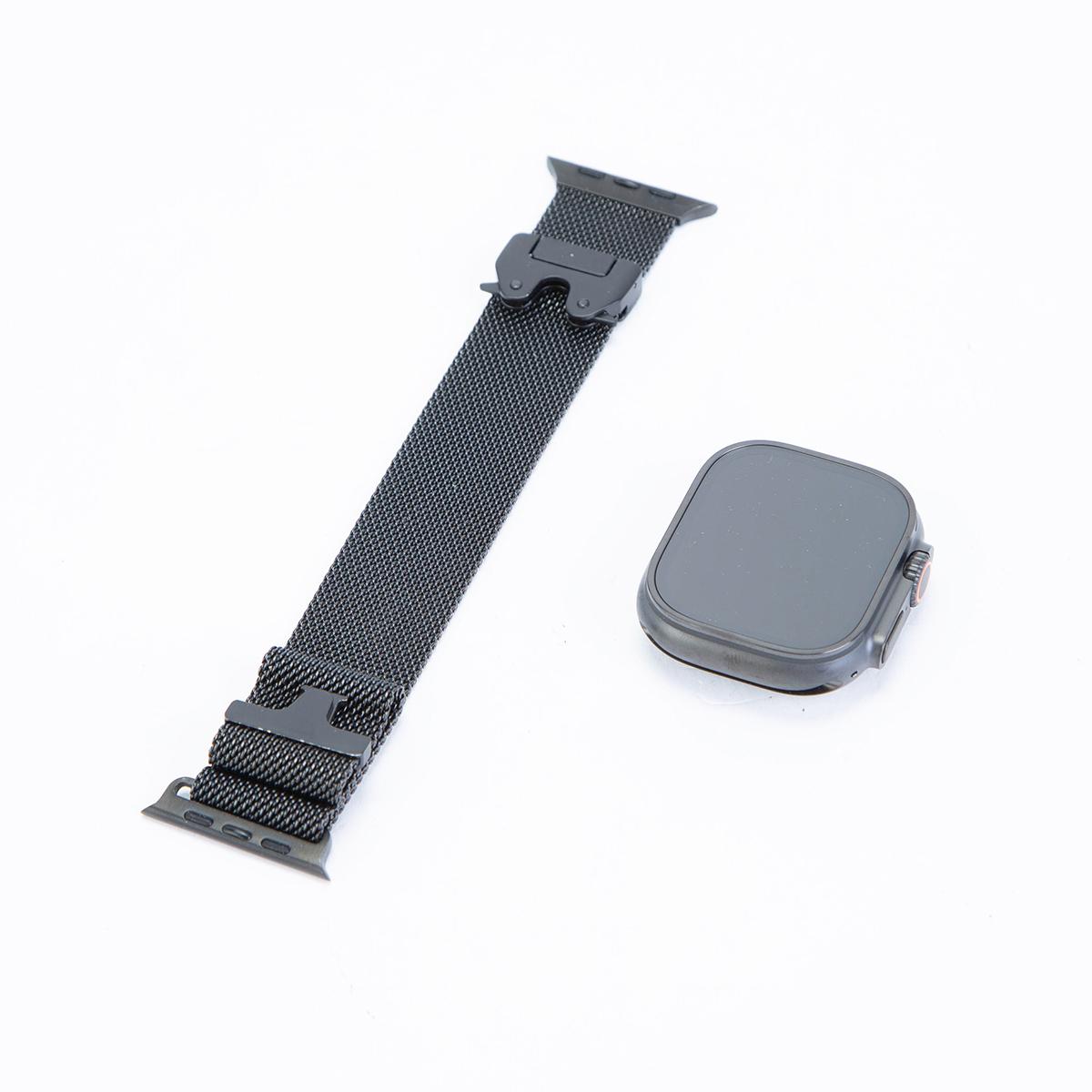
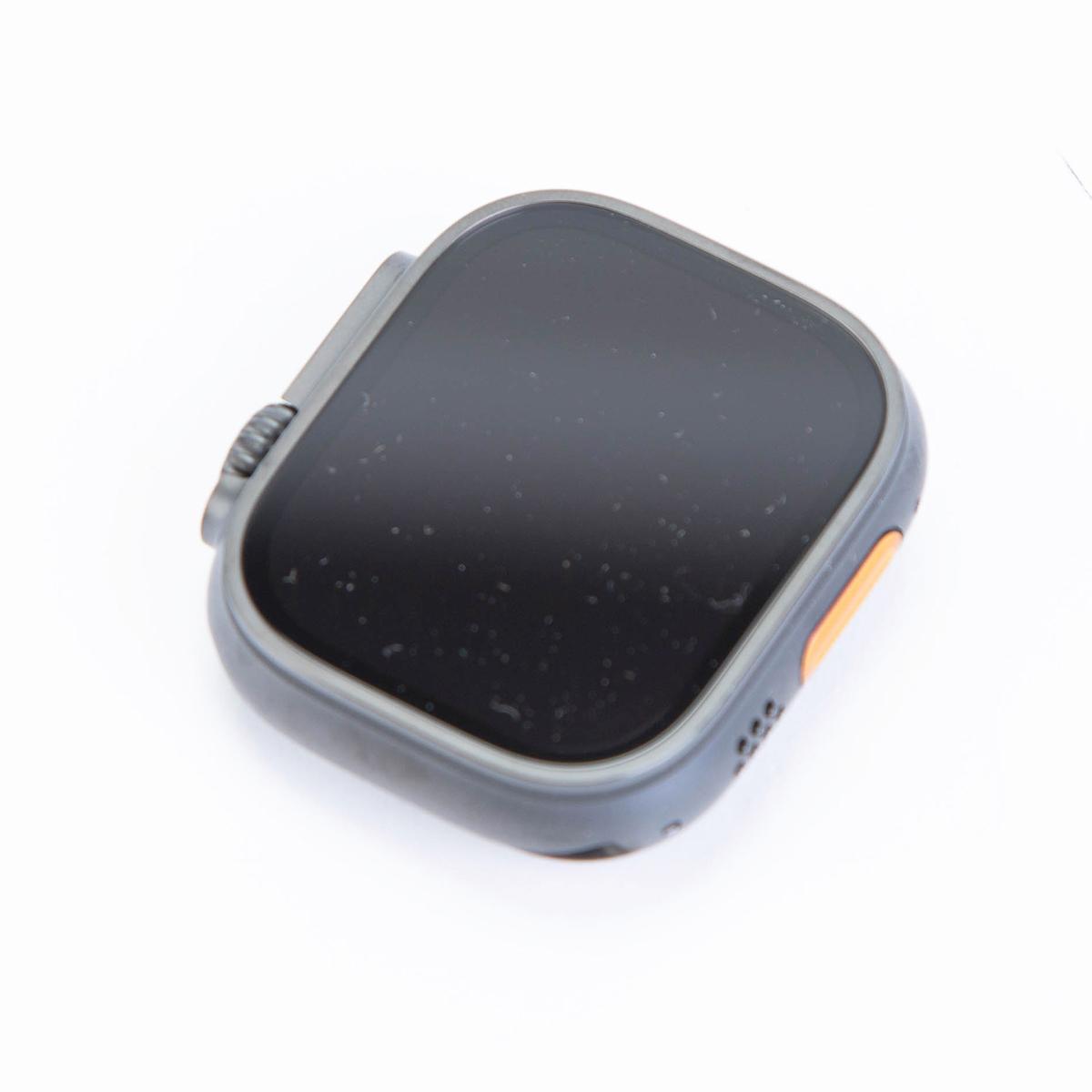
The Apple Watch Ultra 2 is intentionally more robust at 14.4mm thick, though it weighs slightly less at 61.4 grams despite its larger 49mm case size. Apple's design embraces a more aggressive, tool-like aesthetic with prominent button guards and a raised crown. It's MIL-STD 810H certified, meaning it's tested for resistance to shock, temperature extremes, and other environmental stresses.
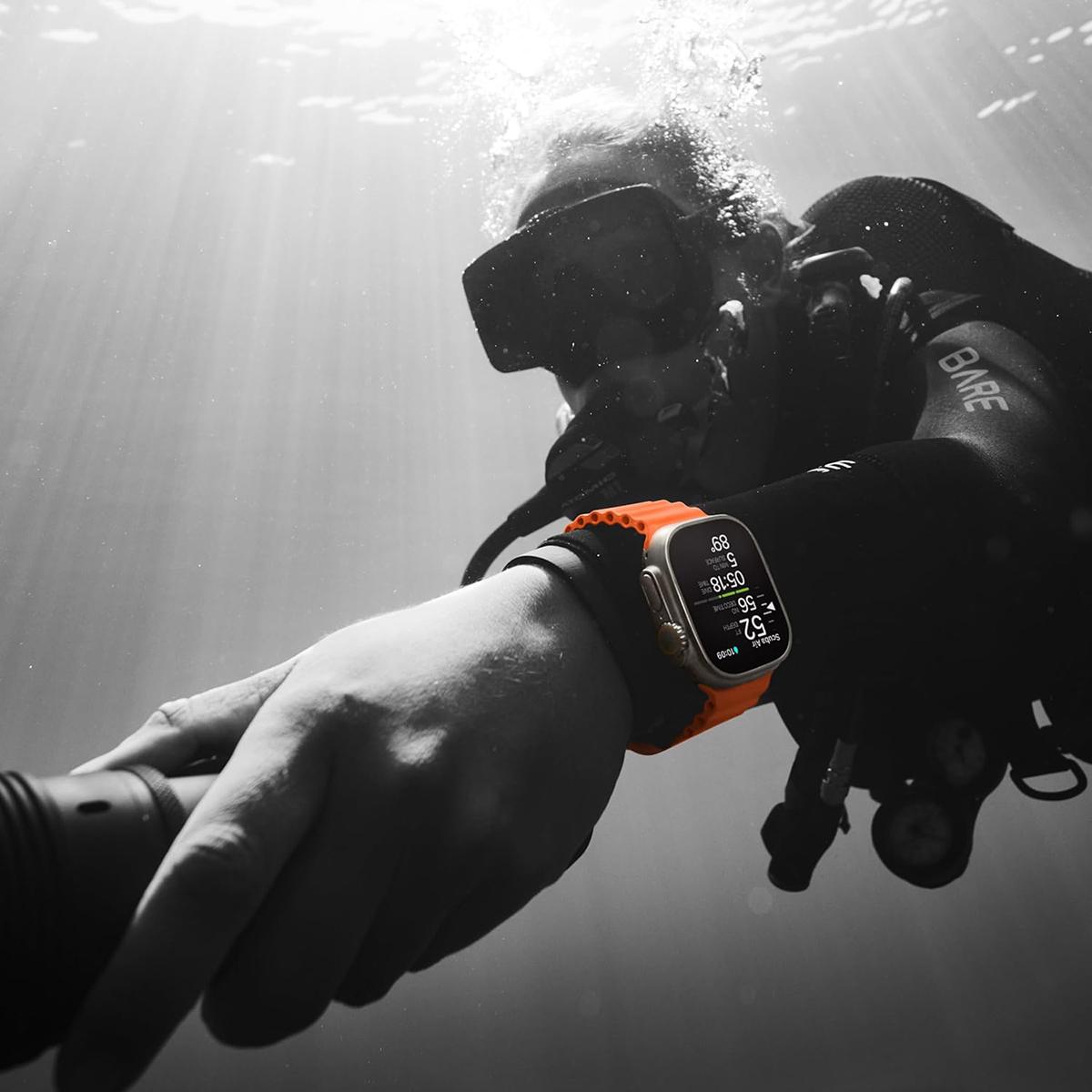
Both offer excellent water resistance—100 meters for general use, with the Apple Watch adding specific diving capabilities to 40 meters depth. The Apple Watch Ultra 2 includes a depth gauge and water temperature sensor, making it genuinely useful for recreational diving and water sports.
Comfort varies by individual preference. The Suunto Race 2 Titanium's slimmer profile feels less intrusive during sleep and daily wear, while the Apple Watch Ultra 2's larger case provides more substantial wrist presence that some users prefer for serious training.
Both watches excel at sports tracking but with different approaches to training analysis.
The Suunto Race 2 Titanium offers over 115 sport modes with deep customization options. Its training features include VO2 max estimation, lactate threshold detection, and training load analysis—metrics that help serious athletes understand their fitness progression and recovery needs. The "Ghostrunner Pacer" feature lets you race against previous performances or virtual competitors, adding motivation to solo training sessions.
The Apple Watch Ultra 2 focuses on intelligent training guidance through its Training Load feature, which combines heart rate data, sleep quality, and other metrics to suggest when to push hard or recover. Its "Precision Start" eliminates the traditional countdown, letting you begin workouts instantly when you're ready. The watch also excels at automatically detecting different activities and can seamlessly track transitions in multisport events like triathlons.
For structured training plans, both integrate with third-party platforms like TrainingPeaks and Strava, though the Apple Watch's broader app ecosystem provides more options for specialized sports or training methodologies.
Modern GPS watches aren't just trackers—they're navigation computers, and both devices approach mapping differently.
The Suunto Race 2 Titanium includes 32GB of storage for detailed offline topographic maps. These aren't basic breadcrumb trails—they're full-color, zoomable maps showing terrain features, trail networks, and points of interest. The watch provides turn-by-turn navigation with elevation profiles, helping you understand what climbs lie ahead. Map downloads happen over Wi-Fi, and the large storage capacity means you can keep multiple regions loaded simultaneously.
The Apple Watch Ultra 2 offers more basic offline mapping capabilities but integrates beautifully with iPhone map apps. When your phone is available, the combination provides sophisticated navigation features like real-time rerouting and traffic awareness that the Suunto can't match.
For backcountry adventures where cell service is unavailable, the Suunto Race 2 Titanium's comprehensive offline maps provide more security. For urban training or areas with good cell coverage, the Apple Watch's connected approach often works better.
The decision ultimately comes down to your primary use case and technology preferences.
Choose the Suunto Race 2 Titanium if you're an endurance athlete who regularly participates in events lasting more than 8-10 hours. Ultramarathoners, adventure racers, multi-day hikers, and long-distance cyclists will find its battery life essential. It's also ideal if you prefer focused, dedicated sports tools over multi-purpose devices, or if you're looking for premium materials and performance at a lower price point.
The Apple Watch Ultra 2 makes more sense for athletes whose longest activities fit within its 12-hour GPS window—which covers the vast majority of training and racing scenarios. It's particularly compelling if you want one device that handles both serious sports tracking and daily smartwatch tasks. iPhone users benefit most from its ecosystem integration, though it works with Android phones for basic fitness tracking.
Consider your typical training patterns honestly. If you occasionally do ultra-length events but mostly train in shorter sessions, the Apple Watch's daily convenience might outweigh the Suunto's superior battery life. But if you regularly push into ultra-endurance territory, battery anxiety with the Apple Watch could become genuinely problematic.
At the time of writing, the Suunto Race 2 Titanium offers compelling value with its lower price and specialized performance focus. The Apple Watch Ultra 2 costs more but justifies the premium through comprehensive daily functionality that extends far beyond sports.
Both represent excellent choices within their intended use cases. The key is honestly assessing whether you need a dedicated sports computer or a smartwatch that happens to be great at sports. Your training habits, technology preferences, and daily routine will guide you to the right choice.
| Suunto Race 2 Titanium | Apple Watch Ultra 2 |
|---|---|
| GPS Battery Life - Critical for ultra-endurance events and multi-day adventures | |
| 55 hours (eliminates battery anxiety for ultramarathons) | 12 hours (covers marathons but requires charging for longer events) |
| Display Size & Brightness - Essential for quick data reading during activities | |
| 1.5" AMOLED, 2,000 nits (excellent outdoor visibility) | 1.92" AMOLED, 3,000 nits (larger screen, superior brightness) |
| Case Thickness & Weight - Impacts daily comfort and sleep tracking | |
| 12.5mm thick, 65g (slimmer profile for all-day comfort) | 14.4mm thick, 61.4g (more robust but bulkier feel) |
| Smartwatch Features - Determines if you need a separate phone for daily tasks | |
| Basic notifications, music controls only | Full iOS integration, payments, apps, cellular connectivity |
| Offline Maps Storage - Crucial for backcountry navigation without cell service | |
| 32GB with detailed topographic maps | Limited offline mapping, relies on iPhone integration |
| Heart Rate Sensor - Accuracy affects training zone reliability | |
| New 6-LED design (promising but unproven accuracy) | 3rd-gen optical sensor (established reliability within 2-3 BPM) |
| GPS Accuracy - Critical for pace feedback and navigation precision | |
| Dual-frequency GPS (accuracy needs improvement based on reviews) | Dual-frequency GPS (proven accuracy matching Garmin standards) |
| Water Resistance - Important for swimming and water sports | |
| 100m general water resistance | 100m plus 40m diving capability with depth gauge |
| Training Features - Depth of sports-specific metrics and guidance | |
| 115+ sport modes, VO2 max, lactate threshold, Ghostrunner Pacer | Training Load guidance, Precision Start, automatic workout detection |
| Price Value - Overall cost-effectiveness for intended use case | |
| Lower cost with premium materials and endurance focus | Higher cost justified by comprehensive daily functionality |
The Suunto Race 2 Titanium delivers exceptional 55 hours of GPS tracking, making it ideal for ultramarathons and multi-day adventures. The Apple Watch Ultra 2 provides 12 hours of GPS tracking, which covers most activities but may require charging during ultra-endurance events. For athletes regularly participating in activities longer than 10 hours, the Suunto Race 2 Titanium is the clear winner.
The Apple Watch Ultra 2 with cellular connectivity can function independently for calls, messages, and many apps without your phone nearby. The Suunto Race 2 Titanium focuses on sports tracking and requires your phone for most smart features beyond basic notifications. If you want to leave your phone behind during workouts while maintaining connectivity, the Apple Watch Ultra 2 is better suited.
The Apple Watch Ultra 2 has proven GPS accuracy that consistently matches professional sports watches, with heart rate readings typically within 2-3 beats per minute of chest straps. The Suunto Race 2 Titanium features a redesigned heart rate sensor but early reviews suggest both GPS and heart rate accuracy need improvement compared to the established reliability of the Apple Watch Ultra 2.
The Apple Watch Ultra 2 requires an iPhone and works seamlessly within Apple's ecosystem. The Suunto Race 2 Titanium works with both iPhone and Android devices through the Suunto app, making it more versatile for non-Apple users. Android users should choose the Suunto Race 2 Titanium for full compatibility.
The Apple Watch Ultra 2 excels as a comprehensive smartwatch with payments, music storage, thousands of apps, and deep iOS integration. The Suunto Race 2 Titanium offers basic smart features like notifications and music controls but focuses primarily on sports functionality. For users wanting one device for both fitness and daily tasks, the Apple Watch Ultra 2 provides significantly more utility.
The Apple Watch Ultra 2 can store music locally and play it through Bluetooth headphones without your phone. The Suunto Race 2 Titanium can control music playback from your phone but cannot store music locally. Runners and cyclists who prefer to leave their phones at home should choose the Apple Watch Ultra 2 for offline music capabilities.
Both watches feature titanium construction and 100-meter water resistance. The Apple Watch Ultra 2 adds specific diving capabilities to 40 meters with a depth gauge and water temperature sensor, plus MIL-STD 810H certification for extreme conditions. The Suunto Race 2 Titanium offers excellent durability with a slimmer 12.5mm profile. Both are highly durable, but the Apple Watch Ultra 2 has more comprehensive environmental testing.
The Suunto Race 2 Titanium includes 32GB of storage for detailed offline topographic maps with turn-by-turn navigation and elevation profiles. The Apple Watch Ultra 2 offers basic offline mapping but relies primarily on iPhone integration for advanced navigation features. For backcountry adventures without cell service, the comprehensive offline maps of the Suunto Race 2 Titanium provide superior navigation capabilities.
The Suunto Race 2 Titanium typically costs less while offering premium titanium construction and exceptional battery life focused on sports performance. The Apple Watch Ultra 2 costs more but provides comprehensive smartwatch functionality that extends far beyond fitness. The better value depends on your needs: sports-focused users benefit from the Suunto Race 2 Titanium, while those wanting daily smart features get more utility from the Apple Watch Ultra 2.
The Suunto Race 2 Titanium provides up to 16 days of smartwatch battery life, making it nearly maintenance-free for daily wear. The Apple Watch Ultra 2 lasts up to 36 hours in normal use but typically requires daily charging for heavy users. If you prefer minimal charging routine, the Suunto Race 2 Titanium offers significantly longer daily battery life.
The Suunto Race 2 Titanium excels for endurance athletes with 115+ sport modes, advanced training metrics, and battery life that covers ultra-length events. The Apple Watch Ultra 2 offers intelligent Training Load guidance and proven sensor accuracy but is limited by 12-hour GPS runtime. Ultramarathoners and adventure athletes should choose the Suunto Race 2 Titanium, while most other athletes will find the Apple Watch Ultra 2 perfectly capable.
The Apple Watch Ultra 2 supports contactless payments through Apple Pay, allowing you to make purchases without your phone or wallet. The Suunto Race 2 Titanium does not include payment capabilities and focuses purely on sports and fitness features. For users who want payment convenience during workouts or daily activities, the Apple Watch Ultra 2 is the only option between these two watches.
We've done our best to create useful and informative comparisons to help you decide what product to buy. Our research uses advanced automated methods to create this comparison and perfection is not possible - please contact us for corrections or questions. These are the sites we've researched in the creation of this article: the5krunner.com - tomsguide.com - androidcentral.com - tomsguide.com - youtube.com - wareable.com - youtube.com - youtube.com - dcrainmaker.com - nsmb.com - gpstraining.co.uk - triathlete.com - us.suunto.com - youtube.com - us.suunto.com - youtube.com - suunto.com - apac.suunto.com - bestbuy.com - bartonwatchbands.com - runnersworld.com - 9to5mac.com - jamiebalfour.scot - youtube.com - youtube.com - apple.com - youtube.com - wareable.com - menshealth.com - youtube.com - wareable.com - appleinsider.com - support.apple.com - apple.com - appleinsider.com - apple.com - bestbuy.com - costco.com - everymac.com - apple.com - apple.com - apple.com - gsmarena.com - akastage-www.att.com - youtube.com - apple.com - youtube.com - youtube.com - apple.com - youtube.com - discussions.apple.com - forums.macrumors.com - bestbuy.com - apple.com - macobserver.com

Privacy Policy
Terms and Conditions - Affiliate Policy
Home Security
© Copyright 2008-2026.
11816 Inwood Rd #1211, Dallas, TX 75244