


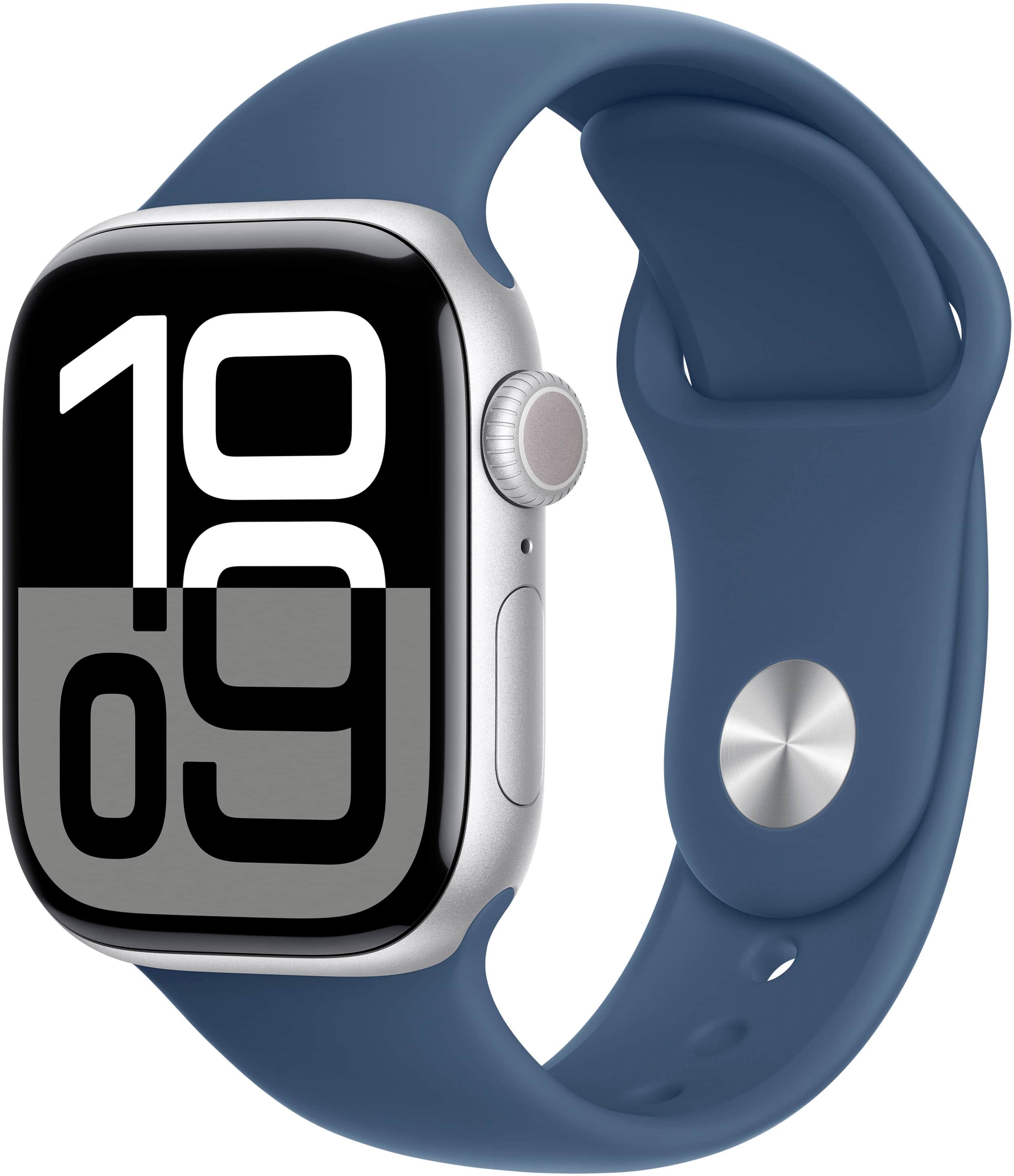
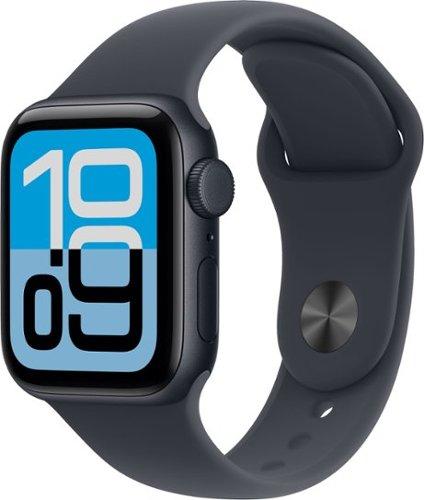
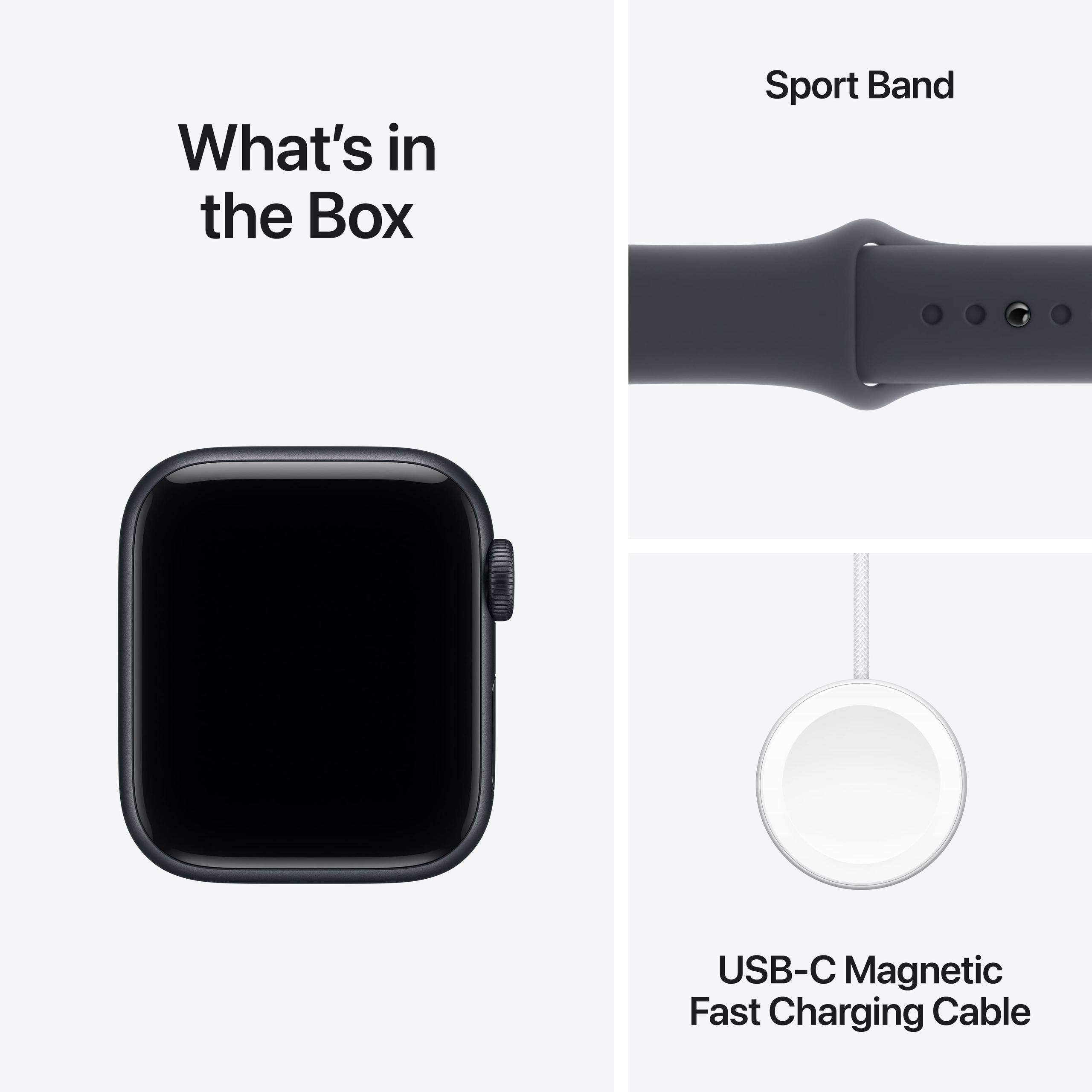
Choosing the right Apple Watch has become surprisingly complicated. Apple's 2024 Apple Watch Series 10 represented the company's flagship vision, while the 2025 Apple Watch SE 3 aimed to democratize premium smartwatch features. Both watches share more similarities than you might expect, but their differences matter enormously depending on how you plan to use your smartwatch.
After analyzing extensive user feedback and expert reviews, the choice between these two models comes down to whether you need medical-grade health sensors and are willing to pay significantly more for them. Let's break down exactly what that means for your daily experience.
Both the Series 10 and SE 3 run on Apple's S10 processor—a custom-built chip that's essentially a complete computer shrunk down to fit on your wrist. This processor includes what Apple calls a "Neural Engine," which is dedicated silicon for artificial intelligence tasks like understanding your voice commands or automatically detecting when you start working out.
The S10 represents a meaningful leap forward from earlier Apple Watch processors. It enables features like on-device Siri processing, meaning your watch can understand and respond to commands without sending data to Apple's servers. This makes interactions faster and more private, especially when you're asking about health data or personal information.
What's particularly interesting is that both watches use identical processors, which means they perform essentially the same for daily tasks like launching apps, responding to notifications, or tracking workouts. The performance differences you'll notice come from other components, particularly the display and sensors.
The most immediately noticeable difference between these watches is their screens. The Series 10's 42mm display produces a peak brightness of 2,000 nits—a measurement of how much light the screen can emit. To put that in perspective, most smartphone screens max out around 1,000-1,200 nits, while the SE 3 reaches exactly 1,000 nits.
In practical terms, this brightness difference becomes crucial when you're outdoors. Based on user reports, the Series 10 remains clearly readable even in direct summer sunlight, while the SE 3 can become difficult to see in the brightest conditions. If you're someone who exercises outdoors frequently or works outside, this brightness advantage justifies a significant portion of the Series 10's premium pricing.
The Series 10 also offers about 30% more screen real estate than the SE 3, with 989 square millimeters compared to 759. This translates to meaningfully better readability for text messages, easier interaction with small app buttons, and the ability to display more information at once on watch faces.
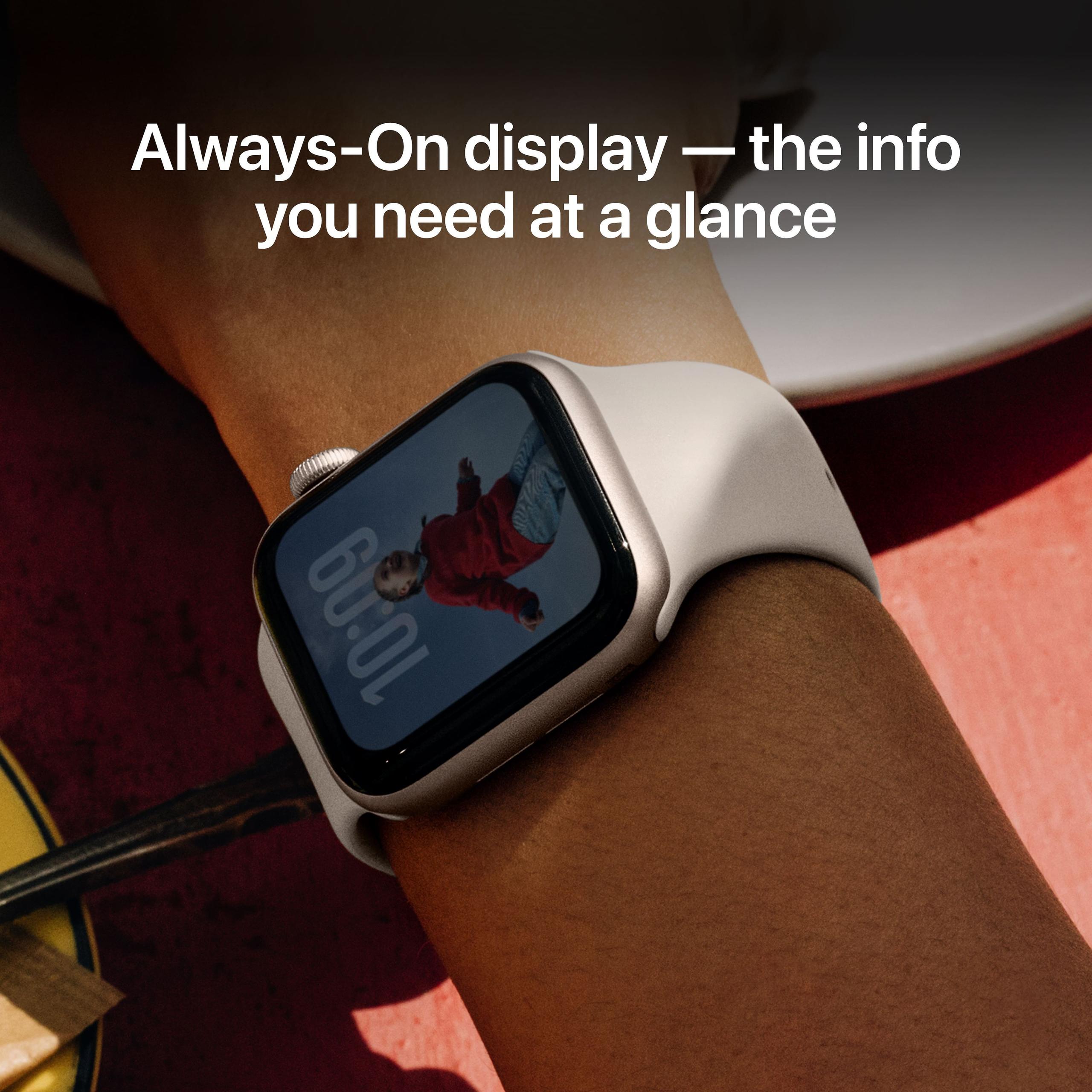
Both watches feature "Always-On" displays, meaning they show the time and basic information even when your wrist is lowered. However, the Series 10 updates its always-on display once per second, showing a smoothly moving seconds hand, while the SE 3 updates less frequently to preserve battery life.
The Series 10 uses what Apple calls "wide-angle OLED" technology, which maintains color accuracy and readability when you're not looking directly at the screen. User feedback consistently highlights this as a practical advantage—you can glance at notifications or check the time without needing to position your wrist perfectly.
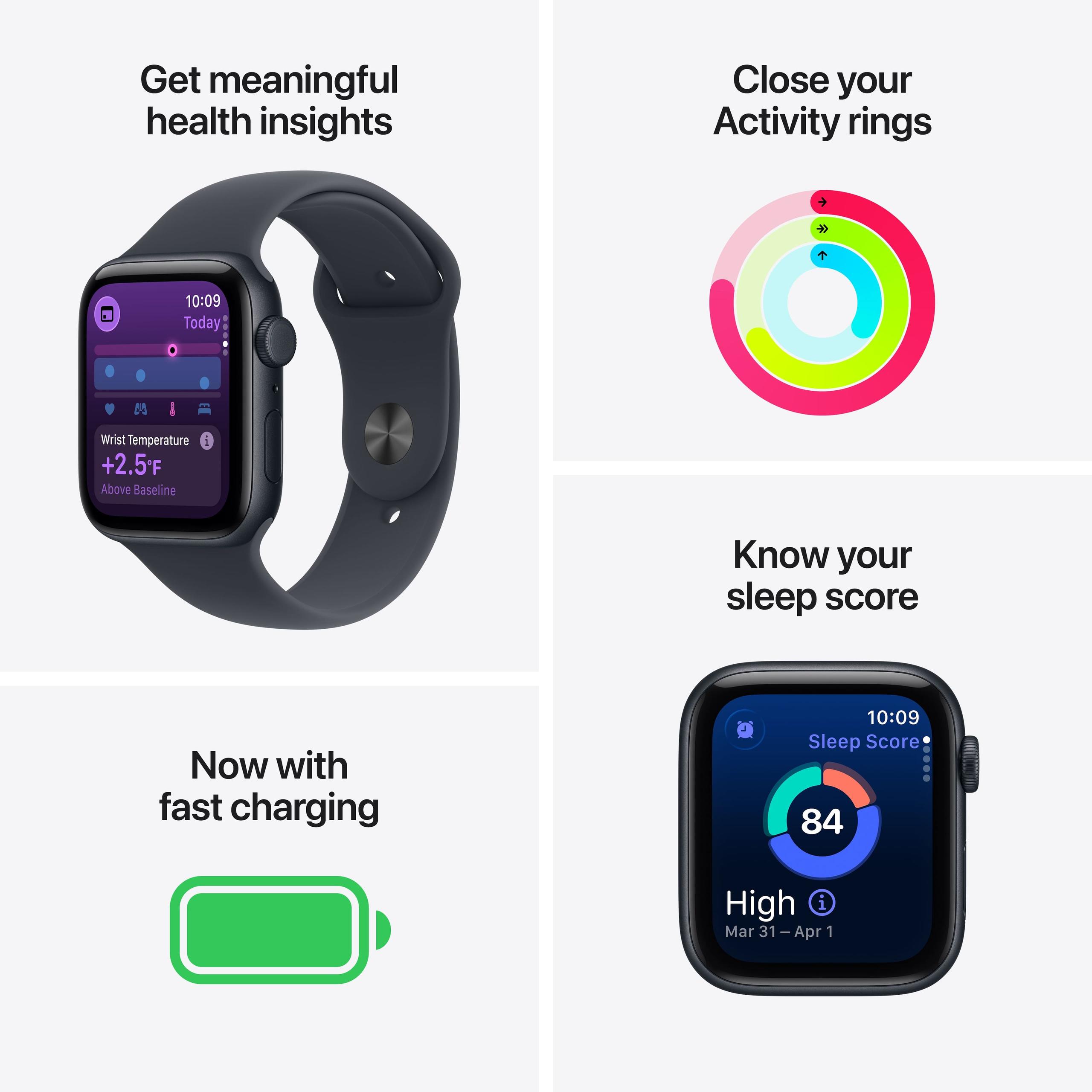
Here's where these watches diverge most significantly. The Apple Watch SE 3 includes solid health monitoring basics: optical heart rate sensing, sleep tracking with detailed sleep stage analysis, and temperature sensing for menstrual cycle tracking. These sensors work well for general fitness tracking and provide valuable health insights for most users.
The Series 10, however, includes medical-grade sensors that the SE 3 completely lacks. The ECG (electrocardiogram) sensor can detect irregular heart rhythms, particularly atrial fibrillation—a condition that affects millions of people and often goes undiagnosed. The blood oxygen sensor monitors your oxygen saturation levels, which can indicate respiratory issues or sleep disorders.
Based on user experiences shared in health forums and reviews, these sensors have genuinely helped people identify serious health conditions. The ECG feature, in particular, has prompted users to seek medical attention for heart rhythm irregularities they weren't aware of. However, it's worth noting that these are screening tools, not diagnostic devices—any concerning readings should be discussed with healthcare professionals.
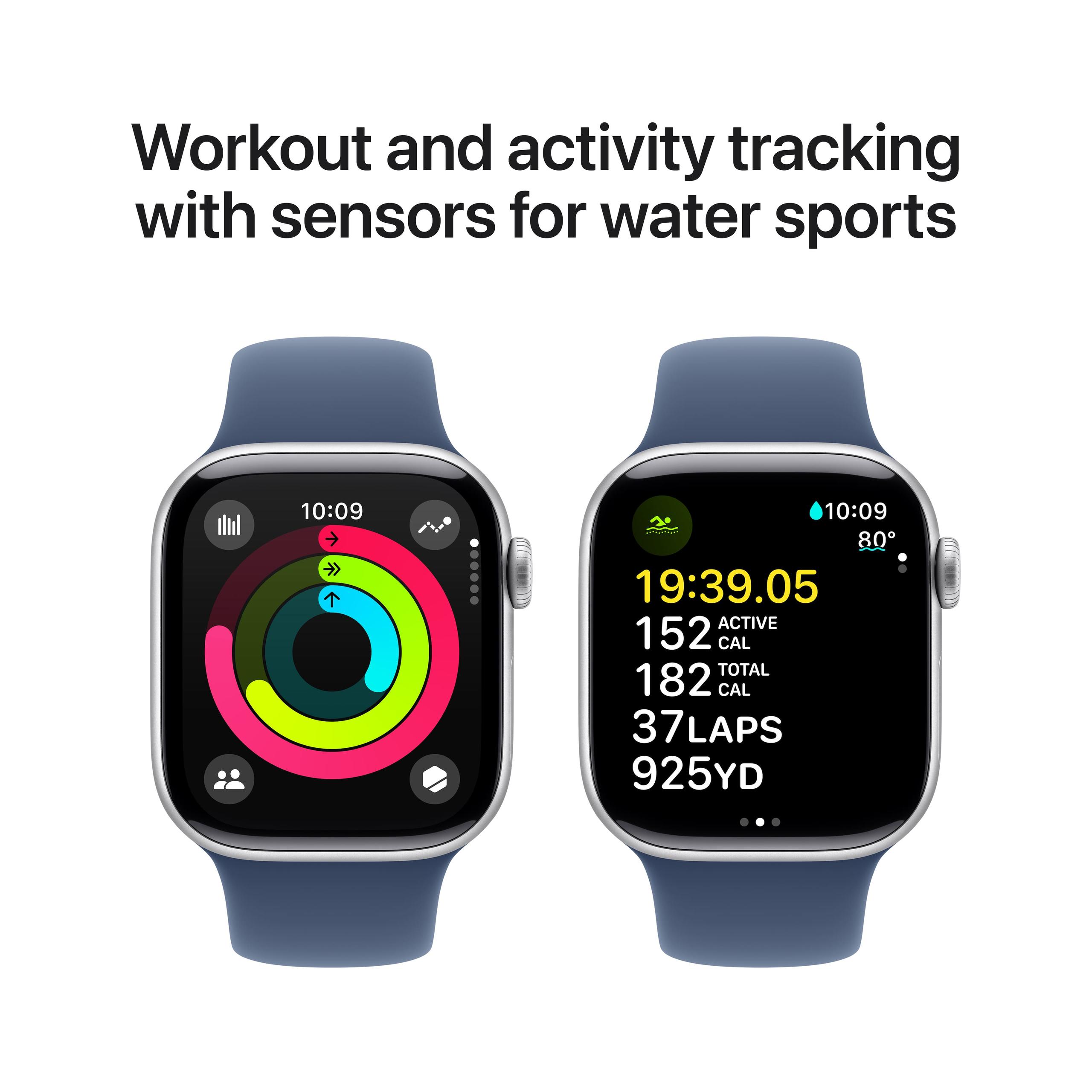
The Series 10 also includes unique sensors for water activities: a depth gauge that automatically activates when submerged (accurate up to 6 meters) and a water temperature sensor. These features transform the watch into a legitimate tool for swimming, snorkeling, and shallow diving. The Oceanic+ app, developed specifically for Apple Watch, turns the Series 10 into a basic dive computer—something impossible on the SE 3.
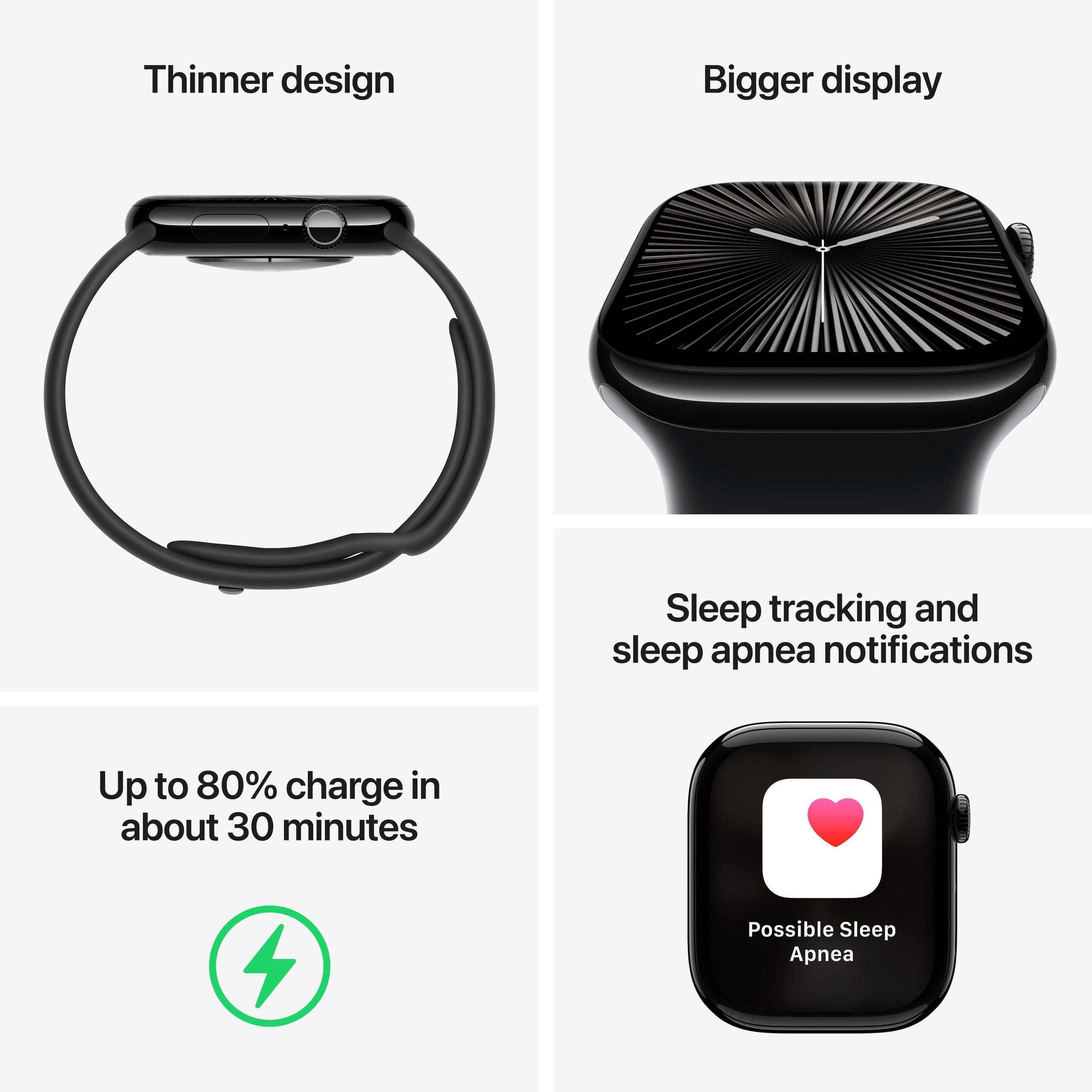
For sleep tracking, both watches now offer sleep apnea notifications, using overnight heart rate and respiratory data to identify potential breathing interruptions during sleep. This feature represents a significant advancement in consumer sleep monitoring and works identically on both models.
Apple quotes 18 hours of battery life for both watches, but real-world usage tells a different story. Based on extensive user feedback, both watches typically exceed Apple's estimates under moderate usage patterns. The Series 10 often reaches 26-30 hours, while the SE 3 manages 24-28 hours with similar settings.
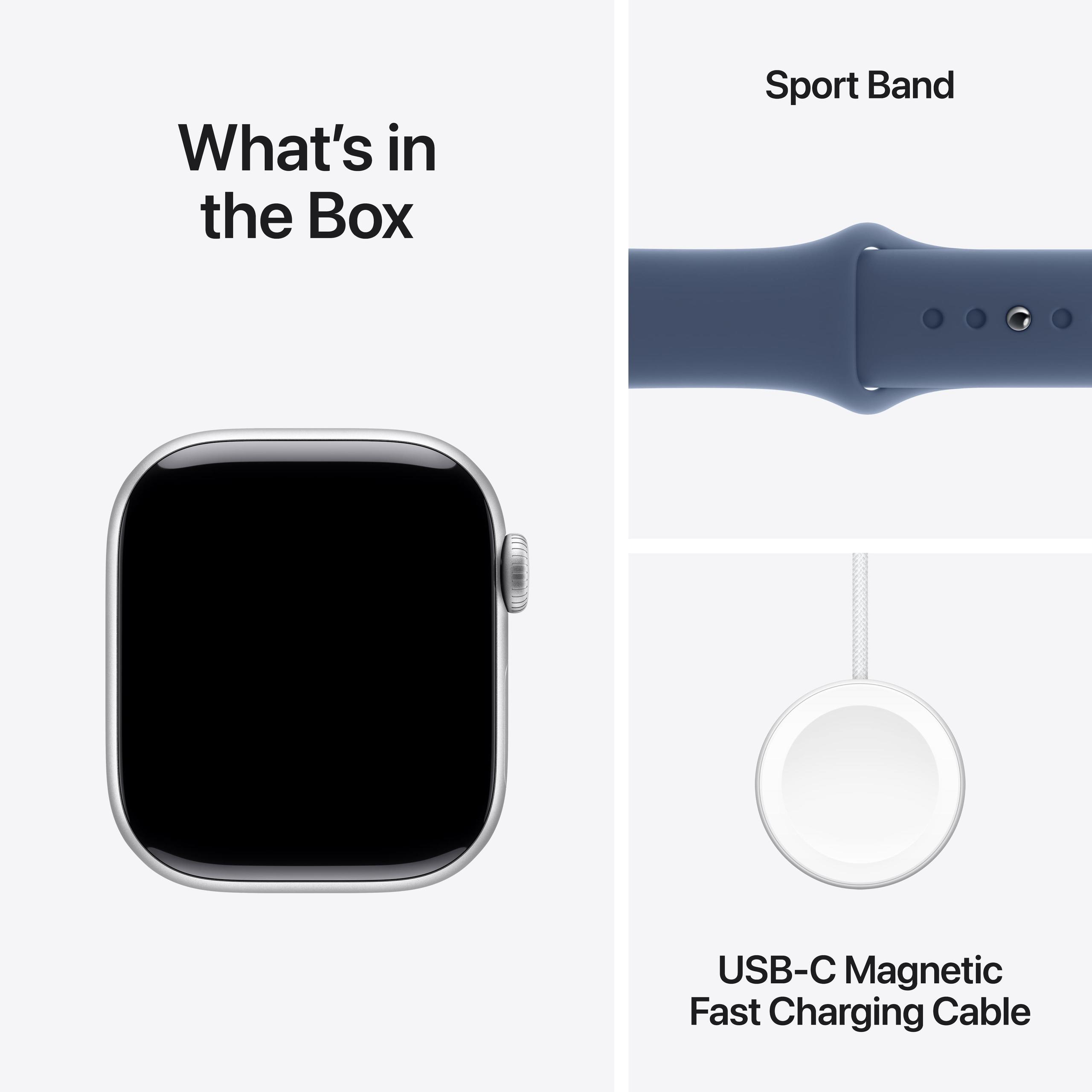
The charging experience differs meaningfully between models. The Series 10 reaches 80% charge in about 30 minutes, while the SE 3 needs 45 minutes for the same level. This 15-minute difference might seem minor, but it compounds over time. If you're someone who frequently forgets to charge overnight or has unpredictable schedules, the Series 10's faster charging reduces daily stress.
Both watches support "fast charging" for sleep tracking—15 minutes of charging provides enough power for 8 hours of sleep monitoring on the Series 10, while the SE 3 needs slightly more time for equivalent functionality.
Battery degradation over time affects both watches similarly, though the Series 10's more efficient charging system may preserve long-term battery health better. Users typically report noticeable battery capacity reduction after 2-3 years of daily use.
Both watches use recycled aluminum cases with similar overall durability, but their construction differs in meaningful ways. The Series 10 achieves Apple's thinnest watch profile ever at 9.7mm, while the SE 3 measures 10.7mm thick. This 1mm difference is surprisingly noticeable on the wrist—the Series 10 sits more flush and feels less "watch-like."
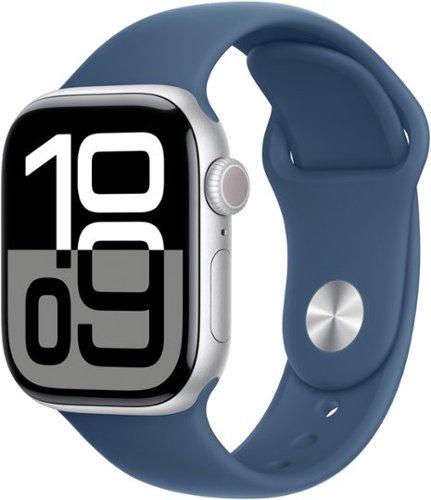
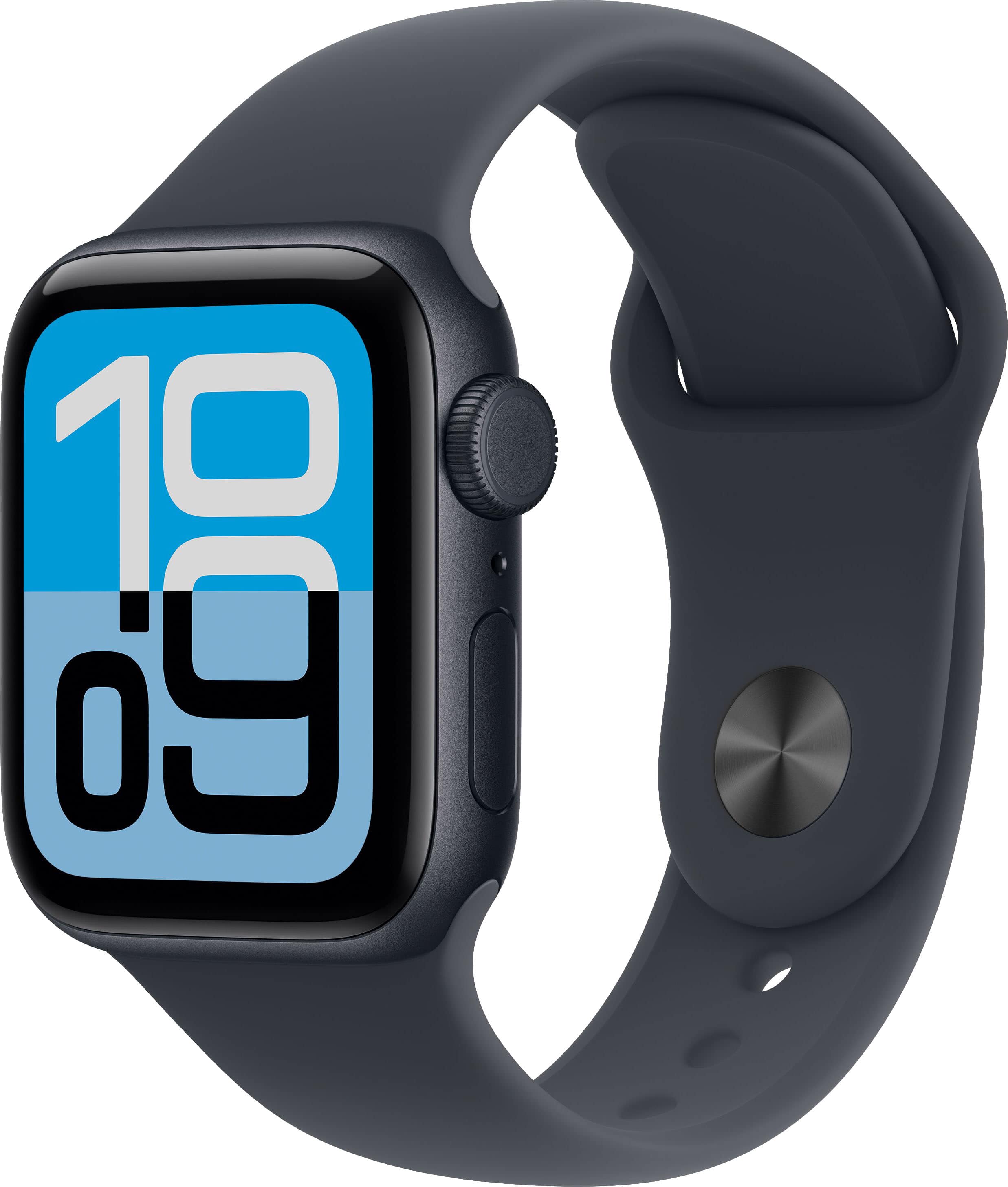
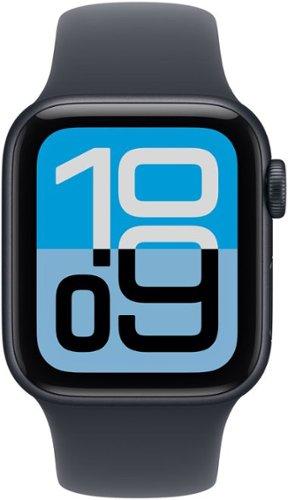
The Series 10 offers premium finish options including Jet Black, Rose Gold, and Silver, while the SE 3 is limited to Midnight and Starlight. The Jet Black finish, in particular, uses a polished, mirror-like surface that looks striking but shows fingerprints and micro-scratches more readily than other finishes.
Both watches achieve 50-meter water resistance and IP6X dust resistance, making them suitable for swimming and daily wear. The Series 10's additional water sensors enhance its aquatic capabilities, but both watches handle pool swimming and ocean activities equally well from a durability standpoint.
Size considerations matter significantly for comfort and aesthetics. The Series 10 42mm size works well for wrist circumferences between 140-200mm, while the SE 3 40mm size better suits smaller wrists (130-180mm). Weight differences are minimal—the Series 10 at 29.3 grams versus the SE 3 at 26.3 grams—but the Series 10's larger size can feel more substantial.
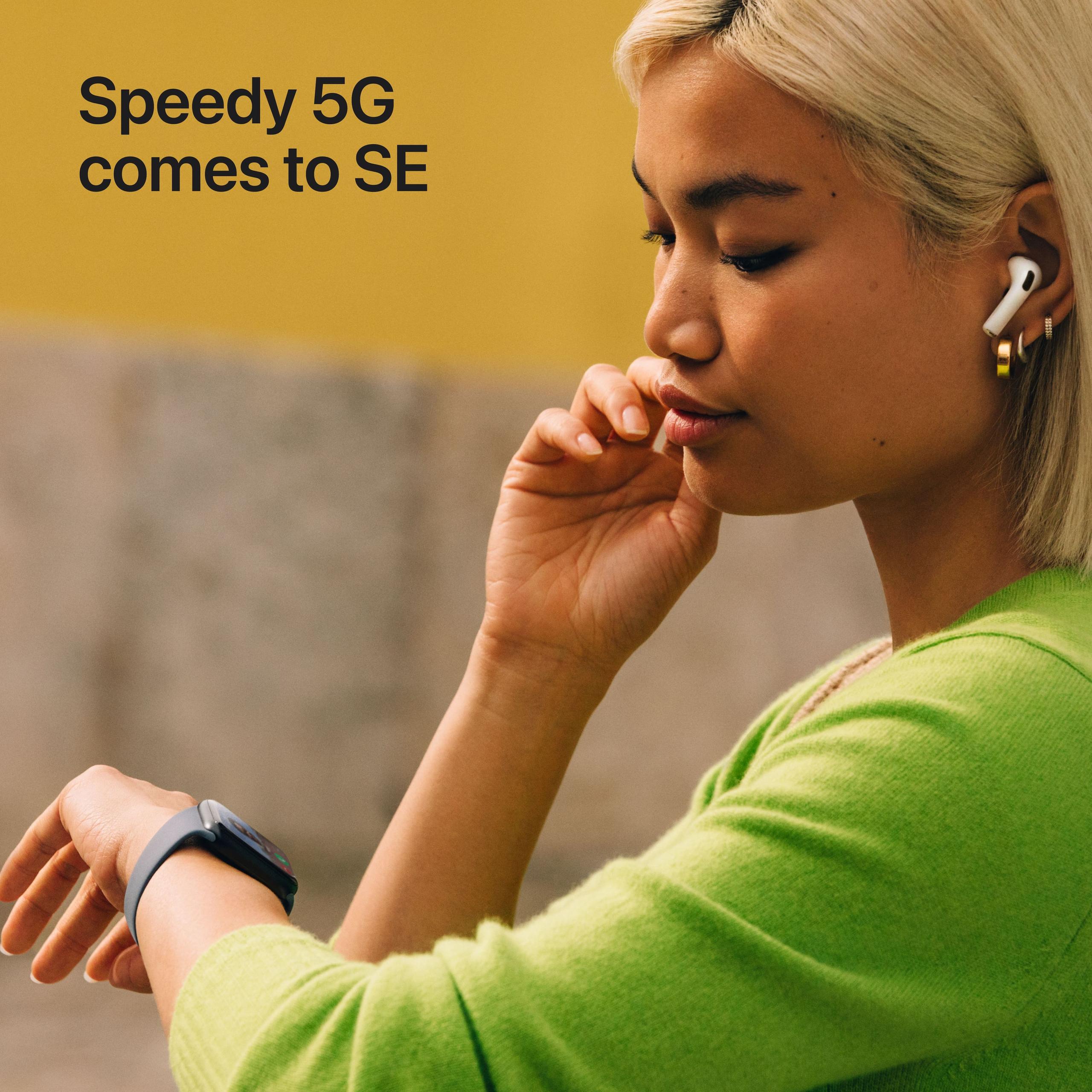
Both watches offer cellular connectivity options, enabling standalone functionality away from your iPhone. The SE 3 includes 5G support, which can provide faster download speeds in areas with robust 5G coverage, though this advantage is limited by the watch's small screen and typical usage patterns.
GPS performance is essentially identical between models, using the same satellite systems for location tracking during workouts and navigation. Neither includes the dual-band GPS found in Apple's Ultra models, which provides enhanced accuracy in challenging environments with tall buildings or dense tree cover.
The Series 10 supports more advanced water sports apps due to its specialized sensors, but both watches handle basic fitness tracking, music streaming, and communication equally well when operating independently from your phone.
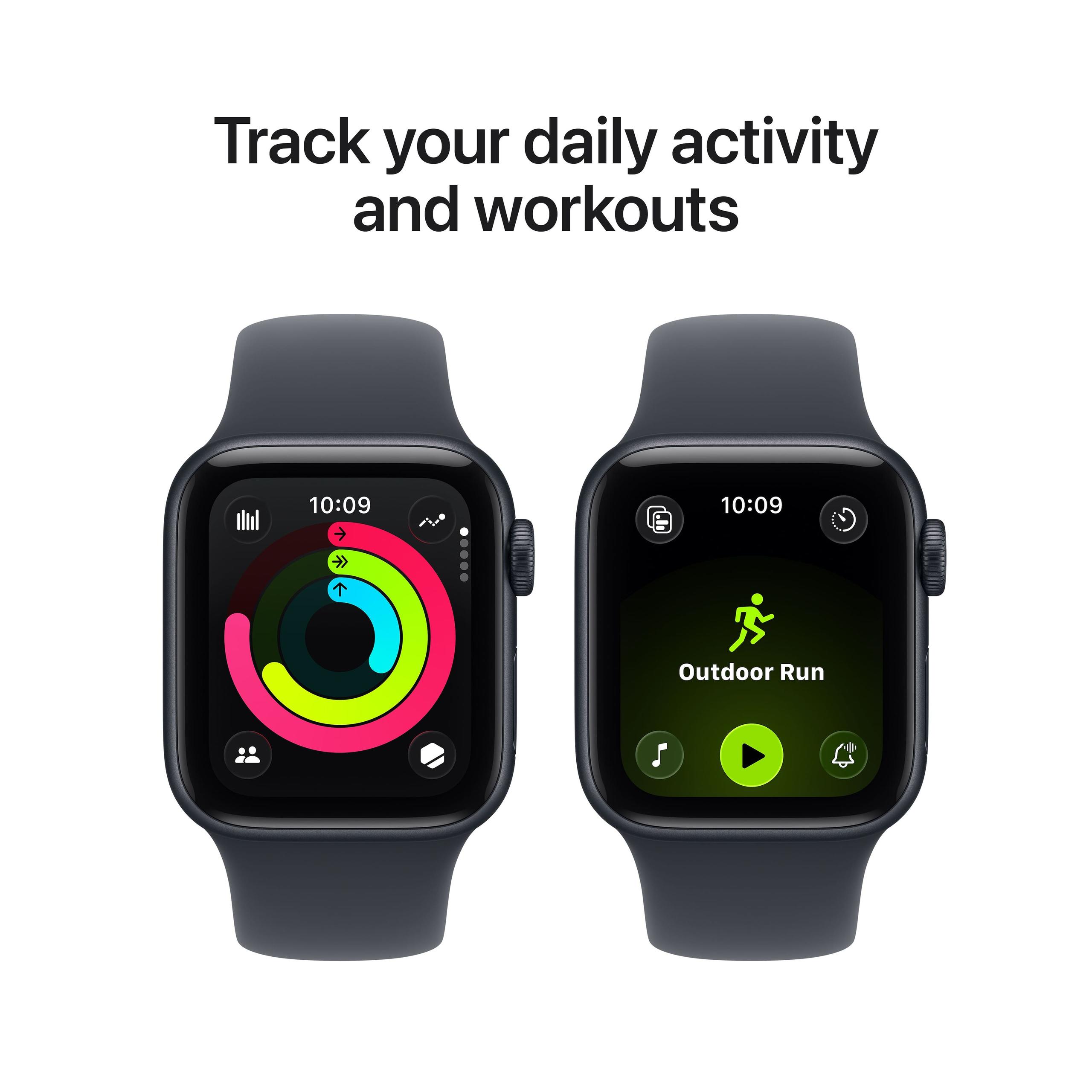
Both watches run watchOS 11 and receive identical software updates, meaning they share core features like the Vitals app (which aggregates overnight health metrics), Smart Stack suggestions, and enhanced Siri capabilities. The Series 10's additional sensors enable exclusive features, but the fundamental software experience remains similar.
Apple typically supports Apple Watches with software updates for 5-6 years after release. Given that both watches use the same S10 processor, they should receive updates for similar timeframes, making either choice viable for long-term use.
In smartwatch evaluation, certain performance characteristics matter more than others:
Display readability ranks as the most important factor since you interact with your watch dozens of times daily. The Series 10's superior brightness and larger size provide meaningful advantages for readability during workouts, outdoor activities, and quick glances.
Sensor accuracy determines the value of health and fitness data. Both watches offer excellent heart rate accuracy during exercise, with typical variance of 2-3 beats per minute compared to chest strap monitors. Sleep tracking accuracy is similarly strong on both models.
Response speed for basic interactions like launching apps or responding to notifications is essentially identical thanks to the shared S10 processor. Both watches feel snappy and responsive in daily use.
Battery consistency affects daily reliability. Both watches maintain reasonable performance throughout a full day, though heavy users (those who use cellular connectivity extensively or have always-on displays with high brightness) may need midday charging regardless of model choice.
At the time of writing, the Series 10 costs significantly more than the SE 3—typically 60-100% more depending on connectivity options and current promotions. This premium buys you medical-grade health sensors, a substantially better display, faster charging, and premium materials.
The value equation depends entirely on how you prioritize these features. If you have cardiovascular concerns, engage in serious fitness activities, or simply want the best possible smartwatch experience, the Series 10's premium feels justified based on user satisfaction reports.
For users seeking core smartwatch functionality—notifications, basic fitness tracking, Siri access, and app usage—the SE 3 delivers 90% of the experience at roughly 50-60% of the cost. This represents exceptional value in the smartwatch market.
Choose the Series 10 if you have cardiovascular health concerns that benefit from ECG monitoring, frequently exercise outdoors where maximum display brightness matters, or engage in water sports that leverage the specialized sensors. The faster charging also benefits users with unpredictable schedules who can't maintain consistent charging routines.
The Series 10 also makes sense if you plan to keep your watch for many years and want to ensure you're getting the most advanced features available, even if you don't use them immediately.
Choose the SE 3 if you're entering the Apple Watch ecosystem for the first time, prioritize value over cutting-edge features, or primarily use your watch for basic fitness tracking and notifications. The SE 3's performance for daily smartwatch tasks matches the Series 10, making the premium difficult to justify unless you specifically need the advanced sensors.
The SE 3 is particularly compelling for users who prefer smaller watches, as the 40mm size offers a more refined aesthetic on smaller wrists while maintaining full functionality.
Based on user feedback analysis, most people find the SE 3 meets or exceeds their smartwatch needs, while Series 10 buyers appreciate the premium features but acknowledge that many could achieve similar satisfaction with the less expensive option.
The decision ultimately comes down to whether the Series 10's medical sensors and display advantages are worth the substantial price premium for your specific needs and usage patterns.
| Apple Watch Series 10 GPS + Cellular 42mm Aluminum | Apple Watch SE 3 40mm |
|---|---|
| Display Size & Brightness - Critical for outdoor visibility and daily usability | |
| 42mm case, 989 sq mm display area, 2000 nits peak brightness (excellent for direct sunlight) | 40mm case, 759 sq mm display area, 1000 nits peak brightness (adequate for most conditions) |
| Health Sensors - Determines medical monitoring capabilities | |
| ECG, Blood Oxygen, Temperature, Heart Rate, Depth Gauge, Water Temperature (comprehensive medical-grade monitoring) | Heart Rate, Temperature, Sleep Apnea Detection (solid fitness tracking, no medical sensors) |
| Processor & Performance - Affects speed and future software support | |
| S10 chip with 4-core Neural Engine, 64GB storage (flagship performance) | S10 chip with 4-core Neural Engine, 64GB storage (identical performance) |
| Battery Life - Real-world usage expectations | |
| Up to 18 hours normal use, 36 hours Low Power Mode (typically 26-30 hours in practice) | Up to 18 hours normal use, 32 hours Low Power Mode (typically 24-28 hours in practice) |
| Charging Speed - Daily convenience factor | |
| 80% charge in 30 minutes, 8 hours use from 15-minute charge (fastest available) | 80% charge in 45 minutes, slower than Series 10 but faster than previous SE models |
| Water Capabilities - Swimming and water sports functionality | |
| 50m water resistance + depth gauge (6m) + water temperature sensor (serious swimming/diving tool) | 50m water resistance only (suitable for swimming but no advanced water features) |
| Case Materials & Finishes - Build quality and aesthetics | |
| Aluminum case, 9.7mm thin, Jet Black/Rose Gold/Silver finishes (premium materials, thinnest Apple Watch) | Aluminum case, 10.7mm thick, Midnight/Starlight finishes only (solid build, limited color options) |
| Connectivity - Standalone usage away from iPhone | |
| GPS + Cellular with LTE/UMTS (full independence from iPhone) | GPS or GPS + Cellular options with 5G support (modern connectivity standards) |
| Target User - Who this watch suits best | |
| Health-focused users, outdoor enthusiasts, water sports participants, premium experience seekers | First-time buyers, budget-conscious users, basic fitness tracking, compact wrist preference |
| Value Proposition - Cost vs features balance | |
| Premium pricing for medical sensors, superior display, fastest charging (worth it for advanced health monitoring) | Exceptional value with 90% of flagship features at significantly lower cost (best choice for most users) |
The Apple Watch SE 3 is generally better for first-time buyers because it offers all the core smartwatch features at a more accessible price point. You'll get excellent fitness tracking, notifications, Siri, and the same S10 processor as the Apple Watch Series 10, making it easier to experience the Apple Watch ecosystem without a premium investment.
The primary differences are health sensors and display quality. The Apple Watch Series 10 includes medical-grade ECG and blood oxygen monitoring that the Apple Watch SE 3 lacks entirely. The Series 10 also features a larger, brighter display (2000 vs 1000 nits) and faster charging, while both watches share the same S10 processor for identical daily performance.
Both the Apple Watch Series 10 and Apple Watch SE 3 offer similar battery life, with Apple rating both at 18 hours of typical use. In real-world testing, the Series 10 often lasts 26-30 hours while the SE 3 manages 24-28 hours. The Series 10 charges faster (80% in 30 minutes vs 45 minutes), making it more convenient for daily use.
Both the Apple Watch Series 10 and Apple Watch SE 3 offer excellent basic fitness tracking including heart rate monitoring, sleep tracking, and workout detection. However, the Series 10 adds specialized sensors for water activities (depth gauge and water temperature) and medical-grade monitoring (ECG and blood oxygen) that serious athletes and health-conscious users may value.
The Apple Watch Series 10 is significantly better for water activities. While both watches are water-resistant to 50 meters, the Series 10 includes a depth gauge (up to 6 meters) and water temperature sensor that make it suitable for swimming, snorkeling, and shallow diving. The Apple Watch SE 3 handles basic swimming but lacks these specialized aquatic features.
Both the Apple Watch Series 10 GPS + Cellular and cellular versions of the Apple Watch SE 3 can operate independently from your iPhone for calls, messages, music streaming, and apps. The SE 3 includes 5G support for potentially faster data speeds, while both watches offer similar standalone functionality when connected to cellular networks.
The Apple Watch Series 10 has a superior display with 30% more screen area, double the peak brightness (2000 vs 1000 nits), and wide-angle OLED technology for better viewing at angles. This makes the Series 10 much more readable in direct sunlight and easier to use for text-heavy apps, while the Apple Watch SE 3 offers adequate display quality for most indoor and moderate lighting conditions.
The health monitoring upgrade depends on your needs. The Apple Watch Series 10 includes medical-grade ECG and blood oxygen sensors that can help detect heart rhythm irregularities and respiratory issues. If you have cardiovascular concerns or want comprehensive health monitoring, these features justify the premium. For basic fitness tracking, the Apple Watch SE 3 provides excellent value without the medical sensors.
The Apple Watch Series 10 charges significantly faster, reaching 80% in 30 minutes compared to 45 minutes for the Apple Watch SE 3. The Series 10 also provides 8 hours of use from just 15 minutes of charging, making it more convenient for users with unpredictable schedules or who frequently forget to charge overnight.
Yes, both the Apple Watch Series 10 and Apple Watch SE 3 run watchOS 11 and will receive the same software updates for years to come. They share the identical S10 processor, ensuring similar performance and longevity. The main software differences are features that require the Series 10's additional sensors, like ECG readings and blood oxygen monitoring.
The Apple Watch SE 3 offers exceptional value, providing about 90% of the Apple Watch Series 10's functionality at a significantly lower price. Unless you specifically need the medical sensors, superior display brightness, or fastest charging, the SE 3 delivers excellent smartwatch performance for fitness tracking, notifications, and daily use at a much more accessible price point.
The Apple Watch Series 10 comes in a 42mm size that's larger than the Apple Watch SE 3's 40mm option. The Series 10 provides more screen real estate and better readability but may feel bulkier on smaller wrists. The SE 3's compact 40mm size suits wrists from 130-180mm circumference, while the Series 10's 42mm works well for 140-200mm wrists.
We've done our best to create useful and informative comparisons to help you decide what product to buy. Our research uses advanced automated methods to create this comparison and perfection is not possible - please contact us for corrections or questions. These are the sites we've researched in the creation of this article: bestbuy.com - wareable.com - wareable.com - appleinsider.com - youtube.com - youtube.com - youtube.com - apple.com - dcrainmaker.com - dcrainmaker.com - apple.com - apple.com - forums.macrumors.com - gethegoods.com - appleinsider.com - apple.com - support.apple.com - apple.com - en.wikipedia.org - cellcom.com - youtube.com - walmart.com - youtube.com - apple.com - bestbuy.com - apple.com - youtube.com - apple.com - verizon.com - apple.com - apple.com - youtube.com - costco.com - bestbuy.com - t-mobile.com - talk.tidbits.com - support.apple.com - gci.com - att.com - appleinsider.com - apple.com - youtube.com - tomsguide.com - apple.com - apple.com - youtube.com - apple.com - bandletic.com - youtube.com - t-mobile.com - youtube.com - apple.com - att.com - support.apple.com - phonearena.com - apple.com - apple.com - forums.macrumors.com - apple.com - apple.com - tomsguide.com - apple.com

Privacy Policy
Terms and Conditions - Affiliate Policy
Home Security
© Copyright 2008-2026.
11816 Inwood Rd #1211, Dallas, TX 75244