

GPS sports watches have evolved into sophisticated training computers that do far more than just tell time. These specialized devices pack powerful satellite receivers, advanced sensors, and detailed mapping capabilities into rugged cases designed to withstand the punishment of serious athletic pursuits. Whether you're training for your first marathon or tackling multi-day ultramarathons, choosing the right GPS watch can significantly impact your training effectiveness and race-day performance.
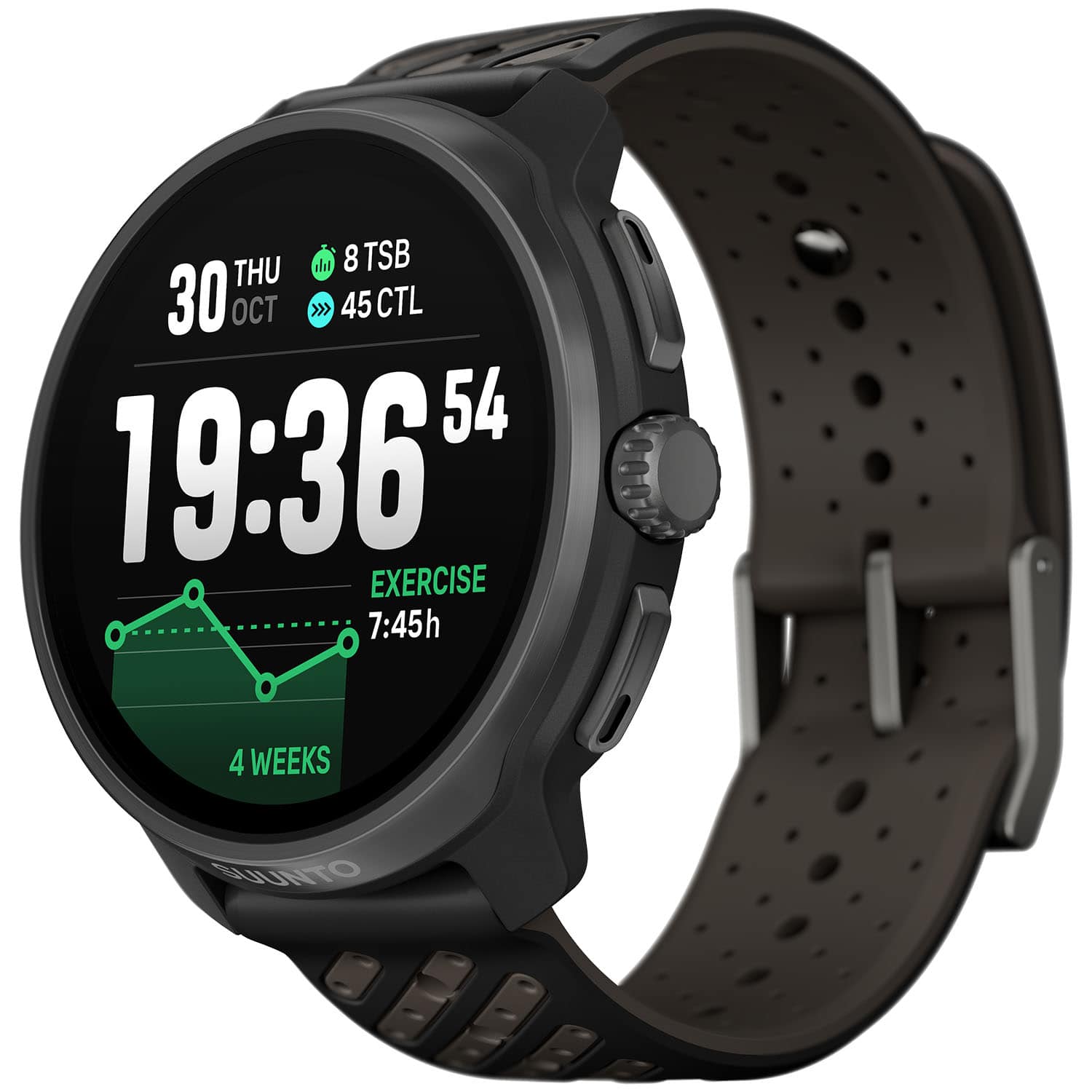
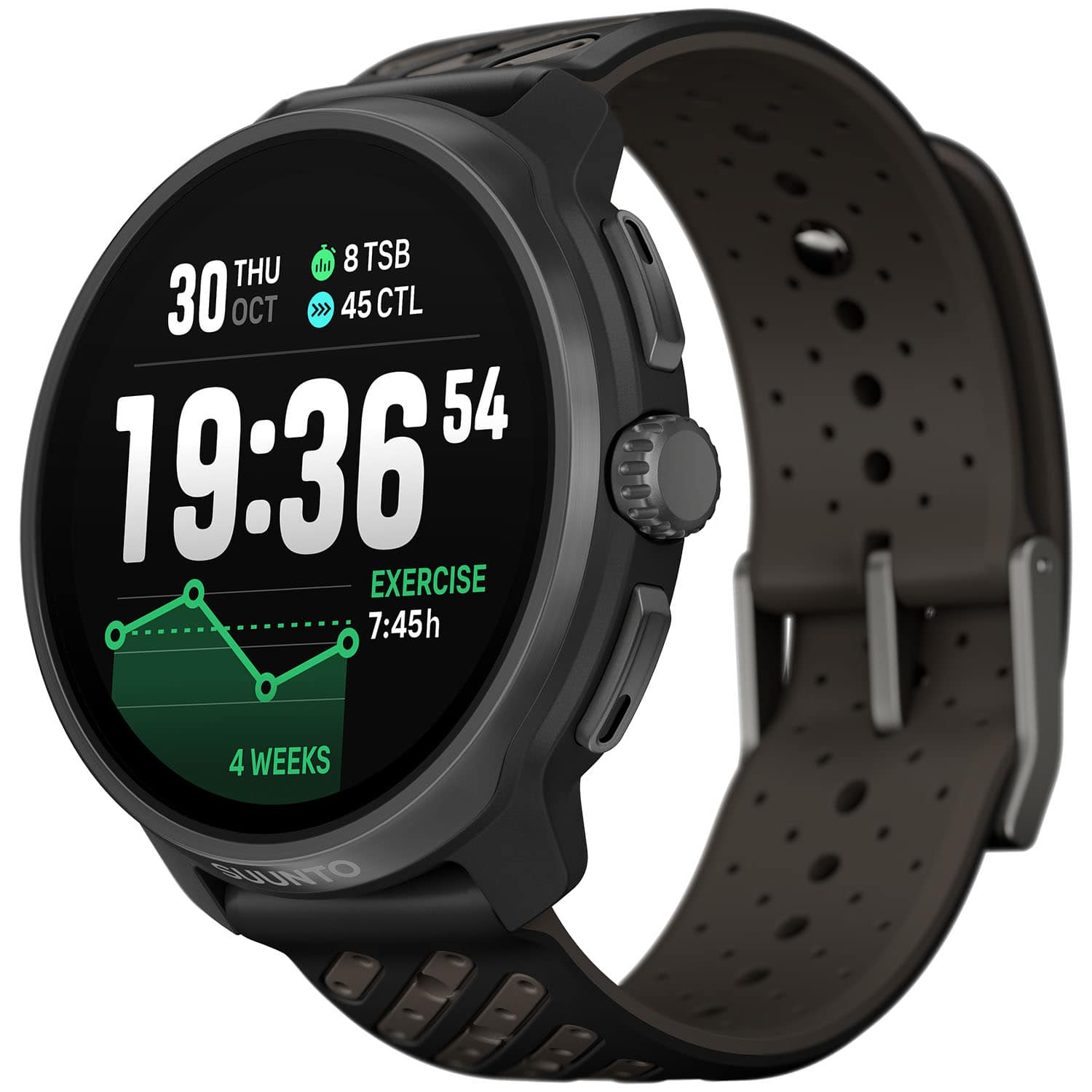
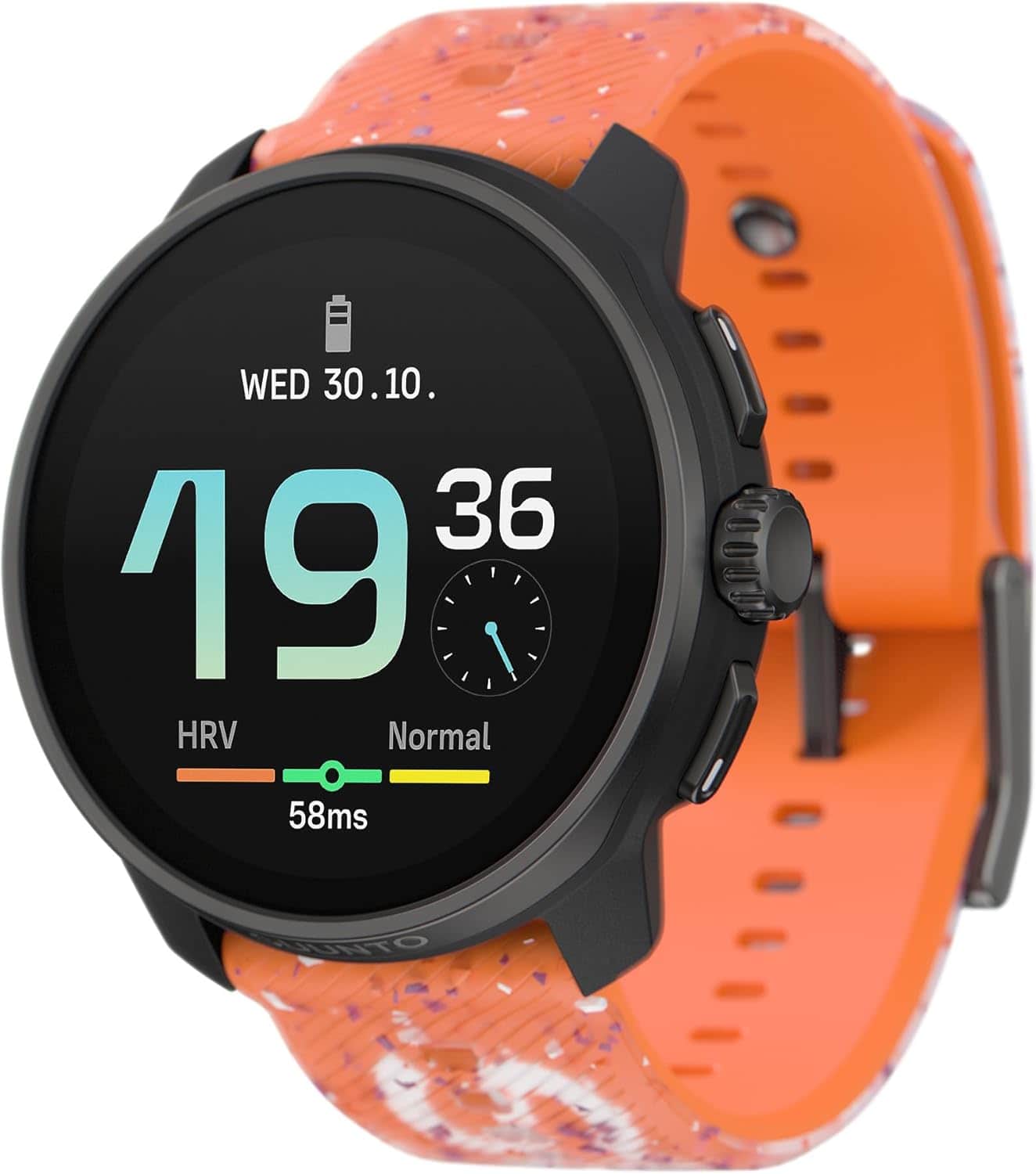
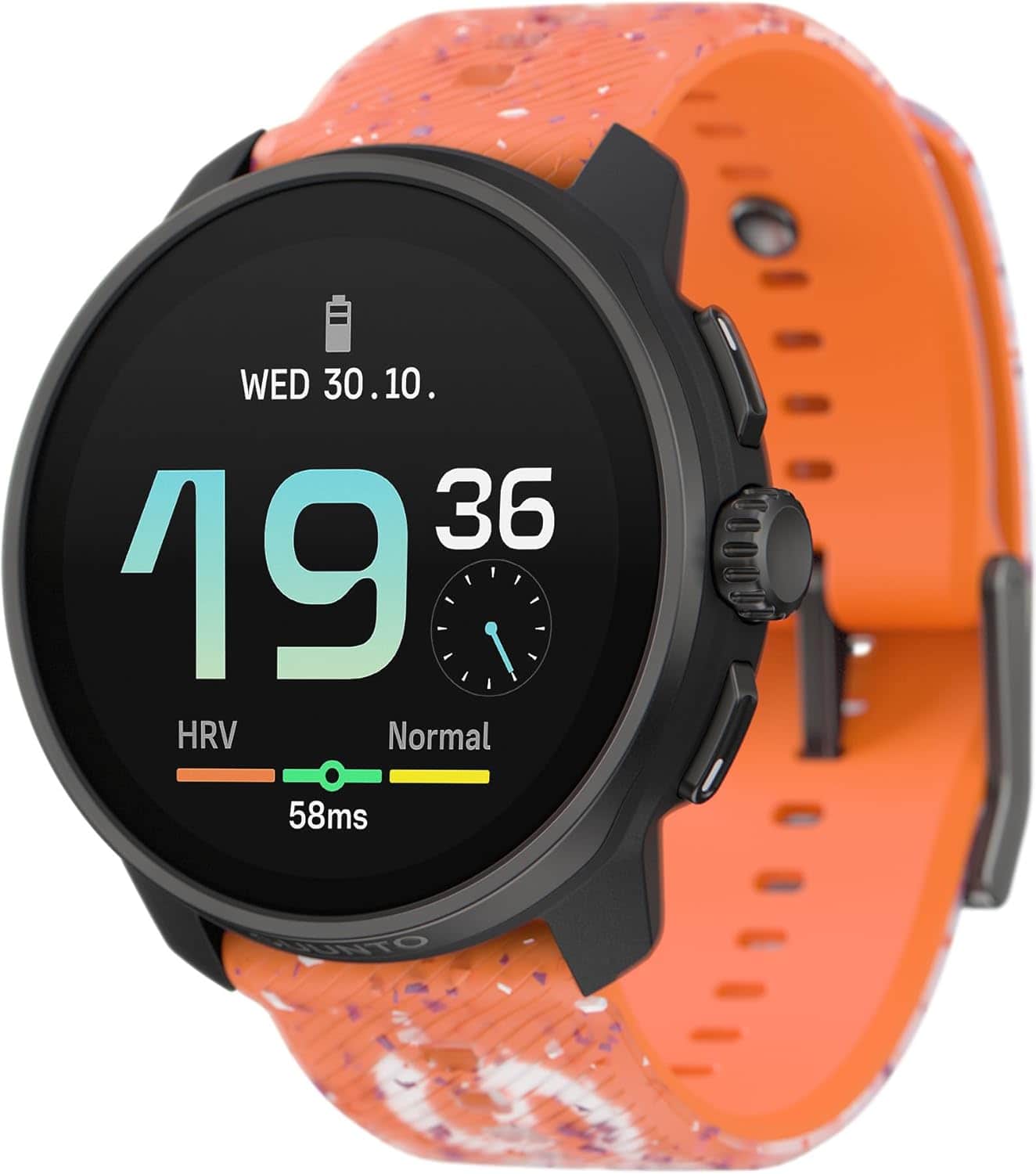
The challenge lies in navigating the increasingly crowded sports watch market, where prices range from budget-friendly options under $200 to premium models approaching $1,000. Suunto, the Finnish company with decades of experience in outdoor navigation and sports technology, offers two compelling options that represent different approaches to the same core mission: the flagship Suunto Race 2 Titanium and the value-focused Suunto Race S.
Before diving into the specifics, it's worth understanding what separates GPS sports watches from regular smartwatches or fitness trackers. These devices prioritize several key capabilities that matter most to serious athletes.
Battery endurance stands as the most critical factor. While your smartphone might last a day with GPS enabled, sports watches need to track entire marathons, century bike rides, or multi-day hiking adventures without dying. This requires specialized processors, efficient displays, and carefully optimized software that can stretch battery life to days or even weeks.
GPS accuracy determines whether your training data reflects reality. Modern sports watches use multiple satellite systems (GPS, GLONASS, GALILEO, and others) simultaneously, and the best models employ dual-frequency receivers that can maintain accuracy even in challenging environments like dense forests or urban canyons with tall buildings.
Sensor reliability affects every metric you care about. Heart rate monitoring, altitude tracking, and movement detection all rely on sensors that must perform consistently during intense exercise when your body is moving, sweating, and experiencing temperature changes.
Display visibility becomes crucial when you're squinting at your watch data during a sunny afternoon run or trying to read navigation instructions on a cloudy mountain trail. The best sports watches use bright, high-contrast displays that remain readable in any lighting condition.
These priorities often conflict with the features that make consumer smartwatches appealing. Sports watches typically sacrifice music storage, app ecosystems, and communication features in favor of extended battery life, rugged construction, and specialized training tools.
Suunto released both watches within the past few years, with the Race S arriving first as a more compact and affordable option, followed by the Race 2 Titanium in 2024 as an updated flagship. The timing reflects Suunto's strategy of offering both premium and accessible options in their AMOLED sports watch lineup.
The Race 2 Titanium represents Suunto's answer to premium competitors like Garmin's Fenix series and Apple's Watch Ultra. At the time of writing, it commands a significant premium over the Race S, reflecting its advanced materials, larger display, and extended battery capabilities.
The Race S, meanwhile, targets the sweet spot of the GPS sports watch market—offering serious training features and reliable performance at a price point that won't require a second mortgage. It competes directly with popular mid-range options from Garmin, Polar, and COROS.
Battery performance separates good GPS watches from great ones, and it's where the Race 2 Titanium demonstrates its flagship credentials most clearly. In dual-frequency GPS mode—the highest accuracy setting that uses signals from multiple satellite bands simultaneously—the Race 2 can track for up to 55 hours continuously. This isn't just marketing speak; it's the difference between finishing an ultramarathon with power to spare versus frantically enabling power-saving modes halfway through your race.
The Race S offers 30 hours of dual-frequency GPS tracking, which might sound limiting in comparison but actually covers the vast majority of athletic activities. A 30-hour window handles everything from sprint triathlons to full Ironman races, most ultramarathons, and multi-day hiking trips where you're not tracking 24/7.
For everyday smartwatch use—receiving notifications, checking the time, and monitoring daily activity—the differences become even more pronounced. The Race 2 Titanium can operate for up to 16 days between charges, while the Race S lasts about 9 days. Both figures assume normal usage without always-on display modes, which consume additional power.
The practical impact depends entirely on your training habits. If you regularly participate in ultra-endurance events, adventure races, or multi-day backcountry trips, the Race 2's extended battery life becomes essential rather than just convenient. For typical training schedules involving daily runs, weekly long sessions, and occasional races, the Race S provides adequate endurance without the premium price.
Both watches feature AMOLED displays—the same technology used in premium smartphones—but the Race 2 Titanium takes display performance to another level. Its 1.5-inch screen produces up to 2,000 nits of brightness, making it one of the brightest sports watches available. To put this in perspective, most smartphones max out around 1,000-1,200 nits, and even premium sports watches often struggle to exceed 1,500 nits.
This extreme brightness matters more than you might expect. When you're running at midday under direct sunlight, or trying to read navigation instructions while skiing on a bright, snowy slope, display visibility can mean the difference between staying on course and getting lost. The Race 2's screen remains clearly readable even in the harshest lighting conditions.
The Race S uses a slightly smaller AMOLED display that, while not as blindingly bright as its premium sibling, still offers excellent visibility in most outdoor conditions. For the majority of users, the display quality difference won't significantly impact their experience.
Material choice tells a different story. The Race 2 Titanium protects its display with sapphire crystal—the same material used in luxury watches and high-end camera lenses. Sapphire ranks 9 on the Mohs hardness scale (diamond is 10), making it virtually scratch-proof under normal use. You can scrape it against rocks, bang it against metal equipment, and brush against rough surfaces without leaving a mark.
The Race S uses Gorilla Glass, which provides good protection for everyday use but will show scratches over time, especially if you're hard on your gear. This isn't necessarily a deal-breaker—many users prefer to replace a $200-300 watch every few years rather than invest in premium materials—but it's worth considering if you plan to keep your watch for many years or use it in particularly harsh environments.
Both watches use dual-frequency GPS technology, which represents a significant advancement over older single-frequency systems. Traditional GPS receivers only listen to L1 frequency signals from satellites, while dual-frequency systems also receive L5 signals. This additional data helps the watch calculate more accurate positions, especially in challenging environments where signals might bounce off buildings or be partially blocked by tree coverage.
The practical difference between the two watches' GPS accuracy is minimal in most situations. Both support the same satellite systems (GPS, GLONASS, GALILEO, QZSS, and BEIDOU) and can connect to up to 32 satellites simultaneously. In testing by professional reviewers and user reports, both watches typically stay within acceptable margins of error—usually less than 10% difference from known distances over typical training routes.
The Race 2 Titanium does benefit from a newer GPS chipset and more powerful processor, which can result in faster satellite acquisition when you first start tracking and potentially better performance in extremely challenging conditions. However, for typical running, cycling, and hiking activities, both watches deliver reliable, accurate tracking that you can trust for training and racing.
Heart rate accuracy has historically been a weakness for Suunto watches, but both current models show significant improvements. The Race S doubled the number of LEDs in its optical heart rate sensor compared to earlier Suunto models and implemented improved algorithms for better accuracy during steady-state exercise.
The Race 2 Titanium goes further with a completely redesigned sensor system. Suunto identified heart rate accuracy as a key area for improvement and invested heavily in new sensor technology and algorithms. While it may not match the best chest strap monitors for absolute precision, it performs well enough for the vast majority of training scenarios.
Both watches handle steady-state activities—like tempo runs or zone 2 cycling—quite well. They struggle more with rapid heart rate changes during interval training or high-intensity efforts, which is common among all wrist-based optical sensors. If you need the highest possible heart rate accuracy for specific training protocols, both watches can pair with external chest strap monitors via Bluetooth.
The sensors also track heart rate variability (HRV), which provides insights into recovery and training readiness. This feature requires consistent overnight wear and several weeks of data collection to become useful, but it's becoming increasingly important for athletes who want to optimize their training load and recovery.
Modern GPS sports watches have evolved into capable navigation devices, and both Suunto models offer impressive mapping capabilities. They include detailed offline topographic maps that work without cell phone coverage—essential for backcountry adventures where you can't rely on smartphone navigation.
The mapping experience differs subtly between the models. The Race 2 Titanium supports voice guidance when paired with Suunto's Wing 2 headset, allowing you to receive turn-by-turn directions without looking at your watch. This proves particularly valuable during cycling or when you need to keep your hands free for technical terrain.
Both watches support route planning through the Suunto app or by importing routes from platforms like Komoot and Strava. They provide turn-by-turn navigation with breadcrumb trails, and if you veer off course, they'll guide you back to your planned route or help you navigate back to your starting point.
The ClimbGuide feature deserves special mention—it provides advance warnings about upcoming climbs during your activity, similar to Garmin's ClimbPro feature. This helps you pace appropriately for challenging terrain and adds valuable context during long rides or runs with significant elevation changes.
The construction differences between these watches reflect their different target markets and price points. The Race 2 Titanium uses Grade 5 titanium for its bezel, the same aerospace-grade material found in aircraft components and high-end bicycle frames. Titanium offers an exceptional strength-to-weight ratio—it's stronger than steel but significantly lighter, and it won't corrode or tarnish over time.
Despite housing a larger display, the Race 2 actually weighs less than many competing watches thanks to its titanium construction and optimized design. At just 65 grams with the silicone strap, it feels substantial enough to convey quality but light enough for comfortable all-day wear.
The Race S takes a different approach, prioritizing compact size and multiple material options. The titanium version weighs just 53 grams—exceptionally light for any watch, let alone one packed with GPS and sensor technology. The stainless steel version weighs 60 grams and costs less, making it accessible to budget-conscious buyers.
Water resistance ratings tell another story. The Race 2 Titanium carries a 100-meter rating, making it suitable for recreational diving and extended water sports. The Race S is rated to 50 meters, which handles swimming and water sports but limits diving activities.
For most users, 50-meter water resistance proves perfectly adequate. You can wear the Race S while swimming laps, during open water swims, or in the shower without concern. The 100-meter rating of the Race 2 only becomes necessary if you plan to take your watch diving or engage in high-impact water sports where pressure might exceed normal swimming conditions.
Neither Suunto watch tries to compete with full-featured smartwatches like the Apple Watch or Samsung Galaxy Watch. They focus on sports and outdoor activities, which means accepting limitations in smart features that some users might find frustrating.
Both watches handle basic smartphone notifications—texts, calls, and app alerts—but you can't respond to messages or answer calls directly from the watch. They control music playback on your phone but don't store music locally, so you'll need your phone with you for audio entertainment during workouts.
Payment capabilities, which have become standard on many smartwatches, are absent from both models. You also won't find voice assistants, extensive app ecosystems, or the deep smartphone integration that defines consumer smartwatches.
This focus on core functionality rather than smart features reflects Suunto's philosophy: build the best possible sports tracking device rather than trying to be everything to everyone. Whether this trade-off works for you depends on your priorities and whether you're willing to carry both a sports watch and a smartphone for comprehensive functionality.
At the time of writing, the Race 2 Titanium commands a significant premium over the Race S—roughly 70% more expensive. This price difference reflects real technological and material advantages, but it also raises questions about value for different types of users.
The Race 2 Titanium justifies its premium pricing for serious endurance athletes, professionals, and users who prioritize the absolute best performance and materials. If you regularly participate in ultra-endurance events, work as a guide or instructor, or simply want the most capable sports watch available, the additional cost becomes an investment in reliability and capability.
The Race S delivers exceptional value by providing about 80% of the flagship's functionality at a substantially lower price. For recreational athletes, weekend warriors, and users who want excellent GPS tracking without premium pricing, it represents one of the best values in the current sports watch market.
Consider your actual usage patterns when evaluating value. If most of your activities last less than 10 hours, if you primarily run or cycle on established routes, and if you don't need extreme durability, the Race S will serve you just as well as its more expensive sibling.
Choose the Race 2 Titanium if ultra-endurance activities define your training, if you need maximum battery life for multi-day adventures, if you prioritize premium materials and construction, or if you want the brightest, most readable display available. Its 100-meter water resistance makes it essential for diving or serious water sports, and the advanced heart rate sensor provides the best tracking accuracy Suunto offers.
The Race 2 also makes sense if you plan to keep your watch for many years. The sapphire crystal display will look new after years of use, the titanium construction won't show wear, and the more powerful processor should handle software updates better over time.
Choose the Race S if you want excellent sports tracking features without premium pricing, if you prefer a more compact and lighter design, if your activities typically last less than 30 hours, or if you value exceptional price-to-performance ratio. The 50-meter water resistance handles all typical swimming and water sports, and the display, while not as bright as the flagship model, remains clearly readable in most conditions.
The Race S particularly appeals to users with smaller wrists, those who prioritize comfort over maximum capability, and athletes who want to upgrade from basic fitness trackers or older sports watches without making a major financial commitment.
Both watches deliver the core experience that makes GPS sports watches valuable: reliable tracking, long battery life, and rugged construction. The choice comes down to whether you need the ultimate capability or prefer optimized value. For most users, the Race S provides everything they need and more, while the Race 2 Titanium serves those who demand the absolute best performance and are willing to pay for it.
In the end, both watches represent Suunto's commitment to building tools for serious athletes rather than lifestyle accessories. They'll track your training accurately, survive harsh conditions, and provide the data you need to improve your performance—the fundamental promise of any good sports watch.
| Suunto Race 2 Titanium | Suunto Race S |
|---|---|
| Case Size & Weight - Critical for comfort and wearability | |
| 49mm case, 65g with strap (titanium construction) | 45mm case, 53g titanium / 60g steel (more compact) |
| Display - Key for outdoor visibility and data readability | |
| 1.5" AMOLED, 2,000 nits brightness, sapphire crystal | 1.32" AMOLED, standard brightness, Gorilla Glass |
| GPS Battery Life - Most important for endurance activities | |
| 55 hours dual-frequency mode (industry-leading) | 30 hours dual-frequency mode (covers most activities) |
| Smartwatch Battery - Affects daily charging routine | |
| 16 days normal use | 9 days normal use |
| Water Resistance - Determines swimming and diving capability | |
| 100m (suitable for diving and serious water sports) | 50m (swimming and casual water activities only) |
| Heart Rate Sensor - Critical for training accuracy | |
| Completely redesigned sensor with advanced algorithms | Upgraded sensor with double LED count vs original |
| Build Materials - Affects durability and scratch resistance | |
| Grade 5 titanium bezel, sapphire crystal (premium) | Stainless steel bezel, Gorilla Glass (good protection) |
| GPS Technology - Both excellent for tracking accuracy | |
| Dual-frequency with newer chipset optimization | Dual-frequency with reliable performance |
| Navigation Features - Important for outdoor adventures | |
| Voice guidance, waypoint navigation, advanced mapping | ClimbGuide, offline maps, route import support |
| Processor & Performance - Affects responsiveness and future updates | |
| New MCU with 2x speed, increased memory | Previous generation processor, standard memory |
| Value Proposition - Price vs features consideration | |
| Premium pricing for ultimate performance and materials | Exceptional value with 80% of flagship features |
The primary difference is that the Suunto Race 2 Titanium is a premium flagship model with extended battery life (55 hours GPS), titanium construction, and a brighter display, while the Suunto Race S is a more compact, value-focused option with 30 hours GPS battery life and excellent features at a lower price point.
The Suunto Race 2 Titanium offers superior battery life with 55 hours of dual-frequency GPS tracking and 16 days in smartwatch mode, compared to the Suunto Race S which provides 30 hours GPS tracking and 9 days smartwatch use. Both are excellent for their respective price categories.
Yes, the Suunto Race S is excellent for marathon training with its 30-hour GPS battery life, accurate dual-frequency tracking, and comprehensive training features. Unless you're doing ultra-marathons or multi-day events, the Race S provides everything most runners need.
The Suunto Race 2 Titanium is better for serious water activities with 100m water resistance suitable for diving, while the Suunto Race S offers 50m resistance that's perfect for swimming laps and casual water sports but not diving.
Yes, both the Suunto Race 2 Titanium and Suunto Race S use the same dual-frequency GPS technology with similar accuracy levels. The Race 2 Titanium has a slightly newer chipset, but both deliver reliable tracking for training and racing.
The Suunto Race 2 Titanium is more durable with its titanium construction and sapphire crystal display that's virtually scratch-proof. The Suunto Race S uses Gorilla Glass and stainless steel, which offers good protection but may show wear over time with heavy use.
The Suunto Race S features a 45mm case that's ideal for smaller wrists and those preferring lighter watches (53-60g), while the Race 2 Titanium has a 49mm case. Both display sizes are perfectly readable, with the Race S actually preferred by many users for comfort.
Neither the Suunto Race 2 Titanium nor Suunto Race S offers music storage or contactless payments. Both focus on sports tracking rather than smartwatch features, though they do provide music controls for your connected phone.
The Suunto Race S provides exceptional value for recreational athletes, offering about 80% of the Race 2 Titanium's functionality at a significantly lower price. Unless you need extended battery life or premium materials, the Race S is the smarter choice.
For daily smartwatch use, the Suunto Race 2 Titanium lasts up to 16 days while the Suunto Race S provides 9 days. Both charge quickly (about 1 hour) and offer excellent battery performance compared to most smartwatches.
The Suunto Race 2 Titanium is designed for ultra-endurance with its 55-hour GPS battery life, making it ideal for ultra-marathons, adventure races, and multi-day activities. The Race S with 30 hours GPS is better suited for shorter endurance events.
The Suunto Race 2 Titanium features a completely redesigned heart rate sensor with advanced algorithms for better accuracy, while the Suunto Race S has an improved sensor with double the LED count of previous models. Both are significantly better than older Suunto watches, with the Race 2 having a slight edge.
We've done our best to create useful and informative comparisons to help you decide what product to buy. Our research uses advanced automated methods to create this comparison and perfection is not possible - please contact us for corrections or questions. These are the sites we've researched in the creation of this article: the5krunner.com - tomsguide.com - androidcentral.com - tomsguide.com - youtube.com - wareable.com - youtube.com - youtube.com - dcrainmaker.com - nsmb.com - gpstraining.co.uk - triathlete.com - us.suunto.com - youtube.com - us.suunto.com - youtube.com - suunto.com - apac.suunto.com - techradar.com - trackbetter.com - trackbetter.com - runnersworld.com - alastairrunning.com - youtube.com - feedthehabit.com - outdoorgearlab.com - irunfar.com - youtube.com - forum.suunto.com - youtube.com - dcrainmaker.com - youtube.com - youtube.com - grittyrunners.co.uk - youtube.com - us.suunto.com - us.suunto.com - youtube.com - playbetter.com - us.suunto.com - suunto.com - suunto.com - suunto.com - bestbuy.com - trackbetter.com - watchard.com

Privacy Policy
Terms and Conditions - Affiliate Policy
Home Security
© Copyright 2008-2026.
11816 Inwood Rd #1211, Dallas, TX 75244