

When you're shopping for a high-end smartwatch, you might find yourself comparing the Apple Watch Series 10 with something like the Garmin Descent Mk3. While both devices sit on your wrist and claim to be "smartwatches," they're actually solving completely different problems. One is designed to be your daily digital companion, while the other is built to keep you alive underwater.
The smartwatch market has evolved into distinct segments since Apple first launched the Apple Watch in 2015. The Apple Watch Series 10, released in 2024, represents the mainstream consumer approach—a device designed to seamlessly extend your smartphone's capabilities to your wrist. It prioritizes communication, health monitoring, and integration with your digital life.
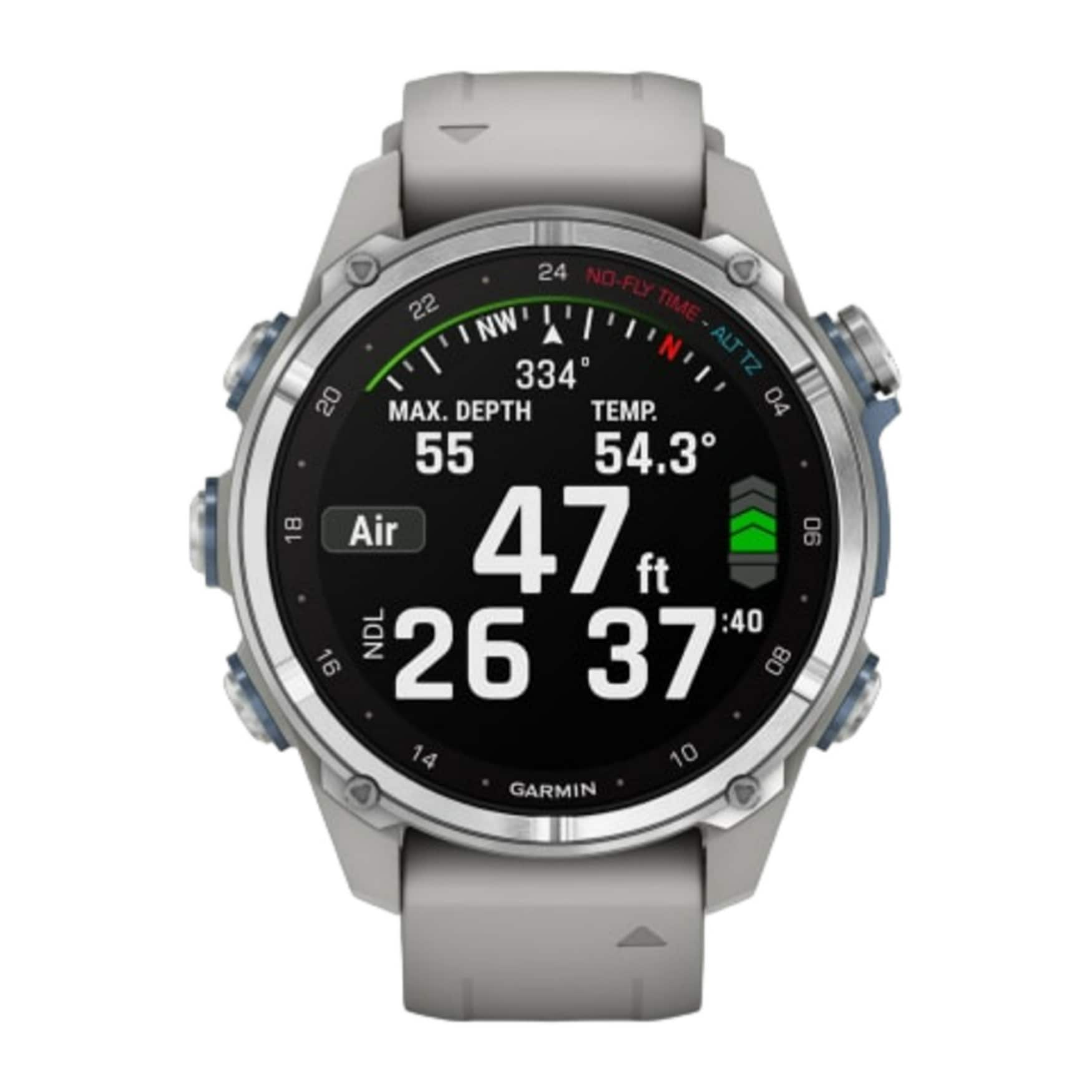
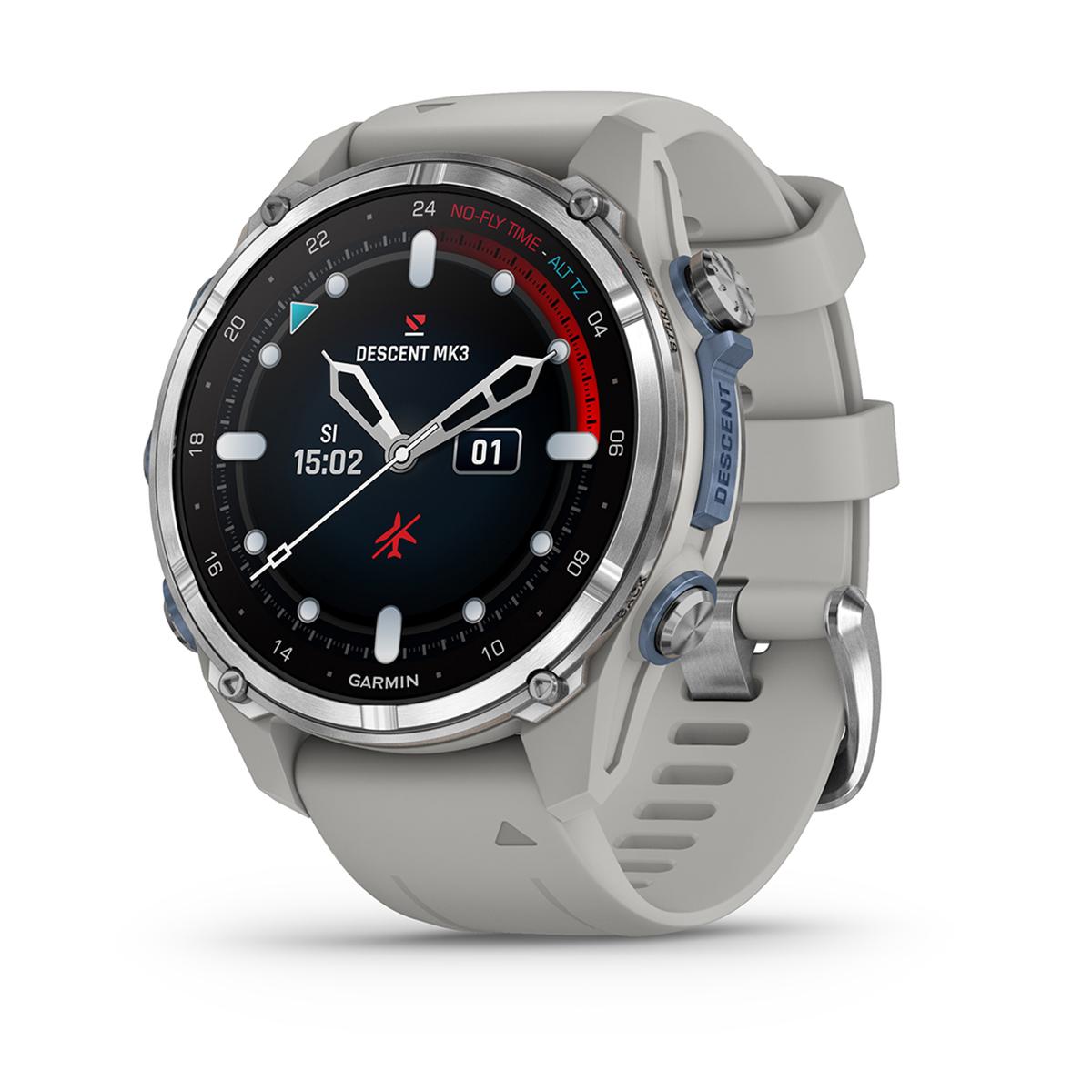
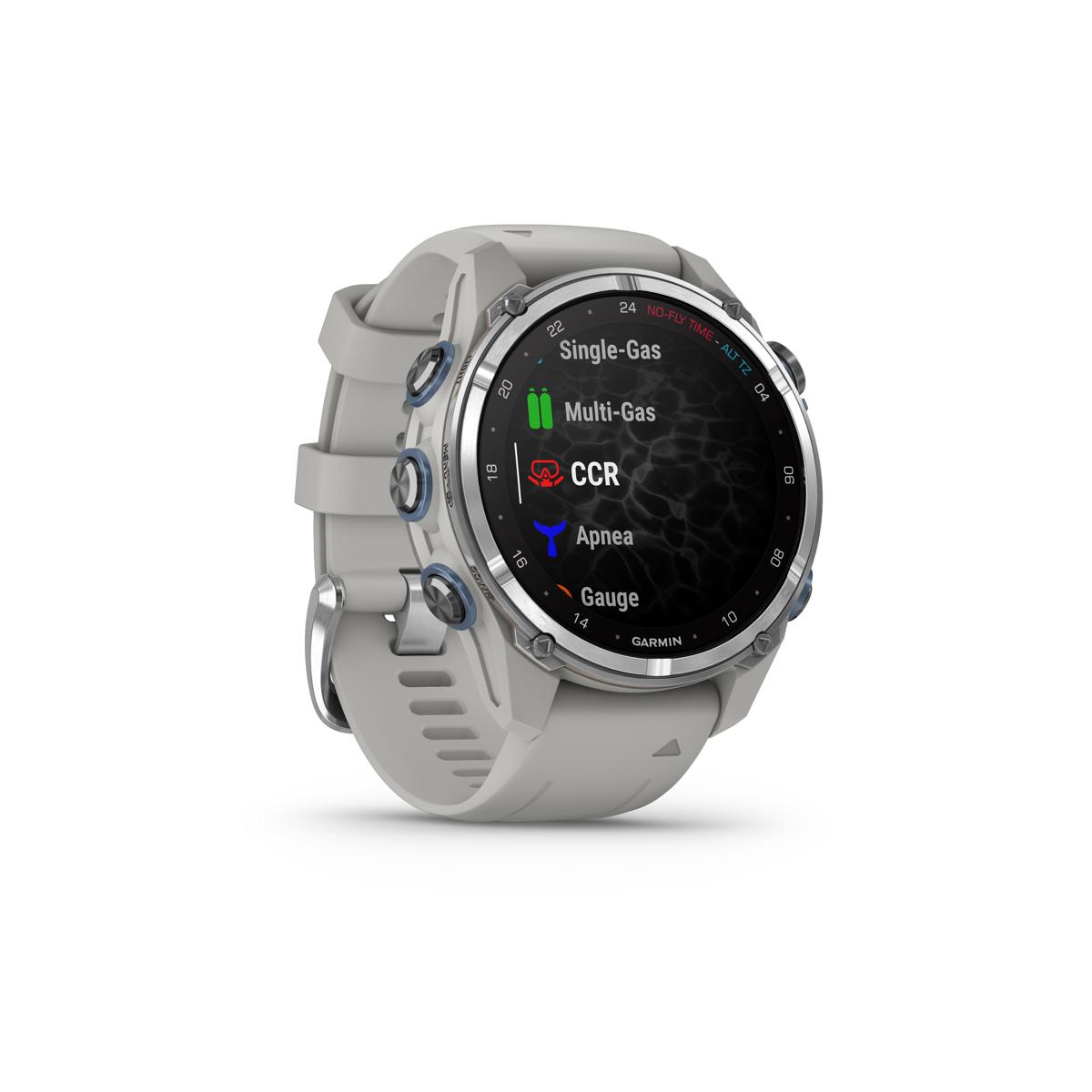
The Garmin Descent Mk3, also released in 2024, takes a fundamentally different approach. It's primarily a professional dive computer that happens to have smartwatch features bolted on. This isn't just marketing speak—the core algorithms and safety systems are designed around keeping divers safe at depths up to 200 meters (about 650 feet).
Think of it this way: if you lost your phone for a day, the Apple Watch would feel pretty limited. But if you were planning a technical dive to 100 feet, the Garmin would function perfectly well without any connected device at all.
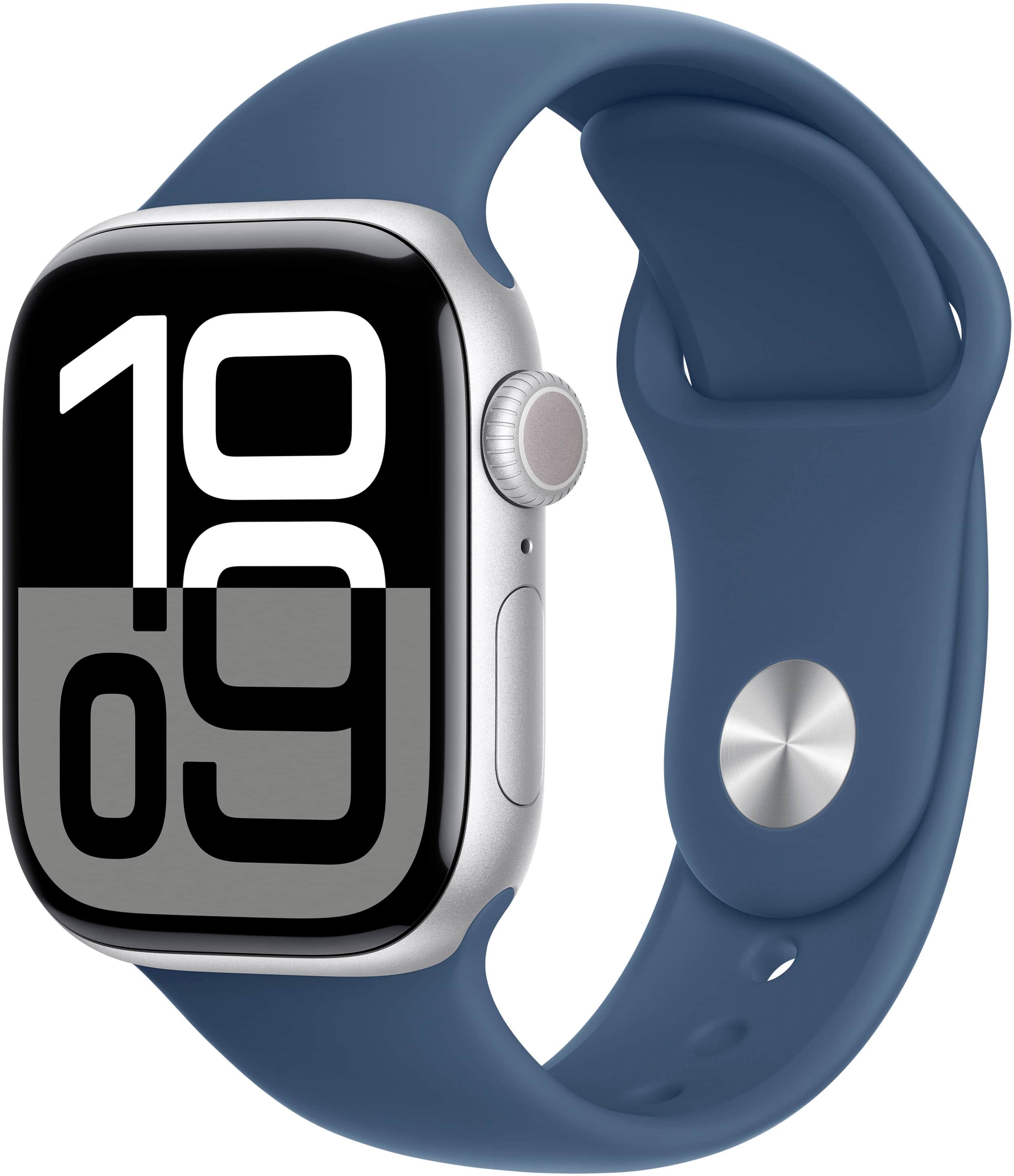
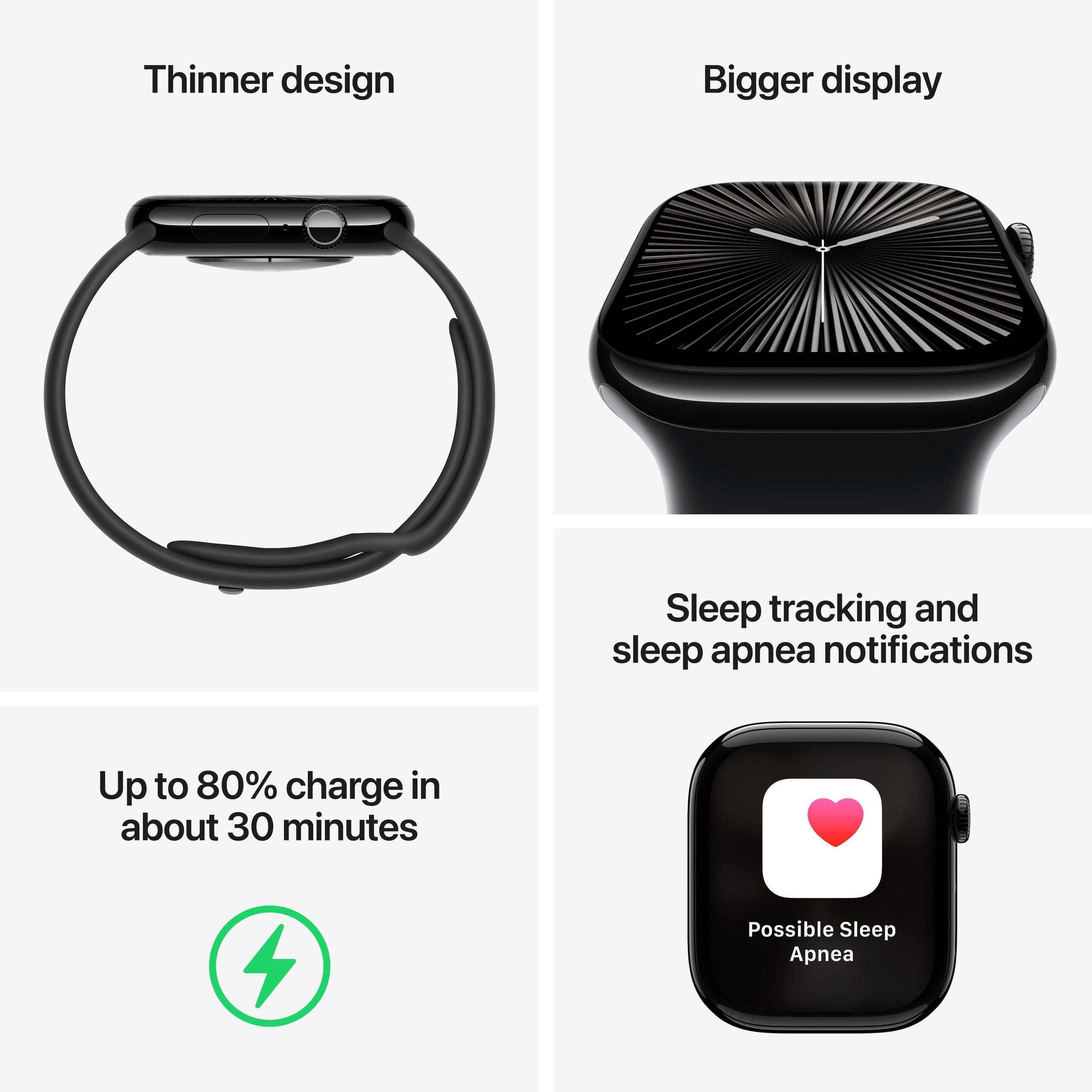
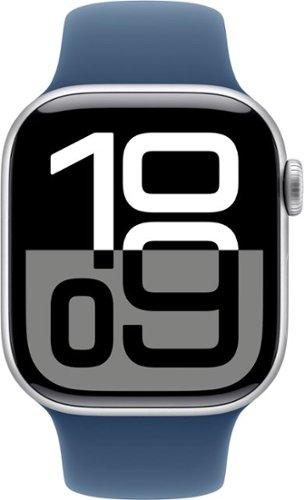
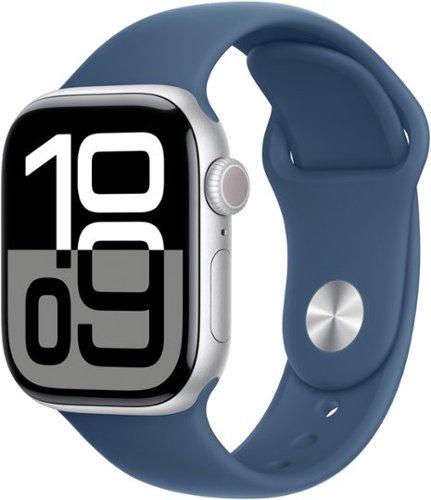
Both devices feature impressive AMOLED displays, but they're optimized for entirely different use cases. The Apple Watch Series 10 sports a 42mm LTPO3 OLED display that can pump out up to 2,000 nits of brightness—that's bright enough to read comfortably even in direct sunlight. The "LTPO" technology (Low Temperature Polycrystalline Oxide) is essentially a power-saving feature that allows the display to refresh at different rates depending on what you're doing, which helps preserve battery life.
What makes the Apple display particularly impressive is its viewing angles. The 2024 model is up to 40% brighter when viewed at an angle compared to previous generations, which means you can glance at your wrist notifications without having to position your arm awkwardly.
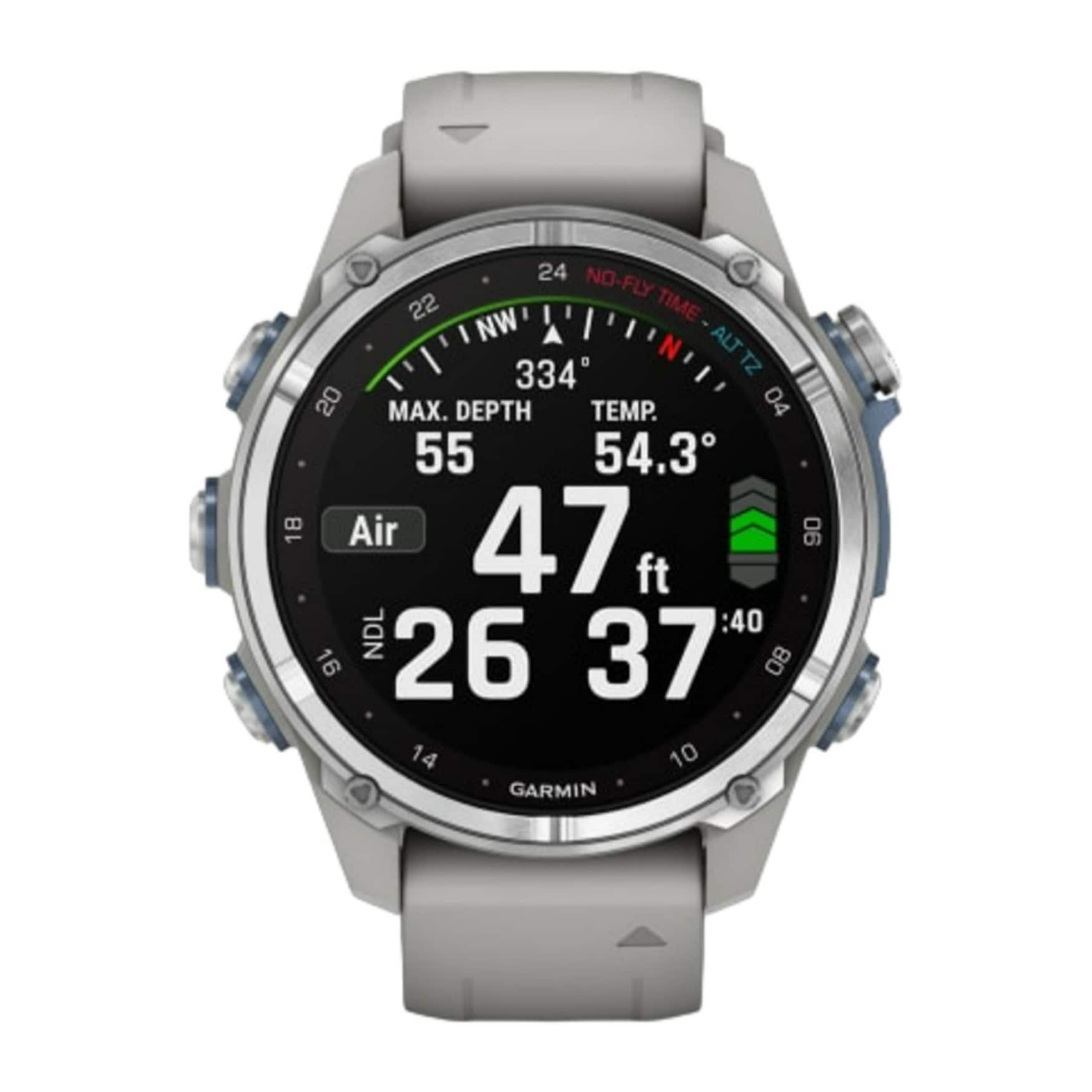
The Garmin Descent Mk3 takes a different approach with its 1.2-inch AMOLED screen. While it has fewer pixels overall (390×390 compared to the Apple's 374×446), it's protected by a sapphire crystal lens instead of the Apple's Ion-X glass. Sapphire crystal is significantly more scratch-resistant—it's the same material used in high-end luxury watches and can only be scratched by diamond or other sapphire.
More importantly for divers, the Garmin's display is specifically tuned for underwater visibility. Colors and contrast are optimized for the way light behaves underwater, where reds disappear first and blues dominate. The display also works with physical buttons as backup controls, which is crucial when your fingers are cold or you're wearing thick diving gloves.
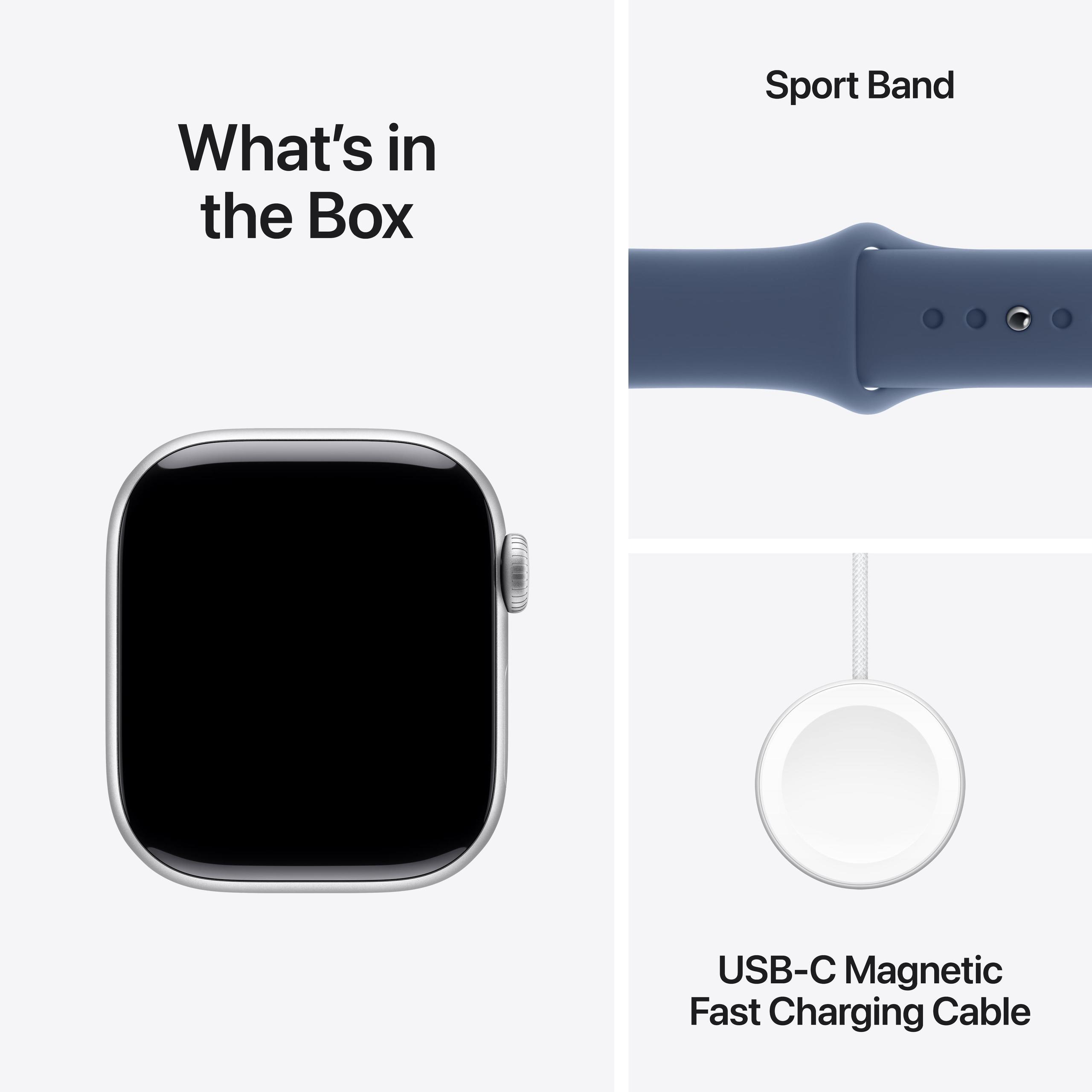
This is where these devices show their fundamental differences most clearly. The Apple Watch Series 10 offers about 18 hours of normal use—essentially requiring daily charging. Apple has optimized their fast charging to get you 80% power in about 30 minutes, and they've added wireless charging for convenience.
While 18 hours might sound limiting, it's actually designed around most people's daily routines. You charge it overnight, wear it all day, and repeat. The trade-off is that Apple can pack in power-hungry features like cellular connectivity, bright displays, and constant health monitoring.
The Garmin Descent Mk3 operates on a completely different philosophy. In dive mode, it can run for 30 hours continuously—that's enough for multiple days of serious diving. In regular smartwatch mode, it can last up to 10 days. This extended battery life isn't just convenient; it's a safety feature. If you're on a dive boat for several days or camping in remote locations, running out of battery could be dangerous.
The Garmin achieves this through several design choices: it uses a more efficient processor, the AMOLED display is optimized for lower power consumption, and many features run locally on the device rather than constantly syncing with your phone.
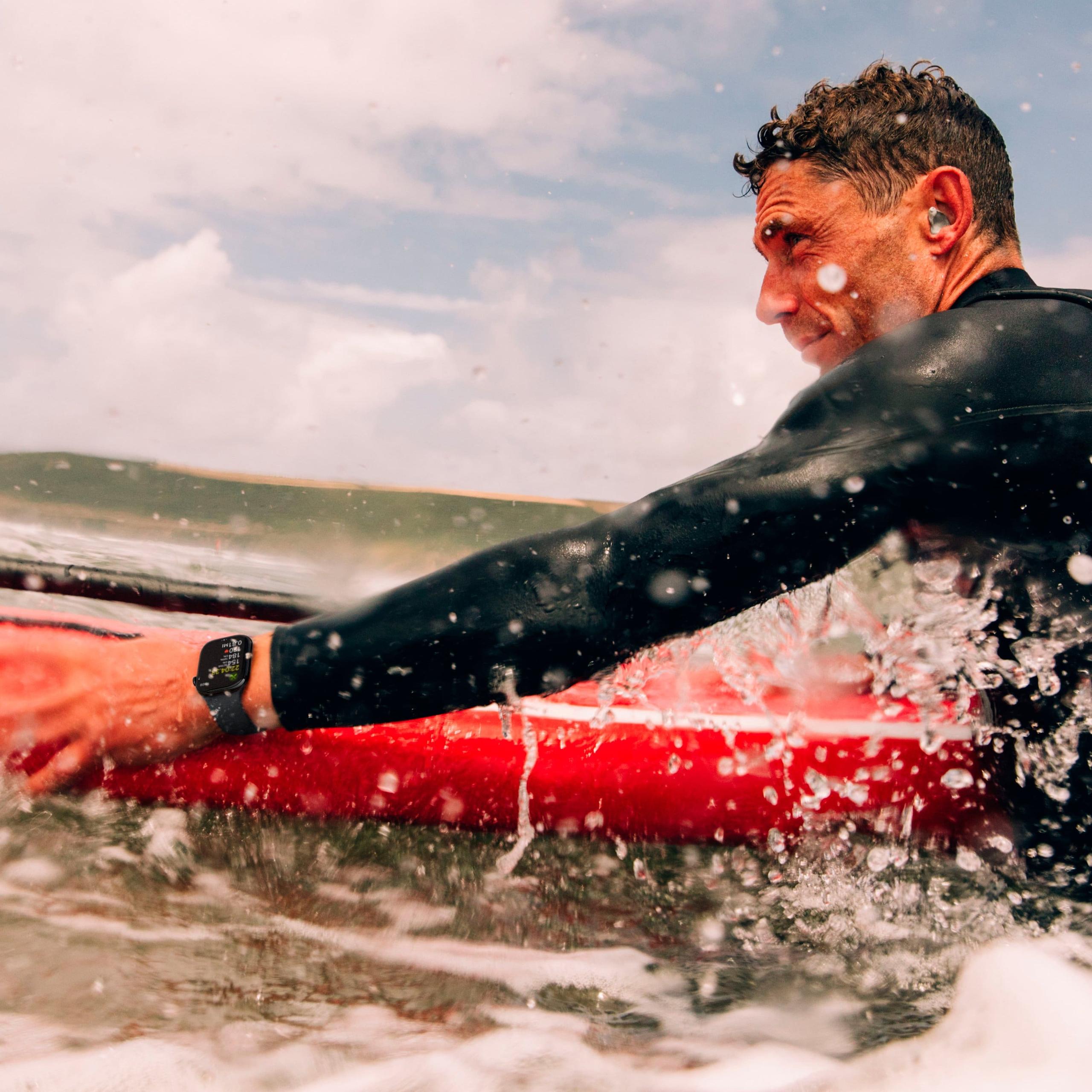
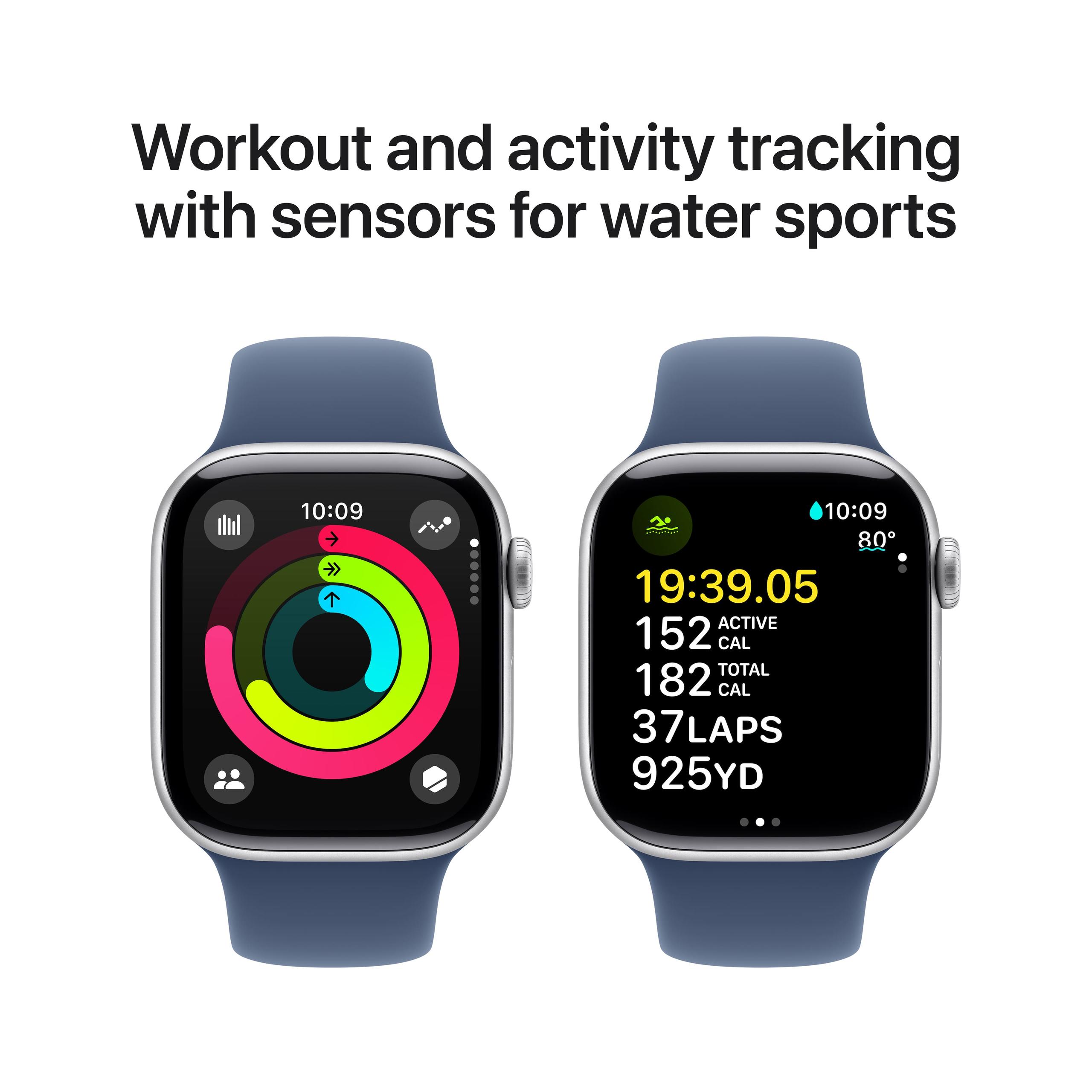
Both devices are waterproof, but the difference in capability is enormous. The Apple Watch Series 10 has a 50-meter water resistance rating, which is perfectly fine for swimming, showering, or water sports. It includes a water temperature sensor that's useful for tracking swimming workouts or monitoring conditions during water activities.
However, 50 meters of water resistance doesn't actually mean you can dive to 50 meters. Water resistance ratings are based on static pressure testing, and the dynamic pressures of actually moving underwater, especially with sudden movements, can exceed these ratings. Apple specifically recommends against scuba diving with their watch.
The Garmin Descent Mk3 is rated to 200 meters and is designed for actual underwater use at those depths. It meets EN13319 standards, which is the European standard specifically for diving instruments. This means it's been tested not just for static pressure, but for the real-world conditions divers encounter.
More importantly, the Garmin includes professional dive computer features. It runs the Bühlmann ZHL-16c decompression algorithm—the same mathematical model used by professional dive computers to calculate safe ascent rates and decompression stops. This algorithm helps prevent decompression sickness (also called "the bends"), a potentially fatal condition that occurs when divers ascend too quickly.
The Garmin can handle complex gas mixtures including nitrox (oxygen-enriched air) and trimix (helium, nitrogen, and oxygen combinations used for deep technical diving). It can track multiple gas bottles and provide real-time safety calculations for gas switches during a dive.
Both devices excel at health monitoring, but with different focuses. The Apple Watch Series 10 includes medical-grade sensors that can take electrocardiograms (ECGs), measure blood oxygen levels, and track sleep patterns. The 2024 model added sleep apnea notifications, which can detect interrupted breathing patterns that might indicate a serious medical condition.
The Apple Watch's health features are designed around everyday wellness and medical monitoring. The ECG feature, for example, can detect atrial fibrillation—an irregular heart rhythm that affects millions of people and often goes undiagnosed. The blood oxygen sensor (called SpO2) can help detect respiratory issues or altitude-related problems.
The Garmin Descent Mk3 approaches health tracking from an athletic performance perspective. While it includes many of the same basic sensors (heart rate, sleep tracking, stress monitoring), it adds performance-focused features like VO₂ max estimation—a measure of your body's maximum oxygen uptake that's considered the gold standard for cardiovascular fitness.
What's unique about the Garmin is its Dive Readiness Tool, which analyzes your sleep quality, recent exercise, stress levels, and even jet lag to provide a score indicating how prepared you are for diving. This feature combines multiple physiological markers to help prevent diving accidents caused by fatigue or poor physical condition.
The Apple Watch Series 10 is essentially a tiny iPhone on your wrist. With cellular connectivity, you can make and receive calls, respond to text messages with voice dictation or pre-written responses, and access most iPhone apps. The integration with iOS is seamless—notifications appear instantly, you can control your iPhone's camera remotely, and features like Apple Pay work everywhere contactless payments are accepted.
The watch also serves as a hub for Apple's ecosystem. You can control HomeKit smart home devices, find your iPhone when it's lost, and even unlock your Mac computer just by wearing the watch. If you're already invested in Apple products, the integration is genuinely impressive.
The Garmin Descent Mk3 takes a more limited approach to smart features. You'll get basic notifications for calls, texts, and apps, but responses are limited to pre-written messages or decline/accept options for calls. It's designed to keep you informed without becoming a distraction—which makes sense when you might be 100 feet underwater.
What the Garmin offers instead is device independence. It works with both Android and iOS phones, and many features function without any connected device. The GPS, fitness tracking, and dive computer functions all work standalone. For travelers or people who prefer not to be constantly connected, this independence can be valuable.
For the Apple Watch Series 10, the most critical performance metric is responsiveness. Apps need to launch quickly, notifications need to appear instantly, and Siri needs to understand your voice commands accurately. Apple's S10 chip, while not groundbreaking, provides smooth performance for these daily tasks. The Digital Crown (the rotating button on the side) provides precise scrolling, and the touchscreen responds accurately even with wet fingers.
The real performance test for an Apple Watch is how well it handles the constant stream of notifications, health monitoring, and app switching throughout a typical day. Based on user feedback and professional reviews, the Series 10 handles this workload smoothly, though intensive apps can still cause occasional slowdowns.
For the Garmin Descent Mk3, performance is literally a matter of life and death. The dive computer algorithms must run accurately under pressure, the depth sensors must be precise, and the safety alarms must be reliable. Garmin has decades of experience in GPS and outdoor electronics, and this expertise shows in the device's reliability.
The most critical performance metric for the Garmin is accuracy under stress. Professional divers and dive instructors who have tested the device report that its depth readings are consistently accurate within the expected margins, and the decompression calculations match those of dedicated dive computers costing much more.
At the time of writing, these devices sit in different price ranges that reflect their target markets. The Apple Watch Series 10 is positioned as a premium consumer device—expensive enough to feel high-quality, but accessible enough for mainstream adoption. When you factor in the cellular connectivity, health monitoring capabilities, and seamless iPhone integration, it delivers considerable value for users who will actually use these features daily.
However, the true cost of an Apple Watch extends beyond the initial purchase. You'll need an iPhone to use it (adding to the total investment), and many users opt for cellular service plans, protective cases, and additional bands. The daily charging requirement might also push some users toward wireless charging pads or portable chargers.
The Garmin Descent Mk3 commands a significantly higher price, positioning it firmly in the professional/enthusiast market. This pricing makes sense when you consider that standalone dive computers from companies like Shearwater or Suunto often cost similar amounts, and those devices don't include any smartwatch features.
For serious divers, the Garmin's price is justified by its safety features and durability. The device can potentially prevent decompression sickness, which could save thousands in medical bills—or save your life. The sapphire crystal display and rugged construction also mean it's likely to last much longer than typical consumer electronics.
The Apple Watch Series 10 makes the most sense for iPhone users who want a comprehensive daily companion. If you find yourself frequently checking your phone for notifications, struggling to stay on top of messages, or wanting better health tracking, the Apple Watch delivers genuine utility. It's particularly valuable for people with health conditions that benefit from continuous monitoring, or professionals who need to stay connected throughout the day.
The cellular version specifically appeals to people who want to occasionally leave their phone behind—going for a run, walking the dog, or attending events where phones aren't practical. Parents of young children often appreciate being reachable for emergencies without carrying a phone everywhere.
The Garmin Descent Mk3 is clearly designed for a more specific audience. If you're a certified diver who regularly goes on dive trips, this device could literally save your life. The same applies to serious outdoor enthusiasts who need multi-day battery life and rugged construction. Technical divers, dive instructors, and underwater photographers will find the specialized features genuinely useful.
However, the Garmin also appeals to people who want maximum device independence. If you use both Android and iOS devices, travel frequently to areas with poor cellular coverage, or simply prefer not to be constantly connected, the Garmin's approach might be more appealing.
These devices represent two philosophies of wearable technology. The Apple Watch Series 10 assumes you want to bring all the conveniences and distractions of modern digital life to your wrist. The Garmin Descent Mk3 assumes you want a robust tool that enhances specific activities without becoming a digital distraction.
Neither approach is inherently better—they're solving different problems for different people. The Apple Watch excels at being a comprehensive daily companion that keeps you connected and informed. The Garmin excels at being a specialized tool that performs critical functions reliably, even in extreme conditions.
Your choice should be based on honest assessment of how you'll actually use the device. If you're an iPhone user who values connectivity and comprehensive health tracking, and you don't mind daily charging, the Apple Watch will likely serve you well. If you're a diver, serious outdoor enthusiast, or someone who values device independence and extended battery life, the Garmin is worth its premium price.
The key insight is that despite both being "smartwatches," these devices aren't really competing with each other—they're serving fundamentally different needs within the broader wearable technology market.
| Apple Watch Series 10 GPS + Cellular 42mm Aluminum | Garmin Descent Mk3 Dive Computer 43mm |
|---|---|
| Battery Life - Critical for daily usability and extended activities | |
| 18 hours normal use, 36 hours Low Power Mode (requires daily charging) | 30 hours dive mode, 10 days smartwatch mode (multi-day expedition capable) |
| Water Resistance - Determines swimming vs professional diving capability | |
| 50 meters (swimming and water sports only) | 200 meters with EN13319 dive computer certification (professional diving) |
| Display Technology - Affects outdoor visibility and durability | |
| LTPO3 OLED, 2,000 nits brightness, Ion-X glass (excellent everyday visibility) | AMOLED 390×390px, sapphire crystal lens (superior scratch resistance, optimized underwater) |
| Smart Features - Communication and app ecosystem depth | |
| Full two-way messaging, calls, extensive App Store, Apple Pay, Siri | Basic notifications, limited responses, music storage, Garmin Pay (minimal distraction focus) |
| Health Monitoring - Medical vs athletic performance focus | |
| ECG, blood oxygen, sleep apnea detection, temperature sensor (medical-grade wellness) | Heart rate, VO₂ max, Dive Readiness Tool, performance metrics (athletic training focused) |
| Phone Compatibility - Platform flexibility and setup requirements | |
| iPhone required for setup and full functionality (ecosystem lock-in) | Works with both Android and iOS, many features work standalone (device independence) |
| Specialized Features - Unique capabilities that justify the purchase | |
| Seamless iPhone integration, cellular independence, comprehensive health alerts | Professional dive computer with Bühlmann algorithm, gas mixing, decompression calculations |
| Build Quality - Durability for intended use cases | |
| Aluminum case, Ion-X glass, designed for daily wear and general fitness | Fiber-reinforced polymer, sapphire crystal, built for extreme conditions and professional use |
| Charging Method - Convenience vs expedition readiness | |
| Wireless charging, fast charging (80% in 30 minutes), requires daily routine | USB charging only, extended battery reduces charging frequency needs |
| Price Positioning - Value relative to target market | |
| Premium consumer pricing for mainstream smartwatch features | Professional/enthusiast pricing justified by specialized dive safety equipment |
The Apple Watch Series 10 is significantly better for daily use thanks to its seamless iPhone integration, full messaging capabilities, and comprehensive app ecosystem. You can respond to texts, take calls, and access thousands of apps directly from your wrist. The Garmin Descent Mk3 offers only basic notifications and limited smart features, making it less suitable as a primary daily smartwatch.
The Apple Watch Series 10 is designed as a comprehensive smartwatch that extends your iPhone's functionality to your wrist, while the Garmin Descent Mk3 is primarily a professional dive computer with basic smartwatch features. The Apple Watch focuses on communication and health monitoring, while the Garmin prioritizes diving safety and extreme durability.
The Garmin Descent Mk3 has dramatically better battery life with 30 hours in dive mode and up to 10 days in smartwatch mode. The Apple Watch Series 10 requires daily charging with only 18 hours of normal use, though it offers fast charging capabilities.
Only the Garmin Descent Mk3 is suitable for scuba diving, with 200-meter depth rating and professional dive computer features including decompression calculations and gas mixing support. The Apple Watch Series 10 is limited to swimming and surface water sports with its 50-meter water resistance rating.
The Garmin Descent Mk3 works with both Android and iOS devices and can operate independently without a connected phone. The Apple Watch Series 10 requires an iPhone for setup and full functionality, making it incompatible with Android devices.
The Apple Watch Series 10 offers medical-grade features like ECG readings, blood oxygen monitoring, and sleep apnea detection. The Garmin Descent Mk3 focuses on athletic performance with VO₂ max tracking, training metrics, and a unique Dive Readiness Tool that analyzes your physical preparedness for diving activities.
The Garmin Descent Mk3 is built for extreme conditions with sapphire crystal glass, fiber-reinforced polymer construction, and 200-meter depth rating. While the Apple Watch Series 10 is durable enough for general fitness and daily wear, it's not designed for the harsh conditions that the Garmin can handle.
Both feature high-quality AMOLED displays, but serve different purposes. The Apple Watch Series 10 offers a brighter 2,000-nit display optimized for everyday use and wide viewing angles. The Garmin Descent Mk3 uses sapphire crystal for superior scratch resistance and is specifically tuned for underwater visibility.
Both excel at fitness tracking but for different users. The Apple Watch Series 10 is better for general fitness, health monitoring, and integration with Apple's health ecosystem. The Garmin Descent Mk3 is superior for serious athletes and outdoor enthusiasts who need advanced performance metrics, longer battery life, and specialized dive tracking.
The Apple Watch Series 10 offers comprehensive smart features including full messaging, call handling, extensive app support, Apple Pay, and Siri integration. The Garmin Descent Mk3 provides basic smart notifications, music storage, and Garmin Pay, but focuses more on being a specialized tool than a communication device.
Value depends on your needs. The Apple Watch Series 10 offers excellent value for iPhone users wanting a comprehensive daily smartwatch with health monitoring. The Garmin Descent Mk3 provides professional-grade dive computer functionality that could be life-saving for divers, justifying its higher cost for the target audience.
Choose the Apple Watch Series 10 if you're an iPhone user who wants seamless connectivity, comprehensive health monitoring, and don't mind daily charging. Choose the Garmin Descent Mk3 if you're a serious diver, need multi-day battery life, want cross-platform compatibility, or require extreme durability for outdoor adventures.
We've done our best to create useful and informative comparisons to help you decide what product to buy. Our research uses advanced automated methods to create this comparison and perfection is not possible - please contact us for corrections or questions. These are the sites we've researched in the creation of this article: bestbuy.com - wareable.com - wareable.com - appleinsider.com - youtube.com - youtube.com - youtube.com - apple.com - dcrainmaker.com - dcrainmaker.com - apple.com - apple.com - forums.macrumors.com - gethegoods.com - appleinsider.com - apple.com - support.apple.com - apple.com - en.wikipedia.org - cellcom.com - youtube.com - walmart.com - youtube.com - apple.com - bestbuy.com - apple.com - youtube.com - apple.com - verizon.com - apple.com - apple.com - youtube.com - costco.com - bestbuy.com - t-mobile.com - talk.tidbits.com - support.apple.com - gci.com - att.com - youtube.com - divernet.com - techradar.com - youtube.com - submersiblewrist.substack.com - bluewaterphotostore.com - youtube.com - youtube.com - scubaboard.com - youtube.com - youtube.com - scubaboard.com - scubaboard.com - divemagazine.com - apneapassion.com - thegpsstore.com - support.garmin.com - divegearexpress.com - www8.garmin.com - support.garmin.com - force-e.com - paragondivestore.com - austinsdiving.com - www8.garmin.com - www8.garmin.com

Privacy Policy
Terms and Conditions - Affiliate Policy
Home Security
© Copyright 2008-2026.
11816 Inwood Rd #1211, Dallas, TX 75244