


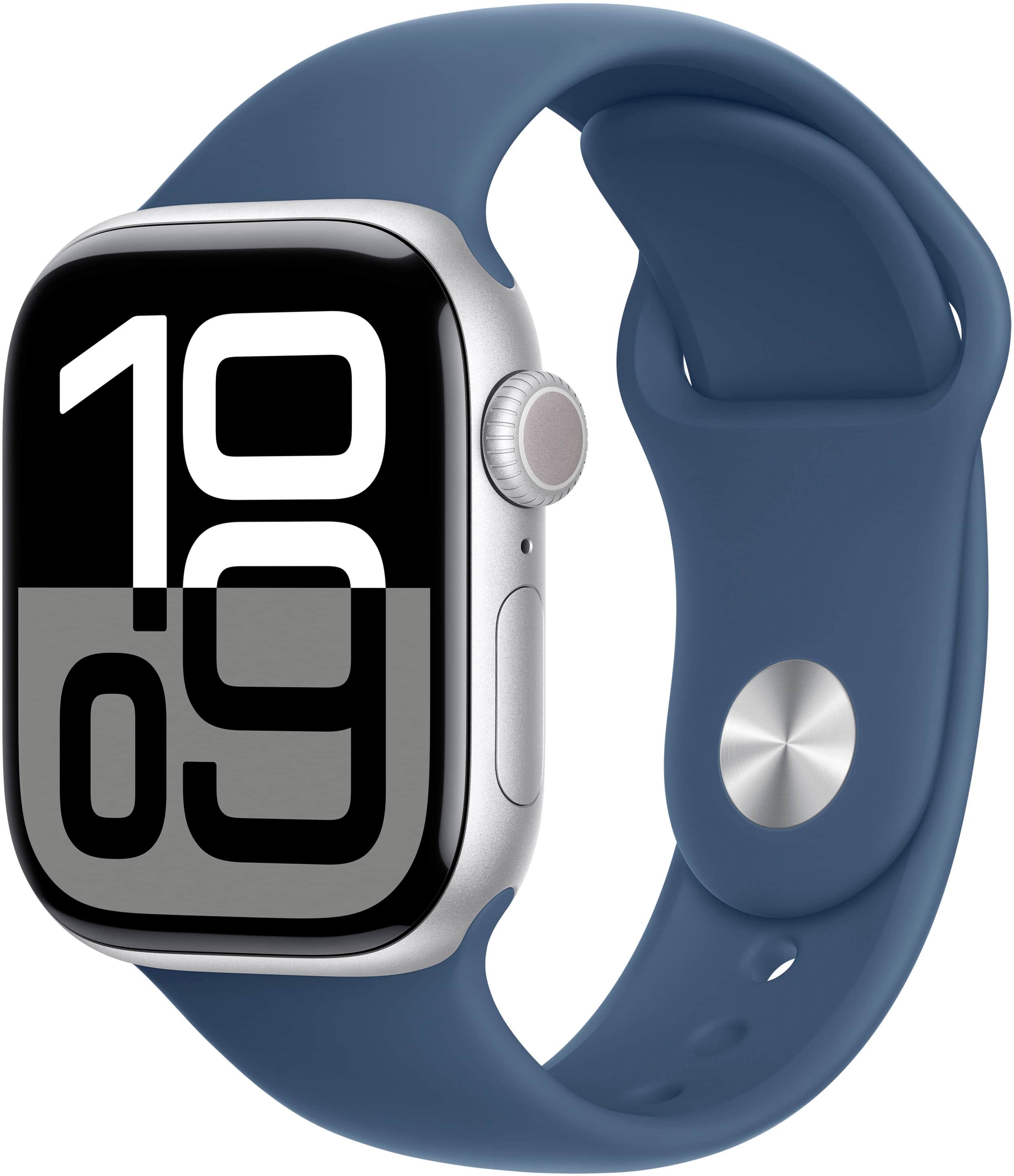
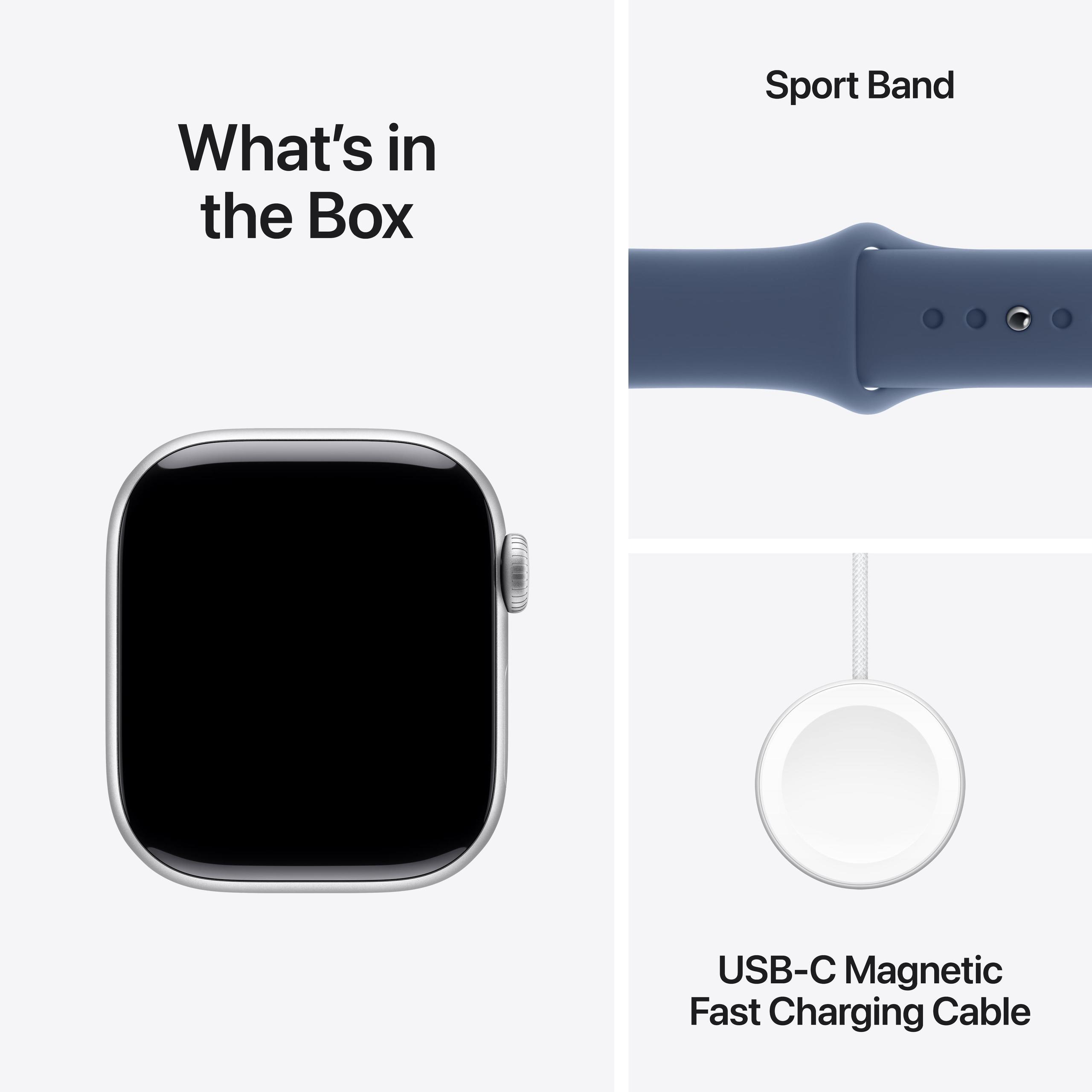
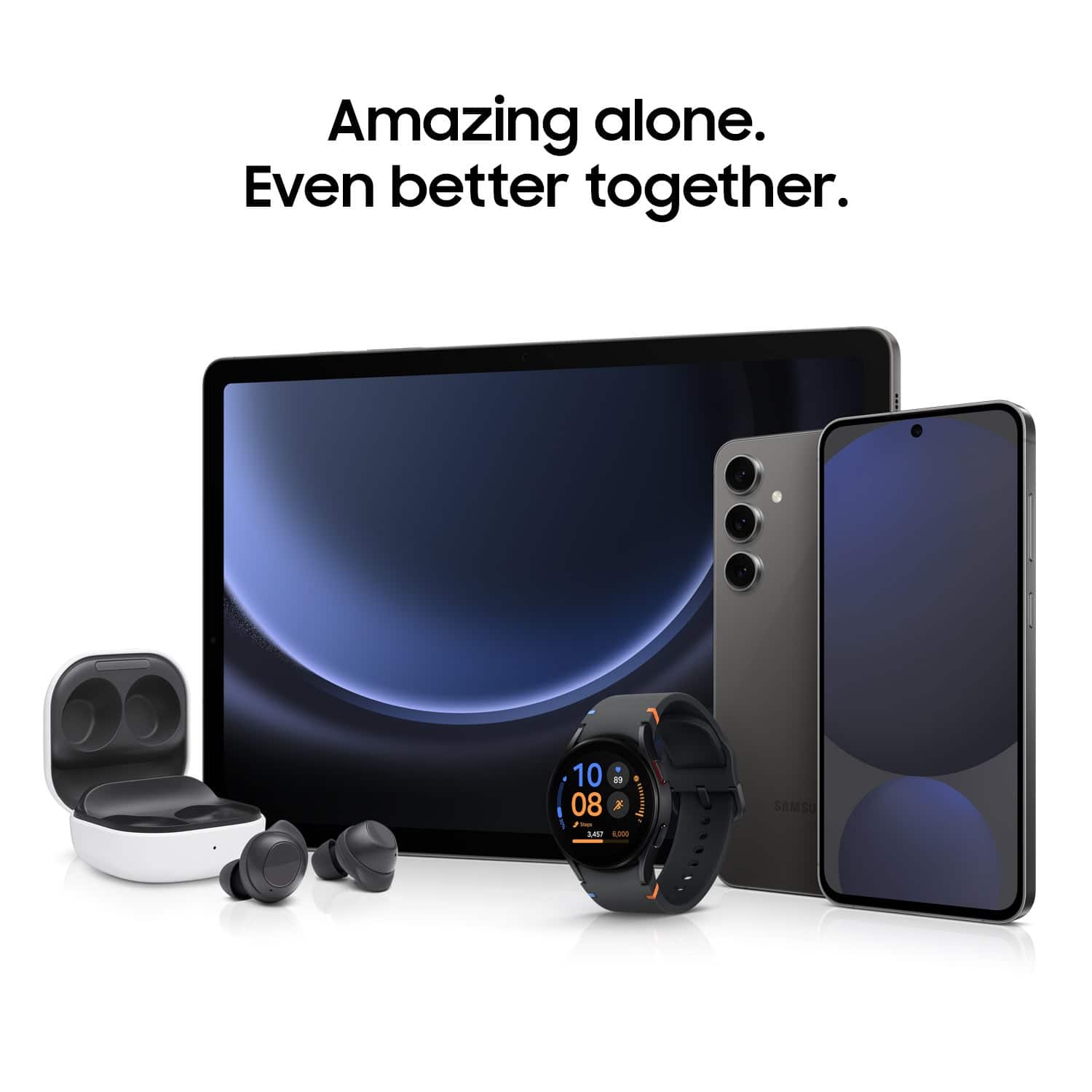
Smartwatches have transformed from simple notification devices into sophisticated health computers that track everything from sleep quality to heart rhythm abnormalities. When comparing the Apple Watch Series 10 and Samsung Galaxy Watch FE, you're essentially choosing between two completely different philosophies: cutting-edge health innovation at a premium price versus comprehensive functionality at half the cost.
Based on our research and evaluation of expert reviews and user feedback, these watches represent the current state of the smartwatch market perfectly. The Apple Watch Series 10 launched in 2024 as Apple's flagship offering, while Samsung released the Galaxy Watch FE the same year as their budget-friendly "Fan Edition" alternative. At the time of writing, Apple's device costs roughly twice as much as Samsung's offering, making this comparison particularly interesting for value-conscious buyers.
Today's smartwatch market has matured into distinct categories serving different needs. Premium devices focus on advanced health monitoring and seamless ecosystem integration, while value-oriented watches prioritize essential features at accessible prices. The most important factors that separate good smartwatches from great ones include health tracking accuracy, battery longevity, build quality, and how well they integrate with your existing devices.
What makes this comparison fascinating is that both watches deliver core smartwatch functionality exceptionally well, but they take dramatically different approaches to get there. The Apple Watch Series 10 represents Apple's vision of a premium health-focused computer for your wrist, while the Samsung Galaxy Watch FE proves you don't need to spend flagship money to get comprehensive smartwatch capabilities.
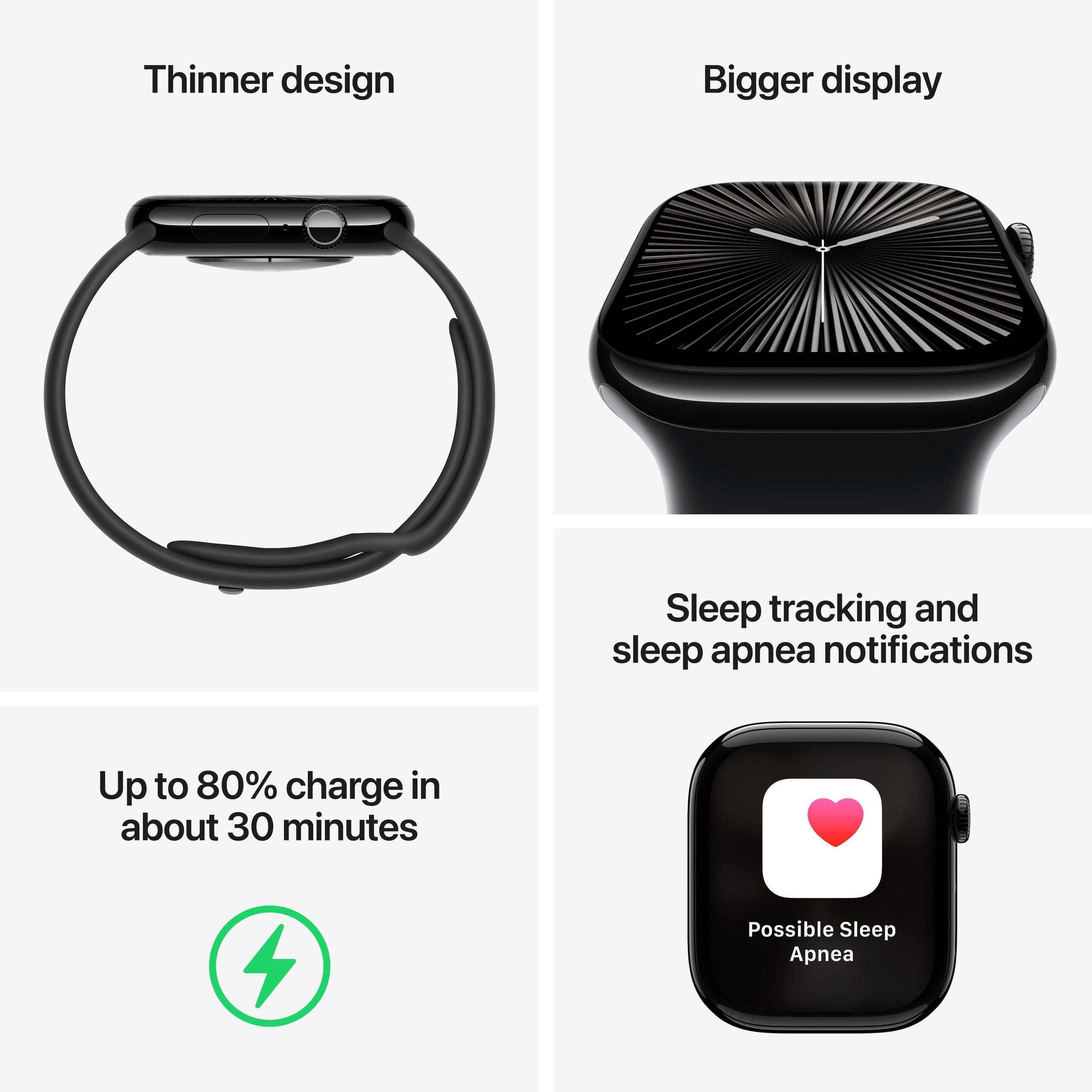
The health tracking capabilities of these watches reveal their fundamental differences most clearly. The Apple Watch Series 10 introduces genuinely innovative features that weren't available in previous generations. Its sleep apnea detection system combines data from multiple sensors—temperature, heart rate, and motion—to identify potential breathing interruptions during sleep. This isn't just a gimmick; it's a medical-grade feature that can generate professional reports suitable for healthcare providers after monitoring for three months.
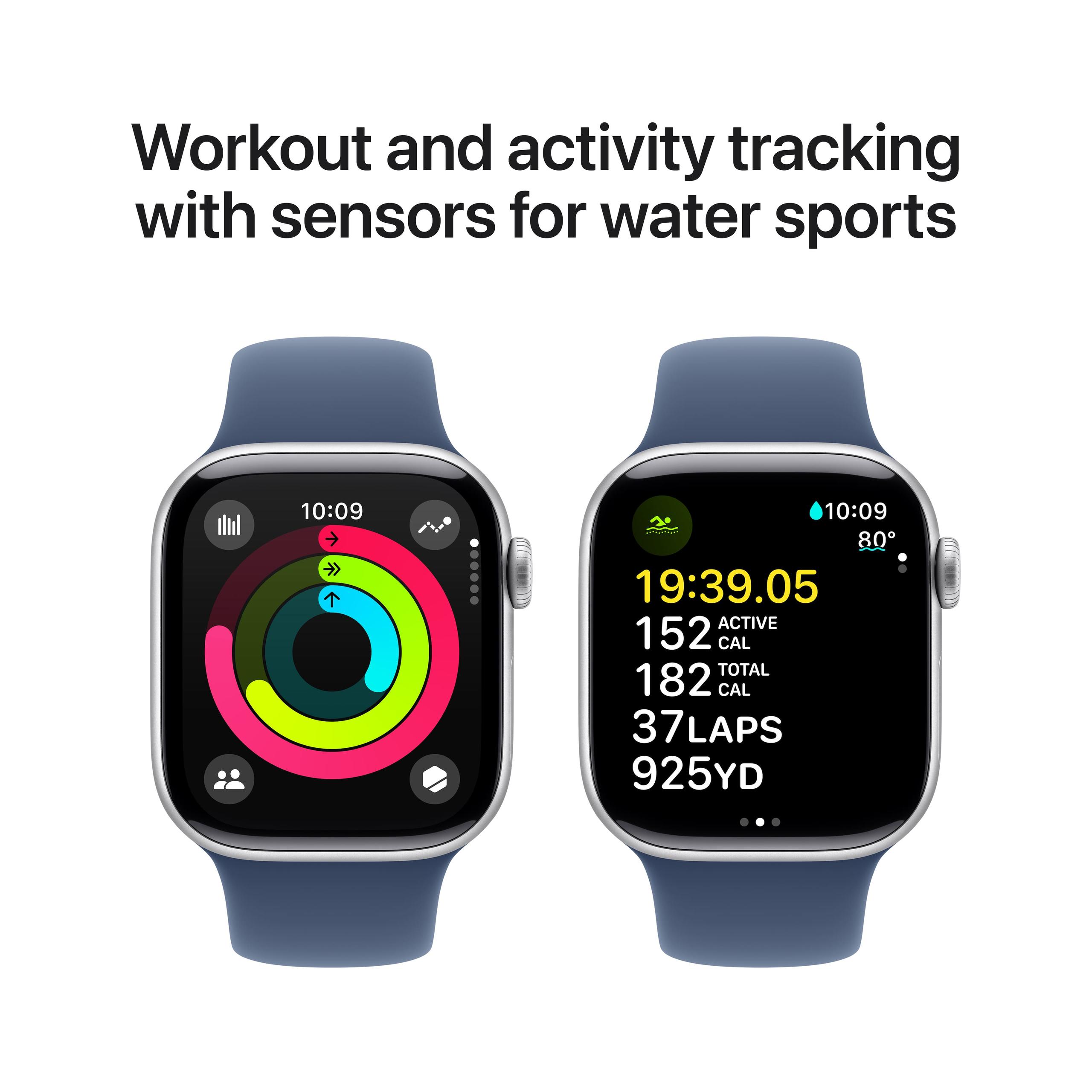
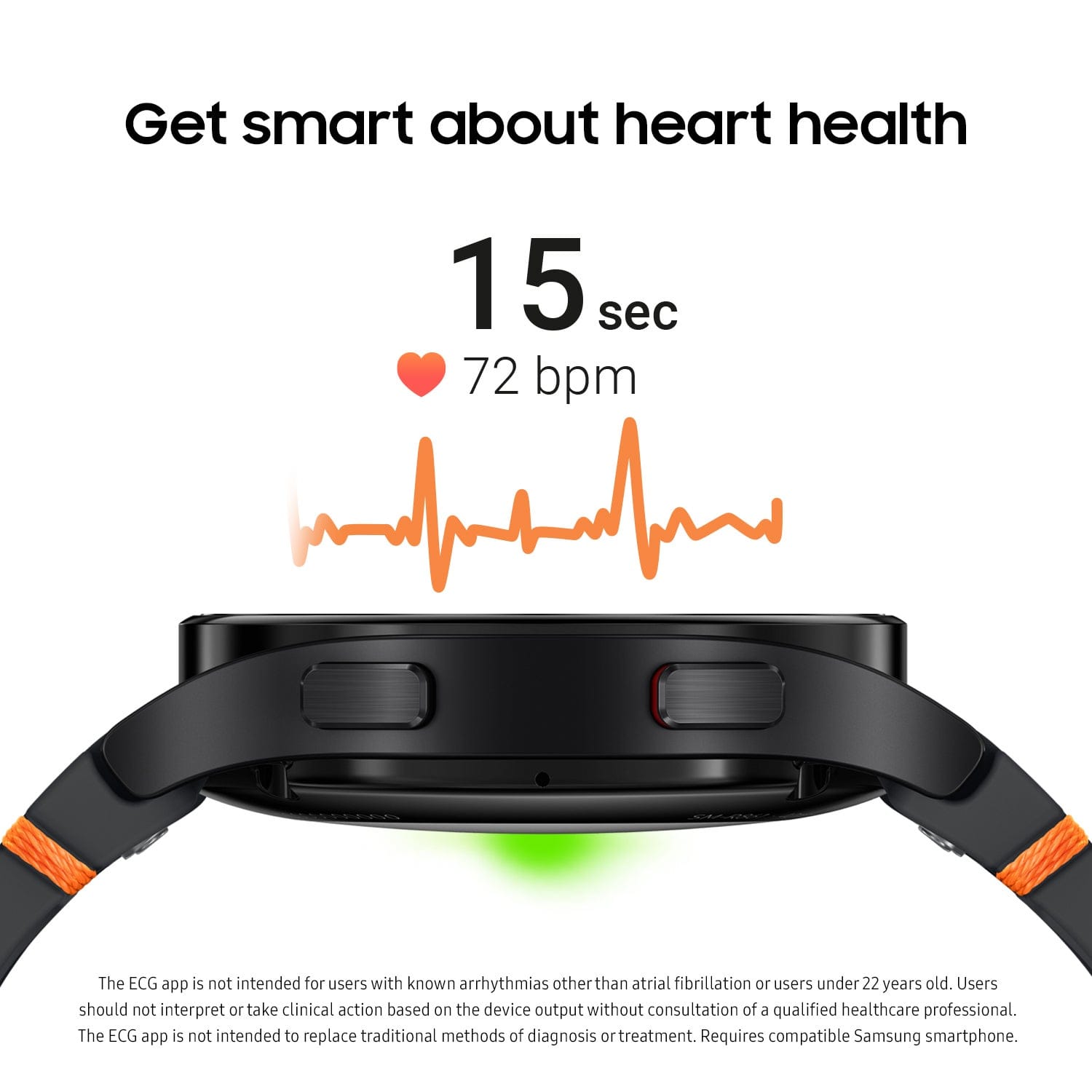
The electrical heart sensor in the Apple Watch Series 10 enables ECG (electrocardiogram) readings that can detect irregular heart rhythms. When combined with the optical heart rate sensor, this creates a comprehensive cardiovascular monitoring system. The device also includes a unique depth gauge that automatically activates when submerged, plus a water temperature sensor for swimmers and water sports enthusiasts. These aren't features you'll find on many competitors at any price point.
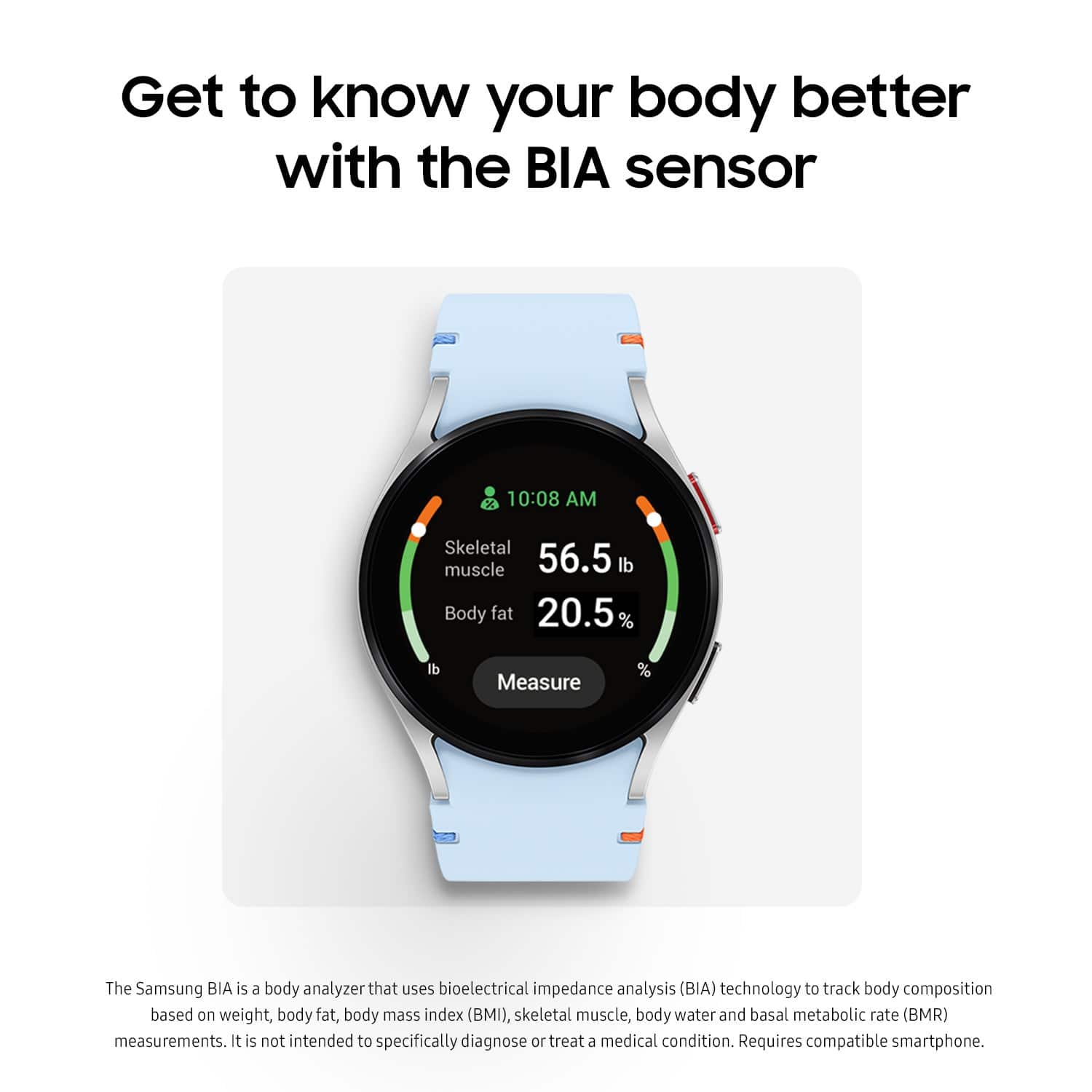
However, the Samsung Galaxy Watch FE counters with its own impressive health arsenal. Its BioActive sensor suite includes something Apple doesn't offer: bioelectrical impedance analysis (BIA). This technology sends a small electrical signal through your body to measure body composition—including body fat percentage, skeletal muscle mass, and other metrics—directly from your wrist. For fitness enthusiasts tracking their progress, this capability is incredibly valuable and typically requires expensive dedicated scales.
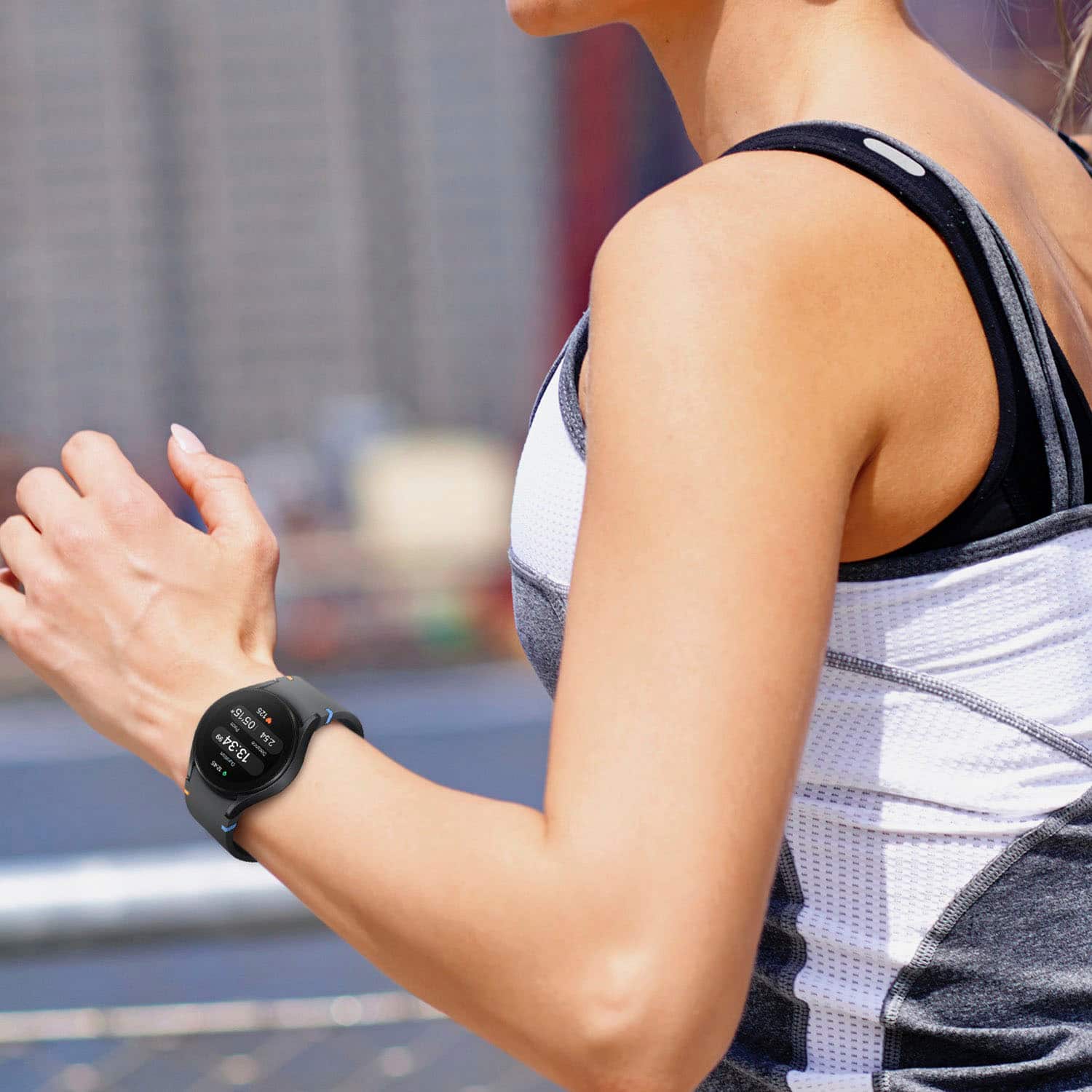
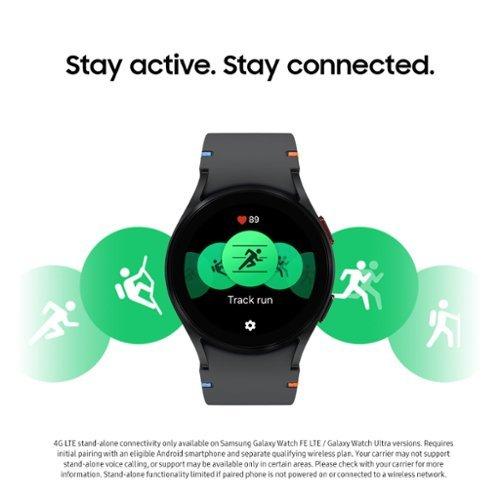
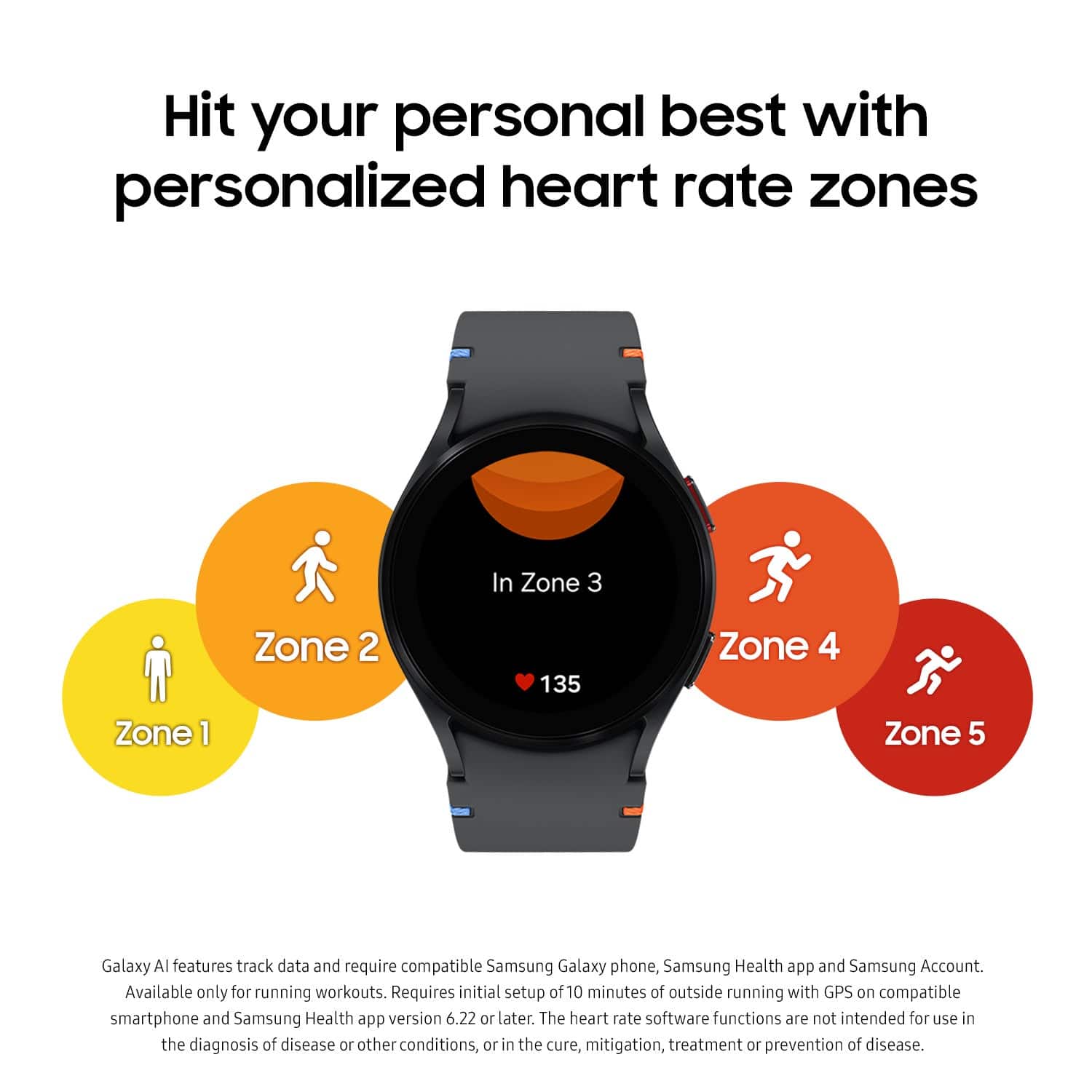
Samsung's watch also supports over 100 workout modes with automatic detection, meaning it can recognize when you start exercising and begin tracking without manual input. The advanced running analysis provides detailed feedback on running form, efficiency, and injury prevention recommendations. While Apple offers excellent fitness tracking, Samsung's broader exercise recognition gives it an edge for varied workout routines.
Both watches excel at continuous heart rate monitoring, sleep tracking, and stress analysis. The key difference lies in approach: Apple focuses on medical-grade features that could genuinely impact healthcare, while Samsung provides broader fitness tracking that appeals to active users across all fitness levels.
Battery performance represents perhaps the most significant practical difference between these devices. The Samsung Galaxy Watch FE delivers up to 40 hours of typical usage with the always-on display disabled, potentially extending to multiple days depending on usage patterns. This means you can wear it for sleep tracking, use it throughout busy days, and not worry about finding a charger every evening.
The Apple Watch Series 10, despite improvements over previous generations, still requires daily charging with its 18-hour battery life estimate. However, Apple has addressed this limitation with industry-leading fast charging technology. The watch can reach 80% charge in just 30 minutes, and remarkably, 15 minutes of charging provides up to 8 hours of typical use. If you forget to charge overnight, a quick morning boost while getting ready can power you through the day.
From our research into user experiences, Samsung's longer battery life consistently ranks as a major advantage, especially for users who want to track sleep patterns or forget to charge devices regularly. Apple's fast charging is impressive technically, but it doesn't eliminate the need for daily charging habits. For many users, the convenience of multi-day battery life outweighs fast charging capabilities.
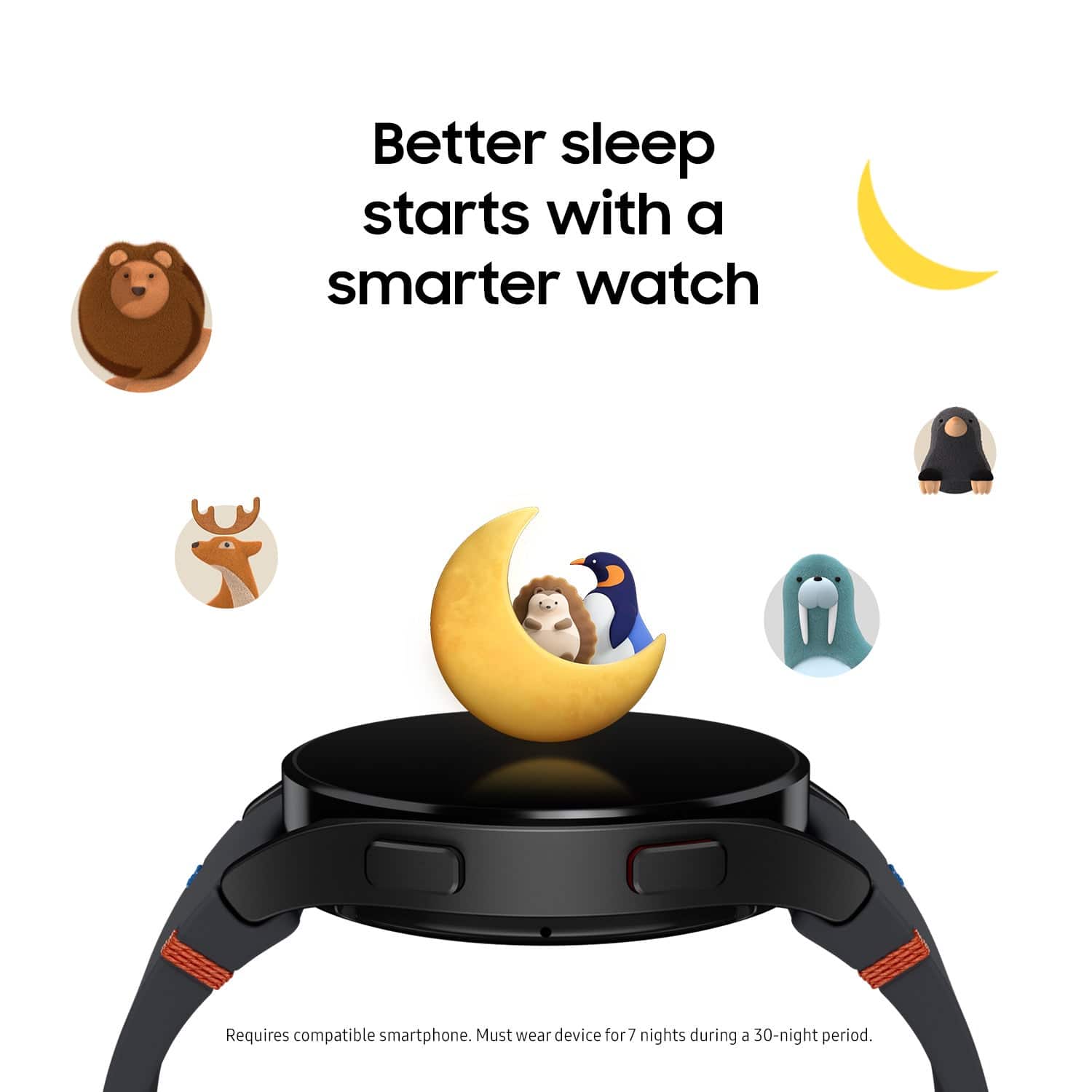
The battery difference becomes particularly important for sleep tracking. The Samsung Galaxy Watch FE can monitor your sleep for several nights without interruption, while the Apple Watch Series 10 requires careful timing to ensure it's charged for overnight monitoring.
Under the hood, these watches reveal their different market positioning clearly. The Apple Watch Series 10 features Apple's custom S10 SiP (System in Package) with a 64-bit dual-core processor and a 4-core Neural Engine. This Neural Engine—essentially a dedicated AI processor—enables advanced on-device features like voice recognition, automatic workout detection, and real-time health analysis without sending data to cloud servers.
The processing advantage becomes apparent in daily use. The Apple Watch Series 10 handles complex tasks like generating detailed health reports, processing multiple sensor inputs simultaneously, and running sophisticated apps without lag. It also includes 64GB of storage, allowing users to store music, apps, and data locally.
The Samsung Galaxy Watch FE uses the Exynos W920 processor, a capable but more basic chip with dual-core 1.18GHz performance and 1.5GB of RAM. It includes 16GB of storage with approximately 7.6GB available to users. While adequate for core smartwatch functions, this represents entry-level performance in the current smartwatch market.
Performance differences become noticeable during intensive tasks. The Apple Watch Series 10 can run multiple health monitoring systems simultaneously, process complex algorithms for sleep apnea detection, and handle demanding third-party applications smoothly. Samsung's watch handles basic functions well but may slow down with resource-intensive applications or when running multiple background processes.
However, the performance gap matters less than you might expect for typical smartwatch usage. Both devices handle notifications, basic fitness tracking, and essential apps adequately. The Apple advantage becomes apparent primarily for users who rely heavily on advanced health features or run demanding applications.
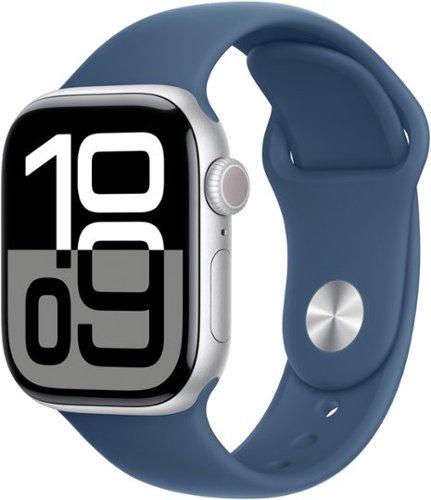
Display quality significantly impacts daily usability, and both watches take different approaches to this challenge. The Apple Watch Series 10 features a larger display area with LTPO3 OLED technology capable of 2000 nits brightness—bright enough for clear visibility in direct sunlight. The display updates at variable refresh rates to conserve battery while maintaining smooth animations and a live seconds hand on the always-on display.
The wide-angle OLED display optimization makes the Apple Watch Series 10 easier to read from extreme angles, which proves surprisingly useful during workouts or when your wrist position isn't optimal. The larger screen real estate also makes text input and app navigation more comfortable, particularly for users with larger fingers.
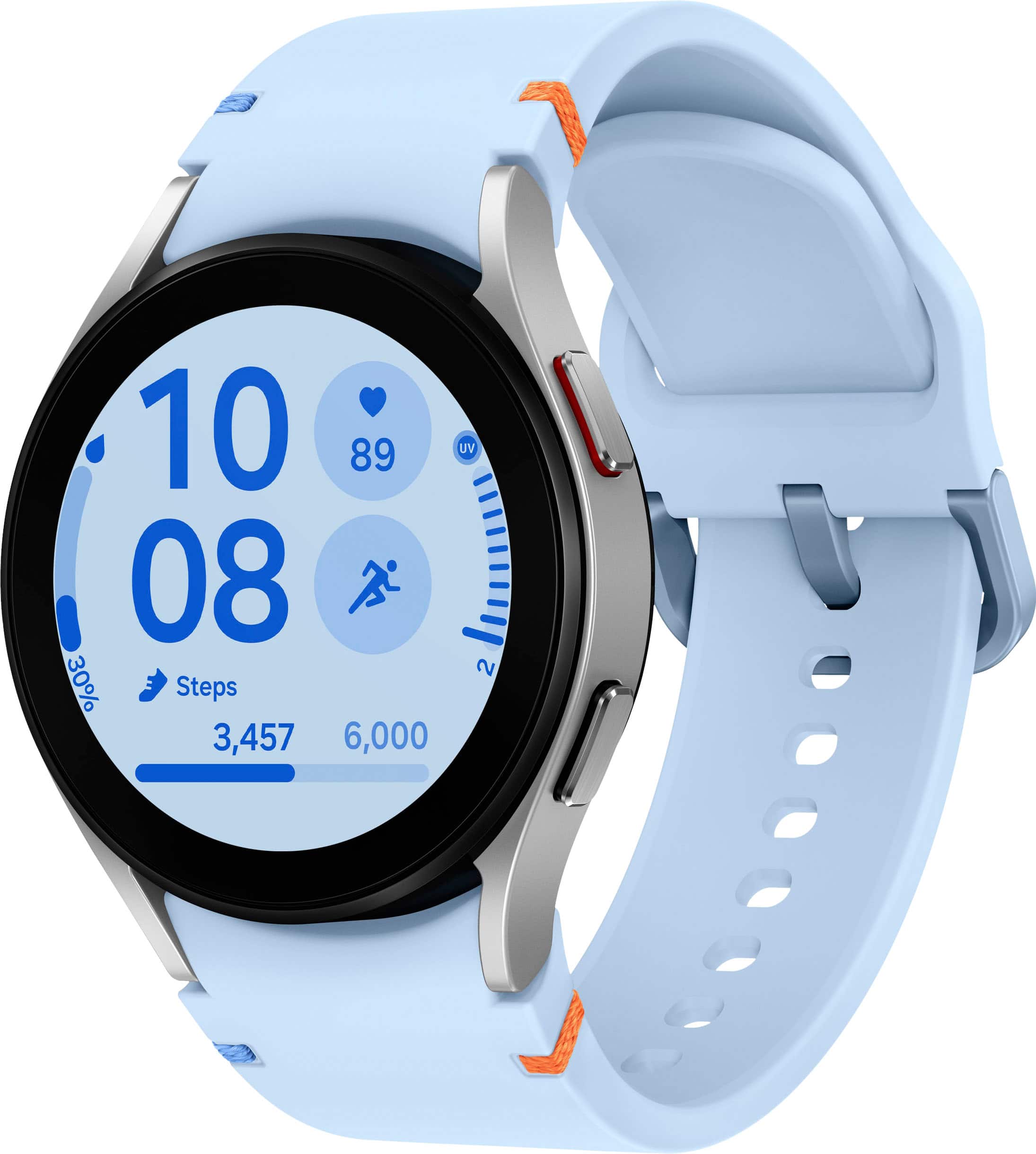
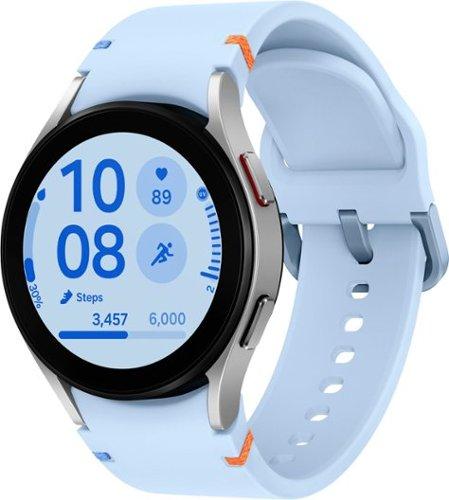
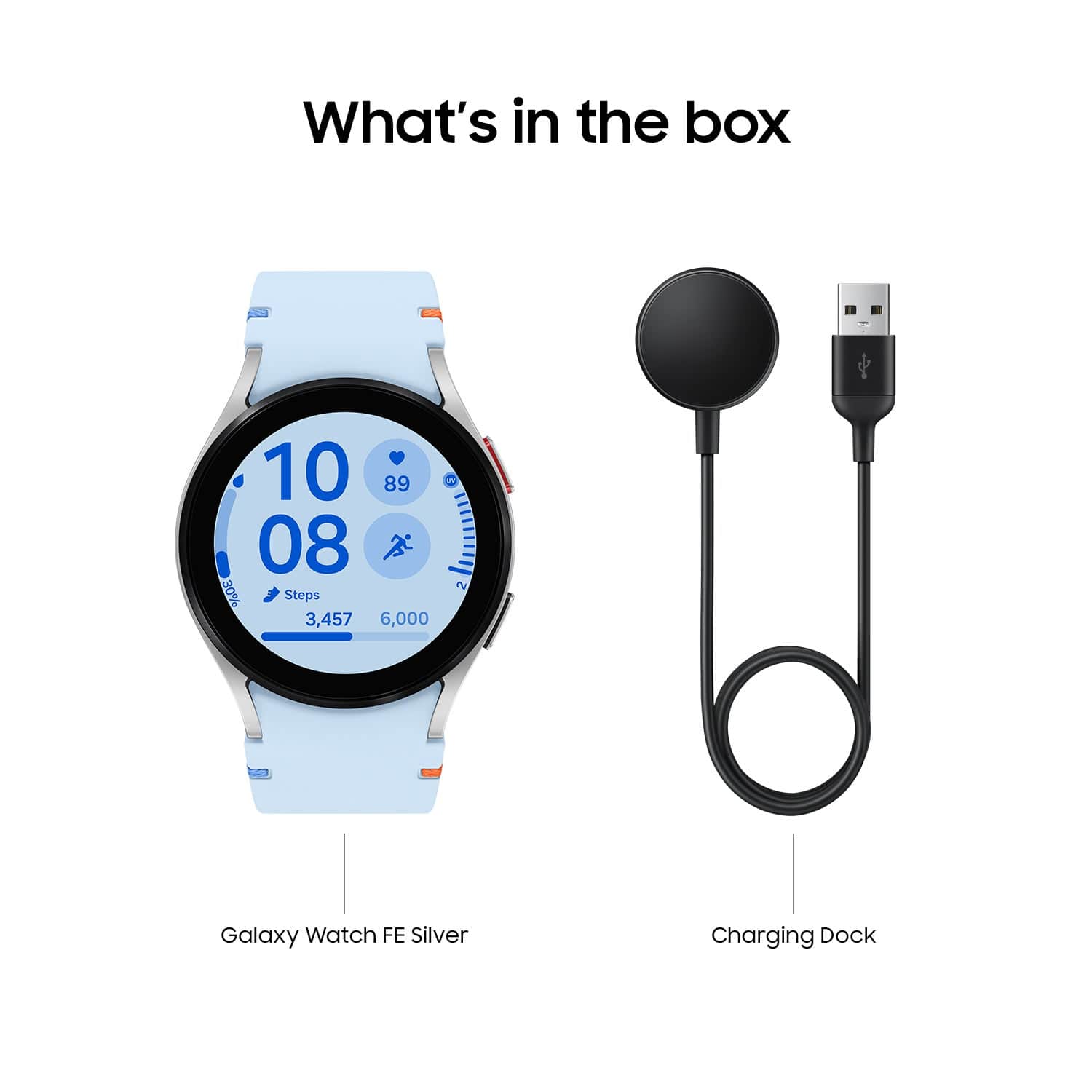
The Samsung Galaxy Watch FE counters with a 1.2-inch Super AMOLED display offering 396×396 pixel resolution and vibrant colors. While smaller than Apple's screen, Samsung's circular display appeals to users who prefer traditional watch aesthetics. The round format also works well with certain app layouts and watch faces.
Build quality reveals another philosophical difference. The Apple Watch Series 10 uses Ion-X glass, which provides adequate scratch resistance for daily use but isn't as durable as premium alternatives. However, Apple's focus on thinness—making this the slimmest Apple Watch ever—creates a sleek, modern aesthetic that sits comfortably on the wrist.
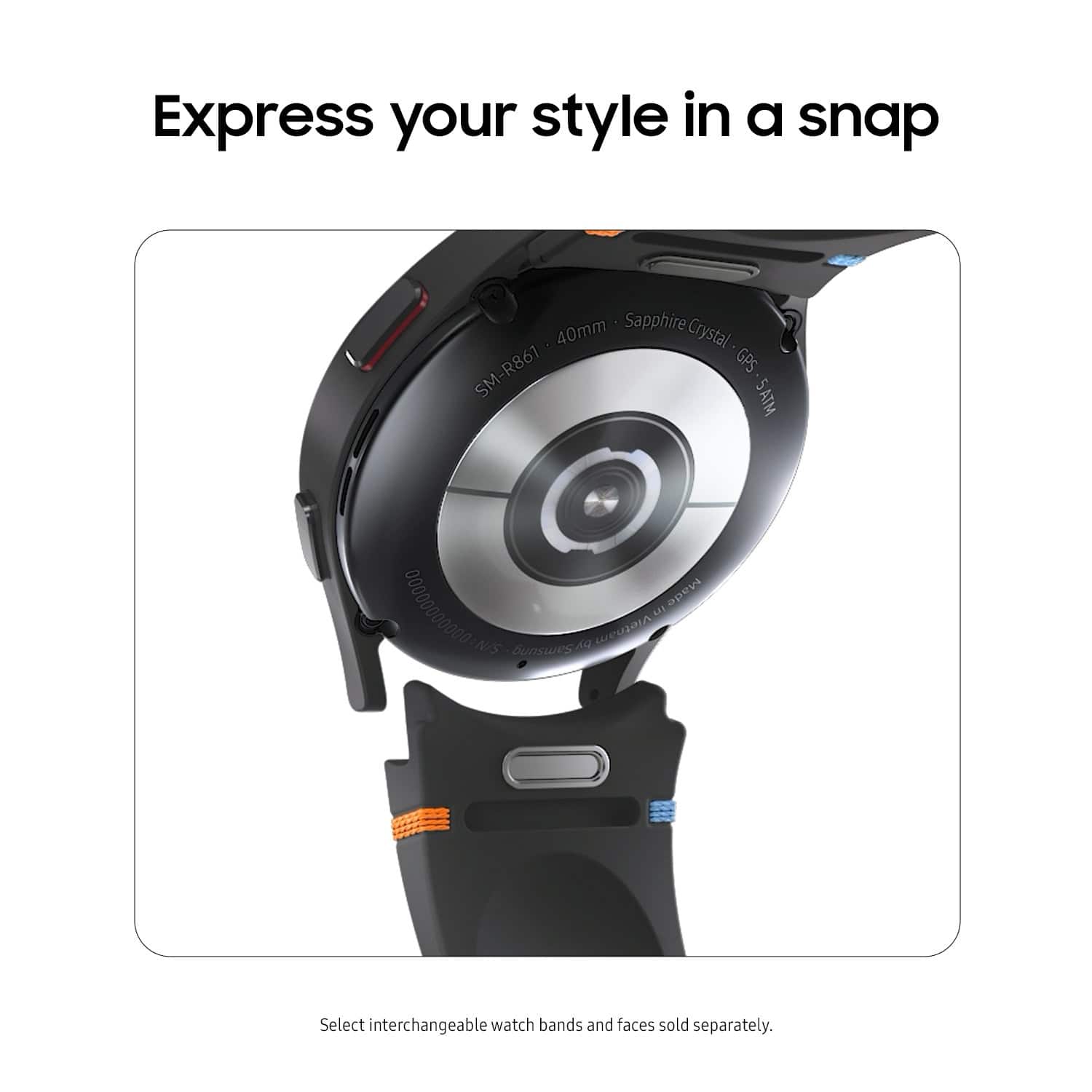
Samsung equips the Galaxy Watch FE with sapphire crystal glass, a premium material typically reserved for expensive watches and smartphones. Sapphire crystal offers superior scratch resistance compared to standard glass, making it more suitable for active users or rough environments. The watch also meets MIL-STD-810H military durability standards, exceeding Apple's testing protocols.
Both watches offer 50-meter water resistance suitable for swimming and meet IP6X (Apple) or IP68 (Samsung) dust protection standards. The durability difference comes down to glass quality and testing standards, where Samsung provides better long-term scratch protection despite its lower price point.
Software integration capabilities often determine long-term satisfaction more than hardware specifications. The Apple Watch Series 10 requires an iPhone and integrates seamlessly with Apple's health ecosystem, iCloud, Apple Pay, and other services. This tight integration enables features like automatic workout detection that syncs with Apple Fitness+, medication reminders that coordinate with your iPhone, and health data that integrates with medical apps and healthcare providers.
Apple's approach prioritizes security and stability over flexibility. The curated App Store ensures high-quality applications but limits choices compared to more open platforms. Features like on-device Siri processing, enabled by the Neural Engine, keep voice commands private while providing quick responses.
The Samsung Galaxy Watch FE runs Wear OS powered by Samsung, offering broader compatibility with Android devices and access to Google Play Store applications. This creates more flexibility for third-party apps, custom watch faces, and integration with various Android services. Users can install apps from multiple sources and customize their experience more extensively.
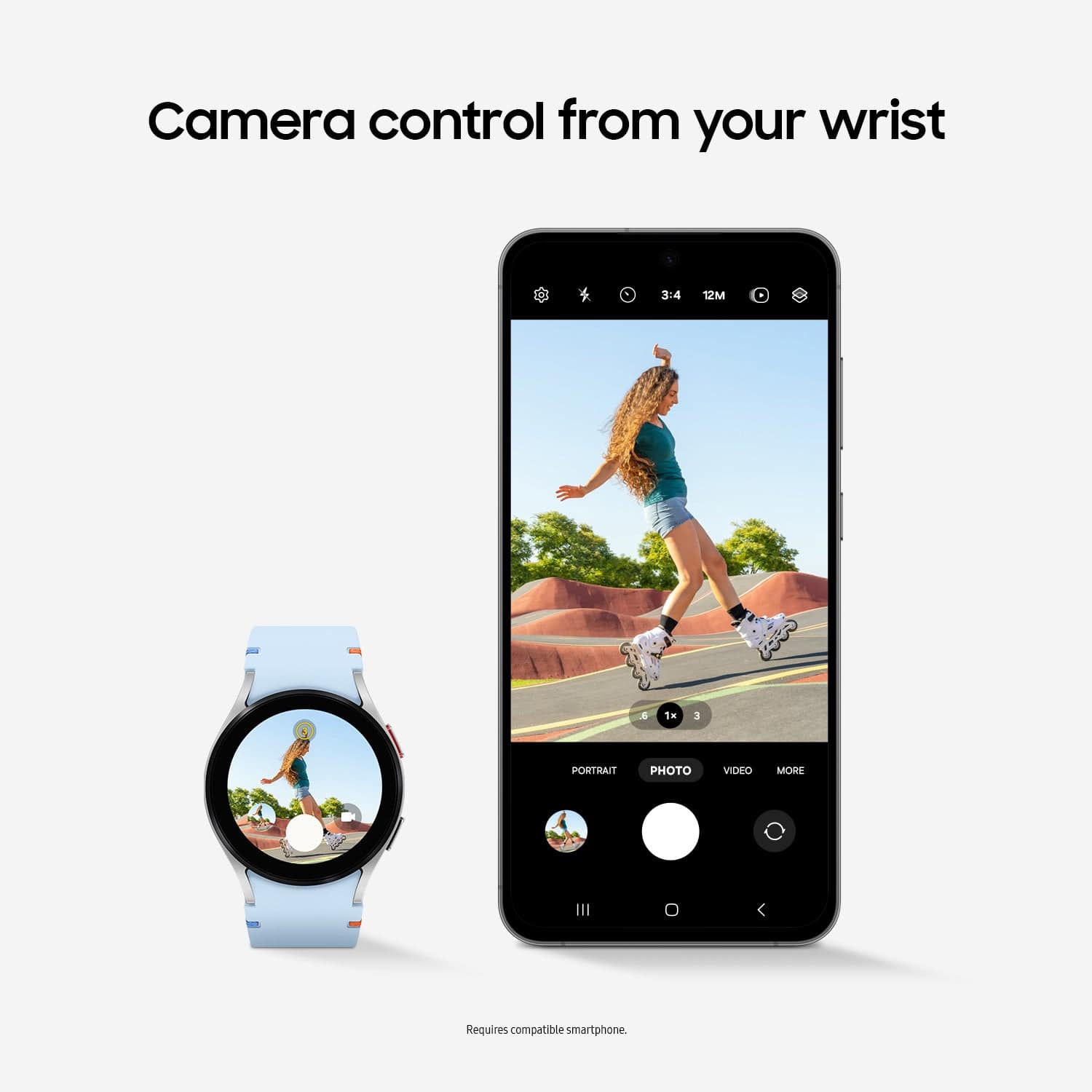
However, the Samsung watch works optimally with Samsung smartphones, providing enhanced features like Samsung Pay, seamless photo sharing, and integrated health data with Samsung Health. While it supports other Android devices, some advanced features may be limited with non-Samsung phones.
Neither watch integrates well with the opposite ecosystem. The Apple Watch Series 10 simply won't work with Android phones, while the Samsung Galaxy Watch FE offers limited functionality with iPhones.
At the time of writing, the price difference between these watches reflects their different market strategies perfectly. The Apple Watch Series 10 costs roughly twice as much as the Samsung Galaxy Watch FE, positioning itself as a premium health and technology showcase.
Apple's premium pricing makes sense when considering the advanced health features, superior processing power, larger storage capacity, and cutting-edge technologies like sleep apnea detection. For users who prioritize having the latest health innovations and don't mind daily charging, the additional cost provides genuine value through features unavailable elsewhere.
The Samsung Galaxy Watch FE represents exceptional value by delivering comprehensive smartwatch functionality at half the cost. You get professional-quality health tracking, extensive fitness features, multi-day battery life, and premium build materials at a price point that makes smartwatches accessible to budget-conscious buyers.
From our evaluation of user reviews and expert opinions, the Samsung watch provides approximately 80% of premium smartwatch functionality at 50% of the cost. The missing 20% primarily consists of cutting-edge health features and premium materials that many users may not need or utilize fully.
While neither watch serves as a primary home theater controller, both offer entertainment features worth considering. The Apple Watch Series 10 integrates with Apple's ecosystem for controlling Apple TV, AirPlay devices, and HomeKit-enabled entertainment systems. The larger display makes it easier to browse content or adjust settings from your wrist.
The Samsung Galaxy Watch FE works with Samsung Smart TVs and can control various Android TV devices. However, its entertainment integration feels more limited compared to Apple's comprehensive ecosystem approach. Both watches can control music playback and volume, but Apple's integration extends deeper into the entertainment experience.
For most users, smartphone-based control remains more practical for home theater management, making this capability more of a convenience feature than a deciding factor.
The Apple Watch Series 10 makes the most sense for iPhone users who prioritize cutting-edge health features and don't mind daily charging routines. If you're interested in sleep apnea detection, want the most advanced health monitoring available, or prefer premium build quality with the latest technology, Apple's offering justifies its higher cost.
This watch particularly appeals to health-conscious users who might benefit from medical-grade features, fitness enthusiasts who want comprehensive data analysis, and technology adopters who enjoy having the newest capabilities. The seamless iPhone integration also makes it the obvious choice for users deeply invested in Apple's ecosystem.
The Samsung Galaxy Watch FE represents the better choice for budget-conscious buyers who want comprehensive smartwatch functionality without premium pricing. If multi-day battery life appeals to you, you appreciate traditional watch aesthetics, or you need extensive fitness tracking variety, Samsung delivers exceptional value.
This watch works particularly well for Android users, fitness enthusiasts who benefit from body composition analysis, and users who prefer not to charge devices daily. The superior scratch resistance also makes it suitable for users in demanding environments or those who prioritize long-term durability.
Based on our research and analysis of user feedback, the Samsung Galaxy Watch FE offers the better value proposition for most users. Unless you specifically need Apple's advanced health features or deep iPhone integration, Samsung provides comprehensive smartwatch capabilities at a more accessible price point with practical advantages like longer battery life and superior scratch resistance.
The Apple Watch Series 10 excels as a premium health and technology showcase, but its advantages primarily benefit users who will actively utilize cutting-edge features and don't mind daily charging routines. For the majority of potential smartwatch buyers, Samsung's approach of delivering essential functionality excellently at half the cost represents the more compelling option.
| Apple Watch Series 10 GPS + Cellular 42mm Aluminum | Samsung Galaxy Watch FE LTE 40mm |
|---|---|
| Display Size - Larger screens are easier to read and interact with | |
| 42mm case with 989 sq mm display area, LTPO3 OLED up to 2000 nits | 40mm case with 1.2" Super AMOLED display, 396×396 pixels |
| Battery Life - Critical for sleep tracking and daily convenience | |
| 18 hours typical use (daily charging required) | Up to 40 hours typical use (multi-day capability) |
| Fast Charging - Compensates for shorter battery life | |
| 80% charge in 30 minutes, 15 minutes gives 8 hours use | Standard wireless charging, about 1 hour for full charge |
| Glass Protection - Determines long-term durability and scratch resistance | |
| Ion-X glass (adequate scratch resistance) | Sapphire crystal glass (superior scratch protection) |
| Processor Performance - Affects app speed and advanced features | |
| S10 SiP with 64-bit dual-core, 4-core Neural Engine, 64GB storage | Exynos W920 dual-core 1.18GHz, 1.5GB RAM, 16GB storage |
| Advanced Health Features - Unique capabilities not found on other watches | |
| Sleep apnea detection, depth gauge, water temperature sensor | Body composition analysis (BIA), 100+ workout modes |
| Heart Monitoring - Essential for fitness and health tracking | |
| ECG with electrical heart sensor, optical heart rate, irregular rhythm alerts | ECG, optical heart rate, BioActive sensor suite |
| Water Resistance - Important for swimming and active lifestyles | |
| 50m water resistance, IP6X dust protection | 5ATM + IP68 rating, MIL-STD-810H durability compliance |
| Ecosystem Compatibility - Determines which phones work best | |
| iPhone exclusive, seamless Apple ecosystem integration | Android 11.0+ compatibility, optimized for Samsung devices |
| Operating System - Affects app selection and customization | |
| watchOS 11 with curated App Store, on-device Siri | Wear OS powered by Samsung, Google Play Store access |
| Weight and Thickness - Impacts all-day comfort | |
| 29.3g, 9.7mm thick (thinnest Apple Watch ever) | 26.6g, 9.8mm thick with traditional round design |
| Build Materials - Affects durability and premium feel | |
| 100% recycled aluminum, carbon neutral manufacturing | Aluminum case with sapphire crystal, MIL-STD-810H rated |
| Price Positioning - Value proposition at time of writing | |
| Premium flagship pricing with cutting-edge health tech | Budget-friendly Fan Edition at roughly half the cost |
The Samsung Galaxy Watch FE LTE 40mm offers significantly better battery life with up to 40 hours of typical usage, potentially lasting multiple days between charges. The Apple Watch Series 10 GPS + Cellular 42mm Aluminum provides 18 hours of battery life, requiring daily charging. However, the Apple Watch Series 10 compensates with ultra-fast charging that reaches 80% in just 30 minutes.
The Apple Watch Series 10 GPS + Cellular 42mm Aluminum only works with iPhones and requires iOS for full functionality. The Samsung Galaxy Watch FE LTE 40mm is designed for Android devices running version 11.0 or higher, with optimal performance on Samsung phones. Neither watch offers cross-platform compatibility with the opposite ecosystem.
Both watches excel at fitness tracking but in different ways. The Samsung Galaxy Watch FE offers over 100 workout modes with automatic detection and unique body composition analysis that measures body fat and muscle mass. The Apple Watch Series 10 provides advanced health features like sleep apnea detection, ECG monitoring, and specialized water sports tracking with depth and temperature sensors.
The Samsung Galaxy Watch FE LTE 40mm features superior scratch protection with sapphire crystal glass and meets MIL-STD-810H military durability standards. The Apple Watch Series 10 uses Ion-X glass which offers adequate protection but is more prone to scratches. Both watches provide 50-meter water resistance and dust protection suitable for swimming and outdoor activities.
The Samsung Galaxy Watch FE delivers exceptional value by providing comprehensive smartwatch functionality at roughly half the cost of Apple's flagship. The Apple Watch Series 10 GPS + Cellular 42mm Aluminum justifies its premium pricing through cutting-edge health innovations, superior processing power, and seamless iPhone integration that aren't available elsewhere.
Yes, both the Apple Watch Series 10 and Samsung Galaxy Watch FE support LTE connectivity for making calls independently from your smartphone. The Apple Watch Series 10 includes improved speakers and voice isolation technology for clearer calls, while the Samsung Galaxy Watch FE provides reliable calling with standard audio quality.
The Apple Watch Series 10 GPS + Cellular 42mm Aluminum features a larger display with 989 sq mm of screen area and LTPO3 OLED technology capable of 2000 nits brightness for excellent outdoor visibility. The Samsung Galaxy Watch FE LTE 40mm offers a 1.2-inch Super AMOLED display with vibrant colors and a traditional round design that appeals to classic watch aesthetics.
The Apple Watch Series 10 leads with medical-grade innovations including sleep apnea detection, advanced ECG capabilities, and temperature-based cycle tracking. The Samsung Galaxy Watch FE counters with unique body composition analysis, comprehensive fitness tracking across 100+ workout modes, and the same core health sensors for heart rate, blood oxygen, and sleep monitoring.
Both watches prioritize comfort but differently. The Apple Watch Series 10 GPS + Cellular 42mm Aluminum is the thinnest Apple Watch ever at 9.7mm and weighs 29.3g with a modern rectangular design. The Samsung Galaxy Watch FE is slightly lighter at 26.6g with a traditional round case that many users find more comfortable for extended wear and sleep tracking.
Yes, both smartwatches support contactless payments. The Apple Watch Series 10 uses Apple Pay which works universally at most contactless payment terminals. The Samsung Galaxy Watch FE LTE 40mm supports both Samsung Pay and Google Wallet, providing flexibility in payment options depending on your preferred platform and region.
The Samsung Galaxy Watch FE offers more app variety through Google Play Store access and greater customization options with third-party watch faces and complications. The Apple Watch Series 10 provides a more curated app experience through Apple's App Store, ensuring higher quality and stability but with fewer choices for personalization.
Choose the Apple Watch Series 10 GPS + Cellular 42mm Aluminum if you're an iPhone user who values cutting-edge health features, premium build quality, and seamless ecosystem integration. Select the Samsung Galaxy Watch FE LTE 40mm if you prioritize multi-day battery life, exceptional value, comprehensive fitness tracking, and superior scratch resistance at a more accessible price point.
We've done our best to create useful and informative comparisons to help you decide what product to buy. Our research uses advanced automated methods to create this comparison and perfection is not possible - please contact us for corrections or questions. These are the sites we've researched in the creation of this article: bestbuy.com - wareable.com - wareable.com - appleinsider.com - youtube.com - youtube.com - youtube.com - apple.com - dcrainmaker.com - dcrainmaker.com - apple.com - apple.com - forums.macrumors.com - gethegoods.com - appleinsider.com - apple.com - support.apple.com - apple.com - en.wikipedia.org - cellcom.com - youtube.com - walmart.com - youtube.com - apple.com - bestbuy.com - apple.com - youtube.com - apple.com - verizon.com - apple.com - apple.com - youtube.com - costco.com - bestbuy.com - t-mobile.com - talk.tidbits.com - support.apple.com - gci.com - att.com - bestbuy.com - samsungmobilepress.com - pocket-lint.com - samsung.com - youtube.com - gsmarena.com - techradar.com - news.samsung.com - youtube.com - androidpolice.com - youtube.com - bestbuy.com - samsung.com - samsung.com - phonearena.com - samsung.com - androidpolice.com - samsung.com - electronics.woot.com - youtube.com - att.com - samsung.com

Privacy Policy
Terms and Conditions - Affiliate Policy
Home Security
© Copyright 2008-2026.
11816 Inwood Rd #1211, Dallas, TX 75244