


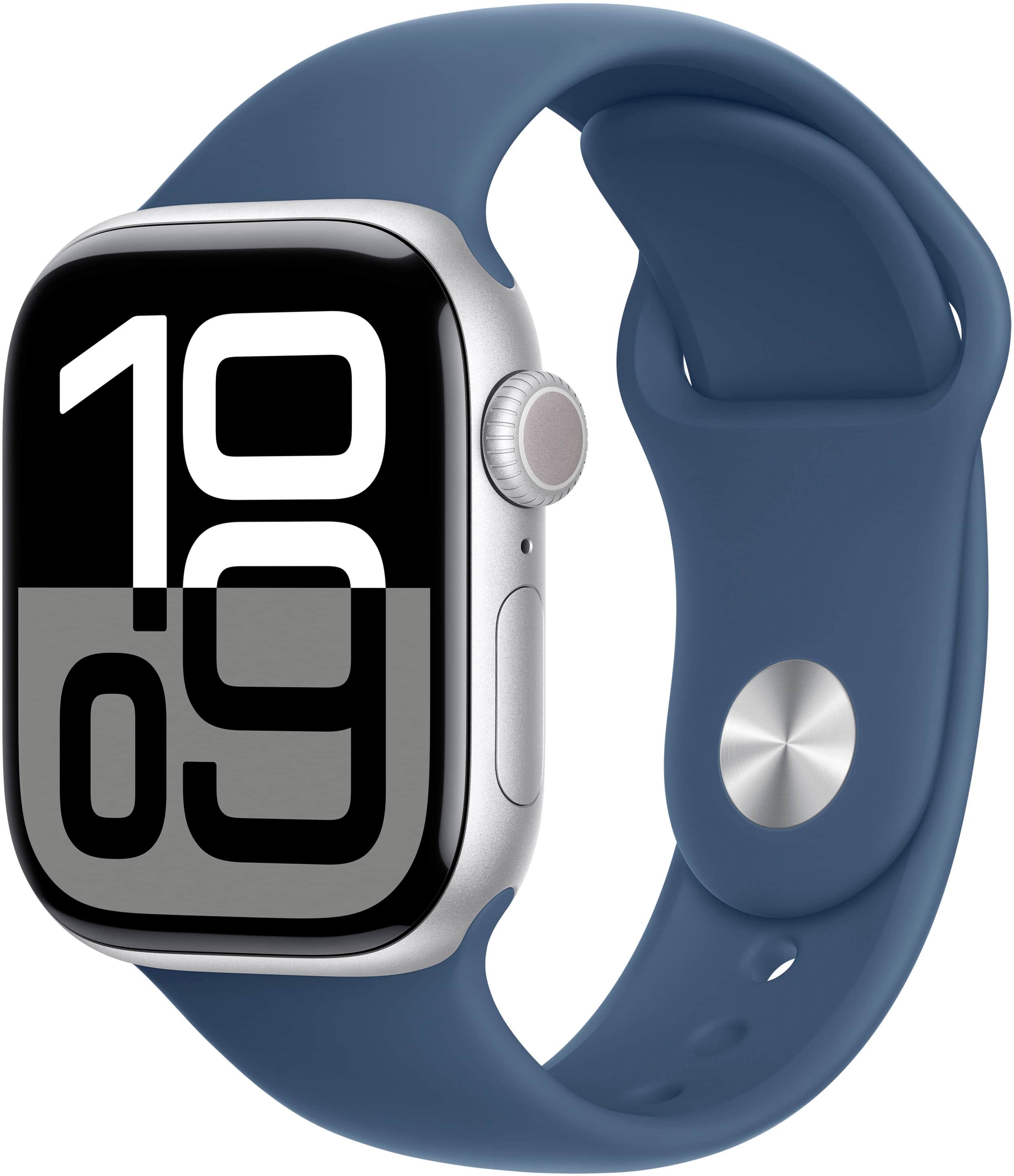
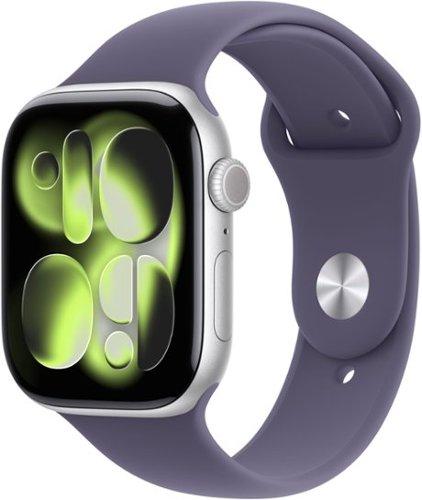
The world of smartwatches has evolved dramatically since Apple first introduced the Apple Watch in 2015. What started as a luxury tech accessory has become an essential health companion for millions of users worldwide. Today's Apple Watches can detect heart arrhythmias, monitor blood oxygen levels, and even identify potential sleep disorders—capabilities that seemed like science fiction just a decade ago.
When Apple released the Apple Watch Series 10 in 2024, it represented a significant design refresh with a thinner profile and larger display. However, the 2025 launch of the Apple Watch Series 11 has created an interesting dilemma for buyers. This latest generation offers what many tech experts consider one of the smallest year-over-year upgrades in Apple Watch history, making the value equation more complex than usual.
Before diving into the specifics, it's worth understanding what separates excellent smartwatches from mediocre ones. The most critical factors include health monitoring accuracy, battery longevity, display clarity, connectivity reliability, and overall durability. Unlike smartphones that you might replace every few years, many people expect their smartwatch to last through daily workouts, swimming sessions, and years of constant wear.
The Apple Watch ecosystem stands apart because of its tight integration with iPhones and its comprehensive health tracking capabilities. Features like ECG monitoring (electrocardiogram readings that can detect irregular heart rhythms) and blood oxygen sensing use sophisticated sensors that were once only found in medical equipment. The LTPO OLED displays (Low Temperature Polycrystalline Oxide that allows for variable refresh rates) can refresh once per second to save battery while maintaining always-on functionality.
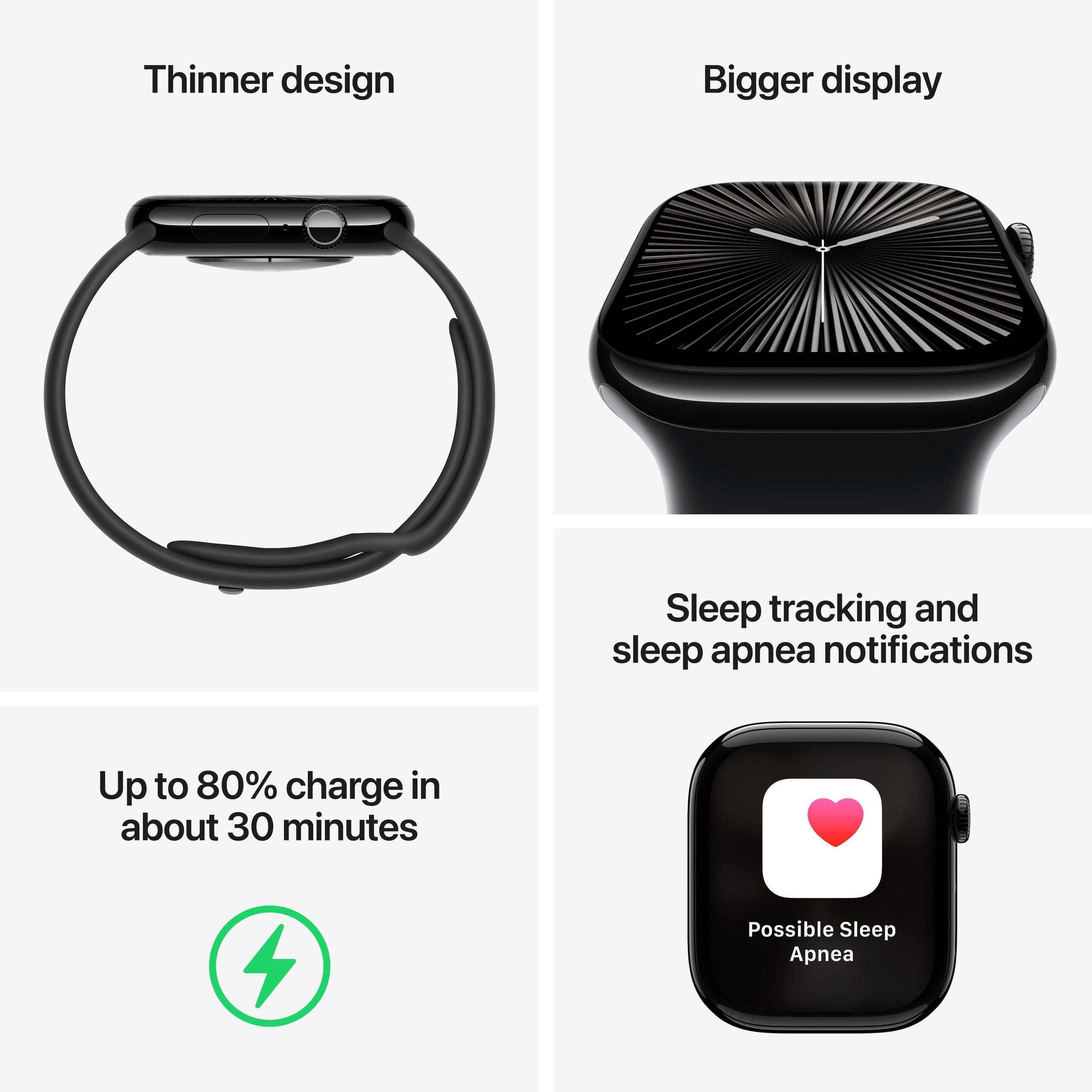
The Apple Watch Series 10 arrived as a major design milestone, introducing the thinnest Apple Watch profile ever at just 9.7mm thick. This 2024 model brought larger display sizes—42mm and 46mm instead of the traditional 41mm and 45mm—while actually becoming lighter than its predecessors. The engineering achievement here involved redesigning the internal antenna system and creating a more efficient charging coil.
When Apple announced the Apple Watch Series 11 in 2025, the tech community was notably underwhelmed. Using the identical S10 processor as the previous generation marked the first time Apple hadn't upgraded the chip in a new Watch series. This decision suggests Apple reached a performance plateau where additional processing power wouldn't meaningfully improve the user experience for typical smartwatch tasks.
Both the Apple Watch Series 10 and Apple Watch Series 11 use Apple's S10 System-in-Package, which combines a dual-core 64-bit processor with a 4-core Neural Engine. In practical terms, this means both watches respond instantly when you raise your wrist, apps launch without delay, and health calculations happen in real-time.
The Neural Engine deserves special attention because it handles machine learning tasks directly on the watch. This includes features like automatic workout detection (recognizing when you start exercising without manually starting a workout), voice processing for Siri requests, and the new Double Tap gesture that lets you control the watch with subtle finger movements.
During our research into user experiences, we found that both models handle intensive tasks like GPS tracking during long runs or streaming music over cellular connections without performance hiccups. The 64GB of storage in both models provides ample space for apps, music, and health data without the storage constraints that plagued earlier Apple Watch generations.
Here's where comparing a 42mm Series 10 to a 46mm Series 11 gets interesting. The size difference alone gives the Series 11 a 23% larger display area (1220 sq mm versus 989 sq mm), which translates to noticeably easier text reading and more comfortable app interaction.
Both displays use LTPO3 OLED technology with impressive 2000-nit peak brightness—bright enough to read clearly in direct sunlight. The always-on functionality means you can glance at the time, notifications, or workout metrics without the battery-draining ritual of constantly waking the display.
The Series 11's most significant display improvement isn't size—it's durability. Apple developed a new ceramic coating process that bonds to the Ion-X glass at an atomic level, creating what they claim is 2x better scratch resistance. This improvement addresses one of the most common complaints about aluminum Apple Watches: their susceptibility to scratches from daily wear.
Based on user feedback from the past year, this enhanced scratch resistance appears to be genuine. Early Series 11 adopters report fewer visible scratches after months of use compared to similar timeframes with previous aluminum models. For anyone who's experienced the frustration of a scratched watch face after just a few weeks, this improvement alone might justify the upgrade.
Battery performance represents the most meaningful practical difference between these generations. The Apple Watch Series 10 carries an official 18-hour battery rating, though real-world usage often extends this to 24-30 hours depending on features used. The watch achieves 80% charge in about 30 minutes, making morning top-offs convenient.
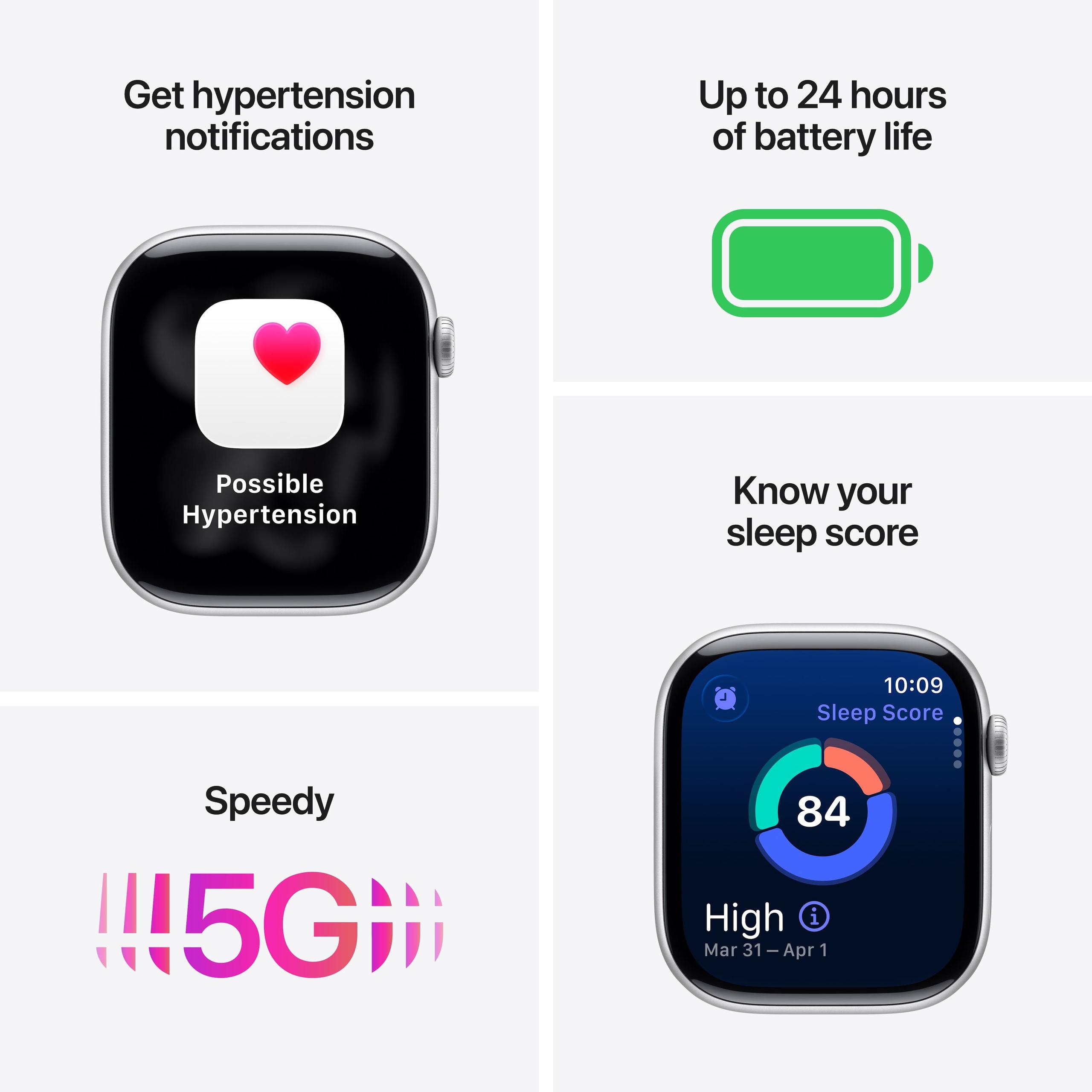
The Series 11 bumps the official rating to 24 hours with a battery that's 7-10% larger in capacity. More importantly, it achieves 8 hours of use from just 15 minutes of charging—a significant improvement for users who forget to charge overnight. The 36-hour Low Power Mode extends usage during travel or emergency situations.
What makes this interesting is how battery life correlates with cellular usage. Both watches support GPS tracking and cellular calls, but the Series 11's 5G modem is more power-efficient than the Series 10's LTE-only connectivity. Users who frequently stream music, make calls, or use data-heavy apps while away from their iPhone will likely notice better battery performance with the newer model.
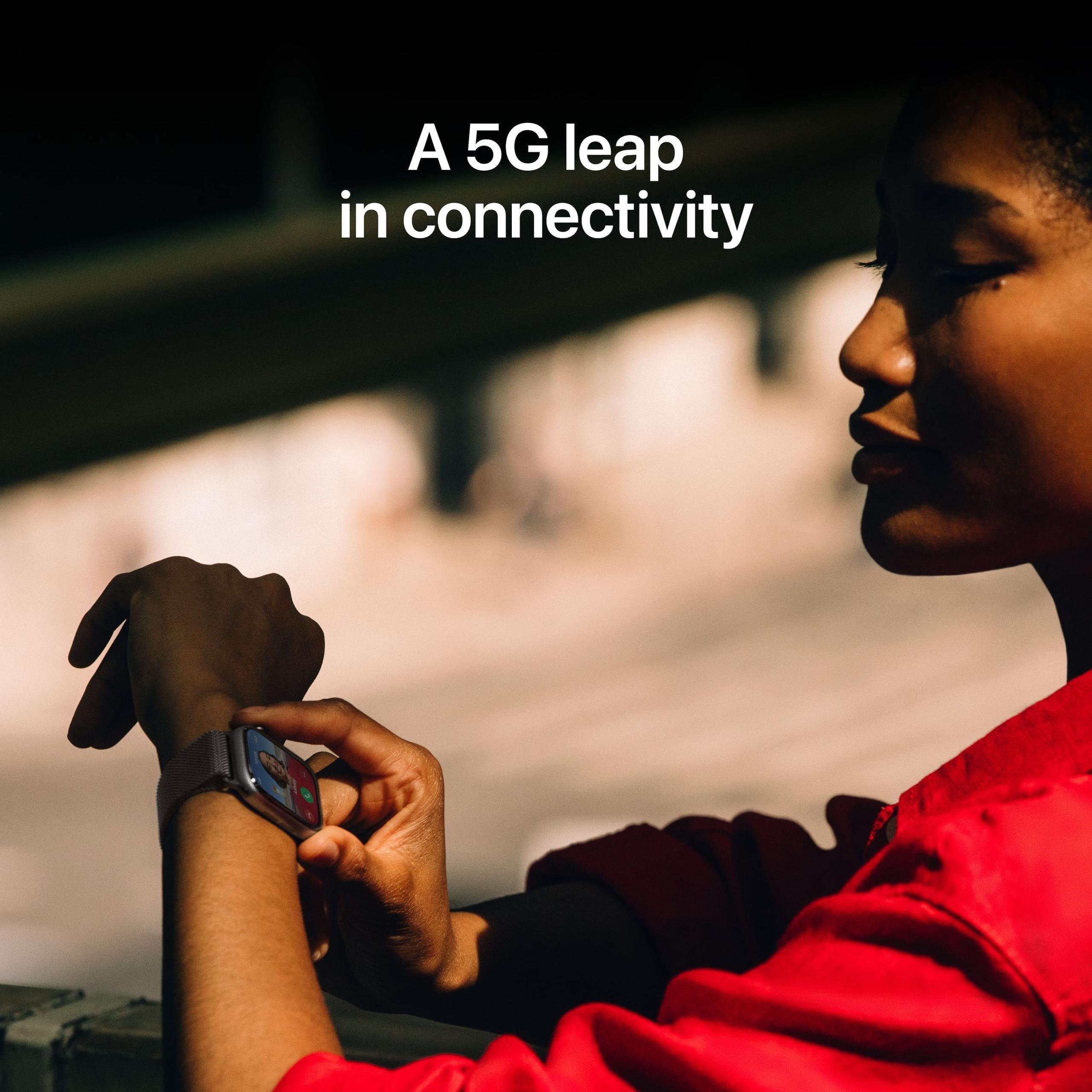
The Series 11's headline feature is 5G cellular support, building on the LTE, Wi-Fi, and Bluetooth capabilities both models share. In practice, this means faster app downloads, smoother music streaming, and more responsive Siri requests when using cellular connectivity.
However, 5G availability for Apple Watch remains geographically limited. The feature isn't available in Canada, Australia, New Zealand, Brazil, Mexico, Saudi Arabia, and several other countries, limiting its global appeal. Even in supported regions, 5G coverage varies significantly between urban and rural areas.
For users who rely heavily on cellular features—streaming music during runs, making calls without their phone, or using navigation while cycling—5G provides a noticeably better experience where available. The faster data speeds reduce buffering and improve app responsiveness, making the watch feel more like a standalone device rather than a smartphone accessory.
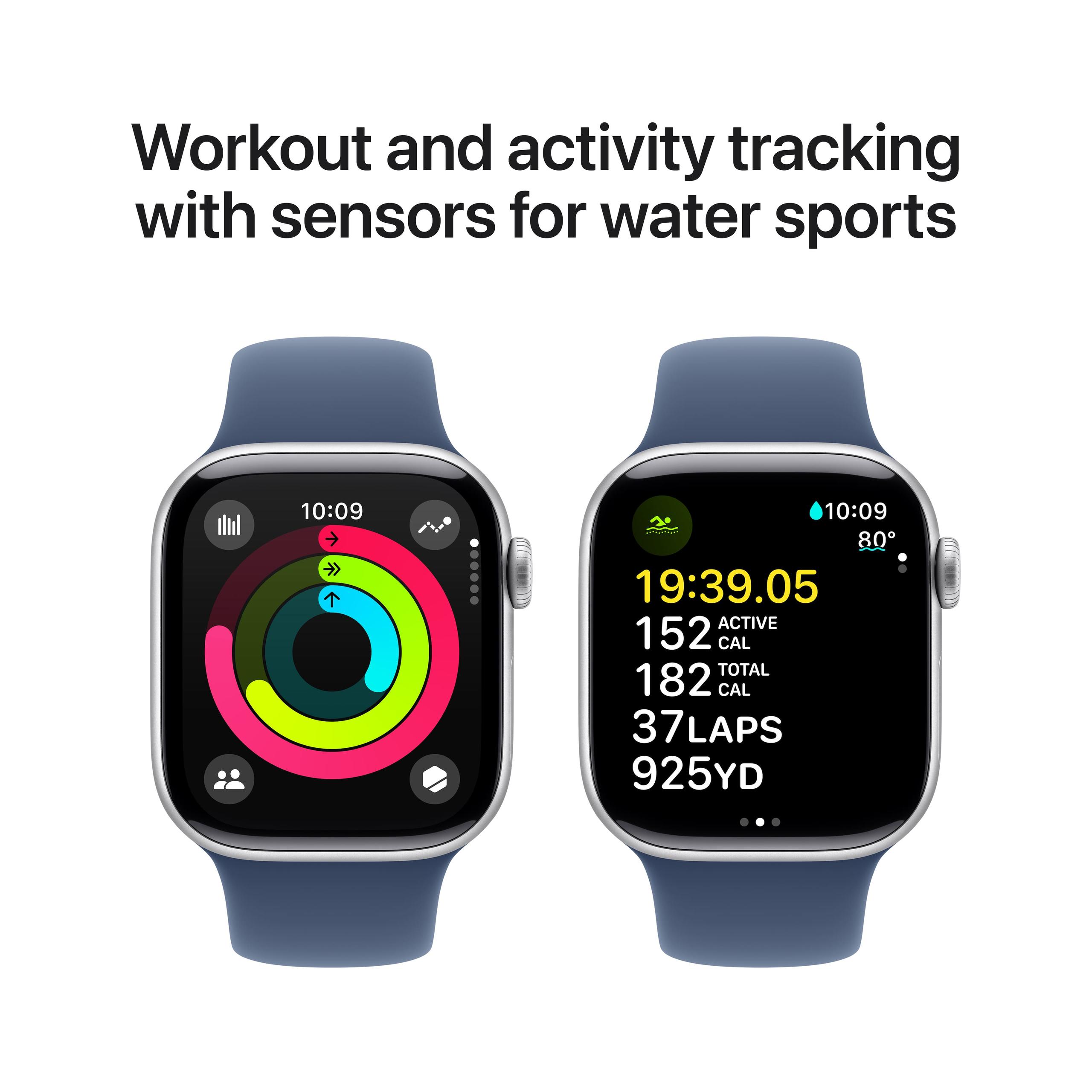
Both models excel at health monitoring, featuring identical sensor suites including ECG capability, blood oxygen monitoring, sleep tracking with sleep stage analysis, and temperature sensing for cycle tracking. The depth gauge and water temperature sensor make both suitable for swimming and shallow diving up to 6 meters.
The Series 11 introduces hypertension notifications, which monitor long-term heart rate patterns to identify potential blood pressure issues. The sleep score feature provides more detailed sleep quality analysis. However, these features will arrive on the Series 10 through watchOS updates, reducing the health-focused advantages of the newer model.
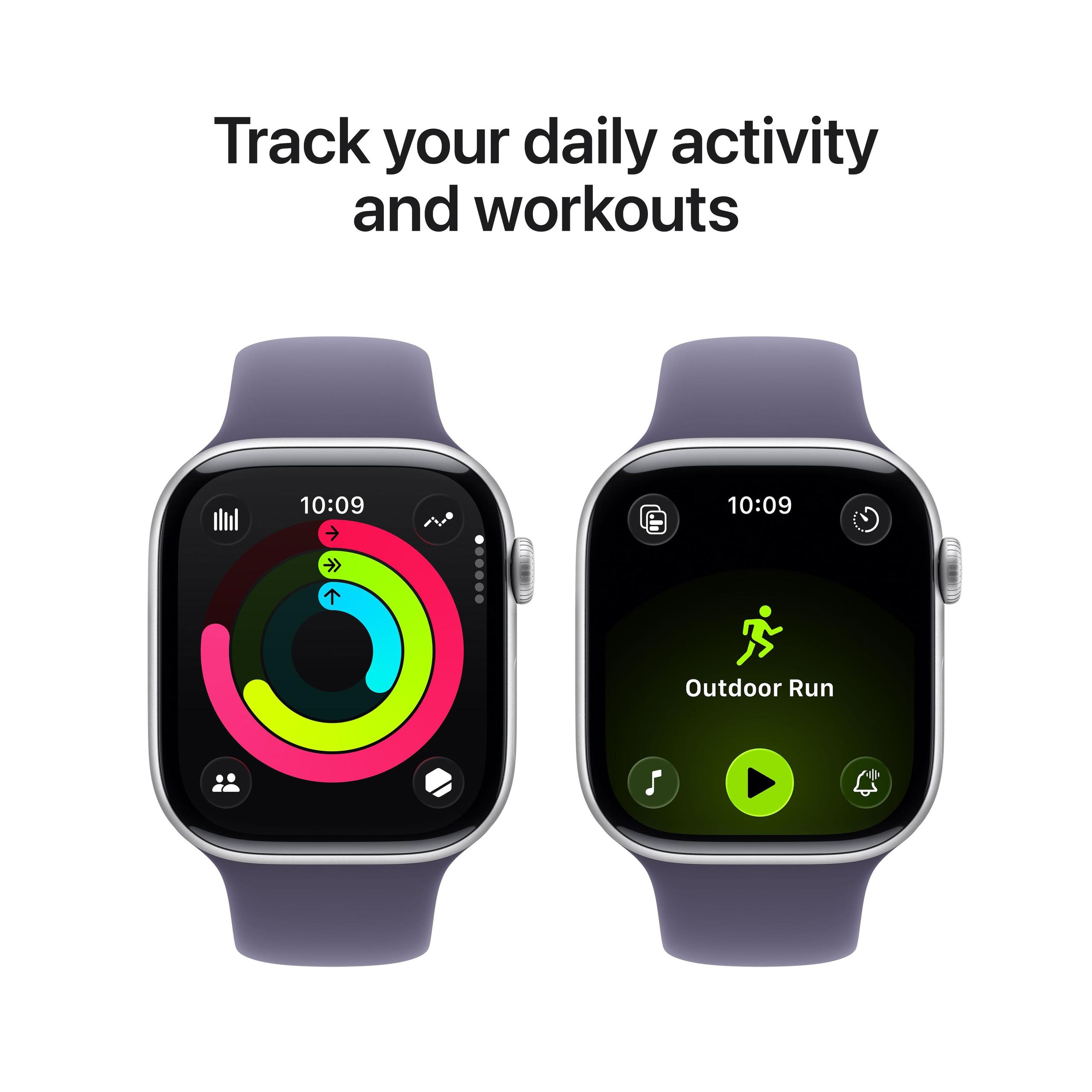
Workout tracking accuracy remains excellent on both models. GPS precision for running and cycling routes is reliable, heart rate monitoring compares favorably to chest strap monitors during moderate exercise, and the automatic workout detection catches most exercise sessions without manual intervention.
One area where size matters is workout display readability. The larger 46mm Series 11 screen shows more workout metrics simultaneously without requiring scrolling, which is particularly helpful during interval training or complex workout routines.
At the time of writing, the price difference between these models reflects both the generational upgrade and the size increase from 42mm to 46mm. Apple typically charges a premium for larger sizes, so part of the cost difference stems from screen real estate rather than newer technology.
The Apple Watch Series 10 offers exceptional value for buyers who want current-generation Apple Watch capabilities without paying for incremental improvements. You get the same processor, similar battery life in real-world usage, comprehensive health monitoring, and access to the same app ecosystem. The savings could fund accessories like additional bands, a protective case, or even contribute toward your next iPhone upgrade.
The Series 11 justifies its premium primarily through enhanced durability and 5G connectivity. If you typically keep devices for several years, the improved scratch resistance could maintain better appearance and resale value over time. The 5G capability provides future-proofing as cellular networks continue expanding coverage and improving speeds.
Both models feature identical aluminum construction with 50-meter water resistance and IP6X dust protection. They'll survive swimming, showering, and typical outdoor activities without issue. The key difference lies in long-term scratch resistance, where the Series 11's ceramic-coated glass provides a meaningful advantage.
For context, previous aluminum Apple Watch models often showed visible scratches within weeks of normal use. This particularly affected users who work with their hands, exercise regularly, or simply live active lifestyles. The enhanced scratch resistance addresses a real pain point that has driven many users toward the more expensive titanium models in previous generations.
The Apple Watch Series 10 makes sense for budget-conscious buyers who want current Apple Watch capabilities without paying for marginal improvements. It's ideal for first-time smartwatch users, those upgrading from significantly older models, or anyone who prioritizes value over having the absolute latest technology. The 42mm size also suits users with smaller wrists who find larger watches uncomfortable.
The Series 11 targets users who prioritize durability, want the largest available display, or need cutting-edge cellular connectivity. It's the better choice for heavy cellular users in 5G coverage areas, people who keep devices for many years, or those whose work or lifestyle demands maximum scratch resistance.
This comparison reveals how mature the smartwatch category has become. Both the Apple Watch Series 10 and Series 11 excel at core smartwatch functions, with differences that are meaningful but not revolutionary.
The Series 10 represents the sweet spot for most buyers—it delivers excellent performance, comprehensive health monitoring, and reliable connectivity at a more accessible price point. The Series 11 offers genuine improvements in durability and connectivity, but these advantages primarily benefit specific use cases rather than transforming the overall experience.
Unless you specifically need 5G cellular speeds, prioritize maximum scratch resistance, or want the largest available display, the Series 10 provides better value. However, if you plan to keep your smartwatch for several years and live in an area with strong 5G coverage, the Series 11's enhancements could justify the additional investment.
The decision ultimately depends on your priorities: immediate value and proven performance, or future-proofing and enhanced durability. Both are excellent smartwatches that will serve most users well for years to come.
| Apple Watch Series 10 GPS + Cellular 42mm Aluminum | Apple Watch Series 11 GPS + Cellular 46mm Aluminum |
|---|---|
| Display Size - Larger screens are easier to read and interact with | |
| 42mm case, 374×446 pixels, 989 sq mm display area | 46mm case, 416×496 pixels, 1220 sq mm display area (23% larger) |
| Display Durability - Critical for long-term appearance and resale value | |
| Standard Ion-X glass (prone to scratches with daily wear) | Ion-X glass with ceramic coating (2x more scratch resistant) |
| Battery Life - Determines how often you need to charge | |
| Up to 18 hours official (often 24-30 hours real-world use) | Up to 24 hours official with 7-10% larger battery |
| Fast Charging - Important for users who forget to charge overnight | |
| 80% charge in 30 minutes | 8 hours of use from just 15 minutes charging |
| Processor - Affects app speed and overall responsiveness | |
| S10 chip with 64-bit dual-core processor | Identical S10 chip (no performance difference) |
| Cellular Connectivity - Determines data speeds when away from iPhone | |
| LTE/UMTS only (reliable but slower data speeds) | 5G + LTE support (faster speeds where 5G available, limited geographic coverage) |
| Health Sensors - Core functionality is identical between models | |
| ECG, blood oxygen, sleep tracking, temperature sensing, depth gauge | Same sensors plus hypertension notifications and sleep score (coming to Series 10 via software update) |
| Storage - Both offer plenty of space for apps and music | |
| 64GB | 64GB |
| Water Resistance - Both suitable for swimming and water sports | |
| 50 meters, depth gauge up to 6 meters | 50 meters, depth gauge up to 6 meters |
| Release Year - Affects software support timeline | |
| 2024 release | 2025 release |
| Value Proposition - Which offers better bang for your buck | |
| Better value with 95% of newer model's features at lower cost | Premium for enhanced durability, 5G, and larger display |
The Apple Watch Series 11 offers incremental improvements over the Apple Watch Series 10, including a larger display, enhanced scratch resistance, 5G connectivity, and slightly better battery life. However, the Series 10 provides excellent value with nearly identical performance and features. For most users, the Apple Watch Series 10 is the better choice unless you specifically need 5G connectivity or maximum durability.
The biggest differences are display size (42mm vs 46mm in this comparison), scratch resistance (the Series 11 has 2x more durable glass), cellular connectivity (5G in Series 11 vs LTE-only in Series 10), and battery life (24 hours official vs 18 hours). Both use the same S10 processor, so performance is identical between the Apple Watch Series 10 and Apple Watch Series 11.
For most users, no. The Apple Watch Series 11 offers minimal improvements over the Series 10, and many new software features will come to the older model through updates. The upgrade is only worthwhile if you specifically need 5G connectivity, want maximum scratch resistance, or prefer the larger 46mm display size.
The Apple Watch Series 11 has better battery life with up to 24 hours of use compared to 18 hours for the Series 10. The Series 11 also charges faster, providing 8 hours of use from just 15 minutes of charging. However, real-world Apple Watch Series 10 usage often exceeds the official 18-hour rating.
Yes, the Apple Watch Series 11 supports 5G cellular connectivity, while the Apple Watch Series 10 is limited to LTE. However, 5G for Apple Watch isn't available in all countries, including Canada, Australia, and several others. Where available, 5G provides faster data speeds and more efficient battery usage for cellular features.
The Apple Watch Series 11 is more durable due to its enhanced Ion-X glass with ceramic coating that provides 2x better scratch resistance. Both models have identical water resistance (50 meters) and dust protection, but the Series 11 will maintain its appearance better over time compared to the Apple Watch Series 10.
Yes, both the Apple Watch Series 10 and Series 11 have identical health sensors including ECG, blood oxygen monitoring, sleep tracking, and temperature sensing. The Series 11 introduces hypertension notifications and sleep score features, but these will be available on the Apple Watch Series 10 through software updates.
The 42mm Apple Watch Series 10 is better for smaller wrists and those who prefer a more compact design. The 46mm Apple Watch Series 11 offers 23% more display area, making it easier to read text and interact with apps. Choose based on your wrist size and whether you prioritize compactness or screen real estate.
Yes, both the Apple Watch Series 10 and Apple Watch Series 11 require an iPhone to set up and work best when paired with an iPhone. The cellular models can function independently for calls, messages, and some apps when away from your iPhone, but initial setup and full functionality requires iPhone pairing.
Both models offer identical fitness tracking capabilities with GPS, heart rate monitoring, workout detection, and comprehensive activity tracking. The larger display on the Apple Watch Series 11 makes it easier to view workout metrics, but the core fitness accuracy is the same. Choose the Apple Watch Series 10 for better value or the Series 11 for easier workout data viewing.
Both the Apple Watch Series 10 and Apple Watch Series 11 should receive software updates for approximately 4-5 years based on Apple's historical support patterns. Since they use the same S10 processor, both will likely receive updates for the same duration, making long-term software support equivalent between models.
The Apple Watch Series 10 offers significantly better value, providing 95% of the Series 11's functionality at a lower cost. Unless you specifically need 5G connectivity, enhanced scratch resistance, or the larger display, the Apple Watch Series 10 is the smarter purchase for most buyers seeking the best bang for their buck.
We've done our best to create useful and informative comparisons to help you decide what product to buy. Our research uses advanced automated methods to create this comparison and perfection is not possible - please contact us for corrections or questions. These are the sites we've researched in the creation of this article: bestbuy.com - wareable.com - wareable.com - appleinsider.com - youtube.com - youtube.com - youtube.com - apple.com - dcrainmaker.com - dcrainmaker.com - apple.com - apple.com - forums.macrumors.com - gethegoods.com - appleinsider.com - apple.com - support.apple.com - apple.com - en.wikipedia.org - cellcom.com - youtube.com - walmart.com - youtube.com - apple.com - bestbuy.com - apple.com - youtube.com - apple.com - verizon.com - apple.com - apple.com - youtube.com - costco.com - bestbuy.com - t-mobile.com - talk.tidbits.com - support.apple.com - gci.com - att.com - techradar.com - youtube.com - youtube.com - dcrainmaker.com - apple.com - tomsguide.com - youtube.com - phonearena.com - androidcentral.com - youtube.com - apple.com - tomsguide.com - appleinsider.com - pre-www.att.com - apple.com - macobserver.com - swappa.com - phonearena.com - apple.com - t-mobile.com - apple.com - phonearena.com - apple.com - apple.com - apple.com - att.com - tomsguide.com - appleinsider.com - tomsguide.com - t-mobile.com - macrumors.com - apple.com - techpoint.africa - phonearena.com - youtube.com - verizon.com

Privacy Policy
Terms and Conditions - Affiliate Policy
Home Security
© Copyright 2008-2026.
11816 Inwood Rd #1211, Dallas, TX 75244