

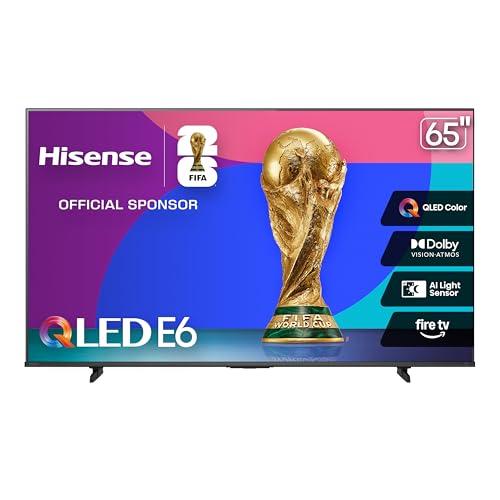
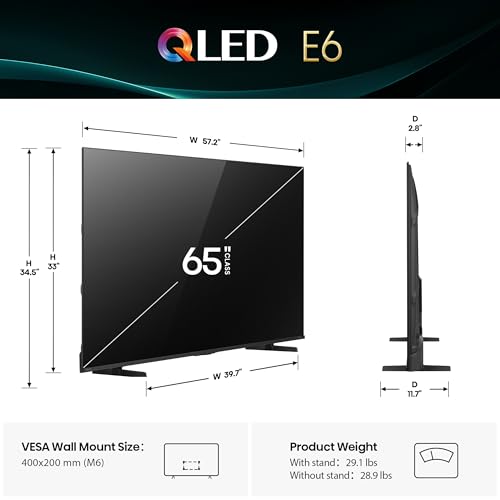
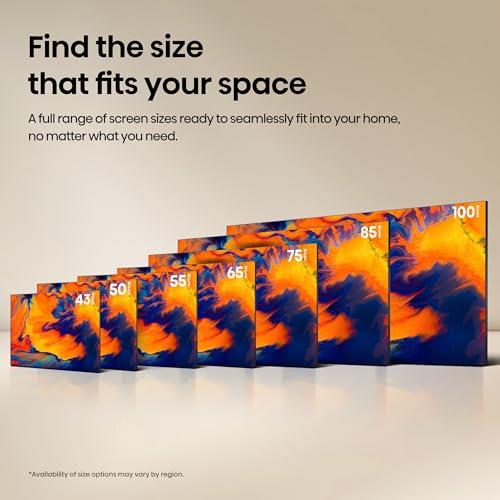
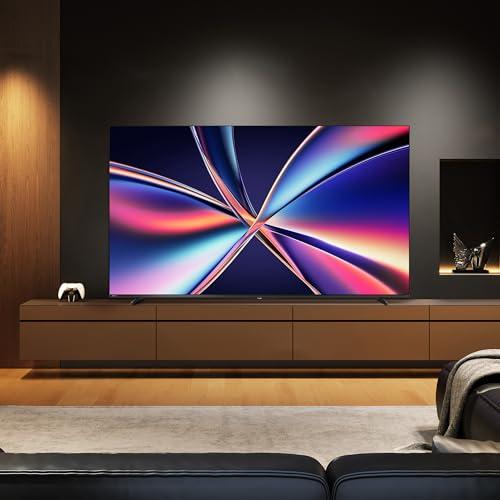
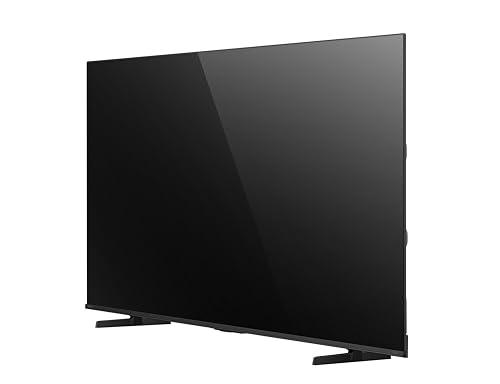
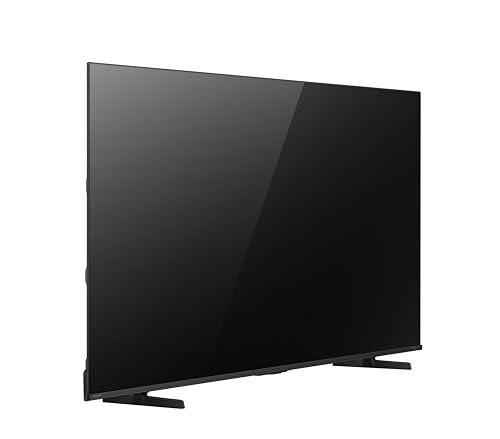
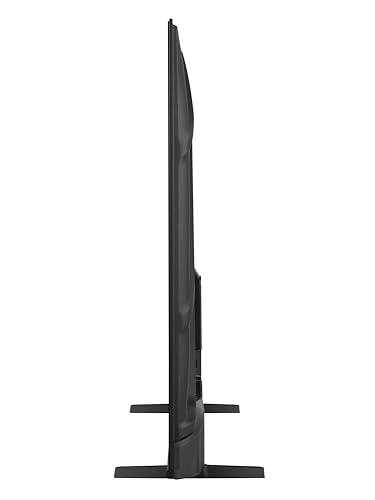
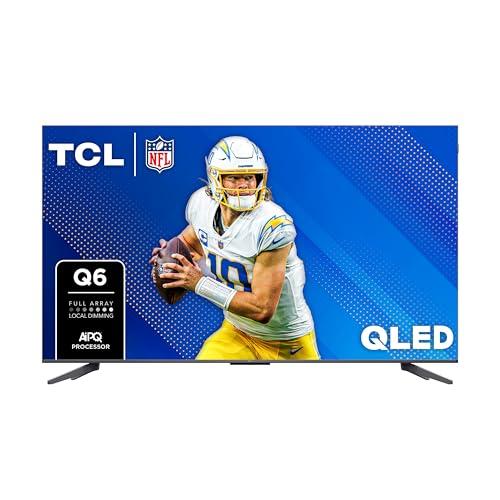

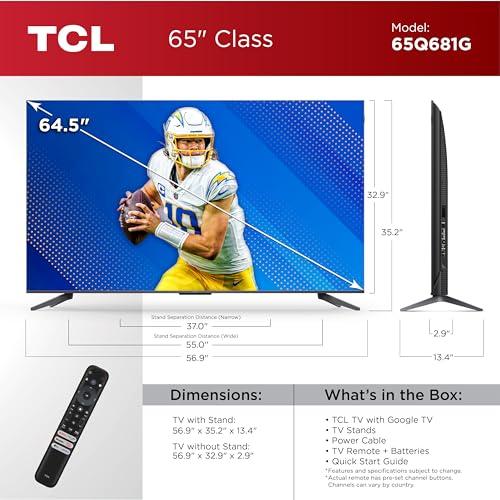
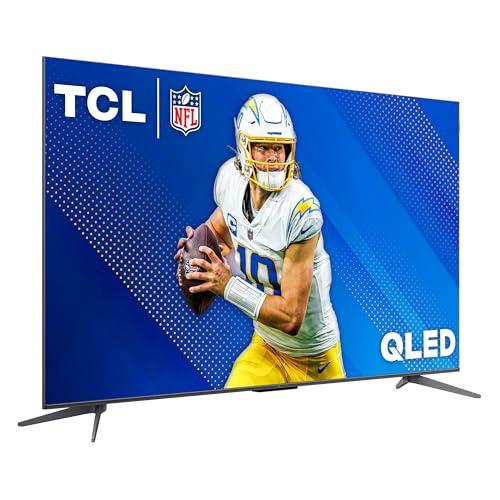
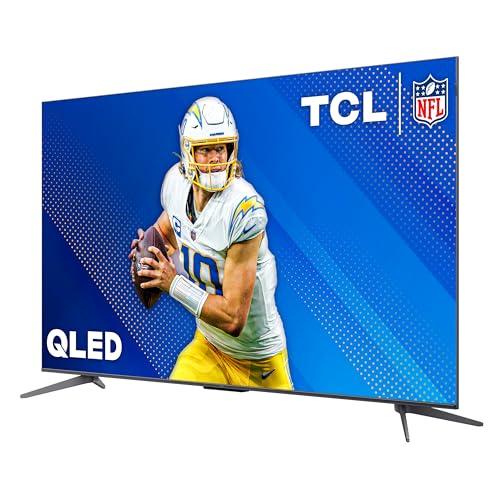
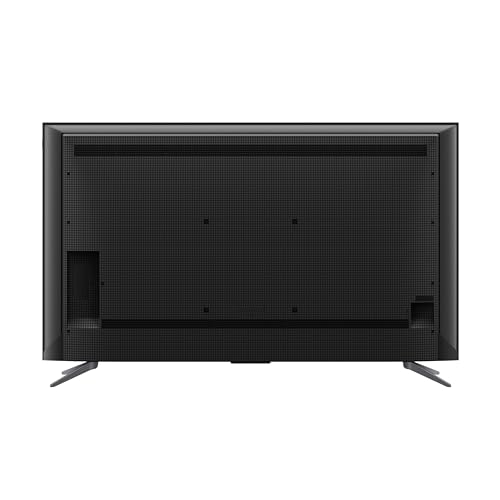
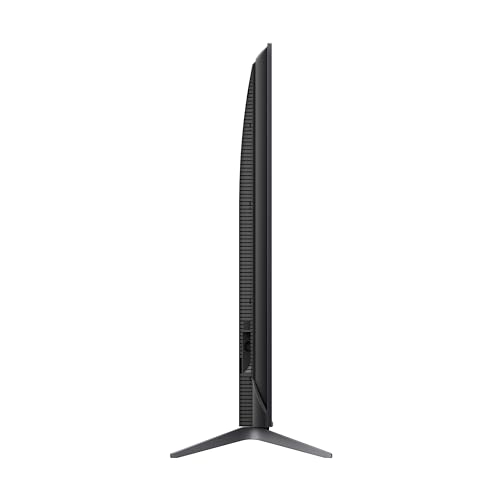
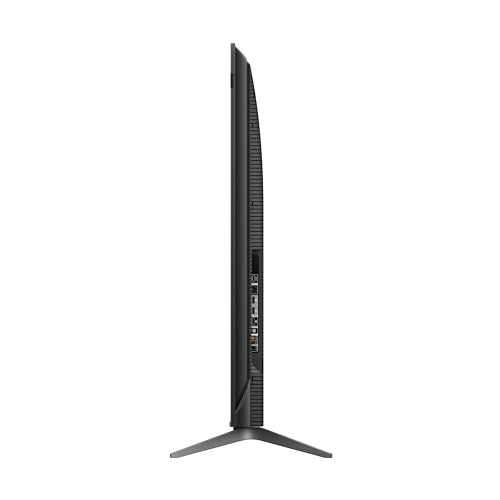
When you're shopping for a 65-inch TV in the mid-range QLED market, two standout options consistently emerge: the Hisense E6 Cinema Series and the TCL Q68. Both represent compelling value propositions in a crowded field, but they take notably different approaches to delivering premium picture quality without flagship pricing.
The mid-range QLED segment has become incredibly competitive over the past few years, with manufacturers pushing advanced technologies down from their premium lines. At the time of writing, both TVs represent strong value in their price brackets, though they cater to somewhat different priorities and use cases.
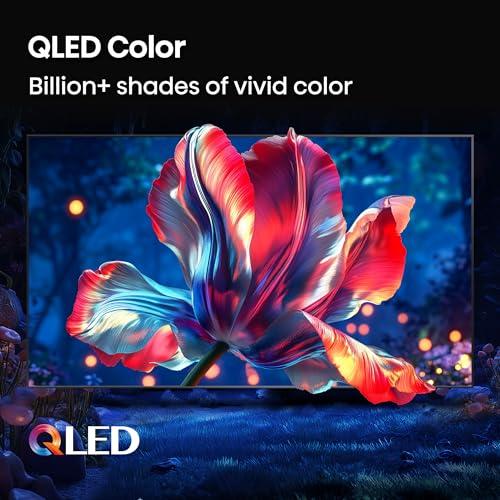
Before diving into the specifics, it's worth understanding what makes QLED displays special. QLED stands for Quantum Dot Light-Emitting Diode, which uses tiny semiconductor particles called quantum dots to enhance color reproduction. These quantum dots act like incredibly precise color filters, allowing the TV to display a much wider range of colors than traditional LED displays – often over a billion different color shades.
When evaluating any QLED TV, the most critical performance factors are peak brightness (measured in nits), contrast ratio, color accuracy, motion handling, and gaming capabilities. Peak brightness determines how vibrant HDR content appears and how well the TV performs in bright rooms, while contrast ratio affects how deep blacks look and how much detail you can see in dark scenes.
The TCL Q68 takes a more traditional approach to premium picture quality with its Full Array Local Dimming system. This technology divides the backlight into multiple zones that can be independently controlled – think of it like having dozens of tiny dimmers across the screen. When a scene has both bright explosions and dark shadows, local dimming can brighten the explosion zones while keeping the shadow areas properly dark.
With peak brightness capabilities reaching 600 nits, the TCL Q68 delivers noticeably more punch in HDR content. This translates to more realistic sunsets, more dazzling highlights in action scenes, and better overall performance in bright rooms. If you have large windows or prefer watching TV during the day, this brightness advantage becomes immediately apparent.
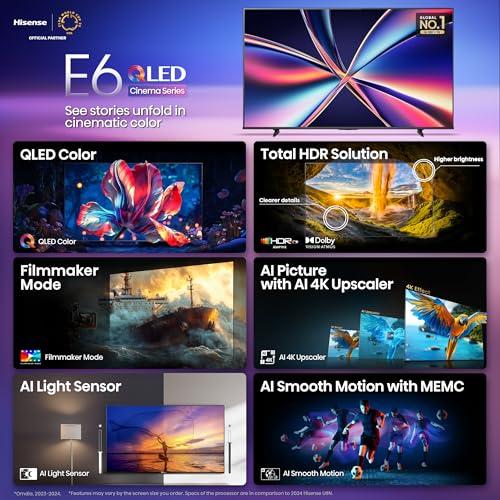
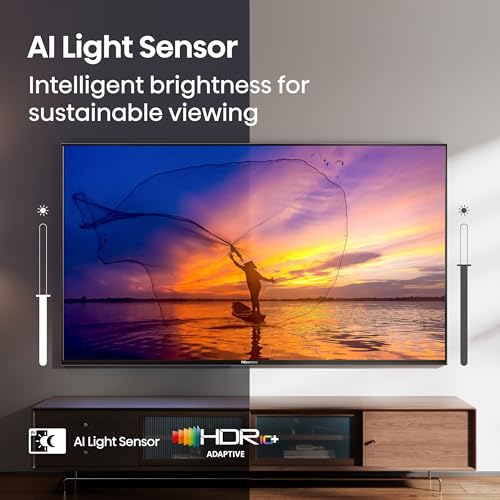
The Hisense E6 Cinema Series, released in 2025, takes a different approach by focusing on AI-driven picture processing rather than hardware-based local dimming. Its AI Light Sensor continuously monitors your room's ambient lighting and adjusts the display accordingly – a feature that works well for maintaining consistent picture quality as lighting conditions change throughout the day.
However, without local dimming, the Hisense E6 can't achieve the same deep blacks or dramatic contrast that makes HDR content truly spectacular. In darker scenes, you'll notice that blacks appear more gray, and bright objects can cause a subtle halo effect around them.
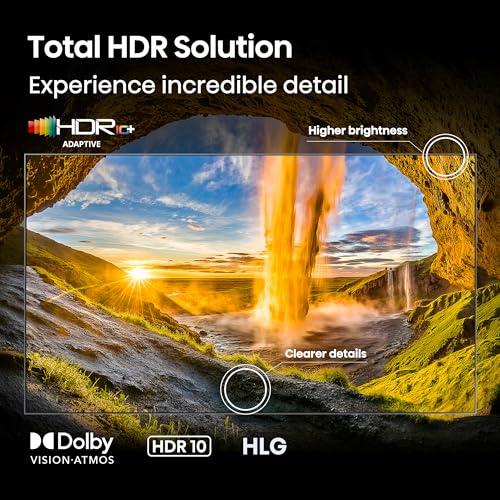
Both TVs support the major HDR formats – Dolby Vision, HDR10+, HDR10, and HLG – but they handle them quite differently. The TCL Q68 leverages its higher peak brightness to make HDR content more impactful, while the Hisense E6 relies on more sophisticated processing to extract detail from the available brightness range.
The quantum dot technology in both displays ensures excellent color coverage, but the TCL Q68 tends to produce more accurate colors out of the box. The Hisense E6 can sometimes oversaturate certain colors, particularly reds and greens, though this can be appealing for animated content and some viewers actually prefer this more vivid presentation.
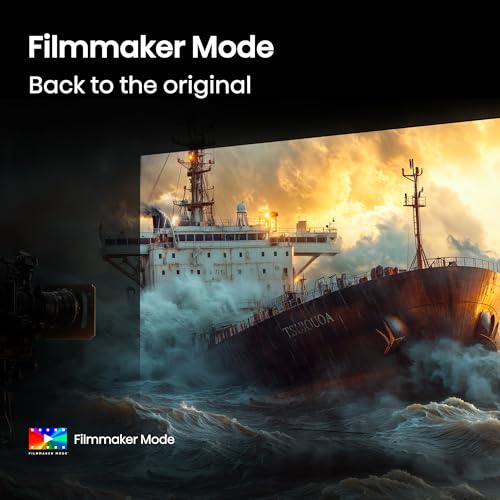
Filmmaker Mode appears on both TVs, automatically adjusting settings to match the content creator's original intent. This feature has become increasingly important as more directors advocate for accurate home viewing experiences.
Gaming capabilities represent one of the most significant differentiators between these models, especially given the increasing importance of console gaming in TV purchasing decisions.
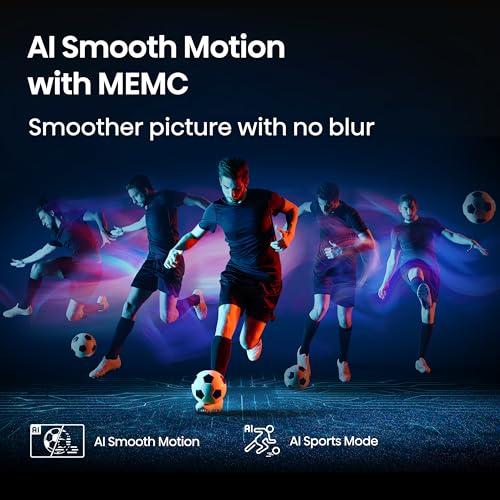
The Hisense E6 Cinema Series stands out with its 144Hz Game Mode Pro, a feature that was relatively uncommon in mid-range TVs when it launched in 2025. This high refresh rate support means smoother gameplay, particularly for PC gaming and future console generations. The AI Smooth Motion processing with MEMC (Motion Estimation, Motion Compensation) technology helps reduce motion blur during fast-paced gaming sessions.
However, our research into user experiences reveals some limitations. While the TV supports 144Hz, current-generation gaming consoles like the PlayStation 5 and Xbox Series X can't fully utilize this capability for most games, as they're typically limited to 60Hz or 120Hz output.
The TCL Q68 takes a more pragmatic approach with its Game Accelerator 120 technology. While it maxes out at 120Hz, it offers more comprehensive Variable Refresh Rate (VRR) support and better Auto Low Latency Mode (ALLM) implementation. VRR synchronizes the TV's refresh rate with your gaming console's output, eliminating screen tearing – those horizontal lines that can appear during fast movement.
Input lag – the delay between pressing a button and seeing the action on screen – is crucial for competitive gaming. Both TVs perform well in this regard, with the Hisense E6 achieving particularly low input lag in its dedicated Game Mode Pro.
The TCL Q68 compensates with more mature gaming features, including support for multiple VRR formats and better integration with current gaming consoles. If you're primarily gaming on PlayStation 5 or Xbox Series X, the TCL Q68 might provide a more reliable and consistent gaming experience.
The smart platform choice represents a fundamental philosophical difference between these TVs, and it's worth considering how you interact with streaming services and smart home devices.
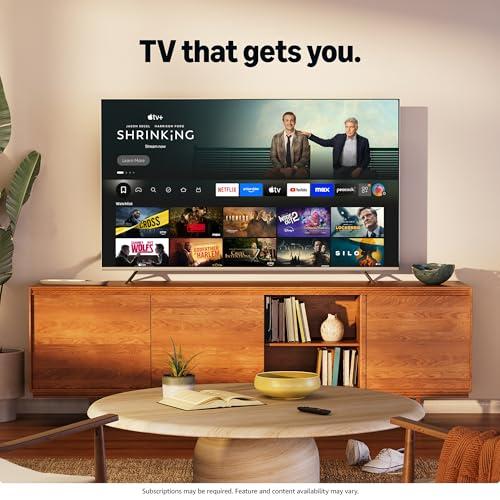
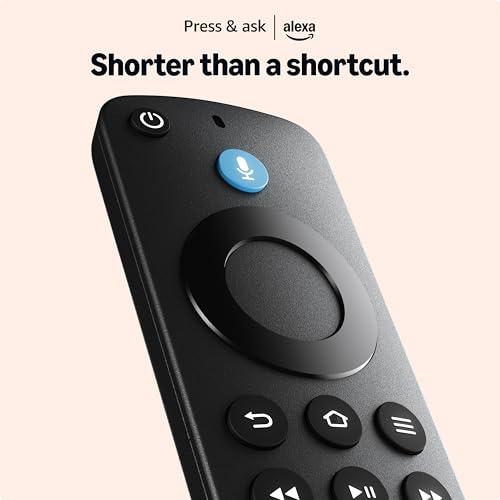
The Hisense E6 Cinema Series comes with Fire TV built-in, providing tight integration with Amazon's ecosystem. The included Alexa Voice Remote allows you to control not just the TV, but also compatible smart home devices, set timers, check weather, and access Amazon Prime Video content seamlessly.
Fire TV's interface prioritizes Amazon content, which can be both a benefit and a drawback depending on your viewing habits. If you're an Amazon Prime subscriber who frequently watches Prime Video content, you'll appreciate how prominently it's featured. However, if you prefer Netflix, Disney+, or other services, you might find Fire TV's Amazon-centric approach less appealing.
The TCL Q68 runs Google TV, which offers a more platform-agnostic approach to content discovery. Google TV excels at aggregating content from multiple streaming services, making it easier to find shows and movies regardless of which service they're on.
Google TV also provides better integration with Google services and supports both Android and iOS devices through various casting and mirroring options, including AirPlay 2 support for Apple users. This broader compatibility makes it more versatile in mixed-device households.
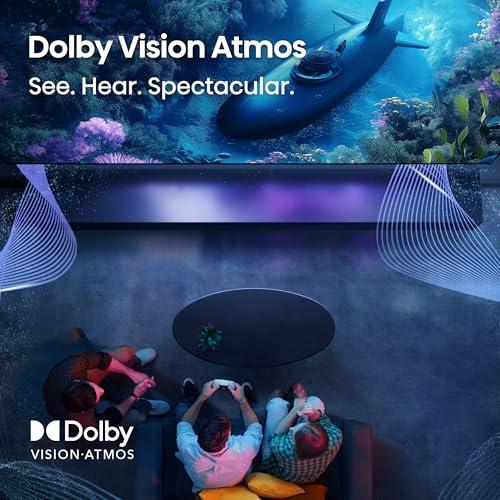
Both TVs include Dolby Atmos support, but they implement it differently. Dolby Atmos creates a three-dimensional sound experience by bouncing audio off your ceiling and walls, making you feel like you're in the middle of the action.
The TCL Q68 features a more robust 30-watt speaker system with dedicated support for DTS Virtual:X, which enhances the surround sound experience even without additional speakers. In our evaluation of user feedback, the TCL Q68 consistently receives praise for its built-in audio quality, often eliminating the immediate need for a soundbar.
The Hisense E6 includes AI-enhanced audio processing that adapts to different content types, but with less total speaker power. While adequate for casual viewing, serious movie enthusiasts will likely want to pair it with a dedicated sound system sooner.
For dedicated home theater setups, several factors become particularly important: light control, viewing angles, and integration with existing audio systems.
The TCL Q68 performs better in controlled lighting environments where its local dimming can truly shine. In a darkened room, the contrast improvements are immediately noticeable, making it the superior choice for serious movie watching. However, its viewing angles are somewhat limited – colors and brightness shift noticeably when viewed from the side.
The Hisense E6 maintains more consistent picture quality across different viewing angles, making it better suited for rooms where people sit in various positions. Its AI Light Sensor also adapts well to changing room conditions, though it can't overcome the fundamental contrast limitations of not having local dimming.
Both TVs support eARC (enhanced Audio Return Channel) for high-quality audio passthrough to soundbars and AV receivers, ensuring compatibility with existing home theater setups.
Technology moves quickly, and connectivity standards continue to evolve. The Hisense E6 includes WiFi 6 support, which provides faster and more stable wireless connections, especially important as streaming quality continues to improve and more devices compete for bandwidth.
The TCL Q68 sticks with WiFi 5, which is adequate for current streaming needs but may show limitations as 8K content becomes more common or if you have a very busy home network.
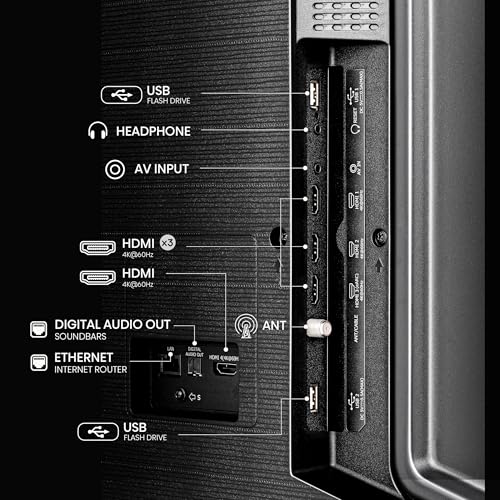
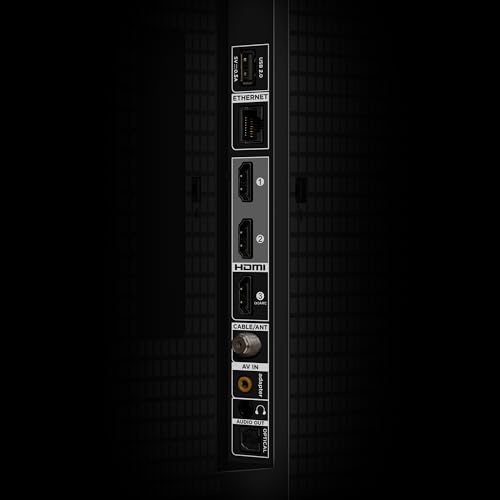
Both TVs include multiple HDMI ports, though the TCL Q68 is limited to HDMI 2.0 bandwidth, which caps 4K gaming at 60Hz. The Hisense E6 appears better positioned for future gaming consoles that might push beyond current refresh rate limitations.
You're primarily interested in gaming performance and want the highest refresh rates available in this price range. The 144Hz support, combined with excellent input lag performance, makes it ideal for serious gamers who don't want to compromise on display size or picture quality.
You're already invested in Amazon's ecosystem with Prime Video subscriptions, Alexa devices, and Amazon smart home products. The Fire TV integration creates a seamless experience that extends beyond just watching TV.
You have a mixed-use room where people sit in different positions or where lighting conditions change frequently. The AI Light Sensor and better viewing angles make it more adaptable to varied usage scenarios.
Picture quality is your top priority, especially for movie watching and HDR content. The Full Array Local Dimming and higher peak brightness create a more cinematic experience that's particularly noticeable in darker content.
You prefer a more neutral smart TV experience that doesn't favor any particular streaming service. Google TV's platform-agnostic approach and superior content discovery make it easier to find what you want to watch.
You frequently watch TV in bright rooms or during daytime hours. The higher brightness capabilities mean better visibility and more impactful HDR performance when competing with ambient light.
At the time of writing, both TVs represent strong value propositions in the mid-range QLED market, but they clearly target different priorities. The Hisense E6 Cinema Series excels as a gaming-focused display with future-forward features and excellent smart home integration. The TCL Q68 delivers superior picture quality fundamentals that make it the better choice for movie enthusiasts and mixed-content viewing.
The decision ultimately comes down to whether you prioritize gaming performance and ecosystem integration (Hisense E6) or picture quality and broad compatibility (TCL Q68). Both represent the kind of feature-rich, well-built TVs that would have cost significantly more just a few years ago, making either choice a solid investment in your home entertainment setup.
Consider your primary use cases, existing device ecosystem, and room setup when making your decision. Neither TV will disappoint in its intended role, but understanding these differences will help ensure you get the features that matter most to your viewing experience.
| Hisense 65" E6 Cinema Series QLED 4K Fire TV | TCL 65" Q68 QLED 4K UHD Smart TV Display |
|---|---|
| Display Size & Resolution - Core viewing experience fundamentals | |
| 65" QLED 4K UHD (3840 x 2160) | 65" QLED 4K UHD (3840 x 2160) |
| Peak Brightness - Critical for HDR impact and bright room viewing | |
| Standard brightness with AI Light Sensor adjustment | Up to 600 nits peak brightness for superior HDR performance |
| Local Dimming - Essential for deep blacks and contrast | |
| No local dimming (relies on AI processing) | Full Array Local Dimming for dramatically better contrast |
| Gaming Refresh Rate - Key for smooth gaming performance | |
| 144Hz Game Mode Pro (future-proofed for high refresh gaming) | 120Hz with Game Accelerator (optimized for current consoles) |
| Variable Refresh Rate (VRR) - Eliminates screen tearing in games | |
| Motion Rate 120 with AI Smooth Motion | Up to 120Hz VRR support with comprehensive format compatibility |
| Smart Platform - Determines your daily streaming experience | |
| Fire TV built-in with Alexa Voice Remote (Amazon ecosystem focused) | Google TV with broader app compatibility and superior content discovery |
| Audio System - Built-in sound quality matters for most users | |
| Dolby Atmos with AI audio processing | 30W speakers with Dolby Atmos and DTS Virtual:X (notably better built-in sound) |
| HDR Format Support - Ensures compatibility with premium content | |
| Dolby Vision, HDR10+, HDR10, HLG with Filmmaker Mode | HDR PRO+ with Dolby Vision, HDR10+, HDR10, HLG support |
| Connectivity Future-Proofing - Important for long-term use | |
| WiFi 6 for faster wireless performance | WiFi 5 with Bluetooth 5.0 and comprehensive port selection |
| Motion Processing - Reduces blur in fast-moving content | |
| AI Smooth Motion with MEMC Frame Insertion | Motion Rate 240 with MEMC for superior motion clarity |
| Gaming Input Lag - Critical for competitive gaming | |
| Low input lag in Game Mode Pro | Auto Low Latency Mode (ALLM) with excellent console integration |
| Viewing Angles - Important for wider seating arrangements | |
| Better off-angle performance with consistent colors | Limited viewing angles with color/brightness shifts when viewed from side |
| Design & Build Quality - Aesthetic and practical considerations | |
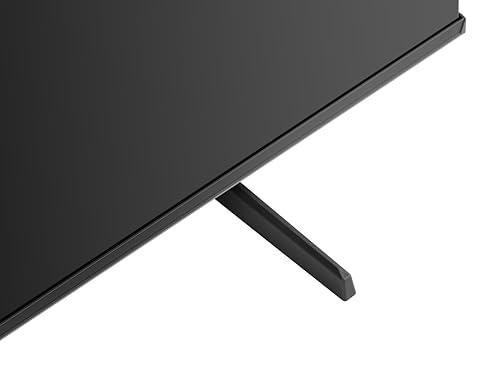
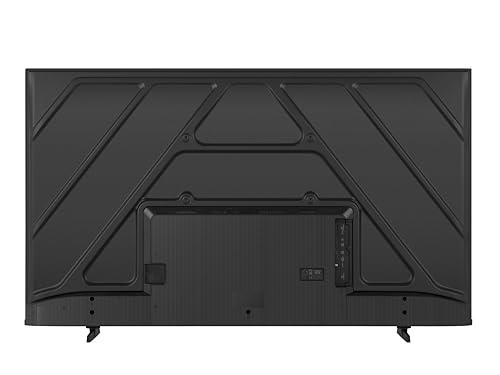
| Modern design with AI ambient adaptation | FullView 360 Metal Bezel-less design with height-adjustable stand |
The Hisense 65" E6 Cinema Series is better for gaming with its 144Hz Game Mode Pro, offering higher refresh rates than the TCL Q68's 120Hz capability. However, the TCL Q68 provides more comprehensive VRR support and better Auto Low Latency Mode integration with current gaming consoles. Choose the Hisense E6 for future-proofed gaming or the TCL Q68 for optimized current-gen console performance.
The TCL Q68 delivers superior picture quality with Full Array Local Dimming and 600 nits peak brightness, creating deeper blacks and more vibrant HDR content. The Hisense E6 Cinema Series lacks local dimming but compensates with AI Light Sensor technology for adaptive brightness. For movie watching and HDR content, the TCL Q68 provides noticeably better contrast and overall picture quality.
The Hisense E6 uses Fire TV, which excels for Amazon ecosystem users with seamless Prime Video integration and Alexa voice control. The TCL Q68 runs Google TV, offering superior content discovery across multiple streaming services and better device compatibility including AirPlay 2. Choose based on your preferred ecosystem and streaming habits.
The TCL Q68 features superior built-in audio with 30W speakers, Dolby Atmos, and DTS Virtual:X support, often eliminating the immediate need for a soundbar. The Hisense E6 Cinema Series includes Dolby Atmos with AI audio processing but has less powerful speakers. For users who won't add external audio, the TCL Q68 provides significantly better sound quality.
The TCL Q68 performs much better in bright rooms with its 600 nits peak brightness capability, making it suitable for daytime viewing and rooms with large windows. The Hisense E6 has lower peak brightness but includes an AI Light Sensor that adapts to room conditions. For consistently bright viewing environments, the TCL Q68 is the clear winner.
Both the Hisense E6 Cinema Series and TCL Q68 support all major HDR formats including Dolby Vision, HDR10+, HDR10, and HLG. However, the TCL Q68 delivers more impactful HDR performance due to its higher peak brightness and local dimming capabilities. Both include Filmmaker Mode for accurate content reproduction as intended by creators.
The Hisense E6 offers superior future-proofing with WiFi 6 support for faster wireless performance and higher gaming refresh rates. The TCL Q68 includes WiFi 5 and comprehensive port selection with eARC support. For long-term connectivity needs and emerging technologies, the Hisense E6 Cinema Series is better positioned for future requirements.
The Hisense E6 maintains better color consistency and brightness when viewed from side angles, making it more suitable for wider seating arrangements. The TCL Q68 has more limited viewing angles with noticeable color and brightness shifts when viewed off-center. For family rooms with varied seating positions, the Hisense E6 provides better flexibility.
Both TVs offer excellent value in their respective price ranges. The Hisense E6 Cinema Series provides exceptional gaming features and future-proofing at a lower price point. The TCL Q68 costs more but justifies it with superior picture quality fundamentals including local dimming and higher brightness. Value depends on whether you prioritize gaming performance or picture quality.
For dedicated home theater use, the TCL Q68 is superior with its Full Array Local Dimming creating dramatic contrast in dark rooms and better built-in audio reducing the need for immediate sound system upgrades. The Hisense E6 works well for mixed-use spaces but lacks the contrast performance serious movie enthusiasts prefer. Both support eARC for external audio systems.
The Hisense E6 Cinema Series features AI Smooth Motion with MEMC Frame Insertion and Motion Rate 120 for reduced blur. The TCL Q68 includes Motion Rate 240 with MEMC technology for superior motion clarity in fast-paced content. Both effectively reduce motion blur, but the TCL Q68 generally provides smoother motion handling for sports and action content.
Choose the Hisense E6 if gaming performance, Amazon ecosystem integration, and budget are priorities, especially with its 144Hz gaming support and WiFi 6 connectivity. Select the TCL Q68 if picture quality, movie watching, and built-in audio performance matter most, particularly for its local dimming and 600 nits brightness. Both represent excellent mid-range QLED options with different strengths.
We've done our best to create useful and informative comparisons to help you decide what product to buy. Our research uses advanced automated methods to create this comparison and perfection is not possible - please contact us for corrections or questions. These are the sites we've researched in the creation of this article: bestbuy.com - bestbuy.com - rtings.com - pcvarge.com - youtube.com - youtube.com - youtube.com - rtings.com - shopabunda.com - hisense-usa.com - camelcamelcamel.com - manuals.plus - hisense-usa.com - hisense-usa.com - hisense-usa.com - slickdeals.net - tvsbook.com - youtube.com - rtings.com - tcl.com - bestbuy.com - rtings.com - youtube.com - rcwilley.com - youtube.com - tvsbook.com - tcl.com - sellout.woot.com - tcl.com - tcl.com

Privacy Policy
Terms and Conditions - Affiliate Policy
Home Security
© Copyright 2008-2026.
11816 Inwood Rd #1211, Dallas, TX 75244