

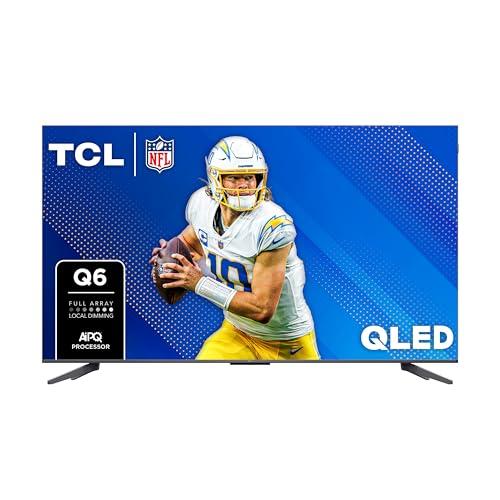

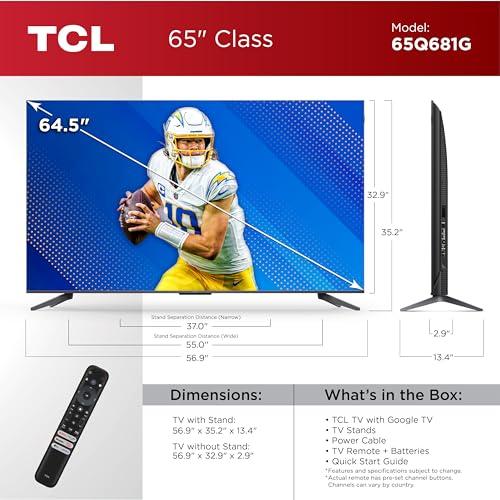
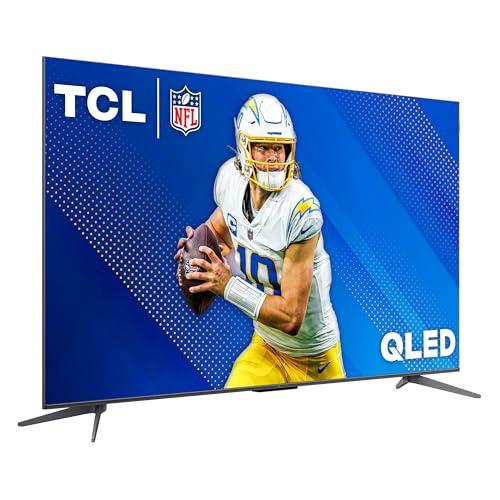
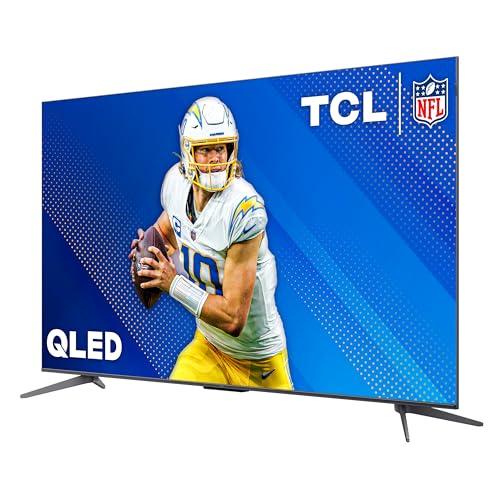
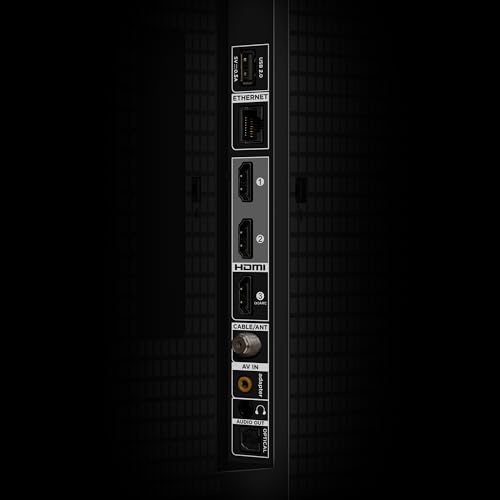
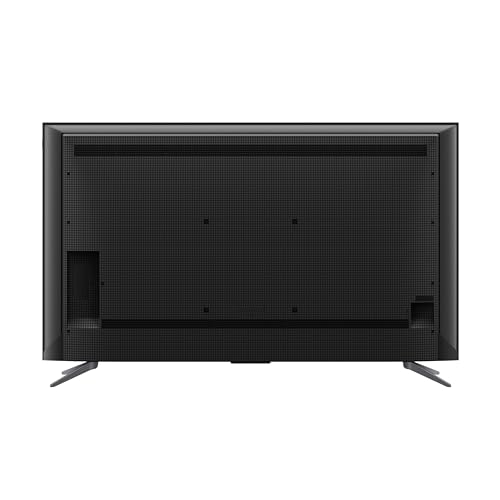
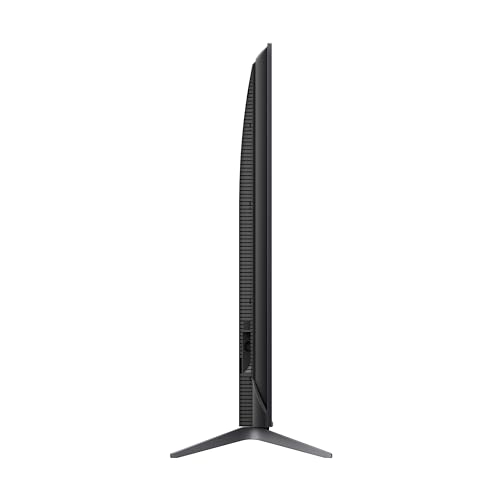
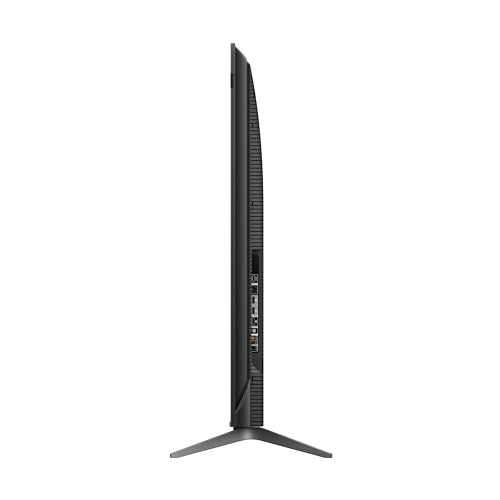
When you're shopping for a 65-inch TV, you're making a decision that'll likely stick with you for the next 5-10 years. The good news? Today's TVs offer incredible value compared to even a few years ago. The challenging news? There are dozens of options, and the marketing terms can be confusing.
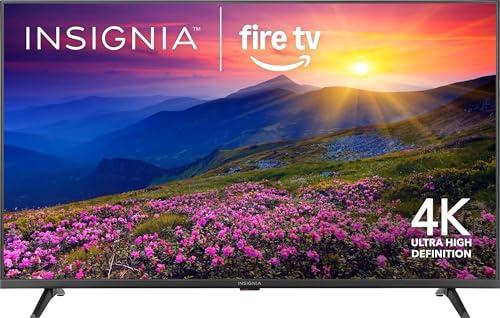
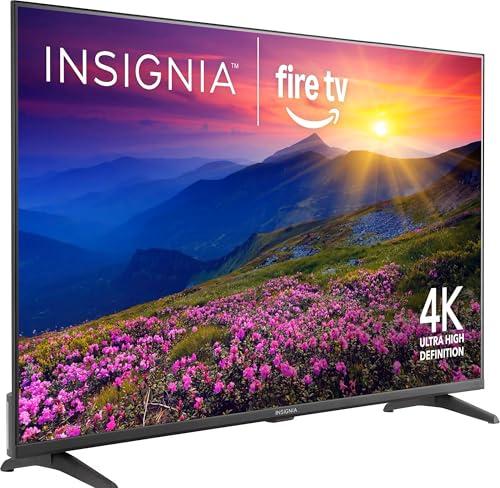
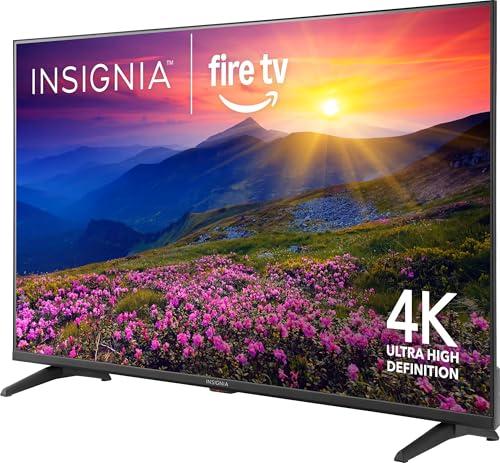
Two TVs that consistently pop up in searches are the TCL 65" Q68 QLED and the Insignia 65" F50 Series. At first glance, they might seem similar—both are 65-inch 4K smart TVs with Fire TV built in. But dig deeper, and you'll find they represent very different approaches to TV design and pricing.
Before diving into specifics, let's establish what actually makes a TV good in 2024. The most important factors, in order of impact on your viewing experience, are:
Display technology determines how colors look and how bright the screen gets. HDR performance affects how realistic movies and shows appear, especially in scenes with both bright and dark elements. Smart platform responsiveness influences daily usability—nobody wants to wait five seconds every time they open Netflix. Gaming capabilities have become crucial as more people use their TVs with PlayStation 5, Xbox Series X, or gaming PCs. Finally, audio quality matters because most people rely on built-in speakers, at least initially.
The TCL Q68 and Insignia F50 take fundamentally different approaches to these priorities, which explains their different price points at the time of writing.
The biggest distinction between these TVs lies in their display technology. The TCL Q68 uses QLED (Quantum Dot LED) technology, while the Insignia F50 uses traditional LED backlighting. This isn't just marketing jargon—it creates real, visible differences.
QLED technology adds a layer of quantum dots between the backlight and the LCD panel. These microscopic particles emit very pure colors when hit by light, allowing the TV to produce over a billion distinct colors compared to the millions that standard LED TVs can display. In practical terms, this means reds look more red, blues look more blue, and everything appears more vibrant and lifelike.
The TCL Q68 also features Full Array Local Dimming, which means the backlight is divided into zones that can brighten or dim independently. When you're watching a movie with a bright explosion against a dark sky, local dimming allows the bright area to stay bright while the dark areas remain deep black. Most budget TVs, including the Insignia F50, use edge lighting or basic direct lighting without zone control, which means the entire screen brightens or dims together.
Based on professional reviews and user feedback, the difference is immediately noticeable. Colors on the TCL Q68 appear more saturated and accurate, while blacks look deeper and more convincing. The Insignia F50 produces a perfectly watchable image for everyday content, but side-by-side with the TCL, it appears somewhat washed out and less dynamic.
High Dynamic Range (HDR) represents one of the biggest advances in TV technology over the past decade. HDR content contains information about a much wider range of brightness levels than standard content, allowing for more realistic lighting in movies and shows.
The TCL Q68 supports HDR PRO+, which includes Dolby Vision, HDR10+, HDR10, and HLG. Dolby Vision is particularly important because it optimizes each scene individually, rather than applying the same settings to an entire movie. Netflix, Disney+, and Apple TV+ increasingly use Dolby Vision for their premium content.
More importantly, the TCL Q68 can reach up to 600 nits of peak brightness. This brightness level allows HDR highlights—like sunlight streaming through windows or bright explosions—to actually look bright and impactful. Many budget TVs support HDR formats but can't get bright enough to deliver the intended experience.
The Insignia F50 supports basic HDR10 but lacks the brightness and advanced processing to make HDR content look dramatically different from standard content. Our research suggests that while HDR content will play on the Insignia, the improvement over regular content is subtle at best.
For home theater enthusiasts, this difference is significant. HDR movies and shows on the TCL Q68 deliver the "wow factor" that makes you notice improved realism in skin tones, better detail in shadows, and more convincing bright scenes. The Insignia F50 displays the same content competently but without the enhanced visual impact.
Gaming has become a major consideration for TV buyers, especially with the PlayStation 5 and Xbox Series X supporting advanced gaming features. The TCL Q68 includes Game Accelerator 120 technology, supporting up to 120Hz Variable Refresh Rate (VRR) at 1080p and 1440p resolutions.
VRR eliminates screen tearing by matching the TV's refresh rate to the game's frame rate. Auto Low Latency Mode (ALLM) automatically switches the TV to its fastest response mode when it detects a gaming console. These features work together to create smoother, more responsive gameplay.
The Insignia F50 lacks these advanced gaming features, operating at a standard 60Hz refresh rate without VRR support. For casual gaming—playing FIFA with friends or enjoying single-player adventures—the Insignia performs adequately. However, competitive gamers or those with next-generation consoles will notice the difference in responsiveness and smoothness.
Based on gaming-focused reviews, the TCL Q68 delivers noticeably smoother motion in fast-paced games and reduces the input lag that can affect competitive performance. The Motion Rate 240 with MEMC (Motion Estimation, Motion Compensation) frame insertion helps reduce blur during rapid movement, whether you're gaming or watching sports.
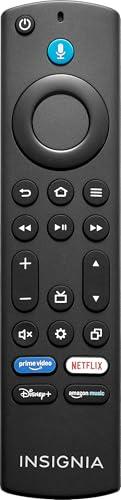
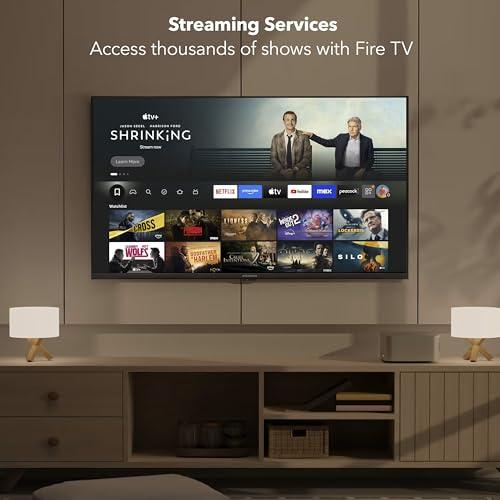
Both TVs run Amazon's Fire TV platform with built-in Alexa voice control, providing access to all major streaming services including Netflix, Prime Video, Disney+, Hulu, and YouTube. The interface and available apps are essentially identical.
However, the underlying processing power affects daily usability. The TCL Q68 includes TCL's AIPQ processor with deep learning AI that optimizes picture settings in real-time while also handling smart TV functions. User reviews consistently mention faster app loading times and smoother menu navigation compared to budget alternatives.
The Insignia F50 uses a more basic processor focused on essential functions rather than premium features. While perfectly functional for accessing streaming services, some users report occasional lag when switching between apps or navigating complex menus.
For most users, both TVs provide acceptable smart TV performance. The difference becomes noticeable if you frequently switch between apps, use voice commands extensively, or run multiple background processes simultaneously.
Audio represents another area where the price difference shows. The TCL Q68 features 30 watts of total speaker power (2 x 15W) with Dolby Atmos and DTS Virtual:X processing. These technologies create a wider soundstage and better simulate surround sound effects from the built-in speakers.
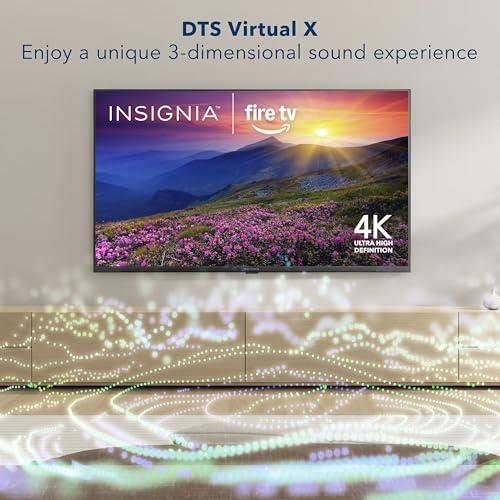
The Insignia F50 includes 20 watts of speaker power with DTS Studio Sound processing. While adequate for everyday viewing, the lower power output and simpler audio processing result in less impactful sound, particularly for movies and music.
Neither TV replaces a dedicated sound system, but the TCL Q68 performs better as a standalone unit. The Enhanced Dialogue Mode proves particularly useful, improving voice clarity in movies and shows where dialogue can get lost in the mix.
Based on audio-focused reviews, the TCL provides noticeably fuller sound with better bass response and clearer dialogue. The Insignia requires careful volume adjustment and benefits more from external audio solutions.
The TCL Q68 features a FullView 360 Metal Bezel-less design with thin borders and a height-adjustable pedestal stand. The construction feels solid, and the minimalist aesthetic works well in modern living rooms. The TV weighs about 44 pounds with the stand, reflecting the additional components required for QLED technology.
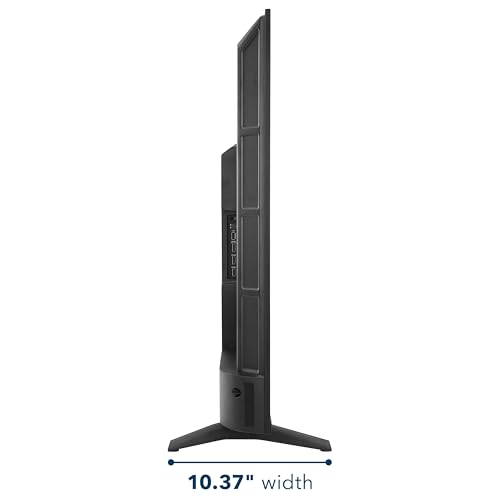
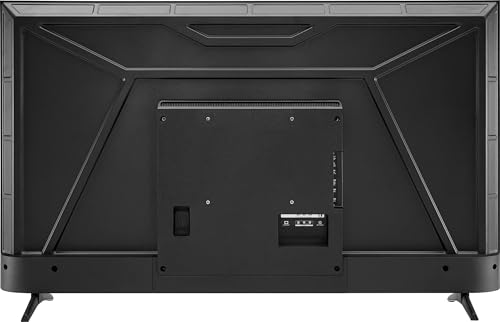
The Insignia F50 adopts a more utilitarian design approach, prioritizing function over form. While not unattractive, the bezels are slightly thicker, and the overall construction feels lighter—reflecting the cost-focused manufacturing approach.
Both TVs support VESA wall mounting, though the mounting patterns differ. The TCL Q68 uses a 300x300mm pattern, while the Insignia F50 uses 200x200mm, which affects wall mount compatibility.
At the time of writing, the TCL Q68 costs moderately more than the Insignia F50, but the price gap varies significantly depending on sales and promotions. The key question is whether the additional features justify the price difference for your specific needs.
The TCL Q68 delivers substantially better picture quality, comprehensive HDR support, advanced gaming features, and superior audio. These improvements are particularly valuable for users who watch a lot of premium streaming content, play games regularly, or use their TV as the centerpiece of a home theater setup.
The Insignia F50 provides excellent value for users prioritizing screen size over premium features. It delivers solid 4K performance, reliable smart TV functionality, and adequate audio for everyday viewing at a budget-friendly price point.
The TCL Q68 represents TCL's 2024 model year, incorporating recent advances in quantum dot technology and gaming features that have become standard in mid-range TVs. TCL has consistently improved their QLED implementation over the past few years, with better brightness, color accuracy, and processing compared to their 2022-2023 models.
The Insignia F50 reflects Best Buy's strategy of providing current technology at accessible prices. While not incorporating the latest premium features, it includes modern essentials like 4K resolution, HDR support, and current-generation Fire TV.
The broader TV industry has seen rapid evolution in recent years, particularly in gaming features, HDR implementation, and smart platform performance. Mid-range TVs in 2024 offer features that were premium-only just two years ago, making both of these TVs significantly better values than their predecessors.
Choose the TCL Q68 QLED if picture quality matters to you. The quantum dot technology, full array local dimming, and comprehensive HDR support create a noticeably superior viewing experience. This TV makes sense for movie enthusiasts, gamers with next-generation consoles, or anyone using their TV as their primary entertainment center.
The gaming features alone justify the price premium for PlayStation 5 or Xbox Series X owners. The 120Hz VRR support and low input lag provide competitive advantages that budget TVs simply cannot match.
Choose the Insignia F50 if maximizing screen size within a tight budget is your priority. This TV excels in secondary rooms, casual viewing situations, or households where the TV serves primarily as a background device rather than a focal point for premium content consumption.
The Insignia also makes sense for users who plan to upgrade again in 2-3 years rather than keeping the TV long-term. Its lower initial cost makes it easier to justify replacing when prices drop further or new technologies emerge.
The TCL Q68 and Insignia F50 serve different market segments despite their surface similarities. The TCL prioritizes performance and features, delivering a premium viewing experience at a mid-range price. The Insignia focuses on essential functionality, providing reliable large-screen viewing at the lowest possible cost.
For most buyers choosing their main living room TV, the TCL Q68 represents better long-term value. The superior picture quality, gaming features, and build quality justify the price difference and provide better future-proofing as content standards continue evolving.
The Insignia F50 serves budget-conscious buyers well, particularly for secondary viewing areas or users with basic needs. However, for your primary TV—the one you'll watch for hours every day—investing in the TCL Q68's superior display technology typically proves worthwhile over the TV's lifespan.
Both TVs benefit from external sound systems, but the TCL Q68 performs better as a standalone unit while offering significantly more room for growth as your viewing habits evolve.
| TCL 65" Q68 QLED 4K UHD Smart TV Display | Insignia 65" F50 Series 4K UHD Smart Fire TV |
|---|---|
| Display Technology - The foundation of picture quality and color accuracy | |
| QLED with Quantum Dot technology for vibrant, accurate colors | Standard LED with basic color reproduction |
| HDR Support - Determines how realistic movies and shows look | |
| HDR PRO+ with Dolby Vision, HDR10+, HDR10, and HLG | Basic HDR10 support only |
| Peak Brightness - Critical for HDR impact and bright room viewing | |
| Up to 600 nits (excellent for most lighting conditions) | Limited brightness (adequate for dim rooms only) |
| Local Dimming - Controls contrast between bright and dark areas | |
| Full Array Local Dimming with zone control | No local dimming (uniform backlighting only) |
| Gaming Features - Essential for console and PC gaming | |
| Game Accelerator 120 with VRR, ALLM, up to 120Hz | Basic 60Hz, no VRR or advanced gaming features |
| Motion Handling - Important for sports and action content | |
| Motion Rate 240 with MEMC frame insertion | Standard 60Hz motion processing |
| Audio System - Built-in speaker performance | |
| 30W total with Dolby Atmos and DTS Virtual:X | 20W with DTS Studio Sound |
| Smart Platform - Daily usability and app performance | |
| Fire TV with TCL AIPQ processor (faster performance) | Fire TV with basic processor (occasional lag reported) |
| Build Quality - Durability and premium feel | |
| FullView 360 Metal Bezel-less design, height-adjustable stand | Standard plastic construction, fixed stand height |
| Target User - Who should consider each option | |
| Movie enthusiasts, gamers, home theater setups | Budget-conscious buyers, secondary rooms, casual viewing |
The primary difference is display technology. The TCL 65" Q68 QLED uses quantum dot technology for enhanced color accuracy and brightness, while the Insignia 65" F50 Series uses standard LED backlighting. This results in more vibrant colors, deeper blacks, and better HDR performance on the TCL model.
The TCL 65" Q68 QLED is significantly better for gaming, featuring Game Accelerator 120 with up to 120Hz Variable Refresh Rate (VRR) and Auto Low Latency Mode (ALLM). The Insignia 65" F50 Series only supports basic 60Hz gaming without advanced features like VRR or ALLM.
Yes, both support HDR, but with important differences. The TCL 65" Q68 QLED offers comprehensive HDR PRO+ support including Dolby Vision, HDR10+, HDR10, and HLG with 600 nits peak brightness. The Insignia 65" F50 Series supports basic HDR10 but lacks the brightness and processing for impactful HDR viewing.
The TCL 65" Q68 QLED delivers superior audio with 30W total power, Dolby Atmos, and DTS Virtual:X processing. The Insignia 65" F50 Series provides 20W with DTS Studio Sound, which is adequate for casual viewing but less immersive for movies and music.
The TCL 65" Q68 QLED performs much better in bright rooms due to its 600 nits peak brightness and anti-reflective properties. The Insignia 65" F50 Series works best in dim to moderately lit rooms, as it lacks the brightness to overcome strong ambient lighting.
Yes, both the TCL 65" Q68 QLED and Insignia 65" F50 Series run Amazon Fire TV with built-in Alexa voice control. However, the TCL typically offers faster performance and smoother navigation due to its more powerful processor.
For movie watching, the TCL 65" Q68 QLED provides a superior experience with its QLED display, Full Array Local Dimming, comprehensive HDR support, and Dolby Atmos audio. The Insignia 65" F50 Series delivers acceptable movie viewing but without the enhanced contrast and color accuracy.
The TCL 65" Q68 QLED excels at sports with Motion Rate 240 technology and MEMC frame insertion for smooth motion handling. The Insignia 65" F50 Series provides standard 60Hz motion processing, which is adequate for sports but may show more blur during fast action.
This depends on your priorities. The TCL 65" Q68 QLED offers better long-term value with premium features and superior picture quality. The Insignia 65" F50 Series provides excellent value for budget-conscious buyers who need basic 4K functionality without premium features.
The TCL 65" Q68 QLED is well-suited for home theater use with its QLED display technology, comprehensive HDR support, Full Array Local Dimming, and Dolby Atmos audio. The Insignia 65" F50 Series can work in a home theater but lacks the advanced features that create a premium cinematic experience.
For secondary rooms like bedrooms or guest rooms, the Insignia 65" F50 Series often makes more sense due to its lower cost while still providing 4K resolution and Fire TV functionality. The TCL 65" Q68 QLED might be overkill unless picture quality is a priority in every room.
Both the TCL 65" Q68 QLED and Insignia 65" F50 Series typically come with one-year manufacturer warranties. Insignia benefits from Best Buy's support network, while TCL offers generally solid reliability based on user reviews. Both brands have acceptable track records for budget to mid-range TV segments.
We've done our best to create useful and informative comparisons to help you decide what product to buy. Our research uses advanced automated methods to create this comparison and perfection is not possible - please contact us for corrections or questions. These are the sites we've researched in the creation of this article: tvsbook.com - youtube.com - rtings.com - tcl.com - bestbuy.com - rtings.com - youtube.com - rcwilley.com - youtube.com - tvsbook.com - tcl.com - sellout.woot.com - tcl.com - tcl.com - bestbuy.com - bestbuy.com - rtings.com - youtube.com - pcvarge.com - whathifi.com - leaseville.com - bestbuy.com - manuals.plus - youtube.com - bestbuy.com - techeasypay.com - sears.com - rtings.com

Privacy Policy
Terms and Conditions - Affiliate Policy
Home Security
© Copyright 2008-2026.
11816 Inwood Rd #1211, Dallas, TX 75244