

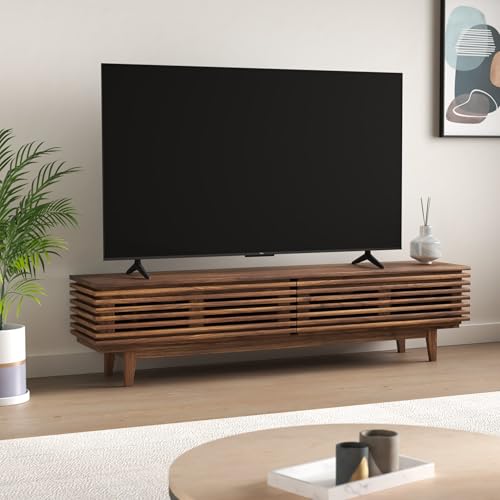
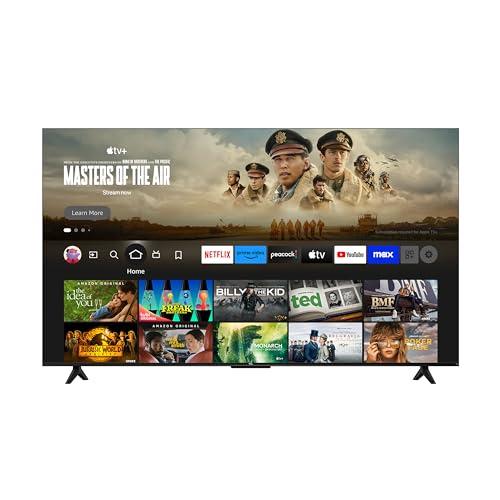
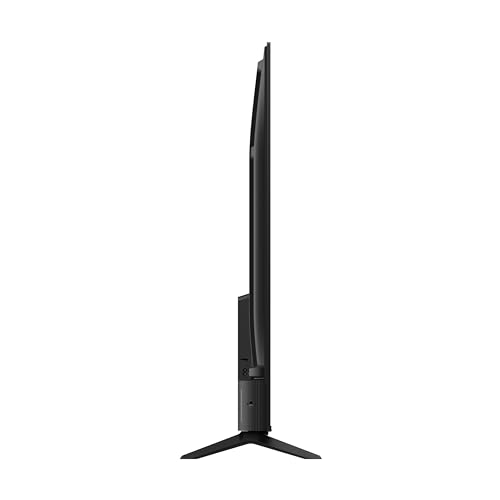
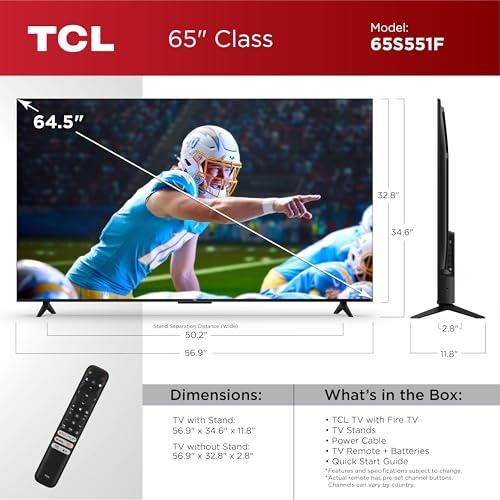

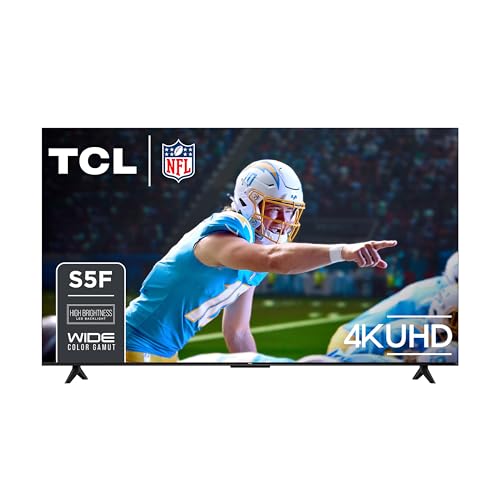
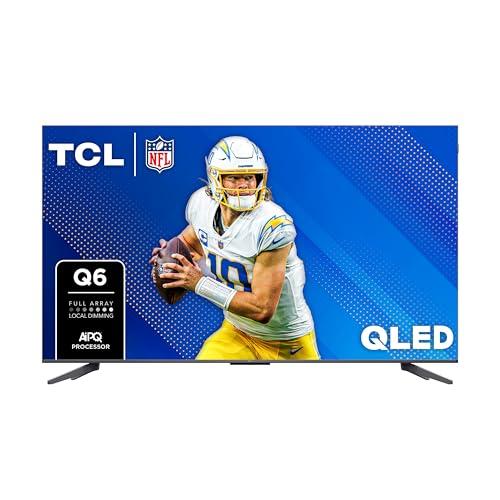

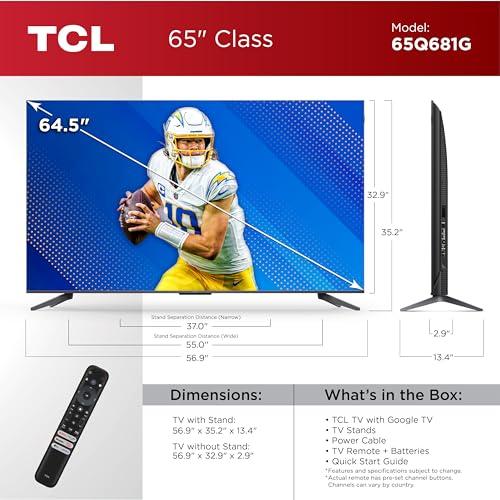
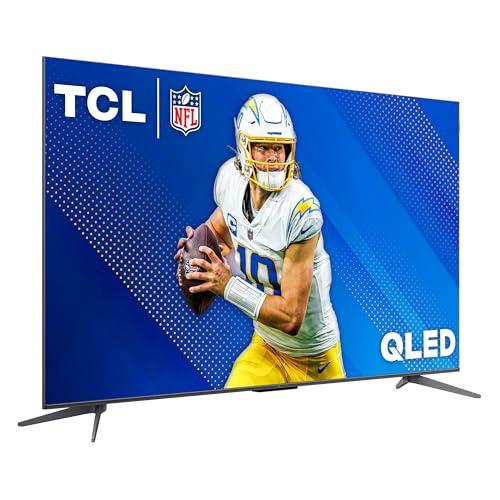
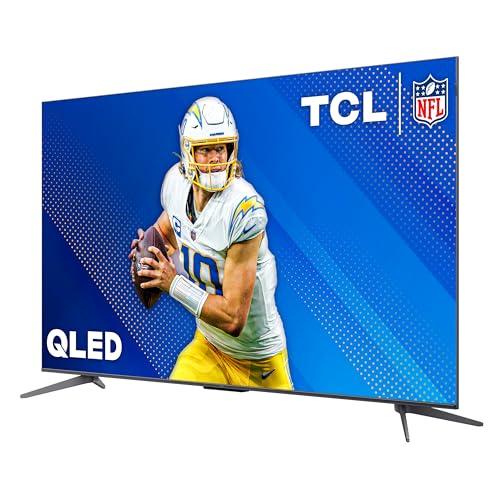
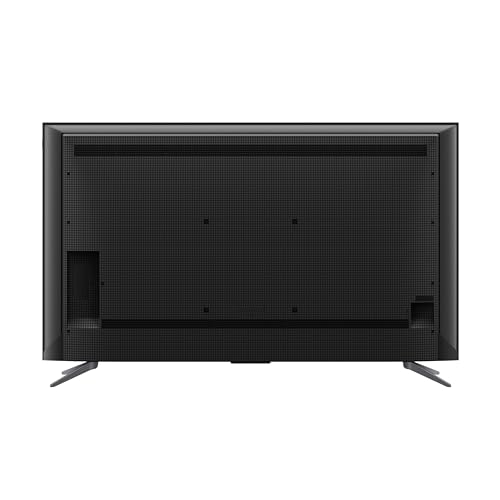
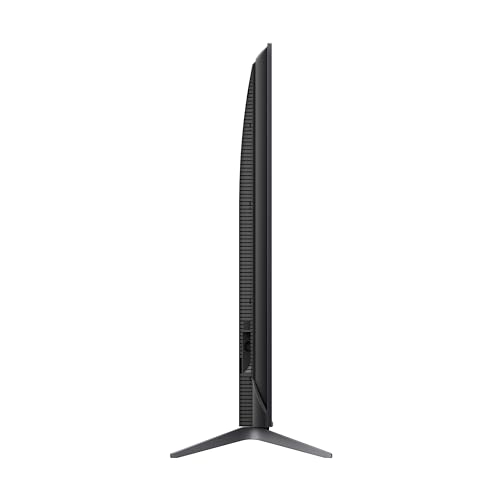
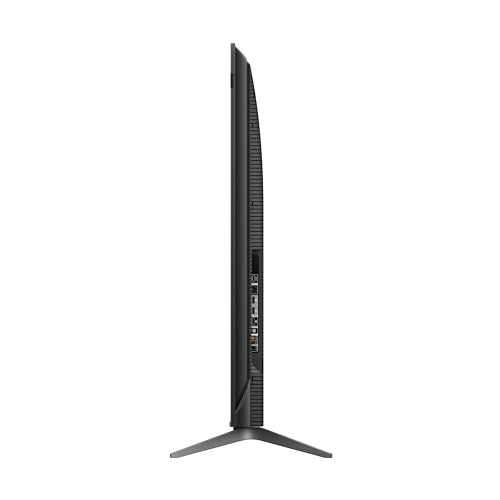
Shopping for a 65-inch TV can feel overwhelming, especially when you're trying to balance picture quality with your budget. TCL's 2024 lineup presents an interesting dilemma: the budget-friendly S5 Class versus the slightly pricier Q68 QLED. At the time of writing, these TVs are separated by roughly $60—a relatively small gap that represents a significant jump in technology.
Both TVs hit the market in 2024, representing TCL's latest thinking on what budget and mid-tier buyers actually want. The timing is important because 2024 brought meaningful improvements in affordable TV technology, particularly in areas like gaming performance and smart TV interfaces that were previously exclusive to premium models.
The 65-inch category sits in that perfect sweet spot for most living rooms—big enough to feel immersive without dominating your space. When evaluating TVs in this size, several factors matter more than others. Peak brightness determines how well your TV performs in bright rooms, while local dimming (the ability to darken specific areas of the screen independently) dramatically improves contrast in dark scenes. Color gamut refers to how many colors your TV can display—a wider gamut means more lifelike, vibrant images.
For gaming, variable refresh rate (VRR) eliminates screen tearing by syncing the TV's refresh with your console's output, while input lag measures the delay between pressing a button and seeing the result on screen. The smart platform becomes your daily interface, so its speed and app selection matter more than you might expect.
The fundamental difference between these TVs lies in their display technology. The S5 Class uses traditional LED backlighting—think of it as a wall of white lights behind a color filter. It's proven technology that works well, but it has inherent limitations in color reproduction and contrast control.
The Q68 QLED, however, uses quantum dot technology. Without getting too deep into particle physics, quantum dots are microscopic crystals that produce incredibly pure colors when hit with light. This isn't just marketing speak—the difference is immediately visible when you put these TVs side by side. Colors appear more saturated and accurate, particularly in reds and greens where traditional LEDs typically struggle.
More importantly, the Q68 includes Full Array Local Dimming (FALD). Instead of one big backlight, it has dozens of independently controlled LED zones. When a scene shows a bright explosion against a dark sky, the TV can brighten the explosion zones while dimming the sky zones, creating genuine black levels rather than the grayish blacks you get from TVs without local dimming.
The S5 Class lacks both quantum dots and local dimming, relying on its direct LED backlight to do everything. This keeps costs down but limits performance, particularly in darker viewing environments where contrast matters most.
Both TVs support the same HDR formats—Dolby Vision, HDR10+, HDR10, and HLG—but their ability to actually display HDR content differs significantly. The Q68 can reach up to 600 nits of peak brightness, while the S5 maxes out considerably lower.
Why does this matter? HDR content is mastered at 1000-4000 nits, so brighter TVs can display more of the intended dynamic range. In practice, this means highlights like car headlights, explosions, or sunlit scenes appear more impactful on the Q68. The S5 technically supports these HDR formats, but without sufficient brightness, the effect is muted.
Our research into professional and user reviews consistently shows that the S5 performs adequately in dim rooms but struggles in typical living room lighting. The Q68 handles moderate to bright room lighting much better, making it more versatile for different viewing conditions.
This is where quantum dot technology really shines. The Q68 covers nearly the entire DCI-P3 color space—the standard used for modern movies and streaming content. The S5, while decent, covers a smaller portion of this color spectrum.
In real-world terms, this means skin tones look more natural on the Q68, landscapes appear more vibrant, and animated content pops with more lifelike colors. It's not just about saturation—it's about accuracy. The quantum dots help the Q68 display the colors that content creators actually intended.
Here's where the local dimming makes the biggest difference. When watching dark scenes—think space movies, horror films, or dramatic nighttime scenes—the S5 shows raised blacks that appear gray rather than true black. This happens because the entire backlight stays on, even for dark areas.
The Q68's local dimming zones can actually turn off or dim significantly for dark areas while keeping bright areas illuminated. The result is dramatically better contrast that makes dark scenes more immersive and detailed. You'll notice shadow details that simply disappear on the S5.
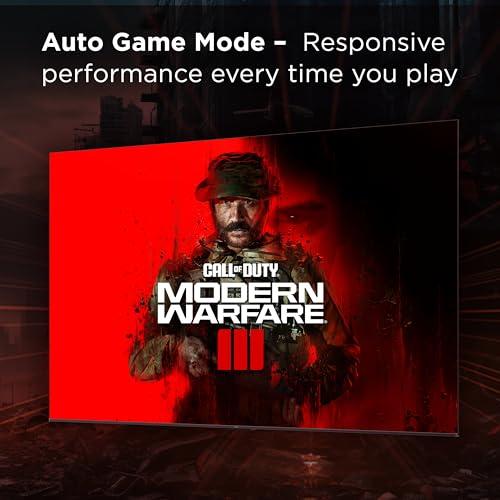
Gaming performance reveals another significant gap between these models. Both include Auto Game Mode (ALLM), which automatically switches to low-latency settings when it detects a gaming console, and both have acceptably low input lag for competitive gaming.
The crucial difference is refresh rate capability. The Q68 supports true 120Hz variable refresh rate at 1440p resolution, making it compatible with the latest features on PlayStation 5 and Xbox Series X consoles. Games that support 120fps will appear noticeably smoother, with reduced motion blur during fast action sequences.
The S5, despite marketing claims about "Game Accelerator 120," operates on a 60Hz panel. While it includes some gaming optimizations, it cannot display the high refresh rates that make next-gen consoles shine. If you own or plan to buy a PS5 or Xbox Series X, this limitation significantly reduces your gaming experience quality.
For casual gaming or older consoles, both TVs perform similarly. The difference only matters if you're serious about getting the most from modern gaming hardware.
This choice often comes down to ecosystem preference. The S5 Class runs Fire TV, which integrates seamlessly with Amazon's services. If you're an Amazon Prime subscriber, use Alexa devices throughout your home, or prefer Amazon's content recommendations, Fire TV feels natural and responsive.
The Q68 typically ships with Google TV, offering Chromecast built-in and Google Assistant integration. Google TV excels at aggregating content from multiple streaming services and generally provides more neutral recommendations that aren't skewed toward one company's content library.
Both platforms access all major streaming apps without issues. The choice here is largely personal—neither platform offers a compelling advantage over the other in terms of pure functionality.
While most serious viewers eventually add a soundbar, the built-in audio quality differs notably between these models. The Q68 includes more powerful speakers (30W vs. 20W) and supports both Dolby Atmos and DTS Virtual:X for enhanced spatial audio effects.
In practical terms, the Q68 produces fuller, clearer dialogue and better bass response. If you plan to rely on built-in speakers—particularly in a bedroom or smaller room—this difference is immediately noticeable. Both TVs benefit significantly from even a modest soundbar upgrade, but the Q68 provides a better fallback option.
Your room's lighting conditions heavily influence which TV makes more sense. The S5 works well in dim to moderately lit rooms, making it ideal for dedicated TV rooms, basements, or bedrooms with good light control. Its lower brightness becomes a limitation in bright living rooms with large windows or strong overhead lighting.
The Q68 handles bright rooms much better thanks to its higher peak brightness and better reflection management. If your TV faces windows or sits in a well-lit family room, the extra brightness capability justifies the price difference on its own.
Both TVs have mediocre viewing angles—a common limitation in this price range. Picture quality degrades noticeably when viewed from the side, so neither works well for wide seating arrangements where some viewers sit significantly off-center.
At the time of writing, the price gap between these TVs represents roughly 15-20% difference. This premium buys you quantum dot color technology, full array local dimming, higher brightness, better gaming capabilities, and more powerful speakers. That's a substantial upgrade package for a relatively modest price increase.
The S5 offers excellent value for buyers whose priorities align with its capabilities—solid 4K performance, comprehensive smart features, and reliable operation in appropriate viewing conditions. It's genuinely good at what it does, just limited in scope.
The Q68 provides measurably better performance across nearly every metric. Unless budget constraints are absolute, it represents superior long-term value, particularly as content quality continues improving and gaming demands increase.
For dedicated home theater setups, the Q68 is clearly superior. Its local dimming and higher brightness create more cinematic contrast, while the wider color gamut displays movies closer to their theatrical presentation. The improved HDR performance makes action films and nature documentaries significantly more engaging.
The S5 can work in a home theater context, particularly in rooms with excellent light control, but it lacks the contrast and color performance that make movies truly immersive. If home theater quality is important to you, the price difference becomes negligible compared to the experience upgrade.
Choose the S5 Class if:
Choose the Q68 QLED if:
The modest price gap between these TVs represents one of the best upgrade values in the current TV market. The Q68 delivers meaningful improvements in picture quality, gaming capability, and room versatility for a relatively small premium. Unless budget constraints make the decision for you, or you specifically prefer Fire TV, the Q68 provides better long-term satisfaction and performance.
The S5 remains an excellent choice for buyers who understand its limitations and whose viewing habits align with its capabilities. It's a genuinely good TV, just not as versatile or future-proof as its slightly more expensive sibling. For most buyers in this screen size category, however, the Q68 represents the sweet spot between performance and value that makes the upgrade worthwhile.
| TCL 65" S5 Class 4K UHD HDR Fire TV 2024 Smart TV | TCL 65" Q68 QLED 4K UHD Smart TV Display |
|---|---|
| Display Technology - Foundation of picture quality and color accuracy | |
| Standard LED with direct backlighting | QLED PRO with Quantum Dot technology |
| Local Dimming - Critical for contrast and true black levels | |
| No local dimming (raised blacks in dark scenes) | Full Array Local Dimming with independent zone control |
| Peak Brightness - Determines performance in bright rooms | |
| Standard high brightness LED (moderate room lighting) | High Brightness PRO LED up to 600 nits (bright room capable) |
| Gaming Performance - Important for console owners | |
| Game Accelerator on 60Hz panel (limited to 60fps) | True 120Hz VRR support up to 1440p resolution |
| Color Coverage - Affects how vibrant and lifelike images appear | |
| Standard LED color gamut | Nearly complete DCI-P3 color space coverage |
| HDR Support - Same formats but different performance | |
| HDR PRO+ (Dolby Vision, HDR10+, HDR10, HLG) with limited impact | HDR PRO+ (Dolby Vision, HDR10+, HDR10, HLG) with enhanced brightness |
| Audio Power - Built-in speaker quality | |
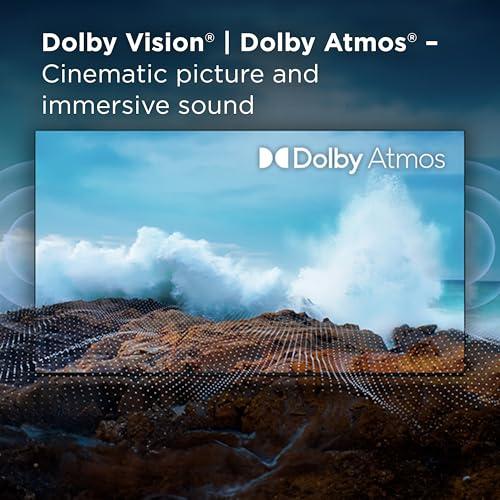
| 20W total (2 x 10W speakers) with Dolby Atmos | 30W total (2 x 15W speakers) with Dolby Atmos + DTS Virtual:X |
| Smart Platform - Daily interface experience | |
| Fire TV with Alexa integration | Google TV with Chromecast built-in |
| Motion Enhancement - Smoothness during fast action | |
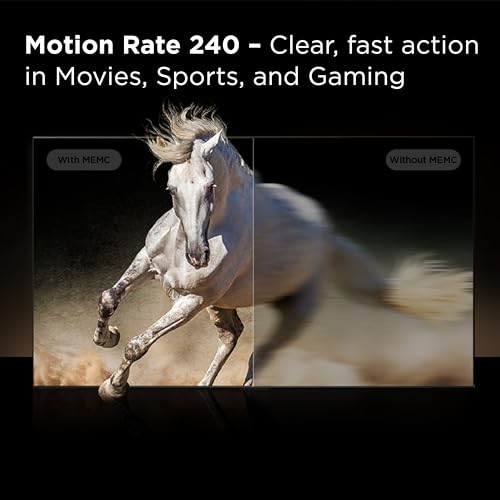
| Motion Rate 240 with MEMC Frame Insertion | Motion Rate 240 with MEMC Frame Insertion |
| Connectivity - HDMI and wireless capabilities | |
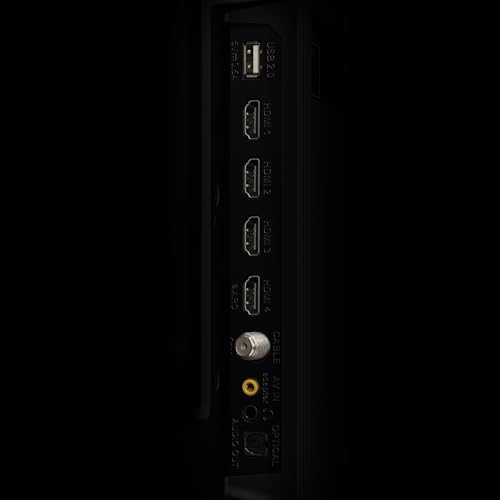
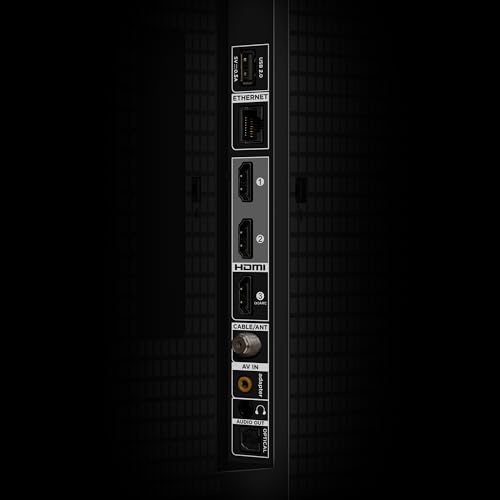
| 3 HDMI ports (1 eARC), Wi-Fi 5, Bluetooth 5.2 | 3 HDMI ports (1 eARC), Wi-Fi 5, Bluetooth 5.0 |
| Ideal Room Conditions - Where each TV performs best | |
| Dim to moderately lit rooms, budget-conscious setups | Moderate to bright rooms, enhanced picture quality priority |
The primary difference is display technology. The TCL 65" S5 Class uses standard LED backlighting, while the TCL 65" Q68 QLED features quantum dot technology for more vibrant colors and Full Array Local Dimming for better contrast. The Q68 also offers significantly higher peak brightness, making it better suited for bright rooms.
The TCL Q68 QLED is superior for gaming, offering true 120Hz Variable Refresh Rate support at 1440p resolution, making it ideal for PlayStation 5 and Xbox Series X consoles. The TCL S5 Class is limited to 60Hz despite its Game Accelerator feature, though both have low input lag for responsive gameplay.
The TCL Q68 QLED handles bright rooms much better with its High Brightness PRO LED backlight reaching up to 600 nits. The S5 Class is better suited for dim to moderately lit rooms where its lower brightness won't be a limitation.
The TCL S5 Class runs Fire TV with Alexa integration and seamless Amazon Prime Video access. The Q68 QLED typically uses Google TV with Chromecast built-in and Google Assistant support. Both platforms access all major streaming apps.
The TCL Q68 QLED delivers superior picture quality with quantum dot technology providing wider color coverage, Full Array Local Dimming for true blacks, and higher brightness for better HDR performance. The S5 Class offers good picture quality for its price range but lacks these advanced features.
The Q68 QLED is much better suited for home theater use with its local dimming creating cinematic contrast, wider color gamut displaying movies more accurately, and improved HDR performance. The S5 Class can work in dedicated theater rooms with excellent light control but lacks the contrast and color performance for truly immersive movie watching.
The TCL Q68 QLED features more powerful 30W speakers compared to the S5's 20W speakers, plus additional DTS Virtual:X support alongside Dolby Atmos. This results in fuller sound and better dialogue clarity, though both benefit from adding a soundbar for optimal audio.
Both TVs excel at streaming with support for all major apps and 4K HDR content. The Q68 QLED displays streaming content with more vibrant colors and better contrast, while the S5 Class provides solid streaming performance at a lower price point. Platform preference between Fire TV and Google TV may influence your choice.
Yes, both the TCL S5 Class and Q68 QLED support HDR PRO+ including Dolby Vision, HDR10+, HDR10, and HLG formats. However, the Q68 delivers much better actual HDR performance due to its higher brightness and local dimming capabilities.
Both models offer similar connectivity with 3 HDMI ports (including 1 with eARC), Wi-Fi 5, Bluetooth support, USB ports, and Ethernet connections. The Q68 QLED includes slightly newer Bluetooth 5.0 compared to the S5's Bluetooth 5.2, but both provide adequate connectivity for modern devices and streaming.
We've done our best to create useful and informative comparisons to help you decide what product to buy. Our research uses advanced automated methods to create this comparison and perfection is not possible - please contact us for corrections or questions. These are the sites we've researched in the creation of this article: rtings.com - bestbuy.com - youtube.com - youtube.com - businessinsider.com - pcvarge.com - rtings.com - tcl.com - tcl.com - tcl.com - bestbuy.com - sears.com - samsclub.com - tvsbook.com - tvsbook.com - youtube.com - rtings.com - tcl.com - bestbuy.com - youtube.com - rcwilley.com - youtube.com - tvsbook.com - tcl.com - sellout.woot.com - tcl.com - tcl.com

Privacy Policy
Terms and Conditions - Affiliate Policy
Home Security
© Copyright 2008-2026.
11816 Inwood Rd #1211, Dallas, TX 75244