

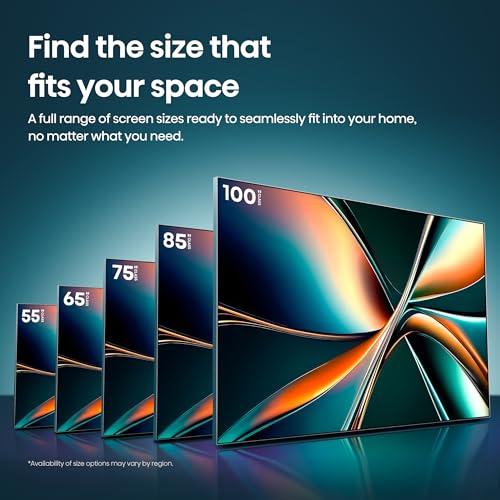
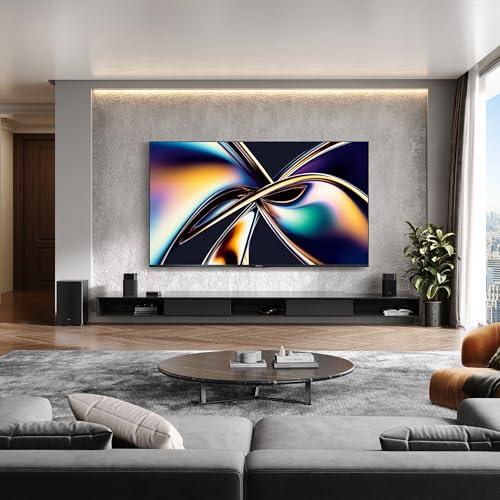
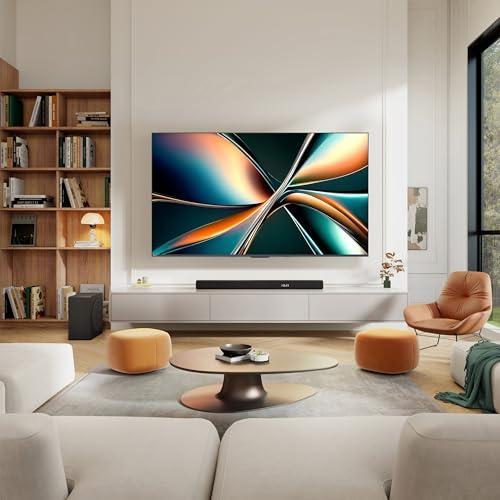
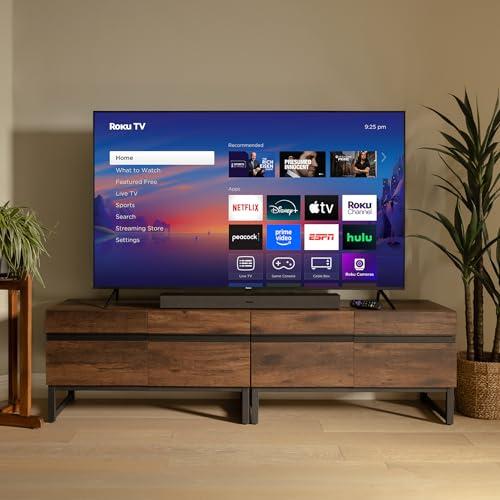


Shopping for a 65-inch TV has become both easier and more complicated in recent years. The good news? You can get a genuinely impressive big-screen experience without breaking the bank. The challenge? Figuring out which features actually matter and where to spend your money wisely.
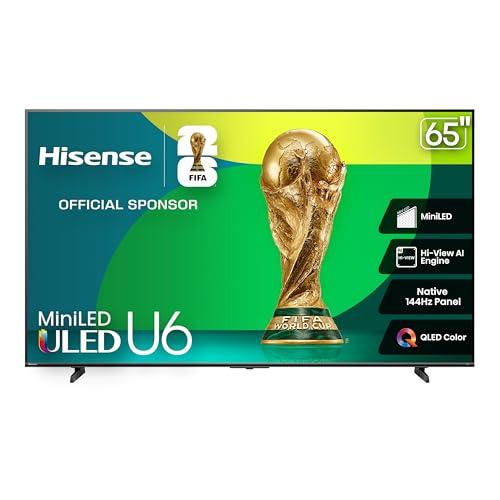
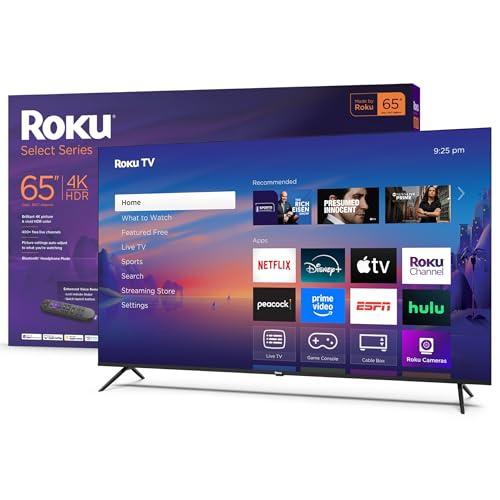
Two TVs that perfectly illustrate this dilemma are the Hisense 65" U6 Series Mini-LED QLED 4K Fire TV and the Roku Select Series 65" 4K HDR Smart TV. At the time of writing, there's roughly a $200 price gap between them, but that difference buys you significantly more advanced technology. The question is whether those upgrades matter for your specific viewing habits.
Before diving into specifics, let's decode what actually matters when you're shopping for a 65-inch TV in 2025. The most important considerations boil down to display quality, smart features, gaming capabilities, and overall value.
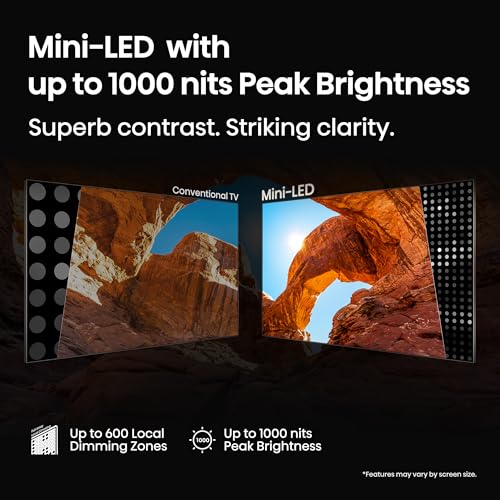
Display technology forms the foundation of your viewing experience. Traditional LED TVs use a backlight behind the entire screen, which can make dark scenes look washed out because the backlight bleeds through. Mini-LED technology uses thousands of tiny LEDs instead of one large backlight, allowing for much more precise control over brightness in different areas of the screen. QLED (Quantum Dot LED) adds a layer of quantum dots that enhance color accuracy and vibrancy.
Smart platforms determine how you'll interact with your TV daily. Some are fast and intuitive, others are sluggish with confusing menus. The ecosystem matters too—whether you prefer Amazon's approach or a more neutral platform affects your long-term satisfaction.
Gaming capabilities have become crucial as PlayStation 5 and Xbox Series X push 4K gaming at high frame rates. Features like Variable Refresh Rate (VRR) prevent screen tearing, while high refresh rates enable smoother motion in fast-paced games.
Both the Hisense U6 and Roku Select launched in 2025, representing the latest thinking from their respective manufacturers. Hisense focused on bringing premium display technology down to more accessible price points, while Roku emphasized perfecting the core smart TV experience without unnecessary frills.
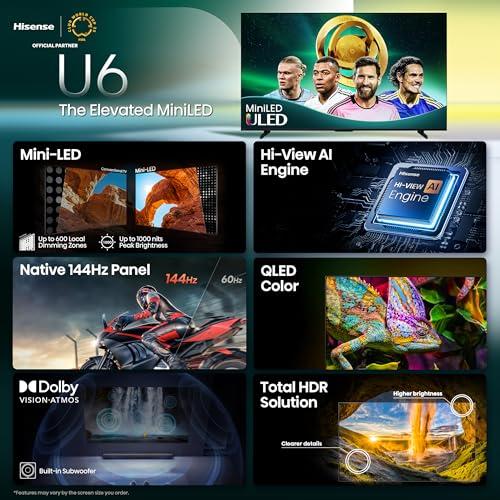
The most significant difference between these TVs lies in their display technology, and frankly, it's not even close. The Hisense U6 Series employs Mini-LED backlighting with up to 600 local dimming zones—a feature typically reserved for TVs costing twice as much just a few years ago.
To understand why this matters, imagine watching a movie scene with a bright campfire against a dark night sky. A traditional LED TV (like the Roku Select) illuminates the entire screen uniformly, so those dark areas around the fire appear grayish rather than truly black. The Hisense U6's Mini-LED system can dim the LEDs behind the dark areas while keeping the fire bright, creating much more realistic contrast.
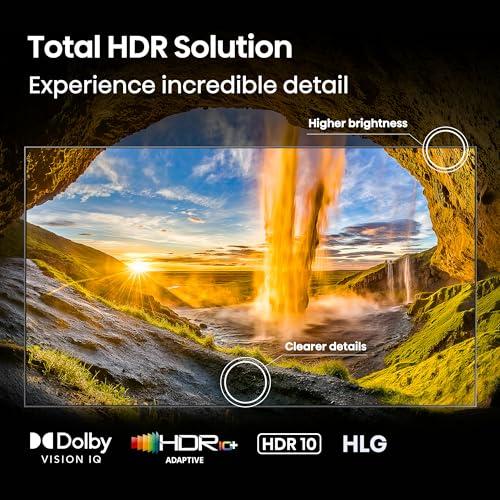
The difference becomes even more pronounced with HDR (High Dynamic Range) content. HDR is designed to display a wider range of brightness levels, from deep shadows to brilliant highlights. The Hisense U6 can hit peak brightness levels exceeding 1000 nits—bright enough to make HDR highlights genuinely pop off the screen. The Roku Select, meanwhile, tops out around 400 nits, which means HDR content often appears flat and underwhelming.
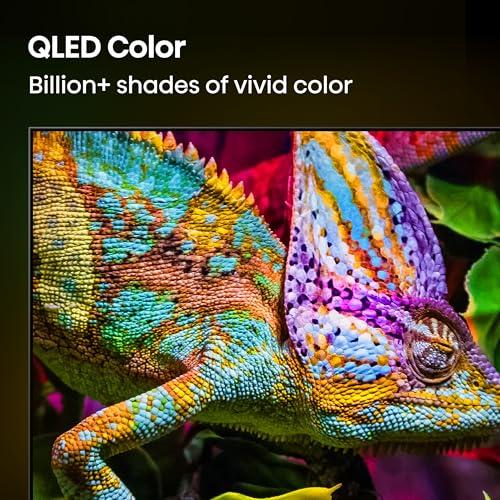
Color performance tells a similar story. The Hisense U6's quantum dot layer expands the color gamut significantly beyond what standard LED panels can achieve. When you're watching vibrant content—think nature documentaries or animated movies—the difference is immediately apparent. Colors appear more saturated and accurate, particularly in the red and green spectrums where quantum dots excel.
That said, the Roku Select isn't without its strengths in the display department. Its conventional LED backlight actually makes it significantly brighter for standard dynamic range (SDR) content—the vast majority of broadcast TV and streaming content. If you're watching in a bright living room with large windows, the Roku's higher SDR brightness might actually provide better visibility during daytime viewing.
The Roku also offers notably better viewing angles. Mini-LED panels tend to shift in color and brightness when viewed from the side, making the Hisense U6 less ideal for wide seating arrangements. The Roku Select maintains more consistent picture quality across different viewing positions.
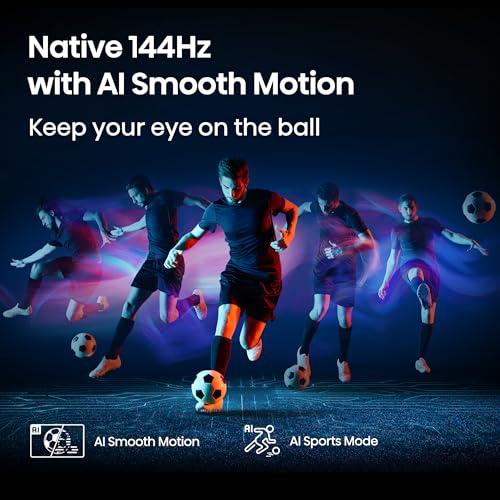
Gaming capabilities represent another area where these TVs diverge dramatically. The Hisense U6 Series is clearly designed with modern gaming in mind, featuring a native 144Hz refresh rate—more than double the Roku Select's 60Hz panel.
This difference matters enormously if you own a PlayStation 5 or Xbox Series X. These consoles can output certain games at 120fps (frames per second), but only if your TV can display them. The Hisense U6 not only handles 120fps gaming but actually supports up to 144fps for PC gaming, making it somewhat future-proof as gaming technology continues advancing.
Variable Refresh Rate (VRR) support on the Hisense U6 prevents screen tearing—that jarring visual artifact where the screen displays parts of two different frames simultaneously. When paired with the TV's AMD FreeSync Premium certification, gaming feels noticeably smoother and more responsive.
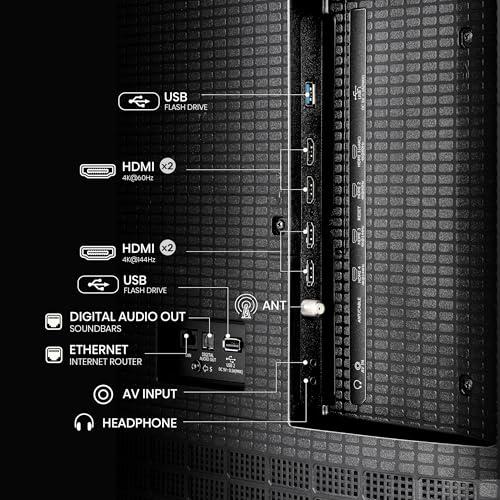
The Hisense U6 also includes two full-bandwidth HDMI 2.1 ports, which are essential for 4K gaming at high frame rates. Auto Low Latency Mode (ALLM) automatically switches the TV to its fastest processing mode when it detects a gaming console, minimizing input lag—the delay between pressing a button and seeing the result on screen.
For casual gamers who primarily play single-player adventures or turn-based strategy games, the Roku Select's gaming limitations aren't dealbreakers. Its 60Hz panel handles these games perfectly well, and input lag remains reasonably low. However, competitive gamers or anyone planning to keep their TV for several years should seriously consider the Hisense U6's gaming advantages.
Both TVs run different approaches to smart TV interfaces, and your preference here might influence your decision as much as display technology.
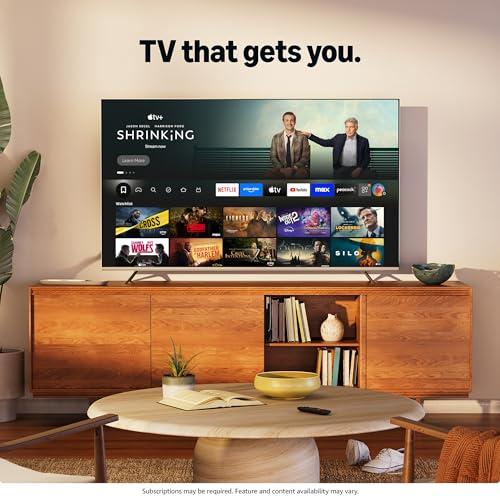
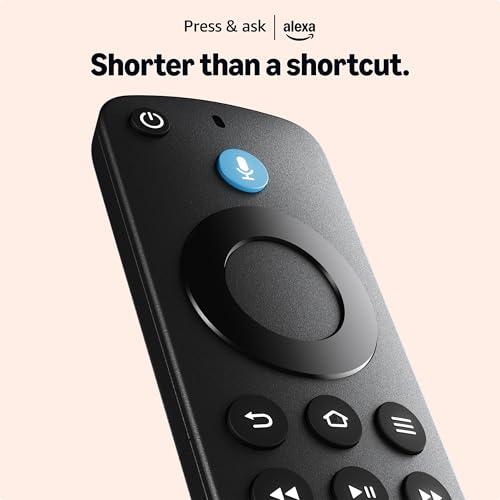
The Hisense U6 uses Amazon's Fire TV platform, which integrates deeply with Amazon's ecosystem. Alexa voice control works seamlessly for basic functions like changing channels, adjusting volume, or searching for content. The interface prioritizes Amazon's own content and services, which can be convenient if you're already invested in Prime Video and Amazon Music.
However, Fire TV's interface includes persistent advertising that some users find intrusive. The home screen displays recommendations and promotions that you can't fully disable, and navigation sometimes feels sluggish compared to alternatives.
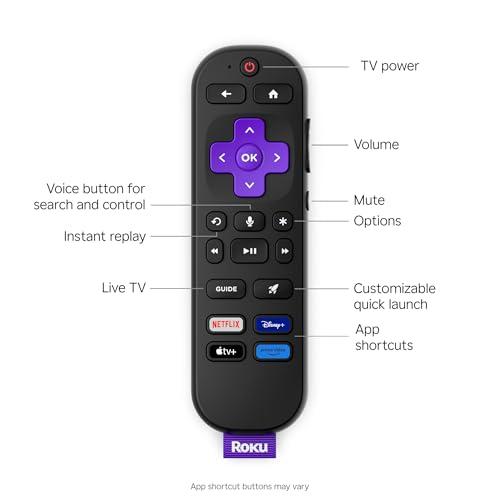
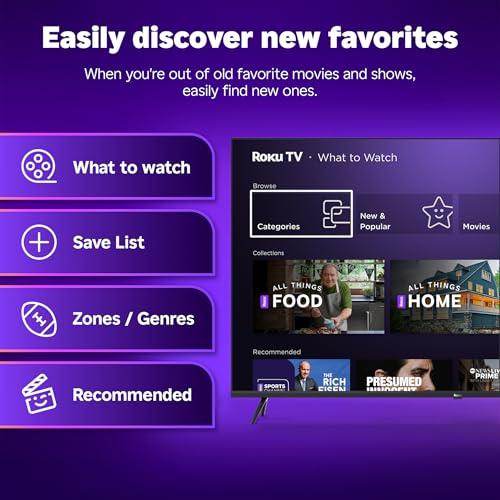
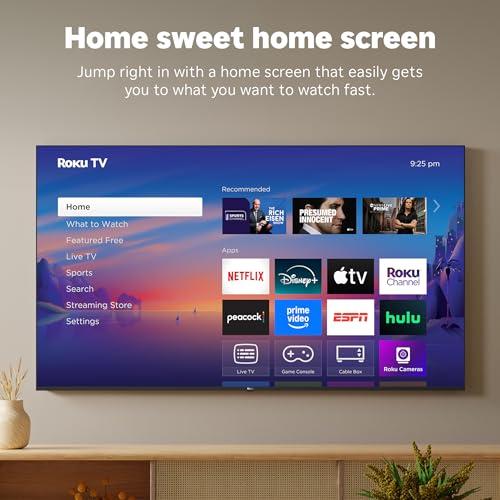
The Roku Select runs Roku's own platform, widely considered the gold standard for smart TV interfaces. Navigation is consistently fast and intuitive, with minimal advertising compared to other platforms. Roku's universal search works across multiple streaming services simultaneously, making it easier to find specific shows or movies without remembering which service has what.
Roku's platform maintains relative neutrality between different streaming services, presenting options more evenly rather than prioritizing one company's content. For many users, this creates a more pleasant daily experience than platforms with obvious vendor bias.
Both platforms receive regular software updates and support all major streaming services equally well. The choice often comes down to personal preference and existing ecosystem investments.
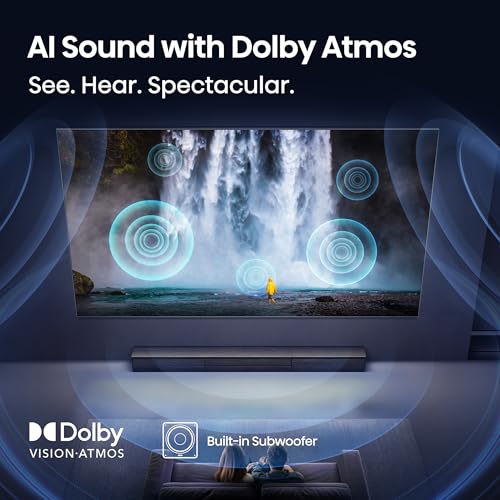
Audio performance represents another area where the price difference between these TVs becomes apparent. The Hisense U6 features a 40-watt, 2.1-channel speaker system with a dedicated subwoofer and Dolby Atmos support. This translates to noticeably better bass response and overall audio clarity compared to the Roku Select's basic stereo speakers.
For many users, the Hisense U6's built-in audio quality reduces the immediate need for an external soundbar. Dialogue remains clear, and there's sufficient bass presence for casual movie watching. The Roku Select provides adequate dialogue clarity but lacks depth and bass extension, making external audio equipment more necessary for satisfying movie experiences.
This audio difference might seem minor when shopping, but it becomes significant during daily use. The cumulative effect of better built-in speakers can delay or eliminate the need for additional audio purchases.
At the time of writing, the Hisense U6 Series costs roughly 50% more than the Roku Select. That price premium buys you Mini-LED backlighting, quantum dot color enhancement, gaming features, and superior audio—technologies that would have cost well over $1,000 in a TV just a few years ago.
For buyers primarily interested in streaming content in moderately bright rooms, the Roku Select delivers excellent core functionality at an exceptional price point. Its smart platform remains best-in-class, and picture quality satisfies most casual viewing needs. The TV excels at its intended purpose: providing a large, competent 4K viewing experience without unnecessary complexity or cost.
The Hisense U6 Series targets users who want premium display technology without premium pricing. It's particularly compelling for movie enthusiasts who watch in controlled lighting conditions, where the Mini-LED's contrast advantages shine. Gamers with modern consoles will appreciate the high refresh rate and VRR support, features becoming increasingly important as game developers target higher frame rates.
For dedicated home theater setups, the Hisense U6 offers significant advantages. Its superior black levels and contrast performance become most apparent in dark room viewing, where the Mini-LED backlighting can truly demonstrate its capabilities. HDR content—particularly movies with dramatic lighting—looks substantially more cinematic than on conventional LED displays.
The quantum dot color enhancement also pays dividends in theater environments, where accurate color reproduction enhances the viewing experience. Combined with Dolby Atmos audio support, the Hisense U6 provides a more immersive entertainment experience that approaches dedicated home theater projector systems.
However, the Roku Select shouldn't be dismissed for theater use entirely. Its excellent smart platform and adequate picture quality make it a reasonable choice for secondary theater rooms or basement entertainment areas where ultimate picture quality takes a backseat to functionality and value.
Consider how your viewing habits might evolve over the typical 7-10 year TV ownership cycle. Gaming capabilities that seem unnecessary today might become important as children grow older or household gaming interests develop. Similarly, streaming quality continues improving, with more HDR content appearing regularly.
The Hisense U6's advanced display technology and gaming features provide better future-proofing for evolving entertainment landscapes. Its Mini-LED backlighting and high refresh rate capabilities won't become obsolete as quickly as conventional LED technology.
The Roku Select takes a different approach to longevity, focusing on platform stability and core functionality that remains relevant regardless of display technology advances. Roku's track record for long-term software support suggests this TV will continue receiving updates and new features for years.
Choose the Hisense U6 Series Mini-LED if you prioritize picture quality, own gaming consoles, watch movies in controlled lighting, or want the best long-term value despite higher upfront costs. Its display technology advantages justify the premium for users who will notice and appreciate them.
Select the Roku Select Series if you're budget-focused, primarily stream content, watch mainly in bright rooms, or want the simplest possible smart TV experience. It excels at core functionality without unnecessary complexity.
Neither choice is wrong—they simply target different priorities and budgets. The key is honestly assessing your viewing habits, room conditions, and feature priorities before making a decision. In the current TV market, both represent solid value propositions within their respective price tiers.
The Hisense U6 brings premium technology to accessible pricing, while the Roku Select perfects the fundamentals at an unbeatable price point. Your choice should align with whether you value advanced features or maximizing basic functionality per dollar spent.
| Hisense 65" U6 Series Mini-LED QLED 4K Fire TV | Roku Select Series 65" 4K HDR Smart TV 2025 |
|---|---|
| Display Technology - The foundation of picture quality and contrast | |
| Mini-LED with up to 600 local dimming zones + QLED quantum dots | Standard LED direct-lit backlight |
| Peak Brightness - Critical for HDR performance and bright rooms | |
| Up to 1,000 nits (excellent HDR impact, good for dark rooms) | ~400 nits (better for bright room SDR, limited HDR) |
| Refresh Rate - Essential for gaming and smooth motion | |
| 144Hz native (supports 4K@144Hz gaming, future-proof) | 60Hz (adequate for streaming, limits gaming potential) |
| HDR Support - Determines color and contrast range | |
| Dolby Vision IQ, HDR10+, HDR10, HLG (comprehensive support) | HDR10+, HDR10, HLG (missing Dolby Vision) |
| Gaming Features - Important for console owners | |
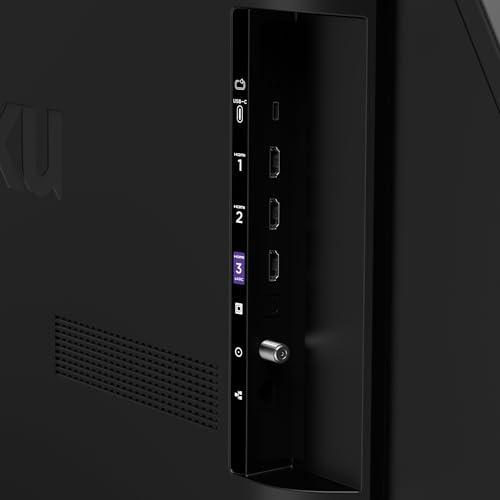
| VRR, ALLM, FreeSync Premium, 2x HDMI 2.1 ports | Basic gaming mode only, HDMI 2.0 ports |
| Smart Platform - Your daily interface experience | |
| Fire TV with Alexa (Amazon-focused, some ads) | Roku TV (best-in-class interface, minimal ads) |
| Audio System - Affects need for external speakers | |
| 40W 2.1 channel with subwoofer, Dolby Atmos | Standard stereo speakers, Dolby Audio |
| Black Levels - Crucial for movie watching and contrast | |
| Deep blacks with minimal blooming (Mini-LED advantage) | Gray blacks, no local dimming (typical LED limitation) |
| Color Performance - Impacts vibrancy and accuracy | |
| Quantum dot enhanced, wide color gamut | Standard LED color reproduction |
| Viewing Angles - Important for wide seating arrangements | |
| Average (Mini-LED panels shift color at angles) | Good (maintains consistency across viewing positions) |
| Best Use Case - Who should choose this TV | |
| Movie enthusiasts, gamers, dark room viewing, long-term value | Budget-focused buyers, bright rooms, streaming priority, simple setup |
The Hisense 65" U6 Series Mini-LED QLED 4K Fire TV is significantly better for gaming. It features a 144Hz refresh rate, Variable Refresh Rate (VRR), two HDMI 2.1 ports, and supports 4K gaming at 120-144fps. The Roku Select Series 65" 4K HDR Smart TV is limited to 60Hz and lacks modern gaming features like VRR, making it unsuitable for PlayStation 5 or Xbox Series X optimization.
The biggest difference is display technology. The Hisense U6 uses Mini-LED backlighting with up to 600 local dimming zones and quantum dot color enhancement, delivering deeper blacks, brighter highlights, and more vibrant colors. The Roku Select uses standard LED backlighting without local dimming, resulting in less contrast and more washed-out dark scenes.
The Hisense 65" U6 Series offers superior HDR performance with peak brightness over 1,000 nits and support for Dolby Vision IQ, HDR10+, and other formats. The Roku Select peaks around 400 nits and lacks Dolby Vision support, making HDR content appear less impactful and vibrant.
Yes, they use different platforms. The Hisense U6 runs Amazon Fire TV with Alexa integration but includes persistent advertising. The Roku Select uses Roku TV, which is widely considered the best smart TV interface with faster navigation, better universal search, and minimal advertising.
The Roku Select Series 65" actually performs better in bright rooms for standard content due to higher SDR brightness and better reflection handling. However, the Hisense U6 offers superior performance in controlled lighting conditions where its Mini-LED technology can demonstrate its contrast advantages.
The Hisense U6 Series Mini-LED features 40W 2.1 channel speakers with a built-in subwoofer and Dolby Atmos support, providing significantly better bass and audio clarity. The Roku Select has basic stereo speakers that deliver adequate dialogue but lack depth and bass response.
This depends on your priorities. The Roku Select offers excellent value for budget-focused buyers who prioritize streaming and basic 4K performance. The Hisense U6 provides better long-term value for users who want premium display technology, gaming features, and superior picture quality at a mid-range price point.
Both TVs handle 4K streaming well, but the Hisense 65" U6 Series delivers noticeably better picture quality due to its Mini-LED backlighting and quantum dot color enhancement. The Roku Select streams 4K content reliably but with less impressive contrast and color performance.
The Hisense U6 Mini-LED is significantly better for home theater setups. Its Mini-LED backlighting creates deep blacks essential for cinematic viewing, while quantum dot technology delivers accurate colors. The superior built-in audio also reduces the immediate need for external speakers, making it ideal for dedicated movie watching.
Yes, both the Hisense U6 and Roku Select support all major streaming services including Netflix, Amazon Prime Video, Disney+, Apple TV+, and others. However, the Roku platform typically receives new streaming apps first and offers better universal search across services.
The Hisense 65" U6 Series Mini-LED offers better future-proofing with its 144Hz refresh rate, HDMI 2.1 ports, and advanced display technology that won't become obsolete quickly. The Roku Select Series focuses on platform longevity, with Roku's excellent track record for long-term software updates and support.
Choose the Hisense U6 if you want superior picture quality, own gaming consoles, watch movies in dark rooms, or prioritize long-term value despite higher upfront cost. Choose the Roku Select if you're budget-focused, primarily stream content, watch in bright rooms, or want the simplest and most reliable smart TV experience available.
We've done our best to create useful and informative comparisons to help you decide what product to buy. Our research uses advanced automated methods to create this comparison and perfection is not possible - please contact us for corrections or questions. These are the sites we've researched in the creation of this article: youtube.com - bestbuy.com - rtings.com - youtube.com - tomsguide.com - rtings.com - static.pcrichard.com - hisense-usa.com - pcguide.com - hisense-usa.com - manuals.plus - costco.com - pcrichard.com - beverlycenter.com - hisense-usa.com - rtings.com - device.report - bestbuy.com - rtings.com - roku.com - rtings.com - youtube.com - cnet.com - manuals.plus - target.com - walmart.com - nice-pay.com - bestbuy.com - roku.com - roku.com - electronicexpress.com

Privacy Policy
Terms and Conditions - Affiliate Policy
Home Security
© Copyright 2008-2026.
11816 Inwood Rd #1211, Dallas, TX 75244