

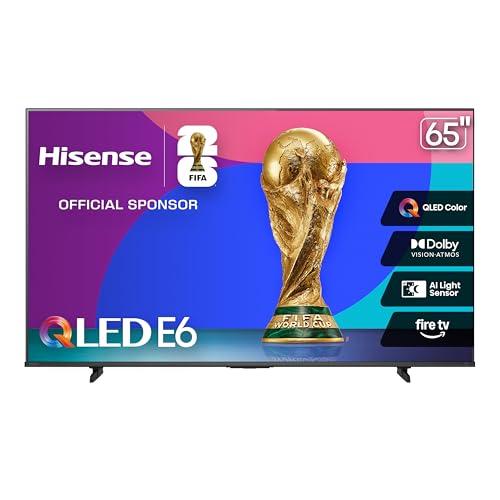
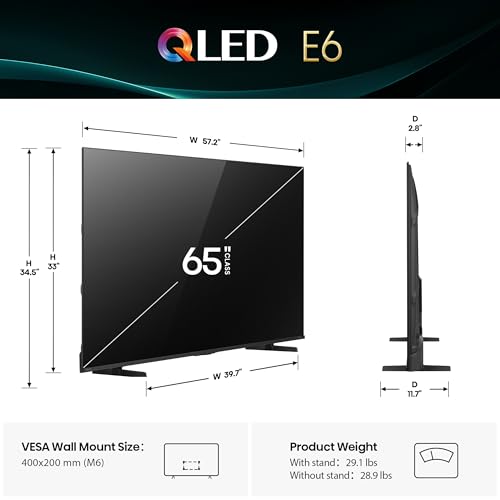
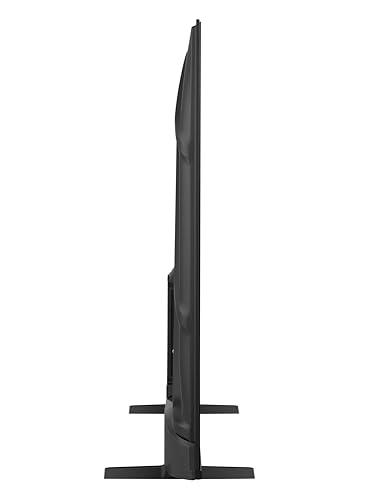
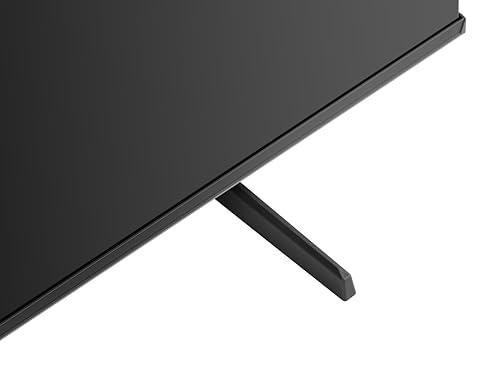
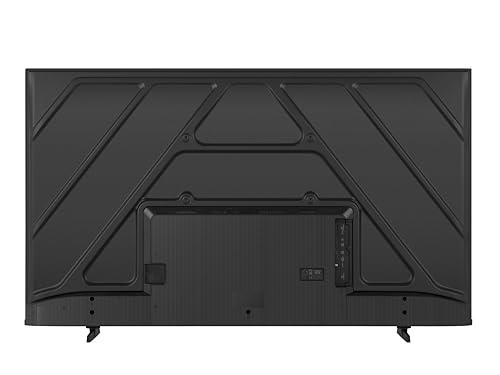

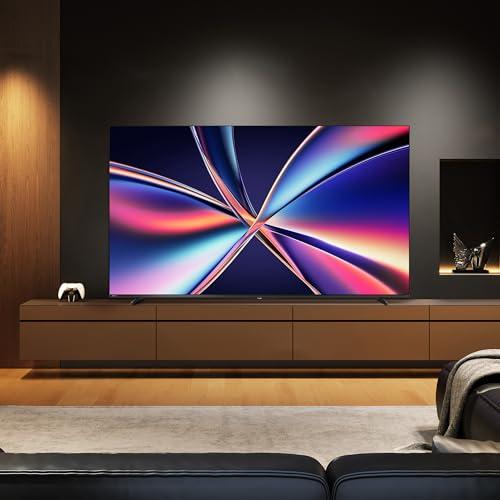
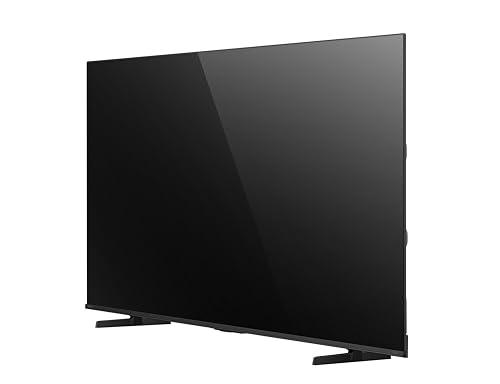
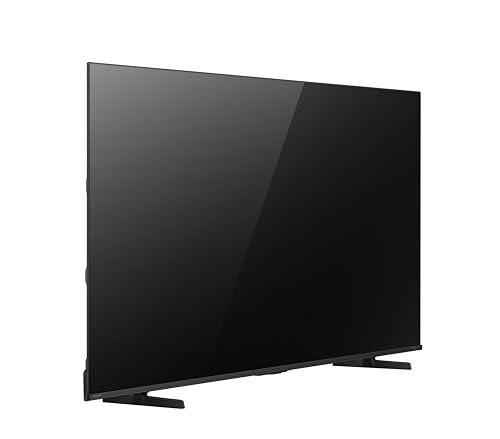
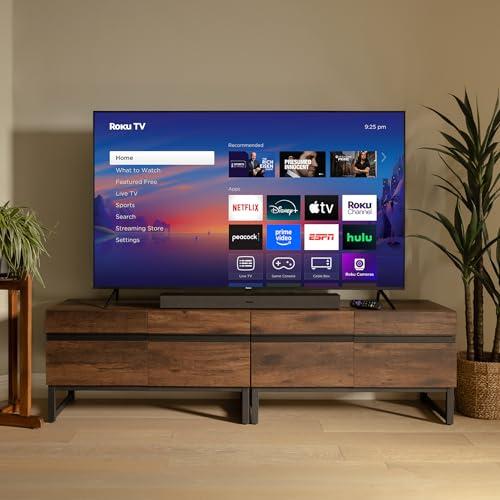
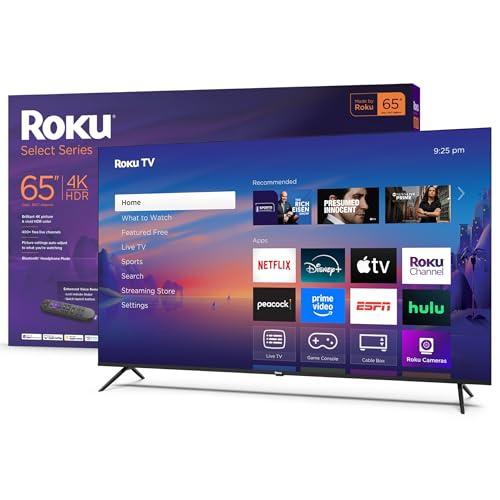
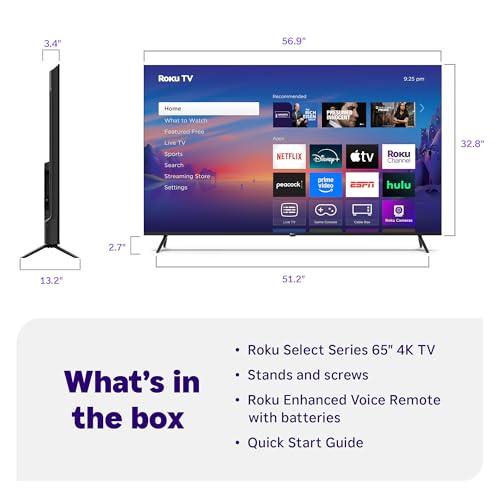


The 65-inch 4K smart TV market has become incredibly competitive, with manufacturers pushing the boundaries of what's possible at mainstream price points. Two standout models that exemplify different approaches to this challenge are the Hisense 65" E6 Cinema Series QLED 4K Fire TV and the Roku Select Series 65" 4K HDR Smart TV. Both released in 2025, these TVs represent fascinating case studies in how different companies prioritize features and performance.
What makes this comparison particularly interesting is how each TV tackles the fundamental challenge of delivering premium features without premium pricing. The Hisense E6 takes a picture-quality-first approach, cramming advanced display technologies like quantum dots and comprehensive HDR support into an affordable package. Meanwhile, the Roku Select Series focuses on what many consider the most important aspect of modern TV ownership: the smart platform experience.
Before diving into specifics, it's worth understanding what really matters in today's smart TV market. Gone are the days when people primarily watched broadcast television or popped in DVDs. Modern TVs serve as streaming hubs, gaming displays, and home theater centerpieces all rolled into one. This means several key areas determine whether a TV will satisfy your needs.
Picture quality remains paramount, but it's more nuanced than simply "sharper is better." Color accuracy, how well the TV handles different types of content (bright comedies versus dark dramas), and performance in various lighting conditions all matter tremendously. The smart platform - essentially the TV's operating system - has become equally crucial since most people spend more time navigating Netflix and YouTube than traditional channels.
Audio performance, while often overlooked, can make or break the viewing experience. Gaming capabilities have exploded in importance as consoles become more sophisticated. Finally, there's the less glamorous but equally important consideration of long-term reliability and software support.
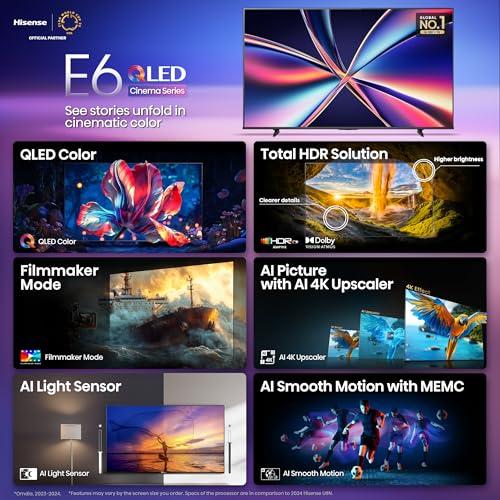
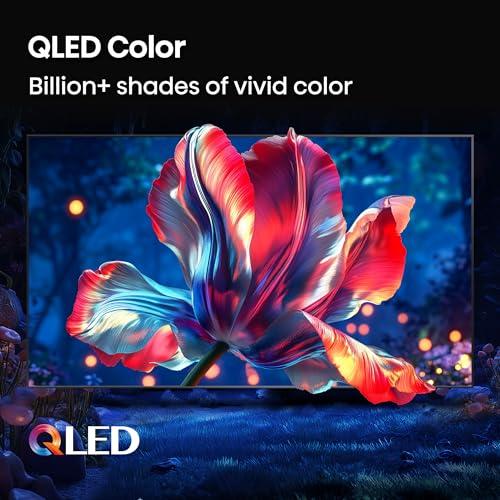
The most significant difference between these TVs lies in their fundamental display technologies. The Hisense E6 employs QLED (Quantum Dot Light Emitting Diode) technology, which represents a meaningful step up from standard LED panels. Quantum dots are microscopic particles that can produce incredibly pure colors when hit by light. Think of them as extremely precise color filters that can create over a billion different color shades - far more than what standard LED TVs can manage.
This technology advantage becomes immediately apparent when watching vibrant content. Nature documentaries, animated movies, and modern HDR films showcase colors that simply pop off the screen in ways that standard LED displays struggle to match. The reds are deeper, blues more oceanic, and greens more lush. It's not just about saturation either - the colors are more accurate to what filmmakers intended.
The Roku Select Series, using traditional LED technology with direct backlighting, takes a different approach. Rather than pursuing the most vibrant colors possible, it prioritizes brightness and consistency. Our research into user experiences reveals this TV excels in bright living rooms where many families actually watch television. While it can't match the Hisense E6's color vibrancy, it maintains better picture quality when you're not sitting directly in front of the screen.
High Dynamic Range (HDR) represents perhaps the most important advancement in TV technology over the past decade. Traditional content uses Standard Dynamic Range (SDR), which can only display a limited range of brightness levels. HDR dramatically expands this range, allowing for much brighter highlights and deeper shadows simultaneously.
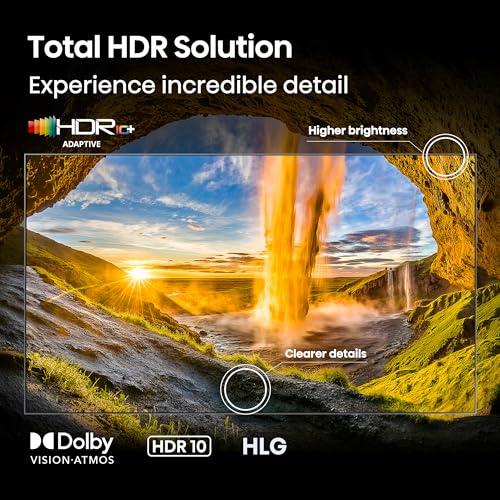
Here's where the Hisense E6 truly shines. It supports an impressive array of HDR formats: Dolby Vision, HDR10+ Adaptive, HDR10, and HLG (Hybrid Log-Gamma). Dolby Vision, in particular, represents the premium HDR standard used by Netflix, Disney+, and major Hollywood studios. It analyzes each scene individually to optimize the picture, rather than applying generic settings to entire movies.
The Roku Select Series supports HDR10, HDR10+, and HLG but notably lacks Dolby Vision. While this might seem like a minor omission, it becomes significant when watching premium streaming content. The difference is most noticeable in scenes with dramatic lighting - think candlelit dinners in period dramas or the bright explosions in action movies against dark backgrounds.
However, there's a crucial caveat about HDR performance. Based on expert evaluations, the Roku Select Series struggles to get bright enough to make HDR content truly pop. HDR requires significant brightness capability to create those dramatic highlights, and this is where budget TVs often compromise. The Hisense E6 performs better in this regard, though neither TV reaches the brightness levels of premium models costing significantly more.
One area where both TVs show their budget origins is black level performance. Neither TV includes local dimming - a technology where different sections of the backlight can be independently controlled. This means when you're watching a movie with black bars (letterboxing) or dark scenes, those blacks appear more like dark gray.
The Hisense E6 manages slightly better contrast thanks to its quantum dot technology and more sophisticated processing, but don't expect the inky blacks you'd get from OLED TVs or premium LED models with full-array local dimming. For most viewers watching in typical living room conditions, this limitation isn't deal-breaking, but it's worth understanding if you're planning a dedicated home theater setup.
The smart platform might be the most important long-term decision factor. You'll interact with this interface every time you turn on the TV, and platform quality significantly impacts your daily experience.
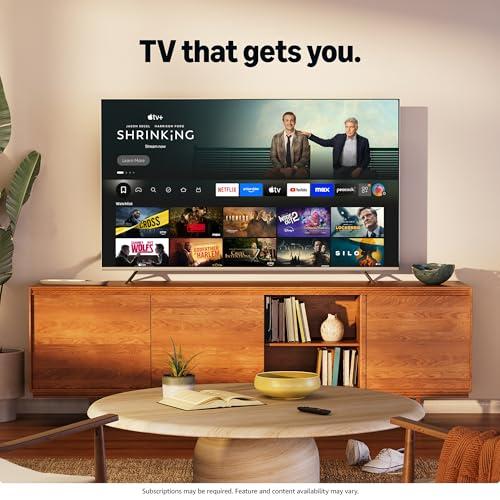
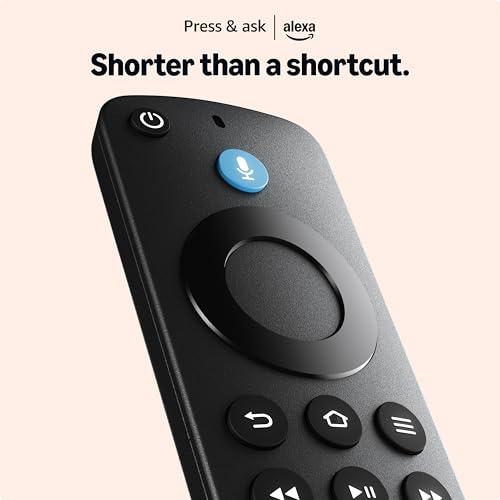
The Hisense E6 runs Amazon's Fire TV platform, which has matured considerably since its early days. The interface is logically organized, with your streaming apps prominently displayed and easy to access. The included Alexa Voice Remote allows natural language searches - you can say "show me comedies from the 90s" or "find Tom Hanks movies" and get relevant results across multiple streaming services.
Fire TV's strength lies in its deep Amazon ecosystem integration. If you're already invested in Amazon Prime, have Echo devices around your home, or frequently shop on Amazon, the synergy is excellent. The platform also benefits from Amazon's significant resources and commitment to regular updates.
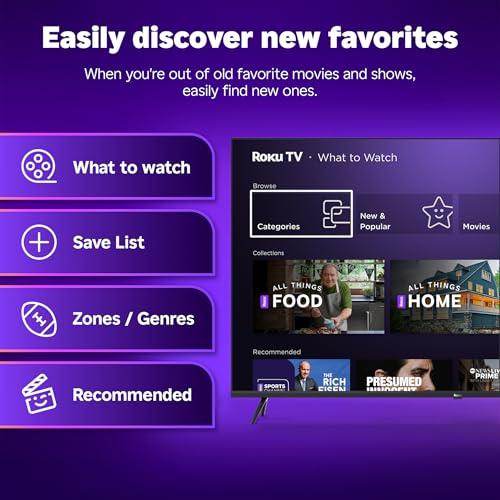
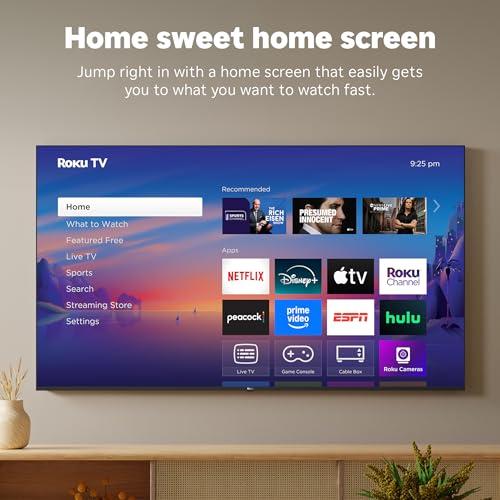
The Roku Select Series platform, however, has earned widespread praise from both users and critics as potentially the best smart TV interface available. Roku's approach prioritizes neutrality - they don't favor any particular streaming service, creating a more balanced experience. The interface is remarkably fast and responsive, with apps launching quickly and minimal lag when navigating menus.
Roku's strength extends beyond just interface design. They offer access to over 500 free streaming channels, including news, movies, and specialty content that you won't find elsewhere. The platform also supports Apple AirPlay, making it incredibly easy to stream content from iPhones and iPads - a feature the Hisense E6 lacks.
Perhaps most importantly, Roku has an excellent track record of long-term software support. TVs from several years ago continue receiving regular updates, while some competitors abandon older models relatively quickly. This consideration becomes crucial if you plan to keep your TV for five or more years.
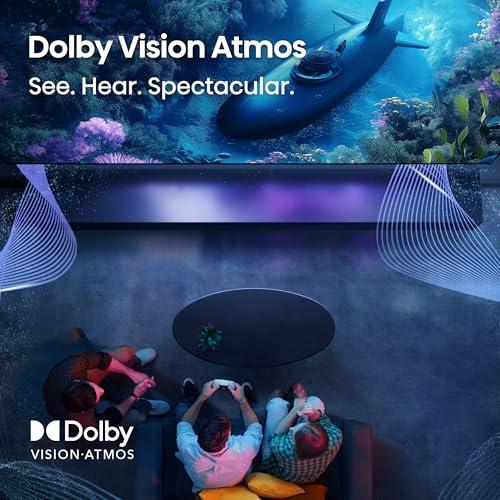
Audio often gets overlooked in TV discussions, but it significantly impacts your viewing experience. The Hisense E6 includes Dolby Atmos support, which represents a major advancement in home audio technology. Dolby Atmos creates three-dimensional soundscapes by precisely placing audio elements in virtual space around you. Even through the TV's built-in speakers, this technology can create a more immersive experience than traditional stereo audio.
The Roku Select Series uses Dolby Audio with a 2.1 speaker system. While this doesn't provide the spatial audio effects of Dolby Atmos, user feedback suggests it delivers clear dialogue and adequate volume for most rooms. The TV also includes a thoughtful Bluetooth Headphone Mode, allowing private listening without disturbing others.
Neither TV will replace a dedicated sound system for serious home theater enthusiasts, but the Hisense E6's Dolby Atmos capability provides a noticeable advantage for movies and shows that support the format. If you frequently watch action movies or nature documentaries, this audio upgrade becomes more meaningful.
Gaming performance has become increasingly important as PlayStation 5 and Xbox Series X consoles push 4K gaming to new heights. Both TVs offer gaming modes that reduce input lag (the delay between pressing a controller button and seeing the action on screen), but their capabilities differ significantly.
The Hisense E6 includes Game Mode Plus with Auto Low Latency Mode (ALLM), which automatically detects gaming signals and optimizes settings accordingly. The TV also features Motion Rate 120 technology, which uses software processing to create smoother motion from 60fps content. However, there's an important limitation: despite the "120" designation, the TV doesn't actually support true 120Hz input from gaming consoles.
This distinction matters for serious gamers. Many modern games can run at 120fps on current-generation consoles, providing noticeably smoother gameplay. Neither the Hisense E6 nor the Roku Select Series can fully utilize these capabilities, maxing out at 60Hz input. For casual gaming, this limitation isn't significant, but competitive gamers or those seeking the absolute best console experience should consider higher-end models.
The Roku Select Series offers basic gaming functionality with low input lag suitable for most gaming scenarios. However, it lacks the advanced processing features found in the Hisense E6.
Modern TVs include sophisticated processing technologies that can significantly improve your viewing experience. The Hisense E6 incorporates several AI-powered features that adapt to your viewing conditions and content.
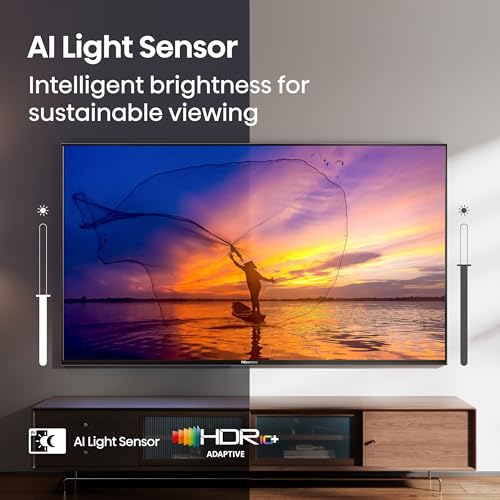
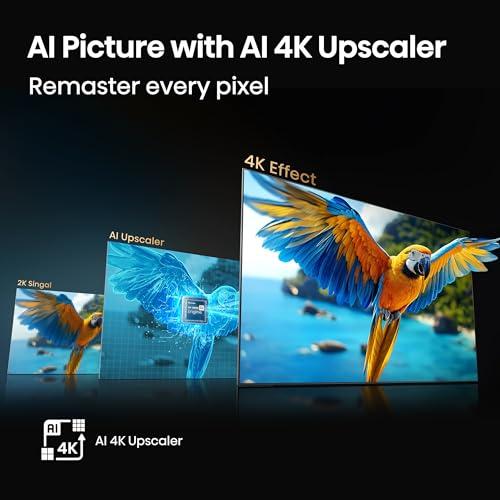
The AI Light Sensor automatically adjusts screen brightness based on your room's lighting throughout the day. This feature prevents eye strain when watching in dark rooms while ensuring adequate brightness during daylight hours. The AI 4K Upscaler uses machine learning algorithms to enhance lower-resolution content, making older shows and movies appear sharper and more detailed.
AI Smooth Motion with MEMC (Motion Estimation, Motion Compensation) technology analyzes incoming video to reduce motion blur during fast-paced scenes. This feature particularly benefits sports viewing and action movies, though some viewers prefer to disable motion processing for a more film-like experience.
The Roku Select Series takes a more straightforward approach, focusing on consistent performance rather than advanced processing features. While this means fewer bells and whistles, it also results in a more predictable viewing experience with less potential for processing artifacts.
If you're planning a dedicated home theater or media room, several factors become more critical. The Hisense E6's superior color accuracy and comprehensive HDR support make it better suited for darkened viewing environments where picture quality takes priority. The quantum dot technology really shines when you're sitting relatively close to the screen in a controlled lighting environment.
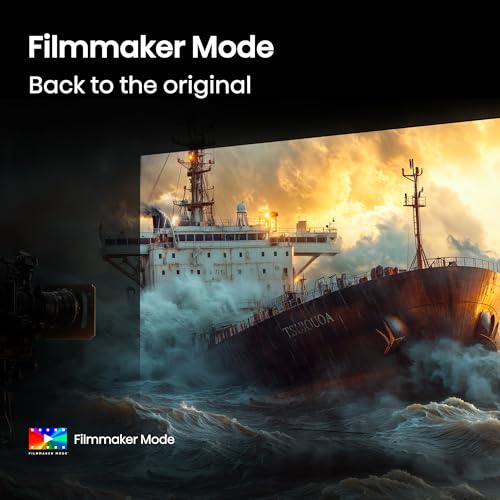
The TV's Filmmaker Mode deserves special mention for home theater applications. This feature automatically disables motion processing and adjusts color settings to match the content creator's intentions. It's particularly valuable for movie enthusiasts who want to experience films as directors intended.
The Roku Select Series might actually be preferable for casual family viewing spaces where multiple people watch from different angles. Its wider viewing angles and brighter overall picture work well in living rooms with varied seating arrangements.
At the time of writing, both TVs occupy similar price points in the budget-friendly large screen category, making the decision primarily about priorities rather than budget constraints.
Choose the Hisense 65" E6 Cinema Series if you prioritize picture quality above all else. The quantum dot technology, comprehensive HDR support, and advanced processing features provide meaningfully better visual performance, especially in darker viewing environments. This TV makes sense for movie enthusiasts, those planning home theater setups, or anyone who wants the most vibrant, accurate colors possible at this price point.
The Roku Select Series becomes the better choice if you value long-term reliability, interface quality, and bright-room performance. If your TV lives in a sunny living room, gets used by multiple family members with varying tech comfort levels, or you prioritize the streaming experience over absolute picture quality, Roku's platform advantages outweigh the Hisense E6's display technology benefits.
For most buyers, I'd lean toward the Hisense E6 simply because the picture quality improvements are immediately noticeable and will remain relevant throughout the TV's lifespan. The quantum dot technology provides a tangible upgrade that you'll appreciate every time you watch colorful content. However, if you've used Roku devices before and love the interface, or if your viewing room is particularly bright, the Roku Select Series remains an excellent choice that prioritizes different but equally valid aspects of the TV viewing experience.
The beauty of today's TV market is that both options deliver tremendous value, just with different strengths. Your personal viewing habits and room setup should ultimately guide this decision more than any reviewer's preference.
| Hisense 65" E6 Cinema Series QLED 4K Fire TV | Roku Select Series 65" 4K HDR Smart TV 2025 |
|---|---|
| Display Technology - Determines color accuracy and vibrancy | |
| QLED with Quantum Dots (over 1 billion colors) | Standard LED with Direct Backlighting |
| HDR Format Support - Critical for streaming movies and shows | |
| Dolby Vision, HDR10+ Adaptive, HDR10, HLG | HDR10, HDR10+, HLG (no Dolby Vision) |
| Smart Platform - Your daily interface experience | |
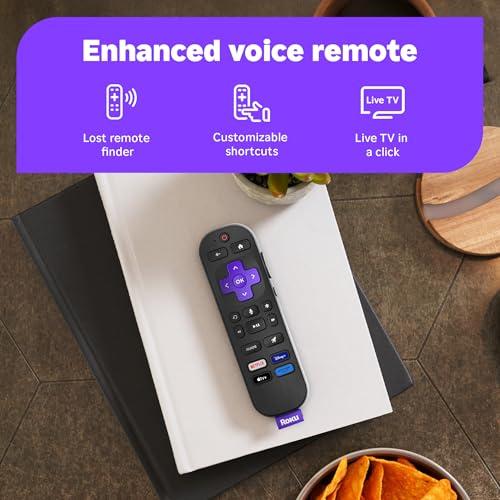
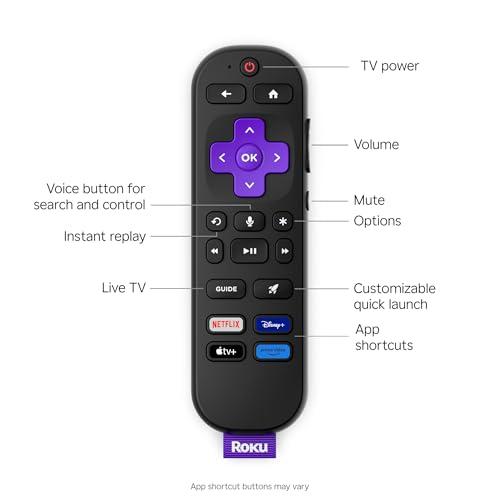
| Fire TV with Alexa Voice Remote | Roku TV with Enhanced Voice Remote |
| WiFi Standard - Affects streaming stability | |
| WiFi 6 (faster, more stable connections) | Standard WiFi |
| Audio Technology - Built-in sound quality | |
| Dolby Atmos (3D spatial audio) | Dolby Audio 2.1 Stereo |
| Motion Processing - Smoothness during sports and action | |
| Motion Rate 120 with AI Smooth Motion & MEMC | 60Hz native (no motion interpolation) |
| Gaming Features - Console compatibility | |
| Game Mode Plus with ALLM (but limited to 60Hz input) | Basic Gaming Mode (60Hz only) |
| AI Features - Automatic optimization | |
| AI Light Sensor, AI 4K Upscaler, AI processing | Roku Smart Picture (basic optimization) |
| Voice Assistant Support - Hands-free control | |
| Alexa built-in | Roku Voice, Siri, Alexa, Google Assistant |
| Screen Mirroring - Phone/tablet casting | |
| Fire TV casting only | Apple AirPlay support |
| HDMI Ports - Device connectivity | |
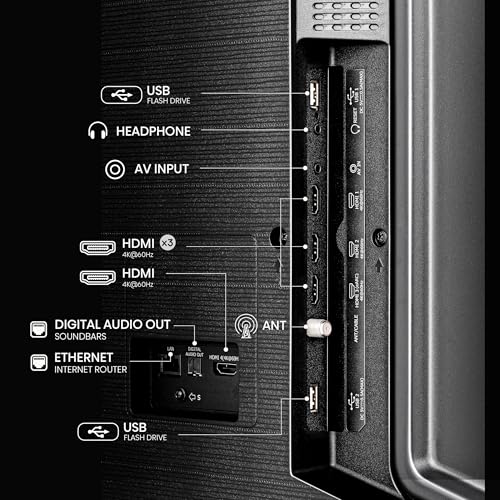
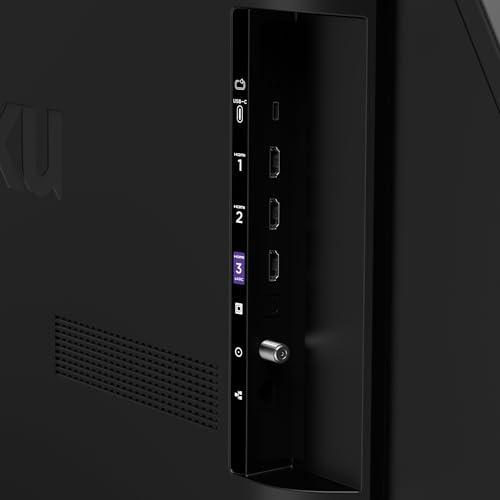
| Multiple HDMI (exact count unspecified) | 3 HDMI ports |
| Viewing Angles - Picture quality from the side | |
| Standard (QLED typical limitation) | Wide viewing angles |
| Brightness Performance - Room lighting compatibility | |
| Good for dark/medium rooms | Excellent for bright rooms |
| Long-term Software Support - Updates over time | |
| Amazon Fire TV updates | Roku's excellent update track record |
The Hisense 65" E6 Cinema Series QLED delivers superior picture quality thanks to its quantum dot technology, which produces over a billion vibrant colors and supports comprehensive HDR formats including Dolby Vision. The Roku Select Series 65" offers good picture quality but uses standard LED technology with less color accuracy and no Dolby Vision support.
QLED technology in the Hisense E6 uses quantum dots to create more accurate, vibrant colors compared to the standard LED display in the Roku Select Series. This means movies, nature documentaries, and colorful content will appear more lifelike on the Hisense, while the Roku provides adequate but less impressive color reproduction.
The Roku Select Series features Roku's acclaimed smart TV interface, widely considered the most user-friendly and fastest platform available. The Hisense E6 uses Amazon Fire TV, which is also good but generally considered less intuitive than Roku's streamlined approach.
The Roku Select Series performs better in bright rooms due to its superior SDR brightness and wider viewing angles. The Hisense E6 is optimized for darker viewing environments where its QLED technology can showcase better contrast and color accuracy.
Both the Hisense E6 and Roku Select Series are limited to 60Hz gaming and lack advanced features like Variable Refresh Rate. The Hisense offers Game Mode Plus with slightly better processing, but neither TV fully utilizes next-gen console capabilities for serious gaming.
Only the Hisense E6 Cinema Series supports Dolby Vision, which is used by Netflix, Disney+, and other premium streaming services for enhanced HDR content. The Roku Select Series supports HDR10 and HDR10+ but lacks Dolby Vision, meaning you'll miss out on optimized picture quality for some streaming content.
The Hisense E6 includes Dolby Atmos support for more immersive, three-dimensional audio experience. The Roku Select Series features Dolby Audio with clear dialogue but lacks the spatial audio capabilities of Dolby Atmos. Both provide adequate sound for casual viewing.
The Hisense E6 Cinema Series is better suited for home theater use due to its superior color accuracy, comprehensive HDR support including Dolby Vision, and Filmmaker Mode that preserves content creator intent. The Roku Select Series works well for casual family viewing but lacks the picture quality refinements preferred for dedicated theater rooms.
The Roku Select Series has an excellent track record for long-term software support, with Roku consistently updating older TV models for years. The Hisense E6 receives Amazon Fire TV updates, but Roku's commitment to long-term support is generally considered superior in the industry.
Yes, both support voice control but differently. The Hisense E6 includes Alexa built-in with comprehensive voice commands. The Roku Select Series supports multiple voice assistants including Roku Voice, Siri, Alexa, and Google Assistant, offering more flexibility for different smart home ecosystems.
Both TVs offer excellent value at similar price points. The Hisense E6 provides better value if you prioritize picture quality with its QLED technology and comprehensive HDR support. The Roku Select Series offers better value if you prioritize ease of use, platform reliability, and bright-room performance.
Choose the Hisense E6 Cinema Series for superior picture quality, vibrant colors, Dolby Vision support, and better performance in dark rooms. Choose the Roku Select Series for the best smart TV interface, excellent bright-room performance, wider viewing angles, and superior long-term software support reliability.
We've done our best to create useful and informative comparisons to help you decide what product to buy. Our research uses advanced automated methods to create this comparison and perfection is not possible - please contact us for corrections or questions. These are the sites we've researched in the creation of this article: bestbuy.com - bestbuy.com - rtings.com - pcvarge.com - youtube.com - youtube.com - youtube.com - rtings.com - shopabunda.com - hisense-usa.com - camelcamelcamel.com - manuals.plus - hisense-usa.com - hisense-usa.com - hisense-usa.com - slickdeals.net - bestbuy.com - rtings.com - roku.com - rtings.com - youtube.com - cnet.com - manuals.plus - target.com - walmart.com - nice-pay.com - bestbuy.com - roku.com - roku.com - electronicexpress.com

Privacy Policy
Terms and Conditions - Affiliate Policy
Home Security
© Copyright 2008-2026.
11816 Inwood Rd #1211, Dallas, TX 75244