

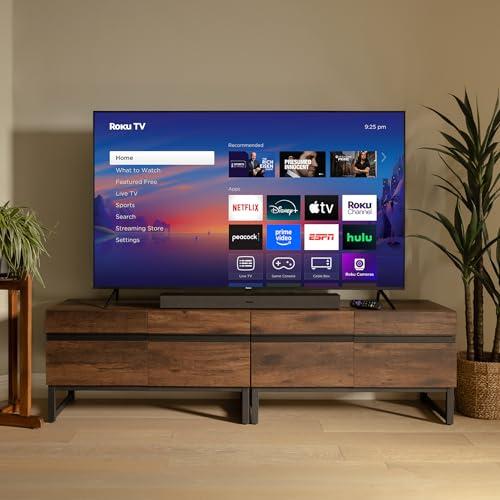
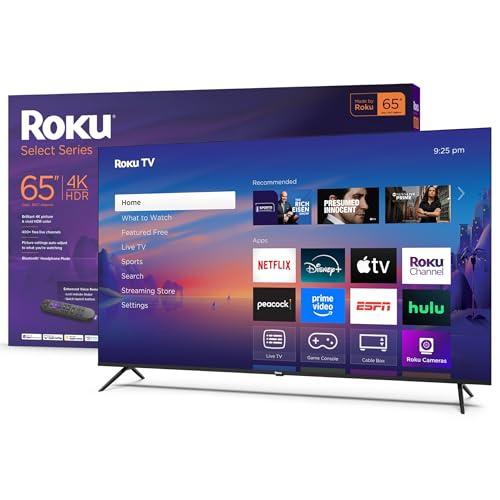
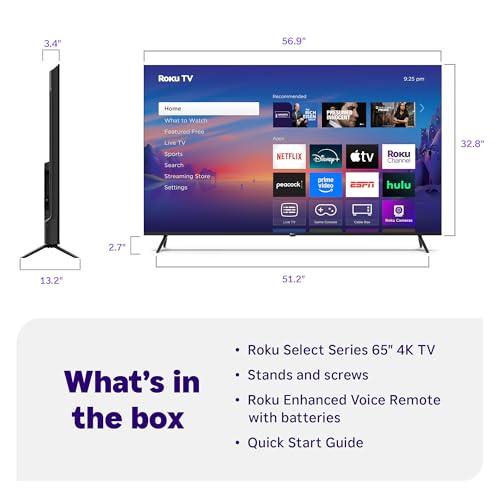
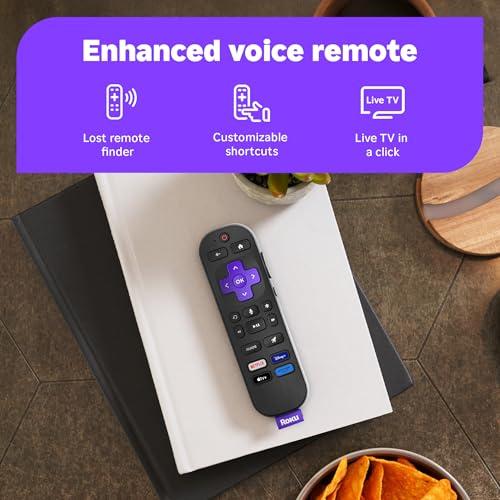


When you're hunting for a large smart TV that won't demolish your bank account, two models consistently rise to the top of recommendation lists: the Insignia 65" QF Series QLED 4K UHD Smart TV and the Roku Select Series 65" 4K HDR Smart TV 2025. Both offer that coveted 65-inch screen size at surprisingly affordable prices, but they take very different approaches to delivering your entertainment.
The budget-friendly large screen TV market has exploded over the past few years, driven by fierce competition and improved manufacturing techniques. What used to cost $2,000+ just five years ago now sits comfortably in the $300-500 range at the time of writing, making 65-inch displays accessible to most households.
When shopping in this category, you're balancing several key factors: picture quality, smart platform performance, build quality, and overall value. The challenge is that manufacturers make different trade-offs to hit aggressive price points. Some focus on display technology, others on software experience, and understanding these choices helps you pick the right TV for your needs.
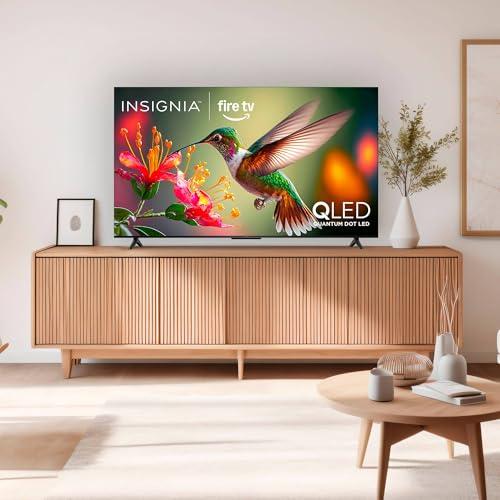
The Insignia QF Series and Roku Select Series represent two distinct philosophies in budget TV design. Insignia has invested heavily in display technology, incorporating QLED (Quantum Dot Light Emitting Diode) panels typically reserved for more expensive sets. Meanwhile, Roku has focused on creating the smoothest, most intuitive smart TV experience possible while keeping display technology more conventional.
This fundamental difference shapes everything about how these TVs perform and who they're best suited for. Let's dive into what each approach means for your daily viewing experience.
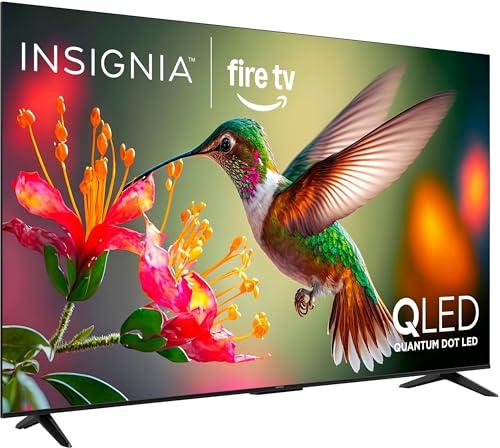
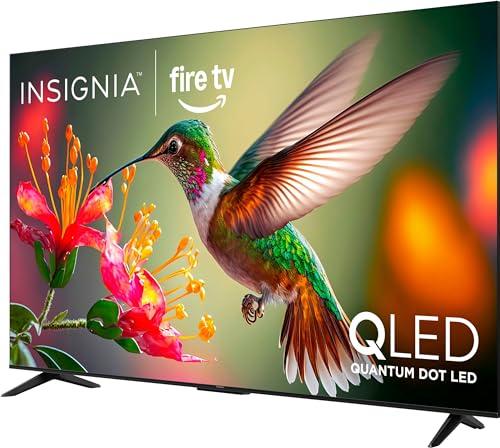
The Insignia QF Series uses Quantum Dot Technology, which sounds fancy but serves a practical purpose. Traditional LED TVs use a basic white backlight that struggles to produce pure, saturated colors. Quantum dots are microscopic particles that, when hit by light, emit very specific colors with incredible precision. This translates to a wider color gamut (the range of colors the TV can display) and typically higher peak brightness.
In real-world viewing, this means the Insignia delivers more vibrant, lifelike images. Reds appear more crimson, blues more azure, and greens more emerald. The difference is particularly noticeable in nature documentaries, animated content, and modern movies shot with wide color gamuts in mind.
The Roku Select Series, using standard LED technology, takes a more conservative approach. Its colors appear more natural and less saturated, which some viewers actually prefer. The trade-off is that spectacular sunset scenes or tropical underwater footage won't pop off the screen quite as dramatically.
HDR (High Dynamic Range) is where these TVs show their most significant differences. The Insignia QF Series supports Dolby Vision, which is considered the premium HDR format. Dolby Vision uses dynamic metadata, meaning it can adjust brightness and color settings scene by scene, or even frame by frame, for optimal picture quality.
The Roku Select Series supports HDR10+ and HLG (Hybrid Log-Gamma), which are excellent formats but lack Dolby Vision's dynamic optimization. In practice, this means the Insignia will likely deliver superior performance when watching Netflix originals, Disney+ content, or Ultra HD Blu-rays that include Dolby Vision encoding.
However, both TVs face the same fundamental limitation: neither gets bright enough to truly make HDR content shine. Peak brightness is crucial for HDR because it allows highlights like sunlight reflecting off water or car headlights to appear genuinely bright rather than just white. While the Insignia gets brighter thanks to its QLED technology, neither TV reaches the 600+ nits peak brightness that HDR content really demands.
Here's where both TVs show their budget roots. Neither includes local dimming, a feature that selectively dims parts of the backlight to create deeper blacks. This means dark movie scenes will appear grayish rather than truly black, reducing the overall contrast ratio and making details harder to see in shadows.
The Roku Select Series particularly struggles with black levels, making it less suitable for dark room viewing or cinematic experiences. The Insignia performs somewhat better, but don't expect the inky blacks you'd get from premium QLED or OLED displays.
Where the Roku Select Series truly shines is in its smart TV interface. Roku has been perfecting its platform for over a decade, and it shows. The interface is fast, intuitive, and remarkably stable. Apps launch quickly, navigation feels snappy, and the universal search function genuinely finds content across multiple streaming services.
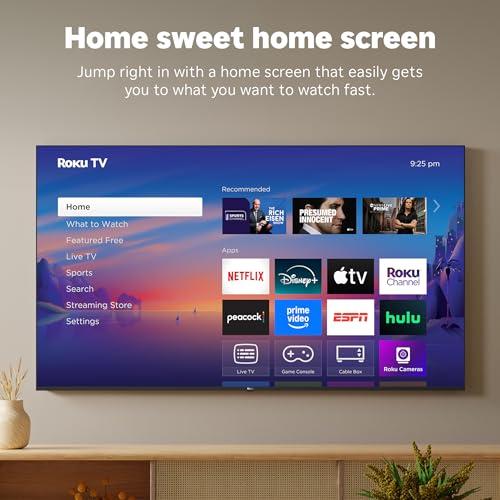
The platform's content-neutral approach means it doesn't favor any particular streaming service. Whether you're a Netflix devotee, Disney+ subscriber, or someone who jumps between platforms, Roku treats all services equally. The customizable home screen lets you arrange apps and inputs exactly how you want them.
Roku also excels at software updates. The company has a track record of supporting TVs for years after purchase, regularly adding new features and streaming apps. This matters more than you might think – nothing's more frustrating than buying a smart TV only to find your favorite streaming service is no longer supported two years later.
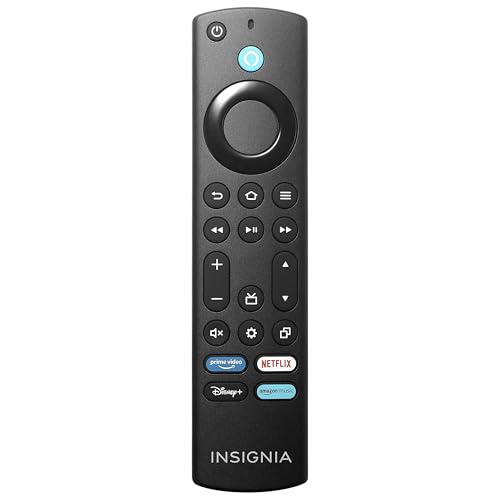
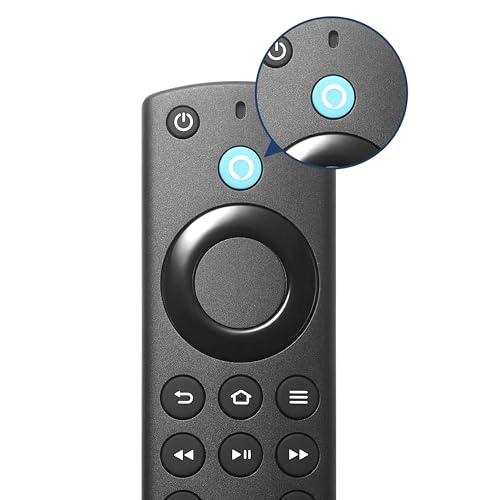
The Insignia QF Series runs Amazon's Fire TV OS, which feels like a different beast entirely. If you're already invested in Amazon's ecosystem – Prime membership, Alexa devices, Amazon Music – the integration is seamless and genuinely useful. Voice control through the included Alexa remote works reliably, and finding Prime Video content is effortless.
However, the Fire TV interface can feel sluggish compared to Roku. Menu navigation sometimes lags, apps take longer to load, and the overall experience feels less polished. Amazon also has a habit of promoting its own content prominently, which can feel pushy if you prefer other streaming services.
The trade-off here is clear: superior hardware performance (Insignia) versus superior software experience (Roku Select Series).
Both TVs include similar audio setups with stereo speakers and Dolby Audio processing. The Insignia adds Dolby Atmos processing, which can create a more immersive soundscape when watching compatible content, though the built-in speakers aren't powerful enough to fully realize Atmos' potential.
Neither TV will satisfy serious home theater enthusiasts. The speakers are adequate for casual viewing – dialogue is clear, and there's enough volume for most rooms – but lack the bass response and dynamic range for truly engaging movie experiences. Budget for a soundbar if audio quality matters to you.
Both TVs target casual gamers rather than enthusiasts. They're limited to 60Hz refresh rates and lack modern gaming features like Variable Refresh Rate (VRR) or Auto Low Latency Mode (ALLM). Input lag is low enough for PlayStation and Xbox gaming, but competitive players should look elsewhere.
The 60Hz limitation means you won't fully utilize the capabilities of PlayStation 5 or Xbox Series X consoles, which can output games at 120Hz for smoother motion. If gaming is a priority, consider spending more on a TV with proper gaming features.
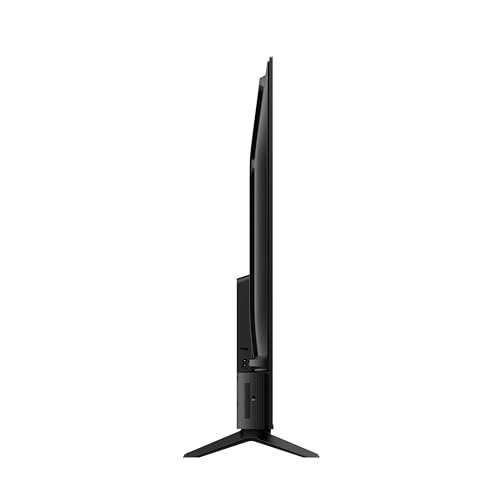
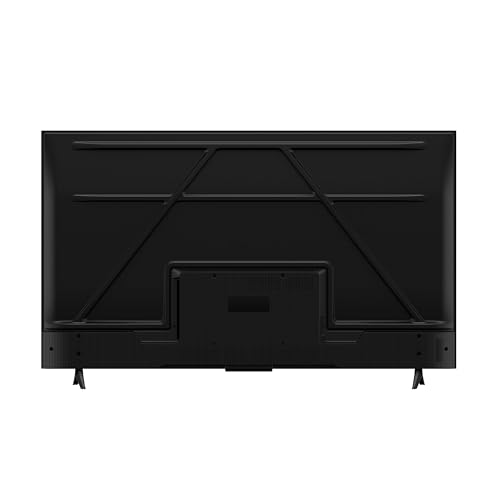
Both TVs adopt modern, minimalist designs with slim bezels and clean lines. The Insignia features a metal bezel-less design that looks more premium, while the Roku Select Series opts for a simpler plastic construction that's perfectly functional but less visually striking.
Weight and mounting are similar between the models – both are light enough for easy wall mounting and include VESA-compatible mounting points. The wide-set feet on both designs provide stable tabletop placement and leave room underneath for soundbars.
At the time of writing, both TVs typically sell in the $300-400 range, making them exceptional values for 65-inch displays. The Insignia QF Series offers premium display technology at a budget price – you're essentially getting QLED performance that would cost significantly more from Samsung or LG.
The Roku Select Series delivers the best smart TV platform available at any price point, packaged with a solid 4K display. While the picture quality isn't as impressive as the Insignia, the superior user experience and long-term software support provide excellent value.
For dedicated home theater setups, the Insignia QF Series is the better choice. Its superior color reproduction, higher peak brightness, and Dolby Vision support create a more cinematic experience. The quantum dot technology makes HDR content more engaging, even if it doesn't reach reference monitor levels.
However, both TVs' limited black levels mean they're better suited for rooms with some ambient light rather than completely dark theater environments. If you're building a true home theater, consider spending more on a display with local dimming or OLED technology.
You prioritize picture quality above all else. The QLED display delivers more vibrant, engaging visuals that make everything from nature documentaries to Marvel movies more spectacular. This TV is ideal for Amazon ecosystem users who appreciate deep Alexa integration and primarily watch Prime Video content.
The Insignia also suits viewers who watch a lot of HDR content, thanks to its Dolby Vision support and higher peak brightness. If your viewing room has significant natural light, the quantum dot technology's brightness advantage becomes particularly valuable.
You value user experience and platform flexibility. The Roku Select Series offers the smoothest, most intuitive smart TV interface available, with excellent long-term software support and content-neutral recommendations.
This TV is perfect for households that use multiple streaming services equally and want a platform that doesn't play favorites. It's also ideal for less tech-savvy users who want a TV that "just works" without complexity or lag.
Both TVs represent excellent value in the budget 65-inch category, but they excel in different areas. The Insignia QF Series wins on picture quality, delivering QLED performance at an LED price. The Roku Select Series wins on user experience, providing the best smart TV platform regardless of price.
Your choice should depend on what matters most to your viewing habits. If you're primarily watching high-quality streaming content and want the most engaging visuals possible, the Insignia is worth the trade-offs in interface performance. If you want the smoothest, most reliable smart TV experience with solid picture quality, the Roku Select Series is the safer bet.
Both TVs prove that you don't need to spend a fortune to get a great big-screen experience. The key is understanding what each does best and choosing the one that aligns with your priorities. In a market full of compromises, both the Insignia QF Series and Roku Select Series make the right ones for different types of viewers.
| Insignia 65" QF Series QLED 4K UHD Smart TV | Roku Select Series 65" 4K HDR Smart TV 2025 |
|---|---|
| Display Technology - Core technology affecting color and brightness | |
| QLED with Quantum Dot Technology | Standard LED with Direct Backlighting |
| HDR Support - Determines quality of high contrast content | |
| HDR10, Dolby Vision (premium dynamic HDR) | HDR10, HDR10+, HLG (no Dolby Vision) |
| Smart Platform - Your daily interface experience | |
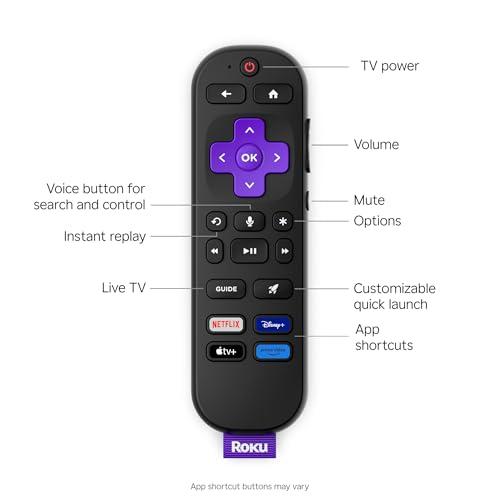
| Amazon Fire TV OS with Alexa Voice Remote | Roku TV OS with Enhanced Voice Remote |
| Peak Brightness - Critical for HDR and bright room viewing | |
| Higher brightness due to QLED technology | Lower brightness with standard LED |
| Color Gamut - Range of colors the TV can display | |
| Wider color gamut from quantum dots | Standard color range |
| Interface Performance - Speed and responsiveness | |
| Slower menu navigation, occasional lag | Fast, responsive interface with quick app loading |
| Voice Control - Hands-free TV operation | |
| Alexa integration only | Multi-assistant (Roku Voice, Siri, Alexa, Google) |
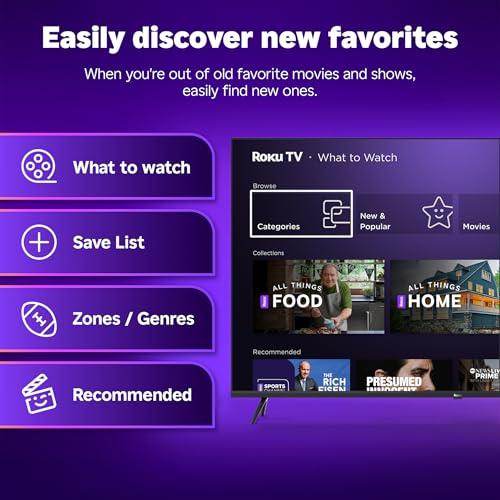
| Content Discovery - Finding shows across streaming services | |
| Amazon-focused recommendations | Content-neutral universal search |
| HDMI Ports - Gaming console and device connections | |
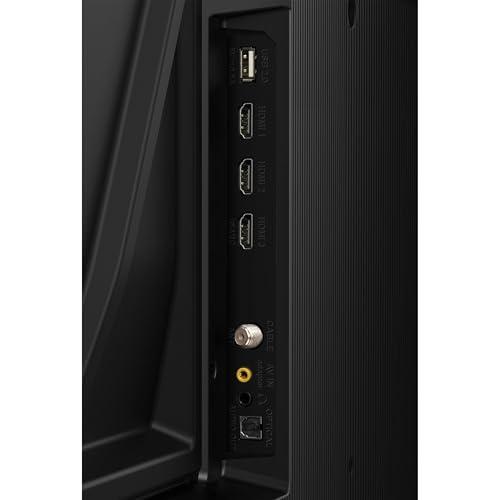
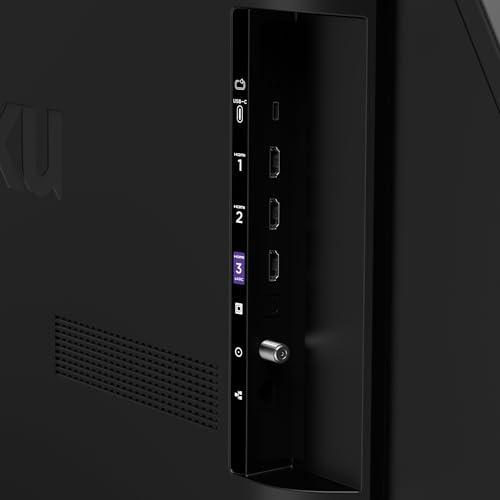
| 3 HDMI ports (1 with eARC) | 3 HDMI ports |
| Audio Processing - Built-in sound enhancement | |
| Dolby Atmos and Dolby Audio | Dolby Audio only |
| Gaming Features - Performance for console gaming | |
| 60Hz, low input lag, no VRR/ALLM | 60Hz, low input lag, no VRR/ALLM |
| Software Updates - Long-term platform support | |
| Amazon's update schedule varies | Roku's excellent long-term support track record |
| Apple Integration - iPhone/iPad content sharing | |
| AirPlay support | AirPlay support |
| Design Aesthetic - Visual appeal and build quality | |
| Metal bezel-less design, more premium look | Standard plastic construction, functional design |
| Best Use Case - Ideal buyer profile | |
| Picture quality prioritizers and Amazon ecosystem users | Streaming-focused users wanting the best interface |
The Insignia 65" QF Series QLED 4K UHD Smart TV delivers superior picture quality thanks to its QLED technology with quantum dots. This provides wider color gamut, higher peak brightness, and more vibrant colors compared to the Roku Select Series 65" 4K HDR Smart TV 2025, which uses standard LED backlighting. The Insignia also supports Dolby Vision HDR for enhanced contrast and color accuracy.
The Roku Select Series 65" 4K HDR Smart TV 2025 runs Roku TV OS, which offers faster performance, intuitive navigation, and content-neutral recommendations across all streaming services. The Insignia 65" QF Series QLED 4K UHD Smart TV uses Amazon Fire TV OS with deeper Alexa integration but can feel slower and more Amazon-focused in its content suggestions.
The Roku Select Series excels for multi-platform streaming with its fast interface, universal search, and equal treatment of all streaming apps. While the Insignia QLED supports all major streaming services, its Fire TV platform can be slower to navigate and tends to promote Amazon Prime Video content more prominently.
Both the Insignia 65" QF Series and Roku Select Series are adequate for casual gaming with low input lag and 60Hz refresh rates. However, neither offers advanced gaming features like 120Hz, Variable Refresh Rate (VRR), or Auto Low Latency Mode, making them less suitable for competitive gaming or fully utilizing next-gen console capabilities.
Both TVs offer similar audio performance with stereo speakers and Dolby Audio processing. The Insignia QLED includes Dolby Atmos processing for slightly more immersive sound, but both have average built-in speakers that benefit from adding a soundbar for better movie experiences.
The Insignia 65" QF Series QLED performs better in bright rooms due to its QLED technology providing higher peak brightness and better color reproduction under ambient light. The Roku Select Series has more limited brightness and may appear washed out in very bright viewing environments.
The Roku Select Series 65" 4K HDR Smart TV has a superior track record for long-term software support, with Roku consistently updating their platform and adding new streaming apps over many years. Amazon's update schedule for the Insignia Fire TV can be less predictable and consistent.
The Insignia 65" QF Series supports HDR10 and Dolby Vision, with Dolby Vision being the premium format that dynamically optimizes each scene. The Roku Select Series supports HDR10, HDR10+, and HLG but lacks Dolby Vision support, which may result in less optimal HDR performance with certain content.
For home theater use, the Insignia QLED is the better choice due to its superior color reproduction, Dolby Vision support, and higher brightness levels. However, both TVs lack local dimming for deep blacks, making them more suitable for rooms with some ambient light rather than completely dark theater environments.
The Insignia Fire TV offers excellent Alexa integration for Amazon ecosystem users, while the Roku Select Series supports multiple voice assistants including Roku Voice, Siri, Alexa, and Google Assistant. The Roku approach provides more flexibility for users with different smart home setups.
The Insignia 65" QF Series features a more premium metal bezel-less design that looks more upscale, while the Roku Select Series uses standard plastic construction that's functional but less visually striking. Both offer similar mounting options and stability for wall or tabletop placement.
Both TVs provide excellent value in different ways. The Insignia QLED offers premium display technology typically found in much more expensive TVs, making it ideal for picture quality prioritizers. The Roku Select Series delivers the best smart TV platform experience with reliable long-term support, perfect for users who prioritize interface performance and streaming convenience over display technology.
We've done our best to create useful and informative comparisons to help you decide what product to buy. Our research uses advanced automated methods to create this comparison and perfection is not possible - please contact us for corrections or questions. These are the sites we've researched in the creation of this article: bestbuy.com - bestbuy.com - bestbuy.com - youtube.com - rtings.com - youtube.com - youtube.com - manuals.plus - youtube.com - bestbuy.com - leaseville.com - financemycart.com - financemycart.com - bestbuy.com - klarna.com - bestbuy.com - slickdeals.net - bestbuy.com - rtings.com - roku.com - rtings.com - youtube.com - cnet.com - manuals.plus - target.com - walmart.com - nice-pay.com - bestbuy.com - roku.com - roku.com - electronicexpress.com

Privacy Policy
Terms and Conditions - Affiliate Policy
Home Security
© Copyright 2008-2026.
11816 Inwood Rd #1211, Dallas, TX 75244