

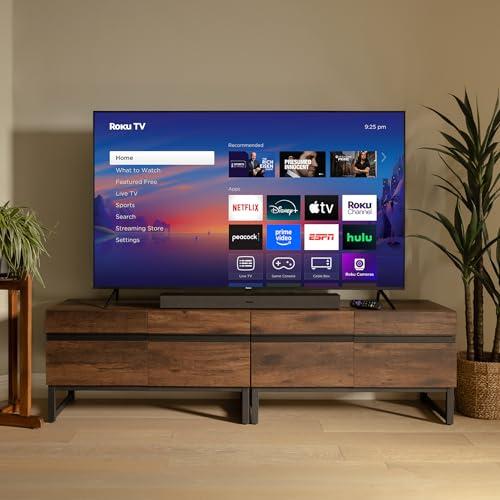
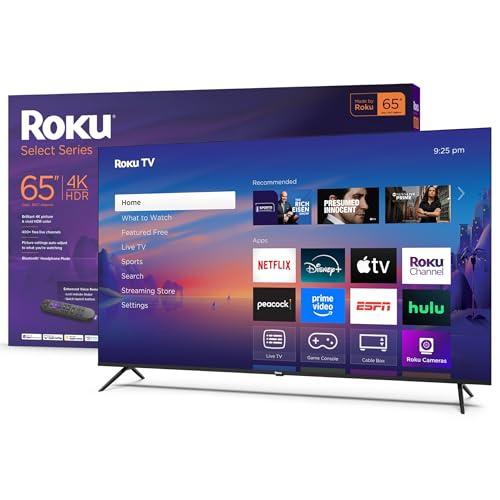
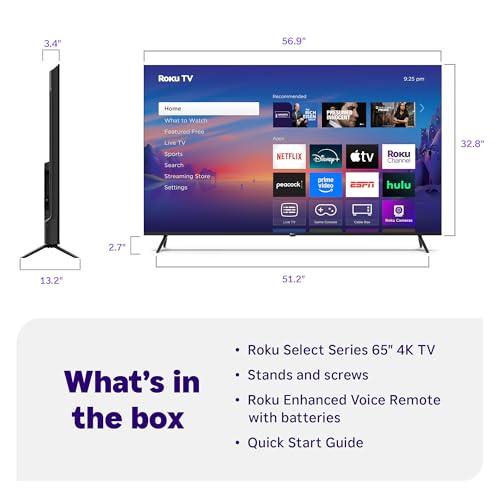


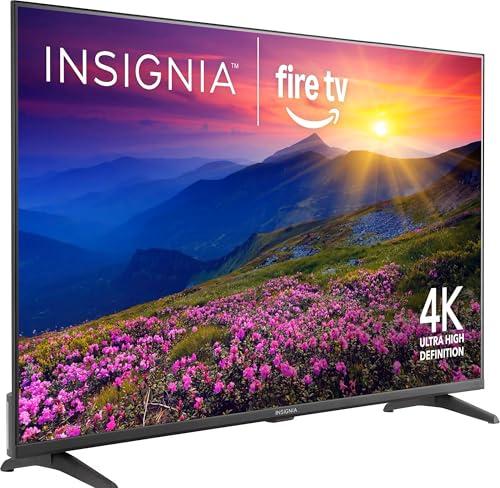
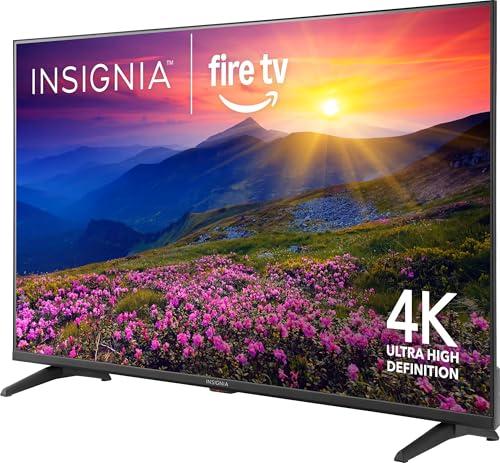
When shopping for a 65-inch TV under $500, you're entering the sweet spot of the budget smart TV market. These aren't the flashy premium models with every bell and whistle, but they're the workhorses that millions of families rely on for their daily entertainment. Today we're comparing two popular options that take notably different approaches: the Roku Select Series 65" (released in 2025) and the Insignia F50 Series 65" (also a recent model in this competitive space).
Both TVs target families who want a large screen for streaming without breaking the bank, but they make different trade-offs to hit that price point. Understanding these differences is crucial because your choice will impact your viewing experience for years to come.
Before diving into specifics, let's establish what matters most in this category. Unlike premium TVs that compete on cutting-edge features, budget models succeed by nailing the basics while adding a few standout capabilities.
The smart platform experience sits at the top of the priority list. Since most people spend 80% of their viewing time streaming Netflix, YouTube, or Disney+, a fast, reliable interface matters more than slight picture quality differences. App crashes, slow navigation, and frozen menus can ruin the experience faster than mediocre contrast ratios.
Picture quality still matters, but expectations need calibration. You won't get the inky blacks of OLED displays or the blazing brightness of premium LCD models. Instead, look for TVs that handle everyday content well—streaming shows should look sharp, colors should appear natural (even if not perfect), and motion should be reasonably smooth.
Audio quality often gets overlooked until you're actually living with the TV. Many budget models have speakers that sound like they're inside a tin can, forcing you to immediately buy a soundbar. A TV with decent built-in audio extends the honeymoon period and delays additional expenses.
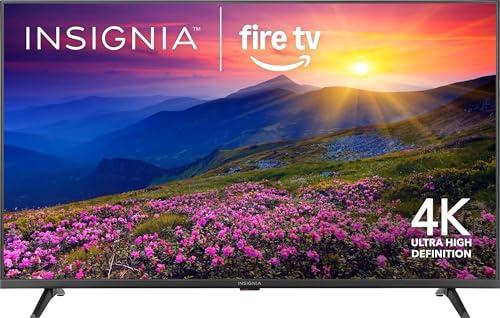
This comparison starts with a fundamental difference in display technology. The Insignia F50 uses QLED (Quantum Dot LED) technology, while the Roku Select Series sticks with traditional LED backlighting. This isn't just marketing jargon—it has real implications for what you see on screen.
QLED technology adds a layer of quantum dots between the backlight and LCD panel. These microscopic particles absorb blue light and emit red and green light at very specific wavelengths, creating purer colors than standard LED panels can achieve. In practical terms, this means the Insignia F50 can display over a billion distinct colors compared to the millions that standard LED panels produce.
The difference shows up most clearly in vibrant content. Nature documentaries with lush forests, animated movies with saturated palettes, and sports broadcasts with bright team colors all benefit from QLED's wider color gamut (the range of colors a display can show). The Roku Select Series, using standard LED technology, produces more muted colors that can feel slightly washed out in direct comparison.
However, QLED isn't a magic solution for all display limitations. Both TVs lack local dimming—the ability to dim specific sections of the backlight independently. This means bright objects in dark scenes will cause the entire area around them to glow, creating a halo effect that prevents true black levels. In dark movie scenes, what should be deep black appears more like dark gray on both models.
High Dynamic Range (HDR) support represents another key difference between these TVs. HDR expands the range between the darkest and brightest parts of an image, theoretically creating more realistic and impactful visuals. But not all HDR implementations are equal.
The Insignia F50 supports both Dolby Vision and HDR10, while the Roku Select Series only handles HDR10+. Dolby Vision uses dynamic metadata, meaning it can optimize brightness and color settings for each individual scene or even frame. HDR10 and HDR10+ use static metadata that applies the same settings throughout an entire movie or show.
In practice, Dolby Vision content often looks more refined, with better shadow detail and highlight management. Netflix, Disney+, and Apple TV+ increasingly use Dolby Vision for their premium content, giving the Insignia F50 an advantage for future-proofing.
But here's the catch: both TVs struggle with the brightness levels that make HDR truly impressive. Premium HDR displays can reach 1000+ nits of brightness to make highlights pop like sunlight or explosions. These budget models peak around 300-400 nits, which isn't enough to create that "wow" HDR effect. You'll see some improvement in color and contrast, but don't expect the dramatic impact that HDR demonstrations promise.
The smart platform choice might be the most important decision you make, since it determines your daily interaction with the TV. Based on our research of user experiences and expert evaluations, these platforms have distinctly different personalities.
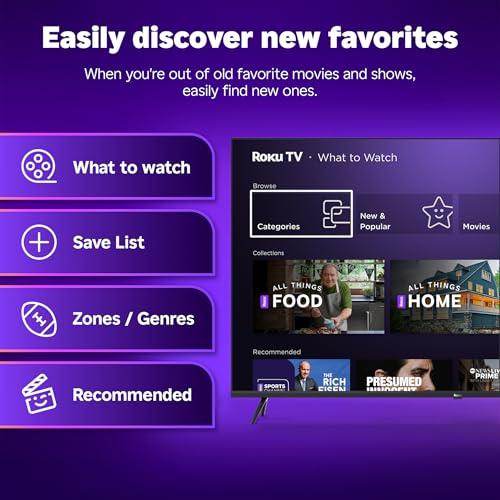
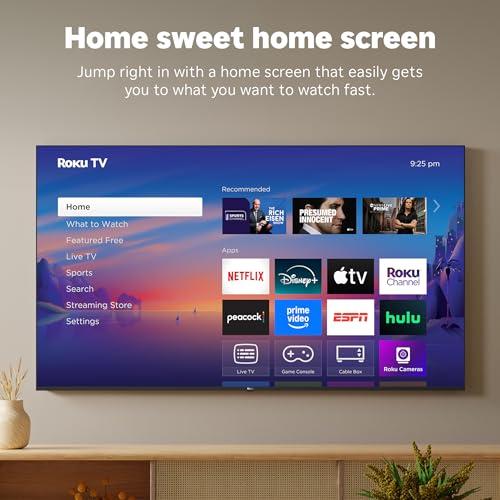
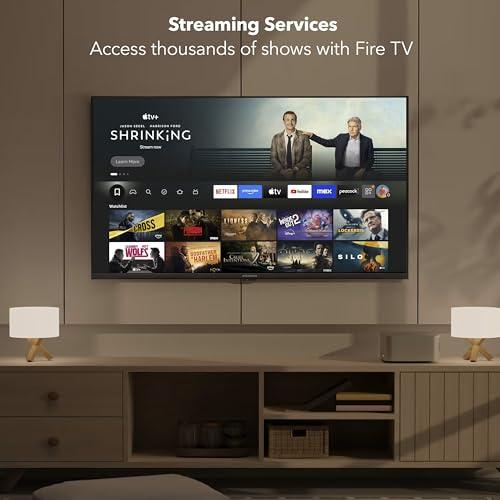
The Roku Select Series runs Roku OS, which has earned praise for its speed and simplicity. The interface loads quickly, apps launch without delay, and navigation feels responsive even after months of use. Roku's neutral approach means equal treatment for all streaming services—Netflix doesn't get buried because you bought an Amazon product, and Disney+ isn't pushed aside for Apple content.
Roku's search function works across multiple platforms simultaneously, so searching for "Marvel movies" shows results from Disney+, Netflix, Amazon Prime, and other services you've installed. This cross-platform integration reduces the friction of finding content across your various subscriptions.
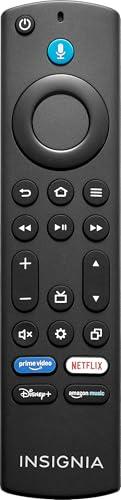
Fire TV, powering the Insignia F50, integrates deeply with Amazon's ecosystem. If you're a Prime member who regularly uses Alexa devices, the synergy is impressive. You can use voice commands to control not just the TV but your entire smart home. The interface prominently features Prime Video content and Amazon's free ad-supported channels.
However, Fire TV has shown more reliability issues based on user reports. Some owners experience occasional freezing, slower menu responses, and apps that crash more frequently than on Roku devices. Amazon's aggressive content promotion can also feel pushy—Prime Video content often appears first regardless of your actual viewing preferences.
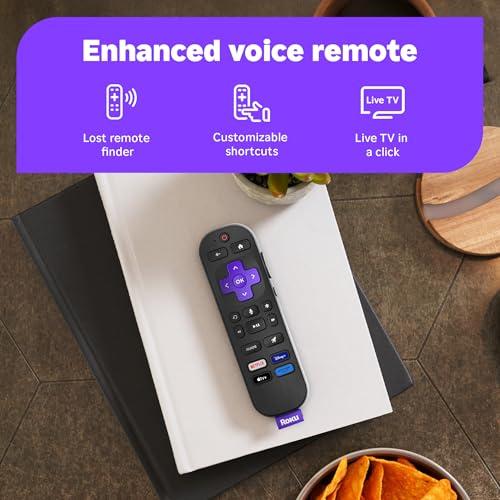
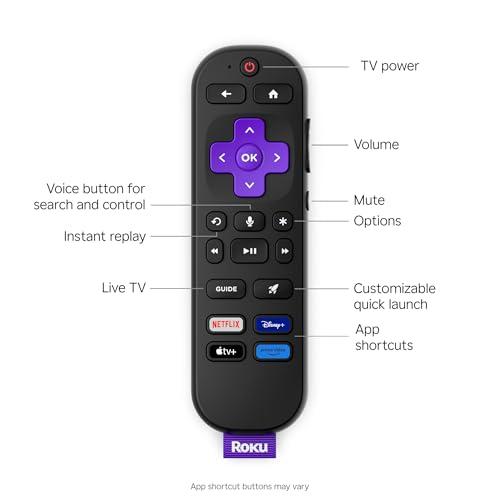
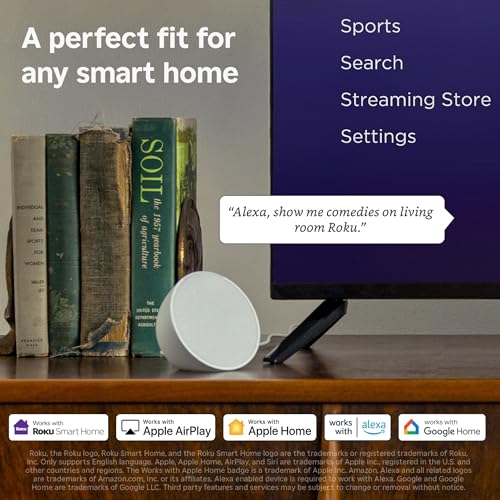
For voice control, the Roku Select Series supports multiple assistants (Roku Voice, Siri, Alexa, and Google Assistant), while the Insignia F50 focuses primarily on Alexa integration. This flexibility matters if you're not locked into one smart home ecosystem.
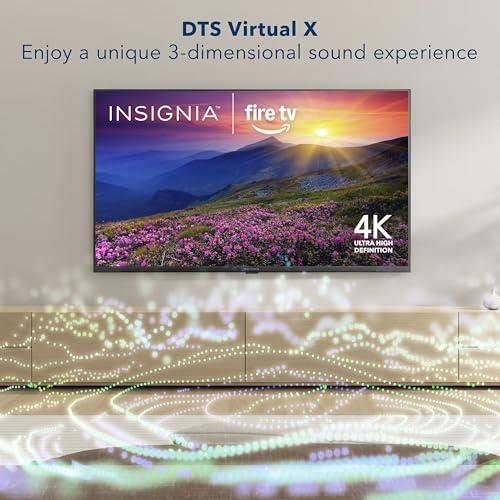
Budget TV audio typically ranges from "barely acceptable" to "actively painful," but there's a meaningful difference between these models. The Insignia F50 includes DTS Studio Sound processing and claims Dolby Atmos support, while the Roku Select Series provides basic 2.1 stereo output.
DTS Studio Sound is a processing technology that creates virtual surround effects and enhances dialogue clarity from standard stereo speakers. It can't create true surround sound, but it makes TV speakers sound fuller and more engaging than raw stereo output.
Based on user feedback, the Insignia F50 delivers noticeably clearer dialogue and better overall sound quality. The difference isn't subtle—it's the gap between "I need a soundbar immediately" and "I can live with this for a while." The Roku Select Series, meanwhile, suffers from extremely limited bass response and compression at higher volumes that makes action scenes sound strained.
Both TVs support Bluetooth for wireless headphones, which is increasingly important for late-night viewing or households with different audio preferences. The Roku Select Series includes a headphone jack directly on the remote control—a surprisingly useful feature that eliminates the need to pair Bluetooth headphones for quick private listening sessions.
Modern gaming deserves special consideration since many families use their main TV for PlayStation, Xbox, or Nintendo Switch gaming. Unfortunately, both models make significant compromises that serious gamers will notice immediately.
Neither TV supports HDMI 2.1 bandwidth or Variable Refresh Rate (VRR), which are becoming standard features for smooth gaming. They're both locked to 60Hz refresh rates, meaning you won't see the benefits of 120fps gaming that newer consoles can provide. For competitive gaming or fast-paced action titles, this creates a noticeable disadvantage compared to TVs with higher refresh rates.
Input lag—the delay between pressing a controller button and seeing the action on screen—is acceptable on both models when gaming mode is enabled. The Roku Select Series measures slightly higher input lag, but the difference is small enough that casual gamers won't notice.
The bigger issue is motion handling. Both TVs have slow pixel response times, creating blur trails behind fast-moving objects. Racing games, fighting games, and first-person shooters all suffer from this limitation. If gaming is a priority, consider saving for a TV with better motion performance or accept that these models work fine for turn-based games and casual gaming sessions.
At the time of writing, the Roku Select Series typically costs less than the Insignia F50, though exact prices fluctuate based on sales and retailer promotions. The price difference usually reflects their different approaches to delivering value.
The Roku Select Series prioritizes software excellence and platform reliability. It's the choice for users who primarily stream content and want the most stable, user-friendly experience possible. The money saved on display technology goes toward ensuring the smart platform works flawlessly for years.
The Insignia F50 invests more in hardware capabilities. The QLED display, better audio processing, and Dolby Vision support create a more complete entertainment package, but at the cost of some software polish and additional expense.
Long-term support considerations favor the Roku Select Series. Roku has an excellent track record of providing software updates for older models, sometimes adding new features years after purchase. Fire TV's update history is less consistent, though Amazon generally supports their TV partners reasonably well.
If you're building a dedicated home theater or media room, both TVs have limitations that affect their suitability for serious movie watching. Neither handles very dark rooms well due to their poor black level performance—what should be pitch black appears as dark gray, reducing the impact of moody cinematography.
The Insignia F50 performs better with varied lighting conditions thanks to its QLED technology and slightly better brightness output. It's more suitable for family rooms with multiple windows or ambient lighting. The Roku Select Series works best in moderately lit rooms where its contrast limitations are less obvious.
Both TVs have narrow viewing angles, meaning picture quality degrades significantly when viewed from the side. This makes them less ideal for wide seating arrangements. If you have a sectional sofa or chairs positioned at angles to the TV, some viewers will see washed-out colors and reduced contrast.
For dedicated home theaters, consider that you'll likely want to add a soundbar or surround system regardless of which TV you choose. The Insignia F50's better built-in audio might delay this purchase, but serious movie watching demands better audio than any TV speakers can provide.
The Roku Select Series makes the most sense for streaming-focused households that prioritize reliability and value. It's ideal for families who primarily watch Netflix, YouTube, and Disney+, don't plan intensive gaming sessions, and want the most stable smart TV experience available. The cost savings can go toward other home entertainment purchases or simply stay in your pocket.
Choose the Roku Select Series if you're tech-averse and want a TV that just works without complexity. Its superior platform stability means fewer frustrating moments dealing with frozen apps or slow responses. It's also the better choice for secondary TVs where picture quality matters less than reliable operation.
The Insignia F50 suits users who want better overall hardware performance and don't mind occasional software quirks. If you watch varied content types—streaming, broadcast TV, Blu-rays, and casual gaming—the superior display technology and audio processing provide noticeable benefits.
Pick the Insignia F50 if you're already invested in Amazon's ecosystem with Prime membership and Alexa devices. The deep integration creates convenient voice control and smart home functionality that Roku can't match. It's also preferable if you postpone soundbar purchases and need better built-in audio.
Both TVs succeed at their intended purpose: delivering large-screen entertainment at budget-friendly prices. Your choice depends on whether you prioritize software excellence (Roku Select Series) or hardware capability (Insignia F50).
For most buyers, I lean toward the Roku Select Series due to its superior platform reliability and better long-term value. The difference in daily usability outweighs the display technology advantages in typical viewing scenarios. However, if you're comfortable with Fire TV and want the best picture and sound quality at this price point, the Insignia F50 delivers meaningful improvements that justify its higher cost.
Neither TV will satisfy enthusiasts seeking premium performance, but both provide solid entertainment value for families upgrading from older TVs or furnishing new homes. Choose based on your ecosystem preferences and whether you value software polish or hardware features more highly.
| Roku Select Series 65" 4K HDR Smart TV 2025 | Insignia 65" F50 Series 4K UHD Smart Fire TV |
|---|---|
| Display Technology - Affects color vibrancy and picture quality | |
| Standard LED with direct backlighting | QLED (Quantum Dot) technology |
| HDR Support - Determines compatibility with premium streaming content | |
| HDR10+ only (no Dolby Vision) | HDR10, HDR10+, and Dolby Vision |
| Smart Platform - Your daily interface experience and app performance | |
| Roku OS (fast, stable, neutral platform) | Fire TV OS (Amazon ecosystem, occasional slowdowns) |
| Voice Control - Convenience and smart home integration | |
| Roku Voice, Siri, Alexa, Google Assistant | Alexa built-in with deep Amazon integration |
| Audio Technology - Built-in sound quality before adding soundbar | |
| Basic 2.1 stereo with minimal bass | DTS Studio Sound with Dolby Atmos support |
| HDMI Ports - Device connectivity options | |
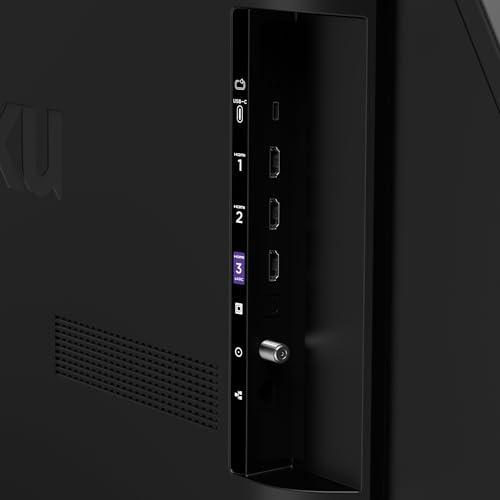
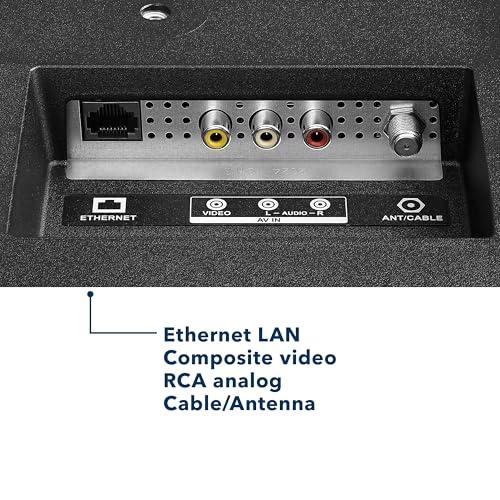
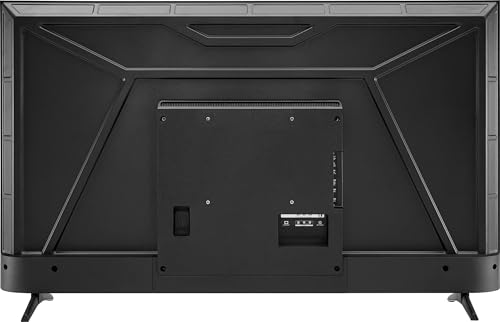
| 3 HDMI ports | 3 HDMI ports (including eARC) |
| Gaming Features - Performance for console gaming | |
| 60Hz only, slow pixel response, motion blur | 60Hz only, slightly better response times |
| Refresh Rate - Smoothness for sports and action content | |
| 60Hz (standard for budget TVs) | 60Hz (standard for budget TVs) |
| Local Dimming - Contrast performance in dark scenes | |
| None (poor black levels, gray instead of black) | None (poor black levels, gray instead of black) |
| Streaming App Selection - Content access and platform neutrality | |
| All major apps, neutral platform approach | All major apps, Prime Video prioritized |
| Long-term Software Support - Updates and new features over time | |
| Excellent track record for extended support | Good but less consistent than Roku |
| Best Use Case - Who should choose this TV | |
| Streaming-focused users wanting reliable, simple operation | Mixed content viewers in Amazon ecosystem |
The Insignia F50 Series delivers superior picture quality thanks to its QLED (Quantum Dot) display technology, which produces more vibrant colors and better brightness compared to the Roku Select Series's standard LED panel. The Insignia F50 also supports Dolby Vision HDR, while the Roku Select Series is limited to HDR10+. However, both TVs lack local dimming, so black levels are poor on both models.
The Roku Select Series runs Roku OS, which is known for fast performance, platform neutrality, and excellent long-term software support. The Insignia F50 Series uses Fire TV, which integrates deeply with Amazon's ecosystem and Alexa but can experience occasional slowdowns and menu freezing. Roku offers a more stable experience, while Fire TV provides better smart home integration for Amazon users.
Both TVs handle popular streaming services well, but the Roku Select Series has the advantage due to its superior platform stability and faster app performance. The Insignia F50 Series supports Dolby Vision, which benefits Netflix and Disney+ content quality, but Fire TV's occasional performance issues can disrupt the viewing experience. For pure streaming reliability, the Roku Select Series is the better choice.
Neither the Roku Select Series nor the Insignia F50 Series excel at gaming. Both are limited to 60Hz refresh rates with no VRR support, and both suffer from slow pixel response times that create motion blur in fast-paced games. The Insignia F50 has slightly better response times, but serious gamers should consider TVs with better gaming features. Both work adequately for casual gaming only.
The Insignia F50 Series significantly outperforms the Roku Select Series in audio quality. The Insignia F50 features DTS Studio Sound processing and Dolby Atmos support, delivering clearer dialogue and fuller sound. The Roku Select Series has basic 2.1 stereo with poor bass response and compression at higher volumes. Most users will want to add a soundbar eventually, but the Insignia F50 delays that necessity.
Yes, but with different approaches. The Roku Select Series supports multiple voice assistants including Roku Voice, Siri, Alexa, and Google Assistant, offering more flexibility. The Insignia F50 Series focuses on Alexa integration with deeper smart home control capabilities. Choose the Roku Select Series for voice assistant flexibility or the Insignia F50 if you're already invested in Amazon's Alexa ecosystem.
The Roku Select Series typically offers better value due to its lower price point and superior software reliability. While the Insignia F50 Series provides better hardware with QLED technology and improved audio, the Roku Select Series delivers more reliable daily performance at a lower cost. The value winner depends on whether you prioritize hardware features or software stability and savings.
Both TVs have limitations for serious home theater use. Neither the Roku Select Series nor Insignia F50 Series offers local dimming or true black levels, making them less ideal for dark room movie watching. The Insignia F50 performs better in mixed lighting conditions thanks to its QLED display. For dedicated home theaters, consider these as budget options that will likely need audio upgrades.
Both the Roku Select Series and Insignia F50 Series offer 3 HDMI ports, which is adequate for most users. The Insignia F50 includes eARC support for better audio passthrough to soundbars. Both TVs support Wi-Fi, Bluetooth, and standard connectivity options. Neither offers HDMI 2.1 bandwidth, limiting their future compatibility with high-end gaming consoles.
The Insignia F50 Series has the advantage with support for Dolby Vision, HDR10, and HDR10+, while the Roku Select Series only supports HDR10+. However, both TVs lack the brightness needed for impressive HDR performance, typically reaching only 300-400 nits compared to the 1000+ nits of premium models. The Insignia F50 will show some HDR improvement, but don't expect dramatic results from either TV.
The Roku Select Series has a significant advantage in reliability and software support. Roku has an excellent track record of providing long-term updates and maintaining stable performance over years of use. The Insignia F50 Series with Fire TV can experience more software glitches and has less consistent update support. For long-term reliability, the Roku Select Series is the safer choice.
Choose the Roku Select Series if you prioritize streaming reliability, want the most stable smart TV experience, and prefer to save money. Pick the Insignia F50 Series if you want better picture quality with QLED technology, superior built-in audio, and are already using Amazon's ecosystem. The Roku Select Series suits streaming-focused users, while the Insignia F50 works better for mixed content consumption and Amazon Prime members.
We've done our best to create useful and informative comparisons to help you decide what product to buy. Our research uses advanced automated methods to create this comparison and perfection is not possible - please contact us for corrections or questions. These are the sites we've researched in the creation of this article: bestbuy.com - rtings.com - roku.com - rtings.com - youtube.com - cnet.com - manuals.plus - target.com - walmart.com - nice-pay.com - bestbuy.com - roku.com - roku.com - electronicexpress.com - bestbuy.com - bestbuy.com - rtings.com - youtube.com - pcvarge.com - whathifi.com - leaseville.com - bestbuy.com - manuals.plus - youtube.com - bestbuy.com - techeasypay.com - sears.com - rtings.com

Privacy Policy
Terms and Conditions - Affiliate Policy
Home Security
© Copyright 2008-2026.
11816 Inwood Rd #1211, Dallas, TX 75244