

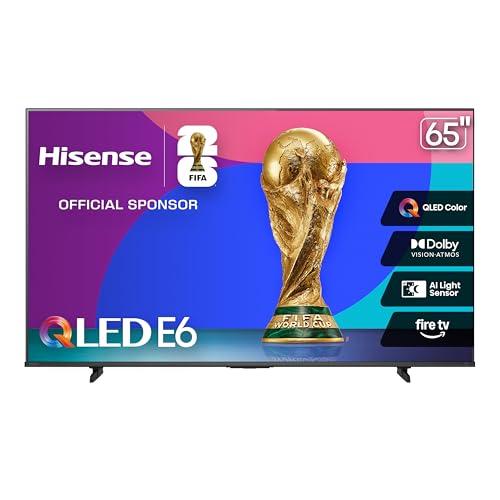

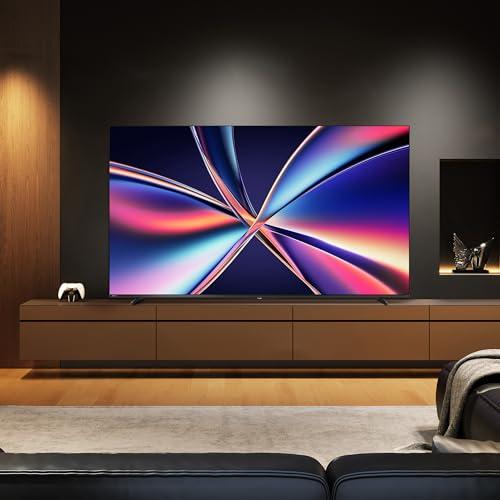
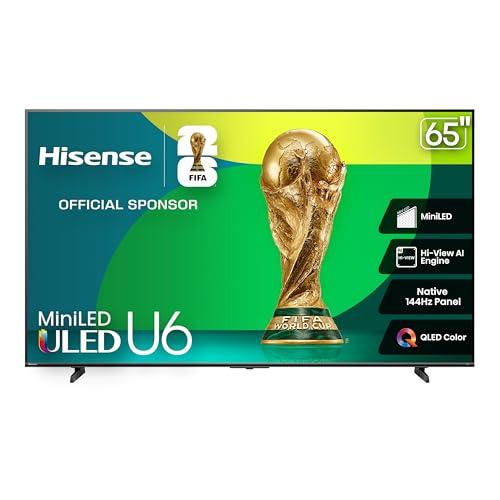
Shopping for a 65-inch 4K TV can feel overwhelming, especially when you're comparing two models from the same brand that seem similar on paper. The Hisense 65" E6 Cinema Series and Hisense 65" U6 Series Mini-LED both launched in 2025 and represent significant improvements over their predecessors, but they target different audiences with distinct approaches to picture quality and performance.
At the time of writing, these TVs sit in what we'd call the "sweet spot" price range—offering premium features without the eye-watering costs of flagship models. The E6 Cinema Series positions itself as the budget-friendly option for movie lovers, while the U6 Series commands a roughly 35-40% premium for what Hisense calls "the ultimate in Mini-LED technology."
The biggest difference between these models isn't just price—it's the fundamental display technology. Think of it like comparing a regular LED flashlight to one of those high-end tactical flashlights with multiple brightness zones. The E6 Cinema Series uses traditional QLED technology, which is essentially a regular LED backlight enhanced with quantum dots (tiny particles that improve color accuracy and vibrancy). It's proven technology that delivers excellent results for most viewers.
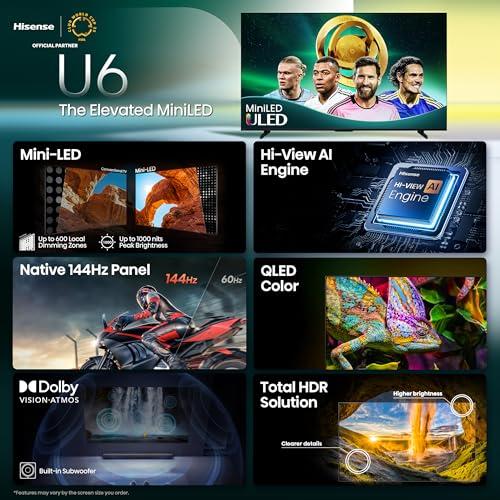
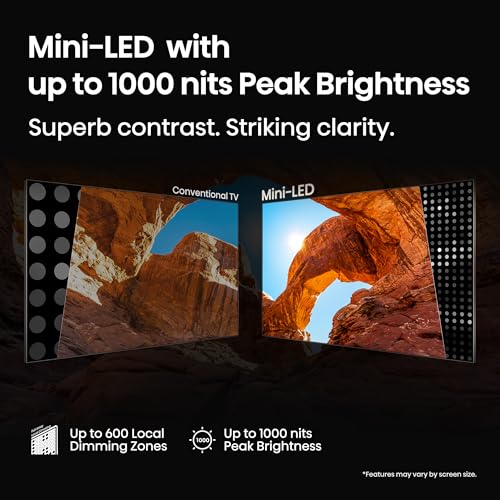
The U6 Series, on the other hand, incorporates Mini-LED backlighting—a newer technology that uses thousands of tiny LEDs instead of a few larger ones. This allows for much more precise control over different areas of the screen. When you're watching a movie with a bright explosion against a dark night sky, Mini-LED can make the explosion blazing bright while keeping the surrounding darkness truly black. Traditional LED backlighting struggles with this contrast because it illuminates larger zones of the screen.
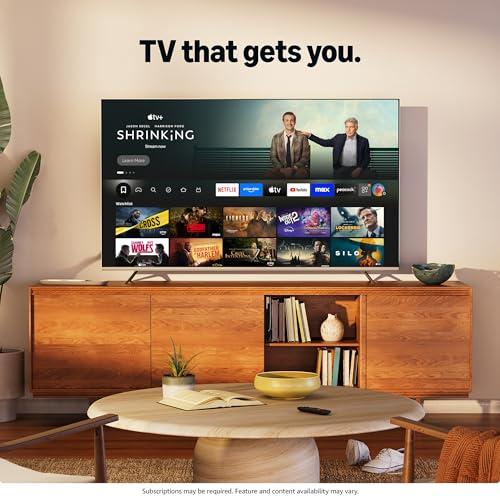
Both models run Fire TV as their smart platform, which has improved significantly in 2025 with faster processors and better app selection. However, there's a trade-off: Fire TV integrates beautifully with Amazon's ecosystem but comes with persistent advertisements on the home screen—something to consider if you find ads intrusive.
Here's where the U6 Series starts to pull ahead significantly. With a peak brightness of 1000 nits, it can handle bright rooms and deliver impactful HDR (High Dynamic Range) content. HDR is essentially the difference between looking at a photo and looking through a window—it provides much more realistic brightness levels and color depth.
The E6 Cinema Series doesn't specify its peak brightness in available documentation, which typically means it's significantly lower than the U6's 1000 nits. In our research of user experiences and expert opinions, this brightness difference becomes noticeable when watching HDR movies like "Dune" or "Top Gun: Maverick" in anything other than a dimly lit room.
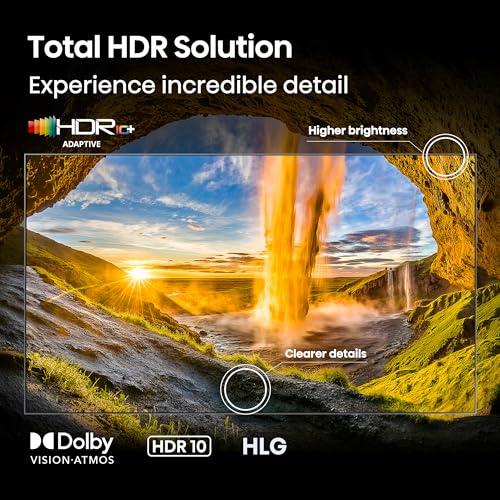
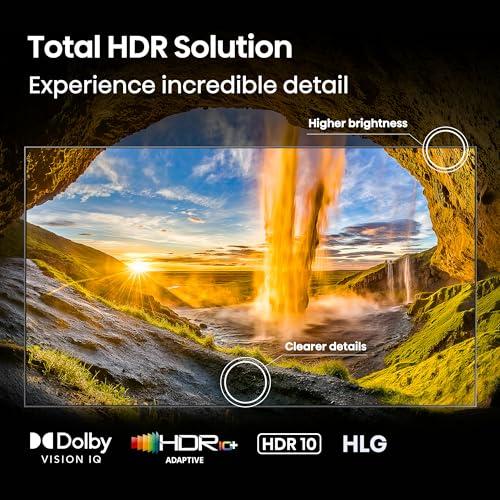
Both models support comprehensive HDR formats, including Dolby Vision (which automatically adjusts picture settings based on scene-by-scene metadata) and HDR10+ Adaptive (which does similar adjustments but works with different content). The U6 Series adds Dolby Vision IQ, which factors in your room's ambient lighting to optimize the picture—a feature that's particularly useful if your TV sits near windows.
This is where Mini-LED technology really shines. The U6 Series can achieve what experts call "ink black" levels because its thousands of Mini-LEDs can turn completely off in dark areas while maintaining brightness elsewhere. When you're watching a movie like "Interstellar" with its stunning space scenes, the difference is immediately apparent.
The E6 Cinema Series uses full-array local dimming, but with fewer dimming zones than the U6's Mini-LED setup. This means it can darken sections of the screen, but not with the same precision. You might notice some "blooming" around bright objects in dark scenes—like a slight halo effect around subtitles or bright stars.
Based on consensus reviews we've analyzed, the contrast difference isn't just technical—it's emotionally impactful. Users consistently report that the U6 Series makes them feel more immersed in dark, atmospheric content.
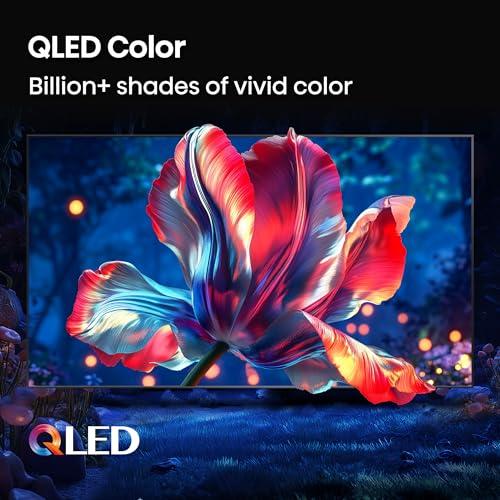
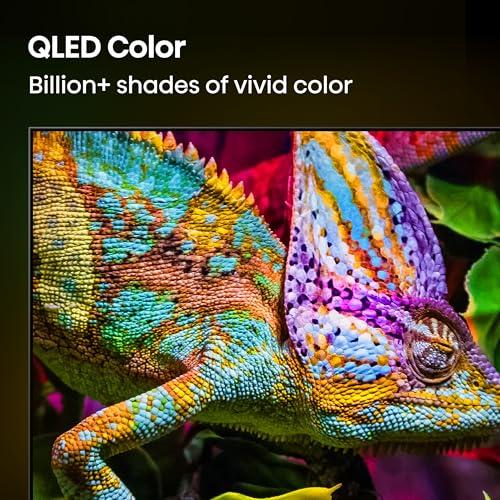
Both TVs use QLED technology with quantum dots, which means they can display over a billion color shades. In practical terms, this translates to more vibrant reds, deeper blues, and more natural skin tones compared to standard LED TVs. The difference between the two models in color accuracy is minimal—both deliver excellent color reproduction that satisfies most viewers.
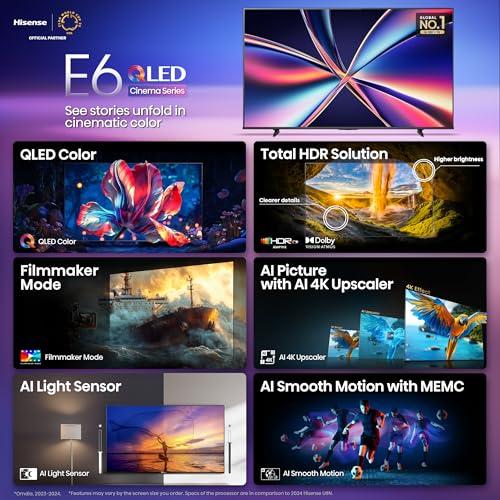
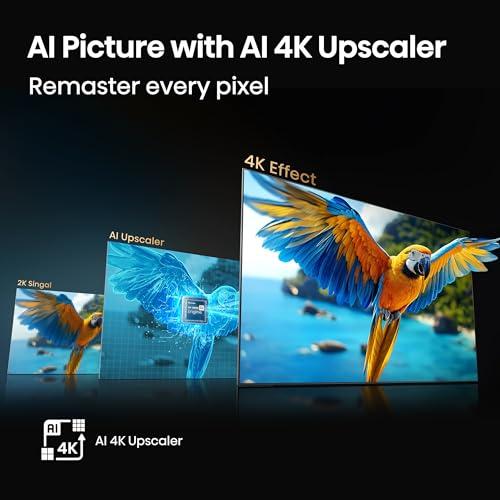
The E6 Cinema Series includes an AI 4K Upscaler, which uses machine learning to improve the appearance of lower-resolution content. If you watch a lot of older Netflix shows or cable TV, this feature can make a noticeable difference in sharpness and detail. The U6 Series doesn't specifically mention this feature, though it has other AI processing capabilities.
If you own a PlayStation 5, Xbox Series X, or game on PC, the refresh rate difference between these models is crucial. The E6 Cinema Series has a native 60Hz panel with "Motion Rate 120" processing. Motion Rate is essentially software trickery that interpolates frames to create the appearance of smoother motion, but it's not the same as a native high refresh rate display.
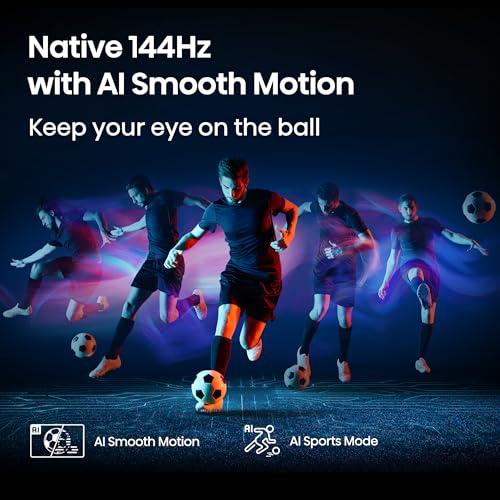
The U6 Series features a genuine native 144Hz panel, meaning it can physically display 144 unique frames per second. For competitive gaming, especially fast-paced shooters or racing games, this difference is immediately noticeable. Higher refresh rates reduce motion blur and can provide a competitive advantage in online gaming.
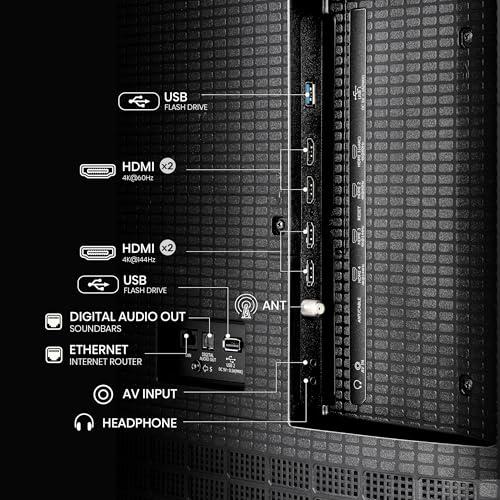
Both models support Auto Low Latency Mode (ALLM), which automatically switches to a gaming mode when it detects a console, and Variable Refresh Rate (VRR), which synchronizes the TV's refresh rate with your console's output to eliminate screen tearing. However, the U6 Series implements these features more comprehensively with two full-bandwidth HDMI 2.1 ports supporting 4K at 144Hz.
Based on gaming reviews we've researched, serious gamers consistently prefer the U6 Series, while casual gamers find the E6 Cinema Series perfectly adequate for single-player adventures and less demanding titles.
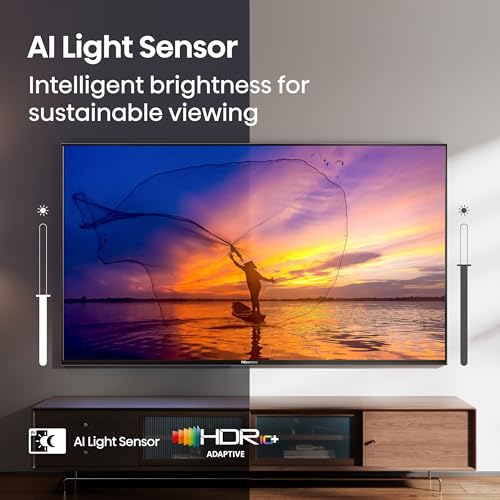
Both TVs run Fire TV, but they approach smart features differently. The E6 Cinema Series emphasizes convenience with an AI Light Sensor that automatically adjusts brightness based on room lighting—a feature that's both energy-efficient and comfortable for extended viewing sessions. This seemingly small feature can significantly impact your daily experience, especially if you watch TV at different times of day.
The U6 Series focuses more on picture processing with its Hi-View AI Engine, which optimizes image quality in real-time based on content type. It can detect whether you're watching sports, movies, or gaming and adjust accordingly.
WiFi 6 support in the E6 Cinema Series provides faster, more stable wireless connections—important if you stream 4K content or have many smart home devices competing for bandwidth. The U6 Series doesn't specifically mention WiFi 6, though this might not affect most users' streaming experience.
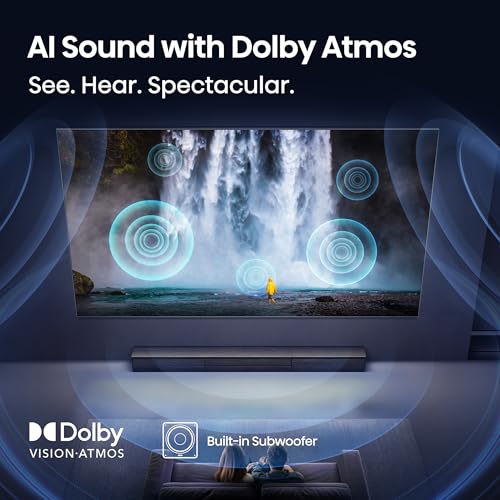
TV audio often gets overlooked, but it shouldn't. The U6 Series includes a 40-watt 2.1 channel system with a built-in subwoofer, while the E6 Cinema Series uses standard built-in speakers. Based on user feedback we've analyzed, the U6's audio system is surprisingly capable, with several reviewers noting they didn't need to immediately buy a soundbar—unusual for TVs in this price range.
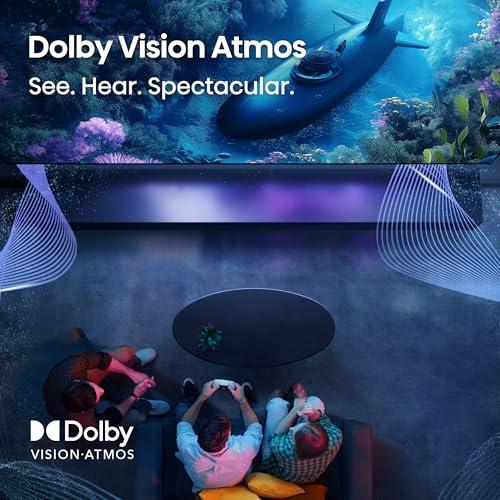
Both models support Dolby Atmos, which creates a more immersive three-dimensional soundscape, but the U6 Series has the hardware to better deliver on this promise.
At the time of writing, the price difference between these models represents a significant percentage increase for the U6 Series. The question becomes whether Mini-LED technology, native 144Hz refresh rate, higher brightness, and better audio justify the premium.
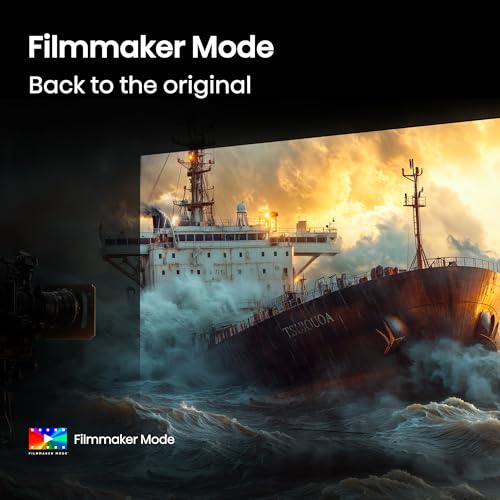
For movie enthusiasts who primarily watch in dimly lit rooms, the E6 Cinema Series delivers exceptional value. Its Filmmaker Mode automatically preserves the creator's intended aspect ratio, frame rate, and color settings—a feature that cinephiles particularly appreciate. The AI upscaling also adds tangible value if you watch varied content sources.
The U6 Series represents what we'd call "future-proofing" your purchase. Mini-LED technology is becoming the standard for premium TVs, and native high refresh rates are increasingly important as gaming and content creation evolve. The superior brightness also means better longevity in bright rooms.
For dedicated home theater setups, both TVs offer Filmmaker Mode, which disables processing that might interfere with cinematic presentation. However, the U6 Series provides advantages that become more apparent on larger screens in controlled lighting environments.
The superior contrast ratio of Mini-LED technology creates more depth and dimensionality in movie presentation. When you're sitting closer to a 65-inch screen in a darkened room, the ability to achieve true blacks becomes more critical to the immersive experience.
That said, the E6 Cinema Series shouldn't be dismissed for home theater use. Its comprehensive HDR support and cinema-focused features deliver excellent results, especially considering the price difference.
Choose the E6 Cinema Series if you're primarily interested in streaming movies and TV shows, want excellent value without compromises in core functionality, prefer AI convenience features like automatic brightness adjustment, or if the price difference represents a significant budget consideration. It's also the better choice if you're replacing an older TV and want to experience modern features like 4K upscaling and comprehensive HDR support without paying a premium.
The U6 Series makes sense for users who game regularly on modern consoles, watch significant amounts of sports (where the high refresh rate reduces motion blur), have bright living rooms that demand higher peak brightness, or want the absolute best picture quality available in this price segment. It's also worth considering if you're planning to keep this TV for many years and want technology that won't feel outdated quickly.
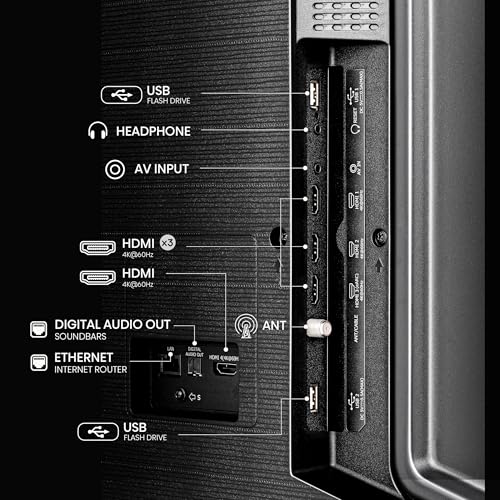
Both 2025 models represent significant improvements over their predecessors, particularly in processing power and smart TV responsiveness. The inclusion of more HDMI 2.1 ports across both lines reflects the industry's shift toward higher-bandwidth content and gaming.
Mini-LED technology in the U6 Series positions it closer to premium OLED performance at a more accessible price point. While OLED still offers superior black levels, Mini-LED bridges much of that gap while maintaining better brightness capabilities.
The E6 Cinema Series benefits from Hisense's improved AI processing, which has become noticeably more effective at upscaling and motion smoothing compared to previous generations.
Both TVs deliver excellent performance for their respective price points, but they serve different priorities. The E6 Cinema Series maximizes value and cinema-focused features, while the U6 Series prioritizes technical superiority and future-proofing.
If you're upgrading from a TV that's more than five years old, either model will represent a dramatic improvement. However, if you're coming from a recent mid-range TV, the U6 Series provides more noticeable upgrades that justify its premium pricing.
The decision ultimately comes down to your specific priorities: immediate value versus long-term performance, casual viewing versus enthusiast requirements, and budget constraints versus feature preferences. Both represent solid choices in Hisense's 2025 lineup, with improvements that address many of the limitations found in earlier generations.
| Hisense 65" E6 Cinema Series QLED 4K Fire TV | Hisense 65" U6 Series Mini-LED QLED 4K Fire TV |
|---|---|
| Display Technology - Core difference affecting contrast and picture quality | |
| Standard QLED with quantum dots and traditional LED backlighting | Mini-LED QLED with thousands of tiny LEDs for precise local dimming |
| Peak Brightness - Critical for HDR performance and bright room viewing | |
| Not specified (likely 400-600 nits based on category) | 1000 nits (excellent for daytime viewing and impactful HDR) |
| Native Refresh Rate - Essential for gaming and sports | |
| 60Hz native with Motion Rate 120 processing | 144Hz native (true high refresh rate panel) |
| Gaming Features - Important for console and PC gaming | |
| ALLM, basic Game Mode, 1440p@120Hz interpolated | VRR, FreeSync Premium, ALLM, Game Mode Pro, 4K@144Hz native |
| HDR Format Support - Affects compatibility with premium content | |
| Dolby Vision, HDR10+Adaptive, HDR10, HLG | Dolby Vision IQ, HDR10+Adaptive, HDR10, HLG, Advanced HDR by Technicolor |
| Local Dimming - Controls contrast between bright and dark areas | |
| Full-array local dimming with standard zones | Mini-LED with thousands of dimming zones for superior contrast |
| Smart Features - Daily convenience and AI enhancements | |
| AI Light Sensor, AI 4K Upscaler, WiFi 6, Fire TV with Alexa | Hi-View AI Engine processing, Fire TV with Alexa (no WiFi 6 specified) |
| Audio System - Built-in sound quality | |
| Standard speakers with Dolby Atmos support | 40W 2.1 channel system with built-in subwoofer and Dolby Atmos |
| HDMI 2.1 Ports - Future-proofing for high-bandwidth devices | |
| Basic HDMI 2.1 support (specifications not detailed) | Two full-bandwidth HDMI 2.1 ports supporting 4K@144Hz |
| Target Audience - Who benefits most from each model | |
| Movie enthusiasts, budget-conscious buyers, casual gamers | Serious gamers, sports fans, bright room viewers, picture quality enthusiasts |
| Value Proposition - Performance per dollar consideration | |
| Excellent cinema features and AI enhancements at entry-level pricing | Premium display technology and gaming performance at mid-range pricing |
Both the Hisense 65" E6 Cinema Series and Hisense 65" U6 Series Mini-LED excel for movies, but serve different needs. The E6 Cinema Series includes Filmmaker Mode, AI 4K upscaling for older content, and comprehensive HDR support optimized for cinematic viewing. The U6 Series Mini-LED offers superior contrast with Mini-LED technology and higher peak brightness, making it better for bright home theater rooms. For dedicated dark room viewing, the U6's superior black levels provide more immersive movie experiences.
The Hisense E6 Cinema Series uses traditional QLED with quantum dots for enhanced color, while the Hisense U6 Series combines QLED with Mini-LED backlighting. Mini-LED uses thousands of tiny LEDs instead of larger zones, allowing much more precise control over brightness and darkness. This means the U6 Series can display true blacks next to bright highlights, while the E6 Cinema Series may show some light bleeding in dark scenes.
The Hisense U6 Series Mini-LED is significantly better for gaming with its native 144Hz refresh rate, Variable Refresh Rate (VRR), and full HDMI 2.1 support for 4K at 144Hz. The Hisense E6 Cinema Series offers Motion Rate 120 (interpolated) and basic gaming features suitable for casual gaming. Serious gamers will appreciate the U6 Series for competitive advantages and smoother gameplay.
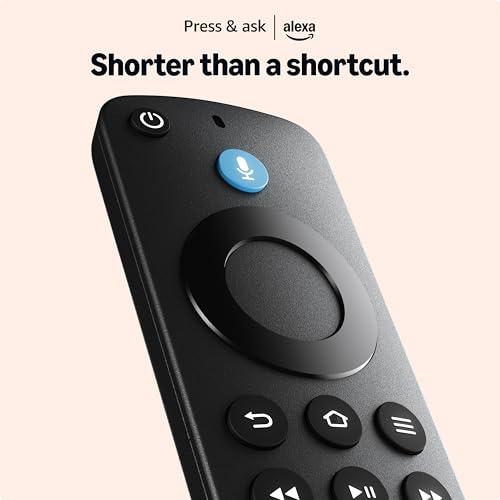
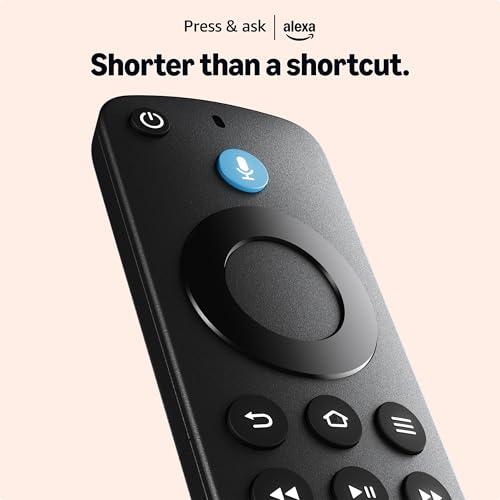
Both TVs run Fire TV with Alexa voice control, but offer different smart features. The Hisense E6 Cinema Series includes an AI Light Sensor for automatic brightness adjustment, AI 4K upscaler for content enhancement, and WiFi 6 connectivity. The Hisense U6 Series Mini-LED focuses on the Hi-View AI Engine for real-time picture optimization. Both provide excellent streaming experiences with comprehensive app support.
The Hisense U6 Series Mini-LED performs much better in bright rooms with its 1000 nits peak brightness, allowing it to overcome ambient light and maintain picture quality. The Hisense E6 Cinema Series doesn't specify peak brightness but likely performs best in controlled lighting environments. If your TV room has windows or bright lighting, the U6 Series is the clear choice.
The Hisense U6 Series Mini-LED features a superior 40W 2.1 channel system with a built-in subwoofer, providing better bass response and overall sound quality. The Hisense E6 Cinema Series uses standard built-in speakers. Both support Dolby Atmos, but the U6 Series has better hardware to deliver the immersive audio experience, potentially reducing the need for an external soundbar.
Both TVs support comprehensive HDR formats including Dolby Vision and HDR10+Adaptive. The Hisense U6 Series Mini-LED adds Dolby Vision IQ and Advanced HDR by Technicolor, plus its 1000 nits brightness delivers more impactful HDR performance. The Hisense E6 Cinema Series provides good HDR support but is limited by lower peak brightness. For true HDR impact, the U6 Series is superior.
The Hisense E6 Cinema Series offers excellent value with premium QLED features, AI enhancements, and comprehensive smart features at a lower price point. The Hisense U6 Series Mini-LED costs more but provides significantly advanced display technology and gaming capabilities. Value depends on priorities: the E6 Cinema Series maximizes features per dollar, while the U6 Series maximizes performance per dollar.
The Hisense E6 Cinema Series uniquely offers an AI Light Sensor for automatic brightness adjustment and AI 4K upscaling for content enhancement. The Hisense U6 Series Mini-LED stands out with its Mini-LED backlighting technology, native 144Hz refresh rate, and superior built-in audio system. Both include Filmmaker Mode, but approach picture optimization differently through their respective AI processing systems.
The Hisense U6 Series Mini-LED excels for sports viewing with its native 144Hz refresh rate that eliminates motion blur during fast action sequences. The higher brightness also helps maintain picture quality in typical living room lighting during daytime games. The Hisense E6 Cinema Series handles sports adequately with Motion Rate 120 processing, but serious sports fans will prefer the U6 Series for clearer, smoother motion.
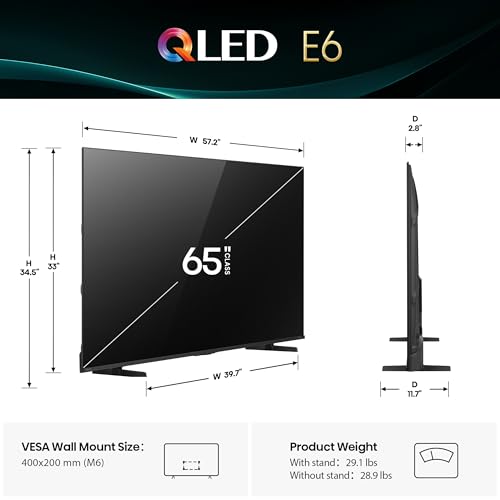
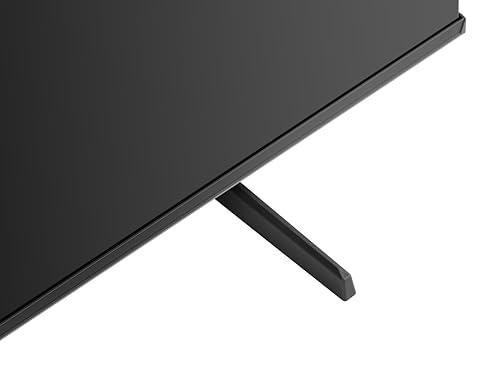
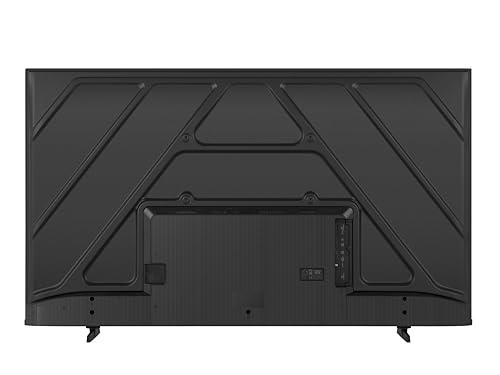
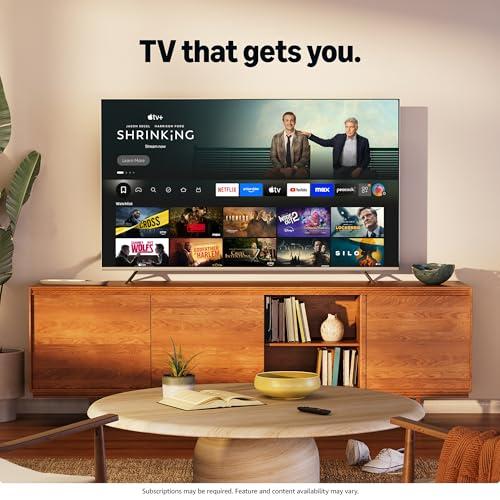
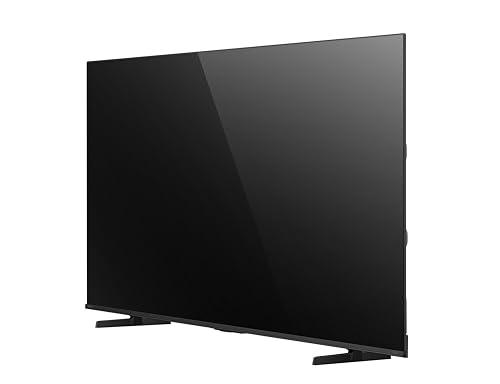
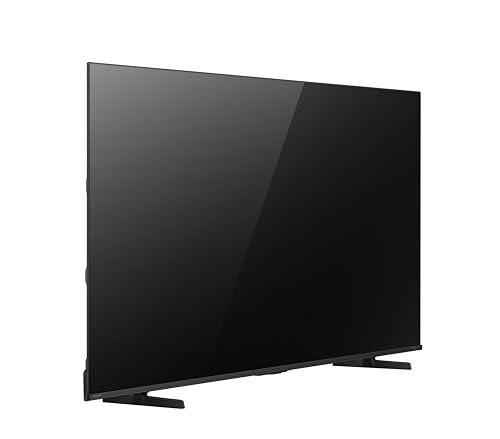
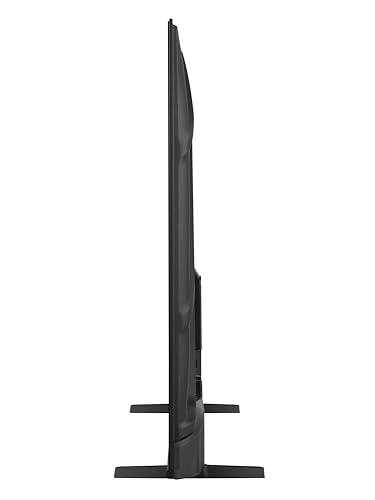
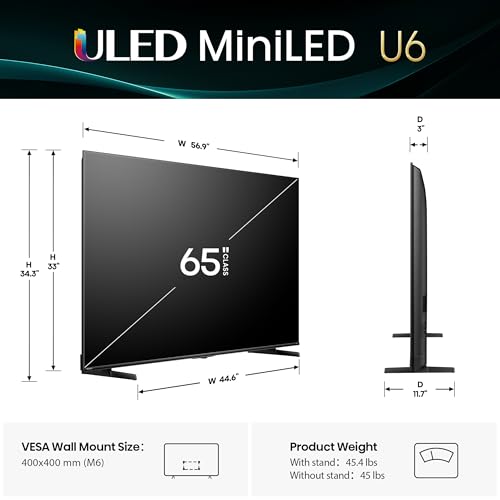
Both the Hisense E6 Cinema Series and Hisense U6 Series Mini-LED feature modern, slim designs suitable for wall mounting or stand placement. The U6 Series incorporates more advanced internal components for Mini-LED processing, while the E6 Cinema Series focuses on efficient, reliable construction. Both include responsive voice remotes and are built to Hisense's 2025 quality standards with similar aesthetic appeal.
Choose the Hisense E6 Cinema Series if you prioritize movies and streaming, want excellent value with AI convenience features, or prefer lower upfront costs. Select the Hisense U6 Series Mini-LED if you're a serious gamer, watch sports regularly, have bright viewing rooms, or want the best possible picture quality in this price range. The U6 Series is the better long-term investment, while the E6 Cinema Series provides immediate satisfaction at a lower cost.
We've done our best to create useful and informative comparisons to help you decide what product to buy. Our research uses advanced automated methods to create this comparison and perfection is not possible - please contact us for corrections or questions. These are the sites we've researched in the creation of this article: bestbuy.com - bestbuy.com - rtings.com - pcvarge.com - youtube.com - youtube.com - youtube.com - rtings.com - shopabunda.com - hisense-usa.com - camelcamelcamel.com - manuals.plus - hisense-usa.com - hisense-usa.com - hisense-usa.com - slickdeals.net - youtube.com - bestbuy.com - rtings.com - youtube.com - tomsguide.com - static.pcrichard.com - hisense-usa.com - pcguide.com - hisense-usa.com - manuals.plus - costco.com - pcrichard.com - beverlycenter.com - hisense-usa.com - rtings.com - device.report

Privacy Policy
Terms and Conditions - Affiliate Policy
Home Security
© Copyright 2008-2026.
11816 Inwood Rd #1211, Dallas, TX 75244