

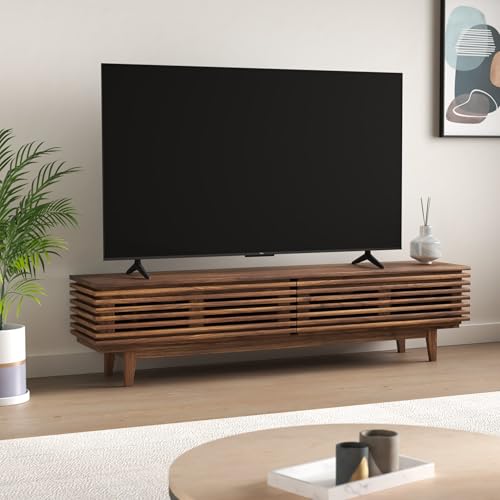
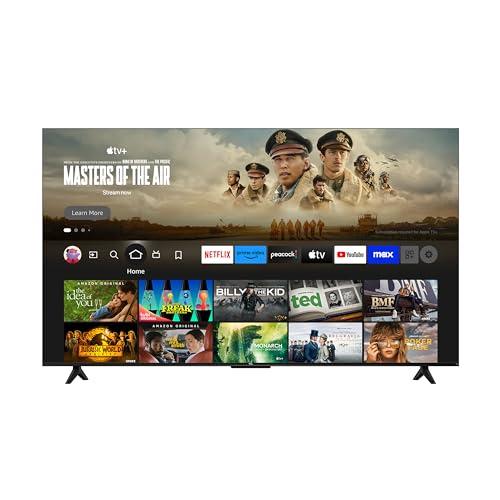

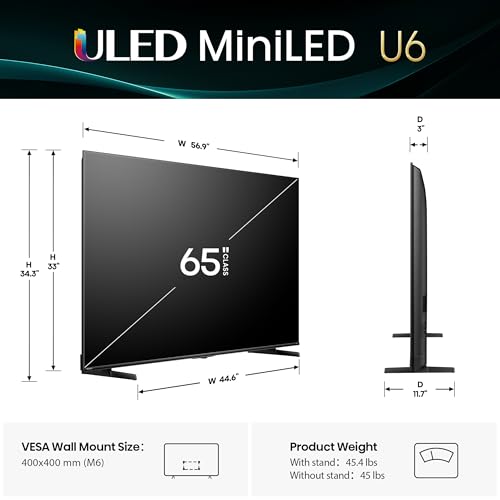
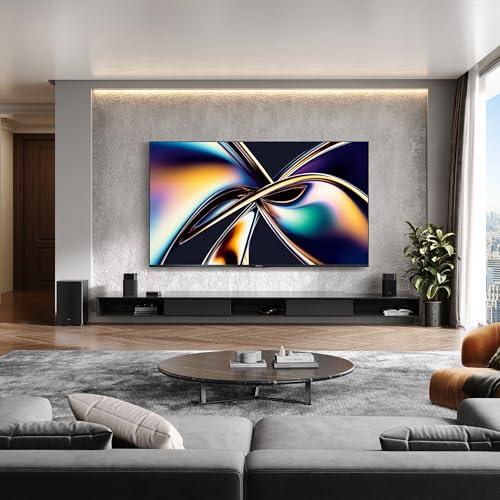
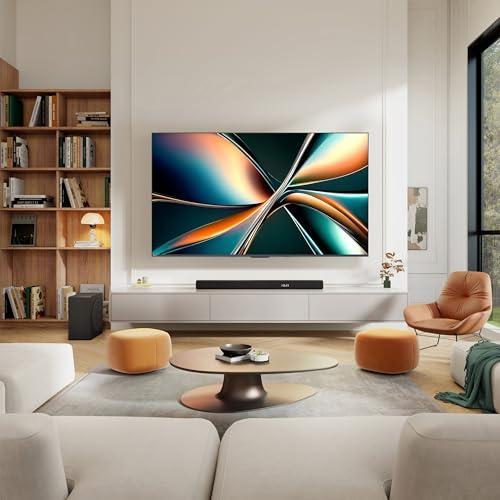
The budget 4K TV market has exploded with options in recent years, but finding the right balance between performance and price remains challenging. Two standout models from 2024 have caught our attention: the TCL 65" S5 Class and the Hisense 65" U6 Series Mini-LED. Both run Fire TV and target budget-conscious buyers, but they take dramatically different approaches to delivering value.
After extensive research into user feedback, professional reviews, and technical specifications, we've found these TVs represent two distinct philosophies in budget television design. The question isn't which is better overall—it's which better matches your specific needs and viewing habits.
The budget 4K TV category has matured significantly since 2020, when decent picture quality often meant spending over $800. Today's budget models deliver features that were premium just a few years ago: 4K resolution, HDR support, smart platforms, and gaming optimizations. The key differentiators now lie in display technology, peak brightness, and advanced features like local dimming.
When evaluating budget TVs, the most critical factors include contrast performance (how well the TV displays both bright and dark content simultaneously), color accuracy and vibrancy, motion handling for sports and action content, and smart platform responsiveness. Gaming capabilities have also become essential, with modern consoles demanding specific features for optimal performance.
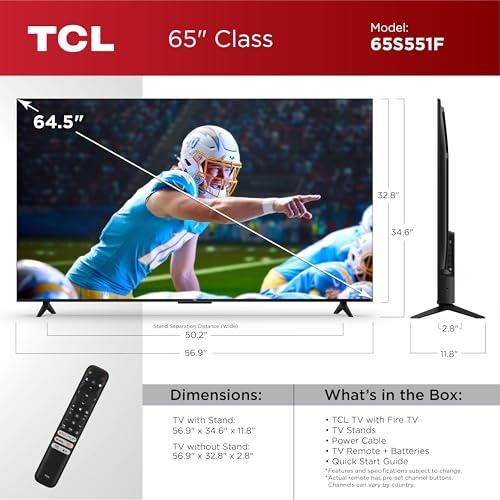
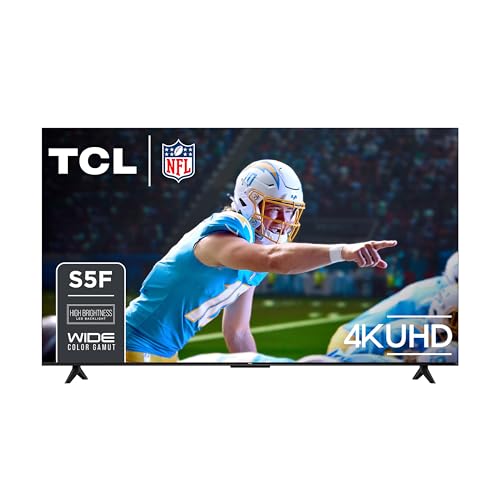
The TCL S5 represents the "maximum value" approach—delivering solid fundamentals with premium design touches at the lowest possible price. Released in 2024, it builds on TCL's reputation for affordable quality while adding modern conveniences like Apple AirPlay 2 support.
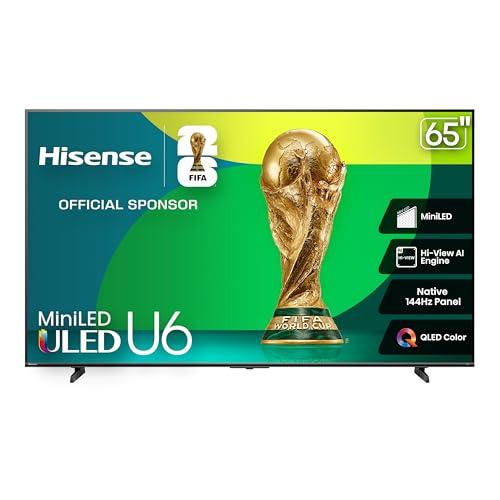
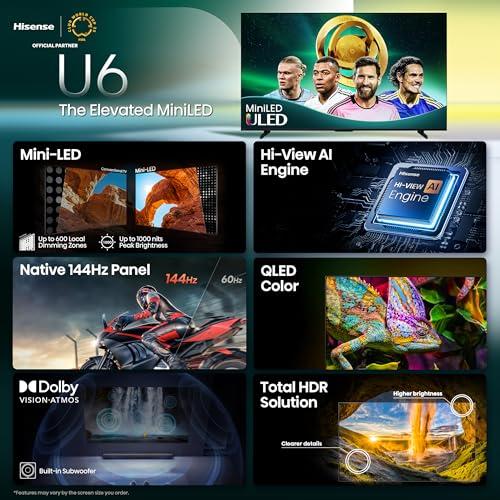
The Hisense U6 Series takes the "upgraded technology" route, incorporating Mini-LED backlighting and QLED color technology typically found in much more expensive TVs. Also from 2024, it represents Hisense's push to bring premium display features to mainstream pricing.
At the time of writing, expect to pay roughly $200 more for the Hisense—a significant percentage increase that demands careful consideration of whether the technological advantages justify the cost.
The most fundamental difference between these TVs lies in their backlighting systems. The TCL S5 uses traditional LED backlighting, where relatively large LEDs sit behind the LCD panel to illuminate the entire screen. This approach works well for general viewing but struggles with contrast—the difference between the brightest whites and darkest blacks in a scene.
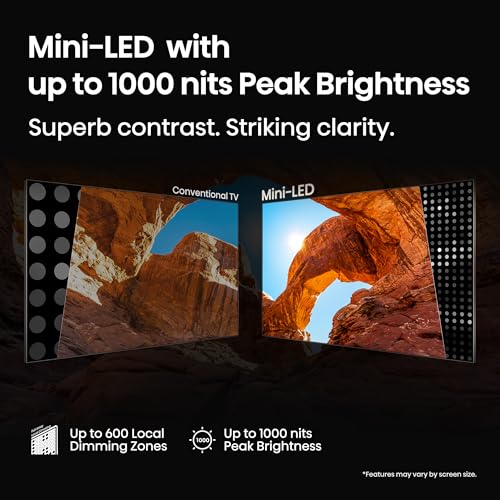
The Hisense U6 employs Mini-LED technology, using thousands of significantly smaller LEDs for backlighting. These tiny LEDs can be controlled more precisely, creating what's called "local dimming zones"—areas of the screen that can be independently brightened or darkened. The U6 features approximately 600 of these zones, allowing it to display a bright explosion in one corner while maintaining deep blacks in the rest of the scene.
Contrast performance separates good TVs from mediocre ones, especially for movie watching and gaming. Our research consistently shows the Hisense U6 delivers significantly better contrast thanks to its Mini-LED system. In dark scenes, blacks appear truly dark rather than the grayish appearance common with standard LED backlighting. This difference is most noticeable when watching movies in dimmed rooms or playing atmospheric games.
The TCL S5, lacking local dimming, cannot compete in this area. Blacks appear lifted and grayish, particularly noticeable in letterboxed movies or dark video game sequences. However, for daytime viewing or brightly lit rooms, this limitation becomes less apparent as ambient light washes out these contrast differences anyway.
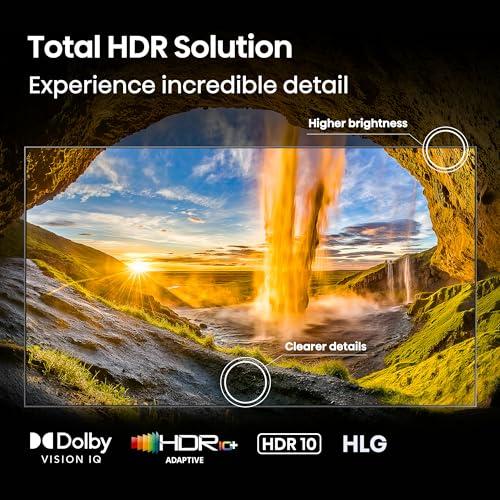
High Dynamic Range (HDR) content—which includes most modern movies and games—relies heavily on peak brightness to create impact. HDR works by using a much wider range of brightness levels than standard content, from deep blacks to brilliant highlights that can represent real-world lighting like sunlight or explosions.
The Hisense U6 reaches approximately 1000 nits peak brightness, which provides genuinely impactful HDR viewing. Bright scenes pop with intensity, and the local dimming zones ensure highlights don't wash out darker areas of the image. This brightness level also helps combat glare in moderately lit rooms.
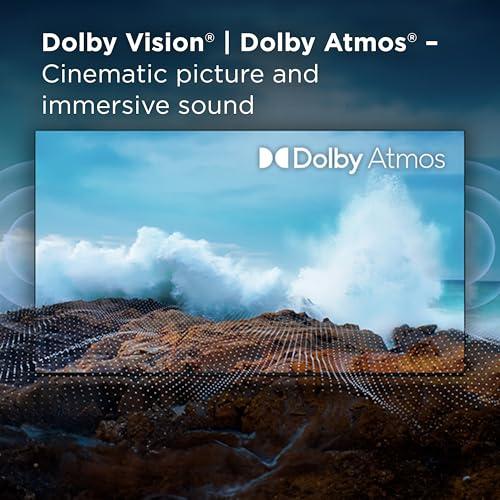
The TCL S5 offers more modest brightness levels that limit HDR effectiveness. While it supports HDR formats like Dolby Vision and HDR10+, the actual visual impact feels muted compared to brighter displays. This TV performs better with standard dynamic range content than demanding HDR material.
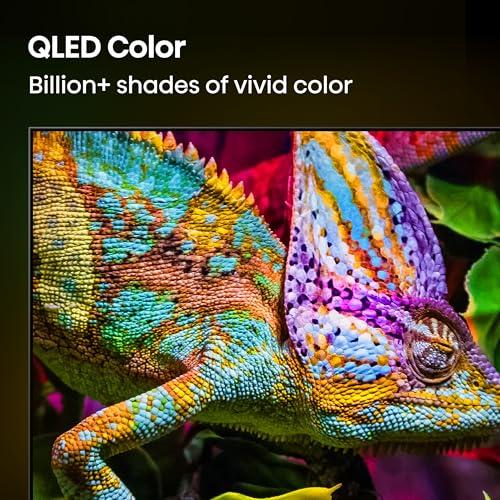
Color reproduction represents another significant gap between these models. The Hisense U6 incorporates QLED (Quantum Dot LED) technology, which uses quantum dots—microscopic particles that emit very pure colors when hit by light. This technology expands the color gamut, meaning the TV can display more vivid and accurate colors, particularly in reds and greens.
Our evaluation of user feedback reveals consistently positive responses to the U6's color vibrancy. Users frequently mention how colors "pop" compared to standard LED displays, particularly in nature documentaries and animated content where rich colors matter most.
The TCL S5 delivers acceptable color performance for its price range, but it cannot match the expanded color gamut of QLED technology. Colors appear more muted, though still pleasant for general viewing. This difference becomes most apparent when comparing the TVs side-by-side or when viewing content specifically mastered to take advantage of wide color gamuts.
Gaming has become a crucial consideration for TV buyers, especially with the PlayStation 5 and Xbox Series X/S demanding specific features for optimal performance. Both TVs include gaming-focused features, but with important differences.
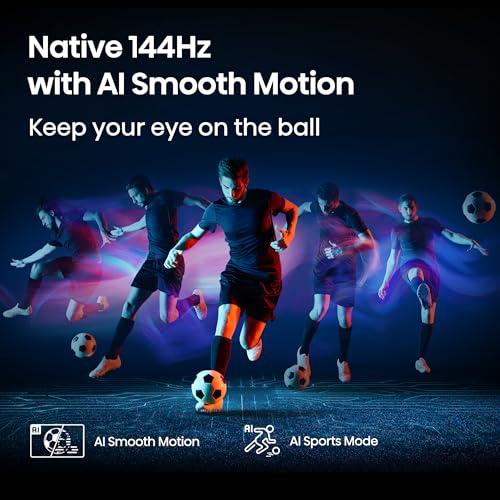
The Hisense U6 offers more comprehensive gaming support with its 144Hz native refresh rate and full HDMI 2.1 implementation. This combination allows for Variable Refresh Rate (VRR) support, which synchronizes the TV's refresh rate with the console's frame rate to eliminate screen tearing and stuttering. The inclusion of AMD FreeSync Premium further enhances this experience for compatible devices.
The TCL S5 provides 120Hz VRR support through its Game Accelerator feature, though this operates at lower resolutions than full 4K. For most gaming scenarios, this limitation won't significantly impact the experience, but competitive gamers or those with high-end PCs might notice the difference.
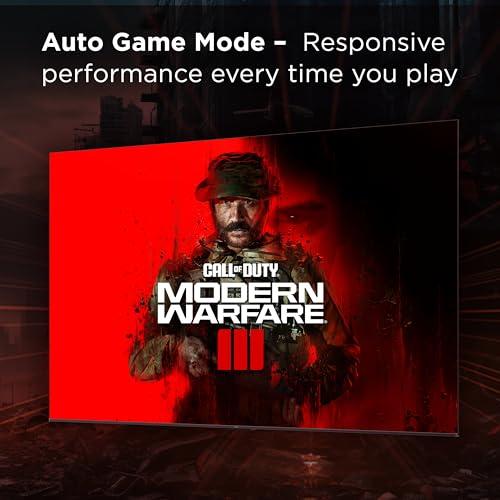
Both TVs include Auto Low Latency Mode (ALLM), which automatically switches to game mode when a console is detected, minimizing input lag—the delay between pressing a controller button and seeing the action on screen.
The Hisense U6 includes a dedicated Game Bar that displays real-time information about refresh rate, VRR status, and other technical details. While not essential, this feature helps enthusiasts optimize their gaming setup and troubleshoot potential issues.
Both models offer game modes that adjust picture settings for optimal gaming performance, typically by disabling processing that might introduce lag while maintaining good image quality for gameplay.
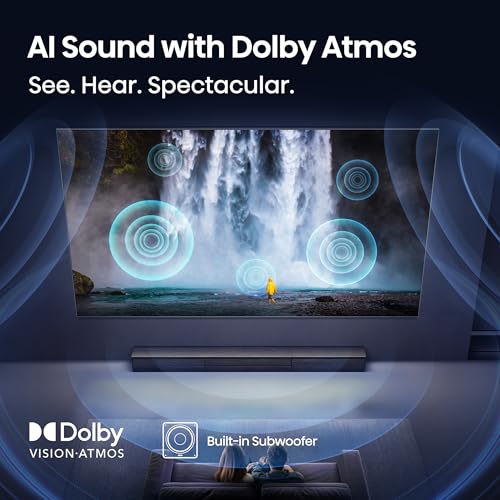
Television audio has improved significantly in recent years, though external sound systems still provide superior performance for serious home theater setups. Between these models, the Hisense U6 offers notably better built-in audio with its 40W system including a dedicated subwoofer channel. User reviews consistently praise its bass response and overall clarity, suggesting it might delay the need for a separate soundbar.
The TCL S5 provides adequate audio with Dolby Atmos processing, though at 20W total output, it lacks the power and depth of the Hisense. For casual viewing, it's perfectly serviceable, but movie enthusiasts will likely want to budget for external audio enhancement.
Both TVs support audio passthrough via eARC (enhanced Audio Return Channel) for connecting high-end sound systems, ensuring compatibility with future audio upgrades.
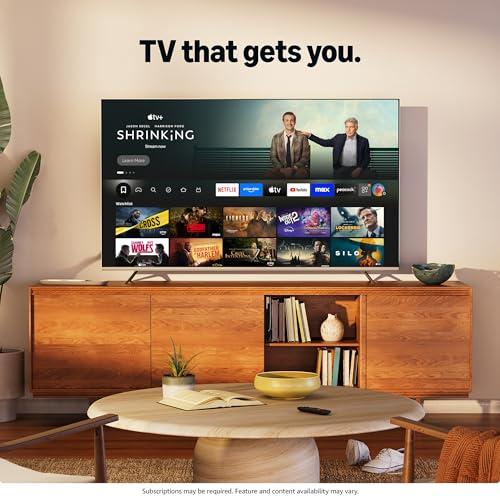
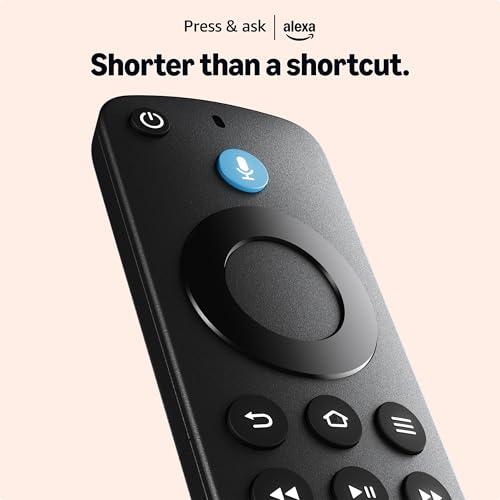
Both models run Amazon's Fire TV platform, providing identical app selection and smart features. The interface offers easy access to major streaming services like Netflix, Amazon Prime Video, Disney+, and Apple TV+, along with voice control through Alexa integration.
The TCL S5 adds Apple AirPlay 2 support, enabling seamless streaming from iPhones, iPads, and Macs. This feature proves particularly valuable for users invested in Apple's ecosystem, allowing easy sharing of photos, videos, and even screen mirroring for presentations.
However, both TVs inherit Fire TV's advertising-heavy interface, which dedicates significant screen real estate to promoting Amazon content and services. Unlike some other smart TV platforms, Fire TV offers limited options for customizing or minimizing these promotional elements, which can frustrate users preferring a cleaner, more personalized experience.
Interface responsiveness appears similar between models, with both offering smooth navigation and quick app loading times typical of modern Fire TV implementations.
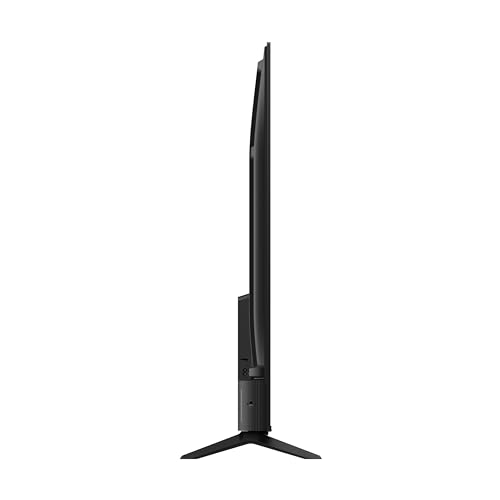
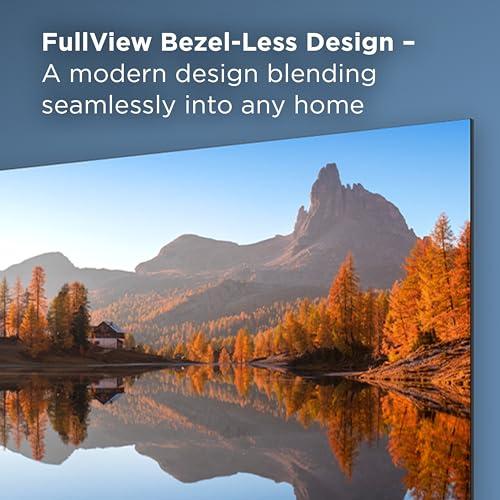
The TCL S5 emphasizes design with its 360-degree metal bezel-less construction. This edge-to-edge approach maximizes screen real estate and creates a more premium appearance than typically expected at this price point. The minimal bezels help the TV blend into room décor and focus attention on the content rather than the frame.
The Hisense U6 offers solid build quality with a more conventional design approach. While attractive, it doesn't emphasize aesthetics as strongly as the TCL, focusing resources instead on display technology improvements.
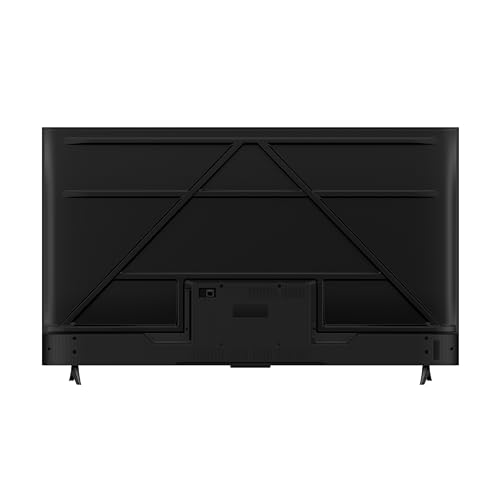
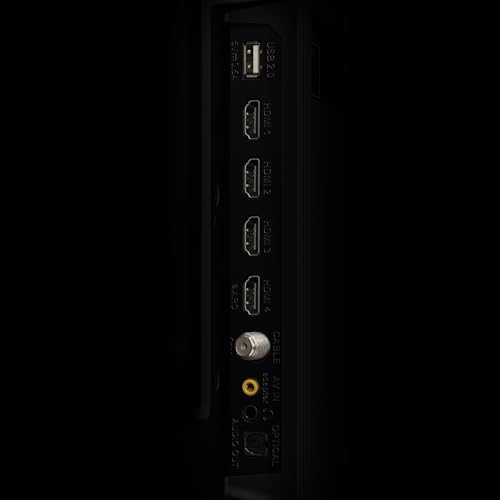
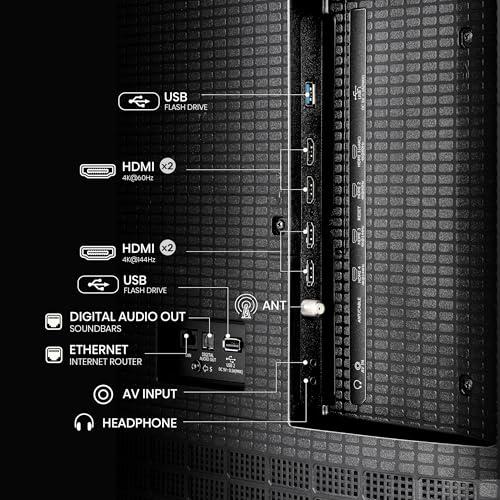
Both models include similar connectivity options: multiple HDMI ports, USB inputs, Ethernet, and wireless capabilities. The Hisense's HDMI 2.1 ports provide future-proofing advantages for high-bandwidth gaming and video applications.
At the time of writing, the price gap between these models represents a significant percentage increase for the Hisense. This premium buys genuine technological improvements: Mini-LED backlighting, quantum dot color, full array local dimming, and enhanced gaming features. These aren't minor refinements—they're fundamental display technology upgrades that measurably improve the viewing experience.
For buyers primarily concerned with getting a functional 4K smart TV at the lowest possible cost, the TCL S5 delivers exceptional value. Its picture quality, while not cutting-edge, proves more than adequate for casual viewing, and its design elements feel premium despite the budget pricing.
The Hisense U6 targets buyers willing to invest more for meaningfully better performance. The Mini-LED technology alone represents a substantial upgrade over standard LED backlighting, typically found in TVs costing significantly more just a few years ago.
For dedicated home theater use, display technology becomes crucial. The Hisense U6 better serves this application with its superior contrast performance, higher brightness for HDR content, and wider color gamut for properly mastered films. The local dimming zones help maintain image quality during demanding scenes like space battles or nighttime sequences where both bright stars and dark space need to appear simultaneously.
The TCL S5 can certainly serve in a home theater setup, particularly in ambient light conditions, but its limitations become more apparent during critical viewing sessions. Movie enthusiasts who've invested in quality content and comfortable seating arrangements will likely appreciate the Hisense's superior display capabilities.
Both TVs support filmmaker mode and various picture presets for optimizing different content types, though the Hisense's broader capabilities provide more room for fine-tuning.
The TCL S5 makes sense for several specific scenarios: buyers with firm budget constraints who still want modern features, users planning to upgrade again in a few years as prices continue falling, Apple ecosystem users who value AirPlay 2 integration, and anyone using the TV primarily for daytime viewing or casual content consumption. Its excellent design also appeals to buyers who prioritize aesthetics in their living space.
The Hisense U6 better serves users willing to invest more for significantly better performance: movie and gaming enthusiasts who want improved contrast and color, viewers who often watch content in darker rooms where display technology differences become more apparent, and buyers planning to keep their TV for many years who want more advanced features. The superior built-in audio also benefits users who prefer not to immediately add external sound systems.
After extensive research into real-world performance and user experiences, the choice between these TVs depends heavily on your viewing priorities and budget flexibility. The TCL S5 represents outstanding value engineering—delivering modern TV features with premium design touches at an aggressive price point. It succeeds admirably at its core mission of providing solid 4K smart TV functionality without breaking the bank.
The Hisense U6 justifies its premium through genuine technological advantages that improve daily viewing experiences. The Mini-LED backlighting and QLED color aren't marketing gimmicks—they're meaningful improvements that enhance movie watching, gaming, and general content consumption.
For most buyers, we lean toward recommending the Hisense if the budget allows. The display technology improvements provide benefits you'll notice regularly, and the enhanced gaming features offer better future-proofing as console games continue evolving. However, the TCL remains an excellent choice for budget-conscious buyers who understand its limitations and can live with standard LED performance in exchange for significant cost savings.
Consider your viewing habits honestly: if you primarily watch TV casually in well-lit rooms, the TCL's limitations matter less. If you enjoy movies in darker environments or play modern console games regularly, the Hisense's advantages become more compelling. Either way, both TVs represent solid values in today's competitive budget TV market.
| TCL 65" S5 Class 4K UHD HDR Fire TV 2024 | Hisense 65" U6 Series Mini-LED QLED 4K Fire TV |
|---|---|
| Display Technology - The fundamental difference affecting picture quality | |
| Standard LED backlight (no local dimming) | Mini-LED with 600 local dimming zones |
| Peak Brightness - Critical for HDR impact and bright room viewing | |
| Limited brightness (specifications not disclosed) | Up to 1,000 nits (excellent HDR performance) |
| Color Technology - Determines color vibrancy and accuracy | |
| Standard LED color reproduction | QLED Quantum Dot (over 1 billion colors) |
| Gaming Refresh Rate - Important for console gaming smoothness | |
| 60Hz native with 120Hz VRR at lower resolutions | 144Hz native with full 4K VRR support |
| HDMI Ports - Affects gaming and future device compatibility | |
| HDMI 2.0 (limited to 4K@60Hz) | HDMI 2.1 on two ports (4K@144Hz capable) |
| Motion Enhancement - Reduces blur in sports and action content | |
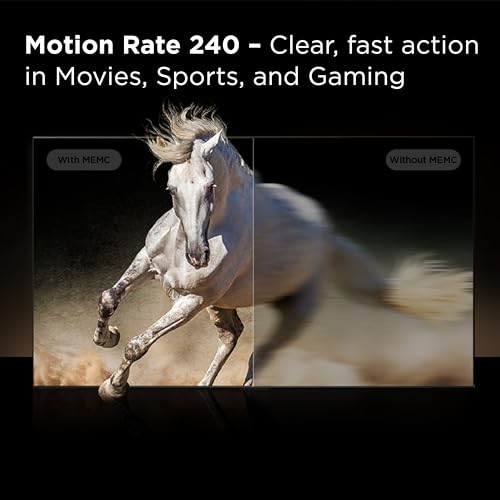
| Motion Rate 240 with MEMC | Native 144Hz with MEMC processing |
| HDR Format Support - Ensures compatibility with premium content | |
| HDR PRO+ (Dolby Vision, HDR10+, HDR10, HLG) | HDR10+ Adaptive, Dolby Vision IQ, HDR10, HLG |
| Audio System - Built-in sound quality | |
| 20W speakers with Dolby Atmos | 40W 2.1 channel system with subwoofer |
| Smart Features - Unique platform capabilities | |
| Fire TV with Apple AirPlay 2 support | Fire TV with Alexa (no AirPlay) |
| Design Emphasis - Aesthetic considerations | |
| 360-degree metal bezel-less design | Standard modern design with minimal bezels |
| Gaming Features - Console optimization | |
| Game Accelerator 120, Auto Game Mode | Game Mode Pro, dedicated Game Bar, FreeSync Premium |
| Best Use Cases - Who should choose this TV | |
| Budget-conscious buyers, Apple users, casual viewing | Picture quality enthusiasts, gamers, home theater use |
The Hisense U6 Series Mini-LED QLED delivers significantly better picture quality than the TCL S5. The Hisense features Mini-LED backlighting with 600 local dimming zones and QLED Quantum Dot technology, providing deeper blacks, brighter highlights, and more vibrant colors. The TCL S5 uses standard LED backlighting without local dimming, resulting in more limited contrast and color performance.
The primary difference is display technology. The Hisense U6 uses advanced Mini-LED backlighting with local dimming zones and QLED color technology, while the TCL S5 employs traditional LED backlighting. This gives the Hisense superior contrast, brightness (up to 1,000 nits), and color reproduction, though both run the same Fire TV smart platform with Alexa integration.
The Hisense U6 Series offers superior gaming performance with its 144Hz native refresh rate, HDMI 2.1 ports supporting 4K at 144Hz, and FreeSync Premium support. The TCL S5 provides 120Hz VRR at lower resolutions through HDMI 2.0 ports. Both include Auto Low Latency Mode and game modes, but the Hisense better supports modern gaming consoles and high-end PC gaming.
While both the TCL S5 and Hisense U6 support major HDR formats like Dolby Vision and HDR10+, the Hisense delivers much better HDR performance. Its 1,000-nit peak brightness and local dimming zones create the contrast needed for impactful HDR viewing. The TCL S5 supports HDR formats but lacks the brightness and contrast capability to fully realize HDR's visual benefits.
The Hisense U6 features superior audio with its 40W 2.1 channel system including a built-in subwoofer, delivering better bass response and overall sound quality. The TCL S5 offers 20W speakers with Dolby Atmos processing, which is adequate for casual viewing but less powerful than the Hisense system.
Both TVs run identical Fire TV platforms with Alexa voice control and the same app selection. However, the TCL S5 includes Apple AirPlay 2 support for seamless streaming from iOS devices, while the Hisense U6 does not offer this feature. This makes the TCL more appealing for users invested in Apple's ecosystem.
The Hisense U6 Series handles bright rooms significantly better due to its 1,000-nit peak brightness capability, which helps overcome glare and maintain image visibility. The TCL S5 has more limited brightness and struggles with reflection handling, making it better suited for dimmer viewing environments.
The Hisense U6 typically costs about $200 more than the TCL S5, which represents genuine value given the technological improvements. The Mini-LED backlighting, QLED color technology, local dimming, and enhanced gaming features provide measurable performance benefits. Whether this justifies the premium depends on your viewing priorities and budget flexibility.
For dedicated home theater setups, the Hisense U6 Series Mini-LED is clearly superior. Its local dimming zones, higher contrast ratio, and 1,000-nit brightness deliver the performance needed for cinematic viewing in dark rooms. The TCL S5 can serve in home theater applications but cannot match the Hisense's contrast and HDR performance for demanding movie content.
Both TVs offer similar basic connectivity including Wi-Fi, Bluetooth, USB ports, and multiple HDMI inputs. However, the Hisense U6 includes HDMI 2.1 ports for higher bandwidth applications, while the TCL S5 uses HDMI 2.0. The TCL adds Apple AirPlay 2 for wireless connectivity, while the Hisense focuses on wired connection capabilities.
The Hisense U6 provides better long-term value despite its higher upfront cost. Its Mini-LED technology, HDMI 2.1 ports, and advanced gaming features offer better future-proofing as content and gaming standards evolve. The TCL S5 delivers excellent immediate value but may feel more limited as technology advances over the TV's lifespan.
Your choice depends on budget and viewing priorities. Choose the TCL S5 if you want solid 4K smart TV functionality at the lowest cost, primarily watch in well-lit rooms, or need Apple AirPlay 2 support. Select the Hisense U6 Series if you can accommodate the higher price and want significantly better picture quality, enhanced gaming capabilities, and superior performance for movies and HDR content.
We've done our best to create useful and informative comparisons to help you decide what product to buy. Our research uses advanced automated methods to create this comparison and perfection is not possible - please contact us for corrections or questions. These are the sites we've researched in the creation of this article: rtings.com - bestbuy.com - youtube.com - youtube.com - businessinsider.com - pcvarge.com - rtings.com - tcl.com - tcl.com - tcl.com - bestbuy.com - sears.com - samsclub.com - tvsbook.com - youtube.com - bestbuy.com - rtings.com - youtube.com - tomsguide.com - rtings.com - static.pcrichard.com - hisense-usa.com - pcguide.com - hisense-usa.com - manuals.plus - costco.com - pcrichard.com - beverlycenter.com - hisense-usa.com - rtings.com - device.report

Privacy Policy
Terms and Conditions - Affiliate Policy
Home Security
© Copyright 2008-2026.
11816 Inwood Rd #1211, Dallas, TX 75244