






Smart speakers have transformed from simple voice assistants into sophisticated entertainment hubs that can fill your home with music, control your smart devices, and even serve as part of your home theater setup. But with so many options available, choosing the right one can feel overwhelming. Today, we're diving deep into two compelling choices that represent very different approaches to smart speaker design: the Amazon Echo Studio and the Sonos Era 100.
Before we jump into comparing these two speakers, it's worth understanding what separates good smart speakers from great ones. The most important factors are audio quality, smart home integration, ecosystem compatibility, and overall value. Audio quality includes not just how loud a speaker can get, but how accurately it reproduces music across different frequencies - the highs (treble), mids, and lows (bass). Smart home integration refers to how well the speaker works with other connected devices in your home, while ecosystem compatibility determines which voice assistants and streaming services work seamlessly with your speaker.
The speaker market has evolved significantly over the past few years. We've moved beyond the early days when smart speakers were primarily about asking for the weather or setting timers. Today's premium smart speakers are expected to deliver audiophile-quality sound while maintaining all the convenience features that made them popular in the first place.
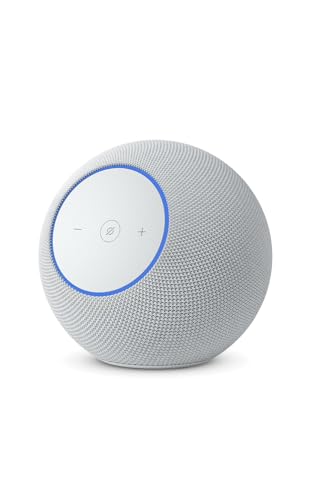
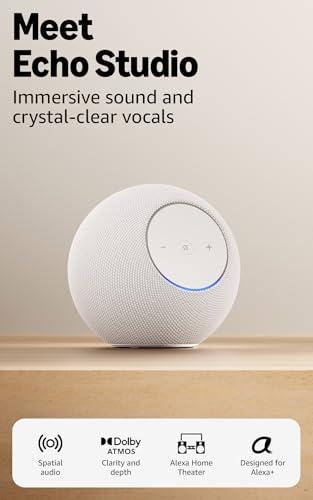
Released in 2019, the Amazon Echo Studio was Amazon's bold statement that Echo devices could compete with premium audio equipment. At the time of writing, it sits in the upper-mid price range for smart speakers, positioning itself as Amazon's flagship audio device. The Studio was designed to showcase what Amazon could achieve when they prioritized audio performance alongside their industry-leading Alexa integration.
Since its release, the Studio has received significant software updates that have improved its spatial audio capabilities and refined its automatic room correction features. Amazon has also enhanced its compatibility with newer smart home standards like Matter, ensuring the speaker remains relevant as the smart home ecosystem evolves.
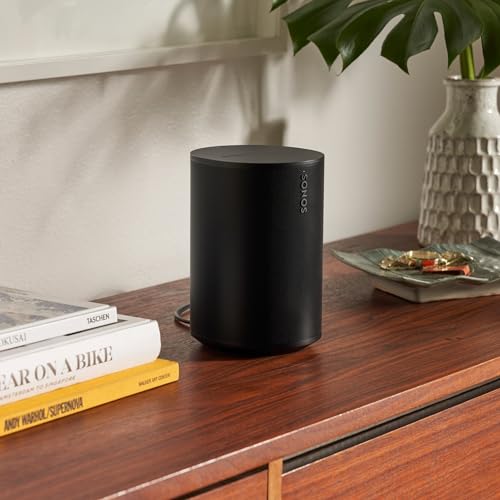
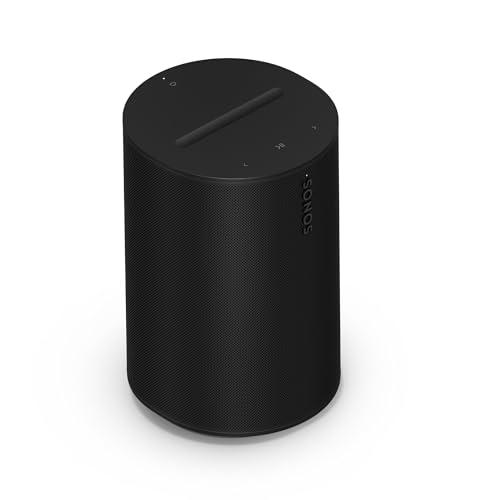
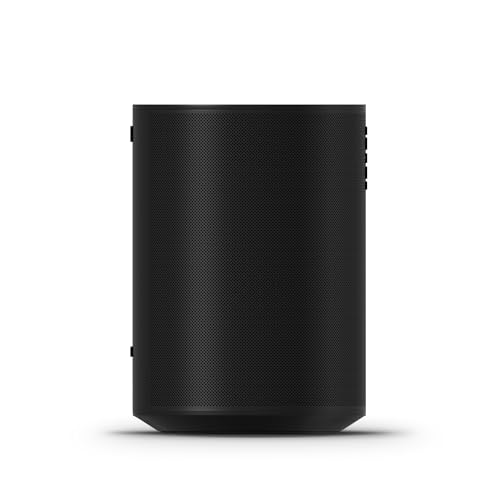
The Sonos Era 100 arrived in 2023 as Sonos's answer to the growing demand for compact, high-quality smart speakers. Priced slightly below the Echo Studio at the time of writing, it represents Sonos's commitment to audio excellence in a more affordable package. The Era 100 marked a significant evolution for Sonos, introducing Bluetooth connectivity for the first time in their compact speaker lineup and adding support for multiple voice assistants.
Being the newer product, the Era 100 incorporates more modern technologies like Wi-Fi 6 (faster wireless connectivity) and improved room tuning capabilities that work with both iOS and Android devices - a major improvement over earlier Sonos speakers that only supported room tuning on Apple devices.
The Amazon Echo Studio is an absolute beast when it comes to raw power. Its five-driver configuration includes a substantial 5.25-inch subwoofer (the component responsible for bass), three midrange drivers, and a tweeter (for high frequencies). This setup allows it to reach volume levels that can easily fill large rooms or outdoor spaces. The Studio can hit around 91 decibels of sound pressure level (SPL), which is loud enough for most party situations without significant distortion.
The Sonos Era 100, on the other hand, takes a more measured approach. With its single woofer and dual angled tweeters, it's designed for clarity rather than sheer volume. While it won't rattle your windows like the Studio might, it maintains better sound quality across its entire volume range. This is particularly noticeable in smaller to medium-sized rooms where the Era 100's more controlled output actually sounds more balanced and pleasant for extended listening.
Here's where these speakers really diverge. The Echo Studio has what audio enthusiasts call a "V-shaped" sound signature, meaning it emphasizes bass and treble while slightly de-emphasizing the midrange frequencies where most vocals live. This creates an initially impressive "wow factor" - music sounds big, bass-heavy, and exciting. The Studio's spatial audio processing (which creates the illusion of sound coming from multiple directions) adds to this immersive experience.
However, our research into user and expert reviews reveals that this exciting sound signature can become fatiguing over time. The powerful bass sometimes overwhelms vocals and instruments in the midrange, making music sound less natural than it should. This is particularly noticeable with acoustic music, jazz, or vocal-heavy genres where clarity and accuracy matter more than impact.
The Sonos Era 100 pursues a more neutral, accurate approach. Its sound signature is flatter across frequencies, meaning it doesn't artificially boost any particular range. This results in vocals that sound clearer and more natural, instruments that maintain their proper timbre (their characteristic sound quality), and bass that's tight and controlled rather than overwhelming. The Era 100's dual angled tweeters create genuine stereo separation from a single speaker, which is quite impressive for such a compact device.
The Amazon Echo Studio supports Dolby Atmos and Amazon's proprietary 3D audio formats. Dolby Atmos is a surround sound technology that creates the impression of sound coming from above, below, and around you, rather than just from left and right speakers. When it works well with compatible content, it can create an impressively immersive listening experience.
However, the effectiveness of these spatial audio features varies significantly depending on your room's acoustics and the content you're playing. Many streaming services don't offer much Dolby Atmos music content, and the effect can sometimes make regular stereo music sound artificially processed or "echoey."
The Era 100 doesn't support Dolby Atmos or spatial audio, instead focusing on delivering exceptional stereo sound. While this might seem like a limitation, many audio enthusiasts prefer this approach because it ensures that all your music sounds as good as possible, rather than relying on processing that may or may not improve the experience.
Both speakers include room correction technology, but they take different approaches. The Echo Studio uses automatic room adaptation that continuously analyzes your room's acoustics and adjusts the sound accordingly. This happens in real-time without any input from you, which is convenient but gives you less control over the final sound.
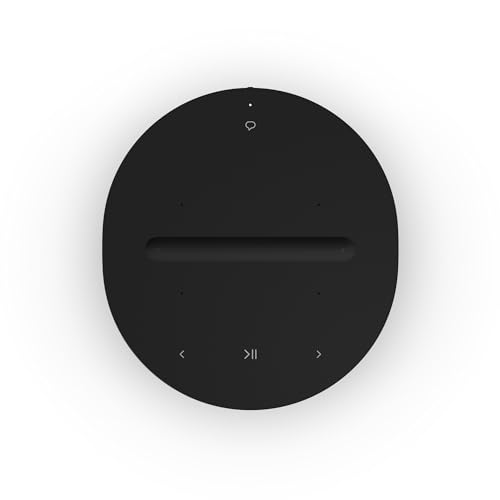
The Sonos Era 100 features Trueplay tuning, which requires you to actively participate in the setup process. You'll walk around your room with your phone while the speaker plays test tones, allowing the system to map your room's acoustic properties. This process takes a few minutes but generally produces more accurate results. The Era 100 was also the first Sonos speaker to support Trueplay tuning with Android devices, not just iPhones.
The Amazon Echo Studio provides the most comprehensive Alexa experience available. It can access the full range of Alexa skills (over 100,000 at the time of writing), respond quickly to voice commands even over loud music, and integrate seamlessly with Amazon's ecosystem of services. The Studio's seven-microphone array uses beamforming technology (focusing on your voice while filtering out background noise) to hear you clearly from across the room.
The Sonos Era 100 offers more flexibility by supporting multiple voice assistants: Amazon Alexa, Google Assistant, and Sonos's own Voice Control system. However, when using Alexa or Google Assistant on Sonos devices, you don't get the full range of features available on native devices. Some advanced Alexa skills won't work, and response times can be slightly slower.
Here's where the Echo Studio shows a significant advantage. It includes a built-in Zigbee hub, which means it can directly control compatible smart home devices without requiring additional hardware. Zigbee is a wireless communication protocol used by many smart lights, sensors, and switches. The Studio also supports Matter, the new smart home standard that promises better compatibility between different brands of smart devices.
The Sonos Era 100 is Matter-certified but doesn't include built-in hub functionality. This means you'll need separate hubs to control most smart home devices, though it can work with some Matter-compatible devices directly through your Wi-Fi network.
Both speakers offer comprehensive connectivity options, but with different strengths. The Echo Studio includes Wi-Fi, Bluetooth, and Zigbee wireless connectivity, plus a combination 3.5mm/optical input for connecting external devices like turntables, CD players, or TVs. This optical input is particularly valuable for home theater setups.
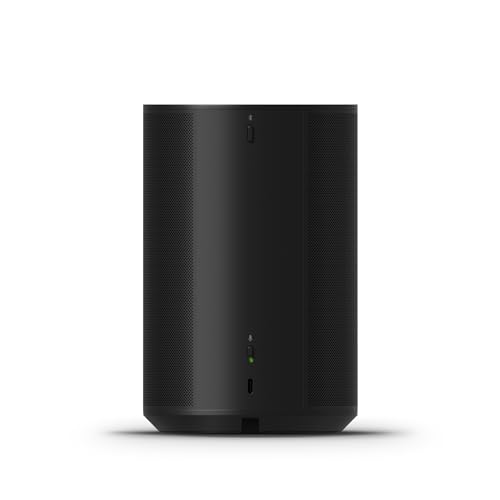
The Sonos Era 100 supports Wi-Fi 6 (faster and more reliable than the Studio's Wi-Fi 5), Bluetooth 5.0, and Apple AirPlay 2. The inclusion of Bluetooth was a big deal for Sonos, as their speakers historically only supported Wi-Fi streaming. The Era 100 also includes a USB-C port for wired connections, though you'll need to purchase a separate adapter.
This is where these speakers really differ in their long-term value proposition. The Amazon Echo Studio works within Amazon's Echo multi-room system, which is functional but relatively basic. You can group Echo devices together and control them through the Alexa app or voice commands.
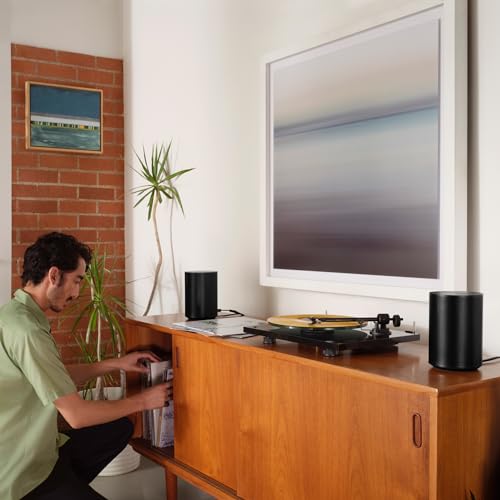
The Sonos Era 100 integrates into what many consider the gold standard of multi-room audio systems. Sonos's ecosystem is incredibly mature, allowing you to seamlessly connect speakers throughout your home, create stereo pairs, and even integrate with Sonos soundbars for surround sound setups. Two Era 100s can be paired for true stereo sound, or used as rear surrounds with a Sonos soundbar for a complete home theater system.
The Amazon Echo Studio primarily relies on voice control and the Alexa app. The app is functional but basic when it comes to audio controls. You get simple bass and treble sliders, but most interaction is expected to happen through voice commands. This works well if you're comfortable talking to your speaker, but can be limiting if you prefer manual control or live in an environment where voice control isn't practical.
The Sonos Era 100 benefits from Sonos's excellent S2 app, which is widely regarded as one of the best smart speaker apps available. It offers comprehensive equalizer controls, easy multi-room management, and intuitive integration with streaming services. The app allows for precise control over your listening experience and makes managing multiple speakers straightforward.
For home theater use, these speakers take very different approaches. The Amazon Echo Studio can be wirelessly paired with Fire TV devices to create a surprisingly effective home theater setup. Its Dolby Atmos support and powerful bass make it quite capable for movie watching, though it's designed as a single-point solution rather than a true surround sound system.
The Sonos Era 100 shines when used as part of a larger Sonos home theater ecosystem. Two Era 100s make excellent rear surround speakers when paired with a Sonos soundbar, creating a more traditional and arguably more effective surround sound experience than the Studio's processed spatial audio.
At the time of writing, both speakers represent good value in their respective categories, but for different reasons. The Echo Studio offers impressive features for its price point, particularly considering its spatial audio capabilities, built-in smart home hub, and raw audio power. If you value maximum impact per dollar and want comprehensive smart home integration, the Studio delivers significant bang for your buck.
The Sonos Era 100, while priced slightly lower, represents excellent value for users who prioritize audio quality and ecosystem flexibility. Its superior build quality, more accurate sound reproduction, and integration into the Sonos ecosystem make it a smart long-term investment, especially if you plan to expand your audio system over time.
However, it's worth noting that to get the best experience from the Era 100, many users end up purchasing two for stereo pairing, which doubles the investment. The Echo Studio provides a complete experience as a single unit.
The Echo Studio is ideal for users who want maximum impact from a single speaker. If you frequently host parties, have a large room to fill, or simply love bass-heavy music, the Studio's powerful output will impress. It's also the clear choice for users already invested in Amazon's ecosystem - if you have Fire TV devices, use Amazon Music heavily, or have many Alexa-compatible smart home devices, the Studio's seamless integration provides real value.
The Studio also makes sense for users who want to experiment with spatial audio and Dolby Atmos content without investing in a full surround sound system. While the results vary depending on content and room acoustics, it offers an affordable way to experience these technologies.
The Era 100 is perfect for users who prioritize audio accuracy and long-term system flexibility. If you're a music lover who values clear vocals, accurate instrument reproduction, and balanced sound across all genres, the Era 100's more neutral approach will serve you better in the long run.
It's also ideal for users who want to maintain flexibility across different smart home ecosystems or who might want to expand their audio system over time. The Era 100's integration into the broader Sonos ecosystem makes it an excellent foundation for a whole-home audio setup.
The Era 100 particularly shines in smaller to medium-sized rooms where its balanced output can be fully appreciated, and it's perfect for users who value build quality and modern connectivity options like Wi-Fi 6 and comprehensive Bluetooth support.
Both the Amazon Echo Studio and Sonos Era 100 are excellent speakers, but they serve different purposes and user preferences. The Studio emphasizes impact, smart home integration, and immediate satisfaction, while the Era 100 focuses on accuracy, flexibility, and long-term value.
If you want a single speaker that will wow your guests and seamlessly control your smart home, the Echo Studio delivers impressive value. If you prioritize sound quality, want the flexibility to expand your system over time, and prefer a more refined approach to audio, the Era 100 is the better choice.
Consider your listening habits, room size, and long-term plans for your audio and smart home systems. Both speakers have earned their place in the market by excelling in their intended roles - the key is choosing the one that best matches your priorities and lifestyle.
| Amazon Echo Studio | Sonos Era 100 |
|---|---|
| Audio Drivers - Determines sound quality and volume capabilities | |
| 5 drivers: 1x 5.25" woofer, 3x 2" midrange, 1x 1" tweeter | 3 drivers: 1x mid-woofer (25% larger than Sonos One), 2x angled tweeters |
| Maximum Volume - Important for large rooms and parties | |
| Up to 91.1 dB SPL (excellent for large spaces) | Lower maximum volume (better for small-medium rooms) |
| Sound Signature - Affects music enjoyment and accuracy | |
| Bass-heavy V-shaped profile with spatial audio processing | Neutral, balanced sound with true stereo separation |
| Smart Home Integration - Controls connected devices without extra hubs | |
| Built-in Zigbee hub + Matter support (controls devices directly) | Matter-certified only (requires separate hubs for most devices) |
| Voice Assistants - Determines smart features and ecosystem compatibility | |
| Amazon Alexa only (full feature set with 100,000+ skills) | Alexa, Google Assistant, Sonos Voice Control (limited skill support) |
| Wireless Connectivity - Affects streaming quality and device compatibility | |
| Wi-Fi, Bluetooth, Zigbee (no AirPlay support) | Wi-Fi 6, Bluetooth 5.0, AirPlay 2 (more modern standards) |
| Wired Inputs - Connect turntables, TVs, and other audio sources | |
| 3.5mm/optical combo input (versatile for home theater) | USB-C line-in (requires separate adapter purchase) |
| Room Tuning Technology - Optimizes sound for your specific space | |
| Automatic room adaptation (continuous, no user input required) | Trueplay tuning (manual setup process, works with iOS/Android) |
| Multi-Room Audio - Build whole-home sound systems | |
| Basic Echo multi-room grouping | Premium Sonos ecosystem with stereo pairing and home theater integration |
| Spatial Audio Support - Creates immersive 3D sound experience | |
| Dolby Atmos and 3D spatial audio (hit-or-miss effectiveness) | No spatial audio (focuses on stereo accuracy instead) |
| Physical Design - Affects room placement and aesthetics | |
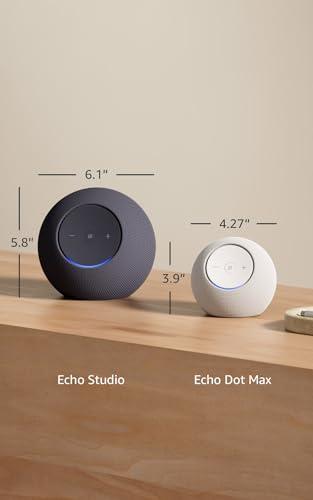
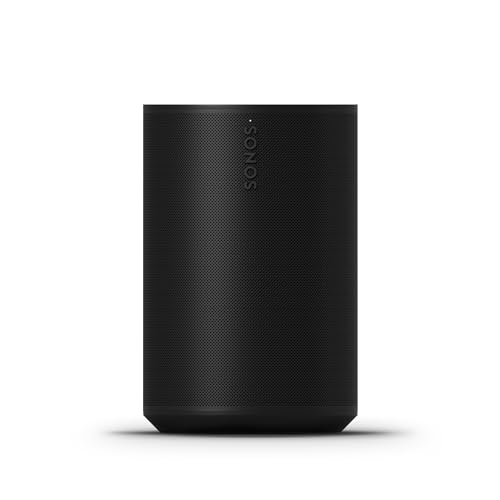
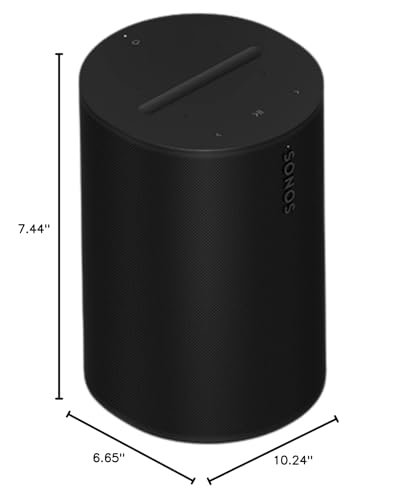
| Large cylindrical (8.1" tall, 7.7 lbs, fabric finish) | Compact rectangular (7.2" tall, 4.45 lbs, premium matte finish) |
| App Control Experience - Daily interaction and audio customization | |
| Basic Alexa app with simple bass/treble controls | Comprehensive Sonos S2 app with full EQ and multi-room management |
| Home Theater Integration - Enhances TV and movie watching | |
| Wireless Fire TV pairing with Dolby Atmos | Excellent as rear surrounds with Sonos Era 100 stereo pair or soundbar setup |
| Release Date & Future-Proofing - Technology age and expected longevity | |
| 2019 release (mature but aging technology) | 2023 release (modern connectivity and expected long-term support) |
The Sonos Era 100 delivers more accurate and balanced sound quality with clearer vocals and controlled bass, making it better for critical music listening. The Amazon Echo Studio produces more powerful, bass-heavy sound that's impressive initially but can sound muddy with vocals and midrange frequencies. For long-term listening enjoyment, most audio enthusiasts prefer the Era 100's neutral sound signature.
The Amazon Echo Studio offers superior smart home integration with a built-in Zigbee hub that can directly control compatible devices without additional hardware. It also provides full Alexa functionality with access to 100,000+ skills. The Sonos Era 100 supports multiple voice assistants (Alexa, Google Assistant, Sonos Voice) but requires separate hubs for most smart home devices and has limited skill support compared to native Echo devices.
The Amazon Echo Studio is significantly louder, reaching up to 91.1 dB SPL, making it excellent for parties and large rooms. The Sonos Era 100 has a lower maximum volume but maintains better sound quality across its entire volume range. If you need room-filling volume for entertaining, the Echo Studio is the clear winner.
Both speakers work for home theater but in different ways. The Amazon Echo Studio can wirelessly pair with Fire TV devices and supports Dolby Atmos for an immersive single-speaker solution. The Sonos Era 100 excels when used as rear surround speakers paired with a Sonos soundbar or as a stereo pair for TV audio. For a complete surround sound system, two Era 100s with a Sonos soundbar typically provides better results.
The Sonos Era 100 offers a superior app experience with the comprehensive Sonos S2 app, featuring full equalizer controls, easy multi-room management, and intuitive streaming service integration. The Amazon Echo Studio relies primarily on voice control with the basic Alexa app providing simple bass and treble adjustments. If you prefer hands-on control over your audio experience, the Era 100's app is significantly better.
The Amazon Echo Studio includes Wi-Fi, Bluetooth, Zigbee, and a 3.5mm/optical combo input for connecting external devices. The Sonos Era 100 features more modern connectivity with Wi-Fi 6, Bluetooth 5.0, AirPlay 2 support, and USB-C line-in (adapter required). The Era 100 offers broader device compatibility, while the Studio provides more direct input options.
The Sonos Era 100 is superior for multi-room audio, integrating into Sonos's mature ecosystem that allows seamless whole-home audio, stereo pairing, and home theater integration. The Amazon Echo Studio works with Amazon's Echo multi-room system, which is functional but more basic. If you plan to expand your audio system throughout your home, the Era 100 provides much better long-term flexibility.
The Amazon Echo Studio supports Dolby Atmos and Amazon's 3D spatial audio, creating an immersive listening experience when compatible content is available. The Sonos Era 100 doesn't support spatial audio formats, instead focusing on delivering exceptional stereo sound. The Studio's spatial audio can be impressive but effectiveness varies by content and room acoustics.
The Sonos Era 100 is significantly more compact at 4.45 lbs and 7.2" tall with a premium matte finish that fits well in most home environments. The Amazon Echo Studio is much larger and heavier at 7.7 lbs and 8.1" tall with a cylindrical design. For small rooms, apartments, or discrete placement, the Era 100 is the better choice.
The Sonos Era 100 features premium build quality with a refined matte metal finish and more modern design aesthetics. The Amazon Echo Studio has solid construction with a fabric covering but uses more basic materials. The Era 100 feels more premium and durable, while the Studio prioritizes functionality over premium materials.
Value depends on your priorities. The Amazon Echo Studio offers excellent value for users wanting maximum audio impact, smart home integration, and spatial audio features in a single package. The Sonos Era 100 provides better value for music enthusiasts prioritizing sound accuracy, build quality, and ecosystem flexibility. Consider that many users buy two Era 100s for stereo pairing, which changes the value equation.
For serious music listening, the Sonos Era 100 is the better choice with its neutral sound signature, clear vocals, and accurate instrument reproduction across all genres. The Amazon Echo Studio is better for casual listening, parties, and bass-heavy music where impact matters more than accuracy. If you value audio fidelity and plan to listen for extended periods, the Era 100 will be more satisfying long-term.
We've done our best to create useful and informative comparisons to help you decide what product to buy. Our research uses advanced automated methods to create this comparison and perfection is not possible - please contact us for corrections or questions. These are the sites we've researched in the creation of this article: whathifi.com - crutchfield.com - rtings.com - dxomark.com - youtube.com - dimensions.com - youtube.com - bestbuy.com - techradar.com - dolby.com - consumerreports.org - engadget.com - phonearena.com - aboutamazon.com - askalexa.com - smarthomesounds.co.uk - whathifi.com - rtings.com - smarthomesounds.co.uk - whathifi.com - rtings.com - audioadvice.com - loudnwireless.com - sonos.com - rtings.com - youtube.com - sonos.com - redsharknews.com - hometechnologyreview.com - bestbuy.com - sonos.com - trysonos.sg - sonos.com - youtube.com - bestbuy.com - audiolab.com - costco.com - surrounds.com.au - bestbuy.com

Privacy Policy
Terms and Conditions - Affiliate Policy
Home Security
© Copyright 2008-2026.
11816 Inwood Rd #1211, Dallas, TX 75244