


Amazon's smart assistant lineup has grown significantly since the first Echo launched in 2014. Today, you're faced with an interesting choice between two very different approaches: the visually-rich Echo Show 11 and the compact, voice-focused Echo Dot 5th Generation. While both run Alexa and connect to the same smart home ecosystem, they represent fundamentally different philosophies about how we should interact with our digital assistants.
Understanding the smart home assistant landscape means recognizing that these devices have evolved beyond simple voice commands. The key considerations now include your interaction preference (visual vs voice-only), available space, complexity of intended use cases, and how much you're willing to invest in the smart home experience. Both devices excel in their respective categories, but choosing between them requires understanding what each approach offers and what trade-offs you're making.
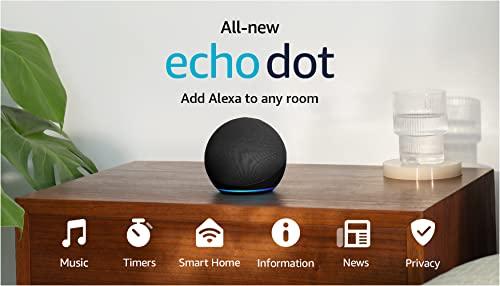
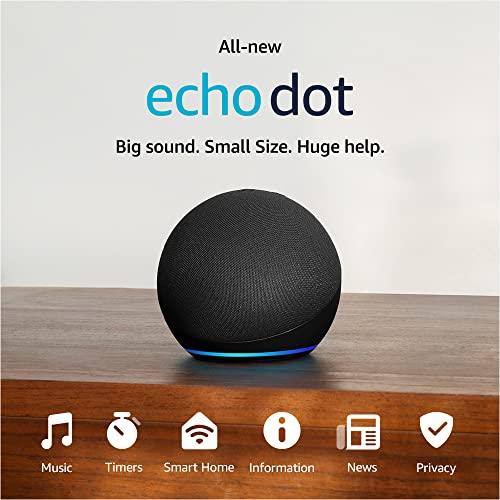
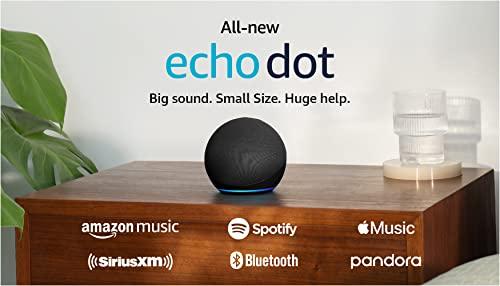
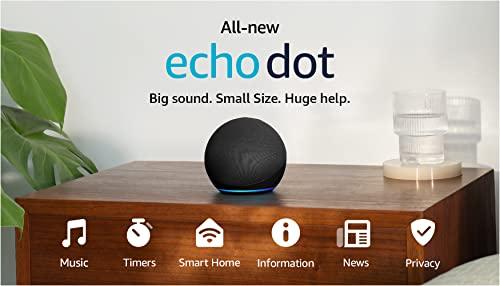
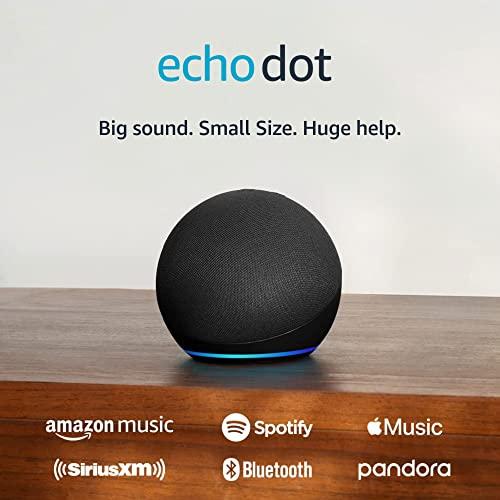
The Echo Dot 5th Generation arrived in 2022 as Amazon's refined take on the compact smart speaker formula. After several iterations learning from user feedback about audio quality and responsiveness, this version addressed many complaints about earlier models while adding useful sensors like temperature monitoring and motion detection.
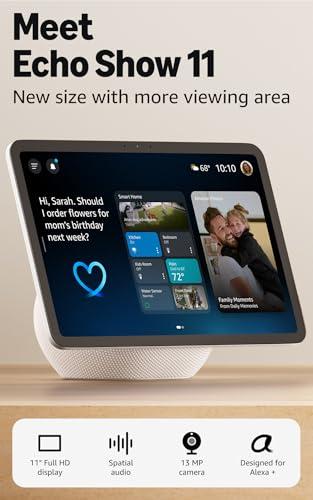
The Echo Show 11, released in 2025, represents Amazon's newest thinking about smart displays. It incorporates three years of additional development, including Amazon's latest custom silicon, advanced AI processing, and a complete redesign that makes the display appear to float above its base. This timing difference matters because the Show 11 benefits from significant technological improvements that weren't available when the Dot was designed.
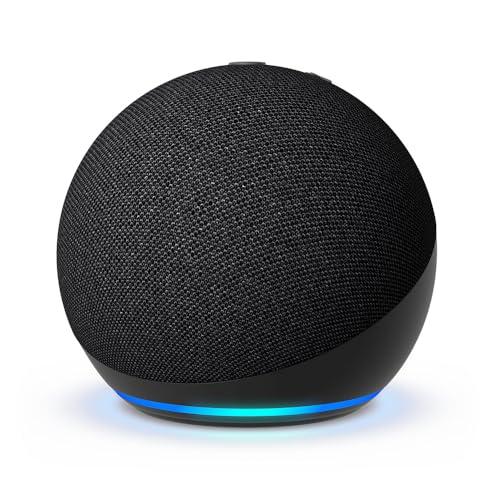
The fundamental difference lies in their interaction models. The Echo Show 11 assumes you want visual feedback and touch interaction alongside voice commands, while the Echo Dot 5th Generation commits fully to voice-first interaction with minimal visual elements—just a simple LED ring for status indicators.
Audio quality often determines daily satisfaction with smart speakers, and both devices approach this challenge differently based on their form factors and target use cases.
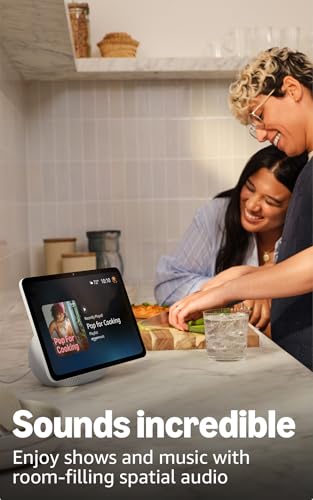
The Echo Show 11 incorporates what Amazon calls "enhanced stereo audio" with front-facing drivers positioned beneath the display and a custom woofer for deeper bass response. This configuration fires audio directly toward users rather than omnidirectionally, creating what the company describes as "room-filling spatial audio." The larger physical space allows for bigger drivers and more sophisticated audio engineering, including stereo separation that creates a wider soundstage for music and media.
Based on our research of expert and user reviews, the Show 11's audio performance significantly outpaces smaller smart speakers, delivering the kind of sound quality you'd expect from a dedicated wireless speaker in the $100-150 range. The forward-firing design means you get consistent audio quality whether you're directly in front of the device or slightly off-axis, making it suitable for kitchen counters or desk setups where you might be moving around.
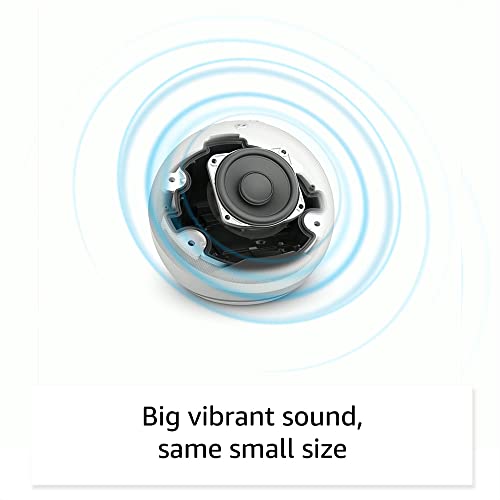
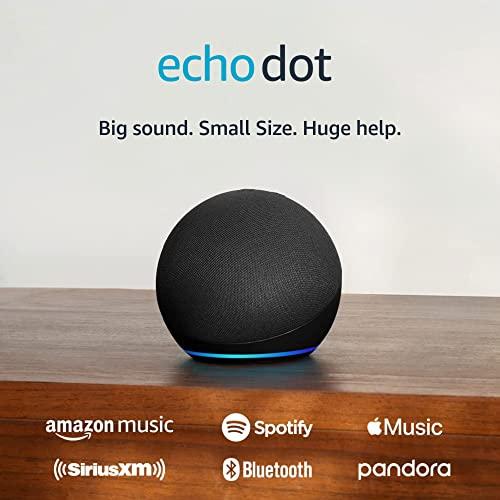
The Echo Dot 5th Generation takes a different approach with its 1.73-inch front-firing driver—Amazon's "highest-excursion driver" ever used in a Dot model. The engineering challenge here involves extracting maximum audio performance from minimal physical space. User feedback consistently indicates this generation solved the "muddy" or muffled audio complaints that plagued earlier Dot models, delivering notably improved bass response and clearer vocals.
However, the physics of small speakers create inherent limitations. The Dot performs best at low to medium volumes and in smaller spaces like bedrooms, bathrooms, or home offices. Push the volume too high and you'll encounter distortion, particularly in the bass frequencies. The omnidirectional design means audio quality varies depending on placement—it sounds best when positioned away from walls and corners that might cause reflections.
For music listening, the Echo Show 11 clearly wins on pure audio quality, offering the dynamic range and volume needed for active listening sessions. The Echo Dot 5th Generation serves better as background music or ambient audio, excelling at voice interaction and simple audio tasks like timers, news briefings, and casual music while cooking or working.
The three-year development gap between these devices shows most clearly in their processing capabilities and AI features, areas that directly impact daily responsiveness and functionality.
The Echo Show 11 runs on Amazon's AZ3 Pro chip, which includes dedicated AI accelerators—specialized circuits designed to handle machine learning tasks efficiently. This isn't just marketing speak; the practical impact means faster voice recognition, quicker response to commands, and the ability to run more sophisticated AI processing directly on the device rather than sending everything to Amazon's cloud servers. The device also features what Amazon calls "Omnisense sensor fusion," combining data from multiple sensors including cameras, microphones, ultrasound, Wi-Fi radar, and accelerometers to create contextually aware responses.
This processing power enables the Show 11's most impressive feature: Alexa+, Amazon's next-generation AI assistant. Alexa+ represents a significant leap in conversational AI capability, offering more natural dialogue, better context understanding, and proactive suggestions based on your habits and environment. At the time of writing, Alexa+ comes preinstalled on the Show 11 and is free with Prime membership, though it's currently limited to US users.
The Echo Dot 5th Generation uses the older AZ2 Neural Edge Processor, which was still a significant upgrade from earlier Echo devices when it launched. User reviews consistently note faster response times compared to previous Dot generations, but it lacks the advanced AI capabilities and dedicated accelerators found in the newer chip. This means sticking with standard Alexa, which remains highly capable for routine smart home control, music playback, and information queries, but doesn't offer the conversational advancement of Alexa+.
In practical terms, both devices respond quickly to basic commands like "turn off the lights" or "play my morning playlist." The difference becomes apparent with more complex requests, contextual follow-up questions, or when using advanced smart home automation. The Show 11's superior processing allows for more sophisticated scene understanding and proactive suggestions that feel genuinely helpful rather than intrusive.
Smart home control capabilities reveal another fundamental difference in how these devices approach home automation, with implications that extend far beyond their individual features.
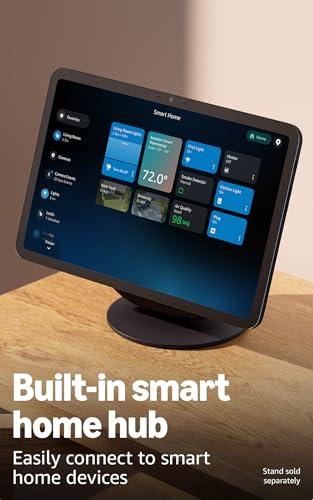
The Echo Show 11 functions as a comprehensive smart home hub, supporting Zigbee, Matter, and Thread protocols directly. For those unfamiliar with these terms: Zigbee and Thread are wireless communication protocols designed specifically for smart home devices, offering more reliable connections and better battery life than Wi-Fi for sensors and switches. Matter is a newer standard that allows devices from different manufacturers to work together seamlessly. The Show 11 also acts as a Thread Border Router, which essentially means it can coordinate Thread-based devices and connect them to your home internet.
This hub functionality means you can connect compatible smart switches, sensors, and bulbs directly to the Show 11 without needing separate hubs from manufacturers like Philips (for Hue lights) or Samsung (for SmartThings devices). The visual interface then provides intuitive control panels, device status displays, and automation management that's far easier to navigate than smartphone apps.
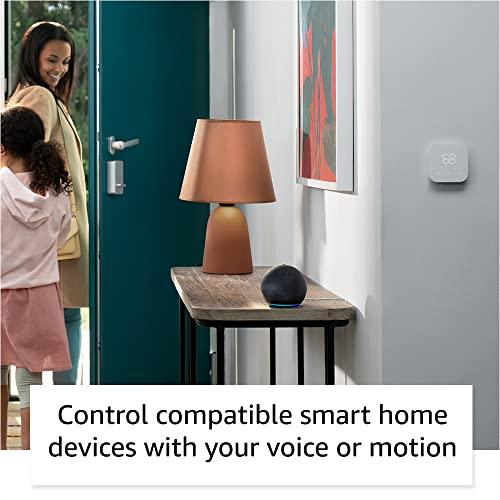
The Echo Dot 5th Generation takes a different approach, focusing on unique sensors rather than hub functionality. Its built-in temperature sensor enables automation based on environmental conditions—automatically turning on fans when rooms get too warm or adjusting smart thermostats based on actual room temperature rather than thermostat location. The ultrasound motion sensor can detect when someone enters a room, triggering lights or music without requiring separate motion detectors.
Interestingly, the Dot also includes eero Wi-Fi extender capability, allowing it to boost your home network coverage by up to 1,000 square feet when paired with compatible eero systems. This feature addresses a common smart home challenge: maintaining strong Wi-Fi connections throughout larger homes.
Based on our research, users consistently find the Echo Show 11 superior for managing complex smart home setups with multiple device types and brands. The visual interface makes troubleshooting connection issues and managing device groups significantly easier than voice-only control. However, the Echo Dot 5th Generation excels at discrete automation—those "set it and forget it" routines that happen automatically based on environmental conditions or presence detection.
The presence or absence of a display creates entirely different user experiences that extend beyond obvious factors like watching videos or making video calls.
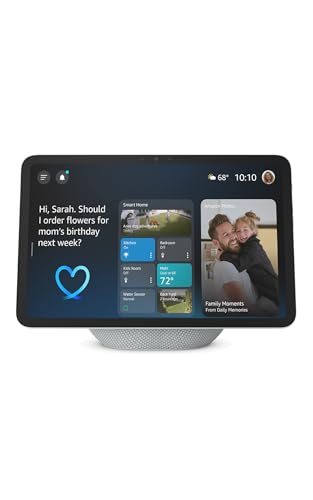
The Echo Show 11's 10.95-inch Full HD touchscreen uses what Amazon calls "in-cell touch technology" and "negative liquid crystal design"—technical terms that essentially mean the touch sensors are built directly into the display panel rather than layered on top, creating a thinner profile with better touch responsiveness and wider viewing angles. The display appears to float above its woven mesh base, creating an elegant aesthetic that works well in kitchens, living rooms, or home offices.
This visual interface transforms how you interact with smart home devices. Instead of memorizing device names or group configurations for voice commands, you can see device status at a glance and tap to control. The interface displays weather information, calendar events, shopping lists, and news updates proactively, reducing the need to ask for information actively. For smart home troubleshooting, being able to see which devices are offline or having connectivity issues makes problem-solving significantly faster.
The display also enables entirely new use cases: video calling with the 13MP camera, streaming video content, displaying photos as a digital frame, showing recipe instructions while cooking, and providing visual confirmation for voice commands. The camera includes auto-framing for video calls, automatically adjusting to keep you centered in frame as you move around.
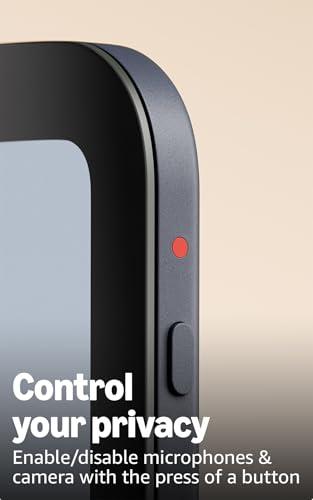
The Echo Dot 5th Generation commits completely to voice-first interaction, using only a LED ring for basic status indication. This design philosophy has several advantages: zero visual distraction (crucial for bedrooms), maximum placement flexibility, and complete privacy from cameras or screens that might feel intrusive in personal spaces.
The voice-first approach also encourages different usage patterns. Users tend to develop more natural speaking habits with voice-only devices, treating them more like conversation partners rather than computer interfaces. The lack of visual feedback means you rely more on Alexa's verbal responses, which can actually be more convenient when your hands are busy or you're moving around.
Our research indicates that visual interfaces like the Show 11 excel for information-dense tasks (managing smart home settings, viewing calendar details, following recipes), while voice-only devices like the Dot work better for quick interactions and ambient presence throughout the home.
Physical design significantly influences where and how you'll use these devices, affecting their practical value in daily life.
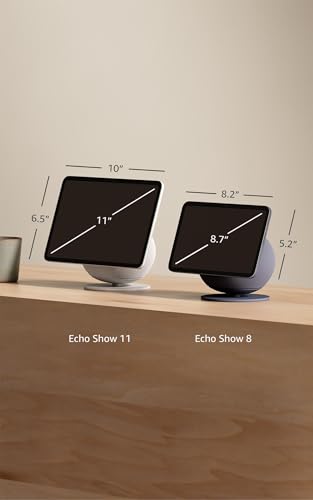
The Echo Show 11 requires dedicated surface space and careful positioning. At roughly the size of a small tablet on a stand, it needs a stable surface with clear sight lines for both display viewing and camera functionality. The fixed angle means you'll want to position it at an appropriate height for comfortable viewing—typically counter height in kitchens or desk height in offices. The premium woven mesh finish and floating display design help it integrate aesthetically into modern home decor, but it definitely has a presence in whatever room you place it.
This substantial form factor creates both opportunities and limitations. In kitchens, the large display excels for recipe display, timer management, and quick access to family calendars. In living rooms or home offices, it functions well as a digital command center for smart home control and video communication. However, it's not suitable for bedrooms where a glowing display might disrupt sleep, and it's too large for bathrooms or other small spaces.
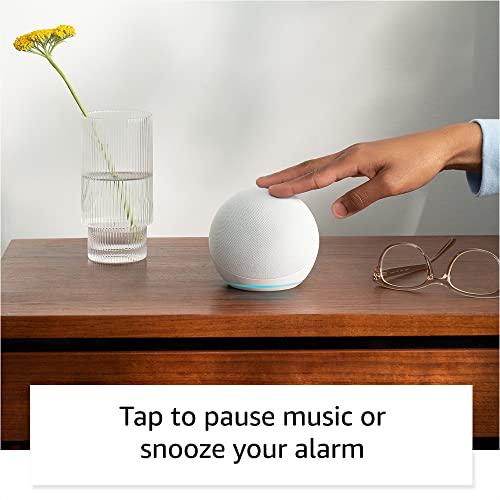
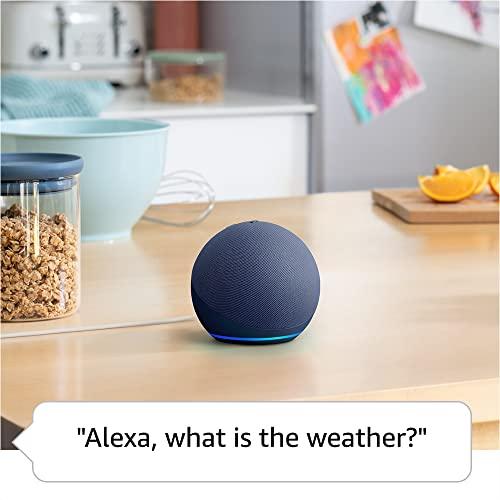
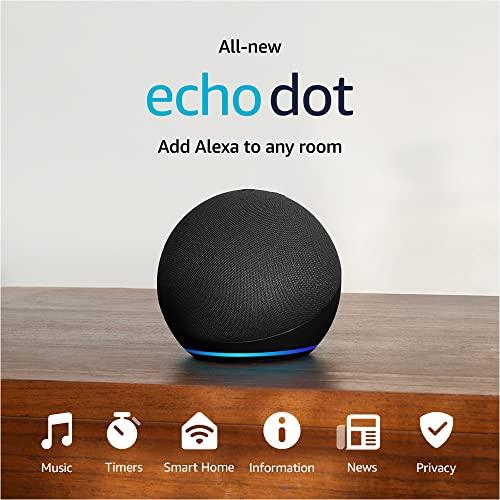
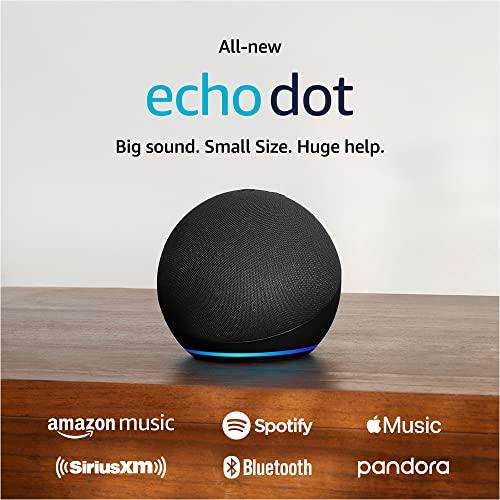
The Echo Dot 5th Generation measures just under 4 inches in diameter and weighs about 11 ounces, making it easily portable and suitable for virtually any location. Its compact spherical design with fabric covering allows discrete placement on nightstands, bathroom counters, bookshelves, or anywhere you have a few inches of space and access to power.
This flexibility enables whole-home coverage at reasonable cost. Many users deploy multiple Dots throughout their homes, creating a voice-controlled network where you can control smart devices, play music, or get information from any room. The compact size also makes it ideal for spaces where larger devices would feel intrusive or overwhelming.
However, the small form factor creates acoustic limitations. The Dot works best when placed away from walls and corners that can cause audio reflections, and its compact drivers simply can't move enough air for powerful audio in larger spaces.
At the time of writing, these devices occupy very different price points that reflect their distinct target markets and capabilities.
The Echo Show 11 positions itself as a premium smart home device, priced comparably to mid-range tablets or high-end smart speakers. This pricing reflects the included display, camera, advanced processor, and hub functionality. When evaluating value, consider that you're essentially getting a smart display, video calling device, digital photo frame, streaming media player, and smart home hub in one package. Compared to buying these capabilities separately, the integrated approach offers reasonable value for users who will utilize multiple features.
The premium positioning also means this device targets users already committed to the smart home ecosystem, typically those with existing smart devices who want a central control interface, or families who value video calling and shared information display.
The Echo Dot 5th Generation represents exceptional value in the smart speaker category, typically priced similar to basic Bluetooth speakers but offering full Alexa integration, smart home control, and unique sensors. The device frequently sees significant discounts during sales events, sometimes dropping to nearly half its regular price, making it one of the most affordable entry points into voice-controlled smart home technology.
This aggressive pricing strategy reflects Amazon's business model—they're willing to sell hardware at thin margins to encourage ecosystem adoption and ongoing service usage. For consumers, this means getting sophisticated voice AI and smart home capabilities at prices that would have been unimaginable just a few years ago.
Our research suggests the Dot's value proposition remains strong even compared to competing voice assistants from Google or Apple, particularly for users already shopping on Amazon or using Prime services.
For users considering these devices as part of home entertainment setups, the differences become particularly pronounced.
The Echo Show 11 offers genuine utility in home theater environments. Its display can show now-playing information, control smart lighting scenes for movie watching, and manage streaming services through voice commands. The enhanced audio quality means it can serve as a decent secondary audio source for casual viewing, though it won't replace dedicated soundbars or speaker systems for serious home theater use.
The visual interface excels for controlling complex entertainment setups—dimming smart lights, adjusting thermostat settings, and managing multiple streaming services becomes much easier with touch controls rather than trying to remember voice commands for every device and service.
The Echo Dot 5th Generation serves a different role in entertainment spaces. Its compact size allows placement near seating areas for voice control without visual distraction during movie watching. The motion sensor can automatically trigger lighting scenes when people enter the room, and the temperature sensor can maintain comfortable viewing environments automatically.
However, the Dot's audio limitations mean it's not suitable as a primary entertainment device. It works well for background music during parties or casual listening, but can't provide the dynamic range needed for movie soundtracks or critical music listening.
For home theater integration, the Show 11 offers more comprehensive control and utility, while the Dot provides discrete automation and voice control without interfering with the viewing experience.
After researching extensive user feedback and expert opinions, clear usage patterns emerge that should guide your decision.
Choose the Echo Show 11 if you want a central smart home command center that combines visual control with advanced AI capabilities. This device excels for families who value video calling, users who prefer visual confirmation of smart home commands, and anyone who wants to consume media content alongside voice control functionality. It's particularly valuable in kitchens where the display helps with recipes and family organization, or in home offices where it can manage calendars and provide quick access to information.
The Show 11 also makes sense for users building comprehensive smart home systems who would benefit from integrated hub functionality, eliminating the need for separate hubs from device manufacturers. If you're already invested in the Amazon ecosystem and want cutting-edge AI capabilities, the Alexa+ integration offers genuinely advanced conversational AI that feels more natural than standard voice assistants.
Choose the Echo Dot 5th Generation for whole-home voice control, discrete automation, or as an affordable entry into smart home technology. This device excels in bedrooms where visual displays would be disruptive, bathrooms where space is limited, or any situation where you want voice control without visual presence. The unique sensors enable sophisticated automation scenarios that work invisibly in the background.
The Dot also represents the better choice for users who value privacy, prefer minimal visual technology in their homes, or want to deploy multiple voice assistants throughout their house without significant investment. Its exceptional value makes it practical to place one in every room, creating seamless whole-home voice control.
Consider your primary use cases carefully: if you find yourself reaching for your phone to check weather, manage smart home devices, or video chat with family, the visual interface of the Echo Show 11 will likely improve your daily experience significantly. If you primarily want voice control for music, smart home automation, and information queries, the Echo Dot 5th Generation delivers excellent capability at outstanding value.
Both devices represent solid choices within their categories, but understanding these fundamental differences in approach, capability, and intended use will help you choose the one that best fits your lifestyle and smart home goals.
| Amazon Echo Show 11 Smart Display | Amazon Echo Dot 5th Generation Smart Speaker |
|---|---|
| Display - Determines visual interaction capabilities and content consumption | |
| 10.95-inch Full HD touchscreen with adaptive brightness | No display - voice-only interaction with LED status ring |
| Audio Quality - Critical for music enjoyment and room-filling sound | |
| Enhanced stereo with front-firing drivers and custom woofer | Single 1.73" front-firing speaker with improved bass |
| Processor - Affects response speed and AI capabilities | |
| AZ3 Pro chip with AI accelerators for faster processing | AZ2 Neural Edge Processor (previous generation) |
| AI Assistant - Impacts conversation quality and smart features | |
| Alexa+ with advanced conversational AI (US only) | Standard Alexa with reliable voice recognition |
| Camera - Enables video calling and visual recognition features | |
| 13MP camera with auto-framing for video calls | No camera - purely voice-based interaction |
| Smart Home Hub - Determines direct device connectivity without extra hubs | |
| Built-in hub supporting Zigbee, Matter, Thread protocols | No hub functionality - requires separate hubs for Zigbee devices |
| Special Sensors - Enable automated responses to environment | |
| Multiple sensors including ultrasound, Wi-Fi radar, accelerometer | Temperature sensor and ultrasound motion detection |
| Form Factor - Affects placement flexibility and room integration | |
| Larger footprint requiring dedicated counter/desk space | Compact 4-inch sphere fits anywhere with power access |
| Network Features - Additional connectivity benefits | |
| Thread Border Router for smart home networking | eero Wi-Fi extender capability (up to 1,000 sq ft) |
| Release Generation - Indicates technology advancement and future support | |
| 2025 release with latest Amazon technology | 2022 release with proven, stable performance |
| Value Positioning - Price vs feature relationship | |
| Premium pricing for comprehensive visual smart home control | Budget-friendly entry point into Echo ecosystem |
The Amazon Echo Show 11 Smart Display delivers significantly better audio quality with its enhanced stereo speakers, front-firing drivers, and custom woofer that provides room-filling sound. The Amazon Echo Dot 5th Generation Smart Speaker offers improved audio over previous generations but is best suited for casual listening in smaller spaces. For serious music enjoyment, the Echo Show 11 is the clear winner.
Only the Amazon Echo Show 11 Smart Display can play videos with its 10.95-inch Full HD touchscreen, making it perfect for streaming shows, YouTube, or video calls. The Amazon Echo Dot 5th Generation Smart Speaker has no display and is purely voice-controlled, so video content isn't possible. If video consumption matters to you, the Echo Show 11 is your only option.
The Amazon Echo Dot 5th Generation Smart Speaker is much more compact at just 4 inches in diameter, fitting easily on nightstands, shelves, or counters without taking up significant space. The Echo Show 11 requires dedicated surface area like a small tablet and needs proper positioning for optimal viewing. For minimal footprint, the Echo Dot 5th Gen wins hands down.
The Amazon Echo Show 11 Smart Display functions as a full smart home hub with built-in support for Zigbee, Matter, and Thread protocols, eliminating the need for separate hubs. The Amazon Echo Dot 5th Generation Smart Speaker doesn't include hub functionality but offers unique temperature and motion sensors for automation. For comprehensive smart home control, the Echo Show 11 provides more capability.
The Amazon Echo Show 11 Smart Display excels at video calling with its 13MP camera, auto-framing technology, and large display that makes conversations feel natural. The Amazon Echo Dot 5th Generation Smart Speaker has no camera or display, limiting you to voice-only calls through the Alexa app. For family video chats, the Echo Show 11 is essential.
The Amazon Echo Dot 5th Generation Smart Speaker works perfectly in bedrooms with its compact size, no glowing display to disrupt sleep, and quiet operation for alarms and timers. The Echo Show 11 may be too bright for bedroom use and takes up valuable nightstand space. For bedroom placement, the Echo Dot 5th Gen is the better choice.
The Amazon Echo Show 11 Smart Display typically responds faster thanks to its newer AZ3 Pro processor with AI accelerators and advanced Alexa+ integration. The Amazon Echo Dot 5th Generation Smart Speaker still responds quickly with its AZ2 processor but lacks the cutting-edge AI capabilities. Both are responsive, but the Echo Show 11 has a slight edge in speed and intelligence.
The Amazon Echo Show 11 Smart Display offers better home theater integration with its visual interface for controlling smart lights, displaying now-playing information, and managing streaming services. While neither device replaces dedicated sound systems, the Echo Show 11 provides more comprehensive entertainment control. The Amazon Echo Dot 5th Generation Smart Speaker works well for discrete voice control without visual distraction during movies.
The Amazon Echo Dot 5th Generation Smart Speaker provides exceptional value as an affordable entry point into smart home technology with full Alexa integration. The Echo Show 11 costs significantly more but includes premium features like the display, camera, and smart home hub. Value depends on your needs - the Echo Dot 5th Gen for basic smart home control, the Echo Show 11 for comprehensive visual interaction.
Yes, both devices control smart home devices through Alexa, but differently. The Amazon Echo Show 11 Smart Display provides visual control panels and device status displays alongside voice commands, plus built-in hub functionality for direct device connections. The Amazon Echo Dot 5th Generation Smart Speaker relies on voice commands and smartphone apps but includes useful temperature and motion sensors for automation.
The Amazon Echo Show 11 Smart Display excels in kitchens with its large display for recipes, timers you can see across the room, family calendar management, and superior audio for music while cooking. The Echo Show 11 transforms kitchen functionality beyond what voice-only devices can offer. While the Amazon Echo Dot 5th Generation Smart Speaker works for basic kitchen tasks, it can't match the visual convenience.
The Amazon Echo Dot 5th Generation Smart Speaker makes sense for multiple units throughout your home due to its affordability and compact size, creating whole-house voice control. The Echo Show 11 typically works better as a single central command center in main living areas due to its size and higher cost. Most users buy one Echo Show 11 for primary control and supplement with multiple Echo Dot 5th Gen units in other rooms.
We've done our best to create useful and informative comparisons to help you decide what product to buy. Our research uses advanced automated methods to create this comparison and perfection is not possible - please contact us for corrections or questions. These are the sites we've researched in the creation of this article: notebookcheck.net - techradar.com - matteralpha.com - bestbuy.com - aboutamazon.com - cordcuttersnews.com - soundguys.com - reviewed.com - youtube.com - youtube.com - whathifi.com - youtube.com - youtube.com - dell.com - bestbuy.com - youtube.com - youtube.com - nfm.com - soundguys.com - staples.com - homedepot.com - techradar.com - gadgets360.com - youtube.com - versus.com - en.wikipedia.org

Privacy Policy
Terms and Conditions - Affiliate Policy
Home Security
© Copyright 2008-2026.
11816 Inwood Rd #1211, Dallas, TX 75244